Aphantasia Cure: How Alec Figueroa Helps Clear The Self-Diagnosis Confusion
Mar 21, 2019
Show notes
If you’ve been looking for an aphantasia cure, you’re in luck.
Here’s why:
Alec Figueroa of AphantasiaMeow has been developing an objective aphantasia test while working with real people.
As a result of his research and helping create change with clients, Alec has uncovered some of the most likely paths you might need to find a lasting solution.
Not Sure If You Need The Aphantasia Cure?
Try this quick test:
Imagine you are on a beach at sunset.
Can you hear the waves crashing against the shore?
Do you feel a gentle breeze against your skin and the sand between your toes?
Can you taste the faint saltiness of the ocean? Can you picture the fiery hues as the sun meets the water on the horizon?
When you close your eyes and picture this scene is it vivid?
Is it an experience as if you are really there? Can your sensory memory pick out a variety of sensations?
Or is your experience lost in fog… dull, distorted, and distant?
Or… is there nothing, only blackness?
If you see nothing in your mind…
Listen To Someone Who Cares About Curing Aphantasia
On today’s Magnetic Memory Method podcast I speak with imagination and aphantasia expert, Alec Figueroa.
Also known as “AphantasiaMeow,” Alec has been helping many people remove aphantasia from their lives.
We discuss his work with those who struggle with the idea that they do not have a “mind’s eye.”
And those who may not have been able to picture that beautiful beach at sunset have experienced tremendous relief.
Although this phenomenon was first introduced in 1880, it wasn’t until the mid-2000s that the idea of mental blindness began to be explored.
With studies still in the early stages as compared to other mental health fields Alec is on the forefront of bettering the lives of those whose imaginations are not as vivid as they would like.
Why People Seek Help When They Can’t Visualize
You may be skeptical of this idea of aphantasia, finding it hard to believe that someone couldn’t close their eyes and picture a juicy red apple, a shiny new bicycle, or freshly fallen snow on command.
But I feel empathy, because I don’t really see pictures in my mind either. And if curiosity is driving you, read on and click play on the episode to hear Alec’s approach to removing the problem.
You may have come here searching for answers because (depending on the source) you are the 4-5% of the population, or the 1 in 50, who is affected by aphantasia.
You may have heard of Alec’s work and wondered “Can he help me?” or, better still, “Can he help me help myself?”
Whatever the case, you are here now. And there really does seem like Alec’s aphantasia cure will help you.
And it seems to me that part of the reason Alec’s approach works is because many people seek help due to FOMO (fear of missing out).
That means they might be forgetting to focus on the glorious experiences they do have (such as we’ve seen from Penn Jillette).
But if you’re on this page, you’re either on a self-help journey for yourself, a loved one, or simply seeking to expand your knowledge on cutting edge brain health discoveries.
Interview Highlights
By listening to this interview today, you’ve taken the first step and congratulations are in order…we’ll be imagining ourselves sipping memory friendly drinks from coconuts sooner than you think!
All you need to do is press play and you will discover:
How to define the concepts of aphantasic, hyperphantasic, and prophantasic
Aphantasia versus a disorder (you don’t have to feel at a disadvantage to others)
The confusion surrounding aphantasic self-diagnosis techniques
Why a visual imagination may not be present
How to develop the mind’s eye through mental exercise
In sum, there are many brain training exercises out there. But if you have aphantasia, what Alec offers is most likely the best. Follow up with him and let him help you!
Further Resources on the Web, This Podcast, and the MMM Blog:
Aphantasia Meow. This is Alec’s official website. It includes the VIVIQ (Vividness of Visual Imagery Questionnaire). This test was originally developed at the University of Exeter and is still under development.
Alec interviews me about my experience of SUDDENLY becoming visual:
https://www.youtube.com/watch?v=k0F9gOgGOqc
As I mentioned above, Alec is doing hands on work with people and creating positive transformation. Book a time with him if you need help!
5 Sensory Memory Exercises For Better Memory Palace Success
Mar 08, 2019
Show notes
As someone who is not very visual, I’m glad I learned how to tap into various aspects of my sensory memory to help me use memory techniques better. At first, I resisted sense memory exercises related to visual experience. I preferred any other sensory modes other than trying to work with visual images. In hindsight, that was silly. But it was really hard coming to grips with the fact that I don’t see pictures in my mind. After all, how is a “Memory Palace” and other mnemonic techniques supposed to improve retention and recall if you can’t “see” images in your imagination? Well, whether you’re low on the visual scale, like me, or experience full-blown aphantasia, there are solutions. And to help you explore them, I’ve got 5 simple sense memory exercises. Each will help extend your abilities with memory techniques thanks to the full range of sensory practice they provide. You’ll get visual memory practice too when you dive right into the video guide I’ve created for you: https://www.youtube.com/watch?v=2rUi7LNPHSA To extend your understanding and give you more context before providing the exercises in written form below, let’s talk about how and why these sensory memory activities are useful. How to Improve Sensory Memory Using These Exercises To improve sensory memory, you need to practice deliberately recalling specific sensations from real experiences. This means thinking back to sounds, textures, aromas, even the “feel” of certain logical connections. That way, you can use these sensory memories while practicing memory techniques like the Memory Palace. In other words, sensory memory training and mnemonics aren’t separate activities. You improve both by doing both together. Does this approach hold up under pressure? Yes. I’ve tested it in public more times than I can count: a TEDx talk, demonstrations reciting thousands of words of Sanskrit across dozens of mantras, univocalic poetry that’s difficult by design. And most recently, I delivered an oral law school examination and passed with an A+. The protocol is simple: work through the five exercises below deliberately, alongside your regular Memory Palace practice. Not one or the other. Both. Sensory Memory Techniques Defined Our ancestors noted that we tend to remember better when tapping into our senses. Aristotle discusses the role of mental imagery in De Memoria and later mnemonists like Peter of Ravenna and Jacobus Plublicius turned this approach into exercises. Ravenna, for example, describes a specific memory improvement game in The Phoenix. To win it, you need to follow his instructions for memorizing information better than other players by adding imagined sensations. It’s based on the same processes he used to excel as a jurist, learn languages and recite memorized scripture. And that’s the technique: Adding as many imaginary layers of sensation as you can while using mnemonics. Now let’s get started with the first exercise. #1: The Auditory Sensory Memory Palace Trick Think about a familiar place and recall what it sounded like. Or connect some aspect of the location with sound. Take your school, for example. When I think purely about sound in combination with one of the high schools I attended, I hear the voice of Mr. Andrews: “Render therefore unto Caesar the things which are Caesar’s, and unto God the things that are God’s”. He used to say this every time we were supposed to hand in our homework. I still have an idea of what the classroom looked like and where it was in the school. And since Mr. Andrews was a big fellow, I have a general sense of his physical presence. But it’s his voice that really stands out. Likewise, I think of my various band teachers and can even place where different sections of the orchestra were in the different rooms without needing to render a visual picture. Zero Visualization Needed There is a way to turn this into a picture that requires zero visualization, but we’ll get to that soon. For now, is this a cool memory trick or what? The more you focus just on sounds, the more you’ll explore powerful dimensions of your memory. This auditory focus will make a huge difference. Especially in connection with the tutorial I’ve created for you on mining your autobiographical memory for more Memory Palaces. It works nicely in combination with these episodic memory exercises. #2: The “What do you feel?” Exercise Let’s go for something soft with this next exercise. When I first completed this routine, I thought of my stuffed Cheshire cat. I’ve had two in my life – one from when I visited Disneyland around age 10 and one my mom sent me just a few years ago to replace it. (I had to get rid of the old one during one of my epic moves around the globe. Thanks for getting me a new one, mom!) In terms of the Memory Palace this plush animal brings to mind, it’s not Disneyland. Although I have used this famous theme park as a source of Memory Palaces before, in this case, I thought of the plane ride home from visiting Anaheim, California. Now, you might think that an airplane is not great Memory Palace material. Au contraire. Airplanes can be quite fantastic. They’re simple and can be divided in multiple ways. Plus, some of my favorite students have been pilots, as you can see on the Magnetic Memory Method Testimonials page. A Smiling Sensory Memory Example Anyhow, I have this vague memory of being a 10 year old hugging the Cheshire cat. He joins me here in this video summary of today’s exercises: To make this feeling-based brain exercise work, I really dig into what hugging my toy felt like in my memory. Then I dig further. If you’re new to this kind of exercise, it can feel like a stretch at first. But keep exploring. If you follow along with me and find a plane trip of your own to explore, you can indeed find other physical sensations related to flying that come to mind. Try accessing these different levels of sensation-based memory for yourself: The softness (or hardness) of the seat beneath you The temperature of the glass when you touch the window The feeling of anticipation as the plane accelerates down the runway Suddenly, all kinds of sensations emerge when you complete this simple memory exercise. Now It’s Your Turn Think about flights you’ve taken. (Or train trips, road trips, etc.) When I completed this exercise, all kinds of flights I’d forgotten emerged. Write the ideas that come up into a Memory Journal and include all the sensations you can think of. Think of it as a kind of personal, private sensory memory test. Bang presto! When I completed this exercise, I found myself with oodles of airplane and airport Memory Palaces to work with along with a wide variety of sensations. Memory exercises like these are the closest thing to real magic that exists, don’t you think? Especially when used in the context of these additional recovered memory exercises. Give them all a try! #3: The Concepts Are King Exercise In a nutshell, this exercise helps you explore what you think and remember conceptually. Now, this one is a bit of a stretch, I’ll admit. But stretching is good. Start with one of the most basic concepts: Truth. What comes to mind when you think of the truth? I think of libraries. And when I think of libraries, a ton of them come to mind. In fact, I’ve worked in three of them, and studied in dozens more. Each library makes for a great Memory Palace. Next, think of a concept like justice. It’s true: During high school I once wound up in the drunk tank. It sucked back then, but makes for an interesting Memory Palace now. I took law in high school and observed a few court cases too. I had a friend who was a lawyer before he went to the great Memory Palace in the sky and he comes to mind too – all from thinking about the concept of justice. The concepts of math, chemistry, weather all bring multiple associations – and not a single one of them can be seen visually, strictly speaking. They’re just concepts. And thinking about Einstein for math, Breaking Bad for chemistry and a meteorologist I know named Dave don’t require me to make mental images either. Remember: lowering the cognitive load always helps you learn faster and remember more. Anthony Metivier during a rare cheat in a Beijing dumpling restaurant #4: The Delicious Aroma Exercise I’ll bet at least one person in your family has some kind of secret recipe. And even if it isn’t secret, there’s a dish they make really well that you adore. Maybe even something based around foods that improve memory. Now, although I can’t eat a large number of things I used to love, my mom’s zucchini bread comes to mind. My dad also makes a mean spaghetti. And since we moved around a lot, quite a few kitchens come to mind for use as Memory Palaces. Then I think of a few romantic meals I’ve had over the years. These took place in buildings ranging from the CN Tower in Toronto to the Pizzeria Monte Carlo in Rome. Even as someone who isn’t a foodie, there are oodles of tastes and aromas that come to mind all over the world. Fruit juices and dates in Cairo, Lingonberry jam in Sweden, dumplings in Beijing… all wonderful Memory Palaces just waiting to be unlocked from memory. I’ll bet you have dozens of options. An “Un-visualized” Berlin Memory Palace #5. The “Un-Visualization” Memory Palace Exercise What? How can you “un-visualize” something? Let me answer that question for you: All you have to do is draw your Memory Palaces. On paper. Instead of trying to juggle space in your mind, make it simple. Rather than trying to imagine the rooms and hallways and garages and driveways and all kinds of things that you might not be able to see clearly in your mind, break it down into simple squares. Rest assured, multiple stages of memory will get exercised as you do this. Now, sometimes people email me with the concern that they aren’t able to draw. If that’s you, please watch this tutorial for alternatives: https://www.youtube.com/watch?v=FP2B5CMmIdk Regardless of whether I draw my Memory Palaces or think about them purely in my mind, here’s an important consideration: When I first encountered memory techniques and the Memory Palace, I couldn’t fathom how on earth I was supposed to see myself moving through a building I wasn’t in. And that’s a very good thing, because the strange explanations I was reading prompted me to solve this issue for myself through experimentation. It also got me interested in studying far more than the books written by memory competitors. As a result, I wound up going deep into the history of these techniques, far deeper than Yates’ The Art of Memory, that’s for sure. And reading between the lines of texts like the Rhetorica ad Herennium, I discovered that they weren’t really talking about visualizing their Memory Palaces. And the notion of making them tactile and strategizing them before using them gave me the idea to make them tactile in the simplest and easiest way you can: With pencil and paper. And as soon as I got results from doing this, I couldn’t stop exploring! I am still amazed by just how many buildings I can visit in my mind. Making them visual simply by drawing squares on paper makes memory training so much easier. So, whether you can sketch or not, this final exercise will help you find more Memory Palaces and use them. It’s powerful. How Memory Athletes Experience Sensory Memory When Using Mnemonics As mentioned, I don’t see pictures in my mind. Although I can’t say that I see “nothing” at all, I find the murky visual sensations I experience to be useless, if not distracting. When I tell my memory athlete friends about my experience, they either: Know exactly what I mean Use some of the same processes I’m about to share Rarely describe how they are purely “visual” in some sense I have yet to understand… I say “some sense,” because even with our current technology, it’s not possible to peer into anyone else’s imagination, let alone understand the various types of memory involved in someone else’s process. Anyhow, if you’ve followed the Magnetic Memory Method Podcast for any amount of time, you’ve probably heard some of these conversations before. If not, I recommend you listen to some of the interviews with memory athletes I’ve recorded over the years. I’ve learned a ton that have improved my practice and even re-listening to some of them will help your practice too. Here are some of my favorite episodes that touch upon sensory memory and the true nature of mnemonic images as the real pros use them: Nelson Dellis on visual memory techniques Alex Mullen on building speed with mnemonics Mark Channon on memory and acting (very multisensory) Tansel Ali on gratitude in memory improvement John Graham on using memory training obstacles Idriz Zogaj on memory training apps Of course, you need to listen to these episodes with yourself in mind. Why? Because at the end of the day, it doesn’t really matter what other people do in their minds. Each of us experiences only one mind. And that’s the mind we’ve been blessed with. Plus, we each have our own experience of visual memory. And what a blessing that there are so many differences when it comes to sensory learning. But don’t get me wrong: I do understand that some people currently have miserable experiences, and not being able to use the main memory techniques must be very miserable indeed. But that doesn’t have to be you. No More Excuses Along Your Memory Training Journey Let’s face it: People with no hands can draw Memory Palaces with their teeth, their feet or even ask for others to help. I know this for a fact because I’ve had correspondence from people who can’t move anything but their mouths. Yet, each have created and used Memory Palaces by drawing them nonetheless. Or by following some of the suggestions in the video above about what to do if you can’t develop your use of the method of loci through simple sketches. In sum: There really are no excuses. Of course, if you don’t want to join the great memory tradition, no problem. I don’t want to learn how to pack a parachute and jump out of a plane. Some things just aren’t for everyone. But if you do and you’ve ever struggled with the visual element, here’s a bold promise: You really can rest assured that you can use memory techniques and they will work for you even without seeing pictures in your mind. Here’s the best way I can show you how: In fact, due to an interesting turn of events, I wound up competing once at a competition with mental athlete and memory expert Dave Farrow. Based on that experience, I can tell you that there’s really no time to create pictures in your mind when the cameras are rolling and the clock is on. The mnemonics I created in that short competition were almost purely conceptual and I was pleasantly surprised by just how well I did… Especially as someone completely unprepared and with zero competition practice, history or particular interest in throwing down the gloves. So even if you are hyper-visual, you’ll want to consider the advantages of adding these other senses to your memory practice. What do you say? Can you imagine yourself moving from a purely visual approach to using memory techniques to a multi-sensory approach? I promise you’ll enjoy better results from memory techniques as a result. And if you need more, here are 5 Memory Palace Examples to improve your memory training practice.
3 Memory Palace Training Exercises [Beginner-Intermediate-Advanced]
Feb 15, 2019
Show notes
Are you searching for Memory Palace training exercises and an easy way to create your first (or second) Memory Palace Network?
And do you find yourself frustrated by:
Memory training apps that fail to deliver?
Endless how-to posts on the Internet that “guarantee” results?
Memory improvement books that leave you entertained but you still find yourself no closer to using the tools that will help you build your memory?
You know what?
I know it can seem like an endless loop of information when it comes to memory training on the Internet.
It’s almost as if you’re on a hamster wheel, getting no closer to your destination. You may feel discouraged, or worse, ready to give up…
But before you throw your hands up in the air and admit defeat, know this:
The problem isn’t you.
The problem is the “quick fix” methods full of empty promises.
https://www.youtube.com/watch?v=px1O-j3BIHo
3 Powerful Memory Palace Training Exercises
Before we get into these memory training routines specifically designed for using Memory Palaces, here’s the very good news:.
I have developed these simple Memory Palace training exercises with beginners, intermediate users and expert mnemonists in mind.
And I know these exercises will help you to build an effective Memory Palace Network, even if you’ve never created one before or used a shred of mnemonic imagery in your life. (Scroll down for proof.)
No, the exercises on this page are not a quick fix, hack, or shortcut.
But what you’re about to discover is a simple and proven method that will help you create and implement Memory Palaces so you can:
Learn the language you always wanted
Pass your exams with flying colors
Improve your life by improving your brain heath.
Are you ready?
If so…
Brace yourself for these three, mind-blowingly simple Memory Palace training routines.
1. The Alphabet Memory Palace Exercise
Before we get started, a quick question:
Do you have a Memory Journal?
Keeping a journal is a fun way to help you remember more about your life and can even help your daily productivity.
And let’s be honest, we all need a boost sometimes to be more productive.
I can dedicate (and have) an entire blog post to the benefits of memory journaling, but let’s assume you are keeping a dedicated Memory Journal (and if not, you should).
For the Memory Palace creation exercise, here’s how to get started.
Take your Memory Journal and begin on a fresh page.
Start with the letter A. Ask yourself “Who do I know that has a home whose name starts with an A?”
Remember not to limit yourself here.
Your choice doesn’t have to be a home.
It can be the names of movie theaters, bookstores, or other places that have significant meaning to you.
Be flexible, and let your mind wander.
Progressively move through the alphabet, one letter at a time.
I recommend you continue until you have advanced through all 26 letters, jotting down names and places as you go. The alphabet will help you “walk” spatially through the associations one letter at a time.
Do you have to complete all 26-letters?
No, of course not, at least not in one go.
But I find that most people who complete this exercise need between 1-5 hours to complete it.
At the end, they have a vibrant and robust Memory Palace Network and approaches like the story method suddenly becomes much easier for them. Here are just a few Magnetic Memory Method Testimonials to tell the stories of success in their own words.
Still not convinced you can do this, or should? If so, then check out the incredible science that backs up how and why the Memory Palace technique works.
Example for the Letter A
For example, say your elementary school best friend’s name is Allen.
You can remember Allen’s home fondly, with sleepovers, and Mario Kart tournaments.
And that’s one Memory Palace you can create.
This initial memory produced by thinking of the letter “A” could lead to other memories with Allen:
Birthday parties at the local skating rink…
Trips to the local movie theater to see the latest Ninja Turtles film together…
Rock concerts, etc.
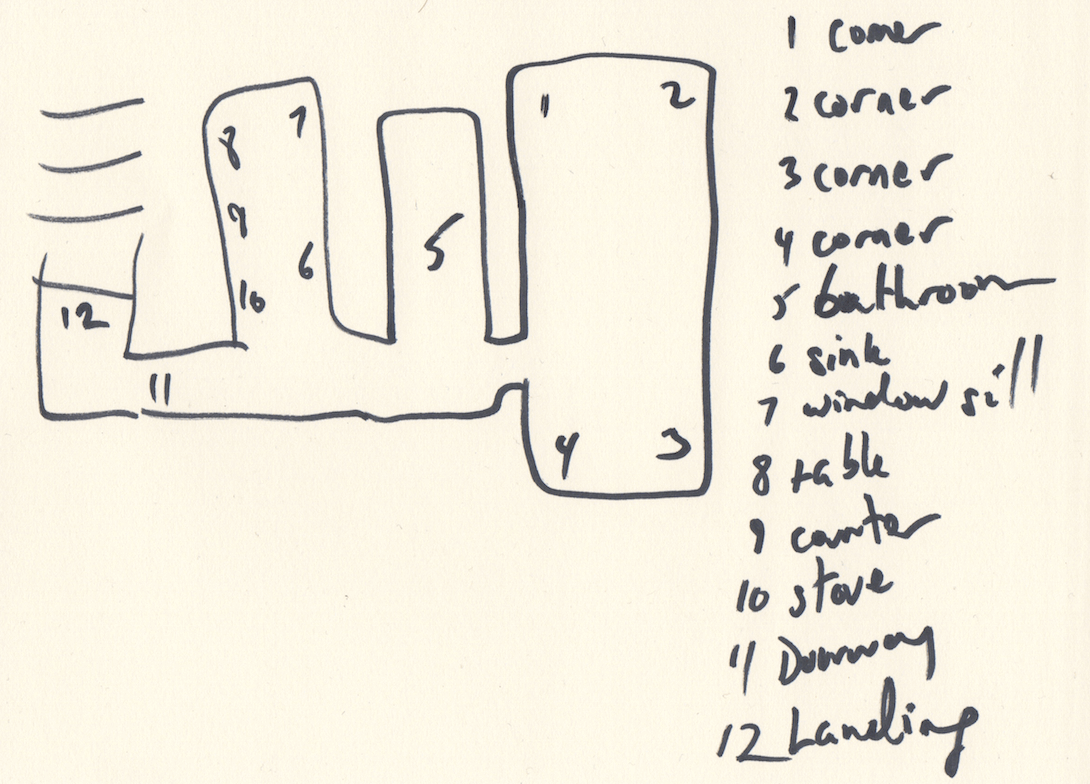
Simple Memory Palace drawing “recovered” by completing this simple Memory Palace training exercise
You can also see how Kevin Richardson used multiple Memory Palaces for Japanese. He’s not alone either: Sunil Khatri achieved great results when learning Japanese as well, all thanks to exercises like the ones you’re discovering now.
And you know what?
I use these exercises myself.
In this simple example with Allen, for example, I uncovered three new Memory Palaces! All from familiar places I wouldn’t have thought of at all without having completed this exercise.
Summing Up The Alphabet Exercise
Multiple Memory Palaces are available and can be unlocked with each letter of the alphabet. Use your Memory Journal to record these places, then build your networks from there.
As a bonus you’ll exercise your brain with the physical act of writing, engaging over 150 muscles in the process, and your penmanship will improve. Win win.
And if you want to turn this alphabet exercise into a 100-day Memory Challenge, consider using The Freedom Journal.
2. The Teleportation Memory Palace Exercise
Any chance you’re a Douglas Adams fan?
If so, you might be a bit wary of teleportation, as it’s “not quite as fun as a good solid kick to the head.”
Perhaps you prefer teleportation in the style of Doctor Who via transmat. Or maybe it‘s Star Trek’s transporter you prefer.
How about the the good “old fashioned” superior ability of teleportation of the X-Men’s Nightcrawler (my personal favorite)?
In all cases, the concept of teleportation in pop culture is familiar…
(And not just for Sci-Fi fans. Remember Dorothy Gale’s ruby slippers?)
You can harness that same power of teleportation in a practical way. Yes, it’s true.
But first you will need multiple Memory Palaces. This is where the first exercise, and Memory Journaling will be to your benefit.
Teleportation, in this sense, means that when you reach the end of a Memory Palace journey, you will make a logical leap to the next one.
Seek And You Will Find Natural Memory Palace “Bridges”
Just like the adventures with Allen we talked about above, you can find a natural “bridge” between two Memory Palaces.
For example, when I think about yet another Allen I know, he has a niece named Sophie.
Sophie and I were in a class with (yet) another Alan in high school. Now that classroom can “bridge” naturally with the original Allen’s home. It’s a simple matter to “teleport” between them.
Then, the more I think about this Alan and his character, the more my episodic memory gets valuable exercise. Autobiographical memory gets a boost as well. Yours will too.
If you can’t find a simple way for two Memory Palaces to relate, once again, move in a linear fashion through the alphabet.
But for practice and the benefit of this activity (which is also great brain exercise,) list in your “teleportation associations” in your Memory Journal.
Chances are, you’ll be able to come up with dozens in a very short period of time.
Remember:
Be flexible. Allow your mind to flow from one Memory Palace to the next. It’s easier than you think.
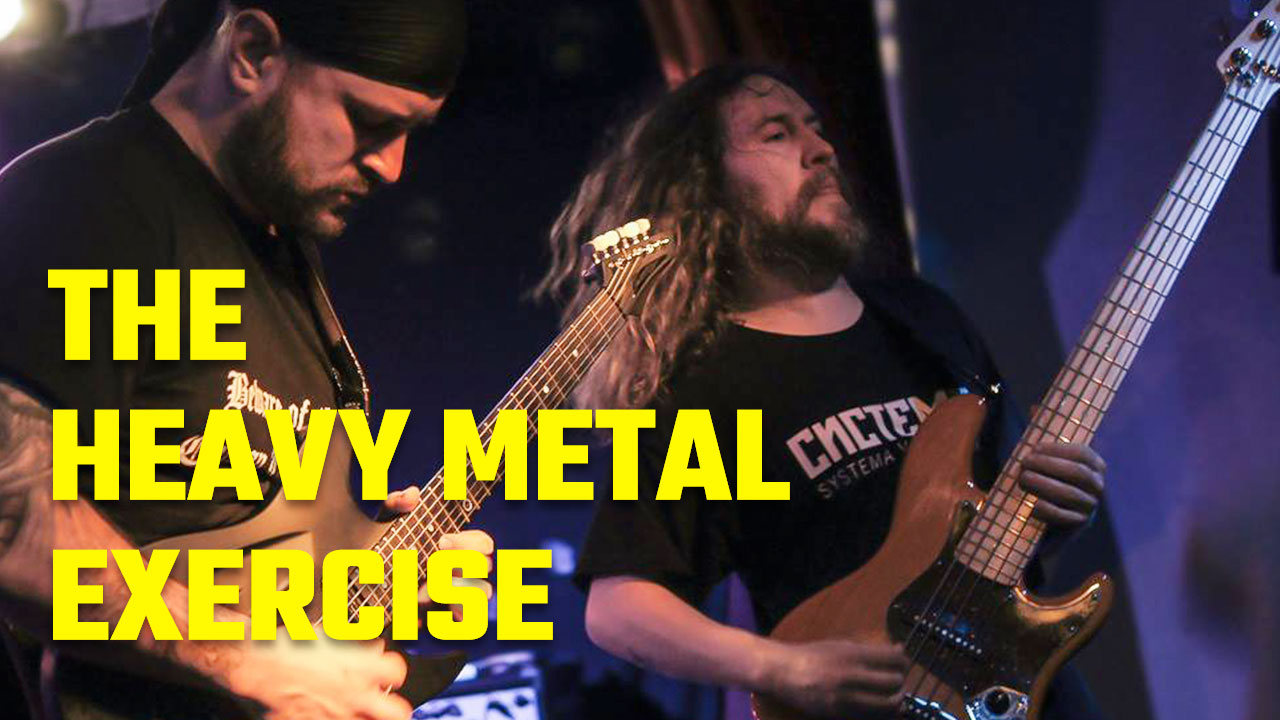
3. The “Heavy Metal” Exercise
Even though we’re talking about easy memory exercises, this is important:
Challenge yourself.
Why?
Think of memory training in the context of physical exercise.
Then think of elite level bodybuilders.
Are they able to “bulk up” without adding more weight to their routines?
Of course not.
They cannot build strength or mass without increasing the challenge of weight or number of reps.
With that in mind, think of your memory training as exactly what it is: training.
You cannot expect to improve your mental elasticity without constantly challenging yourself.
You just need to make sure you’re pushing your limits in a healthy way.
To do this, add barriers to your memory training.
Anthony Metivier with Sergio Klein during a performance in Berlin with The Outside in 2013
Example of the Heavy Metal Exercise
Here’s how:
Go to a noisy café or listen to loud music. Or combine the two by listening to loud music in a cafe.
Actively allow yourself to be in an environment full of distractions as you travel through your Memory Palaces or encode information into them.
Naturally, when you return to an ideal environment for studying, you will find you can:
I was practicing this way just by coincidence on trains throughout Europe while listening to metal before I sat to compete with Dave Farrow. It helped!
To make the exercise happen:
Crank up that heavy metal in your headphones, or immerse yourself in a public place with people walking by and conversations surrounding you.
Next, encode the information you want to memorize into one of your Memory Palaces.
Decode it immediately to test the integrity of your Magnetic Imagery.
Finally, practice decoding in the most distracting circumstances possible. For example, put on loud music while in a busy cafe looking out over a street streaming with traffic.
To add yet another additional level of difficulty, add this dice-based memory drill to help dictate exactly where in the Memory Palace you’ll recall information.
You can also just practice some of these visualization exercises when you’re in the eye of the storm.
Just like a round of pushups becomes easier when you remove a weighed backpack, you will find your mind unlocked and strengthened by this challenge.
Give these three simple exercises a try along with this free memory improvement course:
Seriously:
Incorporate these techniques into your memory training exercise and you will get results.
No smoke and mirrors and no cheesy guarantee. With a little bit of intelligent work, and a little patience, you will reach your goals. You just need an unshakeable Memory Palace training routine.
Tips that will turn the average imagination into a fast-acting mnemonics dictionary.
Need A “Hand Up” With Memory Palace Creation
While I still believe you learn the most by doing it yourself by creating your own Memory Palaces and “00-99 P.A.O.” from “scratch,” I understand that people sometimes need a “hand up” to get started.
In fact, I’ve learned over the years that for some people, personal guidance is a key element. That’s why I created the MMM Memory Dojo. It’s a weekly option for MMM Masterclass members who need additional help with priming their minds for committing information to memory using memory techniques.
And since this option only has the value its members bring, I’m delighted to have some of the best and brightest thinkers about memory techniques participating in the Memory Dojo week after week.
On today’s episode of the Magnetic Memory Method podcast, my long-time student, Sunil Khatri, shares his experiences of progressing from a beginner memory pupil with a desire to learn Korean and Japanese, to a visionary app-builder, seeking to help students more easily develop and visualize spatial memory.
Just check out his concept for a Memory Palace memory training app that will help you memorize the Periodic Table of Elements:
https://youtu.be/qLXqzcqG7N4
Now, you may remember Sunil’s name, as he has guest-hosted the podcast before, detailing his Speech Success Story.
And if you are searching for an inspirational success story to motivate you to start creating your own victories in memory improvement, or perhaps need a bit of guidance, Sunil’s experience is brimming with answers.
Idriz Zogaj On The Truth About Memory Training Apps
Jan 17, 2019
Show notes
Ever wondered if you can just invent a Memory Palace… or have a memory improvement app invent one for you?
Turns out, the answers to these questions are more than just interesting…
They could be the answers that turn you from a person struggling to improve your memory to a leading memory athlete.
After all, Idriz Zogaj has done just that.
And chances are, you know the name.
After all, he’s the man behind what is probably the world’s most viewed memory improvement TedTalk.
In addition to being a world class memory athlete and memory coach, he’s also an entrepreneur.
And when I heard about his initiative to launch a memory game and app called Memotopia, I reached out to learn more.
Best part?
We recorded our call just for you!
Key Points About Memory Training Apps
The highlight of the episode for me involved two key points:
Idriz has figured out a way to create a memory training app that lets you train solo and with others. And it’s all focused on getting you to use the skills in your mind, not on the screen. To learn all about it, please watch the Memotopia video on this page for the project.
In his previous experience with memory apps, Idriz has shown how people of even very young ages can use technology to learn the basics of association.
Why is this demonstration with younger people so profound?
Because association is the core skill of using memory techniques.
And the best part is this:
Anyone can learn to associate.
You don’t have to take my word for it. Just check out Idriz’s explanation of how easy improving your memory is in this epic memory training video:
https://www.youtube.com/watch?v=9ebJlcZMx3c
You’ll hear Idriz talk about the history of his apps for memory training on the podcast, and can check out the earlier Zogaj Gym here on the Apple Store and here for Android.
The Truth About Virtual Memory Palace Creation And Use
My second favorite part of the episode involves our discussion of creating and using a Virtual Memory Palace (or even dozens of them).
The Wise Advocate: Become A Better Leader Of Your Memory
Jan 03, 2019
Show notes
The Wise Advocate wants to help you avoid the terrible habits that keep you locked into habitual thinking…
Thinking that is deeply connected to your memory.
Yet, after reading a new book on the topic, I was puzzled…
Why in the 21st century are we sophisticated humans still being yanked around by our lizard brain?
Especially in the midst of so much knowledge about how the brain and memory works?
I’m talking about impulsive thoughts, terrible decision making and paying too much attention to horrible mental content that arises in memory.
To find out, I asked co-authors of The Wise Advocate: The Inner Voice of Strategic Leadership to explain.
In this incredible new book, Jeffrey Schwartz, Josie Thomson and Art Kleiner provide simple ways to overcome impulsive thinking and create greater leadership in your life and for others.
About the Authors of The Wise Advocate
Jeffrey Schwartz is a research psychiatrist at UCLA and a leader expert in neuroplasticity. He is the author of You Are Not Your Brain and books on overcoming obsessive-compulsive disorder amongst other topics.
Josie Thomson is an award-winning executive coach, speaker, author, and two-time cancer survivor.
Art Kleiner is the Editor-in-Chief of strategy+business and author of The Age of Heretics and Who Really Matters: The Core Group Theory of Power, Privilege and Success.
Show Notes And Stand Out Topics
Since my passion for memory can get the best of me in matters of business, I was very interested in the discussion of creating more distance and rationality in decision making.
Plus, I learned a lot from the discussion on group think, or tribe mentality, and how to overcome some of the knee-jerk reaction to appease others we see happening more and more on the Internet.
As a solution, Jeffrey suggested a kind of self-inquiry in place of visceral reactions:
“You become more aware of who you’re trying to please, why you’re trying to please that group, that person. [Thinking instead] ‘What are the implications of what you’re doing?’ You start planning and thinking more long-term.”
Finding Your Wise Advocate Is A Trainable Skill
When we train ourselves to contemplate questions like, “Why do they (others) want that?” we open ourselves up to being an impartial spectator of the world.
This impartiality leads us into a higher level of thinking to overcome this “lizard brain.”
If you want to know how your decision making can drastically improve with a shift in focus, or a directed, conscious effort to revamp your mindset in order to be a better leader, or even just lifelong learner, this podcast is for you.
You will unlock the secrets to active mindfulness through simple practice and awareness to be a quality, individualistic, strategic decision maker.
All you need to do is press play above and you’ll learn:
What exactly mindfulness is and how it can help you clarify your own goals, objectives, and ways of approaching everything in life
How to be transparent in your own thinking to achieve your long-term goals and plans
How memory can set you free with decision parameters that you make every day
The inner narrative of “gut impulses” versus the big picture of decision making
Identifying the difference between emotional reasoning and rationalizing
How obsessive-compulsive disorder relates to brain structure and value judgements
Understanding how you arrive at decisions gives you wiser choice options
The idea that habits are largely unconscious
The concept of mentalizing (not “What do others want?” but “What are they thinking and why?”)
How the desire for “fitting in” influences our decision making
How community-oriented perspectives achieve win-wins in business relationships
Rewiring the brain to a “wise advocate” frame of mind to inform decision making (for students who want to know how to study fast, this one will be key)
Applying the understanding of human behavior to goal-oriented activities
Deceptive brain messaging in the role of executive thinking
Self-directed neuroplasticity as an influencer of thought and attention of focus
Balancing non-judgmental thinking with assessment in your thought processes
How memory practice and working memory is important in taming impulsive behavior
The four steps to correct the cognitive distortions you might be making every single day
Although The Wise Advocate is directed at people in leadership roles, I highly recommend this book to all memory improvement fans.
After all, you are the leader of your memory. It needs you to be performing at your best!
Further Resources on the Web, This Podcast, and the MMM Blog:
How to Study Fast: A Guide To High Volume Learning At Speed
Dec 13, 2018
Show notes
If you’re serious about learning how to study fast, get ready to say goodbye to those horrible emotions of anxiety and fear. That’s right. Instead of wringing your hands in terror every time you’re facing an exam or professional certification… You can simply sit back and congratulate yourself on a job well done. How can you trust me? Great question. Here’s the answer: I’ve got a Ph.D., two Masters, a BA and several certifications. And I’m here to tell you that you really can study quickly and effectively without all the stress others go through. Let’s get started. How To Plan For Speed Studying Using Effective Scheduling First things first, please understand this: You should always schedule a planning session for how you’re going to get enough studying done. Now I know you may be thinking that this seems contradictory. After all, you want to study quickly, and planning feels like it takes more time than it’s worth. But think of it like this. You’re throwing a backyard barbecue for your friends and family. It’s late summer and still quite hot outside. What’s the number one thing your guests will need? A cold drink! You wouldn’t be prepared for the party if you just relied on your three measly ice trays in the freezer to chill everyone’s drinks would you? Certainly not! You’d stock up on bagged ice from the store along with all your other BBQ essentials. You could only be prepared for your guests if you planned ahead. The same goes for your study sessions. Just like making a list of all your barbecue supplies saved time and stress of filling up all those ice cube trays last minute, having a plan in place for studying is a real time saver. How To Craft Your Studying “Plan Of Attack” Planning can be as simple as writing down your plan of attack on paper. Like this: “I will commit X number of hours,” (or even minutes) “per day to studying.” If you’re attending university and you have a syllabus, refer to that to plan your study sessions. It will tell you WHAT you need to study, then use your calendar to plan WHEN you will study, and even where you will study. Why You Must Plan Your Study Breaks It’s also important to plan for breaks. Giving your mind a reprieve is essential for effective studying. When I was in university I would study in the library, usually near a section that was music related. This way, after I had studied for my predetermined amount of time, I could read about a topic I was generally interested in. Or I would take a walk and read. Unusual, I know, but it’s actually very relaxing and helps you keep learning while getting a break at the same time. Plan For Unexpected Interruptions To Your Studies We must remember though that life happens. If we have a perfect plan in place for our study sessions then an emergency comes up, what then? What if there is an illness in the family or a professor strike at university? Because such things do happen, we must be flexible and revisit our plan. Plan, and plan again, because life truly is unpredictable. Finally, as you create and revise your plan make sure to schedule time for creating Memory Palaces. Why? Because a solid Memory Palace strategy is, without a doubt, the most effective way to study efficiently. This fact is true because this memory technique unlocks your spatial memory and spatial mapping. Just ask my friend and fellow memory expert Nelson Dellis. The more you create and use Memory Palaces, the more they unlock multiple levels and layers of memory that you can use in order to learn faster.Which levels of memory exactly? These ones: Autobiographical memory Episodic memory Semantic memory Procedural Memory Figurative memory And more… all unlocked through a Memory Palace devoted to improving your memory for studying to make your study sessions faster and more powerful. In sum: Benjamin Franklin famously said “If you fail to plan, you plan to fail.” Nothing could serve as a better, literal reminder for you to schedule those study sessions along with breaks and ideas for what you’ll do when things suddenly change gears. Final Exam Study Tips That Will Simplify Your Life The most important tip I can give you in terms of simplifying your learning life is this: “Don’t cram.” Seriously. Cramming makes you feel overwhelmed, frustrated, and keeps you asking questions you cannot answer under pressure. I’m thinking of questions like: “Where do I start? How do I do this?” and “Where do I even begin?” Now, overwhelm and frustration is totally normal. But the kind of frustration that comes from cramming- it’s totally avoidable! The Best Study Shortcuts Provided By The Big Five Of Learning Aside from the obvious “Don’t cram,” I highly encourage you to truly understand the “Big Five” of learning, which are: Reading Writing Speaking about the topic Listening to others Doing all of this from memory to help you remember everything better. And you want to put the Big Five of Learning into action as frequently as possible. This process will help you truly process and retain what you’ve read and make deep connections in your brain. Here are some suggestions as to how you can make the Big Five easy and fun: Listen to podcasts on the topic, or even a loosely related topic. Write summaries of what you’ve read. Join a study group (either online or offline – ideally both) to discuss the information you need to know. Discussion helps especially if you’re stumped on grasping a certain concept, or have a mental block about a subject. All of these approaches help you gain a fresh perspective, especially if student with those in different disciplines that compliment yours). When Push Comes To Shove: How to Study in One Night But what if the unthinkable happens and the night before the exam you’re faced with the prospect of having to pull an all-nighter? In the immortal words of Douglas Adams’ The Hitchhiker’s Guide to The Galaxy, “Don’t Panic.” First, break the study material down. For example, if you had an exam solely based on one book and you procrastinated all semester and didn’t do the assigned reading. Ask yourself “Okay, so how many chapters does this book have?” Then ask, “How many pieces of information am I actually likely to remember tomorrow?” Break this down further and say “There are 10 chapters in the book. The maximum I can memorize is three things per chapter,” then read for those three big ideas in each chapter. For more on this technique, please see, How to Memorize A Textbook. Use The Major Method (Or Major System) To Help Rapidly Remember Numbers You can also use a memory technique called the Major Method. This technique will help you remember where those pieces of “need to know” information are located in the book as you read because it helps you memorize the page numbers. This helps you easily go back to those pages and commit them to memory. Here’s where the Memory Palace, again, is key. Why? Because a Memory Palace lets you commit a room or station to each of these pieces of information. Can’t Keep Up? Find Syllabi And Example Exams From The Past Secondly, find example exams if you can from past semesters. If your school won’t provide them, contact other schools. In the Internet age where virtually everything is available online, use that limitless database to your advantage. Can’t find example exams on your own? Network. Consult with others even at the last minute. If you can work together to capture the big ideas, the “need to know information,” this will go a long way if you find yourself cramming the night before an exam. The Most Effective Study Techniques For World Class Learning At Speed Many students’ number one go-to strategy for studying is re-reading assignments and notes. This learning technique, however, is simply not as effective as we believe. Mark McDaniel, a Washington University psychologist said: “On your first reading of something, you extract a lot of understanding. But when you do the second reading, you read with a sense of ‘I know this, I know this.’ So basically you’re not processing it deeply, or picking more out of it. Often, the re-reading is cursory – and it’s insidious, because this gives you the illusion that you know the material very well, when in fact there are gaps.” Instead of the somewhat flawed, yet popular, re-reading, I suggest pre-reading instead. What is pre-reading? It’s simply this: “The process of skimming a text to locate key ideas before carefully reading a text (or a chapter of a text) from start to finish. Prereading is essentially an overview that “can increase reading speed and efficiency. [It] typically involves looking at (and thinking about) titles, chapter introductions, summaries, heading, subheadings, study questions, and conclusions.” Another technique for active learning and effective studying is Magnetic note taking. I’m not talking about the boring rote note taking that you’re likely used to. I’m not suggesting you copy information down on an index card. Instead, you need to be engaged, present in the moment and taking creative notes. I detail everything about this in the Magnetic Memory Method Podcast here. You can also use this style of note taking to create your Memory Palace networks. Add mind mapping for best results. The Speed Learning And Memory Magic Of Acronyms Use acronyms. We’re all familiar with them, especially in the digital age. ASAP, MIA, BTW, LOL, FYI – the list could go on. Take a look at those acronyms again. I’ll bet that you could identify all of those shorthand phrases with ease, and for good reason: These are powerful memory tools that can help you instantly recall information. Do you remember PEMDAS? Many learn this acronym in school for parenthesis, exponents, multiplication, division, addition, subtraction. Why does this information stick with people for 20 years or more? It’s because the simple, if odd word that the acronym creates makes the information more engaging and real to the mind. More Memorization Tricks That Make You An A+ Learner(At Any Age) Email yourself. Remember those summaries I suggested writing? Take a few seconds and email them to yourself. You can read back over them with fresh eyes. Just the act of doing more with the information is helpful. That small, extra step can work to your benefit. Next, find and visit the examination room. This can be very helpful, not only to remove the pre-exam jitters, but to turn the room itself into a memory palace. https://www.youtube.com/watch?v=ptq8hFSyTCc And now for the elephant in the room, the distraction of the Internet. Be cautious of the time you spend on Facebook. Although Messenger can be great for communicating with the study groups you formed and Facebook groups can help you organize those study sessions, you can lose focus with the temptation to constantly scroll through your newsfeed. Block those apps that cause distraction during your study sessions (I use Kill News Feed). Remember: Digital Amnesia is real. Your concentration can be interrupted merely by the thought of those apps. If possible, go offline for your study. Read from physical books instead of digital screens. Remove the physical temptation for “just a quick check-in.” Technology doesn’t have to be a distraction. If you’re going to go online, why not have your notifications filled with useful information? A handy tool for this is Google Alerts. Use that study preparation time to subscribe to alerts relevant to your material. You’ll receive emails at your chosen frequency about new books, blog posts, news articles, and podcasts that can further help you incorporate the Big Five into your studies. Reinforce the information you need to know by any avenue you can. Concentration Tips For Learners That Eliminate Brain Fog Meditation is by far the biggest lever. If you are in a high stress state of mind, your concentration will be shot. A simple walking meditation can “take the edge off” so you can make the most of your time. If you want to go deeper into meditation I recommend Happiness Beyond Thought: A Practical Guide to Awakening by Gary Weber. He’s my go-to teacher for everything related to meditation that helps you learn more faster. Become a Master of Real Speed Learning By Playing The Long Game All these techniques and additional tips are geared towards helping you learn more, faster. But to be a true master of speed learning, you’ve got to play the long game. Yes, even if you’re dealing with boring topics. Remember the tortoise and the hare? Who ended up being the winner of the race? Be the tortoise who wins the race. Be in this for life. Don’t think about the short-term exam. Think about how that this is all going to wrap up to your future. Set your goals, both long and short term. Use those all-important planning sessions to put a plan in place to reach those goals. Then don’t just “set it and forget it,” but go back to your plan again and again to make sure that you’re online, and in line, with your goals. By approaching your learning in this way, you’re going to be able to play the long game at a much higher level that serves for a very long time. Always remember: The quality of your memory is directly related to the quality of your life. The more you invest in it, the greater it will be. So what do you say? Are you ready to study faster and learn more? If you haven’t already, deepen your understanding of memory techniques by grabbing my free course next: It will help you through video lessons, worksheets and more suggestions like these so you can learn faster and remember more.
When you click play on the recording above and watch my video discussion with John…
You’ll also learn the mindset, strategies and habits needed to train your memory…
Under pressure.
And the ability to perform under pressure matters for everyone, whether you’re recalling information on TV…
Names at a meeting…
Or information during an exam at school.
Why I’m So Impressed With John Graham’s Memory Training Know-how
As a memory enthusiast and blogger specializing in memory techniques, John’s skills and the information he offers through his memoryjohn website and email newsletter are top notch.
And as you’ll hear today…
John originally didn’t think he could use memory techniques!
(Anastasia Woolmer, another memory champion, was exactly the same. If you can relate, you could also be the next major memory competitor on the scene.)
Just by listening to the right memory training mentors.
After all, John has not only won 3 USA Memory Championship events. He even won out against the best of the best, Nelson Dellis… possibly because he listened to Nelson’s episode on How to Win the USA Memory Championship.
Why You Need To Train Your Memory For The Long Term
John is indeed one of the best because he helps you see both the short and the long term benefits of memory training…
All while making sure that you find ways to stay with it for the long term.
Why does that matter?
Because life’s rewards go straight into your memory… nowhere else.
Think about it:
Cars… houses… money…
They all change, get lost, lose value.
But memory?
The more you can hold onto, the greater its value increases the longer you can call it your own.
And if you can’t remember the great things you learn, then you risk losing life’s treasures forever.
So follow John’s lead and overcome whatever mental rubbish might be holding you back from success with memory techniques by following his lead.
And if you want to see John working his memory magic with your own eyes, just click play on this incredible video:
The Next Level Memory Ideas I Enjoyed Learning The Most
Personally, I benefitted the most from hearing John talk about:
Crafting the mindset needed to develop memory competitor-level skills
Deliberately using additional difficulty to increase your memory chops quickly
The correct use of memory training apps and software to avoid falling into the traps of Digital Amnesia
How to incorporate consistent training into a busy travel schedule
Adding more challenges, many of which surely strengthen your iconic memory
All of these points will help you in your memory practice just as they helped me.
Even better:
After listening, you can leave us a comment below with your questions and comments so you too can experience “next level” memory skills!
More Magnetic Memory Method Podcast Episodes with John Graham
As John’s journey with memory competitions continued, it turns out that he develop panic attacks.
How did he deal with his memory-crushing anxiety and still win his second USA Memory Championship title? Here’s our discussion:
https://www.youtube.com/watch?v=rdC28SEJaYo
John carried on to win a third title, and that’s when some really interesting things started happening in John’s life.
Here’s our follow-up discussion about that:
https://www.youtube.com/watch?v=ZcObjZbneMI
As you can tell, John takes memory incredibly seriously.
And he’s my favorite kind of mnemonist because he also takes memory training outside the world of competition.
He takes it to places that can and should inspire us all.
Just as he continues to do so, as you can explore in our latest, May 2026 episode all about what John calls living embodiment.
Enjoy John’s wisdom and power to your use of memory techniques to achieve your goals. I look forward to heaving about what you accomplish in your learning life soon.
How To Practice Memory Techniques For Studying Tough Subjects
Oct 31, 2018
Show notes
Looking for the best memory techniques for studying? Great! You’re in the right spot. But here’s what most people won’t tell you… Using memory techniques properly requires practice. It’s the catch that stops many people cold in their tracks: Because people also know adding another skill will require… Time. Worse, a lot of people overthink the beginning process. In fact… Getting started with memory improvement kind of freaks them out! But what if there was a way for memory techniques to save you time instead of costing you time? A way that lets you cut like a laser through even the toughest subjects and most challenging languages? And a way that creates more energy instead of making you feel burned out all the time? In this post, I’ll share with you exactly how you can make that happen. But first, please understand this: My Memory Techniques For Students Started With A HUGE Dream Let me ask you something: When you were a child what did you want to be when you grew up? An astronaut, firefighter, veterinarian, princess, or cowboy? Perhaps it was something more … heroic. Me? Well, long before I wanted to be an author and a professor… I wanted to be Batman. Yes, the caped crusader and defender of Gotham himself, Batman. Of course, I eventually grew up. As we grow older, our ambitions change and we tend to choose professions that are more practical. Or we select careers that will make us financially secure, which is usually not the same thing as following those childhood dreams. But because I learned how to integrate memory techniques into my every day life through proper practice with them, I actually did follow my childhood dream and grew up to be something like a “Mnemonic Batman.” Why The Right Memory Techniques Will Make You A Real Life Superhero Wait a minute! How is that possible? After all, I’m certainly not the billionaire playboy, Bruce Wayne. But that doesn’t matter. You see, the thing that makes Batman, Batman is not superhuman strength, intelligence, or any number the of supernatural powers possessed by our favorite comic book heroes. It’s practice. But practice with what? Good question. And the answer is simple: The Memory Palace technique The Major Method The PAO System The Pegword System Advanced Memory Technique Practice Once you’ve mastered those mnemonic systems, you can go on to other things. A major one is learning how to memorize a speech. I gave this TEDx Talk from memory to give you an example: https://www.youtube.com/watch?v=kvtYjdriSpM You can also practice applying the mnemonic techniques you learn to: Vedic math Language learning Special topics in music (like the bass clef, guitar strings or committing entire songs to memory) Scripture Stories Speaking of stories, the question is… If those are all the techniques you need to practice… Why am I going on about Batman? Well, for anyone who knows the full Batman story, anyone who practices the right things can wear the Batman mask for a few simple reasons: 1) Batman is a trained scientist who practices science 2) Batman creates the tools he needs to get the job done (and practices creating them) 3) Batman trains with the tools needed to get the job done (including training his body, which is also a key part of memory improvement along with eating foods that improve memory) Other than that, Batman is just a normal guy with a utility belt loaded with knowledge and tools earned through practice. The Most Important Memory Improvement Tool Of All I’ve equipped my tool belt over the years with many memory techniques. But at the end the day, the most important tool of all is discipline. Is discipline itself a memory technique? Yes. When you train yourself to remember to practice, your ability to implement becomes stronger. Your ability to experiment (like a Batman-level scientist) with new memory techniques also becomes stronger. You learn to have courage through disciplined practice. And you understand that all memory training you undertake is worth the time you risk because memory practice causes you to stretch and grow. The best part is that you already possess two things: 1) A vast ability to develop the discipline of practice with memory techniques 2) A massive depository of mental imagery in your episodic memory to practice with But at this point, you may be wondering… What Are The Right Memory Techniques For Studying Tough Topics And Complex Languages? The answer is… It depends. We’ll talk more about the options, in this post, but for now, here’s a roundup of the best: The Memory Palace is foundational across the board. You need to know this technique because every other technique can be used inside of a Memory Palace. Some people call this technique the Method of Loci, but I think that term is flawed. To learn more about why, check this out: Let me help you avoid a big mistake: A lot of people try to make things work with just one Memory Palace. That can be helpful. But in reality, Memory Palaces work best in a network. That’s what allows you to expand your spatial memory and get the most use from your Magnetic Bridging Figures. You may also need the Major System (a.k.a the Major Method I mentioned above). But you might not need some of the additional mnemonic strategies right now. It’s always fine to start with just one and add the others later. But what you absolutely need is something called Recall Rehearsal. This process is something I teach in the MMM Masterclass. It’s what lets you load the information you memorize into long term memory. But These Three Major Memory Techniques Sound Like A Lot Of Effort! Yes, and no. Please don’t let yourself get overwhelmed. If anything, you should consider overwhelming yourself on purpose, if only for a short while. How? Dive in and practice what my friend and fellow memory expert Jonathan Levi calls “brute force learning.” That means instead of trying to cover every last detail, you rush in and get the broadest possible overview as quickly as possible. Only after that has been accomplished, do you zero in on the fine details. And only then can you discover what memory techniques are really all about without getting caught up in the Sherlock Holmes mythology that traps many students who wish they could use memory techniques as well as they want. The point is: You need to bring a sense of adventure and a sense of play. That will make learning and practicing memory techniques easier and more fun. To help you discover this sense of fun and adventure… Think Back … (A Quick Memory and Brain Exercise) Think back again to your childhood. Whether you begrudgingly took piano lessons, played Little League baseball, or had a starring role in the school play, the one key to your success was practice. With practice you could play scales from memory, throw a faster pitch, or recite your lines flawlessly (while your peers still had their noses in their scripts). If this idea worked for us as children, why have we abandoned it as adults? Its importance is clearly evident, especially in the world of memory improvement. Take the professional musician. Practice is something that is a part of their everyday lives, especially “dedicated practice.” Musicians learn and repeatedly perform physical actions. The play the notes on written sheet music or their own composition with “specific sounds and visual patterns (musical notation) while receiving continuous multi-sensory feedback.” It is believed this “association learning” or training of the neural network can lead to brain plasticity, actually changing the structure of the brain, In short, with practice, the brain’s ability to modify itself (i.e. rewire its connections) over time is strengthened. You may ask “Why is that important? Why would my brain need to change if it is the control center of my body? Isn’t it kind of static?” Your Brain Has An Extraordinary Knack For Learning Memory Techniques It’s just practicing using them where most people fail. Now, you might not feel that they are easy in the beginning, but your brain is actually perfectly suited to learn memory improvement tips and tricks. And the only reason why people struggle in the beginning is because they haven’t used their memory muscles in quite this way before. But once they get started, a very exciting fact kicks in that isn’t just for musicians: Every Brain Has The Ability To Modify Itself Through Practice! Not only during childhood (when the majority of formal learning takes place), but especially during adulthood, perhaps even most crucially in one’s senior years. You know what that means, right? It means you’re never too old to get started! And your brain adapts so readily to training. Just look at how many Psalms Mike McKinley has been able to memorize. Think about it: With everything from recovery from injury, alleviating chronic pain, to enabling easier use of prosthetic devices. Your brain can even adapt to artificial hearing devices. Neuroplasticity is not to be taken for granted! All your brain needs is care, cultivation, and training through extended practice. Using Memory Techniques Is Creative Repetition, Not Rote Learning When training your memory, practice is more than just repetition. Most repetition is boring and painful, after all, and so it’s no wonder so many of us easily dismissed it in our everyday lives. Yet, in the beginning, practicing by memorizing cards or setting up your first P.A.O. with something like Florian Dellé’s Major System may make you think: “But isn’t this practice with the techniques just doing something over and over?” Stop. Thoughts like that instantly take you back to those hours behind a piano. Or reciting lines from your third grade play script until they were committed to memory when you would have rather been playing video games or splashing in a mud puddle after a good rainstorm. But practicing with memory techniques is not like that at all, once you get used to them. Once you have focused attention skills on your side. An Unusual Source of Inspiration For Practicing Memory Techniques For Your Studies Right now, I’m studying a lot of Sanskrit for a large learning project about Advaita Vedanta. In his book, Happiness Beyond Thought, author Gary Weber explores this idea of the importance of practice, serving as a practical guide to awakening. Gary Weber might not be a memory expert, but he’s memorized a ton of Sanskrit and has some skills. Recently, I’ve been following suit by memorizing his selections from the Ribhu Gita: https://www.youtube.com/watch?v=ihhq0v07DB0 Back to Happiness Beyond Thought and what it teaches us about practice: Basically, the book is about bringing yourself to a state where you are no longer troubled by worry, concern, or thoughts that impeded your conscious state. Even better: You essentially escape the traps of the ego, of the self, and you experience this wonderful state of “happiness beyond thought.” I’ve certainly been having a good taste of it. Now, “happiness is a complicated word.” I often think of eudaimonia which is ancient Greek for happiness, though it is said to be better translated by experts as meaning “flourishing.” But then, you might be thinking … How can having a still mind be flourishing? Especially when you’re filling it with Memory Palaces and Magnetic Imagery! I know, I know. It does seem contradictory. How Memory Practice Positively Changes The Structure Of Your Brain But here’s the thing: As we’ve just discussed, neuroplasticity shows that the brain can change. And when you’re training to memorize information that is good for your brain, your brain cannot help but change in positive ways. The more you practice, the more you create flow and a level of ease that can come only as a result of practice. From this state you will develop a stillness. An inner peace. But only if you show up and put in the work can the discipline of practice grow and fortify those neural pathways and strengthen existing connections in your brain. Why Smart Phones Are Destroying Your Ability To Practice Memory Techniques In this age of smartphone addiction where we essentially have a computer in our pocket, long division is a thing that seems straight out of the Stone Age. But again, think back to when you were learning long division in elementary school. Do you remember how frustrated you were with the first couple problems you tried? Your little pencil eraser probably got quite a workout! But, with practice, how were those same problems by the end of the year? You could fly through them with ease, without a second thought. You developed those connections and were able to solve 936 divided by 2 almost automatically. And if you had to learn it all over again, those rules of math are still true. You would just need to put the cell phone aside for long enough to learn how to make the calculations again either on paper or in your mind. This is why I teach people about Digital Amnesia and the importance of “digital fasting.” If you don’t take time away from the devices to exercise your memory, you will lose the ability to use it altogether. How To Choose Your Memory Improvement Habits Wisely So how does one develop good practice habits to help us in memory practice? First, start small. Not to say you don’t want to “dream big,” but think about your goals. Really think about them. You can have different kinds of goals. You can have very big, huge, hairy, snarly, real over the top goals, where you must build a long-term path to achieve that goal, or smaller goals, for the more short term. James Clear says in his book, Atomic Habits, “If you choose a habit that’s very small and it accumulates with a bunch of other small changes to form a larger system then you can end up with a very remarkable result, or an immensely powerful outcome.” And so the practices that you will do need to have some focus on what it is you want to achieve How To Make A Practice Plan For Using Memory Techniques In Your Studies Create a “Memory Journal.” Personalize your Memory Journal so that you feel more connected with it (draw on the cover, add stickers, etc.) Set a specific and measurable learning goal. Use this Memory Journal to gather together the floor plans of your Memory Palace Network. Use the Memory Journal to describe your Magnetic Imagery and guide the encoding process. Will any of this really help improve your memory for studying? Yes! Even if this is a manual activity, it will actually speed up the process of learning how to practice. Practice with what? The information you need to commit to memory! Just like you need to commit to practicing reading comprehension strategies if you want to improve this skill. But that’s not the whole story… When you personalize your Memory Journal, it will not only have more meaning, but visually stand out from other books in your learning space. If you’re already an intermediate or advanced memorizers you can squeeze small Memory Palace drawings into The Freedom Journal, which I highly recommend. Practice The Right Kind Of Memorizing Based On Your Desired Outcome If it’s speed, if it’s length of retention, if it’s volume of information or if it’s a combination of all those things, then a combination of all those things for what, specifically? Is it for memorizing playing cards? Is it for foreign language vocabulary? What is it for? These questions really matter! Next, build the practice routines that will help you achieve those outcomes and those goals. More importantly, pick the right techniques that are going to get there. Why Is The Memory Palace Always The Right Technique? In a word, it’s because all memory techniques are spatial in nature. To take just one example of a relatively week mnemonic technique: If you are using acronyms, each letter exists in relation to the next (either to the left or right of the preceding letter). And since all information is laid out in a linear and temporal order, you might as well start with the foundational technique. Master the Memory Palace, and then use all th…
Small Habits, Big Gains: James Clear Shares His Atomic Habits
Oct 25, 2018
Show notes
If you’re sick of struggling to reach your memory improvement goals, you need what James Clear calls “atomic habits.”
Why?
Because success is not about willpower. It’s about systems.
As someone who has completed a PhD, built multiple businesses and toured as a musician, I’ve known this for a fact for decades.
That’s one reason I was delighted when I saw the title of James Clear’s now classic book, Atomic Habits.
The title says it all:
Set up your systems optimally and your results will indeed be atomic.
Here’s one of my favorite quotes:
“You do not rise to the level of your goals. You fall to the level of your systems.”
In this classic episode of the Magnetic Memory Method, originally recorded in 2018, James breaks down the life-changing power of the systems used by top performers.
Whether you’re developing your first Memory Palace Network or just looking to put some general memory improvement strategies to work in your life, this conversation will give you tools to build smarter and more sustainable habits for mental performance.
Who Is James Clear And What Are Atomic Habits?
In case James Clear is new to you, he’s an author, entrepreneur and travel photographer.
Although we recorded this episode before Atomic Habits hit the market, the book went on to become a #1 New York Times Bestseller.
As an expert in habit formation, James shares powerful tips on more than just introducing good habits. He also shows you how to break bad ones.
Even back in 2018, people were struggling with Digital Amnesia due to extended exposure to the Internet.
Since then, it’s gotten so bad that IQs are plummeting, a phenomenon called the Reverse Flynn Effect.
Combatting this problem is just one more reason Clear’s science-grounded tips are more important than ever before.
In this episode, you’ll learn:
What the term “Atomic Habits” really means, and why it matters for memory
How to design your environment to make learning automatic
James’ simple formula for starting and sustaining great habits
What it means to be “system-focused” rather than “goal-obsessed”
How to bounce back from failure with your memory goals
The difference between amateurs and professionals—and how it applies to learners
Why tiny improvements are the fastest route to mastery
How Atomic Habits Changed My Memory Practice (And Life)
Since recording this conversation with James Clear in 2018, his insights have only grown more valuable, and more personal to me.
At the time, I already understood the power of systems.
But I looked at them with fresh eyes after reading Atomic Habits and refined how I use deliberate practice across my various activities as a practicing polymath.
Using ideas in this book helped shape the biggest wins of my life and business.
Thanks to applying these ideas relentlessly, I’ve since:
Passed a Mandarin language test by memorizing 300+ characters with just 15 minutes of focused practice a day
Completed my first Memory Detective novel
Created two memory improvement games from scratch
Grown my YouTube channel to over 152,000 subscribers

 Our TOPPODCAST Picks
  Stay Connected


 If you’ve been looking for an aphantasia cure, you’re in luck.
 Are you searching for Memory Palace training exercises and an easy way to create your first (or second) Memory Palace Network?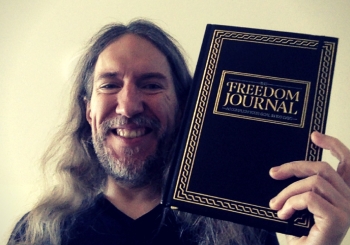


 Do you find memory techniques like the Memory Palace daunting?
 Ever wondered if you can just
  The Wise Advocate wants to help you avoid the terrible habits that keep you locked into habitual thinking…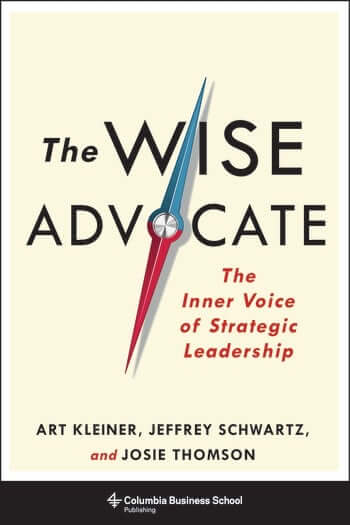
 Want memory training secrets from a bona fide memory champion?
 If you’re sick of struggling to reach your memory improvement goals, you need what James Clear calls “atomic habits.”




