TopPodcast.com
Menu
  • Home
  • Top Charts
  • Top Networks
  • Top Apps
  • Top Independents
  • Top Podfluencers
  • Top Picks
    • Top Business Podcasts
    • Top True Crime Podcasts
    • Top Finance Podcasts
    • Top Comedy Podcasts
    • Top Music Podcasts
    • Top Womens Podcasts
    • Top Kids Podcasts
    • Top Sports Podcasts
    • Top News Podcasts
    • Top Tech Podcasts
    • Top Crypto Podcasts
    • Top Entrepreneurial Podcasts
    • Top Fantasy Sports Podcasts
    • Top Political Podcasts
    • Top Science Podcasts
    • Top Self Help Podcasts
    • Top Sports Betting Podcasts
    • Top Stocks Podcasts
  • Podcast News
  • About Us
  • Podcast Advertising
  • Contact
Not in our directory?
Add Show Here
Podcast Equipment
Center

toppodcastlogoOur TOPPODCAST Picks

  • Comedy
  • Crypto
  • Sports
  • News
  • Politics
  • True Crime
  • Business
  • Finance

Follow Us

toppodcastlogoStay Connected

    View Top 200 Chart
    Back to Rankings Page
    Education

    Anthony Metivier’s Magnetic Memory Method Podcast

    Learn, Memorize And Recall Anything Using Memory Techniques, Mnemonics And A Memory Palace Fast

    Advertise
    • Apple Podcasts
    • Google Play
    • Spotify

    Latest Episodes:
    3 POWERFUL Elaborative Encoding Memory Exercises Jul 04, 2019
    Show notes

    Elaborative encoding isn’t the sexiest term memory science has come up with, is it? No, but it sure is fantastic when it plays out in real life. After all, use this memory technique well, and you can memorize a dozen names (or more) at any meeting or party. Not to mention several dozen details about: Occupations Hobbies Relationship statuses Locations Educational and professional backgrounds … and much, much more! Imagine being able to remember so much about all the people you meet… within seconds of hearing the details. Wouldn’t that be a great skill to have? (If you don’t think so, I’d love to hear why not in the comment section below!) The best part (when you have these skills)? You’ll have it all perfectly organized and reachable in your mind. These details will have literally gone from short term memory to long term memory within seconds. Don’t Fear Memory Science! Now, I realize that a lot of people hear the scientific terms for how memory techniques work and are immediately turned off. If that’s you, here’s the blunt truth: You’re missing out on a huge opportunity to improve your memory by understanding more about how and why it works. And even though a term like “elaborative encoding” sounds complicated, it is actually: Simpler than you might think Something you’re doing already … And always beneficial to practice so you get better over time To help you out, I’ve designed three memory-boosting elaborative encoding exercises. But first, you’ll be best served by understanding exactly what elaborative encoding is. Effective elaborative encoding is like having a vibrant, multi-connected ecosystem of connections in your mind What is “Elaborative Encoding”? Defining elaborative encoding is elementary! Yes, really! And it’s not so much a thing, as it is a thing you do when using memory techniques. This simple mental task starts with linking information that you want to remember with existing knowledge. For example: There’s a guy named Hunter at Burger Project (in Brisbane) where I go to get grass fed beef burgers (no bun). I memorized his name almost automatically because I linked the information, Hunter’s name, with information I already know about hunters. And I put several layers of that information together within seconds of hearing his name. I linked him to a camouflage-clad man with a gun, and not a generic one. Rather, I used my favorite Looney Tunes hunter, Elmer Fudd. Elmer Fudd with the old Nintendo gun for Duck Hunt worked great as my Magnetic Image for “Hunter” At the same time, I put that old plastic gun from the Nintendo game Duck Hunt in Hunter’s hand. (Not in reality, but in my imagination.) By taking his name and associating it with Elmer Fudd and then going one step further and adding Duck Hunt, I was elaborating my mental imagery. In addition to thinking about what all of this looked like, I also: Heard the sound of a duck-hunting gun and Elmer Fudd’s voice Felt the Nintendo gun in my hand Imagined the smell of gun smoke Imagined the taste of roasted duck In each case, I made the image weird, larger than life and filled it with vibrant action. Hunter literally shot Elmer Fudd before I started eating him as if he were a duck. All combined, these layers of elaboration made the name Hunter even more memorable. This process only took a few seconds, and I’ve never forgotten his name since. What Else Can This Style of Mnemonic Elaboration Be Used For? Not, you may think that this all sounds fine and dandy for names. But here’s the thing: Elaborative encoding can be applied to any knowledge. If you can take that knowledge, make associations and manipulate size, color, speed, duration, distance, mood, emotion, and space… you can memorize anything. When can elaborative encoding be used? Any time. But in the beginning, just focus on the keywords related to the information you want added to your knowledgebase. From there, you can branch out to more challenging memory tasks, like memorizing scripture. Otherwise, you’re creating more work for yourself before you have the needed skill set. Why put the cart ahead of the horse? The Main Tools of Elaborative Encoding Elaborative encoding is both semantic and echoic. Semantic encoding has to do with the structure, and oftentimes, meaning of information. For example, in learning the letters of the alphabet, you probably didn’t start with the letter Q. Instead, you learned your A, B, Cs through song, in alphabetical order (a structure). You concentrated on each letter individually as you learned the sound each letter makes. Later, you learned how to recognize them when written, and how to write them yourself. The Magisterial Role Of Mental “Free” Association To take another example, if I say the word “red,” you might picture a stop sign, firetruck, or big, juicy apple. You associate red with its meaning, with examples of that color in the world. This is an element of elaborative encoding. But that’s not all … Elaborative encoding can also be echoic, or relating to sound. It can be the literal interpretation or imitation of sounds, such as onomatopoeia: A frog croaks, bees buzz, cats meow, and horses neigh. These sounds are familiar and engrained, so that when we hear a “woof,” we instantly picture a dog. All of these connections are already in your brain. That’s what makes it so easy to use them along with the classic memory techniques. Sound like “free” creativity? It is. The only cost is being human. What Else Can You Elaborate? … You don’t have to stop with elaborating your mental imagery. You can also… Elaborate organization itself. Look: Memory Palaces are the go-to tool of most mnemonists. They are in essence the palette upon which we “paint” our elaborative encoding. Other tools include the alphabet image list of the pegword method, as well as the 00-99 PAO List. These organizational tools, powerful on their own, can be multiplied by using them in combination with each other. Think of them as elaboration inside of elaboration. I help you further here: Elaborate your state. Think of the state that you’re in. What is it that you’re doing? Are you relaxed, present, and aware, or just simply floating through your day? Make use of relaxation and meditation techniques, even breathing exercises, to elaborate your personal state. For example, in the beginning, you’ll want to beware of noise. It can distract you as you try to memorize. Later, as memory expert John Graham shares, yo should practice Memory Palaces in both noisy and quiet environments for mental simulation. Elaborate your memory consolidation. It is no secret that sleep is very important for memory consolidation, but it is not as widely known that is dependent on your age, meaning memory elaboration decreases with age. It’s therefore a “no brainer” that we should try to squeeze every ounce of benefit to our memory by practicing good sleep habits, as well as tending to our overall health in general. This means a proper diet, socialization (face-to-face interactions with others, and a consistent, daily routine, including a morning ritual to start your day off in the best possible way. So how do we put all these ideas into practice so that our memory improvement efforts flow? With three simple exercises (check this out for more advanced Memory Palace training exercises): #1: The Abstract Concepts Elaboration Exercise The goal of this exercise is to practice the elaborative encoding of concepts. To begin, select a list of non-visual concepts, or words. Nothing fancy! Seriously. There’s no need to run to a dictionary of philosophy (though you can if you want). Just start with concept words you already know. These are words that contain basic concepts and ideas like: Justice Truth Economy Try to come up with a list of 10 such conceptual words that are already familiar to you. If 10 is too much, you can always scale back. Challenge yourself appropriately, while avoiding piling on so many concepts that you just wind up frustrated. Once you have your list established, use a Memory Palace with an appropriate number of Magnetic Stations, and make associations that let you memorize the words on your list. For example, if you’re a metalhead, Metallica’s …And Justice for All probably comes to mind when you hear the term justice. In this case, you could use James Hetfield to represent justice. Or maybe an icon of justice has stolen his guitar, and he wants it back. Are you more of a comic book fan? No problem! Think about Superman and his infamous tagline, “Truth, justice, and the American way.” Encode your entire list, making associations with your memory palace, elaborating these associations – maybe Superman is tossing tea on James Hetfield’s guitar, causing Hetfield to seek justice. By bringing the two together… You’re elaborating elaboration! That is a very powerful way to boost your memory, indeed. Finally, test the strength of your abstract elaborations. Use Recall Rehearsal as you write out your list into your Memory Journal. For more practice, add more conceptual words. Now might be the time to get out that dictionary of philosophy! #2: The Name Elaboration Exercise Next, put together a list of names. What kind of names? How about ones that relate to your field of interest? Are you a budding scientist? List pioneers in your field. If you’re an aspiring artist, who are your influences? Are you a talented home cook? Who are some of your favorite professional chefs? To take another example, memory science is obviously important to me, both personally and professionally. Two innovators in the field are Fergus Craik and Robert Lockheart. I can remember Fergus Craik by recalling my aunt’s mother who used to live in Fergus, Ontario. Craik sounds similar to kraken, a mythological sea creature. So, perhaps my aunt’s mother is battling a kraken. With Robert Lockheart, I remember this same aunt’s brother was named Robert. While her mom is battling the kraken, Robert is having his heart ripped out by the Loch Ness monster. Quite an image, right? Not until it has all of the Magnetic Modes, it isn’t. I need to add sound, some sense of feeling, and everything taught in the Magnetic Memory Method Masterclass to make sure the images really pop out in my Memory Palaces. With your list of names, always seek to push the limits. The more “out there,” the more poignant it will be in your mind. Encode your list, just as you did with concepts, using names, practice Recall Rehearsal, and test yourself. #3: The Vocabulary Elaboration Exercise For this exercise, choose vocabulary in your mother tongue. (Or, for more of a challenge, choose words from a foreign language. Here’s 15 reasons why learning a language is good for your brain.) Make associations for this vocabulary in Memory Palaces, elaborate the associations, and then test yourself. If you feel like you’re doing “too much,” or going “too far,” it’s just right. Focus on the elaboration of the information and elaborate the elaborations. Then you can focus on increasing memory retention. Push forward and make sure you’re not just settling with good enough in your practice. Good enough will not sharpen your skills when it counts. You need to be challenged. Your Next Steps Along The Never Ending Memory Adventure… It’s easy really. Step beyond the exercises and into the realm of use. And as many kinds of use as you can. For example, use these memory exercises in your daily learning practice across multiple disciplines. The more connections you make along your daily learning journey, the faster and more intuitively elaborations will come to your mind. Finally, challenge yourself. Try adding numbers to names. Learn the Major Method or Dominic System to make this possible. Also, mix and match these powerful brain exercises. Use vocabulary paired with names and concepts. Constantly evolve your practice by adding challenges. Scale back if frustration occurs, and then add more challenge before you’re ready so you keep growing. Then, the next time you’re at an event and you meet new people, you’ll have no problems whatsoever coming up with the perfect Magnetic Image for each and every person you meet. Bonus Memory Training Content: Check out the replay of this training with a live audience in the house. And make sure you’re subscribed if you want to join us for future sessions. https://www.youtube.com/watch?v=yGUGkBeyM2c

    Full show notes at the publisher

    Delayed Gratification Tips For Memory Training With Matt Dobschuetz Jun 19, 2019
    Show notes

    Matt Dobschuetz portrait for Magnetic Memory Method PodcastAll self improvement requires delayed gratification, especially memory training.

    Now, I’m going to take you on an 180 degree spin, into the heart of a storm many millions of people face. Particularly men.

    You see, I get a lot of private questions from people about memory.

    And one of them involves online addiction, particularly around porn.

    And that leads to compulsive behaviors, one of them being masturbation, more colorfully known as “fapping.”

    Guess what?

    Too much of it, especially when you’re wired for hours in front of a screen, definitely robs your memory of energy that could be used for memory training.

    Worse:

    There’s no denying that more of this behavior is happening now than ever before.

    The good news is that people have become incredibly frank about the problem.

    In fact, I often receive this question in my inbox:

    “Should I try a no-fap challenge to help me improve my memory?”

    To date, I’ve never addressed the question formally.

    An instead of taking the stance and saying, “If porn and masturbation is a distraction from your memory training, eliminate it and see what happens,” I decided to call in an expert.

    So let me introduce you to my friend Matt Dobschuetz.

    Matt’s the man behind Porn Free Radio and RecoveredMan.com. He is a podcast show host, author and recovery coach for men dealing with addictions to pornography with one on one and group coaching through REV Group Coaching, which he founded.

    On this episode of the Magnetic Memory Method Podcast, Matt and I discuss the problems porn addiction creates for your memory training progress.

    Memory Vs. Porn Addiction (And How You Can Win)

    We cover methods to overcome these memory-robbing impulses, and the science behind why that dependency develops in the first place.

    Matt shares his own journey with overcoming porn addiction and we discuss how it relates to memory, and how using memory techniques can help to eliminate porn dependency.

    If you struggle with true intimacy with a partner…

    If you find yourself gravitating towards masturbation for stress relief …

    If your sexual confidence is so low it’s almost nonexistent …

    And if you habitually watch pornography and don’t even know why …

    This podcast is for you.

    Press play now and learn more about:

    • The rise in pornography accessibility with broadband internet and smartphones
    • How erectile dysfunction relates to porn dependency
    • Lack of focus as the result of a pornography habit
    • The true reason behind lack of confidence in the bedroom
    • How the experience of failure with overcoming porn addiction can bleed into everyday areas of life (school, work, and even simple conversations with the potential partners)
    • How to recognize patterns that create opportunities for eliminating porn use and change those destructive patterns to positive growth habits
    • Relating the Challenge-Frustration Curve to breaking the porn addiction cycle
    • How to use memory techniques and exercises to overcome porn dependency and porn habit behaviors
    • What triggers porn addictive behaviors (it’s less automatic than you think)
    • How to deal with triggers and threats when they occur in real-life situations, both head on and through elimination techniques
    • Using self-identification as a means to combat porn habit behaviors
    • Being present and connected as powerful tools for recovery

    My biggest takeaway from our interview?

    I feel like the issues boils down to an inability to delay gratification. If you’d rather watch this episode of the podcast to discover tips for better strategies, just click play below:

    https://www.youtube.com/watch?v=_lGw1neEslw

    Further Resources From And on the Web:

    Recovered Man (Matt’s official website)

    REV Group Coaching

    Recovered Man on Facebook

    Matt Dobschuetz on Twitter

    “Is Pornography Addictive?” (APA online)

    Neuroscience of Internet Pornography Addiction

    Your Brain on Porn

    Surviving PTSD with the Help of Memory Techniques featuring Nicholas Castle


    3 Blazing Fast Ways To Increase Memory Retention Jun 06, 2019
    Show notes

    Image of a car blazing across train tracks to express a concept related to memory retentionMemory retention… what the heck is it? Is it worth worrying about? If so, can it be improved?

    On this page, I’m going to cover memory retention from my perspective as a leading memory expert with multiple books on the topic under my belt.

    I’ll also give you three blazing fast ways you can increase your ability to retain information. These memory techniques are based on how myself and thousands of my students have approached learning languages, memorizing speeches and passing exams.

    Ready?

    Let’s start by defining our terms correctly so you can proceed in the best possible manner.

    That way you can improve your brain’s ability to retain the information you need to succeed much faster and with great integrity.

    After all, you want true memory retention that stand the test of time.

    That’s definitely the kind of recall I’ve personally practiced to develop as a mnemonist – and it has provided many wonderful outcomes I know you’re going to love too once the best possible memory techniques have been added to your daily routines.

    https://www.youtube.com/watch?v=OJk7tumRzM4

    The Simplest Definition Of Memory Retention

    Overall, this term from the world of memory science is simply defined:

    It is the ability to keep any information for different periods of time for the purpose of using it in the future.

    But retain information for what exactly?

    According to memory experts like Endel Tulving, it comes down to pattern recognition based on:

    • Episodic memory
    • Autobiographical memory
    • Procedural memory
    • And more…

    Now, some people will say that recognition and recall are two different things

    But I don’t think that makes sense.

    For example, if someone gives you their name, but you can’t use their name in a conversation, you haven’t retained it.

    Same thing if you can’t recognize the name in the first place, or have forgotten that you’ve heard it before. Such widespread instances suggest that recognition and recall are tied at the hip.

    Now, if you really want to keep abreast of contemporary trends in this area of science, you need to be reading the Journal of Learning & Memory.

    What you’ll discover is that exactly why we retain some things and not others remains a mystery. The final definition of “memory retention” is still being worked on.

    Nonetheless, you might be wondering about the differences between short term memory and long term memory when it comes to memory retention.

    You might even be wondering about how working memory plays into the mix when it comes to learning faster and remembering more.

    What Kind Of Retention Do You Mean?

    For now, it appears that we need to get more granular on exactly what the brain is trying to retain.

    Take physical learning, for example. Even if the brain functions aren’t well understood, it is clear that exercise that impacts motor function increases the learning of physical skills.

    What about learning new information based in words and numbers? That’s semantic memory, and much has been understood about how we retain information through a process called active recall.

    Now, another question people ask is…

    Why Is Memory Retention Important?

    In addition to practical matters like remembering names, passing exams and learning new languages, memory retention helps you connect with yourself.

    Think about it:

    Every time you can’t recall information about your own life… it feels kind of weird, if not outright painful.

    Self-punishment ensues and usually that only exacerbates the memory problems you might be facing.

    Plus, we need memory to learn languages, music, the names of people we meet, instructions at work and speeches we want to give, etc. Spiritual progress relies upon remembering the principles of your tradition, and the same factors play in learning about philosophy, history, psychology and every other topic.

    So with an eye to helping you feel more connected with yourself, let’s dive into three rapid ways you can increase retention.

    How to Increase Memory Retention in 3 Steps

    Image of a brain shining with radiant light to express a cared for mind

    1. Take Better Care Of Your Body And Your Brain

    Look, I know everyone wants memory techniques that are easy and fun to use.

    However, it only makes sense to care for the engine that makes memory possible in the first place.

    For example, many people who complain of brain fog don’t need memory techniques on their own. They simply aren’t eating well.

    Although diet is a tricky matter, you’ll find certain foods help improve memory better than others.

    Diet has been a huge problem for me throughout my life, but I’ve one a lot to fix it and experienced much better memory as a result.

    In my case, chronic pain has been the most mentally taxing and distracting problem.

    Pain makes paying attention difficult.

    When you can’t pay attention to information, retention goes out the window.

    Reduce the pain, and your ability to pay attention and retain information in memory automatically goes up.

    And no, in case you’re wondering, these memory improvement vitamins are unlikely to help.

    However, scientists have discovered parts of our brain chemistry involved in chronic pain and are using memory-based approaches to solve it. Famous actor George Clooney shared with GQ how some therapy has helped his body “forget” his chronic pain so he can lead a normal life.

    Of course, it’s better not to lead yourself into pain in the first place. But if you do find yourself suffering in a way that interrupts your learning abilities, it’s good to know you have options.

    Sleep Secrets for Better Memory Few People Consider

    Next, we have sleep.

    Although you might not normally think of it this way, not having enough sleep also creates pain the interrupts the ability to pay attention.

    Being groggy and irritated, for example, is a kind of pain.

    Plus, the brain simply cannot perform as well unrested as it can when you’re getting enough sleep.

    What are the secrets?

    • Computer curfew
    • Journaling by hand, including gratitude journaling
    • Planning the next day’s activities
    • Bedtime rituals
    • Morning memory fitness activities, such as dream recall

    Just by attending to diet and sleep (and stopping smoking), you can improve your retention, and it will happen faster than you might think.
    Image of two brains beaming with light to express the benefits of memory exercise

    2. Get Regular Memory Exercise

    One of the easiest ways to improve memory retention is to regularly use your memory.

    There are at least two kinds of memory exercise:

    Active and passive.

    I’ve got a wide variety of brain exercises you can play with, and here’s a condensed version of my favorite from the passive category.

    It’s called The Four Details Exercise. All you do is notice 4 details about a person.

    Don’t use any memory techniques. Just observe.

    Later in the day, ask yourself to recall those details.

    No Need To Give Yourself A Grade

    It’s not a right or wrong retention test. It’s just a quick jog to make sure that you’re giving your memory regular exercise.

    Active memory exercises for increasing retention might include using memory techniques. Here’s where “right and wrong” comes into play, and that’s all part of the fun.

    For example, you can memorize a deck of cards and work on increasing either your speed of encoding, or the volume you can encode. Test yourself for accuracy of retention over different stretches of time (5 minutes, 5 hours, 5 days, etc).

    You can increase speed and volume with names, vocabulary, abstract shapes, numbers and even verbatim texts like song lyrics or poems.

    Likewise, you can actively memorize vocabulary, historical dates, or the names of everyone in a company you want to work for (or already do).

    Image of a lightbulb surrounded by icons that represent learning multiple topics

    3. Have A Long Term Learning Project

    Okay, I know this doesn’t sound like a “blazing fast” tactic. But in reality, it is.

    Here’s why:

    Learning a language or memorizing large texts that you focus on over the long term produces incredible short term benefits when it comes to retention.

    Improvements will happen for you because, as you use memory techniques consistently, you’ll build up something called “memory reserve.”

    This term means that the more you know, the more you can know.

    Why You Should Learn A Language To Increase Your Ability To Retain Information

    Take language learning, for example.

    As soon as you know about 850 words, you have all the building blocks you need to snap on more and more vocabulary and phrases.

    Each new word and phrase you add builds up your memory reserve.

    And this memory reserve helps explain why many people find it easier to pick up their next language. They’ve become good at the skill of building their memory reserve.

    When it comes to memorizing large texts, I’ve been doing this with some scriptures written in Sanskrit.

    The more I memorize, the easier it becomes to memorize even more due to this effect of memory reserve.

    For example, the pool of Magnetic Imagery grows. Having more to draw upon means fewer Magnetic Images are fired off with less effort.

    You’ll find this is also true when memorizing texts in your mother tongue. The more you do it, the greater ease with which you can move through words, expressions, ideas and more.

    And again, you don’t have to wait forever for the retention benefits to kick in.

    How To Start Investing In Your Brain (And Keep Consistent)

    Just get started.

    I know that sounds simplistic, but how else would you do it?

    Next, be consistent. That means showing up at least a little.

    Ideally, you’ll train your brain every day, but four times a week is a bare minimum.

    Before you know it, you’ll feel like you have a completely revived brain that can conquer the world of information overwhelm with ease.

    Again, we’ll talk in the future more about things like short term, long term and working memory, but the reality is that all these aspects of memory work together.

    By following the 3 simple tips in the following video companion to this post, you’ll be working them comprehensively, holistically, and, dare I say, Magnetically.


    Bilingualism Advantages That Fortify Your Brain With Bartosz Czekala May 30, 2019
    Show notes

    Are you struggling to understand all of the bilingualism advantages people keep talking about?

    Are you jealous of people already learning their third (or even fourth) language? Does bilingualism seem like something that’s simply out of reach? Do you feel as if you’re being held back by some invisible force to meet your goals in language learning?

    Oftentimes we are crippled by our misconceptions of learning another language.

    Worse, a lot of people don’t know just how beneficial bilingualism is for the human brain.

    As a result, people blindly believe they’re just not smart enough.

    Worse, they think that mass marketed learning methods “won’t,” or “don’t” work. That’s a big problem, especially if we’ve hit a wall with our learning journey. We tend to blame the techniques without looking at our strategies for using them.

    The Biggest Problems Language Learners Face

    We may falsely believe we just don’t have the time to dedicate to learning a language, “It’s too late to start,” or we know we’ll never have the opportunity for immersion learning, so we simply give up.

    My guest today on Magnetic Memory Method Podcast is Bartosz Czekala from Universe of Memory.

    As a multi-linguist, language teacher, and someone with a background in computer science, econometrics, and legal translation, Bartosz is also strikes me as world class mnemonist. With Polish as his native language, he learned Swedish in only four months, and speaks seven additional languages.

    The Ultimate Bilingualism Advantages Await

    To share his knowledge, Bartosz’ website pairs memory techniques with learning systems to help you master language learning in fun and creative ways.

    Today we run the gamut of the journey of learning another language, from common barrier to success to the methods for guaranteed results and the pros and cons of various learning techniques. We explore the relationship of memory to language studies and the science behind it all.

    If you’re looking for a real, unfiltered conversation about language learning, struggling to come to terms with “Is it for me?” this is the podcast for you.

    In sum: it is possible to learn a foreign language. You just need to equip yourself with the right tools.

    Just press play now to learn about:

    • The effect of diet and sleep on memory, specifically fasting and sleep deprivation
    • The correlation between focus and concentration and eating habits
    • The impact of the sun on overall mental health
    • How results are possible with every memory method, but not always optimal
    • The impracticality of apps for language learning
    • The biggest issues with textbooks and word frequency
    • The argument for spaced repetition and its usage for learning another language
    • The importance of being a “scientist” in your own mind
    • The benefits of context and meaning to learning foreign language vocabulary
    • Passive exposure versus active learning
    • How knowing multiple languages fortifies the health of your brain’s neural networks, lessen the forgetting curve, and maybe even give you an incredible career
    • Pros and cons of immersion and proxemics for language learning
    • The differences in language learning in adolescence versus adulthood

    Further Resources on the Web, This Podcast, and the MMM Blog:

    Bartosz’s Universe of Memory

    Bartosz Czekala on LinkedIn

    How to Learn Faster and Rediscover the Joy of Learning

    The Science of Language Learning: How Learning a Language Affects Us

    How to Learn and Memorize the Vocabulary of Any Language

    The Freedom Journal For Language Learning

    Teach Yourself (MMM Podcast Interview with Olly Richards)

    Stoic Secrets for Using Memory Techniques with Language Learning


    Surviving PTSD With The Help of Memory Techniques Featuring Nicholas Castle May 23, 2019
    Show notes

    Photograph of Nicholas CastleHave you ever experienced trauma in your life that created mental blocks, or worse, PTSD?

    Or do everyday situations remind you of terrible experiences from your past?

    I know I am not alone when I say that there are painful memories that can be haunting.

    From the death of a loved one, to near-death experiences and childhood trauma, we all have that “thing” that pops up from time to time and haunts us …

    If we let it.

    But here’s the powerful truth:

    We don’t have to live our lives in a constant state of fear that these memories will be triggered.

    Although we can’t prevent memories from flooding back at inopportune times, we can change how we respond to our triggers.

    A Powerful PTSD Survival Story

    To help those suffering from any kind of unwanted memories flooding their awareness, here’s what I’ve done:

    On this episode of the Magnetic Memory Method Podcast, I sit down with the founder of Bushcraft for Kids, Nicholas Castle.

    His organization teaches children survival and outdoors skills to increase their self-motivation, life skills, and confidence through adventure.

    Using these same memory techniques he teaches to his students, he explains his journey from being a young boy struggling with dyslexia to a former law enforcement officer living with post-traumatic stress disorder.

    His secret to overcoming these setbacks?

    The Memory Palace.

    The thing that struck me most about our conversation was how versatile Memory Palaces became for Nicholas.

    Not only was spatial memory and mnemonics essential to his success in his educational career, but also throughout his time in law enforcement. This role included public speaking, a healthy, but still stressful situation he had to deal with on top of his PTSD.

    And you know what?

    Portrait of Nicholas Castle Who Used Memory Techniques To Help Heal PTSD
    Nicholas enjoying a forest that also serves as a Memory Palace

    Memory techniques saved the day yet again. A bit of time out in nature helping other people seems to have contributed to Nicholas’ success too.

    If you want to know how Memory Palaces can help to transform every facet of your life, especially if you are dealing with the symptoms of post-traumatic stress disorder, like Nicholas, this episode of the Magnetic Memory Method Podcast is for you.

    Press play above and discover:

    • How creating memory palaces can improve confusion from dyslexia (a condition that didn’t stop Dominic O’Brien from creating the Dominic System)
    • An important point about the logic behind creating Memory Palaces (including prompts for and how to create them)
    • The relationship between magic and memory through association
    • Notes on the influence of Tony Buzan and Harry Lorayne
    • How mnemonics can improve public speaking
    • The precise way memory techniques reduce the stress responsible for so much memory loss
    • How using memory techniques can help to influence large groups of people
    • Commonalities between hypnosis and mnemonics
    • The potential of memory techniques to manage PTSD symptoms
    • The versatility of meditation practice for concentration
    • How to use a Memory Palace Network as a practical learning tool

    Further Resources on the Web, This Podcast, and the MMM Blog:

    Memory Techniques and Dyslexia

    Test for Dyslexia: 37 Common Traits

    How to Practice Memory Techniques For Studying Tough Subjects


    How to Improve Short Term Memory: 7 Easy Steps May 09, 2019
    Show notes

    Even if it feels like trying to capture the entire cosmos in a jar, it’s actually pretty easy to improve short term memory. Would you like that? If so, I’ll show you exactly what it takes to improve every level of your memory on this page. As a memory expert and instructor with over a decade of experience, I’m going to share the facts with you. And provide some simple memory exercises that will help you improve your overall memory quickly. But first, we need to establish the nature of this unique memory problem. What exactly do short-term memory issues look like? A Shocking Portrait Of Short-Term Memory Loss Imagine the following scenario, inspired by the true-to-life novel about early onset dementia, Still Alice: You’re in the kitchen, preheating the oven to make a batch of your world-famous brownies. You’ve assembled your ingredients on the counter to prepare your batter… and then the unthinkable happens. You only have one egg left in the carton and the recipe calls for two. At least… that’s how you remember it. Frustrated, you grab your keys and head to the store. You remember you’re low on paper towels and need batteries for the TV remote, so you put those in your cart as you navigate the aisles. You pay for your items, load up the car, and drive home. You walk back into the kitchen and feel happy when you see that the oven’s temperature ready for your brownies. And then you realize you forgot the eggs you went to the store for in the first place! It happens to the best of us. Our short-term memory can be seriously lacking at times. Stress, depression, lifestyle habits like sleep, diet, and exercise, even medications, can cause short-term memory difficulties. So what do we do? Do we resign ourselves to list-making and app dependency to remember daily bits of information? Are we glued to the smartphone or pen and paper as our lifeline against forgetfulness? Hardly. As many memory experts like Lynne Kelly and others I discuss in this video have demonstrated, you can memorize incredible amounts of information within seconds: https://www.youtube.com/watch?v=uRqyKP_TRvc So please don’t lose hope. There is a better way. And that’s why I’ve assembled the step-by-step guide on this page. I want to help you improve your short-term memory so your next learning (or baking) session goes off without a hitch. Keep reading to discover an actual means of improving short-term memory and examples of short-term memory at work. A Brief Definition Of Short Term Memory While we could dive straight into the techniques of improving memory so as to not risk getting bogged down by terminology, it’s important to first define what short-term memory actually is. We must first note that there is a difference between short, long term, and working memory. And it’s important to note the different memory problems that emerge from each. And the list of ways memory can be impaired is long. As this study shows, everything from diet, alcohol consumption, age and disease can harm your memory. While long term and working memory and its functioning are complex, short-term memory is simpler, but just as delicate. You really need to take care of it because you short term memory is: An ability to understand sentences, spoken and written. It is, at its most basic, tied closely to comprehending the critical information you use to navigate daily life. The ability to remember small sequences of numbers, such as telephone numbers. Short-term memory is the type of memory that helps you understand what you are reading. Without it, you‘d be constantly confused when studying, saying “What did I just read?” It is also the type of memory that when you see an infomercial on television lets you remember the telephone number to call and order your Flex-Seal or airbrush makeup kit for only three easy payments of $19.95. The Zen of Improving Short Term Memory Because memory is so central to our overall brain function, to improve it, we must improve all of our types of memory. This means tapping into: Episodic memory Figural memory Procedural memory Semantic memory Spatial memory and even autobiographical memory. Like this: https://www.youtube.com/watch?v=u1XWa9pj-YI The name of the game is comprehensive improvement. Isn’t that what we really desire anyway? If not, we should. Why? Because when we focus on a complete enhancement of all aspects of our memory we will do more than improve our short-term function. We will also transcend the textbook definitions of memory and its main stages. And it feels like “Zen” because, once you’re into the rhythm of working on your memory, you’ll wonder why you never did it before. It’s so much fun! How Anyone Can Hold Far More Than 5-8 Digits In Memory With Ease We need to look no further than memory competitors who blur the lines of what short-term memory is defined as. The textbook definition suggests one can only keep five to eight digits in memory at once. Yet, using a simple number system, World Memory Champions like Alex Mullen can memorize a deck of cards in seconds. Although he doesn’t use the Dominic System, I imagine Alex learned a lot from that approach, as can we all. Memory athlete Alex Mullen Now, you might be looking at the photo above and thinking… Alex is so young! You’re right, but check out Lynne Kelly who wrote The Memory Code. She’s one of many mature members of our society who do very well in memory competition. Lynne Kelly, author of The Memory Code Plus, please understand this important point: This practice is not just about playing cards and numbers. When I‘ve given memory demonstrations, I have memorized 20 to 30 names in only the amount of time it took to hear them. Thus, the boundaries of what short-term memory is called in textbooks is not so strict, so rigid or so limited. Now that you know that these memory feats come from specific kinds of brain training, it‘s worth repeating this simple fact: You need a holistic, comprehensive memory training program, ideally one that leads to long-term memory benefits that offer you predictable recall. How Comprehensive Memory Training Helps (Quickly) In order to give you long term, predictable recall, the first step is to exercise your spatial memory. This is where the Magnetic Memory Method and using a robust Memory Palace Network comes into play: Next, we have elaborative encoding, which I call Magnetic Imagery (sometimes called mnemonic imagery). This mnemonic skill must be sharpened. How do we become great at creating associations so we can remember more? There’s no shortcut or quick-fix here. Daily, creative repetition is the key to building a strong foundation on which to build your short-term memory comprehensively. If you take the time to create your Memory Palaces, then encode them with real and relevant information that is important to your life, you will be far ahead of the game. Next, practice decoding, or Recall Rehearsal. Used inside a Memory Palace for a meaningful learning project, your short-term memory will be sharpened, improved and ready for use at the drop of a hat. Step One:Eliminate The Digital Brain Games Can apps help improve your memory? The short answer: It‘s unlikely. The longer answer: Relegating your memory improvement to a device is only marginally beneficial. One of the former leading memory improvement software companies, Cogmed, promised big results with completion of problem-solving and training tasks. Although some improvement occurred, there was no evidence these results were lasting. In this digital age there is still the need for real, human interaction. In other words, personal, one-on-one training, not artificial intelligence or a simulation, for real, durable results. Technology and short-term memory simply don’t seem to play well together. This problem holds true for language learning as well. Sure, you may find that you can remember a list of vocabulary or read fluently in a second language with learning software, but true results and comprehensive fluency include conversation. This cannot be accomplished with software alone. The general rule is to get off apps, not more into them. We are almost glued to our smartphones, immersed in virtual reality, out of touch with the real world. Why add one more notification or thing to be tended to for the computer in our pocket? Turn off the TV and write a story. Don’t see yourself as an author? Just try. Put pen to paper and don’t be afraid to write poorly. It’s the exercise that matters, and this activity can literally rewire your brain back to a healthy state in terms of what scientists call tonic dopamine. By simply writing a short narrative, you will manage character names, locations and other details in your short-term memory. It’s very powerful. Step Two:Keep A Snapshot Journal Do you remember the rant from Foo Fighters frontman Dave Grohl? “Musicians should go to a yard sale and buy an old … drum set and get in their garage and… just suck. And get their friends to come in and they’ll suck, too. And then they’ll …. start playing and they’ll have the best times they’ve ever had in their lives and then all of a sudden they’ll become Nirvana.” Great advice, but get this: You don’t have to be a virtuoso to be a musician and benefit from mnemonics for music. Likewise, you don’t have to be an author to write. When it comes to memory, all you have to do is record the things you enjoy about your life. The Snapshot Journal I’m using I’ve recently taken up using a Snapshot Journal, which lets you compare five years in the same diary on a single page. Since writing is known to improve memory and I love the simple passive memory exercise of remembering a few things from the day before, I snapped one up and have used it daily ever since. It makes a difference. As a tip, keep your Snapshot Journal open and in a high traffic part of your home. I keep mine by my desk and use it to list movies I‘ve seen, the livestreams I‘ve held and my accuracy with memorizing cards. Flip back through the pages regularly and see if you can think of things to add. Again, this is comprehensive memory training. It might not see to relate to short term memory, but by focusing in the present moment deep into your past memory, you are practicing the practice of linking focus and concentration together. Like writing a bit of fiction, writing about your own life is one of the best and fastest ways to start remembering more in the short term. It improves this aspect of your memory for a simple reason: Because it’s using it. Step Three:Read Daily From Print For Better Memory Speaking of writing, reading is a great memory exercise. Walking and reading in Denmark You retain your focus to comprehend what you’re reading. If you lose the details of what you just read, or you’re constantly having to go back and reread a few paragraphs, don’t fret or turn it into a problem. Simply read again with more purpose and intention. Over time, you can improve your short-term memory by focusing in this way. And when you find your mind wandering, go with it! Instead of beating yourself up about it, go for a walk and pay attention to the world, untethered from all devices. Simply notice the world and the details of nature. This suggestion is just one of the many Alex Pang makes in Rest: Why You Get More Done When You Work Less. If you don‘t like to think of walking as a positive mind wandering generator, incorporate Recall Rehearsal into the journey. Take advantage of being unplugged to journey through your Memory Palaces as you walk. Understand that real short-term memory is focused attention and meditation plus mindfulness and memory is true short term memory power. And to get that focus going, you need to read on an old fashioned device that won’t interrupt you. It’s called a physical book. If you don’t believe that reading on your phone or from Kindle is ruining your memory, read the facts from this piece on Digital Amnesia. Step Four: The Ultimate Exercise to Improve Short-Term Memory This exercise is easy and fun: Get in the habit of memorizing names. Not just the names of the people you meet. Also: Authors Musicians Actors Politicians Doctors Memorizing names is hugely powerful for three reasons. 1. You start consciously paying more attention to names. This will improve your social skills and create a better first impression on others. (I’d say that’s a pretty great side effect.) 2. Everything you memorize is a name. Every foreign language word or number is effectively a name for an object or concept. If you can memorize names, you can memorize anything. 3. The rapid encoding of names is useful in translating your short-term efforts into long-term results. If you need some exercises, this short list will help you get the elaborative encoding you need right. 4. You can use the Memory Palace, sometimes called the Loci Method. Why You Should Memorize Names In Private First Start this as a private exercise before you attempt this rapid encoding and recall in public. Go to Wikipedia and press the “random” button until you have a list of 10 names assembled. Or scroll through IMDB and review cast and crew lists of movies. Or work with the names you already have in your memory. Try to recall lists of past Presidents, or famous composers or poets. The sky’s the limit, so get creative. Once you’re feeling confident in your work in private, go semi-public. When you see workers with name-tags at the store, or office workers’ desk plaques, make a note of these names in your memory journal and test yourself. https://www.youtube.com/watch?v=71DYmsKGf7Y&t=9s Approached this way, you’re not stressing yourself out. There’s no stakes and you can always win. When you quiz yourself and you remember a name, give yourself a pat on the back (or post on our memory improvement forum so our community can). Or, if you’re having trouble with name recall and make a mistake, just treat it for what it really is: An opportunity for improvement. Seeing opportunity is what makes any perceived failure a win. As you build this skill you’ll be able to eventually take this along as a fun little party trick (that’s also beneficial to your memory). Anthony Metivier memorizing and recalling names at a memory demonstration in Brisbane As you meet people, commit their names to memory, then when goodbyes are being said you can announce: “I memorized everybody’s name here. Would you like to see a fun demonstration?” then recall all the partygoers to everyone’s amazement. Don’t limit yourself to just names though. You can use this same rapid encoding practice with memorizing prices at the store, playing cards, and, of course, your 00-99 configuration. Take the same principles of recall and use them across the board, as they are truly universal. Step Five: The Best and Most Practical Way to Practice Improving STM Without question, the best and most practical way to improve short-term memory is memorizing names in real time, in public. There are endless opportunities for you to give yourself this kind of short term memory loss treatment: Meetup.com (joining Meetup groups with like-minded people who share your interests in memory) First day of school (memorize your classmates names) Film credits in movies (test as soon as you get home with your date) Discussions (memorize your “opponent’s” points during arguments so you can refer back to what they said and how they said it.) As you engage in this exercise in real time you’re not only improving your memory, but human connection as well. You’re honoring the person you’re speaking with by truly paying attention, instead of having a distracted interaction. Step Six: Extended Exercises for Long-Term Memory Stretching Translate this focused attention to the long term by shifting your focus. Instead of small pieces of information, like names, think of large projects that need your attention. Try learning a foreign language. Use mnemonics to help you memorize both vocabulary and phrases. Or learn to memorize scri…

    Full show notes at the publisher

    Katie Kermode On Memory Competition and Casual, Everyday Mnemonics Apr 26, 2019
    Show notes

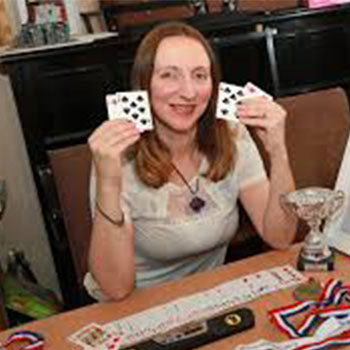
    Memory Competitor Katie Kermode with a desk of playing cardsDo you ever wonder how memory competitors get so good at their craft?
    Do they have some secret method that the Average Joe can’t begin to comprehend?

    Is there a memory secret society that’s only available to those who participate in the competition world that you and I would never be able to access?

    Good news:

    Memory competitors are just like you. They have their strengths, weakness, and, believe it or not, have the time to have a life outside of memory training!

    On today’s episode of the Magnetic Memory Method Podcast, I sit down with Katie Kermode, a memory champion and competitor from the United Kingdom, to discuss her memory journey.

    Competing for over two decades, Katie is ranked 16th place in the world for memory competitors and is a four time memory world record holder.

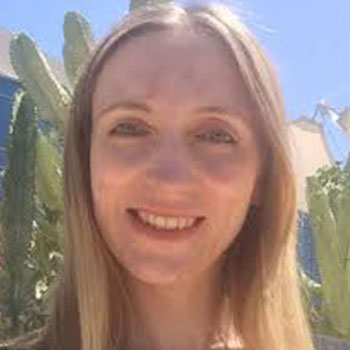
    Portrait of Memory Competitor Katie Kermode for the Magnetic Memory Method Podcast

    She is also a professional translator and proofreader, memory coach, and is the creator of memorization and recall software used at the IAM World Memory Championships in 2018.

    If you are struggling with finding the time to devote to memory training…

    If names or dates elude you in information memorization…

    Or if you think the end all, be all to strengthening your memory is a memory system just out of reach for the everyday memory improvement enthusiast…

    This podcast is for you.

    Click play above now and discover:

    • The “right” age to begin memory techniques with children and how to motivate them to use these techniques from a young age
    • How to make the most of limited time for memory training
    • Using natural association patterns to remember names
    • Variances in techniques from memory competitors to casual users of mnemonics (and why there is no singular approach to memory training that is “best”)
    • Having a memory system vs. memory principles to build your own method
    • The benefits of memory software for memorization and recall
    • How to revolutionize attitudes about memory training in the digital age (without developing Digital Amnesia)
    • Memorization in competitions versus real life application
    • The benefits of attaching information to people along a Memory Palace journey

    Katie Kermode with memory competition awards and playing cards

    Further Resources on the Web, This Podcast, and the MMM Blog:

    – Katie Kermode’s Official Website

    – Katie Kermode’s Twitter

    – Katie Kermode on Nelson Dellis’s Mind Show

    – The International Association of Memory

    – IAM on Facebook

    – Katie’s Memory Software

    – Next Level Memory Training Secrets with USA Memory Champion John Graham

    – Nelson Dellis on the Magnetic Memory Method Podcast (episode referenced in this one)

    – Idriz Zogaj’s Discussion on Memory Training Apps

    Stats about Katie (Records and Memory Titles):

    • World Record in 5-minute Names (105)
    • World Record in 15-minute Names (224)
    • World Record in 15-minute Words (318)
    • World Record in Memory League Words (50 in 51.31 seconds)
    • MSO Memory Champion 2018
    • MSO Memory Champion 2017
    • UK Memory League Champion 2016
    • UK Memory Champion 2012

    About Katie’s Software:

    This memory training software features these competition formats:

    • National Standard
    • International Standard
    • World Championship Standard
    • Includes free memory training across these memory disciplines:
      • numbers
      • names
      • 5 minute words
      • dates
      • cards
      • images
      • binary

    Flashbulb Memory: When, Why And How Vivid Recall Happens Apr 18, 2019
    Show notes

    If you want to know where or not you have a “flashbulb memory,” here’s a simple memory test: Do you remember where you were and what you were doing during the 9/11 attacks? If so, in how much detail… exactly? After all, 9/11 was one of the most mentally impacting world events millions of people not only remember. They remember it vividly. What does vivid mean in this context? For example, you might recall exactly what activity you were performing when you learned about the attack. Myself, I was in Stong College on the York University campus, just before a class. It’s an irrelevant detail in the overall scope of my life, but the fact that I remember so much minutia is precisely the point. For example, I was in the cafeteria reading that morning. My phone rang and my friend Andrew said, “Find a TV.” I remember it vividly, down to the fact that my eyes traced the sky through the window and instantly fell upon an airplane. But here’s the problem: This memory I have about seeing an airplane through the window might not be accurate. In fact, chances are that it’s a flashbulb memory. Just like the time I spent with Tony Buzan, which we’ll talk about in a minute. But before we define this concept and talk about some powerful memory exercises, let’s look at the history of this term: Flashbulb Memory Defined The term flashbulb memory refers to a long lasting vivid memory of the circumstance around the time of receiving a shocking or surprising piece of news or event. Coined as a metaphor in the 1970s, it refers to the feeling of mentally capturing a complete scene in a single moment. But more than just feeling like you‘ve taken a mental snapshot, the idea is that your mental image includes a ton of information. I‘m talking about everything from the most crucial details to the most mundane ones. Even more: It’s the feeling that the memory will last indefinitely, almost as if it were a photograph. These memories have intrigued memory researchers for decades. Some consider flashbulb memory as a kind of autobiographical memory, which is the recollection of events you have personally experienced. Typically, individuals involved as subjects in memory studies feel extremely confident about their recollections of events like 9/11. However, in reality, researchers find that flashbulb memories are mostly haphazard and incomplete. Why? Because many factors affect your memory. These may include: Shock The personal importance you place on the event Emotional states Surrounding objects People in the environment Locations Activities at the time These factors and more condition the subsequent ways you might experience flashbulb memories. Why People Encode Memories “In A Flash” When your brain experiences something traumatic, it often establishes a sharp mental image of that particular event. Keep in mind that “mental imagery” is not necessarily visual. Yet, many people do describe being able to re-envision detailed information. It’s almost as if their memory of an event is like photograph. When you consider the kinds of things that become flashbulb memories, our brains usually base them on traumatic events. More often than not, they are public events. This tendency means that people around also us experienced the events. As a result, they wind up being discussed often. You not only experience such events via television or on the Internet, but you re-experience them multiple times while talking about them in multiple places with multiple people. Of course, not all such memories involve tragedy. Some other examples of flashbulb memories might include the birth of your child, college graduation, or getting your first job. These events might stand out as monumental events or milestones in your life. For example, meeting Tony Buzan is a personal example from the world of memory training. The reason why is that I was so overwhelmed by many emotions, especially given the personal attention he paid to me. But that doesn’t mean my memories of the time we spent together are accurate. Far from it! A Quick and Simple Memory Exercise Have you ever met someone famous who touched your life? Go ahead and think it through. Even if you just saw them from a distance, take note of the memory and describe it. Then think more about the memory. Think about all the times you told the story to others. You’ll probably have experienced it multiple times. When it comes to celebrity encounters and historical events, you almost always discuss them multiple times with different people in a variety of locations. I have another flashbulb memory from working with celebrities Dominic Purcell, Edward Furlong and director Uwe Boll The conclusion is therefore simple: If flashbulb memories like these have the tendency to last for life, it is because our sharing behaviors ingrain them in our minds. The Truth About Flashbulb Memory Aside from being referred as a type of autobiographical memory, many researchers now believe these memories are prone to many fallacies and errors. Why? As mentioned, our feelings, emotions, and multiple repetitions change the actual accounts of the events in memory. As much as we would like to think that our memories regarding numerous events are accurate and foolproof, multiple studies show the opposite. We now know that flashbulb memories alter with time as we go through more life experiences. As memory expert Stephen Kosslyn has shown in The Case for Mental Imagery, the locations of or memories also change location in the brain. Therefore, recollections that might appear certain, vivid and clear have almost certainly been “tainted” by external occurrences and factors. Don’t worry. As we’ll see, this fact is not necessarily a bad thing when it comes to memory improvement training. Flashbulb Memory Vs. Eidetic Memory Consider the following study: Researchers asked 54 undergraduate students to record their memory regarding the 9/11 attacks. They asked how and where participants learned about the attack, what were they doing and if they were with someone when they heard the news. This is not the “eidetic memory” image most people have of 9/11. What’s yours? The scientists also asked about how clearly participants could envision their memories. They wanted to know just how certain people were about their recollections being accurate. Next, they asked the participants the same questions about other memorable events. Time Changes Your Memory! Finally, the researchers compared how ordinary memories and flashbulb memories change over time. To do this, they asked the same questions after one week, one month and then following seven months. The researchers concluded that, while the ordinary memory and flashbulb memory were consistent for a week, the passing of time significantly reduced consistency. Strangely, participants believed that their flashbulb memory was more accurate as compared to their ordinary memory. In fact, some people even believed that they were experiencing eidetic memory (often called photographic memory). Eidetic memory refers to an individual’s ability to vividly recall information from memory with minimal exposure and without using any mnemonic devices. Whereas some people use the terms photographic memory and eidetic memory interchangeably, they can be distinguished. Eidetic memory is the ability to view an image for a few minutes and then recall it with detailed precision. Photographic memory on the other hand, is the mythical ability to recall text or numbers in great detail. To be clear: Eidetic memory seems to be real. Photographic memory, on the other hand, has not been found to actually exist, at least not in humans. Moreover, while flashbulb memories are often inaccurate, some studies have found that eidetic memories can be accurate. Can You Really Enhance Your Eidetic Memory? Even though eidetic memory is rare among individuals, you can try to enhance it, or at least boost your overall memory through various memory improvement exercises. Here are the three main techniques that might help in enhancing your memory: The Memory Palace The Memory Palace is a mental recreation of a familiar building or place. The main aim of the Memory Palace is to assist your ability to retain important information by placing symbols in a sequence in that imaginary building. I call these symbols “Magnetic Imagery” and each image is built from the “Magnetic Modes.” There are many terms for the Memory Palace technique, ranging from: Roman Room Method of Loci Journey Method Mind Palace …and many more that essentially describe “location-based mnemonics.” Overall, there are more similarities than differences, so please don‘t get hung up on the terminology. As one of the greatest memory exercises ever invented, the Memory Palace lets you leave behind information you want to remember in specific areas of the mental building through a process of association. For instance, you will use familiar rooms or objects you can easily link to the target information. The technique works because it transforms semantic information into a sequence of images, primarily by tapping into your episodic memory. All of this happens while you also associate both the target information and the mental imagery to a physical location. In other words, you are tapping into spatial memory as well. There are numerous Memory Palace exercises that can help you in boosting your memory. I suggest you experiment with as many as you can. The Memory Peg The Memory Peg technique is like the Memory Palace. This technique includes a two-stage method. The first stage involves learning a standard set of pegwords that are typically 10 number-rhyme pairs. The second stage includes visualizing the information you want to remember and linking it with the rhyming word. Memory expert Bruno Furst was a major proponent of this technique. Memory Boosting Brain Exercise These exercises can potentially help in improving your eidetic memory. Or you can try following these steps: Closing your eyes and imagine that you are looking at a famous painting. It might be the Mona Lisa or Girl with the Pearl Earring. Focus on what happens in your mind when you imagine this painting. Ask yourself: Do you really need to picture every small detail to get a clear impression? In most of the memory training exercises, visualization is actually not necessary. Now shift gears. Focus on the last conversation you held with someone. Start filling in the details of that conversation in your mind. Think of the phrases you used, the words, the features of that person, as well as the location and any other details you can bring to mind. (This activity will itself help you remember more from conversations.) Observe how your memory works and changes as you complete the exercise. Perform this same exercise with a piece of music. You will soon realize that the whole notion of eidetic memory really doesn’t matter. Nor should attaining an eidetic memory definition be your goal. What matters most is that you exercise your recall abilities and explore what “vivid memory” means to you. You don’t need eidetic memory or anything else if you just focus on exercising your memory as you experience it. Memory expert Gary Small has even more memory tips that will help you prove it for yourself. Or you can just get this free memory course: Context Is The Key In sum, flashbulb memories are usually tied to monumental events and historical milestones. But these aren’t what create them. They are generally created when events come loaded with a certain emotional or personal link that leads to multiple exposures over time. This combination of events plus repetition in multiple contexts makes them stand out from the mundane features of everyday life. Flashbulb memory has as much to do with your perception of the world and your social setting following events as it does with memory. For example, if I had met Tony Buzan, but had no interest in memory or people to speak about memory week after week, it is quite likely that I would not experience a flashbulb memory every time I hear his name. The depth of memory comes from multiple contexts that naturally involve repetition. And the emotional nature of the meeting must be kept in mind when thinking about how accurate I remember it. Luckily, I kept in touch with Tony via and was honored to review his book, Mind Map Mastery. If you want to keep accurate details of the major events and milestones of your life, try this: Instead of focusing on forming eidetic memory or photographic memory, take up the memory exercises we teach on the Magnetic Memory Method blog, vlog and podcast. Doing so will increase the likelihood of enjoying a more accurate memory that helps you easily recall more information throughout your life. All without worrying when your memory has altered with passing of time. It will, and that’s not a bad thing at all.

    Full show notes at the publisher

    The Dominic System: What It Is And Why People Love It Apr 11, 2019
    Show notes

    Dominic O’Brien suffered from ADD and dyslexia. But that didn’t stop him from winning the World Memory Championships… not once but eight times. Memory accomplishments like these are not very common! Even less common is going on to develop a memory system that changes the entire world. Where does this ingenious system come from? O’Brien developed the Dominic System after getting inspired by watching Creighton Carvello memorize a card deck on television. O’Brien’s innovative mnemonic system has since become popular because of how it allows people to utilize their minds for accomplishing outstanding feats. As a result, O’Brien is considered one of the world’s foremost memory experts. He has been reaching individuals, and helping them utilize their memories through his various books and training programs, for decades. What is the Dominic System? A mnemonic system, the Dominic System is utilized for remembering sequences of numbers that are similar to the mnemonic major system. O’Brien built his approach on a core arrangement we usually call the Major System. You’ll learn more about that in a minute. All such systems work by helping people associate numbers with something else. And a core innovation Dominic O’Brien brought to the game was focusing on individuals in place of objects. He changed this focus because individuals are much easier to remember than objects. In this system, sometimes called “Hotel Dominic,” the mnemonist (i.e. you) converts numbers into letters. These letters are utilized to create people’s initials. Each individual’s name is then linked to an action. How is it Different from the Major System? The Major System is usually ideal for basing words on numbers linked to consonants. Like this: For instance, the number 12 might be ‘tin’, which is harder to remember than ‘Al Bundy’. The number 84 could be ‘fire’ which means the sequence 1284 would mean ‘a tin on fire’. Of course, one perceived weakness of the Major is that it only lets you encode two-digit numbers. This is actually not a problem. For example, you can combine the Major with a number shape system, as I’ve done here with 358: A Major System Mnemonic Example for the number 358 In this example, a famous mailman is shoving the mail into a snowman. (In the Major, 35 suggests the word “mail” and 8 looks like a snowman.) Notice that I am using a very specific mailman. (Let me know in the comments if you recognize him.) Why? Because the brain is much more likely to react to the increased level of specificity. That’s why I suggest you always selecting characters to link with a number on the basis of familiarity no matter what system you use. Is It Worth The Time? True, covering 00–99 with familiar characters and names will require effort and time. But it will be worth it! Having any kind of system will help you save the struggle and time in the future when you want to remember a sequence of numbers. Numbers like: Bank accounts Credit card numbers Insurance numbers Birthdates of family members Emergency numbers Numbers involved in programming Historical dates Applications in memorizing music Tools for learning numbers in foreign languages with greater ease Simply put, it only makes sense to learn a number system. But it’s worth repeating: Be specific. The mnemonic imagery of many beginners can be bland and abstract. Avoid this mistake. Boring imagery makes it too complex to exaggerate. That’s the major reason people struggle. Why is such imagery so difficult? The answer is simple: It is not easy to associate an abstract idea with a vague image in a sequence. (Unless you have these visualization exercises.) For instance “a pen fights with a bottle” will never be as memorable as “Thor fights with George Bush.” Mnemonic Example of the Dominic System with Thor and George Bush When utilizing specific individuals, your brain has the ability to visualize them in a more effective way. You can further enhance your ability of getting a mental image with the memory systems by performing visualization exercises. The emphasis O’Brien placed on being specific when selecting the character has helped many people. memorize longer sequences of numbers. However, this point is important: O’Brien Teaches A P.A. System, Not A P.A.O. (Person Action Object) System The Dominic System is a Person-Action system. If you want to learn a full P.A.O. System please watch this video about creating your first P.A.O. list: https://www.youtube.com/watch?v=9XTFYICzIbY How Does The Dominic System Work? In the Dominic system, you have to break long numbers into two digits. Each pair of digits represents an individual doing a certain action. The numbers are converted into letters for number by utilizing the rules mentioned below for easy remembrance: The digit 0 is O Initial five digits (1 – 5) become the initial five alphabets (A –E) The digit 6 is S due to similar sounds The digits 7 and 8 becomes G and H The digit 9 becomes N due to similar sounds With a little effort, you will be able to learn these substitutions, making it easier to learn this system. Here it is visualized When you memorize this table, go on to learn the next step. Determining Names for Digit Pairs Start by noting down the numbers from 0 all the way to 99. Review all these numbers and mentally translate them into Dominic letters. Notice if any initials are suggesting anything. For instance, the digits 20 become BO. It might suggest a Buddhist meditating under a Bo tree. It might suggest something else to you. Typically, the pairs have no associations or meetings. However, there are some exceptions. For example, 07 can be associated with James Bond, 13 can be associated with bad luck, 100 can be associated with a century, 16 can be associated with sweet sixteenth birthday, and so on. Always utilize whatever the first link is formed in your mind when you look at the pairs as this will be the most effective way to continue this system. Then, make sure you complete plenty of number memory tests to examine how well your use of this mnemonic tool is performing for you. Assigning Actions to Names The character you select must also have an associated action, which is unique throughout your list of 100 names. Therefore, if you have utilized Serena Williams for 60 then avoiding using Andre Agassi for 11. Since for both you will associate playing tennis as an action. The Dominic system distinguishes actions from characters in order to remember longer numbers. Therefore, the action you select must be “performable” by other selected characters. Therefore, select the actions that are obvious and distinctive for an individual. How Do You Make This Memory System Work? In order to make this system work for you, it is best to create the list of names with a mixture of celebrities, your friends and family members. There would be certain letters that will give obvious solutions. For instance “Ho” suggests Santa Claus riding his sleigh. If you get stuck thinking of characters and associated actions, you can look at sample lists for ideas. However, keep in mind that it is better to create your own names and associations. Copying someone else’s list would be difficult for you to remember, unless the list includes famous characters and associated actions that you are pretty familiar with. Here is a list of possible characters you could create using this technique: 00 (Olive Oyl) – going on a date with Popeye 22 (Bugs Bunny) – stealing a carrot 86 (Hans Solo) – on his spacecraft You can assign names to each digit and then associate a relatable action to help you remember. For more, check out the 3 Most Powerful Memory Techniques for Memorizing Numbers. Memorizing Two Digits So, if you want to remember the house number of your friend which is 86, all you have to do is imagine Hans Solo piloting his spacecraft to your friend’s apartment’s roof. It crashes on the roof or laser cannons are being shot to save the people from an alien invasion. This will make it rather easy for you to remember the house number. Memorizing Three Digits You can easily memorize three digits by linking the image you have created for the initial two digits with the shape or rhyme of the third digit. For instance, 244 could be something like Bugs Bunny stealing a carrot. For the action, Bug could be running away using two “dingy” style boats (one under each foot). Just imagine the glee on Bugs Bunny’s face as he successfully sails his boat with a carrot in his mouth. Memorizing Four Digits You can memorize four digits by simply splitting the numbers in pairs. Utilize the image of the character you have assigned to the first digit with the associated action for the second digit. For instance, if you want to memorize the sequence 8042 (Santa Clause) and (David Beckham), you can picture Santa Clause trying to help David Beckham score the winning goal! Memorizing Longer Numbers Memorizing longer numbers is easy too since you can simply break them down into pairs and a single digit, if any is left over. You can utilize a sequence of a character, associated action, character action, and then form a story through these images in mind. For instance, you want to remember a café’s phone number 68221656. Depending on how you interpret the Dominic System, you could have something like the following example. (Please note that I don’t actually use the Dominic, so it’s best to study his examples if you’re interested in this particular approach.) 68 as Sherlock Holmes using 22 a carrot in a crazy way. 16 could be Arnold Schwarzenegger, and 56 (action) with Edward Scissorhands (cutting bushes). You can form any number of stories using these images to memorize the phone number of the café – or any number in your life For the Major System version, an approach I do use, you might have: John Cheever in a fight with a nun. She’s throwing dishes at a leash (made of licorice). This works by making words based out of the consonants associated with the numbers 0-9. For example, 6 can be a ch sound and 8 a v sound. You just throw in a vowel and select a word that makes sense to you. (I’ve read John Cheever and seen pictures of him, so he’s very prevalent in my mind.) Notice how this approach eliminates the need for a strict Person-Action or Person-Action-Object structure. 16, for example is both “dishes” and the writer Dashiell Hammett in how I use the Major. The ability to have each figure your create from 00-99 change depending on the story you want to create is very powerful in every day life. And when it comes to writers fighting nuns who throw dishes at licorice… Who wouldn’t remember such a story? Pitfalls You Must Avoid Believe it or not, people search the internet for a Dominic system generator. But that’s not the real skill here. The skill is to use the system to match what you already have in your memory with a phonetic number system that allows you to translate numbers into letters. Put in the work and you will receive the benefits. Otherwise, you risk deskilling your creativity and locking yourself outside of the very same skill you’re trying to develop. Dominic O’Brien about to memorize a deck of playing cards Memorizing a Deck of Cards While the Dominic system is utilized to memorize longer numbers, you can also use it for remembering other sequences like deck of cards. This works by systematically associating numbers with cards. For instance, if you associate the nine of clubs with 39 then you can associate Chuck Norris (3+9) in a story where he is using 9♣ in an active way. This is definitely a powerful memory technique that you can use to your advantage if you have any of these 13 reasons to memorize cards. But of course, you will have to invest a good deal of time and effort to prepare the sequence beforehand to fully benefit from the Dominic system. It might be the right memory system for you, however, so get some training materials and learn how to complete a memory course with these tips. Can You Use “Hotel Dominic” with a Memory Palace? Absolutely. Imagine that every Magnetic Station in your Memory Palace has a number. That number would be your character based on the alphanumeric system. For example, on Magnetic Station 22 in a Memory Palace, you could place Bugs Bunny, or perhaps B.B. King. He would be another great example of a figure you could use with this system: Mnemonic Example of B. B. King for 22 in Hotel Dominic As you can see, it’s a simple matter to place any figure on any numbered station in a Memory Palace. Why set up a Memory Palace in this way? Although it might not always be worth the effort, it essentially combines linking with space, creating a double-whammy when you need to memorize a list. Don’t know how to create a Memory Palace? Let me help you out: Obviously, adding characters based on numbers to each Magnetic Station in a Memory Palace is an intermediate-advanced memory skill. But why not start building up to that level of proficiency now? And it’s not just about Memory Palace deployment. You can also link your characters to mind maps as well. Should You Use The Dominic System or The Major System? Now that you know the difference, you have more insight that will help you choose. But, at the end of the day, it’s entirely up to you. I personally find the Major a more direct method of creating relationships between numbers and letters that leads to more solid word and image creation. Yet, I’ve heard from many people who absolutely love the Dominic System. Some people are even able to use O’Brien’s images without creating any of their own. David Thomas is one example I’ve heard from. He broke the Guinness World Record for memorizing Pi in 1998 (22,500 digits) using “Hotel Dominic” virtually unchanged. My own student Marno Hermann also broke a record for memorizing pi and you can hear how he did it in this episode of the Magnetic Memory Method Podcast. Then there’s Akira Haraguchi who has memorized even more digits. These memory feats are not only utterly amazing. They also demonstrate just how powerful O’Brien’s contribution to the art, craft and science of memory improvement this number memorization system has been. He has influenced so many people to memorize, from memory athletes to students that my hat is off to him for an amazing career as a memory educator. For another system you might find useful, check out the Pegword Method. It lets you do something similar with the alphabet and I teach you a few different ways to use it. This tutorial also includes a of suggests for completing a full 00-99 system based on the Major. Enjoy! Recommended Readings O’Brien, Dominic. (1994). How to Develop a Perfect Memory. Trafalgar Square O’Brien, Dominic. (2000). Learn to Remember : Practical Techniques and Exercises to Improve Your Memory. Chronicle Books O’Brien, Dominic. (2003). How to pass exams. England: Duncan Baird Publishers. O’Brien, Dominic. (2014). How to Develop a Brilliant Memory Week by Week: 50 Proven Ways to Enhance Your Memory Skills. Watkins Publishing O’Brien, Dominic. (2016). You Can Have an Amazing Memory: Learn Life-Changing Techniques and Tips from the Memory Maestro. Watkins Publishing

    Full show notes at the publisher

    How to Rapidly Complete A Memory Course: Tips And Guidelines Apr 04, 2019
    Show notes

    Ever signed up for a memory course or read a memory improvement book and thrown your hands up in the air? If so, that frustration ends today. You’re about to learn some simple guidelines for completing and benefiting from any memory training course you take. I’ll show you how to cross any barriers or obstacles you encounter along the way too. What kind of barriers? How about the ugly situation where someone takes many classes and loses their notes on a computer? I’ll share that story with you in a moment. Better: I’ll show you how to never lose your precious notes from the courses you take again – a hard learned lesson I hope no one ever has to suffer! Why should you pay attention to me? Well, in addition having run the world’s foremost memory improvement blog for over a decade, I have put memory techniques into action to help me learn languages, finish my PhD and teach at universities around the world. On top of that, I’ve won a Mercator visiting professor grant and delivered one of the most-watched TEDx Talks on memory. I’m not sharing these details to brag. It’s only to communicate the extraordinary value I’ve seen from completing memory courses myself in a prompt and thorough manner. But enough about me. That’s because… You Deserve A Big Compliment! Let me pay you a compliment and congratulate your for your interest in completing a memory improvement course. In fact, I’d like to pay you that compliment in person with this video: https://www.youtube.com/watch?v=8p_IgGzEnBU Why the compliment? Simple: Not everyone is so considerate to the long-term health of their brain, nor the short-term benefits that come from learning how to train your memory. These benefits include more than just remembering information and having more “memory power,” after all. You’ll also experience: Enhanced focus and concentration Mental clarity Improved confidence Boosts in your professional competence Improved emotional control Increased critical thinking skills And that’s just for starters. Keep in mind that this isn’t merely my opinion, or a result of my bias as a memory improvement instructor myself. Scientists have shown in studies like this and this that memory training not only helps you enjoy better memory. Completing a good course on memory can also help you positively rewire your brain. All you need are the best possible mnemonic strategies. But to get them, you need to be able to complete a memory course in full. The Key Reasons People Do Not Complete The Courses They Begin The question is… How are you going to get yourself to complete the course you choose? From beginning to end? And why do you need to complete the course in such detail? Whether it’s a course targeted specifically on memorizing poetry, vocabulary or on a larger set of memory skills like I cover in the Magnetic Memory Method Masterclass, these are all important questions. Luckily there are answers to each one. First, let’s understand the key reasons people do not complete courses. It’s rarely a lack of discipline or a problem with the courses. In fact, the first problem usually comes from the fact that people want to instantly have the skills they hope to acquire. And when they see that there’s still some distance to go between wanting the memory skills and having them, the brain can feel overwhelmed. The Brain Pain Secret Behind Failing To Complete Courses According to learning and memory expert Barbara Oakley in Mindshift, the insular cortex of the brain fires off a pain signal. It’s possible the brain creates a pain response to the sight of anything that requires effort to cause you to preserve energy. We don’t know exactly why our brains do this, but the Savanna Hypothesis would suggest that we are evolutionarily designed to preserve energy for when we need to quickly move for survival. This would explain why pain is usually only a motivator when we’re suffering so much we have no choice but to take action. But when the pain subsides by doing nothing, we’re instantly satisfied with the return to a state of no pain. How to Deal With Overwhelm Now, it might be hard to understand why what I’ve just said can help you complete a memory training course. But here’s the thing: Knowledge truly is power. And the reason I include relaxation training in all of my memory courses is because I once felt that pain too. Fortunately, I knew about the body’s propensity to create pain and the Savanna Hypothesis. This insight into why the brain makes things that should be so simple seem so difficult has helped me immensely in many areas of life. So the first thing you should do is learn to first recognize when a learning task has triggered overwhelm. Then learn to associate that overwhelm with relaxation. I suggest meditation, which also improves focus and concentration. How the Internet Has Corroded Our Ability To Learn Second, it’s important to understand that schools don’t teach mnemonics as thoroughly as they could. The Internet has also changed how we look at information. Whereas we once appreciated the structure of books that a variety of thinkers innovated over hundreds of years, now we scroll and swipe through content. These behaviors have changed how we perceive content and created something called “dual path readership.” This term means that we’re often grazing through content. That’s absolutely no way to help us improve our focus and concentration whatsoever! The Internet has created many genius innovations that help us quickly perceive what an article is about, but at the cost of making it difficult for our eyes to focus on what used to be normal paragraphs. Now we call them “walls of text.” Likewise with videos. Anything over ten minutes seems like an eternity. Worse, we’ve often trained ourselves to watch videos at 2x speed while we have 32 other tabs open and are engaged in other activities, often on other devices. It’s not uncommon for people to also have a smart phone or tablet beside their laptop while both of them chime and draw our attention away from the training that will help us the most. This kind of learning environment creates Digital Amnesia. Why The “Hunter-Gatherer” Impulse Is Ruining Our Brains Finally, it’s important to realize that the Internet has switched on our the gatherer part of our “hunter-gatherer” nature. We scour the net and bookmark information or download PDFs we’ll read later. All too often, later never comes because we’re already off gathering a bunch of resources for the next subject we want to learn about. The promises of hypertext that are still truly rewarding and powerful have also become the enemy. So, given this “new normal,” what do we as learners of memory courses do? We’re going to protect our schedule, shield ourselves from interruptions of all kinds and use a bit of ancient technology to help guide our path. And as soon as you know how to do these things, I want you to register for this: How To Protect Your Schedule When Completing A Memory Course Let’s talk about protecting your schedule first. This practice is quite easy. Count the time If you enter a video course, first count all the videos. You can either estimate or count the minutes required for all the videos and add them up. You now have a picture of how much time you need to go through the content. Plan of attack Next, if you want to memorize information fast, design a plan of attack. For example, if the video course amounts to an hour, get out your calendar and plan out 4, 15 minute viewing sessions. If it’s 6 hours, figure out how you can get through the content over a week in short blasts of time that are right for you. Scale back As a pro tip, whatever you think you can handle, scale back by five minutes or so. If you think you can sit and watch a video without interruption for 20 minutes, scale back to fifteen minutes. I make this suggestion because many people overestimate their discipline. They often underestimate it too, and I personally find that this technique makes sure I’m more or less in the middle of what is the true amount of time I can sit through a video course. Being realistic is one of your best weapons when it comes to organizing your time. After that, it only makes sense to go through a course from beginning to end without skipping around. We’ll talk more about how to do this in just a bit. How To Shield Yourself From Distractions Next, you’ve got to shield yourself from distractions. First, you have the environmental distractions of where you watch your memory training courses. If there are people moving around and making noise, you won’t be able to concentrate. Perhaps you can get away with watching video courses in a cafe, but I’ve always preferred a quiet corner of a library. The human traffic is minimal and it makes it easy to take quick breaks by looking at interesting books or just gazing out the window for a while. Why You Must Turn Off The Competing Devices Second, you have the distractions of your devices. Personally, I like to leave my smart phone at home. I can’t always do it depending on how I might need to connect with my wife, but usually she’ll know where to find me and those sessions without being tethered to technology are pure bliss. Not only will no one be able to interrupt me via the phone. I won’t be able to interrupt myself because there is no device to look at. Browser tabs are a bit trickier when watching an online memory course. But you can still close all of your tabs and have just the one needed for your course open. I love a Chrome extension called OneTab for rapidly funneling all of my tabs into a single tab for opening again later when a project requires me to have a bunch of them open. How to Guide Your Own Path Through An Online Memory Course Third, you need to guide your path through the course. I use an ancient device called a “notebook” for note-taking. And it’s very simple to open up to a fresh page and write down the words “video one.” Underneath that heading, jot down the notes pertaining to that video before moving on to “video two.” I know this is painfully obvious and complete common sense. But I’m making the suggestion precisely because common sense just isn’t that common. My Top Secret Video Course Index Card Method The great thing about this note taking strategy is that it helps you keep track of where you are in the course in a linear format and look back through your notes in the order of the videos you watched. I don’t always use this technique, however. Sometimes I will use index cards. For the notes pertaining to video one, I will place “V1” in the bottom right corner. Then for all the cards pertaining to video 2, I’ll put “V2” and so on. Like this: This course-taking technique is useful for two purposes. First, if I want to memorize anything from the course, it’s easy to flip quickly through the cards and pull out just the ones with information I want to memorize. The index cards can then be placed in a logical order or order of preference for any number of reasons and corresponded with Magnetic Stations in a Memory Palace. Secondly, if I later want to write an article, I can likewise pull out whichever cards I might like to refer to in the article. In both cases, it’s an easy matter to reassemble the cards according to the video they belong to because they’ve all been marked. And if you’re worried that you’ve lost the exact order in which you took the notes, don’t be. You can always add another digit, such as “V1.1” to indicate that a card belongs to video one and is the first note you took from that video. Likewise, “V2.7” would indicate the seventh note you took from the second video. The Amazing Re-Assembled Note-Taking Trick In this way, you’ll easily be able to reassemble your notes. And in case you’re wondering, yes I do this and it is in fact exactly how I researched my dissertation, multiple scholarly articles and many of my books. And to keep the individual books and video courses I took notes on cards together, I stored them in individual ziplock baggies and then arranged these inside of shoe boxes. Super low tech and kind of nerdy, I know. But back when I wrote my dissertation, backing up your computer wasn’t so easy and there was no such thing as “cloud computing” (at least not to my knowledge). The Horrible Grad Student Story You Don’t Want To Experience More than once, I saw my fellow graduate students lose hundreds of hours of work because they had pumped their notes into computers they didn’t back up on floppy disks and they had to start again. One person I recall even dropped out of the doctoral program altogether because the devastation of starting over again was just too much to handle. That tragic story aside, the point here is to give your mind something to do while focusing on the memory course and have a powerful means of revisiting your notes. Plus, by handwriting your notes, you’ll get several additional learning benefits. As Gary Dean Underwood, one of our cherished MMM Mastermind members recently noted: The same principle applies to any memory course you take, and indeed any training you might invest time, money and energy into completing. Focus Is The Key So what do you say? Do you think these simple recommendations might help you dive into a course, start practicing with mnemonic devices and complete a major memorizatoin task over a few days or less? Myself, I had to learn these tactics and strategies through a ton of trial and error. Like everyone else, I love shortcuts and anything that lets me skip to the head of the line. But I learned long ago when watching how my fellow university students struggled with their books that the shortcut is often just buckling down and getting the reading done. It never takes nearly as long as one thinks, and it’s really the bouncing around from one thing to the next that takes up most of the time. Focus, my friends, and understand how and why focus falls apart. Knowledge truly is power, but only when it’s applied. You really cannot afford to not finish the courses you start, so let me know if this helped you and keep the conversation going below.

    Full show notes at the publisher

    Previous 1 29 30 31 32 33 45 Next

    Related Podcasts

    Making Sense with Sam Harris

    1

    Making Sense with Sam Harris Education
    Grammar Girl

    2

    Grammar Girl Education
    Good Life Project

    3

    Good Life Project Education
    Explain It to Me

    4

    Explain It to Me Education
    Team Never Quit

    5

    Team Never Quit Comedy
    Optimal Living Daily – Personal Development and Self-Improvement

    6

    Optimal Living Daily – Personal Development and Self-Improvement Alternative Health
    footer-logo

    Contact Us

    Toll Free: 844-670-7747

    Links

    • Home
    • Top Charts
    • Networks
    • Apps
    • Independents Podcasts
    • Podcast Advertising
    • Podcast News
    • Contact Us
    • About Us
    • Analytics & Insights

    Stay Connected

      Privacy, Terms of Use & Our Code of Ethics Protecting Content Creators Copyrights