TopPodcast.com
Menu
  • Home
  • Top Charts
  • Top Networks
  • Top Apps
  • Top Independents
  • Top Podfluencers
  • Top Picks
    • Top Business Podcasts
    • Top True Crime Podcasts
    • Top Finance Podcasts
    • Top Comedy Podcasts
    • Top Music Podcasts
    • Top Womens Podcasts
    • Top Kids Podcasts
    • Top Sports Podcasts
    • Top News Podcasts
    • Top Tech Podcasts
    • Top Crypto Podcasts
    • Top Entrepreneurial Podcasts
    • Top Fantasy Sports Podcasts
    • Top Political Podcasts
    • Top Science Podcasts
    • Top Self Help Podcasts
    • Top Sports Betting Podcasts
    • Top Stocks Podcasts
  • Podcast News
  • About Us
  • Podcast Advertising
  • Contact
Not in our directory?
Add Show Here
Podcast Equipment
Center

toppodcastlogoOur TOPPODCAST Picks

  • Comedy
  • Crypto
  • Sports
  • News
  • Politics
  • True Crime
  • Business
  • Finance

Follow Us

toppodcastlogoStay Connected

    View Top 200 Chart
    Back to Rankings Page
    Education

    Q&A Coffee Podcast with Scott Rao

    Beginner and advanced questions about coffee brewing and roasting.

    Advertise
    • Apple Podcasts
    • Google Play
    • Spotify

    Latest Episodes:
    Every Green Buyer’s White Lie Feb 18, 2021
    Show notes

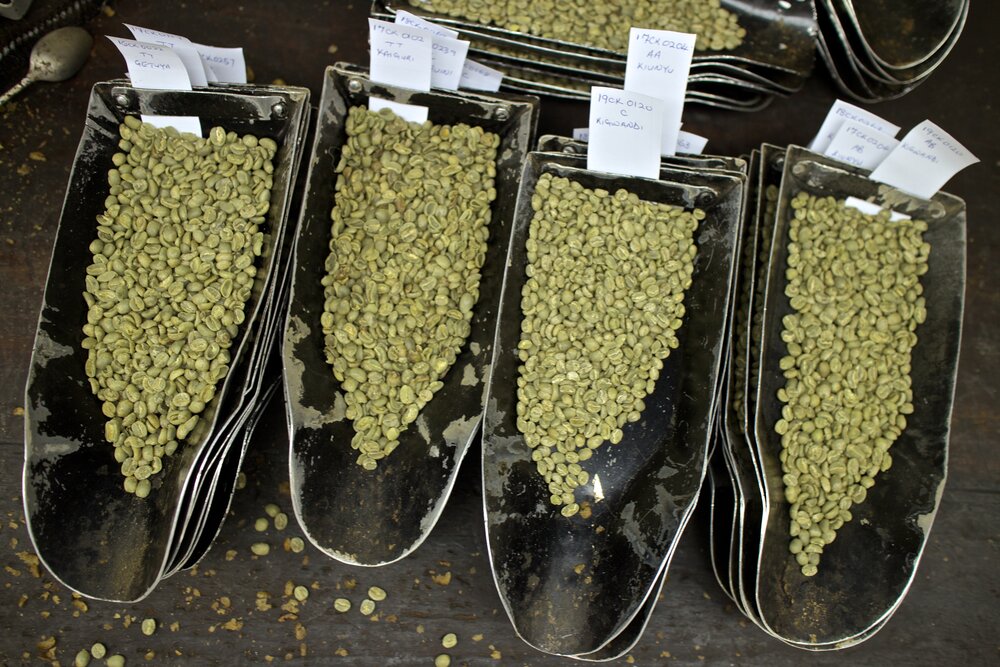
    green samples.jpg

    How the belief in a supposed skill made me miss out on great coffees

    There’s a little story I started telling myself after I had been buying coffee for just a couple of years, and it went like this:

    I can taste green coffee through the roast.

    What does this even mean? It means that I believed I could accurately evaluate a coffee’s qualities and score regardless of how poorly it was roasted, provided it wasn’t charred beyond recognition. It means that I believed the score I gave the sample wouldn’t change if I cupped a different roast of the same green.

    The story served me well; it certainly helped me avoid buying bad coffees. But the story is a lie, and I’m sure it made me miss out on a great deal of great coffees.

    First, let’s explore why I told myself this lie. To be an effective buyer of green coffee, you have to build a deep understanding of what factors cause green coffee to taste as it does. You learn about terroir, soil, varieties, harvest, processing, and drying above all others. You grow an intuition for how changes in these crucial steps play a part in the samples you’re cupping.

    On a given table of samples, you can reasonably assume that they were all roasted similarly enough that roast is not a variable. All of those other details of the green coffee are what make up the differences in the cup.

    But there’s more than that. Many green coffee buyers travel all over the world tasting coffee. Often, they have little or no control over how samples are roasted, even if they fully appreciate the impact of roasting on a cup’s score.

    I’m not alone in feeling this way. I can count on one hand the number of green buyers who believe that roast is important in their sensory evaluation of a green coffee. I would need several hands to count the number of coffee buyers who believe they cup through roast.

    Recently, I cupped a Rwandan sample provided by Atlas while looking for offerings for Facsimile. Here are my raw cupping notes:

    83.00

    fragrance/ aroma: vegetal, chocolate?, molasses

    liquor: unsweet, vegetal, raisin, nice body, sweet + bright when hot, still vegetal as cools

    Not sure if you caught this, but I wrote “vegetal” three times and wrote the coffee off completely. Also note that I do not mention the roast at all. There was nothing obviously wrong with the roast during my evaluation.

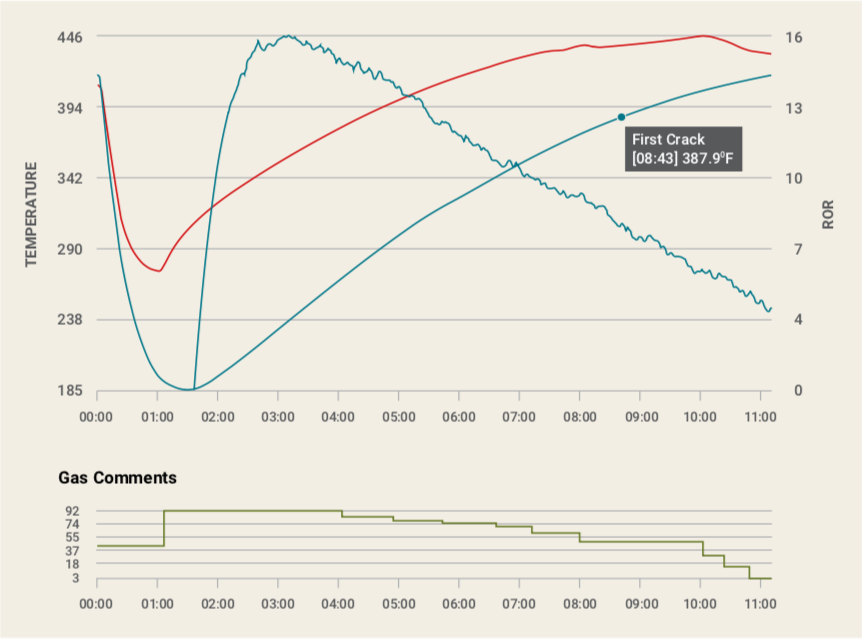
    But Scott Rao, who closely monitors the ROR curves of all the coffees I received, reached out when he saw my score. He pointed out that, due to no error of the person sample roasting, the reliable Mark Benedetto, there had been an issue with the roast.

    Fortunately, the good people at Atlas were willing to indulge a little experiment, and sent me more of the sample, despite my explanation that I’d be unlikely to purchase the coffee. (Thank you, Chris Davidson!) A new sample, properly executed, arrived on my table:

    86.00

    fragrance/ aroma: orange, caramelized sugar, raisin

    liquor: chocolate, orange, golden raisin

    A three-point difference for this experienced cupper because of roast? This experience has completely changed my understanding of green-coffee evaluation.

    For one, it’s why we decided that all Facsimile products include a roasted sample. We had been considering offering a green-only version, but reconsidered after realizing that even the most skilled and experienced sample roasters using the best equipment can make a mistake, especially in their first batch of a new coffee.

    Two, I accept that if I don’t like a sample, it might be the roast, not the green.

    Three, you will no longer hear me say that I cup through roast. I don’t believe that anyone else can either. If anything, this lie held me back from a deeper understanding of when a roast is not appropriate for green coffee evaluation.

    Finally, it has helped me considerably to have consistent ROR curves in my sample roasts. Great roasting should not be exclusive to production roasting.


    To Be a Great Coffee Taster Feb 13, 2021
    Show notes

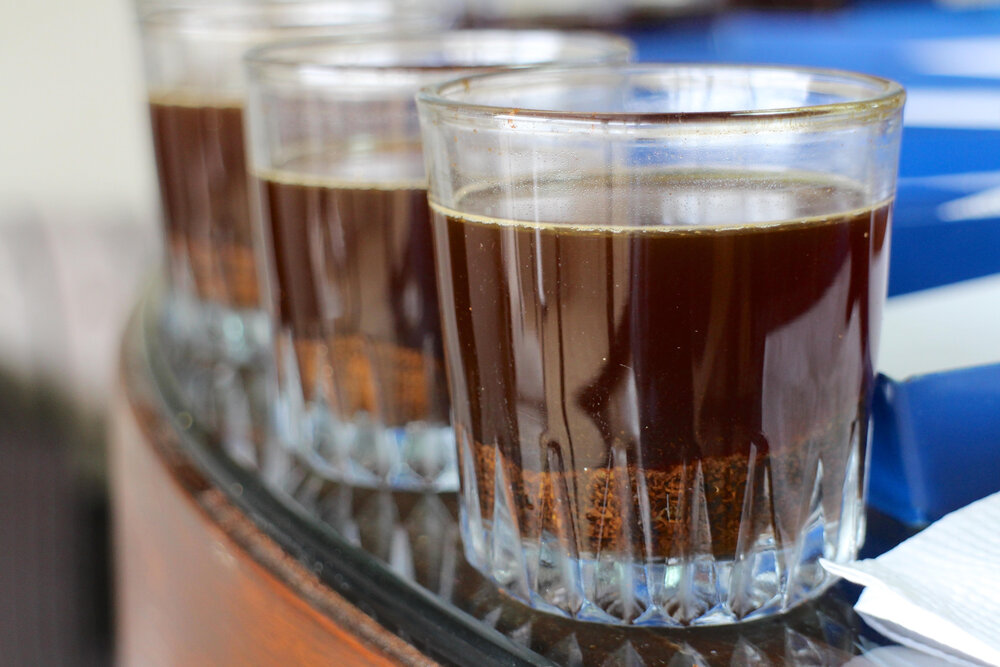
    ryans blog post photo.jpg

    A few years ago, I wrote the first book about the coffee buying role, Dear Coffee Buyer. I explained my motivation to share my experience as plainly as I could in the preface:

    I’ve made my fair share of coffee-buying mistakes. Some of them were likely unavoidable, but others could have been sidestepped if I had only had access to training for the job. Know-how and skill-building for the position, like an urban legend, has been passed on through the oral tradition. If you don’t work directly with someone who has been buying coffee for years, you just have to figure it out on your own. My goal is to help you avoid the mistakes I made and to shorten your path to proficiency in coffee buying as quickly and painlessly as possible.

    I’m satisfied with the effort to share what I know about coffee buying, but there’s a limit to how much you can learn from reading a book.

    Since its publication, it has become clear to me what I didn’t--what I couldn’t--include in Dear Coffee Buyer.

    To be a truly great coffee buyer, you have to be a great coffee taster.

    To be a great coffee taster, you have to cup with other, experienced tasters. You have to cup the same roasts of the same samples, brewed with the same water at about the same time. “Go out of your way to cup with others,” I write in Dear Coffee Buyer. “Getting someone else’s opinion on a cup or sample--even, or especially, if it’s different from your opinion--is incredibly valuable.”

    Unfortunately, this work cannot be done alone or in isolation. It cannot be done with your importers or other suppliers, because (please keep in mind) they’re trying to sell you something.

    Typically, this could be done in-person, but this isn’t always possible, and for the past year, has been very nearly impossible.

    Scott Rao and I are launching a cupping subscription designed to help you become a better coffee taster. Our goal is to provide you with an exact copy of the coffee we’re tasting so that we can cup them together, live and online.

    Each month, you will receive several unique coffee samples, expertly sourced and roasted.* I will evaluate the samples online while you taste along at home and compare notes, live or in your own time. We’ll invite guest cuppers to share their takes on the same coffees you have brewed in front of you. You’ll have the chance to improve your skills while you gain insights about origins, processing, and samples.

    It’s called Facsimile, and it’s available in limited quantities now.


    *This may sound glib or superficial, but we’re dead serious.

    We could wax poetic about how we collectively come with decades of green sourcing and roasting experience, or how we’ve written definitive, seminal books in our fields, or how we promise nothing short of exceptional coffees roasted flawlessly, free of any defects.


    But we’ll make it simple: We guarantee your satisfaction. If you’re not happy we’ll refund your money in full.


    CUP SCORE INFLATION Jan 18, 2021
    Show notes

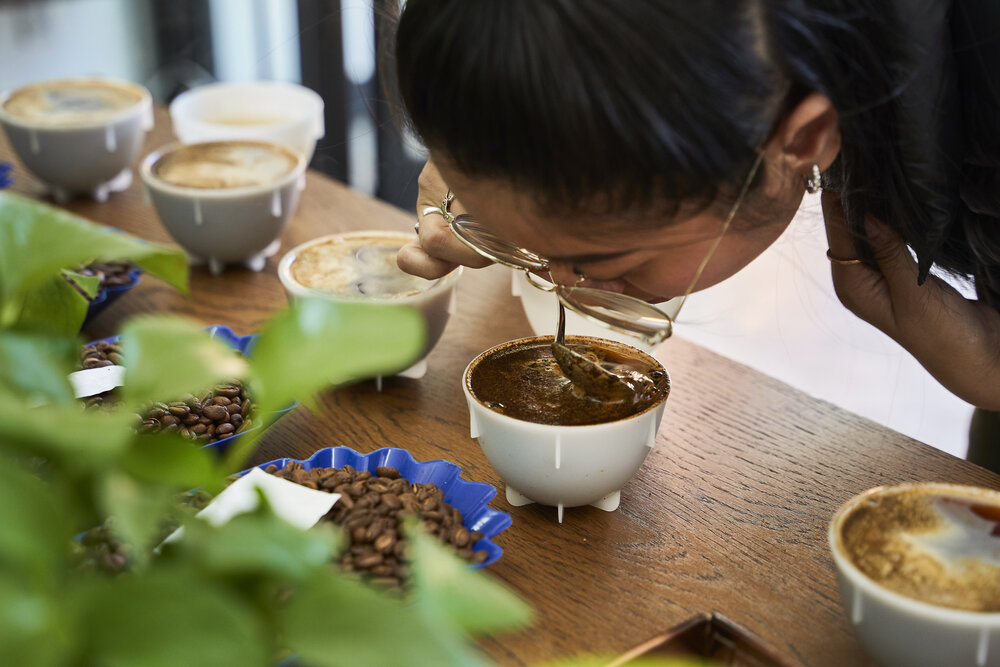
    REGALIA_AF_1119_009.jpg

    Recently a friend and I discussed the viability of starting a niche business selling green coffee. We decided not to do it, but one of the interesting issues to come out of our discussions was cup-score inflation.

    Part of our business model would have been to offer customers our coffees’ cup scores. However, scoring our own coffees would present an obvious conflict of interest: competition would pressure us into either inflating our cup scores or risk losing business to competitors who inflated the scores of their coffees.

    For example, one of my friends who is a home roaster and Q-grader purchased numerous coffees from a well-known green supplier. He scored all of those coffees 3––6 points lower than the scores provided by the green seller. The most egregious example was a Kenya rated 91 points by the importer, which my friend rated a generous 85. This is not a mere quibble. You should know a 91 when you taste it. You will remember where you were and who you were with. An 85, on the other hand, is not memorable. These scores are not close.

    Another example: last year I asked several importers to send me only samples of coffees rated 88 points or higher. The vast majority of samples I received were 85––86 points. While there is nothing wrong with 85-point coffees, it is difficult to mistake an 85 for an 88.

    These are all examples of what I think of as the “slippery slope” problem marketers often face: if you are completely honest about the quality of your product but your competitors all exaggerate the quality of their products, you will lose to those competitors. Once one competitor makes exaggerated quality claims, it becomes nearly impossible to avoid inflating your own claims of quality. Over time, the claims of almost all surviving competitors are inflated.

    Even when importers score coffees accurately, they often publish the score of a coffee when it was at its best, say, based on a pre-ship sample, and they do not re-score the coffee after it arrives, or later as the coffee fades and loses quality. Some coffees can easily lose a few points in a matter of a few months due to shipping conditions, storage conditions, excessive moisture content, or even the microbes used during fermentation. (See Chris Feran’s excellent post about microbes and coffee fade here.)

    Ideally, one hopes roasters will be “educated” enough to evaluate quality accurately, and then choose green accordingly, but in my experience working with newer and smaller roasters, that is often not the case. Many of my smaller clients don’t sample roast or request enough green samples before purchasing a coffee, and they over-rely on green sellers’ scores to guide their buying. This dynamic may train less-experienced roasters to score coffees too high.

    In the past year, my smaller clients have overrated the score of almost every roast sample they have sent me, usually by 2––3 points, but sometimes as much as 5––6 points.

    Please don’t misunderstand me: I do not think green sellers are any less honest than other people. They are simply adapting to an unfortunate dynamic in the industry created by a combination of competitive pressure and having inexperienced clients. I wish they would be more accurate and up to date in their scoring, but I also wouldn’t want to be in their position.


    What’s the solution?

    I won’t pretend to have the definitive solution to this problem, but here are some suggestions that may help less-experienced roasters make better green choices.

    1. Take the Q-certification course. It is perhaps the only industry-sponsored course worth the money.

    2. Train in person or remotely with an expert. If your goal is to improve your cupping and scoring skills, this is a more cost-efficient option than taking the Q course. I don’t consider myself expert enough to offer such training, but if it interests you, send me an email (scott@scottrao.com) and I’ll connect you with someone who is.

    3. Always sample roast, and cup blindly. Ideally, use more than one cup of each sample, and scatter the duplicate cups around the table so you don’t know where each coffee’s twin is. If you find you often score the duplicate cups differently, you know you have some work to do.

    4. Always cup more than one type of coffee at each cupping session. This is great advice from Ryan Brown, who told me he never cups a coffee by itself because he prefers to have a reference coffee on the table. And of course, ideally that reference coffee is cupped on a table with many samples.

    5. Try to cup with seasoned professionals when possible (and when we’re not in a pandemic.)

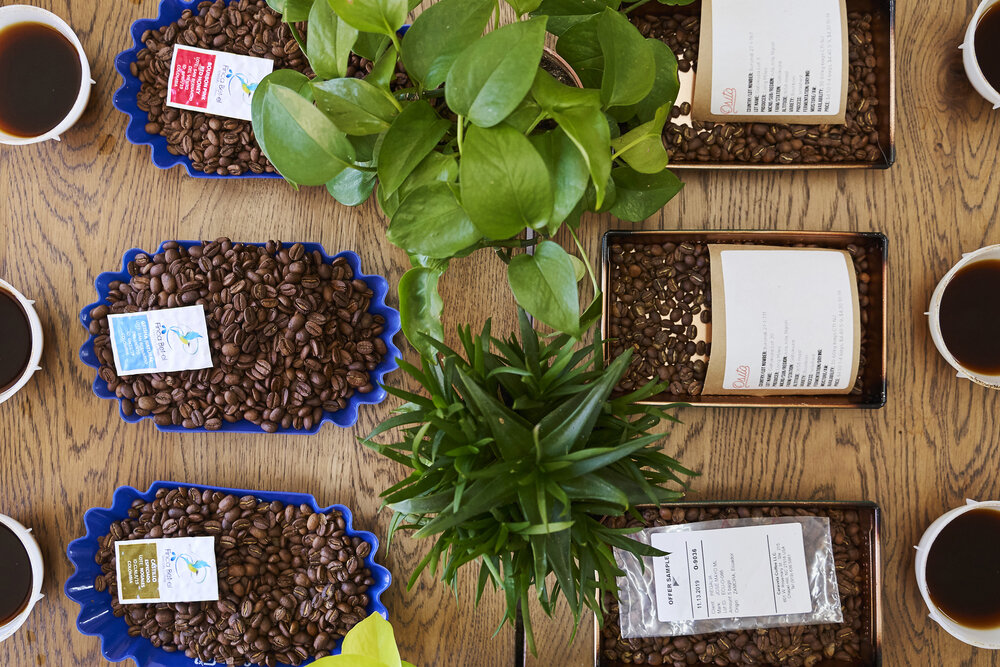
    photos by Adam Friedlander (@a.frieds)

    REGALIA_AF_1119_013.jpg


    2020 HOLIDAY COFFEE-GIFT GUIDE Dec 08, 2020
    Show notes

    As we enter the holiday season, I thought it would be nice to make some gift recommendations for the coffee enthusiast in your life. I admire and enjoy all of these items personally, and strongly recommend them. Please note that I have no financial interests in any of these products, other than my own book and the Decent Espresso Machine.

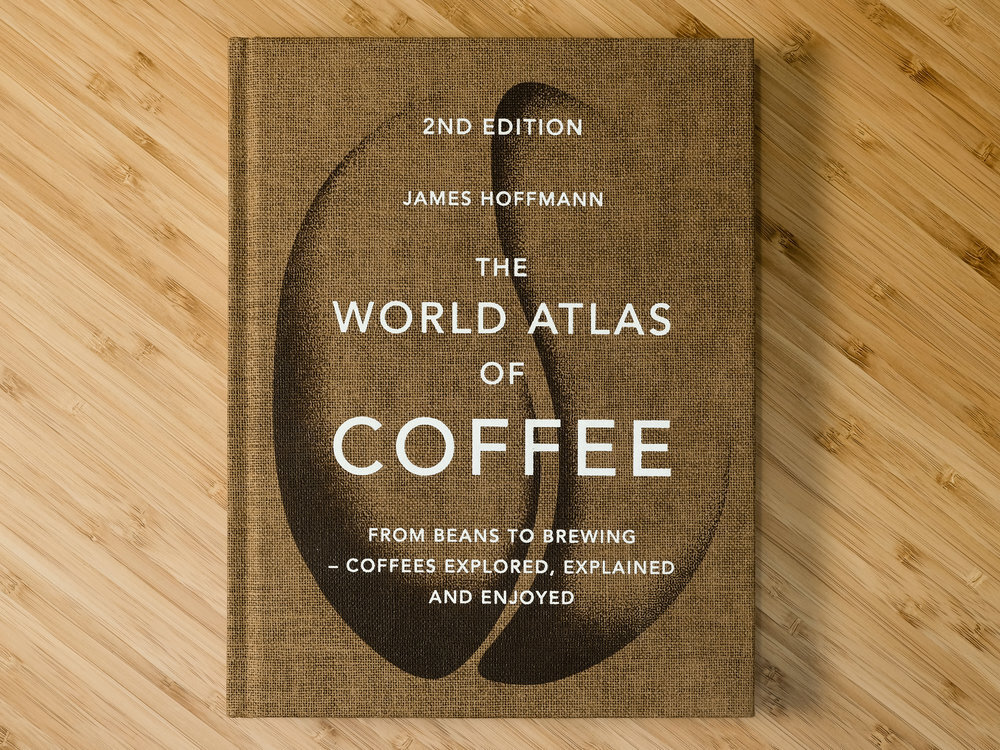
    The World Atlas of Coffee by James Hoffmann is simply the best all-around book ever written about coffee. James has recently updated the book’s data for the producing countries he discusses, and he has added sections such as one on home roasting. The book is available in English, German, Chinese (Simplified and Traditional), Russian, Korean, Japanese, Norwegian, Thai and even Italian!

    World Atlas of Coffee.jpg
    Barista Hustle image.png

    Barista Hustle Subscription Whether you’re a home barista or work in a cafe, there is no better way, especially during a pandemic, to deepen your barista skills than by taking the Barista Hustle online course. Barista Hustle, led by Matt Perger, is the world leader in making geeky baristas even geekier. If you’re going to learn, learn from the best.

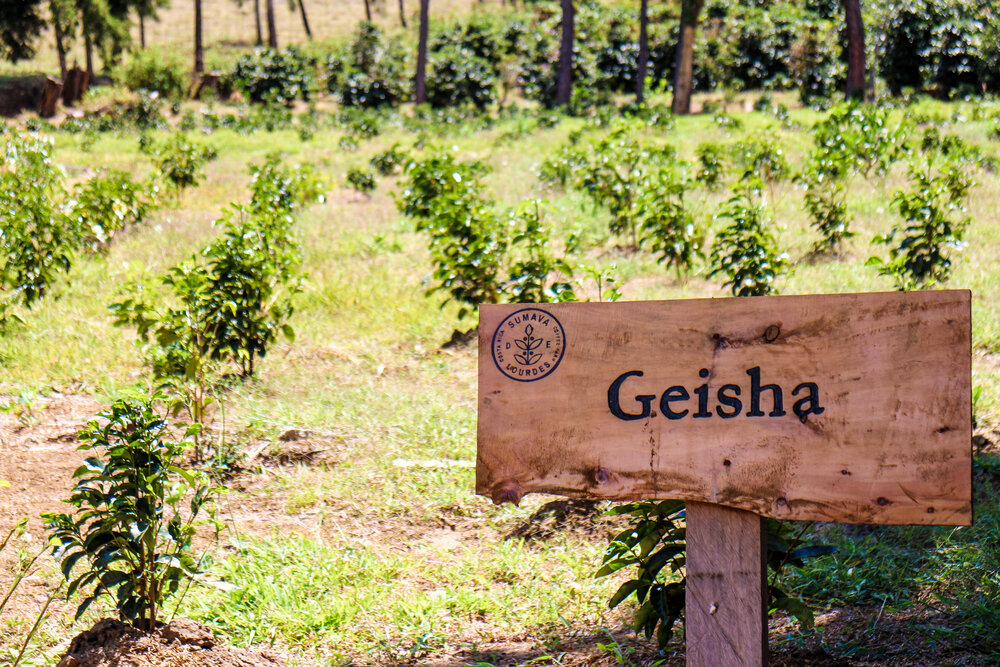
    If you’re in Europe and want to order some special beans for a loved one, I recommend the honey-processed Costa Rican Geisha Sumavafrom one of Europe’s best and most underrated roasters, Doubleshot in Prague. Nothing says “I love you” like a bag of Geisha, right? (But if I send you a bag of natural beans…)

    doubleshot sumava geisha.jpg
    _MG_0110.jpg

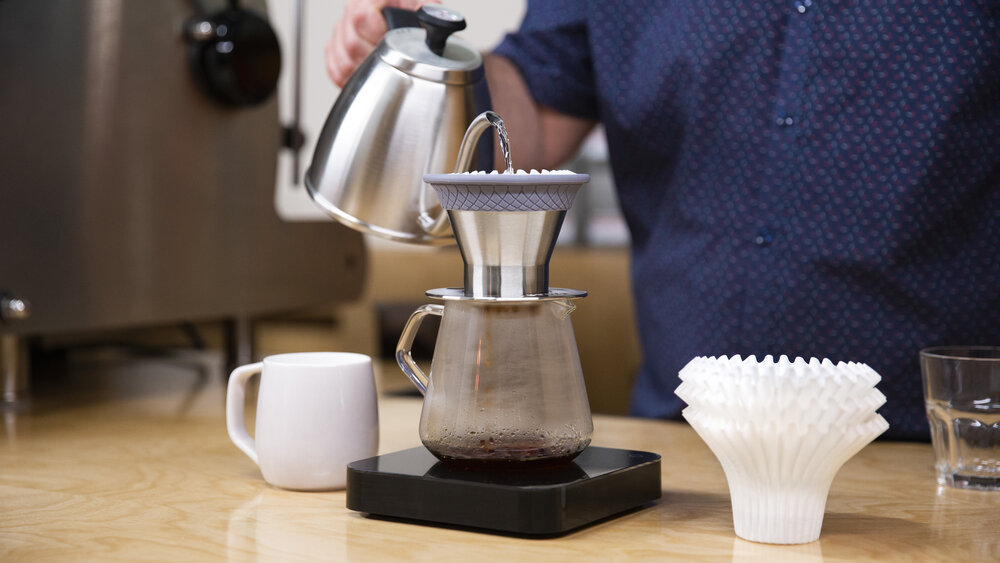
    I’ll say it out loud: The Espro Bloom is my new favorite pourover brewer, despite the funny-looking filters ;). The Bloom is the fastest pourover brewer I’ve ever seen, it makes delicious coffee, and is a pleasure to use. I can’t recommend it enough.


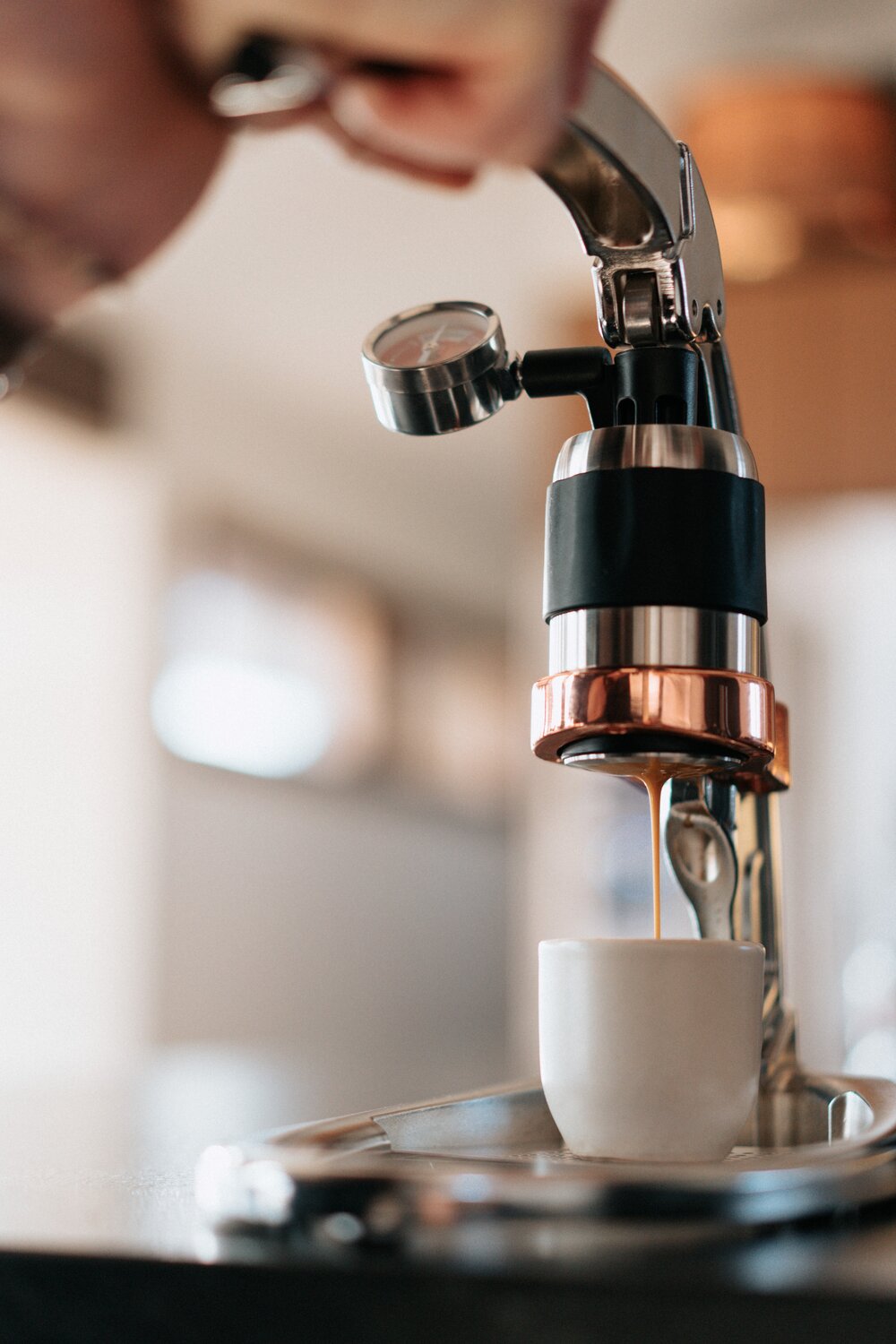
    The Flair Espresso Maker is a wonderful new manual espresso maker. Just fill it with boiling water, flex your biceps, and in 30 seconds you’ll have cafe-quality espresso. The design is lovely, and it’s fun to challenge yourself to apply pressure smoothly and consistently (if you’re into that sort of thing).

    hero_flair_shot.JPG
    Peak Water - DEC1- 005.jpg

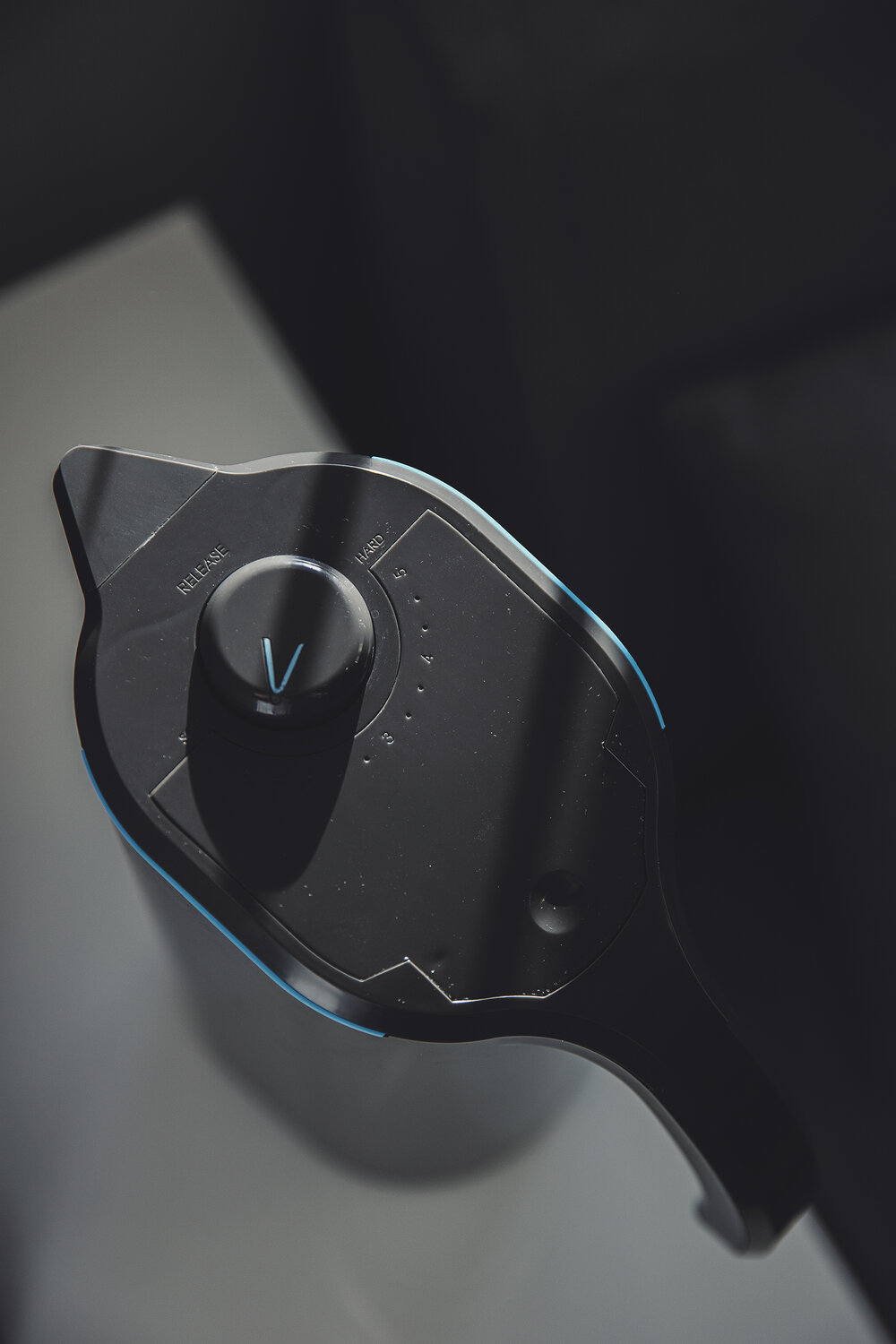
    The Peak Water Filter Jug
    I use the Peak everyday at home, and it’s revolutionary: the Peak allows me to adjust the amount of ion exchange to target whatever water alkalinity level I prefer for coffee brewing. Given that my tap water at home is quite hard, the Peak has been a godsend and has saved me a bundle on bottled water.

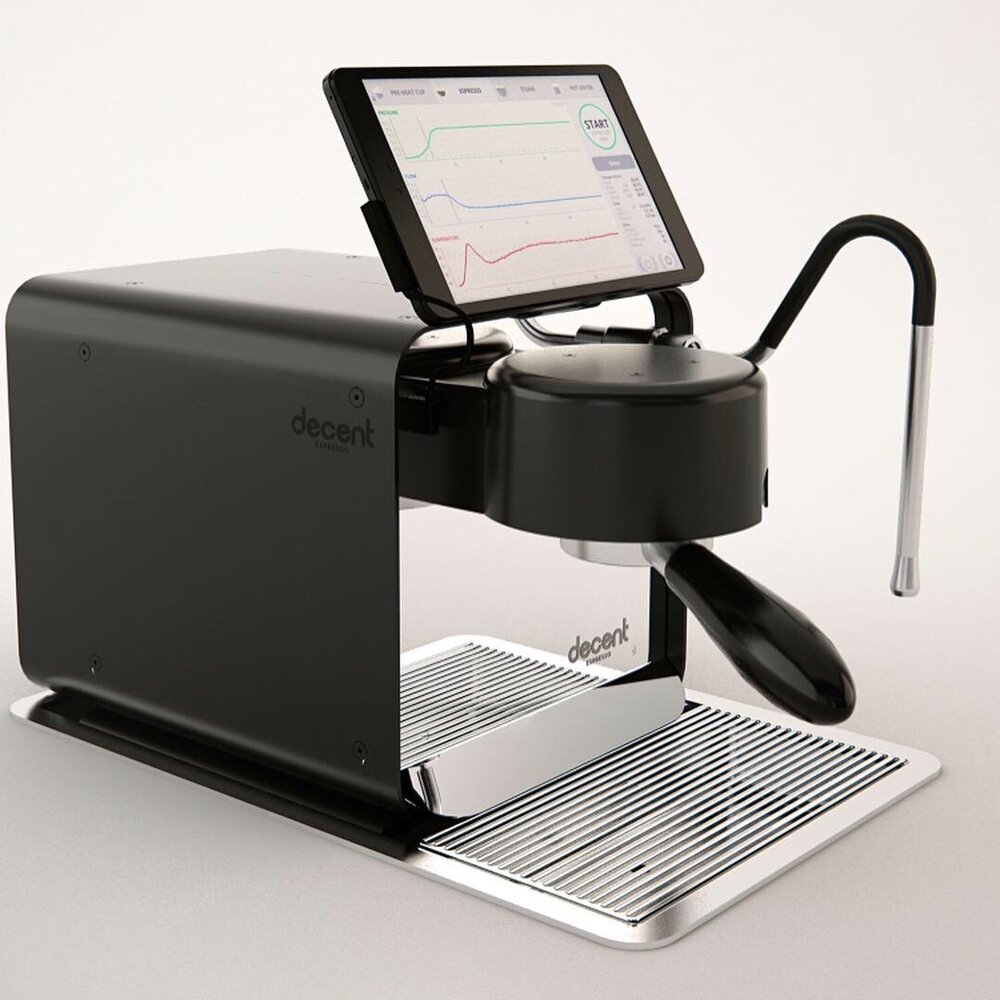
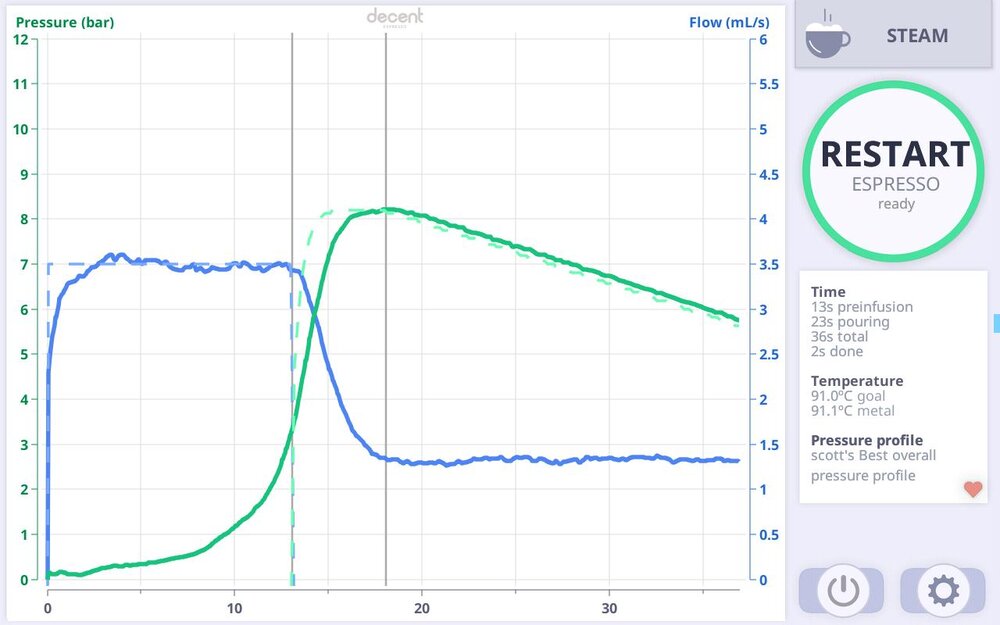
    The Decent Espresso Machine Whether you really, really want to make a loved one happy, you’ve got too much cash burning a hole in your pocket, or you just want your significant other to make you extraordinary coffee every morning, the Decent Espresso Machine is the splurge gift of the year. The DE1 pulls beautiful espresso and is easily the world’s most versatile machine. Try the Blooming Espresso, the Allongé, or create your own custom flow and pressure profiles. For the uber-geek in your life, the real-time flow, pressure, and temperature graphs are fascinating to watch while pulling shots. This machine has truly revolutionized espresso, and now it even makes consistent, extraordinary filter coffee.

    Decent Espresso Machine photo.JPG
    pressure profille flat flow.jpeg


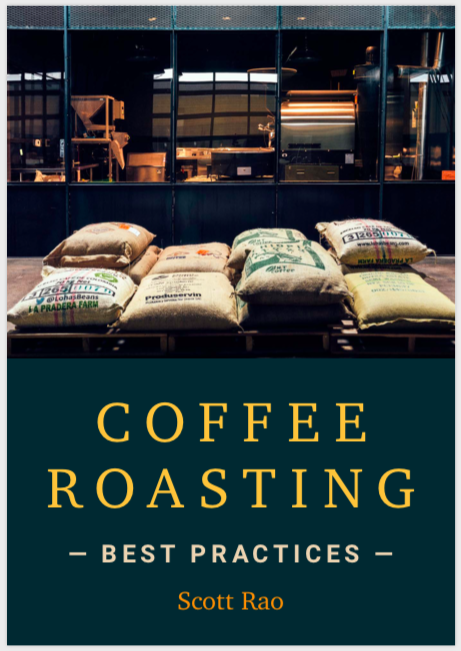
    Coffee Roasting: Best Practices

    Call me biased, but I am very happy with my new roasting book. It’s the book I’ve always wanted to write: detailed, prescriptive, and data-driven. I developed the roasting system in the book over many years of offering seminars and consulting for some of the world’s top roasters. Whether one is looking to roast more consistently, manage RORs better, or just avoid ROR crashes, this is the right book. If you have a roasting enthusiast in your life, this would make a great gift.

    CRBP Cover.png
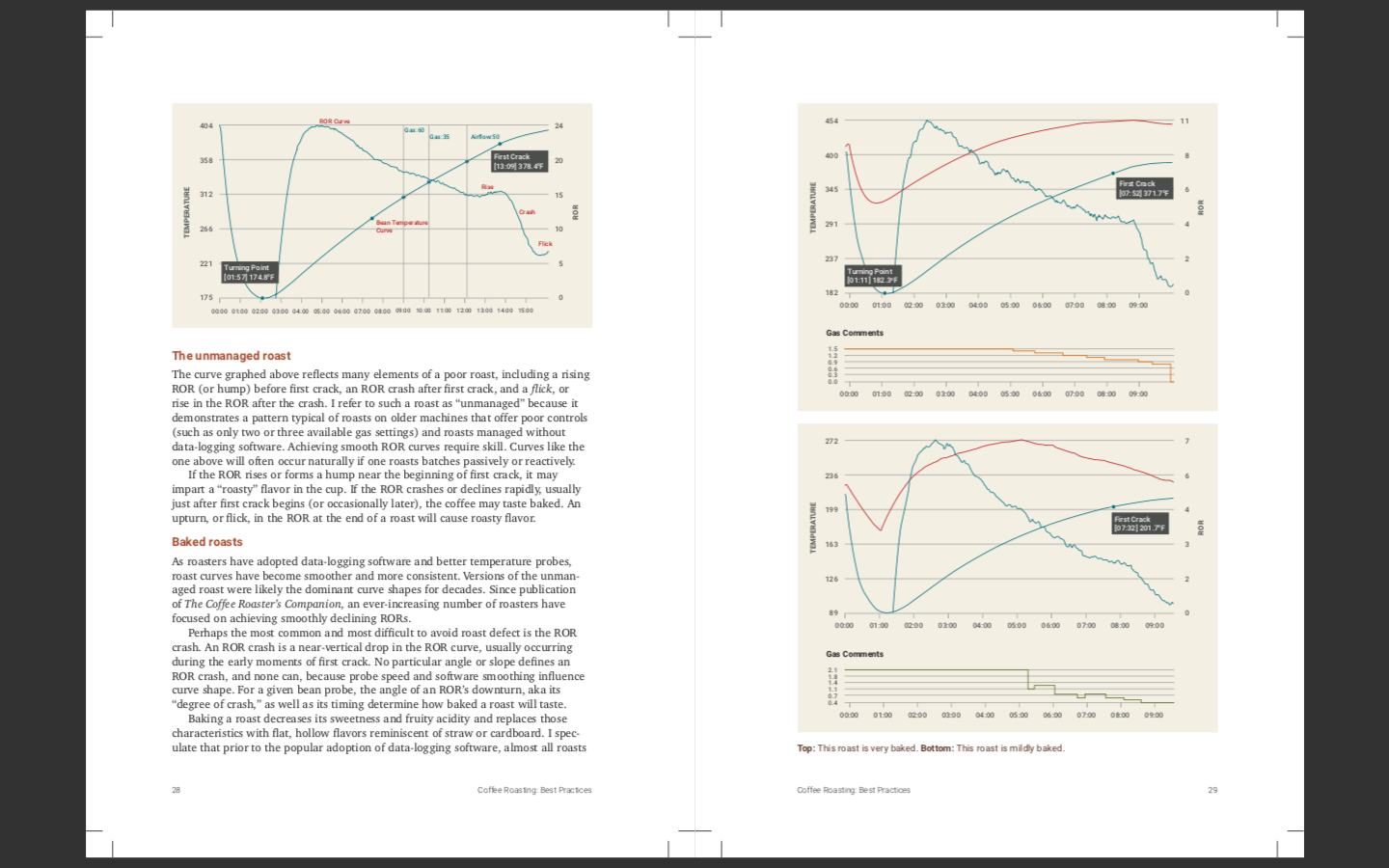
    View fullsize 28-29 unmanaged baked.png
    View fullsize 48-49 crashes.png
    View fullsize TOC I.png
    View fullsize TOC II.png


    Online All-Levels Roasting Class! Oct 09, 2020
    Show notes

    I’m pleased to announce my newest all-levels online roasting class this November 7.

    The class will be broadcast through a private Facebook group. All ticket holders will have access to the class video and discussion forum for one month after the class airs. *It is not necessary to view the class as it airs live.*

    Many students of previous online classes have said the month-long discussion forum improved their roasting more than any other class or resource ever had.

    During the class we will discuss the samples and their curves from the upcoming Roast Defect Kit. If you would like to receive the Roast Defect Kit in the mail to cup along with us at home, the kit will cost an additional $50 USD plus shipping. The coffee in the new kit is an incredible 88.5-point organic Ethiopian honey setami (a variety new to me!). The RDK is a great educational tool to share with your coworkers or staff!

    DATE & TIME: Sat, November 7, 2020 (1:00PM-4:00PM US Pacific Standard Time)

    LOCATION: This class is online only.

    INCLUDES: Three hours of lecture and Q&A plus one month of online coaching

    • Cupping and curve discussion of the "Roast Defect Kit" featuring good, baked, and underdeveloped roasts.
    • Methods to create consistent, repeatable ROR curves
    • Advanced methods to prevent ROR crashes and flicks
    • How to modify roasting machines for better performance.
    • Pro tips to get the most out of Cropster and other roasting software.
    • How to adapt strategies to different types of machines.
    • Analysis of numerous roast curves.

    All ticket holders will also have access to a discussion forum on the private Facebook group for one month. I will field questions and discuss students’ curves every day on the forum. The forum will provide a safe, friendly space for a high-level discussion about roasting. This is the same service I offer private consulting clients, at a steeply discounted rate, and in a fun format.

    The course is appropriate for roasters of all levels. Although I am calling it an “all levels” class, this course will touch on methods more advanced and practical than anything in the level-three SCA roasting course (those classes are very basic). I guarantee your satisfaction.

    Please click HERE to buy tickets!

    Please click HERE to buy the Roast Defect Kit


    Managing astringency in coffee brewing Oct 08, 2020
    Show notes

    I’ve frequently written about astringency on Instagram and Jonathan Gagné, author of the forthcoming book The Physics of Filter Coffee, wrote an excellent blog post about the science of astringency. Here I’d like to offer a practical guide to finding and fixing astringency in brewed coffee.

    What causes astringency in coffee?

    Large molecules called polyphenols, in particular chlorogenic acids (CGAs) and tannins, are the likely, primary sources of astringency in brewed coffee. Being larger molecules, polyphenols tend to extract less readily than most other coffee solubles, though CGAs seem to extract more readily than tannins do. (It has not been scientifically proven that CGAs extract more readily than tannins do, but it seems probable.) It’s likely the majority of astringent polyphenols found in brewed coffee extract via channeling in percolation brewing. Astringency is much less likely to occur in immersion brewing due to the lack of channeling.

    What increases the risk of an astringent brew?

    There are several potential sources of increased astringency in brewed coffee:

    • beans (seeds) from underripe cherry*

    • underdevelopment in roasting*

    • channeling during percolation brewing

    *Both underripe cherry and underdeveloped roasts tend to yield higher levels of CGAs in the cup. CGAs are both astringent polyphenols and also the most prevalent acids in coffee. Having some CGA is probably important for a delicious cup (though I’m not sure any of us have ever tasted a coffee without any CGAs), but when the CGA level is too high, the coffee becomes noticeably astringent.

    How to find and fix the source of astringency

    When I find a brew astringent, I go through a series of steps to find and fix the source of the astringency:

    • If I have previously made a non-astringent, percolation brew of the same roast batch of the coffee in question, it is almost certain that channeling caused the astringency in the more recent brew. In that case, I would brew again with either (hopefully) better technique of a coarser grind setting.

    • If I cannot rule out channeling (for example, if I don’t trust my brewing method or skill), I will taste the coffee as a cupping. If the cupping is astringent, then channeling was not the cause, or at least not the only cause, of the astringency in the percolation brew.

    • If both percolation and immersion (cupping) produced astringency, the cause must be due to an underdeveloped roast or underripe cherry.

    • If some roast batches of the coffee in question are astringent and others aren’t, it is likely that roast development was the cause of the astringency.

    • If all roast batches of the coffee are astringent when cupped, and you are confident they are not all underdeveloped, then the green was likely from underripe cherry.


    How to Choose a Roasting Machine Apr 09, 2020
    Show notes

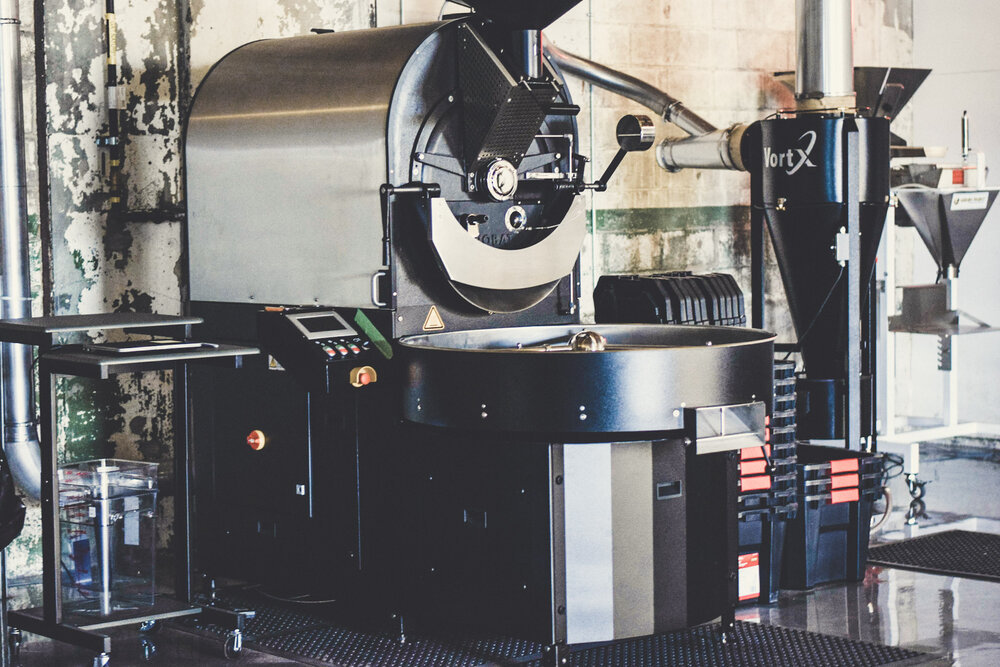
    If you’re in the market to purchase a coffee roaster, I wrote this book for you. I’ve had the fortune to roast on hundreds of machines throughout my career, and I’d like to help new roasters buy the right machine for their needs. My goal in writing this book isn’t to tell the reader which brand to buy, but to help the reader to understand the important considerations in the decision and to make an educated choice that suits his or her needs. Most machines from the major brands are capable of roasting a delicious batch of coffee, but some machines have features that make top-quality roasting and replication too difficult, even in skilled hands. Common examples of such features include thin, single-walled drums, slow gas valves, valves with poor resolution at low settings, excessive insulation around the drum, slow or poorly positioned probes, and limited control of roasts after first crack. When seeking advice about what machine to buy, please ask those who have experience with all of the major brands. Roasters who have used only one or two machines tend to favor those machines and lack perspective about other machines. It should go without saying, but please do not rely on the advice of roasting-machine sales associates, as they are always biased, and often misinformed about the virtues of competing brands. I do not publicly recommend or critique particular brands in this post, as those opinions are best shared with clients in private. Here, I will discuss what to consider when choosing a roaster. It’s up to readers to infer my opinions of various brands. Budget First, consider how much you can afford to spend on a roaster. When calculating your budget, don’t forget to include the cost of necessities such as chimney ductwork, pollution-control equipment, initial green-coffee inventory, QC equipment, a laptop for logging roast data, and various supplies. A budget should also include the costs of installation, permits, and architectural drawings for the permit process.If you’re a first-time roaster buying a machine with a capacity of between 6 kg–15 kg per batch, I’ve offered current (2020) equipment cost estimates below. Costs will vary country to country; I’m most familiar with the costs in the US, so I’ve referenced those here. All prices are in USD; I’ve attempted to offer reasonable low and high estimates for each item. If an item’s low estimate is $0, it means the item is optional. I haven’t bothered including optional equipment such as color readers and other QC devices, as they are not critical for a roasting startup. Key ConsiderationsWith your budget and the above costs in mind, consider how much you can spend on the roasting machine. If you can afford it, please buy a larger roaster than you think you need. I’ve never known a roaster to regret buying a machine that was a bit too large, but I’ve known many roasters who regretted buying machines they quickly outgrew. Once you’ve estimated the startup costs of your roasting operation, prioritize your wants and needs.1.CapacitY To choose the proper machine size, it’s important to estimate how much coffee you expect to roast each week over the next two years. Note the weekly amount of coffee you expect to roast two years from today. I recommend buying a machine large enough to roast that quantity of coffee in no more than 25 hours. When performing these calculations, remember that a machine’s real capacity is likely less than its stated capacity, and that beans lose 14%–20% of their weight during roasting. (For reference, third-wave roasts lose approximately 14%, while a Starbucks roast may lose 20% or more.) A machine’s burner capacity—not its drum size—determines how much coffee it can roast well. A reasonable guide is to assume that a quality roast of one kg of green coffee requires 11,500 kj/hr (or, one lb of coffee requires 5,000 btu/hr).* *This formula does not apply to machines that recirculate hot air back into the roasting chamber. Recirculation machines have higher capacity relative to burner output. Your roasting-machine salesperson will likely claim that you can roast 15 kg per batch in a 15kg machine. The job of a salesperson is to sell machines, not to help you roast the best-possible coffee, so take any claims lightly. The salesperson may be technically correct, because the drum can surely fit a 15-kg batch, but a full batch may take 15:00–20:00 to roast, which is longer than ideal. If quality roasting is your goal, it’s usually safe to assume you will roast 3–3.5 lf batches per hour at 50%–70% of a machine’s stated capacity. Then deduct the 14%–20% weight lost per batch to calculate how much roasted coffee per hour a machine can produce. For example, if one were to roast three and a half batches of 7 kg green coffee per hour in a Diedrich IR-12, with an average weight loss of 15%, the machine would produce just under 21 kg of roasted coffee per hour (3.5 * 7 kg * .85 = 20.8 kg). That’s more realistic than assuming the machine will roast 48 kg per hour. 2. ReliabilitySome machines are more reliable than others. Machines with fewer parts, fewer high-tech features, and heavier builds tend to be more durable and reliable. Older, simpler roasters, such as the fabled UG-series Probats are examples of rugged, low-tech machines built to last. Of course, all design decisions entail tradeoffs. Some modern technology may lack reliability but make quality roasting easier and more repeatable. Again, ask other users about reliability before buying— I’m sure most roasters would be happy to share their experiences, especially if they have complaints! While roasters are not always objective about their own roast quality, they tend to be somewhat objective about the reliability of their machines.3. ServiceMany brands may not offer service or support in your country. Further, some companies offer poor support once you have paid for your roaster. I won’t publicly discuss which companies, in my experience, neglect their customers, but I implore you to ask other users of a brand about service quality before you put a deposit on a machine. Even if you have a pleasant initial sales experience with a company, that does not guarantee future service quality.4. User Interface:This may seem like a trivial consideration, but if you’re going to spend 20–40 hours per week using a roaster, a well-designed user interface is important. The interface isn’t just about convenience and comfort, it can also affect roast quality and repeatability. For example, machines that require you to repeatedly tap an up- or down-button to change the gas setting can be tedious and slow to respond. In comparison, a machine with an analog gas dial or a smart touchscreen is more responsive, makes it easier to replicate curves, and can be a pleasure to operate. Other ease-of-use considerations involve having large, well-positioned digital manometers, timers, and temperature readouts. 5. AestheticsYou may want to consider aesthetics if you are installing a machine for use in a retail cafe or other public space. A beautifully refurbished vintage machine may make a nicer impression than a budget, modern machine. 6. Machine ConfigurationsI discussed this topic in detail in The Coffee Roaster’s Companion, but will repeat the basics here. Common architectures include classic-drum roasters, indirectly fired roasters, recirculating roasters, and fluid-bed roasters. Each design has pros and cons. Classic drum roasters: In these machines a drum rotates above a gas flame, and a fan pulls hot air from the burner through the drum and out of the roaster. Most smaller machines are classic drum roasters. Classic drum roasters get the job done, though many models provide too much conductive heat transfer, due to having a thin single-walled drum or an improper distance between the burner and drum. If too much heat is transferred to the beans via direct contact with the drum, coffee will taste harsher and less delicate. If you choose a classic drum roaster, I suggest you seek a machine with a double-walled drum and a burner with sufficient btu/hr (or kj/hr) for your needs. Compared to other designs, classic drum roasters offer good thermal stability but slower responses to gas changes. Indirectly heated drum roasters: In these machines the burner chamber is separated from the drum and hot air passes from the burner chamber through the drum. The design allows the drum’s surface to remain cooler because the flame is not in contact with the drum. Indirectly heated roasters are more difficult to control than classic drum roasters, because they require skillful management of airflow, while classic drum roasters rarely require much, if any, airflow adjustment. Recirculation roasters: These machines recirculate a portion of the roasting exhaust air back through the burner and roasting chamber. Such machines are energy-efficient but often run the risk of imparting smokey or polluted flavors on coffee. To avoid smoke taint, it’s important to heat the recirculated air to a sufficiently high (afterburner-level) temperature before passing it through the drum. Fluid-bed roasters: These machines rely on a bed of rising hot air to circulate the beans and keep the beans aloft. Fluid-bed roasters eliminate the risk of conductive-heat damage, and are usually capable of developing beans well in short amounts of time. While there is no theoretical downside to fluid-bed roasters, in practice their control systems are usually too simplistic to fulfill the machines’ potential. Given the current, rapid evolution in roast-control and data-logging software, I expect the utility and popularity of fluid-bed roasters to grow rapidly in the near future. 7. FeaturesNone of the features listed below are necessary to roast a good batch of coffee, but each may contribute to improved roast quality or repeatability. Double drum (applies only to classic drum roasters) and powerful burner:The foundation of a good classic drum roaster is its burner and drum. As noted previously, burner output determines a machine’s true capacity. Double drums allow for faster and hotter roasting with less risk of tipping or scorching. Make drum quality and burner output your first two concerns when choosing a classic drum roaster. You can easily replace or upgrade fans, valves, ducts, etc, but you cannot easily replace a drum, and upgrading a burner can be expensive. Variable-speed-drive (VSD) fan: As long as your roaster’s fan provides a reasonable amount of draw, you don’t need a variable-speed fan to produce good roasts. But without a VSD fan, it’s impossible to maintain consistent airflow levels day to day. The combination of a digital air-pressure manometer and a VSD fan is essential for expert-level roast repeatability. Air manometer (aka drum-pressure manometer): A manometer in the duct between the roasting drum and exhaust fan is a relatively new, worthwhile addition to a roaster. The manometer reads pressure, not flow, but that pressure reading correlates with airflow. Using the same fan setting every day does not ensure consistent roasting because airflow may vary day to day with the weather and other factors. Having an air-pressure manometer helps one know how to adjust the fan to provide consistent airflow every batch. (Note: directly measuring airflow requires installing probes in the exhaust duct, but the probes get dirty too quickly during roasting to work effectively. Using an air-pressure manometer is the best current option to monitor and maintain consistent airflow batch to batch. However, the relationship between pressure and flow will shift slowly as the ducts get dirty, so frequent chimney cleaning is critical.)High-resolution gas manometer: Most roasting machines come with small, cheap analog manometers that offer imprecise gas-pressure measurements. I recommend replacing your stock analog manometer with a high-resolution digital manometer. Analog manometers may be aesthetically pleasing, but they make discernment of precise readings too difficult. Proper probes and probe locations: To be a great roaster by today’s standards, one needs better green, lighter roasts, quality data collection, precise controls, and software to track and analyze the data. To ensure adequate data collection, insist on having a bean probe and an environmental probe, each with diameters of 2.5 mm– 4 mm. An inlet-temperature probe is helpful but not critical. The optimal bean probe location in most machines is as follows: The probe’s tip should be 3–5 cm from the inside of the machine’s faceplate. The probe’s tip should be 3–5 cm from the inner drum edge. (2 cm is ok for machines with capacity of 1 kg or less.)The probe tip should be in the heart of the bean pile, even when roasting very small batches. If the probe is too high in the drum or too close to the center axle, it may not be immersed in the bean pile of very small batches. Proper probe location should provide quality data for batches as small as 20% capacity.Paying for a machine: Manufacturers typically require the buyer to deposit 50% of the machine’s price upon ordering, with the balance due upon shipment of the machine. The problem with such arrangements is that once a manufacturer has your deposit, he or she may lose motivation to deliver your machine on time. Salespeople routinely promise a machine in three months, secure a deposit, and then ship the machine six to nine months later, claiming unavoidable delays. The buyer is helpless as he or she pays rent on an empty roastery and loses money waiting for the machine to arrive. I have seen such delays happen on fully half of my clients’ orders. I strongly suggest insisting on a sales-contract clause guaranteeing delivery by a certain date, with a penalty against the manufacturer for late delivery. Given the number of considerations listed above, how should one prioritize them when purchasing a machine? Here is how I would prioritize the list: Ensure a brand’s machines are reliable. Seek out features that assist in precision roasting.Find a company that offers prompt, reliable service, with service representatives based in your country. Cost (relative to burner output and features)Other considerations discussed above, such as installing a better probe or manometer can often be arranged with the manufacturer or added after you receive a machine. The Bottom LineWhen choosing a roaster, I suggest you determine your budget, make a prioritized list of your needs and wants, and ask other roasters about their experiences with various machines. Trust others’ opinions about machine reliability and service, but be skeptical of their opinions about roast quality unless they have had extensive experience on numerous models of roasters. Ignore subjective information from salespeople. When possible, arrange with the manufacturer or another roasting company to spend a few hours working on a model of machine before committing to its purchase. Notes about accessories:Floor scale: Please choose a sturdy floor scale with a resolution of no more than 0.005 kg (0.01 lbs) and a maximum capacity greater than the weight of your largest batch plus the bucket in which you will weigh that batch. You may want a scale with even larger capacity if you plan on blending together full batches. The scale’s resolution must be precise enough to provide useful weight-loss calculations.Timer: Your software or roaster’s control panel probably tracks roast time, so you shouldn’t need a separate timer. If you do need one, make sure it is easy to read from a distance. Spotlight: I recommend mounting a lamp with a full-spectrum bulb just above the bean trier. While I recommend using the trier sparingly, it should be well-lit for those rare times you use it. Fire-suppression: I recommend hard-plumbing a water line into the roasting-machine faceplate and chaff collector. The water line should include a spray head with an easy-to-access valve. This is probably the best insurance you can…

    Full show notes at the publisher

    Coffee Roasting Fundamentals Mar 29, 2020
    Show notes

    Sometimes the most fundamental and important messages seem to get lost in the details. Some of what is said online and otherwise about roasting, and about what I have said about roasting, is mistaken. I’d love to set the record straight on the fundamentals and my beliefs, and there’s no better time to do it than just before my upcoming beginners’ online roasting class.

    Roast Time
    There is no one “correct” duration for a roast. However, depending on your machine, gas pressure, and batch size, there is a reasonable range of roast times. For example, one can’t say “an eight-minute roast is too fast” without knowing the context. Eight minutes is not too fast when roasting 3kg in a Probat P12, but definitely too fast when roasting 12kg in a P12. It’s all in the context.

    I don’t recommend a specific roast duration; instead, I always teach that optimal roast duration is dependent on the ratio of batch size to burner output.

    Roast Color

    I’ve never told a client how light or dark to roast: to me, that is a personal and business decision. While i’d love to see most roasters roast lighter, and while I personally choose to roast and consume extremely light roasts, light roasting can be a poor business decision for many. I also believe roasters should roast only as light as they have the skill to do successfully; if you often underdevelop coffee, then I recommend roasting a little darker until you have figured out a system to improve development of lighter roasts.

    Screen Shot 2020-03-25 at 4.12.55 PM.png

    The Best Roasting Machines

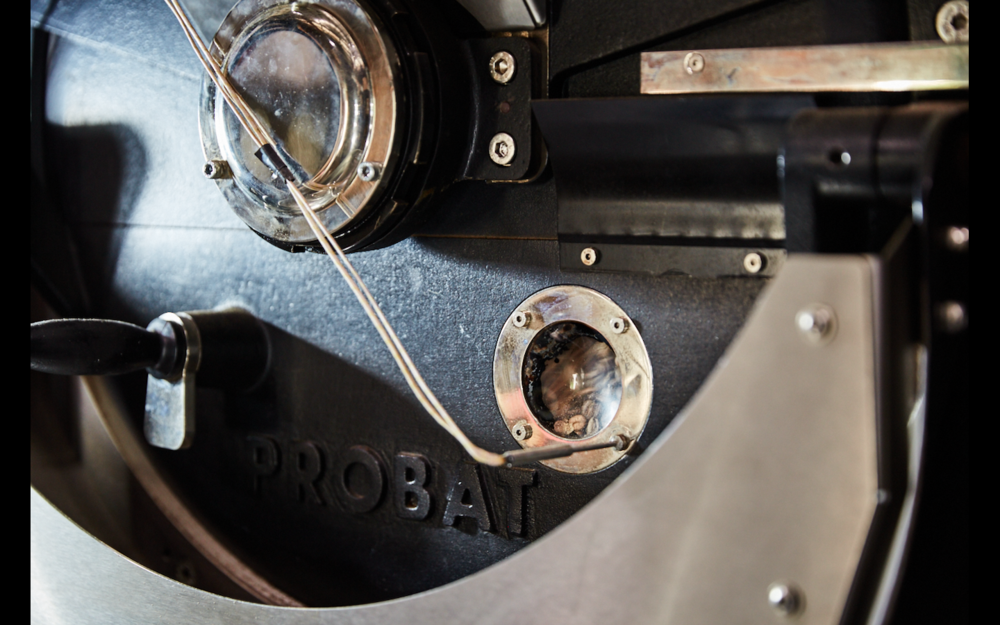
    I do not recommend any particular brands, at least not publicly. I’ve said kind words publicly about a couple of brands, but that was not a recommendation to buy their machines. If I were to publicly name my top three roasting machines, everyone reading this would be very surprised by at least two of them. When clients ask me what machine to buy, I explain the pros and cons of various machines, and ask them to talk about their preferred roast style and budget. We also consider factors such as which brands offer service in the client’s country. There is no machine that is ideal for everyone. While it’s perfectly sensible for Tim Wendelboe to roast on a Loring, a machine well-suited to light roasting, it’s equally sensible for a second-wave chain to choose a classic-drum roaster such as a Probat. One should consider budget, service, roast style, ease of use, preferred degree of automation, reliability, and several other factors when choosing a machine.

    21-DSC_0040.jpg

    Data Collection

    It would be inadvisable to look at a curve I post online and try to copy the numbers using your roasting machine. I may hit first crack at 375f (190c) and drop a batch at 405f (207c) but on your machine the equivalent numbers may be 10f (5c) higher (for example), depending on our relative probe calibrations and the environmental temperatures at those moments in the roasts (ET readings affect BT readings.)

    Screen Shot 2020-03-29 at 4.35.09 PM.png

    Having a reasonably good probe (2.5mm—3mm diameter, ungrounded is my preference) in a good location, using Cropster or Artisan, and learning to read curves is critical. Prior to data-logging software, specialty roasters as a group made little progress for decades. After data logging became popular, roasters’ learning curves went vertical. Please do not assume that your machine’s manufacturer has set you up for proper data collection. If they are not offering a 3mm (ish) probe and an ET probe, both well located, at the least, please talk to them about it. I find many manufacturers to not be very interested in data collection and presentation, but customer demand for better data collection has altered their decisions significantly over the past five years.

    Baked Roasts

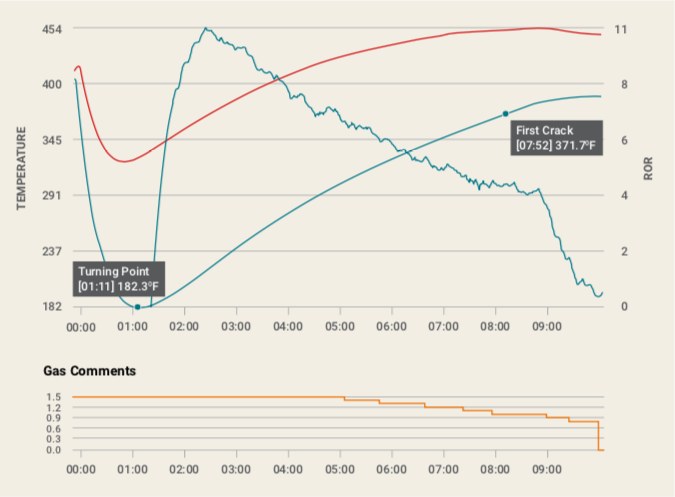
    It’s taken years, but I’ve won over many roasters to the understanding that baked roasts are caused by hard ROR crashes, not by slow roasting. Some roasters intentionally bake coffee to decrease acidity, though I recommend other methods to accomplish that. Baked coffee is generally less sweet, more hollow-seeming, and often has hints of straw and flatter acidity.

    Screen Shot 2020-03-26 at 5.24.42 PM.png


    DTR

    Sometimes I wish I had never invented the concept of Development Time Ratio. Despite it being just one concept in a 100-page book, 99% of comments about the book have focused on DTR. DTR is often misunderstood, so let’s address that: the book wasn’t written for only those who roast on very lightly (that I am fond of light roasts); it was written for all of the world’s roasters. If you think 15% is the perfect DTR for your middle-of-first-crack drops, please know that you are in the 1% of the world’s very light roasters. It may be appropriate for you, but I would have done a disservice had I written a book full of advice that excludes 99% of the world’s roasters.

    DTR is useful as a QC tool, as a target, and as an indicator of a balanced roast curve. However, if your ROR is crashing and flicking all over the place, your DTR doesn’t matter. DTR is also not a good reason to drop a batch; please drop batches based on color or bean temperature. STEP ONE in roasting is to control and smooth your RORs. Step two is to worry about DTR and everything else.


    SMOOTH RORs

    I’ve saved the most important issue for last: First, please trust that 99% of roasters’ RORs are not smooth enough to eliminate all roast defects. I know this because for some reason people ping me weekly on Instagram showing me their “smooth” curves, but less than 1% of those curves have in fact been smooth. (PS Please don’t DM me on IG with your curves, my inbox is a disaster :0. Thanks.)

    It’s very difficult to master smooth RORs. So difficult, that when roasters tell me they don’t believe smooth RORs are good, I know they haven’t actually mastered—and I do mean mastered—smooth RORs. I know this because I’ve consulted for about 600 roasters and 99% of them have been happier with their roasting once their RORs became pretty smooth. Only 10% of those clients are what I would call ‘masters’ of smooth RORs. Mastery takes time and practice, like it does in any pursuit. By definition, it cannot be a formula or something you attain in a few weeks or months.

    Many of these comments may be controversial to some people. That’s great news— disagreement leads to our mutual learning, but only if there's engagement. I openly invite contrary opinions and comments so we can talk about it and find some common ground. Thank you.

    Screen Shot 2020-03-29 at 4.42.01 PM.png

    Beginners' Online Roasting Class! Mar 29, 2020
    Show notes

    April 18— May 17

    I’m pleased to announce my first online roasting class for beginners, April 18. This class is appropriate for anyone curious about roasting, with up to two years’ experience.

    The class will include:

    • Anatomy of a roasting machine

    • How to tune a roasting machine

    • How to choose batch size, charge temperature, air, and gas settings.

    • Basic management of roast curves

    • Advice on buying and storing green coffee

    • Fundamentals of data collection

    Included in the class will be membership to a month-long private Facebook coaching group. Members will be welcome to ask questions, post roast curves, and discuss other’s questions and curves as well. I’ve found that such “group consulting” is not only extremely effective, but also a lot of fun. I look forward to seeing you there.

    MEMBERS WILL HAVE ACCESS TO THE CLASS VIDEO FOR ONE MONTH, TO VIEW AS MANY TIMES AS THEY WOULD LIKE.

    Please click here for tickets

    NB: It’s not necessary to tune in to the class live, but it’s helpful if you would like to send questions during class.


    Welcome to The Coffee Innovation Summit Feb 05, 2020
    Show notes

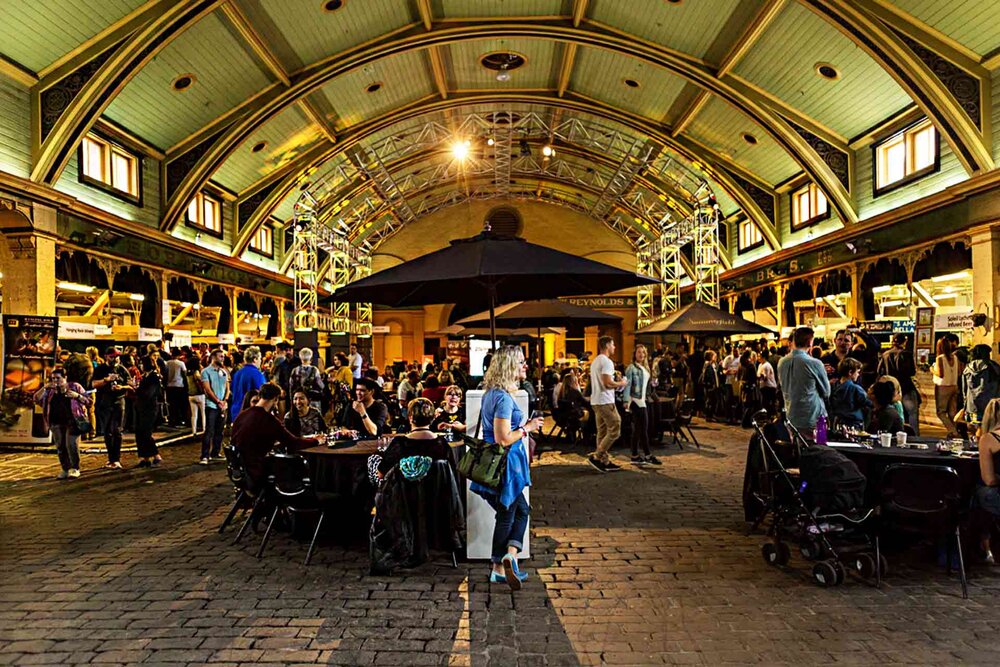
    our venue in Melbourne

    our venue in Melbourne

    LATE EDIT: THE COFFEE INNOVATION SUMMIT HAS BEEN CANCELLED; MATT AND I WILL INSTEAD USE THE SPACE WE RENTED IN PORTLAND TO HOST A FEW INFORMAL EVENTS. MORE ON THAT IN A NEWER POST. WE APOLOGIZE FOR ANY INCONVENIENCE.

    I’m excited to announce The Coffee Innovation Summit. Matt Perger and I will be organizing two one-day events, one in Portland on April 23 and the other in Melbourne on May 3, coinciding with SCA Expo and MICE, respectively.

    The Coffee Innovation Summit will explore the cutting edge of specialty coffee. The program will include live tastings alongside presentations of innovative ideas by industry experts. Attendees will have the chance to experience our speakers’ innovations firsthand.

    Throughout the events, our team of top-tier, paid baristas will serve numerous high-quality coffees, demonstrating industry best practices. All of the coffee we serve will be chosen and roasted for the event, and brewed on cutting-edge equipment using custom-made water. We plan to not only offer delicious, memorable coffee, but also carefully curated, interesting tasting flights to complement our presentations.

    We are still confirming our full roster of speakers, but so far, presenters and topics in Portland include:

    • Optical sorting of green coffee for specialty production - Jon Allen, Onyx Coffee Lab

    • Controlled fermentation of coffee using wine yeasts - Lucia Solis, Luxia

    • The next generation of espresso grinds distribution - Matt Perger

      Ultraviolet fluorescence of green coffee to detect defects - Christopher Feran, Phoenix Coffee

    • Roast defects: how to detect and prevent them - Scott Rao

    Please click HERE to buy tickets for the Portland event.

    Please click HERE to buy tickets for the Melbourne event.

    Topics and speakers in Melbourne so far will include:

    • Optical sorting of green coffee for specialty production - Jon Allen, Onyx Coffee Lab

    • Recent green processing experimentation - Aida Batlle

    • The next generation of espresso grinds distribution - Matt Perger

    • Roast defects: how to detect and prevent them - Scott Rao


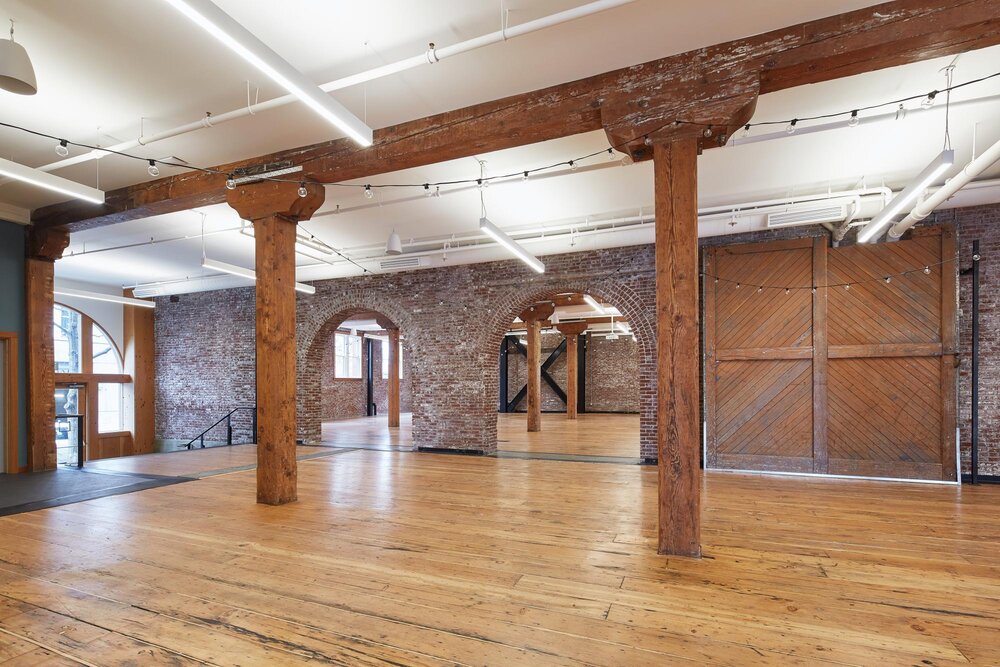
    our venue in Portland

    our venue in Portland


    Previous 1 2 3 4 5 10 Next

    Related Podcasts

    Making Sense with Sam Harris

    1

    Making Sense with Sam Harris Education
    Grammar Girl

    2

    Grammar Girl Education
    Good Life Project

    3

    Good Life Project Education
    Explain It to Me

    4

    Explain It to Me Education
    Team Never Quit

    5

    Team Never Quit Comedy
    Optimal Living Daily – Personal Development and Self-Improvement

    6

    Optimal Living Daily – Personal Development and Self-Improvement Alternative Health
    footer-logo

    Contact Us

    Toll Free: 844-670-7747

    Links

    • Home
    • Top Charts
    • Networks
    • Apps
    • Independents Podcasts
    • Podcast Advertising
    • Podcast News
    • Contact Us
    • About Us
    • Analytics & Insights

    Stay Connected
      Privacy, Terms of Use & Our Code of Ethics Protecting Content Creators Copyrights