TopPodcast.com
Menu
  • Home
  • Top Charts
  • Top Networks
  • Top Apps
  • Top Independents
  • Top Podfluencers
  • Top Picks
    • Top Business Podcasts
    • Top True Crime Podcasts
    • Top Finance Podcasts
    • Top Comedy Podcasts
    • Top Music Podcasts
    • Top Womens Podcasts
    • Top Kids Podcasts
    • Top Sports Podcasts
    • Top News Podcasts
    • Top Tech Podcasts
    • Top Crypto Podcasts
    • Top Entrepreneurial Podcasts
    • Top Fantasy Sports Podcasts
    • Top Political Podcasts
    • Top Science Podcasts
    • Top Self Help Podcasts
    • Top Sports Betting Podcasts
    • Top Stocks Podcasts
  • Podcast News
  • About Us
  • Podcast Advertising
  • Contact
Not in our directory?
Add Show Here
Podcast Equipment
Center

toppodcastlogoOur TOPPODCAST Picks

  • Comedy
  • Crypto
  • Sports
  • News
  • Politics
  • True Crime
  • Business
  • Finance

Follow Us

toppodcastlogoStay Connected

    View Top 200 Chart
    Back to Rankings Page
    Business

    Insureblocks

    blockchain & smart contracts in industries across the world

    Advertise
    • Apple Podcasts
    • Google Play
    • Spotify

    Latest Episodes:
    Ep. 138 – Regulators fostering innovation in insurance – Insights from the Bermuda Monetary Authority Dec 06, 2020
    Show notes

    George Alayon – Assistant Director in Insurance Supervision at the Bermuda Monetary Authority (BMA). George leads a small team whose responsibility is for pushing the insurance agenda of the authority. They oversee the insurance regulatory sandbox and Innovation Hub as well as the supervision of innovative insurers here in Bermuda. In this podcast we discuss the influential role the BMA plays in fostering innovation in the insurance industry.

    What is blockchain?

    Blockchain is a digital ledger where information can be stored, duplicated, and distributed across a network of computers whilst being cryptographically protected. For George, it is the opposite of the traditional way of storing information in a centralised manner where there is no single point of failure. This traditional process also may or may not result in the production of digital assets.

    Introduction to the Bermuda Monetary Authority (BMA)

    The BMA is the sole regulator of insurance companies, banks, trust companies, investments, the Bermuda Stock Exchange and credit unions. Recently they were given the mandate to regulate digital assets.

    Locally they issue the Bermuda currency which is pegged to the US dollar.

    As the sole financial services regulator on the island, they pride themselves to being responsible for maintaining Bermuda’s reputation as a top jurisdiction of choice especially for insurance and reinsurance.

    Bermuda is one of a few jurisdictions in the world that have gained full solvency to equivalence from the EU, as well as having obtained both qualified and reciprocal jurisdiction status from the US NAIC.

    In 2018, Bermuda was one of the first countries in the world to offer a comprehensive regulatory framework for digital asset businesses.

    Evolution of insurance and digital assets

    BMA defines digital assets to be anything that exists in binary format, and comes with the right to use it and includes a digital representation of value.

    In George’s view, blockchain technology is a gateway to revolutionise the financial sector. Blockchain technology allows for the seamless exchange of information related to the basic elements of a contract including the consideration. In the case of insurance, consideration includes the premium paid by the insured in exchange for payment of claims in case of a loss event.

    Historically the insurance industry has been heavily reliant on manual processes. The arrival of blockchain technology has given rise to a thriving digital asset business sector, which has forced the insurance industry and the rest of the financial services sector to rethink the way they operate and the future role they will play in this ecosystem.

    Over the next two to three years, George sees a lot more market acceptance with the integration of digital assets, as a medium of exchange for insurance policies, as well as a utility pass or access to DLT based ecosystems.

    Regulators role

    The insurance industry is inherently risk averse.

    One of the regulators biggest concerns is whether these technological breakthroughs have policyholder protection has as top of mind? Do they disclose enough information for parties to make an informed decision? How are companies thinking and preparing for the worst case scenarios? How do they intend to protect the data of their customers? Who is responsible for what in this decentralised network? How is the usual risk management process being replaced with this new process? At the end of the day all these questions are here to answer the question about how the interest of the policyholders will be protected?

    George recognises that regulators need to think outside of the box and try to understand the technologies themselves.

    In addition to performing their legislative mandate, policyholder protection, they can take a more active role in encouraging innovation. For example, by utilising technology to improve their own internal operations, as well as becoming enablers of these changes that can help to reduce the protection gap and making insurance more readily available to more people.

    How does the BMA facilitate innovation in the insurance industry?

    Early on the BMA’s key initiatives was to establish a regime for their Regulatory Sandbox and Innovation Hub. Effectively they were making a statement to the market that they are here, they want to learn and be part of this innovation journey along with innovators. This has allowed them to establish a closer dialogue with market innovators by giving them appropriate regulatory guidance.

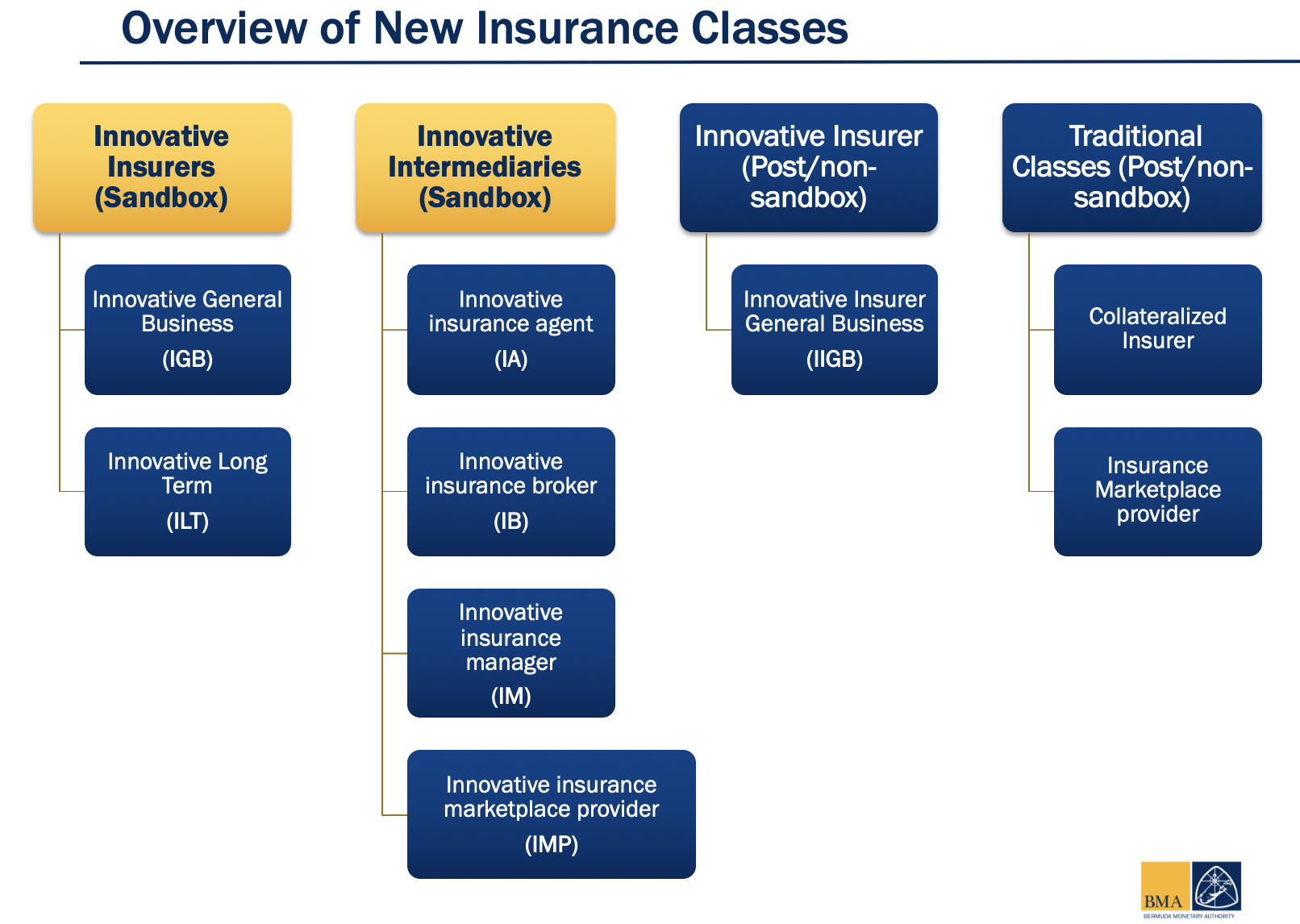
    New insurance classes

    Source: BMA

    In 2018, the BMA started introducing new insurance classes for the sandbox, which is a licensing regime. Such classes include:

    • Innovative Insurance General Business (IIGB): this class allows for insurers who want to adopt innovative models, such as those that want to have full cryptobased or digital asset-based business models. For example, it’s for companies who wish to collect premiums and make claims in crypto.
    • Insurance marketplace provider: a new insurance intermediary class for platform operators that facilitate the trade of insurance risk.
    • Collateralized insurer class: a class similar to their special purpose insurers, but caters to more complex business risks more flexible types of collateral.

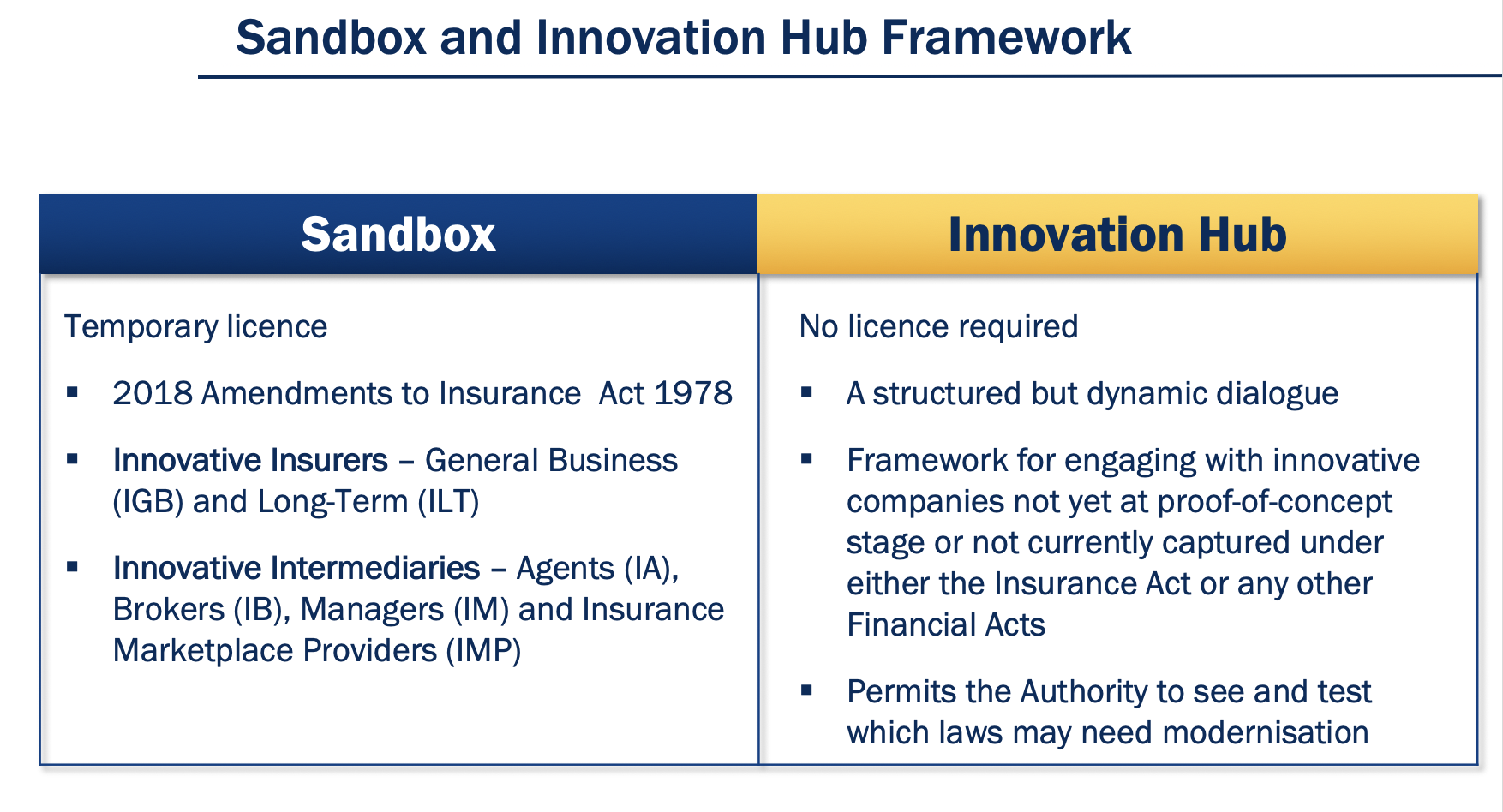
    Regulatory Sandbox and Innovation Hub

    Source: BMA

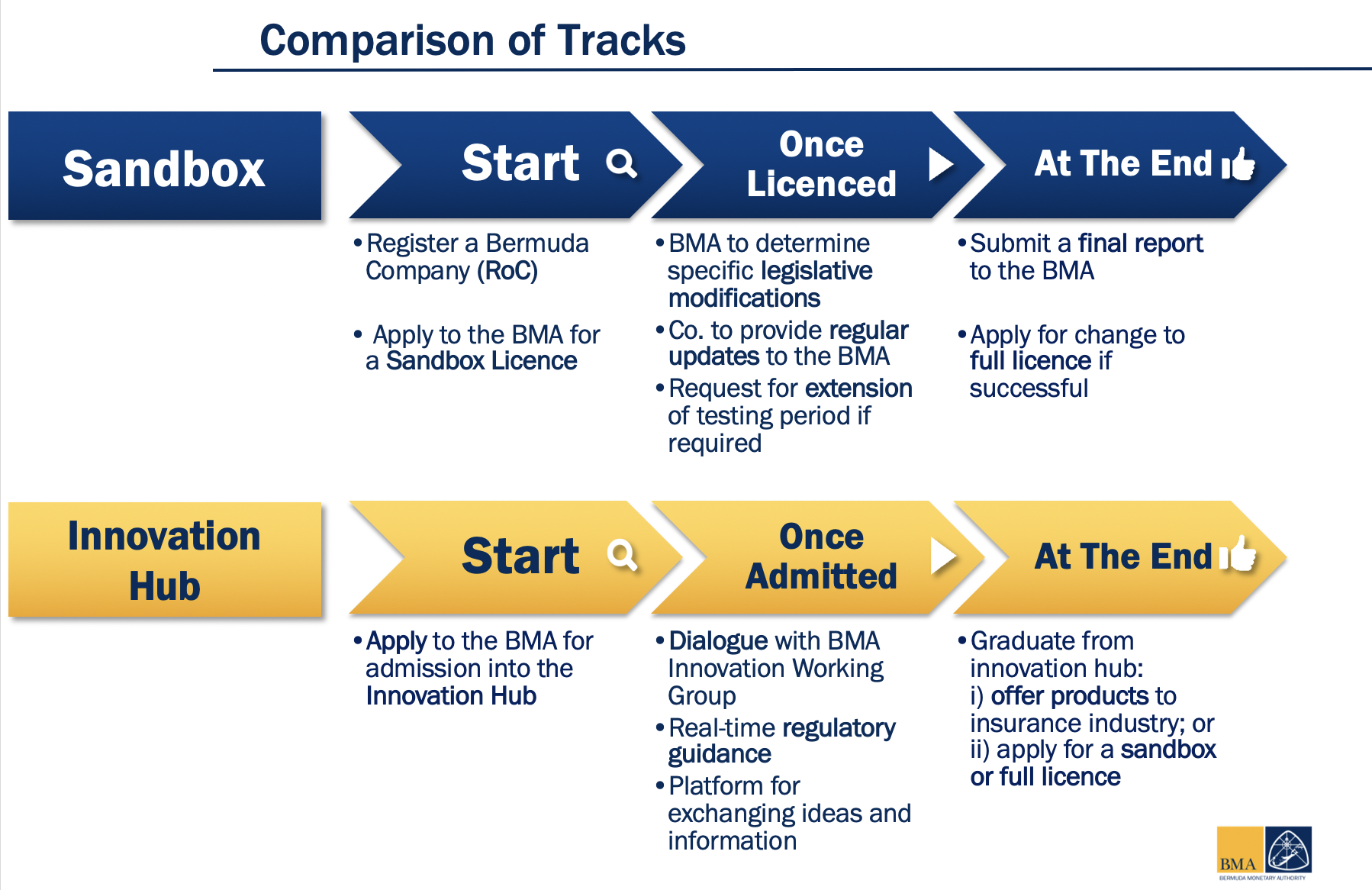
    The Regulatory Sandbox is a licensing regime for insurance companies who wish to do licensable activities as defined under the insurance act. The Innovation Hub is similar to the sandbox but is only applicable for companies that are either not currently captured under either the insurance act or any other financial act that BMA regulates, or those companies that are licensable, but are not yet ready for live testing; companies that are still developing their proof of concept for example.

    Source: BMA

    To ensure they remain relevant in the future, the BMA’s Regulatory Sandbox and Innovation Hub empowers them to cover both licensable and non-licensable activities.

    The sandbox licence is limited for a specific duration of time, for companies to test their products. The sandbox would limit the target market that they can interact with, limit the specific risk or line of business that they are allowed to write, and limit the amount of exposure or risk that they are taking on.

    Learnings from the Regulatory Sandbox and Innovation Hub

    Since the establishment of the Regulatory Sandbox and the Innovation Hub in 2018 a number of proposed business models have been reviewed. One company that is currently in the Regulatory Sandbox seeks to create an electronic platform to trade insurance risk. Because of such type of innovation, the BMA went ahead and created the new insurance marketplace provider class.

    Another entity that has gone through the sandbox offers a B2B placement process to claims management for reinsurance using a permissioned blockchain system. A third entity is using a digital first approach for operation by utilising digitals assets to both admit participants onto their network and as a medium of exchange for their insurance policy.

    The BMA has had a number of learnings from those two initiatives. As a regulator the BMA learned a lot from the wide range of interactions with innovative companies. Due to the resource requirements, research and ongoing discussions, George was tasked to build a small team dedicated to focus on such interactions.

    Another learning is that innovation can come from many different angles. Innovation can come from the technology side but also can be driven from the capital and capacity providers themselves.

    George also believes that the regulatory landscape must be able to move with the time, if it wishes to remain relevant over the next decade. Uncertainty and changes will never disappear. Regulators’ frameworks will have to evolve from a tick box exercise and general standards check to a more customised, fit for purpose, technology driven, data driven and most of all a dynamic supervisory approach.

    Companies the Regulatory Sandbox and Innovation Hub wishes to attract

    Bermuda has a mature reinsurance market that deals with wholesale excess surplus and complex type of risk, that has always been the niche kind of market that they have cultivated over decades. With successful equivalence in both the EU and the US the BMA has established its credibility as a regulator amongst its peers.

    The Regulatory Sandbox and Innovation Hub hopes to attract a good mix of innovative companies that will both: (1) solve current and specific pain points that the Bermuda insurance market and the overall insurance industry is dealing with and (2) those that will help prepare the island and the financial service sector to maintain its position as the risk capital of the world, particularly in addressing protection gaps in evolving risk areas, such as in digital asset covers, where it’s not readily available yet from traditional carriers.

    However, George wants to point out that outside of those two points they still wish to attract businesses with quality projects that are owned and managed by quality and credible management teams and shareholders. Bermuda should be considered as a place to test out innovative ideas and for them to flourish.

    They can apply by visiting the BMA website: https://www.bma.bm/insurance-innovation

    Legislative enhancements the BMA has put into place to support the insurance industry

    The BMA is presently doing a comprehensive review of all the financial sectors that they regulate. They are aware of the breakthroughs that are occurring in the market and they want to make sure they take a holistic approach to regulate these businesses.

    For example, in response to the evolving risk that comes with full digitization of systems the BMA has put an emphasis on cyber risk management. In 2019 they introduced the Insurance Sector Operational Cyber Risk Management – Code of Conduct.

    They are enhancing their AML/ATF Framework to ensure that that all their experimentation through the Regulatory Sandbox and Innovation Hub that they remain compliant or even above the international standards in financial crime prevention.

    They have also introduced the Incorporated Segregated Accounts Companies Act, which is an upgrade of their traditional cell or segregated accounts structures. What this entails is that companies that have cell structures can ensure that each of the cells have their own separate legal entity within the same umbrella.

    Plans for the next 12 months

    They are an active member of the Global Financial Innovation Network who has recently launched its first cross border trial for companies. What this means is that companies will be able to test out their proof of concept across multiple jurisdictions at the same time.

    The BMA will continue to enhance its framework by extending its sandbox regime to the rest of the financial sector.

    The BMA will also be taking over the Digital Asset Issuance Act, which is equivalent to what is known as ICOs or initial coin offering to offer a regulatory framework to companies wanting to use digital assets in raising funds for their projects.


    Ep. 137 – Confidential Computing – introduction to R3’s Conclave Nov 29, 2020
    Show notes

    Richard Brown is the Chief Technology Officer at R3. He leads the team that has invented, designed and brought to market the Corda blockchain platform. He now also leads the team that’s building out their second major product line, called Conclave a platform to securely share and analyse data using confidential computing.

    What is blockchain?

    Previously Richard gave Insureblocks a definition of blockchain from an enterprise perspective. A blockchain like Corda is all about allowing multiple firms in a market to be in sync with each other about facts, they care about such as loans and trade deals. Documents which are shared between firms such as notification of loss for an insurance policy, will invariably evolve over time. The claim gets reviewed, processed and authorised. All those business processes are executed within a firm. Other firms across the ecosystem that have a stake in those documents need to be in consensus about their status.

    For Richard, blockchain is all about ensuring that all the participants in an inter firm business process are in sync and remain so. The key value proposition being that “what you see is what I see”. Since our last podcast together in April 2019, Richard believes that his original definition of blockchain has been mostly validated by projects R3 has successfully run such as Spunta, by ABI (the Italian Banking Association). Spunta is about ensuring Italian banks are in sync with each other, that their balances reconcile and all the details are correct.

    Security on the web – the padlock on your browser


    We rarely think about how computers work or what promises they make. This can lead to some unexpected or often problematic outcomes.

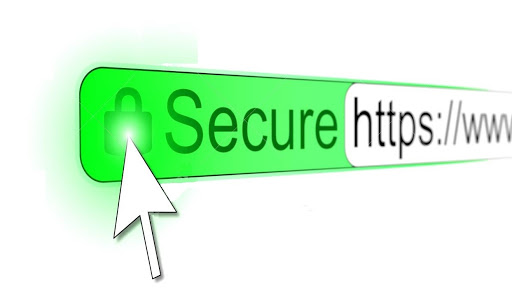
    When browsing the web, including going onto social media sites like Facebook, we are trained to look out for that padlock next to that URL within our internet browser as it gives us a sense of security. What that padlock tells us is that the connection between ourselves and Facebook is secure. That we are talking to the real Facebook.com and that connection is with servers controlled by Facebook.com.

    This means that whatever data you are exchanging with Facebook is protected in transit as it leaves your computer and goes across Facebook servers.

    However, what it doesn’t say is what Facebook will do with the data, it simply tells you that they are the ones who will receive it. Once Facebook receives that data they can do whatever they like with it. Something which of course has led to some press scandals as the Cambridge Analytica one.

    Social media sites today haven’t deployed any technological measure to constrain or control how they use your data. As consumers we rely entirely on social and legal measures to constrain what they do with that data.

    The padlock in the browser effectively gives us a false sense of security, because whilst it gives protection to the data as it moves it doesn’t do anything about how the data is ultimately used by the receiving party.

    This problem of course isn’t just for consumers but also for businesses. Banks will route client orders to exchanges to buy or sell shares. Insurance companies will send data to government agencies or third party credit agencies. A lot of the data that is being sent may include personally identifiable and risky information. As a company, the only way you can get comfortable with that is by investigating the reputation and procedures of that firm.

    For firms to get a better understanding of their market share or how they compare with their competitors they have two ways of doing that. Share information with their competitors which most wouldn’t want to and even if accepted is usually prohibited in numerous jurisdictions. The other approach is sharing it with third parties such as Bloomberg in the financial industry. Financial institutions share with Bloomberg information regarding trades they’ve done and at what price. Bloomberg aggregates all that data, processes it and anonymize it in order to produce useful market level metrics which they sell back to the market.

    If you can’t get comfortable with it then a company will simply not share data with third parties due to the risk of what happens if they do what they shouldn’t with it, in spite of the value you could get in sharing that data.

    The real opportunity is thus to give senders the ability to control or constrain how their data is used by the receiving party before they send it out.

    Moving the trust from third parties to silicon chips

    The padlock allows you to know who you’re sending your data to, and only they can receive it. Confidential computing goes a step further. It allows a computer that somebody is running to prove to somebody else what programme it is running. If we use Facebook as an example, Facebook would have to prove to your browser what they will use your data for. The algorithm will prove that the data can be used to find your friends, to play games but that it cannot sell your data to advertisers or sent it to a government agency.

    This is a paradigm shift where you shift the trust based on the goodwill and privacy policies of firms such as Bloomberg to the implementation in chips, like Intel and AMD, of specific cryptographic techniques where even if Facebook wanted to they couldn’t change what an algorithm did, and they couldn’t see the underlying data.

    Artificial Intelligence

    There are two sides to artificial intelligence (AI). One side is the definition and the training of the models. The second side is the use of those models for some business purpose.

    The challenge is the model is as good as the data on which it is trained on. Getting sufficient good quality data from the right sources to train a model is a significant challenge. This requires sourcing data from outside your organisation and reaching out to other players and third parties. The problem is that they may be very reluctant to share that data with you. They may be fine with you using the data only for training your model, but how can they be sure you won’t be using the data for other purposes.

    By using cryptographic techniques mentioned earlier a model creator could prove to third parties that their data will only be used to train the model. This will ensure the building of better quality and performant business performance models.

    The second side of course is the execution of the model for some business purpose. However, if you wish to licence out the model or give it to your customers to use or integrate into their applications you need to make sure they can’t reverse engineer it. You don’t want them to be able to do anything other than execute the model. The cryptographic technique can also be applied for this use case where you can ensure that the model can only be used to execute its function and not for another purpose.

    Confidential Computing

    If you sent data to somebody else’s computer, they can do what they like, it doesn’t matter what they tell you, they control the computer, they get to say what happens. So, they might tell you, they’re running a particular programme, but in general, you’ve got no way of knowing they are. And if they change it or inspect what it’s doing, you’ve got no way of knowing.

    Confidential computing is a term for a general set of techniques that allows you the owner of the computer to relinquish the right to control what it’s doing or change what it’s doing or see what it’s doing in this context. And you will be able to prove to other people that you’ve done that.

    Consequently, senders of data will be comfortable sharing data to your computer as they know the data will be processed in a secure enclave, a protected zone within your computer where you cannot change the data or see the data, as the data is processed only within the agreed manner.

    There are a few subtleties which need to be pointed out. The owner of the computer gets to choose the programme that runs within that secure enclave. The sender of the data gets to audit it, to say whether or not they are happy to send their data to that programme within that secure enclave. Most senders will rely on third party auditors to offer such services.

    Introduction to Conclave

    Conclave is R3’s confidential computing platform that enables multiple parties to contribute data for analysis without revealing the actual data to anyone. It leverages Intel’s SGX chip. With Conclave you can:

    • Analyse data from multiple parties in a protected algorithm, and verify how data is used
    • Protect customer data from misuse and provide assurance that the data remains protected when collected, shared and analysed
    • Reduce time-to-market for privacy-enhancing applications
    • Access previously inaccessible customer data to deliver new insights and AI without compromising on confidentiality
    • Streamline business processes between firms, while sharing processing costs and infrastructure
    • Increase effectiveness of Financial Crime detection by eliminating false positives
    • Promote transparent and fair price discovery in Dark Pools

    iPhone, SIM cards and EMV cards – examples of confidential computing

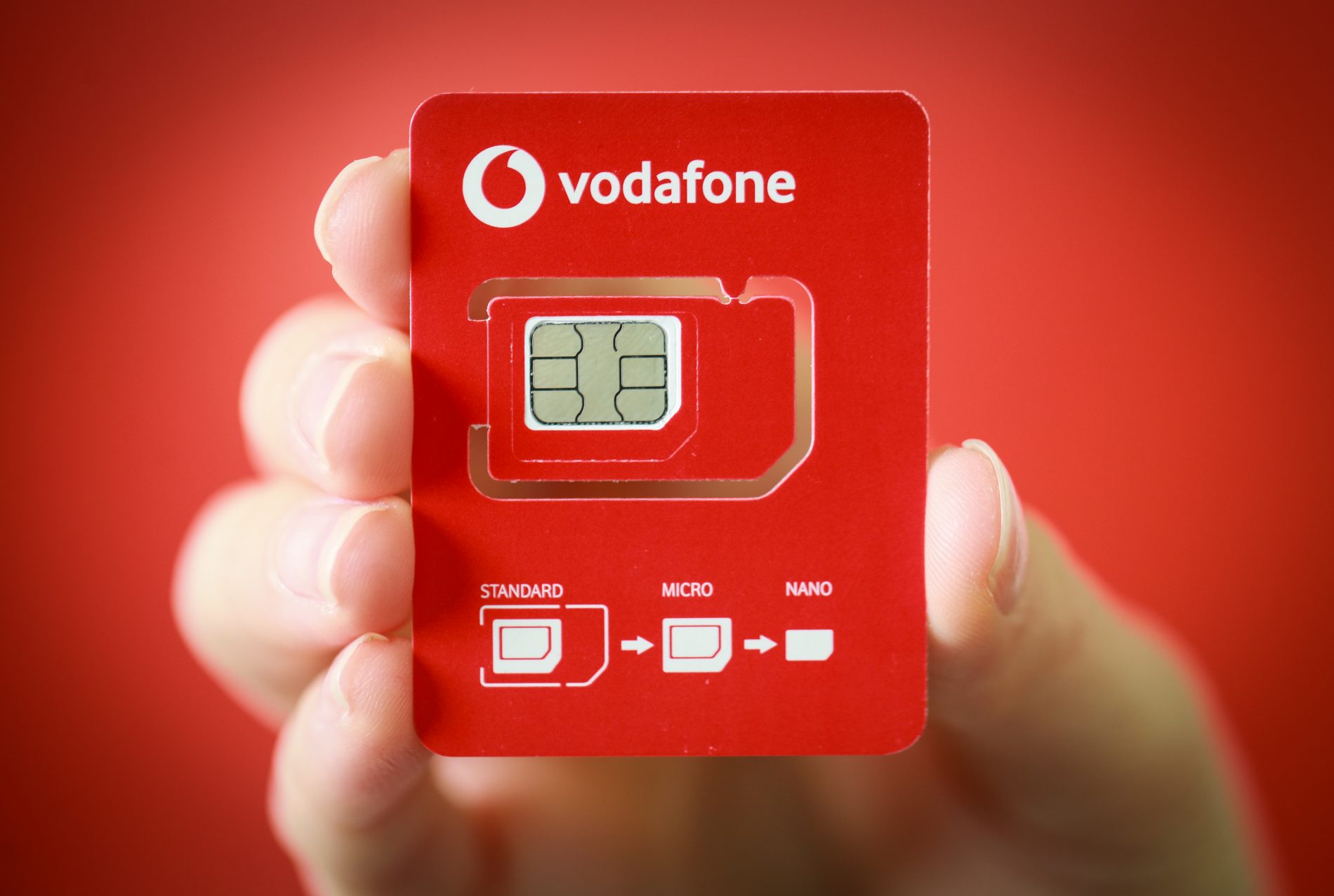
    The core technology of confidential computing is enabled by hardware, rather than software. The core concepts are not new at all. An example of a confidential computer is a SIM card. SIM cards within mobile phones hold a tiny computer that stores some data and can run some programmes. Some of the data it holds is a private key which acts as your identity allowing you to connect to the network.

    The chips on EMV cards such as debit or credit cards also use confidential computing techniques. The chips are tiny computers that store data such as your pin and your spending limits for contactless offline transactions to perform basic programmes.

    iPhones have implementations of confidential computing techniques. Whilst you may own the iPhone, you can install apps and perform a number of actions on it, you can’t change the operating system. You can’t for example install an Android operating system onto an iPhone, unless of course you jailbreak the phone. That means even though you physically possess that device, Apple is the manufacturer can prevent you from doing certain things.

    With confidential computing in the enterprise world, such as with R3’s Conclave, you can choose to use this technology to restrict your own freedoms, you can create massive confidence in your own customers, which allows them the confidence to send you their data. And to the extent you’re in a competitive market, where you can prove how you’ll use a customer’s data and your competitor can’t. The customer will be more willing to deal with you and trade with you than with your competitor, because you can prove to a higher standard of proof, how you will process that data.

    Whilst confidential computing isn’t new, what is new is the emergence of this technology into the mainstream and it becoming accessible to regular business developers to build applications.

    Confidential computing enhancing blockchain

    Richard and his team started working on Conclave several years ago for their own internal use to solve a residual privacy problem on Corda.

    In a collaborative business network with lots of blockchain nodes that use Corda these nodes are communicating and collaborating to bring participants within the network in sync. The problem that all blockchains suffer, is that sometimes the way you reach confirmation on the authenticity or validity of data is by reviewing its provenance. For example, if you’re sent a token that represents cash, you need to ensure that it was really issued by a specific bank. This is known as the back-chain problem.

    There’s a chain of transactions that led to the current one that you need to verify to check that the current token is entirely legitimate. To verify it you have to receive it and you may be able to infer something about your counterpart’s previous business dealings, there’s a residual piece of privacy, that needs to be solved.

    To solve it, Richard and his team encrypted the back chain and instead of sending information on the provenance of the data the sender of the data could remotely attest to it that the data has been verified using the algorithm on a confidential computing chip. The confidential computing platform would have done the verification of the data thus removing the need to review the provenance of the data and consequently eliminating the residual privacy problem.

    Within the Corda ecosystem, they realised that lots of parties were using Corda to sync data that they cared about. However, it became clear that parties wouldn’t be willing to share some data under any circumstances but would be happy to bring their datasets together with others for some joint analysis.

    Early clients from the financial industry have expressed interest in using Conclave in fraud and in crime analytics such as in detecting money laundering.

    Conclave is being built as a standalone product but it will also be integrated into Corda enterprise. It is presently in Beta 4 and is expected to ship out in Q1 of 2021.


    Ep. 136 – Convergence of Blockchain, 5G, AI, and IoT – Insights from Vodafone Nov 22, 2020
    Show notes

    David Palmer is the Blockchain Lead and IoT at Vodafone Business, In this podcast we discuss the convergence of blockchain, 5G, AI and IoT (Internet of Things). In addition, we discussed the evolution of internet of things to internet of value and some of the exciting work Vodafone is doing in this space from Smart Cities, to supply chain and to the Energy Web Foundation.

    David has been working in the telco sector for the last 20 years. He has worked on broadband, ADSL rollout, satellite broadband and for the last 10 years on IoT including combining it with blockchain for the last 4 years.

    What is blockchain?

    Blockchain is a distributed ledger that is shared between different parties. When you combine that with transactions you get to the basis of the first use case of blockchain which is Bitcoin. Bitcoin demonstrated how you can build trust by having transactions written on a shared and distributed ledger where different parties validate the transactions and provide its security through their combined computational power.

    David notes that this is a simple definition of blockchain. Over the last three years there has been an evolution of blockchain. On one end you have public blockchains such as Bitcoin, Ethereum versus private blockchains with permissioned access formed by consortiums. Issues of interoperability arise when you try to bring those different blockchains together. In addition there are different protocols and consensus mechanisms that come in to play from DAG (Directed Acyclic Graph), proof of stake and proof of work.

    Blockchain is a continuously evolving technology, but at its core it is a technology about trust. David mentions that there is a lot of friction today in everyday process. These are essentially processes built to establishing trust. The real power of blockchain is in providing a trusted shared platform to automate those process to remove that friction. Blockchain’s role in digital transformation is in the removal of the trust issue, it’s in the automation of processes which will give rise to a new evolution of automated business models and processes.

    Explosion in IoT devices

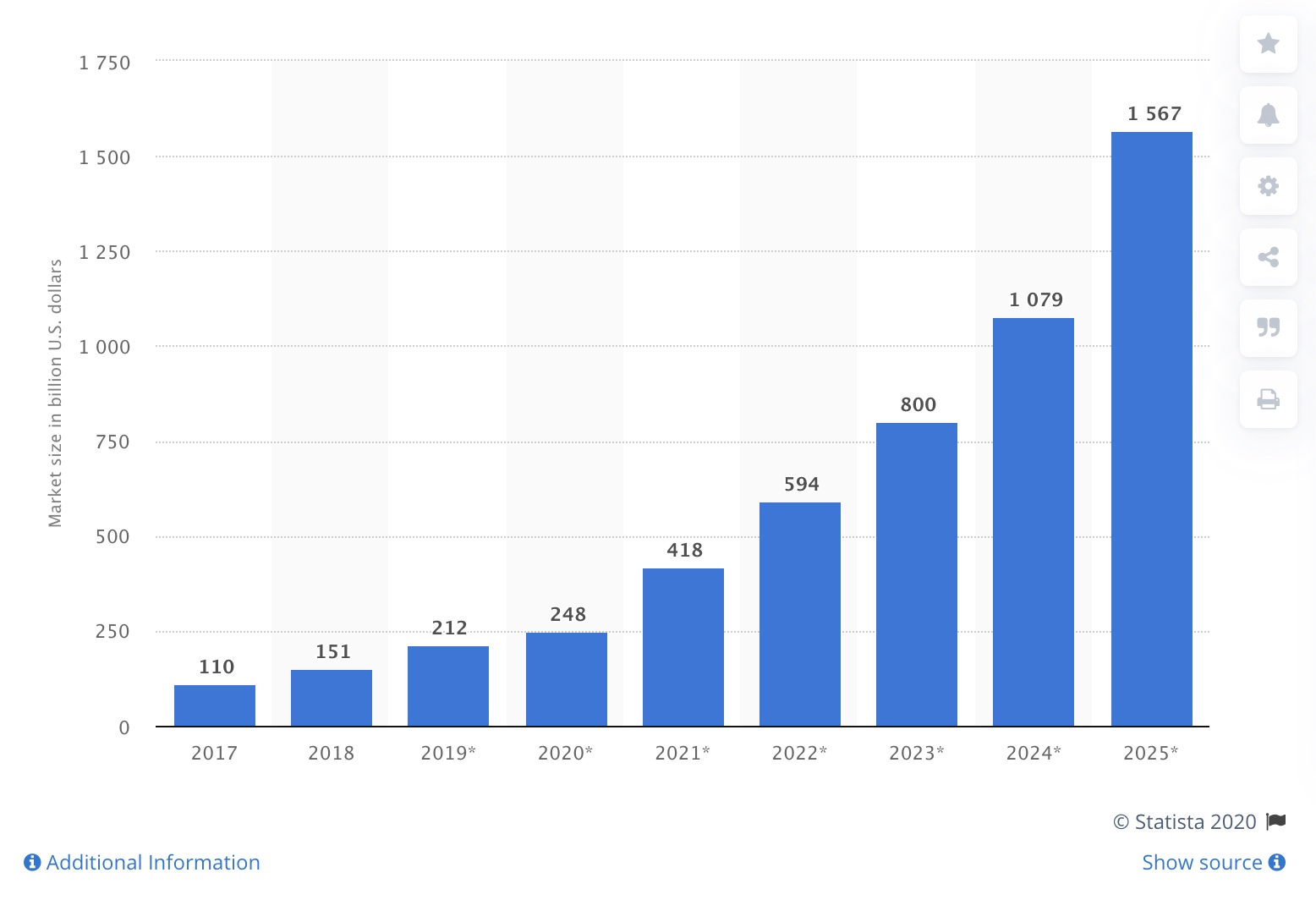
    Source: Statista

    Statista is forecasting end-user spending on IoT solutions to reach $1.6 trillion by 2025 from 21.5 billion IoT devices. These are staggering numbers! With the increase adoption of 5G these IoT devices will be able to provide large amounts of data within nano-seconds.

    Vodafone has a Global IoT platform called Global Digital Services Platform (GDSP). This platform is at the very heart of the IoT offering to Vodafone’s customers, and is also offered as an IoT platform to other Telco’s. The GDSP provides all the management facilities for customers and channels to manage their individual IoT SIM estates.

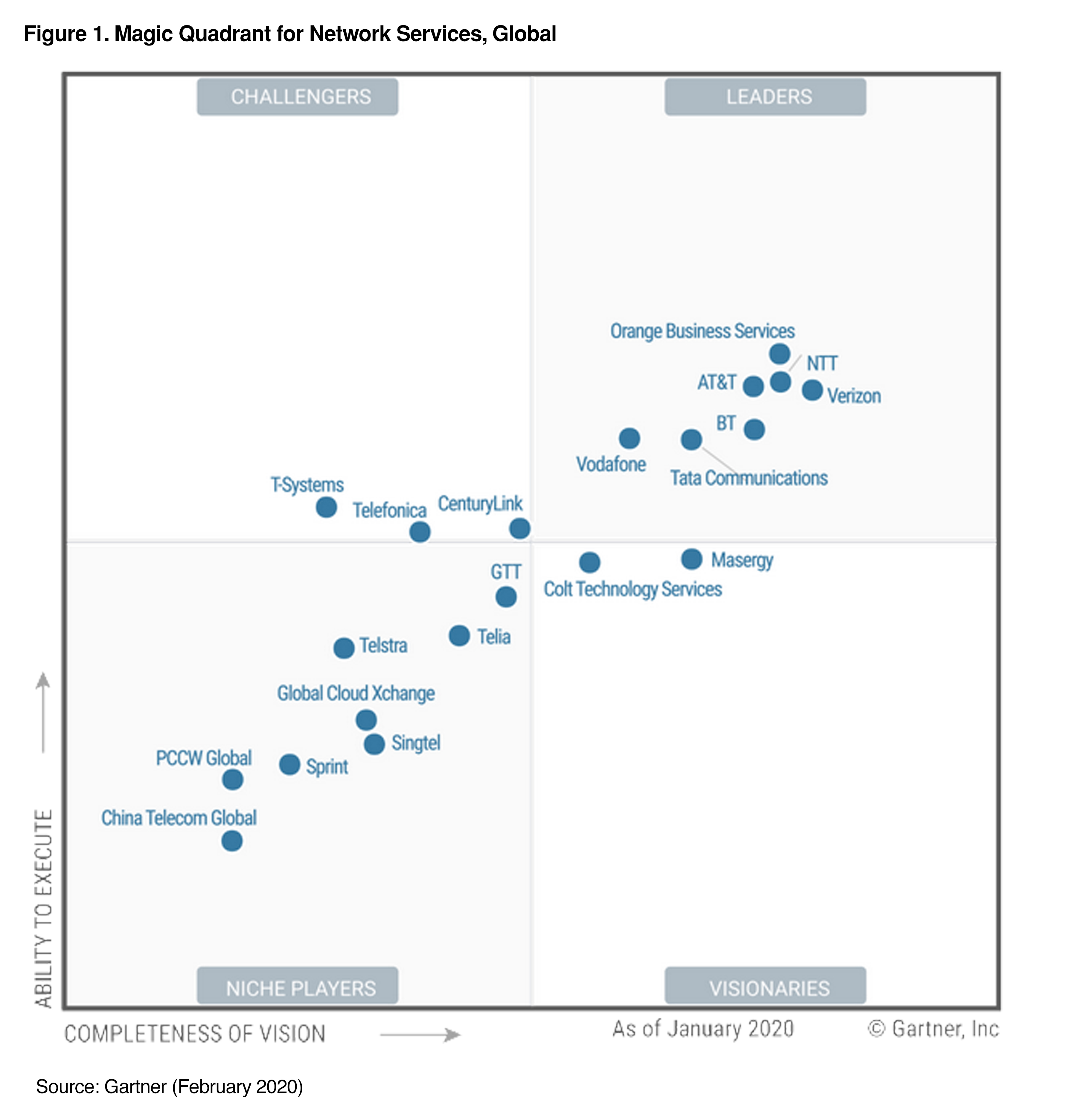
    Vodafone has been a leader in IoT for the last 10 years as recognised by Gartner’s Magic Quadrant.

    What IoT allows businesses to do is to digitise their assets. It allows for those assets to produce data which unlocks new business models and monetisation opportunities. This is a space that Vodafone has experience in which it has been putting to use in helping its clients.

    David has seen supply chain as a key industry that is seeing a large growth in IoT devices. For example with recent conversations of the Pfizer vaccine that has to be kept at minus 70 degrees, how is that ensured? You need data from devices at the manufacturer, to supply chain, to delivery which can be provided by IoT devices.

    Getting the trust in the data and provenance of the information will need some form of distributed architecture and distributed solution, so that the parties in that can have trust in the data that’s been produced.

    Pfizer and the vaccine distribution is a prime example of where new emerging technologies such as IoT, AIs to help manage the risk and blockchain can come together to make a real difference.

    Transition of Internet of Things to Internet of Value

    Raghavendra Kulkarni, from Bosch, was on Insureblocks to discuss Bosch’s Economy of Things, where he explained the movement of IoT devices to EoT (Economy of Things). David believes that Bosch has a similar vision to them where Economy of Things is basically taking IoT from Level 1 to Level 2. Level 1 is the billions of IoT devices producing data, where those data are siloed within the organisation that is producing them. The next layer, Level 2, is where those billions of devices are interacting and transacting with each other to execute on business use cases.

    Smartphones have revolutionised business models. Most people don’t use their smart phone to make phone calls or send texts but to use them for their applications. The phone becomes the starting point or the customer edge point for doing multiple things. That has been a revolution that has been happening from 2007 to now. The next big revolution is in getting a thing such as a car or any other device that a business or a person who owns to automatically interact and transact with each other. That is the foundation of the economy of things. Blockchain will play an important role in that next revolution by establishing trust. It will establish the trust between people, business and devices to allow new transactions and new business models between them.

    Convergence of 5G, AI and blockchain

    5G offers low latency technology which means you can start to process data more quickly than before. This enables numerous new solutions such as autonomous level 4 for vehicles and opens up new business models.

    When looking at data marketplaces, 5G, AI and blockchain each play a key component. 5G provides the speed and low latency that gives rise to new business models.

    AI finds data that is useful and monetizable. For example, in automated transactions data can be used to find opportunities to either fill spare capacity or improve utilisation of connected resource.

    Blockchain, being the trust anchor, pulls all of those things together.

    Convergence of public with private blockchains

    Permission blockchain gives enterprises, the opportunity to dip their toes into blockchain to see some value within a controlled environment. Permissioned blockchains offers enterprises both security and control which has led to some successful implementation such as IBM’s TradeLens (TradeLens on Insureblocks).

    David believes that what we’re seeing now with technology is the trend for barriers to entry to come down. He gives the example of the taxi industry which previously had large barriers of entry in terms of licenses and then you have Uber & Lyft who come a long with an over the top solution based on technology which disrupted that industry.

    When the barrier of entry comes down then you need to expand the trust because you’ve got new participants who are entering it. Those market forces will lead to convergence of permissioned blockchains. You will potentially have one out of two models which will emerge:

    1. Interoperable two layers of permissioned and public blockchain that is more consolidated and refined than now
    2. Or as the internet you will have a convergence towards public blockchain

    Vodafone and Smart Cities

    Smart cities are the first use cases where you can join up things that are connect that are producing data. You can exploit that to establish a sharing economy and new business models. For that to happen you need three things:

    • Devices that produce data to be connected
    • Algorithms that turn that data into information intelligence
    • Trust powered by blockchain

    Autonomous vehicles and mobility is a key component for smart cities. Vodafone has had a number of interactions with MOBIfor autonomous vehicles. These were more technical proof points where a car could automatically transact for parking or tolling.

    Blockchain based digital identity partnered with smart contracts, which can dictate the terms between two actors, is the basis for autonomous transactions for autonomous vehicles, for example, to park and pay their toll.

    Role of SIM cards

    Source: Vodafone

    SIM Cards are an important part of the connectivity cycle. SIM cards aren’t just for handsets, for example, Vodafone’s IoT platform has a roaming global SIM card in it. SIM cards play the role of an important edge point with the link to blockchains, to transactions and to identities. The encryption technologies that telcos have is both proven and scalable which is an area blockchain platforms have traditionally struggled with.

    Decentralised digital identity is a cornerstone technology that enables the connection of things to blockchain to establish trust. One approach for providing that digital identity is the one provided by SIM cards. There are other elements of digital identity such as DIDs.

    Decentralized identifiers (DIDs) are a new type of identifier that enables verifiable, decentralized digital identity. A DID identifies any subject (e.g., a person, organization, thing, data model, abstract entity, etc.) that the controller of the DID decides that it identifies.

    What this means is that one’s car can be part of their identity. That car can then participate for its owner in some form of transaction.

    Energy Web Foundation

    In late 2019 Vodafone formed a partnership with the Energy Web Foundation to integrate distributed energy resources (DERs) with power grids using IoT and blockchain technology.

    The Energy Web Foundation has two main goals: (1) to bring transparency to auditing carbon footprint and how energy is produced. (2) to extend the grid beyond the traditional grid by allowing the use of solar panels and storage solutions from car batters as part of a flexi grid.

    All of these energy assets including solar panels, wind turbines need to communicate with the grid in a secure a manner and will need identity to do this. Vodafone can deploy SIM centric blockchain identity with IoT connectivity. This will enable not just communication and identity but also facilitate transaction between the different assets.


    Ep. 135 – Blockchain and Digital Asset Risk Transfer Insurance Solutions – Insights from Marsh Nov 15, 2020
    Show notes

    Sarah Downy is the Managing Director of FINPRO and co-leads the DART, Digital Asset Risk Transfer, team. In this podcast Sarah shares her insights of the crypto insurance market for 2019 and 2020 along for the need for more education of insurers on the opportunity to serve the need of companies who build blockchain technology and of companies who hold or interact with digital assets.

    What is blockchain?

    As an insurance person, Sarah defines blockchain technology as a technology that stores digital information on a public database with a number of interesting features such as immutability, transparency and traceability. The way blockchain works is that it stores transactions on blocks that are verified and assigned a hash.

    She also notes that insurers often confuse blockchain technology with crypto and illicit behaviour. A perception that Sarah and her team are working very hard to change.

    Overview of the Crypto Insurance Market in 2019

    Sarah, describes the crypto insurance market in 2019 as very hesitant and uncertain. The cost of insurance was very high and coverage was very limited. The process for clients to get coverage was both complicated and a lengthy one. Marsh’s clients were mainly focused on two types of insurance:

    • D&O insurance
    • Commercial crime and specie market coverage

    D&O insurance, director’s and officer’s liability insurance protects the individuals running the company. It covers claims brought by investors, shareholders, regulators, against the directors, officers and employees associated with things like a breach of a duty, securities violation, regulatory investigations, or proceedings.

    Commercial crime is the coverage that reimburses companies for loss due to theft, disappearance or destruction of property. In the case of digital asset, it protects warm and hot storage wallets as compared to the specie market coverage provides coverage for the loss of digital assets from internal and external theft, damage or destruction of private keys.

    A hot wallet is a digital wallet that is online whilst a cold wallet is one which is completely offline. The specie market is insuring vaults that custodians are using to store the private keys.

    Sarah notes that if a company is building blockchain technology the pricing should be more favourable and the insurance capacity should be more readily available as opposed to a company that holds a large amount of digital assets or is working with digital assets. However unfortunately companies that build blockchain technology are not being treated in a similar manner to a normal company building legacy or well known technologies as insurers still think of blockchain technology as crypto and elicit behaviour and they can’t separate them out.

    However 2019 was also a year of innovation for Marsh as it is the year they launched their Blue Vault facility.

    5 key trends evolving in the crypto insurance market in 2020

    In spite of COVID19 five key trends have emerged in the crypto insurance market in 2020:

    1. More regulatory certainty
    2. Transitioning market
    3. More insurance purchasing
    4. Crypto maturity
    5. Testing of an untested market

    More regulatory certainty

    In the insurance industry we are seeing a desire for more regulatory certainty around the digital asset space. Many insurers are tracking what the SEC (US Securities and Exchange Commission) is doing. For example: Spotlight on Initial Coin Offerings and Digital Assets.

    Insurers are also watching the OCC (Office of the Comptroller of the Currency) who for example recently published some favourable guidance letters around the use of and storage of digital assets for regulated banks.

    With increased regulatory certainty comes more comfort from the insurers.

    Transitioning market

    Commercial insurance markets in general, are becoming much more challenging, and some might even call them hard markets. Unrelated to digital assets, there has been a large increase in litigation over the last few years resulting in an increase in rates and narrowing of coverage. This has impacted crypto companies where some insurers have decided to simply leave the crypto space thus creating a fair amount of challenges for them to get insured.

    More insurance purchasing

    The third trend is more insurance purchasing or a shift in the motivation for insurance purchasing. Over the past two years, insurance purchasing really was mainly driven by two things. One was marketing purposes. If a crypto company custodies their assets with an insurance company, their assets are protected. The second was for hiring of experience board members. Board members who have been in traditional industries know that D&O insurance is here to protect them and their personal assets.

    There’s an increase emphasis on consumer protection from both regulations and customers. A number of Marsh’s crypto clients are now considering errors and omissions coverage also known as professional indemnity coverage.

    Crypto maturity

    Insurers like data, they like to have access to long financial histories and to track records of no claim. As the crypto space is still fairly. Young there isn’t quite enough data just yet. So insurers are looking to experienced board members to help them feel more comfortable with insuring a prospective crypto company. They are also looking to see if the company is focused on becoming more regulatory compliant, does the company work with third party vendors such as auditors, accountants and lawyers.

    Testing of an untested market

    Sarah is wondering if we’re going to see insurance policies being triggered in 2020. Whilst there been a number of highly publicised hacks involving crypto, the crime market hasn’t seen any losses, mainly because those companies that have been hacked, didn’t have insurance.

    For Sarah, the idea of a large and very public hack could cause a lot of concern, but on the other, the insurance coverage needs to be tested, and the carriers need to see how it works to find out how to strengthen the offer. As the purchasing of coverage in the space expands, and more policies are offered, the higher the likelihood that an event will actually test the coverage.

    Introduction to Marsh’s DART

    Marsh’s DART has a team of 15 – 20 people located around the world from NY in the US to Canada, the UK, Bermuda and Asia. They have clients globally.

    DARt has two purposes:

    • work with great clients in the crypto space and help them find the insurance coverage that they need
    • educating insurers so that they are more comfortable and willing to provide insurance capacity to DART’s clients

    Blue Vault

    Launched in late 2019 through the specie market at Lloyd’s in London, the Blue Vault facility is a $150 million cold storage insurance facility. This facility provides coverage for loss of digital assets from internal and external theft or damage or destruction of the private keys.

    Blue Vault works with a single underwriter that happens to be a Lloyd’s syndicate. That underwriter has the authority to bind up to $100 to $150 million in coverage. The cold storage coverage has an easy process to set up and coverage can normally be put in place in a couple of weeks.

    Types of requests for blockchain and digital asset risk transfer insurance

    The type of requests Marsh’s DART team gets depends on the requested coverage, the reasons behind needing the coverage and the type of clients. They work with a wide range of clients ranging from crypto exchanges, brokers, dealers, custodians, tech companies and investment advisors to name a few.

    For example, a crypto exchange that is holding assets for their customers, theft of assets is obviously top of mind. They would look for crime and specie market coverage to protect against the theft of assets. If there’s a theft or breach, the policy would reimburse the insured company and their customers for the theft of those assets for the value of those assets that were stolen.

    For companies who have very experienced directors or officers, those individuals would want to be protected, and would thus be looking to buy D&O insurance. D&O is an old product that’s evolved throughout the years and changing it slightly to make it fit better for blockchain technology companies and digital asset ones. Another popular insurance policy is for errors and omissions coverage, also known as professional indemnity coverage for clients who provide services to customers.

    A number of Marsh’s clients who are concerned about a handful of individuals running the company who either know how to access the funds being held or simply the company can’t operate without them, they would look to purchase kidnap and ransom insurance.

    What is important to note is that the requests for these types of products aren’t different from requests from more traditional companies. All businesses need certain types of insurance to operate and to grow and to transfer risk away from them and onto a third party. What is different is that because those companies either build blockchain technology or are involved with digital assets the insurance companies treat them differently because of their lack of knowledge about this space.

    Measuring risk and pricing the risk

    For the most part, what insurers already offer can be modified to fit the crypto space. However due to the lack of data on that space, insurers have a close look at the company’s specific such as how experienced the management team are, what is the company’s story, what do they want to deliver, what is their long term plan, and how regulatory focused are they?

    With regards to pricing, when there’s a lack of supply and more exposure, the insurers price the risks towards the high end of what they would offer a more traditional company. However, when the insurers really connect with a client, and they’re comfortable with the client story, and what they do, and how they do it, pricing tends to be more reasonable.

    Sarah though admits that it is a struggle to get upper level management of insurers comfortable with blockchain technology and the type of digital assets. This requires either a deep dive into understanding the space or a leap of faith for those who can’t devote the time to learning it.


    Ep. 134 – Reducing Friction in International Trade – Insights from Chainvine Nov 08, 2020
    Show notes

    Oliver Oram – CEO & co-founder of Chainvine & Dr. Rajiv Mathur – CTO and co-founder of Chainvine walk us through a use case they worked on with HMRC and a number of other participants to reducing friction in international trade. We also discussed in some detail the key challenges around consortiums, IP and openness. A must listen for blockchain initiatives debating through those various points.

    What is blockchain?

    Oliver answers this question by explaining why from a business perspective Chainvine uses blockchain as an engine for its platform whose fundamental principles were to have solid identity, self-sovereign data and security.

    Rajiv reminds us that there are many different types of blockchains or distributed ledgers. The best examples of blockchains are public ledgers like Bitcoin and Ethereum. Distributed ledgers also come in many different forms with many not actually being blockchains but more as shared ledgers and some who are hybrids between the two. Chainvine takes an agnostic point of view to blockchains and distributed ledger technologies and utilise the most relevant one depending on the use case and problem they are trying to solve.

    About Chainvine

    The name Chainvine is derived from blockchain and vines. The background of Chainvine is in enterprise and supply chain whose original focus was on fine wine. However, since then they have worked with many other commodities from steel to fair trade coffee.

    The challenge of paper in supply chains

    On 15th September Lord Holmes publishes a new report, “Reducing Friction in International Trade” (RFIT). Oliver, resumed the challenges of supply chain to one word, “paper”. As part of the research into the writing of the report, it was identified that 80% of the cost of importing grapes in the UK is down to paperwork. The COVID crisis has demonstrated that that the physical way of doing things in trade, in the usage of paper is actually a critical failure in our supply chains.

    For Oliver, it is imperative for the UK, to adopt new technologies whether it is blockchain, DLT, AI or machine learning, to become resilient and sustainable to trade internationally.

    Intelligent Wine

    Chainvine was invited to participate at an event organised by HMRC, where Oliver and Rajiv presented the tale of the ‘intelligent wine” that had travelled with them across Europe gathering intelligence through different data mechanisms, such as distributed ledger, the Chainvine platform, and internet of things (IoT) devices.

    This story essentially showed to the HMRC attendees that Chainvine is able to demonstrate where a good is as it moves across borders, how much it’s worth, what condition it is in and with whom that good is. This wasn’t about talking about blockchain this or blockchain that, but about how it was being used in this particular use case.

    For Oliver this isn’t about tearing down regulations or standards, it’s about making them easier to comply with, and making it easier for government to absorb that information and ensure that compliance and regulations are being met. It isn’t either about tearing down standards but ensuring that they are better met with this type of technology than it would ever be with any sort of paper system that is being used at the moment. The technology brings a higher level of resiliency and sustainability.

    Managing the challenges of consortiums, IP and openness

    Post conversation with HMRC which had expressed an interest in Chainvine’s solution, Oliver and his team were introduce to the Wine and Spirits Trade Association (WSTA) who expressed an interest in their solution. This was partially due to the challenge that WSTA is facing with VI-1 documentation requirements from the British Government. The WSTA estimates that full VI-1s for EU wines would mean 600,000 additional forms at a cost of £70m in additional processing.

    There was a strong desire by the WSTA and its wine importers and exporters to experiment and innovate in the hope of reducing the burden of paper compliance.

    Mike Brookbanks from Exeter and Surrey University played the role of Programme lead to ensure that all participants played their role within this good will project. During Insureblock’s podcast with Nadia Hewett, from the World Economic Forum, she indicated the importance of having an impartial party within a consortium such as a university or a regulator to facilitate conversations and agreements within a consortium.

    Mike ensured everyone remained aligned on the shared mission which was the removal of paper.

    Ranjiv states that most blockchain consortiums are trying to create proprietary technology to which they hold the intellectual property. For him that stifles innovation and the growth of blockchain consortiums.

    The project was very much initiated as a goodwill project where Chainvine provided the funding to the project, as Chainvine’s investors saw this as a long play and saw the importance of bringing in players and knowledge together onto the platform.

    Members of the goodwill project include the UK Government departments HMRC/FSA, Australian Export authorities, Wine Australia/ATO, Chainvine Ltd, Importers/producers, Association/trade body representing the Wine and Spirits trade in the UK and Exeter and Surrey University.

    The Chainvine platform isn’t an open source platform it is a proprietary one that Chainvine has developed. However, it is an open platform in the sense that they do not control who joins it. Any wine importer can join the platform, to create products on the platform and to be able to trade on it.

    Equally any other blockchain and technology company can also come and plug themselves onto the Chainvine platform. The platform is designed in a manner where all participants on the platform are managing and keeping ownership of their data in a sovereign way.

    Chainvine charges a fee for issuing the compliance, for the work with HMRC and with the FSA. That fee is significantly less than what wine importers, exporters and producers already pay today in terms of paperwork, agent services and time. The Chainvine platform will automate a lot of these paper and manual processes.

    As an example, Ranjiv quotes the courier cost of the VI-1 form for a mid-tier wine importer to the UK is about £50 – £60k per annum. The Chainvine platform essentially removes that cost.

    Chainvine is in the process with the other members to create a governance body. The intellectual property won’t be owned by the governance body but by Chainvine. For Ranjiv this isn’t about technology but about the solution. As the solution itself is open there is no conflict over the intellectual property of the technology. The power isn’t in the technology itself but in the solution, which is why the governance body is being set up for the solution, in order to bring a higher level of trust between all the participants.

    The platform that Chainvine is building will allow for other solution providers such as IoT providers, legal service providers and others to monetize on the platform. Chainvine, or the platform operator, gets a fee, similar to a commission model.

    The platform

    As stated earlier on, Chainvine is blockchain or DLT agnostic. For this platform there are using a number of blockchain technologies such as Corda for contract negotiation and contract signing between participants. What this means is that an importer and exporter can agree the contractual side of things such as purchase orders and other matters onto Corda.

    For the supply chain side of the platform they use Hyperledger Sawtooth as its blockchain technology is very focused on supply chain type use cases.

    To ensure that the platform is open to all other technologies they have built a number of adapters for Hyperledger Fabric, Ethereum and others. Those adapters are used for exchanging information with other blockchain ecosystems.

    As the platform works with a number of IoT sensors they have built an IoT gateway which can integrate with any IoT device provider thus allowing the interchange of information between the platform and devices and vice versa.

    Data standards

    At the beginning of the journey Chainvine created its own data standards based on what they learned from the data requirements for compliance with HMRC, the Food Standards Agency and other key members.

    Now that the platform is operational they are looking at integrating into the platform with GS1, regarding wine traceability. What this means is that when a wine exporter creates a wine on the platform three standards are created with it: the Chainvine standard and other existing standards such as the GS1 one and the ISO standard. Chainvine is keen to support all of the leading existing standards to facilitate trade internationally.

    Moving from “as is” process to the future

    The first and present version of the platform complies to the “as is” process of international trade. The platform is integrated within the HMRC systems where it sends compliance data into HRMC and HRMC sends back data regarding payable taxes to which the participants can pay. The platform has all the capability to process a transaction in the “as is” way therefore nobody has to change. The only change is that some participants will benefit from the documents being in an electronic form which therefore reduces the overall cost of the transaction.

    In the future, Chainvine anticipates that HMRC is going to say that with the UK leaving the European Union they will have to handle a lot more declarations onto their system that they can handle. One way of handling this increase in volume is using the platform in addition of smart contracts to automate processes, have an audit trail and thus the platform will become a utility trade platform which is what HMRC calls it.

    Republic of Seychelles – Asset Management Facility

    Chainvine is now working with the Republic of Seychelles to create a Seychelles National Asset Management facility, using a blockchain platform from Chainvine, which in the first instance will help the Seychelles manage a key asset – fisheries, which is roughly 24% of GDP.

    The agreement was signed with the principal secretary for the blue economy which deals with blue bonds. The platform manages exports of fish which is critical as Seychelles has lost 70% of its GDP which came from tourism.

    Seychelles has put about 30% of their oceans under protection in order to manage those fish resources for the future and make them more sustainable and resilient. The electronic digital platform will help them manage these resources.

    Oliver shared that one of the hardest parts of the project was actually speaking to the different ministries because they liked working with paper. They liked to be able to issue paperwork and know to whom they issue it to. Oliver point out to the ministers that Chainvine’s system is creating self-sovereign data points for each ministry which will give them better management of their data, where it’s going to, and why it is needed.


    Ep. 133 – Farmer Connect – Coffee on the Blockchain Nov 01, 2020
    Show notes

    David Behrends, Founder & President at Farmer Connect and Managing Partner and Head of Trade at the coffee trading company named Sucafina, joins us along with Diana Kaliff, Business Development Manager at Farmer Connect to discuss coffee on the blockchain. In this podcast we get to learn about how Farmer Connect is helping to not only to digitise their industry but also in bringing transparency and traceability to all players within the coffee supply chain industry from farmers to the end consumer.

    What is blockchain?

    Diana describes blockchain in how they use the technology at Farmer Connect. For them blockchain is a secure database that enables to both securely store and share data between different business partners.

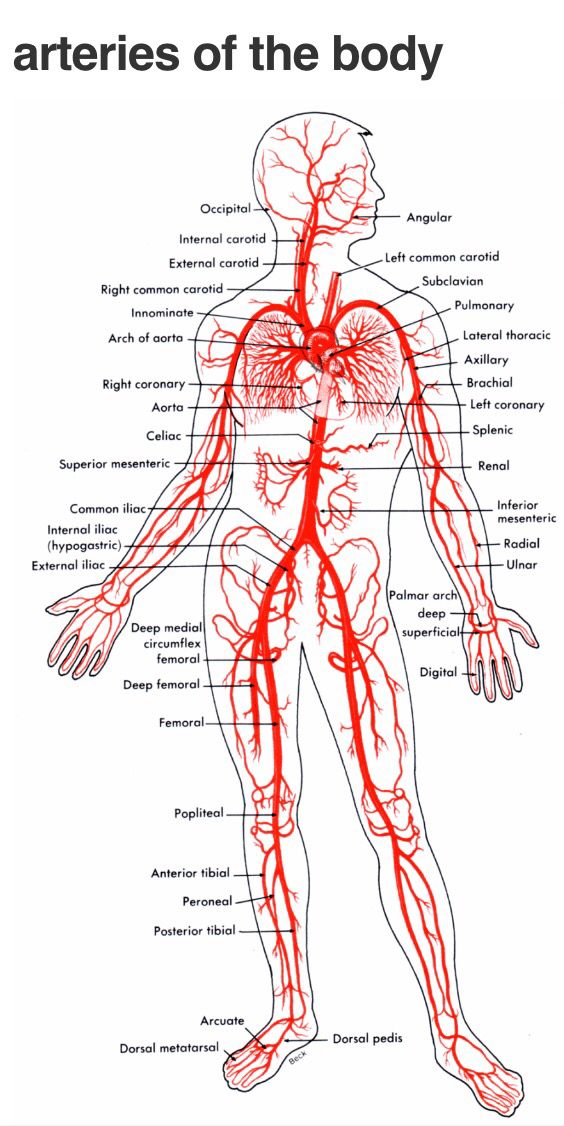
    For Dave, blockchain is like the arteries in our bodies:

    • Arteries have thick, strong walls, that make them resistant to high pressure that exists near the heart. This is similar to blockchain’s cryptographic level of security.
    • Each major organ in the human body has their own special kind of artery that delivers the needed supplies. This is similar to blockchain in the sense that you have public blockchain, private blockchains, permissioned blockchains each one of them with their own specific use case.
    • Arteries take oxygen away from the heart and distribute it very efficiently to all the body’s tissues. This is similar to a blockchain that has lots of complex data, standardising it and allowing it to seamlessly flow from one participant to another.

    Challenges of the coffee industry and its level of digitisation

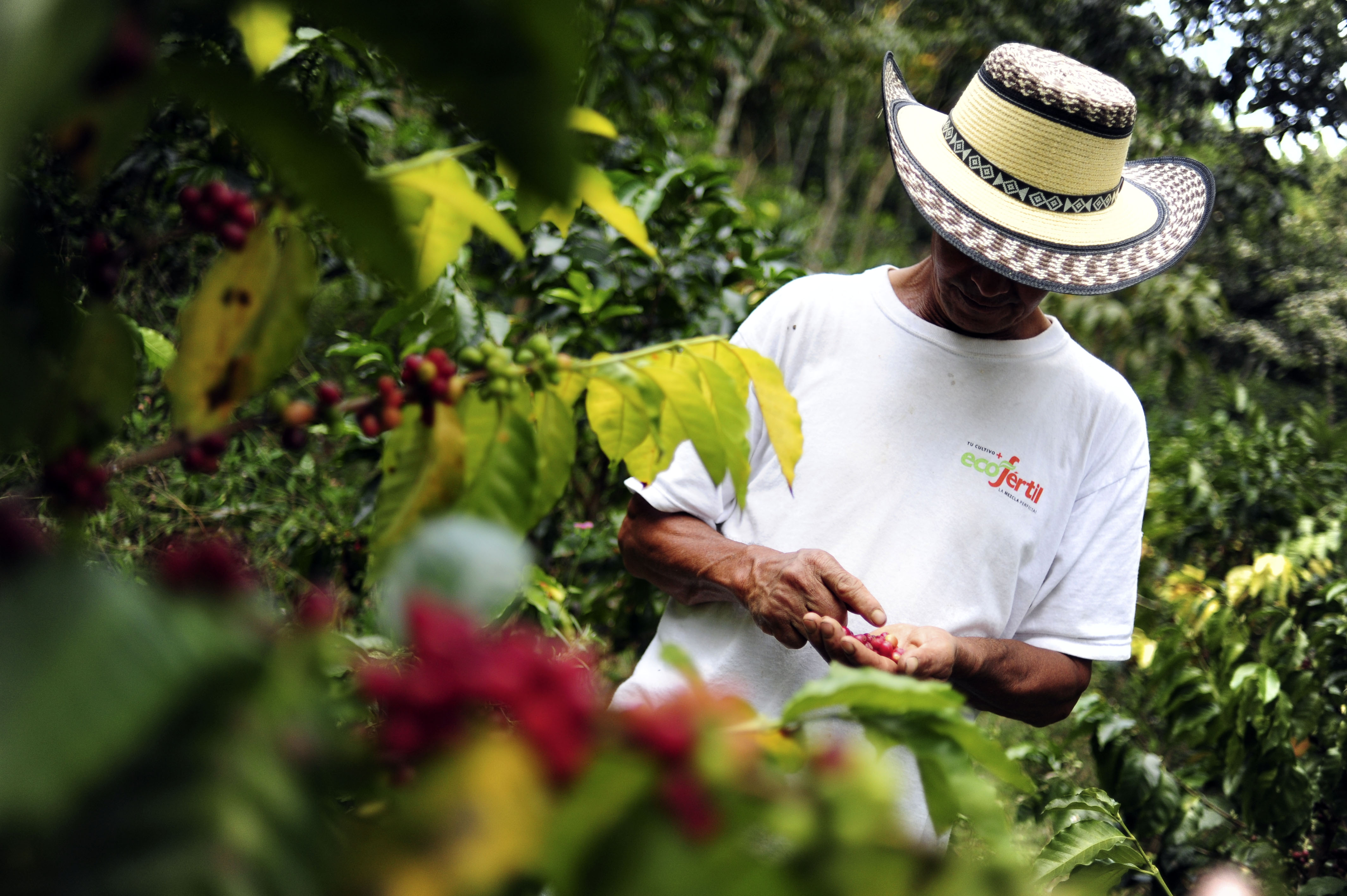
    The coffee industry is characterised by a large amount of smallholder farmers who are facing a lot of issues around traceability and sustainability.

    Consumers on the other hand, especially with millennials and post millennials really want to know two things:

    1. Has the coffee been responsibly sourced and has the farmer been paid a fair price
    2. Are the farmers themselves sustainable? Do they take care of social and environmental issues on the farm?

    Being able to track both of these points is very difficult and to some degree impossible in the past. However, with the arrival of new technologies such as satellite imagery which can be used to measure deforestation. Soil samples analysis allows farmers to understand how much fertiliser is the right amount to be used for their farm. This kind of precision agriculture allows farmers to use less fertiliser and lower their environmental footprint. Both of these examples produce a lot of data.

    In addition you have companies like Starbucks who have announced their intention to go resource positive – storing more carbon than it emits, eliminating waste and providing more clean freshwater than it uses.

    All of the forementioned bring up lots of challenges and opportunities around how data is captured? How is it integrated? How is it stored? How is standardised? However, Dave believes that the biggest challenge is concerning the ownership of data. In the past many of the small farmers had zero technological capacity. In the past firms would send an agronomist to the field, they would “harvest” data of the farm, enter it into a table, hop back into a jeep back to the office and upload it into the company’s database to share the data with their clients. That wasn’t a really good model nor did it scale effectively.

    Now with mobile phones, farmers can be empowered to own their data, to control their data and hopefully to monetize it as well.

    An introduction to Farmer Connect

    Farmer Connect is an industry led initiative, based out of Geneva, that is here to tackle the challenges of the coffee industry explained above. Farmer Connect is here to provide end to end connectivity between farmers at the beginning of the supply chain with the consumers on the other end. The vision is to humanise consumption through technology, because they believe that technology should bring people together, empower the individual and small businesses while at the same time reduce costs and inefficiencies for larger enterprises.

    Farmer Connect allows for the sharing and storage of traceable data to establish trust between all players along the value chain so that the consumer can get answers to where the product came from and how it was produced.

    As Dave mentions, Farmer Connect is here to de-commoditize a supply chain at scale by being able to put faces and names to the people who are growing the products they enjoy. This in turn gives consumers the opportunity to contribute and support farmer communities.

    Why blockchain?

    Players within the coffee supply chain have their data in silos, stored in different formats on different systems. The opportunity that Farmer Connect provides to these players with blockchain is to build an ecosystem with a large number of competitive participants in the coffee supply chain to interact in a trusted environment to be connected to allow to have end to end traceability.

    All participants who upload data in a standardised format onto the platform, to retain control and ownership of the data. Having that control is important as it allows the players to choose to share data with a business partner but not so much with a competitor.

    Working with IBM

    Farmer Connect uses HyperLedger Fabric provided by IBM. The reason they chose to work with IBM is three-fold:

    1. In addition to blockchain IBM has a very diversified business
    2. Consortium members such as large roasters, which are publicly traded companies, trust IBM.
    3. Food Trust was gaining a lot of momentum with supermarkets where a portion of coffee is sold to supermarkets. Thus, lining Farmer Connect with the blockchain group that was having the most penetration in the retail space made a lot of sense

    Dave is keenly watching IBM’s interoperability road map between its different ecosystems so that Farmer Connect can tap into Food Trust and tap into trade finance blockchain solutions and tap into crop insurance blockchains.

    Launch of the consortium

    Farmer Connect initially started off as an idea for a single company to improve their supply chain. However, as they started looking at it they realised that this should be an open source platform that is inclusive of everybody. They started reaching out to Farmer Associations, trading companies and to roasters to start the conversation about the common issues they are all facing that everyone recognises. Out of these initial conversations a steering committee was formed for Farmer Connect. In addition, they brought in four advisory board members with a wealth of experience who could contribute to the conversation. That was the early days of the consortium and since then has been growing almost daily with new members.

    Technologies used in addition to blockchain

    Blockchain sits at the centre of the solution as it provides a platform to securely store and share data. To facilitate farmers ability to connect to the platform using their mobile phone, Farmer Connect built a digital identity solution called Farmer ID. This works on any mobile phone that can send and receive SMS or through an app for smartphones.

    In its basic form a farmer receives an SMS confirmation of when payment is done for their coffee whilst the buyer gets a digital receipt of that purchase. This provides a great level of transparency onto the Farmer Connect blockchain platform.

    No personal information is stored onto the blockchain.

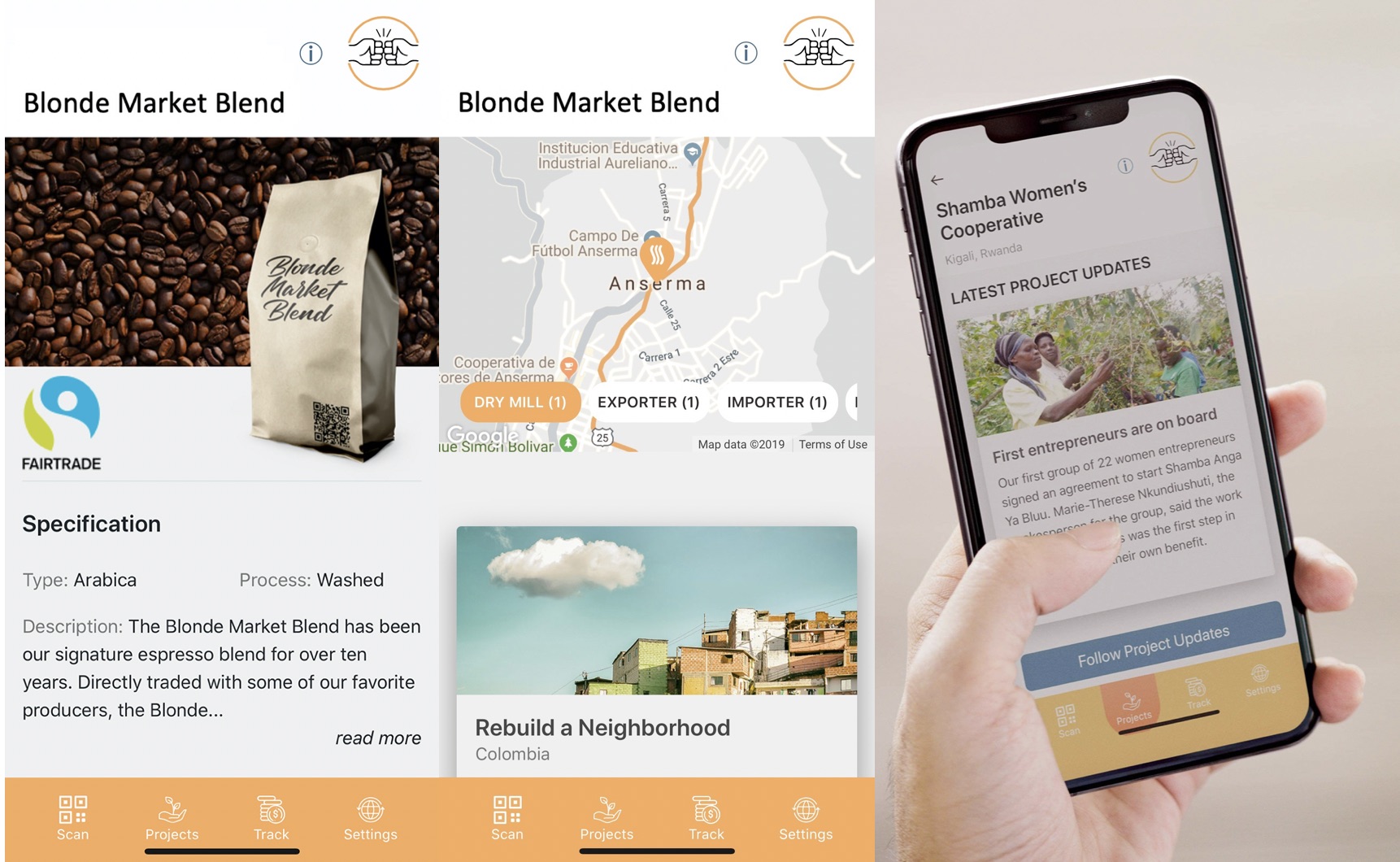
    As the platform traces the history of where the coffee came from, and all the players along the supply chain who interacted with the coffee before it was purchased, Farmer Connect has launched an application called “Thank my Farmer”. This app allows the consumer to see where their coffee came from, get to know more about the coffee and it includes a crowdfunding function for sustainability projects in different regions.

    Top challenges

    The top challenges, Farmer Connect had to face where not so much from the technical side but more from the social and human side. Educating the industry, talking to people and helping them to understand what it is that Farmer Connect do and why on earth would they join an ecosystem and not just use your own internal solution. And if they had developed an internal solution why would they join Farmer Connect. Thus, education was a key challenge.

    Another challenge was the hen and egg situation. Where questions of if my supplier or buyer isn’t on board, how do I join?

    Farmer Connect, Starbuck’s Microsoft Azure and India’s Eka Plus

    Farmer Connect operates in an industry where other players such as Starbuck’s Microsoft Azure blockchain solution and the Indian governments’ coffee e-marketplace called Eka Plus have developed their own solution. However, Diana believes what differentiates Farmer Connect is that they are not a company specific or a market specific platform. They are working globally, with different participants and competitors from the beginning to the end of the supply chain.

    Status of Farmer Connect

    Farmer Connect is in production. They recently launched their first traceable product on the US market in June 2020. Customers can buy and scan Folgers 1850 Coffee and trace the origin of the coffee.

    Diana is excited about the new products and partnership announcements that will be coming to the market very shortly.

    Plans for the next 12 months

    Farmer Connect has enabled smallholder farmers to connect with a wide range of participants and engage with consumers. The team realised that they could offer this facility to other smallholder farmers who have different types of crops. Farmer Connect now has a solution to chocolate companies in the cocoa sector and they will be launching a whole new range of features and new products in the next 12 months.


    Ep. 132 – FedEx’s insights on blockchain Oct 25, 2020
    Show notes

    Dale Chrystie is a Business Fellow and Blockchain Strategist at FedEx who has been in the transportation industry for over 30 years. He also serves as chairman of the Blockchain in Transport Alliance (BiTA) Standards Council, and is a member of the Blockchain Research Institute. In this podcast Dale walks us through the work FedEx is doing in the blockchain space and his view on why he believes the future of blockchain is an open source one instead of a consortium one.

    What is blockchain?

    Dale believes that to effectively define what is blockchain to as wide an audience as possible you need to use basic language and basic concepts. He boils blockchain down to five words: digital, ledger, permanent, transparent, and shared. Blockchain is a digital ledger that is permanent and uses cryptography. Once an entry is added to the ledger it can’t be changed. It’s transparent to all relevant parties and it is shared which is to say it exists on the cloud.

    Having said that, Dale is also known for characterising blockchain at conferences as boring and useless. Because blockchain is just a database that sits amongst many other tried and tested databases that are fast, process millions of transactions, are enterprise ready and ruggedised. Blockchain isn’t quite there yet. It isn’t very fast, scalable or mature. However, what it does, it does really well. For example, where authenticity and provenance matter, blockchain will completely change worldwide supply chains.

    Challenges of the logistic industry and the role blockchain can play

    The logistics industry is one where information systems use paper legal documents and electronic data is transmitted via electronic data interchange (EDI) and where documents are often shared via email, fax and courier. In the freight industry or the Less than Truckload (LTL), industry as it is known in the US, has been using paper process with bills of lading, documents and manifests for decades. Dale believes it is ripe for moving forward into the digital world.

    In 1978, Fred Smith founder of FedEx, is famous for saying “The information about the package is as important as the package itself.” For Dale, Smith was way ahead of his time as that statement still holds true today. He believes that we are at this very unique intersection of the physical world and the digital world. Where on one side you have the physical world and on the other you have a digital twin of it which contains data about the package.

    Blockchain is the first technology where companies will be able to share selected data in a peer to peer fashion without the need of middlemen.

    For Dale, blockchain has opened our eyes to what is in the realm of the possible. He doesn’t think of blockchain as process improvement. He thinks of it as a breakthrough technology. As he states if you look at blockchain as process improvement you can do this with existing legacy technology. If you look at blockchain within the breakthrough realm then no existing legacy technology could have changed the art of what is possible and the nature of the conversation as blockchain has done.

    Fedex blockchain journey

    Fedex’s blockchain journey started around a process in the dispute resolution area that was causing freight claims for a couple of million dollars a year. Around that time Walmart had a few early use cases in the food safety space which had inspired Dale on how blockchain could be used. The identified issue was for a three party dispute resolution scenario involving a receiver, a shipper and a carrier. The issue was that the receiver was ordering hypothetically 100 items from the shipper via a purchase order. The shipper then received it and fulfilled it. In their fulfilment process they pushed it to the warehouse in two pallets of 40 items and created a bill of lading. The two pallets of 40 and the bill of lading is given to the carrier and ultimately delivered to the receiver. A few weeks later the receiver sends notification that 20 items are missing. There wasn’t visibility to the missing 20 items.

    This same three party scenario could also be used for a number of other examples like payments, rebates or other process examples where you have multiple parties speaking a different data language.

    The learning from this experience was that blockchain creates a common language and creates a secure chain of custody. For Dale though the real opportunity is on the peer to peer side. If two parties who want to transact can do it in a trusted environment then you don’t need a whole range of intermediaries that traditionally would have facilitated that transaction.

    Blockchain needs to be open

    Whilst blockchain consortium may work in some scenarios they don’t believe the consortium model will scale. Every time a new member joins the consortium there is an array of paper documents that need to be signed such as non-disclosures and involvement of lawyers. It can be cumbersome and it can take time. Consortiums can scale to 10, 50 or even 1000 identities but in the global commerce space you are talking of tens if not hundreds of thousands. Because of these reasons an open blockchain based on open licenses can scale globally in the global commerce space much more effectively than with consortiums.

    Dale however recognises that in some examples, consortiums can make sense. For example in the US pharmaceutical market if you sign up 100 players on a private consortium blockchain you have the whole industry.

    In 2018 at the Consensys conference in NY, FedEx Chief Executive Frederick Smith stated “We’re quite confident that (blockchain) has big, big implications in supply chain, transportation and logistics,” and “In the area where FedEx makes its living, this could be a big deal.” To which Chief Information Officer Rob Carter added “This is such a game changer for us because it extends those boundaries outside of our four walls,”. FedEX wants to support an open blockchain instead of taking the approach of slapping a FedEx logo onto a proprietary blockchain.

    Blockchain in Transport Alliance (BiTA)

    Dale recognises that standards drives everything. Standardisation of the width of rail tracks in the US in 1863 is what enabled to connect the east coast to the west coast. Because of that, in February 2018, FedEx joined the Blockchain in Transport Alliance (BITA) which was founded in August 2017 and has since grown into the largest commercial blockchain alliance in the world, with nearly 500 members in over 25 countries that collectively generate over $1 trillion in revenue annually.

    BiTA is a member-driven organization; members are primarily from the freight, transportation, logistics and affiliated industries. Alliance members share a common mission of driving the adoption of emerging technology forward. They accomplish this by developing industry standards; educating members and others on blockchain applications/solutions and distributed ledger technology (DLT); and encouraging the use and adoption of new solutions.

    By working within BiTA, FedEx hopes that by developing open source royalty free standards to help accelerate the adoption of blockchain technology.

    The Global Express Association

    In November 2019, the Global Express Association that regroups Fedex, UPS and DHL prepared a concept paper entitled “Next generation border clearance through disruptive technologies”, that it presented to the World Trade Organisation and the World Customs Organisation, in which it states that “DLT can overcome many of the current challenges faced by Customs and other border agencies with regard to revenue collection, combating illicit trade, including counterfeit, safety and supply chain security”.

    In the paper it also states that EDI and digital signatures have helped to digitise cross border processes in international trade but do not yet allow the verification of authenticity and accuracy of documents such as bills of lading, certificates of origin and invoices which can lead to disputes and delays.

    The impact of the pandemic on the industry’s digitisation and blockchain adoption

    The concept of co-opetition and of a shared purpose really came to life during the pandemic as companies and governments all identified the shared purpose in providing PPE and other items towards fighting COVID19. The other point to come out is how complex and cumbersome the global supply chain really is. And as at the Consensys conference in 2018, FedEx’s chairman and founder, Fred Smith stated that blockchain will completely change worldwide supply chains. This will be done by streamlining them, peer to peer technology, smart contracts and data that is cryptographically secured and authenticated.

    Advice to C-Suites who ignore blockchain

    Dale, looks at C-Suites from two angles. On one end they have a technical background, whether that’s in finance or legal or something else. On the other they share risk and opportunity, responsibility and strategy opportunity.

    From Dale’s point of view blockchain is not just a technical discussion but also one that involves risk and opportunity.

    Blockchain and smart contracts for example will change the speed of when payment is made for services provided. This could be from 30 days to being instant. This gets the attention of the CFO, Chief Financial Officer, the CIO, Chief Information Officer, who will develop the smart contracts. The Chief Legal Officer will need bilingual attorneys to transform paper contracts into smart contracts.

    The key piece is the strategy one, when the C-Suite look at blockchain as a peer to peer technology, within a trusted environment, that will disrupt business models by removing intermediaries they will have to understand where their business model sits in this space.

    Thus, ignoring blockchain carries the risk that a party may figure out a way to bypass your middleman position. This is why C-Suites need to be actively engaged with blockchain so that they can mitigate that risk by building strategies accordingly.


    Ep. 131 – How can blockchain projects expand internationally – Special focus on China Oct 18, 2020
    Show notes

    Ran Zhao is Founder of Blockchain Business Bridge and Innovation Officer at Innovation Centre Denmark, a public organization under Ministry of Foreign Affairs and Ministry of Higher Education and Science of Denmark. In this podcast Ran walks us through the opportunities blockchain projects have to expand in the Chinese market by sharing her experience of such a project for Danish companies.

    The innovation Centre Denmark helps Danish companies to build up their innovation and technology development and connect them to international resources.

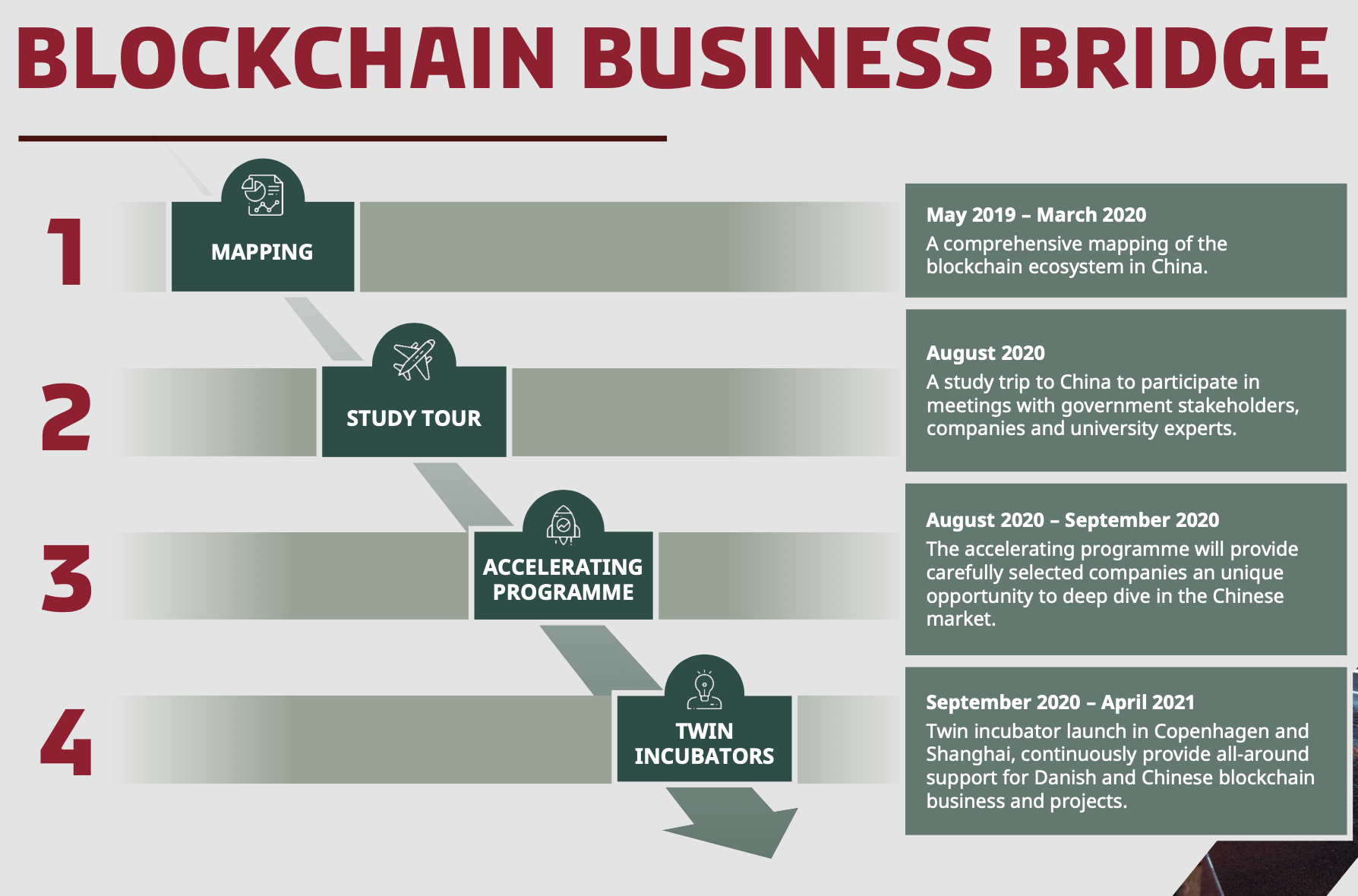
    The Blockchain Business Bridge is a non-profit platform for knowledge exchange, and business communication between China, Denmark and the world. The project serves as a launchpad for Danish businesses to take their blockchain activities to the next level.

    What is blockchain?

    To define what is blockchain, Ran took us throough a journey across time. From the Stone Age to now trade and transactions have always been the engine of economic growth. Transactions however have become more complicated. Transactions are not just physical goods but services, solutions, stocks and property. The marketplaces themselves have also become more complicated. Technology has enabled trade to move from offline to online as it increasingly becomes more digital. Both the number of participants and locations of those participants has increased, thus complicating trade.

    All this complexity leads to one fundamental problem, a problem of trust. To solve this trust issue, we have resorted to the use of centralised intermediaries such as banks, financial institutions and big companies who have excellent credit records.

    Big corporates can invade your data privacy, financial institutions have gone bankrupt and banks can deceive us as recently demonstrated in the FinCEN files where major banks like JPMorgan, HSBC, Deutsche Bank and a number of other big banks have defied money laundering crack downs by profiteering from illicit funds from Russian oligarchs and drug lords. Centralised intermediaries are usually inefficient and have numerous points of friction creating increased transaction costs.

    Blockchain technology enables stakeholders in a complex ecosystem to coordinate with each other transactions in an efficient and cost effective manner. Blockchain technology has the following attributes:

    • Cryptographically secure
    • Distributed ledger where stakeholders can keep their own record of their data in a privacy adhering manner
    • A consensus mechanism to facilitate agreement between the stakeholders
    • Smart contracts to automate transactions based on codified rules

    Commercial and industrial applications can be built on top of it to create a whole new ecosystem of digital economy.

    The Innovation Centre of Denmark

    Ran works at the Innovation Centre Denmark in Shanghai, part of the Trade Council of the Ministry of Foreign Affairs and Ministry of Higher Education and Science of Denmark, whose mission is to help Danish companies and higher education institutions explore possibilities in some of the world’s leading innovation hubs, such as in Shanghai, Silicon Valley, Seoul, Boston and Munich.

    On one hand they help Danish innovative companies, start-ups and SMEs to enter and scale up in international markets. They help them improve their business models and polish the business plans and help them research of local industry players and potential partners / investors.

    On the other hand, they pull the knowledge and experience from all their innovation hubs to Denmark to keep Denmark’s competitiveness, innovation and tech. Blockchain Business Bridget is an example of such projects by bringing the experience on how to develop a blockchain ecosystem and business model from China to inspire Denmark.

    Chinese blockchain ecosystem

    China is seen as a front runner of blockchain technology and applications. China has the highest number of patents in terms of blockchain and DLT.

    Source: blockchain center of excellent, university of Arkansas

    According to Coin Telegraph, from January 2014 to October 2019 the National Intellectual Property Administration of China has been awarded 2,218 blockchain patents compared to the 227 by the US Patent and Trademark Office.

    China is also running a number of ambitious projects in both the public and private sector from information infrastructure to individual industrial applications. According to Ran this represents a unique opportunity for Danish businesses to learn from what is happening in China, get inspired and to explore application scenarios.

    For that last 10 years, there has been a very top down approach from the political system in China for blockchain development. On the 24th of October 2019, President Xi Jinping emphasized the development of blockchain technology and called for more research, investment, and regulations: “Blockchain plays a core role in the next round of technological innovation and industrial transformation,” said Xi according to comments recorded by news agency Xinhua during a meeting with members of the Communist Party’s Central Committee Political Bureau.

    Xi emphasized boosting research in blockchain in order to “help China stay on the frontline of theoretical, innovative and industrial aspects of blockchain and also occupy a seat in the global regulation-making process of the emerging technology.”

    Xi said the technology should be expanded into other parts of people’s daily lives, like education, employment, health care, poverty alleviation, food safety, and other public services. “By using blockchain technology, the public are able to enjoy more convenient, intelligent and qualified public services,” he said.

    On the business side the start-up community in China is very active with blockchain technology, as are the big corporations such as Alibaba, Tencent and Baidu, in addition to the traditional Chinese companies which are also embracing blockchain technology.

    In Denmark the situation is very different. When the Blockchain Business Bridge was set up, the traditional big Danish industry players were very hesitant to be the first ones to take the first step into blockchain technology as many to this day still confused it with cryptocurrency. Which is in stark contrast to the traditional Chinese companies who are competing between each other to be the first ones to adopt blockchain technology.

    Blockchain Business Bridge

    Blockchain Business Bridge really started from Ran’s personal interest in blockchain. In 2018, Ran invited four professors from Danish universities that had a focus on blockchain in addition to two blockchain companies:

    • Coinify a crypto company and payment provider
    • Blockshipping a global shared container platform

    They organised for the participants a tour around Chinese innovation hubs in Beijing, Shanghai, Yangpu, Suzhou and Xiang Cheng. Establishing dialogues with local policy makers, blockchain companies, startups and with universities and researchers. From these conversations they identified that there was appetite to explore business opportunities between China and Denmark.

    Ran partnered with Professor Roman Beck, IT University of Copenhagen and Head of the European Blockchain Centre to found the Blockchain Business Bridge. Along with Roman, Ran onboarded the Confederation of Denmark Industry, which is the biggest industrial organisation in Denmark with more than 11,000 companies as members. They also onboarded the Danish Chinese Business Forum who is particularly good at organising communication events between China and Denmark.

    Source: Ministry of Foreign Affairs of Denmark

    Ran built a 4-phase approach to launching the blockchain business bridge:

    1. Mapping – A comprehensive mapping of the blockchain ecosystem in China.
    2. Study Tour – A study trip to China to participate in meetings with government stakeholders, companies and university experts.
    3. Accelerating programme – The accelerating programme will provide carefully selected companies a unique opportunity to deep dive in the Chinese market. Due to COVID19 this was spit in two phases:
      1. Blockchain boot camp online modules that happened in both Copenhagen and Shanghai
      2. In 2021 they hope to run an offline event for Danish companies to participate in person in China to meet potential partners
    4. Twin incubators – Twin incubator launch in Copenhagen and Shanghai, continuously provide all-around support for Danish and Chinese blockchain business and projects.

    Blockchain Business Bridge Bootcamp

    Source: Ministry of Foreign Affairs of Denmark


    The Blockchain Business Bridge Bootcamp was a unique opportunity to discuss and refine blockchain oriented business models. Experts from China as well as Denmark coached and mentored participating teams in their approach to improve their business plan and roll-out strategy. At the end of the programme there was a grand pitch in front of investors and venture capitalist from both China and Europe.

    Six Danish companies participated: Avallone, Banktech, Blockshipping, Paiblock, Rittal, Vpledger. The feedback from the programme was beyond their expectations. For example, one of the participants is in conversation for investment from a VC whilst others are establishing collaboration opportunities between researchers and industry.

    One of the biggest challenges in running such an event is that in Denmark, blockchain is still a very early stage technology where the ecosystem is not mature. Finding companies to recruit for the bootcamp was a challenge. Getting Danish big corporations educated on blockchain was also a challenge but this isn’t something that these companies were prioritising as they aren’t bought into blockchain technology.

    Top tips for blockchain projects wishing to expand internationally

    Ran shared that when she talked with Danish companies she always made it clear blockchain is not a panacea for everything. Don’t try to apply blockchain for everything you have to be very customer orientated. Listen and observe what are the true pain pints of your customer. Don’t imagine a problem and try to solve it.

    Don’t try to sell blockchain, solve real problems with blockchain and focus on creating real customer value. Ran reminds us that customers don’t care if the solution is AI, blockchain or any other solution. They only care if the solution can bring value to them.

    Ran also recommends that whenever a European or Danish startup or company wishes to enter the Chinese market they should identify a local partner that can help them get connected to the right resources as it is very difficult for an individual company to set everything up on their own.


    Ep. 130 – Driving trade and working capital innovation with blockchain – insights from Marco Polo Oct 11, 2020
    Show notes

    Robert Barnes is the co-founder and CEO of TradeIX and the co-founder of the Marco Polo network. TradeIX is the network operator that runs the Marco Polo network a consortium of banks and corporates that transact both domestically and globally. In this podcast Rob, takes us through how Marco Polo is able to drive trade and working capital innovation with blockchain technology.

    What is blockchain?

    Rob, looks at blockchain from a distributed ledger technology (DLT) standpoint because their interest is in peer to peer permissioned transactions.

    Rob, explains how there are different types of blockchain from the broadcast model, also known as public blockchain, such as Bitcoin, to the peer to peer model like Corda. A blockchain that has financial transactions, needs a peer to peer network that is highly permissione where only the participants to the transaction have visibility over it.

    For Rob, blockchain is a platform that facilitates the sharing of data between different legal entities that are permissioned to have visibility over a transaction.

    TradeIX / Marco Polo also use the same technology to run stateless calls. A stateless call is where you’re using the communication protocols of blockchain to call something or to request something that doesn’t need to be written onto the blockchain. By doing this you avoid the use of APIs between the various legal entities, companies and customers. APIs are used to connect into large corporates’ back end systems, ERP systems or underwriting ones to name a few.

    DLT breaking down silos in trade finance

    When you look at the financing part of trade it is about interactions between corporate entities and their bank. This could be as simple as a payment. Whatever the interaction it happens via silos that need to talk to each other. Most of the time this communication happens via emails with PDFs, via API calls or sometimes it requires the entity to join a particular business network to get access to the data within a silo. If they do join a business network the power is usually centralised, owned by a third party and more importantly you get into issues of data residency.

    Blockchain / DLT provides the opportunity for everybody to control and manage their own data within their desired jurisdiction and shared with the counterparties that they are doing business with globally. This enables the breaking down of silos as parties start to communicate and transact between each other across the DLT, whilst providing all the permissioned ones with access to this single version of the truth in an immutable manner.

    Having access to this single version of the truth enables all parties to avoid the unnecessary cost of data reconciliation and verification. For Rob, blockchain / DLT at its core affords the ability to take risk and cost out of everyday processes that are done today.

    TradeIX

    TradeIX started out its journey by being super focused on the actual financial transaction within trade. As they started working with banks, insurers and corporates their journey evolved into solving problems of communication between businesses, financial institutions, and the various ecosystem participants. For example, it enables corporates to exchange purchase orders and invoices between themselves without having to go through a centralised business network, use paper, or email.

    Marco Polo

    Rob had been involved in trade and trade finance technology for a number of years. He had been looking at a few technologies that were starting to converge which could make a huge difference in the way in which businesses transact and do business globally. Those three technologies were blockchain, cloud and artificial intelligence (AI) / Machine Learning (ML).

    Rob felt that if you could bring these three technologies together in a way that created and broke down the silos and created efficiencies in communicating information and documents in a digital way across the globe you could really transform the way in which trade is done.

    From a blockchain perspective, TradeIX was experimenting with Hyperledger Fabric before they decided to pivot to R3’s Corda, because they didn’t think it was going to scale to a level they needed for peer to peer transactions in a permissioned and private manner. At that moment they were invited to R3’s offices to meet a number of banks to discuss what they had envisaged for trade and trade finance. Six months from that initial meeting they renamed the project Marco Polo and took off from there.

    Today Marco Polo, is a group of corporates and bank who got together to create an environment where exchanging information, specifically to trade and trade finance, is easier, simpler and faster. The initiative wasn’t started from a technology point of view but from a problem point of view. Examples of problems they were trying to solve is the amount of time it took for paper based information to be distributed to a number of parties so that they can agree on the transaction and paying it out. Having all that information digitally available allows each party to auto reconcile based on immutable contracts that are pre-agreed prior to the transaction taking place. This is a much faster and more efficient manner than a paper based one.

    ERP Systems

    Being able to integrate the TradeIX platfrom with every single entity is critical. Integration with ERP systems from Oracle and SAP amongst others is critical.

    You can listen to a webinar of Rob Barnes of TradeIX along with Rik De Deyn from Oracle regarding Trade Finance App Within ERP Environment:

    At the moment TradeIX is working with SAP to build generic connectors that will facilitate integration.

    Rob believes that they need to be in a position to provide a very rich API set that allows all participants of the Marco Polo network to integrate into and out of their platform. This gives companies the ability to give out a lens into their ERP by using a very safe and secure channel for their supplier, bank or financial institution to get a permissioned real time visibility into the required applications such as cash positions.

    Positioning of Marco Polo within trade finance vs We.Trade and Contour

    Carl Wegner, CEO of Contour, recently featured on Insureblocks for an episode entitled “Blockchain & Digitising Trade Finance – Insights from Contour”. As Contour specialises in the digitisation of letters of credit, Rob believes that their respective solutions are quite complimentary especially as they both sit on Corda.

    We.Trade is a trade finance blockchain application that focuses on the middle markets with a high focus on European markets. Whilst there are some level of competition with We.Trade, Rob believes there is enough space in this market for the both of them and for a few more players. Eventually though Rob argues that all the players in this space should be in a position where they can interoperate between themselves.

    December 2019 – Marco Polo Network successfully completed the largest blockchain open account trade finance trial

    In December 2019, financial institutions and corporates from more than 25 countries, spanning across five continents, participated in the largest blockchain open account trade finance trial over a seven week period, involving over 340 participants from multiple sectors including financial services, IT and telecoms, logistics, maritime, real estate, hospitality and some of the biggest players in the automotive industry.

    With its key focus in increasing efficiencies in trade finance, the Receivables Financing solution available on the Marco Polo Platform and the Corda Network is an integrated solution built to overcome critical trade finance challenges including lack of connectivity, inefficient processes and high onboarding costs.

    This trial was a significant milestone because they were right in the middle of re-platforming and one of the biggest learnings was the need to build a network management system (NMS) underneath the network itself so that could provision platforms and applications within seconds and monitor the health of every single platform no matter where they were and provide update and upgrades where required.

    Another major learning was the need to make sure that transaction velocity could be increased to cater for some very large players. This required optimisation of the platform and applications that are running on the cloud to ensure they could produce and transact more when required.

    Governance of the Marco Polo Network

    Marco Polo has three pillars: order to cash, purchase to pay and risk mitigation. Banks which operate in the Marco Polo Network are involved in most of those pillars, some in one and some in all. This created a challenge in terms of creating a consensus across the rule books that were acquired, such as how actors would be governed, how would consensus be established for new members joining and many others. The objective of the governance is to be open and transparent to expose everything to get the trust that is required.

    At the moment TradeIX is the business network operator of Marco Polo with its governance board. Eventually they are looking to migrate this to a new independent organisation.

    Data standards

    The way that Marco Polo controls the states is by making them as flexible as possible. Certain elements of a states are mandatory but others can be expanded depending on the requirements of the different counterparties. For example, an invoice is not an invoice on a state. What they have is an asset state which has a class attached to it and that class could be defined as an invoice for something or a purchase order.

    Rob and his team work with the International Chamber of Commerce to try and create standards around states and data sets.

    Marco Polo as the App Store of Trade

    In a recent interview with Soldo Magazine, Rob discussed Marco Polo as the App Store of Trade. TradeIX isn’t developing all of the apps on their network. They now have three to four partners who are building applications that run on the Marco Polo Network. This ranges from insurance to ERP adaptors, trade dock, on and off ramps onto the network.

    TradeIX sees a future where most of the apps on the Marco Polo Network will be built by third parties. TradeIX responsibility will be to ensure that what is on the network is compliant, a good actor and providing value.

    How can blockchain solutions like Marco Polo dampen some of the negative effects of COVID19

    First point to recognise is that COVID19 is a catalyst for digitization.

    Second point is to provide greater. Having a network that’s digital and inclusive for everybody will provider great access to financing capital to run businesses, no matter where they are right down to a single person entity, sitting somewhere in Bangladesh.

    Rob is very positive with what they can do by using cloud and DLT, blockchain technology to actually make that a reality.

    Plans for the next 12 months

    Two thirds of the network is live at the moment and they’re moving the last third of the network to a live status beginning of quarter of 2021. They are going to continue to build more real business rich features that will help solve real business problems.

    _______________________________________________________________________________________________________
    This episode is brought to you by our friends and sponsors at R3. In this digital-first world, now more than ever, businesses need to modernize existing processes, systems and models – and enterprise blockchain provides the ideal solution for transacting directly and streamlining business operation.

    Developed by R3, Corda is light years ahead of other blockchain platforms in terms of privacy, security, scalability and interoperability. And–because Corda was built to meet the stringent requirements of highly-regulated industries, it can be used by firms of any type or size and in any industry.

    Blockchain applications built on Corda can reimagine and increase the potential of existing business networks, enabling direct and trusted transactions that eliminate friction and accelerate growth.

    Check out r3.com to find out more.


    Ep. 129 – Blockchain for Energy Consortium Oct 04, 2020
    Show notes

    Rebecca Hofmann is Chairman of the Blockchain for Energy Consortium (previously known as OOC Oil and Gas Blockchain Consortium) a collaborative effort of 10 major energy companies to learn, lead and leverage blockchain technology for the energy industry. Additionally, Rebecca is Head of Innovation at Equinor, a Norwegian based global energy company operating in 30 countries, where she focuses on the strategy and innovations dealing with blockchain technology.

    What is blockchain?

    Rebecca looks at blockchain from a business perspective as a back-end technology, with the potential to truly transform how we work. It’s a shared digital ledger, that is allowing to have a more seamless way of working with a central source of truth in which business activity can be self-executed, recorded in real time, in a transparent way, with no central point of failure, that’s making it more secure.

    Challenges of the Energy Industry

    The energy industry has been facing challenges like never before. There has been extreme price fluctuations in a negative way affecting all of the entire industry. This situation has stimulated the industry to work in a new way and to embrace digitalisation to help them achieve that.

    Source: Statista 2020

    Low energy prices, the threat of companies having to either merge or actually go out of business has helped the industry to push digitalization in a way it would have been uncomfortable doing in the past.

    Additionally, it has pushed the industry to collaborate even further to share the cost of R&D, share the cost of development, share the risk and share subject matter experts to create the right solution that all the companies need.

    Rebecca’s journey into blockchain

    Rebecca’s journey into blockchain started off when a colleague of hers at Equinor gave her his ticket to attend a conference at Rice University on this new emerging technology called blockchain. During the conference, Rebecca rapidly realised that this technology was about a collaborative tool that also enabled interacting with external parties.

    She wrote an email up the chain at Equinor expressing the need to pay attention to blockchain technology and she wanted to be part of it. Equinor already had started some blockchain initiatives and she was able to bring them together into her team as Head of Innovation.

    Journey to launching the Blockchain for Energy Consortium

    In December 2017, Equinor alongside BP, Shell, ABN AMRO, ING, Société Générale and others launched VAKT a commodity post trade management company. Rebecca describes VAKT as the first real blockchain solution to enter the energy industry in Europe, from which they have gained a lot of learnings from.

    After Rebecca’s participation at the blockchain conference at Rice University, representatives from Exxon Mobile and Chevron reached out to her to discuss how they could keep discussing about blockchain as a group of three. As the three of them kept meeting others started joining in and participating in the conversation. As the number of participants grew they decided to formerly start a forum called the US Oil and Gas Blockchain Forum in February 2018.

    They met across the year and it rapidly grew to 17 operators. The operators were starting to open up to the idea of collaboration and agreeing that on some use cases that they shared common pain points. They also consciously made the decision not to focus on blockchain as the tool but on the pain points that as an industry they can solve together.

    Throughout the launch of the forum they embraced the mantra of “Learn, Lead and Leverage”. They organised a lot of events by bringing experts from different disciplines to expand the learnings of the forum’s members.

    Towards the end of 2018 the idea was floated to the17 members of the forum on who was willing to put some money together, some subject matter experts and be willing to work together to actually test the technology around specific use cases. A membership agreement was created and was sent to all the 17 members of the forum. Rebecca expected about 4 – 5 would join but actually 10 members agreed to sign and the Blockchain for Energy Consortium was created.

    First use case – Authorization for Expenditure Balloting

    In the early days of the forum the members would pretend what if that they had no systems and they could have their druthers and they could create anything they wanted what would it look like? What is that seamless, integrated way of working for our future?

    That work was the basis to test the industry’s first blockchain application for Authorization for Expenditure (AFE) balloting.

    AFEs are used in the oil and gas industry to approve capital and expense projects and determine working interests among parties participating in projects under a joint operating agreement. They are governing agreements between the interaction of partners. For example, whenever an operator wants to drill they need to get authorisation from the other operators as they have a percent interest in this.

    Conventional AFE balloting is a manually intensive and largely paper-driven process where the documents are posted in the mail and that can take significant time and frequently results in subsequent working interest disputes.

    Blockchain was seen as a no-brainer to digitalise and automate by streamlining the approval process reducing cycle time and errors, as well as providing an immutable documentation of the final working interests.

    The AFE balloting proof of concept (POC) tested the ability to send ballots and make elections digitally utilizing blockchain technology, with smart contract enabled workflows calculating working interests automatically. Each ballot was digitally signed. What the participants liked about blockchain technology was the trust factor it provided, through this single source of truth. Because that working interest will be locked down when it was digitally signed. The working interest on each of the participants revenues and costs was clearly available and digitally signed.

    The proof of concept eventually turned into “Integrated Joint Venture Management” which is sponsored by ConocoPhillips.

    Produced Water Haulage Pilot

    This pilot started off as truck ticketing. It went to water haulage and now it’s a commodity transport application. Just like the consortium’s learnings in their blockchain journey, the use cases they take are maturing and evolving.

    Equinor is the sponsor of the produced water haulage pilot. The main goal of the pilot was to prove can they take digital information from its source, perform the necessary validation and create a payment without any manual intervention. No need for the approval of an invoice, no need for approval of a truck ticket because all the rules would have been created up front into a smart contract. All the information is made available to the relevant parties which can include the operator, the trucking company and the disposal company. Invoices that used to go through between all the different players for the safe disposal of salt water from a well are now fully automated.

    Equinor partnered with Data Gumbo, utilizing its GumboNet blockchain network, to produce a platform for automating produced water haulage from field reading to invoice payment. It was executed on five Equinor wells in the Bakken field in North Dakota with water logistics and transportation provider Nuverra Environmental Solutions . It was the first industry-wide use of a blockchain-native network for produced water haulage.

    Source: Data Gumbo

    Data Gumbo was used as the blockchain provider for this solution due to their expertise within the energy industry.

    The pilot’s initial results included:

    • Reducing current process workflow from 90-120 days to 1-7 days and 16 to 7 steps, requiring zero manual intervention;
    • 85% of all volume measurement automatically validating against data from multiple parties, with the potential for near 100% auto validation with future enhancements;
    • It removed 100% of the rounding practice that used to occur previously
    • Validations automatically triggering the execution of related invoice transactions, which reduces financial risk by giving assurance that payments coincide with field activity; and
    • Delivering a potential of 25% – 36% reallocation of resources versus current business process for operator and trucking company.

    When COVID hit this pilot was accelerated due to the automation of the processes and the significant reduction in manual intervention.

    The pilot started off for water haulage, but the plan is to move it to a commodity transport application for oil, chemicals and other fuels.

    Blockchain platform
    The Blockchain for Energy Consortium positions itself as blockchain platform agnostic. They are focused on the pain points and depending on the required solutions they will determine which platform to adopt whether it’s Ethereum, HyperLedger Fabric, R3’s Corda or Data Gumbo.

    The AFE Integrated Joint Venture Management pilot is using R3’s Corda for example.

    When the consortium moves into the seismic use case they will need to look at a blockchain platform that can support tokenisation as seismic is both data and an asset. That asset is sold between different parties in the industry. Operators and third parties own their own seismic data. The seismic use case is about giving operators a means to better manage their seismic asset and to create a model where they can buy and sell at least one day of seismic data on the blockchain.

    Governance

    The Blockchain for Energy Consortium has registered itself as a not-for-profit. Rebecca explains that this was a natural decision for the consortium. The members wanted a place where it felt it was more open and a more collaborative environment. Not-for-profit seemed more suited than a profit one for this purpose.

    Additionally, as they are 10 operators coming together to look at new ways of working digitally between their process it was felt that from an anti-trust perspective a not-for-profit setup was a better one.

    _______________________________________________________________________________________________________

    This episode is brought to you by our friends and sponsors at R3. In this digital-first world, now more than ever, businesses need to modernize existing processes, systems and models – and enterprise blockchain provides the ideal solution for transacting directly and streamlining business operation.

    Developed by R3, Corda is light years ahead of other blockchain platforms in terms of privacy, security, scalability and interoperability. And–because Corda was built to meet the stringent requirements of highly-regulated industries, it can be used by firms of any type or size and in any industry.

    Blockchain applications built on Corda can reimagine and increase the potential of existing business networks, enabling direct and trusted transactions that eliminate friction and accelerate growth.

    Check out r3.com to find out more.


    Previous 1 3 4 5 6 7 19 Next

    Related Podcasts

    How I Built This with Guy Raz

    1

    How I Built This with Guy Raz Business
    Planet Money

    2

    Planet Money Business
    Inside Strategic Coach: Connecting Entrepreneurs With What Really Matters

    3

    Inside Strategic Coach: Connecting Entrepreneurs With What Really Matters Business
    BiggerPockets Real Estate Podcast

    4

    BiggerPockets Real Estate Podcast Business
    The Smart Passive Income Online Business and Blogging Podcast

    5

    The Smart Passive Income Online Business and Blogging Podcast Business
    A Thousand Natural Shocks With Gabe S. Dunn

    6

    A Thousand Natural Shocks With Gabe S. Dunn Business
    footer-logo

    Contact Us

    Toll Free: 844-670-7747

    Links

    • Home
    • Top Charts
    • Networks
    • Apps
    • Independents Podcasts
    • Podcast Advertising
    • Podcast News
    • Contact Us
    • About Us
    • Analytics & Insights

    Stay Connected
      Privacy, Terms of Use & Our Code of Ethics Protecting Content Creators Copyrights