PMP206: Growing Through a Mastermind with Anthony Fisher
Aug 13, 2020
Show notes
Especially during difficult times, leaders need support from other leaders.
Photo by Clay Banks – Creative Commons No known copyright restrictions https://unsplash.com/@claybanks?utm_source=haikudeck&utm_medium=referral&utm_campaign=api-credit
Each week this past year, I have been hosting virtual one-hour conversations with select groups of school leaders through Principal Matters Masterminds. Together we have studied books, provided times for self-reflection, and allowed leaders to take turns in “hot-seat” opportunities. The result? I have built new friendships and found new ideas for my own leadership practices. Others tell me that they have a newfound inspiration for their own practices. Together we have a shared sense of unity and collaboration in serving others.
Have you ever thought about placing yourself into a setting where others consistently challenge you to grow, encourage you to reach goals, and provide you a confidential setting for feedback and problem solving?
Maybe you are already a part of a professional learning community like this. Or perhaps you are already serving on a team that provides this context. If not, a Mastermind may be a possibility to consider as a way to intentionally commit to this kind of personal and professional development.
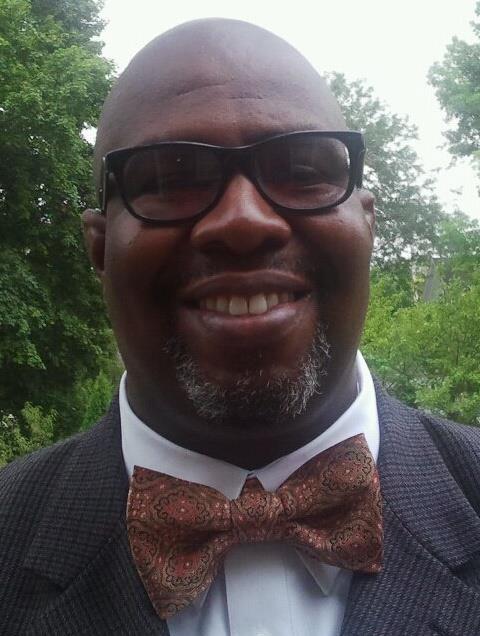
Meet Anthony Fisher
Anthony Fisher, M.Ed. is the Principal and Chief Academic Officer of Dayton Business Technology High School, a high school dedicated to helping older secondary students with credit recovery, leadership skills, lifelong learning and community stewardship – all within the context of curriculum focused on the business and technology aspects of careers.
In this week’s conversation, Anthony talks about lessons he has learned in leading a school for challenged youth who require both meaningful relationships and resilience to meet their goals. He also talks about the power of being in a Principal Matters Mastermind – how it has has played a role in his own leadership and expanded his capacity to more effectively serve his school community.
Here are some takeaways from the conversation:
WDP: First, can you tell us more about your school and its mission?
Anthony:We are a credit-recovery program for youth 16-21 years of age. As a community school, in downtown Dayton, our location places our students into a unique surrounding – they see both the benefits and consequences of life right outside the doors of our school. In a partnership with St. Clair Community College, Montgomery County Career Services, and others, our teachers help students discover how to solve problems and tie all content to five pillars: food, shelter, clothing, health and finance. Our goal of the school is equip students with the ability to manage each of these areas of life with knowledge, skill and community partnership. Then learn how to apply these lessons to the business and technologies of whatever careers they are interested in pursuing.
WDP: What prompted you to join a Mastermind?
Anthony: A Mastermind is like a panoramic view to leadership. Think what it is like to march in a parade. It’s easy to get caught up in the moment. Most leaders are marching along in the middle of a “school parade” without really knowing what it looks like from the outside. A Mastermind allows you to identify your work from the outside and find tools for improving your ability on the inside. It is an opportunity to let your hair down, connect with people who are of a like mind, and it gives you a safe place to communicate your concerns. A Mastermind gives you more tools as well as a community of people who care about a focus on learning, celebrating the positive and identifying places where you can improve.
WDP: What lessons from the Mastermind have helped you grow?
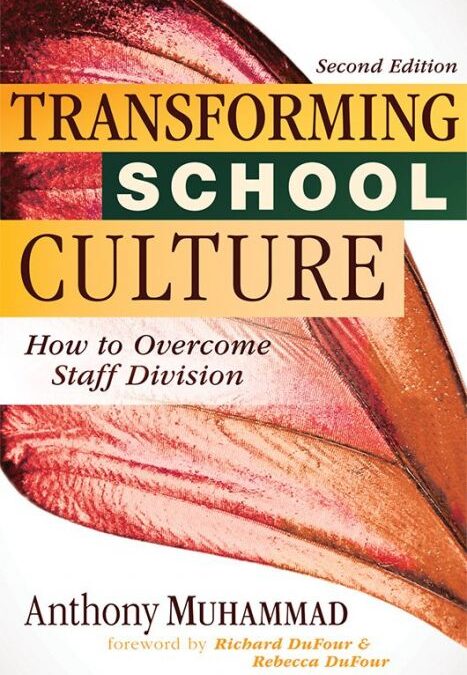
Anthony:We have read several books: Blink by Malcolm Gladwell, Transforming School Cultures by Anthony Muhammad, and 5-Voices by Jeremy Kubicek. Blink helped me understand hidden biases. 5 Voices helped me better understand my team. Each book has provided new perspective, but Tranforming School Cultures by Anthony Muhammad has really helped. I has literally been like a Bible of information I could take and immediately apply to my school – like having a whole new toolbelt as a leader.
WDP: How has self-reflection helped you each week?
Anthony: Self-reflection keeps you honest! A wise person once told me, ‘Responsibility is simply your ability to respond,’ and each week our Mastermind requires you to respond. Each week you reflect on your connections to students, your healthy choices, your self-growth and your care for loved ones. After several months of this, you begin to change.
WDP: What have been the benefits of ‘hot-seat’ moments?
Anthony:What we talk about is confidential. In a Mastermind, we work with each other, not for each other. As a result, you realize you’re not the only one experiencing a specific hardship. Those moments help us stay relevant. Through qualifying questions and clarifications, you explore language to help you see your team members better. In environments that are highly political and stressful, a Mastermind gives you safe place where you can get real.
WDP: What kind of people woud you encourage to join a Mastermind?
Anthony:Believers are required. In other words, a group of people like this works with individuals who can relate to the experiences of one another, share each other’s experiences, and not judge one another as you strive to become the best administrator while not becoming jaded. It takes you higher. This is not a traditional training because it requires a commitment. You always get more out of it than the hour you put in.
WDP: What story helps you remember why your work matters?
Anthony:Years ago, I told my students ‘You are the future leaders of America whether you want to be or not.’ One of these days, I’m going to be old, and I’ll be at the grocery store and see a student. Will he turn away from me or toward me? How you invest in students, their neighborhood, and their knowledge – this will determine if you have earned their respect. And someday you’re going to be depending on these students to be your future leaders. Will your investment in them make that possible? The future of this country is the youth of this country. That’s why school leadership matters to me.
Let’s Wrap This Up
What ways are you intentionally growing in leadership development? Have you ever considered being a part of a Mastermind? Whether you do that through a long-term commitment like the one Anthony discovered in a Principal Matters Mastermind, or discover a similar experience through another PLN, make it a commitment to keep learning even as you manage the difficulties of school leadership this year. Learn more about openings in Principal Matters Mastermind groups this fall. Or reach out at will@williamdparker.com for more information.
Now It’s Your Turn
At the end of this week’s podcast episode, Anthony and I add some bonus minutes talking about serving students during a pandemic. Listen to the entire episode for more takeaways! A big thanks to Mr. Anthony Fisher for sharing his inspiring leadership stories and reminding us that what you do matters! If you’d like to contact Anthony, he can be reached at afisher@datyontech.org or at his school’s website: https://www.daytontech.org.
PMP205: Preparing the Start-of-School Year in a Pandemic
Aug 06, 2020
Show notes
Jenny is a returning student at her high school. She has a part-time job which keeps her up late most nights.
Photo by JESHOOTS.COM – Creative Commons No known copyright restrictions https://unsplash.com/@jeshoots?utm_source=haikudeck&utm_medium=referral&utm_campaign=api-credit
When her school opens this fall, she knows remote-learning is the option until her building opens again. She calls the school but gets a busy signal. Then she uses her iPhone to log into the school’s website. It’s confusing, but she finds a link for her counselor’s email and sends a short message asking for help. A few days later, she misses a call. The voicemail is her school counselor telling her she has a schedule for her and needs to check her email.
Jenny checks her email. She sees she has been assigned six virtual classes. But she has more questions than answers. When should she login each day? How much time should she spend on each subject? Who will monitor her classes and follow-up with her? Will these be her same teachers once her school reopens?
She is still working her part-time job, so she puts off figuring it out till the first day of school is scheduled. That morning, she wakes up late and logs in. She checks her email and sees she has several emails from teachers with a variety of messages and instructions. She feels overwhelmed. So she logs back into her virtual schedule and clicks on her first class, Algebra II, with Mr. Samuels. She doesn’t recognize the name. Maybe he’s one of the new teachers.
She sees the class has both online lessons and links to live virtual sessions with Mr. Samuels. She has already missed his first live session. She’s flush with frustration. How is she supposed to figure out how to wade through the different classes, assignments and virtual meetings?
By this time, she has texted several friends. They are as confused as she is. One of them tells her she received a sample daily schedule from another teacher and will share a screen shot with her. Jenny is frustrated and hoping the rest of her first day of school is not this confusing.
Keeping students front-and-center
As impossible as this year may seem with the choices involved in distant learning, it is important to keep in mind who is at the end of all the preparation: students. You have students returning to school from all kinds of backgrounds and experiences. Some of them will have supportive guardians. Others won’t. Of course, as principals you also serve teachers, staff and parents with more questions and concerns than you may have answers for at present. How can you be ready for all of them?
Questions every student is asking on the first day
How you prepare for students on their first day of school can either help or hurt their experiences for the rest of the school year. Since many schools are attempting hybrid learning approaches for the first time, give yourself grace in knowing you won’t do it perfectly. But keep some enduring lessons in mind. Harry Wong, author of The First Days of School: How to Be an Effective Teacher, reminds us of seven questions every student asks about his or her teachers:
1. Am I in the right room?
2. Where am I supposed to sit?
3. Who is the teacher as a person?
4. Will the teacher treat me as a human being?
5. What are the rules in this classroom?
6. What will I be doing this year?
7. How will I be graded?
Now let’s apply those to the current situation of schools re-opening. Some of those questions may need to rephrased, but as you work out your plans for communicating with students and families, keep those simple questions front-and-center.
Perhaps you will do this in a helpful FAQ handout that can be posted on your website and mailed to every family. Maybe you can divide students into lists and call each one until you’ve talked to him/her or a family member to go over these questions. Perhaps you can host orientation meetings with small groups by alphabet with everyone in masks and socially distanced.
Whatever strategy you use, make it a goal to put students at ease with answers to the most basic questions about their school day.
Questions every teacher and staff person asks on the first day
But students aren’t the only ones who need clarity. Your teachers and staff also want to know some questions that only school leaders can answer. And their questions will be even more specific. Think about Harry Wong’s questions from the perspective of your teachers and staff who will be asking:
1. What is my schedule, class roster, and when will I receive it?
2. What extra duties, assignments or activities might I expect and what new safety guidelines should I expect?
3. Who is my administrator as a person and how can I communicate with him/her even if we are not physically in school?
4. Will my school leader help me and treat me as a human being?
5. What are the new expectations, protocols, procedures, and policies in our school?
6. What am I expected to accomplish this year in the classroom and other duties?
7. How will I be observed, evaluated, mentored, graded or coached?
Tips for school leaders preparing for school – even in a pandemic
In addition to these basic questions, teachers will want a platform to ask pressing questions on ‘what-if’ scenarios. How will you accomplish this? Just as you keep students in mind, think about how you will prepare teachers. Create an FAQ for teachers (just like you do for students). This may be helpful to email or mail them ahead of time. Place this on your website for staff or share via Google Docs. The same information is helpful for guardians and family members. Here is an example of the back-to-school web-page for the district where my own children attend.
6 tips for returning to school (in-person or distance learning).
Whatever situation you may be facing this semester, here are six other ideas to keep in mind:
1. Build and re-build relationships.
As teachers, staff or parents returning to work, how are you reconnecting with them? If possible, call your teachers before school begins to reconnect and remind them that you may not have all the answers, but you are in this together and will find solutions together. Don’t just focus on work. Whether it’s hearing about summer trips, family updates, or meaningful moments in their lives, these conversations are important for building trust. They also open questions your teammates may have that are important for you to answer before school begins.
2. Utilize technology and social media.
Some teachers may want to connect via Zoom or Google Hangouts with you. Stay active in posting helpful reminders on your social media feeds. Whether you are using your school website, school-wide communication apps, or social media — share out important announcements and reminders various times before school begins to set expectations for the new school year.
3. Organize and manage accordingly – Plan ahead!
Obviously, no system will be perfect, but as you move into a school year, it is important to keep a list of to-do’s for your team and yourself. One way to do this is to look at the list of to-do’s from your past start the year. How can you modify it for the changes going into this one? Go through last year’s calendar to see if you’re missing anything. What events do you already anticipate will be cancelled or can be reschedule? Rely on a team (secretaries, assistants, lead teachers) who can help you stay on track as well.
4. Clearly define responsibilities.
Even as you work on expectations for teachers, don’t forget about non-instrucational staff. Reach out to each staff member to discuss well-defined key responsiblity areas for them as well. If you use Key Responsiblity lists, consider re-doing them for the unique expectations. Ask what responsibilities can be removed or replaced. With teachers and staff, don’t be afraid to say what is expected and providing it in writing.
5. Manage high anxiety – including your own.
Everyone is anxious (in good or bad ways) about the start of school, and this year the stress levels will be higher than ever. For better or worse, your community will be looking to the principal to set the tone. So manage the high anxiety by demonstrating a sense of calm and reassurance. One way to do this is by including celebration in your welcome-back – even if this is done virtually. Send a card or gift to welcome back your staff. Communicate positivity, and reassure them again and again that it can still be a great year and you are in this together. While you are at it, keep practicing your own healthy habits so you have energy and focus in the days ahead.
6. Host virtual or in-perons orientation meetings.
New teachers, old teachers, new students, returning students, new parents — you will have several groups who need to be welcomed in orientation meetings. Some principals are setting these up in small, socially distanced events. Each school will have different needs, and each new person or group entering your school will have different needs, but the goals are the same: communication clear expectations, be positive, and be available to answer questions.
Mastermind Takeaways
Let’s reimagine our first day with our student, Jen. As you think about how to anticipate her needs, what would a great day look like for her instead? In this week’s podcast episode, I include a few minutes from a one-hour conversation with principals participating in the Principal Matters ReOpening Mastermind. Listen-in for more great ideas and takeaways. Below are some more ideas generated from those conversations:
Additional Checklists for the School Leader’s First-Days of School
Here are some additional questions to ask as you start the school year:
· Have you posted “Welcome Back” signage at school or online?
· Have you included maps of your school for new students or FAQ’s for remote options?
· For in-person or schedule/device pick-up days: is signage clear and visible throughout the building?
· Have you shared master schedules in advance with teachers?
· What are your established arriving/departing protocols and routines?
· Did you update and plan for consistently implemented policies and procedures?
· Have parents and students been invited to an orientation or open-house before school (in-person or virtually)?
· Is your school website updated with current calendars and a welcome back message for parents and key information they should know?
· Have you updated and shared duty-rosters, activities and/or game calendars for teachers if applicable?
· Does your own work calendar include dates for state reports, observations, evaluations, and team-meetings?
Let’s Wrap This Up
As you think through your school-wide processes from the fresh perspective of a student, parent or teacher, it is easy to feel overwhelmed. But decide what steps to take moving forward so that everyone in your school or organization has clarity on what to expect. Make a list, and begin to work through these to-do’s one at a time. And ask your staff and teachers for input and help. Of course, also remember that creating the best “first days” for students and staff is also realizing your school members need many of these questions answered every day.
Now It’s Your Turn
Take time to reflect on the above questions, tips, and checklist. What are some steps you can be taking right now to prepare for a great school year? How can you keep the perspective of your students, teachers, staff, and parents in mind in each part of your preparation? Don’t do this alone. Who can you include on your team in accomplishing these goals?
*Reference: Wong, Harry and Rosemary T. Wong, THE First Days of School: How to Be an Effective Teacher, 2018.
PMP204: We are all Pioneers and Tweeners this school year!
Jul 30, 2020
Show notes
This week I did my first in-person meeting with a group of fellow-school leaders as they plan for the beginning of a new school year.
Photo by Brad Barmore – Creative Commons No known copyright restrictions https://unsplash.com/@bradbarmore?utm_source=haikudeck&utm_medium=referral&utm_campaign=api-credit
The team of administrators sat in a room with tables at appropriate distances, and we wore masks. Whenever I wear a mask, my glasses become foggy. So I held my glasses in one hand while we talked through topics on school culture, planning for the upcoming year, supporting teachers in the “new norms” ahead. As we took turns sharing ideas and reflecting together, I noticed how different interactions can be wearing masks.
We couldn’t see mouths or full facial expressions. We had to talk talk louder than normal and really enunciate words. But as the session continued, everyone seemed to become less mask-distracted and more focused on discussions and problem solving.
In the weeks and months ahead, I don’t know what is in store for you. You may be alternating days students come to school. Or perhaps your district is beginning with all students in remote learning. Maybe you are in a location where in-person is beginning with blended or virtual options together.
As I’ve connected with leaders in my own state and across the U.S., I am hearing so many different plans. But all of them have one thing in common: No one has ever done school like this before.
Check out PMP202 if you want to hear Dr. Muhammad explain each category in our interview together. But for the sake of this post, I want to remind you that a Tweener is someone new to the profession, impressionable, and looking for feedback. A Tweener is also most susceptible to the healthy or toxic cultures he or she encounters.
In other words, Tweener educators most need mentors who are optimistic and encouraging because they are desperately searching for their own identity in their new surroundings. A good fellow-educator can be a lifeline for a Tweener who needs strong role-modeling and encouragement in his or her first year.
Educators have a unique challenge this year, however. Even though some are more experienced than others or have weathered crises in the past, no one has weathered a global pandemic of this proportion in our lifetime.
Let me be clear. Optimism and hope are essential if we are going to lead forward during the days ahead. It doesn’t mean you cannot be transparent or admit your disappointment or frustrations. But it does require a commitment.
The ability for you to lead forward with hope will often be the catalyst that drives your school culture. Don’t get me wrong. You are not responsible for the attitude of others. But your attitude does affect others, like it or not.
So ask yourself some important questions: Is my attitude one of hope or resignation? Do I believe we have the capacity to serve children in the days ahead, no matter what? Am I willing to look for the next solution even if that means shifting plans that no longer work?
This will not be easy. But easy does not require leadership. Overcoming difficulty does.
Mountain Climbing
A few weeks ago, my family and I drove west for a few days in the national parks near Moab, Utah. It was a great time to social distance, walk the long trails in red canyons, and take a break from computer screens and the stress of current events.
Just above Moab are the La Sal Mountain range. My 14-year old son Jack, and I love mountain hiking, and we planned one morning to see if we could summit a nearby peak.
The morning of our climb, we arrived at the trail head shortly after sun-up. The day before, the weather had been in the 90’s, fahrenheit, as we visited the canyons near Moab. But when we sumitted the hills of the La Sal Mountain range, the temperature kept dropping with the elevation.
When we stepped out of our car, it was 32 degrees Fahrenheit, and the forest floor was covered in a light coating of snow. “You sure you want to make this climb?” I asked him. We had packed water for 8-10 hours, but we were wearing shorts, thin shirts, hoodies and ball caps. We hadn’t packed gloves or windbreakers.
“We can do this,” he said. So with backpacks filled with water bladders and snacks, we headed into the trail. Our goal was Mann’s Peak, a little more than 11,000 feet at the top, and the trail head began about 2.5 miles from the ascent. This meant with elevation changes, switchbacks and navigating through snow, we’d reach the top in about 4 hours.
If you’ve climbed in elevation before, you know that the beginning is usually the easy part. But as oxygen becomes thinner, the climb progressively becomes harder. We were mesmerized by the beauty of pines, rambling creeks, and occasional deer. Later the trees changed to Aspen and large swaths were fallen or broken from avalanches that had occurred during winter months.
Thankfully, the weather warmed as we hiked. When we hit the switchbacks, however, our climbing slowed. We could see the tree lines above us, and as we climbed, I began using a walking stick to support me. Jack climbed like a young deer, his fourteen year old legs carrying him carelessly along. But my 51-year-old legs, although used to my normal running schedule, could not keep up. Mostly it was the breathing that stopped me.
At one point in our climb, I was struggling to breathe. So Jack waited for me to catch up.
“See that bush just ahead?” he asked. “Let’s make it there and we’ll stop again.”
That became our pattern. Jack would march ahead. I would take one heavy step after another, leaning on my walking stick like and plod along until I could catch up.
Finally, we made it above the tree lines. Looking back below us, you could see the winding trails running through valleys, trees, and into the green miles below us. We could see several peaks along hills that formed the saddleback above the treeline. But just then the winds picked up. Without the cover of trees, we were exposed to a bitter wind that blew so hard we had to hold our hats onto our heads so they didn’t blow away.
And the temperatures were colder above the treeline. I could feel my fingers going numb. Jack and I looked at each other.
“Listen,” I said, “The way forward will be pretty painful. Are you up for this?”
We looked at the ridge of peaks, and Jack pointed to the closest one.
“Let’s just make it to the top of the closest one,” he said, “Then we’ll move back down into the treeline. It’s too cold to stay up here long.”
“Let’s do it,” I said.
Jack took off like a deer again. Up the rocks he began to climb. The first peak soon turned completely into a stone ascent of small boulders, each still covered in white from snow. He climbed ahead, and I followed. The biggest challenge was not being able to stand upright. In order to move ahead, we had to bear crawl, using our hands and our feet to move up the rocks. I could feel my fingers growing colder. I grabbed my hat and held it in my right hand as a glove while I crawled.
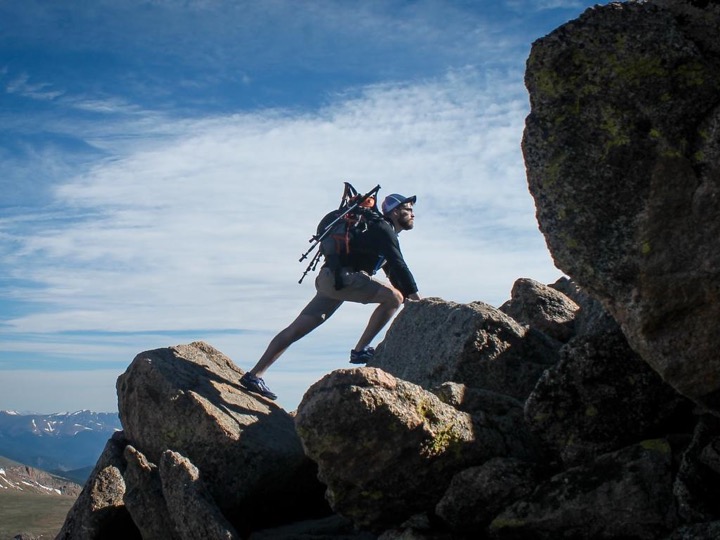
Before long Jack had lengthened the distance between us. I looked up to see him standing near the top of the peak. He had turned to look at me. Just then the sun over his shoulder to the east pierced through the clouds. As Jack stood there silhouetted against the rocky, snowy face of those rocks, I noticed he was wearing a mask. Because of COVID alerts, we had placed surgical masks in our pockets in case we ran into other hikers. I grabbed mine from my pocket and put it on as well.
Suddenly, Jack was standing beside me. He had come back down from the hill. “Dad, it’s too cold,” he said. “I don’t think we’ll make it to the top.”
With the gusting winds and masks, we were yelling to hear one another.
“You’re so close,” I said. “Keep going. If I don’t make it, it’s okay. I want you to reach the goal.”
He turned, and darted up the rocks. I plodded on. Rock after rock. Cold fingers turning red and numb. Feet slipping in the crevices of small boulders. And suddenly I was there. Jack was standing on the peak looking back at me. Once we were there, we spotted a line of rocks with a small decline into an open green area of grass. We slid behind this natural windbreak.
After catching our breath, we took off our masks and looked around. If you’ve ever climbed the summit of a mountain, you know what that moment is like when you are on the top of the world. The valleys and other mountain ranges lay before – a panorama of trees, rocks, valleys, clouds and sunlight. We sat down, unpacked our lunches and soaked it in while we rested.
“We made it,” I said.
“I’ve never been so tired in my life,” Jack replied.
“Was it worth it?” I asked.
“Yes.”
This past week, Jack and I were looking through the photos from that climb. “Dad,” he told me. “I think that will be one of the best memories of my life. I can’t remember ever doing anything so hard.”
As I wrapped up my visit with the team of school leaders this week, I shared the climbing story with them. I explained that as I’ve thought about our climb and Jack’s words this week, I couldn’t help but think of the mountain educators are preparing to climb in the days and months ahead. Whether your district has decided to begin classes remotely or in-person, no scenario will be easy. You’ll be navigating paths none of us has ever climbed before.
What to expect in a hard climb
Hard climbs require courage and determination.
They require planning for the knowns and expecting quick decisions when you face unknowns.
The climb is easier with strong teamwork and encouragement from one another.
Hard climbs with teams require selfless moments and looking out for others.
But something else surprised me in my climbing story. In our most difficult moment, the one item I never expected to help was a mask. Who would have ever thought those masks would provide us just enough protection from the elements and cold to keep us moving forward to reach our goals?
Let’s Wrap This Up
If you are like me, you are not looking forward to a school year of protocols and personal protective equipment. You’re not looking forward to blended options, virtual meetings, or social distancing. And it’s okay to admit that.
But it’s also important to realize you are not climbing the mountains ahead by yourself.
As educators, we are all in this together.
No one has more experience than anyone else in mitigating the factors of school leadership during a global pandemic.
No one understands the best outcomes yet for combining remote learning with entire cities or communities of school children.
No one knows when the numbers will finally decline to levels where we return to life before COVID-19.
But we do know this: We always face obstacles better when we move forward together with hope…when we commit with determination…when we rely on teamwork.
And who knows, someday we may even look back at all the masks and see how in the end, they helped us reach new summits together.
Now It’s Your Turn
How would you describe your own emotions going into the new semester? Be honest. Then ask yourself, how can you support those on your teams with how they are feeling moving forward. Be the one who commits to hope, and reach out to at least one other educator to remind them that you are pioneering in this together.
PMP203: Cultivating PLAY in Leadership with Jeff Springer
Jul 23, 2020
Show notes
One of the biggest challenges for the a new school year is deciding how to mitigate concerns for safety while ensuring ways to still actively engage, support, and reach students.
Photo by Kelly Sikkema – Creative Commons No known copyright restrictions https://unsplash.com/@kellysikkema?utm_source=haikudeck&utm_medium=referral&utm_campaign=api-credit
In this week’s podcast episode, Dr. Jeff Springer shares takeaways from his research on the power of P.L.A.Y. in schools and offers suggestions for school leaders to keep in mind as you serve either in-person or from a distance.
Meet Dr. Jeff Springer
Dr. Jeff Springer is a former Texas High School Head Football Coach and eleven-year veteran of the classroom. He is also formerly the Principal at Magnolia High School (2002-2016), in Magnolia, Texas. In 2013, he was selected as the State of Texas TASSP State Principal of the year.
An educator for 34 years, Dr. Jeff Springer is now the founder of Spring Strategies LLC and the G.O.A.L. TEAM (Getting Others to Achieve Higher Levels), created for helping high school students and young adults to maximize their personal leadership potential.
Jeff resides in Montgomery, Texas with his wife of 38 years. They have two children, and two grandchildren.
Conversations on P.LA.Y.
As a part of his dissertation work, Dr. Springer researched the power of play, especially at the secondary level. In this podcast episode, we explore how he turned those findings into an acronym for leadership takeaways:
WDP: Let’s talk about your work with educators on understanding the power of play. What are the four tenets you teach using the acronym P.L.A.Y.?
Dr. Springer:First is People. Everyone needs to feel connected. We all need others in our lives. Typically in life and in the workplace the greatest accomplishments have been obtained when a group of people all connected together achieves a common goal.
Next is Love: Impressive empathy should be evident in the leader’s relationships. Even in the specific plans to consider team members deficiencies. Every individual should be able to establish their own plan of action with the coaching of the other team members and facilitators as well. “Impressive empathy should be evident in a leader’s relationship.” – as Michael Fullan says.
Then Acknowledge: Great leaders find ways to acknowledge success in others and show transparency in their own failures. Transformative cultures thrive on acknowledgment of their most important resources – each other.
Finally, Yearn: “Positive deviance” should be an aspect of the leader’s ability to see things differently. Throughout the process, each individual must have opportunities to express their concerns and need for support in the goal areas.
WDP: How would you connect these tenets to the principal or school leader who is thinking about engaging his or her students, teachers or community members?
Dr. Springer: During my dissertation, I interviewed 12 different secondary principals (assistant and principals) in the greater Houston area. 36 face-to-face interviews about their perspectives and experiences with the elements of P.L.A.Y. The assumption is that at the secondary level, we don’t always emphasis play. There is also a gap in the research of play in secondary levels. The number one barrier was their leadership style. The challenge for leaders is to give yourself permission to “play”, use your strengths, and operate through engagement.
Your ultimate goal should be to move from excellence to eminence. Look through that lens at every program in your school. Students should be reminded every day: “You are valuable, complete and loved!“
WDP: A lot of leaders are struggling right now as they think about an upcoming school year during a pandemic as well as leading communities with concerns over inequities. What thoughts do you have for other leaders moving forward?
Dr. Springer: Stewart Brown said, “Where there is peril, there is no play.” Not playfulness, but opportunities for connecting, imagining, problem solving, collaborating and innovating. Behind food and shelter, play is the third (and often most neglected) essential all humans need. Even though safety is paramount, we must still find ways to embed this third element for students, or we will not really meet their needs.
WDP: Any other books, content or resources you’d recommend to school leaders as they want to keep growing through the summer? And any parting words of advice for school leaders?
My parting words of advice are: Don’t underestimate the power of the principalship. Ask yourself, “Am I really making a difference?” The answer is yes! School leadership is calling. You are saving lives, and you set the tone. But you must PLAY.
How can listeners stay connected with me? Find me on Twitter @cultivatingplay. Or my website: Cutlivatingplay.org. Or reach out by email: Jeff@cultivatingplay.org.
Now It’s Your Turn
Listen to the entire episode for my takeaways and bonus conversation. This week ask yourself: What are ways I can keep people, love, acknowledgement, and yearning as tenets that inform the way I lead and serve?
Even as you take every step to ensure safety as you move forward in uncertain times, do not underestimate the power of the connections and relationships that create the learning foundations and safety-nets for your school community.
In this week’s podcast episode, Dr. Muhammad discusses takeaways from his book as well as his reflections on current events, including responses to racism and COVID-19. Listen to the podcast version for full context and feedback in this important conversation!
Meet Dr. Muhammad
Anthony Muhammad, PhD, is a much sought-after consultant. He currently serves as the CEO of New Frontier 21 Consulting, a company dedicated to providing cutting-edge professional development to schools all over the world. His tenure as a practitioner has earned him several awards as both a teacher and a principal. When he was principal of Levey Middle School in Southfield, Michigan, his school was recognized as a National School of Excellence, as student proficiency on state assessments more than doubled in five years.
His work has allowed him to work with schools across all U.S. states and throughout the world. Dr. Muhammad is recognized as one of the field’s leading experts in the areas of school culture and organizational climate. He is the author of several books on school culture and education leadership.
Exploring School Culture
WDP: As you study school cultures across the U.S., what do you see as a solution for struggling school systems?
Dr. Muhammad:A great book, Tinkering Toward Utopia: A Century of Public School Reform Revised Edition by David B. Tyack and Larry Cuban, is an analysis of the American public school system from its inception. The infrastructure is solid. It doesn’t need to be dismantled; it needs to be improved. Although many students have great opportunities, those same options are not available for all students. What are the barriers keeping all students from having access to those options? This is where school leaders need to confront the systemic biases that often keep disablied students, second-language students or other margenalized populations pathways to those same opportunities.
WDP: Could you give listeners a quick overview of the four types of educators you identify in your research and the effects they have on school culture?
Dr. Muhammad:How can schools with the same challenges end up with such different outcomes in reaching goals or failing to overcome obstacles? The answers are mainly sociological. The competing ideologies are seen in the cultures and sub-cultures within schools. Who carried the weight of influence determined who had the outcome. Healthy versus toxic cultures depend on four kinds of people:
Believers:These people embrace change, self-reflection, and possess a determination to personally contribute to improvement leading to student outcomes. In healthy cultures, these people have the most influence. In toxic cultures, the voices of believers are drowned out by those who are negative and selfish. The challenge to the believer: you must learn to speak up and amplify your voices if you want a healthier culture.
Tweeners:Open, optimistic, new members of the school. Administrators who invest in the proper socialization and proper professional development of new staff will see more positive outcomes.
Survivors: Teachers or educators who have burned out. Often they are placed in positions outside their skills or passion areas. These people work from a position of hopelessness.
Fundamentalists:“Me first” versus “we first” team members who care more about their personal outcomes than team goals or aspirations. Maintaining privilege and autonomy is primary to any other organizational goal. Fundamentalists gravitate toward one another to defame, destroy or sabotage those who oppose their individual aspirations.
A fundamentalist can be very skilled but if he or she is selfish, this undermines the goals of the entire school.
WDP: How does a leader move forward when he or she is aware of these types of members on his or her team?
Dr. Muhammad:You must devote time for change. This includes support and accountability. First, you must make sure your team members have the kind of support it takes to change and improve. Second, once you are convinced proper support is present, you hold members accountable for their behavior. Then break this down into three questions:
Why?Make sure your team understands why collaboration is essential for growth.
Who? Activate the emotional intelligence of others, not just academic intelligence. If your school has lots of leadership turnover, expect your staff will be apprehensive in trusting you. Understand these dynamics and lead with patience.
How? Ask what you are investing for the growth of capacity in your teachers. Don’t expect change if you are not properly investing time and resources for growth.
Once you’ve answered these questions and you still have resistance, then you have authority to require others to move forward together and have enough courage to make it uncomfortable for those contributing to toxic behaviors. When you do, these resistors either change or they will leave. Believers have an obligation to rally together in standing their ground in expecting others to step up and not show sympathy when others refuse to collaborate.
WDP: What reflections do you have personally or professionally in response to the conversations happening in the U.S. and globally about how inequality and racism are affecting our school communities through the lens of your work on school culture?
Dr. Muhammad:Calling for fair treatment is not a new fight. A society that promotes equal protection should not be called extraordinary. It is only reasonable that we expect our government shows fairness to all people. As people are fighting for justice, each community must also work for its own self-efficacy. Petitioning government is one part but so is volunteering, fundraising, etc. Self-respecting communities respect themselves first. Frederick Douglas said, “Power concedes nothing without a demand.” This first begins with ourselves. As self-respecting individuals, we can demand respect from others.
WDP: Any final words or thoughts, and how can listeners stay connected with you?
Dr. Muhammad:COVID-19 has given us all pause to reflect. Don’t waste this moment of introspection. It has made us reevaluate what is important, and it has made us all equal. The same level of compassion we experienced during closure is the same unity we need to bring back to school. Ask yourself how you can make the world better, and take that action.
Let’s Wrap This Up
As you think about your own leadership, where do you fit into the categories of Believer, Tweener, Survivor, or Fundamentalist? Identify your own areas of needed growth, and then through that lens, assess the kinds of categories that exist on your school teams.
Now It’s Your Turn
As Dr. Muhammad suggests, invest the appropriate time and support to build capacity in others. Then commit to the necessary measures to hold others (and yourself) accountable to the mission of reaching all students.
If you want to stay connected with Dr. Muhammad’s work and resources, check out his website at www.newfrontier21.com.
PMP201: Rebooting for the Summer with Jen Schwanke
Jul 09, 2020
Show notes
On March 17, 2020, many schools across the U.S. began responding to the global pandemic of COVID-19 with school closures.
Most school leaders were scrambling to figure out how to keep school communities safe while adjusting to a new norm.
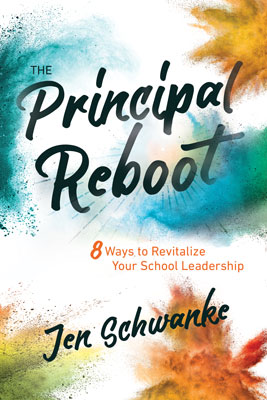
Jen Schwanke, Principal of Indian Run Elementary in Dublin, Ohio, was no exception. While her school community swung into action, she put everything else on hold as teachers, students and families transitioned to remote learning.
Recently, Jen and I recorded a podcast episode dedicated to lessons learned during school closures as well as how principals can apply the lessons from her new book to this current crisis.
Jen’s New Book
In this is episode, we cover several topics, including:
Content helpful for re-booting a principals’ career
What the pandemic did it for us, to some extent
Shaking principals out of a rut
Ideas on rebranding, revamping instructional leadership, re-envisioning teacher potential, reframing data, revisiting operations, relaxing, rediscovering and reviving ourselves
Connecting common experiences
Relying on others’ experiences
Realizing we can’t do this alone!
Handling Crisis
Next, Jen shares some great reflections on how principals are not new to crisis. School leaders have been forced to manage many of the following:
Social injustice/racism
COVID-19
Natural disasters
School shootings
Illnesses/deaths of staff/students
Addictions
Student anxiety
Facility Issues
Inequities in school funding
Teacher misconduct
Changes in student discipline
Sexual assault
Bullying
Budget cuts
GRIT development
Trauma-Informed Strategies
Remember the lessons you’ve learned from these many situations as you look forward to what is next…
Cycles of Reflection
Jen shares how a cycle of reflection can be helpful in three ways:
React: In every crisis, we first respond with both appropriate policy and emotion to ensure student safety and well-being.
Recover: Afterwards, we debrief and identify areas that need attention, people who need comforting, and practices that may need improvement.
Rebuild: Importantly, we must always move forward in growth and with new perspective, hopefully wiser and better able to serve students and school communities.
This cycle of learning for leadership is essential if we are going to take care of ourselves and those we serve in whatever happens next. Recovering also means not going back to the way it was. We must allow what we experience to make us stronger.
Leading with Equity
Finally, Jen and I share personal reflections as school leaders are responding to new calls for eradicating racism and equity. We talk about the importance of loving those who are hurting most in our school communities.
Lets’ Wrap This Up
As you think about the common lessons you’ve learned in the past several months, allow yourself time to reflect on ways you plan to rebuild. What ways can you help your teachers and students through what lies ahead as you have helped them through other difficult times? You will not do it perfectly, but by keeping their best interest in mind, you can do so with the same commitment that has guided you through other difficult times.
Now It’s Your Turn
What is one lesson you have learned through the past few months that can make you stronger moving forward? How can you help your teachers and students discover their own strengths through adversity?
PMP200: Looking Back at Distance Learning with Jen Schwanke
Jun 25, 2020
Show notes
Now that the dust has settled from distance learning, school leaders are asking: what worked, and what didn’t work?
Photo by frank mckenna – Creative Commons No known copyright restrictions https://unsplash.com/@frankiefoto?utm_source=haikudeck&utm_medium=referral&utm_campaign=api-credit
How did you stay connected to people, or what important milestones did you miss? In this week’s podcast episode, Principal Jen Schwanke shares reflections on ways school leaders can look back at lessons during distance or remote learning.
Making a list
First, Jen talks about ways that leaders can reflect with a two column list: What we lost vs. What we gained.
As you look back at lost opportunities like school parties, graduations, and human connection, it is important to acknowledge the loss.
This also helps you continue to be real with your students, teachers, and community members while also remembering what others love about your school.
At the same time, ask yourself what you gained.
Perhaps your list includes:
An opportunity to do a new kind of job…
A break from discipline and angry conflicts…
An increase in gratitude for the small things…
A new way to look at challenges/opportunity…
Options for next year
Then we discuss options principals are considering for next year, differences in state and district guidance.
School leaders must consistently ask: What is my role? Remember that one of your responsibilities as a school leader is to value ALL view-points: parents, teachers, students, community members, etc.
Ask yourself, who are we trying to please?
As always, you must keep asking what is best for students. But also, how does any plan you are considering also affect laws, parents, teachers?
Your community members need to know you are not passing judgement on their different levels of response to pandemic restrictions or openings. They need to know you respect all opinions while doing your job to care for all students.
Let’s Wrap This Up
Finally, Jen shares a new motto she is adopting for the summer and semester ahead: Stop saying, “Yeah, but…” Instead start thinking, “Yes, we can.” Your school community will need someone who is willing to keep leading with optimism and positivity no matter what challenges are still ahead.
Now It’s Your Turn
Listen to this entire conversation for more perspectives, feedback and ideas on hybrid plans for the months ahead.
What are some ideas you would add to the conversation? Email will@williamdparker.com with your feedback, and thanks for doing what matters!
PMP199: Panel Discussion on Equity & Racism, Part 2
Jun 18, 2020
Show notes
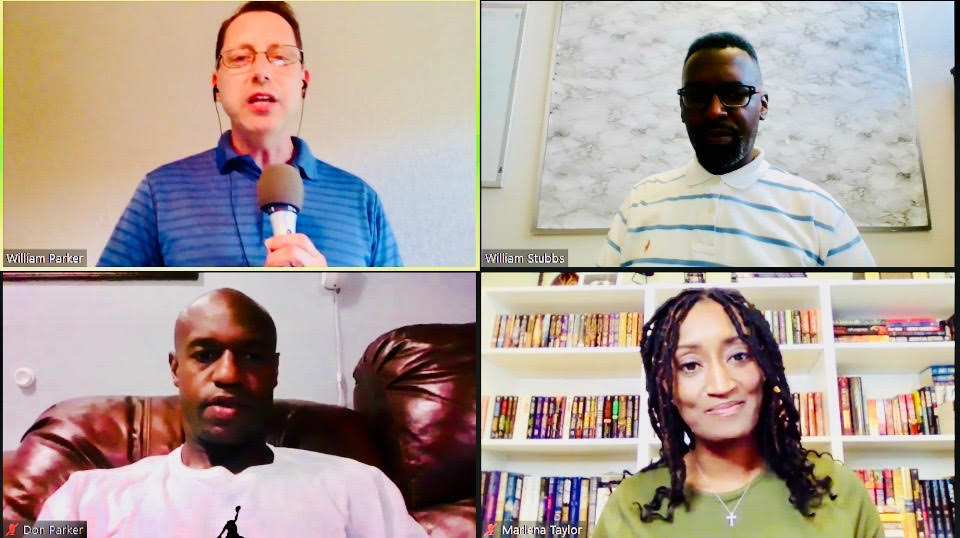
Last week, my guests William Stubbs, Marlena Gross-Taylor, and Don Parker shared feedback on their personal and professional reflections around equity, racism, and inequalities.
They each gave suggestions to help you decide how to respond in your own school community. In Part 2 of this discussion, they dive even deeper as they share several strategies, examples, and resources.
Meet the Panelists:
Marlena Gross-Taylor is the founder of Edugladiators.com, and provides education consulting and publishing services across the U.S. She serves as the Chief Academic Officer for Douglas County School District in Denver.
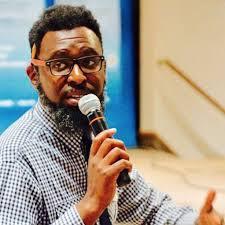
William Stubbs is the Middle School Managing Director at UpLift Education in Dallas, Texas. He is a former Instructional Leadership Director, K-12 Principal, Dean of Students and Upper School Literature Teacher. He is also a co-moderator for the Twitter chat #BMEsTalk, each Tuesday night at 8PM Central Standard Time.
In this episode, we discuss three additional questions with summary responses below:
What advice would you give to school leaders who are trying to reconcile the tension of leading as “neutral authority” while also leading with courage?
William:
Leadership is not for the faint at heart. Your core values and mission must align with calling out injustice and inequities when you see them. First, make sure of your own awareness of implicit bias and power structures. Being prepared begins with being a learner yourself. Your public and private beliefs and practices must align. That begins with family and friendships. When you’re having these discussions there first, you’ve exercised the muscles you’ll need for leading public conversations. Next, create safe places by relying on others who are experts in social justice discussions.
Marlena:
First, let’s call a spade a spade. Most leaders try to lead through appeasement. But compromising on your values means losing who you really are. There is no space to be neutral when it comes to racism and inequality. Be strong enough to say where you stand. Doing what is right for students always places you on the right side of a conversation. Make sure you are educating yourself in the literature and research. But this also includes having a leadership coach who can help you navigate organizational and situational roadmaps.
Don:
Being a leader is tough and having these conversations is challenging. Without challenge there is no change. Comfort and growth do not live in the same space. Yes, teachers have initiative fatigue, but cultural competency is not going away. We must guide others into these discussions by building trusting relationships. Once you have trust, guide them through inquiry. Use surveys, guided discussions, and help them discover these truths on their own through helping them reflect and grow.
School leaders may be asking ‘how should I be responding’ to my students and community in the weeks and months ahead?’ What other suggestions or resources would you point them to?
Marlena:
Yes, we feel the pressure to respond. First, think about your feelings, why you’re feeling that way, and fill in the gaps by reaching out to leaders you trust to process what you’re feeling before sharing with others. Second, reach out to someone who can help you lead conversations so you don’t create more harm. Third, simply reach out to your staff and students, and relay your re-commitment to equity. Make sure you ask others how they are feeling, and then just listen.
Don:
First, ask others what they are feeling in one word. Then ask, why are you feeling that way? Explain you are creating a safe place and a shared space for finding ways to make this better together. Give others the right not to speak if that’s what they choose. Students must have the space to express themselves in a respectful way that leads to change and shared understanding.
William:
Be clear to name what you are talking about. In this case, it is violence and racism. Using Socratic Seminars provides a constructive ways to talk specifically about any issue. First, take your staff through the productive struggles, misconceptions and the core of understanding an activity that leads them through guided discussions. Once this has been modeled for staff, then your staff will be better equipped for facilitating these conversations with students. Use primary documents as the basis for leading conversations by bringing the facts, not opinions, to the table. Practice caution with your protocols so you have the right balance.
What final thoughts do you want to share with other leaders and what resource(s) might you recommend?
Marlena:
My thoughts are not final because this is a conversation that must continue. Do more than just like, re-Tweet, or share a post about racism and inequity. Your way will look different from someone else, but this is a human rights issue. When the rights of blacks are diminished, the rights of everyone are diminished. Even after we find a vaccine for COVID, we cannot continue to see black people being killed. Participate in #edugladiators on Saturdays at 8AM Central Time via Twitter for ongoing conversations. Read White Fragility by Robin DiAngelo, this should be required reading for educators.
Don:
We have to be a role model for what we want to see in others. Think globally, act locally. The smallest deeds is greater than the grandest intention. Begin conversations at your local library. Let others share their feelings and experiences. If we are all taking small steps in the right direction, we can eventually affect great change. Don’t be afraid to speak up and speak out. Right is right. Stand up unapologetically. I recommend resources from the PUSH organization in Chicago. An injustice to one of us is an injustice to all of us.
William:
Think of the learner-lens and the leader-lens. You don’t switch to leading until you first understand the learner. Be genuine and authentic. Education is social justice. When we do it right, we are doing the work. Master your craft as an educator and then affect or change systemic problems as you see them. Connect with practitioners so you are learning from others actually do the work. They will provide a sounding board you will need for the work you are doing. New York City Leadership Academy and University of Washington Center for Educational Leadership. Both have helpful resources around equity. Also, check out the collaborative document on racism and understanding white supremacy via this doc.
Now It’s Your Turn
As you think about your own personal and professional responses to issues on equity and racism, reach out to others you trust for reflection and understanding. Keep in mind the importance of understanding issues from the lens of students before translating them as a leader. And keep learning by relying on good resources and educators who can provide real-life guidance and feedback along the way.
As Marlena Gross-Taylor, one of the guests on this week’s podcast episode explains, these conversations have been going on for at least four hundred years. It seems this time, however, communities have reached a tipping point – with vast majorities of Americans expressing outrage, grief, and demanding change.
How should school leaders be responding? What conversations, resources, and reflections can help you navigate these important conversations in whatever kind of community you serve – whether that is urban, suburban or rural?
This week my guests, William Stubbs, Don Parker, and Marlena-Gross Taylor take time to provide powerful reflections, suggestions, and advice.Listen-in as they explain perspectives from their own personal responses as well as professional guidance.
Meet the Panelists:
Marlena Gross-Taylor is a dedicated and successful EdLeader with a proven track record of improving educational and operational performance. In addition to education consulting, she serves as the Chief Academic Officer for Douglas County School District in Denver. Originally from southern Louisiana, Marlena’s educational experience spans several states allowing her to have served K-12 students in both rural and urban districts. She has previously served as a Director of Secondary Schools, and has been recognized as a middle school master teacher and innovative administrator at the elementary, middle, and high school levels. She is a proud Louisiana State University alumnus and the founder of Edugladiators.com, that provides education consulting and publishing services across the U.S.
William Stubbs is the Middle School Managing Director at UpLift Education in Dallas, Texas. He is a former Instructional Leadership Director, K-12 Principal, Dean of Students and Upper School Literature Teacher. William holds an M.S.A. from the University of North Carolina, Chapel Hill, and a B.A. in English from Shaw University. He is also a co-moderator for the Twitter chat #BMEsTalk, each Tuesday night at 8PM Central Standard Time, where educators from across the U.S. share ideas, research, and feedback on ways to encourage positive outcomes.
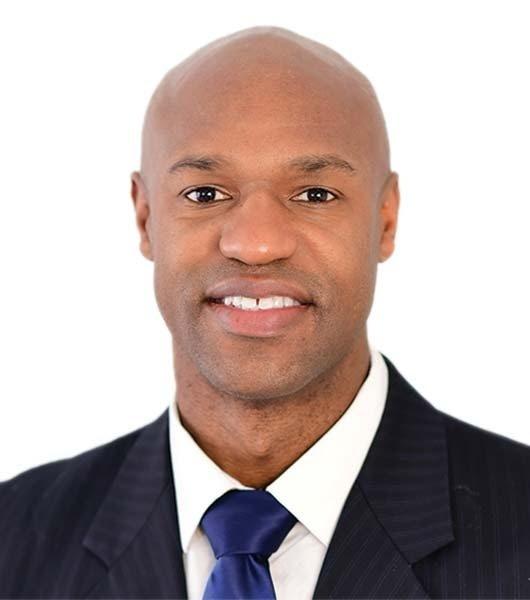
Dr. Don Parker is a highly sought-after speaker and professional development provider. He is the principal of Posen Intermediate School in Posen, Illinois, just outside of Chicago. Previously, he was the principal of Lincoln Avenue School, a K–8 school in Dolton, Illinois, where he improved the culture, implemented a resilience program, managed the implementation of restorative justice, and increased attendance and student achievement. He is also the author of the new book, Building Bridges: Engaging Students at Risk Through the Power of Relationships with Solution Tree Press.
Question #1: As you observe what is happening right around the world and in your own communities, what have been your thoughts and reflections both personally and professionally?
Marlena:
The struggles of growing up in southern Louisiana are explored in a recent blog-post, Never Dim Your Light. Recent events have brought range of emotions, including sadness and grief. “Overwhelming” is one word to describe the personal grief as well as the gratitude of having others carrying these burdens together.
William:
It is important to check in on friends as each person reflects with a range of emotions. Right now there is a feeling of spiritual brokenness that this is happening again. At the same time, it is encouraging that other marginalized communities are also standing together.
Don:
Actually watching the death of George Floyd has brought emotions like anger, sadness, and sickness. Now we are wondering if protests will be what it finally takes to force a change. While it is disturbing to also see rioting, the growing response of peaceful protests may finally cause lawmakers and the general public to really listen.
Question #2: What thoughts do you have for education leaders among various demographic groups for guiding their school communities through helpful conversations on equity and social justice?
Don:
It’s important that education leaders know how to talk to students and staff. Think about the use of “peace circles” to guide safe conversations. Consider attending an upcoming free workshop for school leaders called The Cultural Competencies Hour of Power, including how to help students feel “Accepted, Affirmed and Appreciated” in our schools. Email dr.donparker@comcast.net for more information.
William:
First, school leaders need to know what conversation they are having. Identify what you are talking about. If this is the first time you are talking about equity and racism, admit if you need help. Reach out to others who are skilled in leading these conversations or become the first learner, including looking at your school data and doing staff book studies. One resource that may be helpful in guiding your own learning is a compilation of books, documentaries and categories that can be found here.
Marlena:
If you haven’t engaged in this level of work or in these kinds of conversations on equity and race, you should bring in someone who has. It is important for predominately white communities to better understand black communities without judgement. If you are uncomfortable leading these conversations, bring in others who can lead these conversations with confidence and sensitivity. If you’d like to reach out to Marlena for more information on her presentations, go here.
Let’s Wrap This Up
Please listen to the entire episode for wisdom, guidance, and reflection. Also, at the end of the recording, we keep the microphone open for several more minutes as each guest shares their own personal experiences in the past few weeks.
Now It’s Your Turn
How can you take advantage of being the “first-learner” in your own school community? What book-study or blog-post can you share with others to begin discussions on equity, cultural competency and racism? What is one question where you still more guidance? Next week, we will explore more questions in Part 2 of this important conversation!
PMP197: 10 Tips for New Assistant Principals
Jun 04, 2020
Show notes
Starting a new school year is like preparing for a marathon.
Photo by Nadine Shaabana – Creative Commons No known copyright restrictions https://unsplash.com/@nadineshaabana?utm_source=haikudeck&utm_medium=referral&utm_campaign=api-credit
The journey begins with training long before the race begins. And once the race starts, you need a lot of endurance for the road ahead. School leadership is the same. As you enter summer, the ways you “condition” in the weeks ahead may help set the pace for the year ahead.
A couple of weeks ago, I was contacted by a listener, D.J. Klein, from Jackson, Mississippi. He had just accepted his first position as an Assistant Principal and emailed me the following (that I’m sharing with permission):
May 20, 2020: Good evening Mr. Parker, I hope all is well. I started listening to your podcast about a year ago and just wanted to say thank you for all of your hard work and insight. I wanted to reach out to you to ask your advice. I am about to start my first full time administrative role as an assistant principal at a local high school. I was wondering if you have any resources or tips for my first year? I have started Jen Schwanke’s book “You’re the Principal [Now What?]…,” and it has been great so far. Thank you in advance!
When I reached back to D.J. to share ideas, I asked him if I could record our conversation to share with other potentially new administrators. For the next 35 minutes, we talked through several ideas that may be helpful for you or someone you know who is stepping into his or her first year as an assistant principal:
Book recommendations
First I shared a few book suggestions. Although I haven’t read the newest book by Principal Kafele, I’m hearing great things about it. The Assistant Principal 50: Critical Questions for Meaningful Leadership and Professional Growth by Baruti K. Kafele is a popular read among many new assistant principals I follow online. And based on the feedback I’m hearing, you should also check out his free weekly virtual meetings discussing the book.
I also sent D.J. a complimentary copy of my book, Principal Matters (Updated & Expanded): The Motivation, Action, Courage and Teamwork Needed for School Leaders 2nd Edition by William D. Parker, with new school leaders. Although I cannot give it away to everyone, I like sharing it with many of the principals I coach. I began this book as I was finishing my ninth year as an assistant principal and was stepping into my first year as a high school principal. It’s a practical reflection on the meaning behind leadership plus practical how-to lessons.
In addition, here are two non-education reads that may help you re-think approaches to organizational leadership:
EntreLeadership: A Step-by-Step Guide for Leading Your Business to Success by Dave Ramsey is another book I found helpful. This book looks at how to organize a team of professionals in reaching shared goals. The applications to school leadership helped me develop my first “KRA’s”, or Key Results Areas, with my teams.
10 Tips for Your First Year as an Assistant Principal
Finally, I shared with D.J. ten ideas to keep in mind the first year as an Assistant Principal. I unpack them in this podcast episode with follow-up to several questions for D.J. afterwards, but here’s the short summary:
Discover the vision and values of your head principal and consider how you can support him or her.
Figure out the administrative structural divisions and expectations. In other words, know your job description.
Be friendly and introduce yourself to everyone: Everyone means teachers, parents, community groups, custodians, bus drivers, paraprofessionals, counselors, nurses, upper admin, and of course, students.
Listen a lot. Speak little at first (except to be friendly and courteous). This way you learn to know the lay of the land.
Expect the best but guard your trust until you know who is trustworthy.
Understand and follow your school policies. Your student handbook should reflect district policies. Be familiar with both, and make your handbook your new Bible.
Follow those policies and procedures consistently, fairly, and firmly. Until you’ve learned the full context of your climate and culture, it’s best to avoid gray areas. If unsure, ask a trusted, experienced admin.
Schedule the entire year in advance with priority tasks. Whether you chunk your calendar with observations/evaluation meetings, team meetings, or student activities, plan ahead. This way what is important remains a priority around which you can manage your other urgent to-do’s.
Commit to personal self-care habits now and continue them even when you’re so overwhelmed you don’t think you have time to exercise, eat or sleep.
Give yourself lots of grace! This first year is the hardest as every “first-year” is. Ask yourself what you’ve done during other new seasons to find your groove, and take similar steps in this one. Take one step at a time, don’t expect to finish your race in a sprint. It is a marathon.
Let’s Wrap This Up
In our conversation, D.J. mentions when I was named Oklahoma’s Assistant Principal of the year in 2012. As grateful as I was to receive the state award from the National Association of Secondary Principals, I was also aware of something more important: Enjoying your work as an assistant principal only happens when you take time to appreciate others, relish the small moments, and recognize the importance of the journey and people that will shape you along the way.
As hard as any new position may be, let me encourage you to make the most of small moments and celebrate wins as they come. Learn from times you make mistakes. And keep growing – just like you did before you stepped into this new position.
That cycle of reflection, growth, and application is what helped you grow to this point, and it will help you grow into any position ahead. And one more thing: Pass those lessons along to others because we are not alone in this important journey of education.
Now It’s Your Turn
Maybe you know someone who is taking their first position in school administration as an assistant principal or otherwise. Or maybe this will be your first year. If you could add to the list above, what other books or tip(s) would you provide? What questions do you still have?
Reach back in the comments or email me at will@williamdparker.com. Think about another leader who may benefit from these takeaways, and share this post and episode with someone. Thanks again for doing what matters!

 Our TOPPODCAST Picks
  Stay Connected