PMP196: Generation Optimism with Juan David Campolargo
May 28, 2020
Show notes
Even in uncertain times, it is good to remember that positive ideas can come from even the most difficult situations.
Photo by Júnior Ferreira – Creative Commons No known copyright restrictions https://unsplash.com/@juniorferreir_?utm_source=haikudeck&utm_medium=referral&utm_campaign=api-credit
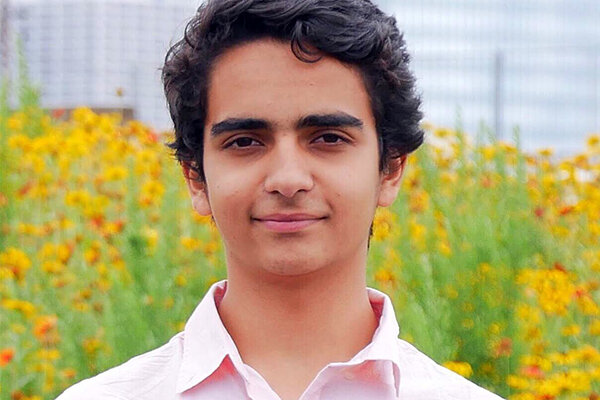
Juan David Campolargo, a seventeen-year-old high school student from Chicago, is no stranger to difficulty. Immigranting to the U.S. from Venezuela at age 14, he began to learn English for the first time, and over the past three years, he has become fluent in four languages, written his first book, and is preparing for college.
Based on his own story of overcoming the tragic murder of his father, he says, “The world will always have difficulties, adversities, and challenges that have never existed before. With all the negativity and pessimism, we may not be able to solve them. Unless we proactively create and encourage more people to be optimistic…we will never solve them.”
When he’s not writing books, he’s playing soccer, running, volunteering at the Museum of Science and Industry, or learning about science at America’s particle physics and accelerator laboratory.
When Juan David reached out to me by email about his new book, I reached back with an invitation to be a guest on this week’s podcast to share about:
How students like Juan can learn to turn difficulties into opportunities.
What school closures have been like for him and other students, and the benefits of project-based learning.
Ways schools could better serve students by finding and encouraging them to purse learning through their own interests.
Reminders to educators that their positive or negative influences have exponential affects on the lives of students.
Let’s Wrap This Up
Another favorite quote of Juan David’s is: “A smart person learns from their own mistakes, but a wise person learns from other people’s mistakes.” Talking to him is a great reminder why we can all be optimistic about this generation of students. As you wrap up this semester of school, be encouraged that students like Juan David are still eager to make the most of difficult situations.
PMP195: Instruction from a Distance with Jena Nelson
May 21, 2020
Show notes
During school closures and remote learning, maintaining connection with students has been an enormous puzzle to solve.
Photo by kenteegardin – Creative Commons Attribution-ShareAlike License https://www.flickr.com/photos/26373139@N08
When 8th grade teacher Jena Nelson, from Deer Creek Middle School in Edmond, Oklahoma, switched to online delivery, she looked at this new difficulty as a new opportunity.
Digging into her arsenal of costumes from her previous years as a drama and theater teacher, she decided that her students would have a surprise guest every day when they logged in for her composition lessons. These characters included a duchess, judge, detective, viking, and more.
Meet Jena Nelson
Jena Nelson is the 2020 Oklahoma State Teacher of the Year. She teaches 8th-grade composition and academic enhancement at Deer Creek Middle School in Edmond, Oklahoma. Jena is a 15-year educator and formerly taught theatre, musical theatre, and stagecraft.
A long time advocate for career-based curriculum, Jena has helped her students earn over 4 million dollars in scholarships and incorporates career readiness in all of her classes. She has been selected twice to direct at the prestigious Edinburgh Fringe Festival in Scotland and Jena was also chosen as a presenter at International Music Festival in Campina Grande Brazil. This year she was selected by Congresswoman Kendra Horn to attend the State of the Union Address in Washington, D.C.
Exploring Ways to Stay Connected
In this week’s podcast episode, Jena discusses several topics that will inspire your own service as an educator, including:
Lessons in distance instruction from a teacher’s perspective, and words of encouragement for all educators facing similar challenges.
Examples of engagement in the normal classroom settings and how those ideas transfer to distance learning.
Why education is an inspiring career, and why Jena left performing arts to become a teacher.
The power of a trusting relationship to save a child from traumatic childhood and place her on the path to graduation.
How the partnership of relationship-oriented principals and teachers can create schools families.
Let’s Wrap This Up
As the fall semester begins, Jena Nelson will have the opportunity to travel her state as an advocate for Oklahoma teachers. She is thrilled to start her “revolution of morale” as she represents the profession she loves.
But until then, she recognizes what sacrifices teachers, students and families have all made to finish out the school year. Staying connected has not been easy, but every effort to cultivate relationships has been worth it as everyone realizes the value of doing school.
Now It’s Your Turn
What ways can you encourage your teachers to give themselves a pat-on-the-back for rallying together in such difficult times? What ideas from distance learning do you plan to embed into your school practices even after anticipated returns to school next semester? If you’d like to follow Jena Nelson on Twitter, you can find her at her handle @oktoy2020.
PMP194: Lessons from Leading in New York with Principal Patrick McLaughlin
May 14, 2020
Show notes
School leaders share a common bond – whether you lead in an urban, suburban or rural setting.
Photo by ChrisGoldNY – Creative Commons Attribution-NonCommercial License https://www.flickr.com/photos/34325628@N05
During the last two months, I’ve also been thinking a lot about another common bond all school leaders now share: caring and serving from a distance.
Whether your school is public, charter, or private – you wear many hats, including guiding instruction, ensuring school safety, or communicating with your community members. Although stories vary across the nation and world in managing closures and remote learning, many principals also have learned how to respond to students whose families have lost grandparents to COVID-19, parents who are sick, and students who are hospitalized.
Meet Patrick McLaughlin
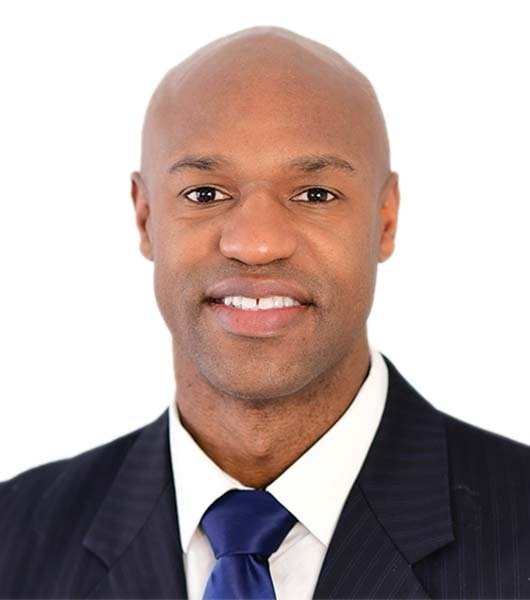
Principal Patrick McLaughlin
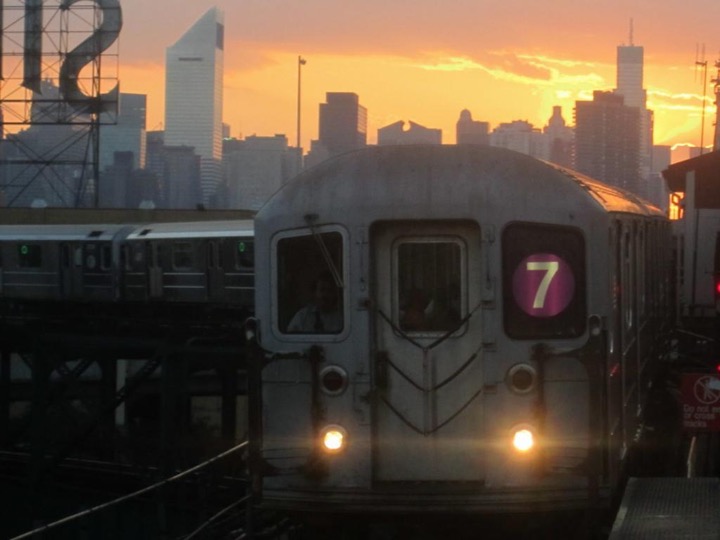
This week I had the privilege of interviewing Mr. Patrick McLaughlin. He is Principal of St. Francis Preparatory School, the largest, private, Catholic High School in the country. Located in Queens, New York, his school community has been at the epicenter of New York’s battle with COVID-19.
For some perspective, at the date of this recording, May 8, 2020, the U.S. had seen 1,248,040 cases of COVID-19 with 75,477 deaths. New York state alone has suffered 321,962 cases with 26,120 deaths. That means Patrick’s state has experienced almost 21% of the deaths that have occurred across the U.S.
Patrick is a frequent listener of the Principals Matters podcast, and two weeks ago, he sent me this email I’ve reprinted in part here with his permission:
“So many of our people have experienced death, illness, trauma and heartache here in New York… I have been doing videos to our school community once or twice a week. In between I send them written updates. Communication is such an important tool for us right now and I try to make both upbeat and informative. I am actually running out of spaces in my house to shoot the videos from. One was actually from my laundry room. My parents and students and faculty are very appreciative of all the times I have reached out to them. Communication is huge!”
I was touched by his email and reached back to him. Later we set up a time to share a conversation about the lessons he’s learning during distance learning.
Patrick has been fortunate to have spent his entire career in the same school, first as a student, teacher, coach, department chairperson, assistant principal and now principal. St. Francis Preparatory School is a highly diverse school in a highly diverse community.
In this week’s episode, he shares how his school has learned to come together through diversity. He also explains ways his students serve and work together with students from their neighborhood public elementary school.
Throughout this episode Patrick also explains:
How COVID-19 cases have touched his school community and his own family
What steps he and his team members have taken to stay connected and communicate with students and famililes during school closures
Lessons he is learning that may help other principals trying to stay connnected to their own students
Advice he has for principals who may be facing similar scenarios in the weeks or months ahead
Lessons in grace he is learning to show himself and his teachers in these new ways of doing school
The dreams he has for the future when students and teachers can one day reconnect and be together
Now It’s Your Turn
I hope you will listen to the entire show for great takeaways from Patrick’s experience.
As you continue serving your school community this week, be encouraged that your students, teachers and parents recognize the value of relationships now more than ever.
What ways can you continue reaching out, connecting and communicating with them? Even as you lead from a distance, what’s one step you can take today to give grace to yourself and others?
PMP193: Taking a Music Break from COVID-19
May 07, 2020
Show notes
I don’t know about you, but it seems like every waking hour has been spent adjusting to a new normal, and the idea of relaxing almost seems unkind when you think of all the sacrifices people are making during times like this.
Photo by Tadas Mikuckis – Creative Commons No known copyright restrictions https://unsplash.com/@tadasmikuckis?utm_source=haikudeck&utm_medium=referral&utm_campaign=api-credit
In Oklahoma, school leaders have been managing distance learning for more than a month now. I know it’s the same wherever you are. School leaders are wrapping up their semesters this month or next. Many are still unsure what the summer will bring. Some states are lifting restrictions on social distancing while others are still responding to rising counts of hospitalizations or deaths.
During times like this, it’s hard to keep perspective. Most days I find myself pulled between two extremes…
On the one hand, the quiet and solitude of working from home means less travel, more walks in my neighborhood, and more time to practice music – one of my past times.
On the other hand, I find myself fretting over a crippled economy, knowing that budget failures in states across the nation will equal fewer dollars for schools on tough times ahead.
Staying Focused on What You Can Control
When I hit this crossroads in my own mind, I have to remind myself of two truths: One, it’s important to understand possibilities, data, and projections so that you are aware of what may be ahead of you.
Two, it’s important to remember what you can control and what you cannot. Although you are able to affect the moment you are in, you have very little control of what will happen in the future.
Having said all that, I just want to remind you that what you’re doing today still matters. As Jen Schwanke shared in one of our previous episodes, be careful not to spend so much emotional energy on what may happen in the future that you miss out on the needs of today.
Your students, teachers, and community members still need you in the present to reach out, stay connected, and provide necessary supports.
Taking an Emotional Break
But leading from a distance can also be tiresome. And this week I have been growing a little weary talking about uncertainties. In some ways, conversations on COVID-19 become circular – like the 24-hour media stations that keep rehashing the same themes over and over again, looking for new spins on the same stories.
It’s not that the news is not important. It is. But sometimes you just need a break from it.
That’s why I decided today to take a break from COVID-19 in the rest of this post. In what follows, I’m going to talk about something absolutely disconnected from COVID-19 or even school leadership.
Instead I’m going to share with you some samples of music recordings I’ve been creating the past couple of weeks.
Free Resources for School Leaders
Now, the last thing I want to do is become the strange uncle you wish you had not invited to dinner because he wants to show you every photo from his last vacation. So if you don’t want to hear anything about my music, you can stop reading (or listening) right now!
In the meantime, please check out the nearly 200 other free podcast episodes on school leadership at williamdparker.com, or find Principal Matters Podcast on iTunes or wherever you download your favorite podcasts. We’re almost to 400,000 downloads at present, so share them with others, and let’s reach that next milestone. Thanks for doing what matters, and I’ll talk to you again soon.
A Little Background…
For those of you who are still around, here’s a little background for you. I have an electronic piano that connects to my laptop where I can sit and record while I play songs. Recently, I’ve been going through our church hymnal and picking out old ones I’ve been singing since I was a child.
I grew up in West Tennessee and spent most of my adult life in Oklahoma. Both states have deep traditions rooted in church and hymnody. Although many modern churches only sing new songs, which I sometimes enjoy, traditional hymns still speak to me in ways that modern songs often do not.
I do not read music, and I am not a formally trained musician, which is obvious when you hear me play. And these are not polished, edited studio recordings. I just love to play music on my piano and guitar. And I normally I try to play songs the way I hear them in my own mind.
By the way, if you’d like to hear some other songs I put together on guitar while singing during these weeks of social distancing, I have another set I posted on YouTube – all by one of my favorite hymnodists, Fanny Crosby. Check them out here!
Now It’s Your Turn
I hope you enjoy listening to these songs as much as I enjoyed playing them. If they are encouragement to you, pass them along to others.
In the meantime, I hope you’ll take a small break this week from whatever has kept you busy to just do something you enjoy. You need to keep your emotional batteries charged if you’re going to lead an inspire others. Thanks for taking a break with me. And until next time, thanks for doing what matters!
PMP192: Leading from a Distance, Part 2 with Jen Schwanke
Apr 30, 2020
Show notes
When storms roll across my home state of Oklahoma, residents here have a few common reactions.
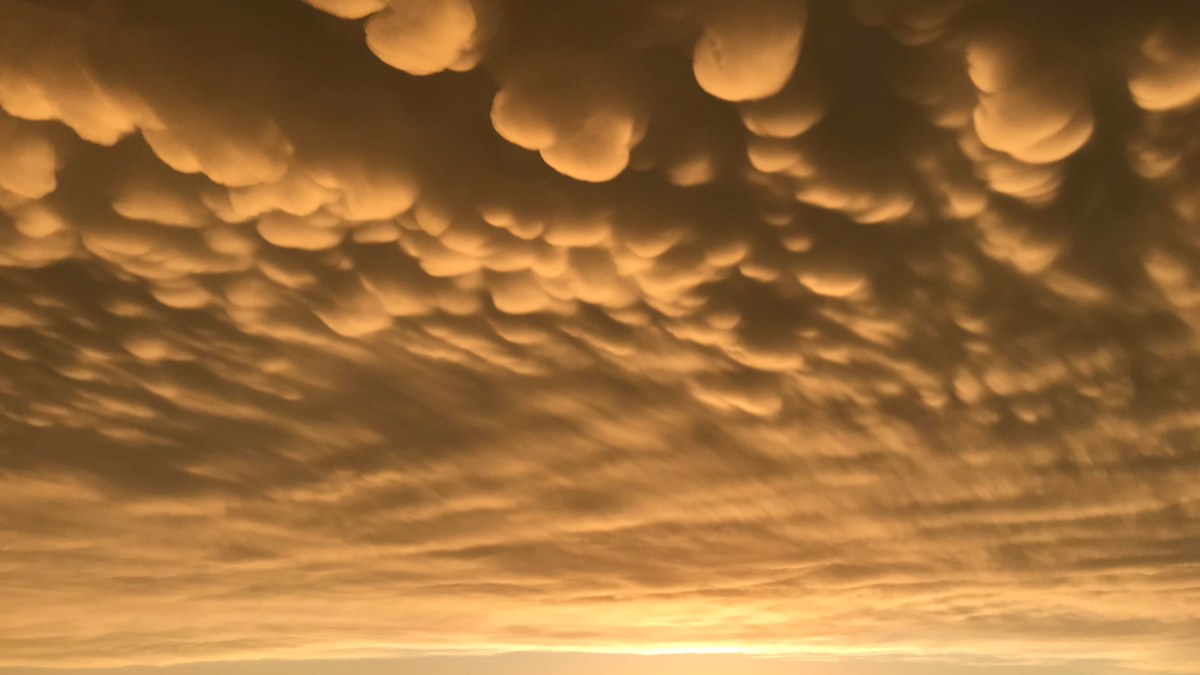
Clouds over Owasso, Oklahoma, April 28, 2020 by William D. Parker
First, we listen to the weather station. Oklahoma has the best storm-tracking radar systems in the world. Second, we check our storm closets or shelters to make sure we have a good place to hide if severe weather turns to tornado warnings. Third, we step outside to look at the clouds – an Oklahoma tradition that surprised me when I first moved here, but I now I’m like everyone else.
Finally, we take shelter at the appropriate time, and when the storms pass, we go back outside to look for cool cloud formations or rainbows. The photo above is one I took after a recent storm. The colors and clouds were so stunning!
As I think about my state’s storm season, I’m reminded that we also have school traditions this time of year. This season normally includes field trips, baseball games, soccer matches, proms and graduation ceremonies. But this spring 2020 none of those traditions are common. The COVID-19 pandemic has left us with a storm of changes for which we had not prepared any common practices.
In this week’s podcast episode, Principal Jen Schwanke and I continue a conversation about leading from a distance. We discuss what it’s like to be a school leader in a time where norms seem to be constantly changing.
Here’s a summary of topics we cover together:
What are you doing for self-care?
Starting something new is always hard. Jen explains how caring for horse reminds her that when things get difficult, you pull her up, adjust, and start over. As you are managing school and your own self care during these closures, take time to stop, adjust and start over as needed.
How are you helping teachers adjust?
Just as you have had to adjust to a new normal, your teachers (especially those with small children or dependent loved ones) have an especially difficult task. So give them permission to be flexible and be okay with what is possible, not what is perfect.
Right now the mental health of your staff and students supersedes their academic progress. At the same time, there are lots of resources to support your teachers in preparing and creating diversified, differentiated instruction.
Give yourself and others plenty of grace.
Just like you are helping others accept a new norm, stop trying to everything perfectly. Find what works for your situation, talents, gifts and resources available, and do what works for you! When working with your community, show them grace too.
Ask parents what works for them. Keep expectations fluid and rubrics flexible. It’s not the student’s fault this is happening. So this cannot be punitive.
What about the gaps in learning?
Stressing about the gaps is not giving your students or teachers enough credit for their resilience and ability to still learn. Let go of what you can’t control. Instead of worrying about what is next, focus your energy on what is happening now.
Yes, you have to plan ahead as a leader, and you will face learning gaps when the time is appropriate. But don’t underestimate the abilities of your teachers to remediate and students to catch up when we again have the opportunity for face-to-face instruction.
Let’s Wrap This Up
Last night as I stood in my neighborhood watching storm clouds pass overheard, I was not in control of the raging winds and weather patterns. We took shelter at the appropriate times, and we observed with wonder the awe and beauty of nature after the storms had passed.
As you continue leading from a distance during school closures, keep in mind what you can control and what you cannot. Keep inspiring others by taking of yourself, give others plenty of grace, don’t fret over the gaps in learning you cannot currently change, and trust your teammates. In time, we will return to some sense of calm after the storm.
Now It’s Your Turn
What is one way you can remind your teachers that you value and appreciate them while allowing for flexibility in their own performance from a distance? As we look at Teacher Appreciation Week beginning May 4, what is a creative way you can encourage your teachers to keep their self-care a priority while serving others?
PMP191: Reflections on Leading from a Distance
Apr 23, 2020
Show notes
If you’re like me, you’re probably still adjusting to a new normal.
Photo by Andrew Neel – Creative Commons No known copyright restrictions https://unsplash.com/@andrewtneel?utm_source=haikudeck&utm_medium=referral&utm_campaign=api-credit
Each morning I still wake up, walk the dog, or go for a run around the neighborhood. I login to my email and check my calendar for the series of meetings via Zoom or Google Meets. But life still doesn’t feel normal yet.
School has always been a place marked by milestones. Normally, high school students would be celebrating prom and looking toward graduation ceremonies. Elementary students would be enjoying Spring field trips.
Leading those same students from a distance is not the kind of “normal” anyone expected when this school year began. And like you, I’m still trying predict what’s next. I’m also curious what it has been like for you to lead from a distance?
We spent time reflecting on what it is like to lead from a distance, including challenges, encouragements, and ideas for staying connected. Here is a quick summary of our conversation that may resonate with your own experiences:
5 Challenges with Distance Leading
The falling price of oil and spiraling economy will mean difficult choices for state governments, which in turn means schools, in months ahead. How do we stay positive even when anticipating more difficult times?
Distance learning has taken away what most students love about school but left them many with what they hate most about it. How do we still encourage them?
Educators are grappling with the reality of what it’s like to be given a completely different job for fourth months. Are we giving them the credit and grace they deserve?
Schools are presently unable to be on the front-lines of protecting student well-being. What can we still be doing to reach out to those most in need?
Communities are relying on food services and facing technology inequities – we’ve taken the lid off of essential supports schools provides. How can we advocate for those services to continue for all students?
5 Encouragements in Distance Leading
Educators have done amazing work delivering services in a very short time frame. We should be celebrating them.
Teachers are shining with their professionalism during distance learning, especially when leaders choose not to micro-manage. Let’s remind our teachers they are still the most valuable asset for student learning.
Teachers must be trusted, and this time is no different. Yes, accountability still matters but leaders must show trust if you expect trust.
Look at your students and what they need, and let that be your focus in leading. When unsure what to do next, keep that focus in mind.
Do not compare your remote learning to someone else. Do what works for your school community and fits your strengths and abilities.
5 Ideas for Staying Connected with Students
Stay away from assumptions of why kids may not be connected. Every student and family is facing unique and different challenges and situations.
Give grace now more than ever and assume the best. People need encouragement in situations beyond their own control.
Use technology that works for you. Whether that’s Google Meets, Pen pals, Flip Grids, Pair Deck – find ways for students to shine.
Think ahead, but don’t fret over what is next. If we live in the ‘what-if’s” too much, we may burn up the emotional energy that is best used right now in serving people in the moment.
Communicate frequently with your school community in whatever forum works best for them.
Let’s Wrap This Up
Jen wraps up this episode with a story from her dad who remembered growing up during the U.S. polio outbreak. He reminded her that although the outbreak brought our nation to its knees, we recovered and grew stronger again. I hope you’ll listen to the entire podcast episode for that story and more takeaways!
Now It’s Your Turn
This week as you lead from a distance, remember to show gratitude. Promise to not overdo it, so you have the emotional energy to encourage others. Do not compete with what you see other leaders doing. And do what YOUR students and teachers need by being yourself! Thanks again for doing what matters!
PMP190: 5 Tips for Running the Uncertain Leadership Roads Ahead
Apr 16, 2020
Show notes
This morning I was running a three-mile track around my neighborhood.
Photo by Tikkho Maciel – Creative Commons No known copyright restrictions https://unsplash.com/@tikkho?utm_source=haikudeck&utm_medium=referral&utm_campaign=api-credit
As I passed the houses and occasional drivers, I felt a sudden kinship to my neighbors I’m not sure I’ve felt before. We don’t just share the same zip-code; we now share a common experience. And this experience spreads beyond our cities and states. We share a common bond across the entire world.
If you think about it, we have only been in this distance learning journey a relatively short time. But it doesn’t feel that way. The first case of COVID-19 worldwide was reported in January. But none of us had any idea what would happen in the ensuing weeks. By early March, U.S. cases had been reported. Washington state was the first to close schools. And as the virus spread into a pandemic, U.S. schools across the nation responded with closures and implementation of distance learning.
In my own state of Oklahoma, March 25 marked the announcement from our Oklahoma State Department of Education that schools would close the rest of the year with distance learning plans beginning April 6. As I write this post on April 10, 2020, my family and I are in our fourth week of safer-at-home activity. And my children are finishing their first week of full-time distance learning lessons from their school.
Just as we all share a common bond with one another worldwide, as leaders, we also share common lessons during these times.
When schools began closing and making plans for distance learning, my calendar quickly filled with Zoom meetings and phone calls from other leaders. As executive director for the Oklahoma Association of Secondary School Principals (an affiliate of the Cooperative Council for Oklahoma School Administration), I have had a front-row seat with leaders across my state.
I also coordinate with other state leaders through NASSP, the National Association of Secondary School Principals. And as a Solution Tree author and speaker, I also have colleagues across the nation and internationally with whom I collaborate.
What lessons am I seeing from leaders during these uncertain times? Here are a five:
1. Relationships still matter now as much as ever.
For principals with small and large school populations, I’m hearing the same feedback: Reach out to your people. Make sure they know you care about them and their safety and well-being. Above all else, assure your teachers, staff and students that you care and want to be available to help however you can.
Chris Legleiter, Principal of Leawood Middle School, Blue Valley Schools, just outside Kansas City, Missouri, talked to me by Zoom and said, “I’ll be honest that is the hardest thing I think for most educators. We are all about relationships, and it took me a few days to really understand those relationships are still there. Now it is all about understanding how do I adjust to still connect with people.”
He explained more, “As the building leader, I have used videos as one way to connect. I spent some time calling families one-on-one by phone. You can still write a note and mail it to someone’s residence. I think connecting relationships are still important, but I think that looks so different now in the virtual world. That’s what I’m trying to stay focused on what I cando, not what I can’t do.”
2. It still takes a team!
Don’t carry the burden alone. Just like a great school functions during normal times, you cannot accomplish your goals without a strong team. Ask for help and reach out to others when you need feedback. Utilize your teachers and staff for reaching students.
Many elementary leaders I talk to are reaching students by using classroom teachers to connect and support students at home. At the secondary level, many principals I know are dividing up their students among PLC teams or Teacher Advisory Teams so that every student is being regularly contacted and supported.
Principal Chris LeGrande, at Guthrie High School, outside of Oklahoma City told me when closures were first announced, he and his two assistant principals divided up the phone numbers of every teacher and staff member in the building. They reached out to them by phone to hear their concerns and assure them of their support. Now that they have transitioned to distance learning, the same conversations happen among teachers and the more than 1,000 high school students in his building.
“I would say the best thing or the most exciting thing to me is the fact that we have required our teachers to reach out to their students to make contact and communicate with all of them,” Mr. LeGrande explained. “I think the overall theme is the fact that the kids just miss school and being around their friends,” he said.
Terrence Simmons, an Assistant Principal at Floyd Elementary, in Nye County, Nevada, told me how they responded as a team. They launched distance learning for their students in three days, and the district website became a resource for parents wanting guidance and digital tools.
Mr. Simmons explained one of their strategies for reaching families. “We are actually having our teachers call six students per day to check in with the students,” he said. “Teachers have also set up work hours to be accessible to our parents by phone just to make sure that there’s good communication happening.”
Nye County educators reached out to every parent to determine distance learning options, which include both online services for those with access and lesson packets for those without digital access.
3. Be creative and innovative in reaching goals.
Whether it is keeping up with others through shared Google Docs or managing your own day by sharing calendars with your team, set a schedule for yourself and others that makes sense.
At Glenpool High School, outside of Tulsa, Oklahoma, Principal Kim Coody, batches all Zoom team meetings into one day each week. That way she commits an entire day to touching base with all her teachers and teams. The rest of the week she can focus on the individual outreach and additional planning needed.
At the same time, Ms. Coody and her staff have found creative ways to stay connected with students by publishing school announcementsto social media with a traditional moment-of-silence, flag salute, and updates to students.
Schools are also finding creative ways to honor seniors with virtual meet-ups or live-streamed celebrations.
Although graduation ceremonies have been postponed at her school, LaDonna Chancellor, Principal of Bartlesville High School, Bartlesville, Oklahoma, is still finding ways to highlight seniors. This Friday night, April 10, the high school stadium lightsare being turned on throughout the evening as a beacon for the small town and a reminder that the school recognizes and celebrates their senior class.
Whether you use social media, phone calls, drive-by visits for distance-waving, or group Zoom or Google Meet-ups with your school community, be creative in the ways you are reaching and staying connected with others.
4. Think ahead and plan for what may be next.
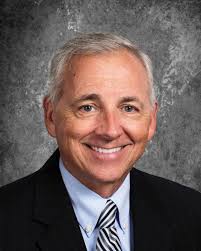
Dr. Don Parker, Principal of Posen Intermediate School in Posen-Robbins School District, outside of Chicago, Illinois,described how his school already had plans in place in case of closures for bad weather.
“We were fortunate enough that we are in Chicago where we get a lot of snow and you know terrible weather conditions, so we were ahead of the curve in that we have e-learning plans,” he explained. “When we have snow days, we were prepared for students to learn from home by already having these plans in place. We also have what we call Blizzard folders where we have paper copies of lessons that students can do at home. If they are set up for e-learning, they can follow links in our website. Our teacher can also go online to update the lessons there.”
For many principals, these closures may also mean planning for next year already. This may involve modifying enrollment plans online. Others are already anticipating what school may look like if closures continue for parts of the country throughout the end of summer or the start of next school year.
Eric Harrison, Principal of A+ Arts Academy, Elementary School on the Fair campus, Columbus, Ohio, explained to me how his school is already training their teachers in the use of online application platforms and content sharing. He is wishing for the best with the start of a new school year, but he doesn’t want to be caught flat-footed if closures happen for a longer duration.
Leaders don’t only respond decisively during a crisis, they also think ahead.
5. Give yourself and others plenty of grace.
Every new opportunity comes with challenges, and many leaders I spoke to were working more and putting in longer hours than they had during a normal school year. That means teachers, students and families are also adjusting to new norms. For some of them in difficult situations, the new norm is overwhelming and stressful. For those in more stable conditions, the inconvenience and changes can still cause anxiety.
This is a good time to remember that your optimism, empathy, and decisiveness will help others remain positive. Someday your school community will look back at this time. And how you made them feel during this time will be even more important than what policies or procedures they followed during distance learning.
Giving grace also applies to yourself. Take time to rest, rejuvenate and unplug when you can. Teachers and students don’t need you rattled and exhausted. They need you to remain strong. Give yourself grace in the process of leading during uncertain times.
Let’s Wrap This Up
As I finished up my run this morning, I looked at the empty streets. No buses were running. No lines of cars heading to the local schools. There is an eerie emptiness in this new era of distance learning. But as I reach out to my school friends, and my kids are logging-in to connect with teachers, I feel so encouraged by the positivity I see in education leaders and their obvious love for students.
Leaders still set the tone. And as you lead in uncertain times, remember when you remain calm, gracious and patient, you influence the emotions of your students, teachers and community members as well.
And remember that timeless principles still apply even when timely practices are changing.
Relationships still matters. Teamwork is still required to accomplish goals. Creativity and innovative are needed to reach others. Planning ahead is still important. And throughout it all, giving yourself and others plenty of grace will help as you run the roads ahead.
Now It’s Your Turn
For more feedback from practicing principals on responses to school closures and distance learning, listen to the second half of this podcast episode for feedback from thirteen Oklahoma administrators who shared successes and obstacles their schools are managing.
Special thanks to the following school leaders for sharing their lessons while leading in uncertain times:
Chris LeGrande, Principal of Guthrie High School
Gary Willis, Principal of Elmore City-Pernell High School
Scott Kiker, Principal of Collinsville High School
Kim Coody, Principal of Glenpool High School
John Potter, Principal of Pryor High School
Eric Fox, Associate Principal of Jenks High School
Renae Dozier, Principal of Grove High School
Justin Mann, Principal of Del Crest Middle School
Clay McDonald, Principal of Yukon Middle School
Kyle Hilterbran, Principal of Clinton Middle School
Ellen Vannoy, Assistant Principal of Jenks High School
Jonathan Atchley, Principal of Irving Middle School
PMP189: Building Bridges to Reach Students with Dr. Don Parker
Apr 08, 2020
Show notes
When Don Parker was a Dean of Students, he knew his students were struggling – especially those with high risk factors.
Photo by Anders Jildén – Creative Commons No known copyright restrictions https://unsplash.com/@andersjilden?utm_source=haikudeck&utm_medium=referral&utm_campaign=api-credit
Don’s passion became simple and challenging: Find the best ways to help students be more successful. Through his doctoral dissertation and his practice as a school administrator, he narrowed his focus to two approaches: 1. Building relationships. 2. Providing authoritative counseling.
Meet Don Parker
Dr. Don Parker is a highly sought-after speaker and professional development provider. He is the principal of Posen Intermediate School in Posen-Robbins School District 143.5 in Posen, Illinois. Previously, he was the principal of Lincoln Avenue School, a K–8 school in Dolton, Illinois, where he improved the culture, implemented a resilience program, managed the implementation of restorative justice, and increased attendance and student achievement.
In this week’s podcast episode, Dr. Parker covers several takeaways for serving serving all students:
How his school has responded to the COVID-19 closures and distance learning challenges.
How you must develop a relationship building mindset.
Why it is important to take an ecological approach in leadership.
Ways to promote “opening up” for yourself and those whom you serve.
Building Relationships
First, Dr. Parker explains practical strategies that will benefit teachers in building relationships and helping their students be successful in school and in life. These actions begin with mindset: a relentless effort to never give up. And this mindset is grounded in hope. As he explains, “Student must have hope that life will get better. And a leader must have hope that no matter how much resistance, my efforts will make a difference.”
Don explains his own story as a college freshman and how his uncle convinced him to hold on to hope and see why his degree would help him acheive his dream of teaching and coaching. He also challenges leaders to “burn your ships” if you’re going to make signficant changes happen.
Taking an Ecological Approach
Dr. Parker also encourages an ecological approach, a term he discovered in his reseach. He explains how researchers view student behavior under three lenses:
Lens 1: Epidemiological approach – This approach looks at DNA, physical or mental states that impact outcomes.
Lens 2: Social constructivist approach – School practices, for instance, can be constructed to help students become more successful.
Lens 3: Ecological approach – “Eco” means environment, and “olgy” is study of – and describes the culture and interventions that happen inside and outside of school.
By working through an ecological lens, schools can address the whole-child. In Don’s experience, he found one out of twenty-five of his students came from a two-parent household family. Most children, especially boys, did not have positive male role models. Thus, Don started a mentor program for students and adults.
Another school leader he knows, with a similar student demographic, placed washers and dryers in his school to meet student needs. The research is clear: When schools work with families and students (inside and outside of school), they are more successful than schools that don’t. Dr. Parker also uses behavior plans and academic plans with incentives tied to both.
Opening Up
Finally, Dr. Parker explains why “opening up” is so important. As leaders, we need to learn share our unique experiences with our students. These challenges let them know they are not unique in their struggles. All of us have faced obstacles and made mistakes and can still be successful and resilient.
For example, Dr. Parker once had a student who transferred from living in the city with his single mom to attending a suburban school while living with his grandmother. Don first built emotional support with him. He discovered the student’s favorite basketball player was Derek Rose from the Chicago Bulls. One day when this student was in trouble, Don intervened. He used Derek Rose’s injury as a model for helping the student understand how he was experiencing emotional injury – and how he could address those challenges to become successful for his team (his school and family). These conversations helped his student open up about his trauma.
Don helped him create a plan and connected him with a therapist, tutoring, counseling and rewards, including Derek Rose t-shirts and ultimately a jersey at the end of the semester.
Let’s Wrap This Up
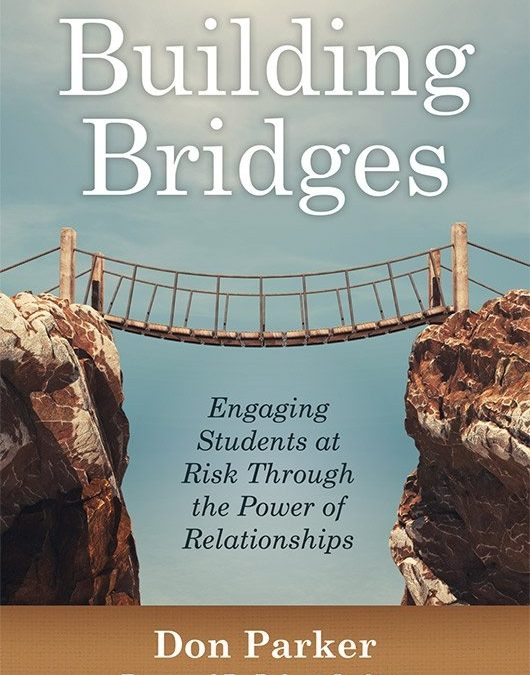
Listen to this week’s podcast episode for even more takeaways from Don’s experience and his excellent book. As you do, think about how building relationships, serving with an ecological approach, and “opening up” can help you reach your students.
Now It’s Your Turn
What is a way you can stay connected with students by building trust? How can you continue serving your students needs inside and outside of school – even during school closures? What’s one step you can take today to connect a student with meaningful feedback so he or she is safe to open up about their own needs?
You can stay connected with Dr. Parker’s work at his website: DrDonParker.com or by emailing him at drdonparker@comcast.net.
PMP188: COVID-19 Update, Principal Reboot, Finding Balance Continued
Apr 01, 2020
Show notes
This week I had the privilege of capturing a few minutes with Chris Legleiter, Principal of Leawood Middle School, Blue Valley Schools, just outside Kansas City, Missouri.
Photo by Amelie & Niklas Ohlrogge – Creative Commons No known copyright restrictions https://unsplash.com/@pirye?utm_source=haikudeck&utm_medium=referral&utm_campaign=api-credit
The state of Kansas has closed buildings for the rest of the school year, and like principals around the world, Chris is learning what it means to still connect with his teachers, students, and families while isolated during the COVID-19 crisis.
In the introduction to this week’s podcast episode, Chris shares how his school is responding to distance learning for their students. Listen for feedback, and think about how your service to students is matching the unique needs of your own school community.
How can you stay inspired so that you can inspire others?
Jen shares a story on riding horses as a reminder of her own free, wild, delicious childhood. Her horse stories introduced her daughter to caring for a horse and passing on the inspiration.
What ways are you finding balance by doing things way outside professional world?
Think about things you loved as a child – how can you reconnect?
Take inspiration from the people involved in your world/process.
Consider activities like photography, fitness, music, dance, movies, books, coaching (athletics or otherwise), pets, animals…. whatever it is, pick one thing!
Let’s talk about health:
How can you eat right, sleep, and walk away from email/texts?
Learn how Jen loves “hot yoga”.
Discover Will’s love for running with his dog.
Understand not beating yourself up for missteps. Give yourself grace!
Purge and clean out…
Set limits of what others can take from you.
Learn to ask for help if needed.
Ask: what needs updated?
Re-imagine your actual workspace – understand how to make your place somewhere you want to be.
Update your resume in order to battle the “imposter” syndrome.
Dust off your relationships, and embrace the concept of value added.
Learn Jen’s husband takeaway: ‘What value does this person bring?’
Let’s Wrap This Up
In their book, Creating a Culture of Reflective Practice, Pete Hall and Alisa Simeral share how educators must embrace the “Continuum of Self-Reflection” if to keep growing. These stages include:
Unaware Stage – recognizing we all have areas we don’t even know where we need to grow.
Conscious Stage – becoming aware of the process and learning happening in front of us.
Action Stage – taking steps based new knowledge and taking risks.
Refinement Stage – reflecting on what we’ve learned in order to tweak, then try again for improvement.
Life-long learners realize and repeat this cycle anytime you want to learn from an experience and improve. When you dig deeply into what you are learning from your experiences, you are better equipped to refine and, rinse, and repeat for all new learning opportunities.
Now It’s Your Turn
What new challenges are you experiencing right now? How can you reflect on lessons learned? What new actions can you take moving forward to refine your practice? What’s one area of balance above where you may need to refocus in the days ahead?
PMP187: Reboot for Principals, Part 2
Mar 25, 2020
Show notes
As schools across the nation continue closures because of the Coronavirus pandemic, this week’s episode includes an update from listener, Terrence Simmons, Assistant Principal at Floyd Elementary, in Nye County, Nevada.
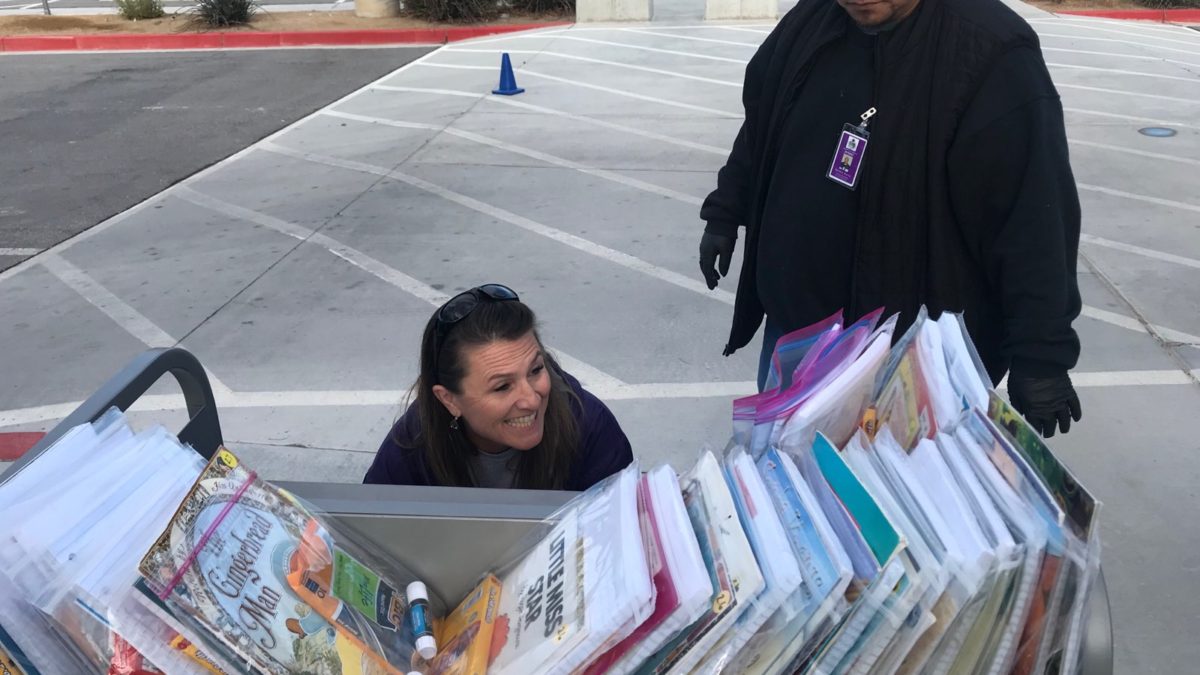
Floyd Elementary Staff are providing curb-site pickups for parents whose students did not have access to digital learning.
The district is also serving meals through pickup locations as well as bus deliveries to locations around the county. Listen-in to the first 7 minutes of this week’s podcast for Terrence’s update and some encouraging words he shares for other leaders facing these same challenges.
We talk about how school leaders must reflect on their motivations as they lead others by considering the following:
Why are you here in the first place? Understanding your ‘why’ must be more than a paycheck, position, or power.
Instinct – recognize the possibilities you have through your natural abilities.
Desire to lead – embrace your desire to help others improve.
Desire for change – learn to embrace your abilities to influence others.
It’s okay to cultivate your natural prowess for learning, leading, getting along with others.
Recognize the complexity of the work, and learn to lead people through it.
Choose joy in the work.
Laughter – It’s therapuetic!
Celebrate the silly.
Connect with students, staff, and community.
Jump on a committee… or start a new one (no, not kidding). Learn about Jen’s motto-mascot committee which turned into a new school song and motto, “What begins here will change the world.” This also led to a new logo and marketing for the school.
Do something brave and bold. Try the six word memoir. Instead of one book, one school, Jen tried a school-wide writing project that inspired all students to participate.
Travel with students – Use these opportunities to connect, learn and have fun.
Equanimity – Cultivate your mental calmness, composure, possession of self so you can model these behaviors for others.
Let’s Wrap This Up
Talking about balance in leadership may seem unrealistic during crisis management or while implementing major changes with your school, but you must keep taking care of yourself in order to have the motivation to keep taking care of others.
Now It’s Your Turn
What are some ways you’re taking care of yourself even in the midst of managing difficulties? How would you describe your own motivation for leading? What ways are you able to maintain joy in the journey? What are some healthy steps you and your teams are taking for yourselves while serving others?

 Our TOPPODCAST Picks
  Stay Connected