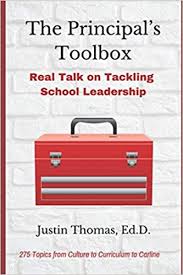
The Principal’s Toolbox is an honest look at many of the practical aspects of the principalship. In our conversation, we discuss what motivated him to write The Principal’s Toolbox, how the book is different from others that are available to school leaders, and key takeaways from his 200+ practical topics for principals.
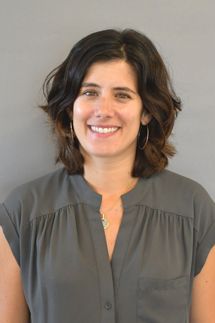
Meet Justin Thomas
Justin Thomas, Ed.D., is an elementary school principal serving students, faculty, and community near Nashville, TN. Prior to his work in school administration, he enjoyed 8 years as a middle school and high school band director. During his 6-year tenure as principal of Nannie Berry Elementary, his school team has been recognized multiple times by the Tennessee Department of Education for outstanding student growth and achievement gap closure. Dr. Thomas and his wife Susan enjoy their busy life with 3 daughters in Nashville.
Here are a few questions we unpack together:
WDP: Can you talk to us about why you teach about the importance of “Feedback from Non-teaching Faculty”?
Justin:Whether it is teacher’s assistance, office staff, custodians, or front office staff – these are people whose direct influence on students is so important. Often, they have a very global perspective on how things are going around school. Ask them for feedback. Listen to their perspective on what parents think about your school, how your messaging is perceived by community, and what experiences others have when visiting your school.
WDP: You also have a chapter on “Things That Aren’t Your Thing Are Your Thing.” Can you explain what that means?
Justin:There is no way to escape your own competence with what your school really needs. You may not know much about changing light bulbs, but you may need to learn how it’s done. Paying attention to the quality of your building’s cleanliness, guiding consistency in instructional standards – these may not be areas you consider your expertise, but you must now learn to care about them.
WDP: I so agree. Even at the secondary level, you must make student activities ‘your thing’ as well. This applies academically as well. You may not have been a core content teacher, for instance, but you can still identify and guide effective instruction.
Next question: Why do you have a chapter called the “The Booger Test”?
Justin:I thought you’d ask that question! If your best friend had a booger hanging from his nose, wouldn’t you tell him? Why aren’t we willing to apply the same lesson to our teachers? It may be uncomfortable to provide critical feedback, but if you do it out of love and care, they will appreciate you helping them grow. If someone has the power to change a practice, offer them suggestions how. If it is not within their control, then don’t mention it.
WDP: In your book, you say you, “…believe that the keys to success revolve around growth and gratitude – the ideas that all members of a school can ‘get better’, and that a spirit of thankfulness is key to strong culture.” Can you unpack that for us?
Justin:If you have students showing academic growth, it is worth celebrating. The same applies to adults. A new teacher who learns strong classroom management, he or she should be celebrated. Set goals by measuring yourself by yourself. Don’t measure your staff by one another. Encourage each one to grow to his or her next level. One example is something we do called “The Friday Five.” Maybe it is celebrating a teacher’s assistance who helped reach a difficult student. Or recognizing a bus driver you’ve also seen picking up trash around campus.
WDP: Yes, it’s like highlighting ‘Unsung Heroes’. It reminds you great things are happening at your school. And when you do it on Fridays, you make sure the last word of the week is a positive one.
Last question: What lessons have you been learning while doing school during a pandemic?
Justin:Many of the districts around Nashville, TN, won’t return to secondary in-person until January. Our district has already been back in-person with protocols. We’ve learned so much about the resilience of teachers and students! They have risen to the occasion. As a principal, I have to give so much credit to my staff. It’s so humbling to watch how amazing they have been in building relationships – even with virtual options. Teachers are finding the silver lining during a very difficult time. Our staff has recognized the importance of providing as much normalcy and stability as possible. We must be the ones acting in ways we want them modeling during these times.
Direct Message Dr. Thomas
If you want to find Justin on Twitter, his handle is @happyteacherguy. Direct message him there – as the first few responders from Principal Matters listeners may receive a copy of his new book!
PMP215: Reflections from Pause. Breathe. Flourish. with Sonia Lopez-Morales
Oct 14, 2020
Show notes
During the summer, several principals from across the nation joined me for a Re-Opening Mastermind to collaborate, explore, brainstorm and support one another during the difficult days of planning for a new school year.
Photo by Ben White – Creative Commons No known copyright restrictions https://unsplash.com/@benwhitephotography?utm_source=haikudeck&utm_medium=referral&utm_campaign=api-credit
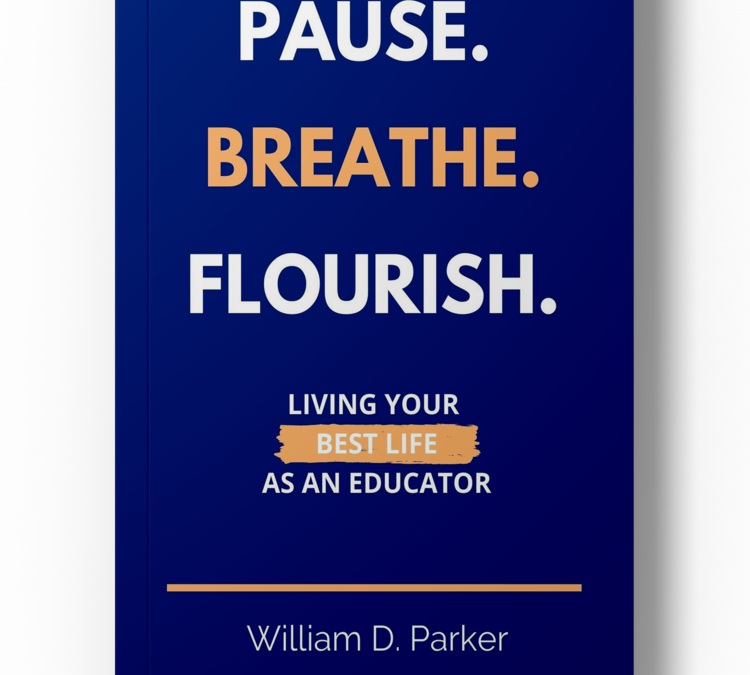
As I was wrapping up the final content for my newest book, I shared an advance copy of my new book, Pause. Breathe. Flourish.: Living Your Best Life as an Educator. Sonia Lopez-Morales was a Mastermind member kind enough to write an endorsement for the book. This week, Sonia joined me to reflect on ways she is applying those lessons to her own school leadership. We also explore the unique ways her school is serving the children and families of a diverse community with many immigrant families:
Meet Sonia Lopez-Morales
Sonia Lopez-Morales is Assistant Principal at Charles Graebner Elementary in San Antonio Independent School District. Her bachelor’s degree is in music education. She earned her master’s degree at Texas A&M International University. She and her husband of 32 years live in San Antonio and are the proud parents of three adult children. Sonia began serving as an administrator in 2008. The last three years, she has been serving urban, inner city school students. Charles Graebner Elementary serves 660 PK-5 students with over 95% economically disadvantaged. It is a dual-language school in the southwest part of the city.
WDP: Welcome to Principal Matters! You were a part of the Principal Matters Reopening Mastermind and read the early edition of my book. I remember when you began school, you shared with me the important lesson from your first week. What was that lesson?
Sonia Lopez-Morales:Yes, the most important thing we can do is build relationships with students. Nothing is more than important than making connections with students. Students want someone who will be authentic with them and know where they are coming from. We are still living it and do not have history yet to tell us all we have done right and wrong in this new blended model. But in all of it, relationships must be there.
WDP: You are in a part of the country that saw soaring numbers of positive Covid cases near the start of school. What has the start of school looked like for your community?
Sonia Lopez-Morales:We began August 16 in distance learning. September 8, we began opening schools with 10% of our student body across the entire district. By September 21 we added another 10% of our students. We are cautiously doing well and providing simultaneous in-person and virtual instruction. Our metrics are looking better across the city as we’ve taken this cautious approach.
WDP: So many leaders I’m talking to are managing weariness. How do you even find time to recharge your batteries?
Sonia Lopez-Morales:If you are not disciplined with your time, this time will force you. But you must still be pausing for your family and person connections. It means adjusting your time for personal reflection and exercise. It may mean cutting your 30-minute routine to 15 minutes. I have a running checklist in my head and on my phone on a daily basis.
WDP: You serve in a border community. Several weeks ago, I interviewed Carolyn Sattin-Bajaj is an Associate Professor in the Gevirtz Graduate School of Education at the University of California, Santa Barbara, who contributed to a report, Supports for Students in Immigrant Families. What has been your experience and what strategies are you using to reach every student in your dual-language community?
Sonia Lopez-Morales:We are using flex schedules. In the communities we are serving, many of them must have their children in schools. But this means we have been willing to bring them in at various times that work for their family schedules. We also are committed to communication, and this means in the languages of those families. Allow parents to provide authentic feedback. You cannot just rely on surveys. It means talking family to family to find out what they need. And more than anything, expect high rigor. They deserve this kind of excellence because this is their future, not ours.
WDP: You are bringing students back in percentages. What is your goal for returning to campus. And what do your flex schedules look like?
Sonia Lopez-Morales:At the end of September, we are at 28% capacity with students on campus. Our goal by December is 50%. There is no way this works without teamwork. We also have co-teach models. If we have a small group, we team teachers together so that one can be teaching our in-person students while the other is planning and helping reach our virtual students. For our youngest students, we have some students coming half-days with some in the mornings and some in the afternoon. Teachers assigned to these groups may be re-teaching content to each group. Our specials classes have been serving the entire population but are also doing this synchronously and asynchronously.
WDP: If leaders want to reach out to you, how can they contact you?
Sonia Lopez-Morales: They can find me through my school email address: SLOPEZ-MORALES1@saisd.net. I also want to give credit to my Principal, Noemi Saldivar, and the many other leaders who have provided strong leadership and influence for me and those we serve.
WDP: Any final words you’d like to leave with listeners?
Sonia Lopez-Morales:I appreciate that your book is a balance of personal lessons and relevant sources for pedagogy. Whether you are serving a border community or another community, we are really more alike than not. This is hard work, but we’re going to get through it. We’re writing history so don’t forget it!
Sonia’s Endorsement
Sonia also shared this generous endorsement of the new book:
“In Will Parker’s book, Pause. Breathe. Flourish. Living Your Best Life as an Educator, I found myself reconnecting to the power of self-reflection and most importantly how it can effectively influence my perspective in school leadership. Whether you are a new or experienced educator, you will find connections in leadership experiences through his career and personal narratives in the guiding steps and questions found in the book’s section ‘Now It’s Your Turn’. I will add this book to my career ‘playlist’ because when home, life and careers get messy, and they do, applying analogies with a new growth perspective, will help to identify my “WHY” once again. I will also utilize the self-reflection questions in a professional learning network (PLC) book study, as it draws from relevant education research that can be applied right away in teaching/learning practices. Thank you, Will, for putting into words what is relatable and true during these extraordinary world events that have impacted education and will forever transform it and all of us as well.”
Now It’s Your Turn
As you are serving in new and innovative ways during a pandemic, what steps are you taking to connect and build relationships with students and families? How are you taking time (even just a few minutes) to reconnect with your own self-care and priorities? Thanks again for doing what matters!
PMP214: Pause. Breathe. Flourish. Part 2, Review with Dr. Jeff Springer
Oct 07, 2020
Show notes
This week I was interviewed again by Dr. Jeff A. Springer, Ed.D., Educational Leadership Coach – Spring Strategies, LLC, and 2013 TASSP Texas State Principal of the Year, as we explored the final chapters from my new book, Pause. Breathe. Flourish.: Living Your Best Life as an Educator.
Photo by engin akyurt – Creative Commons No known copyright restrictions https://unsplash.com/@enginakyurt?utm_source=haikudeck&utm_medium=referral&utm_campaign=api-credit
Listen to the podcast episode for more takeaways. Here is a brief summary of our conversation:
Counting Days at School and in Life
Dr. Springer:You refer to the book, 20,000 Days and Counting: The Crash Course for Mastering Your Life Right Now, by Robert Smith. The author explains how each of our days is literally numbered. By the age of 55, you’ve lived 20,000 days. How many days do you have left? The reality is we do not have any time to waste. What does this look like for educators? How are you maximizing your time?
WDP: There is something powerful about perspective. This is an important conversation to have with students, which includes painting a picture for them of their ultimate goal in school or life. For high school students, for instance, I would ask my students to imagine graduation day together. This same perspective applies to adults. A friend once asked me what my personal goals were for the next five years. I had to admit I was mostly trying to survive. But the question haunted me. I began applying to myself the lessons I was asking my students to apply. For me, that meant investing in writing lessons about my experience in education leadership. Fast-forward and my work now with principals and educators is the outcome of those actions I began taking when I decided to make every day count.
Dr. Springer: I agree. When I was leading a high school, I literally lined up chairs in our assembly room, and we had incoming freshman sit in the order they could anticipate for graduation practice. In front of their parents, I would invite them into those seats and then challenge them to imagine the experience of graduating four years later. Being mindful of each day helps us see the meaning in each day.
Importance of Relationships Outside of School
Dr. Springer:Next question. You also talk about learning to climb together, instead of going alone. Why is this important in regards to your friendships?
WDP: I share a few stories in the book that provide some glimpses into more difficult moments in my life, like watching my mother-in-law struggle with Alzheimer’s. Or losing my oldest brother to an unexpected heart attack when he was in his 40’s. When our school work is over, who are the people still there for you outside that work? Those are the relationships that help sustain you when you are feeling hopeless – when no amount of self-talk motivates you – these relationships are essential during your most difficult days. If you haven’t experienced moments like this yet, you will. And relationships matter in helping you through them.
How Your Faith Influences Your Actions
Dr. Springer: How do you manage your faith in applying it to the work you do as an educator?
WDP: Faith and Transcendence are important conversations. As a believer in the Bible, I don’t expect others to share my faith beliefs. But I find such comfort and assurance in lessons that transcend the time and ideas we interact with every day. When is the last time you heard someone encourage you to love your enemies? Scripture provides this kind of perspective in a way you cannot find in news or current events.
Dr. Springer: Can you explain why you refer to Maslow’s Hierarchy of Needs as a way to explore Transcendence?
WDP: I remember a great presentation by Professor Scott Kaufman at an AMLE conference a few years ago about Maslow’s hierarchy of needs, that include physiological, safety, love and belonging, esteem, and self-actualization. Professor Kaufmann explained that in later writings by Maslow, he placed transcendence above self-actualization. For me, transcendence means the ability to understand myself and others within the context of something or someone eternal – and outside of myself. This often leads to mystery and worship.
Thoughts on Leaving a Legacy
Dr. Springer:How do we keep the eternal in perspective in the hard work educators do each day?
WDP: Let me end with some thoughts on your legacy, which I talk about in the book. I like to remind educators of two truths:
1. You are not as important as you think.
2. You are more important than you think.
Now let me unpack those seemingly contradictory statements. First, leaders should not be obsessed with themselves. Leadership is about serving others. So, don’t think too highly of yourself. Lose your ego. Second, every action you take matters. The small comments, attitudes, and decisions you make influence others either positively or negatively. This is way your integrity, character, and trust are so important in building relationships and meaningful outcomes for others. When educators keep those tensions in play, it helps keep meaning in our daily actions.
Lets’ Wrap This Up
Reflect this week on the following: How are making each day count? What meaningful relationships are you taking time to cultivate? How are you looking for meaning that transcends the present?
Now It’s Your Turn
Taking time for reflection is an important part of self-growth. But it is easy to become overwhelmed with ways you can be improving. Instead ask: What is one step or action I take today in a positive direction? Focus on what you can do, not on everything that needs to be done.
Connect with Dr. Jeff Springer
Jeff Springer’s website is CultivatingPlay.org. https://www.cultivatingplay.org. You can reach out to him for education consulting or find him via Twitter @cultivatingplay.
PMP213: Pause. Breathe. Flourish. A Review with Dr. Jeff Springer
Sep 30, 2020
Show notes
This week I talk with Jeff A. Springer, Ed.D., Educational Leadership Coach from Spring Strategies, LLC, and 2013 TASSP Texas State Principal of the Year. In this episode, Dr. Springer turns the table and interviews me about my new book, Pause. Breathe. Flourish. Living Your Best Life as an Educator.
In his endorsement of the book, Dr. Springer shares, “Will Parker has discovered many truths along the way throughout his educational journey – all truths transferable and valuable to those areas of our lives that matter most. In his book, Pause. Breathe. Flourish., Will’s words offer transparency of both pain and victory, fears and faith. His style of storytelling creates a brilliant bridge between the writer and reader. Lessons learned and shared in this book are applicable to anyone in education; but also delivers the principles vital for all desiring to maximize balance, while infusing the power of play in their lives.”
Jeff’s Questions about Pause. Breathe. Flourish.
Listen to the episode for our full conversation, but here are some takeaways:
Dr. Springer:I earmarked 24 pages during my first read. Then I highlighted 17 specific areas that I wanted to ask you about. We won’t be able to cover them all. So I’ll start with your dedication to your parents, Jesse and Polly Parker. Can you tell us what motivated you to dedicate your book to them?
WDP: My mom and dad are amazing examples of people who have lived and modeled contentment. They live in rural northwest Tennessee, and although they were hardworking, our family always had limited income. I didn’t realize until I was a teacher that I was a Title I student. I always qualified for free and reduced lunches. But even with limited resources, my parents always provided me with a safe, nurturing environment. They also modeled finding joy and contentment, no matter what circumstances they faced.
Dr. Springer: You wrote in your forward that you had no idea this book would be published in one of the most monumental times in the history of education. What motivated you to write a book like this in the first place?
WDP: Over the years, I hear a consistent refrain from education leaders. Over and over, people have told me one of their biggest concerns is how to grow individually. Many principals are asking: How can I be a leader without losing myself? This book is a response to that question. It is a book for the heart of what you do.
Dr. Springer:When a crisis hits, who breathes first? You talk about the image of a flight attendant instructing others to place the oxygen mask on your own face first before helping others. Why is this such a hard message for education leaders to hear?
WDP: First, it was a message I needed to hear. When I realized in my early years of administration that I was burning out, I had to dig deeply into other areas of my life (health, learning, family, spirituality, and even finances) so my work would still have meaning.
Dr. Springer: Yes, when your wife told you that you were the shell of the man you had once been, how did you handle that?
WDP: That was the night I wrote my first resignation letter, placed it on my desk at school, and told myself I’d either find a better way to lead and take care of my own growth – or I’d find a different profession. I didn’t find a quick fix, but I began to slowly re-invest in what brought me joy. And I stayed in the profession with a newfound sense of purpose.
Dr. Springer:I remember a similar experience when I was an assistant principal. For me, that meant creating other activities within my day that brought me meaning. How many times do we not get to the bottom of our list but found something that reminds us of the meaning of our work? You talk about the importance of creating a mental playlist. Explain what that means.
WDP: As a person of faith, I’m often reminded of a scripture that reminds us to “renew” our minds (Romans 12:2). What we place into our minds will influence your heart, and what is in your heart will come out in your behaviors. As an educator, you are often called upon to manage crisis or difficult situations. If the only thoughts coming into your mind are stressful or anxious, those ideas will be what you communicate to others. So what are reading and listening to? What music do you choose to enjoy or podcasts do you frequent?
Dr. Springer: You also talk about being mindful and practicing mindfulness. Why is that important?
WDP: Let me give you an example. When you observe a classroom, before you pull out a checklist or begin an evaluation, are you looking into the eyes of students? Are you taking in the emotional atmosphere of the room? Being mindful allows you to find moments of meaning and practice gratitude. People are not distractions from your work, they are the purpose of your work. Being mindful helps you remember that.
Dr. Springer:I would often tell my senior students: Don’t count days. Make every day count. Being mindful gives me vocabulary for being present and in the now. You also talk about the importance of school leadership creating meaningful student outcomes. Why do you think principals struggle with feeling like they make a difference?
WDP: When I had the honor of being named a state assistant principal of the year, I remember realizing the powerful influence principals collectively have on their communities. Together we make positive or negative outcomes a reality for millions of students. If we are not reminded of how our work matters, then we may miss out on the vital importance of our influence on others.
Let’s Wrap This Up
At the end of our conversation, Dr. Springer reminded me that every day counts. By the time you are in your fifties, you’ve lived around 20,000. How many days do you have left in life? For most of us the answer is that we have fewer days left than we’ve already lived. Let’s make the most of each one by the way we take care of ourselves and those in our care.
Now It’s Your Turn
How can you reflect on your own practice this week? What is one action you can take today to experience joy even in the midst of all your other responsibilities? How can you invest in one area of self-growth this week so you have inspiration to serve others? A huge thank you to Dr. Jeff Springer for facilitating this week’s podcast episode and for agreeing to come back next week with more questions and feedback!
Dr. Tim Elmore, CEO and Founder of Growing Leaders, is a best-selling author and international speaker. A world-renowned expert on Millennial and Gen-Z trends, Dr. Elmore uses his knowledge to equip educators, coaches, leaders, parents, and other adults to impart practical life and leadership skills to young adults that will help them navigate through life.
How Can We Help Students During Times Like These?
Listen to this week’s podcast for the full interview. But here are some takeaways from this week’s podcast episode with Dr. Tim Elmore:
WDP: Hi, Tim. Fill in the gap on that intro, and tell listeners something they may be surprised to know about you.
Dr. Elmore:I love popcorn. If you’re ever in Atlanta, stop by the office to enjoy my favorite snack with me!
WDP: Let’s talk about your new book: The Pandemic Population: Eight Strategies to Help Generation Z After Coronavirus. You have published other books analyzing generational trends. What prompted you to begin sharing lessons educators should keep in mind during a pandemic?
Dr. Elmore:The Pandemic Population is a timely treatment on how to lead youth in a crisis. Students today are being influenced by a 24/7 news cycle covering a pandemic, protests, and panic attacks that will either make them wither or will make them stronger than ever. Generation Z is graduating into a VUCA world: Volatile, Uncertain, Complex, and Ambiguous. They’re already the most anxious generation in modern history and now they live in a most anxious time. This book provides best practices for leading in a crisis as well as creative ideas to sustain morale and collaboration among students. It’s designed for educators, parents, and coaches who want lead kids during this specific time in history.
WDP: Could you unpack a few strategies that people have used in previous pandemics and crises?
Dr. Elmore:Yes, we must help people see the silver lining in the dark clouds. As I’ve talked to survivors of past difficulties, here are some takeaways: First, make a pro and con list. Ask what have been the good and bad outcomes that have happened in the past and are happening right now? Issac Newton came up with calculus during his own time of pandemic. We might not have calculus or the law gravity without his contributions. The same lessons apply now. Millions of children may experience PTSD because of this pandemic. But crises are also accompanied by PTG (Post Traumatic Growth). Students need a caring adult to walk them through the hard times, process the situation, and find lessons to apply to their lives. The trauma does not bring on growth; it’s what you DO with the situation that can provide opportunities for growth. This means educators must provide safe spaces and facilitate truth walks so they can apply these lessons.
WDP: How are you balancing the cons and lists in your own life and work?
Dr. Elmore:Just like so many other organizations, Growing Leaders has had to dig deep on innovative ways to flex during the pandemic. But we’ve also been exploring ways to analyze our memories. Let me explain: How can we as educators not only have an accurate memory of what is happening but a positive perspective? This involves saying, “Yes, this is true. But what can we do about it?” Instead of ‘canceling 2020,’ what if it was the wake-up-call we all needed to take our schools and careers to new levels?
WDP: One of the pieces of advice you gave early on was to take advantage of this moment in history. For me, that meant recording new music and publishing another book, Pause. Breathe. Flourish. For educators, I’ve also seen them embracing new learning, technologies and strategies they’ve never used before. The need for fundamentals in helping others has also not changed. We still need the ‘timely’ and the ‘timeless’. Explain why you so often use that term.
Dr. Elmore:We must help our young people find hope during this time of pandemic, protests and anxiety. The CDC released numbers that 1 in 4 young adults has contemplated suicide during the last few months. We must be timely in responding to the current situation we are in. At the same time, there are timeless lessons like discipline, character, and social emotional learning we must still be teaching at all times. Here’s one other strategy to think about: Have your students practice psychological distancing. In other words, coach students to think about what they would do when helping a friend process their anxiety and stress. Then ask them to apply that same strategy to their own process when confronting difficulties.
WDP: Where can listeners find your book and how can they stay connected with you?
Dr. Elmore:You can find The Pandemic Population: Eight Strategies to Help Generation Z After Coronavirus at our website, GrowingLeaders.com, where we have lots of resources for educators who care about influencing the next generation.
PMP211: Reflections on Reopening Schools, Part 2, with Jen Schwanke
Sep 17, 2020
Show notes
As you are re-engaging with your school community, what lessons are you learning as you walk through this new journey with your staff, students, parents and community?
Photo by Julian Wan – Creative Commons No known copyright restrictions https://unsplash.com/@julianwan?utm_source=haikudeck&utm_medium=referral&utm_campaign=api-credit
This week, Jen Schwanke joins me again to share what she’s been learning during re-opening school. Jen is the Principal of Indian Run Elementary in Dublin, Ohio. She’s also the author of You’re the Principal, Now What? and The Principal Re-Boot: 8 Ways to Revitalize Your School Leadership. Listen to this week’s episode for valuable takeaways. Here is a summary of some of our conversation:
10 Lessons for Principals to Remember:
1. This hasn’t been done before.
When things are new, they feel unstable. This is all brand new for all of us. Reassure yourselves with this knowledge and comfort yourself that it’s new for everyone else too!
2. This has revealed how much we depend on schools.
I’m not sure we realized how emotionally healthy our communities are because of our schools. Now that parents are unable to be as dependent on schools with COVID precautions, the instability makes everyone question if what they are doing this right. We need to give each other a lot of grace during these days.
3. As people re-connect, principals are rediscovering their purpose.
National surveys showed an increased number of principals considering leaving the profession. I’m curious if that sentiment has changed now that principals are reengaging with teachers, students and parents. When we are not connecting with those whom we are serving, we lose our purpose. Now we’re re-connecting.
4. It’s all about keeping your students safe while providing them the opportunity to learn.
At the end of the day, the question is not what do I prefer. The question is how can I still reconnect with the purpose of my leadership: serving students.
5. Principals need to be the ones bringing others back to calm and rationality – poking holes in the outrage around us.
We are living in an age of outrage before rationality and empathy. When others have a knee-jerk reaction to become angry, it should remind principals that others do not need to hear our ranting. Leaders have a different purpose: bring people back to compassion and calm and civility. At the end of the day, outrage is not productive. Just because we do not agree does not mean someone is always right and someone is always wrong.
6. Do not forget the promises we made about race relations and equity.
These are still important conversations where students need safe places to learn how to talk with civility. Also, think about how you will lead during a time when teachers may be introducing topics that were front and center during the pandemic. For instance, in race relations, as teachers may be introducing content or books that raise these issues, go back to your board policies and previous practices that guide the curriculum or books teachers use in classrooms. Principals do what you always do in these challenges: focus on instruction, standards and intent of lessons.
7. Communication is more important than ever.
It is exhausting but it pays big dividends on the back end. Everyone needs to know what you know when it comes to processes and protocols. Even as you are overwhelmed with the various tools for communication, keep evolving as you find a new groove for this time. Ultimately, keep putting yourself in the shoes of your parents and community. As Jen’s son once taught her, “Just because you said it doesn’t mean I understood it.”Ask yourself, “What are the facts?” Then communication that. You’ll save yourself a lot of unnecessary words when sending school communications.
8. Know what you can control and cannot control.
Make a t-chart. Put what you control on one end and what you cannot control on the other. There can be a great deal of peace acknowledging what you cannot control. Anger and frustration cannot be what drives you. These emotions can take over and trip you up. Have the mental discipline to say, “No, I’m not going to get hung up about this.” Jen tells a great story about dealing with these emotions with competing CDC guidelines on children and playground equipment. People watch you. If you are demonstrating outrage, others will follow your lead.
9. Don’t get hung up on what you perceive as another person’s incompetence.
Principals are seeing a lot of emotions of grief with their staff, including denial and anger. But acceptance is the best posture to keep as you keep moving forward. Whatever you do, you have to stay connected to something else than this crisis. How you handle this pandemic situation cannot be what defines you.
10. Have faith in the students you are serving.
The reason this is so hard is because we (schools) are so depended upon. In reality, that is a good thing. But students are amazingly resilient. Trust them to do their best just as you are attempting to do your best.
Now It’s Your Turn
As you manage your own re-opening, keep in mind the lessons you are learning. Remember you are not in this alone. How can you continue giving others the grace and patience you’re wanting them to show you during managing difficulties? Thanks again for doing what matters! You can also stay connected with Jen Schwanke’s work at her new website: http://jenschwanke.com.
PMP210: Re-opening Reflections with Jen Schwanke
Sep 10, 2020
Show notes
This week I reconnected with Principal Jen Schwanke, Principal of Indian Run Elementary, author and education consultant, for reflections on what re-opening has looked like for her school in Dublin, Ohio.
Photo by sudama – Creative Commons Attribution-NonCommercial License https://www.flickr.com/photos/35468150609@N01
Together we explored some lessons she’s already learning that may be helpful for your leadership. Listen to the entire podcast episode for even more valuable takeaways in Jen’s own words. Here’s a condensed summary of our talk together:
Lessons Learned in Re-Opening School with Jen Schwanke
Jen Schwanke has been an educator for 23 years, teaching or leading at all levels. She is the author of two books: You’re the Principal! Now What? Strategies and Solutions for New School Leaders, and The Principal ReBoot.: 8 Ways to Revitalize Your School Leadership. She has written for Choice Literacy, Education Week Teacher, Principal, and Principal Navigator. Follow her on Twitter @jenschwanke.
WDP: What are some lessons you’ve been learning while leading in a pandemic?
Jen:Be careful with the comparison game. It’s easy to look at others and ask if you should be doing what they are doing. Stay focused on your community and what you can control, not what you cannot control. Remember the essentials that work in the conditions you have managed before. Teachers are struggling, not only with teaching, but if they are parents, they are also managing the learning of their own children.
As my school started all remote, some families have opted to stay remote through the end of first semester. This meant reassigning some staff to support these fully remote learning options. Reassignments have been a challenging but important time. Soon students will return for in-person instruction with only a percentage of the population returning on certain days. As numbers change across the state, guidance also changes.
Sometimes this has created a lot of stress for schools as they adjust to different messages coming from health officials. Thankfully, students are resilient. When students return, teachers will be focusing first on new processes and procedures.
WDP: Even with careful planning, I’m sure you’ve had to manage resistance. How have you managed resistance in these new expectations?
Jen:First, our district leadership has been modeling well for us. By creating a hybrid model that is slow, deliberate and careful, all parents are getting a little of what they want. When resistance comes, there is an answer (including talking points) for how to navigate the questions. The majority of people do have a lot of patience and grace. But it has been helpful to create a website where parents can go to see plans and samples.
Also, we provided sample student schedules for how they can manage learning at home. With sample schedules in hand, teachers were able to build their lessons to support and match those expectations. I’ve also had to learn how to push back on the overwhelming number of vendors trying to sell digital and curriculum tools to teachers. As these came into the school, we provided a list of approved providers so that teachers were not purchasing or subscribing to unvetted resources.
WDP: How would you describe how students are coping?
Jen:Every student is different. Some love distance learning while others loath it. Some have parent support. Others have less support. If I had to choose, I would say students are feeling OK. They are coping just like the rest of us with something they cannot control. I am overcome with pride for them, however. They are resilient and figuring out how to move forward.
WDP: What other ways are you supporting parents?
Jen: The challenge has been to help students to gain more and more independence so that their parents can feel supported. Slowly, teachers are finding ways to help even the youngest students find ways to log-in, learn and find ways to learn.
WDP: How has leading in a pandemic influenced you personally and professionally?
Jen:I keep reminding myself that I’m not paid to have an opinion. I’m paid to take care of student safety and learning, and I’m expected to communicate and empower my teachers to help them reach those goals. If I remember what I’m paid to do, I remember I’m not paid to be upset about pandemic conditions or buses running late.
Also, for administrators who are parents, you must keep those roles separate. When you talk to parents, be the principal, not the mom or dad. Take care of your own children when you have on your “parent” hat. But keep that separate when communicating with parents. They need to know how you’ll support THEIR kids.
Let’s also keep our sense of humor. You do not need to lose your soul while managing difficult times. Keep embedding fun and laughter into your school culture, no matter what.
WDP: What are your hopes and fears for the new school year?
Jen: Kids are often less prone to outrage than adults. And they are incredibly resilient. That gives me hope. Also, we have an opportunity to envision what school can be after this pandemic. Our communities need our schools more than ever. Schools, however, can use hybrid approaches to rethink some of the traditional models we’ve used for so many years before. My fear? How do we address the vast inequities that this pandemic has amplified even more?
Let’s Wrap This Up
As you think about your experience in re-opening, you may relate to some of Jen’s lessons. What is one step you can take today to keep your focus on what you can control, not just want you cannot control? Also, give yourself permission to look for joyful moments even in the new expectations, and remind your team members of how amazing they really are for doing what matters.
Check out Jen’s new website!
As Jen leads her school, she is also generating content and resources for school leaders. You can check out her updated website at jenschwanke.com to find out more about her books and education consulting options!
PMP209: Supporting Students from Immigrant Families in a Pandemic
Sep 03, 2020
Show notes
Last week I talked a high school principal who told me she has already referred more students than normal to therapists and counselors for social emotional supports for this time of year.
I imagine you are more aware than ever the anxiety surrounding the start of school for so many families. In addition, you have the added stress of trying reach families who may not be reaching back to you or who may be struggling with protocols or distance learning because of unknown barriers. For instance, how are you reaching out to families whose language or cultural situations may create additional barriers to doing school during a pandemic?
Together we talk about the factors influencing education opportunities for children in immigrant families, what schools should be doing to serve them, and what practices school leaders should be avoiding.
Meet Carolyn Sattin-Bajaj
Carolyn Sattin-Bajaj is an Associate Professor in the Gevirtz Graduate School of Education at the University of California, Santa Barbara. Her research focuses on issues of educational access and equity for immigrant-origin students. Her work includes studies of school choice policies, the educational impacts of immigration enforcement, and school leaders’ responses to xenophobia and racism in schools.
Carolyn is author of Unaccompanied Minors: Immigrant Youth, School Choice, and the Pursuit of Equity, Matching Students to Opportunity: Expanding College Choice, Access and Quality (co-editor), Blueprint for School System Transformation: A Vision for Comprehensive Reform in Milwaukee and Beyond (co-editor) and Educating the Whole Child for the Whole World: The Ross School Model and Education for the Global Era (co-editor). She earned a Ph.D. and M.A. in international education from New York University. Prior to earning her doctorate, Carolyn worked on secondary school reform at the New York City Department of Education.
Supporting Students from Immigrant Families:
You can listen to the entire podcast episode for more helpful explanations and additional content. Below is a short summary of our conversation:
WDP: Welcome to Principal Matters. Fill in the gaps on that intro and tell us something else that may surprise listeners to know about you.
Carolyn: I’m originally from Connecticut, now living in California. In 2018-2019, I lived in Sydney and interviewed school leaders in New South Wales about ways they are dealing with racism.
Carolyn:This brief is part of a series of briefs being released by the Annenberg Institute at Brown University, partnering with Results for America as part of a larger initiative called EdResearch for Recovery. It started by reaching out to educators to find out what they were thinking about and asking where they needed help when planning for the re-opening of schools. Supports for immigrant students was one of the buckets of concerns that came up, so I was invited to work on a brief for supports for students in immigrant families along with Veronica Boix-Mansilla and Adam Strom. We came together to break down the issue and bring together research-based strategies for working with immigrant families (and those that districts should avoid).
WDP: As school leaders are reopening schools in a variety of ways during a pandemic, what are some key insights they should keep in mind?
Carolyn:Children in immigrant families include both first or second generation immigrants. First generation refers to children who themselves are immigrants, while second generation means U.S.-born children of immigrants. In total, 14% of the U.S. population are immigrants and 25% of school-aged children in the U.S. are immigrant-origin, but only around 10% of these students are immigrants themselves (first generation). Communication is front and center of supporting children in immigrant families. If students cannot access information, they cannot engage. Schools cannot rely on just one mode of communication. Use various modes, and when possible, in the languages of the people whom you are trying to reach. Religious and social organizations are potential partners for schools seeking to reach immigrant families as well.
Also, consider your policies on distance learning. What if seven people are living in a one bedroom apartment? A child may not want to have his or her video on during distance learning if they or their family members don’t feel their privacy is protected. The more you can create advisory groups of people you are serving, you may be aware of some unintended consequences of distance learning policies and practices.
Schools should also consider the implications of expecting a major role for parents in supervising and helping children with school work at home. If a parent is not familiar with the types of assignments or is unable for any number of reasons (language barrier, education level, work demands) to help, school may want to readjust the kinds of work you are assigning or ensure that after-school and tutoring supports are offered. Also, keep in mind the kinds of trauma and anxiety immigrant students are facing. The pandemic has compounded many of the issues, including fear of deportation, that many families were facing before the pandemic. How can we make sure they have the emotional supports they need?
WDP: I believe your last book focuses on the mixed results of school choice options in New York City. With more states moving toward school choice options, what takeaways have you seen for diverse populations and state policies?
Carolyn:A common thread between my former work and what is happening now is the assumption that creating an opportunity means that everyone has equal access to that opportunity. As a school choice researcher, I explore how to make opportunities more equitable. Applying that to the pandemic, consider what happens when a school provides a student with an iPad. Giving kids an iPad doesn’t mean you’ve solved all the problems. What if they do not have access to Wifi? We must understand the implications of the decisions we are making, and the obstacles are not evenly distributed.
In terms of best reaching students and families and meeting their needs, so much of this is relationship driven. By relying on trusted figures within your school community, you may be able to leverage those relationships as well to make sure you are reaching all students.
WDP: Thank you so much for sharing these takeaways with Principal Matters listeners. Where can listeners find more information or connect with your work?
Carolyn: The best way to stay connected is through the UC Santa Barbara, the Gervitz School faculty website. Look for Dr. Carolyn Sattin-Bajaj.
Let’s Wrap This Up
As you are beginning your new school year (in whatever way that looks for you), I am sure your teachers and staff are excited to reconnect with students. Schools across the U.S. are experiencing the joys and anxieties of serving during a pandemic. One question I’m sure you are also asking is: Who is not here?
Now It’s Your Turn
If you have students from immigrant families, how can you reach out to those family members in ways they may better understand? Who are trusted persons from within the community who may be a strong liaisons from your school? What other supports than just technology may families need in order to make learning work during a pandemic? Thanks again for serving your school communities and doing what matters!
PMP208: New School Year Celebrations and Challenges
Aug 27, 2020
Show notes
This is the time of year when the green stalks of corn begin to brown and yellow, and the once moist kernels begin to harden into dry grain.
Photo by Arne Hendriks – Creative Commons Attribution License https://www.flickr.com/photos/31774856@N00
If you’ve ever shucked corn, you may know the difference between the sweet smell of corn-on-the-cob versus the drier, dusty smell of corn harvested in the fall. When I was a boy, my granddaddy would pull an ear of corn from a nearby stalk and peel down the feathery husks. Then he’d hand it to me and say, “Take a bite. When it’s young like this, it’s kind of sweet.” I’d take a bite and be surprised by the little bursts of flavor even in kernels that had not yet been cooked.
Later in the fall, I’d climb into the cab of his John Deere combine tractor, and watch as the rows of stalk and corn were combed into the bowels of what I thought was a magic machine. With rumblings and racketing sounds, the combine would cut and thresh the grain, shooting clean piles of golden corn into an awaiting tank.
Seasons help us keep time. And this time of the year, I not only miss memories of watching my grandad at work, but I’m also missing the normal rhythms of school. During normal times, buses run in lines down community streets. Family vehicles line up in front of schools to drop off children. Boys and girls wrangle thick backpacks, band instruments or sacks of lunches while weaving and stumbling their ways into buildings.
During normal times, principals stand out front to wave at parents and say hello as they deposit these motley crews of treasured love and labor at the school house doors. Teachers stand proudly outside their classroom doors to greet them with high-fives or fist-bumps. Crossing guards move them across busy sidewalks, and cafeteria workers usher them through long lunch lines.
Remember those times? When life seemed so normal with the rhythms of schools, work, business and activiites all intertwined into what we used to know as life in general? And during those past seasons, you saw lots of faces without masks or shields.
Changes Rhythms
But this year, our rhythms are not all the same. Some schools have opened for in-person instruction with a variety of protocols involving masks or disinfectants. Others are providing remote learning options. Some families have their children in full time virtual learning. Even schools that have started back in person are doing so with various levels of success and challenges. But whatever choices they have made, they cannot stop the arrival of the start of school – in whatever form they are experiencing.
Some schools are cancelling band programs while others are moving forward with specialized bags over instruments that can be sanitized between classes. Many schools have set up lanes in hallways so traffic only moves one way. Others are concerned about safety protocols for outside activities. As more teachers want students in outside places, school officials wrestle with how to ensure adequate supervision. Some districts are cancelling extra-curricular activities all together while others are still on schedule for after school events.
I’ve talked to high school principals whose lunchtimes mean students are staggering times so fewer kids eat together. Others in middle and elementary years have students eating in rooms with teachers and assigned classmates. Some schools are extending advisory periods so that the incremental time increases allow longer times for students to begin their days with just one teacher.
Keeping the Enthusiasm
In whatever ways schools are beginning, some changes cannot alter the enthusiasm of welcoming back teachers to a new year. Welcome-back signs and chalk drawn sidewalks are still boasting “We love you” messages to educators re-entering their schools for professional training or for first-time returns to their classrooms. Students are waking up early again, some logging into Zoom meetings while others are showing up on campuses to re-engage with old friends.
I bet it is safe to say that no matter what hybrid or in-person approaches you have chosen, no one has been able to suppress the energy or enthusiasm that comes with the return of school. Even kids with at-home lessons have been busy organizing school supplies. Others are writing out schedules to tape to walls or refrigerator doors. Students are nervously logging in and texting quick messages to friends about which teachers they’ve been assigned.
The school season is here — even if the crop looks different this year than any other we’ve ever witnessed before.
Welcoming Back Teachers
And how are principals facing both the celebrations and challenges of this new season? Just like in “normal” years, principals are staying creative. At a recent virtual Mastermind meeting with principals from across the nation, I asked them how they are welcoming back teachers. They shared several ways they are keeping spirits high with their own staff.
Here are a few ideas they shared:
Buying T-shirts, and handing out 1, 5, 10, 20 year recognitions, pins, hats, mugs, and sweatshirts
Dividing staff among the admin team and making phone calls to every person on staff
Creating a Padlet so that staff can drop in ideas, questions on any topic
Using digital chats before school starts – voluntary meetings that rebuild community
Being a liaison to new teachers, creating welcoming moments by inviting them to ask questions and providing time to give them answers
Writing personal notes to staff to welcome them back
Using humor – like wearing goggles or funny costumes in virtual meeting or in-person meetings!
Thinking ahead – using social media campaigns to introduce teachers to their community with photos or “five things to know” sections in newsletters about each teacher
Setting up a chocolate station for teachers who are back in-person by making a bowl of chocolates available anytime they want to stop by!
What about teachers afraid to return? Principals have told me: First, follow protocols for human resources or mental health support if needed. Second, just listen. Support and validate their thoughts, feelings, and let them know you are in this together.
Celebrations and Challenges
Just today I reached out to several principals who are already back in school or whose students have begun remote learning. They have experienced both celebrations and challenges in their first days. Here are responses from principals in different opening scenarios here in my home state of Oklahoma:
Middle School In-Person with At-Home Option Instruction:
“Our middle school has had 0 positive cases reported at school. We only have 6 out for exposure, but these were away from school. Adding an extra lunch has reduced the time in cafeteria and number of students within 6 ft. of one another. Our teachers have done a fantastic job presenting instruction on Canvas. At minimum, we have two direct instruction lessons for our online learners (Zoom, Canvas, YouTube, iPad). Significant improvements! Challenges: We struggled earlier with how to code absences, how to handle a report of exposure, how to legally tell teachers that kids would not be gone due to exposure, contract tracing. We have addressed those concerns, and we are now in a good spot!” — Kyle Hilterbran, Clinton Middle School
High School, Beginning with Remote-Learning Instruction:
“Hey Will. Overall, lots have been accomplished and I’m proud of our staff, students and community. Since we’re in distance learning, our biggest challenges have been communications (always difficult to reach everyone regardless of how many methods you use), overwhelming parents with emails and schedules from multiple teachers for the same student, SPED placements and accommodations, and EL needs where distance learning isn’t appropriate. HOWEVER, I’m super proud of how our teachers have been leveraging Canvas, Loom, Google Meets, and other online applications. It’s been impressive.” — David Beiler, Jenks High School
High School – Hybrid (In-Person and At-Home Options)
“It’s great. Celebration is definitely having kids back in the building. I think they are as glad to be here as we are. The mandatory mask has been a non-issue for kids. Challenge is supporting overwhelmed teachers who are teaching virtual as well as in person classes. They are accustomed to being great at what they do and it’s frustrating for them to have so many new processes and unknowns. I’m also grateful to work in a district with amazing leadership and community support. Thanks for checking in!” — LaDonna Chancellor, Bartlesville High School
Let’s Wrap This Up
As a boy, I really enjoyed when the combine tractor pulled up beside the grain truck to empty its tank into the open bed of the truck through an extended pipe. The grain would shoot out in streams – a golden blur that bounced off the metal floor, the sound of ricocheting corn-bullets, ting, tinging until slowly changing into a softer muffle of growing piles of yellow. When the tank was finally emptied, if I was lucky, my granddad would let me climb the ladder up the side of the grain truck and slide my feet into the awaiting mass. To him that grain meant money. To me it was a treasure hoard for climbing and digging.
As you think about the start of school, I bet you feel both the excitement of the challenges and celebrations that are ahead. Perhaps you’ve already begun classes. Or perhaps you are days away from launching. Either way, my guess is that no matter what happens, no amount of protocols or hybrid approaches can muffle the excitement in store for you – the treasure store of students and teachers, the relationships that make school meaningful. When you reconnect with your school community, you rediscover the joy and the reason you worked so hard this summer.
Now It’s Your Turn
I’d love to hear feedback from how you and your school community is managing the start of school. What ways can you share out those positive moments with your school community even while managing the difficult ones? I would be honored to hear how the start of school is going for you. Could you email me a quick heads message of the celebrations and challenges you are experiencing? Thanks again for doing what matters!
Free Video Gift
An encouraging message for education leaders starting a new school year!
Several days ago, a contact at Ohio’s State Department of Education reached out to see if I’d be able to share a welcome-back video with principals. Since I provided it complimentary, I wanted to make it available for Principal Matters friends as well. It’s called Why Your Leadership Still Matters. You may recognize several of the stories and examples from previous podcast episodes. If you find it helpful, please share it with other school leaders!
PMP207: Equity in Education During a Pandemic
Aug 20, 2020
Show notes
Last week I was in a conversation with a principal from South Carolina, a member of a Mastermind for Reopening Schools that I have been leading.
Photo by Volodymyr Hryshchenko – Creative Commons No known copyright restrictions https://unsplash.com/@lunarts?utm_source=haikudeck&utm_medium=referral&utm_campaign=api-credit
Each week more than a dozen principals join me from across the U.S. to discuss the specific scenarios unique to their own school communities while beginning the new semester during a pandemic.
The principal from South Carolina shared some data from his school with the rest of the group. His school has offered students the option of returning to in-person instruction or receiving their instruction virtually from home. When he looked at the percentages of students staying home, his numbers matched what I had heard from many others, representing around 30% of his total population.
Surprising Demographic Data
When he broke down his numbers by demographics; however, he saw something surprising. 48% of his black students are planning to stay home while 52% are planning to return in-person. The same trend was present in his Hispanic student population. But when he looked at his white student population, 20% were staying home while 80% had elected to return to school.
When I asked him to reflect on these percentages, he told me some feedback he had been observing:
First, many of his minority families depend on buses for transportation. Whereas white families were more apt to drive their students to school during a pandemic, some of his minority students did not have that option.
Second, many children in the minority families live with grandparents, aunts, uncles, or in families with mixed generation members. Their concerns of infecting older family members seemed more pronounced.
Third, many of his minority families have less access to high quality health care. The possibility of infection or hospitalization are leading some of them to difficult decisions in finding care or the fear of facing financial hardship if they do so.
In this article Harris explains the similar trends school leaders are seeing in Oxford, Mississippi. She has found data suggesting this may be a trend across the nation. “Almost 70 percent of Black households with school-aged children said they support or strongly support keeping all instruction online, according to a recent poll. Only 32 percent of white parents indicated the same,” Harris reports.
As more schools begin to open nationwide, we may find these trends are more pronounced than school leaders realized.
These numbers have caused me to think about some of the other statements I have heard about why schools must re-open. Many leaders have reminded us that re-opening schools is the best way to serve our most disenfranchised or marginalized community members. While it is true that our schools are often the best options for providing equity to communities, the emerging numbers may suggest that these same students are the ones most concerned about returning during a pandemic.
If this is this case, then school leaders have another question to keep in mind during this new semester: how we do take extra measures to contact and to support those families who choose not to return, even when we are able to re-open schools?
This may look different from community to community. But here are a few ideas to keep in mind:
Begin calling trees to touch base with families who have chosen not to return.
Make home visits to check on students and families to make sure they have supports and resources needed.
Partner with area churches or youth organizations to provide an extra layer of contact and follow-up with families.
Whatever the scenario you face in your own community, as you work hard to provide service during a pandemic, keep in mind the mission that drives you during “normal” times is still the same now: Reaching all students.
Lessons from History
A few weeks ago, I finished a summer reading project: Open Wide the Freedom Gates, A Memoir by Dorothy Height. I was humbled and convicted that I was unfamiliar with the story of this brave American hero. A civil rights leader through several decades, Dorthy Height worked closely with Mary McLeod Bethune. She collaborated with Eleanor Roosevelt, met Martin Luther King, Jr., when he was 14 years old, and became a powerful influencer, advisor to several presidents, and an advocate for minorities and women’s rights around the world.
Reading her book reminded me that the calls for equity in our communities and schools has been happening long before the current national conversation. I was also reminded that the systems and institutions that exist in our school communities have histories that existed long before we ever arrived at our schools.
These systems are also at play during a pandemic, and it is the responsibility of the school leader to keep them in sight even while moving forward into uncharted territory.
Let’s Wrap This Up
In the days and weeks ahead, you will be leading in ways you’ve never had to lead before. Until this school year, no one has ever opened a school during a modern pandemic. Some leaders are already experiencing successful school openings with masks and safety protocols in place. Others have begun in-person but had to pivot home after several new outbreaks of COVID-19. Many schools are beginning with all students at home while waiting for community spread to decrease.
Now It’s Your Turn
From my conversations with school leaders, I know you are moving forward with courage and compassion. I know you are listening to your community members. And I know you are keeping students’ best interest as the center of your decision making. But as you move forward in the days ahead, take time to also look at the broader trends within your own school community.
If you are seeing certain students or families who may be less engaged in the days ahead, what measures or strategies will you employ to reach out and communicate with them? Let’s ensure that the widening gaps of learning that existed before the pandemic are not widened even more. Let’s keep our eyes on equity in education even during a pandemic.

 Our TOPPODCAST Picks
  Stay Connected