TopPodcast.com
Menu
  • Home
  • Top Charts
  • Top Networks
  • Top Apps
  • Top Independents
  • Top Podfluencers
  • Top Picks
    • Top Business Podcasts
    • Top True Crime Podcasts
    • Top Finance Podcasts
    • Top Comedy Podcasts
    • Top Music Podcasts
    • Top Womens Podcasts
    • Top Kids Podcasts
    • Top Sports Podcasts
    • Top News Podcasts
    • Top Tech Podcasts
    • Top Crypto Podcasts
    • Top Entrepreneurial Podcasts
    • Top Fantasy Sports Podcasts
    • Top Political Podcasts
    • Top Science Podcasts
    • Top Self Help Podcasts
    • Top Sports Betting Podcasts
    • Top Stocks Podcasts
  • Podcast News
  • About Us
  • Podcast Advertising
  • Contact
Not in our directory?
Add Show Here
Podcast Equipment
Center

toppodcastlogoOur TOPPODCAST Picks

  • Comedy
  • Crypto
  • Sports
  • News
  • Politics
  • True Crime
  • Business
  • Finance

Follow Us

toppodcastlogoStay Connected

    View Top 200 Chart
    Back to Rankings Page
    Home & Garden

    GREEN Organic Garden Podcast

    The GREEN Organic Garden Podcast will inspire, teach, and promote earth friendly techniques by interviewing organic gardeners who share their journeys, tips, and tricks to simplify the process of growing your own delicious healthy food. Whether you want to have a small bed in your backyard or a full grown farming operation, our guests will help you reach your gardening goals and offer you resources and solutions to everyday gardening challenges, and inspiration to dig down in the dirt and get growing!

    This podcast uses the following third-party services for analysis:

    Spotify Ad Analytics – https://www.spotify.com/us/legal/ad-analytics-privacy-policy/

    Advertise

    Copyright: © 2015

    • Apple Podcasts
    • Google Play
    • Spotify

    Latest Episodes:
    Andrew Mefferd Contest ends in 3 Days + July 25, 2019 Update Jul 25, 2019
    Show notes

    I just want to make sure everyone has the link to enter the contest

    https://amzn.to/2LOXNqG

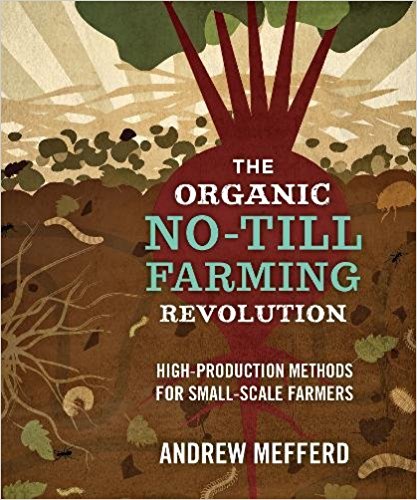
    The Organic No-Till Farming Revolution: High-Production Methods for Small-Scale Farmers

    to win a copy of Andrew Mefferd’s amazing book here’s the link to enter the contest

    Patreon Click Here To Join Button

    and listen to the interview here:

    Interview link

    Andrew’s book outlines the advantages and disadvantages of different methods of no-till agriculture that are being practiced today by many small scale farmers and how they can easily scale down to backyard gardens which has been a challenge in the past.

    Key to the Mountain

    I also have some updates about our garden in Montana and also I talk about Melissa from Key to the mountain who has a small business I met at the Missoula Farmer’s Market and I just loved her Ener-ghee packets I got to run the Missoula half marathon.

    Our biggest challenge in Montana is probably just getting everything in so late mixed with lots of cool weather and rain.

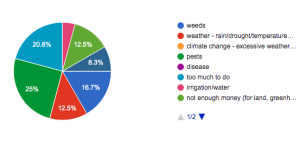
    the link to enter the contest by filling in the poll is

    Patreon Click Here To Join Button

    https://amzn.to/2LOXNqG

    The Organic No-Till Farming Revolution: High-Production Methods for Small-Scale Farmers

    So far the responses to the question: What’s your biggest garden challenge at this very moment?

    Win a copy of Andrew Mefferd’s amazing book here’s the link to enter the contest

    Patreon Click Here To Join Button


    This podcast uses the following third-party services for analysis:
    Spotify Ad Analytics - https://www.spotify.com/us/legal/ad-analytics-privacy-policy/

    Replay of Part 2 of Episode 110. Bare Mountain Flower Farm | Willamette Valley, OR Jul 19, 2019
    Show notes

    Part 2 of Denise and Tony Gaetz, from Bare Mountain Farm are here to share their flower farming journey. Their belief is that healthy soils equal healthy plants which provide for vibrant, strong long-lasting blooms.

    Over 10 years of Growing at Bare Mountain Farm

    Living in the Willamette Valley of OR, they’ve been on their farm for about 27 years, they have 10 and 1/2 acres grow flowers on only about an acre and 1/2. They’ve been doing this for over 11 years, starting next year will be their 12th season. This is a second career. Both had previous lives and sort of semi-retired, but not really retired because this is a lot of work. But they’re doing something that both of them really love, it’s hard work but it’s super they enjoy it!

    How do we connect with you?

    Bare Mountain Farm as in Bare Naked. We also have a Facebook page, and Pinterest page, and Instagram.

    Full show notes


    This podcast uses the following third-party services for analysis:
    Spotify Ad Analytics - https://www.spotify.com/us/legal/ad-analytics-privacy-policy/

    Replay of my interview with the amazing Denise & Tony Gaetz | Bare Mountain Flower Farm | Willamette Valley, OR Jul 19, 2019
    Show notes

    Originally published Jan 1, 2016 Denise and Tony Gaetz are featured in Andrew Mefferd’s book The Organic No-Till Farming Revolution: High-Production Methods for Small-Scale Farmers And most of all I want to make sure you have the link to enter to win a copy of Andrew’s awesome book Denise and Tony Gaetz, from Bare Mountain Farm are here to share their flower farming journey. Their belief is that healthy soils equal healthy plants which provide for vibrant, strong long-lasting blooms. Tell us a little about yourself. Denise: We live in the Willamette Valley of Oregon, we’ve been on our farm for about 27 years, we have 10 and 1/2 acres. We grow flowers on only about an acre and 1/2. We’ve been doing this for over 11 years, starting next year will be our 12th season. This is our second career. We both had a previous life and are sort of semi-retired, but not really retired because this is a lot of work. But we’re doing something that both of us really love, it’s hard work but it’s super we enjoy it! We have 4 unheated, unlit hoop houses that we have built, we have a little greenhouse where we start everything. For the first ten years of our business we sold in the Farmer’s Market in Corvallis, Oregon. A couple of years ago, the demand for our flowers from florists and designers increased, so we started to sell directly to florists and designers. The Farmer’s Market was a blast and we really loved it but it was a lot of work and very long days! So we decided we would let that one go, and just sort of focus on selling directly to florist shops and designers all up and down the valley. From Portland all the way to Eugene. Tony: We are what you might call a micro-farm in a sense that our objective is not to become world flowers inc but to use sustainable practices develop a nice business that really concentrates on selling to a local area. We sell from Eugene which is the southern end of the valley to Protalnd on the northern end. A lot of what we sell is seasonal. We do some season extension as Denise allege about in our hoop houses. What we try to do get our product at is at peak for our area and work it that way instead of we were trying to raise orchids in the middle of winter or something like that well sweet peas are on in June. It’s that sort of thing. We try to keep an emphasis on keeping it seasonal! Tell me about your first gardening experience? Denise: I’ve been growing flowers and veggies since I was a little kid. I think my first experience with flowers is about 7 years old growing pansies in Montana! When my family moved to Oregon later on, it was my responsibility in the family to grow as many vegetables and learn to preserve and can them and freeze them and what not for the family. I always had sort of an interest in plants. I spent a lot of time in high school and early college in horticulture programs, I also worked several years for a florist. I’ve always been really interested in growing things particularly food but my passion was pretty flowers. Tony: My respect I started when I was a kid too. The family always had a garden, when I 12 years old it became my assigned chore. And when you’re 12, your like oh great you know. But I really started getting into it, and learned a lot, I just started reading a lot. For a 12 years old that’s really weird. I read a lot of organic gardening magazines. This is the 1970’s. 1972, that range of time, we I learned a lot just by reading and what my family had done at that point. Our family kind of followed organic practices and we had our own place, and it was the natural thing to start that whole process again. Where were you raised Tony? Are you also from Montana? My father was in the army and worked for the army for most of his career, so we moved around a lot. Not necessarily on military basis. We lived back East in Virginia, and lived in California and Washington, just kind of as his career went, we went. That was also part of the challenge, new places presented a whole new set of new challenges. Denise: We met here at Oregon State University, we both attended the University and that’s where we met and after we graduated then we got married. And we’ve been growing gardens and flowers ever since. What does organic gardening/earth friendly mean to you? Well that’s kind of our philosophy, a lot of these philosophical things kind of evolved over a period of time. Sources of inspiration for us have been, besides J.I. Rodale. There’s also Fukuoka and Natural Farming, learning a lot more about permaculture and that movement. What we try to practice here philosophically, is we’re not certified organic, in many respects we’re beyond organic. I don’t mean that in a haughty way. A lot of organic farmers now-a-days use organically approved things that could be called pesticides, herbicides, fertilizers, we tend to not use anything other then replacement of the minerals in the soil itself. We use natural fertilization in terms of compost that is either made here on site, or we use some recycled compost that’s made by a company here locally. What we try to do is keep the soil fertility up, that’s really our key focus, start with the soil build from there. Our philosophy has been a healthy plant grown in healthy soil doesn’t need additional fertilizers pesticides or things of that nature as best as we can. Also as we go through look at what we grow, we make decisions about things that don’t grow well in our location or particular climate, we try to look at the plants that thrive the best here. Who or what inspired you to start using organic techniques? Denise: We were also inspired by a lot of our local growers, since we spent so much time at the farmer’s market there are a whole lot of growers that sell at the market that are fantastic people to follow and understand and kind of emulate their practices. We got a lot of that from a couple of really terrific growers in Denison’s Family Farm and Gathering Together Farm. Both of those are doing fantastic things with season extension and organic practices and sustainability and they were very kind to us and helping us find our way along the way. We’re always inspired by what other small time, small people, local growers are doing. And also paying forward what we learned. Tony: Philosophically part of what we look at, there are some circles that say if you learn this info you should charge money, but what we try to do is help the new growers avoid some of the dumb things we did. So it’s kind of like Denise is saying paying it forward more of an obligation, that we look at it from a more philosophical standpoint that knowledge to help people, either local people or local flowers or local agriculture, things that can thrive on a micro easies is different then a mega farm that have five thousand acres and has millions of dollars of equipment. We don’t operate that way on any level, a lot of what we do is somewhat under the radar. A lot of companies are starting to pick up on the fact that small farms need unique tools and things of that nature. I want to say I found you guys because you posted on Facebook and you had Dahlias and people were signing up like crazy? That was the Lisianthus we were posting about. Lisianthus is a tricky flower. It is an absolutely beautiful flower that kind of looks like a rose. But its a tricky flower to get started form seed, it takes an incredible long long time to get it started and sometimes it doesn’t even germinate. So we’ve been playing around figuring out how to get it to germinate and how to get it up to size and into the ground. And low and behold we were experimenting, which is what we do an awful lot, we try things just to see if that will work. We decided we would try the Lisianthus for a cooler period of planting, because we had such a hard time last summer was way too hot for them. We got them to germinate in soil blocks that we have been working with, and they grew up nicely and we put them in the ground. It was a total experiment of can we make them grow through the winter? They are fairly cool seasonsish, although they do well in the summer. We wanted to see if we could make them grow and bloom early in the spring next year and that was our experiment. So I posted it to the flower farmers, and say hey take a look at our experiment, and maybe it will work and maybe it won’t. Our comment was “if it does you’ll hear about it and if it doesn’t it never happened!” Tell us about a flower that grew well this year. Anemones What grew well this year was the anemones. There are a few other things, but I will just start with the anemones, becasue they are one of my favorite flowers. The reason I love anemones is because they are just the toughest little plant and flower that you can imagine. They can grow through sometimes some of the roughest weather we can have. We do grow them in a an unheated hoop house or what we call a crate house, because we are growing them currently in crates in a little house. Mostly to keep the cold Oregon rain off of them, it’s not so much that we are protecting them from frost, although we do provide some frost protection. We’ve had them make it though on some pretty cold winters. They are one of the first flowers to bloom for us! The goal is always to try to get them on Valentines Day. Because our florists and designers absolutely love them! They are so bright and cherry, and such a pretty flower for Valentines Day! Something different then the traditional rose or carnation and what not. This year we were able to harvest our first anemones on the fifteenth of January. We were so excited that we had them on time for Valentines. Scented Geraniums The other thing that grew well for us this year was Scented Geraniums! We had a nice hundred foot row of scented geraniums, because we had such a mild winter last year we were able to keep protected and then when the weather warmed up they just started to go crazy. We were able to harvest them, probably from Early May until our first really hard frost at the end of November… It was the week before Thanksgiving. Snap dragons That’s a pretty common flower, there are some new varieties that are what they call open faced butterfly. They don’t have the traditional snap look, they have an open petal look to them. The florist have been really receptive to those! We grew a lot of those. Sweet peas are always a big thing. They just remind folks of s simpler times or maybe something their grandmother did or something of that nature. Tulips There’s also on the early part of the spring: tulips. Quite a few of the taller varieties. The shorter ones get shipped on the more wholesale, so we usually look for a more unusual color, or a taller stem or something that sets them apart or being different. Different petals or parrots or doubles. So our season goes from, like last year it went from Jan 15th to Thanksgiving. That’s a little longer then normal, in a normal year from about first of February to the first of November. It just seems like the climate this last year was exceptionally warm. So it enabled things to move along faster then normal. When the day length gets shorter and shorter, as hard as we want to keep the flowers growing, they just stop producing nice big blooms. They may not die but they don’t produce. We just haven’t gone to any kind of lighting and any of that kind of stuff. There’s typically, kind of a dead zone where plants don’t grow that much even when the temperatures are that moderate. That usually runs when you have daylight that hits 9 hours on the other side coming out, things start growing again. Some times you’re kind of nervous at this time this year, you think I got my ranunculus in but they don’t seem that big, at Christmastime they should be bigger then that so they hit! But as soon as they hit that 9 hour mark., it’s incredible how much they can change in a short period of time. That they are really doing there, the roots are all growing and getting bigger and stuff, so that when they do hit that time, they have a super great root system, then that’s a stronger plant that has more blooms and they get even bigger. Then they have really big fluffy blooms. Have you guys heard of Lisa Ziegler from Cool Flowers? She’s been my guest twice she talks about the same thing, but she’s on the other coast, in Virginia. I was going to remind people to get her book for Christmas. She has documented and is an amazing wealth of information. We have her book. We’ve read it from cover to cover! Did you get your soil blocks from her? That’s what reminded me because that’s the first place I heard of it, and I think I didn’t understand till I saw the pictures in her catalog actually. Soil Blocks We’ve been doing it for years and years, we’ve bene in a tranisition away from plastic plugs. What started it with us, is we just got tired of plastic. The transitione noticed the quality of the plug. The plug trays work well in a large industrial, with automate machines where they fill them and plant them with a nice chemical soup of fertilizer. What we noticed for us as a small grower, that the quality of the plant the roots tended to get, no matter what you tried, the roots would swirl around the edge of the plastic, and the plant was not developing as good of a root...

    Full show notes at the publisher

    Replay of my interview with Judy Frankel | Author and sustainable agriculture expert Jul 19, 2019
    Show notes

    A replay of one of the most downloaded episodes of all time from last spring!

    In Search of the Next P.O.T.U.S.: One Woman’s Quest to Fix Washington (In Search of a Popular America)

    Judy Frankel shares her incredible gardening knowledge, her expertise in the pesticide and sustainable agriculture industries, and journey to grow nutritious food for her health and family.

    Tell us about yourself.

    I grew up on a farm in Pennsylvania believe it or not, and I have the farm genes in my genes…

    It was eating those unbelievable tomatoes. Uou just can’t buy those tomatoes in the supermarket. I moved out to California it was because I wanted warm weather all year. Wrong! So when I tried to grow them on a balcony…

    When I met my first master gardener.

    I took the 10 week course, and passed the test. You have to do a bunch of volunteering.

    Then we moved to Massachusetts. I took it again there…

    This zone is completely different. California is all about growing food. The mission is to teach low income families to grow your own. In Massachusetts you can’t do that because their growing season is only 3 months long . You can do it in Montana if you have a greenhouse. If you take your plants inside.

    full show notes coming asap

    InSearchofPOTUS

    How do we connect with you?

    pledgeforhonestcandidates page.

    I’ll answer your questions.

    The Organic Gardener Podcast is a participant in the Amazon Services LLC Associates Program, an affiliate advertising program designed to provide a means for sites to earn advertising fees by advertising and linking to amazon.com

    If you like what you heard on the Organic Gardener Podcast we’d love it if you’d give us review and hopefully a 5 star rating on iTunes so other gardeners can find us and listen to. Just click on the link here.


    This podcast uses the following third-party services for analysis:
    Spotify Ad Analytics - https://www.spotify.com/us/legal/ad-analytics-privacy-policy/

    July Update 2019 and Organic Oats + Andrew Mefferd Book Giveaway + Podcast Suggestions Request Jul 18, 2019
    Show notes

    It’s July 16, 2019

    Hey Everyone!

    So I just wanted to give a little July update, make sure you heard about the Andrew Meffered interview and giveaway and had the link to win a copy of

    The Organic No-Till Farming Revolution: High-Production Methods for Small-Scale Farmers

    Also Organic Gardener Podcast listeners can receive a 20% discount at

    GrowingForMarket2

    Growing for Market

    Organic Oats

    In my interview with Judy Frankel she talks about how when her daughter became ill they found non-organic oats contributed a lot to her health decline and that oats are sprayed with glyphosate

    168. Judy Frankel | In Search of the Next P.O.T.U.S.: One Woman’s Quest to Fix Washington (In Search of a Popular America)

    @NomadikDreamer on Instagram

    https://amzn.to/2LOXNqG

    The Organic No-Till Farming Revolution: High-Production Methods for Small-Scale Farmers Giveaway ends Sunday July 28, 2019

    Enter to win a copy of Andrew’s Book by filling in the poll here: https://forms.gle/qTWJcDxhtZiMjoA18

    What podcasts do you listen to? Are there any shows you think I would make a good guest on? I know the guest on the Organic Gardener Podcast share so much great information I think it’s imperative we share their stories so do you know any other shows that would like to hear them?


    This podcast uses the following third-party services for analysis:
    Spotify Ad Analytics - https://www.spotify.com/us/legal/ad-analytics-privacy-policy/

    Living Soils: The RegenEarth 2019 Online Conference | Permaculture Plus | Bonus Opportunity from Jon Moore and Rich Bowden | Jul 18, 2019
    Show notes

    Announcing The RegenEarth 2019 Online Conference:

    Living Soil

    Growing Your Backyard Regen Garden

    Reversing Climate Change through Regen Gardens

    The greatest change we need to make is from consumption to production, even if on a small scale, in our own gardens. If only 10% of us do this, there is enough for everyone. ~ Bill Mollison

    Because change means all of us

    Do something that actually makes a difference to your life and the planet’s.

    The RegenEarth 2019 Online Conference: Living Soils will be presented from 16 – 18 September 2019 from 7pm to 9pm.

    What’s On?

    Time 16 September 17 September 18 September
    19:00 – 19:40 Why Regen Matters! Climate change, future proofing and building a carbon sink. The greatest secret: No-dig Gardening! Animals in the system! Chickens in a backyard permaculture system.
    19:40 – 20:20 The importance of food, how it’s produced and community nutrition. Building soil with earthworms. Intro to Backyard permaculture.
    20:20 – 21:00 What is soil? How do we build it? How do we nurture it? Compost and fungi. There’s life in that there soil! Bringing it all together!

    What you get:

    • A personal carbon sink

    • Change that matters

    • Easy steps

    • Fresh Food

    • A Better Planet

    • Cleaner Water

    • Cleaner Soil

    • End of Chemical Use


    Grab your place at the Online Conference for just $67 through PayPal by clicking the “Buy Now” button:

    Climate Change Actions

    Of all the things we are asked to do to “save” the planet, nothing makes our own lives any easier. They are all good, virtuous ideas but they are abstract in some sense. The link between having to bring your own shopping bags and changing the climate for good is not obvious.

    They might provide a warm inner glow but?

    Surely there is something we can do that actually makes a difference and leaves us in a better position in our lives?

    Regenerative Ag (Regen Ag)

    Regenerative agriculture is one of the most effective ways we can draw carbon out of the atmosphere and store it safely. Carbon held in the soil has benefits beyond reducing atmospheric concentrations. It drought proofs soils, turning them into sponges. Droughts will still come and go, this is Australia after all but we lessen their impact. Waterways are cleaned by the filtering effects of regeneratively cared for soil. Chemical use drops to zero as the biological systems do what they have evolved to do. No more dust storms dumping lost topsoil on urban areas.

    “But I live in a town, a city or even an apartment, what can I do???”

    A fair question.

    It turns out there is something we can all do on any area of land, yes even an apartment.

    Regen Gardening

    The bonuses from regen gardening are many. No exposure to garden chemicals, healthy yards for children to play in, improved biodiversity, less flooding as suburbs become water sponges rather than flat hard surfaces, food, yes your own food.

    We’re returning to something humans have been doing for 10,000 years. And you get to grow strawberries, or plant apple or orange trees, bananas if that’s your climate.

    The ongoing work, even with vegetables, is minimal once the system is set up and then year after year your little piece of the planet is working away diligently to remove excess CO2 from the atmosphere and thereby improving your soil and therefore your food quality and taste.

    What We Offer

    Kicking off in September with our RegenEarth 2019 ~ Living Soils conference you will learn a variety of tried and true methods to create your own regen garden. Biodynamics, permaculture, soil amendments and the web of living things amongst other things are all on the list to be covered.

    The focus of this year’s conference will be the biology of the soil. Too many understandings of the soil are based on chemistry (pH) or physics (particle size). We bring the biology. The intersecting webs of life in a living soil. A soil that is growing year on year.

    From then on you can join our ongoing membership where each month a new technique, idea or theory will be explored on the ground with practical applications.

    To Learn More

    Click through to our RegenEarth 2019 ~ Living Soils page. As we book in people with years of experience and an understanding of just what it takes to keep soil alive and thriving we’ll be adding to that page.

    The RegenEarth Podcast


    This podcast uses the following third-party services for analysis:
    Spotify Ad Analytics - https://www.spotify.com/us/legal/ad-analytics-privacy-policy/

    280. The Organic No-Till Farming Revolution | Growing For Market | The Greenhouse and Hoophouse Grower’s Handbook | Andrew Mefferd | Cornville, Maine Jul 15, 2019
    Show notes

    To win a copy of Andrew’s Book answer this poll where you can enter the raffle. And remember you can get a 20% discount by using the code: garden on a subscription to Andrew’s awesome publication Growing for Market magazine or any of his books or the books in their online store. I know you are going to love this interview as much as I did. Remember to share this episode with a friend!

    The Organic No-Till Farming Revolution: High-Production Methods for Small-Scale Farmers

    Greenhouse and HoophouseGrower'sGuide

    The Greenhouse and Hoophouse Grower’s Handbook: Organic Vegetable Production Using Protected Culture

    Andrew Mefferd is editor of Growing for Market magazine.

    GrowingForMarketFarmBooks

    He has spent 15 years working on farms in six states, including a year working on a no-till research farm, and worked for seven years in the research department at

    Johnny’s Selected Seeds .

    He travels around the world consulting with researchers and farmers on the best practices in greenhouse growing and sustainable agriculture. He is the author of The Greenhouse and Hoophouse Grower’s Handbook, and has a passion for promoting local farming movements. He lives and farms in Cornville, Maine.

    Greenhouse and HoophouseGrower'sGuide

    The Greenhouse and Hoophouse Grower’s Handbook: Organic Vegetable Production Using Protected Culture

    coupon code for your listeners for either the book or a subscription!

    OGP

    New Society willing to give away a book its really up to you to decide how to give the book away!!

    I’m so excited to hear that because I usually would give the copy you gave me away but it’s one of the ones I really want to keep in my library. Well I love my listeners that’s amazing! They are all dedicated to growing a greener future by saving the planet not just growing food but growing an organic oasis.

    I’m not from Maine, and moved here and love it! So I feel I can recommend it.

    Maine is going to have its bicentennial, the little town we live in was founded in the 1800s

    very old

    small farm state

    because we don’t have the big expanses of land, like out west

    the place was carved up into little farmsteads

    and it’s not flat

    remains that way.

    a lot like the farm I live on

    • house and a barn
    • 30-40 acres of open land
    • Another 70 or something of woods

    People farm and get their firewood

    it could be a good deal

    sounds like a fixer upper

    You would have to do things to it, I think that as long as you know that going into it, and

    Yesterday even my mom went to a CBD oil place with her buddies, we are thinking we could have a hemp field and we are thinking the building could be a school. We could have some vegetables but mostly hemp. IDK it’s the first place we’ve ever thought of moving to from our place… who knows it could be sold by now. Let’s talk about you!
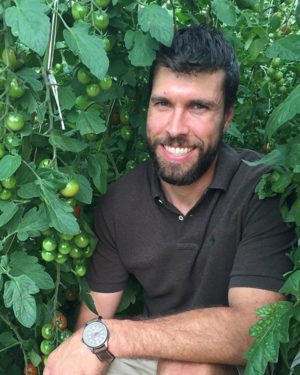
    Andrew-Mefferd-credit-Ann-Mefferd_lowres-300x375.jpg

    Tell us a little about yourself.

    Yeah sure! I would say that I grew up in the state of VA in northern up close to Washington DC

    where it’s very suburban. My entry point into farming really was through gardening. We had a garden there were I grew up in VA and I had a farm one generation back in my family. My dad’s mom had a fairly large farm in PA

    As I grew up I got more and more interested in the growing side of things, which started out as a garden. We had this compost pile for years at my house

    sort of Mount Compostmore!

    kept piling stuff up and up

    huge compost pile and finally I said we should have a garden! One of myfirst gardening experiences was spreading the compost out!

    We were, we wanted to have a garden and ended up just spreading the compost pile on the garden site

    We spread it out and it ended up being a really great garden!

    I love that story! You don’t ave to have a garden to save your compost maybe you will down the line!

    right!

    Compost is like fine wine

    the older it gets the better it is.

    We just wanted to get ready to have a garden

    potentially

    organic matter

    filing it up

    sitting there rotting and when we were ready to have a garden!

    there it was

    that was kind of my entry point

    as I got more and more interested in growing

    I thought that I wanted to have a farm

    I went to school for journalism and my first few jobs as apprenticeship in journalism I was in a cubical all day long

    this is not what I want to do

    I want to be outside

    talking to my brother about organic food. I had always

    ignorantly

    blissfully assumed that that government was making food safe

    whatever is sprayed on the food is safe

    talking to my brother

    I can’t believe they let you spray that on food!

    it made the most sense to work on a farm in the neck of the woods

    the apprentice circuit

    Did an apprenticeship on a farm in Pennsylvania

    not wanting to spend all day in a cubicle

    met my wife there and we did what she calls the apprentice circuit

    That fall at the end of the apprenticeship in PA we took a road trip and visited farms in the country

    Ended up picking a farm in California, so we went straight to the fall season on a farm in AA

    started a

    Mediterranean

    jan 21st one of the first jobs was

    • bucking up the olive wood into firewood

    from there we went to Washington state

    research farm for VA tech

    We did start a farm in PA and that’s a long story and we loss the use of that land

    • bounced around
    • more apprenticeships in upstate in NY and then up to Maine and actually out on the coast of Maine

    now I do live on a farm in Cornville, Maine

    this is

    our farm is about 45 min from Johnny’s research farm which is longer then I wanted to commute and we live in a rural area

    that’s like where we are

    • rural people can relate
    • a lot of suburban people can relate because

    which is like northern VA I just couldn’t take that too much time in the car

    mainly to farm

    one thing a lot of growers do is to work for johns in the winter

    if you called into Johnny’s and said you were a potential grower I would have potentially helped you make that order and this job in the research department became available

    running trials on different and tomatoes are my spirit crop

    I applied for it and I sure enough I got that

    I ended up at Johnny’s for seven years in the research department running trials on tomatoes

    I ended up getting into greenhouse trialling as well

    as you know the national

    funding a lot of high tunnels

    increasing demand for recommendations

    People would build one and call us up at Johnny’s and saying I got my high tunnel up now what do I plant in it and

    that led to my first book

    Greenhouse and HoophouseGrower'sGuide

    The Greenhouse and Hoophouse Grower’s Handbook: Organic Vegetable Production Using Protected Culture

    because not only was I putting a lot of energy for Johnny’s but also putting a lot of it into our own farm when you consider that we moved from Pennsylvania to Maine.

    My favorite thing is tomatoes

    place where you have a nice long growing season to a place where in my mind it’s not commercially worthwhile

    They take so long to ripen, our season is so short.

    I think that’s a lot like us but now isn’t Jean Martin Fortier north of you or is his season different? I know he says greenhouse tomatoes are his number one crop in his book:

    MarketGardenerBookThe Market Gardener: A Successful Grower’s Handbook for Small-Scale Organic Farming

    His season is probably similar. That’s why he’s growing them in a hoophouse, I know he has a nice greenhouse too. I think that’s it, growers in these northern areas really need to use season extension to make those crops profitable.

    Here we have all the

    • diseases
    • heat humidity
    • splits

    and to make matters worse you can’t plant them in the field to June, by the time those big beefsteaks are starting to ripen the weather’s cooling back off

    lots of gardeners grow large fruited tomatoes up here, but it’s the kind of thing where you are a commercial growers trying to make a profit it

    If you only pick

    That’s a decision we made and what I know most of the commercial growers are producing them indoors.

    i have been to one of his places, he is more or less due west, we’re in central Maine and he’s just over the border from NY. I would guess that he has a similar climate

    There’s a lot of demand for those local tomatoes

    I think protected culture instead of trying to grow them.

    I think it’s his hoophouse tomatoes.

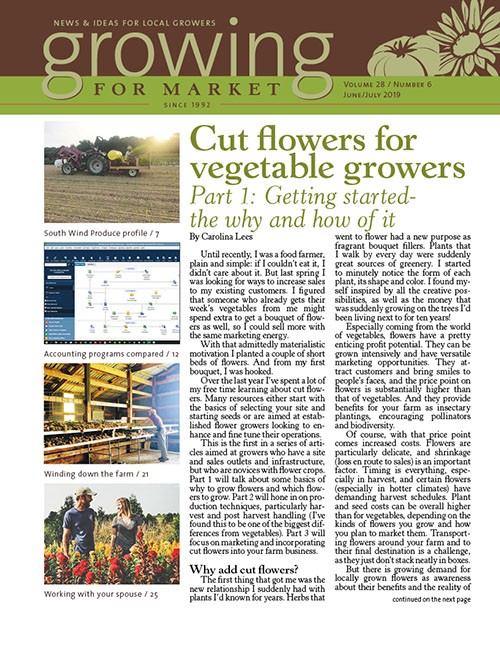
    I continue to be obsessed with greenhouse tomatoes but I did leave Johnny’s to take over the Magazine, Growing for Market which is something I had written for from time to time, leading up to taking it over.

    IDK how familiar your readers are

    We are now in our 28th year

    Lynn Byzanski, she started as a flower farmer in Kansas

    She wrote the book:

    Flower Farmer Book Lynn Byczynski

    The Flower Farmer: An Organic Grower’s Guide to Raising and Selling Cut Flowers, 2nd Edition

    I remember buying that book 15 years ago when I was at VA Tech, getting close to the part of start of our farm,

    She started the magazine 28 years ago now

    3 years ago she was ready to pass it on, asked me if I would be interested

    When I asked her why, she said cause I was already writing for the magazine

    I thought it was a great opportunity

    small publication

    not affiliated

    kind of like a family business

    she wanted someone to take it over that was writing for the magazine so they would continue to do so

    editor to write for it

    since I was already
    GrowingForMarketGrowingForMarket2

    Growing for Market – for direct to market farmers

    It’s something we subscribe to for over a decade and really the only publication specifically for direct-to-market farmers.

    • farmers market
    • farm stand
    • CSA
    • those kind of...

    Replay of my interview with Julia Shanks author of the Farmer’s Office Jul 01, 2019
    Show notes

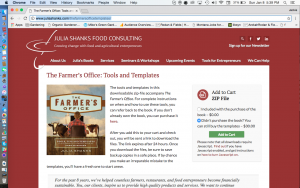
    The Farmer’s Office

    One of the things my guests have talked about a lot is effective bookkeeping and record keeping whether your a small backyard gardener or a busy market farmer. Today Julia Shanks is going to share her knowledge of business, farming, cooking and restaurants, her books and her new course on how to be the most effective producer you can be and how to enjoy growing a successful garden.

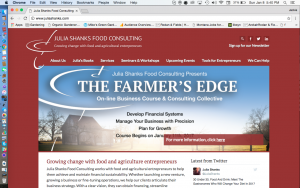
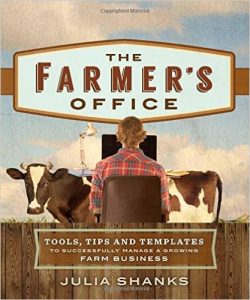
    Julia Shanks Author of the The Farmer’s Office: Tools, Tips and Templates to Successfully Manage a Growing Farm Business is here today to share her brilliance and talk about her new course the Farmer’s Edge starting January 11th, 2017!

    FA

    FULL SHOW NOTES COMING SOON!

    Let’s Get to the Root of Things

    Which activity is your least favorite activity to do in the garden.

    No, I love it all. I can’t get into the garden enough. I love weeding in the morning with my coffee I find it meditative . . .

    What is your favorite activity to do in the garden.

    Probably, I do enjoy the weeding I get the weeds in the thread stage and I get to see the clean beds….

    just sitting and pondering the different cycles

    vegetables behind

    watching the vegetables..

    What is the best gardening advice you have ever received?

    Well, I’m thinking the most recent gardening advice

    there’s a dfference between decomposing vegetables and compost

    my compost system isn’t very good, that’s

    I tried that. as long as it’s composting well, if the worms the die… the compost gets really stinky, I have a lot of worms in my soil, I feel like I’m vermi-composting, it’s aerated,

    You have to drill al to of holes, holes in the bottom of the bin… as you put

    not gonna get the same air s

    A favorite tool that you like to use? If you had to move and could only take one tool with you what would it be.

    I don’t have a lot of tools, I need my hose to water, I just got drip irrigation

    I have a trowel, a

    Well, I just got the drip irrigation hoses, I bought them at home depot, I just snaked them around the garden… water doesn’t

    plant everything pretty darn close

    small garden, 100-200 feet was enough…

    especially with the drought, on the

    be careful

    concentrate the water where you want it, turn it on when you need to soak the water …

    A favorite recipe you like to cook from the garden?

    I do make that kale salad regularly

    the other dish

    • I saute with garlic raisins
    • curry powder
    • romesco sauce
    • tomato
    • pepper sauce

    that’s a favorite

    I wrote this book with my friend Brett, the farmer in Maryland

    he has a dish … for potato

    December dishes because it’s cold

    • sauted greens with potatoes
    • scallions
    • simple

    good curry recipes

    I like the coconut curry with chili paste

    restorative and creamy and rich

    healthy

    The Cookbook is called the

    the Farmer's Market Cookbook

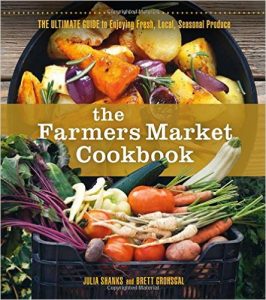
    The Farmers Market Cookbook: The Ultimate Guide to Enjoying Fresh, Local, Seasonal Produce

    A favorite internet resource?

    J

    this is gonna be really self serving but my website

    I have a lot of resources

    I’ve been writing lots of articles

    lots of tools and tips

    templates

    find a cash flow

    lots of excel templates

    webinars

    videos

    accounting…

    food and ag

    links to the

    articles….

    A favorite reading material-book, mag, blog/website etc you can recommend?

    I gotta say I do enjoy growing for market

    guilty pleasure is Modern Farmer

    I don’t think anyone

    written who want to be farmer…

    I enjoy it… good magazine…

    If you have a business to you have any advice for our listeners about how to sell extra produce or get started in the industry?

    I would say, track your costs… as much as you can… that’s the only way you are going to figure out what works

    if you do’t know how much you are growing…

    if you’re gonna make that kind of financial investment

    Final question- if there was one change you would like to see to create a greener world what would it be? For example is there a charity or organization your passionate about or a project you would like to see put into action. What do you feel is the most crucial issue facing our planet in regards to the environment either in your local area or on a national or global scale?

    What I am thinking about right now is how can we support small farmers to be sustainable, they are the ones thinking about our soil

    providing

    the carrot project

    providing business

    that’s what I’m thinking

    in California

    local dept of ags

    supporting local farmers …

    Do u have an inspiration tip or quote to help motivate our listeners to reach into that dirt and start their own garden?

    follow your passion but be realistic

    if you love gardening

    How do we connect with you?

    Sure!

    They can go to my website JuliaShanks.com

    the Farmer's Market Cookbook

    The Farmers Market Cookbook: The Ultimate Guide to Enjoying Fresh, Local, Seasonal Produce

    cookbook and the business class

    Farmer's Office book

    The Farmer’s Office: Tools, Tips and Templates to Successfully Manage a Growing Farm Business

    The Organic Gardener Podcast is a participant in the Amazon Services LLC Associates Program, an affiliate advertising program designed to provide a means for sites to earn advertising fees by advertising and linking to amazon.com

    If you like what you heard on the Organic Gardener Podcast we’d love it if you’d give us review and hopefully a 5 star rating on iTunes so other gardeners can find us and listen to. Just click on the link here.


    This podcast uses the following third-party services for analysis:
    Spotify Ad Analytics - https://www.spotify.com/us/legal/ad-analytics-privacy-policy/

    Replay of interview 102 with Richard Wiswall from The Organic Business Handbook Jul 01, 2019
    Show notes

    Since Ellen Polishuk and I talked about my interviews with Richard Wiswall and Julia Shanks last week I thought I’d replay them for listeners this week. Here’s the amazing Richard Wiswall. Welcome to today’s episode of the Organic Gardener Podcast! I am thrilled to introduce my guest who has written an amazing book about the business oforganic farming that I think will inspire listeners to think about the options for their future. His book starts out peaking interest with a quote from a talk a fellow farmer gave at the New England Vegetable and Fruit conference “Sometimes I think I should have listened to my parents and become a doctor or a lawyer, but you know, I don’t think I could take the pay cut.” Eventually he would write the Organic Farmer’s Business Handbook: A Complete Guide to Managing Finances, Crops, and Staff – and Making a Profit. This book comes with a companion CD that included templets for creating worksheets, budgets including cash flow projections, and even payroll. He’s manager of the Cate Farm a family owned and operated organic farm in Central Vermont that includes 22 acres and seven 100-foot long greenhouses of organic vegetables, medicinal herbs, and flowers. Everything they sell is certified organic. Tell us a little about yourself. So I’ve been farming full time for about 35 years now. Business has changed over the years, for the first 20 years, I was a highly diversified organic vegetable, herb and flower produce that sold to markets in Central Vermont and through Deep Root Organic Coop, which is a growers coop that sells to Boston and NY to bigger stores. We had a CSA in the nineties, went to Farmer’s market for 25 years. As I get older I don’t want to work as long and hard as I used to so we no longer do the CSA or Market, even though I’m big fans of both of them. The other thing I’ve been doing besides farming is to help other farmers trying to help tune up their businesses, because I’ve seen a lot of people after 9-10 years they’re struggle after making long hours, their burning out because the money is not there. I was helping others at conferences etc so I wrote the book because I saw things that came up over and over again that seem to be point needing to be addressed. In short farmers love doing what they do for all the right reasons, being outside and watching plants grow, and nurturing them and producing delicious nutritious food, what could be better there’s a fundamental satisfaction from that. I don’t think anybody gets into farming because they want to be a business person, and study business sheets and cash flow projections but ultimately the reality is farming is a business and you have to know the business end of it where you’re not gonna succeed. You can be as ecologically sustainable but if you aren’t economically sustainable that goes out the window because you wont be in business anymore. I try to get people to spend a little time to work on their business not just in their business, and ask them to set aside 3 hours to do some long range thinking and planning and look at the business and also analyze where the money comes and goes so you can work fewer hours and make more money, ultimately that would be great that’s what a lot of people want. I think a lot of farmers tend to over work themselves. Farmers can be guilty of self exploitation because they believe so strongly in what they do and it’s a great life but they can work longer and longer hours and sacrifice other parts of your life to make your farm succeed but that self-exploitation has a boundary as some point where you can’t do that as much anymore and you can’t keep going or you burn out. That’s where I’m coming from, that’s where I like to point people, if you are going to try to make a living farming or market gardening, pay attention to the business end. I heard a guy say in a Facebook group the other day that you can’t make money farming unless you have big average and its a struggle. And certainly all of my podcasting friends talk about how if your podcast isn’t making money it’s a hobby and not a business you need to think about, know how much you want to follow your passions you have to be realist, and as an artist it’s the same lesson I need to learn there too. No matter how much you like to do what you like to do it there’s always that piece how are you gonna make money at it.. It’s interesting you bring up people say that’ it’s hard to do, I don’t want to sugar coat it, it’s true there’s a lot of barriers involved, farming is a hard way to make a living, but there’s that kind of nay-sayer attitude that is self-fulfilling and I’m not sure if it’s a genetic defect of farmers that tend to moan more then look on the bright side. I think what you hear in the farming community more people are complaining about things that can go wrong, whether its markets, pests, or disease or the tractor breakdown. You hear very little from the people who are successful and there’s a reason because people who are successful, don’t like to brag about their success. So you don’t hear from them. Also if you say I can’t make a living farming, its an easy course to teach, well you just taught yourself, the more you think that then you can say you achieved your goal. As opposed to I believe very strongly a good living can be made farming, you just have to think about it treat it more as a business then as something that will fall into your lap. One thing has been a bit of a theme this year on the show, with things challenging even if one thing fails, the majority of things work. One thing might not work and you’ll learn something. Every year there’s gonna be something that fails but the majority of things grow. Tell me about your first gardening experience? My parents kept a garden all through my childhood and my first gardening experience was me and my brother was maybe 2 years older then me, I don’t think we were hired just we were asked to flip a new piece of ground. So we took some spades, hoeing it into shape, and it’s a very fond memories of the satisfaction in working in the earth. After that my parents had a garden we helped tend the garden. My first solo garden was 19 working at a summer plot, there was a community garden, that’s the steep learning curve, you have to try putting peppers, what kind of peppers are you gonna grow, spacing, and cut worms what are you gonna do about cut worms? There’s all those things, that was a very positive thing. Plus the fact that all the neighbors and fellow employees were so willing to help share their knowledge about how to do things. I think that’s a positive part of the gardening community people are willing to help one another out working for everyone’s success, that’s a very positive thing. It wasn’t till I came to Cate farm and tilled up an acre, we had someone custom till an acre we had a very diverse shotgun approach of what would do well, and what would sell well. The next year 2 acres- doubling to 4 acres and then … 6 acres, 8 acres… 12 acres. up to 16 acres, and so very quickly we went up to scale, then actually back down to about 12, because 12 highly diverse row crops was about all that I wanted to handle with the crew that I had. As a kid I always grew up wanting to be a homesteader, me and my brother would go read Mother Earth News from issue one and totally into the self-sufficiency and independent living skills. I thought as a kid well I would be half-time farmer half-time professional but I became a full time farmer pretty quick. Luckily happily so. You grew up in Vermont right? No, I grew up on Long Island (NY) on south shore which was very agricultural I grew up with potato and cabbage farms surrounding me, even though my family weren’t farmers but I was surrounded by it. Since then it’s changed to more houses and woods. Long Island was a great place to grow up in the 50s and 60s. Then I moved to VT in college and have been here ever since. I grew up on Long Island too and people are always surprised, Long Island has lots of nature preserves and cool farms on the Eastern end. Once you get past the commuting line, half way out on the Eastern end it has lots of agriculture and almost has a New England feel and look to it. What does organic gardening/earth friendly mean to you? I think I was attracted to organic farming, besides reading all the Mother Earth News way back when. I went to school, during junior year went to Nepal, outside Katmandu valley, living in a mud hut and they raised water buffalo and we biked to school for language and culture classes and that was a pivotal part of life. I did an independent project on effects of green revolution. That started me thinking along the lines of wanting to run my own farm. Helena Scott Nearing came to talk. Diet for a Small Planet and Radical Agriculture, Wendall Berry Unsettling of America kind of capped it all, but it was when my college advisor put me on a tractor one weekend to help him disc a field, when I realized what I wanted to be doing. That’s kind of how it started. Organic Gardening is kind of living by a set of values, for me, being an organic farmer I like having a business compromising my values for having a healthy planet and producing nutritious food. To use natures cycles to produce a nutritious food without any undo impact or harmful impact. So for me it’s using as much that’s given to us, whether is’t sunlight, atmospheric nitrogen, carbon, very incredibly diverse microbial complex soil and inter-relationships that we can use to grow good food for people, plants and animals. Organic gardening on a technical level we’re certified organic, so there’s a federal law that says what’s organic and what’s not. But on a general level it’s using those natural cycles and treating the soil with the most upmost respect so you are encouraging it, nutrient cycling as much s possible and treating the soil with respect. On a practical level we use a lot of cover crops. We have the ability because we have more acreage then we row crop that we can rotate things in and out of cover crops. We actually got a combine to grow grains as part of our rotations. If you grow cover crops, you are basically growing a crop that is resting the soil from row crops, as well as increasing it’s biological activity and increasing its organic matter by just plowing the crop back into the ground. We also use a lot of compost and rock minerals. We do a lot of soil tests to quite a bit to see, if you need rock phosphate, or green sand or lime to put on soils to achieve the balance your looking for. Do you want to tell listeners what a cover crop is? A cover crop is anything you put on the ground that is not for consumption. If you have a bare piece of ground you are not going to grow for seed next year. It could be anything from oats to rye to mix of grasses to peas to radishes anything that helps to contribute organic matter, shade out weeds, and get tilled back in to feed microbes in soil so in the future you can plant your garden with very little extra inputs. Cover crops come in all different forms,some are nitrogen fixing like legumes peas, beans alfalfa, clovers. Some are used for smothering out weeds like hat kind of grow close together things like oats, rye, buckwheat, mixes. It’s fun to try different things some are cold hardy, some are not cold hardy. As a farmer when you get everything out of the ground it;s fun to just sow some oat and get some oats form the feed store, it will pop right up grow a few inches and it will winter kill in the norths, quickly till that into the soil and build your soil that way so it protects your soil, it increases your soil biological activity, it adds carbo nall good things. Tell us about something that grew well this year. This year we had a challenging spring weather-wise. We have a lot of cover crops in the ground. We are growing more greenhouse crops. The greenhouse crops are insulated from bad weather. We have 7 greenhouses that we grow some seedlings for sale for others, 6 packs of tomatoes and broccoli for example. Then we have a couple of greenhouses where we have tomatoes in the ground…grafting. We have other greenhouses where we grow greens lettuce and beets and other things in the ground that we harvest for sale. In terms of how did the season grow, outside it was ok, we had a partial crop loss due to weather, but that’s ok because you roll with the punches. In the greenhouse everything was find because can control heat, we are able to roll up sides so we can lower when it’s cold and we have drip irrigation so we can add it when we need it. The top is like a big umbrella even when it’s open so those are big factors when growing a crop, is to provide the right growing conditions. Do you keep the greenhouses growing during the winter? No, in VT, you can, but our markets are much more spring and summer and fall oriented. In the winter time, at least where we are at 44º north latitude, you don’t have enough photoperiod the days are too short from Mid Nov- Dec till the first week in Feb, so basically you can’t grow without lights, without supplemental lighting. But what you can do is you can start some spinach in Sept and let it get up to almost full size as it get’s colder even without the heat on it will be like having a refrigerator full of spinach., then on a sunny day when it warms up you can cut it, and sell it and it will freeze solid no big deal then come spring it will actually start growing. Around feb 15th window it will start regrowing, will sprout up again, get another crop off by the end of march we do that with spinach but generally we like to freeze greenhouses, we drain water but we let it get really cold to help control pests and disease. When I first asked do they keep their greenhouses growing all winter. There’s a tomato grower who does that as well. I don’t like using fuel to heat our greenhouses anymore then I have to. I used to make biodiesel for the green houses I used to take old french fry oil and make homemade biodiesel. I’m not doing that any longer so then we tend to heat our greenhouses later in the spring, and not at all in the fall less greenhouse tomatoes If you are having a problem growing tomatoes, because of early blight or leaf diseases that a simple unheated greenhouse makes your job so much easier, because you can prevent rain from falling on the leaves, if you can keep the leaf surface dry then you have eliminated 95% of the problem because they can’t colonize bacteria and fungi on it. You just roll up sides to lower for extra warmth. You can produce fantastic tomatoes that taste great and that look perfect. We simply trellis them. We drop strings down from the greenhouse structure. so they are about 8 foot tall looks like a hedge row these five rows that are 8-10’ tall loaded with tomatoes. It’s not hard to do with some kind of greenhouse structure, and even on a small scale proven winner. Almost every professional grower I know relies on greenhouse tomatoes and not field tomatoes. They do grow some field tomatoes but it’s so much better to grow in greenhouses. Listeners maybe think greenhouses tomatoes don’t taste that good, but they get a bad rap from commercial growers, but they actually taste better, because you are providing every thing it likes. By providing warmer nights, even irrigation through a drip hose, you get higher fertility and better management everything a tomato wants, you can grow any variety in a greenhouse, but you can grow incredibly good tasting ones, that will be producing right up through a hard freeze outside. Do you have raised beds in the greenhouse or they are in the ground in the green house? What are they growing in? When I talk about a greenhouse basically these are metal hoop kind of gable pitched roof, metal pipe frames with a covering of plastic one or two layers of plastic, of special greenhouse poly that lasts a couple of years, so we basically you can take regular garden soil and put…

    Full show notes at the publisher

    Previous 1 24 25 26 27 28 30 Next

    Related Podcasts

    The Fine Homebuilding Podcast – Fine Homebuilding Magazine

    1

    The Fine Homebuilding Podcast – Fine Homebuilding Magazine Education
    The Money Pit Home Improvement Podcast

    2

    The Money Pit Home Improvement Podcast Education
    Gardenerd Tip of the Week

    3

    Gardenerd Tip of the Week Games & Hobbies
    Encyclopedia Botanica

    4

    Encyclopedia Botanica Arts
    kiwimana Buzz Beekeeping Show – A Beekeeping Podcast/Show

    5

    kiwimana Buzz Beekeeping Show – A Beekeeping Podcast/Show Games & Hobbies
    Small Farm Nation

    6

    Small Farm Nation Education
    footer-logo

    Contact Us

    Toll Free: 844-670-7747

    Links

    • Home
    • Top Charts
    • Networks
    • Apps
    • Independents Podcasts
    • Podcast Advertising
    • Podcast News
    • Contact Us
    • About Us
    • Analytics & Insights

    Stay Connected

      Privacy, Terms of Use & Our Code of Ethics Protecting Content Creators Copyrights