TopPodcast.com
Menu
  • Home
  • Top Charts
  • Top Networks
  • Top Apps
  • Top Independents
  • Top Podfluencers
  • Top Picks
    • Top Business Podcasts
    • Top True Crime Podcasts
    • Top Finance Podcasts
    • Top Comedy Podcasts
    • Top Music Podcasts
    • Top Womens Podcasts
    • Top Kids Podcasts
    • Top Sports Podcasts
    • Top News Podcasts
    • Top Tech Podcasts
    • Top Crypto Podcasts
    • Top Entrepreneurial Podcasts
    • Top Fantasy Sports Podcasts
    • Top Political Podcasts
    • Top Science Podcasts
    • Top Self Help Podcasts
    • Top Sports Betting Podcasts
    • Top Stocks Podcasts
  • Podcast News
  • About Us
  • Podcast Advertising
  • Contact
Not in our directory?
Add Show Here
Podcast Equipment
Center

toppodcastlogoOur TOPPODCAST Picks

  • Comedy
  • Crypto
  • Sports
  • News
  • Politics
  • True Crime
  • Business
  • Finance

Follow Us

toppodcastlogoStay Connected

    View Top 200 Chart
    Back to Rankings Page
    Home & Garden

    GREEN Organic Garden Podcast

    The GREEN Organic Garden Podcast will inspire, teach, and promote earth friendly techniques by interviewing organic gardeners who share their journeys, tips, and tricks to simplify the process of growing your own delicious healthy food. Whether you want to have a small bed in your backyard or a full grown farming operation, our guests will help you reach your gardening goals and offer you resources and solutions to everyday gardening challenges, and inspiration to dig down in the dirt and get growing!

    This podcast uses the following third-party services for analysis:

    Spotify Ad Analytics – https://www.spotify.com/us/legal/ad-analytics-privacy-policy/

    Advertise

    Copyright: © 2015

    • Apple Podcasts
    • Google Play
    • Spotify

    Latest Episodes:
    270. Streatery Farm-To-Table Food Truck | Sarah Manuel | Havre, MT Apr 22, 2019
    Show notes

    I have lots of guests that have been booking and lots of great interviews coming up! A Montana rockstar running the food truck here in Montana!

    Tell us a little about yourself.

    I did grow up on a farm and a ranch

    A little bit about my past

    I was raised in a world of agriculture

    I grew up on a farm and ar ranch that was not always organic, my dad converted to organic in 2007

    I was 10 years old it was interesting as a young child to see that process of old ways and shifting to new ways of organic and

    how much better everything becomes with that process

    with that conversion

    we moved to a lot of diversified crops

    Before we had converted to organic we were just doing the same old thing everyone else does. Switched to doing a lot of

    wheat

    and same

    clover

    alfalfa

    growing ancient grains

    • kamut
    • farro
    • lentils
    • chickpeas

    while we were learning and growing all those

    I was also at a pretty young age learning to bake

    native to Montana at that time

    I think that was where I got a pretty strong base

    with working with local and available at any given time.

    That’s the farming side of it.

    We raised cattle as well. So that was really interesting for me to grow up working the trails and the

    to grow up working cows

    trail them

    calving season everything you go through

    on the organic side

    everything 100% organic

    grass fed

    everything takes longer

    I remember watching food inc when it came out

    I remember seeing the vast difference competed to the feed lots they have pictured!

    Everything how everything is so crammed

    compared to our open pasture

    administering antibiotics and growth hormone

    we were just allowing our cattle to grow naturally it takes longer but I believe it does allow for a healthful product

    and a product that tastes better

    Through all that processI think I gained a really good appreciating for the organic food system

    extra time and thought that goes into it

    That’s the same for a lot of people who are gardening

    I love to have conversations that they are trying

    some are working and some aren’t

    learning what grows well here and what doesn’t

    how to utilize in cooking.

    Did you have a lot of brothers and sisters? You seem like you had a very mature upbringing. Mike and I were talking about chores the other day.

    similar upgrading

    yeah I have 3 brothers and 2 sisters

    I’m the 2nd oldest so I just have one older brother.

    We’re ranging in ages in 23 down to 7.

    I think growing up especially with so many younger siblings inputs a little bit of extra responsibility automatically to a person.

    I think that was some part of it

    cooking was something because I did like to do it, but I didn’t always cook because I wanted to

    had to do but it was something we had a lot of people to feed

    working on the ranch

    not always great help

    had a lot of kids

    We were out there whenever we needed to be.That built a really good work ethic I appreciate all of those opportunities

    Tell me about your first gardening experience?

    Yeah! You could say, we did have a pretty good garden for the majority of my childhood

    wouldn’t classify myself as a green thumb I am better at cooking then gardening. I enjoy the process. I had my little herb garden on the back porch in college.

    • tons of root vegetables
    • melons
    • corn one year
    • strawberries
    • rhubarb

    Pretty standard things you could say

    definitely lots of salad greens and tomatoes.

    Now you’re up in the northern part of Montana, close to the border of Canada. Very cold right. Not easy to grow food.

    It’s not, unless you have a greenhouse

    even still there’s challenges. I’m about as close to Canada as you can get. It takes about 40 minutes to drive to the border.

    from where I live

    It definitely does present some challenges

    climate but there’s ways to work around it.

    I think that’s where experimenting with what really grows well in Montana. There have been a lot of farmers around the area spending time.

    fruit trees

    varieties of tomatoes and peppers

    what’s gonna produce the best in the soil in the time frame that we have. Very different from other states across the country.

    I was just going through our garden journals from when Mike puts the seeds in the ground, for the most part it’s between the 7th and 10th of April, cool starts, lettuce, spinach, peas, etc. Stuff that can’t have a frost, it’s more like green beans etc. it’s right after our anniversary in the first week in June.

    I also have dates of when did we first harvest it, and things like, I thought we didn’t really harvest asparagus but actually it was for like 5 years. A lot of my guests have said keeping data was good.

    Even so, I think your ahead then I am with the gardening data

    I agree with you, I love to analyze data! I haven’t done it as much with gardening but especially for the STREATERY this past year.

    I closed for the winter and so it’s been a time to rest and regroup

    closed through

    I have been going through numbers and analyzing what worked and what didn’t

    • what days of week?
    • what events better?
    • which menu items did the best?

    I could spend hours pouring over the information.

    Why don’t you tell us all about Streatery and your food truck and how all that got started.

    Getting into a little bit of the agricultural background.

    Now getting into the culinary realm I entered a few years ago, it all kind of started gradually. Like I can’t remember a point where I decided I want to be a chef. It just sort of accumulation of events in high school I did a lot of farmer’s markets

    mostly baked good

    local

    I would go to the mountains and forage for

    • June berries
    • currant berries

    ancient grains we were growing and grind the

    local honey

    as many things I could get my hands on. Feature all of those local ingredients.

    My senior year of high school I took a trip to California to the bay area. I thought this was interesting.

    I interviewed Liz Carlisle!

    So, awesome Liz Carlisle wrote this amazing book called Lentil Underground

    farmers in Montana who were some of the first people growing organic lentils and just that process because now Montana is the number one producer of lentils. She goes through the whole story!

    They are who are your parents?

    Chapter 12, in

    Lentil Underground

    the gospel of lentils

    because of that she flew my family my siblings and everyone out to California when she launched the book

    It wasn’t just my family it was all of the families featured in the book, and we stayed in this huge Airbnb house and had a great time and got to meet all the people who were reading the book and explained about the process of everything

    through that trip I made a lot of great connections.

    One of them, are here near Havre and they farm as well they are Doug and Anna Crabtree with Vicious farms. On that trip, they sort of casually offered me a job in between that summer between high school and college.

    I had decided to go to culinary school but didn’t have a plan beyond that. They hired me on as their culinary specialist and I lived out at their farm M-F cooking for their farm crew.

    At the time, I felt highly unqualified. It turned out really great! I loved every minute of it. It gave me freedom to cook whatever I was feeling that today but also to use what was readily averrable and locally grown

    We were totally tracking each other on

    • what’s important in the food world
    • what’s nutritious
    • how can we utilize these things?

    they were really great to work with. I think I got lucky to get that opportunity.

    Then in the fall I attended Culinary Institute of Montana in Kalispell. It takes a little under 2 years to get an associates degree. I graduated in Dec 2016 and kind of just craving an adventure at that point. I had always leaned towards entrepreneurship and self employment and tie that into the food world, so the most obvious choice was to start a restaurant but that seemed daunting at the time.

    I actually moved to Maui

    went with the WWOOF program

    worldwide

    They have this great online directory

    wwoofusa.com

    You can essentially type in the type of agriculture you are interested in or you can type in the city or state that you would like to

    go have an experience

    You can stay from a week to a month to several months! Depends on what you are looking for and what the the operation needs

    you go and the standard agreement is you work 20 hours a week then in return you get free room and board so some places that means they feed you 3 meals a day someplace that means give you staple ingredients and a kitchen

    literally ground breaking

    • We made raised beds
    • worked on some beehives
    • managed a farm stand

    It was very rugged. I actually lived in a tent for a month. We didn’t have running water and we had to haul that up to a top of a mountain.

    Did you get to go to the beach?

    It was hard work but it wasn’t’ very long so there was definitely lots of free time.

    the farm in Maui

    You could see the ocean from the mountains of Maui called upcountry.

    You could see the ocean and beach but to actually get there you would have to walk a few miles to the beach. Since none of us had cars. Between that and hitchhiking, so we did make it to the beach a couple of times.

    There were other people there? Were you scared going from Montana to Hawaii? Were your parents like oh my?

    My parents were nervous but I was ready. I had a skype interview. I had my tent and a general plan and they picked me up at the airport. After a while I got a phone call from mom after I was there a couple of days she was like I know that you landed in Hawaii, but never confirmed you made it to the farm. I thought I should check.

    There was quite a big group of people

    • CA
    • North Carolina
    • Montreal
    • Netherlands
    • Colorado

    It was a great group of people

    work together

    have adventures together

    Quite a few of us ended up switching to another farm after a month.

    permaculture farm

    rancho relaxo

    first I had learned of permaculture

    found this farm online through the website

    said it was fruit orchard

    Did mention permaculture but I didn’t know what to expect and so in my mind I thought it would be rows of

    • orange
    • avocados
    • mangos
    • papayas

    permaculture

    looked like the garden of eden!

    mystical

    You walk in and there is this winding dirt road going through this tropical forage. Going on the first tour and he’s pointing!

    there’s a banana tree

    mango

    coffee is growing

    tilapia ponds

    2 chicken coops

    vegetables gardens

    intermixed and benefiting from each other in turn!

    That was a wonderful experience to see that different approach to agriculture.

    While I was at that farm it didn’t take the owner long to learn I could cook. So we ended up

    putting together a farm-to-table event while I was there!

    We had a group of people come out to the farm.

    A local hunter brought some venison tenderloin

    lots of greens

    eggs

    veggies from the farm

    featured as much local produce as we could get from markets and things

    four course dinner with wine pairings

    fantastic. IT was this little moment of paradise in my past.

    Then the advent of Streatery came about a year later. I moved back home in the summer of 2017

    To help out with a few things. We had a huge farm tour coming up.

    We were also a little short handed, my dad needed me to help

    • sort cows
    • drive tractors

    thing I hadn’t done in a long time after being away. It was good to get back into that

    summer of 2017

    Towards that fall, I noticed that we could possibly benefit from some direct marketing of our organic beef...


    291. Industrial Hemp Project | Rodale Institute | Senior Lab Technician | Tara Caton Apr 15, 2019
    Show notes

    Tara Caton

    Rodale Institute

    Senior Lab Technician

    Industrial Hemp Project Lead

    Want to read the unedited computer generated transcript provided by Podscribe, just click here.

    It all started when this listener said, every time I hear you say millennial I think of this video of this guy bashing millennials sitting around in their yoga pants and so I made my own video of the amazing millennials I interview who are so not ever lazy. I was going through some old Organic Gardening Magazines. A lot of my listeners are asking me how to get rid of pests organically and there were all these letters to the editors saying I’m not ever reading to you again because you are too political and they answered back and said we believe they are integrated and you can’t have one without the other.

    I have always wanted to sell ad space for Rodale’s so I would see Organic Gardening Magazine in every store i went to as I traveled around.

    It is Tuesday March 26, 2019. I am so stoked because not only is my guest a rock star millennial but she is the Senior Lab Technician at the Rodale Institute on the Industrial Hemp Project . So welcome Tara Caton!

    Over the course of a four-year trial, we are exploring hemp’s powerful potential to heal soil and support farmers.

    Hemp, marijuana’s non-psychotropic cousin, was grown in Pennsylvania for more than 260 years as a valuable cash crop.

    Tell us a little about yourself.

    Shownotes coming ASAP! to read what’s done already click here.

    The Organic Gardener Podcast is a participant in the Amazon Services LLC Associates Program, an affiliate advertising program designed to provide a means for sites to earn advertising fees by advertising and linking to amazon.com

    If you like what you heard on the Organic Gardener Podcast we’d love it if you’d give us review and hopefully a 5 star rating on iTunes so other gardeners can find us and listen to. Just click on the link here.

    Let’s take a minute to thank our sponsors and affiliate links

    Please support us on Patreon so we can keep the show up on the internet. It cost close to $100 a month just to keep it up on the internet for the website etc so if you could help by supporting it with an $8/month contribution or $10/month to join the Green Future Growers Book Club where we can delve deep into some of the best gardening books that have been recommended on the show! GoDaddy even is bugging me for dollars just to have the domain name…

    https://www.patreon.com/OrganicGardenerPodcast

    Health IQ Logo

    The Organic Gardner Podcast is sponsored by Health IQ, an insurance company that helps health conscious people like runners, cyclists, weightlifters and vegetarians get lower rates on their life insurance. Go to healthiq.com/OGP to support the show and see if you qualify.

    Over half of Health IQ customers save between 4-33% on their life insurance.

    Health IQ vegetables celebrating the health conscious

    • Health IQ uses science & data to secure lower rates on life insurance for health conscious people just like you green future growers! Like saving money on your car insurance for being a good driver, Health IQ saves you money on your life insurance for living a health conscious lifestyle.

    Vegetables2

    To see if you qualify, get your free quote today at healthiq.com/OGP or mention the promo code OGP when you talk to a Health IQ agent

    Good Seed Company Seeds

    The Good Seed Company

    Now Let’s Get to the Root of Things!

    Organic Gardening Podcast Group

    We’d love if you’d join Organic Gardener Podcast Facebook Community!

    The Organic Gardener Podcast is a participant in the Amazon Services LLC Associates Program, an affiliate advertising program designed to provide a means for sites to earn advertising fees by advertising and linking to amazon.com

    If you like what you heard on the Organic Gardener Podcast we’d love it if you’d give us review and hopefully a 5 star rating on iTunes so other gardeners can find us and listen to. Just click on the link here.

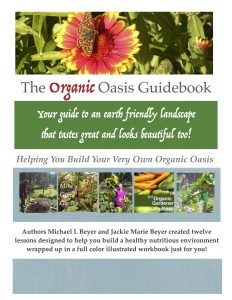
    Get Your Copy of the Organic Oasis Guidebook or Blank Garden Journal on amazon today!

    https://amzn.to/2IlgXUg

    Remember you can get the 2018 Garden Journal and Data Keeper to record your garden goals in ourhttps://amzn.to/2lLAOyo

    You can download the first 30 days here while you’re waiting for it to come in the mail.

    Organic Gardening Podcast Group

    We’d love if you’d join Organic Gardener Podcast Facebook Community!

    If you like what you heard on the Organic Gardener Podcast we’d love it if you’d give us review and hopefully a 5 star rating on iTunes so other gardeners can find us and listen to. Just click on the link here.


    This podcast uses the following third-party services for analysis:
    Spotify Ad Analytics - https://www.spotify.com/us/legal/ad-analytics-privacy-policy/

    Ending Food Injustice | Leah Penniman | Soul Fire Farm | Grafton, NY Apr 08, 2019
    Show notes

    I’m super excited because my guest is as passionate about social justice as I am and she’s used her life and skills to really connect social justice and food justice together. I think you will love this interview with Leah Penniman from Soul Fire Farm in New York!Soul Fire Farm is committed to ending racism and injustice in our food system. 20 years of experience as a soil steward and food sovereignty activist.Tell us a little about yourself.Farming While Black: Soul Fire Farm’s Practical Guide to Liberation on the LandDefinitely, I’d be happy to!I’ve been farming 22 years and I am the founding co-director of Soul Fire FarmsIT’s a little community farm run by Black-Indigenous Latin and located up in the mountains of Grafton NYin love with farming my whole life, NY and really see it as a foundation for social justice and environmental stewardship. Here at Soul Fire FarmsWe are committed to ending racism in the food system.Part of that is what we grow in our food.We grow on 5 acres and all of that gets boxed up to those who need it most in the communityrefugeesimmigrantspeople who have an incarcerated loved onelatin indigenous folks who want to farmWe have cultivated 500 new farmers over the years through our program.How are you supporting your farm if you are donating all of this food? Where are you getting your money from do you sell some food too? Do you get donations? Where do you get your income from?That’s a really valid question, we started out as a family farm and we started out to be a viable business. it would be a little strange to be training the next generation of farmers if it was a farm that relies on donations or a slush fund. So we use a sliding scale modelpeople who earn more money and have more wealth pay morelessbalanceThe farmer get’s market value for the producenon-profit branch to our work we get some funds for that that helps with our education youth programs we dopublic educationWe travel all around the regions sharing information about food justice.I love all this, this weekend was the indigenous march in Washington DC and the kids at a large interaction with the and the government shut down over immigration and here you are helping train immigrants and doing all this wonderful work. I feel like it’s such a timely topic.Tell me about your first gardening experience?So, I did not grow up gardeningI did grow up in a rural area and was friends with the trees for sure. Our family was often one of the only brown skin families in town.We got bulliedtauntedSo we spent quite a bit of time outside and the forest was really our first friend.When it was time to get a summer job as a teamgot a job in Boston at the food projectFrom the very first time I felt the satisfaction of using a strip hoe to clean up a row of cilantro I was just completely hooked.Not only did we grow food on 40 acresurban marketgarden in the city on vacant lotssoup kitchenssocial justice and working with the earth directly!Fascinating! I love the way you talk about getting hooked cleaning up a row of cilatnro? So what were the next steps how did you start a farm?yeah! So Soul Fire farm started with just our partnerJonah and our 2 childrennewborn and south end of Albany myhigh poverty areafood desertsfood apartheidresults in certain folks being hungryothers havingjoin a farm csa that was super expensive and walk over 2 miles to pick up the vegetablesOur neighbors, didn’t have that luxury and when they found out we knew how to farmencouraging uspurchased this inexpensive and highly eroded land up in the hills no one wantedtook build a housesoildrivewayopen the farm in the beginning of 2010So to me this must be a suburb? Rural? Of Albany?3 1/2 hours40 minutes ruraleverything is through a CSA farm shareDr. Booker Taliaferro WashingtonOut of Tuskegee UniversityThe idea is people are members. Our commitment because a lot of people don’t have transportation is to take it to their doorstep. We provide this service delivery serviceIn Albany and in Troy 25 minutesWe deliver 100 families!You have so much going on in a small space5-6 hours for meat Small demonstration flockfor meat we raise in batches of 50learners get to learn the process of chicken harvestingwe time it so folks get thatacres of fruits and vegetables we have here on the farm.Tell us about something that grew well this year? What was I excited about?a few things winter unconventional thing the horseradish cropsafrican/american african/disporahorseradish we grow for a jewish holiday of passover we use horseradish in cerimonyto remind us of the bitterness of slaveryhorseradishknow matter what you do to it, put it in the most waterlogged, clay soil and hack it up and that reminds me of the tenacity we need in these troubleing times.We have horseradish growing, we never eat it but it’s definitley growing in very poor soil, getting bigger over the years.Is there something you would do different next year or want to try/new?something we have been trying to grow culantroan herb that grows almost like a weed in puerto RicoimportantsalsaSofritoapies culantro doesn’t like upstate NYnorth Carolina houseculturally importantpigeon pealemon grassblack peanutI’m super excited we have the traditional herbs that our community needs Tell me about something that didn’t work so well this season?well in our region we had a really wet excessively wetcurcubits melon collapsesquash weren’t super wicked about itthat’s why we have a diverse farm and you always win some lose some so if you have a lot of different crops you’ll be okWhat are some of the tips you might have like my husband and I have about 1/3 of an acre that we planted and 2 acres sounds so big, do you have any tips for people who want to make that jump from backyard gardener to market farmer.with 2 acres you can do a lotreally intensivelyrow crops10 20 30 acres100 different types of veggiesWe probably started on a 1/3 of an acre. I was just doing it Sundays after schoolexpanded as capacity and time don’t have to grow a lot of acre1/3 commercial operation is just sauerkraut ormushroomshoneybeesSo you just focus on one placeI just was going through an interview I did with Aidan from Young’s Farm that was transitioning from traditional to organic farming. Which activity is your least favorite activity to do in the garden?I’ve tried to eliminate those as much as possible!I really do love a lot of the tasks others don’t love more rigoroussweat inducingchallenginghand digging bedsLast year we had a winter operationour climate yesterday, it was negative 26º with the windchillWe were doing cut greens in the tunnel, I had frozen fingers and I look around and I realized that the bears and deer, owls are hibernating and here I am trying to farm.I know that when I go to Long Island i the winter, it’s so cold. I can’t imagine cutting greens in the winterWe reserve our winters now for our community education work.Do you want to talk about that?did that for it’s huge that’s the main thing I do at this pointmanaging the farmfarm teamfarmingPeople probably don’t know butcommercial farming is the whitest profession!farmerslatin xgood diversity of people managing farmsit isn’t by accidentdiscrimination by governmenttaking away indigenous people’s landsunfairstate of subjugationAt Soul Fire Farms we’re engaging by trying to make as many opportunities for farmers people who want to be farmers from marginalized communitieseducation programs on the farmtrainings and mentorshipland some jobsmaking sure that this next generation can make a life on land if they wantDo you have any tips for things that work good? How to set up an internship, how to find people, or mistakes you would tell people not to try. Because having people come work can be a challenge.absolutelydefinitely get involved in a networkcraftapprenticeshelp give you best practicesdon’t have anyoneThat goes both ways make sure you are set up to give them a positive experiencefair wageadequate housesupporting volunteer dayspeople come and make sure we have enough experienced folks set up and if we find they keep coming on an ongoing basis we hire them as stafftime to be focusedThat’s something people have mentioned that really focusing on teaching and working with the volunteers are doing, make sure you are providing them with an education and a nice lunch, don’t think you are going to just get things done because the volunteers are here that day.What is your favorite activity to do in the garden?oh, I love almost everything!I would say the more gross motor skills. I like todig bedsweedtransplantingdirect seedfine detailpicking bugsharvestingnot so much!I feel like I can’t loose myself as muchlove farming on my ownletting my mind just run free while my body is really engaged in the work of tending the soil!What is the best gardening advice you have ever received?best advice not in the practical Karen Washingtonrise and rootgrowersshe’s the reason I’m still farmingI was ready to quitpassionate went to all the conferenceswouldn’t see anyone who looked like medid I chose the wrong thing?did I miss the memo about where I am supposed to be? few people in that spaceDon’t give up, you’re part of the returning generation of black farmershang in thereshe was really right and she continues to be a close mentor of mineHang in there!Do you have any suggestions listeners can do to help with things? You seem so solution orientedthat’s the great thing about a problem that’s so bighurting farm workersdistributing land unfairlynot getting food to people who need itthere’s so many points of solutionIf you go to our website at Soul Fire Farms we have all these ways to get involvedaction steps on ourwebsitewhole list of things communities are acting forvolunteeringvisiting our reparations maptool folks who have gone through our program put things they needwhether it’s landor a tractortech assistanceA favorite tool that you like to use? If you had to move and could only take one tool with you what would it be?Hands down it would be the hoe specifically it would be the heavy hoes that the use in west Africa and Haitiprimary tillageforming bedscultivationton of fun to use!A favorite recipe you like to cook from the garden?Soup JoumouHaitian national dishjewel pumpkinTiano people in Caribbeanforbiddenisland of ispanolaAfter the independence was fought and won, the formerly enslaved people celebrated with this pumpkinevery year on new yearindependence day we make the soup joumou and share it with our friends and with our community membersThat’s interesting!A favorite internet resource?To be honest I don’t do much web surfing because because something came across a list serve. I’m part of Food Service AllianceUS Food Sovereignty AllianceNational Black Food Justice AllianceSo people are kind enough that they will post things relevant to these lists so I don’t have to scroll.That’s a good recommendation there those listserves because who has time to watch video?! That’s why I love podcasting, cause I’m always like who has time for video? And if it’s a book I want the hard copy in my hands.A favorite reading material-book, mag, blog/website etc you can recommend?I love to read!My all time favoriteBraiding Sweetgrass: Indigenous Wisdom, Scientific Knowledge and the Teachings of Plantsby Robin Wall Kimmerer Like me she is a scientistgardener plant-loverHas a deep spiritual connection and she weaves all of those together in her book!I’ve wanted to read that!If you have a business to you have any advice for our listeners about how to sell extra produce or get started in the industry?I think what’s so important is knowing your marketdidn’t struggle with that aspect because we started a farm on community intereststated community needWe were told we need doorstep delivery of vegetablesThat’s a good first stepmarket researchcommunity buildingSometimes when I’m doing the interview. IDK anyone else that I remember where a CSA actually delivers to someone’s home. I always thought I would not make a good CSA customer because I don’t want to be somewhere on a certain day? Does it give you some flexibility. Do you harvest some the day before?Oh absolutely of course it depends on time of yearmon and tuesputting things in the coolerWed morning we box everything up a separate box for each customer and then we deliver between noon atrange of timesusually get to your neighborhood between 1-2 so make sure you are home or you leave a cooler or cool space.I think that doorstep to doorstep is a cool tweek, I talked with Casey O’Learyabout doing everything on a bike in the beginning hauling things to the farmer’s market etc.Final question-if there was one change you would like to see to create a greener world what would it be? For example is there a charity or organization your passionate about or a project you would like to see put into action. What do you feel is the most crucial issue facing our planet in regards to the environment either in your local area or on a national or global scale?it isI’ll do my best to choose one thingmore on the environmental side of thingsclimate chaosThe soil itself is the biggest reservoir of carbonIf everyone in the world would use indigenous agriculture practices we could sequester all that carbon and halt climate change in...

    Full show notes at the publisher

    Microgreens | Savvy Organics YouTube Channel | David Selman | Red Oak, Texas Apr 01, 2019
    Show notes

    It’s Tuesday, January 15, 2019.

    You must be doing something right? I can’t seem to get anyone to watch my videos.

    The one thing I have noticed lately is, we don’t really watch tv so in the evenings, what we do, we’re about done with our day around 8:30ish. We stream Youtube.

    Watching on TV you can’t interact but I get on the iPad and if I like their video or make a comment I get a lot more people who seem to be interested in my channel.

    You have like 35, 53 views, etc. I have like no views. 0 views at all. Watching others, I’ll have to try that.

    You have to be persistence. We’ve been doing it for a year and we’re only just getting somewhere.

    I see it as you’ve only been doing it for a year!

    Honestly it’s been the easiest gardening method I have ever learned!

    Savvy Organics Farm YouTube Channel
    Savvy Organics Farm On Facebook
    Savvy Organcs Farm On Local Havest
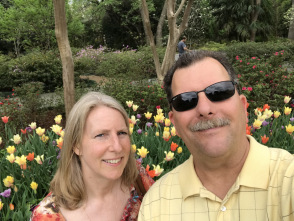
    david-alice

    Tell us a little about yourself.

    Sure, well basically I’ve been gardening most of my life since I was s little kid, life happens to you, and you have kids, we have 2 kids. We always have a family garden, nothing but raising a few vegetables for ourselves. The last few year with the kids out on our own. We have 5 acres, so we don’t need it for livestock and when the kids were in ag.

    October 2017. We kind of came up with the idea, what are we going to do with our land now?

    We’ve always been avid gardeners so we started .

    • market gardens
    • CSA programs
    • reasons they do it
    • health benefits

    1/2 acre and pasture next to our house

    basically ripped

    what are we doing

    Just watch YouTube at night

    Who do you feel like you’ve been watching that give you the most.

    The subjects range from homesteading to organic gardening

    Some of our favorites.

    MI Gardener

    he’s a good one

    Justin Rhodes with the abundant permaculture

    vlog everyday they do everything

    • livestock and gardening

    Living Traditions

    • homesteading
    • raising animals and things

    Well that’s a good list.

    Tell me about your first gardening experience?

    Well, as a kid, growing up in town at my parents house, my dad just let me sort of get a small garden plot in the backyard. Other then some squash, IDK what remember what I grew then.

    My parents had a lake home and we had a 1/4 acre had a big garden there, always helping in that.

    Over all the years, raising our family and stuff, the importance of teaching your kids

    • where food comes from
    • nutritional value of it

    raise our kids

    responsibility

    Good work ethic, things like that.

    So did they do 4H or FFA (Future Farmers of America)?

    We were involved with the FFA for all of my kids. We primarily raised Texas Long Horn show cattle. The kids earned scholarship money for college by doing that.

    • horses
    • play days
    • little rodeos

    Always had an active lifestyle, hunting and fishing as kids, my dad did that when we were kids.

    Are you from Texas, born and raised?

    I am, lived here all my life, here in the Dallas area.

    How did you learn how to garden organically?

    Over the years, but in the last few years more important! The older you get, you think.

    I’ve been putting this in my food, I wonder what that actually does?

    You read the labels and think, I can’t pronounce that why am I eating that?

    Sure! Vani Hari, the food babe just sent out an email this morning with all the weird things in Almond milk.

    Yeah, absolutely

    so many things in

    We agree, other than for a holiday or something where we need it as an ingredient we pretty much only use almond milk.

    make it ourselves

    almond milk

    really easy

    The almonds:

    • get soaked
    • ground up and put in a nut bag
    • after ground up squeeze through nut bag

    what comes out almond milk

    takes 10-15 minutes

    really easy

    almond butter which I love and a lot of the store bought things have a lot of additives

    butter is really easy

    roast almonds at about 350º

    Use a Vitamix to blend them into butter

    if they are a little dry add a little oil really goes a long way

    a lot less expensive then what you would buy in the store.

    Does it come out the texture of peanut butter?

    What we typically make is a little bit thicker

    add anything like a tasteless oil, avocado or sunflower oil something that doesnt’ have any flavor. You can thin it a little bit by adding oil to it

    consistency of buying anything that is processed food and all the additive things that go into them.

    I often wonder, is buying peanut butter and making a sandwich is that processed or does that count as home made? Or is that still processed if all the parts are processed but you put them together.

    I was just talking to Olivia who Rent Mason Bees about the bees pollinating the almonds.

    my sons a bee keeper

    sent all of his hives for the winter

    leases the beehives to them for the almond bees

    have not had any luck with mason bees.

    She said their main goal is to spread them, they’re super pollinators and they’ll pollinate so much more then a honeybee, but they do require a bit of maintenance in the winter, they actually give them a bath, if you don’t clean out their homes, the pollen mites grow and grow and wipe out the bees.

    I’ve heard that they are such great pollinators

    • not as aggressive
    • don’t sting

    IDK why we don’t have more of them. They say they’re everywhere

    maybe Idk know what I’m looking for

    I would love to know about them and get them on our place.

    I know she said that they ship different ones at different times of year. Maybe it was the wrong time of year or something. Maybe you’ll want to give that episode a listen to.

    Tell us about something that grew well this year.

    It’s pretty much winter right now

    a few things in the ground

    first greenhouse able to put up this past season

    • carrots
    • spinach
    • broccoli
    • cauliflower

    growing and doing pretty well.

    Over the season last year, the biggest things we had the most success

    • lettuces
    • kale
    • daikon radishes

    I didn’t know about them until I started gardening. They are

    • amazing
    • grow huge
    • flavor is good in soups and salads

    Really diverse.

    I didn’t know that you could saute radishes and in the beginning of the year before the beets etc were ready, and they were so good. Mike grew a lot of different colored giant radishes. I grew kale for the first time last year!´

    first vegetable!

    • dinosaur kale
    • blue dwarf kale
    • garlic did well for us

    I call it a green house, but it’s basically more like a hoop house

    not polycarbonate

    green colored plastic mesh that filters out some of the UV rays

    really inexpensive

    starting on a shoestring budget.

    challenging

    found this company

    here in Richardson, just north of us, fresco

    Delta Canopy Company

    greenhouses of all kind

    I found this greenhouse, that was like $400

    I put it together one day, literally took maybe a day to get it all set up

    We really had one big failure, before I had tried to make a high tunnel or greenhouse out of pvc of grannies plastic. The day that I finished we had a really big windstorm, it was kind of funny we were out there.

    trying to tag this thing down

    We kind of worried when we bought this one

    Our wind can be horrible sometimes

    40-50mph for a couple of days sometimes

    held up well

    lightweight aluminum frame

    Greenhouse

    • door at both ends
    • windows down both sides for ventilation
    • plastic comes down on the sides
    • wider then the greenhouse frame

    So we put a lot of mulch on outside edges of it. On the inside I took the screw end ground anchors. We wired an anchor from the frame to the greenhouse, it might move an inch or two here or that but it still strong so far.

    We’ve had a lot of wind and snow problems here.

    Every once in a while we’ll get a snow.

    I know it snows in Texas because when I drove through Texas I was going from New Mexico to New York the day after Halloween and I got stuck in a big blizzard in Texas!

    Is there something you would do different next year or want to try/new?

    Well, last year the produce that we grew,

    • friends at church
    • people we would meet and talk to
    • come to our house
    • take things to church to buy

    Which worked pretty well with what we were growing but this year with our new garden plan and layout we should have a lot more produce this year!

    So what’s exciting for me is we are going to try to set up a little farmstead, under a couple of tables and so people can come to us on Saturday mornings and buy what they want.

    Some gardens and market farmers will do a pick your own, but I’m a little skeptical of that right now.

    What I am hearing is that sometimes you get people who don’t know how to harvest lettuce and they’ll not know to cut your lettuce and pull it up!

    Leaf lettuce will continue to produce

    pull the plant up it’s done

    exciting thing to try to grow enough

    I talked with Pam Grewe here in Whitefish and they had a farm and they would have a big volunteer day once a week. She said she really had to focus on helping the volunteers and managing and moving around interacting, helping them and then on the other days, she would work quietly and be very specific about not having people on the farm on off days.

    That’s might be something you want to look into is having a volunteer day, where you focus on teaching them so they are getting an education too.

    build our clients up by having them

    That’s a good idea, I have thought about it, but haven’t really done anything to get it going.

    She said so many people told her how much they loved the farm and remember visiting as children. Management whether your managing preschools or volunteers or a farmer’s market that takes a lot of give and take, and understanding and listening. I always like to expand on what’s successful and go from there.

    Tell me about something that didn’t work so well this season.

    What didn’t go so well last year? I’ve been gardening last year was simple green beans!

    I was reading that blog post.

    it’s like what is going on here

    planted

    different points

    different times

    different conditions

    They just wouldn’t take off

    • they’d grow up
    • would look great flower
    • wither away

    no idea what was going on?!

    last round planted some

    simple blue lake bush bean

    literally so prolific, I thought pretty much the same thing, they flowered and we were having beans like crazy!

    So I had to recheck the package

    • climbed everything
    • went crazy
    • vining climbing all the trellises
    • everything they could touch they were climbing.

    bush beans

    really climbed like crazy!

    Trying to grow them the normal times and stuff that you would normally grow...


    Replay of Grow Ohio Valley | Black Swan Organics | Danny Swan | Wheeling, OH Mar 17, 2019
    Show notes

    This replay is a must listen episode about building soil health that was originally published February 2017.

    It is Monday, January 2nd, very early in the morning and I am headed back to school today. I know you are going to love this guest from Black Swan Organics and Grow Ohio Valley in Appalachia!

    What a great guest to follow up after Jean-Martin Fortier because Danny is basically doing everything JM Talked about. A great educator and farmer you are going to love this episode as much as I did!

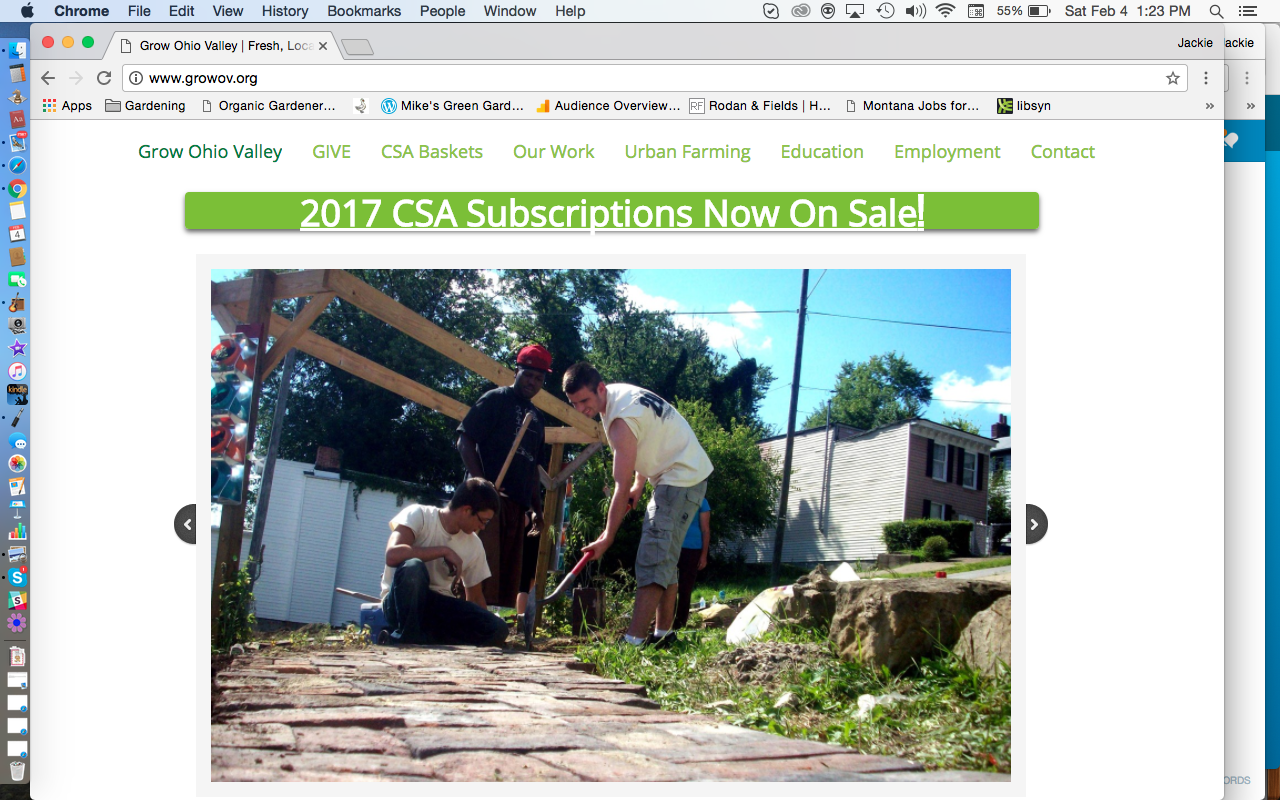
    Grow Ohio Valley.org is a nonprofit organization working to improve food justice in Appalachia.Grow Ohio Valley is working to fashion a new economic landscape, one offering increased prosperity, improved health and a better environment.

    Things they do is change:

    • Vacant city lots become fertile and productive.

    • School children who think it is “normal” to grow and eat healthy food.

    One thing I am curious about is their “Food Stamp Challenge”

    BlackSwanOrganics.pngFrom Black Swan Organics andGrow Ohio Valley here’s Danny Swan.

    Tell us a little about yourself.

    Sure, I’m living here in Wheeling West, VA. It’s kind of hybrid Appalachia Coal town and mid west Rust Belt town. Has a lot in common with some of it’s larger brothers, like Cleveland and Akron. Had lots of steel mills which have largely gone away and coal mines, that are dwindling, kind of post industrial situation.

    I grew up about an hour away, and I came to live in the big city about 10 years ago. At that time kind of found a love for organic gardening trying to share that with other people since in a variety of ways.

    Sharing the Love

    One of which is Grow Ohio Valley, a company founded with other people here in Wheeling, West VA to bring this local food movement, which is pretty fringe here. You’d call it a rust belt climate….

    What does that mean a rust-belt climate?

    Wheeling, it’s been a hard up town. It was pretty prosperous up until the 60s and 70s and before. As factory work moved overseas, and as coal ran out or other forms of jobs, there are:

    • high unemployment rates
    • everything that goes with that
    • poverty
    • low scores on health performance
    • low educational performance
    • high drug usage which is a big thing we’re seeing right now.

    It’s a kind of mentality where people just want a job … want things to get back to normal as they remember it … so things that relate to long term health, don’t get on the radar screen I would say, if you look at it as an average across the town as it is in other places as frequently.

    People are

    • not thinking about farmers markets
    • not thinking about organic food
    • growing own food

    more immediate and pressing concerns … way to address these concerns … direct these …. business opportunities in farming and gardening …. that’s the obvious one …. under employed to do something… either a backyard garden to support their home …. economics or kind of a market venture like were up to here…. there’s also that empowering energy that comes with doing something that is live giving for your and your family … putting your flag in the ground that you have control over … something I have power in in this sort of complex challenging world… for decades now…

    We’re in a similar situation because the timber industry has left and our mills have shut down. I think that this is a popular topic whether they are interested in creating their own green jobs or supporting their farmer’s market.

    Tell me about your first gardening experience?

    My mom had a small flower – vegetable garden, my grandfather was a farmer and I spent time as a kid … but it was all sort of part of the background as a child and not something I had a keen interest until I moved out and had my first backyard. I had a friend he was interested in trying a vegetable garden, we were living together and we just went out in the backyard, dug up some grass, and planted a few seeds and I was hooked … you probably understand as well as your listeners….it’s hard to describe … what a feeling! I haven’t thought about much else…

    How did you learn how to garden organically?

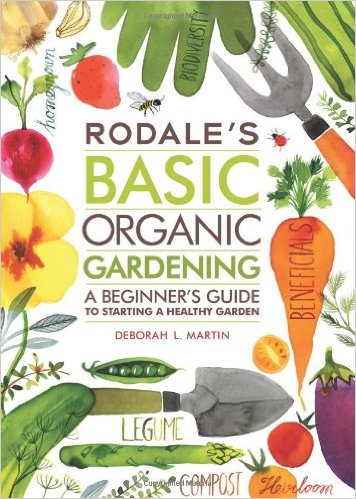
    Rodale's BASIC Organic Gardening A Beginner's Guide

    Rodale Organic Gardening Book Basics …

    No, we just went down to the used bookstore, and got a guide to Rodale Organic Gardening Book Basics …

    … that was really the beginning for me… I didn’t really know anything, I had just kind of taken orders how to help in the garden … I hadn’t really thought about!

    But what a great book! It gave me some methods and ideas.

    I love Rodale’s, I was just looking at some of my Rodale books the other day, my herb book and my perennial book … Do you want to explain what Grow Ohio Valley is?

    Let’s see it was 8 years ago, I was working in an inner city after school summer school here… basically the after school program for the poor kids… at this great place called the Lockland Chapel … working there, my job while I was in college …

    Grow Ohio Valley school community garden connections

    I just wanted to get the kids outside and off the concrete, looking back at my childhood I wanted to give them a taste of the things that were important to me and having a connection to the natural world… rode our bikes around, settled on one, found a vacant lot, dug up a little land on this lot and growing a few tomatoes … later on we found out someone owned the property – the Department of Transportation and they formalized our permission to grow things there and that sort of started out my beginning of doing community gardening in a community engaged sort of way.

    We took the kids down there and just did some fun stuff … we didn’t have a curriculum and we just wanted to let them run around and do that sort of thing…

    The first year we took the boys down and take one chunk and grow some pumpkin seeds and the girls had a different plot and held a little competition see who boys or girls could grow bigger pumpkins. They really got into it, wheelbarrowing manure around and stuff.

    At first I was skeptical, they were looking at the grass wondering is this gonna get grass stains on my Nikes etc but soon they loved it …

    I just had to ask what age kids? Middle school or older? I teach 2nd grade…

    At that time I had 2nd to 5th grade kids, but shortly after I took middle school to high school… this was a corner of a big vacant lot – about an acre … size of a football field.

    Once I got into the high school, kids who could do al little bit more and more of the lot… down the road… We have chickens there… still do, perennial patch with blackberries and rhubarb and annual vegetables … I have these middle school and high school boys

    mostly boys…

    They were out there helping me all the time… they wanted to make some money, said these vegetables have some value … so every Saturday we started taking to the Woodville Farmer’s

    That’s when I started my intensive education on Market gardening

    • efficient production
    • holistic soil and health…

    So starting with your market gardening education. If you were starting over today, what is one big thing you would do differently?

    So many things wrong, it’s been part of a fun and interesting journey… doing one thing because doing things wrong one farmer shows up … your doing something wrong and that attracts people… I have this weird theory…

    Determined incompetence…

    It’s really attractive to people because when you don’t know what your doing but you really want to do a good job… people who know what their doing start showing up … brought so many interesting people … so many mentors who saw what we were doing here in the city and wanted to help people to succeed so great relationships started out of that… so I am not sure I would go back and go to ag school or do something like that.

    Rodale's BASIC Organic Gardening A Beginner's Guide

    There have been some resources since that Rodale Organic Gardening Book Basics that have been super valuable to me…

    These are the kind of things on my desks all the time that I’m referencing

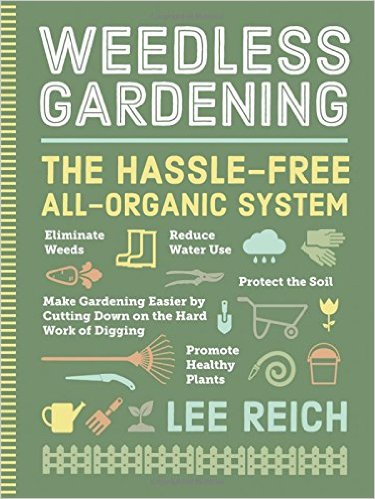
    WeedlessGardeningLee Reich? Weedless Gardening… and several other books with the same theme of no till gardening, which proved to be really important to us, kind of lifesaving on our innercity lots… all these vacant lots used to have houses on them… so we’re lucky if the demolition contractors spread a few layers of topsoil that’s still laying in the basement under your feet.

    tilling the garden after we broken three rototillers so we realized we had to find a better way.

    No Till Gardening

    opened us up to no till gardening … coming form a permaculture garden…

    How To have A green Thumb Without an Aching Back By Ruth StoutRuth Stout of how to garden without an aching back…

    to becoming a really dedicated mulcher who never tills and just cultivates the soil…

    That was a gift to us and another farmer and really changed things and probably what gives us where we are and allowed us to be successful to be doing this now…

    lately new info coming in from

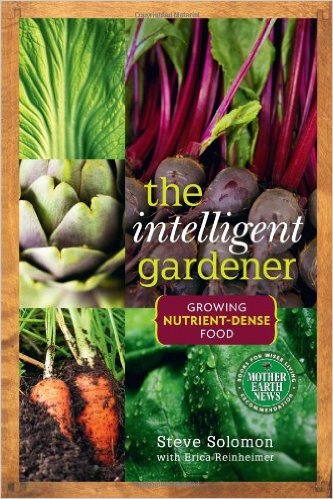
    Intelligent Gardener Growing Nutrient-Dense Food

    Steve Soloman and Erica authors of the Intelligent Gardener

    I’ve heard of the No-till method who first started out with Jon Moore in Australia ….

    • really great resources
    • the one I was talking about is a really quick read
    • novella size book that fits in your pocket.
    • light on technical jargon
    • user friendly
    • could hand to the high school kids and they could wrap their heads around it…
    • more production gardening

    Little Tweaks Add Up

    We’ve expanded to four lots of intensive production here in the city. That making little tweaks and little changes can really mean a lot if you can get 10% more production, if it’s a big enough garden space that can be really meaningful… sort of economics in a community if you plants can be a little bit more efficient and productive it can be really crucial!

    soil science info

    about how to balance micronutrients and minerals, learning about he soils

    cat iron exchange capacity… 3 pathways by which can find nutrients

    which have we been paying attention and which have we been neglecting…

    This book the the Intelligent Gardener really comes in handy. It’s basically a soil science 101 primer coming from people who are life long organic gardeners themselves.

    I’ve really appreciated what it comes from.

    Nice I’m so curious about a lot of what you are talking about…

    So I teach on a Reservation there’s a lot of similar burnt down houses etc… just sitting there… so you’re not even removing the old houses etc… You’re just building right on top of it.

    a lot of words for it

    • sheet composting
    • sheet mulching
    • lasagna gardening

    a lot of terms for what we’re doing

    Lets say you start with just plain grass in your backyard… patchy grass, whatever you’ve got, let’s say it’s a building demolition site kid of rubbly or grassy.

    First thing you need to do is get rid of the grass … normally this would be done with a plow or a rototiller or a shovel, however your gonna get rid of the grass… but instead of doing this we we lay newspaper or cardboard something biodigradeble to starve the grass of any light. We use string to lay out the corners, then inside that area we lay newspaper or cardboard on top of all the grass. On top of that newspaper of cardboard we throw any kind of organic mulch, anything we can get our hands on

    • leaves
    • mulch
    • manure
    • chicken
    • compost
    • anything at all to cover up cardboard or newspaper

    and then wait a month and the grass is dead underneath, not dead but just in a passive way… root structures are not disturbed

    plant matter is decomposing right into the soil

    soil life, especially earthworms, are very happy in an environment that’s moist and dark and not being disrupted. They’re tunneling through the whole thing brining it down and bringing this organic matter that you have put on top of the cardboard they are grabbing it and carrying it down through the soil.

    In a very short order

    not as short order of if you had a rototiller of course but in a few months of this you start getting a nice soil tilth. Soil that you can move though your hands and break it into different clumps.

    After a few more years from this, after adding lots of mulch.

    We are always adding mulch if a lawn care company drops off some grass clippings they go straight into one of the garden beds! We’re always adding mulch so we can never see bare soil… bare soil is sight unseen at least that’s our goal in the garden!

    By adding that mulch and the bottom layer decomposing and adding more mulch on top and always doing that, we...


    Replay of Agrarian Food Web | Soil Health and Sunflowers | Patti “Amazing” Armbrister | Hinsdale, MT Mar 17, 2019
    Show notes

    This episode was originally posted August 2018. It’s a great resource for building soil health. If you want to join the Patti Armbrister Fan club send me an email!

    Connect with Patti Amazing Arbrister on Facebook at her Agrarian Food Web Page!

    I’ve been wanting to see some podcasts on you know the organic gardeners when we talk about soil health and composting and the principals of cover crops

    they just turn their lights off and don’t want ot talk because they are doing organic gardening and

    every single farmer

    including your household vegetable gardeners

    they’re doing production organics

    they’re on a fast pace to destroying their soils and don’t know it

    finally on fb yesterday, the day before

    one of my friends, she is a leader in organic gardening, she made a video on the same topic,

    when I started hearing about soil health she didn’t think they were talking about her, when she realized the principles are about her

    they have this mindset

    they are above and beyond soil health

    they are some of the ones the fastest

    What are they doing? To ruin their soil.

    These are the principles for regenerative farming or gardening

    1. Minimum disturbance to low disturbance

    • boar bottom plow
    • shovel
    • chisel
    • roto tillers

    use a broad fork

    a real shallow device

    That’s minimum disturbance

    2. Keep the soil covered 24/7

    365 other then the day you are going to pull the weed mulch

    soil should be covered

    so when you look at it you should either see

    dead organic matter

    wood mulch/chips that you’ve added or you should

    see live plants

    never see bare ground

    next rule or principal

    3. Plant diversity

    more plant diversity

    Companion planting

    farming solar rays of sunlight that is coming to the earth

    as those plants do photosynthesis then they are dropping root exudates ~ they leak them out of their root system for the

    soil food web

    Uses those sugar and carbohydrate

    Then they deliver to the plant something the plant needed. They do this with signals depending on the root exudates.

    Let’s say it’s a corn plant, it needs nitrogen. And next to it is a, tomato and a tomato needs calcium.

    sending different signals

    biology brings back different

    nitrogen is getting created by protozoa, then eating the fungi then pooing it out

    form of the bacteria fungi, attached to the roots

    The plant couldn’t use it until it went through the stomach of the protozoa and it poops it out. Kind of like a seed….

    so it could sprout

    nutrients become available to the plant. The more plants and species of plants in that group the more sugars there is in the soil life and more diversity of the nutrients cycling around in the soil.

    too good a job

    too much calcium

    sending the signal

    tomato

    • the corn
    • peas
    • beans

    need it and it’s available to them too. So it’s like a sharing event taking place.

    So the more diversity there is the healthier

    Next rule or principle is to

    4. keep a living root in the soil as many days out of the year

    meaning if we’re gonna take out a crop

    just got done with the spring

    spinach or arugula

    bed is empty now,

    as soon it is done I chop them down and they become part of the leaf litter

    the next succession of plant

    pepper into that spot

    For the biology of the soil, there is always a living root there, always giving off root exudates. This exchange is always going and can go year round if we have a perennial plants in the system!

    This is awesome!

    There is another thing that happens with the root structures

    A carrot is obviously a taproot, it has a singular taproot can break up hardpan

    radish can break up the hardpan.

    The hardpan is created by us

    • walking on the ground
    • driving an implement
    • tractor in the farm gound
    • train as it is going by my house

    the train is 200 yards from my house, making the ground bounce and causing compaction

    taproot breaks that compaction layer up

    softer soil

    worms will feed off that decaying root

    make channels

    just the tap root looks like it is just the tap root but it has a long long skinny root, but it’s several feet on the ground, then the worm able to go down the channel and burrow. Let’s say next to the plant is a carrot

    fibrous

    thousands of roots in a mat

    hairroot

    next to the carrot

    root system is called biological tilling

    • softening the soil
    • ammending

    and making it better from the soil from their root system.

    carbon

    decomposing

    Some of the carbon is getting stored into the soil

    versus one type of crop, if we are having a field of corn, we have one type of root in the soil

    those are the principles

    think about the principles

    You’re an organic farmer who just prepared the seed bed

    roto-tilled the bed.

    dead organic matter

    deep as your tines will go 4-5-6 inches deep

    bottom half 6-inches deep

    roots have to break thorough that in order to have a system of any kind going on

    so they come down

    root turns on the direct

    across the hard pan turns on a angle because it is looking for nutrients and water but it can’t grow through it so they are fighting for the nutrients and water.

    So what does someone who has a large acreage like 2 acres or 10 acres without a tractor?

    You would use a tractor and then plant a cover crop. But you’re gonna cut it down or a roller.

    lays it into a mat

    then they go in with a no till drill, that has a disc, two little discs

    opens a furrow

    that drops seed in

    roller that goes over that that has a way to pack it down.

    seed soil compact

    no-til planter

    Liz Carlisle http://amzn.to/1QDkvgG

    This is awesome! This is what a lot of Liz Carlisle’s book The Lentil Undergound is about right? If we know these are best practices why aren’t we doing it? and I was talking to Megan Cain the other day and she was saying she tries to put something in the same day she takes it out so she doesn’t have bare soil. That’s good advice for me because I am the worst at getting my seeds in the ground!

    there’s another thing they call inner seeding

    we could inner seed

    • peas
    • beans
    • clover

    In between the corn, so they are growing the whole time the corn is growing. We may not harvest them, like the clover, but we could harvest the beans or peas, we might be walking on some beans or peas

    a lot of the inner cropping

    the inner crop is just to help with fixing the nitrogen and keeping the roots cool

    So you have a cooler soil, where it’s not getting dried out by the wind but not super cool

    soil biology, creates some heat, so that soil temperature might not be major difference but it’s better then dry air exposed

    baked

    soil life

    exposed tilled soil

    if they are there they’re dormant, not doing anything

    They have to have moisture

    not over a 100º

    doing their thing

    Anytime we have exposed soil on the surface that’s expose to the air and wind

    wind demonstration

    traveling before some soil erosion

    • white t-shirt
    • plastic mat
    • pan of top soil
    • leaf blower to generate the wind with

    With a mph reader

    They said everybody start watching the t-shirt, it’s already running at 2-3 mph think we haven’t seen anything it, but you look down and the dirts all over the t-shirt….

    so tiny

    already moving

    can’t see them by the human eye

    if we can’t see we don’t conceive it, that it’s already happening. He had it go up to 20 mph, you could see the soil rolling and bumping, rolling and

    on top of this little mph

    20mph is a little wind. The other day we had in eastern Montana 90mph

    you can’t even just stand, you’re just left with rocks

    soil exposed

    mulch

    is on top of this soil

    And it would also help like in the forests where they fires are burning to hold in the soil there too.

    So those are the main principles are those five things

    They have tried all the principals separate from each other, they do work to a certain extent, but if you put all five of them together

    You get incredible responses!

    You can turn soil that is almost on the verge of decertification and turn it into healthy soil in three years!

    We can start whenever the person can wrap their head around starting

    once we decide it doesn’t matter what time of year. Let’s say it’s fall,

    You would normally go in and pull your tomatoes

    I would never pull the root out of the ground, I might cut the plant off, but let it do it’s natural thing and let it catch snow and it will slowly break down into the system

    as long as it isn’t diseased, if it’s diseased take it out.

    first thing is

    I try to catch people in the fall

    you should maybe leave that. Once you recognize these principals it will save a lot of labor and time! And wonder we haven’t done it all this way all the time?

    I never thought about that before, if you leave it there, what do you do in the spring?

    That’s nature’s way is already starting to decompose it

    We have the most decomposing going on right underneath the snow

    decomposing already taking place with the moisture of the snow, it will be already breaking down

    In the spring we hope you have some mulch left, a system in the spring…

    A worm can take a whole leaf, and pull it down their den 3 foot deep. So a lot of that stuff is just going to disappear. You get into this.

    I have a friend I her into this started this 3 years ago

    third year of white dutch clover in the walkways

    Already she is like I need to get more mulch

    leaves in the fall. I told her in the future you want to be thinking about growing a cover crops to put in for the mulch.

    • green living
    • grass seed plants
    • all winter

    In certain areas, you would be able to cut it, and use that as a straw mulch. It will be green when you cut it and it will turn into something that looks like straw.

    I was going to ask you about the clover. I guess I was just thinking is the bees like the clover. You also posted the pictures of her garden right?

    put it

    turns into

    She has it between all of her beds, she mows it when it gets 4 inches tall,mows it late evening when the bees have already left

    She mows the walkways and lets the leaf littler from the clipping go into the beds

    • feeding the plants
    • plant is stressed from the cutting
    • releases nitrogen into the soil

    266. Get your garden body on! | Edible Flowers • Microclimates | Agriscaping Green Business Opportunities with Justin Rohner | Gilbert, AZ Mar 11, 2019
    Show notes

    Justin Rohner is a presenter and speaker and owner of Agriscaping!

    I didn’t realize you have a restaurant.

    Tell us a little about yourself.

    Serve a number of restaurants in the Phoenix. About me and who I am which is sort of a serial entrepreneur.

    honed my skills to put all my eggs in one

    Agriscaping

    I’m all about improving

    • local food economies
    • strengthening families
    • strengthening communities

    what I’m doing fits into one of those categories.

    Tell me about your first gardening experience?

    born in Alexandra VA just outside Washington DC, my dad was in the FBI

    I remember a forest, living in a forest and went back and visited it was 4 trees thick by a busy road! It was nothing but a couple of trees but I was a kid.

    I moved to Arizona when I was young

    Being in the garden with my mom little kid

    probably about five years old peas

    seeing this caterpillar rolling across the

    slow motion

    tiny thing in the garden I could be with the caterpillar

    infatuated by everything about how plants grew and that we could eat this stuff

    My mom telling me about how the butterflies

    oddly enough same time of year we’re doing this recording when that

    whole scene played itself out. From then on you couldn’t get me back inside.

    My mom would yell and I didn’t even hear here because I was just so engrossed in how life worked.

    outdoors

    continue to expand

    first passionate experience to be in the garden and what it tasted like and how something that had grown

    I think a lot of my listeners are going to relate to that story about being kids like that and getting lost in the garden maybe even today as an adult!

    How did you learn how to garden organically?

    back then

    backyard gardening

    there really was only

    we had our compost piles

    grandpa owned a dairy farm

    last in Tempe Az where AZ State U resides

    dairy farm in the family

    seeing all that stuff work

    too normal

    Distracted me a lot from making this a profession is it was so normal as a kid it was just the normal thing

    • easy stuff
    • tech stuff
    • hormone

    belittle to use methods

    I watched that side of the family business shift the way of all the. world that twas

    I always loved the organic method

    • easier
    • less expensive

    In my mind it was cheaper, I wasn’t trying to run a commercial so I didn’t need all that techy stuff

    grew stuff the way I knew

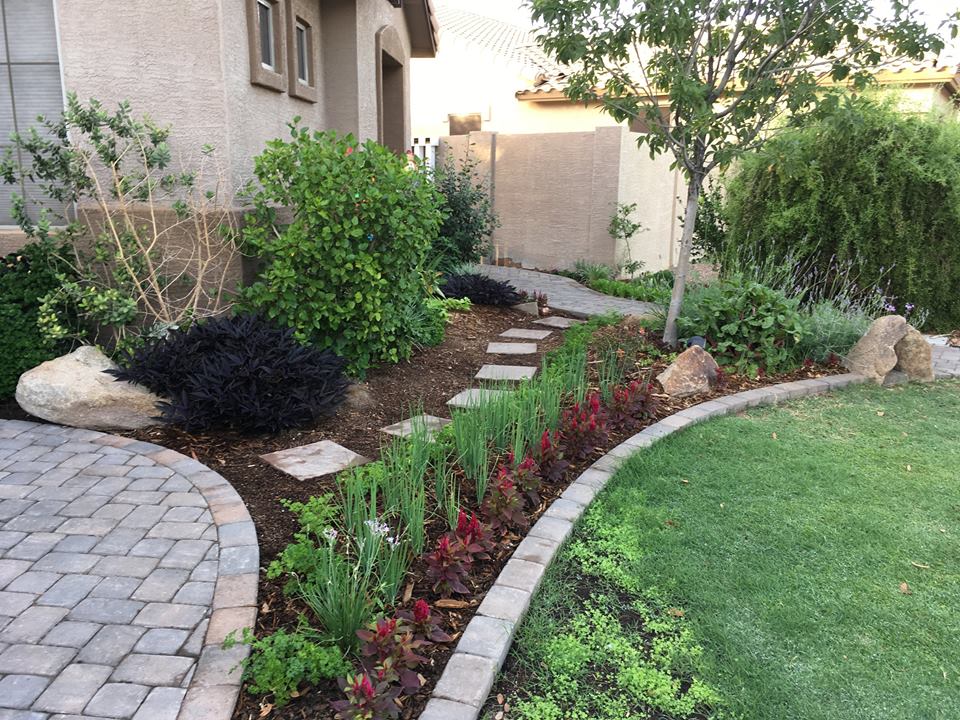
    AgriscapingLandscape

    photo by Agriscaping

    Agriscaping is a blend of the best of productive agriculture best of ornamental landscaping!

    Integrating all the things we do not just food

    growing production into a landscape!

    Easy to maintain

    integrating local food into the local economy

    foods for fodder for animals and textiles

    types of things we’re growing too are different then you would expect!

    I’m in Pheonix, AZ where the temps get in the 120ºs

    winter now the temp was below freezing this morning

    weird but that’s how deserts work and the high today is going to be 71º

    Do plants like that or does it make it harder to grow?

    It makes it a little challenging

    we know we’re still headed into some freezes

    drop by checking out some of their trees.

    Their desert gold peach is starting to bloom! I say ought oh?! We might have some freezes

    • gonna lose all of it’s fruit
    • damage production
    • too early in it’s cycle

    In the extreme heat it’s definitely a challenge.

    Our break of the year is usually during June and August. That’s when we back off most of our planting and growing

    that’s where the major stress

    things

    • sweet potatoes
    • sunflowers
    • jerusalem artichokes

    There’s a lot of cool things you can grow during that time but relatively speaking that’s when we take a break.

    SmellingFlowers.jpg

    photo curtesy of Agriscaping

    One thing I saw on your site was your edible flower guide and you have a lot of classes.

    we have a ton of different classes

    elegant edible approach

    integrate that into the food economy

    cool technology

    blending technology with traditional practices and a lot of design

    a lot of artist in me

    I can’t help but make things look good

    Having restaurant gardens in Scottsdale. the way we got that approved was to

    • align the beauty
    • integrate beautify

    begonias

    edible flowers

    work them into their salads and even some of their drinks

    • pansies
    • violas
    • petunias

    this time of year

    petunias in salads

    edible flower guide

    get to know what types of flowers are edible.

    Can I ask you, do they have to be special? I mean can you eat just any petunia?

    I would be careful where you get it

    industry for flowers

    • petunias
    • pansies
    • especially begonias

    systemic pesticide is one that they will either spray on the plant or put it in any granules uptakes inside the plant

    anything tries to eat it the bug

    cellular level

    infused with the pesticide is not something you want to eat, that will cause digestive challenges

    systemic pesticides

    ensure your getting stuff organically grown source for organically grown flowers!

    great relationships with our nursery

    agriscaping hub

    will have preferred nursery sourcing grown in a way

    system supported where you can trust the sourcing

    that kind of agriscaping certified sourcing

    We had to create that sourcing ourselves because it didn’t exist in the market place

    Do you want to tell people, a lot of my listeners have been growing a long time, but interested selling at market but maybe selling some of their produces

    not really a channel

    there’s actually 5 different certifications

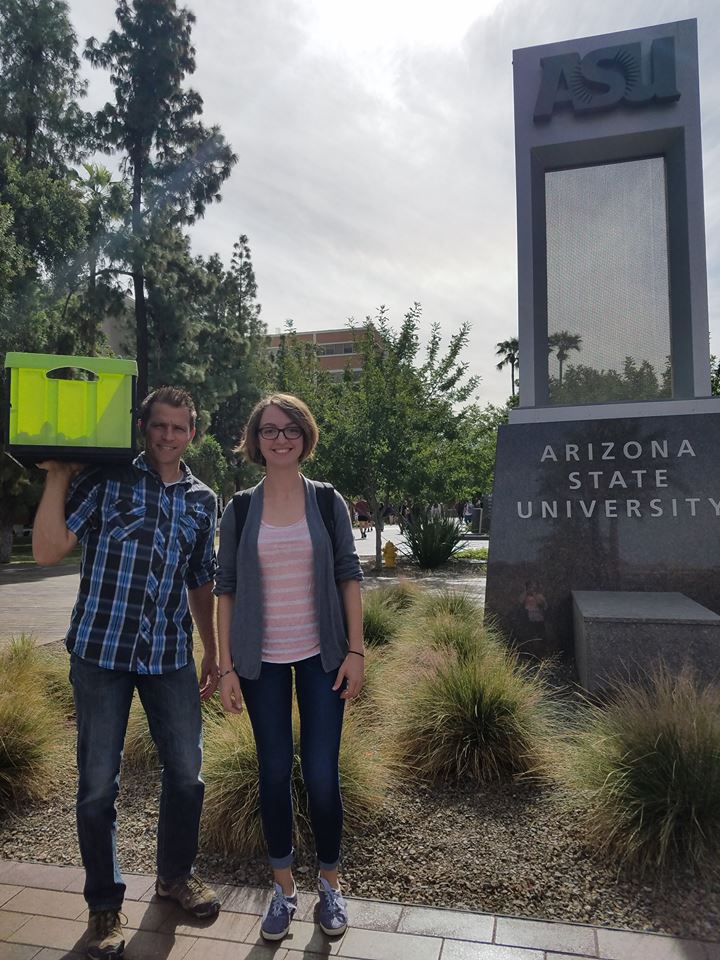
    AgriscapingAtSaU.jpg

    Justin is a natural teacher!

    DIY Agriscaping Mastery Program

    Teaches you all the aspects

    outdoor to indoor

    all the integrations

    microclimates so you can understand how to expand without hoop houses

    integrate the beauty no matter what the sun orientation or shade orientation in your property or forest you can grow food

    Agriscaping Educator Certification

    create these little teaching platforms teach our

    ACES so they can help families

    garden consultant

    economically

    families become productive

    Agriscaping Design certifications

    from people have never done it before but are interested in it or people who have been landscape architects for years, enable them to add a new component and expand their offering

    professional approach

    Agriscaping Contractor Certification

    licensed contractors that can implement these designs and build these machines

    when designed right is a machine that not only looks amazing but produces revenue for homeowner

    Rate on the expense

    silver

    18c garden and a 24 carat garden

    qualify what kind of productivity

    installed the way we do it, and then maintained the way our

    agriscaping pros

    another certifications

    harvestors

    business model

    We teach a class on 7 ways to garden and get paid

    there’s also a lot of other ways

    How a diy can garden and get paid

    I was a hobbyist that grew and attracted enough income to pay for my hobby

    more and more people kept asking how I did it and what I did?

    It really all started from a hobby that I chose to make a professional hobby

    it’s own industry basically is what’s really pulling out of it.

    What we have built in these programs is a shorter journey, for anyone who wanted to get involved and get started doing this quicker. I started this in 2001

    professional hobby side

    built it to what it is today

    this is a great year to get involved

    we developed the hub systems

    scalable to be

    no matter because of the tech we have brought to it!

    One of the upsides is you are not doing this on your own land so that would be a barrier that a lot of people have is not owning their own property. I think it’s also good timing, you’re finally hearing people talking about climate change on the news and millennials are getting older and they seem to be interested.

    Tell us about something that grew well this year.

    definitely have a garden 1/4 property

    strict HOA driven subdivision

    Even in my 1/4 acre I have 72 fruit trees growing in the garden backyard

    square

    grass the kids grow well in grass, better then in the garden. I have a bad mitten net

    useful to the function of my home

    trampoline subterranean garden

    Tomatoes.jpg

    shade loving edibles a lot of fun loving vegetables

    one of my favorite things

    Jamaican hibiscus

    It grew amazing! It loves the heat! It produces! A wonderful don’t even remember what we call the

    roselle

    We don’t eat the flower, let it turn into a roselle that is encasing the seed pod and the outer part

    The kids call it the healthy sour patch kids

    petals are sour

    almost lemony sour

    same thing they make red zinger tea with

    hibiscus lemonade, you can make a lemonade about of that without any lemon at all.

    roselle petals

    that

    they grow amazing the restaurants loved them!

    They integrated them into a number of different drinks

    It’s a sour leaf which makes it a fun add to a salad!

    triple crown type plant

    roselle fruit

    leaves you can eat

    the stalk is a good fiber just as good as jute

    You can use for rope, we used the stalks to make our twine that we wrap our veg in at the markets

    recycling

    quadruple crown of a plant we are able to grow this year!

    Wow awesome! Lots of great information there? Does that grow in other places like Florida, and Texas?

    it can grow pretty much anywhere you have a good amount of warmth...


    Creating a Greener Planet | The 2019 Organic Gardener Podcast Challenge Mar 11, 2019
    Show notes

    I feel like I haven’t explained exactly what is the big difference between the Free Garden Course itself and the 2019 Challenge that is worth $37.00?

    So the Challenge will officially start Monday, I want to give Progressive Radio Network listeners one more time to explain exactly what the challenge is enough.

    And really there is not that much! EXCEPT when you complete the 2019 OGP Challenge

    One if you live in the United States and you sign up for the challenge and you are one of the first 25 people, you will get a hard copy of the book and a hard copy of the garden journal delivered to you!

    Free Organic Garden Course the Workbook

    When Mike reads it I know it’s good!

    And it keeps the checklists all together.

    Remember you can get the 2018 Garden Journal and Data Keeper to record your garden goals in ourhttps://amzn.to/2lLAOyo

    You can download the first 30 days here while you’re waiting for it to come in the mail.

    52748961_1981081602187054_1622719531547885568_n

    Free Garden Course Workbook

    MyGardenJournal

    Garden Journal

    And the bonus journal will allow you to write in all year!

    First I will make a case for learning something with an instructor versus studying on your own. When I learned to play the guitar, my growth accelerated at a rapid pace when I started to take lessons overnight compared to the first couple of years I just tried to figure it out on my own. When you want to learn a foreign language, a new fitness regime or yoga, it’s often beneficial to do it with a teacher in a class.

    I know there are some listeners who would benefit from this awesome opportunity. And bonus you get access to both me and Mike!

    So I modeled the class after a grad school class I took online and what I loved about that was reading the other people’s papers and having to comment on each other’s work and I feel like that helped me more then anything so getting to be in the private Facebook group with other students enables you to learn from others.

    That way you wouldn’t have to listen to maybe all 12 lessons. Learning in a more academic environment. Granted I recorded the videos, I put some extra pictures in, I will have some extra recordings, as we move into March and April we will get some things growing here that I will share. You can watch the videos, read the content on the website and download the checklists. I feel like it’s a lot of content to get through.

    Everyone will be growing an herb. I share my pictures of herbs. At least a plant but I feel like every organic oasis should have herbs in the landscape. I really feel this passionately. They are so good for the environment even if you don’t eat them!

    Part of it is making sure you feel confident you will build your own organic oasis this season. Get it started and has all the essential components.

    My listeners say they struggle with time and design. And they want to know how to get more vegetables from their beds and the time and space and energy they put into it and how to bring in more pollinators? Bugs and pests are questions a lot of people ask me a lot.

    And a lot of my guests talk a lot about having a healthy ecosystem, developing an entire oasis there! You’re flowers are there to bring in pollinators, they will bring diversity to your yard. I think there are

    I use the Search bar at Organic Gardener Podcast a lot. If I get a question I go there first if I remember a guest talking about it and then I research other sites. Or I’ll ask in the Facebook group. Tying that information in. Amazon gives me a little discount for some promotional books. So I can send a few out to the U.S.

    The other thing we are going to do for Progressive Radio Network listeners and Green Future Growers is we’re going to garden with a friend. If you want to bring a friend! We will give you two log ins to the Private Secret Facebook Group. And you will each get a certificate. (Only one hardcopy of the workbook will be sent but both members get a digital pdf copy.

    One of these things I saw the other day was gardening with a friend. So two people would get in! I know Carolyn is going to bring a friend I think and if you already joined you can also bring a friend! You will get an email from me.

    The syllabus includes additional reading and podcasts to listen to so you will go more in depth learning about soil health and pollinators.

    Mike keeps asking me, if it’s a free course how come it’s a $37.00 challenge? I think it’s like the Green Smoothie Girls who did a 30 days challenge for $47.00? So it’s a lot of material to cover and if the challenge is a good fit for you and you want to get a certificate that shows you completed this informative course.

    Join the challenge here

    2019 Organic Gardener Podcast Challenge.key.jpg

    Free Garden Course.com

    FreeOrganicGardenCourseCVR2.jpg

    Free Organic Garden Course

    Organic Gardening Podcast Group

    We’d love if you’d join Organic Gardener Podcast Facebook Community!

    If you like what you heard on the Organic Gardener Podcast we’d love it if you’d give us review and hopefully a 5 star rating on iTunes so other gardeners can find us and listen to. Just click on the link here.


    This podcast uses the following third-party services for analysis:
    Spotify Ad Analytics - https://www.spotify.com/us/legal/ad-analytics-privacy-policy/

    281. Organic Lawn Care | Hippie Fertilizing | Arthur Olson Jr. | League City, TX Mar 06, 2019
    Show notes

    Get Hippie Certified!

    Welcome to the Organic Gardener Podcast today it is Thursday, February 28, 2019. I’m so excited to talk to my guest from Texas because I’ve been looking for someone to talk to us about Organic Lawn Care! So from Hippie Fertilizing here is AJ Olson!

    What would you like to know, actually how you found me was you shared a micro prairie article that I had had shared on my Hippie Fertilizing Facebook Page. So you posted something and I shared it and you liked it and I sometimes look at who like’s my posts so I can figure out what people like and look for more things like that to help them.

    Hippie Fertilizing Natural Organic Lawn Care

    I’m a H town baby

    Im 31, I grew up here Houston in between here and Galveston

    I’ve been in lawn care and tree service. I thought how can I learn something and grow as I learn?

    Lawn-care seemed to be something that would keep me moving, because I hate to sit still. It’s been really successful over the years. I started out doing what we know and often that’s what we see on TV on commercials or what friends tell us.

    I found out the hard way that doesn’t work very well! Put down some weed and feed, burn some lawns, spray some weed killer, get very sick! No that doesn’t look like a good idea anymore! I’m gonna get older one day I don’t want to kill myself to make a living.

    Hippie Fertilizing Natural Organic Lawn Care

    That’s where I found out about organics and every since I did it’s been such a wonderful thing!

    Not only a great way for me to have a business where I can do something positive.

    Also it’s been a fun amazing way to educate others on the

    • importance of our environment
    • how we effect ecology
    • supporting soil biology is the best way to go!
    • It’s the most environmentally supportive and supports our own health!

    That’s good to hear because the number one question I got last summer was How do I take care of my organic lawn? Do you want to give some tips for how do we build soil health in our lawn?

    Can I say what the biggest question I got last summer was?

    How do I kill the weeds?

    That’s always the top questions

    Yeah they say the same thing to me? What do I go buy?

    And heres what you do. A lot of people don’t like my answer in the beginning because it’s an education process.

    • Why is it a weed?
    • Why do you want to kill it?

    You know most of the weeds have benefits to the soil, so they’re not really weeds you just see so many silly commercials from those big companies out there that want you to buy their stuff and it’s not worth it!

    alright?

    How do you take care of an organic lawn?

    You sit back and relax and let it grow!

    A good way to start this, because I know there are lots of people who are like I have to do something?!

    Go to the store and and get some organic molasses!

    Molasses has

    • iron

    • calcium

    • magnesium

    • potassium

    • B vitamins

    • lots of sugar that feeds the soil microbes


    I know people are like I need to jump on this and do something so grab some molasses and sweeten up the day.

    You know what’s awesome about that, I put a tiny shot of molasses in my coffee each day and I put that on my plants at the end of the day I wonder if that helps them grow?

    Well the molasses, and the coffee, coffee has a very low consistent rate of nitrogen. If you have

    • roses
    • azaleas
    • other acidic types of plants.

    I actually put it in my basil, lettuce, whatever is in my window. I love that idea! Go get some molasses, like a cup of molasses and a gallon of water.

    8 oz of molasses?

    I have a tank, so typically I’m putting a quart, which is 32 oz reservoir

    A gallon is 128 oz. So I use about a quart (1/4 of a gallon) of molasses for about 50 gallons of water. So for home gardeners usually has a 32 oz reservoir I recommend 8 oz of molasses

    Organic Lawn Care Natural Spray

    Spray it on anything to your hearts content, it won’t hurt anything it will just make your plants and grass greener!

    This is so fantastic! I am so glad I talked to you! So what else do you tell people for their soil health?

    I follow a couple of Rules for Organic Lawn Care

    #1 if I can’t touch it with my own hands I don’t use it!

    If you think your following an organic program

    Let’s say your using a pre-emergent,

    read that package

    if it says you can’t touch it with your bare skin maybe you should wonder why you are using it at all?

    • We walk on our lawns, we have pets
    • They have smaller kidneys etc
    • Pets can’t handle stuff the way we can, they can be 5 times more affected by it!
    • “No it’s not that bad!” someone will say
    • You need to wait 24 hours before you go on the lawn, ok pup?!

    yellow flags

    I know I hate those little flags that say don’t walk here!

    little yellow flagsmore yellow flags

    Besides pets, where do babies crawl in the summer. Exactly!

    I remember before I started Hippie Fertilizing I had a lawn maintenance company

    I had a customer

    using organic products on her lawn, she was like look AJ it’s looking a lot better but how do I kill these weeds.

    I said, let me ask you why do you want

    My little one year old is learning to walk, I want her to walk on these weeds in her bare feet.

    I said, hold on, let me explain this to you and ask you some questions?

    So you want your little baby girl with her little baby feet on the lawn you want me to poison because of the weeds?

    I heard her pause for a moment

    I could hear in her voice it clicked, Oh, I get it!

    Your little baby girl is more important than what you feed weeds are.

    So for me it’s about sharing that message so

    feed soil first

    relax guys

    I hear it all the time, AJ, my lawn is killing me! No, it’s not.

    You’re really funny and that’s a super powerful story about the baby and her mom.

    So, to go on to how to feed soil biology

    what i’ve learned and experienced

    humic acid it’s amazing

    If you heard good stuff it’s true

    If you heard bad stuff they weren’t using it right or enough. to spray on everything with the molasses

    What’s humic acid?

    it’s a by product or it’s a product typically from what’s called Leonardite ore

    • chelates minerals
    • opens up clay
    • neutralizes toxins
    • benefits in the soil are such a long laundry list

    I couldn’t explain it all in a little talk, I’d have to go back and make a whole script

    serious stuff

    It’s good for

    • trees
    • roots
    • feeding microbes
    • boost fungal activity in soil

    people get freaked out!

    bacteria

    fungus

    nasty

    we see 3-4 types that are bad

    100s that are good

    before you get rid of the bad stuff ask yourself are you even working on feeding the good stuff?

    humic acid is great!

    plant based amino acids!

    • alfalfa meal
    • cottonseed meal

    Not a big fan of soy bean or soy fertilizers, they’re ok definitely better then a big brand chemical fertilizer

    Plant based amino acids and they don’t smell like manure based which I’m not against

    AJ you do organic fertilizer so you say you spread crap everywhere?

    Not cause I’m against them but they tend to smell more and customers tend to not like that.

    I know when Mike makes his chicken manure tea, I’m like how can you smell that, it makes me want to gag when he just opens the lid. It smells really strong, give him a lot of kudos.

    poultry litter is great

    it’s a good nitrogen source, when it’s diluted well because high nitrogen can burn things a little.

    it’s excellent

    more of a true slow release

    here a lot about that

    I used a slow release fertilizer

    Was it really? I never heard of a slow release red bull, from what I’ve learned, there’s not really a quality slow release chemical fertilizer

    Organics

    They’re all slow release because they have to be utilized and eaten up by bacteria

    I haven’t heard of any of that stuff, slow release, but I’m not in the lawn care business. This is fascinating ot hear all of this, I think most people don’t even pay attention to what their landscaper does.

    Organic goes back to you only do what you know. It’s important to get the right info out there.

    If you did a google search right now, you could look up

    how to treat brown patch.

    That’s a common one.

    It’s all over my mom’s town, they kept telling me it was crab grass, and I kept telling my mom, you should take your soil over to the extension office and you should plant clover in our lawn. Cause the other thing all over her town is this bindweed vine all over.

    I’m not a super plant expert, It may be invasive

    I’m just starting to learn about

    • native plants
    • prairies and wetland

    get more knowledge

    emphasize hey

    pointing at your neighbor

    environmental green space and how we’re impacting our community.

    Check this out I want to give you some numbers.

    on 4000 square feet of turf do you know what the average rainfall is?

    I have no idea?

    1” per week

    Is that average? That sounds like a lot.

    Its’ been wet.

    We’ve had snow all February! I remember months where Mike was like I want to go out an turn the beds and it’s just been cold and snowy all month!

    For 4000 sq feet 1 inch per week that equals up to almost 10,000 gallons

    It’s 9920 gallons in one month

    I know all about water that way because we hauled water for years. We had a 1200 gallon water truck!

    let’s take another look at our lawn for the 4000 sq foot, if we can absorb if we can 8” in a single day, that’s over 27,000 gallons on that same turf

    Here in Houston we’ve had lots of flooding.

    I’m sure you heard of Hurricane Harvey

    It flooded a lot of stuff! I continue to bring it up and mention it in a lot of my articles It was a huge impact.

    It devastated a lot of people. Quickly people forget the tragedies that happened but I don’t forget because I work in this stuff.

    People say well it has’t rained for 3 weeks we’re going for a drought. Then when we get rain, I say don’t worry we’re gonna get 6 weeks of a drought it’s gonna dry up

    passion and love for soil biology is how much it can take a load off of our infrastructure and our sewer and drainage if if we could absorb 27,000 gallons of water! That would reduce so much of our flooding.

    I interviewed Anastasia from the Brooklyn Grange and they were able to start because they got like a $200,000 infrastructure grant. But I’m confused how do you absorb all that rain in a single day? It seems like a huge amount? Do you get that...


    Raw Bonus episode with about Organic Lawn Care | Hippie Fertilizing | Arthur Olson Jr. | League City, Texas Mar 02, 2019
    Show notes

    I start out with the formal Arthur but by the end of this interview with this rockstar millennial you’ll be referring to him as your good friend AJ too because he speaks for the earth and is just one of the most awesome stewards of our planet out there plus he’s just a natural action taker and educator!

    He said post it raw and I know you’ll love it, if you want to see my shownotes just go here

    otherwise you’ll just have to listen to to here him share all these golden seeds every neighborhood should know.

    And don’t forget to sign up for:

    Creating Your Own Organic Oasis and FREE Garden Course Webinar

    I also want to invite you to our next webinar either Sunday, March 3, 2019 or Tuesday March 5, 2019. I am giving an ONLINE Webinar about Creating Your Own Organic Oasis and how FREE Garden Course can help you develop your own organic oasis.

    And you can also learn is the 2019 Organic Gardener Podcast Challenge for you. Sorry I forgot to mention the other day it had a $37.00 fee. It’s certainly not for everyone but I think there are a lot of my listeners who want some guided instruction and a cohort to learn along with. There are extra assignments to post in a Secret Private Facebook Group where we will go through the course over 6 weeks and if you get all the work completed you will graduate on Earth Day 2019 with a certificate signed by me!

    So I hope you’ll join us. Thanks always for listening and reading!

    To learn about the 2019 Organic Gardener Podcast Challenge click here!

    We’re giving away 25 free workbooks to the first 25 listeners who sign up for the $37.00 challenge to finish all of Free Garden Course, pass a midterm and final by Earth Day 2019, April 22nd!

    If you just want to purchase the books on your own you can order them direct from amazon here!

    52748961_1981081602187054_1622719531547885568_n

    Free Garden Course Workbook

    MyGardenJournal

    Garden Journal

    52703788_1982960291998092_5002047731875708928_n

    I know it’s good when Mike’s reading it!


    This podcast uses the following third-party services for analysis:
    Spotify Ad Analytics - https://www.spotify.com/us/legal/ad-analytics-privacy-policy/

    Previous 1 26 27 28 29 30 Next

    Related Podcasts

    The Fine Homebuilding Podcast – Fine Homebuilding Magazine

    1

    The Fine Homebuilding Podcast – Fine Homebuilding Magazine Education
    The Money Pit Home Improvement Podcast

    2

    The Money Pit Home Improvement Podcast Education
    Gardenerd Tip of the Week

    3

    Gardenerd Tip of the Week Games & Hobbies
    Encyclopedia Botanica

    4

    Encyclopedia Botanica Arts
    kiwimana Buzz Beekeeping Show – A Beekeeping Podcast/Show

    5

    kiwimana Buzz Beekeeping Show – A Beekeeping Podcast/Show Games & Hobbies
    Small Farm Nation

    6

    Small Farm Nation Education
    footer-logo

    Contact Us

    Toll Free: 844-670-7747

    Links

    • Home
    • Top Charts
    • Networks
    • Apps
    • Independents Podcasts
    • Podcast Advertising
    • Podcast News
    • Contact Us
    • About Us
    • Analytics & Insights

    Stay Connected

      Privacy, Terms of Use & Our Code of Ethics Protecting Content Creators Copyrights