TopPodcast.com
Menu
  • Home
  • Top Charts
  • Top Networks
  • Top Apps
  • Top Independents
  • Top Podfluencers
  • Top Picks
    • Top Business Podcasts
    • Top True Crime Podcasts
    • Top Finance Podcasts
    • Top Comedy Podcasts
    • Top Music Podcasts
    • Top Womens Podcasts
    • Top Kids Podcasts
    • Top Sports Podcasts
    • Top News Podcasts
    • Top Tech Podcasts
    • Top Crypto Podcasts
    • Top Entrepreneurial Podcasts
    • Top Fantasy Sports Podcasts
    • Top Political Podcasts
    • Top Science Podcasts
    • Top Self Help Podcasts
    • Top Sports Betting Podcasts
    • Top Stocks Podcasts
  • Podcast News
  • About Us
  • Podcast Advertising
  • Contact
Not in our directory?
Add Show Here
Podcast Equipment
Center

toppodcastlogoOur TOPPODCAST Picks

  • Comedy
  • Crypto
  • Sports
  • News
  • Politics
  • True Crime
  • Business
  • Finance

Follow Us

toppodcastlogoStay Connected

    View Top 200 Chart
    Back to Rankings Page
    Government & Organizations

    Core EM – Emergency Medicine Podcast

    Core EM Emergency Medicine Podcast

    Advertise

    Copyright: © Core EM

    • Apple Podcasts
    • Google Play
    • Spotify

    Latest Episodes:
    Episode 187: Septic Joint in Children Aug 01, 2023
    Show notes

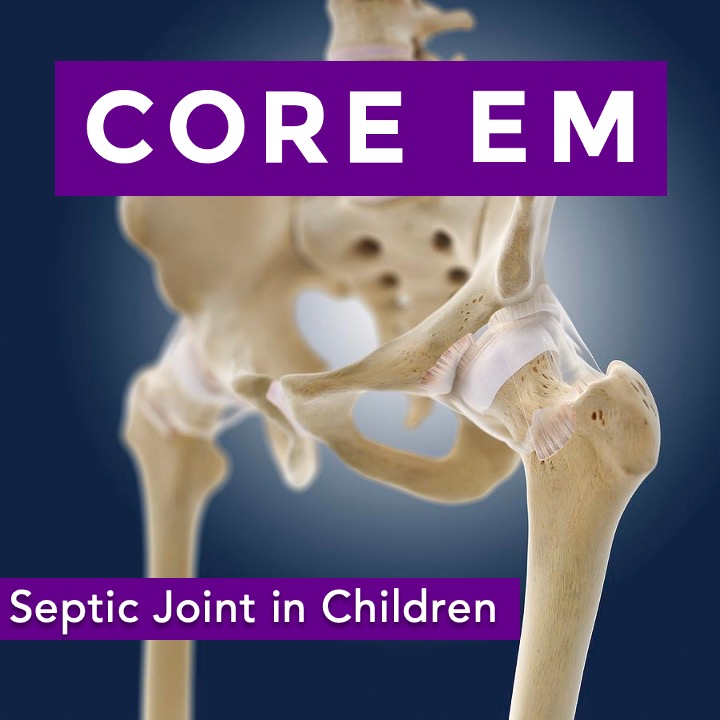
    We discuss the diagnosis and management of septic arthritis in the pediatric population.

    Hosts:
    Brian Gilberti, MD
    Ellen Duncan, MD

    https://media.blubrry.com/coreem/content.blubrry.com/coreem/Septic_Joint_in_Children.mp3 Download 2 Comments Tags: Infectious Diseases, Pediatrics

    Show Notes

    • General

      • Pain in joint for pediatric patient has a broad differential, including transient synovitis and septic arthritis

      • Transient synovitis, also known as toxic synovitis, is a common condition affecting kids aged 3-10 and often occurs after a viral infection. It is typically self-limiting and not considered a serious condition.

      • Septic arthritis is an infection in the joint space, typically affecting only one joint. It is often difficult to diagnose due to the fact that many patients, particularly under the age of 3, may not be able to localize their pain to a specific joint.

    • Workup

      • Diagnostic work-up for septic arthritis begins with blood work, which includes a complete blood count (CBC), erythrocyte sedimentation rate (ESR), C-reactive protein (CRP), and blood cultures. Lyme disease studies may also be necessary since Lyme disease can cause joint pain.

      • Patients with transient synovitis typically have mild elevation in inflammatory markers, while those with septic arthritis usually show a significant elevation.

      • Imaging studies, including X-rays, ultrasound to evaluate for a joint effusion, and MRI to assess for associated osteomyelitis, are also part of the diagnostic approach.

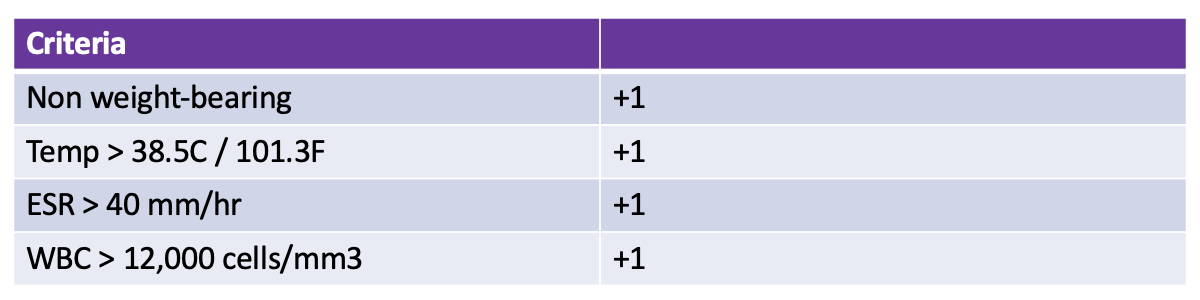
      • The Kocher criteria, developed specifically for septic arthritis of the hip, are a useful tool for clinical decision-making. The criteria include fever above 38.5 C, inability to bear weight, ESR above 40, and a white blood cell count above 12,000.

    1 criterion met = 3% probability of septic arthritis

    2 criteria met = 40% probability of septic arthritis

    3 criteria met = 93% probability of septic arthritis

    4 criteria met = 99+% probability of septic arthritis

    • If septic arthritis is suspected, orthopedics should be consulted immediately. Joint fluid aspiration is necessary for diagnosis and should not be delayed. The fluid should be sent for cell count, gram stain, glucose, culture, and PCR if available.

    • Septic arthritis is most commonly caused by bacterial infections, with Staph aureus being the most common organism. In school-age children, other bacteria such as Strep pyogenes, Strep pneumoniae, and Haemophilus influenzae should also be considered. In preschool-aged children, K. kingae is also considered. In older children and neonates, the range of potential bacteria varies.

    • Management

      • Empiric antibiotic therapy should target the most likely organisms and should not be delayed. Antibiotics may be narrowed once culture results are obtained.

      • The choice of antibiotics is dependent on the age group, with specific combinations suggested for neonates, children between 1 month and 4 years, and children aged 5 and older.

      • Cultures are only positive in 50-60% of cases. Synovial fluid PCR studies can help narrow antibiotic treatment.

    • Take Home Points

      • Limp in the pediatric population can commonly be transient synovitis but we should always consider septic arthritis

      • Some clues in the history and physical that would point you towards septic arthritis include fever, refusal to bear weight, and limited range of motion on exam

      • We are going to have to get labs, including CBC, inflammatory markers, and preoperative labs, along with an XR and possibly an ultrasound

      • Kocher criteria is one tool that can help us determine if this is a patient that requires a joint tap.

      • Arthrocentesis is the gold standard for diagnosis, but antibiotics should be started promptly if the diagnosis is suspected.

      • The choice of antibiotics is dependent upon age group.

        • Neonates get vanc/cefepime, kids 1-4 yo get vanc / ceftriaxone

        • Older than 5 yo get vancomycin

          • Add ceftriaxone to them if patient has sickle cell disease, are immunocompromised, or Lyme or STI are suspected

      • Always cross check with institutional preferences / guidelines when choosing antibiotics


    Read More

    Podcast 186.0: Hypocalcemia Apr 29, 2022
    Show notes

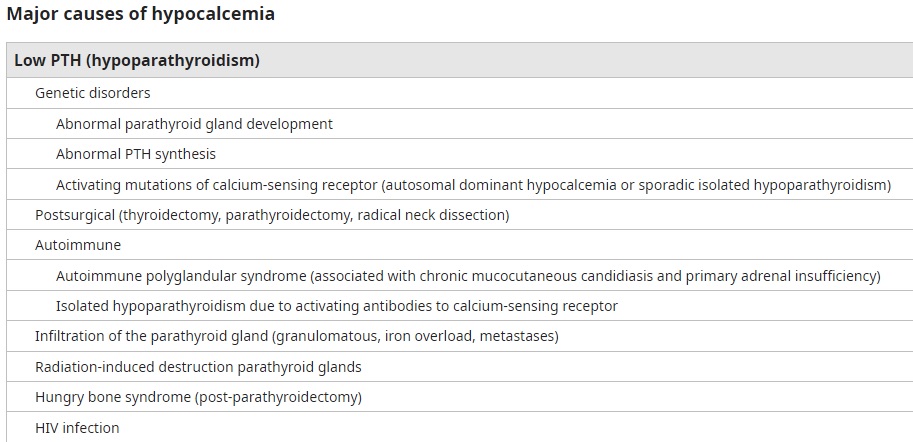
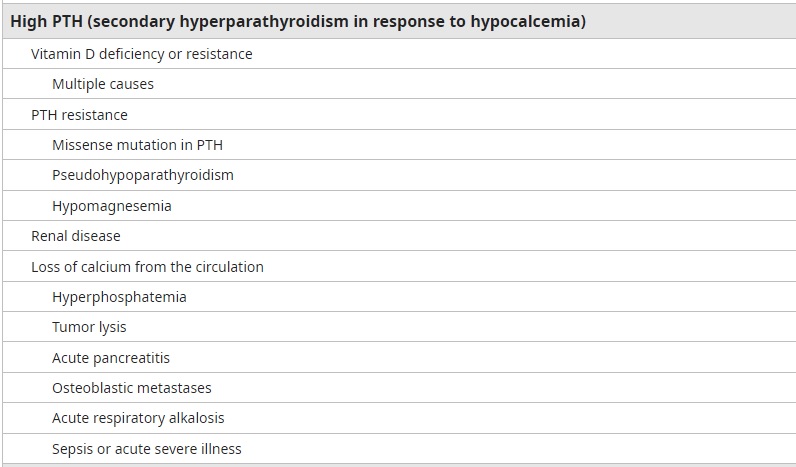
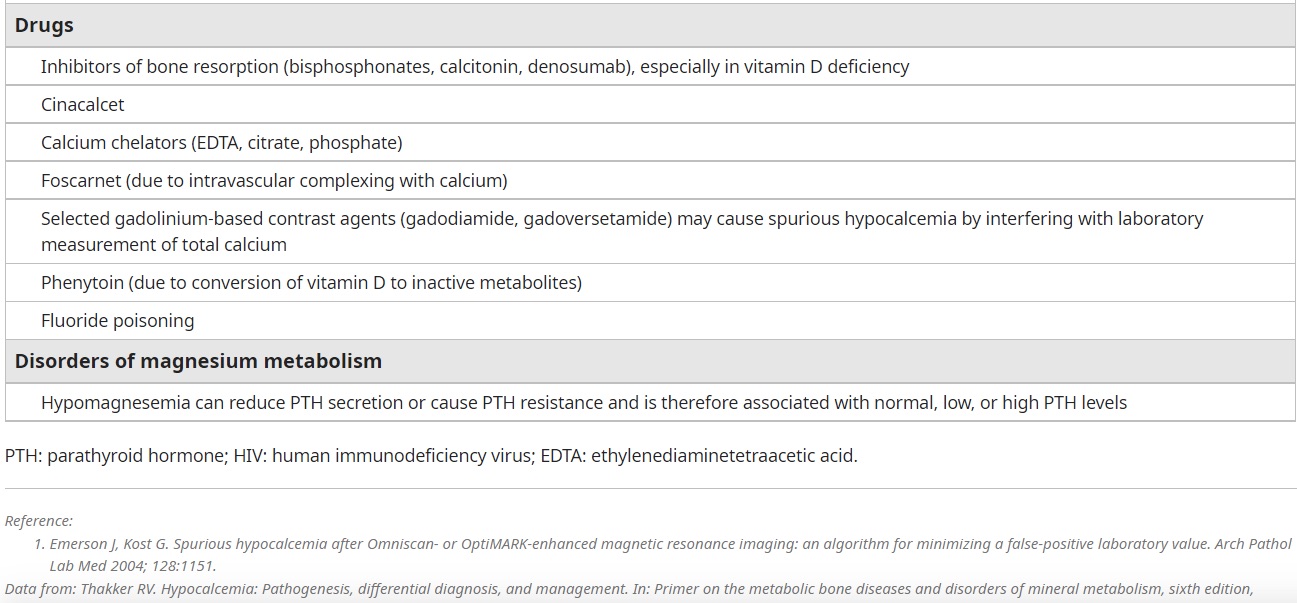
    A quick primer on hypocalcemia in the ED.

    Hosts:
    Joseph Offenbacher, MD
    Audrey Bree Tse, MD

    https://media.blubrry.com/coreem/content.blubrry.com/coreem/hypocalcemia.mp3 Download 4 Comments Tags: calcium, Critical Care, Endocrine

    Show Notes

    Swami’s CoreEM Post

    Hypocalcemia Repletion:

    • IV calcium supplementation with 100-300 mg Ca2+ raises serum Ca2+ by 0.5 – 1.5 mEq
    • For acute but mild symptomatic hypocalcemia: 200-1000mg calcium chloride IV or 1-2g IV calcium gluconate over 2 hours
    • For severe hypocalcemia: 1g calcium chloride IV or 1-2g IV calcium gluconate IV over 10 minutes repeated q 60 min until symptoms resolve

    References:

    • Cooper MS, Gittoes NJ. Diagnosis and management of hypocalcaemia. BMJ 2008; 336:1298.
    • ​​Desai TK, Carlson RW, Geheb MA. Prevalence and clinical implications of hypocalcemia in acutely ill patients in a medical intensive care setting. Am J Med 1988; 84:209.
    • Goltzman, D. Diagnostic approach to hypocalcemia. UpToDate. UpToDate; Jul 17, 2020. Accessed April 29, 2022. https://www.uptodate.com/contents/plantar-fasciitis
    • Kelly A, Levine MA. Hypocalcemia in the critically ill patient. J Intensive Care Med 2013; 28:166.
    • Pfenning CL, Slovis CM: Electrolyte Disorders; in Marx JA, Hockberger RS, Walls RM, et al (eds): Rosen’s Emergency Medicine: Concepts and Clinical Practice, ed 8. St. Louis, Mosby, Inc., 2014, (Ch) 125: p 1636-53.
    • Swaminathan, A. (2016, January 27). Hypocalcemia. CoreEM. Retrieved April 29, 2022, from https://coreem.net/core/hypocalcemia/
    • Vantour L, Goltzman D. Regulation of calcium homeostasis. In: rimer on the Metabolic Bone Diseases and Disorders of Mineral Metabolism, 9th ed, Bilezikian JP (Ed), Wiley-Blackwell, Hoboken, NJ 2018. p.163.

    Read More

    Podcast 185.0: Anticoagulation Reversal Feb 11, 2022
    Show notes

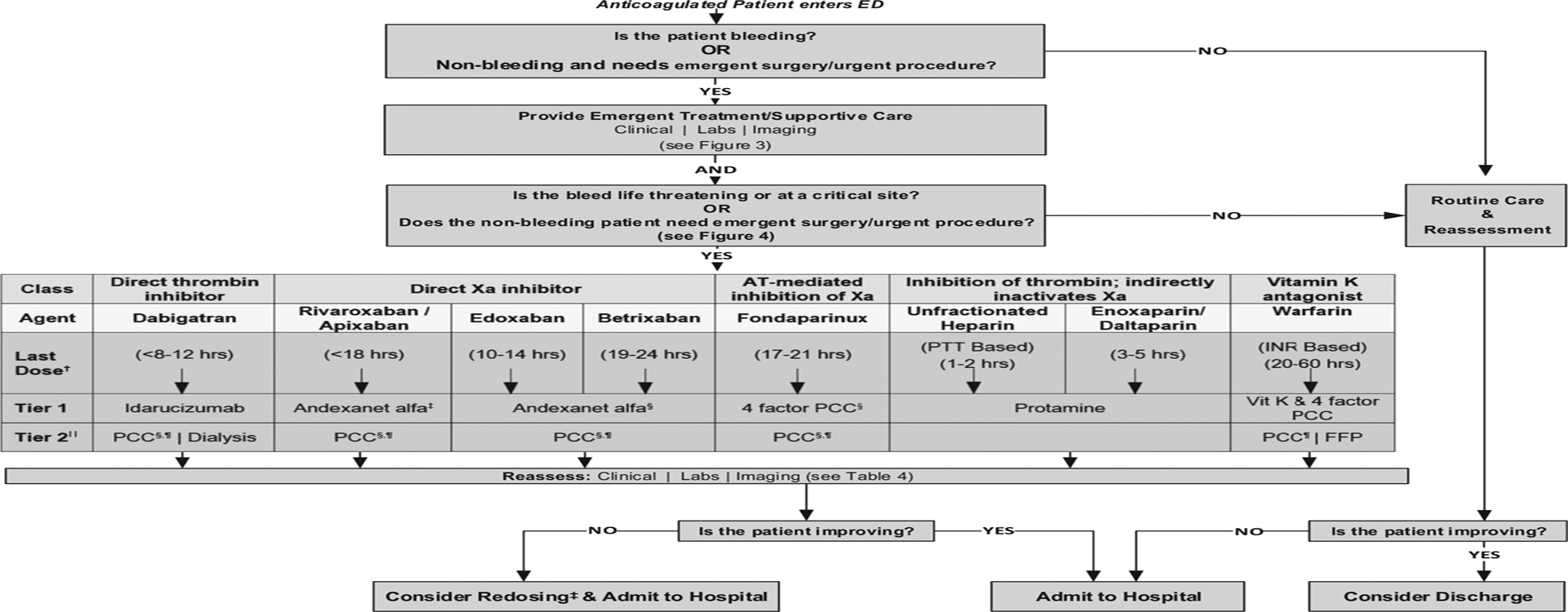
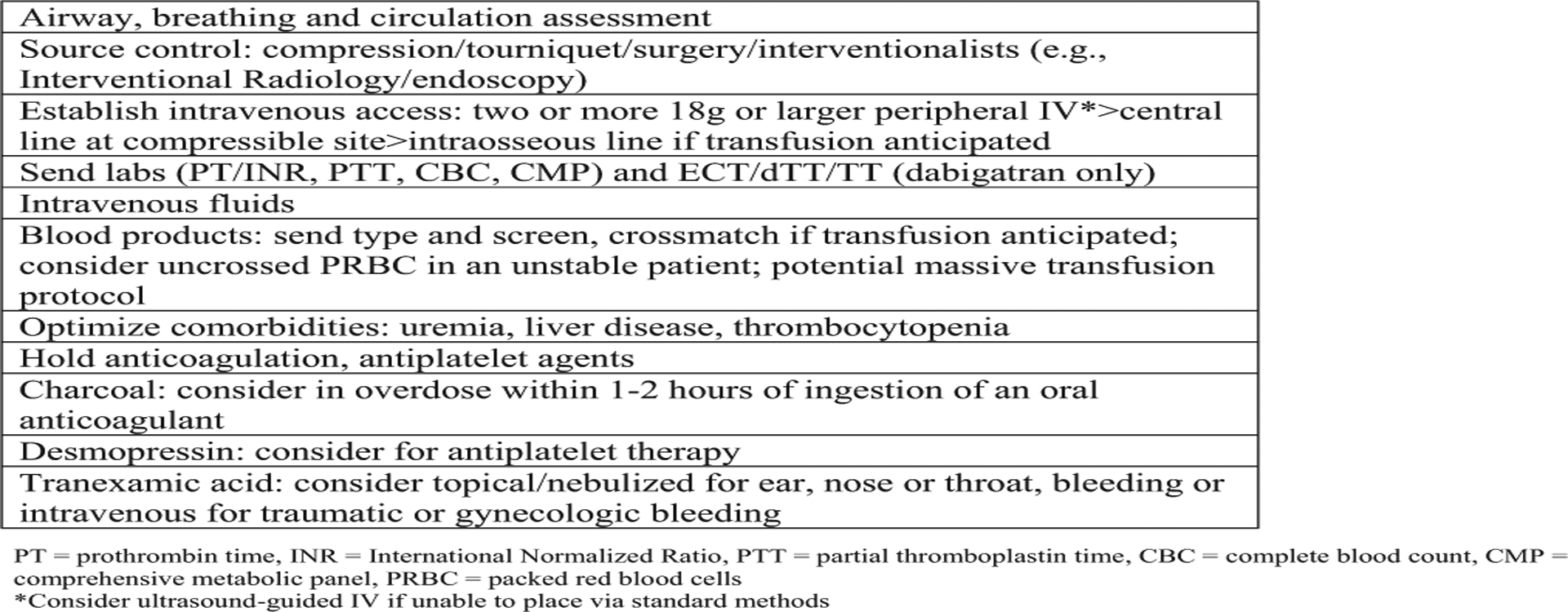
    How and when to reverse anticoagulation in the bleeding EM patient.

    Hosts:
    Joe Offenbacher, MD
    Audrey Bree Tse, MD

    https://media.blubrry.com/coreem/content.blubrry.com/coreem/AC_reversal.mp3 Download 3 Comments Tags: Anticoagulation, Critical Care, Resuscitation

    Show Notes

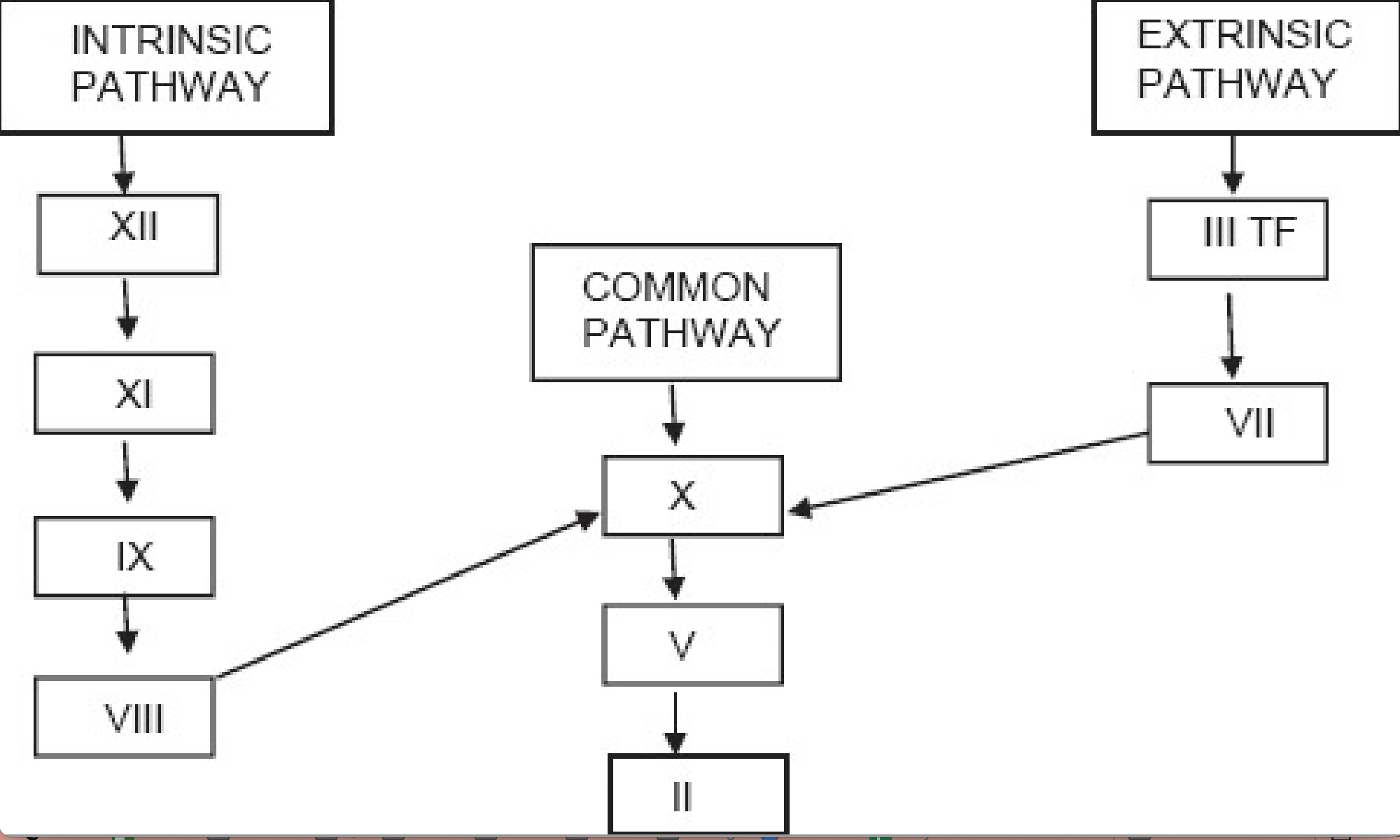
    Coagulation Cascade:

    Algorithm for Anticoagulated Bleeding Patient in the ED:

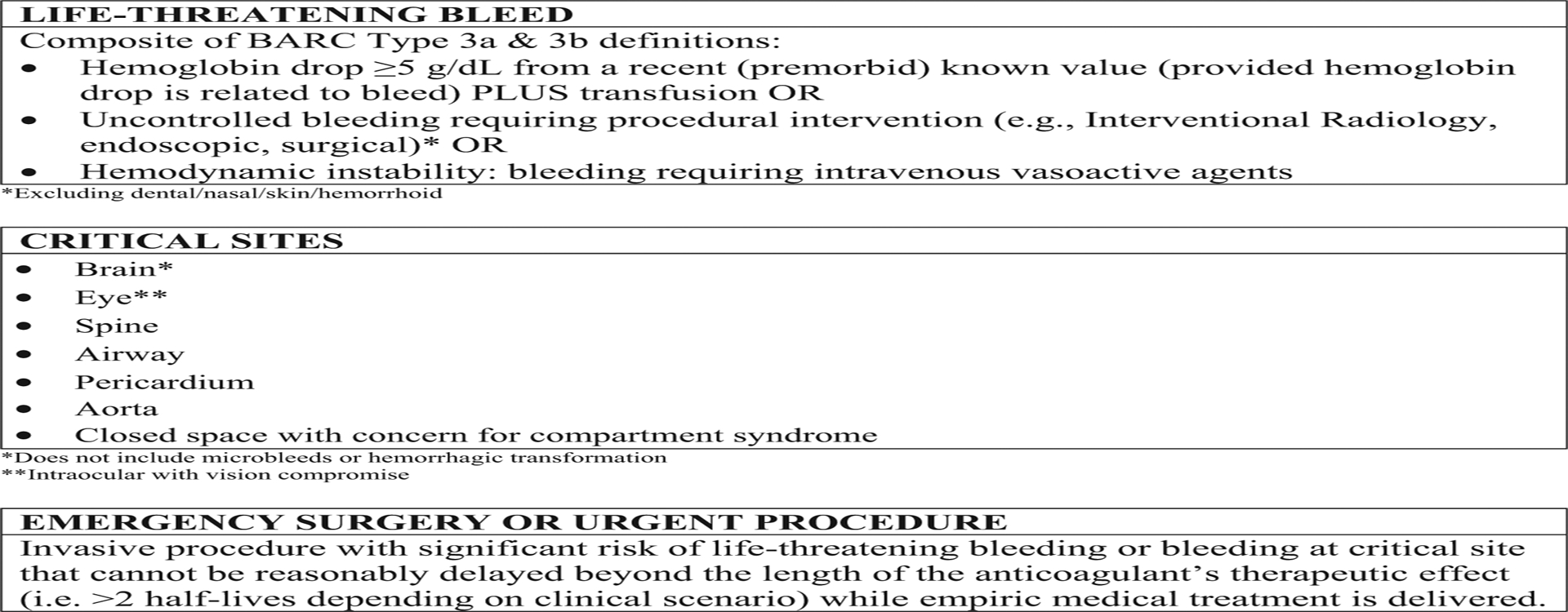
    Indications for Anticoagulation Reversal:

    References:

    1. Baugh CW, Levine M, Cornutt D, et al. Anticoagulant Reversal Strategies in the Emergency Department Setting: Recommendations of a Multidisciplinary Expert Panel. Ann Emerg Med. 2020;76(4):470-485. doi:10.1016/j.annemergmed.2019.09.001
    2. Eikelboom JW, Quinlan DJ, van Ryn J, Weitz JI. Idarucizumab: The Antidote for Reversal of Dabigatran. Circulation. 2015 Dec 22;132(25):2412-22. doi: 10.1161/CIRCULATIONAHA.115.019628. PMID: 26700008.
    3. Fariborz Farsad B, Golpira R, Najafi H, et al. Comparison between Prothrombin Complex Concentrate (PCC) and Fresh Frozen Plasma (FFP) for the Urgent Reversal of Warfarin in Patients with Mechanical Heart Valves in a Tertiary Care Cardiac Center. Iran J Pharm Res. 2015;14(3):877-885.
    4. Fariborz Farsad B, Golpira R, Najafi H, et al. Comparison between Prothrombin Complex Concentrate (PCC) and Fresh Frozen Plasma (FFP) for the Urgent Reversal of Warfarin in Patients with Mechanical Heart Valves in a Tertiary Care Cardiac Center. Iran J Pharm Res. 2015;14(3):877-885.
    5. Palta S, Saroa R, Palta A. Overview of the coagulation system. Indian J Anaesth. 2014;58(5):515-523. doi:10.4103/0019-5049.144643
    6. Siegal DM, Curnutte JT, Connolly SJ, Lu G, Conley PB, Wiens BL, Mathur VS, Castillo J, Bronson MD, Leeds JM, Mar FA, Gold A, Crowther MA. Andexanet Alfa for the Reversal of Factor Xa Inhibitor Activity. N Engl J Med. 2015 Dec 17;373(25):2413-24. doi: 10.1056/NEJMoa1510991. Epub 2015 Nov 11. PMID: 26559317.

    Read More

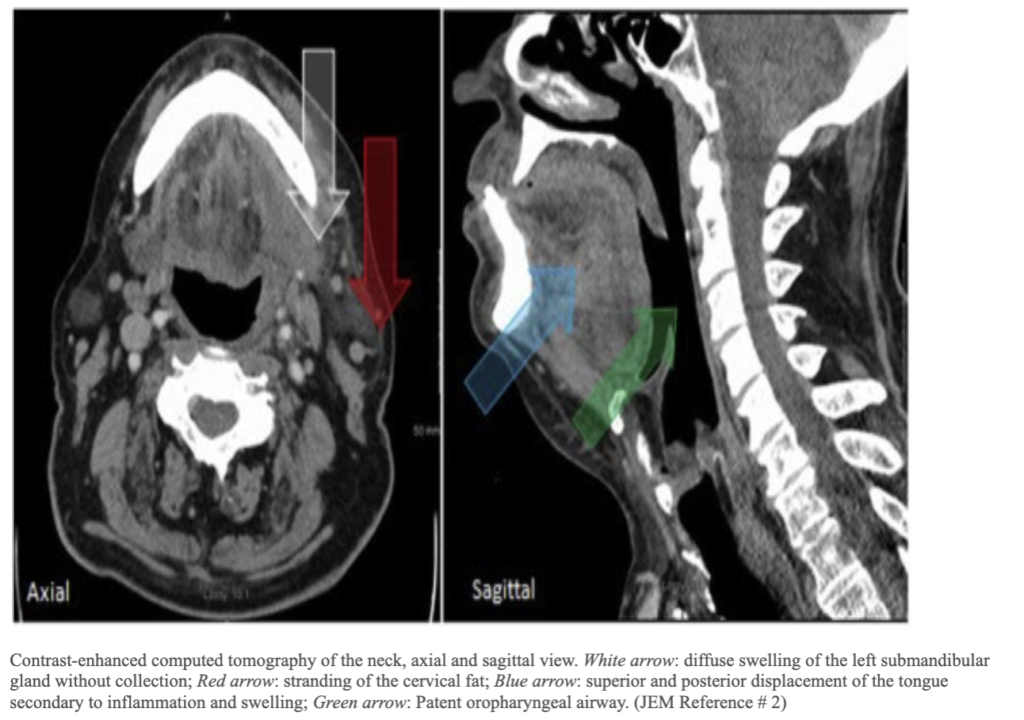
    Episode 184.0 Ludwig’s Angina Dec 09, 2021
    Show notes

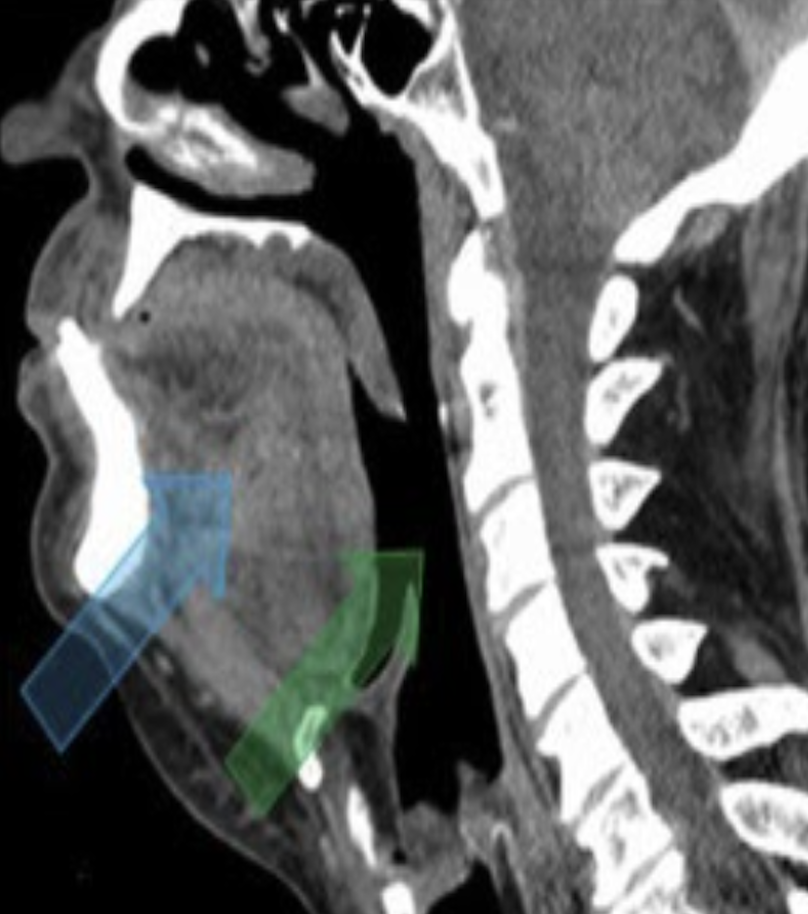
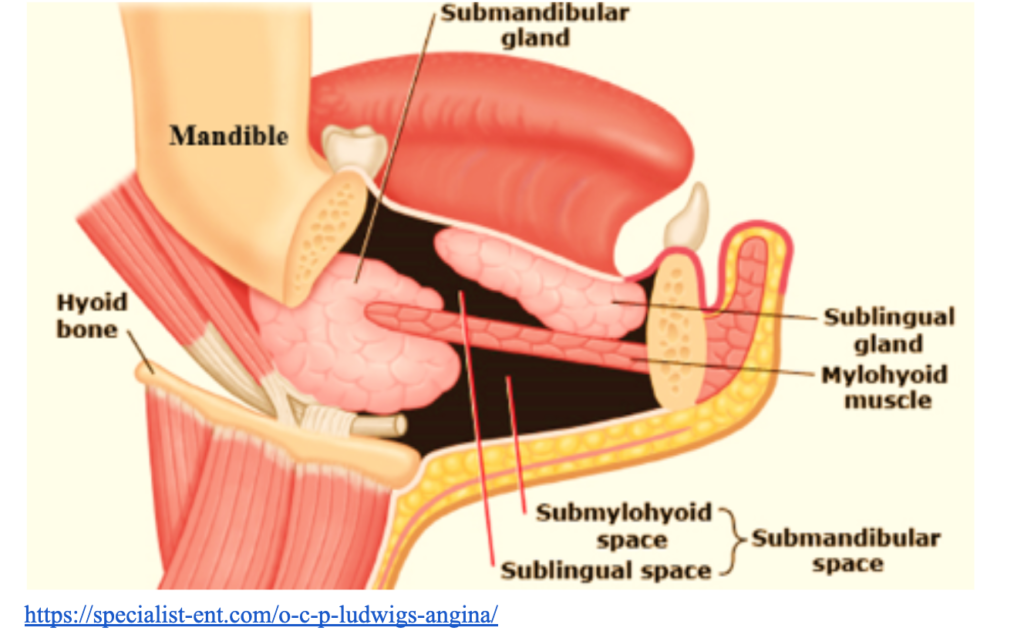
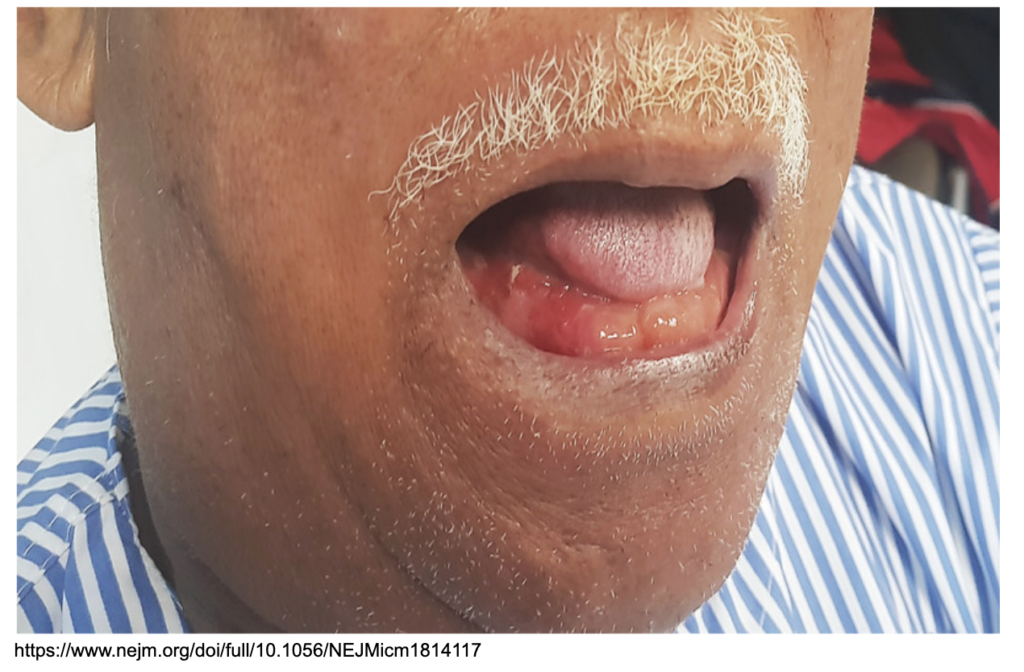
    A primer on this airway/ ID/ ENT emergency.

    Hosts: Joe Offenbacher MD, A Bree Tse, MD

    https://media.blubrry.com/coreem/content.blubrry.com/coreem/ludwigs_2.mp3 Download 2 Comments Tags: Airway, ENT, Infectious Diseases

    Show Notes

    References:

    1. Botha A, Jacobs F, Postma C. Retrospective analysis of etiology and comorbid diseases associated with Ludwig’s Angina. Ann Maxillofac Surg 2015; 5:168.
    2. Boscolo-Rizzo P, Da Mosto MC. Submandibular space infection: a potentially lethal infection. Int J Infect Dis 2009; 13:327.
    3. Brook I. Microbiology and principles of antimicrobial therapy for head and neck infections. Infect Dis Clin North Am. 2007 Jun;21(2):355-91, vi. doi: 10.1016/j.idc.2007.03.014. PMID: 17561074.
    4. Chong W, Hijazi M, Abdalrazig M, Patil N. Respect the Floor of the Mouth. J Emerg Med. 2020 Jul;59(1):e27-e29. doi: 10.1016/j.jemermed.2020.04.015. Epub 2020 May 19. PMID: 32439254.
    5. http://www.emdocs.net/ludwigs-angina-2/
    6. Mohamad I, Narayanan MS. “Double Tongue” Appearance in Ludwig’s Angina. N Engl J Med 2019; 381:163.
    7. Saifeldeen K, Evans R. Ludwig’s angina. Emerg Med J. 2004 Mar;21(2):242-3. doi: 10.1136/emj.2003.012336. PMID: 14988363; PMCID: PMC1726306.
    8. Wolfe MM, Davis JW, Parks SN. Is surgical airway necessary for airway management in deep neck infections and Ludwig angina? J Crit Care. 2011 Feb;26(1):11-4. doi: 10.1016/j.jcrc.2010.02.016. PMID: 20537506.

    Read More

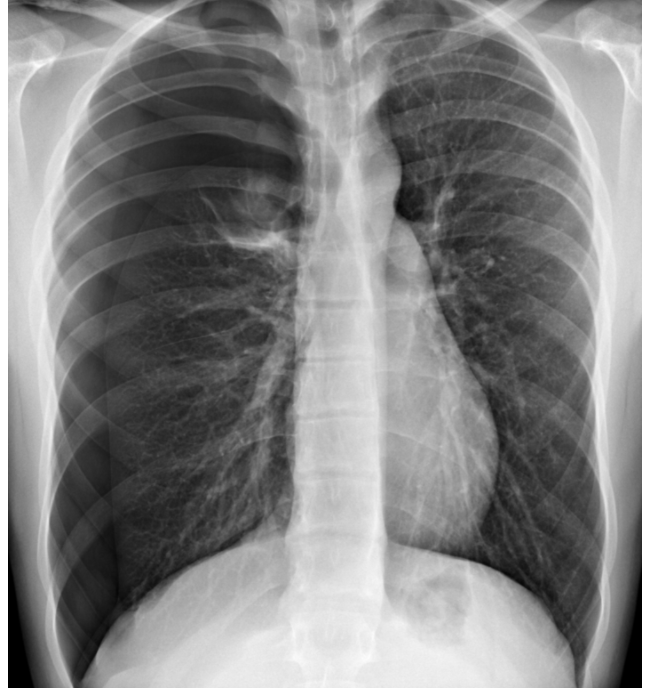
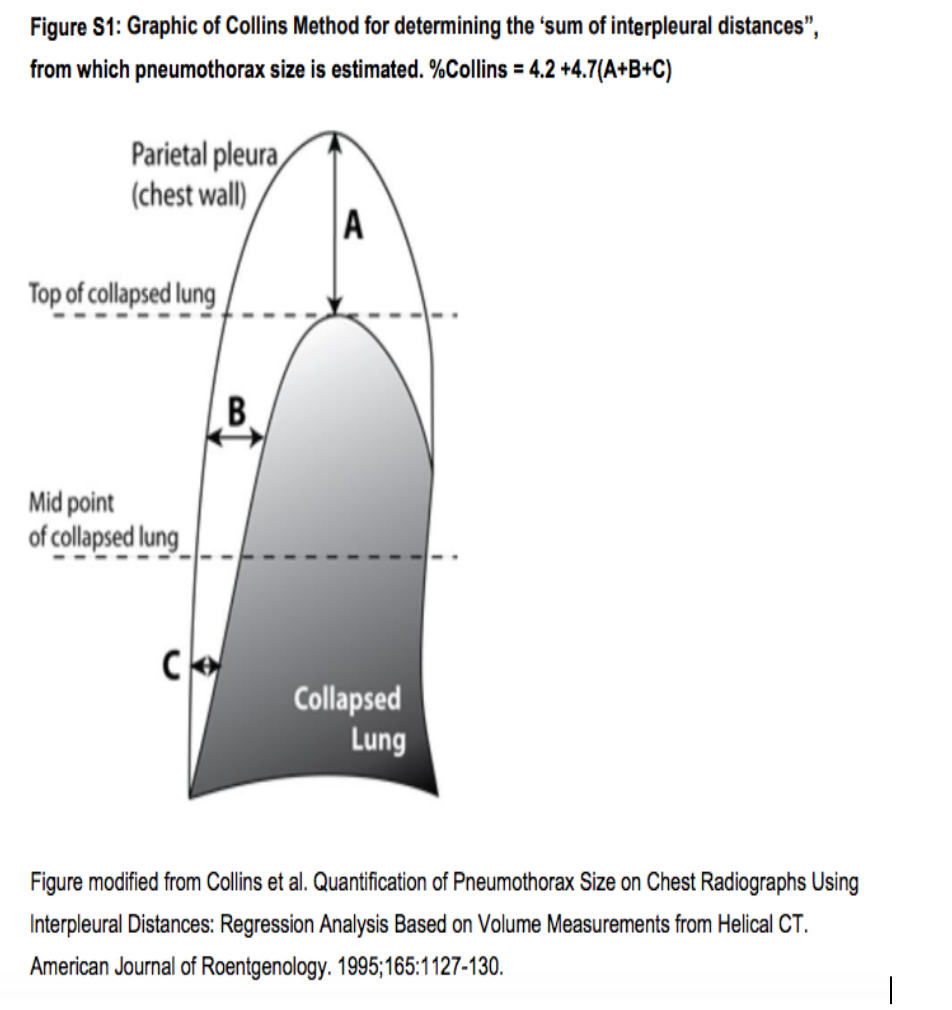
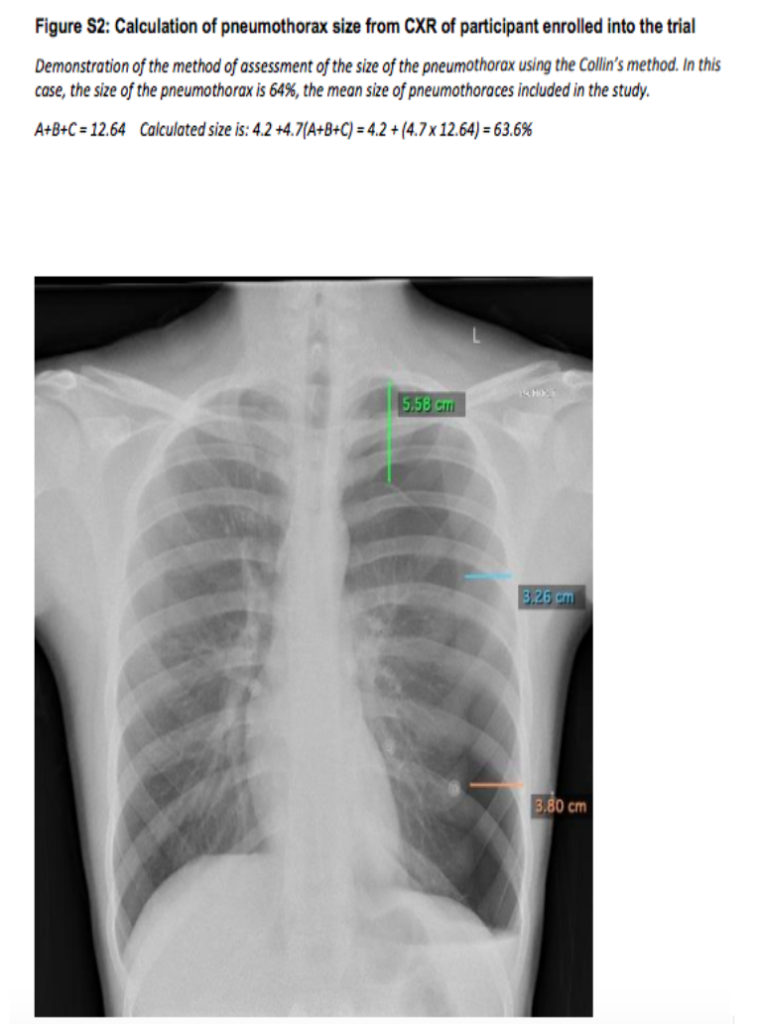
    Episode 183.0 Pneumothorax Oct 29, 2021
    Show notes

    A quick overview of pneumothorax for the EM physician: the what, why, diagnosis, and treatment.
    Hosts:
    Joe Offenbacher, MD
    Audrey Tse, MD

    https://media.blubrry.com/coreem/content.blubrry.com/coreem/Pneumothorax_CoreEM_podcast.mp3 Download One Comment Tags: #pneumothorax #FOAMed

    Show Notes

    Shownotes:

    CoreEM Pulmonary Ultrasound Post

    References:

    Bense L, Lewander R, Eklund G, et al. Nonsmoking, non-alpha 1-antitrypsin deficiency-induced emphysema in nonsmokers with healed spontaneous pneumothorax, identified by computed tomography of the lungs. Chest 1993; 103:433.

    Bense L, Wiman LG, Hedenstierna G. Onset of symptoms in spontaneous pneumothorax: correlations to physical activity. Eur J Respir Dis 1987; 71:181.

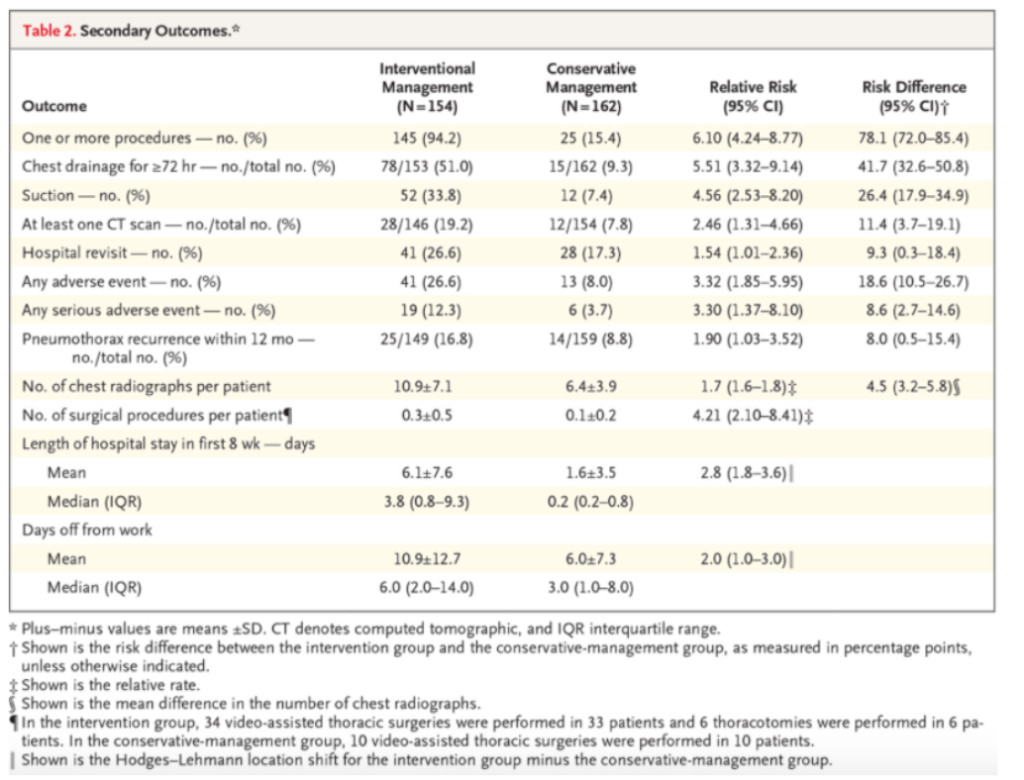
    Brown SGA, Ball EL, Perrin K, Asha SE, Braithwaite I, Egerton-Warburton D, Jones PG, Keijzers G, Kinnear FB, Kwan BCH, Lam KV, Lee YCG, Nowitz M, Read CA, Simpson G, Smith JA, Summers QA, Weatherall M, Beasley R; PSP Investigators. Conservative versus Interventional Treatment for Spontaneous Pneumothorax. N Engl J Med. 2020 Jan 30;382(5):405-415. doi: 10.1056/NEJMoa1910775. PMID: 31995686.

    Chardoli M, Hasan-Ghaliaee T, Akbari H, Rahimi-Movaghar V. Accuracy of chest radiography versus chest computed tomography in hemodynamically stable patients with blunt chest trauma. Chin J Traumatol 2013; 16:351.

    Chan KK, Joo DA, McRae AD, et al. Chest ultrasonography versus supine chest radiography for diagnosis of pneumothorax in trauma patients in the emergency department. Cochrane Database Syst Rev 2020; 7:CD013031.

    Ebrahimi A, Yousefifard M, Mohammad Kazemi H, et al. Diagnostic Accuracy of Chest Ultrasonography versus Chest Radiography for Identification of Pneumothorax: A Systematic Review and Meta-Analysis. Tanaffos 2014; 13:29.

    Gobbel Jr WG, Rhea Jr WG, Nelson IA, Daniel RA. Spontaneous pneumothorax. J Thorac Cardiovasc Surg 1963; 46:331.

    Lesur O, Delorme N, Fromaget JM, et al. Computed tomography in the etiologic assessment of idiopathic spontaneous pneumothorax. Chest 1990; 98:341.

    Lichtenstein DA, Mezière G, Lascols N, et al. Ultrasound diagnosis of occult pneumothorax. Crit Care Med 2005; 33:1231.

    Melton LJ 3rd, Hepper NG, Offord KP. Influence of height on the risk of spontaneous pneumothorax. Mayo Clin Proc 1981; 56:678.

    Ohata M, Suzuki H. Pathogenesis of spontaneous pneumothorax. With special reference to the ultrastructure of emphysematous bullae. Chest 1980; 77:771.

    Sahn SA, Heffner JE. Spontaneous pneumothorax. N Engl J Med 2000; 342:868.


    Read More

    Episode 182.0 – Wellens Sep 01, 2021
    Show notes

    An interesting back story on this must-not-miss EKG finding in the ED!

    Hosts:
    Joseph Offenbacher, MD
    Audrey Bree Tse, MD

    https://media.blubrry.com/coreem/content.blubrry.com/coreem/CoreEM_Wellens.mp3 Download One Comment Tags: #FOAMed, #wellens, Cardiology, EKG, STEMI

    Show Notes

    Hosts: Joe Offenbacher MD, Audrey Bree Tse MD

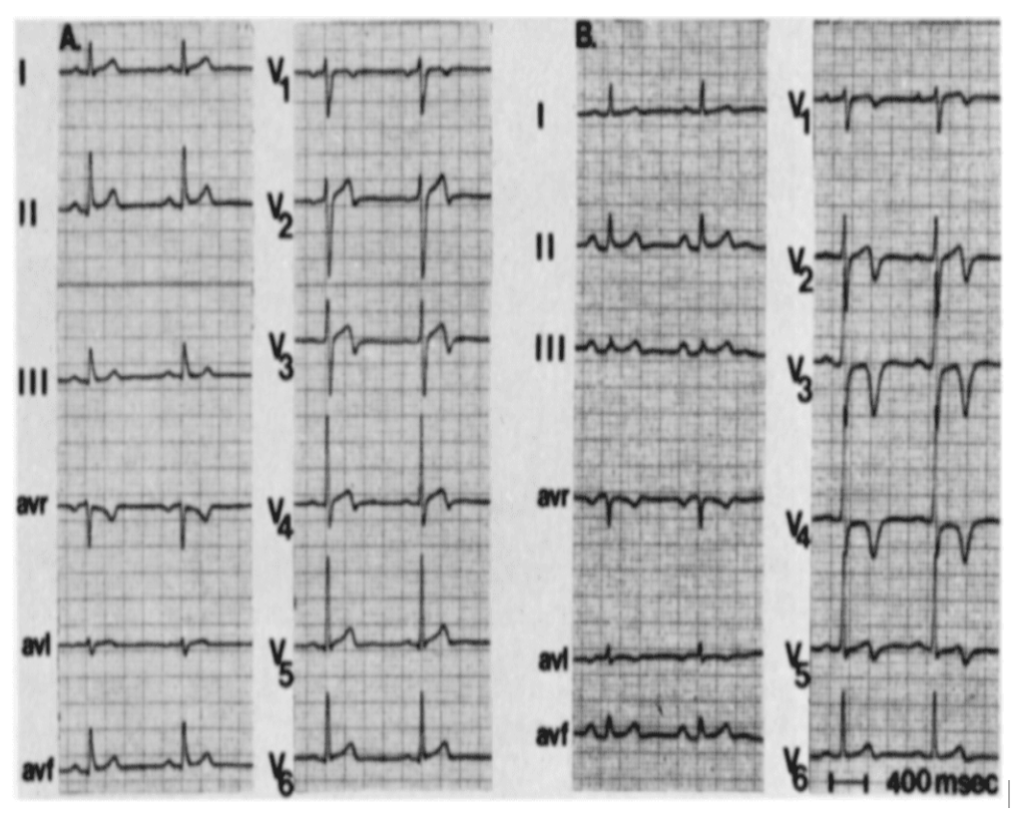
    EKG Findings in de Zwaan C, Bär FW, Wellens HJ. Characteristic electrocardiographic pattern indicating a critical stenosis high in left anterior descending coronary artery in patients admitted because of impending myocardial infarction. Am Heart J. 1982 Apr;103(4 Pt 2):730-6. doi: 10.1016/0002-8703(82)90480-x. PMID: 6121481.

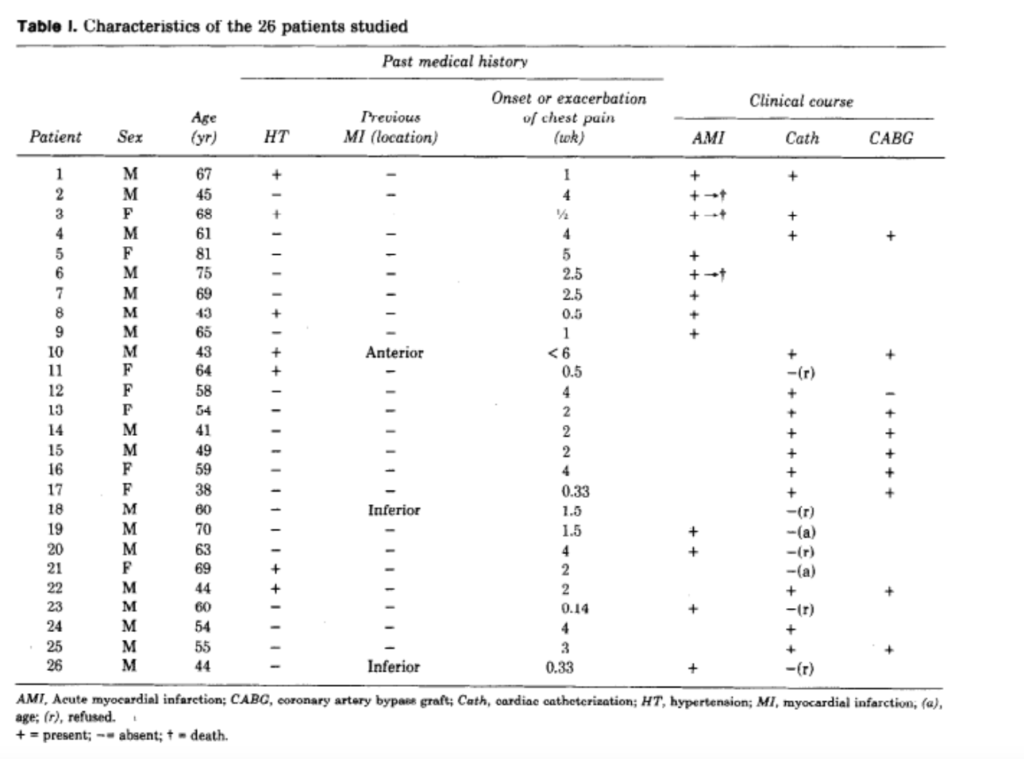
    Table 1 in de Zwaan C, Bär FW, Wellens HJ. Characteristic electrocardiographic pattern indicating a critical stenosis high in left anterior descending coronary artery in patients admitted because of impending myocardial infarction. Am Heart J. 1982 Apr;103(4 Pt 2):730-6. doi: 10.1016/0002-8703(82)90480-x. PMID: 6121481.

    REFERENCES:

    de Zwaan C, Bär FW, Wellens HJ. Characteristic electrocardiographic pattern indicating a critical stenosis high in left anterior descending coronary artery in patients admitted because of impending myocardial infarction. Am Heart J. 1982 Apr;103(4 Pt 2):730-6. doi: 10.1016/0002-8703(82)90480-x. PMID: 6121481.

    Lee, M., & Chen, C. (2015). Myocardial Bridging: An Up-to-Date Review. Journal of Invasive Cardiology, 27(11), 521–528.

    https://lifeinthefastlane.com/ecg-library/wellens-syndrome/

    Lin AN, Lin S, Gokhroo R, Misra D. Cocaine-induced pseudo-Wellens’ syndrome: a Wellens’ phenocopy. BMJ Case Rep. 2017 Dec 14;2017:bcr2017222835. doi: 10.1136/bcr-2017-222835. PMID: 29246935; PMCID: PMC5753703.

    Rhinehardt, J., Brady, W. J., Perron, A. D., & Mattu, A. (2002). Electrocardiographic manifestations of Wellens’ syndrome. The American Journal of Emergency Medicine, 20(7), 638–643. https://doi.org/10.1053/ajem.2002.34800

    Tandy, TK; Bottomy DP; Lewis JG (March 1999). “Wellens’ syndrome”. Annals of Emergency Medicine. 33 (3): 347–351. PMID 10036351. doi:10.1016/S0196-0644(99)70373-2. (via Wikipedia)


    Read More

    Episode 181.0: Subarachnoid Hemorrhage Mar 04, 2021
    Show notes

    We discuss EM presentation, diagnosis, and management of subarachnoid hemorrhage.

    Hosts:
    Mark Iscoe, MD
    Brian Gilberti, MD
    Bree Tse, MD

    https://media.blubrry.com/coreem/content.blubrry.com/coreem/SAH.mp3 Download One Comment Tags: Critical Care, Neurology, Subarachnoid Hemorrhage

    Show Notes

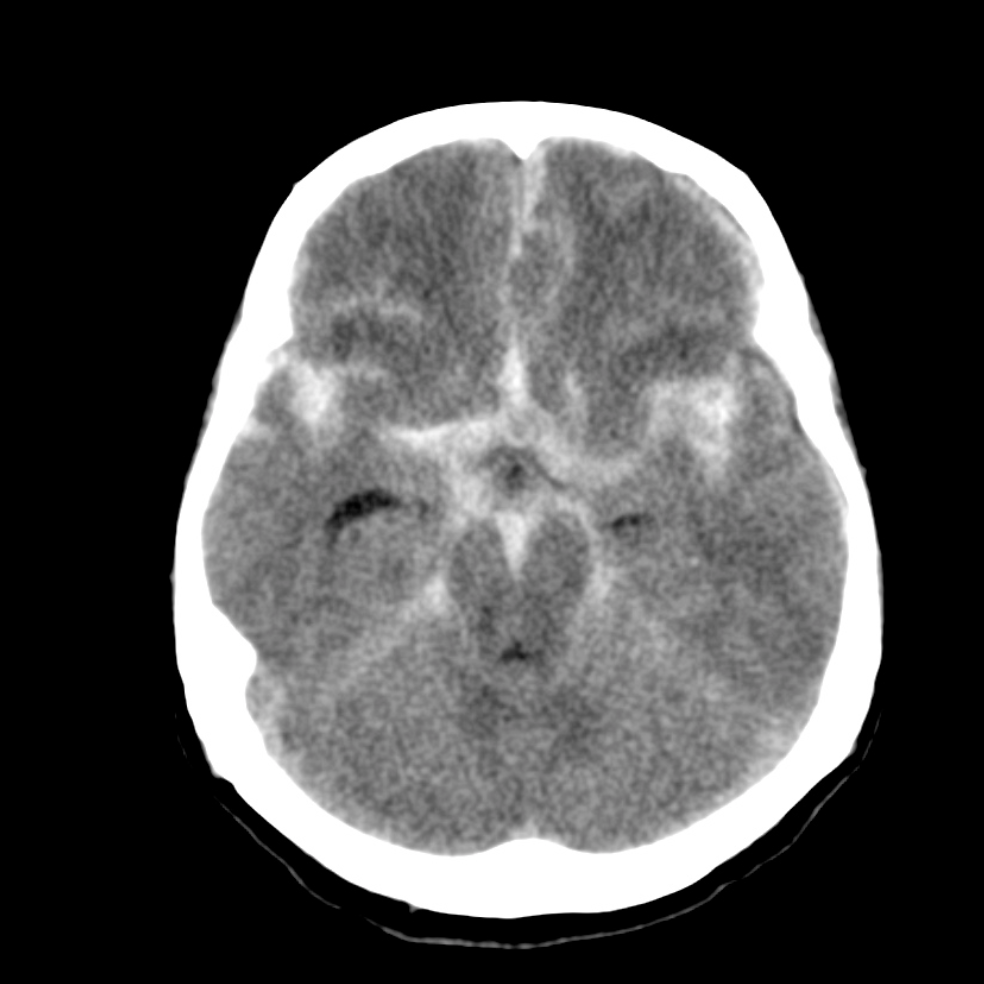
    Non-contrast head CT showing SAH (Case courtesy of Dr. David Cuete, Radiopaedia.org, rID: 22770)

    Hunt-Hess grade and mortality (from Lantigua et al. 2015.)

    Hunt-Hess grade Mortality (%)
    1. Mild Headache 3.5
    2. Severe headache or cranial nerve deficit 3.2
    3. Confusion, lethargy, or lateralized weakness 9.4
    4. Stupor 23.6
    5. Coma 70.5

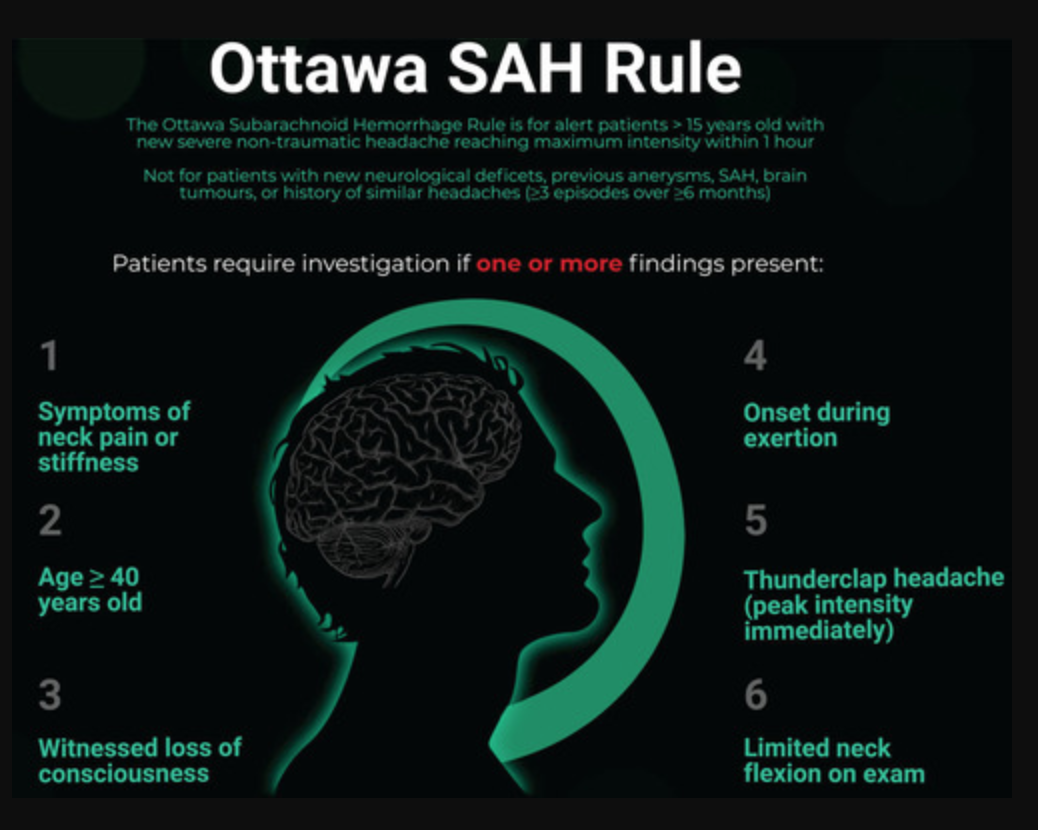
    Ottawa Subarachnoid Hemorrhage Rule, and appropriate population for rule application (from Perry et al. 2017)

    Apply to patients who are:

    • Alert
    • ≥ 15 years old
    • Have new, severe, atraumatic headache that reached maximum intensity within 1 hour of osnet

    Do not apply to patients who have:

    • New neurologic deficits
    • Previous diagnosis of intracranial aneurysm, SAH, or brain tumor
    • History of similar headaches (≥ 3 episodes over ≥ 6 months)

    SAH cannot be ruled out if the patient meets any of the following criteria:

    • Age ≥ 40
    • Symptom of neck pain or stiffness
    • Witnessed loss of consciousness
    • Onset during exertion
    • “Thunderclap headache” (defined as instantly peaking pain)
    • Limited neck flexion on examination (defined as inability to touch chin to chest or raise head 3 cm off the bed if supine)
    ___________________________

    Special Thanks To:

    • Dr. Mark Iscoe, MD (Ronald O. Perelman Department of Emergency Medicine at NYU Langone Health, NYC Health + Hospitals/ Bellevue)

    ___________________________

    References:

    Bellolio MF, Hess EP, Gilani WI, et al. External validation of the Ottawa subarachnoid hemorrhage clinical decision rule in patients with acute headache. Am J Emerg Med. 2015;33(2):244-9.

    Carstairs SD, Tanen DA, Duncan TD, et al. Computed tomographic angiography for the evaluation of aneurysmal subarachnoid hemorrhage. Acad Emerg Med. 2006;13(5):486-492.

    Connolly ES, Rabinstein AA, Carhuapoma JR, et al. Guidelines for the management of aneurysmal subarachnoid hemorrhage: a guideline for healthcare professionals from the American Heart Association/american Stroke Association. Stroke. 2012;43(6):1711-1737.

    Czuczman AD, Thomas LE, Boulanger AB, et al. Interpreting red blood cells in lumbar puncture: distinguishing true subarachnoid hemorrhage from traumatic tap. Acad Emerg Med. 2013;20(3):247-256.

    Dugas C, Jamal Z, Bollu PC. Xanthochromia. [Updated 2020 Aug 13]. In: StatPearls [Internet]. Treasure Island (FL): StatPearls Publishing; 2020 Jan-. Available from: https://www.ncbi.nlm.nih.gov/books/NBK526048/

    Goldstein JN, Camargo CA, Pelletier AJ, Edlow JA. Headache in United States emergency departments: demographics, work-up and frequency of pathological diagnoses. Cephalalgia. 2006;26(6):684-90.

    Kumar A, Niknam K, Lumba-brown A, et al. Practice Variation in the Diagnosis of Aneurysmal Subarachnoid Hemorrhage: A Survey of US and Canadian Emergency Medicine Physicians. Neurocrit Care. 2019.

    Lantigua H, Ortega-Gutierrez S, Schmidt JM, et al. Subarachnoid hemorrhage: who dies, and why? Crit Care. 2015;19:309.

    Macdonald RL, Schweizer TA. Spontaneous subarachnoid haemorrhage. Lancet. 2017;389(10069):655-666.

    Mayer PL, Awad IA, Todor R, et al. Misdiagnosis of symptomatic cerebral aneurysm. Prevalence and correlation with outcome at four institutions. Stroke. 1996;27(9):1558-63.

    Meurer WJ, Walsh B, Vilke GM, Coyne CJ. Clinical guidelines for the emergency department evaluation of subarachnoid hemorrhage. J Emerg Med. 2016;50(4):696-701.

    Perry JJ, Spacek A, Forbes M, et al. Is the combination of negative computed tomography result and negative lumbar puncture result sufficient to rule out subarachnoid hemorrhage? Ann Emerg Med. 2008;51(6):707-713

    Perry JJ, Stiell IG, Sivilotti MLA, et al. High risk clinical characteristics for subarachnoid haemorrhage in patients with acute headache: prospective cohort study. BMJ. 2010;341:c5204.

    Perry JJ, Stiell IG, Sivilotti MLA, et al. Sensitivity of computed tomography performed within six hours of onset of headache for diagnosis of subarachnoid haemorrhage: prospective cohort study. BMJ. 2011;343(jul18 1):d4277-d4277.

    Perry JJ, Stiell IG, Sivilotti ML, et al. Clinical decision rules to rule out subarachnoid hemorrhage for acute headache. JAMA. 2013;310(12):1248-55.

    Perry JJ, Sivilotti MLA, Sutherland J, et al. Validation of the Ottawa Subarachnoid Hemorrhage Rule in patients with acute headache. CMAJ. 2017;189(45):E1379-E1385.

    Vermeulen MJ, Schull MJ. Missed diagnosis of subarachnoid hemorrhage in the emergency department. Stroke. 2007;38(4):1216-21.


    Read More

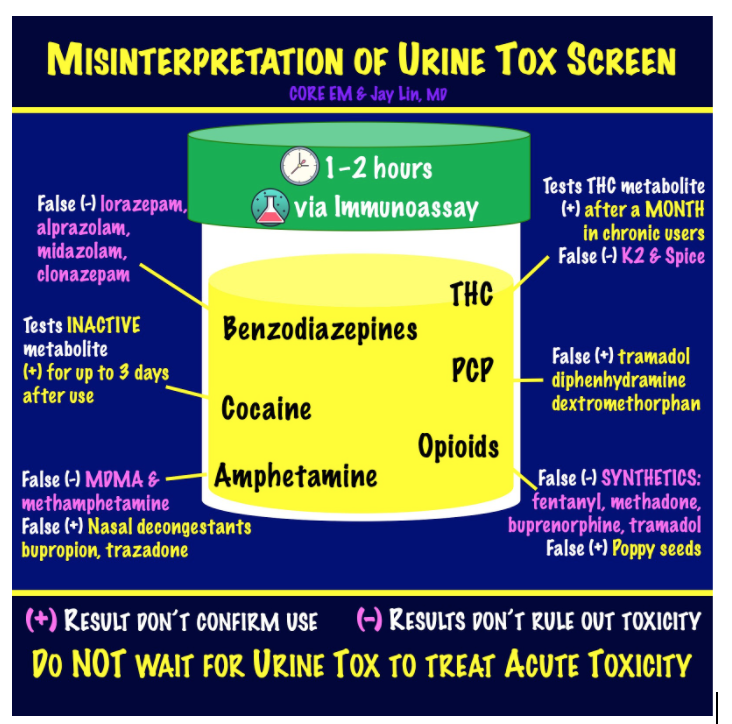
    Episode 180.0: Urine Tox Screens Jan 12, 2021
    Show notes

    We discuss the (F)utility(?) of ED Utox screens with our very own Dr. Phil DiSalvo.

    Hosts:
    Bree Tse, MD
    Brian Gilberti, MD

    https://media.blubrry.com/coreem/content.blubrry.com/coreem/Urine_Drug_Screen_final.mp3 Download Leave a Comment Tags: Toxicology

    Show Notes

    Special Thanks To:

    Dr. Philip DiSalvo, MD

    Ronald O. Perelman Department of Emergency Medicine at NYU Langone Health, NYC Health + Hospitals/ Bellevue

    New York City Poison Control Center

    References:

    Christian MR, et al. Do rapid comprehensive urine drug screens change clinical management in children? Clin Toxicol (Phila). 2017;57:977-980.

    Grunbaum AM, Rainey PM (2019). Chapter 7: Laboratory Principles. In Goldfrank’s toxicologic emergencies. New York, NY: McGraw-Hill Education.

    Moeller K, Kissack J, Atayee R, Lee K. Clinical Interpretation of Urine Drug Tests: What Clinicians Need to Know About Urine Drug Screens. Mayo Clinic Proceedings Review. Volume 92, Issue 5, p774-796, May 1, 2017. https://www.mayoclinicproceedings.org/article/S0025-6196(16)30825-4/fulltext

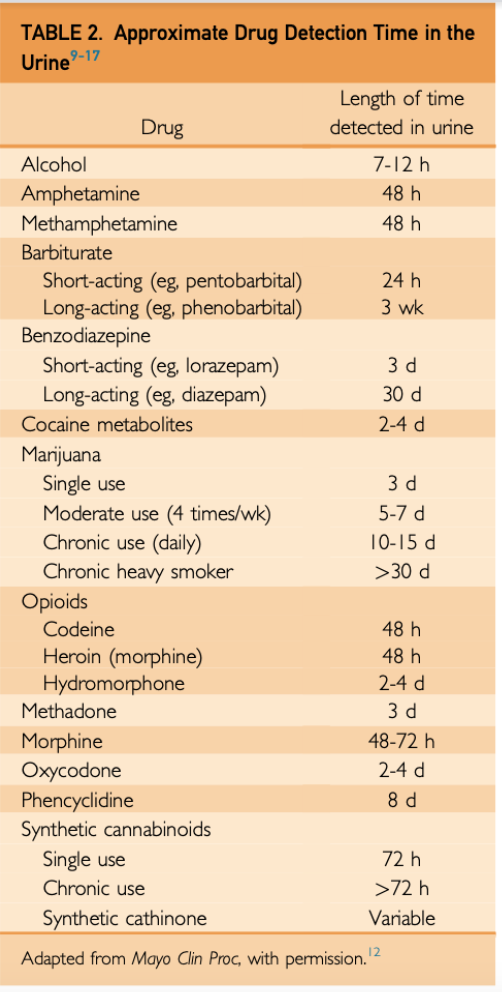
    Table 2: Approximate Drug Detection Time in the Urine

    Table 4: Summary of Agents Contributing to Results by Immunoassay


    Read More

    Episode 179.0 – Precipitous Breech Deliveries Jul 26, 2020
    Show notes

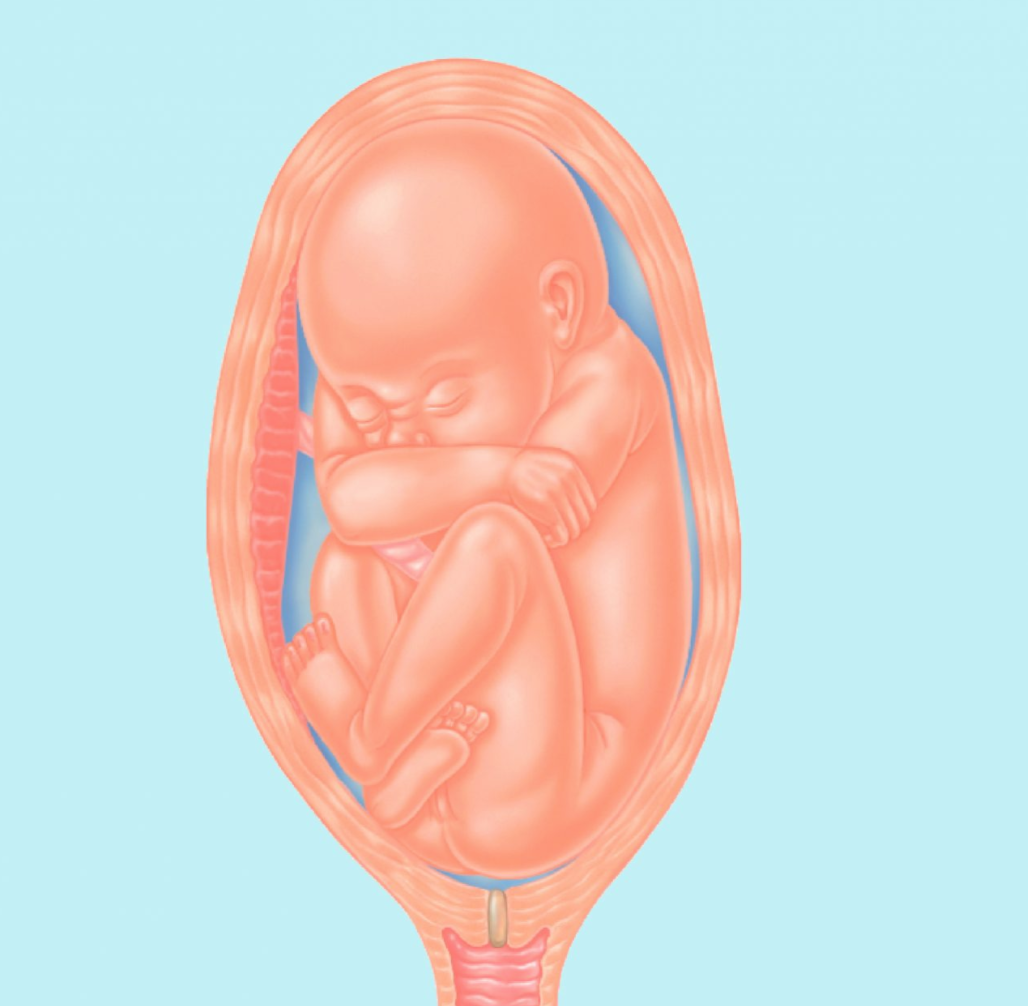
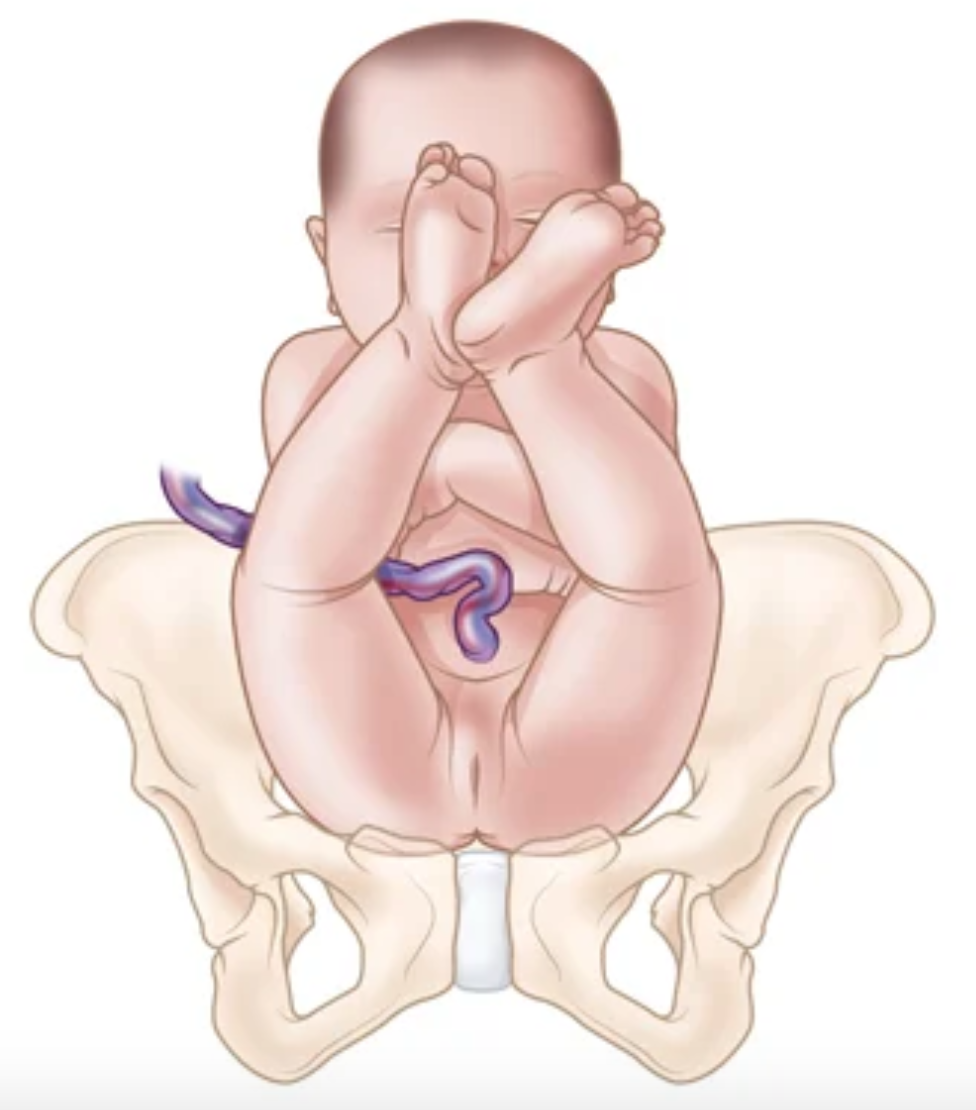
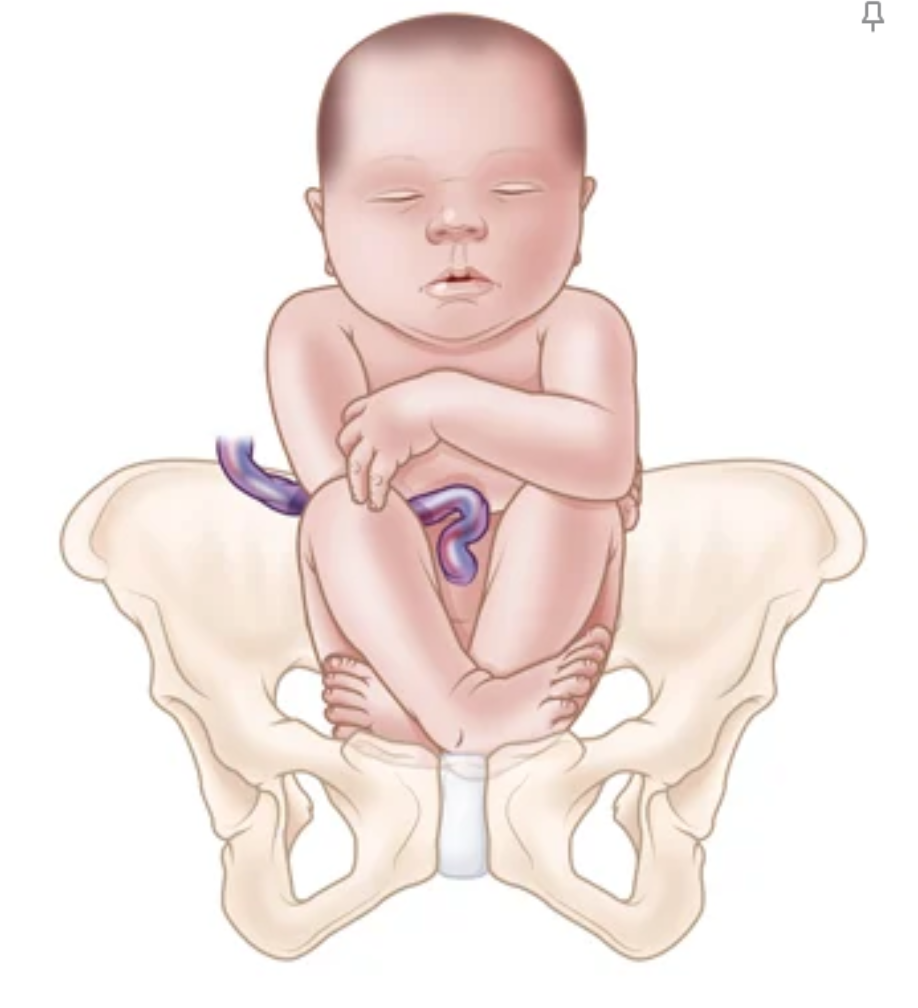
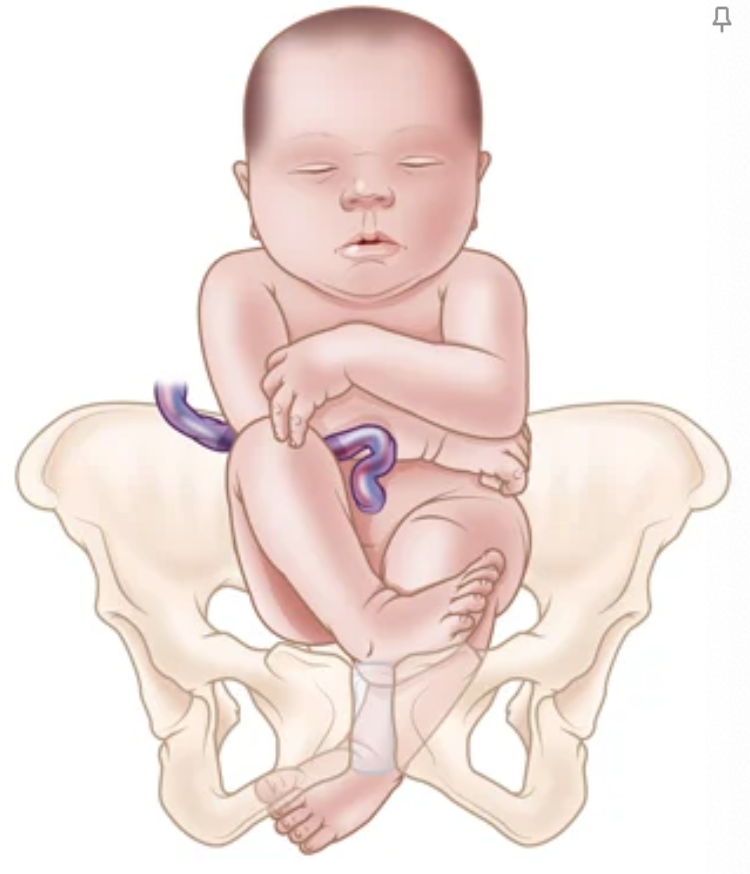
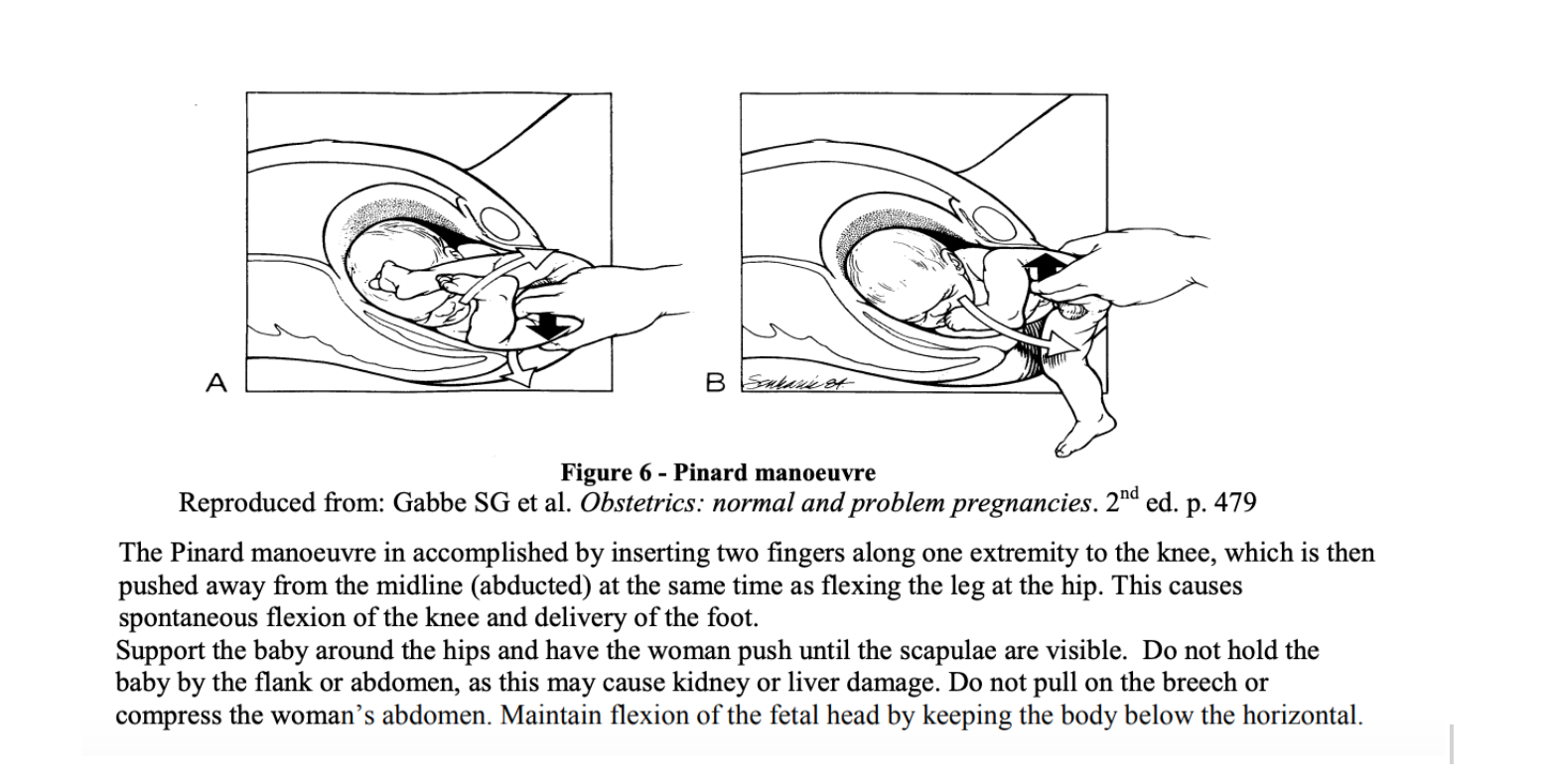
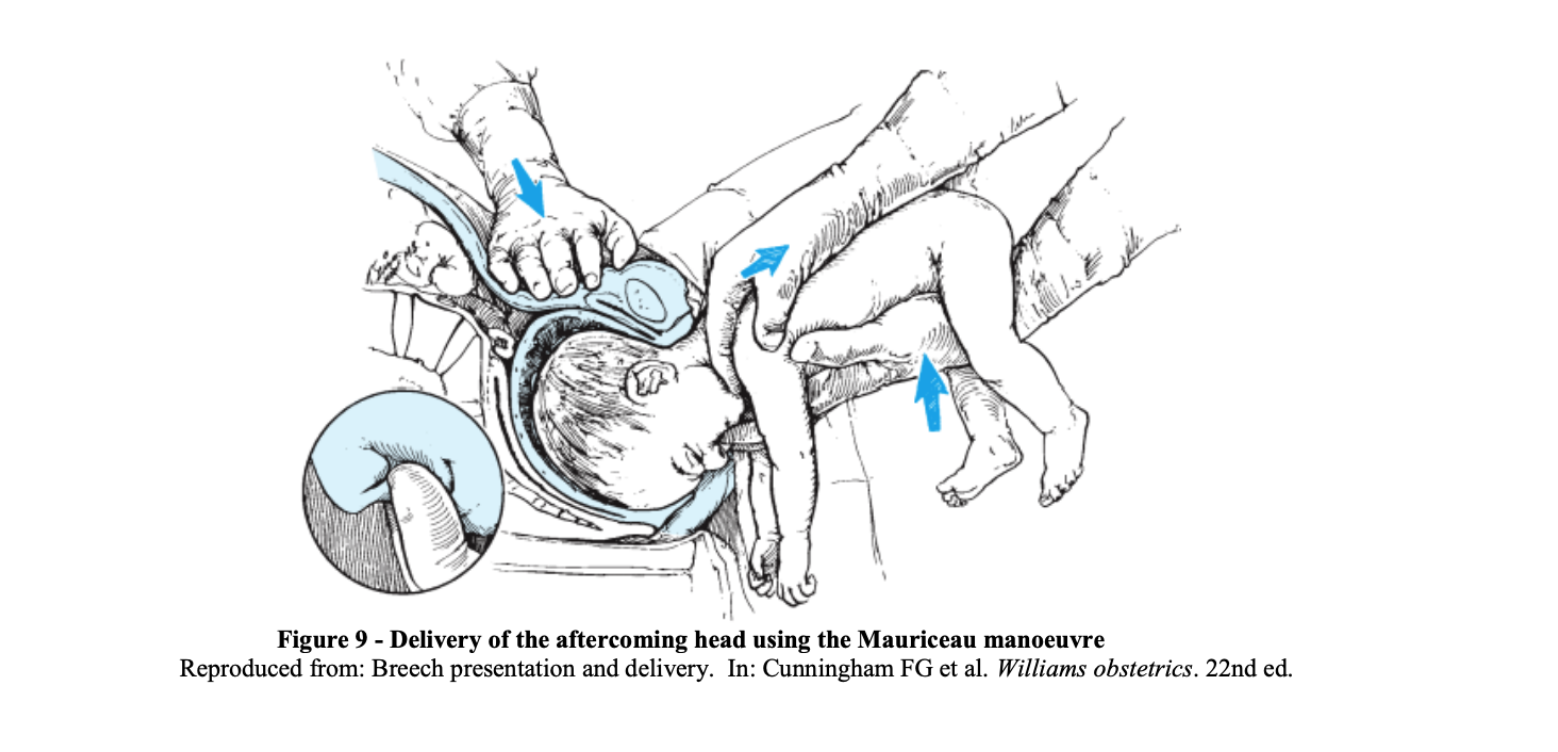
    EM management of the rare but potentially complicated precipitous vaginal breech delivery.

    Hosts:
    Audrey Bree Tse, MD
    Masashi Rotte, MD MPH

    https://media.blubrry.com/coreem/content.blubrry.com/coreem/Breesashi_Breech_CoreEM.mp3 Download One Comment Tags: Obstetrics, Precipitous Deliveries, Pregnancy

    Show Notes

    Frank Breech Presentation:

    Complete Breech Presentation:

    Incomplete Breech (“Footling”) Presentation:

    Pinard Maneuver:

    Mauriceau Maneuver:

    References:

    • Cunningham FG et al. Breech Presentation and Delivery. Williams Obstetrics, 22nd ed. 2005.
    • Desai S, Henderson SO. Labor and Delivery and Their Complications. Rosen’s Emergency Medicine, 8e. 2014. Chapter 181.
    • Gabbe SG et al. Obstetrics: Normal and Problem Pregnancies, 2nd e. 1991. p.479.
    • Stitely ML, Gherman RB. Labor with abnormal presentation and position. Obstet Gynecol Clin North Am. 2005; 32: 165.
    • VanRooyen MJ, Scott J. Emergency Delivery. Tintanelli’s Emergency Medicine, 7th e. 2011. Chapter 105.
    • http://www.emdocs.net/the-complicated-delivery-what-do-you-do/#:~:text=Deliveries%20that%20occur%20in%20the,in%20denial%20of%20their%20pregnancies.
    • https://ranzcog.edu.au/womens-health/patient-information-resources/breech-presentation-at-the-end-of-your-pregnancy
    • https://wikem.org/wiki/Breech_delivery

    Read More

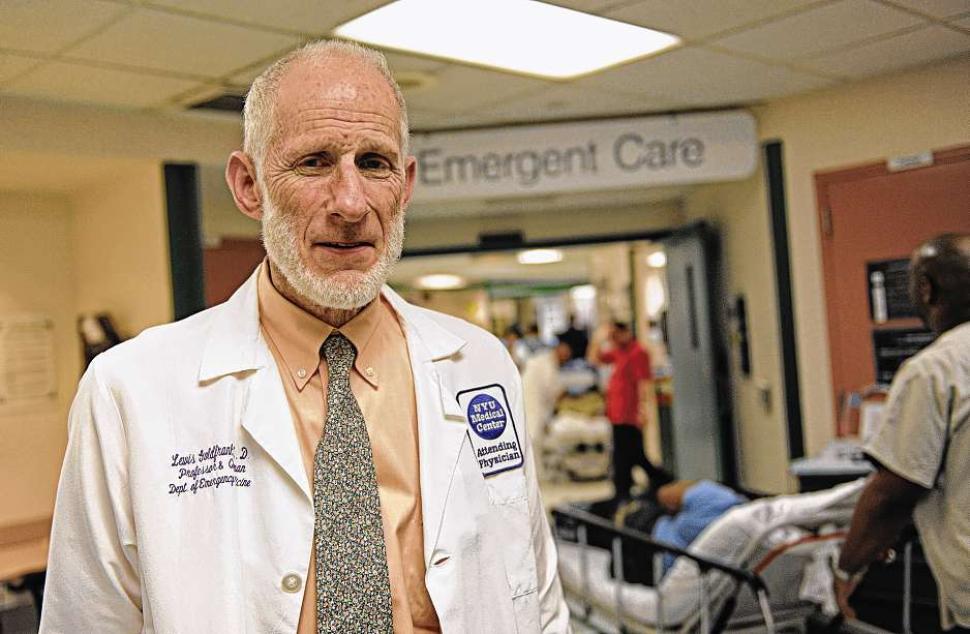
    Episode 178.0 – Graduation Speech by Dr. Goldfrank Jun 30, 2020
    Show notes

    The speech given by Dr. Goldfrank at the 2020 NYU / Bellevue Emergency Medicine Graduation Ceremony

    https://media.blubrry.com/coreem/content.blubrry.com/coreem/Goldfrank_Graduation_Speech_2020.mp3 Download Leave a Comment Tags: Graduation. Goldfrank

    Show Notes

    Graduation 2020

    Lewis R. Goldfrank, MD

    June 17, 2020

    WELCOME TO THE GRADUATES

    Congratulations to a wonderful group of physicians. It is a pleasure to recognize your great accomplishments in the presence of your friends, families, loved ones and the residents and faculty who have learned so much from and with you. I would first like to recognize those of you who are members of the Gold Humanism Honor Society.

    There are a remarkable number of awardees in our graduating class of 2020.

    CLASS OF 2020

    Joe Bennett (R)

    Max Berger (R)

    Ashley Miller (R)

    Leigh Nesheiwat (S)

    Kristen Ng (R)

    Emily Unks (S)

    AND

    Arie Francis (R)

    Nisha Narayanan (S)

    FUTURE PGY-4

    Elena Dimiceli (S)

    Kamini Doobay (S)

    Mark Iscoe (R)

    FUTURE PGY-3

    Stasha O’Callaghan (S)

    Nicholus Warstadt (S)

    FUTURE PGY-1

    Aaron Bola (S)

    Alison (Ali) Graebner (S)

    Aron Siegelson (S)

    Melissa Socarras (S)

    Sarah Spiegel (S)

    Thomas Sullivan (S)

    Christy Williams (S)

    GOLD HUMANISM CORE VALUES

    Integrity, Excellence, Compassion, Altruism, Respect, Empathy, Service

    These are the values you want as a doctor for yourself or a loved one,

    • to have outstanding listening skills with patients
    • to be at your side during a medical emergency,
    • to have exceptional interest in service to the community,
    • to have the highest standards of professionalism
    • to integrate a humanistic approach in patient care.

    These values are what brought all of you to NYU-Bellevue and that you have honed throughout your training. The remainder of this talk shows how all of you have been successful and demonstrated these values some of you were elected to the Gold Humanism—all of you have achieved humanistic success.

    Your personal efforts in the face of uncertainty of the evolution of the pandemic, the inadequate supplies, the hospital and governmental problematic decisions are remarkable. In our country, the President did not mourn the loss of more than a 100,000 human beings and the needs of society. Nor did he provide the leadership and moral support that the country desperately needed to optimally handle this unprecedented crisis. You, in contrast, demonstrate unflappable commitment to address and overcome obstacles to care for your patients, assist your peers, educate and care for your families and friends, while also caring for yourselves. This is a tribute to your humanism. You created essential ways to help patients who were isolated from families and friends during the critical phases of COVID-19. You utilized new tools to communicate your sorrow, your compassion and love, to maintain essential humanistic traditions of medicine while you could not talk, touch or utilize other essential skills to the fullest extent of a physician.

    When you recognized that all your knowledge of the social determinants of medicine was playing out as COVID-19 assaulted the poorest in our country, the people of color, the people with essential jobs without personal protective equipment, the people crowded in apartments and subways and buses, you spoke up and acted with appreciation and understanding of these disparities. You recognized that our system of using medicine to correct the societal social institutionally entrenched disparities was inadequate. George Floyd’s death, and that of Breonna Taylor and innumerable others document the racism in America that destroys a part of us each and every day and by extension reinforces and normalizes white privilege. The ever increasing body of video evidence of the horrors of systemic racism is indisputable. You recognized that the American system of criminalization of social determinants is unacceptable. You spoke up and demonstrated that you saw our blind spots on policing and race. You protested to demand change in America.

    Change for equity and justice must occur throughout our society. “Black Lives Matter” will only be realized when the social determinants are truly addressed through changes that impact every vulnerable person. We must recognize that person, institutional and societal failures will not be corrected by medicalizing or criminalizing of socially determined inequities. Racism is systemic. Today you are seeking to create essential changes in medicine that will only occur when all the workplaces and governmental sites across the country, are enriched to allow a full representation of all the voices of all the people.

    You are leaders in the response to COVID-19 and the fight against racism. You will not only be remembered for having been present, but particularly for how you have responded. Thank you for your courage, creativity, resiliency and ability to transition and advance under duress. It was a privilege to watch you demonstrate the importance of your core values and the impact that your training here at NYU/Bellevue has had on your ability to integrate them into your practice.

    You are truly individuals of immense potential, ideal for advancing our world. How you keep these values and grow them in the next developmental stage of your careers will be critical. Each of you will contribute according to your talent, resources and priorities whether in clinical practice, academics, advocacy or public health. Always in every encounter with patients and their families “Be the change that you wish to see in the world” Mahatma Ghandi.

    THANK YOU AND CONGRATULATIONS!


    Read More

    Previous 1 3 4 5 6 7 24 Next

    Related Podcasts

    The Joe Rogan Experience

    1

    The Joe Rogan Experience Comedy
    More Perfect

    2

    More Perfect Government
    Casefile True Crime

    3

    Casefile True Crime Games & Hobbies
    Reply All

    4

    Reply All Games & Hobbies
    You Must Remember This

    5

    You Must Remember This Games & Hobbies
    Real Time with Bill Maher

    6

    Real Time with Bill Maher Games & Hobbies
    footer-logo

    Contact Us

    Toll Free: 844-670-7747

    Links

    • Home
    • Top Charts
    • Networks
    • Apps
    • Independents Podcasts
    • Podcast Advertising
    • Podcast News
    • Contact Us
    • About Us
    • Analytics & Insights

    Stay Connected
      Privacy, Terms of Use & Our Code of Ethics Protecting Content Creators Copyrights