TopPodcast.com
Menu
  • Home
  • Top Charts
  • Top Networks
  • Top Apps
  • Top Independents
  • Top Podfluencers
  • Top Picks
    • Top Business Podcasts
    • Top True Crime Podcasts
    • Top Finance Podcasts
    • Top Comedy Podcasts
    • Top Music Podcasts
    • Top Womens Podcasts
    • Top Kids Podcasts
    • Top Sports Podcasts
    • Top News Podcasts
    • Top Tech Podcasts
    • Top Crypto Podcasts
    • Top Entrepreneurial Podcasts
    • Top Fantasy Sports Podcasts
    • Top Political Podcasts
    • Top Science Podcasts
    • Top Self Help Podcasts
    • Top Sports Betting Podcasts
    • Top Stocks Podcasts
  • Podcast News
  • About Us
  • Podcast Advertising
  • Contact
Not in our directory?
Add Show Here
Podcast Equipment
Center

toppodcastlogoOur TOPPODCAST Picks

  • Comedy
  • Crypto
  • Sports
  • News
  • Politics
  • True Crime
  • Business
  • Finance

Follow Us

toppodcastlogoStay Connected

    View Top 200 Chart
    Back to Rankings Page
    Education

    Climate Change and Happiness

    We give language to what you feel about the climate crisis—and also what you might want to feel, feelings you can grow and cultivate. This supports your resilience and your mental health and wellbeing. We invite other experts to join us in our conversations, and we hope you can join us too.

    Advertise
    • Apple Podcasts
    • Google Play
    • Spotify

    Latest Episodes:
    Season 3, Episode 25: Being a Therapist in a Time of Climate Breakdown with Judith Anderson & Tree Staunton Aug 02, 2024
    Show notes

    image credit | Markus Spiske

    Season 3, Episode 25: Being a Therapist in a Time of Climate Breakdown with Judith Anderson & Tree Staunton

    Thomas and Panu spoke with Judith Anderson and Tree Staunton, therapists and co-editors (along with Jenny O’Gorman and Caroline Hickman) of the recent collection Being a Therapist in a Time of Climate Breakdown. The foursome explored their experiences of mental health, research and healing work in the context of climate change and the psychological impacts of climate distress. Tree and Judith shared their personal journeys towards climate awareness. The episode included an overview of the structure and themes of the book, which includes chapters on climate science, mental health impacts, first person accounts, systemic understandings, and techniques to address climate distress (including a contribution about climate sorrow from Panu).

    Takeaways

    • Therapists play a crucial role in addressing climate distress and supporting individuals dealing with the psychological impact of climate change.

    • Training in environmental awareness and systemic thinking is essential for therapists to effectively address climate distress in therapy.

    • Climate distress is not limited to anxiety and can manifest as confusion, fear, depression, guilt, and despair.

    • Addressing climate distress requires a nuanced approach that goes beyond simply encouraging action and considers the complex emotions and defense mechanisms involved.

    • Creating spaces for open dialogue and support, such as climate cafes and social dreaming, can help individuals process their climate distress.


    Links

    • Judith Anderson, Tree Staunton, Jenny O’Gorman, and Caroline Hickman (Eds, 2024) Being a Therapist in a Time of Climate Breakdown

    • Book Launch Recording 18th April 2024

    • Climate Psychology Alliance UK


    Transcript

    [The Climate Change and Happiness Transcript is on holiday.]


    Season 3, Episode 24: For Teachers: An Existential Tool Kit Jul 19, 2024
    Show notes

    image credit | Tyler Lagalo

    Season 3, Episode 24: For Teachers: An Existential Tool Kit

    This episode is dedicated to teachers and educators of all kinds. Thomas and Panu discussed the new Existential Toolkit for Climate Justice Educators and the emotional, political, personal and pedagogical challenges faced by teachers in the context of climate change. The conversation delved into the history of the Toolkit project, the lingering impact of COVID-19 on education, and the unacknowledged and inequitable impacts of climate and weather disasters on students, teachers and school systems, worldwide. Panu and Thomas reflected on their own schooling in Finland and the US, their personal teaching experiences, and advice on how to remain creative and to cope with fatigue and burnout.

    Sound Bites

    • "Teachers are under a lot of stress to give accurate information to their students about the state of the world, which can be quite troubling."

    • "The existential toolkit fills the gap in providing emotional tools for teachers and educators dealing with difficult topics like climate change."

    Links

    • Jennifer Atkinson and Sarah Jaquette Ray (2024, Eds.) The Existential Toolkit for Climate Justice Educators: How to Teach in a Burning World

      • See selected Resources from the tool kit

    • Elizabeth Haase and Kelsey Hudson (2024, Eds.) Climate Change and Youth Mental Health: Multidisciplinary Perspectives

    See Previous Climate Change and Happiness Episodes

    • Season 2, Episode 3: Coping on Campus with Sarah Jaquette Ray

    • Season 1, Episode 16: Varieties of Hope with Guest Elin Kelsey

    • Season 3, Episode 12: On Literature and Activism with Matthew Schneider-Mayerson

    Transcript

    [The Climate Change and Happiness Transcript is on holiday.]


    Season 3, Episode 23: On EcoWellness and Psychedelic Therapy with Ryan Reese Jul 05, 2024
    Show notes

    image credit | kazuend

    Season 3, Episode 23: On EcoWellness and Psychedelic Therapy with Ryan Reese

    Thomas and Panu spoke with Ryan Reese, a psychologist from Bend, Oregon USA about his work developing eco-wellness theory in counseling and his recent integration of psychedelic therapy and outdoor therapy. Ryan shared his personal journey and how experiences with nature and rivers (including fly fishing for Steelhead trout) played a role in his healing and growth. Ryan, Panu and Thomas highlighted the parallels between eco-therapy and psychedelic therapy, including the importance of creating a safe setting, adopting a mindset of self-transcendence and opening to the process of expanding one's consciousness. Their talk concluded with a recognition of how Thomas and Ryan’s social connection provided needed support during challenging times in Thomas’s earlier career.

    Takeaways

    • Nature and the more-than-human-world can have a significant impact on holistic wellness, including stress reduction and restoration of focus and attention.

    • Psychedelic therapy and eco-based work share similarities in promoting self-transcendence and expanding one's consciousness.

    • Creating a safe and supportive environment is crucial in both outdoor facilitation and psychedelic therapy.

    • Social connections and shared education are essential in addressing climate-related issues and maintaining positivity, hope, and optimism.

    Links

    • Ryan Reese (Academic Homepage)

    • Eco Wellness Counseling (Practice)

    • Ecowellness Background and Resources

    • Reese & Myers (2012) EcoWellness: The Missing Factor in Holistic Wellness Models

    • Quest Therapeutics (psilocybin facilitation)

    Transcript

    [The Climate Change and Happiness Transcript is on holiday.]


    Season 3, Episode 22: On the Evolution of Outdoor Therapy with Will White Jun 21, 2024
    Show notes

    image credit | Cate Bligh

    Season 3, Episode 22: On the Evolution of Outdoor Therapy with Will White

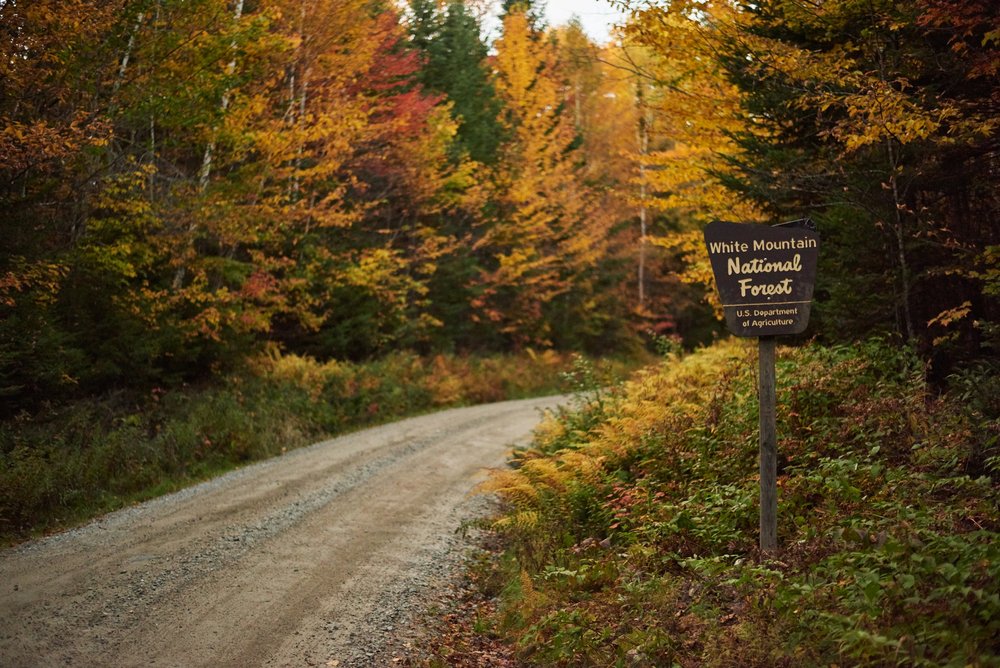
    Thomas and Panu spoke with Will White, a long time outdoor and wilderness therapy practitioner, and a long time colleague of Thomas. They discussed the evolution of therapeutic camping and outdoor programs in the US dating to the 1800’s and current approaches (with parallels in places like Finland).They explored the role of emotions in outdoor therapy, including eco-anxiety and the impact of environmental change on treasured places. Their conversation highlighted the importance of slowing down and experiencing the pace of nature in a highly technological world.

    Links

    • Will White at the White Mountain Adventure Institute

    • Stories from the Field podcast

    • Will White (2015) Stories from the Field: A History of Wilderness Therapy

    Transcript

    [The Climate Change and Happiness Transcript is on holiday.]


    Season 3, Episode 21:“The Art of Survival” – Art and Climate Emotions Jun 07, 2024
    Show notes

    image credit | Mason Kimbarovsky

    Season 3, Episode 21:“The Art of Survival” – Art and Climate Emotions

    In this episode, Thomas and Panu discussed the role of art in their emotional coping with climate stress and other environmental problems. They explored the creative tensions between art and entertainment and being mindful when we chose to challenge ourselves with taking on complex or troubling movies, photographic images, writings, and music. They shared several examples (including the 2017 film First Reformed and post-rock band Godspeed You! Black Emperor) and referenced their past podcast episodes with artists. Takeaways included the importance of being intentional about the nature and climate themed art you take in and not just being a passive consumer; and the need to unplug and engage in hands-on artistic experiences.

    Notes / Links:

    • Finnish distinction: “Arts”(taide) and “Entertainment” (viihde)

    • Alissa Wilkinson (2018). First Reformed, starring Ethan Hawke, is bruising, vital, and one of the year’s best films

    • Godspeed You! Black Emperor (Band)

    • Amanda Stronza (animal memorials)

    • Announcing the 2024 Oregon Book Award Winners

    • From Anna Nieminen: Sitting and Moving With Climate Emotions: 3 process phases, 3 music dance videos

    • Past CCH Episodes

      • Art Gives Ecological Grief a Body, with Daniela Molnar

      • On Women, Fear and Nature with Erica Berry

      • On Nature, Poetry and Creativity with Kim Stafford

      • Composing During the Climate Crisis with Scott Ordway

    Transcript

    [The Climate Change and Happiness Transcript is on holiday.]


    Season 3, Episode 20: Behind the Scenes at the Montana Youth Climate Trial with Lise Van Susteren May 24, 2024
    Show notes

    Image credit | Retrieved from youthvgov.org

    Season 3, Episode 20: Behind the Scenes at the Montana Youth Climate Trial with Lise Van Susteren

    Thomas and Panu talked with forensic psychiatrist Lise Van Susteren about her powerful experience as an expert witness at the historic Held v. Montana youth-sponsored climate trial in 2023. Lise spoke of her life and journey into politics and environmental and climate change advocacy, and her formative experience in the first cohort of Al Gore’s Climate Reality project. Lise, Thomas and Panu reflected on how mental health professions can begin to align their rhetoric about climate change and sustainability with their actions – such as addressing the carbon footprints of their own organizations and conferences. Join us for a behind the scenes view of the legal front on combating climate change.

    Links

    • Lise Van Susteren

    • Richard Forbes (2023 June 26) In the nation’s first youth-led climate trial, a case for hope

    • Climate Psychiatry Alliance

    • Youth vs. Gov

    • Thomas and Panu found it helpful to review the wide scope and many types of climate change litigation around the world.

    Transcript

    [The Climate Change and Happiness Transcript is on holiday.]


    Season 3, Episode 19: Healing from Moral Injury with Caroline Hickman May 10, 2024
    Show notes

    image credit | Mateo Heinze

    Season 3, Episode 19: Healing from Moral Injury with Caroline Hickman

    Thomas and Panu had a new dialogue with UK Climate Therapy expert Caroline Hickman to discuss the concept of moral injury in relation to climate distress and its impact on people’s sense of meaning and trust. The conversation delved into feelings that arise in situations where one’s values are compromised and the impacts to relationships (e.g., feeling let down, betrayed, or having feelings denied). Caroline emphasized the need to differentiate between toxic and healthy guilt, to “locate guilt where it belongs,” and the importance of reparation and saying sorry on the part of people in power (with the example of former New Zealand Prime Minister Jacinta Arden). Panu noted that engaging in a survivor mission and taking action can provide a sense of purpose and contribute to addressing moral injury. Join us for reflections on responsibility and healing amidst a changing climate.

    Takeaways

    • Moral injury is closely related to climate distress and involves the damage to an individual's values and morals.

    • Moral injury can lead to feelings of guilt, shame, and inadequacy, as well as a breakdown of trust in relationships.

    • It is important to differentiate between toxic and healthy guilt and to locate guilt where it belongs (e.g., with societal decision makers, and those in power).

    • Reparation and saying sorry can help in the healing process and the recovery of trust.

    Links

    • Being a Therapist in a Time of Climate Breakdown, edited By Judith Anderson, Tree Staunton, Jenny O’Gorman, Caroline Hickman

    • Caroline Hickman (2024): Eco-Anxiety in Children and Young People– A Rational Response, Irreconcilable Despair, or Both?

    • Caroline on our podcast, Season 3, Episode 8: Supporting Young People with Caroline Hickman

    • Jacinta Ardern’s Ifoga (“sack ceremony”) in apology for New Zealand government’s Dawn Raids era against Pacific Island immigrants

    • Greenpeace Nordic and Natur og Ungdom (Young Friends of the Earth Norway) Legal Victory

    • Anto Cartolovni et al 2021 Moral injury in healthcare professionals: A scoping review and discussion

    Transcript

    [The Climate Change and Happiness Transcript is on holiday.]


    Season 3, Episode 18: Finding Your Place and Digging in Apr 26, 2024
    Show notes

    image credit | Jonathan Kemper

    Season 3, Episode 18: Finding Your Place and Digging in

    In this episode, Thomas and Panu discuss the importance of finding a place, digging in, and taking responsibility in the face of climate change and environmental issues. They explore the idea of being a creator or actor rather than a passive consumer and the significance of having short-term and long-term goals. Our missions take place in a web of relationships with humans and more-than-humans. Panu and Thomas also touch on the connection between climate change and death, and the need to engage with difficult topics. The conversation concludes with a discussion on the concept of non-action and the importance of mindfulness.

    Takeaways

    • Don’t try to be everything. Be “good enough.”

    • Recognize that your mission will naturally change and evolve once you commit to action.

    • Be a creator or actor or worker inspired by climate change, in your own way.

    • Once you have your own thing to do, you don’t need to chase the news about every issue.

    Soundbites:

    • “Find your place on the planet. Dig in, and take responsibility from there.” — Gary Snyder

    • "Climate change is like a red blinking light that reminds us of our own mortality."

    • "Don't just be a consumer, be a creator or actor."

    Transcript

    [The Climate Change and Happiness Transcript is on holiday.]


    Season 3, Episode 17: On the Good Grief Network with LaUra Schmidt Apr 12, 2024
    Show notes

    image credit | Dan Meyers

    Season 3, Episode 17: On the Good Grief Network with LaUra Schmidt

    Thomas and Panu were joined by LaUra Schmidt, co- founder of the Good Grief Network and co-author of How to Live in a Chaotic Climate. Laura shared her journey of combining her background in biology and environmental studies with trauma healing and psychology to address the emotional toll of climate change. She, Panu and Thomas discussed how the 12-step inspired Good Grief program helps individuals process their grief and find resilience about climate breakdown in a safe and supportive environment. Along the way, they looked deeper at the process of steps like accepting the severity of the environmental predicament, being with uncertainty, and honoring mortality; and the importance of peer support, accountability, and finding one's unique way of taking action. Join us for an inspiring conversation!

    Links

    • LaUra Schmidt, Aimee Lewis Reau and Chelsie Rivera (2023). How to Live in a Chaotic Climate

    • Good Grief Network

    • Early version of the Good Grief Steps

    Transcript

    [The Climate Change and Happiness Transcript is on holiday.]


    Season 3, Episode 16: Nature in Your Life with Thomas and Panu Mar 29, 2024
    Show notes

    image credit | Georgy Trofimov

    Season 3, Episode 16: Nature in Your Life with Thomas and Panu

    In this episode, Thomas and Panu discussed some real-world aspects of nature and our relationship with the natural world, including different values associated with nature and other species, such as scientific, ethical, relationship and experience-based values. Thomas illustrated a spectrum of nature settings, from virtual nature such as art and images in the home, to nearby nature in our communities, to wild and protected places – with opportunities to be a cosmopolitan traveler between these contexts. The conversation evolved into a recognition of nature (in Finnish luonto) as an infinite set of processes and relationships, with nature settings being a doorway or threshold into the interconnectedness and interdependence of all beings. Panu and Thomas also touched on the concept of the “more than human world” (inspired by eco philosopher David Abram) and the need for “recollective practices” (inspired by ecopsychology theorist Andy Fisher) to connect with nature and counteract the divisive aspects of modern technological society.

    Takeaways

    • It is helpful to think of nature not as a thing, but rather a process and set of relationships that is constantly changing.

    • There are different values associated with nature, including cultural, ethical, and experience-based values.

    • The spectrum of nature settings ranges from virtual and indoor nature to wild nature, and each setting offers unique opportunities for connection.

    • Recognizing the essence of a place and its history in deep time can deepen our understanding and appreciation of nature.

    • Nature is interconnected and interdependent, and recognizing our place in the web of life is essential.

    • Recollective practices can help us connect with nature and cope with difficult emotions related to climate change.


    Previous 1 3 4 5 6 7 10 Next

    Related Podcasts

    Making Sense with Sam Harris

    1

    Making Sense with Sam Harris Education
    Grammar Girl

    2

    Grammar Girl Education
    Good Life Project

    3

    Good Life Project Education
    Explain It to Me

    4

    Explain It to Me Education
    Team Never Quit

    5

    Team Never Quit Comedy
    Optimal Living Daily – Personal Development and Self-Improvement

    6

    Optimal Living Daily – Personal Development and Self-Improvement Alternative Health
    footer-logo

    Contact Us

    Toll Free: 844-670-7747

    Links

    • Home
    • Top Charts
    • Networks
    • Apps
    • Independents Podcasts
    • Podcast Advertising
    • Podcast News
    • Contact Us
    • About Us
    • Analytics & Insights

    Stay Connected

      Privacy, Terms of Use & Our Code of Ethics Protecting Content Creators Copyrights