No woman wants to face the horror of her husband’s betrayal. Or have to recover from the emotional, physical & financial trauma and never-ending consequences. But these courageous women DID. And we’ll walk with you, so YOU can too. If you’re experiencing pain, chaos, and isolation due to your husband’s lying, anger, gaslighting, manipulation, infidelity, and/or emotional abuse… If he’s undermined you and condemned you as an angry, codependent, controlling gold-digger… If you think your husband might be an addict or narcissist. Or even if he’s “just” a jerk… If your husband (or ex) is miserable to be around, this podcast is for YOU.
12 Step for Wives of Addicts? The Painful Truth
Mar 26, 2024
Show notes
12 step for wives of addicts is commonly suggested to women who experience intimate betrayal. Michelle and Kate, members of the Betrayal Trauma Recovery Community, join Anne to talk about how 12 Step can harm victims. If you need support after you discover your husband’s betrayal, check out our daily online Group Sessions. 12 Step Utilizes The Codependency Model (Hint – The Codependency Model Is Bad) When women experience betrayal and abuse, they may feel eager to gain some control over their lives that feel out of control. 12 step support groups for wives of addicts often subtly blames victims for her husband’s choices and often suggests that women mind their own business. Codependency and trauma are completely different. Trauma is external—someone does it TO you. Codependency means the problem is your fault. Transcript: 12 Step For Wives Of Addicts? What You Need To Know Anne: I’m excited to have Michelle and Kate on the podcast today. They’re fellow Shero friends. We’re going to talk about all, mine included, of our journeys from finding out about our spouse’s addiction, and seeking help first through “codependent” means. Being on that train for a while, and then coming to grips with the fact that it’s abuse. Then how we progress to where we are today. We’re all learning as we go. So if you’ve listened to the podcast, you may say, oh, she thought this two years ago, now she thinks something different. And that’s how we all progress. So let’s start with Michelle. Thinking That 12 Step For Wives Of Addicts Would Help Me Anne: Let’s talk about your journey of discovering healing. What has it been like? Michelle: It seems like it’s been a forever road. First, there was a friend of mine who told me about this wonderful world of SAL. Anne: Most listeners won’t know what SAL is. So let me jump in here for a second. This is 12 step for wives of addicts. SAL or S-Anon or Co-SA, there are a bunch of different 12-step programs for wives of addicts. Where wives do the 12-steps themselves. In 12 step for wives of addicts, wives fix their own “side of the street.” https://youtube.com/shorts/mHgIHT2Dtrw And that you need to work your own program. Basically mind your own business, make yourself better. And let him do his thing. Michelle: And this was right when I found out about my husband’s addiction. And so I thought, okay, this is what everyone else is doing, so I guess this is what I need to do too. I attended three to four meetings a week, every week, for six months. And while doing this, I was reading and learning as much as I could learn about addiction and trauma. Why The 12 Step Group For My Husband’s Addiction Didn’t Sit Right WIth Me Michelle: So my first real memory of SAL was step one of 12 step for wives of addicts. My life has become unmanageable, and I’m like, wait, my life was manageable a month ago. It’s not manageable now because of my husband’s choices, but I could do everything before, and now my life is unmanageable, but it’s not because I can’t manage my life. It’s because my life has been turned upside down, and I was like, “Wait, that doesn’t feel right. I don’t like that, but I love the women here. And I love the stories they share. I love how vulnerable they are. I love how open they are. And maybe there’s something I can learn.” So I attended these 12-step meetings and never did a step. Never did them. I read them while we were there, but that’s it. And it was mainly for that connection. And then I started to notice things. I started to find women who were similar to me. We were kind of out of the box thinkers. And then I realized that the more I told my story, and the more I heard other women’s stories, that’s what I actually needed to heal. It’s been a big discovery process. I liked it for some aspects, because it seemed like I had some control in the situation, when I didn’t. I just have control over me. Anne: Yeah, it’s funny when you learn something new, like now viewing women who are in relationships with users as abuse victims. Shifting Away From Misogynistic “Healing” Models Anne: Once I made that shift in my head, it was like, I’d always known it. And then I reframed everything in my past according to that paradigm, everything fit well. And now when I hear women who have a hard time wrapping their head around it. Or they feel more comfortable or more like they have some control because they’re sitting in the codependent model. And if they have something to do with it, they can control it, right? So they feel a little more comfortable there at first. Now I think, how can they think that sometimes? And then I think, wait a minute, I thought that. And so it gives me some compassion to think back on my own process. Kate, can you tell us about your journey? Kate: I actually did not use the 12-steps. I mean, I did a little bit, but I didn’t know it was 12-step at the time. My counselor gave me a bunch of questions. So I did all these things. I didn’t know they were actually the steps. I loved codependency. It feels so empowering when you first learn about codependency. And then later on, when more trauma started coming out and I found out about my husband’s addiction, I had this analogy come to me: what if I was driving on the road and obeying all the rules? And then a car blindsided me out of nowhere. Why Codependency Isn’t A Thing Kate: Yeah, that wouldn’t be my fault at all. I wasn’t doing anything wrong. I wasn’t breaking the law. They’re the ones who broke the law. They hit me. When I realized that, I was like, wait a minute. So, maybe the codependency thing isn’t as accurate as I thought, and then I started going into that. I started to question that they were blaming me for the emotional abuse. Well, okay, I’m not codependent, but I have codependent behaviors. And then the more I learned that, it became well, I don’t have codependent behaviors. But some women do, and then it was like, well, never mind codependency. I don’t think it exists, so that was kind of my transformation, especially codependency. 12-step for wives of addicts today is so sugar coated. Still the origins, the actual foundation of codependency is still there. Even if it’s sugar coated, the treatment for it is still the same. Going to 12 Step for My Husband’s Addiction Make Things Worse For Me Anne: It’s a very sophisticated form of victim blaming because it manipulates the victim to think that she’s empowered while undermining, blaming, and shaming her. Recognizing victim blaming is an important part of healing. Kate: The trauma model is sometimes harder to accept than codependency. Which is “Oh, I can control it. I can fix it.” In the trauma model, where I didn’t do anything wrong, and I’m not saying I don’t have flaws, but I didn’t do anything wrong to cause the issues in my marriage. Like the big issues of the addiction, it leaves me feeling more vulnerable. Anne: Yeah, we were once at The Utah Coalition Against…, and somebody’s materials had the classic drama triangle on it. Where you’ve got the persecutor, the victim and the rescuer. In the codependency model, that’s a common thing they bring out. 12 Step For Wives Of Addicts Doesn’t Teach Women How To Set Effective Boundaries Anne: And they’re like, yeah, everybody’s in this dance, and sometimes you can be the persecutor, and sometimes you can be the rescuer, and sometimes you can be the victim. And in the trauma model, there’s a perpetrator and a victim. And it’s not a dance. It doesn’t take two to tango. There’s nothing the victim can do to dance their way out of being a victim. They’re always going to be a victim. They can learn how to keep themselves safe, and they can set boundaries. Okay, let’s pretend like they don’t. And they decide I’m not going to set boundaries, or they don’t know about boundaries. They’re still a victim. And guess what? It’s still not their fault. And so if they’re in it, they’re still a victim. The abuser is still the perpetrator. And it’s still not their fault. And I think it’s important to make clear that a man should never abuse his wife for any reason. Regardless of what she is doing, regardless of whether she sets boundaries or not. The abuse is still 100%. his deal. Michelle: How many relationships do we see that the woman has all these crazy issues? These women in these relationships are usually hard workers. They’re usually trying to stay close to their higher power. They are usually dedicated, loyal women. They aren’t off the handle crazy like they’re portrayed. These men flock to these women for a reason. You can be as perfect as possible. And an abuser will still abuse. The Impact Going To 12 Step For My Husband’s Addiction Anne: Absolutely. Emotional abuse affects your body and spirit. So I want to tell you guys about my process before my ex’s arrest. I was 100 percent all in the trauma model. Okay, I hated codependency. I was never liking it. So I didn’t talk about it. I thought it was stupid. I called it out all the time. So I didn’t go to 12 step for wives. I didn’t participate in other support groups. I felt like this was his problem, and he had to deal with it. And that, to improve our marriage problems, he had to stop acting out and being angry. That was the solution I saw. Now I didn’t know how to set boundaries at that time. I thought a boundary was giving him a lecture, like, “This is absolutely inappropriate. You cannot do this. I will not stand for this.” And I’d give him lectures all the time. And I thought things were getting better. I had this certain view of what was happening. And I thought that what I thought was the right thing. At the time, I thought codependency was stupid. Then when he got arrested, my whole world fell out from under me. And I thought, oh my, maybe I have been wrong this whole time. Maybe I have been the problem,? Maybe I don’t know how to live my life. I Discovered The 12 Step Literature Blames Victims Anne: And I immediately started going to 12-step, because I thought something had to be wrong with me. And reading, so I start going to these meetings and reading the blue book, the 12 step book for wives of addicts the S-Anon book. It says things like. She’s diseased, that she’s pathological, that she’s enabled it. Tons of victim blaming. It would say stuff like, “You have a disease.”, which made me feel uncomfortable. So I would cross that out, and I would write in my book. “You are injured.” instead. My blue book looked like it had been rewritten, Anne style. And the more I thought about it and the more I looked at my book, I was like, wait a minute. I disagree with a lot of these parts in the book. I’ve crossed out all these sections and written my own version. I was able to do that. It took a lot of mental gymnastics, but for women who can’t see that and work around it, as they read that book. They just feel the full weight of all the victim blaming in there, with no relief and no indication that they’re a victim of emotional and psychological abuse and coercion. Michelle: If I get myself better, that means he’s going to get better too. Okay, I have some semblance of control here. It’s shifting the blame from him to now you. The Problem With 12 Step For Wives Michelle: And so now you’re like, okay, if I do all these things, then he’s going to magically get better. If I just take care of my side of the street, then his will start to become amazing, clean, and beautiful too. And so now you’re taking on all his stuff. Anne: Right? This is the exact opposite thing that you want to do in this situation. From what they say in 12 step for wives of addicts. Kate: The problem is it masks it in a way that convinces you that you’re not taking on his stuff. You’re taking control of your life. You’re letting go of control of him. You need to sweep your side of the street. You need to let go of him, but in the process, it also leaves you unsafe. Because you’re basically putting your head in the sand and being like, I’m only focusing on what’s in front of me. Michelle: Where we’re putting a Band-Aid on what we think is the problem, because codependency, that mindset, that attitude will never get to the root of the problem ever. Anne: In an abuse situation, if you say, “Okay, I’m going to stay on my side of the street and focus on myself.” Just like they say in 12 step. And he’s still abusing you. You can’t see my side of the street out of abuse, you have to get off the street. Kate: And part of your problem is that he’s flinging his crap all over you from his side of the street, so you can’t say you could be all clean on your side of the street while he’s flinging his crap onto you. It can’t work like that. The Importance Of Emotional Safety Was Ignored Anne: No, it absolutely cannot. So let’s talk about in your experience, what you found about codependency that was so damaging and so harmful, and also what you see with other women. Michelle: For me, I think the part I saw most damaging is that I’m already in a sensitive, broken place. And had I not believed some things about myself, or had I decided I’m not going to trust my gut. I would have easily fallen into many of these ideas that would have taken me further away from healing. And it would have been a lot longer for me to get here. So, that first, your life is unmanageable. And I thought, well gosh, yeah, it is unmanageable now. It totally is unmanageable now. And then that little voice would say, but it wasn’t before. And then, you know, here we come to humility. Well, I thought I was humble. You know, I thought I was doing these things. I thought I was being this person. And now I’m questioning me and my connectedness. My counselor told me you have multiple personality disorder, you have codependency. I thought I’m out of my mind crazy, and I didn’t even know this about myself like it was making me question so much about my core self. I was trying to adopt them, because this is what people in my situation do, and I need to conform and fit in. So that whole six months when I read and studied, and luckily I found you, and I was like what you’re saying resonates with me so much. 12 Step For Wives Of Addicts Didn’t Identify What Caused My Trauma Accurately Michelle: You helped me reconnect with myself again, and realized that what I needed for healing had nothing to do with 12-step, codependency, and this 12-step for wives of addicts box. And that’s what I felt like. It was like, “You fit into this box. If you just do what it says in this box, you’re going to get better. And your husband’s going to get better in this box too.” And I just thought, no, no I’m not. And he’s not either. This will enable him to be worse. It would have kept me trapped. Anne: Yeah, because we’re resisting abuse, but that blue book calls it “manipulative behaviors.” It was all over the place. I crossed the victim blaming phrase “manipulative behaviors” out all over in the blue book. And I wasn’t manipulating anyone. I was resisting abuse. I wanted to get to safety, and there was absolutely nothing wrong with me asking my husband if he viewed exploitative material. There was nothing wrong with me. Checking his internet history. There’s nothing inherently wrong with doing any of those things that 12 step for wives of addicts say are wrong. Because you have the right to establish truth and safety for yourself. Those are things that you deserve. So this whole talk around, it’s a bad person, because you’re trying to figure out what he’s doing is crazy. Michelle: Yeah, and it makes you feel insane, and you start to say, “Okay, I know this about my husband, and if I am just blind to it all, it’s gonna magically get better.” You were blind to it before, and it didn’t get better. So yeah, it is crazy. 12 Step For Wives Wasted 2 Years Where I Could Have Been Focused On My Emotional Safety Kate: With my first husband, I used a spy program, and that’s the only way I found everything out. There’s no way he would have told me the truth. And I’m sitting here t…
How To Recover From Betrayal Trauma – Lynea’s Story
Mar 19, 2024
Show notes
In the early days of her marriage, Lynea attributed problems with her husband to normal relationship challenges or her husband’s culture. Lynea finally realized she needed help to recover from betrayal trauma. The first step to recover from betrayal trauma is to see if you’re actually experiencing emotional abuse. See if these examples of emotional abuse apply to you. Recovery from betrayal trauma is possible. If you need support, we’d love to see you in one of our online support groups for betrayal trauma. Transcript: How To Recover From Betrayal Trauma Anne: Welcome Lynea. Let’s start at the beginning of your story. How would you define your husband’s behavior at first? Did you give any reasons for his behavior? Lynea: We met at university and we we’re both quite young. It was my first real relationship after high school. I just was excited about going to university, we met through a mutual friend and at first I didn’t really see any behavior that was really off. I didn’t really recognize anything that was different. He was very kind. He acted very thoughtful, made it a point to keep in communication with me regularly, so I didn’t really see anything that was off. I was young too. I was 18 or 19 years old. So Anne: Even if you could go back in time, you might see something, it’s not anything that you could remember from your perspective now? What’s Causing The Betrayal Trauma? Lynea: As the relationship went on, I just wasn’t happy. No matter what I had told him, I felt like even though his behavior might change for some time, and sometimes for long periods of time. It didn’t really matter. I would tell him something, Hey, this is how you’re hurting me. This isn’t how I’d like you showing up. He would still continue to do the behavior. Anne: You didn’t recognize it right when you were dating, but when you did start seeing it, what things were you like, Hey, that’s not okay with me. What reasons did you give for those behaviors before you knew more? Lynea: Just talking about normal things of running a household, keeping things tidy. It always ended up in an argument. I felt that a lot of the load would always be on me to make things happen with groceries, cooking, finances, you name it. I was always the one to do those types of things and no matter how many conversations I had with him. It seemed like it would always go back to that same thing where he would just forget about the conversation that we had and continue doing his old behavior. Anne: I want to say “forget about the conversation.” Right. They conveniently forget about it when it suits their purposes. It was mainly about domestic labor then? Financial Betrayal Causes Trauma Lynea: Then going out to spending money. He liked to go out and party with his friends and that type of thing. I just was trying to be more conservative when it came to finances. That would always cause an argument too, Anne: A lot of arguing that you couldn’t quite get a handle on it sounds like. Lynea: Yeah, it just left me very confused. I just didn’t understand the dynamics of their relationship and I thought for the longest time that was me. Quite honestly, I thought I was the problem. Anne: So at this time, are you kind of chalking it up to maybe miscommunication? What are you thinking is the Cause Lynea: He is from another country and I thought that originally maybe it was just very hard for him to assimilate into rural Midwest small university. I thought he was having difficulties with that. He didn’t seem like he was very happy most of the time and I felt like a lot of the times it was maybe me. Anne: When you say I thought it was maybe me, was it because he was telling you it was you? A lot of the times we’d have the conversations in order to try to solve something and then he would start telling me that I just complained too much. When He Blames You For Problems Lynea: I’m not happy. It escalated over the years too. He called me names and I wondered am I the crazy one? Anne: Did you recognize at the time the pattern of his exploitation that the reason he was doing this was so that you would do most of the domestic labor? Lynea: I had no clue. After 24 years together I had no idea. Anne: Me saying that right now. Are you like, oh, or did you recognize that at some point? Lynea: I recognized at some point that he just didn’t want to take accountability or responsibility for things. If he did, it was when it was convenient or when things got so bad where he could recognize that I’ve hit my limit, then he would change for a while and there would be better behavior for sometimes several months. https://youtube.com/shorts/qCPG-fISzBg Anne: He was capable of doing it, he just didn’t want to. I think that’s really interesting to bring up because they are capable of doing it. I think they’re just not genuinely that type of a person. So they’re play-acting kindness or they’re playacting equality or they’re play acting genuine empathy and compassion. If you’re not actually like that, if you’re putting on a show, it would get really exhausting after a while because you’re basically acting all the time and even though you know how to do it, it’s not who you are. I think that’s why they can do it for a while, but then they just get tired. Betrayal Trauma: Recognizing Exploitative Patterns It’s also why the mask comes off when they are tired or on a trip for example, when it’s a little more stressful or they don’t have their regular coping mechanisms around. Lynea: Yes, exactly. When he would get a little bit pressed when things weren’t comfortable for him, you could definitely see his reactions more quickly. He would be easily angered, just irritated and just not really a fun person to be around in the house. There’s always this vibe. It just didn’t feel good. It wasn’t pleasant. Anne: What sort of things did you try in the relationship? Like therapy? Lynea: He never was open to it. I wanted to go to couples therapy or marital counseling after we got married. He never would do it. He didn’t want to do it, so I was okay with that. I grew up in the church, so I think that this kind of had a big reason for why I was so loyal and so I stayed with him for so long to be honest with you. I also thought patterns of where he would change for some time. He was capable of it, so it just made sense to me, well, maybe I’m the one. I was a very shy girl. I didn’t have much confidence. I’m completely different now than who I was when I met him. I was very shy, naive for sure, and I wasn’t very good at speaking to other people. I felt like I didn’t have a lot of relationship skills and so I thought really truly that it was me, I thought that I was having a hard time communicating. Stressful Situations Reveal Psychological Abuse Causing Betrayal Trauma I thought that he just didn’t understand and that it was this man woman dynamic that I just was clueless about. So I read a lot of books. I eventually did get some therapy sessions. I was always in the pursuit of working on myself. What can I do to make things better? Anne: Most likely it was because he’d led you to believe that you were the problem. I mean, part of it is that the abuse is the convincing of the victim, that it’s not him, but that it’s her. When did you start to recognize that this stuff wasn’t working like therapy and your self-help and stuff like that? Lynea: Once we graduated college, we moved back into the area where I’m from. We didn’t stay there for very long. We were just really working hard on trying to find careers in our degrees and I got a job in a big city. He started a business and so we were just really working hard for several years on my career. His business, we actually did have a pretty good dynamic working together, oddly enough. We did that together for at least five or six years. We had a brick and mortar business. Anne: So you were in business together. Lynea: He always wants to be perceived differently from other people. So when he’s around other people, he’s great. There are no problems. Because I worked so closely with him, I saw how he interacted with other people, so I knew that he could be a certain way and I thought maybe this was truly who he was. There again, I am the common denominator here, so I must be the problem. Recovering From Betrayal Trauma Is Hard When You Share A Life Anne: When did you start to recognize that it wasn’t you, that maybe it was him? Were you aware of pornography use or affairs or anything like that? Lynea: I knew that when he would go visit his friends, they would go to strip clubs and stuff. I knew that one of his friends was into some things even though he was married that I don’t approve of. I told him this, he knew how I felt with prostitution, but I never thought that he would do any of that. Because he was always very adamant against it and because he knows the problems that it causes in family relationships because he’s gone through some hard things. So I trusted him. Anne: That’s what he would tell you. Did you ever find out that he had participated in prostitution? Lynea: No, I’ve never found that out, no. Anne: So he may have or he may not have. You just never got definitive information about Lynea: That. Exactly. It wouldn’t surprise me knowing what I know now if he did participate. Anne: Why wouldn’t it surprise you? Knowing what you know now? What do you know? That might be a clue. When It Doesn’t Work To Decide To Make It Work Lynea: In 2018, we decided to move back to his country in Europe to be closer to his family and for him to be also able to help his father with businesses. Our business wasn’t doing so well back in the states, so I invited him to think about doing that because he just seemed like he was very unhappy at the time. I think that it might’ve been a good change. He had been away from his family for many, many years and I thought just this might be something that he needs. Maybe a fresh start would help him. That’s what we did. We moved in June of 2018. Anne: Did it help? Lynea: No, it got worse. Anne: Sorry, I think if it would’ve helped, you wouldn’t be here, right? Lynea: Well, in one way it helped because it stirred the hornet’s nest, if you will. Remember we were talking about under stress, somebody acts a certain way. Well, this really was out of his comfort zone, and I realized quite quickly the dynamics of the family wasn’t healthy. He was having a very difficult time working with his father, and so I chalked up a lot of his habits going out, partying. I had a conversation with him because I wasn’t getting any younger and I always wanted to have children. Temporary Behavioral Changes That Prolong Betrayal Trauma He always kept delaying it, postponing it. “Now isn’t the right time.” I finally had a very good conversation with him about what I was envisioning for my future, what I wanted in a partner, what I wanted in a marriage. If this isn’t what he wanted, then no problem. We can split ways, but now’s the time. He said, no, that’s not what I want. His behavior changed for a while. Anne: So he said, no, I don’t want to change things. I want to stay with you. Lynea: And then I don’t think it was too much longer after that than I conceived. Anne: So you finally are able to get pregnant, which is something that you’ve wanted for a long time. And before you do that, he seems supportive and he seems like he’s on the same page as you. Then what happens? Lynea: And then he goes back into his old pattern of behavior. He’s still going out partying, just generally not helping out with anything. I had made a commitment to myself after moving to this new country that it was a great opportunity for a fresh start. I’m going to work on being the person that I want to work on because so much of my life, I was just doing everything for him and I don’t know how I have the strength to do it. Become The Woman I Want To Become Looking back, I really don’t, but I just decided I’m going to go and play full out and become the woman that I want to become no matter what. That’s what I did. I found my own circle of friends, a new church. I found the support that I needed, the friendships that I needed, and I just really focused on that. Fast forward, my son was born at the end of December in 2019 and the behavior just got worse. It got a lot worse. I was happier when he didn’t come home. He was traveling a lot for business. I gave him my support so that he could travel and learn a new skill. I actually had peace in the house for once. It just really got me thinking it’s much worse, much, much worse than I originally had thought. Anne: Why do you think it took him being away, and we find this with most victims of emotional and psychological abuse that it’s very difficult to see how bad it is while you’re still in constant contact with them while they’re still living in the house. What are your thoughts on that? Do you think that being away from him helped you see it, and if so, why do you think that was? Experience Peace And Clarity With Support Lynea: Yeah, I totally think that being away from him helped me see it because thinking back to when we had moved to the big city and we were doing our business together. It was like the same kind of routine almost every day. We were working a lot and then we would come home and it’d be the same dynamic and I like to have people over at the house. He never wanted to do that. Looking back, I see that he really isolated me from my friends. He most certainly isolated me from my family on purpose, and that’s been very difficult. Now a relationship with my family is better than it’s ever been, and we are able to really discuss what has happened over the years and it makes complete sense now. It really does. Anne: Here at Betrayal Trauma Recovery, our specialty is psychological and emotional abuse, which is horrific anything related to recovery after betrayal. Many women who’ve had physical violence say that definitely the emotional and psychological stuff was much more difficult to recover from, but just from your perspective, blocking doors or breaking things, did any of that happen? Lynea: When we were younger, I remember some of those things happening and he was always into TaeKwonDo and I got into doing it as well. He was quite good. He got up to be a second degree black belt, and I remember that we would spar together and I just feel like he was overly aggressive on purpose. Betrayed By Physical Intimidation So there was an excuse as to why, but it was just that kind of thing. There was an instance, here, after I had my son that he was aggressive and he scared me and I went to block him and he said that I hit his sunglasses and he busted his eyebrow. I don’t see how that’s possible. Anne: Well, if you’re an awesome at TaeKwonDo, maybe! I’m kidding. Lynea: Yeah, exactly Anne: That. Oh, we’re just wrestling around, but they do really have the intent to hurt you or are they kind of bumping you all the time or stuff like that? That’s covert physical abuse where they are sort of pushing you around and throwing their weight around. To let you know, “Hey, I could hurt you.” Lynea: I do remember that, and I thought it was always his way of when you’re teenagers or whatever, and it’s kind of like the childish boy way of getting the girl’s attention. I just thought he never grew up in that way. I always told him that I really don’t appreciate that. We’re adults. Touch me nicely. I didn’t really understand that. Anne: In addition to you getting therapy and trying to talk him into it, which he didn’t want to do, was there anything else that he tried or you tried maybe 12 steps or addiction recovery or anything like that? He Never Wanted To Work On His Issues Lynea): No, he never wanted to work on his issues. He said it wasn’t a problem, but it was a problem because it was continually coming up in our conversations. Anne: It’s interesting to me that he was like a health coach, but not healthy at all. Did that strike you a…
3 Powerful Ways to Help Your Abused Daughter
Mar 12, 2024
Show notes
If your daughter confided in you that her husband uses emotional or psychological abuse, here are 3 ways to help your abused daughter. If you or anyone you know needs support, our daily online support group helps women experiencing emotional and psychological abuse. Attend a Betrayal Trauma Recovery Group Session TODAY. 1. Help Your Abused Daughter Recognize Emotional & Psychological Abuse Introduce her to the Betrayal Trauma Recovery Podcast, as well as the Instagram, TikTok, Facebook, and YouTube Channels that Betrayal Trauma Recovery has in order to educate women about abuse. 2. Help Your Abused Daughter By Giving Her 100% Unquestioning Support Abandon the “it takes two to tango” mentality, and invest your time and energy into supporting your daughter. This means that you are NOT: Bailing him out of jail if he’s arrested. Meeting the abuser one-on-one for heart-to-heart talks about how he can change or win your daughter back. Trying to convince your daughter to consider salvaging the marriage. Fraternizing with the abuser’s family and friends – Your energy is best spent on your daughter (and her children). When your daughter has experienced psychological and emotional abuse, financial control, sexual coercion and betrayal, she is experiencing significant trauma. As you become more trauma-informed and educated about abuse, you’ll naturally empathize with her, be more sensitive to her trauma, and help your abused daughter. If you want her to feel safe with you, learn what you need to learn from The FREE Betrayal Trauma Recovery Podcast. 3. Know That She Is Capable & Strong, She Just Needs Help Until She Heals Your daughter may feel like her entire world is crumbling around her. The last thing that she needs right now is to feel like she has to earn your love, respect, and support. You need to help your abused daughter Offer her: A place to live Financial resources so that she can afford a good attorney Your unequivocal support A listening ear should she ever need to vent or confide in someone Your absolute belief in her story, without any need for proof Be willing to make a safety plan if the abuser tries to harm her or the children Your willingness to testify on her behalf Your support can be the difference between your daughter feeling completely alone in a terrifying world – and feeling loved, safe, and resilient. Be the parent your daughter deserves. Help your abused daughter. Transcription: How To Help Your Abused Daughter – 3 Things To Know Anne: I have a special guest today. It’s my dad. A man named Jim reached out and asked if he could talk to my dad. So I thought, hey, let’s just do a podcast. Jim is the dad of a victim. Rosie has three young children. And she and her three young children live with Jim and his wife right now, as she heals from the emotional and psychological injuries she received from the years of her husband’s emotional and psychological abuse. Welcome Jim and Dad. The Turning Point, Trying To Figure Out What Is Happening Anne: So Jim, do you want to just start with what’s going on with your daughter? Jim: Sure. She had married about 10 years ago, and has three children. The youngest one is a year and a half. So about the time she had the baby, she came to me with a little experience when the baby was about a week old. She asked for some newborn photos or something, and her husband basically just came unglued on her to the point that she was shaking. It was the turning point for her. She came to me and told me and my wife about that. I think it was a turning point for us to basically tell her, “You do what you need to do, we’ve got your back.” Anne: Did you understand that as abuse at the time, how to help your abused daughter? Or did you just think he was being a jerk? What did you think? 1. Help Your Daughter Recognize Emotional & Psychological Abuse Jim: You know, I’m not sure when the words came, because certain things happened that helped give us vocabulary. The term that came to my daughter first was verbal abuse. She looked it up and started saying, “Well, I’m getting a lot of that.” She was concerned about their marriage for at least a year before that. In hindsight, even much before that, but particularly enough that she wanted to do something, and she started asking him about it. And toward the time of the baby, did some marriage counseling, which worsened things. And he suggested she was suffering from postpartum depression at some point. So this would have been after that experience I described. She went to a counselor who was recommended. And the counselor specialized in postpartum depression. And in the first session, she said, “You have no postpartum depression. I think you’re emotionally and psychologically abused.” And that helped confirm, and I can’t remember the order of things. Obviously, she told us her experience before the counselor. But a few things just started to lock together and give her the ability to describe what was happening. In hindsight, they were there all along, even from the beginning of their marriage. When you’re trying to support your kids in their marriage, you’re not like looking for those sort of things to help your abused daughter. It’s kind of a goodwill attitude that you have towards it. And I must mention that he is very, very skilled at reading people and manipulating them. It turns out, he’s quite personable and funny, and that was the big thing for me. This is how narcissists groom victims. How can somebody be so friendly and personable to everybody else and treat his wife so badly? Her Personality Isn’t To Blame When You Need To Help Your Daughter In A Bad Relationship Anne: Can you tell us about Rosie’s personality? Jim: She is fairly quiet, contrasted with some of her other siblings. She was always the type that interacted with friends, but not with adults so much. Whereas a lot of her siblings enjoyed adult conversation with adults. And so she was different that way, just a little less assertive. I guess in her mind, marrying somebody who was outgoing was supposedly good for social things. The opposite was true. Anne: The reason I ask that is because as my dad talks, my personality is assertive, like extremely. Many people, when I started talking about it, were like. Well, you couldn’t get abused because of your personality. You’re going to confront everything. That was one of the things that was hard. I think for my family to process. That’s helpful to know where she was coming from when you’re helping your daughter in an abusive relationship. When she initially said that, was it easy to wrap your head around? Were you like, oh yes, like did light bulbs come on? Or was there a time or a moment where you’re like, oh, I’m not sure if she’s processing this correctly, from your point of view? Jim: A little of both. I mean, I don’t think I was surprised because I’ve observed all along. But my initial reaction is to try to fix things. That’s how my personality is. And so it’s like, well, this great marriage book here, this great marriage book here. There Are Nuances To The Four Horsemen Of A Marriage In Crisis Jim: And one in particular Gottman’s book, where he talks about the four horsemen of the apocalypse. I don’t know if you’re familiar with it. Anne: Yeah Bob: Yes, we are. Jim: We’ve discussed that with her. She’s like, he does all those, I’m defensive, but he does all of them. And so it’s like, it’s hard to come to terms at first that your daughter’s marriage is going to fail. It feels like a big letdown. And so when you bounce it against the four horsemen, and you’re like, there’s got to be some way out of this. But the more you look at it, the more you see that he isn’t owning it much, so not much chance of change. Anne: The interesting thing about Gottman is that he doesn’t use the word abuse. He says criticism, stonewalling but he doesn’t say this is psychological abuse, which it could or could not be. It depends. Like a victim, for example, she might be trying to protect herself. These are some powerful truths about emotional abuse. And so she decides she’s going to stop talking, which could be “stonewalling,” but she’s doing it to protect herself. Whereas an abuser with an abusive character is going to stonewall in order to control. And so because the goal is different, it’s not necessarily abuse. I think that’s interesting to help your abused daughter, and people have a hard time knowing the nuances of victim and perpetrator relationships. how can I help my abused daughter The Impact Of Words Is Increased When Helping Your Abused Daughter Jim: Yeah, the words are important, because abuse words get people’s attention. In fact, when she left, it wasn’t her idea to leave. She asked him to leave for a while, do a separation. And she basically used the word emotionally abusing. Well, that word sets people off if they don’t like being accused of that. And, you know, within a day, it changed his mind from thinking he might leave to, no, I ain’t going anywhere. And he never left the house. Anne: Mine vacillated between I’m leaving. I hate it here. You’re terrible to me, and I’m not going anywhere. Did you know or were you aware of any pornography use? Jim: No, and that’s the puzzling thing, because he’s adamantly denied that. If he’s used it, he’s been able to keep it very secret. There are telltale signs of lots of time on the computer, et cetera, et cetera, but no admission and no, no real evidence. Anne: But highly likely that she had experienced betrayal trauma from infidelity. Jim: Highly likely. Anne: Yeah. Bob: So how did he eventually leave the house or is he still in the house? Jim: He’s still in the house. Anne: Is the divorce final? Jim: No, yeah, after a year, we finally got to some temporary orders that were basically negotiated outside. The judge’s chambers, I think, because both attorneys were afraid to go in there. I don’t know. That’s what it felt like. Realities Of Legal, Financial, & Custody Difficulties Anne: Unfortunately, the court system does not protect victims, and actually makes it much more difficult for victims. So I’m really sorry that that’s happening. So he’s still in the home and your daughter lives with you. And what’s the custody arrangement? Jim: The temporary is 50-50 right now. The attorney is convinced that’s what they would give no matter what. Anne: Did your daughter work before this? Jim: Part time. Anne: Okay, and what is the soon to be ex’s financial situation? Does he make really good money? Is he the average person? Jim: Just a little above average, I would say. https://youtube.com/shorts/f42gMRWCYd8 Anne: Let’s talk about whatever you want now. Do you have questions to help your abused daughter, Jim? Jim: Do you, I mean, in some ways, in thinking about this this morning. I thought, you’ve done a lot of these podcasts, and I’m thinking that many of your listeners might like to hear you and your dad talk a little bit, so if I could throw out some questions. I think I listened to at least one of yours where you told the story about a protective order or something that happened, such that it created space where you figured this all out. And then I guess the question is, how did you approach your family about it? And how did that go over? A Violent Outburst: The Breaking Point Anne: Well, I have the privilege of a very awesome family. My parents are amazing. They’re really involved, but not annoyingly involved, and also not overly involved. And so they were always here at the right moments and helpful. Do you want to tell the story from your perspective of the day he punched the wall in the therapy appointment? Bob: Yeah, that’d be a good place to start. Anne: So my ex and I were in a therapy appointment, a couple therapy appointment. It was online. And both of my parents were here to tend the kids, and they were upstairs, and we were downstairs. During the therapy appointment, he started pounding on the desk and like yelling in my face and spitting, and he broke the door and put two holes in the wall. And during this therapy appointment, this is after seven years of therapy. I went upstairs and told my parents. Bob: We heard the noises, the doors being broken and the walls. We knew something bad was going on. Then Anne came upstairs, and I went right downstairs. I wanted to talk to him and find out what was going on, and had a pretty good relationship with him. I could talk with him. We talked for 45 minutes. You know, do you want a divorce? What will happen if you get divorced? What will the financial arrangements be? And then I was just asking him questions, and he was responding and making comments. It was clear to me through that conversation that he did not want to remain married, but couldn’t figure out an acceptable and financially feasible way to get out of the marriage. And there was nothing definitive that happened out of that conversation. Family Support: A Crucial Element while Helping Your Abused Daughter Anne: Remember when you said something about the police and he was like, Oh, I, I know how to deal with them. Bob: Yeah, I said, you know, the police could come over right now and arrest you for abuse from what transpired here today. And he said, “Oh, I’m not worried about that. I can talk my way out of that.” And he said some other things about divorce and money, so that kind of laid it bare between us, knowing where he was at and what was going on in his head. And it was only a month after that. Anne: He actually was arrested. So from your perspective, Dad at that moment where you’re like my daughter is married to someone who does not care about her. He wants to divorce, but he can’t figure it out. What were you thinking in your head? Bob: I’m going to admit where I think I went wrong and where my thinking was wrong at that point. Jim, you mentioned something I think was critical to that. In terms of telling your daughter that she needed to do what she needed to do, and you had her back. I think I was deficient in that area, still, of the mode of, what will correct this. And it takes two to tango. I didn’t understand the nature of abuse. I was not as unconditionally supportive as I should have been at that time. 2. Help Your Abused Daughter By Giving Her 100% Unquestioning Support Bob: And that’s one of the big issues that I would like to communicate to all listeners in terms of family support, helping their abused daughter. My observation is that in abuse, the tendency to say there are two sides of this goes out the window. The abuse victim needs 100% unquestioning support from those close to her, in particular her parents or siblings and other family members. Again, from reading and observation, I think that’s one of the things that is damaging and lacking in these abuse cases. Jim: You know, that moment when I told her I had her back was after I finally woke up. Because, there were a lot of signs along the way. In fact, I’d been sent up there a few weeks before to talk to him and ask him to leave. I was unsuccessful, but because he’s a good talker. And to be honest, we had a great talking relationship, because I guess I like to talk, and he liked to talk. We had common interests. Although my daughter makes it clear now that sometimes she thinks some of the interests are faked interests, to groom the parents too. Bob: That was going on in our case, and maybe I am being too hard on myself, but I don’t think so. I was too willing to hear and listen to him. It was damaging to her. And it damaged my relationship with my daughter. Anne: Well, I think one of the things that hurt me during that time was that I’m not perfect. To have, obviously, my abuser using my weaknesses against me, and weaponizing those. And then also, my strengths he was exploiting, and weaponizing those. A Father’s Reflection To Helping his Abused Daughter Anne: And then, being able to word it in a way that my dad knew me so well was like, well, I can see his point of v…
How To Establish Healthy Boundaries With Your Abusive Ex – Celeste’s Story
Mar 05, 2024
Show notes
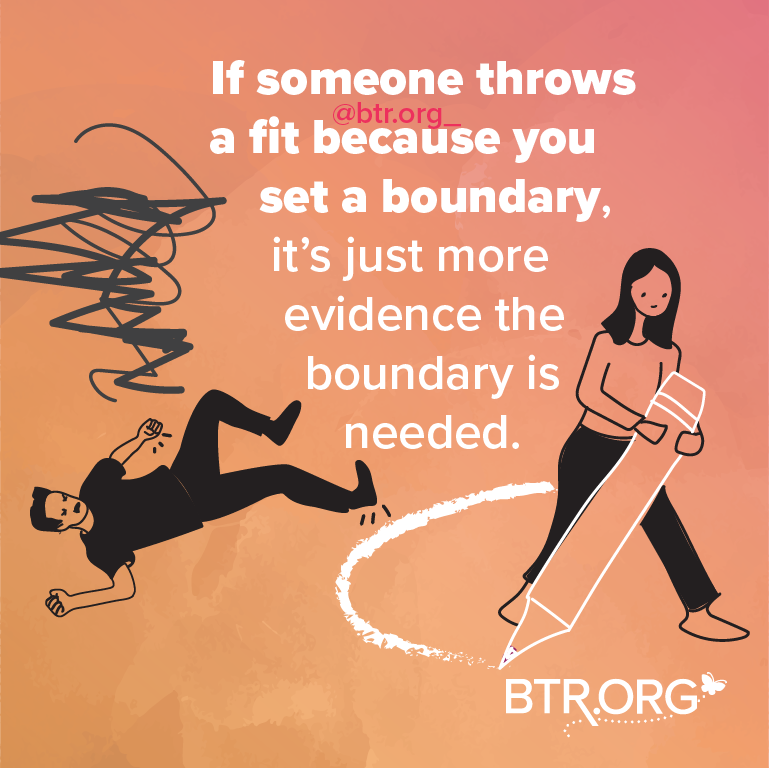
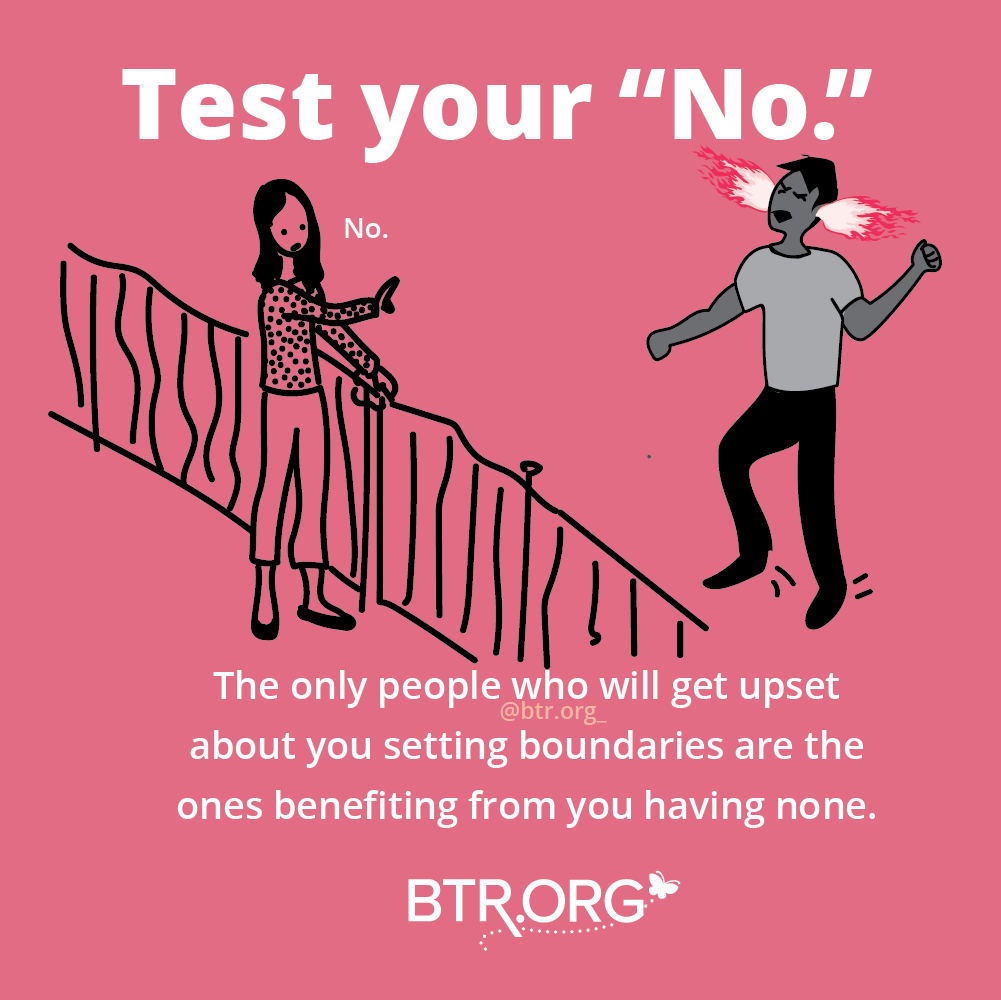
Learning how to establish healthy boundaries with your abusive ex-husband is essential for your emotional safety. Celeste, a member of The BTR.ORG Community, shares strategies in The BTR.ORG Living Free Workshop to establish emotional safety and find peace in a difficult situation.
This video simply and clearly breaks down what effective boundaries are, and how women can begin to establish them.
Post-separation abuse is a sad reality for many victims of betrayal and emotional abuse. Even though they have separated themselves from the abuser, the abuser may still try to exert power and control. Often, abusers will use communication, coparenting, and finances to create chaos and distress in victims’ lives. It is essential that victims establish healthy boundaries with their abusive ex.
Transcript: How To Establish Healthy Boundaries With Your Abusive Ex
Anne: A member of our community, we’re going to call her Celeste is on today’s episode. She’s divorced and has been working toward setting healthy boundaries with her abusive ex husband. She was concerned about working through some financial problems that her ex was causing. She implemented some Living Free strategies found in The Betrayal Trauma Recovery Living Free Workshop. Thanks for coming on today.
Anne: Do you feel like you could use the strategies in Living Free to resolve these financial issues?
Celeste: Yes, I was. It was difficult, but resolved. Retirement funds were transferred and bank accounts were closed. I’m financially disconnected from my ex.
Anne: So talk about how things have gone since you implemented these Living Free strategies and healthy boundaries.
Celeste: I gained some resiliency in dealing with him and in the minimum response possible. And I find that instead of reacting, this magic solution has happened. I don’t know how to articulate it, but it has been a peaceful time in my heart and soul in dealing with him. And I am grateful for it.
https://youtu.be/9aa5bgEY3bY
Anne: So talk about before you found the Living Free strategies. What was going on?
Celeste: Well, I thought this just doesn’t work for me, I need to do something. I felt very guilty, that I wanted some sort of barrier between communication. As I went back and forth and researched, they didn’t fit my situation. And so I kept looking for something. It didn’t come about.
Transformative Impact Of Living Free & Healthy Boundaries
Celeste: My internal dialogue is different. My internal thought processes about my ex’s behavior, whether present behavior or past behavior, and it creates a space where I can feel safer, settled, and resilient. I realized I had so much pain, so much betrayal, and trauma in my body that I wasn’t able to heal physically. Emotional abuse affects your body dramatically. I had to make a boundary for my own physical health and safety.
It became easier for my body to process the betrayal, the trauma, and get rid of pain. And I’ve become healthier and happier, connecting and checking in with my body. Women dealing with a narcissistic husband or addict are very sacrificial. They deny their own needs so much that it became second nature to give up physical boundaries as well as emotional boundaries. And that’s what I have been doing for 35 years.
So I’ve been disconnected with my own self, just knowing myself, knowing my own healthy boundaries for myself, as well as with relationships. So getting in touch with my own body has been revolutionary in my healing process.
Reclaiming Personal Healthy Boundaries
Anne: Do you feel now, like you’re more on your way to getting your needs met? One of your key needs is safety. Do you feel like you’re farther down that path?
Celeste: Yes, I feel like I have grown tremendously. In safety and in being more in touch with my needs.
When my husband and I were in the initial process of the divorce, he came to me several times and said, “I have this list of needs that I want you to consider, if we can consider a reconciliation.” And the healthier I got, I was able to say to him, Well, you know, I’m learning that my needs are important. I’m learning that I’m the best suited person, most qualified person to meet my own needs.
That, whether it’s asking for someone to help me meet a need or just being in charge of it myself. He would get angry when I would say that, because he had this list of demands that he wanted me to automatically meet. Embrace and agree to so that we could stay married even after infidelity That was a good sign to me that I was doing the right thing, because I knew he was going to continue to assume that I was supposed to meet his needs, and I knew that I needed to meet my own needs.
And be in charge of that, and be in tune enough to know what they were.
Healing Through Writing
Celeste: I found out towards the end that my husband was writing journals of thoughts about me. And he identified me as a monster, and talked about why doesn’t she just leave? Our daughter and I would be better off without her. Why doesn’t she do the right thing and go away?
It was devastating, and the reason it was so devastating. I mean, you can imagine any wife finding volumes of journals like that, but it was so devastating because I’m a writer. Writing to me is an artistic expression, and it’s part of who I am. When I found these words that were harsh and ugly. I realized the time and energy he had put into recording these ugly thoughts about me. It took away my writing voice somehow.
And I was not able to write for a couple of years. I had been writing a blog that was really popular, and it literally shut me down. So, a great barometer of knowing how I’m healing now is that I’m writing again. I’ve found my voice again, and it’s a different voice, definitely, but I’m writing, and it’s a good sign that healing has taken place.
Anne: I love this part about The Living Free Workshop, focusing on what we want to do, our dreams and our talents.
Sharing A Poem: The Road Home
Anne: You sent me a poem. And I’d like you to share it with our audience. If you feel comfortable enough to share it.
Celeste: It’s interesting. As I started to write it, it was about something else. As I finished it, it was the right poem.
The Road Home
I followed the ice crested bear tracks north, ready to face my doomsday fear and dispatch the cruel beast once and for all. But as the tsunami like winds dissipated, hope glimmered desperately under the wreckage of my snow cape. That’s when the thaw began. So as the icicles dripped, grieving tears, I took some hesitant steps toward the sun, even though it was just a distant vacation memory from a trip I never quite took.
As I picked my way through a desolate landscape filled with broken mirrors, rusty bed frames, and shredded books, The splintered forest turned verdant and fresh. My feet fell on moss covered stones as I discovered new territory where all distant paths lead home. Then, as if on cue, the leaf bed below revealed the tiniest of breadcrumbs, leading into the horizon where all maps turned to dust.
So, even though I was no longer lost, I stooped to pick them up, one by one, for nourishment along the way. Yes, I followed the ice crusted bear tracks north, and they led me safely back to myself.
Anne: Thank you for sharing that.
Reflections On The Journey To establish Healthy Boundaries
Anne: So in that poem, you went on a journey. You thought you were looking for something. But you found out that isn’t what the journey was about. And you came back to yourself. The feeling that the poem gave in the end is so peaceful and calm. What did you learn in the process of writing that poem?
Celeste: I think I learned that I am responding to my own needs and I’m in my own corner for the first time in my life.
When I grew up, I had a narcissistic mother, and I was always on alert about how to behave, so that I wouldn’t get pushed aside or blamed. And so I transferred to my husband, and I had the same dynamic. So I’ve had no practice advocating for myself and my own needs. I realized as I wrote the poem, I was taking a journey, and I thought I was looking for another person in this journey. And yet, I was the person I needed to find, and I am still in the process of doing that.
As I find myself and validate my own needs, and then advocate to get those needs met in some healthy way, I know that I’m becoming a better person. My own best friend and advocate in a world that can sometimes be harsh and disturbing. The relationship I have with myself is the primary relationship in my life now. Not to say I push others out, but to say that I validate who I am and my needs, so that I can bring and embrace other people into my circle and have true connections.
Workshop Invitation
Celeste: And that’s a boundary I have never had in my life. I’ve always felt like I’ve had to sacrifice my own needs to connect intimately with others, whether it’s a friend, a relative or a significant other. And it’s always been a lose, win situation, and for the first time in my life, I can choose relationships according to a win-win.
Anne: That is awesome. I’m so grateful that you’re feeling better. It is imperative that women feel empowered to stop emotional abuse from their husband or ex husband. Thank you so much for coming on to share your story. If you’re interested in learning strategies to help you live free from stress, chaos, and trauma, and them taking up so much space in your head. Enroll in The Living Free Workshop today.
Best Betrayal Trauma Help You Can Count On – Women’s Stories
Feb 27, 2024
Show notes
When you discover your husband has betrayed you with secret use of inappropriate online material or infidelity, it’s important to seek the best betrayal trauma resources.
Transcript: Betrayal Trauma Resources You Can Count On
Anne: We have a special episode today. Several women will share the betrayal trauma resources that help them the most. Check out our Group Session Schedule.
All right, ladies, take it away.
https://youtu.be/VKuJBWVRQp0
Victim #1: Finally Finding The Correct Betrayal Trauma Resource!
Betrayal Trauma Victim #1: For years, like we’d have fights and I would go to the internet to find out how I could be better so we could stop having fights.
And article after article was never right. I just knew. And finally one day I stumbled upon the BTR podcast. I’m thankful for the transcript. I like to read them, And I finally, knew that what I was reading was right and when I had a name for what was going on in my marriage, I could finally start to work to fix it and fixing it has not meant what I thought it would. BTR has saved my life.
The Impact Of Group Sessions
Betrayal Trauma Victim #2: I had been in therapy for years, and at least a year with Chuck and there were no breakthroughs or anything. It was the same cycle over and over and over again with no real solution. When I found BTR, I honestly was trying to find reasons in my head why the group wouldn’t be good for me because I knew it was going to change everything .
And it did, having BTR group during that time got me through and you know, I wouldn’t be growing the way that I am without BTR.
Betrayal Trauma Victim #3: I have been going through, not a good place for about three years. And this is the first time that I have had other people
share their stories where I felt so validated. I could totally relate. This isn’t just me. I’m not going crazy. I can stand my ground and create boundaries to keep myself safe, to keep my kids safe and have multiple daily options to check in, check out, share, not share, listen, the isolation that I felt before is starting to dissipate.
The Value Of Support & Growth With Betrayal Trauma Coaching
Betrayal Trauma Victim #4: I arrived at BTR in full blown trauma, never having known what he was doing for years and prior to we were married. And thank God that this is the place that I found. Because there was love and nurturing and education and coaches to walk with me and support me. And I will forever be grateful.
Betrayal Trauma Victim #5: I have been in therapy for 12 years, and only now have I felt I have the expert care and clarity I have been searching for for 12 years. You and this whole group, proactive, where before it was just wishy washy, psychobabbly hit or miss type of therapy. Like, this group is exactly what women need. And I cannot thank you enough.
Betrayal Trauma Victim #6: I didn’t ever think I would be in the position I’m in. I was with my ex fiancé for 20 years. And I had no idea that he was living a double life. I found BTR and scheduled an Individual Session with a BTR Coach, and I haven’t looked back. I have learned so much. Every day I hop on group. I see women that I am inspired by. Women who are ahead of me in the journey, and women who are following me on the journey, and we’re all on different journeys, but somehow the connection that we have and love that we share is real.
So thank you so much. I don’t know what I would have done without BTR for the last 12 months.
When It Comes To Betrayal Trauma Resources The BTR Coaches Are Wonderful
Betrayal Trauma Victim #7: There’s just no support for women, other than the groups available in the addiction realm. My therapist of many years never mentioned the word abuse. I was terrified. The post separation abuse was just heinous. As I got into BTR, I learned so much from the coaches. And since then, with the help of BTR, I am safe in my new place. I’m now starting to process it even more
Due to all the coaches love and support, they have allowed me to have such great strength, realizing I am worth it. I am enough. BTR is a lifesaver, and I thank you from the bottom of my heart. You helped save my life, and I am now free and safe.
Betrayal Trauma Victim #8: I’ve been through this for over 30 years. And I’ve been in BTR for five months. My life has changed more in the last five months than all those years I went through. And I appreciate the individual sessions, group sessions, and all the coaches.
Everyone has something different. And all the shares help you understand other ways to do self care and stay safe. I really appreciate BTR. I can’t say enough about it. It’s changed my life.
Betrayal Trauma Resources That Work For YOU
Betrayal Trauma Victim #9: I really didn’t know what to think about my situation.
After almost 30 years being with my husband, . I didn’t know what to do. And I prayed and I did a Google search and I found the podcast bTR was literally an answer to prayer. and it literally changed my life. After a year, I feel so much more empowered and connected and validated. Everything just started to make sense. I have so much clarity.
I’m a completely different person than I was a year ago. I just love BTR group.
Betrayal Trauma Victim #10: The BTR Group Sessions are so helpful, connecting with other people going through this, and not feeling alone, and recognizing that there are lots of super capable, strong, determined, women experiencing abuse at different stages along the way.
And I found the group sessions to be really helpful and the podcast to like understand broader patterns . I’m really glad BTR exists.
Betrayal Trauma Victim #11: I feel like BTR groups have been an opportunity for me to create some routine in my life, like something I can do every single day.
Betrayal Trauma Resources Vetted By Women Who’ve Been Through It
It has just created structure and support in a life that is chaotic, unpredictable, and challenging. And I feel like I like meeting with all the coaches, because they have different perspectives. Each coach has a different vibe.
That’s really helpful. That’s been great. I’ve been doing this a couple months. I’m really happy. And I don’t think I’m going to stop anytime soon. It a really beautiful community of women who’ve been doing it for a long time. It’s really cool to see those connections and to be building them.
Betrayal Trauma Victim #12: BTR Groups and Individual Sessions. Have been an amazing space for me to find safety, encouragement, and support. BTR has helped me and continues to help me, as I’m still in this process to be reminded that I’m not crazy. I can check in with myself and my body.
I’m grateful to have this community, it’s been really important to help me recover.
Resources for Betrayal Trauma That Empower You
Betrayal Trauma Victim #13: I found BTR through the Instagram posts just realizing those posts are about me. They help me.
When I started attending Group Sessions, it was like finally having the place where everything in my life that didn’t make sense made sense, and I wasn’t alone. To be able to. Literally like put the voices from the group in my ears and hear that as things are happening in my life.
It’s just been life changing. It’s been a great support.
Betrayal Trauma Victim #14: betrayal Trauma Recovery has been life changing for me. I’ve been able to share my feelings.
I’ve been able to share my story. The coaches don’t tell me how to live or grow with my husband, but the coaches help me guide my own path. And actually, my counselor pissed me off one day. He said, “You know, women’s groups like to tell each other what to do, and that leads to divorce.”
And I was like, that’s not true. You guys definitely don’t lead us to make decisions that would cause anyone to choose divorce.
That’s a huge thing for me because I’ve heard other places or counselors do that. The fact that I’m able to hear other stories is amazing. I don’t feel alone.
A Betrayal Trauma Resource That Will Bring You Connection
I feel like the knowledge of what other women have gone through. I feel like that has taught me, because it doesn’t have to be the same scenario. It’s just knowing what they’ve done has allowed me to make my decisions. I look forward to it every time I’m on here.
It’s affordable. I definitely recommend BTR to everyone.
Betrayal Trauma Victim #15: BTR has been important for me through this journey. I can just succinctly say that it has saved my life. I would say just simply that. Without BTR, I wouldn’t be here probably.
Human Trafficking Survivor Talks About Common Misconceptions – Sadie’s Story
Feb 20, 2024
Show notes
Anne Blythe, founder of Betrayal Trauma Recovery, talks to Sadie, who with other human trafficking survivor speakers, shares her story. One of the offensive and dangerous societally accepted beliefs is that trafficked workers have chosen and want to be exploited. In fact, the average age of a trafficking victim is only thirteen years old. In fact, many married women are trafficked by their husband’s without even knowing about it. If you listen and relate, we welcome you to a group for women who have experience sexual coercion in marriage. Attend one of our daily Group Sessions TODAY. Handlers exploit, abuse, and often torture victims into compliance. Emotional and psychological abuse are integral components of trafficking, often serving as the invisible precursors to it. It is essential to educate every woman about these forms of abuse, which almost always precede trafficking. To find out if you’ve experienced any one of the 19 different types of emotional abuse from your boyfriend or husband, take our free emotional abuse quiz. Handlers abuse women, whether on a film set or in the bedroom of a predator. Men literally pay for abusing women when they view exploitative material. A predator is anyone who financially supports this exploitative industry. Some abusers justify exploiting women by claiming they aren’t hurting anyone. Every time a man views exploitative material, he is a predator. Predators Find Gratification In the Abuse Of Women As Sadie explains, predators cause devastating harm to victims. Some states and countries legalize exploitation. They pave the way for more women and children’s abuse. One of the most disturbing components of this exploitative industry is that men find gratification in the abuse of women. Users rationalize its use when they believe trafficking workers actually enjoy being exploited. But Sadie explains that this is an illusion. Whether they made money or not, their intent was to receive something in exchange for exploiting you and that makes it trafficking. It’s important for women to understand that men are completely accountable for their behaviors. At BTR, we understand the sad truth that an alarming number of women are victims of coercion, assault, and even human trafficking, and betrayal trauma from infidelity -and may not know it. Transcript: Human Trafficking Survivor Speakers Share The Truth Anne: On today’s episode, a trafficking survivor is going to share her story. We’ll call her Sadie. Welcome. Sadie: Thank you. Thank you so much for having me. I’ve greatly benefited from your podcast, your website, and other victims of betrayal trauma. And I’m grateful to share my story and hopefully help some people. Anne: You found this podcast because you’re also a betrayal trauma victim. Additionally, someone trafficked you for a year in your youth. I want our listeners to know that you understand this issue on so many levels. And before we started recording, you talked about how words can make trafficking seem different than it is. Sadie: People throw out the word pimp a lot of the time. And that’s kind of a cartoonish name for what is a slave master, a trafficker, a person who owns other people. https://youtube.com/shorts/mHgIHT2Dtrw You’ll hear a buyer called a John, sometimes as a trick, and that makes it seem like they were tricked. They’re just the average John, the average guy, when really this is a person who is purchasing another human being. They were purchasing possibly children. So we refer to them as predators to recognize that that’s what’s happening. Also, a lot of the times you’ll hear prostitute and a prostitute is usually a human trafficking victim or slave. Anne: I think this is really important to talk about, because we do not want to villainize other victims. As victims ourselves, compassion for other victims, rather than blaming them or giving them responsibility for our husband’s abuse, is not helpful to anybody. I wanted to have this conversation, and that’s one of the reasons. The Tragic Lie That Human Trafficking Survivors Speak About Anne: Let’s start with just basic definitions. What is trafficking? Sadie: Trafficking is the recruitment, transportation, transfer, harboring, or receipt of a person under threat, force, coercion, fraud, deception, and or abuse or power, and exploited for the financial gain of another. This is one of the many types of exploitation. Society normalizes trafficking. So much so that when I say prostitute, the picture that comes to mind is an adult on the side of the road, luring innocent men. A trafficking victim, on the other hand, is usually imagined as a foreigner. Maybe they’re chained to a bed, possibly injected with drugs. Illusion is the key ingredient in the exploitative industry. It’s a lie that victims depicted are somehow aroused and choosing this. The truth is that the average age of a trafficking victim is 13 years old. It’s not the willing adult presented in the fantasy. 85 percent of trafficking victims identified in the United States are U.S. citizens. These are our own children. In 2018, the United States became one of the top three sources for trafficking victims. Trafficking jumped 13 percent in the United States between 20 16 and 2017 and is the fastest growing crime. Americans were the number one consumers worldwide. The annual revenue from the trafficking industry in the United States is more than the NFL, NBA and MLB combined. Women who are exploited in this way exemplify the highest funded trafficking victims in the United States. All of which we are desensitized to. Human Trafficking Survivors Shed Light on Inhumane Treatment Anne: Yeah. It’s jaw-dropping to think about all the different places this shows up in our society, and how many people participate in it in one form or another. In order for it to stop, the demand needs to dry up. If there were no demand, there would be no exploitation. If everyone in the world never clicked on or paid for pornography again, it would make a huge dent in the exploitation industry. Will you talk to us about the realities of a victim since you were trafficked? Sadie: So just like each betrayal trauma story is different, each trafficking survivor story is also unique. There’s a typical process traffickers use to secure victims, dating, grooming, breaking, and then turning out. The slave master may not take all those steps, depending on their typology. But breaking and turning out will always be present. Which is just the breaking of the person’s spirit and resistance, and then the turning out means forcing them to participate. Masters betray, deceive, defraud, and coerce at a minimum. It can happen without us even realizing it’s happening. A trafficker has a specific end result in mind, and they will extend their abuse to complete compliance. Each slave has a quota that they must meet each day. Not meeting that quota can mean a wide variety of consequences, including death. If a victim comes to the car window of a predator lurking to purchase, and cries, they might die that night. If they don’t get a thousand dollars, they won’t get any help. The predator will simply drive away, dismiss it in their mind as rare, a scam, and that most trafficked workers are like Pretty Woman. But younger and going to college. What Is A “Predator”? Role of Predators Sadie: The victim will be no closer to having the money they need. The only option they are given, by design, is to service the predators, the term we prefer rather than Johns, buyers or tricks. After a full shift of abuse. A slave master collects the slave from the venue. Sometimes they will work 24 hours. And then they take the slave to a new venue and dropped off again. They are at the whims of the masters and predators who spend the money. The slave master takes control of all the money paid to the slave. I wasn’t allowed to buy food or drinks, even water. I would be given those things if my slave master felt I had earned them. My traffickers had multiple girls ranging from 13 to 17, all United States citizens. We slept on the floor in an apartment where mold was on the walls. There was nothing in the apartment besides one bed with no bedding. And it was for the master when he was there, not for us. We each had one or two outfits chosen for us, and that was the extent of our worldly possessions. And only had contact with the people who pay to use us. We couldn’t engage with, or make eye contact with, anyone else. We suffer greatly at the hands of our masters, but we suffer far worse with the predators who purchase us for services. They abuse us all day, every day. We don’t want to engage them. We cannot ask them for help. They are not safe. We have nobody to help us. Are You A Victim Of Human Trafficking? Anne: I am so sorry. That is a living nightmare that you are describing. And, it’s horrific to think that some women listening to this podcast, perhaps including my ex husband, I don’t know, have been involved in this type of abuse. Women find out that their husband also abuses women in the way you’ve described. It is just a nightmare.It’s impossible to live with a husband you don’t trust. So from your perspective, as a woman who has experienced both betrayal trauma, abuse, and exploitation in the form of being trafficked. What would you like both the betrayed and the abusers listening to know? Sadie: I occasionally had a betrayed wife ask about some activities within their own marriages that they now question. So I would like to say to the betrayed if your partner has ever forced you to participate in videos with another partner. Or in a field of trafficking, work for their financial gain or for bartering under the fraud of a trusting marriage. Unfortunately, you may be a human trafficking survivor. Even if they didn’t make money, their poor business skills are not your problem. If the intent was to receive something from your exploitation, please contact a human trafficking resource center. Unfortunately, if we have betrayal trauma and abuse in our homes, we have to become educated on all forms of human trafficking. The “Consent” Myth Sadie: For any abuser listening, if you have watched exploitative material, you’ve seen trafficking victims. If you have been to a strip club, you have paid trafficking victims. If you have purchased physical touch, you have paid for slave labor and assault. There is no sugarcoating the statistics. You can’t have so many non willing participants statistically, yet somehow magically have everyone in your own histories within those same venues be happy to be there. It was a lie that only existed because you asked for lies. If you participate in the exploitation of a fellow human being, you are not an ally. Someone exploits a child every two minutes in the industry. You cannot prop up that system and also be a friend. You are painting targets on your own children with your choices. Anne: It’s very scary, especially for those who are divorced. We send our children to our abuser, who continues to abuse us through lies and manipulation. Who is looking, for all intents and purposes, like an upstanding member of society. And we don’t know what’s going on. And even if the only thing, he uses pornography, viewing that means he’s willing to participate in someone’s abuse. I would like to mention to our listeners, because I am religious and talk about God and my own experience, that our guest today is an atheist. Just in case you want to feel validated. I love having all points of view here. Human Trafficking Survivor Shares her Thoughts on Mainstream Media Anne: As a trafficking survivor, can you help me understand your perspective on mainstream television shows that include exploitation like Game of Thrones, for example, or any shows like that. Would you say we also need to boycott that? Sadie: Absolutely. Every click on pornography is to pay for this to happen. It’s paying for the perpetuation of this industry. I remember speaking to my mother about it, because she had recommended it. And I said, Mom, I can’t watch this. It’s too gratuitous, and she’s like, Oh yeah, I wish it wasn’t like that. I’m like, don’t watch, stop watching. That’s how it stops being like that. Anne: I’d like to know what everybody thinks. So please comment on this episode. The point of saying this is that even if you hate abuse like I, I hate abuse. It’s difficult to live in our society when it’s so rampant. It’s on mainstream television. Trafficking Minors Is Insidious & Predators Can Be Prosecuted Anne: Let’s talk about the legalization of “work.” I don’t call it that, because we know it’s abuse. But in our society, there is this normalization of the industry, with some groups even pushing for legalization. As someone who has been in this situation in real life, what is your view on this? Sadie: First and foremost, for those struggling with, is it okay to say no to exploitative material? Which a lot of women still struggle with. It feels very controlling, and we don’t want to be controlling. It is absolutely okay to say no to it. And it is not prudish to not want children enslaved and abused. This isn’t sexy because it isn’t real intimacy. It’s abuse of people who have already been abused. It is absolutely healthy to say no to all industries of exploitation and still be pro intimacy. These are not conflicting realities. We are really in a fight for our lives right now. Knowing firsthand what this industry has done to us and to our families. We know what it’s done to vulnerable children and the disenfranchised. It’s insidious. Right now, we have laws popping up to help recognize victims and stop arresting children for being purchased by an adult, to prosecute buyers and end the demand. There are multiple states where, even if the buyer says they did not know the human trafficking victim is a minor, it is a felony. They will go to prison, and they will need to register as a sex-offender. There is so much information out there to educate ourselves. That ignorance is no excuse. The Truth About “Legalized” Trafficking Sadie: Statistically, it’s a child being bought, and it should not be worth the gamble. That person doing the buying is a risk to our society. At the same time, there are bills to fully decriminalize this kind of work. They are presented with the lie that this will somehow decrease trafficking and provide services for trafficked workers, but they have no resources of any kind provided within the bills. We know from Las Vegas that trafficking rakes in 50 to 70 times as much money as the legal brothels. In the 48 years since, this kind of work was legalized in parts of Nevada. They now have 63 percent higher rates of trafficking than any other state in the country. And rank in the top 10 states for exploited youth. Less than 10 percent of all prostitution happening in Nevada is legal. We cannot let this hurt any more families and children. Anne: As women who understand the serious ramifications and abuses that happen with people involved with exploitative material, we also need to recognize that we have also been victims of this in our own homes. I know several women who have been filmed by their husband, and then the husband posted it online. And they did it without their consent, and they did it without their knowledge. And so they are victims of exploitation. What would you recommend for listeners if they suspect they might be victims of exploitation or wonder if they have been? Resources For Survivors Of Trafficking Sadie: A great place to start is a book called Trafficking Prevention by Savannah J. Sanders. It will not only help understand the basics, but also help protect children with trauma. There are national agencies to get information and support, Polaris, is one that is fantastic. The Rebecca Bender initiative does some incredible work with survivors. They’ve personally been amazing to me. Also look locally. I am from a tiny farm town. This happens everywhere. So find your lo…
Is My Husband Grooming Me? – Raven’s Story
Feb 13, 2024
Show notes
If you’ve wondered, “Is my husband grooming me?” Raven talks about how her emotionally abusive husband groomed her from the beginning of their relationship. One way to know if he’s grooming you is to see if he’s using any one of the 19 emotional abuse tactics. To find out, take our free emotional abuse test. What Is Grooming? No matter what kind of abuse, or who the abuser is, grooming occurs when an abuser creates a false sense of safety for his victim. “Anything that someone does to make it look like he’s a knight in shining armor.” Raven, Member of the Betrayal Trauma Recovery Community Community At the start of a relationship, an abuser might act very kind and caring to make a woman believe he is a safe and trustworthy partner. He might seem honest, loyal, and emotionally strong. But later, he may start cheating, lying, and making her question her own feelings or memories. This shows that the way he acted in the beginning was just a trick to control and manipulate her. If you relate, attend a Betrayal Trauma Recovery Group Session to find support. Transcript: Is My Husband Grooming Me? Anne: A member of our community, we’re going to call her Raven, is on today’s episode. I sent a request on social media to have a member of our community. Come on the podcast to talk about grooming, and Raven was like, “Pick me, I want to talk about grooming.” On our social media channels, you can interact with women who comment back and forth about what they think of these episodes. You can be anonymous on social media, depending on what your profile says. If you’re not anonymous on social media and want to be anonymous, you can go to our website and search for this episode in the search bar. So for example, the title of this one is, “Is my husband grooming me?” So you can put that in the search bar on our website. This podcast episode will come up, and then on this particular episode, you can comment and interact anonymously with other women on our website. Understanding Grooming Anne: So you volunteered to talk about grooming. Thank you, what motivated you to respond to my request? Raven: Thanks for having me. When I first saw the post, I actually didn’t know what it was. So I looked it up and I was like, Oh, and I think maybe some other women haven’t heard that term yet. And it’s something I would like to explore more. Anne: So, obviously, we’re not talking about grooming in terms of brushing our teeth or combing our hair. But we’re talking about the kind of grooming that an abusive man does to give the impression he’s a really good guy. This is when he manipulates someone with a goal in mind. In this way, an abusive man uses words and actions calculated to create a feeling of safety, so he can trap his victim. We’ll chat about grooming, and if she had any questions, I would answer them. I didn’t ask her to, but she did some research about grooming in preparation for our chat. So can you talk about some of the things you learned? Raven: Basically, it’s anything someone does to seem like they’re the knight in shining armor. Doing good things to seem good and hide the bad. I’m confused about the difference between gaslighting and grooming, because they both make you seem like the crazy person or the bad person. Anne: Narcissists groom victims intending to set the baseline “reality” of his character. Grooming is about Setting A Baseline Perception Anne: He wants to manufacture a persona that you judge everything by from then on. So if your baseline perception of someone, anyone, is that they’re an honest, kind, compassionate person. Then you filter their actions through that lens. So if your baseline perception of your husband is that he’s honest, kind, and compassionate, then you’re going to filter everything that he does through that perception. Because if your baseline perception of your husband is that he’s a wonderful, loving person. If something weird happens, you’re going to interpret that as an “off day” or maybe going through something hard. It’s going to feel outside the norm. Then you’ll try to explain it according to the perception you have. So since he is such a good person, maybe he needs help. Maybe there’s something wrong. Contrast that with thinking about how you would interpret someone’s actions, if your baseline perception were that they are a compulsive liar. If you have the perception that someone’s a compulsive liar, you’re going to be guarded and on the lookout, you’re not going to be vulnerable with them. This is why lying is emotionally abusive. So abusive men have this awareness that they need to set this baseline perception, and that you’re going to filter everything through that. So the intent of grooming is to ensure that your baseline perception of him is that he’s the good guy. This is the type of manipulation that happens day in and day out all the time. And if someone’s doing this from the beginning, of the relationship from the moment you meet them, they’re purposefully trying to control how you perceive them. And also control how everybody else perceives them. Rather than just trying to get to know you, rather than just being in a relationship with a real person. A Real-Life Example Of Grooming Anne: They’re intentional about the image they’re portraying. They’ll go way out of their way to set up this baseline perception. So, for example, I was talking to a friend, and she told me she was dating a new guy and he was divorced. He had an ex wife and children, and apparently he had a lot of money, and apparently his ex-wife was crazy. So this is a red flag for me, like, “Okay, he’s probably an abuser.” So my friend got stuck about three hours away, kind of in the middle of nowhere. She had a flat tire around 10:00 PM. Now, if you want to be helpful, you could do a lot of things in this situation. Like if she called me. I have kids asleep, right? So I’d say, let’s call AAA. They can come out there, and if they can’t fix your tire, they can drive you to the nearest town. and you can get a hotel for the night. Something like that would be a reasonable way to help someone out. And if she didn’t have money, he could have offered to pay for the hotel room. Something like that, but no. He put his sleeping kids in the back of his car on a school night, and drove three hours to get to her. So she had to wait three hours to get help. She could’ve got help faster from someone else, and then drove her home three hours. She thought he was so incredible. When she told me the story, she was like, “He pulled out all the stops to help me.” And I was thinking, whoa, he pulled out all the stops to convince you he was a good guy. But good guys are logical. They would just call AAA. Grooming vs. Gaslighting Anne: They wouldn’t put a sleeping child in the back of the car and drive six hours. Through the whole night. And his plan had a added bonus, which was the next day he drove her back up the three hours. So he got to spend that much time with her. Which I think was his intent. That’s an example of grooming. Grooming is a form of gaslighting, but the victim always experiences grooming as positive. Grooming is when she feels good, amazing, loved, cared for and special. Gaslighting can be either positive or negative. Gaslighting is when he purposefully alters her reality. And grooming, is that for sure. But gaslighting is also when he tells you that you’re having memory problems or crazy, or when he says, “What’s wrong with you, why would you think I would ever use pornograpy?” You don’t know me at all. He was trying to have her doubt, her perceptions of reality. So I would say gaslighting can be positive or negative, and grooming is always positive. Do you feel like you’ve experienced that? I He Groomed Me From The Very Beginning Raven: Yeah, so we met and things went pretty fast. The night he asked me to be his girlfriend, I told him my life story. I was like, hey, here’s who I am. Here are some mistakes I’ve made. I don’t want to do that anymore. And like, take me or leave me kind of thing. And he said, “That’s in the past. I love you.” He had a job at the training center for missionaries of my church, which you have to hold certain standards to keep. He never misses a Sunday of church, even if he has like a hundred and three fever. And he presented himself as this perfect person, and he was doing me a favor by loving me. It was very apparent after we got married, more so because his parents would be like, Oh, all the girls were all over him, and you were lucky. And it worked well in his favor. When I found out about all his exploitative materials use a year into marriage, I told him I wanted a divorce. And he called his parents crying. He didn’t know why I was acting crazy and irrationally over something so little. And then they said, maybe it’s because I was in a bad place spiritually. He was making it seem like I’m the one acting crazy and irrationally, because he would never do something like that. Because everyone’s always seen him as good spiritually. Is My Husband Grooming Me? The Realization of Abuse Anne: So you experienced grooming while dating, and then after marriage, he starts gaslighting you. And he’s also groomed everyone around him to perceive that his baseline character is a good guy. And you feel like he’s a good guy too, until you realize he wasn’t. Raven: Well, so he overcompensates a lot. I’d always feel like well, he’s a great father and a great husband besides this. Because he would take the kids, and he does the cooking, and he does the cleaning. When I was angry and like yelling, he would be calm. And like, I understand everyone just saw that side of him that he had it all put together. He was the one holding this marriage together, because I’m falling apart. Anne: Did you know that he was abusive, or did you just kind of feel that something was wrong? Raven: So I heard the term abuse and I was laughing. I was like, my husband is not an abuser. And once I started reading about abuse. I was like, oh my goodness, he is. I had no idea at that time. Anne: Yeah. This is a powerful truth about emotional abuse most women don’t know. And even when you didn’t know it was abuse, you were still resisting it. because you sensed something was wrong. You actively tried to protect yourself. And in your case, you had him start addiction recovery. Thinking that would create some safety. Take us back to that time. What was he doing while he was in “recovery” for his addiction? Is My Husband Grooming Me? Yes Raven: When he started working more on the 12 steps and was making amends to people, he would again, just like say all the right things. Without being honest and manipulating them to make him seem better than he was. And then when I’m not doing well, people would be like, Oh, but I thought you were better. Because he reached out to me and said he was sorry, and he made these amends and said he was going to get better. So, like grooming others to believe he’s better or believe we’re better. And kind of not seeing why I’m still in a place where I’m at. So he was doing more stuff, and I told him I was like, “I see you’re doing more, but I still feel like something’s off.” And I just wanted to believe he was different. And then yesterday, actually, he came to me and told me the last five months he’d been lying straight to my face. He’s been acting out the last five months actually a lot. Probably more than ever, and I kicked him out of the house this morning. Anne: Oh, and here we are on the podcast. Are you okay? No, the answer’s no. So he’s answering the question, is my husband grooming me, with a yes. Raven: I’m actually better than ever. I feel so free. In the beginning, I would check his phone whatever, and I started doing that just a little while back as something was off. But he shared this, and I actually feel empowered right now, but also overwhelmed. Anne: Whoa, wow, I can’t believe we’re talking right now. There’s so much to process. Fake Recovery & Vulnerability Anne: You know, this fake recovery he did when he was lying straight to your face. It’s very similar to fake vulnerability that many of these abusers will do. Where they just share a little part of something, and then the victim’s like, well, there’s no way he was sharing something like that if he wasn’t honest. And it makes them feel close to him. Like, he’s a good guy because he’s open and honest. So fake recovery is similar to fake vulnerability. It’s manufactured to trap us, wow. Raven: So the other night we had a talk with his parents. They’re toxic, and he was defending me. He was just saying, yeah, I’ve been abusive. He groomed so well that he’ll admit it. He’ll say all the right things. Like, yeah, I’ve been abusive and I’ve done this all while he’s still acting out. He’s still abusing me. So here he is being vulnerable and being fake vulnerable, like admitting he’s being abusive. Anne: And people are thinking, oh, he’s admitting to what he did. So he must have changed. Why won’t she forgive him? That kind of thing. That’s super scary. People around you right now aren’t recognizing how dangerous your situation is. And they don’t know about grooming. Raven: Yes, so he’s doing more work, and yet the other night he woke up and told me he groped me in my sleep. I had reached out to some friends and they’re like, that’s not normal. And so I told him he acknowledged it. So I told his parents, and they said, “Oh, honey, that’s normal, that’s part of the marriage contract.” Struggling With Knowing It Was “Only” Grooming Anne: What? Assault is part of the marriage contract? Raven: But I was like, no, this is my body. And I still have a right to say when he can touch me and when he cannot touch me. And they said, “Oh, that’s probably why he has a pornography problem then. Anne: Ahhh Raven: So I’ve stopped talking to them for now. Anne: You are very brave and you are strong. Raven: Thanks, I’ve come a long way. Yeah, I think the hardest part is that I feel like I could never divorce him. Because i’m too scared of what he would do. I just worry, oh, well, who would he be with. And like why couldn’t I be like her, but right now I don’t want him either. So I’m in this tricky spot. How do you know when it’s time? Will I have the strength to do what I need? Anne: One thing to remember right now is that even if you remain married, you still don’t have a say over who he’s seeing. Marriage doesn’t solve that problem. If the person’s not healthy, if they’re not willing to be honest. And if they’re not willing to be faithful to their wife. Then marriage isn’t going to stop them. So if that’s one of your worries, let me help you release that. Is My Husband Grooming Me? Finding Strength & Clarity Raven: I feel conflicted between almost ecstatic, like, I knew I was right, because something was telling me, but also kind of like, well, why didn’t I listen to myself sooner? And feeling like I let myself down, but I can accept that I was doing the best I could. Anne: You absolutely were doing the best you could. You didn’t know that the answer to the question of, is my husband grooming me? was yes. You were resisting the best way you knew how. That’s why I wrote The Living Free Workshop. It was to help women who are always resisting abuse. They just don’t know exactly what it is, and they can’t anticipate what he’s going to do. That workshop takes you through what’s happening. It helps you anticipate what he’s going to do next, so that you can protect yourself. For those who relate. If you’re asking, is my husband a good person? Or is he just grooming me? I’m so confused. You don’t know where to turn, Betrayal Trauma Recovery is a safe place for you to process this. It’s important that you process it on your own, without going to him with these concerns. So that you can observe whether he is safe. Or if he is abusive. Because they are master manipulators and master groomers. And you want to recognize what’s going on. Raven Could…
How To Set Boundaries With My Husband – My Struggle
Feb 06, 2024
Show notes
When Anne Blythe, M.Ed. first started podcasting years ago, she searched, “how to set boundaries with my husband?”. In this episode Anne analyzes one of her old podcast episodes. To point out to her years ago self, all the victim blaming she experienced. If you need support, see our Betrayal Trauma Group Session Schedule. In this early podcast episode, Anne shares her very first attempts at healthy boundaries. She refers to a 12-step program, “addict behaviors”, and addiction. Now, of course, we understand that abuse is NOT addiction, addiction therapists do NOT help abuse victims find safety, and 12-step programs can be harmful to women in abusive relationships. True Boundaries Aren’t About Controlling Others’ Choices “Every time my husband was abusive towards me, I thought that my boundary was giving him a lecture. Literally like a 40 minute lecture about how terrible things were and how I was feeling and what he should do. I thought that’s what boundaries were.” Anne Blythe, Founder of BTR.ORG Transcript: How To Set Boundaries With My Husband – My Struggle Anne: It’s just me today. And I’m actually going to analyze in real time myself from years ago. You’ll hear me describe how I started my journey to set boundaries with my toxic ex. Despite my 12 step sponsor victim blaming me. Despite my 12 step group blaming me. So, if you are wondering how to set boundaries with a toxic ex, listening to this will give you some insight into my process. Of how I came to understand how to set boundaries with my ex. I did S-Anon in the beginning of podcasting. It is a 12 step group for wives or ex wives of pornography addicts. I actually did an S-Anon group specific to my faith. SALifeline is this particular S-Anon groups name. And I was doing the 12 steps myself. I was actually a 12 step sponsor. And then I also facilitated a 12 step group. You can hear that I talk about abuse, but I don’t quite understand it. This was before Betrayal Trauma Recovery existed. It was just a podcast. So way back then, I was podcasting in my basement. I hadn’t yet brought on coaches for our group sessions or individual sessions. And hadn’t created the Living Free Workshop. I was trying to figure all this out. Initial Misconceptions About How To Set Boundaries With My Husband Anne: Now, since this time, I have removed most of these episodes. I started podcasting in 2016, but if you look on Apple Podcasts, it looks like I haven’t been podcasting that long. Over time, I evolved and realized parts where I got it wrong. But I saved the audio recordings. And that’s what you’re going to hear today. I actually altered my voice back then, because I was so scared. So hopefully you’ll hear the difference between me now and back then. And back then, I went by anon for anonymous instead of Anne. I actually, haven’t heard this recording in years. So, we’re going to go through this together. I’m a little nervous, but here we go. From Years-Ago-Anne: So I didn’t know anything about boundaries before starting recovery. In fact, every time my husband abused me or every time he had a slip up, I thought my boundary was giving him a lecture. Literally, like a 40 minute lecture about how terrible things were, how I was feeling, and what he should do. I thought that’s what boundaries were. Anne: So my first thought is thank goodness that I stopped disguising my voice because I sound like a chipmunk. When I’m talking about my recovery, I was recovering from his addiction. At this point, I think, I’m not sure. Let’s keep listening and see what I say. Learning True Boundaries Because Of Husband’s Arrest From Years-Ago-Anne: I have learned since then that is not what boundaries are at all. In fact, God was merciful to me, and he taught me about boundaries in an extremely traumatic way. My husband was arrested and given a court ordered, no contact order. That was my first boundary ever. God gave it. And then I had to decide what to do with that boundary, to keep it, to not keep it. And what that boundary meant. I realized that my boundary is, keeping safe. And be safe while he continues to act out in this behavior. In my husband’s case, once he was arrested, he did not show any clear signs of recovery behaviors. There were many things that he could have done. He could have texted every day, for example, and said, “What can I do today for the kids?” He did not choose to talk to my dad, apologize to my dad about some things. There were several things he could do legally. Anne: At the time, I was so sad that he was not doing any of those things. https://www.btr.org/long-term-effects-of-emotional-abuse-in-relationships/I wanted our family to be together. I was not thinking about how to stop emotional abuse from my husband. And was so depressed about it. I could not see how my life would ever get better. And now listening to myself, I’m thinking, thank goodness. I’m so grateful that I did not get groomed, because in my vulnerable state. My husband groomed me at that time by doing any of those things? I’m pretty sure his manipulation would’ve absolutely trapped me again. All right. What else did I say? Husband’s Lack Of Recovery Behaviors & My Knowledge Of How To Set Boundaries From Years-Ago-Anne: He did not show any signs of that. He did not put forth a plan. “I realize this is what happened. I’m sorry, this is my plan for recovery. This is what I’m going to do to return to the house.” He never asked to return to the house. So, for me, there was no way that I could do that. Remove or amend the do not contact order to talk with him, because he was not showing any recovery behaviors. Anne: When I say, he’s not showing any recovery behaviors here. I’m a little concerned for myself, because I’m thinking, are you just looking for him to check off some boxes? And again, just so grateful that he wasn’t checking boxes. That would have been really hard. From Years-Ago-Anne: So what are boundaries? Boundaries are like fences between neighbors. They define the limits of a relationship. And provide safety and structure, and define appropriate and inappropriate engagement in the relationship. They delineate responses to inappropriate or unhealthy engagement or interactions. So first, let’s define what boundaries are and are not. Boundaries are used to define the limits of the relationships. They are healthy responses to violations of self. Boundaries are in place as trust is rebuilt in relationships. Boundareis are protection against repeated harm. Boundaries are not punishments. They are not methods of coercing or forcing behaviors. They are not a way to avoid dealing with pain. And boundaries are not used to emotionally disconnect or isolate. Misogynistic Victim Blaming To Make Women Feel Defective From Years-Ago-Anne: So, when I was not practicing boundaries, my fear, my character defects of fear or control would crop up. Anne: There’s some misogynistic victim blaming. I was convinced that my fear and desire to be safe was part of a character defect . So that’s why you can hear me say my character defects of fear or control would crop up. I was taught that I was defective and sick in 12 step. And that my fear was a result of my sickness. The truth is that I was actually super brave. I’m willing to let go of control, because I was observing him from a safe distance at this time, and I was really brave. So having my sponsor tell me that I had this character defect of fear and control when that was not the case at all. I was brave, and I had let go completely. Also, if I had any fear or desire to get to safety, it was because of his abuse. Not because I had some kind of character defect. So there, I can see that I still haven’t quite figured that out yet. All right, go on. From Years-Ago-Anne: And rather than set a boundary for myself and knowing how to set boundaries with my husband. That I would turn to my sponsor, do recovery behaviors, surrender to God’s will, and do self care. I would turn toward my husband and try and make him be safe. I literally got down on my hands and knees and begged him to love me many times. He looked at me and said, “No I won’t.” Or I begged him to be kind, and he said, “No, I’m not going to be kind to you.” Resisting Abuse Is Not The Same As Becoming Responsible From Years-Ago-Anne: And that only put me in a further state of stress. He was abusing me, and instead of detaching from my abuser, setting a boundary, and getting myself to a safe place. I could just continue to be abused by trying to force my abuser to be kind. Because boundaries are important and knowing how to set boundaries with my husband is important. The opposite is responsible for his behaviors or recovery. It is wise to self assess occasionally and determine whether you’re crossing the line into becoming responsible. Some warning signs that you may be crossing the line to becoming responsible for your husband’s behavior. They provide constant reminders of the recovery behaviors he should do. Anne: Wow, I mean I was resisting abuse at the time. I wasn’t becoming responsible for his behavior. I was trying to find my way out of this. And do safety seeking behaviors, resisting the abuse. Resisting the abuse is not the same as “becoming responsible.” Misguided 12-Step Teachings Harm Victims Anne: I’m almost wondering right now with this misogynistic sort of codependent, 12 step for pornography addict stuff that I was being taught. If their intent was to get me to “back off of resisting the abuse.” Because if I stopped resisting the abuse, he could do what he wanted and still live in proximity to me. I don’t know. I need to think about that. Let’s see what else I say about this. From Years-Ago-Anne: I did that constantly. And I didn’t realize that I was taking responsibility for his behavior. his anger, his abuse. I thought I was just “helping him.” Anne: You didn’t realize that you were taking responsibility for his behavior because you weren’t. You were trying to get to safety. And resisting the abuse by trying to help him stop. From Years-Ago-Anne: Experiencing consistent intense emotional reactions to his lack of recovery behavior, absolutely. Anne: Isn’t that just like the ultimate euphemism? Rather than receiving the right framework to understand this from 12 step. Due to their influence in my life, I was led to believe it was my fault. That I experienced consistent, intense emotional reactions to his lack of recovery behavior, rather than the truth. Which was that I’m experiencing consistent, intense, emotional reactions due to his emotional and psychological abuse. There’s a huge difference in the way I was perceiving it then. And how I now see it. Realizing The Truth About Abuse & Addiction From Years-Ago-Anne: When he would get into his rage or be irritable, I knew it was a lack of recovery behavior. I didn’t have words for it back then, but I knew, “Oh no, something bad is coming.” I would get so much fear and so much worry that my family would be destroyed. I worried that something super bad was going to happen, and so I would go into control mode. Anne: Wow, wow, so women who are out there who thought of these behaviors as their lack of recovery behavior. Or their childhood trauma coming up, or their personality disorder, or something that might be the case. But for us, we experience it as abuse. So the reality is when he would go into his rage or be irritable. Back then I said, I knew it was his lack of recovery behavior. Wow, I mean, I did mention the word abuse, but it was not his lack of recovery behavior that caused the fear. But it was this abuse that caused the fear that all these euphemisms are incredibly mind-bending, but these same euphemisms are used in couple therapy, addiction recovery and in churches. Nobody, I guess even me, wanted to call it abuse back then. So here I am saying, “Oh no, something bad is coming.” And I get so much fear, and then I say, “I would go into control mode.” I blamed myself, rather than realizing I’m abused. I have so much fear for good reason. This fear is not due to my character defect. God gave me this fear, He is warning me. Something bad will happen, get to safety. I was also incorrectly interpreting that. Misguided Advice About Coping Mechanisms & How To Set Boundaries With My Husband Anne: So 12 step was not telling me to get to safety at all. The only thing they’re doing is basically saying stop resisting the abuse. And I don’t think any woman in the world can stop resisting the abuse. There’s always going to be a way that she tries to figure out how to resist it, even if she can’t resist it overtly. From Years-Ago-Anne: Punishing or shaming him into doing the things he has committed to do, basing your own commitment to recovery on whether or not he is doing his own recovery work, numbing out or disconnecting from your own emotions based on his behaviors. Anne: Wow, so here I’m being taught that if I resist the abuse, I’m punishing or shaming him. That’s like the worst thing to say to a victim. You’re not punishing your abuser by resisting his abuse. You’re not shaming your abuser by resisting his abuse. And then basing your own commitment to recovery on whether he’s doing recovery work. I didn’t even need to be going to 12 step. So for them to tell me like, you need to come to a 12 step, whether he does this. I don’t need to come to a 12 step at all, period. End of story. And then numbing out or disconnecting from your own emotions based on his behaviors. Since I don’t enjoy pain. I don’t think I’m going to look an abuse victim in the eye and tell her. Hey, when you’re in so much emotional pain that you can’t stand it. Blaming Myself Even Though I Was Trying To Get To Safety Anne: Too bad for you. Like for me, I tried not to numb or disconnect, but I needed a break from the pain. And so I would watch television. I would go out with my friends, like it’s okay to numb when the pain is so intense. That you can’t function. It’s okay to disconnect from your emotions for a minute. Oh, wow, this is really hard to listen to. From Years-Ago-Anne: or controlling or manipulating. Now I did not know I was doing that at the time. I was. I just thought I was trying to serve my husband. And help him and express my needs, and there is nothing wrong with helping someone, or expressing your needs. Or stating to your husband what your needs are. My problem was that he was not safe in those moments and so I would be further abused. Anne: I am so close, so close. I wasn’t safe in those moments. But instead, I think the cause is his lack of recovery behaviors, rather than realizing that the cause is his abuse. And 12 Step tells me that I’m controlling and trying to manipulate him. And I’m saying, I didn’t know I was doing it at a time. It’s because I wasn’t, he says I’m controlling but I’m not. I was trying to get to safety by communicating with an abuser. It would have been nice to know that at the time. But I am learning about boundaries with my husband. So let’s see what else I say about boundaries. Setting Boundaries With My Husband From Years-Ago-Anne: So good boundaries will help you avoid these types of responses. Your own triggers in recovery and emotional responses sometimes lead to unhealthy coping. This could include emotionally disconnecting, punishing, controlling, or micromanaging others behaviors. Personal boundaries, will allow you to make healthy choices in the face of powerful emotional triggers. I wish I knew that then. Anne: Oh, the things you don’t know now even, wow. Why is this such a process? Why is this such a process to understand what’s going on? My poor self. There’s a euphemism again for abuse, powerful, emotional triggers. Those are just emotional and psychological abuse. Personal boundaries will allow you to make healthy choices in the face of abuse. And then they want you to avoid your “unhealthy coping,” which would be emotionally disconnecting. No, you definitely want to emotionally discon…
3 Ways to Know He’s Love Bombing You – Laurel’s Story
Jan 30, 2024
Show notes
After the emotional abuse seems to have stopped, is your husband vulnerable, loving, and making an effort to change, or is he love bombing you? Laurel is on the podcast today, talking about 3 ways to know he’s love bombing you. If you need support check out our Betrayal Trauma Support Group Schedule. 1. Grooming With False Vulnerability & Image Management Is Love Bombing Abusive husbands weaponize false vulnerability – they’ll abuse their wives, then reel them back in by love bombing them with false vulnerability. This can look like: Confessing “sins” Admitting to affairs, pornography use, dark secrets Opening up about their traumatic past relationships or traumatic childhood Admitting insecurities Abusers use the concept of vulnerability to generate compassion from the victim to keep her in the relationship. 2. Is He Mirroring You? That’s Love Bombing Often, abusive men use “mirroring” to love bomb victims. This can be subtle, like mirroring the victim’s: Religious beliefs Family values Academic interests Political views Or more specific, like mirroring the victim’s: Hobbies Facial expressions Favorite foods Saying his experience is the same dreams, or traumas of the victim The abuser uses mirroring as a love bombing tool to generate feelings of intimacy and image management. This form of love bombing can make the victim believe he relates to her; it can manipulate her into feeling seen and understood. 3. He Lies With Intent, That’s Love Bombing Love bombing is essentially a lie, because it’s a manipulation that he does to give you the impression that he’s the perfect guy for you. But How Do I Know It’s Love Bombing, & Not Just Life? Many victims want to give the abuser the benefit of the doubt: Maybe he’s just going through a mid-life crisis Maybe he’s just stressed out and that’s why there are these extreme ups and downs Don’t all relationships go through periods of romance and connection and then pain? Please understand that gaslighting, lying, secret pornography use, coercion, are NOT “just life”. They are NOT present in healthy marriages. If you are experiencing any of these abusive behaviors in your marriage, you are not safe. If the abuser shows vulnerability, mirroring, lies and other forms of love bombing, in addition to overtly abusive psychological, emotional, and intimate behaviors, then you can be sure that the loving, vulnerable behaviors are simply his attempt to groom you into staying. We believe you. We trust you. Listen to your intuition. Our Group Sessions can provide immediate support. We’re here for you. Transcript: 3 Ways To Know He’s Love Bombing You Anne: On today’s episode, we have a member of our community. We’re going to call her Laurel. She spent nearly two decades constantly scrambling to please and be enough for her never pleased and abusive husband. She vetted her partner for nearly a decade before marriage. And she believed he was the exact opposite because of love bombing. And as she shares her story, I’ll point out three ways to know he’s love bombing you. Her husband progressively gaslit her into believing she was the source of every difficulty in their relationship. He used that against her and weaponized that against her. So she spent basically the entire marriage in therapy, working on herself to be enough. He was unfaithful. He also abused alcohol. All of that seemed to fuel his contempt for her. A lot of us have that experience. Welcome, Laurel. Laurel: Thanks, Anne. Anne: So let’s go back to the beginning. When you’re vetting him for these years, looking for someone who’s not abusive, keeping in mind your own history of abuse from your own family. Talk about love-bombing at that time, what did that look like for you over those years? Laurel: I actually did not know I was dealing with love-bombing. We were friends for seven years before we ever started dating. He used to call me on the phone and just leave a voicemail saying, “Marry me!” And hang up and not say anything else. He always asked me to marry him, I thought he was just kidding. I thought it was a joke and I didn’t take it seriously. 1. Grooming With False Vulnerability & Image Management Is Love Bombing Laurel: We continued our friendship, mostly long distance for several years. We met in college, but then went away to our various experiences after that. He continued leaving these voicemails for me, and would continue to be what I thought was a friend at the time. When we started dating, he didn’t do those things. He seemed like he had become a mature person who was extremely patient, was very sure of himself, was deep into his relationship with God, and exploring his faith. He was kind outwardly to other people. His patience, calm and centering struck me the most. He handled adversity. And how deep it seemed he was becoming in his faith. That’s what I thought of him when we started dating. Anne: So you didn’t experience love bombing in the form of flowers or extravagant dates. But what you’re describing is your husband grooming you focused on image management, right? Laurel: Yes. Anne: So that’s the first way to know if he loved bombing you, if he’s engaging in a lot of image management behaviors. Making sure the people around him know that he’s “healthy, patient, and spiritual.” Laurel: Correct, what I have learned since has helped put some pieces together for me. I see that he actually does love bombing in all his relationships. Whether they are professional in his artistic pursuits, day job work, or community relationships. I have seen him do this same pattern with everyone. Anne: Does he use different things with different people? Laurel: Yes. https://youtube.com/shorts/yIFCa2zyO7Y Grooming Begins With Image Management Anne: I’ve noticed this too. For example, if someone’s interested in science, he’s becoming more in tune with the scientific community. And if someone is more interested in being a vegan, he’s learning more about the environment. Is he like a chameleon when he’s love bombing? He grows and learns the interests of the other person? Laurel: Absolutely, looking back, I not only see he did that with me regarding my faith, but also in our artistic pursuits. When he was in graduate school. One of his primary professors and advisors was faithful and studying to become a religious leader in his community. Perhaps because of that professor’s interest, he became interested in his faith. Also, I think because of my interest in faith, he mirrored back that to me as values he held. At the beginning, we talked about our faith and prayed together. After we married, we attended a marriage workshop together. The deeper we got in our relationship, the more I realized that wasn’t who he really was. At the end of our relationship, he actually blamed me for all the time he had ever spent in church. He made it out to be my fault, and that he should have been at home performing his artistic pursuits instead. He said, “I did everything I was supposed to do. I prayed, gave money, served in the church in all these positions, and God didn’t give me what I wanted.” Talking about his artistic desires. He said, therefore, F God, and he basically abandoned his faith. Like God was a vending machine. I now wonder if his faith was ever genuine or if he was just mirroring. 2. Is He Mirroring You? That Is Love Bombing Anne: So that’s the second way to know if he’s love bombing you. If you meet him, his spiritual traditions help you feel loved, cherished, and appreciated. But later, he turns those spiritual traditions against you. Then you can know that he was love bombing you. I wonder if he almost thought he could convince God, like. Even though I don’t care about him. If I can like, lie to God and convince God that I’m obedient. Even though I’m not. If I can convince God I’m this certain type of person, he’s going to give me these blessings. And then, of course, he doesn’t get the blessings of obedience because he’s not actually being obedient. Laurel: Correct, that behavior is consistent throughout all the relationships I saw him hold in jobs and the arts. And clearly with me and with his faith. Anne: So his grooming was systematic. Laurel: Yes, I was a little smarter toward the end of the relationship. That things were really off. I was starting to google all these things. I’m starting to read narcissism, narcissism, narcissism. I’m like, “What’s going on here?” I found some questionnaires online for narcissistic husband behaviors and relationships. I stripped the title off, separated the questions out, and put them into an Excel spreadsheet. We both took the questionnaire. He self-assessed as very high in narcissistic behaviors and relationships. And admitted in that questionnaire, he lied to people in his professional career. About his successes and qualifications, to impress them and get ahead. Which was a shock to me. I didn’t know that he did that. 3. He Lies With Intent, That Is Love Bombing Laurel: He lied with intent. On the questionnaire, there were direct questions about stealing, hiding money, and other things. He assessed at a problematic level. It would have been much higher if he had told the truth about all the things I later found out. Anne: And that’s the third way to know that he is love bombing you is if he lies with intent. Love bombing is essentially a lie, because it’s a manipulation that he does to give you the impression that he’s the perfect guy for you. With that testing, it’s interesting, because you think because he lies so much, he would just also lie on the test. But since we don’t diagnose here at Betrayal Trauma Recovery. I don’t know how those tests work. When women come to Betrayal Trauma Recovery and say, “Hey, these are the behaviors I’m experiencing.” We don’t ever worry about the “cause.” Because we know the effect is abuse. Our job at BTR is to help women start making their way to emotional and psychological safety. How did you feel about that when you got that test? Were you like, um, why didn’t he just lie on the test if he lies everywhere else? Laurel: He said he did some surprising things. Especially the one about lying professionally to other people. That’s where I started to get a clue that things were more wrong than I thought. Anne: But he wanted you to know that. False Vulnerability: The Illusion Of Honesty Laurel: Yes. That’s a very interesting point, because he could have lied more. He lied about a lot of the things that had to do with me specifically, but did admit some of the others. We can only speculate why he did that and what the motive was. We obviously don’t know what issue he actually has going on. This is a pervasive pattern of behaviors. Anne: Absolutely, I wonder if it’s a false vulnerability? Laurel: Hmm, that’s interesting. Anne: So many women will tell me, “He did say he had an affair with his previous wife, or he did say he struggled with exploitative material in high school.” They feel like he’s being honest, because if he were lying, he wouldn’t have said that. It’s like you can’t know if they’re being honest unless they tell you a little bit, because they have to seem a little bit vulnerable. So they pick and choose what they want you to know. Is this a pseudo vulnerability to groom some more? This is the acceptable form of lying, “I would never lie to you, but I have lied to these other people.” I’m going to admit to that, it will make me seem more vulnerable. Laurel: I think that’s likely the case. I look back at the things he admitted before we ever started dating. There was a lot of poor me victimhood, how this or that relationship didn’t work out. It was more like a hapless I’m just not lucky with relationships kind of victimhood. Anne: Rather than an outright, “My previous girlfriend abused me.” The Cycle Of Grooming & Abuse Laurel: Correct, he had a lot of resentment for other people who had money, wealth, and status. People who had the kinds of professional successes in the arts that he wanted to have. I did see a lot of that, but he masked the other things. Anne: You’ve got grooming while you’re dating. Then you marry and continue to have grooming episodes. The grooming periods don’t look like abuse at the time. They feel normal and good. If a hundred percent of the relationship was awful and felt terrible. Women could pretty much figure out what was going on sooner rather than later. But they don’t recognize that those good times are grooming and love bombing in their abuse. When do you start to see changes in how he’s treating you and what did that look like? Laurel: He made sure to tell me it was okay not to be perfect all the time when we were dating. He encouraged me to be myself, how it was okay to make mistakes. And he allowed me to show my vulnerabilities. He treated me differently after we married. For example, within the first month of marriage, we lived with his parents in an extra space they had. I recall him coming back home from work one day. I was working on my thesis at the time. Apparently, I had not cleaned the room to his standards. He was very angry, disapproving, and withholding from me. He surprised me because he was a different person than he showed me for several years. That’s my first inkling, because of love bombing, that things were not the way they had been before we got married. The Reality Of Long-Distance Relationships Anne: Your relationship was mostly long distance before you got married? Laurel: Yes, it was. We met in college. We knew each other for two years before I stayed to continue my undergrad and he went on for graduate school. Anne: This happened with my relationship. I knew him online and through phone calls for three months, and then I knew him in person for two months before I married him. The total was only five months. I realized when I thought he’s changed, it wasn’t that. I was never actually around him in person a lot. And what he said was different than what he did. He’d say, “It’s so important to do this.” But when he was actually there, he didn’t act according to the way he had talked. Is that your experience too? Laurel: I only saw that change happen after marriage, after love bombing. Like you, we had many telephone conversations, wrote letters, and wrote emails, because that was way back in the day. We didn’t have all this digital, video and all the other things we have now. He walked the talk during the short periods we were together before we married. Again, this is impression management, like you said. And after we married it all changed. Another point you made is that absolutely no woman would want to stay in a marriage where it was terrible all the time. Because it would become obvious to us that something is wrong. The good periods of love bombing are as critical to the abuse cycle as everything else. Grooming Masks Intent & Makes Love Bombing Believable Laurel: There were plenty of good periods where it seemed like, Oh, we’ve turned a corner again. He’s not raging at me anymore, he’s not throwing things, and he’s not breaking things. While there were some overt things, it was the covert stuff in between, love bombing, I didn’t recognize, and the good periods helped mask that. Anne: The grooming, doesn’t just help to mask that it’s their intent. Laurel: Correct. Anne: Those good periods are abuse because it’s not genuine. The intent is to control and control the narrative. That’s so heartbreaking to realize. A stab in our hearts when we realize that those good times weren’t actually good for us. They were bad for us. Laurel: In my particular situation, it was painful for me to look back. I realize the love and relationship I thought I had weren’t reciprocated in a loving way. Looking back, it’s painful to say I don’t think my husband ever loved me the way I perceive love should be. Anne: Well, because we loved them, it’s hard to understand. Laurel: Correct. Anne: It’s like a true, real love. There was no grooming on our part. We were just being o…
How Abusers Gaslight: Telling Phrases to Watch For
Jan 23, 2024
Show notes
Gaslighting is a calculated maneuver that emotional and psychological abusers use to keep women stuck. How do abusers gaslight? Dr. Jessica Taylor, author of Why Women Are Blamed for Everything and Sexy But Psycho talks with Anne Blythe M.Ed, about specific details with real life stories. Betrayal Trauma Recovery is here for you. If you need support, attend one of our support group sessions TODAY. Abusers Use THESE PHRASES To Gaslight YOU Wondering if you’ve been a victim of gaslighting? Dr. Jessica Taylor and Anne share some of these common phrases and conversations that abusers may use with victims to distort their reality and cause them to wonder if they’re capable of discerning truth: “I’ve asked our family and friends to pray for you.” “You’re overly emotional.” “You’re mentally unwell.” “Have you been taking your medication?” “Have you considered going to therapy?” “No one is going to believe you.” “No one is going to support you/like you/believe you/listen to you.” “I know you care about our family, and ever since you started ______ (listening to this podcast, reading this book, talking to this friend, etc), you’ve been disconnected/too “feminist”/hurting our family, etc.” “The light in your eyes is gone – I think you’ve lost the Spirit.” Abusers Use THESE PHRASES To Gaslight Advocates Advocates include YOUR family, friends, clergy, victim advocates (such as DV workers), medical care providers, and others: “She hasn’t been taking her medication.” “Please pray for her – she needs all of our help right now.” “She’s been acting unusual lately.” “I’ve done all I can.” “I’m worried she’s losing her mind.” “I’m scared she’s going to leave the Church.” “She’s been violent with me and the children.” “I think she’s cheating on me.” “I love her so much, I wish she’d come back to us.” Transcript: How Do Abusers Gaslight Victims & Advocates? Anne: I have Dr. Jessica Taylor, the author of Why Women Are Blamed for Everything. And the newly released Sexy, but Psycho, she has a PhD in forensic psychology and is the director of Victim Focus. Welcome Dr. Taylor. Dr. Jessica Taylor: Thank you so much for having me. Anne: In America, most news will say there was a domestic disturbance. Like they were having a fight, then he killed her. Rather than saying he was abusive and killed her. And then at the bottom of that article, they’ll say, call the national domestic abuse hotline. As if calling a number, those of us who have dealt with it and are living in it. We’ve called those numbers, and it was not as helpful as people think. Yeah. But even the reporting of it, prior to linking to it at the bottom, is misogynistic. And sort of like, the alleged or she was a part of it somehow. Abusers Mutualize & Neutralize Dr. Jessica Taylor: Well, I call that mutualizing, mutualizing and neutralizing. Because it’s like, you know how you just gave the example of like, they are having a fight or it is a domestic? It reframes this whole system of power, control, and abuse from one person to the other. As this mutual, neutral almost like a relationship problem. I don’t know if you ever hear people say, “Oh it’s like six of one and half a dozen of the other.” It’s like they’re as bad as each other type narrative. And that’s absolutely not true in abuse. The point of abuse like this is that it is systematic. It’s about power and control. And about the perpetrator getting something out of controlling, destroying and breaking down that woman. It’s not mutual, but the language, like the examples you just gave, minimizes it and trivializes it, doesn’t it? Anne: I feel like now there are many, many women who understand this and can see it for what it is. But there are also so many women who still can’t. And it’s so important that women know these powerful truths about emotional abuse. And therapists, institutions, court systems, and others that cannot see it. Why do you think it took so long for some of us to recognize what was happening? Dr. Jessica Taylor: There are multiple answers to this. Systematic Grooming, Gaslighting & Abuse From Birth Dr. Jessica Taylor: I mean, the first answer for me is that we are groomed from birth. As women and girls, to tolerate, accept, minimize, normalize, and the violence, abuse, and power used against us. Abusers gaslight with an insidious, careful, global considered process. And it’s very successful, which means that lots of women and girls grow up in abusive households. Dads, granddads, uncles and brothers abuse them. My research has repeatedly shown that brothers and dads are likely to be the first perpetrators against a woman or girl. And then you go on and get into these relationships. These men and teenage boys, gaslight then dehumanize you, harm you, abuse you, assault you, rape you, whatever it is. https://youtube.com/shorts/5khd-xStltQ How Do Abusers Gaslight? Grooming From Birth Dr. Jessica Taylor: You are successfully groomed from birth that it’s either normal or that if they do these things, it’s your fault. You must have caused them to do that. So you internalize it over a period of time. There is nothing to sound the alarm about. There’s nothing to disclose. There’s nothing to report, because to you, that’s your normal. That’s your life. And lots of women listening will recognize that we have been in a situation like this. If you’ve been through this, which I assume, lots of your listeners and you and me have been through male violence. Where you don’t even know you’re in it, like you’re living in it every day, and the abuse can be life changing and yet you still haven’t really clicked in. To what it is you’re living in and how it’s deliberate. Abusers gaslight in a systematic way. You know, the perpetrator, your partner or your ex wants that to happen. They’re enjoying it. They’re taking something from it. And so it takes a long time. Perpetrators often do a great job convincing you that it’s you with the problem. They will gaslight you, they will reframe you as mentally disordered, that you don’t remember things right. That you overreact, that you’re over emotional, and that you’re hysterical. And so you often question everything that’s ever happened to you. Like, did it happen like that? Or like, am I overthinking it? Am I overanalyzing what he just said? Or like, was it as bad as I’m making out? Maybe I’ve remembered it wrong. Maybe he’s right. And I think we have created over millennia a culture of convincing women that they’re just mentally inferior and don’t remember things right. Recognizing Emotional & Psychological Abuse Dr. Jessica Taylor: They don’t understand things, over emotional and overreact to everything. It means we second guess everything. Anne: Here at Betrayal Trauma Recovery, we know that many husbands groom and gaslight. We focus on emotional and psychological abuse and coercion. We don’t involve physical assault. Because it can, but I want to focus on emotional and psychological abuse and coercion. Because I feel it’s easier to see the physical abuse, even if you don’t understand it. For example, if someone punches a wall you might not think you’re being physically intimidated per se or that’s physical abuse. But it is. So people can live in that. Women can live in that and not recognize it. Instead women are told that marriage is hard work and it’s normal. And the emotional and psychological abuse and coercion is so difficult to see, because it’s all those manipulation tactics and deceit. And so for so long, because you weren’t getting punched in the face or tied up or something like that. Trying to completely dismantle somebody’s reality is extremely emotionally violent, and it’s extremely psychologically abusive. And that is what is so concerning to me. It is also concerning to me that you never have physical violence without emotional and psychological abuse. If your husband is going to physically abuse you, you can know they’ve also emotionally and psychologically abused you. It ramps up and it starts from psychological and emotional abuse. So if women can recognize the psychological and emotional abuse, my hope is they can get to emotional and psychological safety. Which is super important, but that’s also the foundation of safety. Because if you’re psychologically safe and emotionally safe, chances are you’re also physically safe as well. Dr. Jessica Taylor: Yeah, definitely. How Do Abusers Gaslight & Manipulate Dr. Jessica Taylor: Because even if you’ve been physically assaulted. They’ve already set the scene for that behavior anyway through emotional manipulation and coercion. And then once they’ve committed that assault, they will then slip back into that emotional and psychological manipulation and gaslighting, they continue it. Yeah, absolutely to either cover what they did or convince you it wasn’t that bad. Or to convince you not to tell anybody, or that you actually led them to do that. That you push their buttons. That they wouldn’t have behaved like that if it wasn’t for what you said, what you did, or all that sort of stuff. I identify very much with what you’re saying, obviously from a professional perspective as a psychologist, but also from a personal perspective, Because the marriage I was in years ago was generally not physically abusive. There were a few incidents towards the end, and then I left, but it was actually years and years of almost total mental destruction. And I was lucky that my coping mechanism was studying and reading books and working. I had this little escape. But I think once he figured out that was the escape, that was what he started attacking. So it was this constant like, Oh, you think you’re so clever. Why are you always reading those books? You think you’re so good. You think you’re going to be something, and nobody likes you. You’re never going anywhere. Nobody’s gonna be your friend. Like if I ever made a new friend, it was like, oh, she probably doesn’t even like you. She should probably feel sorry for you. And it’s this constant trying to break you down piece by piece. Personal Aftermath Of Mental Destruction Dr. Jessica Taylor: And for many women who have also lived through that, it stays with you, that stuff, for a long time. Gaslighting causes you question yourself, it affects your self esteem, it affects the way you understand yourself. And it affects your confidence in your own judgment, and even things like your ambition, your dreams and your decisions. It changes your worldview, it changes your view of self, and of your relationships. And makes you question yourself, and about people who care about you and stuff. Because somebody has, like, constantly got in your head that you’re not worthy, worthless, not good enough, stupid, ugly, or no one will ever want you. I get what you mean, people struggle to identify abuse. If you’ve been punched in the face, or something very physical has happened, there is something very tangible about that. Gaslighting is when you are constantly emotionally manipulated. You’re put down, belittled, laughed at, and made to feel like you’re going crazy. It almost sometimes feels like you’ve got no evidence. Like you can’t prove any of it, and nobody’s gonna listen. Subtle Abuse: When Abusers Gaslight Anne: For listeners of this podcast, there are some very insidious types of abuse too. I would say the type of emotional abuse you’re describing is also, I mean, it’s hard to see when you’re in it. But that can also be obvious, right? If someone says you’re stupid or ugly or something. Abusers gaslight with these subtle ways of emotional and psychological abuse. Like, I love you so much, I care about you. And I’m worried about you. Dr. Jessica Taylor: Oh yeah. Anne: You haven’t been remembering things correctly. Or I’m concerned, because I know our family is our top priority. And as you read these books, and in my case, many victims who listen to my podcast. Their husband will say to them, “I know you care about our family. Since you started listening to this podcast, it’s been damaging to our family.” And use subtle ways of maintaining the status quo and not having her see what’s really going on. Here’s a really good example of gaslighting that I heard recently in my particular faith. You can say certain things, and in general the culture is like, oh, I know what’s going on. And one man called all his wife’s friends, all her family, and everyone, and said, Could you please pray for her? She’s struggling right now with her faith. Which wasn’t true at all. But all he had to do was say that. To all the friends and family, and say, she just needs extra prayers because she’s really struggling with her faith. And, she’s feeling apart from God right now. And so she could use your help. Weaponizing Healthy Communication With Lies Anne: And that was so undermining, because then when she went to friends and family for help. They were like, oh, if you’re struggling with your faith, maybe that’s why you want to leave. Maybe that’s why you’re saying this stuff, because he’s such a nice guy and wants everyone to pray for you. So these really subtle ways. I am concerned with abusers who are learning. healthy ways of talking through therapy, through books. Abusers gaslight by weaponizing it, but they sound like they’re saying the right things sometimes. And it is intended to continue to oppress women, that’s what we see here a lot. And that’s the main thing I want to warn women about. Dr. Jessica Taylor: Yeah, I think this is fascinating, because I think you’re talking about, as you say, like a level of skill here and intelligence here. From the perpetrator’s side, where they’re either learning to mirror, as you say, healthy ways of communicating. Where they’re actually weaponizing them successfully. Or they are generally quite intelligent, people anyway. So they’ve learned over a period of time that they don’t need to use physical violence to have total control. And to completely destroy somebody and keep them exactly where they are. Because for some perpetrators like that, they know not to cross that line. They know that if they left a mark on you or did something physical, that would all give you a way out. And like you would identify what was happening, but if they can keep you in this place. That is constantly undermining you. But doing it in a way where you can’t even completely be sure that’s what they’re doing. Abusers Use Gaslighting To Manipulate Professionals & Systems Dr. Jessica Taylor: That is a really difficult place to live as a woman. You know that you can’t figure out exactly what’s happening to you. Because you’re not a hundred percent sure that is happening at all. And in terms of how this relates to my work, the closest I can get to this and my experience is that I see a lot of men. That do the whole telling the family, telling the doctor, telling the counselor, I’m really worried about my wife. I think she’s struggling with her mental health. She needs some support, and we need to be there for her, because she’s struggling at the moment. I think she should be referred into the mental health service, so that she can get the right medication. The right help and treatment. And it’s obviously all part of the manipulation. Because once you frame her as having a mental health issue, everything can be covered up. Everything she says can be denied. Everything she says can be belittled or brushed away. I worked years ago on a helpline, and I remember a woman ringing. She’d been having therapy with us on and off for a couple of months, and it was going really well. She was getting ready to leave this guy, and then he turned up at the center, and the service with a secret address. I don’t know how he found us, but he did, she wasn’t actually in there at the time. I think she might have been at work . And he turned up, and he played this sort of oh, I’m so glad I found this service. And I’m concerned about my wife, I just feel like I need to talk to one o…

 Our TOPPODCAST Picks
  Stay Connected