Animals Today April 22, 2020. What should shelters tell potential adopters about dogs who have bitten in the past?
Apr 22, 2020
Show notes
When someone wants to go to a shelter or a rescue group to adopt a dog, what must the organization disclose about the history of the dog? Specifically, if the dog is believed to have a history of biting, does this need to be disclosed?
What should shelters tell potential adopters about dogs who have bitten in the past?
Attorney Kenneth Phillips is very interested in this question, because he represents people and their families who have been injured by dogs, and is an advocate for increasing adoptions of dogs generally.
Ken explains that only two states, Virginia and California, have laws requiring shelters and rescue groups offering dogs to share the so-called bite history if known, of the animals to potential adopters.
He feels the practice should be universal and believes that an unintended consequence of the no-kill movement has been to incentivize shelters and rescue groups to withhold such negative histories in the name of getting more dogs adopted.
Lori then offers her thoughts on the discussion with Ken Phillips. She contends that knowing the true history of dogs who may have bitten is often impossible.
Dogs who have bitten in the past
Furthermore, just because a dog has bitten does not mean the dog is dangerous or vicious. Dogs will bite as part of their nature, such as when fearful, injured, protecting their guardians, etc.
She also explains how the definition of dangerous or vicious is very subjective and that often, certain breeds get unfairly labeled as dangerous.
Animals Today April 5 2020: Can pandemics be avoided? The problem with animal agriculture
Apr 08, 2020
Show notes
The Physicians Committee for Responsible Medicine, is a nationwide organization of physicians, scientists, educators, and laypersons that promotes preventive medicine, especially good nutrition, and addresses controversies in modern medicine, including ethical and scientific issues in education and research.
Dr. Pippin works to replace the use of animals in medical and drug research, medical education, and the training of physicians, nurses, and other medical professionals.
John and Lori begin
discussing the origins and causes of zoonotic epidemics and the COVID-19
pandemic.
Dr. Pippin then offers his views
on how well the US has been responding to and managing the pandemic. He then
goes on to review the traditional types of vaccines and how they are developed,
and whether the ones under development for COVID-19 are likely to be effective.
Pippin calls for continued development and implementation of new vaccine
manufacturing methods (which coincidentally do not rely upon animals) to
include genetic engineering and cell culture techniques.
The problem with animal agriculture
They then move on to a related topic, the huge problem with modern industrial animal agriculture, which is the widespread antibiotic resistance that is caused by routine use of antibiotics in extremely overcrowded animal agriculture facilities. The problem with animal agriculture leads to medications losing their effectiveness in treating infectious diseases in people.
John concludes by noting the monumental challenges in achieving cooperation between nations to take on global issues like viral pandemics, after which Lori offers some hopeful optimism.
Animals Today March 28, 2020. Can pets get the coronavirus disease? Animal welfare and investing
Mar 31, 2020
Show notes
Can pets get the coronavirus disease?
Lori kicks off this show beginning with Leigh Hofmeister, DVM, who addresses questions all pet guardians have been wondering about during the Covid-19 viral pandemic including if pets can become ill from the virus and if they can transmit the virus to people and make them ill. They also cover how to obtain veterinary care during the crisis, and creative ways some offices are taking care of out animals companions.
A very small number of animals have been reported to be infected with the virus (SARS-CoV-2) that causes COVID-19 after close contact with people who had COVID-19. It’s important to remember that viruses can sometimes infect a species but not cause illness in that species, nor become transmissible to others.
Dogs
Two dogs in Hong Kong tested positive for the virus but did not show signs of illness. Both had contact with COVID-19 positive human cases. Hong Kong officials state that there is currently no evidence that pet animals can be a source of COVID-19 for humans or that the virus can cause the disease in dogs. If your dog is usually at home and doesn’t contact other dogs or people, and no one in your household has COVID-19, the odds that your dog would become infected are highly unlikely.
Cats
Studies suggest cats might be susceptible to the COVID-19 virus, and they might be able to transmit it to other cats. This finding is not surprising to scientists and veterinarians due the natures of feline susceptibility to coronaviruses. We do not have evidence that cats can pass COVID-19 to people though. We think cat owners should be informed, but not concerned, and certainly you should not stop interacting with or caring for your cat, particularly if you are well. Out of an abudance of caution, you may want to keep your cat inside away from other cats. If you are sick with COVID-19 symptoms, have someone else care for your cat if possible, and wash your hands thoroughly before and after contact.
Lori then tells us about the mystical narwhal, known as the
unicorns of the sea. Did you know their “tusks” are actually an elongated
tooth?
Animal welfare and investing
Peter then welcomes Vicki Benjamin to explain how her company, Karner Blue Capital, is merging the worlds of Animal welfare and investing. Listen in to learn how they research and choose only responsible companies to include among their investment products. If some of the companies in your investment portfolio are not behaving responsibly, this investment firm may be worth a look! Minimal investments are quite modest!
Animals Today March 7, 2020. China has banned the trade and consumption of wild animals. Faux or fur? Rodenticides.
Mar 12, 2020
Show notes
China has banned the trade and consumption of wild animals
We begin with hot animal news stories from around the world. At long last, we are excited to hear the positive news that China has banned the trade and consumption of wild animals. This was a temporary suspension initially, but once the Coronavirus ( or COVID-19) took hold, The Chinese legislative body approved a permanent ban of the trade and consumption of wild animals
Plus, Massachusetts is set to end wildlife killing contests after years of back and forth debates.
Also, Donald Trump Jr. gives keynote address to the Safari Club International. We finish this part of the podcast with news on how a southern border wall may disrupt ocelot groups, and more.
Faux or fur?
Lori then provides detailed instructions and tips on how consumers can tell if the fur on a product, such as trim on a garment, is from an animal or is synthetic. This is a good skill to possess because many consumer products purporting to contain imitation fur still deceptively utilize real fur, which is often cheaper. We help you to be a smart consumer and protect our beautiful wild animals!
Rodenticides.
To conclude, Lori welcomes back Jonathan Evans, Environmental Health Legal Director and Senior Attorney at the Center for Biological Diversity to explain about the types and uses of rodenticides and the major harm being caused by a new generation of poisons. Many non-target animals are being exposed to these highly toxic rodenticides.
Evans also shares ways we can deter mice and rats from our home environments using humane methods. We can only hope that big business will respond to the many consumers who no longer wish to use their toxic products. Instead, using our purchasing power, we can steer companies to produce rodenticide alternatives!
Animals Today February 22, 2020. Animal rights and welfare. Health benefits of pet ownership.
Feb 28, 2020
Show notes
Animal rights and welfare – a condensed history.
Lori begins with something any animal advocate ought to know about: the history of the animal rights and welfare movements. We discuss the practices of ancient spiritual teachers of India, as well as the ideas of modern philosophers, plus much more. Lori hopes this condensed history will inspire you to continue learning on your own so that you can be an animal advocate, as well.
The first animal shelter in U.S.
Then, author Kate Kelly visits to speak with Lori about the first animal shelter in the United States. The heroine of the story is Caroline Earle White, a Philadelphia philanthropist who also participated in the women’s suffrage movement.
Part of her legacy is The Caroline Earle White Veterinary Hospital, which provides a range of healthcare services for dogs, cats and other small domestic animals as part of their commitment to maintaining the health and well-being of animals in the community. This story will inform and inspire you!
Health benefits of pet ownership.
Next, Peter welcomes back to the show Hal Herzog, Professor Emeritus of Psychology at Western Carolina University. Hal examined the scientific evidence that having pets can improve the physical and mental health of their people, and finds the evidence lacking. We are pleased to share with all of you this thoughtful and highly debated subject.
The film, Long Gone Wild.
Peter concludes with Bill Neal, Writer, Producer and Director of the film Long Gone Wild. This film takes up where Blackfish leaves off, explaining that killer whales are still being confined in marine parks all around the world. Marine parks to house killer whales are being constructed in China at a very fast rate, with Russia supplying the ocean captured animals. Learn more about the movie and the movement to stop the continued confinement of these majestic animals.
Animals Today February 19, 2020. Is breeding dogs unethical? Don’t forget to brush your pet’s teeth!
Feb 19, 2020
Show notes
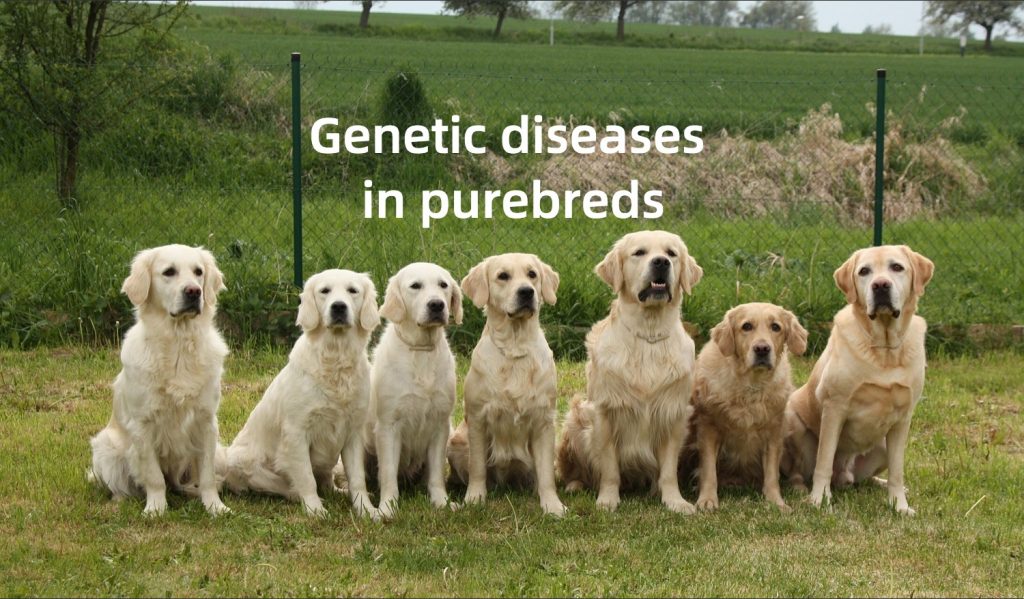
Is breeding dogs unethical?
Lori begins with a detailed exploration into the ethics of
dog breeding. The purebred dog industry not only creates innumerable animals
with genetic defects, causing dogs to have a lifetime of medical problems and
diseases, but also interferes with the adoption of healthy dogs confined in
shelters by enticing people to buy from breeders instead of adopting.
Because of selective breeding (and even inbreeding) many
purebred dogs develop conditions such as cancer, hip dysplasia, heart problems,
epilepsy, and early onset cataracts.
Lori contends three parties are responsible for the
regrettable popularity of purebreds: the American Kennel Club (AKC), the
breeders and the dog buyers.
The AKC sets the standards and promotes purebred dogs as superior and preferable to mixed breed dogs despite breed specific genetic defects. Breeders and puppy mills provide an endless supply of dogs, taking little responsibility for the health problems in dogs they create, and caring not about pet overpopulation. Buyers should know better but permit the industry to mold their beliefs.
The solution is to adopt and not to buy, and to avoid
supporting breeders and the AKC.
Don’t forget to brush your pet’s teeth!
Then, February in National Pet Dental Health Month, so keep
on brushing!
Poor dental health in a pet can cause other health problems so it’s important to have their teeth and gums checked at least once each year and right away if you see any problems such as bad breath; discolored, broken or loose teeth; pain when you touch their mouth or jaw; drooling or bleeding from the mouth; refusing to eat or a decreased appetite.
Animal trivia rapid fire quiz
And to wrap up, Lori lays the hurt on Peter with an animal lightning round quiz. Test your skill and knowledge about all things animals, real and cartoon!
Animals Today February 15, 2020. Why is the egg industry cruel? What is the healthiest food to feed my cat?
Feb 17, 2020
Show notes
Why is the egg industry cruel?
Lori begins the show with a discussion of the substantial
cruelty that’s part of modern industrial egg production. France and Germany are
leading Europe’s drive to improve industry practices, and we hope other
countries will follow.
Virtually all chickens start off life at industrial hatcheries. Male chicks, who will never lay eggs and don’t grow fast enough for meat production, are typically ground up alive. Females have the tips of their sensitive beaks cut or burned off before they are shipped to egg factory farms. This painful mutilation is meant to prevent hens from pecking each other in stressful, overcrowded conditions.
The healthiest food to feed my cat?
Then, Lori has a wide-ranging discussion about diet and nutrition for cats with a returning guest, Dr. Valerie Parker from Ohio State University. They cover overweight and obese cats, the issue of dry vs. wet food, vegan and vegetarian diets (to be avoided), and more. “Cats are very opinionated about food, and a lot of their food preferences are formed in the first year,” says Julie A. Churchill, DVM, PhD, associate professor of nutrition at the University of Minnesota College of Veterinary Medicine in St. Paul.
Pet names and facts
To conclude, we have a study aiming to update the one human year equals 7 dog years equation, another one exploring whether cats recognize their spoken names and Rover’s latest on popular dog and cat names. How popular or unusual are your pets’ names?
Animals Today February 2, 2020. How zoos harm elephants. Legal help for animal advocacy.
Feb 05, 2020
Show notes
How zoos harm elephants.
Lori begins by welcoming back to the show Will Anderson with the elephant program at In Defense of Animals (IDA). Will and Lori discuss IDA’s 2019 review of the worst North American zoos for elephants and the cruel realities of keeping these majestic creatures in captivity. It’s a pretty bleak picture.
There are solitary elephants suffering in misery all over the country in zoos, circuses, sham sanctuaries, and “petting zoos.”
Will explains how each of us can help end the cruelty of elephant captivity. In Defense of Animals makes a difference for animals all over the world through their hard-hitting campaigns, direct rescue, and sanctuary care.
We must not let elephant exploitation and abuse persist. These cruel and greedy institutions must be brought to justice!
David Ebert and friends, courtesy of David Ebert.
Legal help for animal advocacy.
Lori’s next guest is David Ebert, co-founder of the Animal Defense Partnership (ADP). Founded in 2016 with Joel Litman, this organization offers pro bono legal services to animal advocacy groups in a wide range of legal matters to organizations and sanctuaries as they do their work. David goes on to describe their efforts (with IDA) on behalf of the elephant, Happy, who has been confined at the Bronx Zoo for decades.
From their website: ADP’s mission is to contribute their legal and professional training and experience to the greatest extent and best of their ability to the growing effort to protect animals from cruelty and suffering in all forms and wherever occurring. ADP’s growing client base now includes dozens of non-profits that protect and advocate for animals; run sanctuaries and rescues; and support plant-based eating. And, since its founding, ADP has provided $1,500,000+ in pro bono legal services to its clients.
The Animal Defense Partnership has engaged in various projects seeking to release isolated captive elephants and place them in accredited elephant sanctuaries, either in California’s Performing Animal Welfare Sanctuary or Tennessee’s The Elephant Sanctuary.
David also shares his personal transformative journeys to Rwanda and Uganda, which included close encounters with gorillas and elephants.
(Featured image: Roger Williams Park Zoo 2019. CREDIT In Defense of Animals.)
Animals Today January 18, 2020. Stolen dog reunited with family. Meth in horse racing. Dog ownership benefits. Dog parks.
Jan 20, 2020
Show notes
Stolen dog reunited with family
We begin with animal news from around the world including how a stolen dog is reunited with his family thanks to a 2000 mile volunteer-led transport. This is a genuine heart-warming story of survival, determination and cooperation!
Meth in horse racing
We reveal the scandalous problems with meth in horse racing. Racing regulations nationwide take a zero-tolerance approach, saying drugs that humans abuse should never show up in a horse.
Trainers are responsible for guarding their horses against such contamination and must essentially prove their innocence to avoid sanctions. The industry takes the possibility of intentional administration of meth to horses very seriously, as its use could taint their activities. Yet, meth is so prevalent in society that picogram per ml concentrations can be found in some horses who presumably were not doped. There are no studies on the performance enhancing properties meth might have in horses, but it is believed it could cause atrial fibrillation.
Dog ownership
A new study shows dog ownership associated with prolonged survival and reducing cardiovascular events. Canine companions may be good for human health—especially for people who live alone. Could man’s best friend also be our best prescription for better health?
Hot animal news from around the world
Can we save the coral reefs in the Florida Keys? We explain our part in this unfortunate situation and what can we do to remedy it.
Ingrid Newkirk criticizes Alexandria Ocasio-Cortez for the apparent purchase of a French Bulldog.
And more interesting and hot animal news from around the world.
Dog parks
Then, Lori welcomes Los Angeles based attorney Ken Phillips, to speak about the risks related to dog parks. Dog parks can be wonderful places, but the risks and hazards to people and dogs in and around the parks are real.
Risks such as aggressive dogs, irresponsible owners, and unclean conditions need to be considered before taking Fido to your local dog park.
Ken shares his decades of expertise to increase our knowledge and awareness about what can go wrong at dog parks, so everyone can have fun and stay safe.
Dog park fun.
Animals Today December 28, 2019. Top animal stories of the year.
Dec 31, 2019
Show notes
2019 was an exceptional year for animals, with many achievements promoting the welfare and rights of nonhuman animals around the world. One example is California becoming the first state to go fur free, banning the sale and manufacture of new fur items! In this important Animals Today episode, Lori counts down her list of the top eleven animal news events of 2019. Happy New year and we look forward to 2020, our 12th year of weekly Animals Today broadcasts, provided for animal lovers and advocates around the world!

 Our TOPPODCAST Picks
  Stay Connected