Animals Today July 29, 2020. Summer health and safety guidelines. Respecting frogs. Incredible animal adaptations. Safe use of pesticides in and around the house.
Jul 31, 2020
Show notes
Lori and peter kick off the show talking about summertime heat topics like avoiding and recognizing heatstroke in dogs, ways to encourage pets to drink water, tips for those whose dogs like to swim, and more.
Conservationist and educator Matt Ellerbeck then discusses frog conservation and the main threats to populations of these diverse and important amphibians.
Then, inspired by an incredible video about high-flying Himalayan geese, Peter and Lori present some of their most favorite, novel physical adaptations in the animal kingdom. They cover geckos, sloths, giant tubeworms and more.
To conclude, what risks do pesticides and rodenticides pose to your dogs and cats? What precautions should you take when your home or surrounding is treated to address pest problems? Veterinarian Robert Reed returns with good advice to keep dogs and cats from being harmed by the multitude of agents now in use.
Animals Today July 19, 2020. Why should I switch to a plant-based diet? What will happen to your pets if you pass away?
Jul 20, 2020
Show notes
Why should I switch to a plant-based diet?
Have you thought about trying a plant-based diet? Well, if you have not yet adopted this healthful and compassionate practice, please listen to Lori’s persuasive argument for trying it now.
Eating a diet higher in plant foods and lower in animal products can have many health benefits, including weight loss or maintenance and a lower risk of heart disease and diabetes.
If people want to make the switch to a plant based diet, they can start by gradually reducing their meat and dairy intake.
Eating an entirely plant-based meal once a week, or swapping out one animal product for a plant-based one, can be an excellent place to start.
What will happen to your pets if you pass away?
Then, Lori speaks with with estate attorney Frances Carlisle, in which they begin with the story of Trouble, the dog who belonged to Leona Helmsley. When Helmsley died, 12 million dollars was put in a trust for Trouble, which was very generous, but caused many headaches for the executors, not to mention what would have been a big tax hit. So, they revised the figure to only 2 million dollars, more than enough to keep Trouble living the high life until his death in 2010. Carlisle goes on to speak about pet trusts for the rest of us.
Safer driving with dogs and other news
Peter then talks about safe and unsafe driving habits when dogs are in the car.
We then follow it up by discussing the massive problem of captive tigers in the US. Most are privately owned and all suffer abuse and neglect.
We move on to tell you what you should know about kitten season and they why even small amount of the sweetener xylitol can be lethal to dogs.
For the final segment, Lori has a piece on the amazing bird watching at the Danube River Delta. And, we conclude with a challenging little quiz to recognize Coral Reef Awareness Week.
Animals Today July 4, 2020. Celebrating the American eagle. Is xylitol toxic to dogs?
Jul 04, 2020
Show notes
Celebrating the American eagle
In honor of American Eagle Day we begin with a discussion about how the bald eagle became part of the Great Seal of the United States, and how its extinction was averted. Bald eagle populations are now strong. Then, Lori continues with more fascinating facts about both bald and golden eagles.
The American bald eagle in our culture has held an important position in our culture for more than 230 years and continues to do so. It is native to most American states, with the exception of Hawaii, another reason for its symbolic status.
After the Declaration of Independence was signed on July 4, 1776, the Continental Congress appointed Benjamin Franklin, Thomas Jefferson, and John Adams, with the task of creating an official seal for the new nation (2).
Is xylitol toxic to dogs?
Peter then reviews the serious risks to dogs when xylitol is ingested. It can cause profound hypoglycemia.
Do you know what xylitol is? Are you (fully) aware of the danger it poses to dogs? You wouldn’t be alone if you answered “no” to either, or even both of these questions.
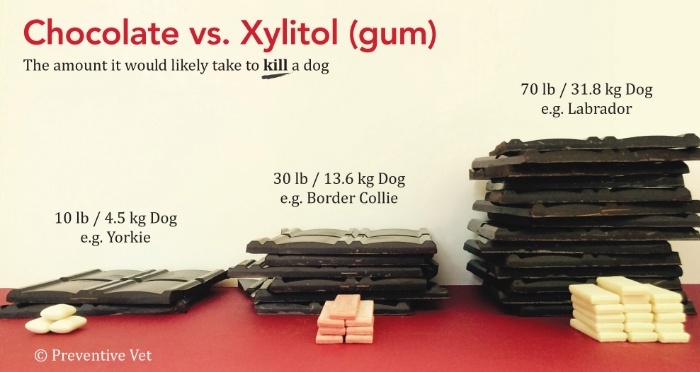
Yet xylitol can be far-more-dangerous to dogs than chocolate! The picture below shows the minimum amount of dark chocolate that could cause death in three different weights of dog — compared to the minimum number of pieces of xylitol-containing sugar free gum that could have the same devastating effect.
Credit: www.preventivevet.com
We continue with items about invasive snakes and the humane relocation of snakes, our deep love of dogs, and avoiding pet health emergencies in hot weather activities.
Are you an ailurophile?
Plus, do you know the word ailurophile? It means a person who likes cats; a cat fancier.
Independence Day tips for easing stress in pets.
We wrap up with ideas to get your pets through the assault of Independence Day fireworks. It’s our dogs’ least favorite day of the year.
Animals Today June 20, 2020. Tips on rescuing overheated dogs from locked cars. Unsuspecting tourists aid the abuse of pack animals in Arizona. Should we worry about toxoplasmosis?
Jun 25, 2020
Show notes
As the summer temperatures rise, you may come across a situation where an animal, typically a dog, has been left alone in a car that is too warm for comfort or safety. Even though it’s no secret that leaving dogs in hot cars is dangerous and often illegal, it continues to happen too frequently. So, we animal lovers should be prepared for these unfortunate and stressful situations so we can confidently act according to the urgency and severity of the situation, and minimize harm to animals from neglectful owners. Lori offers useful guidance on many aspects of dealing with dogs in hot cars including how to assess the degree of risk the dog faces, how to safely and effectively break the auto’s window to free the animal, and legal issues if you decide to take that step.
Peter is then joined by Susan Ash, Founder of SAVE, an advocacy group that is shining the spotlight on abuse and neglect against pack horses, mules and donkeys in the Grand Canyon. These animals, owned by members of the Havasupai tribe, serve the tourist trade by carrying visitors and their gear from the town of Supai down to the beautiful aqua blue Havasu Falls about 10 miles away. Ash (with the help of vacationers who have provided many photos of the suffering animals) has documented numerous instances of neglect and abuse. But, this is a lucrative business for the tribe, and it continues trying to hide the abuse. Thanks to SAVE and the brave work of Susan and her team, word is finally getting out! Please visit SAVE to learn more and to show Susan some support!
The show concludes with Dr. Robert Reed, Medical Director of VCA Rancho Mirage Animal Hospital, who speaks with Lori about toxoplasmosis in cats and risks to people. Cats are the only definitive host of toxo.
Animals Today June 13, 2020. Is blue-green algae harmful to dogs? Medicated lotion for people is a toxic risk to pets.
Jun 15, 2020
Show notes
Is blue-green algae harmful to dogs?
In 2019, there were a number of reports of dogs becoming sick and dying after exposure to ponds harboring the so-called blue-green algae. In fact, guardians should exercise caution about algae during each warm weather season.
This spring, it’s been especially warm in Florida and the algae blooms have appeared earlier than usual. But, especially frightening is that even clear ponds can sometimes have the blue-green algae growing in them and that exposure can cause rapidly progressive illness and sometimes death.
Veterinarian Robert Reed joins Peter to explain what exactly blue-green algae is, why it is such a hazard to dogs, and what to do if a dog may be exposed.
Medicated lotion for people is a toxic risk to pets.
Lotions and creams that contain various medications for human use can pose serious risks to dogs and cats.
Substances including estrogen and other hormones, and nonsteroidal anti-inflammatory drugs can cause toxic reactions and even death when they are licked off the skin of a user, or absorbed through the skin of the pet after direct contact.
The FDA has issued a warning about this, so exercise caution if using these preparations.
Computerized simulators to train law enforcement in managing encounters with animals.
Peter then welcomes John Thompson, Deputy Executive Director and COO at National Sheriff’s Association. Thompson has been leading the effort to develop and make available realistic simulators to train law enforcement personnel to manage encounters with dogs, instead of shooting them.
Thompson, a passionate dog lover, has teamed up with VirTra and many other interested parties in the Law Enforcement Dog Encounters Training (LEDET) program to make the technology available throughout the US.
What do we know about bees- Bee knowledge quiz.
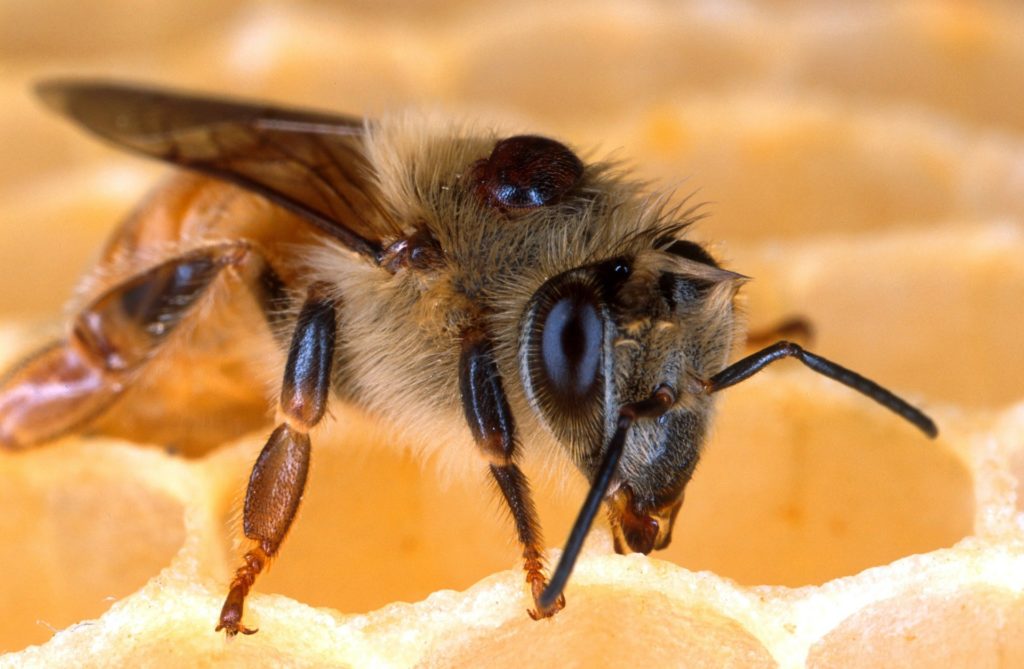
To conclude, how much do you know about bees? Take Lori’s quiz about bee facts along with Peter.
There are about 20,000 different species of bees in the world. Bees live in colonies that contain the queen bee, the worker bee and the drone. The worker bee and the queen bee are both female, but only the queen bee can reproduce. All drones are male.
Worker bees clean the hive, collecting pollen and nectar to feed the colony and they take care of the offspring. The drone’s only job is to mate with the queen. The queen’s only job is to lay eggs.
Animals Today May 24, 2020. The history of the animal rights movement. Dogs of WW I. Famous dogs we all love.
May 27, 2020
Show notes
Highlights of the animal rights movement.
Lori begins with something any animal advocate ought to know about: the history of the animal rights and welfare movements. From the practices of ancient spiritual teachers of India, to the ideas of modern philosophers, Lori hopes this condensed history will inspire you to continue learning on your own.
Do you know these famous dogs?
She continues with famous Hollywood dogs including Rin Tin Tin, Toto from The Wizard of Oz (real name, Terry) and Lassie, (real name, Pal), Petey from Our Gang (real name, Pal the Wonder Dog) and more!
From Wikipedia…
Pete the Pup (original, 1924 – June 1930; second Pete, September 9, 1929 – January 28, 1946) was a character in Hal Roach’s Our Gang comedies (later known as The Little Rascals) during the 1930s, otherwise known as “Pete, the dog with the ring around his eye”, or simply “Petey”. The second Pete was an American Staffordshire Terrier named Lucenay’s Peter.[1] He was well known for having a circled eye which was added by Hollywood make-up artist Max Factor[2] and credited as an oddity in Ripley’s Believe It or Not. The original Pete (sired by “Tudor’s Black Jack”) was a UKC registered American Pit Bull Terrier named “Pal, the Wonder Dog”,[3][4][5][6] and had a natural ring almost completely around his right eye; dye was used to finish it off.
Pete the Pup, center, with Matthew “Stymie” Beard and Bobby “Wheezer” Hutchins in the Our Gang comedy School’s Out, 1930.
The working dogs of World War One
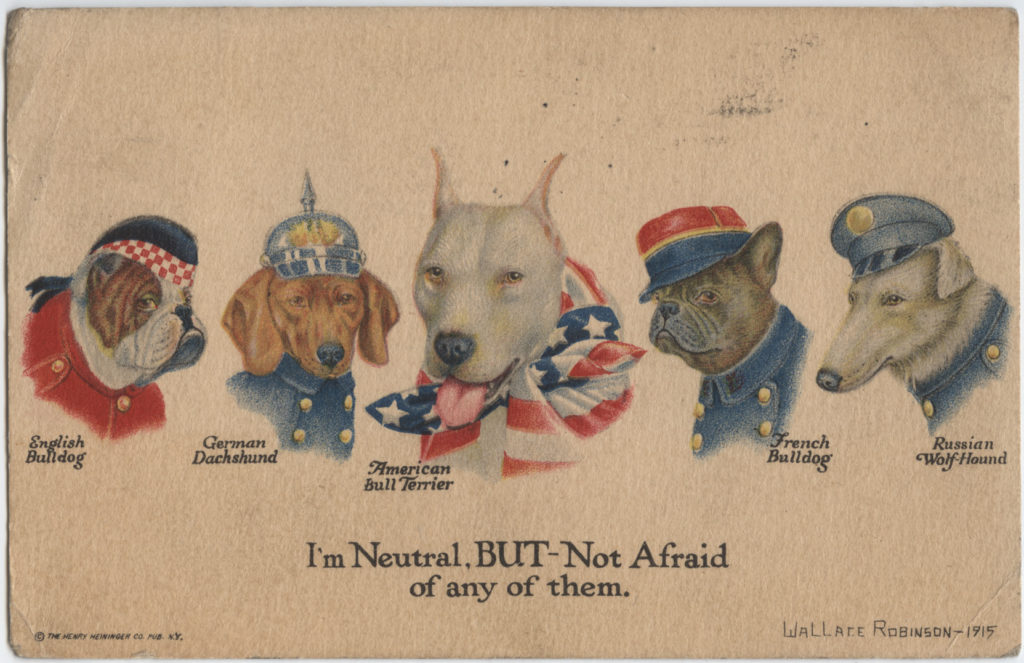
In World War One, dogs play a surprisingly important role alongside army troops of many nations. The National World War One Museum and Memorial has photographs, movies, posters, postcards and more historical items documenting this fascinating part of the war. Dogs shuttled messages, hauled machine guns and supply carts, and provided companionship. Peter welcomes Senior Curator Doran Cart who shares some fascinating stories. Make sure to visit when you are in Kansas City!
Enforcing federal animal cruelty laws
Cockfighting is a federal felony in the US, including its territories. However, it continues in Puerto Rico and Guam, due to lack of enforcement. Attorney Bob Ferber is working with Animal Wellness Action to pressure prosecutors to enforce the laws on the books by going after the offenders.
.
Animals Today May 21, 2020. How animals think and feel with Professor Temple Grandin
May 24, 2020
Show notes
How animals think and feel
This show features Professor Temple Grandin of the College of Veterinary Medicine and Biomedical Services at Colorado State University. For decades, Dr. Grandin has been writing and speaking about how her having autism has helped her obtain a deeper understanding into the minds of animals.
Her main insights are that animals, lacking words, perceive and think about the world mainly in pictures. They are visual thinkers. Memories of animals are not word- based, but are sensory based and also very specific. She offers advice on connecting more deeply with our dogs and lessening stress at animal shelters. Grandin explains why it’s important for dogs to have time to sniff during walks, why animals prefer stroking over hugging or patting, and about the importance of using the right tone when talking to our animals. She has consulted extensively with agriculture to reduce stress of livestock animals.
Animals Today May 9, 2020. How to keep your pets safe and happy during the coronavirus. What are some interesting facts about sharks?
May 12, 2020
Show notes
How to keep your pets safe and happy during the coronavirus
The well being of our pets (at least most of them) demands adequate mental and physical stimulation. This show begins with Lori’s tips and ideas on how to keep your pets safe and happy and stimulated during the unusual restrictions placed upon us all by the coronavirus pandemic. Engaging in mental activities like working out puzzles, playing games and learning new commands and tricks are just as important as getting physical exercise.
You probably have heard the saying, a tired dog is a good dog or a tired dog is a happy dog. Well, keep this truism in mind, now and as the restrictions lift. Especially for dogs, exercise and mental stimulation are key. For cats, remember to play with them with toys they find attractive.
Easing pet anxiety and stress as life returns to “normal”.
Next, as society gradually returns to some type of normal, and we all resume our work and school schedules, our pets may feel a bit anxious and lonely. However there are things you can and should do beginning now, to help Easing pet anxiety and stress as life returns to “normal.” We discuss how to lessen or avoid issues like separation anxiety. A good place to begin is by leaving your home and pets for short periods of time and gradually increasing the time away.
Shark smarts
Then, how much do you know about sharks? Do you worry about swimming in the ocean? Take the shark quiz along with Peter and test your shark smarts. Here’s some tidbits:
Sharks do not have bones! Their skeletons are made of cartilage, which is lighter than bone.
Men account for 90% of shark attack victims, but sharks usually do not hunt specifically for people; mostly they leave us alone.
Most sharks have nearly panoramic vision and their eyes have a structure called a tapetum lucidum which permits vision in very low light conditions.
Sharks have special electroreceptor organs – a sixth sense. Tiny pores on their heads contain gel filled micro organs called ampullae of Lorenzini, which detect electrical activity of potential prey.
The largest fish in the sea is indeed a shark, the whale shark, which can reach 40 feet in length. They dwarf the divers you may have seen beside them, but since they are filter feeders, those close encounters are not dangerous.
There are almost 500 species of sharks.
This show also contains two super Animals Today Minute features on bison and avoiding dog bites. Enjoy!
Animals Today May 2, 2020. Pet adoptions and fostering during COVID-19. What’s happening at shelters and at rescues during this lockdown?
May 06, 2020
Show notes
Pet adoptions and fostering during COVID-19
Lori begins by welcoming Larissa Wohl, resident pet rescue expert of Hallmark Channel’s “Home and Family.” Is now, during the pandemic quarantine, a good time to adopt and/or foster pets?
Larissa emphatically answers yes, but there is a concern that as life normalizes and people return to school and work, an increase in shelter surrenders may occur. So potential adopters, carefully think through your decisions.
Also, when we resume our routines, which bring us away from our homes, pets may experience stress and nervousness from the change. Larissa shares practical tips to help avoid and alleviate dog and cat separation anxiety.
Larissa also shares ideas to mentally and physically stimulate both dogs and cats during this extended time of confinement.
What’s happening at shelters and at rescues during this lockdown?
So what is happening with the homeless dogs and cats at shelters and rescues around the country? Are the shelters more or less crowded than usual?
To explore questions like these, Lori next speaks with Kim Alboum, Outreach and Policy Engagement Director for the Humane Society of the United States.
Empty shelter. Photo: Riverside County Animal Services
Empty shelter. Photo: Riverside County Animal Services
Kim is pleased to report that pet loving communities throughout the country have stepped up to relieve potential strains and overcrowding of shelters and rescues. Adoptions are up, pet fostering is up, and shelter and rescue populations are way down.
Shelters and rescues have begun loosening control of the adoption process to foster parents, and its working! Plus, leveraging electronic tools like virtual meetings and home tours is making the procedures effective and safe.
Alboum believes that much of the new collaborative relationships we are seeing now will benefit homeless pets after the pandemic fades away.
Investing in pet-related industries
Our final guest of the show is our second visit with Simeon Hyman from ProShares, an investment company that manages a pet industry focused exchange-traded fund, PAWZ. The fund is showing resilience in the overall stock market environment, and Simeon explains why.
Animals Today April 25, 2020. US funding Chinese virus labs! US live animal markets under scrutiny. What are the chances of zoonotic diseases breaking out?
Apr 28, 2020
Show notes
US funding Chinese virus labs!
We begin by welcoming Justin Goodman from White Coat Waste, where he serves as vice president of advocacy and policy. The US Government is the world’s largest funder of animal experiments, estimated at 20 billion dollars per year.
Tens of millions of dollars go overseas yearly. White Coat Waste is gradually exposing the ties the National Institutes of Health has to foreign laboratories, whereby US tax dollars fund experiments on animals, often in facilities with poor oversight and substandard practices.
Pangolin
Their recent investigation revealed that the US has been funding research at the Wuhan Institute of Virology, which is suspected of releasing or permitting to escape the coronavirus which caused the COVID-19 pandemic.
US live animal markets under scrutiny
Our next guest is Judie Mancuso who leads Social Compassion in Legislation (SCIL). There are many cruel and unsanitary live animal markets in the US, and the pandemic is raising everyone’s awareness of them, and consequently, sentiment to shut them down is high.
Social Compassion in Legislation’s mission is to save and protect animals in the wild, on the farm, or in our homes through public policy advocacy in California and beyond.
SCIL is now assisting legislators in California and New York in drafting legislation to close these markets or restrict their operations.
What are the chances of zoonotic diseases breaking out?
Continuing on the coronavirus theme, Peter then welcomes Adam Peyman from Humane Society International (HSI), where he is manager for programs and operations for the wildlife department.
Bats are known reservoirs for many types of corona viruses, and bats live all over the word, except Antarctica.
Both SARS and MERS (each caused by a coronavirus) were transmitted from bats to intermediate hosts.
Adam explains how the trade in wild animals (both legal and illegal), encroachment upon natural environments, and exploitation of animals increases the chances of zoonotic diseases breaking out.
Beautiful butterflies
We conclude with a lighter topic, beautiful butterflies!

 Our TOPPODCAST Picks
  Stay Connected