Animals Today August 14, 2021: Coexisting with coyotes with Dr. Robert Reed. Our most beloved animated animals. Successful and safe road trips with cats.
Aug 30, 2021
Show notes
The show kicks off with a talk about coyotes with Robert Reed, DVM, Medical Director at VCA Rancho Mirage Animal Hospital in Rancho Mirage, California. Coyotes are one of the most maligned animals in the US. Yet, despite systematic abuse and eradication efforts, their range is bigger than ever. Coyotes have a long history living near people and are extremely adaptable. Trying to better understand coyotes will allow us to live amongst them more harmoniously.
As members of the dog family, coyotes may see domesticated dogs as competition, as threats or as potential food. Cats, of course, may be seen as prey. A basic rule is that to avoid conflicts with coyotes is not to attract them into your environment. Don’t leave food out or feed wild animals and take care with bird feeders and feeding feral cats.
Dr. Reed offers specifics on how to make the areas around your home less inviting to coyotes, explains what to do if we encounter a coyote while out walking our dogs and much more. Lori and Robert also discuss coyote killing contests and other cruel means to attempt to reduce coyote populations, which although ineffective, continue to be practiced.
Then, Snoopy, Garfield, Tom and Jerry, Nemo, Simba, and others make appearances in Lori’s tour of animal animation, offered as a joyful distraction from our troubled world.
We conclude with world-renowned Integrative Veterinarian and author Dr. Carol Osborne, who gives solid guidance on traveling by car with our cats. It can be accomplished with relative ease with a little preparation.
Animals Today July 30, 2021: Top ten pet toxins and poisons. Another insane animal quiz.
Aug 15, 2021
Show notes
What worrisome toxins and poisons would you guess are most commonly ingested by our dogs and cats? Well, the data on this question actually exists, thanks to the ASPCA. In 2020, the ASPCA Poison Control Center (APCC) helped more than 370,500 animals by providing lifesaving information and supplying safety guides. They compiled the top ten pet toxins for 2020, and Lori explores this list, adding our personal anecdotes, so you can mitigate the risks in your pet’s environment.
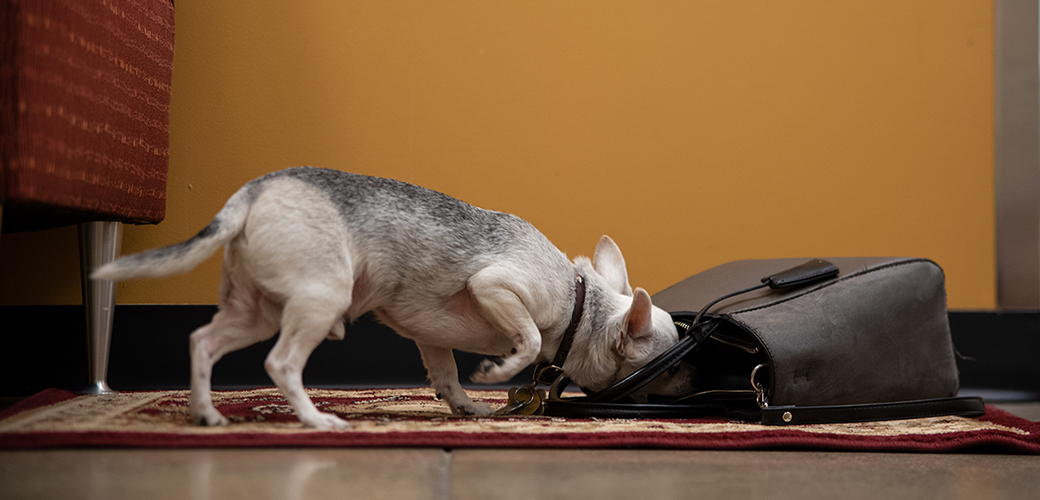
Over- the- counter medications, including ibuprofen and acetaminophen, and prescription medications are the top culprits according to the APCC. So, make sure these are out of paw’s reach and securely stored both for your pets and those animals who may be visiting. If you have house guests, remind them not to leave their medications out if pets have access to their quarters, purses, and backpacks. Further, keep in mind that creams and lotions may be quite toxic as well, like non-steroidal creams and topical hormones.
Other toxins on the APCC list include human foods, chocolate, plants and flowers, household cleaners and pesticides and rodenticides.
To conclude this show, Lori drops another pop quiz on Peter, this one about popular song titles with animal themes.
Photo: ASPCA
Animals Today July 17, 2020. Tips on rescuing overheated dogs from locked cars. Unsuspecting tourists aid the abuse of pack animals in Arizona. Should we worry about toxoplasmosis?
Aug 03, 2021
Show notes
As the summer temperatures rise, you may come across a situation where an animal, typically a dog, has been left alone in a car that is too warm for comfort or safety. Even though it’s no secret that leaving dogs in hot cars is dangerous and often illegal, it continues to happen too frequently. So, we animal lovers should be prepared for these unfortunate and stressful situations so we can confidently act according to the urgency and severity of the situation, and minimize harm to animals from neglectful owners. Lori offers useful guidance on many aspects of dealing with dogs in hot cars including how to assess the degree of risk the dog faces, how to safely and effectively break the auto’s window to free the animal, and legal issues if you decide to take that step.
Peter is then joined by Susan Ash, Founder of SAVE, an advocacy group that is shining the spotlight on abuse and neglect against pack horses, mules and donkeys in the Grand Canyon. These animals, owned by members of the Havasupai tribe, serve the tourist trade by carrying visitors and their gear from the town of Supai down to the beautiful aqua blue Havasu Falls about 10 miles away. Ash (with the help of vacationers who have provided many photos of the suffering animals) has documented numerous instances of neglect and abuse. But, this is a lucrative business for the tribe, and it continues trying to hide the abuse. Thanks to SAVE and the brave work of Susan and her team, word is finally getting out! Please visit SAVE to learn more and to show Susan some support!
The show concludes with Dr. Robert Reed, Medical Director of VCA Rancho Mirage Animal Hospital, who speaks with Lori about toxoplasmosis in cats and risks to people. Cats are the only definitive host of toxo.
Animals Today July 10, 2021. Hazards of so-called blue-green algae to dogs. Medicated lotion for people poses toxic risk to pets. Using simulations to train law enforcement on dog encounters. Know your A, Bee, Cs!
Jul 20, 2021
Show notes
This season, there have been reports of dogs becoming sick and dying after exposure to ponds harboring the so-called blue-green algae. Especially frightening is that even clear ponds can sometimes have the blue-green algae growing in them and that exposure can cause rapidly progressive illness and sometimes death. Blue-green algae contain deadly bacteria called cyanobacteria. Cyanobacteria are microscopic organisms found in freshwater lakes, streams, ponds, and brackish (salty) water ecosystems.
The algae give the water a blue-green or “pea soup” appearance. It looks almost as if someone spilled blue or green paint on the surface of the water. These floating blooms can form thick, dense mats that collect near the shore, which is where animals and people come in contact with them. But beware: sometimes affected ponds may appear clear, yet pose the same risk.
Lotions and creams that contain various medications for human use can pose serious risks to dogs and cats. Substances including estrogen and other hormones, and nonsteroidal anti-inflammatory drugs can cause toxic reactions and even death when they are licked off the skin of a user, or absorbed through the skin of the pet after direct contact.
The FDA has issued a warning about this, so exercise caution if using these preparations.
Peter then welcomes John Thompson, Deputy Executive Director and COO at National Sheriff’s Association. Thompson has been leading the effort to develop and make available realistic simulators to train law enforcement personnel to manage encounters with dogs, instead of shooting them. Thompson, a passionate dog lover, has teamed up with VirTra and many other interested parties in the Law Enforcement Dog Encounters Training (LEDET) program to make the technology available throughout the US.
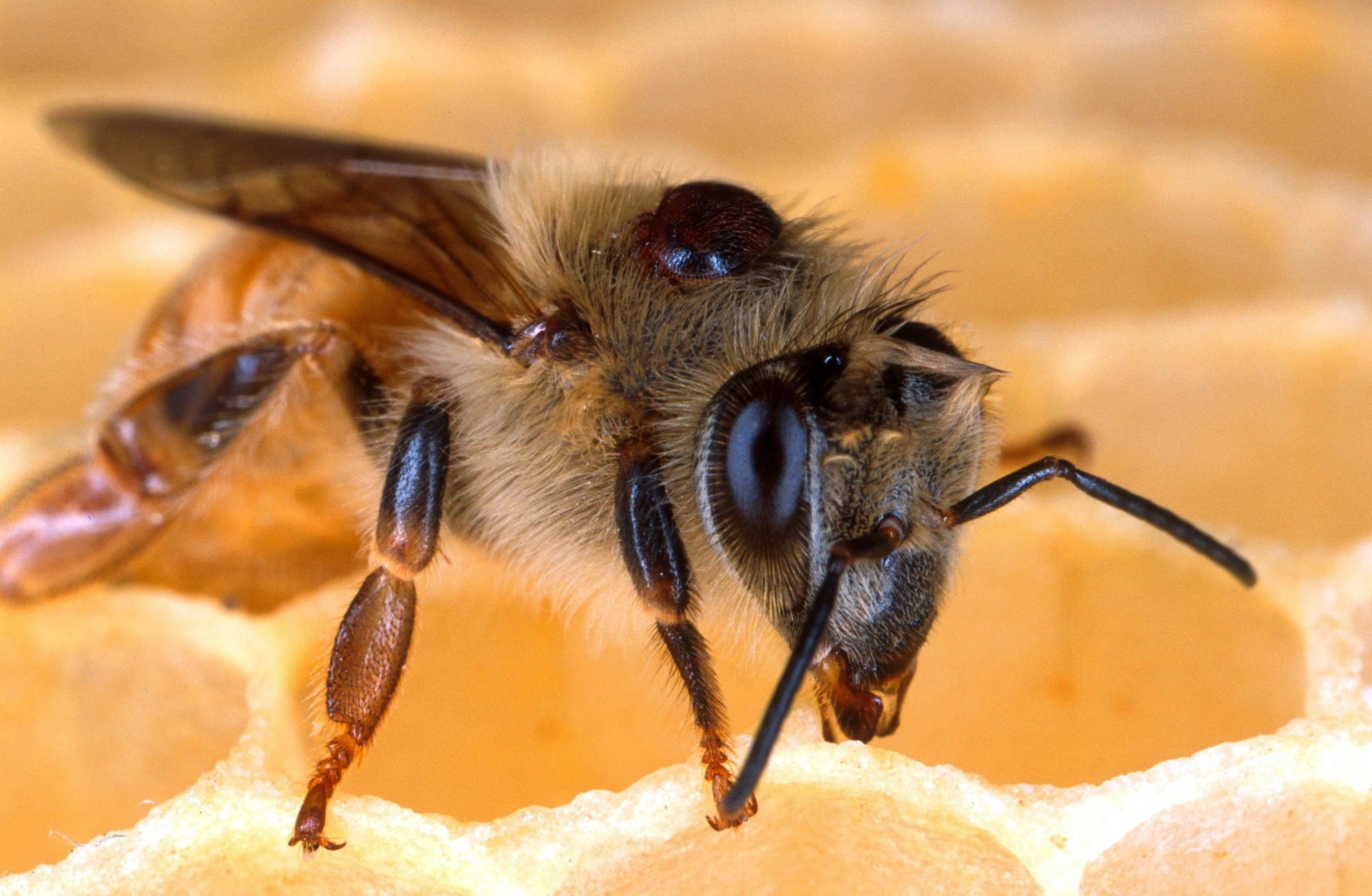
To conclude, how much do you know about bees? Take Lori’s quiz about bee facts along with Peter.
There are about 20,000 different species of bees in the world. Bees live in colonies that contain the queen bee, the worker bee and the drone. The worker bee and the queen bee are both female, but only the queen bee can reproduce. All drones are male. Worker bees clean the hive, collecting pollen and nectar to feed the colony and they take care of the offspring. The drone’s only job is to mate with the queen. The queen’s only job is to lay eggs.
Animals Today June 20, 2021. A dark side of shelter operations. Potpourri quiz.
Jul 10, 2021
Show notes
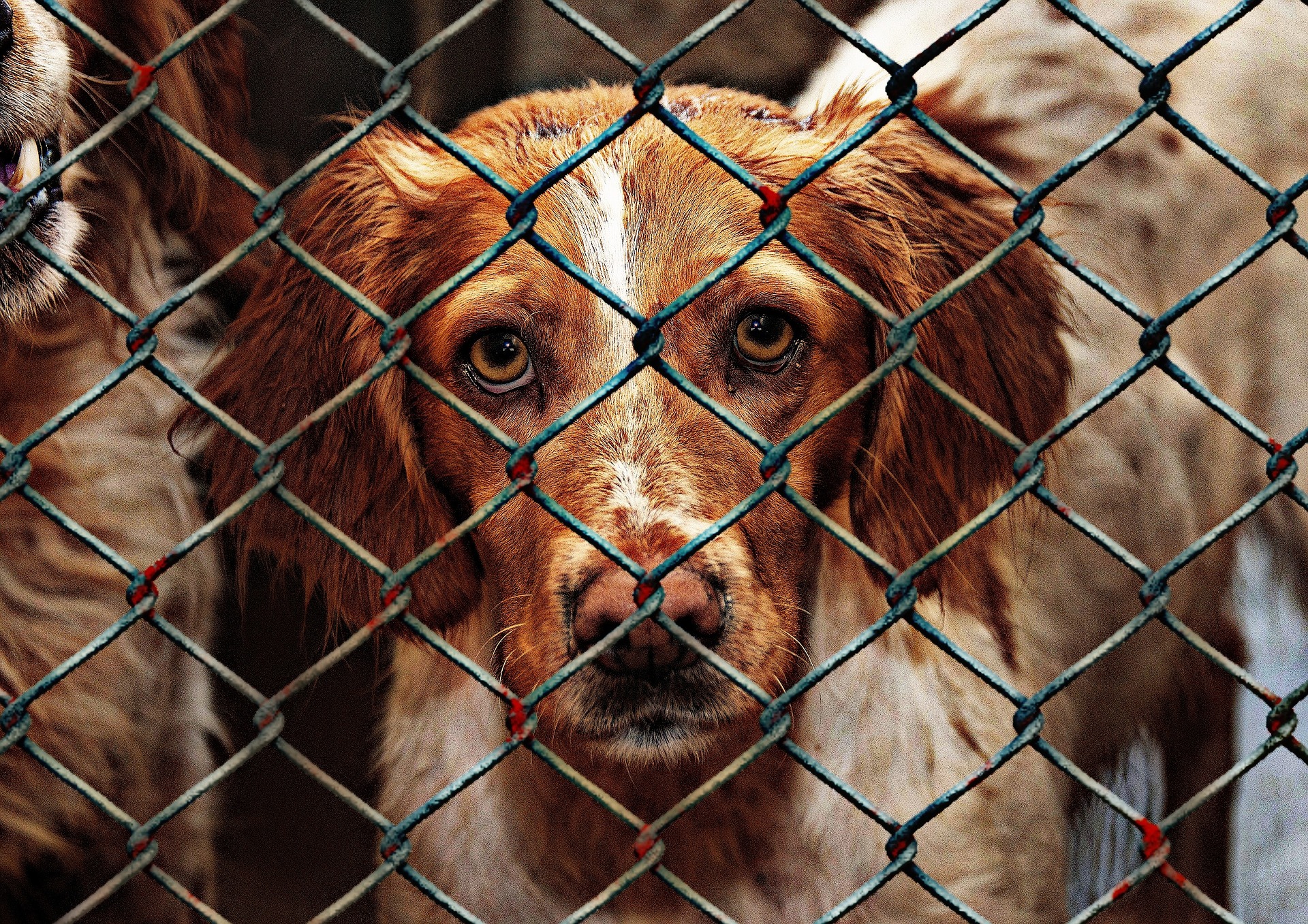
This show features Attorney Bob Ferber, former Los Angeles animal cruelty prosecutor, who joins Lori to explore some of the rarely discussed practices in shelters claiming to be “no-kill.”
The Term “no-kill”, as in no kill shelter, imparts a feel-good aura to shelters, but in reality, it is poorly defined and not used in a transparent fashion by many shelters, particularly non-profit shelters.
Bob explains there actually is no such thing as “no-kill.” Most people take the plain meaning of “no-kill” to mean that the animals who enter a shelter will not be euthanized. And yet, the true expectation of most of us and proponents of the “no-kill” movement is that no adoptable animal entering a shelter will be killed. So that is the first issue.
But then, what does the term adoptable mean? Bob and Lori continue to discuss how the word adoptable itself is ill-defined in the realm of shelter operations. The main considerations affecting the purported adoptability of dog and cats are behavioral issues and medical conditions. Behavioral problems such as aggression in dogs, are typically assessed by shelter workers ill-equipped to make sound judgements. Many animals are frightened, confused and hungry when entering a shelter, which makes assessment that much more difficult. This applies to cats even more than dogs, as most shelter workers are not well-versed in understanding cat behavior. And for animals with medical concerns, instead of doing everything possible to heal sick and injured animals, the sad truth is that budgetary pressures determine the fate of most of these dogs and cats.
A disturbing practice in some non-profit shelters is to transfer difficult to adopt animals and those who would be slated for euthanasia to government shelters to do the dirty work. This permits the non-profit shelters to maintain their reputations as “no-kill” which in turn bolsters public support.
The interview concludes with Bob explaining a huge factor which underlies so much of shelter operations, which is extreme risk avoidance policies proscribed by lawyers who help draft operational policies. These policies are designed to minimize legal risk that may follow injury to workers and volunteers, or to adopters of the animals, but severely constrain adoptions and humane treatment in the shelters.
We conclude with a potpourri quiz. Do you know what animal has the largest brain? Which animal has the strongest bite? How about the animal with the longest tail? See if you can beat Peter’s performance.
Animals Today July 2, 2021. Celebrating the American eagle. Is xylitol toxic to dogs? Risks of blue-green algae to your dog.
Jul 02, 2021
Show notes
Celebrating the American eagle
In honor of Independence Day we begin with a discussion about how the bald eagle became part of the Great Seal of the United States, and how its extinction was averted. Bald eagle populations are now strong. Then, Lori continues with more fascinating facts about both bald and golden eagles.
The American bald eagle in our culture has held an important position in our culture for more than 230 years and continues to do so. It is native to most American states, with the exception of Hawaii, another reason for its symbolic status.
After the Declaration of Independence was signed on July 4, 1776, the Continental Congress appointed Benjamin Franklin, Thomas Jefferson, and John Adams, with the task of creating an official seal for the new nation.
Is xylitol toxic to dogs?
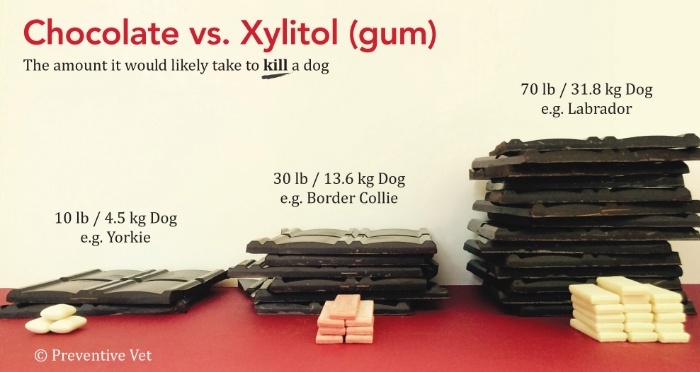
Peter then reviews the serious risks to dogs when xylitol is ingested. It can cause profound hypoglycemia.
Do you know what xylitol is? Are you (fully) aware of the danger it poses to dogs? You wouldn’t be alone if you answered “no” to either, or even both of these questions.
Yet xylitol can be far-more-dangerous to dogs than chocolate! The picture below shows the minimum amount of dark chocolate that could cause death in three different weights of dog — compared to the minimum number of pieces of xylitol-containing sugar free gum that could have the same devastating effect.
We continue with items about invasive snakes and the humane relocation of snakes, our deep love of dogs, and avoiding pet health emergencies in hot weather activities.
Blue green “algae” alert
This season, there have been reports of dogs becoming sick and dying after exposure to ponds harboring the so-called blue-green algae. Especially frightening is that even clear ponds can sometimes have the blue-green algae growing in them and that exposure can cause rapidly progressive illness and sometimes death. Blue-green algae contain deadly bacteria called cyanobacteria. Cyanobacteria are microscopic organisms found in freshwater lakes, streams, ponds, and brackish (salty) water ecosystems.
The algae give the water a blue-green or “pea soup” appearance. It looks almost as if someone spilled blue or green paint on the surface of the water. These floating blooms can form thick, dense mats that collect near the shore, which is where animals and people come in contact with them.
Are you an ailurophile?
Plus, do you know the word ailurophile? It means a person who likes cats; a cat fancier.
Independence Day tips for easing stress in pets.
We wrap up with ideas to get your pets through the assault of Independence Day fireworks. It’s our dogs’ least favorite day of the year.
Animals Today June 6, 2021. Lotsa animal news! Bee and wasp stings. Famous dogs of the big and small screen.
Jun 12, 2021
Show notes
We begin with news from around the world including the discovery of a giant tortoise on Fernindina Island on the Galapagos (which was thought to be extinct), great white sharks are thriving off the pacific coast, two Texas sheriffs shot and killed while making a house call about a dog bite incident, President Biden urged to delay wild horse round ups by groups critical of the Bureau of Land Management, a new study shows emotional support animals can provide measurable psychological benefits to owners, and much more!
Lori then welcomes Dr. Robert Reed, Medical Director at VCA Veterinary Hospital in Rancho Mirage, California, to learn about the risks of stings from wasps and bees, especially to our dogs. The most likely outcome of a sting is local swelling, pain and redness at the site of the sting. This may extend somewhat to the local area.
However, if the dog is allergic, systemic reactions may occur like vomiting, diarrhea, trembling, hives, swelling around the face, even anaphylaxis. Anytime you know or suspect a bee or wasp sting, its best to get it checked out with your veterinarian right away because you don’t know what course it will take.
Only honeybees will lose a stinger, and if it is present in the skin, remove it by scraping it away with something like a credit card, taking care not to squeeze more venom into the animal. And be alert for beehives and hornet nests around your home and have them removed by professionals when then are noticed. Dr. Reed also provides many tips about recognizing situations where and when stings are more likely to occur.
Lori concludes with “tails” of famous Hollywood dogs including Rin Tin Tin, Toto from The Wizard of Oz (real name, Terry) and Lassie, (real name, Pal), Petey from Our Gang (real name, Pal the Wonder Dog) and more!
Animals Today May 1, 2021. A condensed history of the animal rights movement. Free roaming cat issues. Pet obesity epidemic. Pro safety tips for choosing treats and toys.
May 24, 2021
Show notes
Lori begins with something any animal advocate ought to know about: the history of the animal rights and welfare movements. From the practices of ancient spiritual teachers of India, to the ideas of modern philosophers, Lori hopes this condensed history will inspire you to continue learning on your own.
We continue with stories about hummingbirds, the risks of cyanobacteria (often found in lakes and ponds) to dogs, how free roaming cat colonies can humanely be managed, and the pet obesity epidemic.
Next up is Dr. Douglas Kunz, Medical Director of VCA Desert Animal Hospital who provides sage advice on choosing safe toys and treats for dogs. Doug advises not to use hard chew toys, which can fracture teeth. Doug also doesn’t like pig’s ears and bully sticks because they may harbor E coli bacteria. Doug offers many other insights in this segment.
To conclude, Lori tells us about narwals and Brooklyn native Peter gets accustomed to snakes.
Animals Today April 24, 2021: Is there meaningful recourse in cases of veterinary malpractice? Rhino challenge.
May 04, 2021
Show notes
If you believe your pet was harmed by the actions of your veterinarian, what are your legal options for recourse? In this episode, Lori explores many aspects of veterinary malpractice with attorney Bob Ferber, former Los Angeles animal cruelty prosecutor.
Although there are some parallels between the law as it relates to medical malpractice issues and procedures in humans and those in veterinary care, the practical situations are quite different. A central issue is the legal status of animals. Essentially, nonhuman animals are considered to be property by the law, and not persons, which considerably limits the legal actions that could be pursued.
Other practical matters impeding legal action for veterinary malpractice include the poor record keeping on the part of veterinarians, which Ferber claims is commonplace and highly susceptible to fraud and falsification, and the relatively small monetary awards that could be won even if a suit is successful. Almost uniformly, damages would be limited to the dollar value of the pet on the market, and excludes pain and suffering, emotional distress, and so on.
Consequently, there are very few lawsuits against Veterinarians and seldom are they successful.
Lori and Bob also discuss the avenue of making complaints to state Veterinary board as a means of at least seeking some redress. Ferber claims that very rarely is disciplinary action taken by the boards.
So, the best course of action is to do what you can as a pet guardian to help avoid these situations, which includes nurturing a strong relationship with excellent caring vets. And, importantly, make sure your questions are addressed when procedures and surgeries are planned, including aftercare.
Then, do you know how many species of rhinos there are? Do you know what the plural of rhinoceros is? These majestic, huge herbivores are critically endangered. Listen in as Lori teaches us about how they live while peppering Peter with probing questions.
Animals Today April 10, 2021: Hot animal news! It’s World Rat Day!
Apr 19, 2021
Show notes
We begin with hot animal news including, Utah bans cruel battery cages for egg laying hens, another close call at the San Diego Zoo after a father dropped his child into the elephant enclosure, Russia announces COVID vaccine for animals, encephalitis outbreak in bears causing their excessively friendly behavior, a young boy starts a bunny rescue where some residents work as therapy bunnies, and more! Peter also gives a little bio about the animal advocate, author and TV personality, Cleveland Amory, who started the Fund for Animals in 1967.
Then, in recognition of World Rat Day, Lori tells us all about these ubiquitous mammals.
Rats are very social, affectionate and intelligent. They get lonely and anxious when isolated. But when in their family group (referred to as a mischief) they will care for the injured and sick. Rats can be trained to answer to their name, and have recently been shown to be able to laugh!
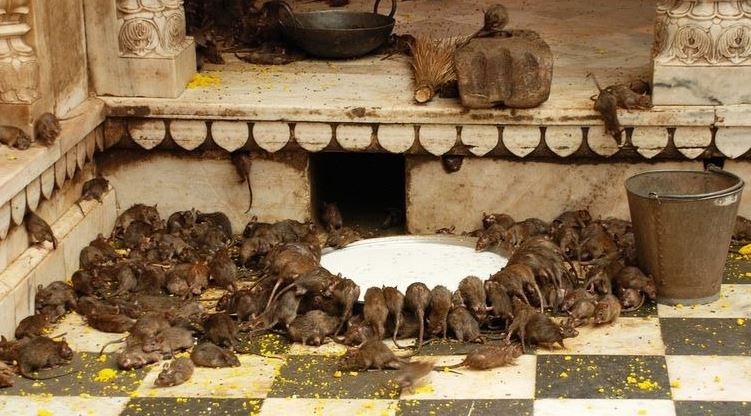
In Rajasthan, India, the Karni Mata Temple, the Temple of Rats, is home to about 25,000 animals, where they are revered. The Temple is a destination for Hindu pilgrims. And of course, the first animal of the Chinese Zodiac is the rat, and the Year of the Rat occurred in 2020, 2008, 1996, 1894, 1972, 1960, 1948, 1948, 1924. Those born during such years are thought to possess qualities of the rat: creativity, intelligence, ambition, honesty and generosity.
Finally, a new scientific evidence points away from rats as transmission vectors of bubonic plague. Instead, direct transmission from person to person through fleas, ticks and lice may be the actual mode.

 Our TOPPODCAST Picks
  Stay Connected