Animals Today Feb 20, 2022. Support the FDA Modernization Act! What can and should shelters disclose about the history of their adoptable dogs?
Mar 06, 2022
Show notes
We begin speaking with Wayne Pacelle about pending legislation in both the House and Senate, the FDA Modernization Act, which would eliminate the animal testing mandate for development and approval of new pharmaceutical drugs for human use.
Mr. Pacelle, as President of Center for a Humane Economy, Founder of Animal Wellness Action, and CEO of Animal Wellness Foundation, as well as former CEO of The Humane Society of the United States, is diligently working to garner support for these bills. He is arguably the county’s most effective lobbyist for animal welfare laws in the US.
Under the current regulations, in the 83 year old the Federal Food Drug and Cosmetics Act (FFDCA), the FDA requires testing on animals as part of the requirements to get a new drug approved for use in humans. This is clearly outdated and antiquated for many reasons including that testing on animals often does not produce results applicable to humans. Consequently, potentially useful drugs never make it to human use (due to the drugs failing animal testing), and other drugs go on to harm and kill people after having been deemed safe in animal tests. Furthermore, when animal testing is utilized, drug development costs are raised, contributing to the high prices of new prescription drugs. And of course, the incredible scope of animal cruelty in these tests is well documented. So, at long last, there is a real opportunity to modernize the way drugs get developed and approved and now is the time for all of us to take action!
First, read more about the bills at Center for a Humane Economy. Then contact both of your US senators and your house member and urge them to support the FDA modernization Act! The Senate bill is S. 2952, and the House bill is H.R. 2565. Write, call, email or fill out the form linked here which makes it quick and easy – and share it widely, too.
Then, did you know that 2 states, Virginia and California, now have laws requiring shelters and rescue group which adopt out dogs, to share the dogs’ “bite history” if known, to the potential adopters? Lori believes that in principle, such laws are a good idea because more information about the dogs’ history should lead to better matches between adopters and dogs. However, determining the true and complete history of dogs’ prior lives can be near impossible. And, saying a dog has bitten in the past automatically stigmatizes the dog in the eyes of many, even though the circumstances surrounding the alleged incident are unknown. For instance, if a child pulls the tail of dog, frightening the animal, who then spins around and nips the child, can the dog be blamed? Another regrettable phenomenon is the imprecise use of the word vicious. A dog who has bitten is often wrongly called a vicious dog, which lessens the dogs’ prospects for adoption, and raises its chances of being euthanized.
So, whether and how to provide histories to potential adopters is a complex issue. For now the best we can do is to remind or educate adopters that they need to be realistic and adaptable.
There is a little story, apropos here, where a woman asks her Vet, “Is there any chance my dog will bite?” The Vet replies, “Does he have teeth?”
Animals Today Feb 13, 2022. Honoring Cecil, the gentle giant. Oral health in pets. Trivia quiz.
Feb 28, 2022
Show notes
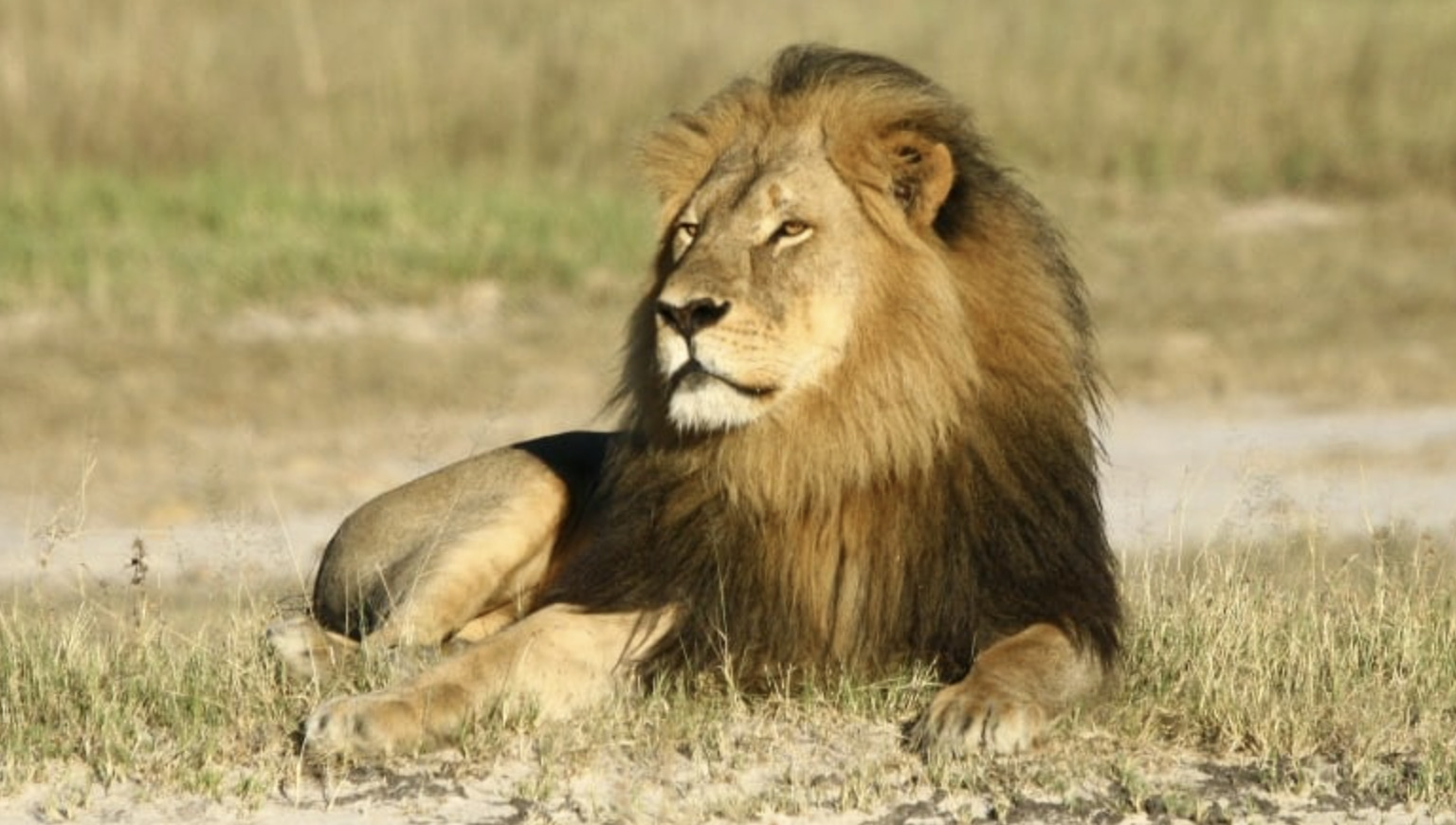
Lori begins this show honoring the iconic Lion, Cecil, who was killed in 2015. Some of our younger listeners may not remember this tragic event, but its reporting broke through to the popular press and social media, raising awareness about the horrors of sport hunting and trophy hunting.
Cecil was a large, black-maned male Lion who lived in the protected area of Hwange National Park in Zimbabwe. Cecil was beloved by the locals and studied and tracked by researchers from the University of Oxford. He was known as the gentle giant.
How he died is heartbreaking and infuriating. American dentist Walter Palmer, on a hunting safari, illegally lured Cecil outside of his protected area and shot him with a crossbow.
Cecil did not die quickly, however; he suffered for 40 hours before Palmer finished him off with a bullet. Palmer tried to hide his sick and illegal act. He skinned the carcass, removed the head, and left the body to rot. He removed and tried to destroy the tracking collar but the carcass was later found by researchers. So though Palmer had a hunting permit, he broke two laws: removing the collar and inducing Cecil out of the protected area.
Lori discredits the various rationales and excuses to justify hunting in general and contends there exists genuine psychopathology within sport hunters. As for Palmer, the need to kill was strong, having killed a rhino, a polar bear, a walrus, a California Bighorn sheep, and many more.
Cecil’s killing made big news on the internet, on social media and even cable news. Protestors and those honoring the life of Cecil gathered around Palmers” Minnesota dental office. In fact, there were protests around the globe. Palmer closed his dental office for a while, and offered weak excuses for the illegal kill, mostly claiming ignorance. Yet, officials in Zimbabwe did not seek to extradite him for trial and tragically, there were no legal consequences for Palmer.
Years later, in 2020, Palmer was at it again, killing an endangered argali ram in Mongolia, with a crossbow, and paying almost $100,000 for the privilege. The New York Post dubbed him the “Driller killer”. Today, Palmer’s office, River Bluff Dental appears to be open, but his Yelp profile still shows that even recent reviewers harbor strong hatred toward the hunter. Few offer praise about his dental skills and many note the poor quality and filthiness of his dental office overall.
The memory of the majesty of Cecil and the brutal way in which he was killed continues to inspire animal advocates to this day.
The show continues commemorating National Pet Dental health month, and then a lighthearted lightning round quiz!
Cecil
Animals Today February 5, 2022. First pig to human heart transplant spells trouble. Truck carrying 100 macaques crashes, releasing animals onto the frigid highway. Hot news. Dementia in dogs. Famous dogs of Hollywood.
Feb 18, 2022
Show notes
We begin with the very big story of the first transplant of a heart from a pig to a human. Xenotransplantation, organ transplant between species, has been a medical goal for decades. The main hinderances to “progress” in this field have been related to organ rejection owing to the brisk immune response to foreign tissues. But, with the recipient still alive weeks after the operation, taking advantage of the newly invested CRISPR gene editing technology, we may be entering a new era of exploiting sentient, non-human animals to serve as sources of organs for humans who need hearts, kidneys and perhaps others.
Lori and Peter discuss several ethical questions this event has raised: Will we see factories raising of genetically modified animals created simply to be killed when a heart or kidney is needed? Will the lives of the animals be afforded any moral consideration in the process, or is it a forgone conclusion that it is ethical to treat pigs in this fashion, because humans are in need? Will the high monetary costs of xenotransplantation be weighed against what is diverted from low tech health measures, like promoting exercise, good nutrition, stress reduction, and so on? And what about the risks of viruses harbored by the animals being transmitted directly into human recipients, potentially leading to unpredictable zoonotic disease outbreaks or worse?
The particular case of this patient, 57-year-old David Bennett, is remarkable because he is a convicted felon who served years in prison for stabbing a man. This assault paralyzed the 22-year-old victim, Edward Shumaker, causing him to be confined to a wheelchair. Shumaker died at the age of 40, two years after having a stroke. Also, Bennett previously had been removed from the conventional human heart transplant list because he did not comply with the directives of the transplant team while waiting – he was kicked out of the program. To our astonishment, the hospital and most medical ethicists supported a policy whereby only the medical needs and medical history of a person should be considered when weighing whom to offer a very rare and costly treatment. But could not a more morally deserving person been offered this lifesaving treatment instead?
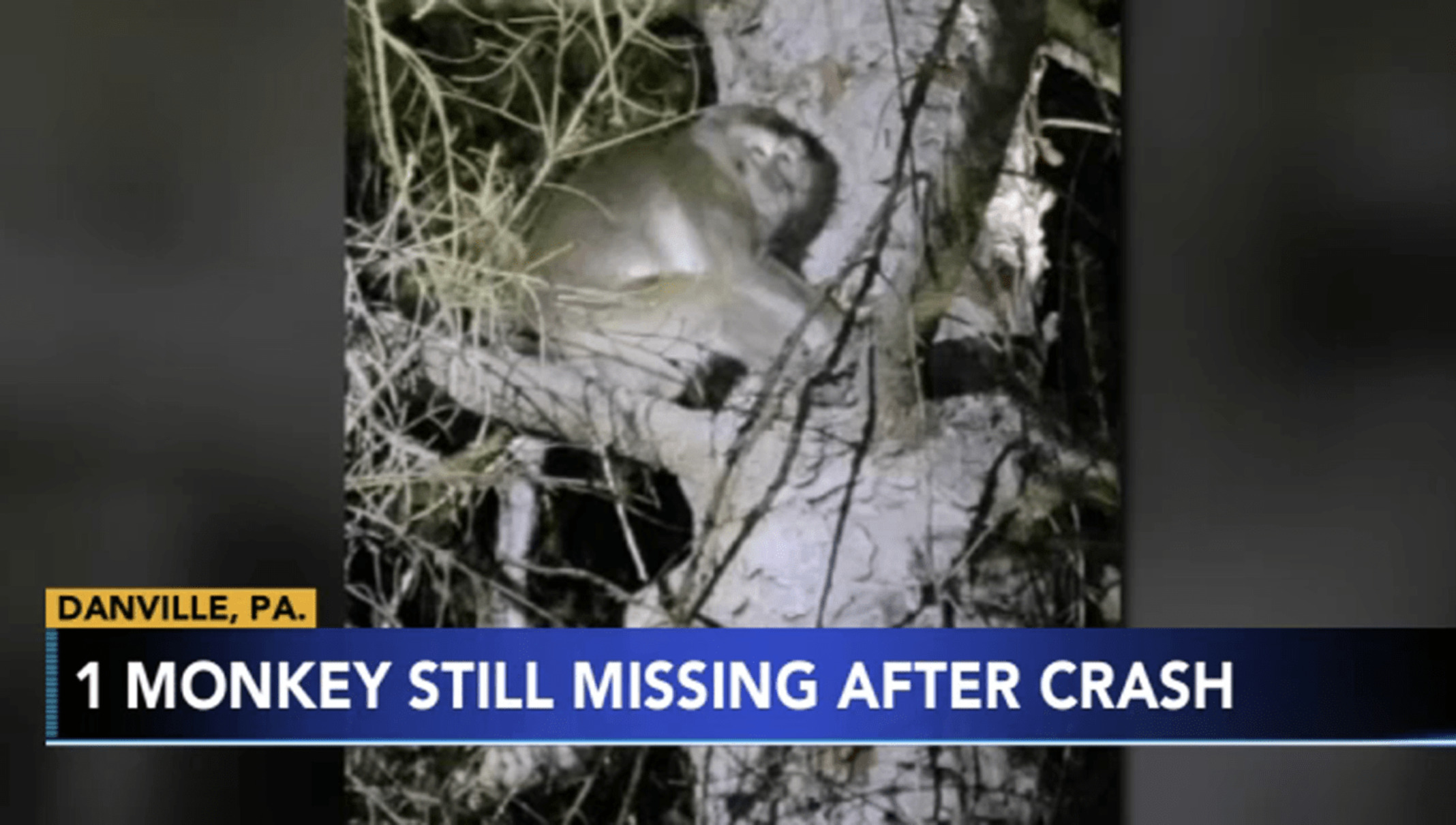
We continue discussing the absurd and tragic highway incident in Pennsylvania, in which a transport of 100 macaque monkeys was spilled out onto the frigid highway. The unescorted transport truck crashed with a dump truck as the animals were being transported to a research lab. One concerned woman who came to the assistance of the animals had to be treated for possible herpes and rabies exposure. And three animals had to be “euthanized,” but details on why are lacking. What a mess!
We move onto other news including research finding that many people (both vegetarian and meat eaters) find the idea of eating lab-grown “meat” disgusting, Norway has banned the breeding of 2 dog breeds, Cavalier King Charles Spaniels and bulldogs, to reduce the suffering these dogs endure due to the detrimental breed characteristics they are born with, Petco is teaming up with Loewe’s to offer items in the Home Improvement giant’s locations, rogue commercial fishing business faces federal charges, and more!
Lori then speaks with Veterinarian Stephen Hanson, who specializes in Neurology at the Veterinary Neurology Center in Southern California. Their topic is important for many families with older dogs, dementia, or canine cognitive dysfunction.
Lori concludes with “tails” of famous Hollywood dogs including Rin Tin Tin, Toto from The Wizard of Oz (real name, Terry) and Lassie, (real name, Pal), Petey from Our Gang (real name, Pal the Wonder Dog) plus others.
Animals Today January 15, 2022. Leaving animal testing behind. Should you worry about rabies? MRI scans on dogs? Is sleeping with your pet disruptive? Saving the Saola. Hot news.
Jan 24, 2022
Show notes
Lori begins the show with a discussion of the myriad problems with testing of consumer products like cosmetics on animals. Despite rapid advances in technology that is capable of replacing animal testing, antiquated and cruel methods still are often employed in the US and Canada. Notably, the FDA does not require animal testing and 40 other countries no longer test on animals for cosmetic development and safety assurances. Lori discusses the primary methods used including applying irritants to the skin and eyes of animals and force-feeding chemicals to animals. The primary victims are cats, dogs, rabbits, and mice. The results are often unreliable and do not always ensure human safety.
Consumers looking for products that are cruelty-free may face incomplete or deceptive information if they rely on package labels because the components of a final product may have been tested on animals but not disclosed on the label. It is best to use a resource such as the leaping bunny from Cruelty Free International. More and more product brands are dropping animal testing in large part due to consumer behavior choices.
We continue with a discussion about rabies, sparked by a story of an elderly man who recently died from the disease, which he evidently contracted from a bat. He refused treatment after the exposure, which would have been lifesaving. Any mammal can harbor rabies, with the most common affected animals being raccoons, skunks, bats and foxes. Public health measures to address rabies in dogs started in the 10940s and consisted of widespread vaccinations. Consequently, cases of rabies in dogs in the US are extremely rare.
A common misconception about rabid animals is that they can be identified by observing their appearance and behavior but generally, one cannot tell if a given animal has rabies without testing. One important fact to remember is that often, the bite from a bat is so small that it will not leave evident marks on the skin. So, if one awakes, for instance, and observes a bat in the bedroom, he or she must act as if a bite has occurred, which means seeking medical care right away. And that care will include rabies post exposure prophylaxis, a dose of human rabies immune globulin and then 3 doses of the rabies vaccine. This treatment is highly effective in preventing the disease from taking hold and killing the victim, which otherwise occurs 99.9% of the time in untreated cases.
We continue talking about research on dogs aimed at seeing if they can detect differences between varying spoken human languages. The tool of functional MRI is being used to look at brain activity in awake dogs when they listened to Spanish versus Hungarian speech. But where will these studies go, and will they yield any valuable insights? Then Lori dives into the research on sleep quality among those who sleep with a pet in the bed. Is it sleep-enhancing or disruptive? Mostly, this question has been addressed through surveys, and Lori reviews a sampling of them plus some expert opinions from sleep experts. Tune in to hear the bottom line! Then, we have news items including efforts to find and save the rare saola, a recently discovered large horned mammal native to Laos and Vietnam, a petting zoo in Tacoma, Washington that needs to be shut down due to abuse and neglect of the animals there, and data on how few pet guardian are trained in first aid for their pets.
Saola
Animals Today January 8, 2022: Home invader killed by owner’s pet dogs – who is responsible? The miracle of the microchip. Eight big cats in zoo get sick after getting COVID vaccine. Hot animal news to kick off the new year.
Jan 14, 2022
Show notes
The show begins with Lori sharing fascinating animal news items. First, a 21-year-old man broke into a Georgia home and was mauled to death by the homeowner’s 2 dogs. The dogs were confiscated but later returned to the owner. Lori analyzes the many important legal and social elements here such as, who is responsible for the death of the intruder, should the homeowner be charged criminally, was temporary confiscation of the dogs proper, is the dogs’ behavior in defending the home defensible and does it matter what the breed or prior history of the dogs was. Lori adds an update to the initial reporting which is that the sheriff’s dept was flooded with calls objecting to the removal of the dogs and asking about their well-being.
Then, Lori reminds us how important it is that all animals in the family are microchipped, and how a chip reunited a dog with his guardian from 500 miles away!
Lori continues by discussing an unusual occurrence at the St Louis Zoo where 8 big cats became sick and then tested positive immediately after receiving an animal specific version of the coronavirus vaccine.
The zoo administrators claim the animals must have been infected before receiving the vaccine, which is why they got sick, discounting the possibility that the vaccine itself caused the illnesses. Lori brings out the absurdity of that explanation including the fact that no other animals have been ill or diagnosed with COVID. The parallels to some of the human COVID doublespeak are clear.
Peter then joins the party with more news items from around the world as we get up to speed in the new year. These include an extreme case of parakeet hoarding, kind police officers and a QT employees adopt puppies left abandoned in a duffel bag, Florida Governor Ron DeSantis takes the lead on Everglades protection and restoration, and more. Lori shares an amazing story from India where a human newborn, umbilical cord attached, was found being protected and kept warm by a street dog with obvious maternal instincts.
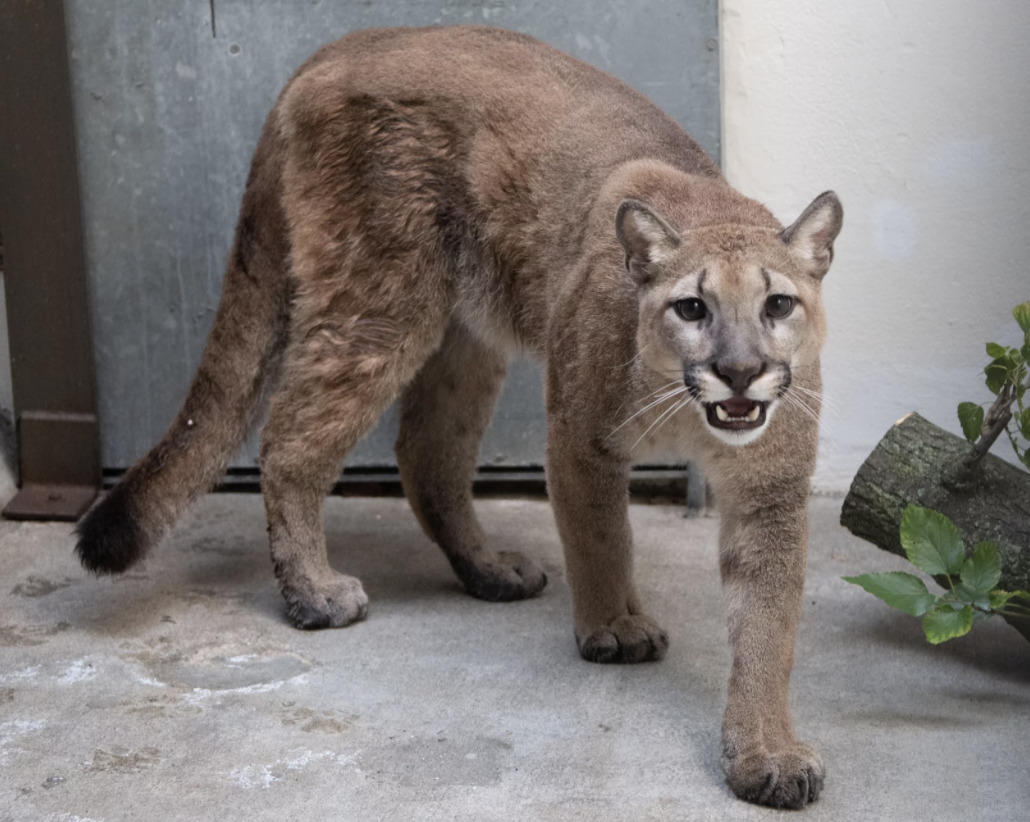
Lori continues with a new pet-person survey highlighting the finding that 85% of dog owners and 75% of cat owners said their pets had a positive impact on their mental health during the pandemic. Also, ORKIN publishes their yearly Rattiest City study (Chicago holding its place as the leader followed by LA, NYC, DC and San Francisco), and to conclude Sasha, an 80 lb. pet cougar finds peace in an Arkansas sanctuary after being relinquished by a woman who had confined her to a Bronx, NY apartment.
Photo HSUS
Animals Today Dec 30, 2021. Aggressive squirrels in NYC. Hitchcock’s The Birds. Feline toxoplasmosis. Tainted pet food harms and kills hundreds of dogs and cats.
Dec 30, 2021
Show notes
Lori begins the show with news about some aggressive urban squirrels in Queens, NYC, who are reportedly jumping onto people and attacking them. Authorities advise against hand feeding, which probably contributed to the bold behaviors these animals are displaying. Fortunately squirrels rarely harbor rabies, and no documented case of transmission of rabies to humans has been recorded. But they have sharp teeth!
Lori continues with some interesting history from Hitchcock’s iconic film, The Birds. Numerous wild caught birds were “recruited” into service for the filming. Actress Tippi Hedren, in her screen debut, recounted the terrifying shooting of the final bird attack scene in her memoir. Stagehands hurled live ravens, doves and pigeons at her to create the illusion. Other birds were tied to Hedren’s costume, causing them to ferociously peck at her due to their terrified state. Hedren is an exemplary advocate for animals who went on to found the wild animal preserve, Shambala (now known as the Roar Foundation Shambala Preserve). It is in Acton CA, not far from Palmdale, and visitors are welcomed.
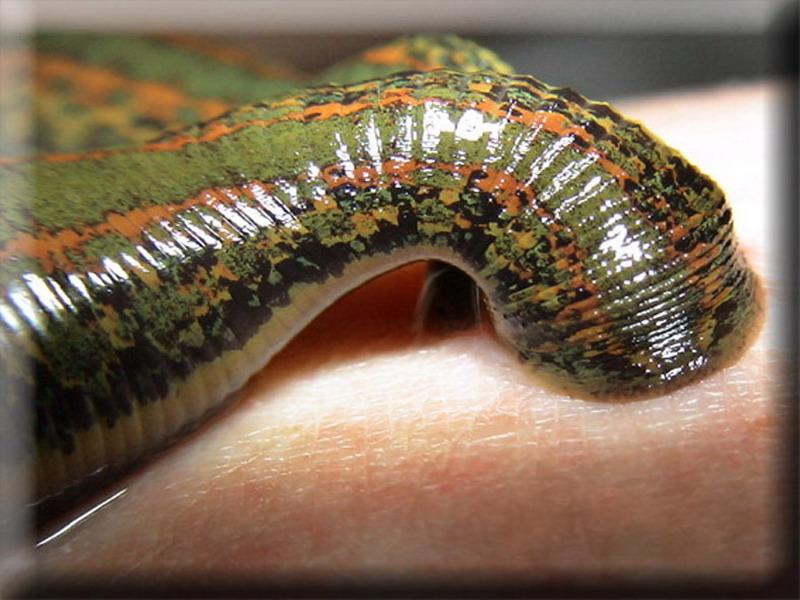
Then, Lori has a fascinating short about the use of leeches in medicine throughout the ages. Even now, medicinal leeches are used by surgeons after reattaching severed digits, to promote normal blood flow.
Veterinarian Robert Reed then returns to speak with Lori about toxoplasmosis in cats and risks to people. Cats are the only definitive host of toxoplasmosis. Robert is Medical Director of VCA Rancho Mirage Animal Hospital.
Our next guest is attorney Bob Ferber who joins Peter to speak about the recent aflatoxin induced outbreak from tainted pet food, which has harmed and killed hundreds of dogs and cats. In these cases, meaningful legal recourse for owners is nearly impossible. Ferber also describes the opaque nature of the pet food supply chain, in which it can be hard to determine exactly what your pet is eating, even from some reputable brands.
We conclude with hot news items, including good legislative news from California on fur.
Animals Today Jan 30, 2021. Aggressive squirrels in NYC. Hitchcock’s The Birds. Feline toxoplasmosis. Tainted pet food harms and kills many dogs and cats.
Animals Today December 4, 2021. Citizens revolt against Oakland’s aggressive killing of free roaming cats. Golf courses still want to shoot migratory birds. Is your dog or cat getting a bit fat? Bodacious bison. California has a fabulous donkey rescue.
Dec 09, 2021
Show notes
Toward the end of 2020, without public notification, the East Bay Parks District in Oakland, California began killing (specifically, shooting) free roaming cats. After a local news report exposed the actions, the story exploded, as cat lovers, rescuers and the community at large became shocked and enraged by the sanctioned cruelty. The city claimed that the cat killing was to protect local wild and endangered species, and yet no evidence or study to back up the need for any action was given. Consequently, several thousand volunteers have come together to remove the cats in a humane way.
Lori goes on to discuss the culling of migratory birds including coots from an otherwise serene golf course in Rancho Mirage, California. When residents learned of the planned shooting event where certain club members would shoot the birds, opposition quickly grew and the killing was canceled. There is a history of bird killing at some of the other golf courses in the region, and it was surprising to learn that such methods are even still considered when there are effective, humane deterrent methods available.
Lori then continues speaking about the epidemic of obesity in pets, and about the majestic American Bison.
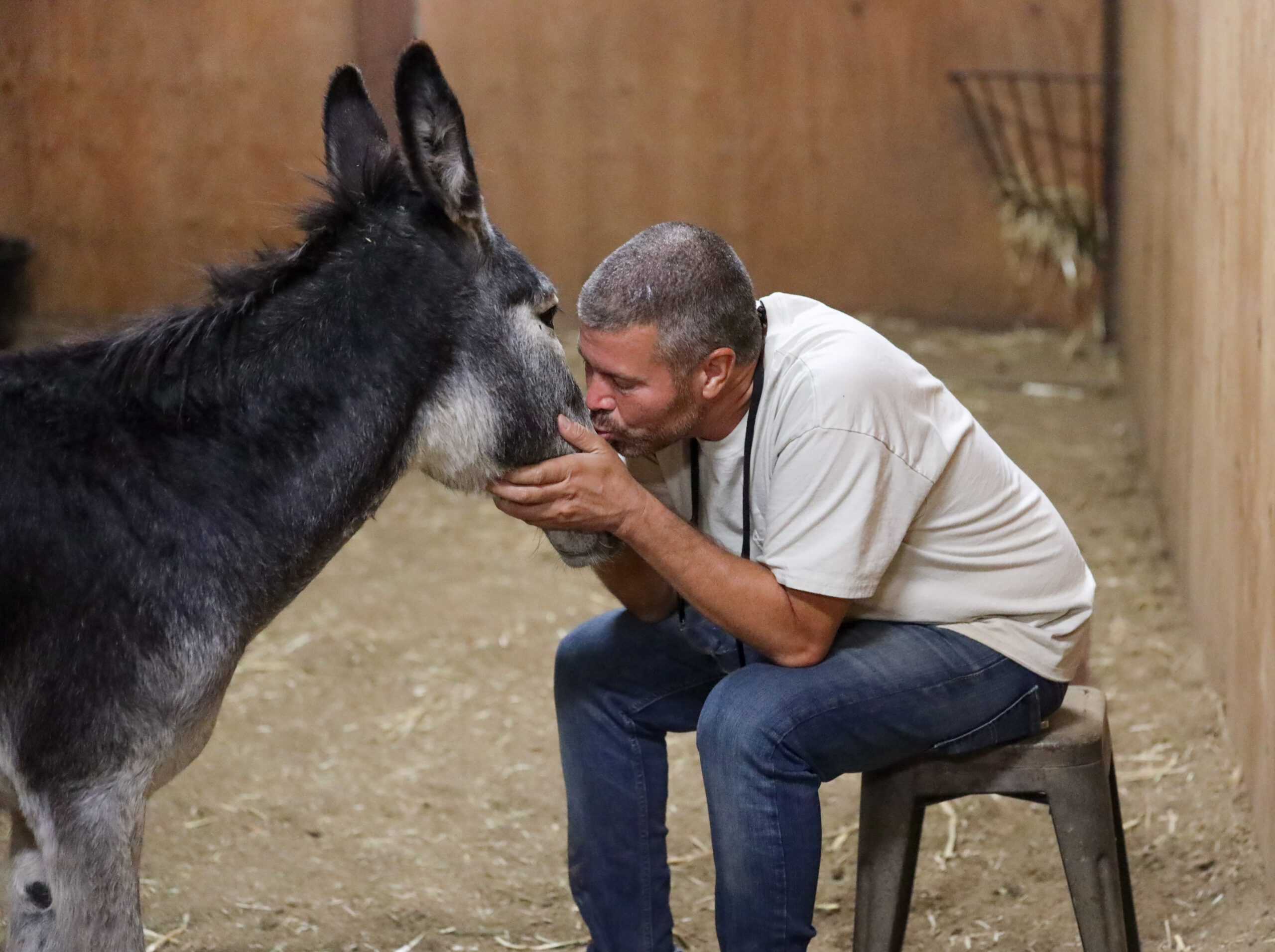
Lori’s special guest for the show is Ron King, CEO and Co-founder of Oscar’s Place Adoption Center and Sanctuary, a 75-acre donkey rescue facility in Mendocino County, California. Formerly, Ron was a top media executive and brings his many talents as well as a lot of compassion and love to the mission of helping these maligned, mistreated and misunderstood creatures. Most of the donkeys at Oscar’s Place were rescued from auctions in Bowie Texas, avoiding a fate of being slaughtered in Mexico. The hides of the animals are widely used in traditional Chinese medicine. Learn more at Oscar’s Place, https://www.oscarsplace.org/
Ron King with friend
Animals Today November 23, 2021. Wild elephants captured to become zoo exhibits. Growing use of comfort dogs in court. Animal facts you need to know.
Nov 24, 2021
Show notes
It was recently disclosed that the Namibian Government auctioned off 57 elephants caught from the wild, with the intention to export 42 of them to foreign zoos.
With the widespread awareness about the cruelty of keeping wild elephants in captivity, this news is both shocking and tragic.
Elephant expert and President of Humane Society International, Jeff Flocken stated, “African elephants are intelligent, sentient animals with highly developed emotional complexity, and strong social and family bonds that last a lifetime. It is unconscionable cruelty to subject these animals to brutal and traumatic capture, separating them from their families, and condemning them to lifelong captivity for the sake of human amusement.”
Recall that in 2016, 18 elephants were captured in the Kingdom of Swaziland, only to be shipped to three zoos in the US, an event that was roundly condemned by advocates worldwide. And around that time, the Ringling Bros Circus began the process of retiring their elephants. So, there was a feeling of optimism that perhaps things were looking up for elephants in the wild. Unfortunately, this news from Namibia shatters those dreams, as Lori describes.
Zoos often justify keeping elephants in captivity by claiming it promotes conservation of elephants in the wild. Lori explains how this is an utter fallacy.
Lori then broadens her discussion to criticize most contemporary zoos as extremely cruel to their confined animals and failing in their stated “missions” of education and conservation. Lori advocates wild animal sanctuaries as an alternative and supports efforts to strictly enforce the terms of the Convention on International Trade in Endangered Species in Wild Fauna and Fauna (CITES).
Peter then welcomes attorney Mark Momjian to discuss the growing use of dogs in courtrooms in a support capacity for witnesses giving testimony. Pennsylvania is the latest state to advance the use of specially trained dogs in court, in selected cases. This is a rapidly evolving area of law. To conclude, join Peter to test your animal knowledge as Lori presents another tortuous and revealing pop quiz.
Captive elephant in zoo
Animals Today August 28, 2021. Mosquitoes, malaria and DDT. Protecting dogs from bee and wasp stings.
Sep 27, 2021
Show notes
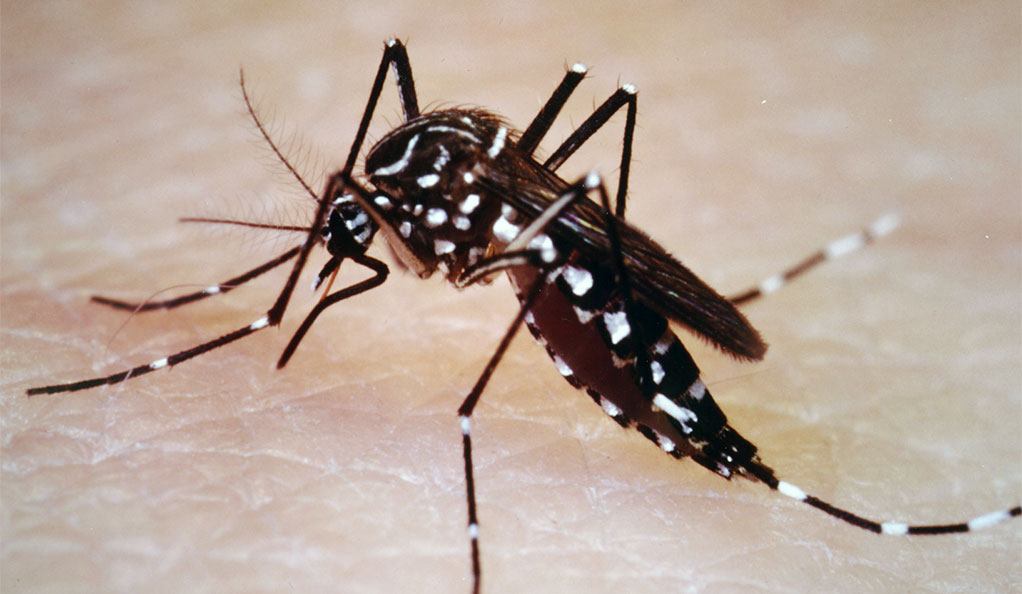
Lori begins the show speaking about those pesky and sometimes dangerous mosquitoes, because August 20th was World Mosquito Day! Mosquitoes carry malaria, yellow fever, West Nile Virus, Zika virus, and others. World Mosquito Day is intended to raise awareness about mosquitoes transmitting malaria and other diseases.
In 1897, the link between mosquitoes and Malaria was discovered by Sir Ronald Ross, who was awarded the Nobel Prize in 1902 for his work. He figured out the life cycle of the disease-causing Plasmodium parasite, which lives in the insect. In 2019 malaria afflicted more than 228 million people, and killed an estimated 405 thousand people in 2018, most in sub-Saharan Africa. Pregnant women and children are most vulnerable. Malaria transmission was eradicated from the US in 1951, but cases still occur in travelers returning to the US from Africa.
DDT came into wide use during WW2 as it was found to be effective against malaria and typhus. Paul Herman Muller received a Nobel Prize in 1948 “for his discovery of the high efficiency of DDT as a contact poison against several arthropods.” The pivotal book, Silent Spring. By Rachel Carson, sounded the alarm about the possible risks of aerial spraying of DDT to the environment. The book was extremely controversial, with strong opposition from industry. Ultimately, the fallout was the growth of the modern environmental movement, and from that, the Environmental Protection Agency (EPA) was established. Banning DDT was one of its first actions.
The topic remains controversial to this day and makes for interesting reading. Dr. Jane Orient, Executive Director of the Association of American Physicians and Surgeons contends that DDT was the most effective public health weapon of all time. She believes the 1972 ban was caused by environmental hysteria, triggered by events like Carson’s book, which she criticizes. Then we have new research on what contributes to happy cohabitation of cats and dogs and the risks of raw meat diets for pets (and their people) due to pathogens.
Lori then welcomes Dr. Robert Reed, Medical Director at VCA Veterinary Hospital in Rancho Mirage, California, to learn about the risks of stings from wasps and bees, especially to our dogs. The most likely outcome of a sting is local swelling, pain and redness at the site of the sting. This may extend somewhat to the local area. However, if the dog is allergic, systemic reactions may occur like vomiting, diarrhea, trembling, hives, swelling around the face, even anaphylaxis. Anytime you know or suspect a bee or wasp sting, its best to get it checked out with your veterinarian right away because you don’t know what course it will take.
Animals Today September 18, 2021: Hot animal news. History of the first animal shelter. Keeping pets save from encounters with snakes.
Sep 19, 2021
Show notes
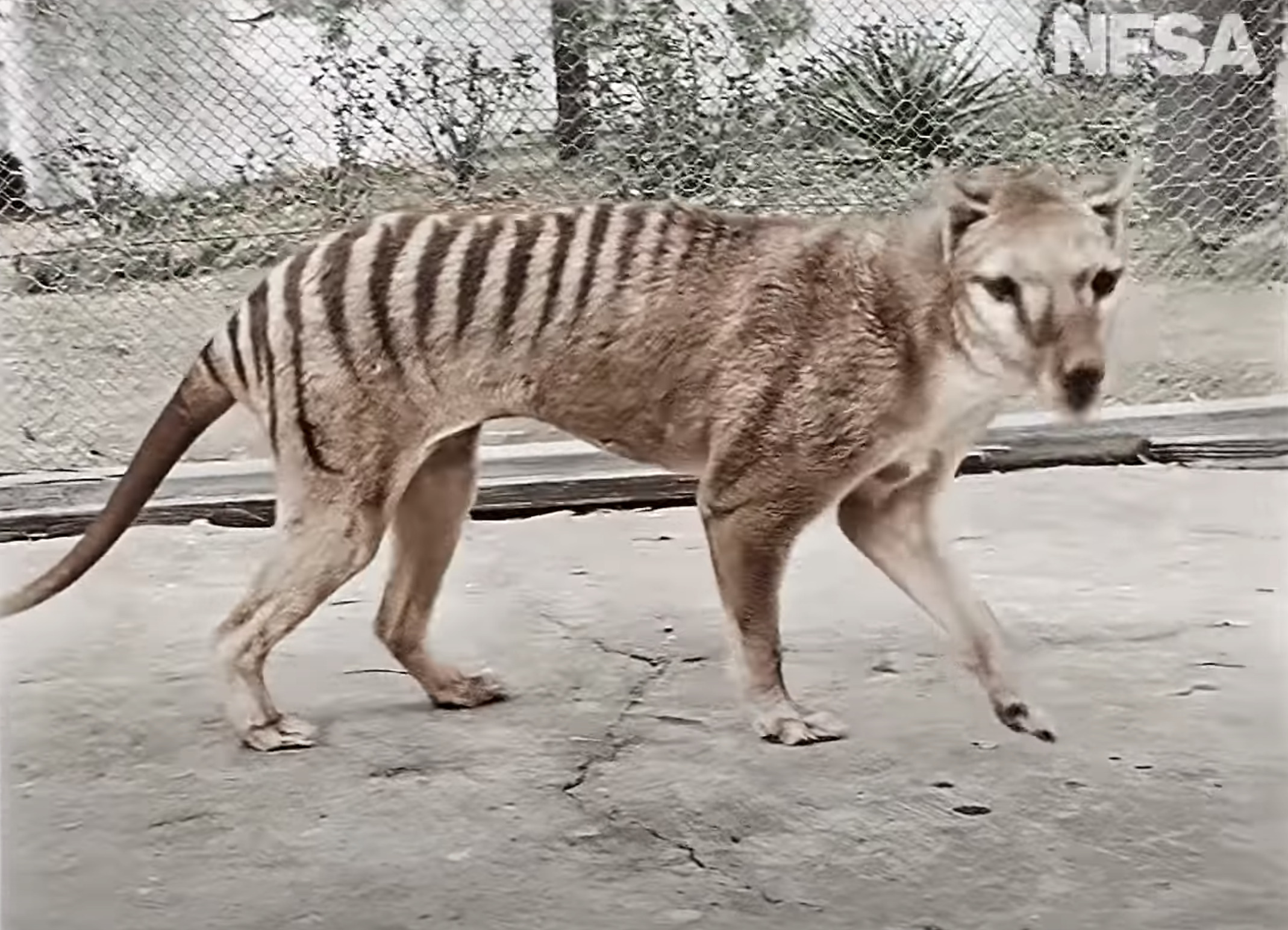
The show begins with a very strange story about a lost and frightened cat observed at a packed football stadium heroically rescued by American patriots as she slipped off the upper deck railing. We continue with an update on the horse abuse during the modern pentathlon event at the Tokyo Olympics and there’s incredible new video of the last known Tasmanian Tiger, extinct for almost a century.
Then, author Kate Kelly visits to speak with Lori about the first animal shelter in the United States. The heroine of the story is Caroline Earle White, a Philadelphia philanthropist who also participated in the women’s suffrage movement.
Part of her legacy is The Caroline Earle White Veterinary Hospital, which provides a range of healthcare services for dogs, cats and other small domestic animals as part of their commitment to maintaining the health and well-being of animals in the community. This story will inform and inspire you!
Veterinarian Robert Reed then returned to speak about one of his favorite topics, snakes. Robert has a vast experience with snakes and we discussed how to avoid dangerous encounters involving our pets and snakes. Robert explained how to make our homes less attractive toward snakes, described their diurnal behavioral patterns, and offered steps to take if your dog gets bitten by a rattlesnake. Reed has a deep appreciation and respect for all living creatures and believes that the more we understand the wild animals who live nearby, the better we can coexist with them.
Lori concludes with a handful of excellent ideas you might implement right now to help animals.

 Our TOPPODCAST Picks
  Stay Connected