Animals Today August 25, 2022. It’s a tough road for owners in possible veterinary malpractice cases. Are you afraid of sharks quiz?
Aug 25, 2022
Show notes
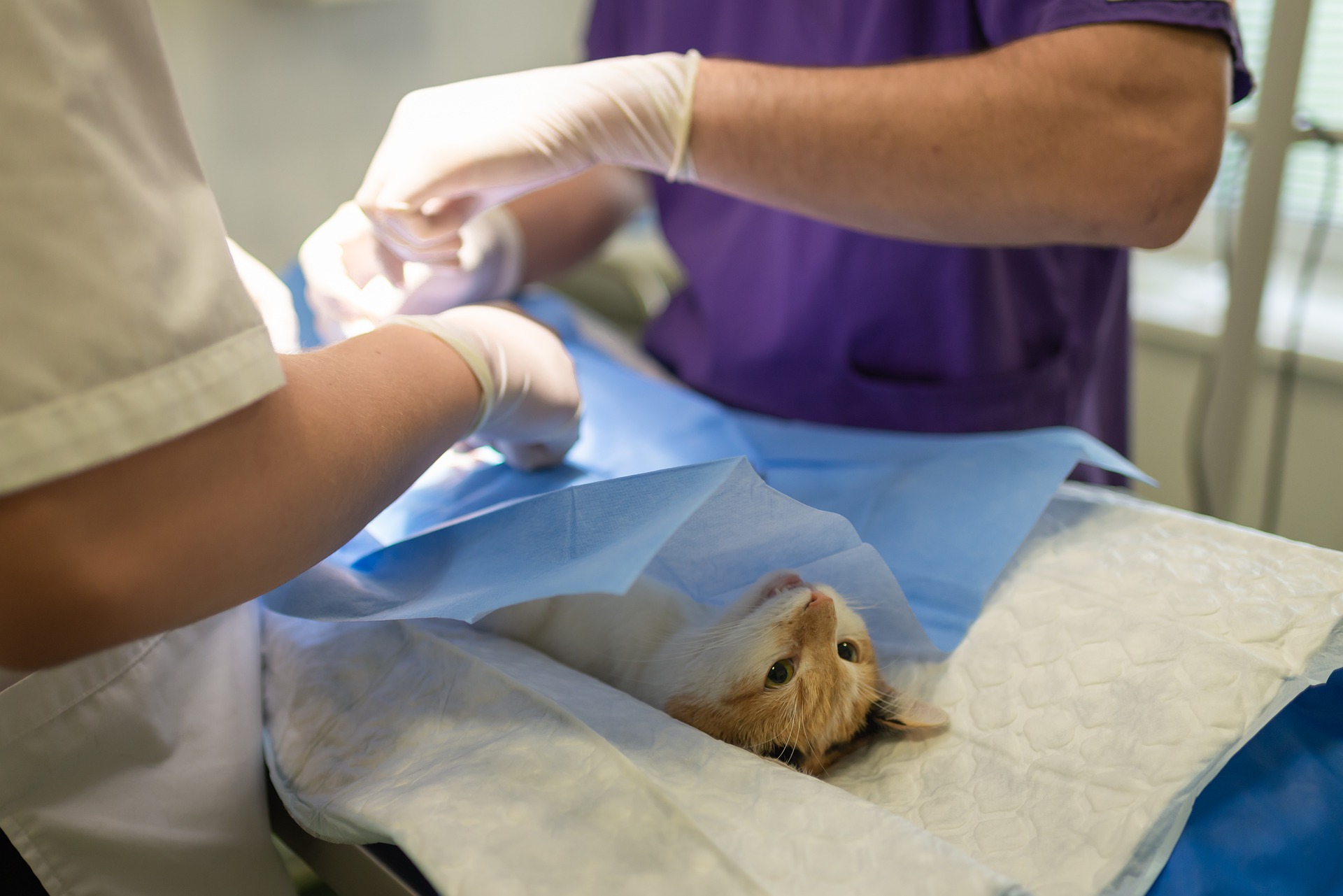
If you believe your pet was harmed by the actions of your veterinarian, what are your legal options for recourse? In this episode, Lori explores many aspects of veterinary malpractice with attorney Bob Ferber, former Los Angeles animal cruelty prosecutor.
Although there are some parallels between the law as it relates to medical malpractice issues and procedures in humans and those in veterinary care, the practical situations are quite different. A central issue is the legal status of animals. Essentially, nonhuman animals are considered to be property by the law, and not persons, which considerably limits the legal actions that could be pursued.
Other practical matters impeding legal action for veterinary malpractice include the poor record keeping on the part of veterinarians, which Ferber claims is commonplace and highly susceptible to fraud and falsification, and the relatively small monetary awards that could be won even if a suit is successful. Almost uniformly, damages would be limited to the dollar value of the pet on the market, and excludes pain and suffering, emotional distress, and so on.
Consequently, there are very few lawsuits against veterinarians and seldom are they successful.
Lori and Bob also discuss the avenue of making complaints to state veterinary boards as a means of at least seeking some redress. Ferber claims that very rarely is disciplinary action taken by the boards.
So, the best course of action is to do what you can as a pet guardian to help avoid these situations, which includes nurturing a strong relationship with excellent caring vets. And, importantly, make sure your questions are addressed when procedures and surgeries are planned, including aftercare.
To conclude, it has been a busy summer for sharks in the news and shark lovers have just reported that there are now more than 500 distinct species of them identified. But whether you are a little afraid of sharks or admirer of their majesty, test you shark smarts with Lori’s fun shark quiz!
And, our cats are enjoying Catit Creamy Cat Treats.
Animals Today August 3, 2022. How to rescue a pet trapped in a hot car. Risks of blue-green algae. Rhinoceros protection and facts.
Aug 03, 2022
Show notes
During the summer heat, you may come across a situation where an animal, typically a dog, has been left alone in a car that is too warm for comfort or safety. Even though it’s no secret that leaving dogs in hot cars is dangerous and often illegal, it continues to happen too frequently. So, we animal lovers should be prepared for these unfortunate and stressful situations so we can confidently act according to the urgency and severity of the situation and minimize harm to animals from neglectful owners. Lori offers useful guidance on many aspects of dealing with dogs in hot cars including how to assess the degree of risk the dog faces, how to safely and effectively break the auto’s window to free the animal, and legal issues if you decide to take that step.
Recently, there have been reports of dogs becoming sick and dying after exposure to ponds harboring the so-called blue-green algae. Especially frightening is that even clear ponds can sometimes have the blue-green algae growing in them and that exposure can cause rapidly progressive illness and sometimes death. Blue-green algae contain deadly bacteria called cyanobacteria. Cyanobacteria are microscopic organisms found in freshwater lakes, streams, ponds, and brackish (salty) water ecosystems.
The algae give the water a blue-green or “pea soup” appearance. It looks almost as if someone spilled blue or green paint on the surface of the water. These floating blooms can form thick, dense mats that collect near the shore, which is where animals and people come in contact with them. But beware: sometimes affected ponds may appear clear, yet pose the same risk.
Then, do you know how many species of rhinos there are? Do you know what the plural of rhinoceros is? These majestic, huge herbivores are critically endangered. Listen in as Lori teaches us about how they live while peppering Peter with probing questions.
Animals Today June 26, 2022. Update on breed specific legislation. More animal news stories. Wabbits.
Jul 02, 2022
Show notes
Lori begins the show by taking on the still controversial topic of laws and regulations aimed at specific dog breeds, generally referred to as breed specific legislation.
There are hundreds of such laws and regulations on the books across the US, which regulate or ban certain dog breeds. Breed specific legislation (BSL) typically targets pit bull type dogs. Those in favor of BSL say it’s necessary to ensure the public’s safety and argue that such legislation protects citizens from vicious and dangerous dogs.
Lori goes on to explain how the assumptions inherent in these types of laws are faulty and discriminatory and outlines the negative consequences that flow from them.
A primary problem with breed specific bans or restrictions is that they rely upon the visual appearance and physical traits of a dog to designate them as a certain breed. But numerous studies have shown that one can’t reliably determine the breed or mix of breeds of a dog based upon the visual appearances. Only DNA testing is able to accurately determine the genetic makeup of a dog.
Also, the laws do not take into account the actual behavior of individual dogs.
And there is new research showing that the dog’s breed is not a good predictor of the dog’s behavior. It is the experiences of the dog, the environmental factors and the training that are most responsible for the individual characteristics of a dog.
Moreover, we now know that legislation that restricts dogs based on appearance does not reduce dog bites or dog attacks in communities where the laws are in effect. And of course, the existence of these very laws, however misguided and ineffective, reinforce the beliefs that certain dog breeds are just too risky to be around, because they are inherently dangerous.
As a consequence, more of these dogs populate shelters, they are euthanized at high rates, and they become less frequently adopted by the public at large. They are stigmatized and the taint is pervasive. And the downstream effects of stigmatizing dogs (pit bulls especially) are broad, including restrictions placed upon renters by landlords, regulations and limitations placed by homeowner’s associations, limitations on homeowners’ insurability, and so on.
In certain restrictive jurisdictions, one might even be forced to relinquish or give away one’s dog.
So, experts now agree that breed specific legislation and similar policies that restrict dogs based on appearance do not reduce dog bites in communities or enhance public safety. And finally, there is a gradual but slow-moving trend to easing some of the laws and restrictions related to breed discrimination, as the science is more clear than ever against any rationale for restricting or banning dogs based on their appearance.
Lori calls for revocation of laws and regulations against dogs based on breeds, and emphasizes that if the goal is to reduce dog bites and dog attacks in our communities, perhaps funds and resources would be best used on education and on regulation that targets irresponsible dog owners, dog breeders and animal abusers.
Then, Peter has news including the FDA Modernization act passes the House, which will remove the requirement for animal testing for drug approval, an interesting case of contraband discovered coming into the Detroit airport, our waterways and wild fish are contaminated with human drugs as they evade wastewater purification systems, more protection for manatees on the way, animals mysteriously set free at a Milwaukee zoo, and news about field training Veterinarians on how to sedate and transport wild animals in Africa.
To conclude: Do you know your rabbits? We all know Bugs and Thumper, but do you know the fascinating saga of the pink bunny advertising campaigns?
Animals Today June 12, 2022. Hot news with Peter. Frogs in decline. High velocity animal quiz. Pesticides around the house.
Jun 19, 2022
Show notes
We begin with Peter reporting on a new article which provides more details on the amazing color changing abilities of octopuses. Their tiny color altering organs are highly specialized and under the exquisite, fine control of the animals’ nervous system. The abilities of octopuses to control their displays improve as they mature. Peter continues discussing another angle on the limitations of the use of rats in medical research, an update on the push to remove horse riding competitions from the Modern Pentathlon event, where dozens of alternatives not using animals are being considered, rabies kills a zoo-confined anteater in Tennessee, and a 49-year-old snake lover was killed by his pet in his own home.
Then Peter welcomes frog expert and conservationist, Matt Ellerbeck, who discusses the decline of wild frogs due to habitat loss, frog harvesting, climate change and disease.
Lori then tests our animal smarts with items about caterpillars, the cute nocturnal Kiwi, diets of walruses, the T Rex is related to the modern chicken, cute otters sleeping behavior, and a pride of lions, all leading to the albatross around your neck.
To conclude, what risks do pesticides and rodenticides pose to your dogs and cats? What precautions should you take when your home or surrounding is treated to address pest problems? Veterinarian Robert Reed returns with good advice to keep dogs and cats from being harmed by the multitude of agents now in use.
Animals Today Radio May 21, 2022. Chickens are very smart and have individual personalities: Celebrating a special day for chickens. Animal knowledge challenge.
May 21, 2022
Show notes
Animals Today Radio May 8, 2022. Chickens are very smart and have individual personalities: Celebrating a special day for chickens. Animal knowledge challenge.
The question about the chicken and the egg has puzzled people since antiquity and has served as a metaphor for many circumstances in our world. Lori begins the show offering up some modern scientific ideas which finally (ha!) answer the riddle about which came first.
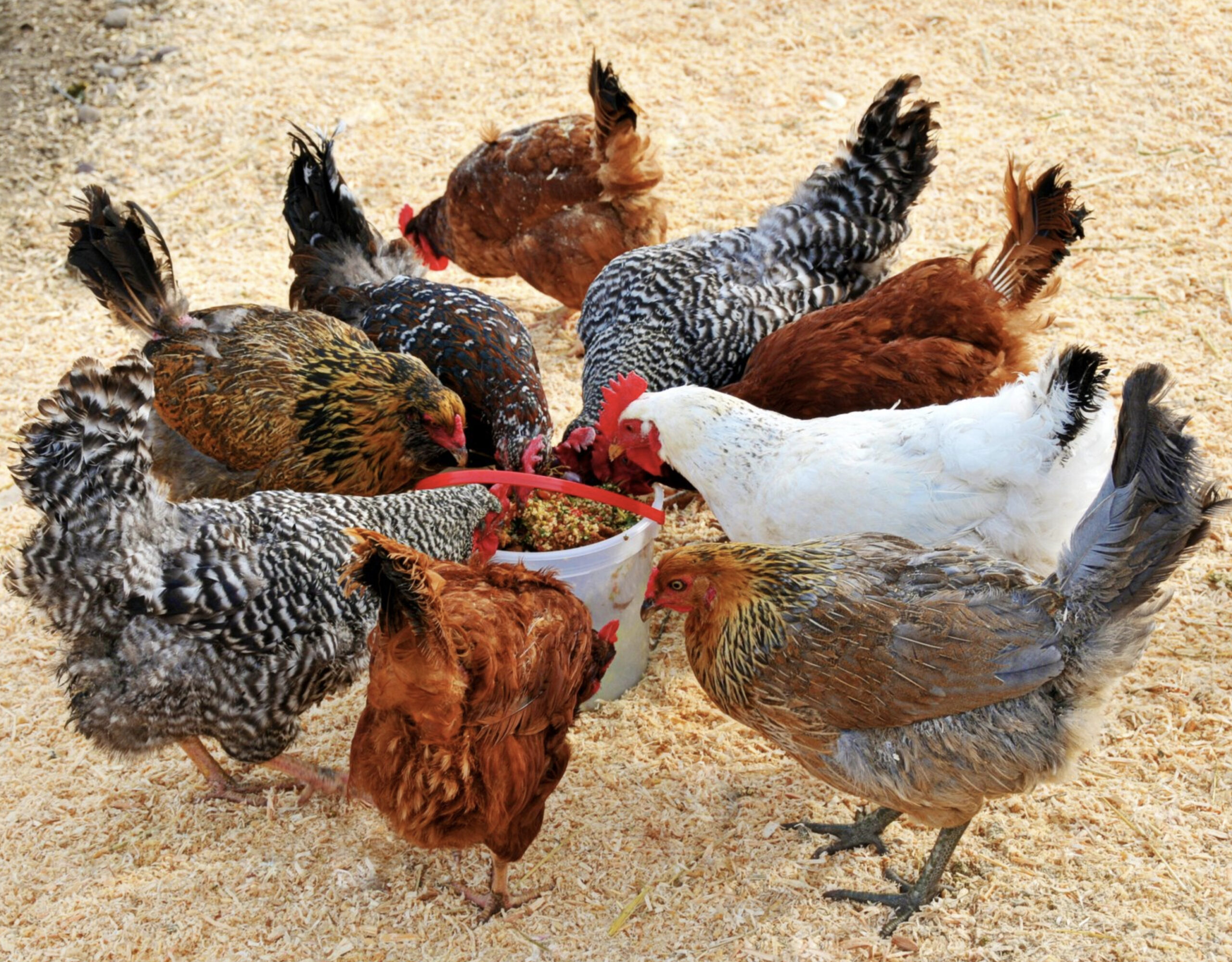
Lori’s interest is sparked by International Respect for Chickens Day. She explains how chickens are intelligent and sensitive, and that they have unique personalities. Chickens can count, have excellent memories, can remember up to 100 individual faces and display the ability of object permanence, like the highly intelligent crows. They demonstrate delayed gratification and self-control. The vision of chickens is remarkable for their nearly panoramic vision, their ability to use each eye independently, their exceptional color vision and their expanded sensitivity to UV wavelengths. The beaks of chickens are highly sensitive and have many functions, so the industrial practice of “debeaking” chickens is very painful and cruel.
Lori is saddened not only by the entire chicken-as-food industry, but especially that these animals typically never get a chance to enjoy normal bird pleasures and express their natural behaviors in the industrial farming industry. Getting to know individual farmed animals like chickens, such as at a sanctuary, often leads to a heightened emotional connection to the animals we typically think of as food.
We conclude with an animal knowledge quiz about lemurs, elephants, and more, plus how bats were once being considered as potential living bombers in the WW2 era Project X-ray. And we sign off with an inspiring rendition of America’s Horse With No Name.
Animals Today April 30, 2022. Do rats deserve their own special day? Is sleeping with pets disruptive or helpful? Avoiding rabies.
May 13, 2022
Show notes
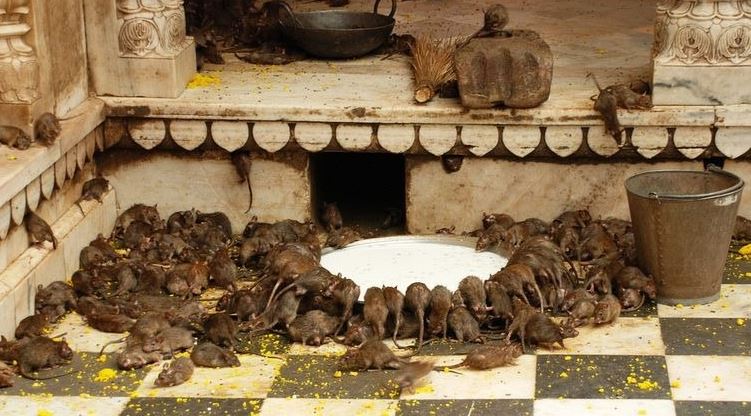
In recognition of World Rat Day, Lori kicks off the show by going deep on these ubiquitous mammals. Rats are very social, affectionate, and intelligent. They get lonely and anxious when isolated. But when in their family group (referred to as a mischief) they will care for the injured and sick. Rats can be trained to answer to their name and have recently been shown to be able to laugh! In Rajasthan, India, the Karni Mata Temple, the Temple of Rats, is home to about 25,000 animals, where they are revered. The Temple is a destination for Hindu pilgrims. And of course, the first animal of the Chinese Zodiac is the rat, and the Year of the Rat occurred in 2020, 2008, 1996, 1894, 1972, 1960, 1948, 1948, 1924. Those born during such years are thought to possess qualities of the rat: creativity, intelligence, ambition, honesty and generosity. Finally, new scientific evidence points away from rats as transmission vectors of bubonic plague. Instead, direct transmission from person to person through fleas, ticks and lice may be the actual mode.
We continue talking about research on dogs aimed at seeing if they can detect differences between varying spoken human languages. The tool of functional MRI is being used to look at brain activity in awake dogs when they listened to Spanish versus Hungarian speech. But where will these studies go, and will they yield any valuable insights? Then Lori dives into the research on sleep quality among those who sleep with a pet in the bed. Is it sleep-enhancing or disruptive? Mostly, this question has been addressed through surveys, and Lori reviews a sampling of them plus some expert opinions from sleep experts. Tune in to hear the bottom line! Then, we have news items including efforts to find and save the rare saola, a recently discovered large horned mammal native to Laos and Vietnam, a petting zoo in Tacoma, Washington that needs to be shut down due to abuse and neglect of the animals there, and data on how few pet guardians are trained in first aid for their pets.
Then is a discussion about rabies, sparked by a story of an elderly man who recently died from the disease, which he evidently contracted from a bat. He refused treatment after the exposure, which would have been lifesaving. Any mammal can harbor rabies, with the most common affected animals being raccoons, skunks, bats and foxes. Public health measures to address rabies in dogs started in the 10940s and consisted of widespread vaccinations. Consequently, cases of rabies in dogs in the US are extremely rare. A common misconception about rabid animals is that they can be identified by observing their appearance and behavior but generally, one cannot tell if a given animal has rabies without testing. One important fact to remember is that often, the bite from a bat is so small that it will not leave evident marks on the skin. So, if one awakes, for instance, and observes a bat in the bedroom, he or she must act as if a bite has occurred, which means seeking medical care right away. And that care will include rabies post exposure prophylaxis, a dose of human rabies immune globulin and then 3 doses of the rabies vaccine. This treatment is highly effective in preventing the disease from taking hold and killing the victim, which otherwise occurs 99.9% of the time in untreated cases.
Temple of ratsTemple of rats
Animals Today April 23, 2022. Latest difficult news from Ukraine. Dog Bite Prevention Week.
May 02, 2022
Show notes
Lori begins speaking about the disaster for animals in Ukraine with Chris DeRose and Cindy Beal DeRose from Last Chance for Animals (LCA). The situation on the ground for animals continues to be bleak and deadly. Terrified abandoned dogs are starving and do not know where to go. Dogs, cats and other animals are enduring terrible conditions. Reliably getting funds to support the animals into the right hands can be challenging. Chris passionately argues that the passivity of the US permitted Putin to gain the upper hand, leading to the awful devastation of Ukrainian fighters and civilians, and consequently to the suffering of so many animals. Chris DeRose is Founder, President, and CEO of LCA. Cindy Beal DeRose is the organization’s Executive Director and CFO.
Then, what is the correct spelling of that small whale with the elongated tusk-like tooth? Narwhal, narwhale, narwal, or something else? Can you name a flying mammal? Is Pooh’s buddy, Tigger, a tiger or something else? Take Lori’s latest quiz along with Peter.
Lori then recognizes Dog Bite Prevention Week, reminding us that guardians play the most important role in minimizing instances of bites. And, did you know that 2 states, Virginia and California, now have laws requiring shelters and rescue group which adopt out dogs, to share the dogs’ “bite history” if known, to the potential adopters? Lori believes that in principle, such laws are a good idea because more information about the dogs’ history should lead to better matches between adopters and dogs. However, determining the true and complete history of dogs’ prior lives can be near impossible. And, saying a dog has bitten in the past automatically stigmatizes the dog in the eyes of many, even though the circumstances surrounding the alleged incident are unknown. For instance, if a child pulls the tail of dog, frightening the animal, who then spins around and nips the child, can the dog be blamed? Another regrettable phenomenon is the imprecise use of the word vicious. A dog who has bitten is often wrongly called a vicious dog, which lessens the dogs’ prospects for adoption, and raises its chances of being euthanized.
So, whether and how to provide histories to potential adopters is a complex issue. For now the best we can do is to remind or educate adopters that they need to be realistic and adaptable. There is a little story, apropos here, where a woman asks her Vet, “Is there any chance my dog will bite?” The Vet replies, “Does he have teeth?”
Killed civilian with loyal companion.
Animals Today April 2, 2022: Ukraine war update from Paws of War. The cruelty continues at Alaska’s infamous sled dog race. More animal adaptations.
Apr 20, 2022
Show notes
Lori begins with an update on the situation in Ukraine and the war region with Robert Misseri, founder and President of Paws of War. The situation Robert describes is very fraught, with starving and terrified animals roaming and hiding, worsened by severe hindrances to relief efforts due to the ever-present danger. Sometimes, dumping bags of dog food onto the ground for the dogs is all that relief workers can do.
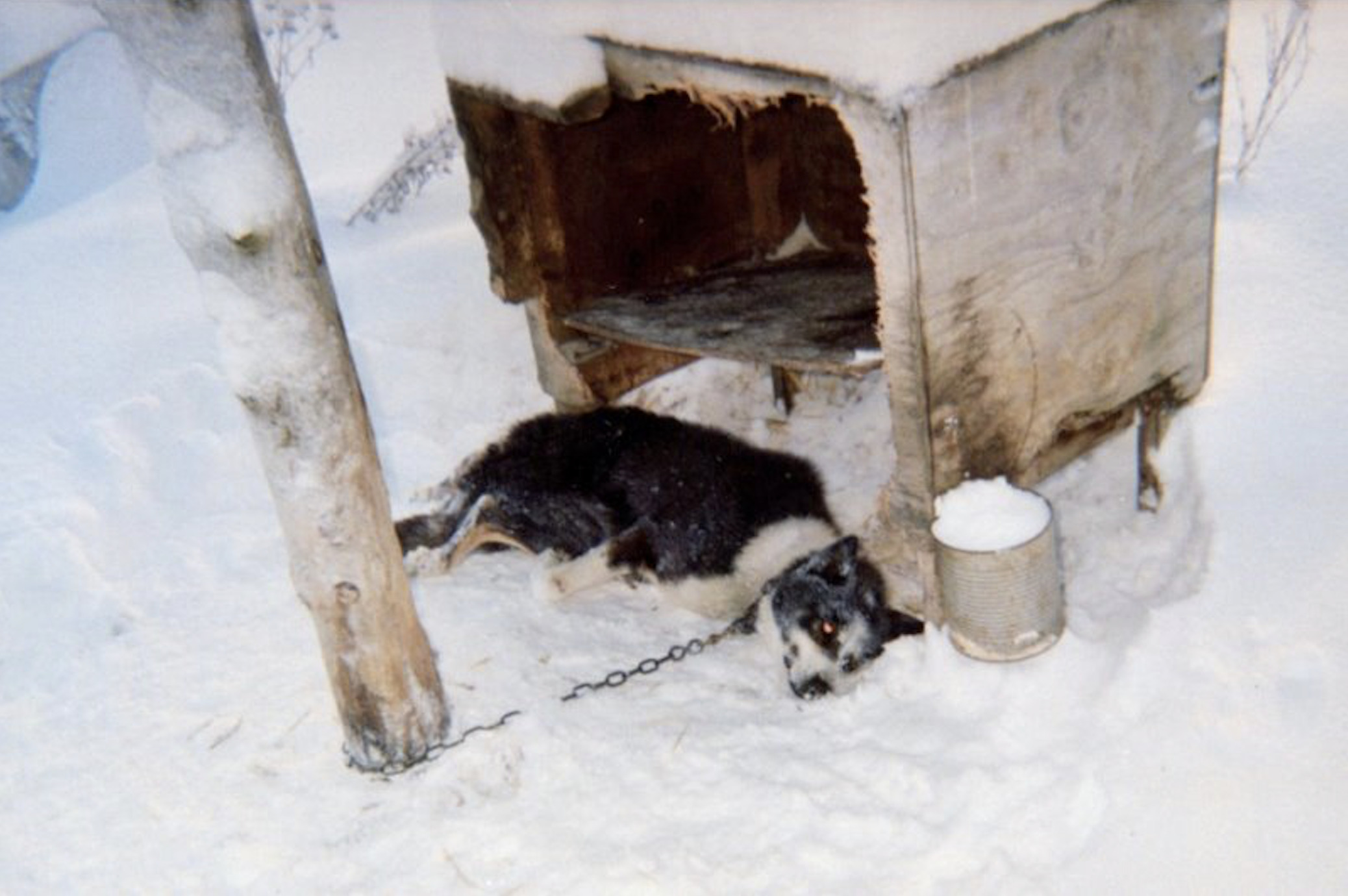
Then, the Iditarod Trail Sled Dog Race has just marked its 50th anniversary. Yes, it continues despite strong efforts by many groups and individuals to shut down this profoundly cruel yearly event. The contest is a 1100 mile long race from Anchorage to Nome, Alaska. The teams racing in the Iditarod consist of one human driver of the sled (musher) and 12-16 dogs who are connected to the sled by a series of lines. These dogs are forced to run beyond exhaustion over 8-16 days on grueling terrain, with jagged rocks, high winds, dense forest and subzero temperatures. They can develop lung and kidney damage, stomach ulcers, hypothermia, frostbite, bone fractures, shoulder injuries and often sustain tendon tears. Dogs can get injured or killed by getting tangled in the lines. This year, conditions were especially stormy and cold. According to PETA, two dogs went missing, and nearly 250 were pulled off the trail due to exhaustion, illness or injury. Before the race even started, dogs were attacked and one was killed during training. Also, the Anchorage Daily News reported that 3 mushers were penalized for the rule-breaking act of allowing dogs to escape the brutal story and cold conditions by allowing them to spend the night in their shelters. Lori recommends the 2016 film, “Sled Dogs” for a behind the scenes look at this cruel race including the culture and businesses that sustain it. Also, visit Sled Dog Action Coalition for extensive information about the race and its cruelty. Due to the widespread criticism of the event, corporate sponsorship is decreasing. Let’s hope this portends the end of this very cruel event.
Lori then continues sharing some amazing physical adaptations possessed by some creatures including the Alaskan wood frog, which can freeze and thaw to survive the winter, the innocuous looking stonefish, which can kill with its highly potent venom, the extreme bite strength of the Tasmanian devil, the javelina, which happily ingests spine covered prickly pear cactus pads, and more
Photo: Sled Dog Action Coalition
Animals Today March 26, 2022. Toxin and poison hazards for pets. Delight in zebras
Mar 30, 2022
Show notes
What toxins and poisons would you guess are most commonly ingested by our dogs and cats? Well, the data on this question actually exists, thanks to the ASPCA, which recently published a list of the most common exposure and ingestion incidents from the ASPCA Poison Control Center (APCC). Lori explores this list, adding our personal anecdotes, so you can mitigate the risks in your pet’s environment.
Over- the- counter medications, including ibuprofen and acetaminophen, and prescription medications are the top culprits according to the APCC. So, make sure these are out of paws’ reach and securely stored both for your pets and those animals who may be visiting. If you have house guests, remind them not to leave their medications out if pets have access to their quarters, purses, and backpacks. Further, keep in mind that creams and lotions may be quite toxic as well, like non-steroidal creams and topical hormones. Other toxins on the APCC list include human foods, chocolate, plants and flowers, household cleaners and pesticides and rodenticides.
Then, test your knowledge about zebras, as Lori drops another pop quiz on us. These lovely, docile herbivores have enchanted authors, artists, naturalists, and indeed, most people, for eons. There is an oft quoted dictum Lori and Peter both heard many times during their medical training: When you hear hoof beats, think of horses, not zebras which serves as a reminder to diagnosticians to first consider common ailments over the rare ones.
Animals Today March 12, 2022. The captive orca Lolita at the Miami Seaquarium is “retiring”. Ukraine animal report. Dogfighting goes on. Bunnies and rabbits in popular culture: a quiz.
Mar 17, 2022
Show notes
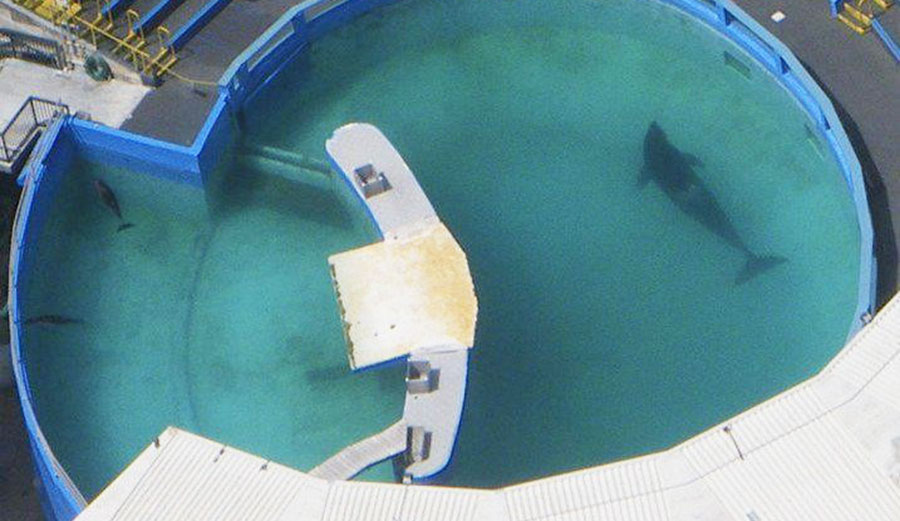
Lori begins with big news from Florida where the captive Orca named Lolita (also known as Tokitae) has finally been permitted to “retire.” Lori recounts the life of this poor, lonely creature, ripped from her mother at age four for a life in captivity at the Miami Seaquarium. Lolita has been performing for 52 years! Lolita is reported to be ill, perhaps suffering from pneumonia. One former employee who knows her well thinks she will not live another 6 months. These changes came about due to USDA mandates associated with the sale of the park, which had been cited for numerous serious violations. This is a long overdue acknowledgement by the agency that conditions for Lolita were even an issue, but her status is still quite uncertain due to her health concerns and that she will continue to be confined to her same small tank (the smallest orca tank in North America). Even if there was an available spot in an ocean sea pen sanctuary for her to move to, could she survive the extremely stressful transport?
Then, Peter brings us animal news from the war in Ukraine. The Kyiv Zoo is barely getting by, and the animals are extremely stressed. Some of the larger animals have no indoor space to retreat to. The zoo gives updates on their website and instructions on how to wire in donations. While there are reports of evacuating citizens abandoning their animals, there are many reports of animal welfare groups large and small doing everything they can to support the remaining shelters. PETA posted useful information on which groups are active and how to help them. And, almost uniformly, countries accepting refugees have relaxed typical restrictions and document requirements to enter, like proof of vaccinations and periods of quarantine.
Then, Andrew Binovi, Senior Manager for Federal Legislation for the ASPCA joins Peter to talk about the continued high prevalence of animal fighting. National Dogfighting Awareness Day is April 8th.
Bugs, the Energizer Bunny, Peter Cottontail, or someone else: who is the most famous rabbit? Take the Leporidae quiz with Peter!

 Our TOPPODCAST Picks
  Stay Connected