TopPodcast.com
Menu
  • Home
  • Top Charts
  • Top Networks
  • Top Apps
  • Top Independents
  • Top Podfluencers
  • Top Picks
    • Top Business Podcasts
    • Top True Crime Podcasts
    • Top Finance Podcasts
    • Top Comedy Podcasts
    • Top Music Podcasts
    • Top Womens Podcasts
    • Top Kids Podcasts
    • Top Sports Podcasts
    • Top News Podcasts
    • Top Tech Podcasts
    • Top Crypto Podcasts
    • Top Entrepreneurial Podcasts
    • Top Fantasy Sports Podcasts
    • Top Political Podcasts
    • Top Science Podcasts
    • Top Self Help Podcasts
    • Top Sports Betting Podcasts
    • Top Stocks Podcasts
  • Podcast News
  • About Us
  • Podcast Advertising
  • Contact
Not in our directory?
Add Show Here
Podcast Equipment
Center

toppodcastlogoOur TOPPODCAST Picks

  • Comedy
  • Crypto
  • Sports
  • News
  • Politics
  • True Crime
  • Business
  • Finance

Follow Us

toppodcastlogoStay Connected

    View Top 200 Chart
    Back to Rankings Page
    Kids & Family

    Your Parenting Mojo – Respectful, research-based parenting ideas to help kids thrive

    Parenting is hard…but does it have to be this hard?

    Wouldn’t it be better if your kids would stop pressing your buttons quite as often, and if there was a little more of you to go around (with maybe even some left over for yourself)?

    On the Your Parenting Mojo podcast, Jen Lumanlan M.S., M.Ed explores academic research on parenting and child development. But she doesn’t just tell you the results of the latest study – she interviews researchers at the top of their fields, and puts current information in the context of the decades of work that have come before it. An average episode reviews ~30 peer-reviewed sources, and analyzes how the research fits into our culture and values – she does all the work, so you don’t have to!

    Jen is the author of Parenting Beyond Power: How to Use Connection & Collaboration to Transform Your Family – and the World (Sasquatch/Penguin Random House). The podcast draws on the ideas from the book to give you practical, realistic strategies to get beyond today’s whack-a-mole of issues. Your Parenting Mojo also offers workshops and memberships to give you more support in implementing the ideas you hear on the show.

    The single idea that underlies all of the episodes is that our behavior is our best attempt to meet our needs. Your Parenting Mojo will help you to see through the confusing messages your child’s behavior is sending so you can parent with confidence: You’ll go from: “I don’t want to yell at you!” to “I’ve got a plan.”

    New episodes are released every other week – there’s content for parents who have a baby on the way through kids of middle school age. Start listening now by exploring the rich library of episodes on meltdowns, sibling conflicts, parental burnout, screen time, eating vegetables, communication with your child – and your partner… and much much more!

    Advertise

    Copyright: © Jen Lumanlan - M.S. Psychology focused on Child Development

    • Apple Podcasts
    • Google Play
    • Spotify

    Latest Episodes:
    Q&A#6: Am I damaging my child? Sep 15, 2024
    Show notes

    Today's episode comes from listener who submitted an emotional voicemail on the Ask Jen a Question button on the Your Parenting Mojo homepage, which boils down to: Am I damaging my child? The messages you can leave are limited to two minutes in length, so we get just a taste of what the parent is struggling with: a difficult relationship with their neurodivergent son, because he triggers the parent and then the parent feels triggered again by the guilt and shame that some of the challenges the son is facing might be the parent's fault. In this episode I walk though neuropsychologist R. Douglas Fields' LIFEMORTS framework of rage triggers - because if we understand the kinds of things that trigger us, we can avoid some of those triggers entirely and then see the rest of them coming and resource ourselves before they arrive. I link these rage triggers with broader social issues that we may be carrying in the backs of our minds without even realizing it, and the energy it takes to constantly manage our thoughts about these issues is energy we don't have to spend meeting our children's needs - or our needs. I also offer a set of three steps you can use to help you navigate triggering situations with your children more effectively. Ready to break free from the cycle of triggered reactions and conflict in your parenting journey? If you want to: 😟 Be triggered less often by your child’s behavior, 😐 React from a place of compassion and empathy instead of anger and frustration, 😊 Respond to your child from a place that’s aligned with your values rather than reacting in the heat of the moment, the Taming Your Triggers workshop will help you make this shift. Join us to transform conflict into connection and reclaim peace in your parenting journey. Click the banner to learn more! Other episodes mentioned:

    • 207: How to not be a permissive parent
    • 224: How to heal your Mom Rage (coming up)

    Jump to highlights 00:58 Introducing today’s topic 01:17 Listener recorded question 02:55 Jen empathizes with the parent's stress and dual triggers of misbehavior and self-judgment, acknowledges potential trauma or neurodivergence, validates their experience. 18:26 Understand your triggers by exploring nine categories (LIFEMORTS): life or limb, insult, family, environment, mate, order in society, resources, tribe, and stopped, as outlined by Dr. R. Douglas Fields. 34:02 Mom rage, deeply intertwined with systemic gender and racial inequalities, reflects broader societal issues and significantly impacts women's health and parenting. 46:06 Intergenerational trauma affects all communities, passing down violence and its impacts through generations. 46:55 Three ways to support parents dealing with their own trauma and its impact on their children.

    223: What, Why, and How to Parent Beyond Power Sep 05, 2024
    Show notes

    What to Do When Parenting Tools Don’t Work?

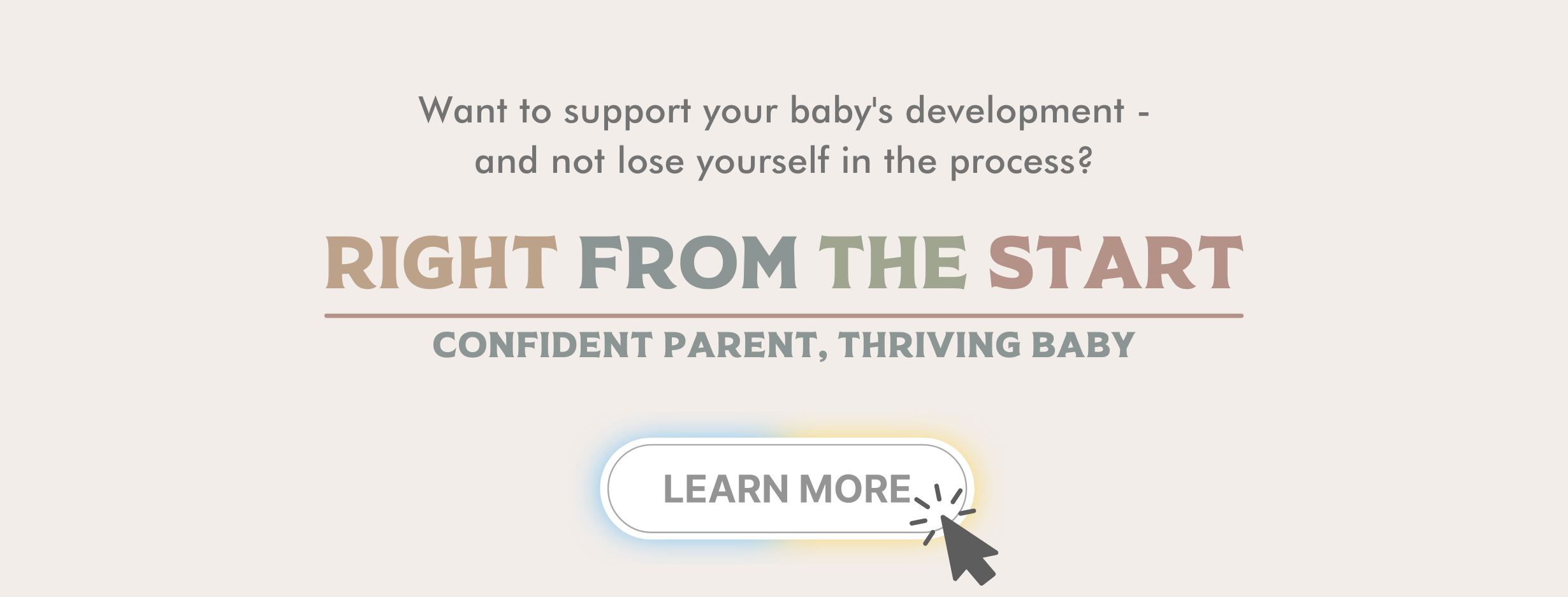
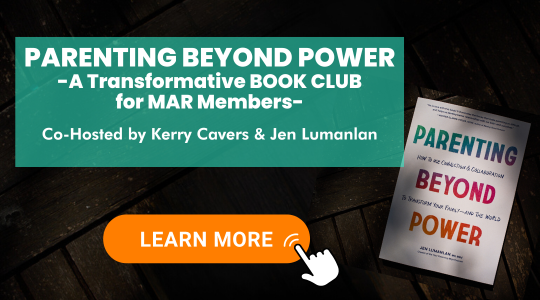
    I know that when you start using new parenting tools, things don't always go according to plan. Your kids don't say what you think they will, or maybe you perceive that their behavior is just kind of crappy, or maybe your partner isn't on board with your ideas. In this episode I address what to do about all of these challenges, as well as how to use the tools I work with to address difficult topics like children wanting ever more snack foods, ever more screen time, and refusing to go to school. We hear from parents who have managed to address tricky challenges - including a child with a skin condition who must take a bath daily and who was successfully extending the dinner/running around/reading books process until bedtime was delayed as well. Once the child's parents came to see what needs the child was trying to meet, bath time suddenly wasn't a problem anymore. I share some realizations that parents have had about their place in the world as they've engaged with my work and how I plan to shift the ways I talk about these issues moving forward. I also invite you to celebrate with my book Parenting Beyond Power's first birthday by baking (or buying) some cupcakes! One of many parents' favorite ideas in the book was the feelings and needs cupcakes, which makes it easy to visualize your most common feelings and needs. We've made some flags you can print and use with your children to identify your (and their) feelings and needs. Share them on social media and be invited to a group coaching call with me later in September, and stick them to the fridge as a reminder of how to connect with your kids - and yourself! Finally, a couple of invitations. The Right From The Start course, which I run with Hannah and Kelty of Upbringing, is now available whenever you need it (rather than waiting for the next cohort to begin. If you're expecting a baby or have a child under the age of one, Right From The Start will help you to get clear on your values and goals around raising your child so you can put the systems you need in place before you get to the really tough toddler years. Parent Annie said: "I am so jealous (but excited for others)... that there is something like this for first time mothers. I wish I had it with my first born as it would have been so helpful for my nerves and anxiety surrounding my new profession of 'child raiser!" Learn more and sign up - you can also gift the course to to a friend or relative who is expecting or has a baby under the age of one. We have sliding scale pricing and a 100% money back guarantee! And if you're interested in doing explicitly anti-racist, patriarchy-healing, capitalism-busting work with me (which I know isn't for everyone!), I'd love to invite you to join me for the Parenting Beyond Power book club hosted by Moms Against Racism Canada. It's a 'book club' in that we'll be working with the ideas in Parenting Beyond Power (we couldn't think of what else to call it...which is also how I ended up with Your Parenting Mojo!), but it's really a set of six 90-minute group coaching calls on Friday evenings where we'll explore how we've been harmed by systems of power, and how we can be in relationship with our children in a way that's aligned with our values. If you (and maybe the folks in your community as well?) have been wanting to know more about how to take anti-racist action with your kids but weren't sure how to do it, the book club will help you to do it. If you'd like to invite your crew, we can give you a special link and when five people use it to sign up, your own spot will be free.

    Other episodes mentioned:

    • 179: I Never Thought of It That Way with Mónica Guzmán and Lulu
    • 207: How to not be a permissive parent
    • 209: How to get on the same page as your parenting partner
    • 217: How to end the video game struggles with Ash Brandin

    Jump to highlights

    01:37 Introducing today’s episode 05:21 Parenting Beyond Power challenges traditional parenting by connecting social justice issues like White supremacy, patriarchy, and capitalism to parenting methods, advocating for tools that promote equality and understanding. 17:17 The book shows how conscious and compassionate parenting can reshape family interactions and influence broader societal change. 28:49 The book helps readers tackle judgmental parenting habits, fostering more compassionate and understanding relationships with their children. 34:26 Some readers find it harder to change communication patterns with their partners than with their children; they struggle with deep-rooted patterns and differing strategies when handling tough situations. 44:45 Parenting Beyond Power helps parents understand and address their child's resistance by focusing on meeting both the child's and their own needs. 52:04 Wrapping up with two options for further support: on-demand Right From The Start course for new parents and Parenting Beyond Power book club with coaching on social issues in parenting

    222: How to cultivate Menstrual Cycle Awareness with The Red School Aug 25, 2024
    Show notes

    Understanding Menstrual Cycle Awareness

    This episode was...unplanned. :-) A couple of months ago I interviewed Dr. Louise Newson on the topic of menopause. Dr. Newson is a medical doctor and focused very heavily on Hormone Replacement Therapy as a treatment that everyone who menstruates should at least consider, and I knew I wanted to do an episode with someone who doesn't hold that belief as well. I found Alexandra Pope and Sjanie Hugo Wurlitzer of The Red School, and really appreciated their book Wise Power. As I usually do before recording an interview I read their other co-authored book Wild Power, and I realized there was a 'missing' episode on the topic of Menstrual Cycle Awareness. We can't really talk about being aware of the changes that are happening to our bodies during menopause if we don't know what has happened to our bodies throughout our menstruating years. When I read Wild Power I felt a deep sense of sadness that I was just discovering this now, as my own years of menstruation wind down - but also a deep sense of hope that I can help Carys develop a much closer relationship with her own body than I had with mine.

    We'll answer questions like:

    • What phases does my body go through each month?
    • How can I start becoming more aware of these phases through Menstrual Cycle Awareness?
    • How can I align my activities with my energy levels, creativity, and arousal - even in the real world, which wants me to go-go-go all the time?
    • How is my inner critic aligned with my cycle, and how can I use its knowledge to help me?
    • How can I navigate Menstrual Cycle Awareness if I've had a difficult relationship with my periods and with fertility?

    I'd encourage you to listen to this episode if:

    • You menstruate and want to better understand how menstruation affects your life
    • You're raising a child who will menstruate and want to prepare them to feel 'at home' in their bodies
    • You love someone who menstruates and want to be better attuned to them
    • You're raising a child who will never menstruate, but you want them to appreciate menstruation and know how to effectively support people who menstruate.

    In other words, everyone will get something out of this episode!

    Learning Membership

    The Learning Membership will open again soon! The membership helps you to support your child’s intrinsic love of learning, while also equipping them with the skills they’ll need to succeed in the age of AI. You’ll learn how to see and follow your child’s interests so you can support them in deep inquiries. You won’t have to drag them through it like you would a workbook or a curriculum (so no need to reward them with screen time!) because they will WANT to learn. They’ll be excited to do it, and they’ll bring you along for the ride. If you already know you’re in, you can sign up for the Learning Membership. Click the banner to learn more!

    Alexandra and Sjanie’s books (Affiliate Links):

    • Wild power: Discover the magic of your menstrual cycle and awaken the feminine path to power
    • Wise power: Discover the liberating power of menopause to awaken authority, purpose and belonging

    Jump to highlights 00:46 Introducing today’s topic and featured guests 03:39 Menstruation is the monthly process where the body sheds the lining of the uterus, and it also brings emotional, psychological, and even spiritual changes. 17:18 Menstrual cycle awareness is about understanding and respecting our natural rhythms, which can improve our well-being and productivity by honoring the need for rest and reflection in our lives. 31:20 Recognizing and respecting your menstrual cycle can improve your well-being by allowing you to adjust your activities and manage your energy more effectively. 40:10 The inner critic gets stronger during the pre-menstrual phase of the menstrual cycle. Knowing this can help you take better care of yourself and manage parenting challenges. 53:09 Menstrual cycle awareness can help with personal healing and self-care, even for those who face challenges like heavy periods or grief, by fostering connection with one's own body and experiences. 58:52 Wrapping up the discussion References Alfonseca, K., & Guilfoil, K. (2022, July 19). Should people of all genders be taught sex education together? Educators weigh in. ABC News. Retrieved from: https://abcnews.go.com/US/people-genders-taught-sex-education-educators-weigh/story?id=87021246 Andrews, S. (n.d.). Should schools separate sex ed classes by gender? NextGenMen. Retrieved from: https://www.nextgenmen.ca/blog/should-schools-separate-sex-ed-classes-by-gender

    221: How to advocate for the schools our children deserve with Allyson Criner Brown & Cassie Gardener Manjikian Aug 18, 2024
    Show notes

    How to advocate for the schools our children deserve

    How comfortable do you feel speaking up about something your child’s school needs? Have you noticed that some parents seem to feel more comfortable speaking up than others? Have you ever noticed that sometimes rules and policies in school don’t seem to be applied evenly to all students, while squeaky wheels who raise issues that concern them and their children tend to get addressed? If you have, and you’d like to understand more about what you’re seeing and know what to do about it, then this episode is for you. My guest for this episode is Allyson Criner Brown, an award-winning equity practitioner, trainer, and scholar who has worked at the intersections of pre-K-12 education, family, and community engagement, environmental justice, and local government. I also have a co-interviewer joining me, parent Cassie Gardener Manjikian, who asked for this episode after she noticed that the everyday actions she was seeing in her school weren’t matching up with the school’s (and district’s) own goals and plans.

    In the episode, we answer questions like:

    • What are the valuable ways that parents contribute to their children’s learning, even if they never volunteer in the classroom?
    • What kinds of social challenges happen in schools, and how do these affect our kids?
    • How can I advocate for changes if the Principal doesn’t seem interested?
    • What kinds of tools can we use with teachers and parents if people are on board with doing things differently but just don’t know what to do or how to do it?
    • If I’m the kind of parent who is never going to join the PTA, what role can I play?

    We all have an important role to play in creating the schools our children deserve - this episode will help you to find yours.

    Books mentioned in this episode (affiliate links)

    • Engagement for Equitable Outcomes,by Allyson Criner Brown
    • Social Change Now: A Guide for Reflection and Connection, by Deepa Iyer

    Ready to Support Your Child's Natural Learning

    Whether this episode has you considering unschooling, reinforced your commitment to traditional schooling, or left you somewhere in between, one thing is clear: every child deserves to have their natural curiosity and love of learning nurtured. Just like Laura discovered, learning happens everywhere - in everyday conversations, through helping with household tasks, during visits to museums, and in those spontaneous moments when your child asks "why?". The challenge for parents isn't choosing the "right" educational path, but knowing how to support meaningful learning wherever your child is. The Learning Membership gives you the tools to nurture your child's development whether they're in traditional school, homeschooled, or unschooled. You'll discover how to:
    • Turn everyday moments into rich learning opportunities (just like Laura does with her daughter)
    • Support your child's interests and curiosity without becoming the "teacher" parent
    • Create a home environment that enhances rather than competes with whatever educational approach you choose

    Inside the membership, you'll find research-backed strategies that work alongside any educational setting, helping you become the parent who nurtures learning rather than forcing it. Your child's curiosity is precious - don't let it get lost in debates about educational methods. Click the banner to learn more. Jump to highlights 00:59 Introducing today’s episode and featured guests 05:33 Allyson Criner Brown discusses her work in equity, explaining that equity is about fairness and addressing needs, while advocacy involves pushing for better schools for all children. 12:15 Parents contribute to their child's education in many ways beyond traditional school involvement, from daily routines to building self-esteem. 16:36 Parents might seem less involved in education due to systemic barriers, cultural differences, and personal challenges like work schedules or transportation. 24:37 Key challenges to building school communities include inadequate funding, unclear school systems, and systemic barriers. Effective engagement needs proper resources, clear communication, and active advocacy. 29:28 School funding disparities often arise from reliance on local property taxes, creating inequities based on neighborhood wealth and race. 38:41 To drive school change, start by gathering information, connecting with others, and leveraging your strengths. 43:52 For advancing family engagement in schools, consider using resources like parent-principal chat guides and publications that challenge assumptions. 52:46 When policies aren't matching practice, take strategic, actionable steps. Persist and engage with the community to address gaps and leverage existing strengths. 01:01:43 Allyson suggests practices for supporting educational equity, including building connections, understanding school systems, taking action, and engaging in anti-racist efforts. 01:07:39 Wrapping up the discussion References

    Criner Brown, A. (2019). Engaging and embracing Black parents. In Delpit, L.: Teaching When The World Is On Fire. New York: The New Press.

    Dauber, S.L., & Epstein, J.L. (1989). Parent attitudes and practices of parent involvement in inner-city elementary and middle schools. Center for Research on Elementary and Middle Schools. Retrieved from: https://eric.ed.gov/?id=ED314152

    Egalite, A.J. (2024). What we know about teacher race and student outcomes: A review of the evidence to date. Education Next 24(1), 42-49.

    Epstein, J.L. (1986). Parents' reactions to teacher practices of parent involvement. The Elementary School Journal 86(3), 277-294.

    Gee, J.P. (1985). The narrativization of experience in the oral style. Journal of Education 167(1), 9-36.

    hooks, B. (1994). Teaching to transgress: Education as the practice of freedom. New York: Routledge.

    hooks, B. (2003). Teaching community: A pedagogy of hope. New York: Routledge.

    Irby, D.J. (2021). Stuck improving: Racial equity and school leadership. Cambridge: Harvard Education Press.

    Jazynka, K. (2018, March 19). Parents raise massive amounts of money at some public schools. Should they share it? The Washington Post. Retrieved from: https://www.washingtonpost.com/lifestyle/magazine/parents-raise-massive-amounts-of-money-at-some-public-schools-should-they-share-it/2018/03/16/e3a53eb0-1650-11e8-b681-2d4d462a1921_story.html

    Kelty, N.E., & Wakabayashi, T. (2020). Family engagement in schools: Parent, educator, and community perspectives. SAGE Open October-December 2020, 1-13.

    KQED News Staff (2014, February 15). Photo essay: Two PTA presidents, two realities. Author. Retrieved from: https://www.kqed.org/news/126468/photo-essay-inequality-in-san-francisco-public-schools

    Noddings, N. (2005). The challenge to care in schools: An alternative approach to education (2nd Ed). New York: Teachers College Press.

    Sanacore, J. (2004). Genuine caring and literacy learning for African American children. The reading teacher 57(8), 744-753.

    Smith, T.E., Reinke, W.M., Herman, K.C., & Huang, F. (2019). Understanding family-school engagement across and within elementary and middle-school contexts. School Psychology 34(4), 363.

    Tatum, A. (2000). Breaking down barriers that disenfranchise African American adolescent readers in low-level tracks. Journal of Adolescent & Adult Literacy 44(1), 52-64.

    Teaching for Change (2016). Between families and schools: Creating meaningful relationships. Author. Retrieved from: https://www.teachingforchange.org/educator-resources/parent-organizing/between-families

    Teaching for Change (2017). Parent organization equity and inclusion tool Dos and Don'ts. Author. Retrieved from: https://www.teachingforchange.org/wp-content/uploads/2017/08/Equity-and-Inclusion-Tool-1.pdf

    Teaching for Change (2019). Parent-principal chats manual. Author. Retrieved from: https://www.teachingforchange.org/educator-resources/parent-organizing/parent-principal-chats

    Theoharis, G. (2024). The school leaders our children deserve: Seven keys to equity, social justice, and school reform. New York: Teachers College Press.

    Weese, K. (2018, November 26). Parent-led fundraising makes some schools better but leaves others behind. Slate. Retrieved from: https://slate.com/human-interest/2018/11/parent-teacher-organizations-education-inequality.html


    220: Nutritious movement for your child – and you! Aug 11, 2024
    Show notes

    Why Movement Matters More Than Exercise for Kids

    A few months ago my daughter had a routine checkup at the doctor, who asked how much screen time she gets in a day (which is more than typical recommendations but way less time than children spend sitting in school). The doctor told her (but really she told me): “You should get more exercise.” Carys isn’t a team sports kind of person. She doesn’t love hiking, and she only really likes biking when friends are with us. Something about the ‘get more exercise’ advice didn’t sit quite right with me, but I couldn’t put my finger on why. Then I found Katy Bowman’s work and suddenly it all made sense. Katy points out that movement and exercise are not the same thing. Even if we aren’t getting enough exercise, what we need far more than exercise is movement.

    In this episode, we discuss questions like:

    • What, exactly, is movement?
    • What does it mean for our children to move…and how about us?
    • How do we get more of it when our days are already so full? (I knowIthought that, but I’ve found ways to incorporate a daily stretching routine without taking any time away from anything else I do. We discuss how in the episode!)

    What children learn through movement

    Our children learn through movement. Yes, they learn how to move. They also learn what our society thinks about movement, which is likely to set them up for a lifetime of not-moving, unless we support them in doing things differently. Finally, they come to understand their bodies better when they move. They learn how their body signals ‘this feels great’ and ‘this doesn’t feel right.’ They learn to interact with physical things: Dr. Roger Kneebone (no joke!) at Imperial College London has observed that medical students have seemed less comfortable doing delicate tasks with their hands since smartphones became popular. In other words, they learn to trust themselves. We have a whole module on Full-Bodied Learning in the Learning Membership where we come to understand much more deeply what children learn with their bodies, and how to help them do it. And that’s just one of the 12 topics you’ll cover in your first year, as you become an expert on topics like scaffolding your child’s learning, nurturing critical thinking, and supporting metacognitive learning.

    Ready to Support Your Child's Natural Learning

    Whether this episode has you considering unschooling, reinforced your commitment to traditional schooling, or left you somewhere in between, one thing is clear: every child deserves to have their natural curiosity and love of learning nurtured. Just like Laura discovered, learning happens everywhere - in everyday conversations, through helping with household tasks, during visits to museums, and in those spontaneous moments when your child asks "why?". The challenge for parents isn't choosing the "right" educational path, but knowing how to support meaningful learning wherever your child is. The Learning Membership gives you the tools to nurture your child's development whether they're in traditional school, homeschooled, or unschooled. You'll discover how to:
    • Turn everyday moments into rich learning opportunities (just like Laura does with her daughter)
    • Support your child's interests and curiosity without becoming the "teacher" parent
    • Create a home environment that enhances rather than competes with whatever educational approach you choose

    Inside the membership, you'll find research-backed strategies that work alongside any educational setting, helping you become the parent who nurtures learning rather than forcing it. Your child's curiosity is precious - don't let it get lost in debates about educational methods. Click the banner to learn more.

    Katy’s books referenced for this episode (affiliate links)

    • Dynamic aging: Simple exercises for whole-body mobility
    • Grow wild: The whole-child, whole-family, nature-rich guide to moving more
    • Movement Matters: Essays on Movement Science, Movement Ecology, and the Nature of Movement
    • My perfect movement plan: The move your DNA all day workbook
    • The Move Your DNA Podcast Downloadable Permission to Move signs

    Jump to highlights 00:54 Introducing today’s topic and featured guest 03:07 Movement is like food for our bodies, keeping them healthy, while exercise is a special type of movement that's planned to help us get stronger. 12:14 Kids learn best when they can move around, not just sit still like in school. 16:42 Incorporate movement into your daily routine by making walks a family event or turning everyday tasks into opportunities for activity. 34:50 Children sit because it's expected. To change this, create spaces that promote movement and actively support their natural activity. 41:17 Instead of focusing on "don'ts," use signs that show where movement is allowed, creating spaces that encourage physical activity and support movement. 42:19 Extracurricular activities should complement a child's overall movement diet, ensuring a mix of structured and unstructured play. 47:06 Outdoor movement aligns with our evolutionary needs, offering natural light and varied physical activities that indoor environments can’t provide. 51:59 If walking isn't possible, adapt with alternatives like biking or using a wheelchair to ensure some form of outdoor, human-powered movement. 53:31 When feeling tired, consider gentle, enjoyable movements like walking, dancing, or outdoor chores. Choose activities that you find meaningful, not just for calorie burning. 57:59 Three practices to try to incorporate more movement into your daily life. References Caspersen, C.J., Powell, K.E., & Christenson, G.M. (1985). Physical activity, exercise, and physical fitness: Definitions and distinctions for health-related research. Public Health Reports 100(2), 126. Hidding, L.M., Altenburg, T.M., Van Ekris, E., & Chinapaw, M.J. (2017). Why do children engage in sedentary behavior? Child- and parent-perceived determinants. International Journal of Environmental Research and Public Health 14(7), 671. Hollander, K., Elsabe de Villiers, J., Sehner, S., Wegscheider, K., Braumann, K-M., Venter, R., & Zech, A. (2017). Growing up (habitually) barefoot influences the development of foot and arch morphology in children and adolescents. Scientific Reports 7, 8079. Jayanthi, N.A., Post, E.G., Laury, T.C., & Fabricant, P.D. (2019). Health consequences of youth sport specialization. Journal of Athletic Training 54(10), 1040-1049. Kafer, A. (2013). Feminist, queer, crip. Indianapolis: Indiana University Press. Maitland, C., Stratton, G., Foster S., Braham, R., & Rosenberg, M. (2014). The dynamic family home: A qualitative exploration of physical environmental influences on children’s sedentary behavior and physical activity within the home space. International Journal of Behavioral Nutrition and Physical Activity 11, 1-12. Scully, J.L. (2004). What is a disease? EMBO Reports 5(7), 650-653.

    219: The skills your child will need in the age of AI Aug 04, 2024
    Show notes

    What your child is learning in school isn’t enough

    The things your child is learning in school are not the things that are most likely to lead to their success in the future. Who could have predicted the shifts we’ve seen since Chat GPT-3 was released to the public in November 2022? While AI still has its bugs, it won’t be long before these bugs are squashed. We’re going to be using more and more technology in our lives - and our children are going to need different skills to navigate it than we’ve used in our careers.

    The 56 foundational skills for future success

    A report from consulting firm McKinsey’s research arm described 56 foundational skills that will help people thrive in the future of work. Eleven of these skills are related to digital fluency and citizenship, software use and development, and understanding digital systems. The other 44 skills have nothing to do with digital knowledge or capabilities. These skills (and how to help your child learn them) are the topic of this episode. There's a key topic that's missing from these skills: content knowledge. The McKinsey researchers are assuming that we can quickly learn what we need to know - or that we actually don’t need to learn very much content, because our new AI tools will do that for us (as soon as they stop making up legal cases). But children spend 90+% of their time in school…learning content. How are they going to get the rest of the skills they’ll need? Well, they’re going to get them from you…or not at all. Not sure how you’re going to make this happen? Need help?

    Ready to Support Your Child's Natural Learning

    Whether this episode has you considering unschooling, reinforced your commitment to traditional schooling, or left you somewhere in between, one thing is clear: every child deserves to have their natural curiosity and love of learning nurtured. The challenge for parents isn't choosing the "right" educational path, but knowing how to support meaningful learning wherever your child is. The Learning Membership gives you the tools to nurture your child's development whether they're in traditional school, homeschooled, or unschooled. You'll discover how to:
    • Turn everyday moments into rich learning opportunities (just like Laura does with her daughter)
    • Support your child's interests and curiosity without becoming the "teacher" parent
    • Create a home environment that enhances rather than competes with whatever educational approach you choose

    Inside the membership, you'll find research-backed strategies that work alongside any educational setting, helping you become the parent who nurtures learning rather than forcing it. Your child's curiosity is precious - don't let it get lost in debates about educational methods. Click the banner to learn more. Other episodes mentioned:
    • 052: Grit: The unique factor in your child’s success?
    • 061: Can Growth Mindset live up to the hype?
    • 165: How grit helps (and how it doesn’t)
    • 215: Why will no-one play with me?
    • 218: What children learn from video games

    Jump to highlights 01:27Introducing today’s topic 03:06According to the McKinsey report, children need cognitive, interpersonal, self-leadership, and digital skills to thrive in a tech-driven future 06:22The first of the four categories of skills, the cognitive category, focuses on skills like communication, critical thinking, mental flexibility, and planning 18:01 The second category, interpersonal skills, focuses on working with others effectively, including inspiring and understanding people, and building strong relationships, and effective teamwork. 27:29 The third category, Self-Leadership, covers self-awareness, self-management, and goal achievement, stressing the importance of integrity and adaptability. 42:48 The final category is Digital, encompassing Digital Fluency and Citizenship, Software Use and Development, and Understanding Digital Systems—key for evaluating and effectively using digital resources. 53:39 McKinsey's AI-age skills focus on tech, missing crucial areas like art, languages, and spatial awareness. A well-rounded education needs both tech and human connection skills. References Abdelnour, E., Jansen, M.O., & Gold, J.A. (2022). ADHD diagnostic trends: Increased recognition or overdiagnosis? Missouri Medicine 119(5), 467-473. Dondi, M., Klier, J., Panier, F., & Schubert, J. (n.d.). Defining the skills citizens will need in the future world of work. McKinsey & Company. Retrieved from: https://www.nytimes.com/2024/07/06/technology/tiktok-fake-teachers-pennsylvania.html?searchResultPosition=1 Interaction Institute for Social Change (2016, January 13). Illustrating equality vs. equity. Author. Retrieved from: https://interactioninstitute.org/illustrating-equality-vs-equity/ Kantor, J. (2014, August 13). Working anything but 9-5: Scheduling technology leaves low-income parents with hours of chaos. The New York Times. Retrieved from: https://www.nytimes.com/interactive/2014/08/13/us/starbucks-workers-scheduling-hours.html Paycor (2024, March 12). Predictive work schedule laws: A city-by-city guide. Author. Retrieved from: https://www.paycor.com/resource-center/articles/predictive-work-schedule-laws-a-city-by-city-guide/ Rajah, N., Bamiatzi, V., & Williams, N. (2021). How childhood ADHD-like symptoms predict selection into entrepreneurship and implications on entrepreneurial performance. Journal of Business Venturing 36(3), 106091. Singer, N. (2024, July 6). Students target teachers in group TikTok attack, shaking their school. The New York Times. Retrieved from: https://www.nytimes.com/2024/07/06/technology/tiktok-fake-teachers-pennsylvania.html Slater, D. (2023, August 17). The Instagram account that shattered a California high school. The New York Times. Retrieved from: https://www.nytimes.com/2023/08/17/magazine/california-high-school-racist-instagram.html Skinner, E.B. (2023, April 26). The true cost of a $12 t-shirt. The New York Times. Retrieved from: https://www.nytimes.com/2023/04/24/opinion/fast-fashion-apparel-worker-conditions-rana-plaza.html TRT World (n.d.). The many times McKinsey has been embroiled in scandals. Author. Retrieved from: https://www.trtworld.com/magazine/the-many-times-mckinsey-has-been-embroiled-in-scandals-43996 White, G.B. (2015, June 3). All your clothes are made with exploited labor. The Atlantic. Retrieved from: https://www.theatlantic.com/business/archive/2015/06/patagonia-labor-clothing-factory-exploitation/394658/

    Episode Summary 01: Building a better relationship with screen time Jul 30, 2024
    Show notes

    Thanks to those of you who completed the recent survey on how I can serve you better, some changes are coming to the YPM world! While most respondents said they loved the length of the episodes because they appreciate how much detail we can get into in that time, a number of people said they had trouble finding the time to listen to longer episodes, as well as share them with others. Our long episodes aren’t going anywhere; I love being able to truly understand an issue and have deep conversations with experts. But I hear you that it can be hard to find an hour to listen! That’s why I’m going to start creating summary episodes. This first one summarizes the last two episodes on the topic of video games - both the conversation with @TheGamerEducator Ash Brandin, and my narrated episode on what children learn from video games. You’ll get my take-home ideas from both episodes in less than 12 minutes! If you’re starting to see the deep learning that children are doing while they’re playing video games and want to support them in having more of these kinds of experiences…but without using screens all the time, the Learning Membership will help you. The membership helps you to support your child’s intrinsic love of learning, while also equipping them with the skills they’ll need to succeed in the age of AI. You’ll learn how to see and follow your child’s interests so you can support them in deep inquiries. You won’t have to drag them through it like you would a workbook or a curriculum (so no need to reward them with screen time!) because they will WANT to learn. They’ll be excited to do it, and they’ll bring you along for the ride. Ready to transform how you support your child's curiosity? While we're all trying to figure out what's really behind rising teen anxiety and whether phones are the problem, there's something we can do right now that helps nurture our children's natural curiosity and intrinsic motivation to learn. The You Are Your Child's Best Teacher masterclass shows you how to do exactly that without adding pressure or creating elaborate activities that exhaust you. When children feel competent and engaged in learning that matters to them, they develop resilience that serves them well, whether they're facing social media pressures, academic stress, or the general challenges of growing up in today's world. Click the banner to learn more! Jump to highlights 01:26 Introducing today’s episode 02:06 Balancing kids' screen time is a gradual process of sharing responsibility and making adjustments based on their abilities. 03:35 Children are drawn to video games because they meet needs for competence, autonomy, and relatedness. 03:54 There is no strong evidence that video games cause violence. 05:27 Children can learn about cultural issues like misogyny and violence from video games and other media. 07:19 Video games allow children to actively engage in learning by exploring unique systems and strategies, similar to real scientific thinking. 08:41 Children develop creativity and persistence through video games. 09:18 Invitation to the free You Are Your Child’s Best Teacher workshop


    218: What children learn from video games Jul 28, 2024
    Show notes

    How Video Games Shape Learning and Children’s Development

    Last week, parent Nicole and I talked with @TheGamerEducator Ash Brandin about the challenges we can have when our kids love video games. I had also hoped to ask Ash a lot of questions about what children learn from video games but we completely ran out of time, so I spent a fun day reading 10 books on the topic at the University of New Mexico library (non-students can’t check out books!).

    I wanted to know a lot more about:

    • Why do children find video games so attractive? And can we use that information to make the transitions away from screen time easier - as well as support their off-screen learning?
    • Even if video games don’t lead children to violence, are they picking up ideas that aren’t aligned with our values?
    • What useful skills are our children learning from video games, and how is this different from school-based learning?

    Ready to transform how you support your child's curiosity? While we're all trying to figure out what's really behind rising teen anxiety and whether phones are the problem, there's something we can do right now that helps nurture our children's natural curiosity and intrinsic motivation to learn. The You Are Your Child's Best Teacher masterclass shows you how to do exactly that without adding pressure or creating elaborate activities that exhaust you. When children feel competent and engaged in learning that matters to them, they develop resilience that serves them well, whether they're facing social media pressures, academic stress, or the general challenges of growing up in today's world. Click the banner to learn more! Jump to highlights 00:45 Introduction to today’s episode 04:13 Children are drawn to video games because they fulfill their needs for independence, skill-building, and connection. 13:00 Children learn about gender roles and social behaviors from video games, which reflect societal misogyny and violence. 28:55 Video games foster active learning through problem-solving and experimentation. By connecting gaming identities to real-world learning, children can enhance their educational experiences. 40:00 Children learn best when they are engaged in activities they care about, and the You Are Your Child’s Best Teacher workshop will help parents recognize and support this learning. 50:01Wrapping up References Benedetti, W. (2012, July 12). Anti-bigotry gaming site hacked, defaced by bigots. NBC News. Retrieved from: https://www.nbcnews.com/tech/tech-news/anti-bigotry-gaming-site-hacked-defaced-bigots-flna910262 Brown, H.J. (2008). Videogames and education. Armonk, NY: M.E. Sharpe. Condis, M. (2018). Gaming masculinity: Trolls, fake geeks & the gendered battle for online culture. Iowa City: University of Iowa Press. Gee, J.P. (2007). What video games have to teach us about learning and literacy. New York: Palgrave Gee, J.P. (2007). Good video games + good learning: Collected essays on video games, learning and literacy. New York: Peter Lang Gillin, L.E., & Signorella, M.L. (2023). Attitudes toward sexual orientation and gender identity in online multiplayer gaming spaces. Psychological Reports, 00332941231153798. O’Leary, A. (2012, August 1). In virtual play, sex harassment is all too real. The New York Times. Retrieved from: https://www.nytimes.com/2012/08/02/us/sexual-harassment-in-online-gaming-stirs-anger.html Rigby, S., & Ryan, R.M. (2011). Glued to games: How video games draw us in and hold us spellbound. Santa Barbara: Praeger. Richard, G.T. (2017). “Play it like a girl”: Gender expression, sexual identity, and complex expectations in a female-oriented gaming community. In B. Ruberg & A. Shaw (Eds.), Queer Game Studies (p.163-177). Minneapolis: University of Minnesota Press. Schaffer, D., & Loparo, K.A. (2007). How computer games help children learn. Palgrave Macmillan. Self-Determination Theory (2024). Theory. Author. Retrieved from: https://selfdeterminationtheory.org/theory/ Sliwinski, A. (2007, February 26). Gay gamer survey results with large hetero inclusion. Engadget. Retrieved from: https://www.engadget.com/2007-02-26-gay-gamer-survey-results-with-large-hetero-inclusion.html Suellentrop, C. (2013, December 13). In the footsteps of Lara Croft. The New York Times. Retrieved from: https://www.nytimes.com/2013/12/15/arts/video-games/chris-suellentrop-on-the-year-in-video-games.html Yunkaporta, T. (2021). Sand talk: How indigenous thinking can save the world. New York: HarperCollins.

    217: How to end the video game struggles Jul 21, 2024
    Show notes

    Why Video Games Aren't as Harmful as You Think for Kids

    Video games can be tough. Our kids enjoy them so much…but can’t tear their eyes away from them when time’s up without a meltdown. Some games, like Fortnite and Roblox, can be really violent, and aren’t our kids learning bad messages when they play? Plus even if they aren’t playing something violent, they aren’t really learning anything beneficial, right? In this episode with @TheGamerEducator Ash Brandin and co-interviewer parent Nicole, we talk about common struggles parents have with kids who are playing games, including:
    • How to address dysregulation at the end of screen time
    • How to ‘scaffold’ the child’s ability to manage their own screen time
    • The links between screen time and intrinsic motivation
    • Why we can feel OK using screen time to give ourselves a break
    • How to model appropriate screen time use in front of our children

    Ready to transform how you support your child's curiosity? While we're all trying to figure out what's really behind rising teen anxiety and whether phones are the problem, there's something we can do right now that helps nurture our children's natural curiosity and intrinsic motivation to learn. The You Are Your Child's Best Teacher masterclass shows you how to do exactly that without adding pressure or creating elaborate activities that exhaust you. When children feel competent and engaged in learning that matters to them, they develop resilience that serves them well, whether they're facing social media pressures, academic stress, or the general challenges of growing up in today's world. Click the banner to learn more! Jump to highlights 01:50 Introducing the topic and guests for this episode 03:17 Moderate video game use generally has neutral or positive effects, contrary to earlier studies linking it to aggression. 07:02 Many studies linking video games to aggression overlook confounding factors like socioeconomic status, trauma, and family dynamics. 10:27 Research on violent video games shows mixed results, with any negative effects often being minor and context-specific. It's important to consider individual responses when assessing impact. 27:47 Effective screen time management involves setting limits, encouraging self-regulation, and gradually shifting responsibility to children while providing support. 42:33 Balancing gaming limits requires adjusting based on family needs and the child's ability to self-regulate, with ongoing assessment and adjustment. 47:12Guilt about screen time often stems from concerns about not using time productively. It’s important to recognize that screens can benefit the whole family, allowing parents to manage tasks and take necessary breaks. 54:24Gaming meets psychological needs like competence and autonomy, which doesn’t diminish intrinsic motivation for other activities. 01:01:48Model balanced screen use by explaining your tech use and setting clear limits. Show how screens help with tasks and emotions, and involve your kids in transitions. 01:08:51Wrapping up the discussion References Boxer, P., Groves, C.L., & Docherty, M. (2015). Video games do indeed influence children and adolescents’ aggression, prosocial behavior, and academic performance: A clearer reading of Ferguson (2015). Perspectives on Psychological Science 10(5), 671-673. Ferguson, C.J. (2008). The school shooting/violent video game link: Causal relationship or moral panic? Journal of Investigative Psychology and Offender Profiling 5, 25-37. Ferguson, C.J. (2015). Do angry birds make for angry children? A meta-analysis of video game influences on children’s and adolescents’ aggression, mental health, prosocial behavior, and academic performance. Perspectives on Psychological Science 10(5), 646-666. Ferguson, C.J., & Kilburn, J. (2010). Much ado about nothing: The misestimation and overinterpretation of violent video game effects in eastern and western nations: Comment on Anderson et al. (2010). Psychological Bulletin 136(2), 174-178. He, F., Qi, Y., Zhou, Y., Cao, A., Yue, X., Fang, S., & Zheng, Y. (2023). Meta-analysis of the efficacy of digital therapies in children with attention-deficit hyperactivity disorder. Frontiers in Psychiatry 14, 1054831. Johannes, N., Vuorre, M., & Przybylski, A.K. (2021). Video game play is positively correlated with well-being. Royal Society Open Science 8, 202049. Kollins, S.H., Childress, A., Heusser, A.C., & Lutz, J. (2021). Effectiveness of a digital therapeutic as adjunct to treatment with medication in pediatric ADHD. NPJ Digital Medicine 4(1), 58. Prensky, M. (2006). Don’t bother me, Mom – I’m learning!. St. Paul, MN: Paragon House. Zendle, D., Flick, C., Gordon-Petrovskaya, E., Ballou, N., Ziao, L.Y., & Drachen, A. (2023). No evidence that Chinese playtime mandates reduced heavy gaming in one segment of the video games industry. Nature Human Behavior 7, 1753-1766.

    216: Am I in Perimenopause? with Dr. Louise Newson Jul 14, 2024
    Show notes

    How do I know if I'm perimenopausal?

    A few months ago a member in the Parenting Membership shared a whole bunch of symptoms she'd had, from fatigue to rage to dry eyes. She'd been on a four year journey to figure out what was going on before finding out that she was in perimenopause, and wanted to save other members from the same experience she'd had. That sparked a huge discussion in the community, with other members wondering whether the symptoms they were experiencing were also related to menopause - and whether this was going to be yet another thing they were going to have to educate their doctors about to get appropriate treatment.

    In this episode we answer questions about:

    • What roles do hormones like estrogen, progesterone, and testosterone play in our bodies?
    • What is menopause, and what is perimenopause?
    • What are some of the most common symptoms of perimenopause? (Hint - it isn't hot flashes)
    • What are the benefits of Hormone Replacement Therapy, and who should consider it?
    • Is HRT dangerous?
    • What impacts does culture have on the experience of menopause?

    In our next episode on this topic we'll look at a non-medical, holistic approach to menopause.

    Dr. Newson’s books

    • Preparing for the perimenopause and menopauseMenopause: All you need to know in one concise manualThe Definitive Guide to the Perimenopause and Menopause

    Jump to Highlights

    01:26 Introducing the topic and featured guest for this episode 03:48 Hormones play a crucial role in menstruation. 08:28 Dr. Newson explores the definitions and challenges of menopause and perimenopause, emphasizing the wide-ranging symptoms and long-term health implications associated with hormonal changes. 12:10 Dr. Newson discusses recognizing perimenopause symptoms amid busy lifestyles and the importance of early awareness, regardless of age variability in menopausal onset. 16:05 Dr. Newson explains how hormonal birth control can obscure natural hormone patterns, potentially leading to misunderstood symptoms like mood changes and reduced energy. 18:26 Women face challenges in receiving timely diagnosis and treatment for perimenopause and menopause symptoms, underscoring disparities in healthcare and the importance of seeking medical help despite societal barriers. 22:46 Hot flashes, often associated with menopause, are not the most prevalent or severe symptom. They result from brain disruptions and vary widely among individuals, with many experiencing cognitive and psychological symptoms instead. 27:28 Perimenopause and menopause often bring cognitive symptoms like memory lapses, tied to hormonal shifts that impact brain function, yet frequently disregarded in medical care and treatment. 33:41 Hormone replacement therapy has been found to be effective in managing menopausal symptoms and offering potential long-term health benefits, despite past concerns about risks associated with older synthetic hormone studies. 44:47 Hormone replacement therapy, especially with natural hormones, is often prescribed long-term for health benefits, contrasting with synthetic hormones implicated in higher risks from the WHI study. 47:43 Dr. Newson emphasizes that while non-hormonal treatments like antidepressants and therapies can alleviate symptoms, they don't address the underlying hormonal deficiency that hormone therapy effectively restores for overall health. 49:41 Jen and Dr. Newson discuss cultural views on menopause, emphasizing the need for accurate medical support over stereotypes or inadequate treatments like antidepressants. 57:21 Wrapping up the discussion

    References

    Attia, P. (2022, August 20). Menstruation, menopause, and hormone replacement therapy for women. Carson, M.Y., & Thurson, R.C. (2023). Vasomotor symptoms and their links to cardiovascular disease risk. Current Opinion in Endocrine in Metabolic Research, 100448. Cramer, D.W., Xu, H., & Harlow, B.L. (1995). Family history as a predictor of early menopause. Fertility and Sterility 64(4), 740-745. Dominus, S. (2023, February 1). Women have been misled about menopause. The New York Times Magazine. Retrieved from: https://www.nytimes.com/2023/02/01/magazine/menopause-hot-flashes-hormone-therapy.html Gilberg-Lenz, S. (2022). Menopause bootcamp: Optimize your health, empower your self, and flourish as you age. New York: Harper Wave. Herstasis (2024). Menopause symptoms. Author. Retrieved from: https://www.herstasis.com/symptoms/ Kolata, G., & Petersen, M. (2022, July 10). Hormone replacement study a shock to the medical system. The New York Times. Retrieved from: https://www.nytimes.com/2002/07/10/us/hormone-replacement-study-a-shock-to-the-medical-system.html#:~:text=A%20rigorous%20study%20found%20that,a%20decrease%20in%20colorectal%20cancer. Lobo, R.A. (2013). Where are we 10 years after the Women’s Health Initiative? The Journal of Clinical Endocrinology & Metabolism 98(5), 1771-1780. Manson, J., Bassuk, S., Kaunitz, A., & Pinkerton, J. (2020). The Women’s Health Initiative trials of menopausal hormone therapy: Lessons learned. Menopause 27(8), 918-928. Mosconi, L. (2024). The menopause brain: New science empowers women to navigate the pivotal transition with knowledge and confidence. Knox, ME: Center Point. National Institute for Health and Care Excellence (2015, November 12). Menopause: Diagnosis and management. Author. Retrieved from: https://www.nice.org.uk/guidance/ng23/chapter/Recommendations Newson, L., & Lewis, R. (2021). Delayed diagnosis and treatment of menopause is wasting NHS appointments and resources. Newson Health. Retrieved from: https://d2931px9t312xa.cloudfront.net/menopausedoctor/files/information/632/BMS%20poster%20Louise%20Newson%202021.pdf O’Reilly, K., McDermid, F., McInnes, S., & Peters, K. (2022). An exploration of women’s knowledge and experience of perimenopause and menopause: An integrative literature review. Journal of Clinical Nursing 32: 4528-4540. Stute, P., Marsden, J., Salih, N., & Cagnacci, A. (2023). Reappraising 21 years of the WHI study: Putting the findings in context for clinical practice. Maturitas 174, 8-13.

    Previous 1 5 6 7 8 9 33 Next

    Related Podcasts

    Tumble Science Podcast for Kids

    1

    Tumble Science Podcast for Kids Education for Kids
    The Longest Shortest Time: A Women’s Health Show for Everyone

    2

    The Longest Shortest Time: A Women’s Health Show for Everyone Government & Organizations
    Dream Big Podcast for Kids

    3

    Dream Big Podcast for Kids Education for Kids
    Brains On! Science podcast for kids

    4

    Brains On! Science podcast for kids Education for Kids
    The Purrrcast

    5

    The Purrrcast Kids & Family
    The Dog Trainer’s Quick and Dirty Tips for Teaching and Caring for Your Pet

    6

    The Dog Trainer’s Quick and Dirty Tips for Teaching and Caring for Your Pet Education
    footer-logo

    Contact Us

    Toll Free: 844-670-7747

    Links

    • Home
    • Top Charts
    • Networks
    • Apps
    • Independents Podcasts
    • Podcast Advertising
    • Podcast News
    • Contact Us
    • About Us
    • Analytics & Insights

    Stay Connected

      Privacy, Terms of Use & Our Code of Ethics Protecting Content Creators Copyrights