TopPodcast.com
Menu
  • Home
  • Top Charts
  • Top Networks
  • Top Apps
  • Top Independents
  • Top Podfluencers
  • Top Picks
    • Top Business Podcasts
    • Top True Crime Podcasts
    • Top Finance Podcasts
    • Top Comedy Podcasts
    • Top Music Podcasts
    • Top Womens Podcasts
    • Top Kids Podcasts
    • Top Sports Podcasts
    • Top News Podcasts
    • Top Tech Podcasts
    • Top Crypto Podcasts
    • Top Entrepreneurial Podcasts
    • Top Fantasy Sports Podcasts
    • Top Political Podcasts
    • Top Science Podcasts
    • Top Self Help Podcasts
    • Top Sports Betting Podcasts
    • Top Stocks Podcasts
  • Podcast News
  • About Us
  • Podcast Advertising
  • Contact
Not in our directory?
Add Show Here
Podcast Equipment
Center

toppodcastlogoOur TOPPODCAST Picks

  • Comedy
  • Crypto
  • Sports
  • News
  • Politics
  • True Crime
  • Business
  • Finance

Follow Us

toppodcastlogoStay Connected

    View Top 200 Chart
    Back to Rankings Page
    News & Politics

    Trending

    In-depth reporting on the world of social media.

    Advertise
    • Apple Podcasts
    • Google Play
    • Spotify

    Latest Episodes:
    Algeria’s disinformation battle Sep 13, 2019
    Show notes

    Algeria is a nation in flux - and it has become an information battleground. In February this year, thousands came out onto the streets to protest against President Abdelaziz Bouteflika's decision to run for a fifth term in office. He eventually resigned, but the demonstrators have continued to press for change.

    Protesters have been using social media to keep up the momentum, but a campaign of disinformation threatens to stop them in their tracks. A flurry of fake news stories has been spreading online, while pro-government trolls have tried to shape the online conversation.

    Opposition figures have accused the regime of deploying such tactics - but what do we really know about this faceless online army? We delve into a world of online lies and rumours and meet the volunteers helping Algerians distinguish fact from fiction.

    Presenter: Marco Silva

    (Photo: An Algerian protester shouts slogans during a demonstration in Algiers on 1 May. Credit: Getty Images)


    The hunt for red mercury Sep 06, 2019
    Show notes

    Some believe red mercury is a mystical elixir with magical healing powers that has survived from the time of the pharaohs in ancient Egypt.

    Others fear that it is a dangerous nuclear material, which in the wrong hands could bring about the apocalypse.

    However, red mercury doesn’t actually exist. So why is it being offered for sale on social media?

    We go in search of the many amazing lives of this mysterious mythical material.

    Presenter: Mike Wendling Reporter: Sarah Myles Producer: Ed Main

    (Photo Caption: Illustration of a red splodge / Photo Credit: Getty Images)


    Living with China’s social media censorship Aug 30, 2019
    Show notes

    How do Chinese social media users navigate government censorship?

    Months of unrest in Hong Kong have caused concern in mainland China, where news about the pro-democracy protests has been carefully filtered out of social media.

    It’s common for social media companies in China to remove content that is perceived to be threatening to social stability or the ruling Communist Party.

    Beijing-based journalist and writer Karoline Kan delves into a world of forbidden words and state-sanctioned influencers.

    Presenter: Marco Silva

    (Photo Caption: Illustration of a man pulling the Chinese flag over another person’s mouth / Photo Credit: BBC)


    We were promised a baby on Instagram Aug 23, 2019
    Show notes

    When it became clear Samantha couldn’t give birth to her own children, she and her husband decided to look on social media for pregnant women who wanted to give their babies up for adoption.

    They got a message from a young woman, who said she was heavily pregnant and wanted them to adopt her child. The couple couldn’t believe their luck. But what followed was more than a month of emotional turmoil.

    They had fallen prey to a scammer who had promised babies to lots of couples she found on Instagram.

    We investigate the web of lies and deceit spun by the scammer and explore the emotional toll it took on dozens of hopeful parents. Presenter: Reha Kansara Reporter: Naomi Pallas (Photo Caption: A composite of a family portrait without a child / Photo Credit: BBC)


    Facebook’s market for illicit antiquities Aug 16, 2019
    Show notes

    War-torn countries are having their cultural heritage destroyed with antiquities being looted and sold to generate money. In some cases, the plunder may constitute a war crime.

    Instability in countries like Syria means some people are taking desperate measures to survive, but some looters have connections to criminal gangs, the Syrian government and terrorist organisations.

    How has this trade moved online and what is being done to prevent the destruction of cultural heritage? We examine the scale of the looting, how traffickers use the features of platforms like Facebook to facilitate their illegal businesses, and how the western art world could help tackle the issue.

    Presenter: Mike Wendling Reporter: Sarah Myles

    (Photo Caption: An April 2019 picture of the adorned arc at the 5th century basilica in Syria's Qalb Lozeh village in the north-western province of Idlib / Photo Credit: Omar Haj Kadour/AFP/Getty Images)


    The people who want humans to stop having babies Aug 09, 2019
    Show notes

    Have you ever wondered what would happen to humanity if we all stopped having babies? The extinction of the human race may be a scary thought to most of us, but not for the “anti-natalists”.

    They’re a thriving online community based on Facebook and Reddit that firmly believes human life only brings suffering and should therefore come to an end.

    While some entertain the idea on a purely philosophical level, others say reducing the number of people on Earth is an imperative to combat climate change.

    So what exactly motivates the anti-natalists? And how seriously should we take some of their rather controversial views and arguments? We have been following their conversations online and spoken to a number of anti-natalists who want a worldwide birth stop now.

    Presenter: Mike Wendling Reporter: Jonathan Griffin

    (Photo: Red ban sign over baby's picture. Credit: Getty Images)


    Can YouTube be trusted? Aug 02, 2019
    Show notes

    YouTube has been criticised for failing to take responsibility for videos posted on the platform. So can it be trusted to control potentially harmful content?

    The video-sharing site is just 14, but there's no doubt it has become a giant of global communication. According to the company's own figures, it has more than a billion users around the globe, watching more than a billion hours of videos every day.

    At the same time as it has grown phenomenally popular, however, YouTube has also been accused of spreading conspiracy theories and radicalising people into violent extremism. It has also been blamed for allowing hate speech, while failing to protect users from harmful videos.

    And so it's only fair to ask: can YouTube really be trusted? In a rare interview with the BBC, YouTube UK managing director Ben McOwen Wilson gives us a glimpse into the company’s thinking about the many challenges and controversies it has faced in recent months.

    Presenter: Marco Silva Reporter: Chris Fox

    (Photo Caption: a laptop showing YouTube's logo on its screen is held in front of graffiti / Photo Credit: Getty Images)


    How influential is a pro-Trump conspiracy theory? Jul 19, 2019
    Show notes

    What does the QAnon conspiracy theory tell us about American politics today? It’s a sprawling set of allegations which has a number of branches and offshoots –but if one thing unites its believers, it’s that they all support President Trump. We meet Dylan Wheeler, an influencer with more than 370,000 followers on Twitter, as he speaks at a gathering of Trump supporters. Although the people in the crowd aren’t all conspiracy theorists, some of them aren’t exactly opposed to such ideas. We hear from experts who tell us that conspiracy theories are a consistent and significant feature of American politics, and they come from the left as much as the right. What, if anything, is different about QAnon?

    Presenter: Mike Wendling

    (Photo Caption:: A QAnon supporter holds up a sign outside a rally for President Donald Trump / Photo Credit: Getty Images)


    Is YouTube to blame for the rise of flat Earth? Jul 12, 2019
    Show notes

    Many people who believe the Earth is not round first heard the idea on YouTube.

    While it’s hard to accurately say how many flat Earthers there are worldwide, it is undeniable that their community has grown in recent years. Flat Earth meet-ups and conventions have popped up in a number of countries, while online searches for the topic have reached unprecedented levels.

    YouTube hosts thousands of flat Earth videos, some with millions of views. And when you ask flat Earth conspiracy theorists how they got into the movement, they almost always say their introduction came via the world’s most popular video-sharing site. It was on YouTube that many were persuaded to reject centuries of solid science and where they found like-minded people to share their views with.

    YouTube says it's taking action to address the proliferation of misinformation and conspiracy theories on their platform. The Google-owned company says it’s trying to limit the spread of flat Earth videos (albeit only in the United States so far) and is taking steps to insert factual information among the conspiracy content.

    But is it all just too little, too late?

    Presenter: Mike Wendling Reporter: Marco Silva

    (Photo: 3D illustration of a flat earth model/ Photo credit: Getty Images)


    The Emirati women fleeing their faith and family Jul 05, 2019
    Show notes

    Growing up, Dina – not her real name – would browse social media and imagine a life far from the one she was living. She felt shackled by the rules imposed on her by her parents, religion and the culture of the United Arab Emirates. So one day she escaped, using social media to navigate through networks of people and ex-Muslim communities, to get to the West. Several recent high-profile cases of Emirati women leaving the country have been in the news recently. But Dina’s story is more ordinary and indications are it is becoming more common. We explore why Dina fled the UAE, how she did it and what life is like for her now. Presenter: Reha Kansara Reporter: Sophia Smith-Galer (Photo Caption: Dina, who fled her family in the United Arab Emirates / Photo Credit: BBC)


    Previous 1 11 12 13 14 15 19 Next

    Related Podcasts

    Crimetown

    1

    Crimetown News
    Up and Vanished

    2

    Up and Vanished News & Politics
    The Joe Rogan Experience

    3

    The Joe Rogan Experience Comedy
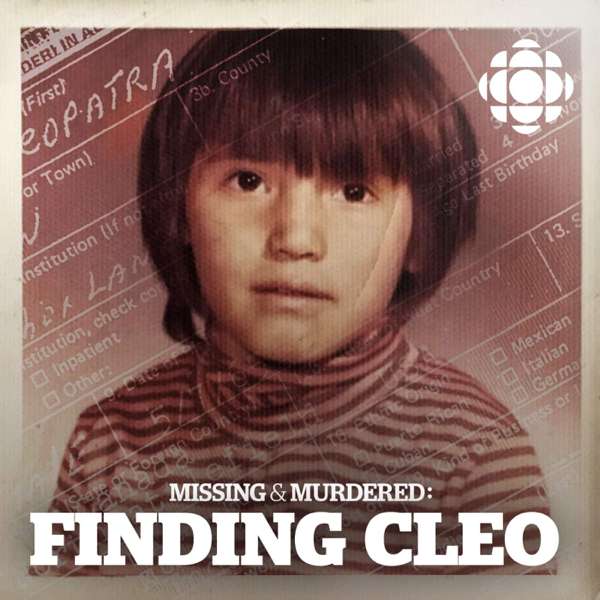
    Missing & Murdered: Finding Cleo

    4

    Missing & Murdered: Finding Cleo News & Politics
    Casefile True Crime

    5

    Casefile True Crime Games & Hobbies
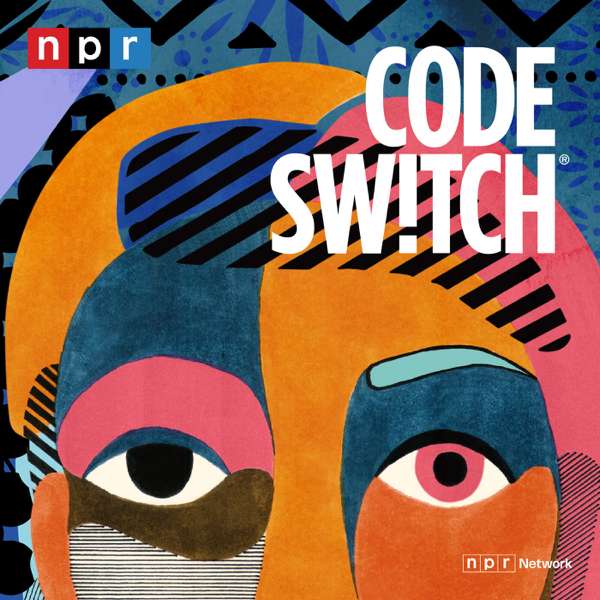
    Code Switch

    6

    Code Switch News
    footer-logo

    Contact Us

    Toll Free: 844-670-7747

    Links

    • Home
    • Top Charts
    • Networks
    • Apps
    • Independents Podcasts
    • Podcast Advertising
    • Podcast News
    • Contact Us
    • About Us
    • Analytics & Insights

    Stay Connected

      Privacy, Terms of Use & Our Code of Ethics Protecting Content Creators Copyrights