TopPodcast.com
Menu
  • Home
  • Top Charts
  • Top Networks
  • Top Apps
  • Top Independents
  • Top Podfluencers
  • Top Picks
    • Top Business Podcasts
    • Top True Crime Podcasts
    • Top Finance Podcasts
    • Top Comedy Podcasts
    • Top Music Podcasts
    • Top Womens Podcasts
    • Top Kids Podcasts
    • Top Sports Podcasts
    • Top News Podcasts
    • Top Tech Podcasts
    • Top Crypto Podcasts
    • Top Entrepreneurial Podcasts
    • Top Fantasy Sports Podcasts
    • Top Political Podcasts
    • Top Science Podcasts
    • Top Self Help Podcasts
    • Top Sports Betting Podcasts
    • Top Stocks Podcasts
  • Podcast News
  • About Us
  • Podcast Advertising
  • Contact
Not in our directory?
Add Show Here
Podcast Equipment
Center

toppodcastlogoOur TOPPODCAST Picks

  • Comedy
  • Crypto
  • Sports
  • News
  • Politics
  • True Crime
  • Business
  • Finance

Follow Us

toppodcastlogoStay Connected

    View Top 200 Chart
    Back to Rankings Page
    News & Politics

    Trending

    In-depth reporting on the world of social media.

    Advertise
    • Apple Podcasts
    • Google Play
    • Spotify

    Latest Episodes:
    Fake news and false confessions in Sudan protests Apr 19, 2019
    Show notes

    Trending investigates claims that innocent men were framed to try to discredit demonstrations against Sudan’s former leader Omar al-Bashir.

    After mass street protests, the military stepped in to end President Bashir’s 30-year rule earlier this month. But the BBC has uncovered evidence that the regime organised a fake news campaign to try to portray peaceful protesters as violent rebels.

    Students were allegedly tortured to make false confessions that were filmed and distributed online. However, social media played a critical role in exposing the attempted deception. Presenter: Anisa Subedar Reporter: Owen Pinnell Photo Caption: Demonstrators gather during a rally outside the army complex in the capital Khartoum. Photo Credit: Getty Images.


    Jered Threatin: The fake rock star Apr 12, 2019
    Show notes

    How did an ambitious musician fool thousands of people using social media?

    Jered Threatin successfully managed to fake an entire existence as a rock star. He persuaded people he was an award-winning musician who had played to sold-out venues. And as a result of his seemingly popular social media accounts and faked web pages, he orchestrated a European tour, got his eponymous band booked in venues across six countries.

    The BBC’s Jessica Lussenhop got an exclusive interview with Jered Threatin, and she helps tell the story of how he was able to dupe people, how he was uncovered and why his desire for global success has now made him famous – for all the wrong reasons.

    Presenter: Anisa Subedar Reporter: Jessica Lussenhop

    (Photo Caption: Jered Threatin / Photo Credit: BBC)


    TikTok’s problem with online predators Apr 05, 2019
    Show notes

    The video-sharing app TikTok has taken the teenage world by storm. But where there are kids, there are also predators. We found dozens of adults using TikTok to post sexual comments on videos uploaded by teenagers and children. TikTok, which has 500 million users worldwide, says it is working hard to protect its users from inappropriate approaches. But a BBC Trending investigation exposed some worrying shortcomings in the way it deals with the problem.

    Presenter: Mike Wendling Reporter: Marco Silva

    (Photo: TikTok logo. Credit: TikTok)


    ‘I invested in Facebook … now I am ashamed’ Mar 29, 2019
    Show notes

    Roger McNamee was a Facebook fan and an advisor to Mark Zuckerberg. Now he says he’s sad about the way the company is being run and the impact that it’s having on the world.

    Zuckerberg first sought out his advice, McNamee says, in 2006, shortly after Yahoo was making a $1bn bid to buy the social media company. McNamee, a veteran Silicon Valley investor, says he saw Facebook’s potential and urged the young entrepreneur to stay independent. But a decade later, he saw hyper-partisan posts poisoning politics online, and during the late stages of the US presidential election in 2016 he turned from a Facebook booster to a Facebook critic.

    Roger McNamee recently stopped into a studio to talk to us about his new book, Zucked, and he told us that Facebook, Google and other tech companies have serious flaws which require drastic and swift action.

    Presenter: Mike Wendling Producer: Edward Main

    (Photo: Roger McNamee. Credit: Rick Smolan)


    Decoding far-right online hate after Christchurch Mar 22, 2019
    Show notes

    Where does the extremist culture that inspired the Christchurch killer come from?

    A graphic live-streamed video and a rambling document included clues as to how the Christchurch shooter was radicalised. He used the message board 8chan to announce his attacks, which killed 50 people in the New Zealand city. And throughout his online postings are clues to how connected he was with the online culture of 8chan and a related website, 4chan.

    We break down the online networks used by far-right extremists to disseminate their messages under layers of irony and double meaning. And ask questions about the big social media companies, who’ve been criticised for not taking quicker action – both against the live-streamed video of the attacks and more generally against white nationalist propaganda.

    Is there anything that can be done online to stop similar attacks in the future?

    Presenters: Anisa Subedar and Mike Wendling

    Guests: Robert Evans, investigative journalist, Bellingcat Hussein Kesvani, UK editor, MEL magazine Annie Kelly, digital culture researcher, University of East Anglia Issie Lapowsky, senior writer, Wired magazine Ali Soufan, former FBI agent and chief executive officer of The Soufan Group Abdirahim Saeed, BBC Monitoring’s Jihadist Media Team

    (Photo Caption: A police officer stands guard inside an Islamic centre in New Zealand during a silence for the victims of the Christchurch attacks / Photo Credit: Getty Images)


    The people behind US political violence (Part 2 of 2) Mar 15, 2019
    Show notes

    Since the election of Donald Trump, there’s been a disturbing wave of street violence across America.

    The epicentre is Portland, Oregon, a place better known for its chilled out hipster lifestyle – but which has been the scene of dozens of far-right marches and rallies. Those events often result in arrests and violence.

    BBC Trending went there to meet two activists who have been on opposite sides of the fighting.

    Anti-fascist activist Luis Enrique Marquez and Rob Cantrall, member of the far-right Proud Boys group, have agreed to meet for a discussion. But will they have any common ground to bridge the political divide?

    Presenter: Mike Wendling Producers: Linda Sills & Natalia Zuo Editor: Jeremy Skeet

    (Photo Caption: A far-right protester in Portland / Photo Credit: Getty Images)


    The people behind US political violence (Part 1 of 2) Mar 08, 2019
    Show notes

    There is a disturbing new wave of political street violence in America. Groups on the far right and the far left have clashed in New York, Berkeley, California, and Charlottesville, Virginia.

    But one liberal enclave is the main battleground: Portland, Oregon - a progressive city in the Pacific north-west.

    BBC Trending has visited Portland to meet two activists who have traded insults and threats online, as well as confronting each other in the streets.

    What drives anti-fascist Luis Enrique Marquez? And why has marijuana farmer Rob Cantrall joined the Proud Boys, which one anti-extremism organisation has dubbed a hate group?

    Presenter: Mike Wendling Producers: Linda Sills and Natalia Zuo

    (Photo: Anti-fascist activists line up in front of police in Portland. Credit: Getty Images)


    ‘I hunt trolls’ Mar 01, 2019
    Show notes

    After she got a death threat, Ginger Gorman dove headfirst into the world of trolls.

    It all started when she wrote a light feature about a gay couple who had adopted a child.

    Years later, the couple were arrested on child sexual abuse charges, and although she had no knowledge of their crimes, internet trolls swarmed to attack her – even sending her and her family death threats.

    Where some would run away and hide, Ginger became fascinated with the world of online trolling and spent five years researching a dark and dangerous online world for a new book.

    Not only did she gain insight into the psyche of a troll but one notorious troll actually became her friend.

    But what are the implications and consequences of trolls on the people they target? And should social media companies do more about the people who post online threats on their platforms?

    Presenter: Anisa Subedar

    (Photo Caption: Ginger Gorman / Photo Credit: Ginger Gorman)


    The hackers who cracked printers for PewDiePie Feb 22, 2019
    Show notes

    Recently, printers around the world started spewing out pages without any direction from their owners. Then a mysterious video showed up on smart TVs.

    Both hacks were designed to promote PewDiePie, the most popular vlogger on YouTube, in his battle to maintain subscriber supremacy against popular Indian channel T-Series.

    The hackers say they did it to expose the flaws and dangers in some connected devices, but they also got the attention of the YouTube star – as well as the authorities, and trolls who sent them threats.

    The BBC’s cybersecurity correspondent Joe Tidy tracked down the hackers and joins us in the studio to tell us what he found out.

    After the pranks make worldwide news, the pair decided to disappear from the internet for fear of reprisals. Do they now regret hacking?

    Presenter: Anisa Subedar Reporter: Joe Tidy

    (Photo Caption: YouTuber PewDiePie / Photo Credit: Getty Images)


    The man reporting on Africa’s most secretive state Feb 15, 2019
    Show notes

    There is no independent media in Eritrea, a country that ranks near the very bottom of press freedom indexes. But one man is trying to change his country’s repressive system. “J” is the editor of Eritrean Press, a Facebook page which is a mix of political reporting, satire, sport, and light features. It’s an almost unique development aimed at Eritrean readers both inside the country – where only around 1% of the population is able to access the internet – and the wider diaspora around the world.

    In his first-ever interview, the editor of Eritrean Press talks about what it’s like to run a news outlet from outside the country, and how a peace agreement caused his page’s stance to shift - from broad support of government foreign policy to a sharply critical line on President Isaias Afwerki’s regime.

    Reporters: Reha Kansara and Mike Wendling Producers: Reha Kansara and Ed Main

    (Photo Caption: The Eritrean Press logo with a silhouette of man talking into a microphone / Photo Credit: BBC/Eritrean Press)


    Previous 1 13 14 15 16 17 19 Next

    Related Podcasts

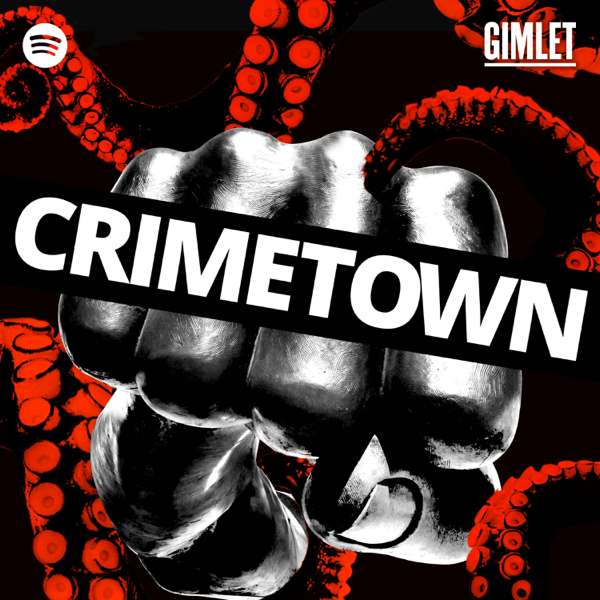
    Crimetown

    1

    Crimetown News
    Up and Vanished

    2

    Up and Vanished News & Politics
    The Joe Rogan Experience

    3

    The Joe Rogan Experience Comedy
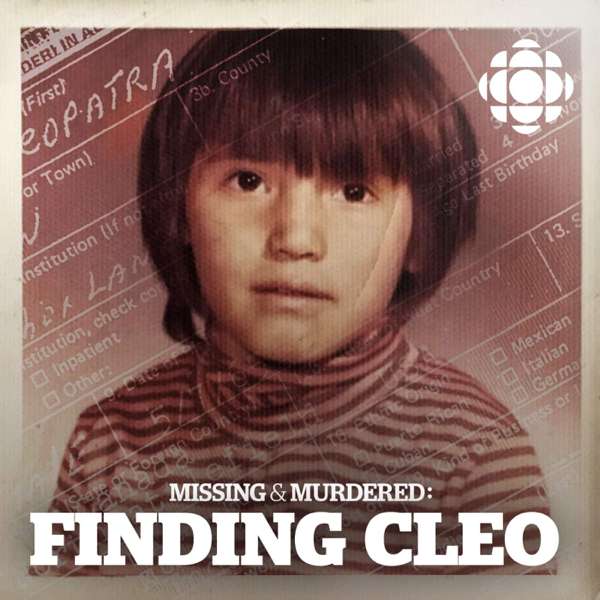
    Missing & Murdered: Finding Cleo

    4

    Missing & Murdered: Finding Cleo News & Politics
    Casefile True Crime

    5

    Casefile True Crime Games & Hobbies
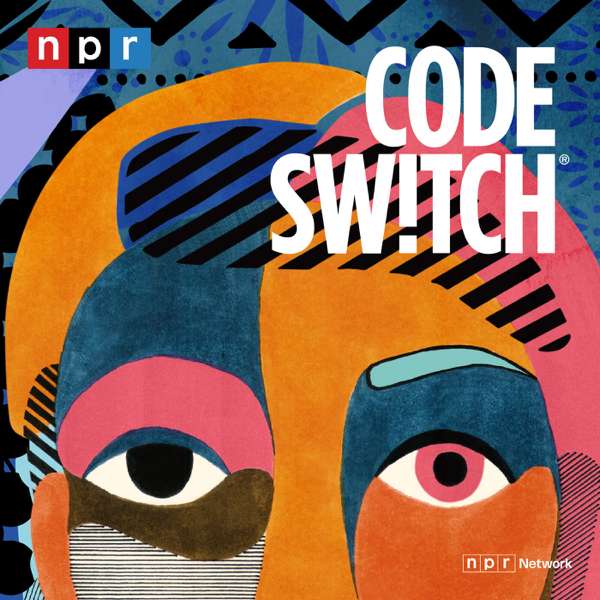
    Code Switch

    6

    Code Switch News
    footer-logo

    Contact Us

    Toll Free: 844-670-7747

    Links

    • Home
    • Top Charts
    • Networks
    • Apps
    • Independents Podcasts
    • Podcast Advertising
    • Podcast News
    • Contact Us
    • About Us
    • Analytics & Insights

    Stay Connected

      Privacy, Terms of Use & Our Code of Ethics Protecting Content Creators Copyrights