Your prescription for happier, healthier homeschooling. Christian psychologist, author, and homeschool mom of six Dr. Melanie Wilson shares research-backed, doable strategies for the things that steal your sanity — stress and burnout, time management, organization, motivation, and curriculum decisions — with plenty of encouragement along the way. For homeschooling parents who want calmer, more joyful days. Follow the show and homeschool with more sanity and grace.
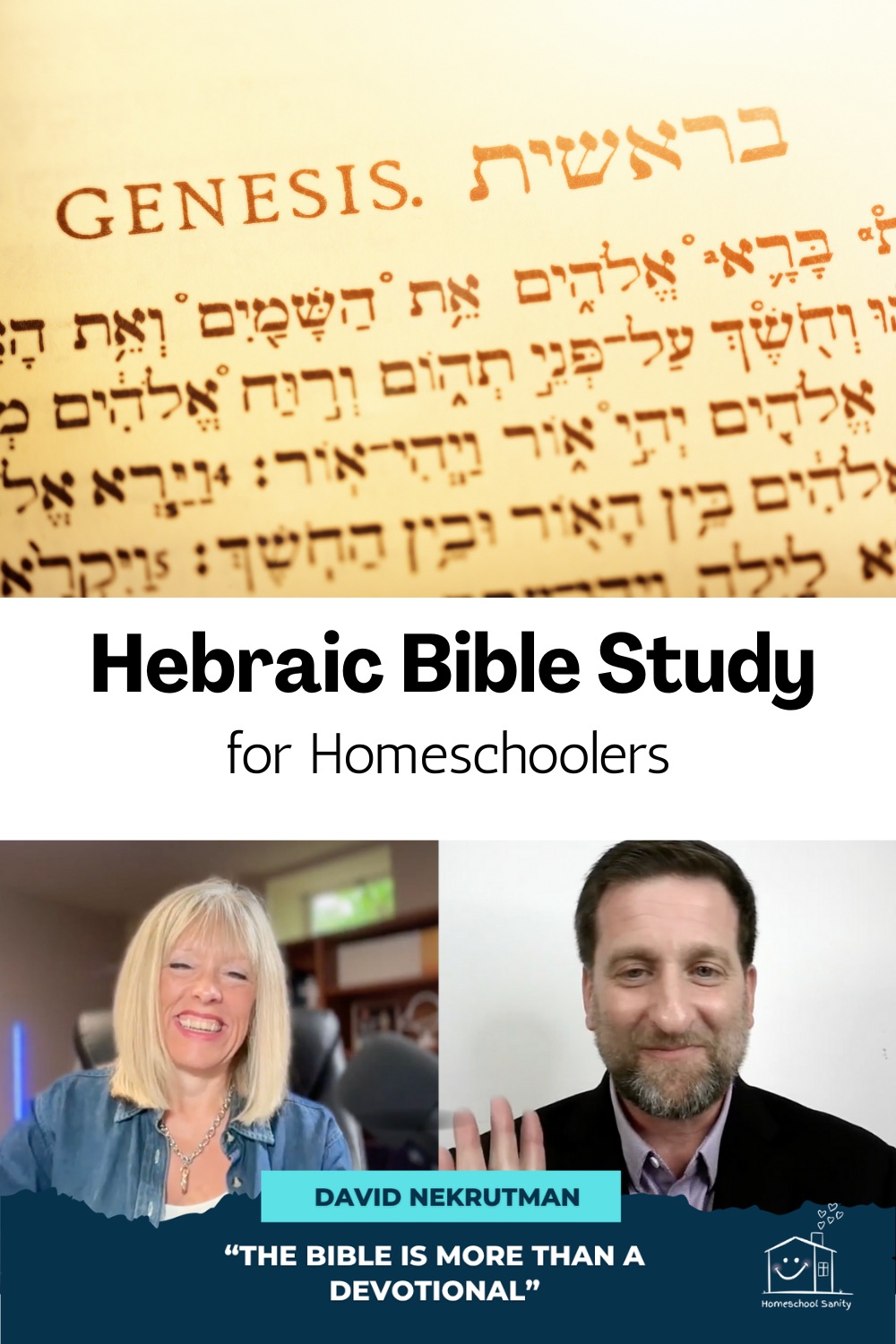
Hebraic Bible Study For Homeschoolers
Jun 17, 2025
Show notes
Hey homeschoolers! I knew that reading the Bible in the context of its Hebrew roots could make it come alive. But I was still surprised by my reaction to what I learned from my guest on this topic. If you long for you and your kids to be more engaged with scripture, you’ll want to hear from him too. David Necruitman is the founder of Biblical Excavations.and an advisor to The Chosen. He is a renowned speaker, author, and teacher, bringing a fresh and insightful perspective on the Hebraic roots of the Christian faith.
Children Grandparent Relationships
Jun 10, 2025
Show notes
Hey, homeschoolers! Are your kids connecting with their grandparents and other elders? There is so much to be gained from intergenerational relationships as my guest can attest to.
Grandparent Podcast Guest: Isabel Tom
Isabel is a mother of three, the author of The Value of Wrinkles, and a professional serving the older adult population. She was raised in an intergenerational home and is passionate about improving these family relationships.
I loved our chat and wished I had met Isabel when my kids were younger. I hope you enjoy it.
Sponsor: Judson College
Thank you to Judson College for sponsoring this episode of The Homeschool Sanity Show. If your student is interested in a biblical college education, click to learn more.
Hey, homeschoolers! It’s finally summer here. If you’re anything like me, you use the summer to review your homeschooling approach. What worked, what didn’t, and what will you do this year?
One approach that I was interested in (and I know many of you are too) is homeschooling along the way, less dependent on curriculum. If you are interested in unschooling, I know you’ll enjoy hearing from my guest, Danielle Papageorgiou.
Podcast Guest: Danielle Papageorgiou
Danielle is married to Jon and together they have two homeschool graduates and a 13-year-old. She has been homeschooling, or “lifeschooling,” for 23 years and has a passion for helping other moms learn how to homeschool in a way that enhances rather than competes with family life. Through her Lifeschooling book, blog (www.LifeAsALifeschooler.com), resources, and community, she helps parents see the educational value in everyday life and focus on developing their child’s God-given gifts, so they can raise world-changers. You can find her book, Lifeschooling: Learning to Think Outside the Curriculum Box, at www.LifeschoolingBook.com. Here’s our chat.
Have your student prepare for their calling in biblical community at Judson College.
Summary of Discussion of Homeschooling As Life
In this episode of the Homeschool Sanity Show, Melanie Wilson interviews Danielle Papagiorgio about her approach to homeschooling known as life schooling. Danielle shares her journey into homeschooling, the philosophy behind life schooling, and how it differs from traditional educational models. She emphasizes the importance of recognizing children’s God-given gifts and nurturing them through real-life experiences. The conversation also addresses common critiques of unschooling and offers practical advice for parents looking to adopt a life schooling approach. Danielle shares personal stories and insights, encouraging parents to embrace flexibility and faith in their homeschooling journey.
Thank you to NOW programs for sponsoring this episode of the Homeschool Sanity Show.
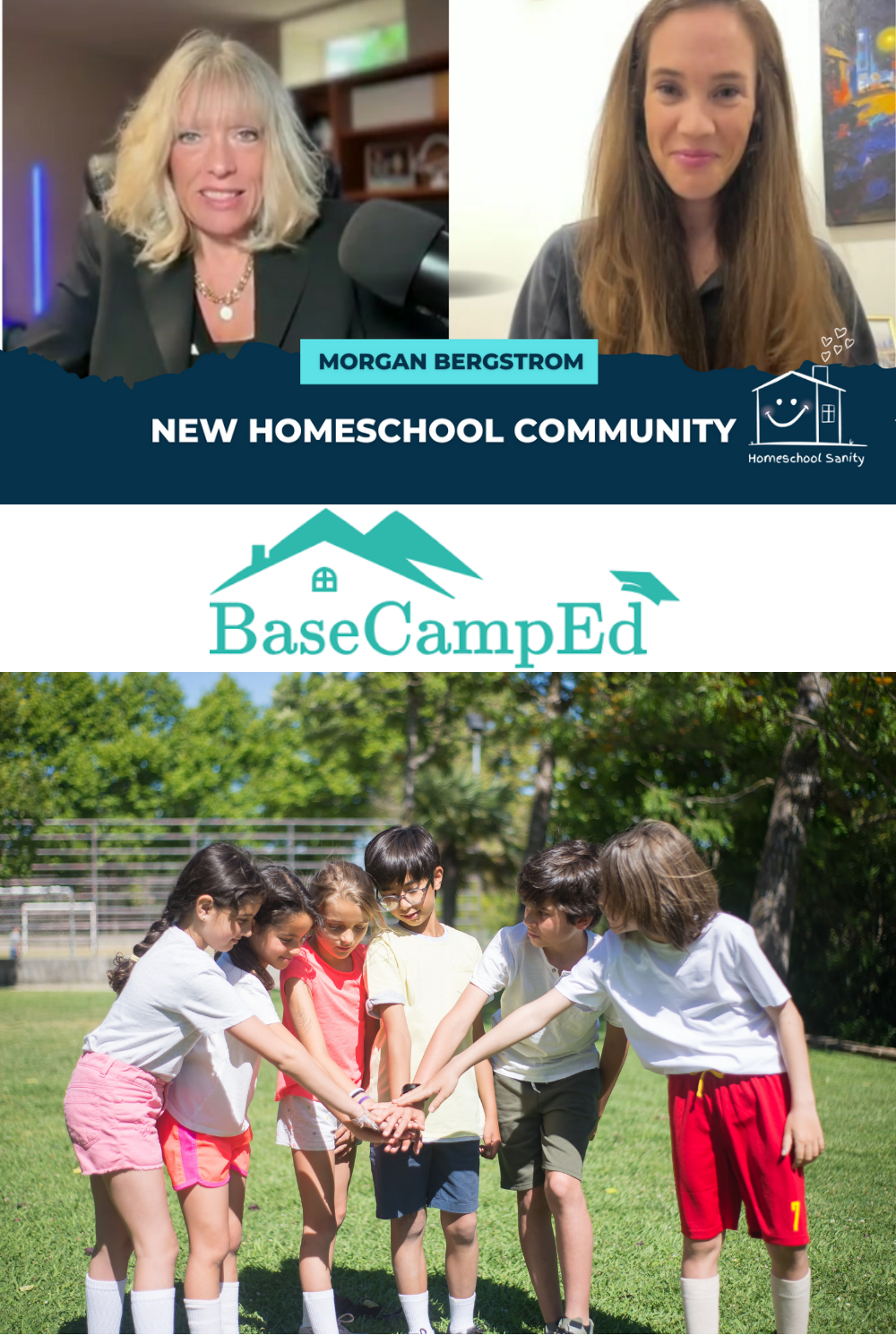
Hey homeschoolers, you can homeschool apart from a community, but why would you want to? Although online communities have helped connect homeschoolers around the world, most of us desire a local community.
Local communities can answer our questions about activities and services, and they provide a source of friendships for us and our kids. My guest today is Morgan Bergstrom, founder of BaseCampEd, a new app that is helping homeschool parents make connections in their area. We have an interesting discussion of how community building has changed in homeschooling and how families like yours can connect today, even if you aren’t an extrovert. Here’s our chat.
Thank you to NOW Programs for sponsoring this episode of the Homeschool Sanity Show.
Hey, homeschoolers! One of my most popular talks at Great Homeschool Conventions was “The Anger Antidote for Homeschool Parents.” I understand why. My anger was a stronghold in my life that I just couldn’t seem to overcome. Although I believe this talk is chock full of inspiration, it’s light on tools.
That’s why I was excited to connect with Amber Lia. Amber is a certified independent health coach, a homeschool mom, and the author of multiple bestselling books including Food Triggers and Parenting Scripts. Her newest release is Untrigged: 60 Days of Transformation for Moms Who Struggle with Anger. I won’t blame you if you push pause to grab your copy of this devotional right now. But I hope you’ll return to hear the wisdom and grace Amber has to share. Be sure to listen to the end because I have a free gift just for podcast listeners.
The Easy Way To Teach Life Skills
May 06, 2025
Show notes
Hey, homeschoolers! It should be easy to teach life skills in our homeschools. The kids are cooking with us, cleaning with us, and even doing home repairs with us. But sometimes academics, activities, and daily life get in the way. We have good intentions, but before we know it, Junior is on his own driving the car with no oil in it. Don’t ask why I’m using that as an example.
I would have loved this resource for my kids! To register for camp now (before you forget), go to kidscookrealfood.com/lifeskillssanity. Then get a head start on teaching one life skill this week.
Help For Self-Control Struggles
Apr 29, 2025
Show notes
Hey, homeschoolers! Does your child struggle with self-control? Judging by the response to my session on self-control at the Great Homeschool Conventions, I’m going to guess that the answer for many is yes. Self-control is an overarching concept that includes emotion management and control of what we say and do. It means that our child can say no to their desires that can have immediate or long-term negative consequences–especially when in challenging situations.
Parents who want to talk to me about their child’s self-control are often concerned with how their child’s words or actions create sibling conflict, or they’re concerned about their child spending a lot of time spent in rewarding activities like gaming in lieu of doing chores or studying. These same parents admit that they too are struggling with some aspects of self-control. I have been there with both children’s struggles and my own.
In this episode, I want to spend time discussing why your child might be struggling and some solutions based on those root causes. In particular, I want to challenge the association we often make that can prevent us from choosing an effective solution.
Before we dive in though, I am happy to announce the release of the second level of Training Aliens, the story-based curriculum I created to help parents like you teach self-control and other vital social and emotional skills. For a limited time, you’ll save 20% on either level of the curriculum designed for K-8th graders. Level 2 has the alien siblings returning to space camp, learning how to turn acquaintances into friends, how to deal with worry, how to respond to someone who’s teasing them, how to help someone who’s grieving, and 12 more intermediate skills. As with Level 1, the curriculum includes a 5-minute story about the aliens struggling with a skill and two choices for dealing with it that are common but ineffective. The training manual includes discussion questions, dramatizations, games, and STEM activities in addition to the course where I am teaching the skill in a short, engaging video. As before, you need just one copy for your family or co-op group. Sara had this to say about Level 1:
I cannot recommend Training Aliens enough! Managing emotions is tough but Melanie makes it super fun and engaging for the kids. We are using this curriculum with a group of friends, doing one lesson a week. We chose to do the faith-based book. The kids have loved acting out the Bible passages, movement activities, and the show and tell. I’ve seen super shy kids coming out of their shell, some being more mindful of others, and overall have seen so much growth this year. It is great for families but even more fun with friends. We have been so blessed by Melanie and Training Aliens. We cannot wait to dive into Training Aliens 2 next school year. Thank you for creating a curriculum that has been so helpful in training up our children.
Back to our topic. You’ve been practicing self-control, waiting for me to share the causes of self-control struggles. Thank you for that!
Spiritual Roots of Loss of Self-Control
The first cause we’ll discuss is spiritual because that’s what we as Christian homeschoolers often default to. Galatians lists self-control as one fruit of the spirit. So if our child isn’t demonstrating self-control, we may wonder if they have the Holy Spirit. Even more commonly though, we wonder if our child just lacks character. Perhaps they just aren’t trying hard enough!
My first response to this way of thinking, which I have also had, is that God also gives musical and artistic talents to His people. Yet those talents take time and practice to develop into usable skills. Self-control is like that. Younger children will exercise less self-control and this immaturity is not related to their character. They will develop more self-control as they grow and practice.
If, however, you see other areas in which your child is lacking character like not being kind, you have more reason to believe that poor self-control is a spiritual issue. Spiritual training is a lifelong endeavor, so it doesn’t hurt to continue to provide it for self-control struggles.
Spiritual training includes discipline, which the Bible says produces a harvest of righteousness. Firm and loving discipline teaches children struggling with self-control the consequences of poor choices. Ignoring lack of respect or disobedience can prolong the struggle. Along with giving consequences, expressing our belief in our children’s ability to develop their self-control is most likely to help our child.
Let’s say you told your child to turn off the screen and put his laundry away. When you come back, he is still on the screen and the laundry is where you left it. You can calmly remind him of the assignment and ask for the device that you’ll be keeping for a while. You can then say, “I know you’ll make a better choice next time.” You might even recognize the difficulty in saying no to yourself when you’d prefer not to do a chore. You could then discuss some strategies for getting work done quickly and more enjoyably. Listening to music or using a timer come to mind.
Physical Roots of Self-Control
Sometimes self-control does have a spiritual cause. But many times it is physical. Children that have neurodevelopmental issues that affect the prefrontal cortex will have more difficulty with self-control. My autistic adult nephew was texting me late at night. When I asked him not to, it was like I had pushed the “more” button. He began texting me late at night even more often, while apologizing for doing so. I just muted notifications for his texts and learned that ignoring the behavior worked better with him.
Children with ADHD can also have difficulty with impulse control–likely because they think and move so quickly that they haven’t considered the consequences before acting.
Self-control is more challenging for all our kids when they’re tired or overstimulated. Self-control requires energy and kids are easily tempted when they don’t have a good night’s sleep. Stress from illness, change, or conflict also drains kids’ energy.
When our kids have a physical basis for poor self-control, it makes sense to tailor our response to the individual child. We have to experiment to see what works best. While some children thrive on an early bed time, for example, others have more self-control when allowed to sleep late. Allowing a child who’s been ill or stressed more down time also makes sense.
Movement and some form of physical exercise are excellent strategies for promoting self-control for most children. Children with ADHD do well with movement interspersed throughout the day. Adequate xercise can also help children sleep more soundly at night.
When a child has a physical basis for self-control struggles, we want to remove temptations as much as possible. A tired child who has a screen in their room at night is probably going to choose it over sleep, for example. Having a child work in a quiet space alone for a short period can help as can using headphones or a screen to limit visual distractions.
Mental Roots of Loss of Self-Control
A child can have both spiritual and physical sources of self-control struggles, but most children have mental sources.
Some research suggests that self-control works like a muscle in that it can be fatigued. In other words, if our children have to exercise self-control on tasks earlier in the day, there will be less strength available for later tasks. I don’t go to the gym on the days I play tennis. I don’t want to wear my body out so I’m not tired that evening. That just makes sense.
But many of us as parents are wearing our kids out mentally or not noticing that they’re being worn out by a variety of tasks and situations throughout the day. Some of the most common mental situations that wear out children’s self-control are sitting still, being quiet, and obeying. A huge benefit of homeschooling is our children generally aren’t asked to sit still and be quiet in a classroom for six hours a day. Even so, we may be insisting that our children do this while we’re teaching, when it isn’t required. We can allow kids to move around, discuss what they’re learning, and be hands-on, even more than we are now. When we are more interactive with them during the day, they’ll have more self-control when dealing with brother or sister’s annoying behaviors.
The second way we can encourage a child who’s self-control struggles are mental is to limit the number of rules we give them. Rules that our kids don’t like require them to be respectful and obedient–things that require a tremendous amount of self-control, especially for strong-willed children who loathe rules. We want to make sure that the rules we insist upon are worth the loss of self-control power later. Does it really matter which order your child does her tasks? Does your child have to hand write, or could they dictate or use the keyboard?
The good news about self-control behaving like a muscle is that it means our kids can develop more strength and tenacity. As we keep training them and they mature, you’ll see it happening. For now, when your child has a self-control issue, talk with them about what was draining their self-control before the problem, so they can be prepared next time. By the way, this way of thinking of self-control helps us too. I found myself wanting to inhale chocolate after a difficult conversation. I realized that I was using a lot of self-control not to say when I really thought! Next time I have a challenging talk, I’ll know that I need some time to rest and recharge. Kids need these breaks too–time to rest, move, be loud, and enjoy playing. After a break, they’ll be better prepared for the next challenge.
If you want to begin training your children to grow in self-control now, I have a treat for you–almost as good as chocolate. I am giving you the self-control lesson from Level 2 of Training Aliens for free. Self-Control Sample
Whether your children have spiritual, physical, or mental roots for their self-control struggles, I know they’ll get stronger as they complete the lesson and benefit from your example. And if you don’t feel that you’ve been the best example lately, the good news is that God gives us strength for our weakness. He certainly has for me.
Countering The Culture Of Hollywood With Craig Dehut
Apr 22, 2025
Show notes
We know that Hollywood is not our friend when it comes to raising the next generation, but Craig DeHut is. He is the co-founder and COO of Appian Media. What sets Appian Media apart is their three-pronged approach, accuracy, professional production, and free accessibility. This commitment reflects their mission to remove barriers to the gospel. Appian Media’s success is evident not just through awards and views, but in its profound impact on individuals. With nine million YouTube views and global support for funded projects. Their recent endeavor in Egypt showcases the widespread international reach and community backing they have gained. Craig is fervently dedicated to making the Bible more accessible and meaningful, particularly for homeschool families, faith-based individuals, and those intrigued by the historical and geographical aspects of biblical stories. Their content strikes a chord with Bible believers seeking a renewed perspective. I know you’ll enjoy my chat about equipping the next generation to counter the culture of Hollywood. And if you’re attending the Great Home School Convention in Columbus this week, please stop by our booths to say hello.
Craig Dehut shares his family’s homeschooling journey. The influence of Hollywood on family values is pervasive. Parents must be aware of the messages in media. Appian Media aims to provide high-quality biblical content. Quality content can counter Hollywood’s storytelling power. Homeschooling allows for a tailored educational experience. Media literacy is crucial for children in today’s world. Appian Media is a non-profit funded by community support. Future plans include creating a comprehensive biblical curriculum. Finding family-friendly content is essential for positive media consumption.
She is a graduate of Florida Southern College and a former teacher with a degree in Elementary Education, Learning Disabilities and Early Childhood Education.
Felice hosts the Vintage Homeschool Moms Podcast, A Few Minutes with God Podcast, Writing and Podcasting Advice and the One More Child Podcast.
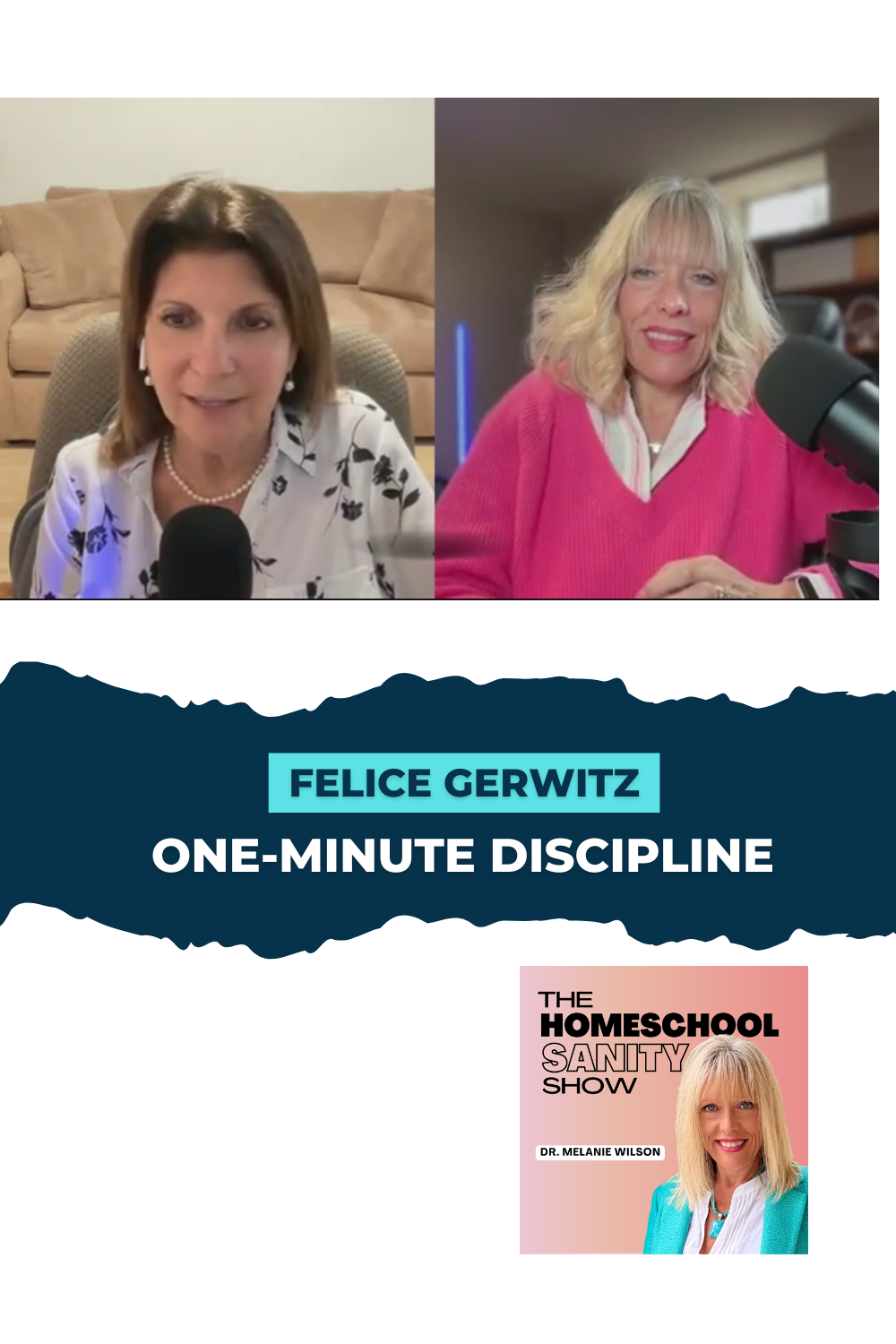
What I can tell you about Felice that isn’t part of her formal bio is that she is an incredibly supportive and generous person. She cares about homeschoolers and is passionate about serving them. I wouldn’t be where I am today without her. I hope our discussion helps you find a discipline approach that is just right for your family.
In this engaging conversation, Felice Gerwitz shares her journey into homeschooling, the challenges she faced, especially with special needs children, and her unique approach to discipline. She introduces the One Minute Discipline Method, emphasizing the importance of self-control and prayer in parenting. Felice offers valuable insights and advice for parents navigating the complexities of homeschooling and discipline, highlighting the need for authenticity and connection in family life.
She is a graduate of Florida Southern College and a former teacher with a degree in Elementary Education, Learning Disabilities and Early Childhood Education.
Felice hosts the Vintage Homeschool Moms Podcast, A Few Minutes with God Podcast, Writing and Podcasting Advice and the One More Child Podcast.
What I can tell you about Felice that isn’t part of her formal bio is that she is an incredibly supportive and generous person. She cares about homeschoolers and is passionate about serving them. I wouldn’t be where I am today without her. I hope our discussion helps you find a discipline approach that is just right for your family.
In this engaging conversation, Felice Gerwitz shares her journey into homeschooling, the challenges she faced, especially with special needs children, and her unique approach to discipline. She introduces the One Minute Discipline Method, emphasizing the importance of self-control and prayer in parenting. Felice offers valuable insights and advice for parents navigating the complexities of homeschooling and discipline, highlighting the need for authenticity and connection in family life.
AI For Homeschooling Parents: What You Need To Know
Apr 08, 2025
Show notes
Hey, homeschoolers! Are you wondering how AI can make homeschooling easier or are you concerned about using it? In either case, I have you covered. I have been using AI more and more in my business and personal life. I talk to people who are confused or curious about it, so I thought it would be fun to create a podcast on the topic using AI as much as possible to create the episode. AI generated the title, the script, and the b-roll or background video for the YouTube version you can check out at YouTube.com/melaniewilson. Just an aside that melanie is spelled m-e-l-a-n-i-e and not melon with a y–which is Chick-fil-a’s favorite spelling. In this episode, I’ll be sharing the top three misconceptions about AI, the top 3 advantages of using AI in your homeschool, and the top 10 ways homeschoolers are incorporating AI. Finally, I’ll share a day in the life of a homeschooled student before and after AI. The script has been generated by AI, but I’ll be adding my commentary. Before we get started, I’d like to thank CTC Math for sponsoring the podcast. Learn more at CTCMath.com. Watch on YouTube Top 3 Misconceptions About AI 1. AI Thinks Like a Human Misconception: AI has independent thoughts, emotions, and consciousness like a human brain. Reality: AI processes data and follows patterns but does not “think” or “understand” in a human way. It analyzes information and generates responses based on patterns, not personal experiences or emotions. 2. AI is 100% Accurate and Objective Misconception: AI always provides correct, unbiased information. Reality: AI models are trained on human-created data, which can include biases and inaccuracies. AI can also generate errors or misleading information, so users should fact-check its responses. 3. AI Will Replace Humans Completely Misconception: AI will take over all jobs, leaving humans with nothing to do. Reality: AI automates repetitive tasks but still requires human oversight, creativity, and ethical decision-making. Instead of replacing people, AI is more likely to enhance productivity and create new job opportunities. AI is a powerful tool, but it’s important to use it wisely and understand its limitations! 3 Advantages of Using AI in Your Homeschool 1. Personalized Learning for Every Child AI adapts to your child’s unique learning style, pace, and strengths. It can provide extra practice in weak areas or accelerate lessons for advanced learners. AI-powered tutors and lesson generators make customized education easier for parents. 2. Saves Time for Parents AI can generate lesson plans, quizzes, and worksheets in minutes. It helps with grading, scheduling, and organizing learning materials. Parents can focus more on teaching and engaging with their kids instead of spending hours on prep work. 3. Makes Learning More Engaging AI-powered interactive lessons, virtual field trips, and educational games make learning fun. Kids can use AI tools for creative projects like storytelling, coding, and science simulations. It introduces students to real-world tech skills they’ll use in the future. AI isn’t a replacement for hands-on homeschooling, but it’s a powerful tool that makes learning more efficient, personalized, and engaging! AI is becoming a valuable tool for homeschoolers, helping parents and students with learning, organization, and creativity. Here are 10 top ways homeschoolers are using AI: 1. Personalized Learning Plans AI-powered tools help create customized lesson plans and adapt to a child’s learning pace, strengths, and weaknesses. I asked ChatGPT for example tools and it suggested Curipod, MagicSchool.ai, and LessonPlans.ai. Homeschool-specific options include Homeschool Panda and ScribeList.ai. 2. AI Tutors & Homework Help Apps like ChatGPT, Khan Academy’s Khanmigo, and Google’s Socratic provide instant explanations, answer questions, and guide students through tough concepts. If you use an AI search that provides video options, you’ll want to look for the option that is clearest for your student. 3. Writing Assistance & Grammar Checkers AI tools like Grammarly, ProWritingAid, and ChatGPT help students improve their writing by checking grammar, suggesting better word choices, and even generating essay outlines. A basic understanding of grammar and writing is necessary to make best use of these tools. That’s why we still want to teach our kids language arts with curricula like Grammar Galaxy and Fast Grammar. 4. Generating Lesson Plans & Activities Homeschool parents use AI to create worksheets, quizzes, discussion questions, and interactive activities tailored to their curriculum. You’ll have to edit the options you get. Some are dry, repetitive, or not appropriate for your student’s level. 5. Enhancing Creativity in Projects AI helps generate creative writing prompts, story ideas, art inspiration, and even music compositions for homeschool assignments. I often combine a couple of ideas I get from AI for the best results. 6. Foreign Language Learning AI-based apps like Duolingo, Google Translate, and ChatGPT help homeschoolers practice new languages through interactive conversations and instant translations. 7. STEM Learning & Coding AI-driven platforms like Scratch, Code.org, and AI-assisted coding tutors help kids learn programming, robotics, and problem-solving skills. 8. Time Management & Scheduling AI planners like Notion, Trello, and homeschool-specific apps assist parents in organizing lesson schedules, setting reminders, and tracking progress. 9. Virtual Field Trips & Research Assistance AI-powered search tools and virtual tours let students explore historical sites, outer space, and museums without leaving home. Three sites to try are Google Arts & Culture, Smithsonian Learning Lab, and Monterey Bay Aquarium Live Cams. 10. Educational Game Creation AI-powered platforms allow parents and students to generate custom quizzes, flashcards, and even board games to make learning fun. Keep track of common errors your kids make to generate these. Some tools to try include Quizlet, Kahoot, Wordwall, and Ankiweb. AI is making homeschooling more efficient, interactive, and tailored to each child’s unique learning style! A Day in the Life of a Homeschooled Student: Before & After AI Before AI: A Typical Day Without AI 8:00 AM – Morning Routine & Planning Mom spends an hour organizing lessons and printing worksheets. The student struggles to find motivation and takes a while to start work. 9:00 AM – Math Lesson Mom explains a new concept (fractions), but the student still doesn’t quite get it. They spend extra time searching for explanations in a textbook. 10:00 AM – Writing Assignment The student gets frustrated trying to come up with ideas for an essay. Mom gives suggestions, but the process is slow. 11:00 AM – Science Experiment They set up an experiment, but it’s hard to predict results without extra research. Mom looks up additional explanations online to clarify the lesson. 12:00 PM – Lunch & Break 1:00 PM – History & Research The student needs to research ancient Egypt but struggles to sift through articles online. Mom helps find reliable sources, which takes extra time. 2:00 PM – Reading & Comprehension The student reads a book but struggles to summarize it in writing. Mom helps guide them through comprehension questions. 3:00 PM – Wrap-Up & Chores The student finishes the day but still feels tired from all the extra searching and struggles. After AI: A More Efficient & Engaging Homeschool Day 8:00 AM – Morning Routine & AI-Assisted Planning AI generates a daily lesson plan based on the student’s progress. The student logs into a homeschool planner that suggests activities and schedules breaks. 9:00 AM – Math Lesson with AI Tutor The student uses an AI-powered math app that explains fractions step by step. If they don’t understand, the AI provides another explanation or practice problems. 10:00 AM – Writing Assignment with AI Help The student uses an AI writing assistant to generate topic ideas and an outline. They still write the essay, but AI helps refine sentences and check grammar. 11:00 AM – Science Exploration AI provides an interactive simulation of the experiment before they do it. The student predicts results more confidently and understands the science better. 12:00 PM – Lunch & Break 1:00 PM – History & Research with AI Instead of searching the entire internet, AI summarizes key facts about ancient Egypt. AI suggests primary sources and interactive videos to deepen understanding. 2:00 PM – Reading & Comprehension The student reads a book and uses AI to generate comprehension questions. AI summarizes the book’s key points, helping the student understand it better. 3:00 PM – Wrap-Up & Independent Study AI suggests a fun educational game based on what they learned that day. The student ends the day feeling accomplished and less frustrated. The Big Difference? Faster Learning: AI speeds up research, explanations, and assignments. More Engagement: Interactive AI tools make subjects more interesting. Less Stress: Mom spends less time prepping, and the student works more independently. AI doesn’t replace homeschooling—it enhances it, giving parents more time for meaningful teaching and connection! That’s the end of AI’s podcast notes. I have to say that I’m impressed and excited about the benefits of using AI in homeschooling. What do you think? Thanks again to CTC Math for their sponsorship. Again, you can find the links on the show-notes page at homeschoolsanity.com/ai. Have a happy homeschool week! The post AI For Homeschooling Parents: What You Need To Know appeared first on Ultimate Homeschool Podcast Network.

 Our TOPPODCAST Picks
  Stay Connected


 Hey, homeschoolers! Are your kids connecting with their grandparents and other elders? There is so much to be gained from intergenerational relationships as my guest can attest to.
 Hey, homeschoolers! It’s finally summer here. If you’re anything like me, you use the summer to review your homeschooling approach. What worked, what didn’t, and what will you do this year?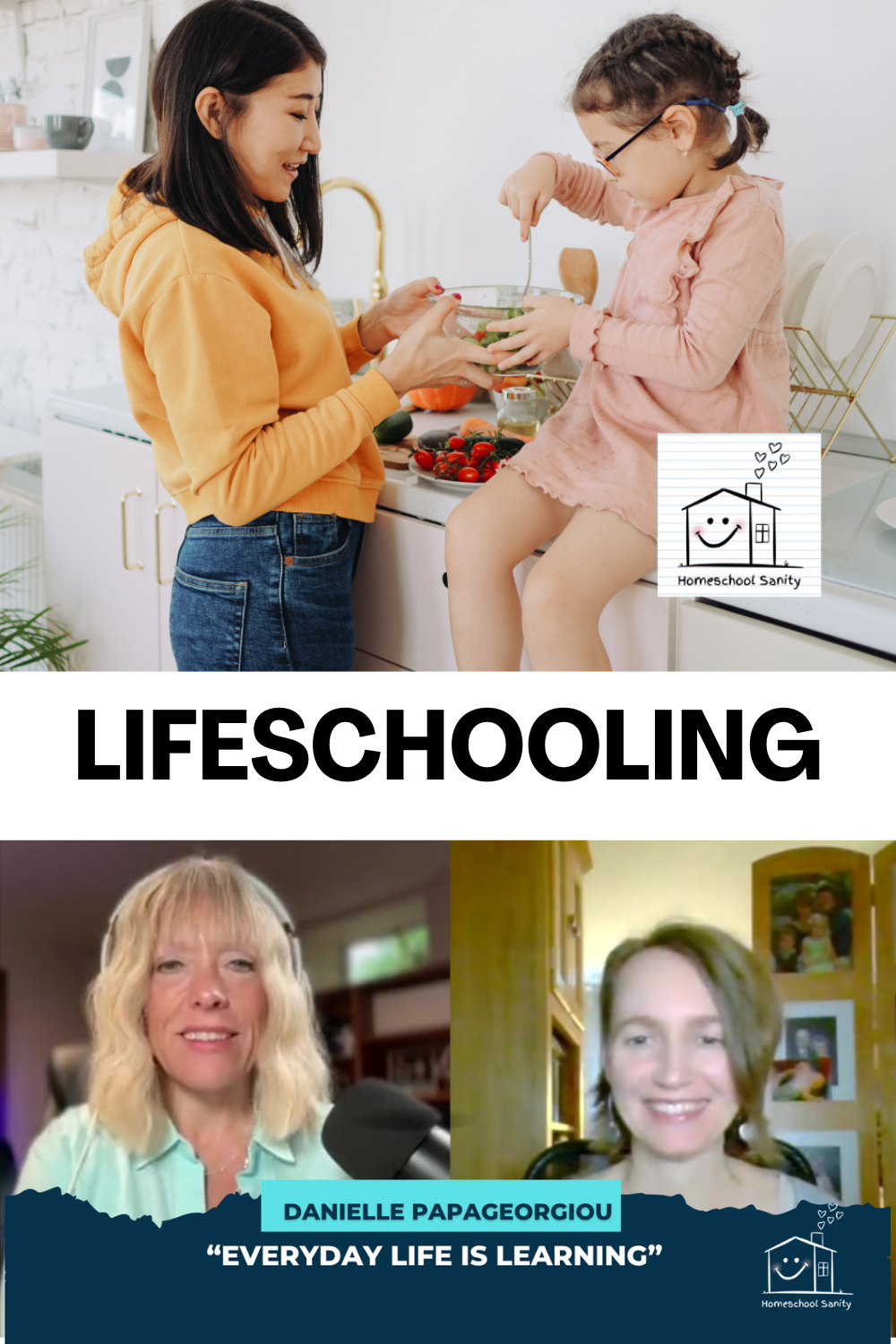


 Thank you to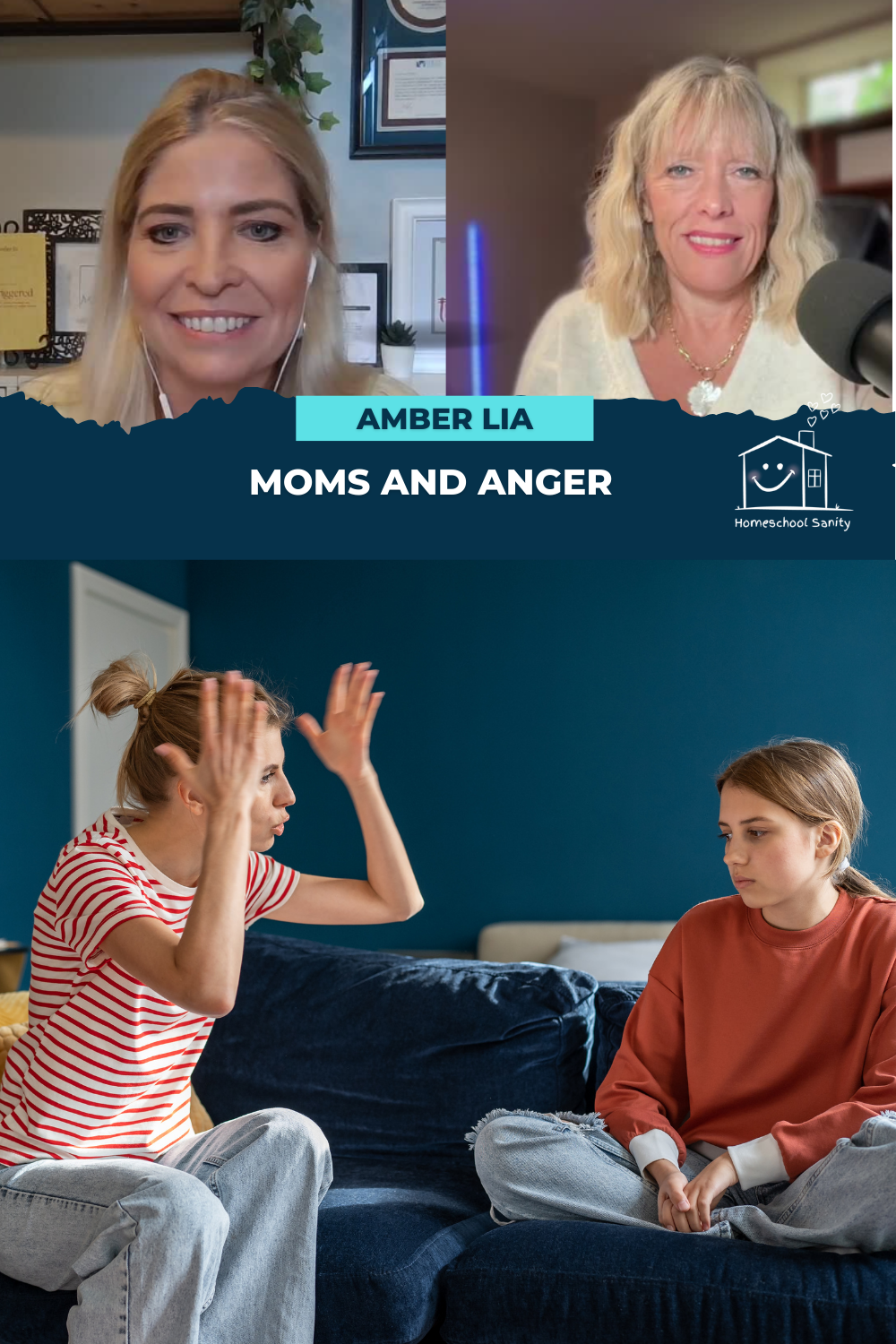
 Hey, homeschoolers! It should be easy to teach life skills in our homeschools. The kids are cooking with us, cleaning with us, and even doing home repairs with us. But sometimes academics, activities, and daily life get in the way. We have good intentions, but before we know it, Junior is on his own driving the car with no oil in it. Don’t ask why I’m using that as an example.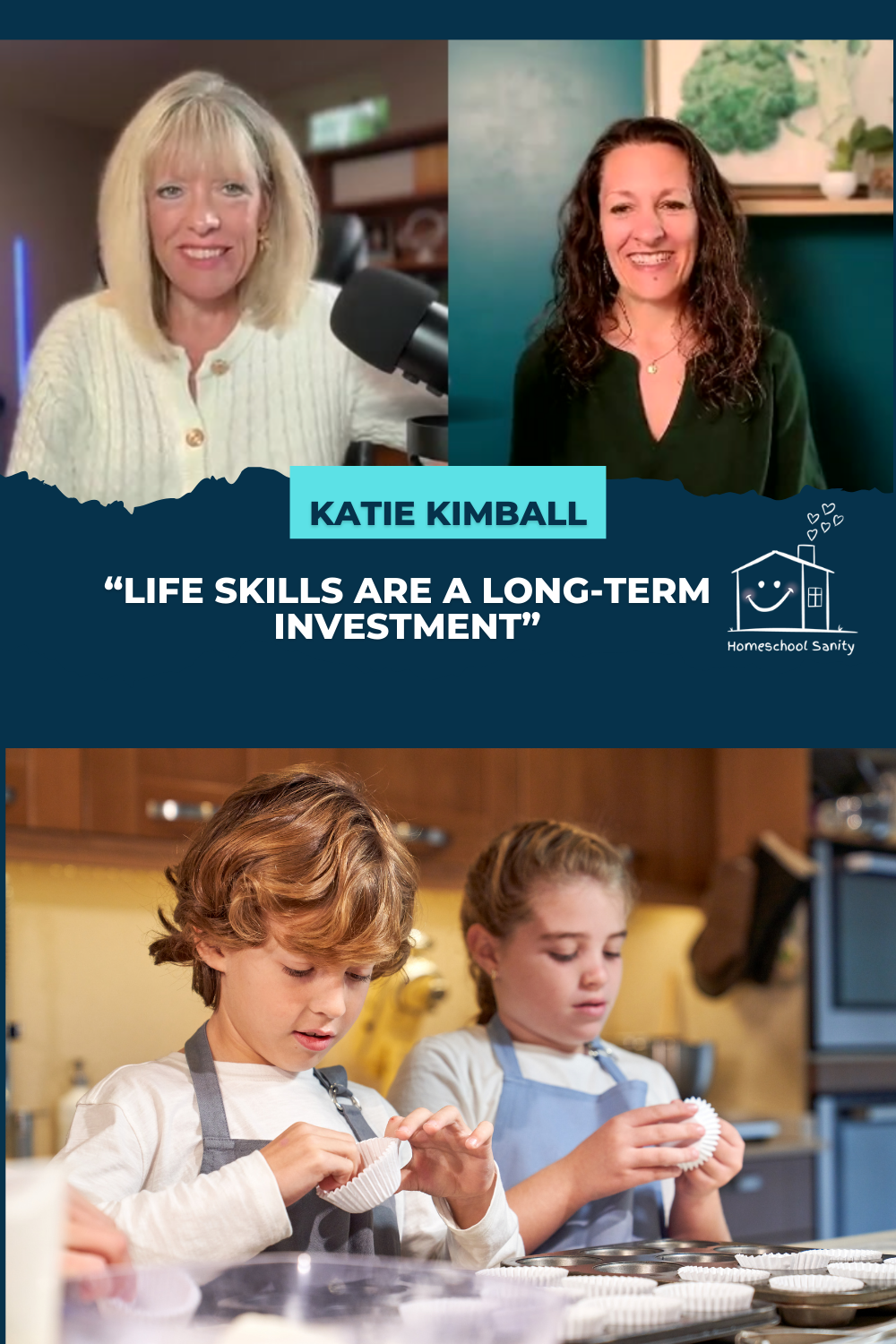
 Hey, homeschoolers! Does your child struggle with self-control? Judging by the response to my session on self-control at the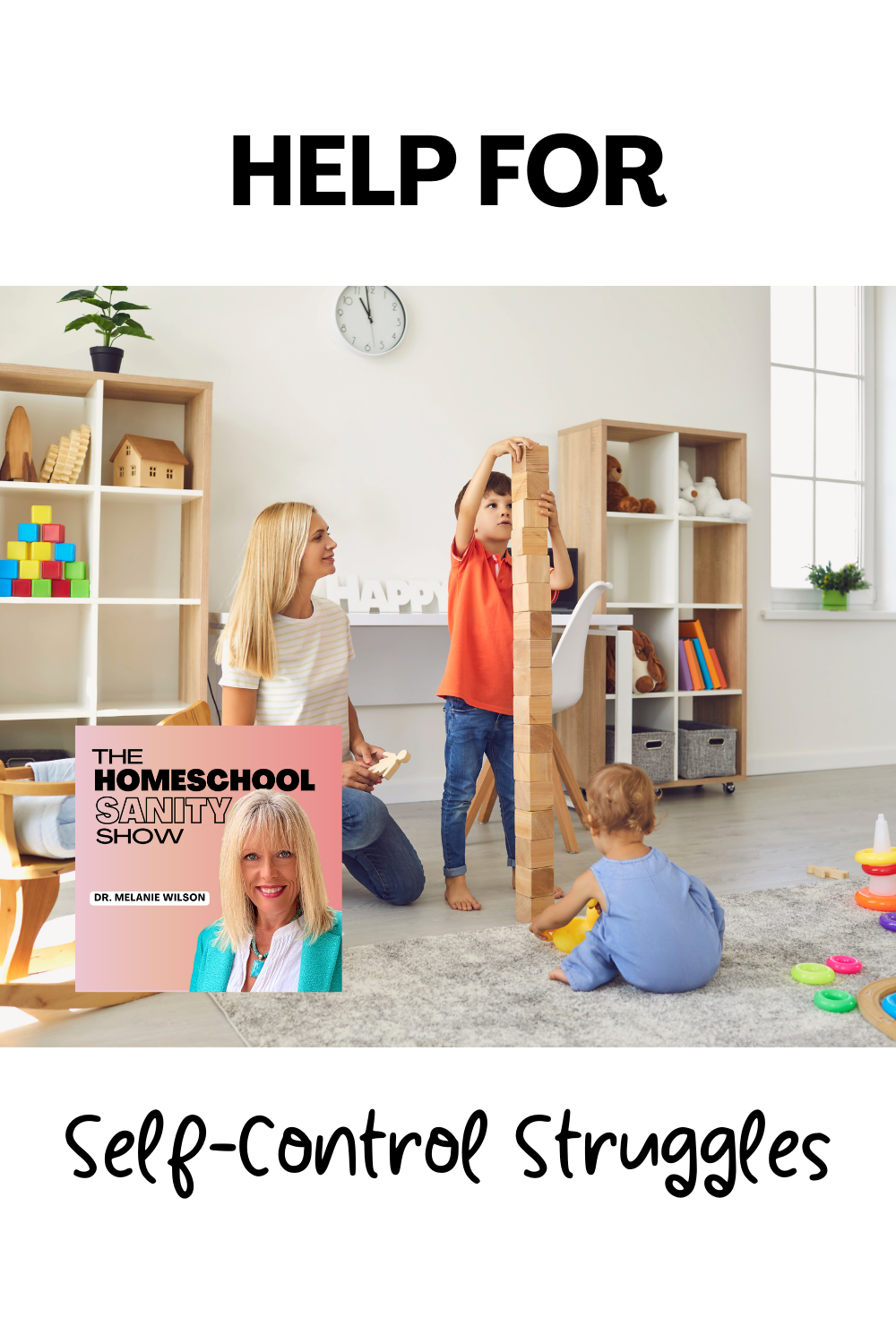
 We know that Hollywood is not our friend when it comes to raising the next generation, but Craig DeHut is. He is the co-founder and COO of
 Hey, homeschoolers! I was intrigued when I saw the title of




