TopPodcast.com
Menu
  • Home
  • Top Charts
  • Top Networks
  • Top Apps
  • Top Independents
  • Top Podfluencers
  • Top Picks
    • Top Business Podcasts
    • Top True Crime Podcasts
    • Top Finance Podcasts
    • Top Comedy Podcasts
    • Top Music Podcasts
    • Top Womens Podcasts
    • Top Kids Podcasts
    • Top Sports Podcasts
    • Top News Podcasts
    • Top Tech Podcasts
    • Top Crypto Podcasts
    • Top Entrepreneurial Podcasts
    • Top Fantasy Sports Podcasts
    • Top Political Podcasts
    • Top Science Podcasts
    • Top Self Help Podcasts
    • Top Sports Betting Podcasts
    • Top Stocks Podcasts
  • Podcast News
  • About Us
  • Podcast Advertising
  • Contact
Not in our directory?
Add Show Here
Podcast Equipment
Center

toppodcastlogoOur TOPPODCAST Picks

  • Comedy
  • Crypto
  • Sports
  • News
  • Politics
  • True Crime
  • Business
  • Finance

Follow Us

toppodcastlogoStay Connected

    View Top 200 Chart
    Back to Rankings Page
    Education

    Principal Matters: The School Leader’s Podcast with William D. Parker

    With William D. Parker and Friends

    Advertise
    • Apple Podcasts
    • Google Play
    • Spotify

    Latest Episodes:
    PMP274: 6 Literacy Levers with Brad Gustafson Dec 15, 2021
    Show notes

    This week we share the first of a two-part series with Dr. Brad Gustafson. Listen-in as we discuss rethinking leadership perspectives on literacy, helpful tips and questions principals should be using, and helpful feedback on Brad’s own struggles and successes as a lead learner for his school.

    Brad Gustafson is an award-winning principal, best-selling author, speaker, and avid reader. He understands the critical role leaders play in creating the conditions where everyone in a school can be successful.

    Brad’s newest book The 6 Literacy Levers, is a practitioner-friendly guide to leading a culture of reading–from anywhere in your school or organization. He also wrote Reclaiming Our Calling and Renegade Leadership. All of Brad’s books are built on the belief that everything we do starts with relationships and connectedness.

    Brad co-hosts a weekly web series called Read This Now where he talks about literacy and shares book recommendations with fellow literacy leaders. He has served on the Scholastic Principal Advisory Board and been a national advisor with Future Ready Schools for several years.

    ​Brad was also named Minnesota’s Principal of the Year in 2016. His school has been recognized at the local, state, and national level. From classrooms to the boardroom (and everywhere in between), Brad is helping educators own their influence.

    Discover ways to rethink literacy with Brad’s six levers:

    The Compass

    The Invitation

    The Walking Stick

    The Utility Knife

    The Catapult

    The Collage

    The walking stick questions include: Is authentic learning happening? Are we serving each and every reader?

    Now It’s Your Turn

    What ideas or questions would you include for ensuring all students are being served through literacy efforts? You can find all Brad’s resources at: https://www.bradgustafson.com/

    The post PMP274: 6 Literacy Levers with Brad Gustafson appeared first on Principal Matters.


    PMPEncore197: 10 Tips for New Assistant Principals Dec 08, 2021
    Show notes

    This week I’m sharing one of the most popular episodes from the Principal Matters archives. If you know a new or aspiring assistant principal, please pass this along. These tips are also good reminders for anyone leading others. – Thank you for doing what matters! ~ Will

    Here’s a recap…

    June 4, 2020:

    A couple of weeks ago, I was contacted by a listener, D.J. Klein, from Jackson, Mississippi. He had just accepted his first position as an Assistant Principal and emailed me the following (that I’m sharing with permission):

    May 20, 2020: Good evening Mr. Parker, I hope all is well. I started listening to your podcast about a year ago and just wanted to say thank you for all of your hard work and insight. I wanted to reach out to you to ask your advice. I am about to start my first full time administrative role as an assistant principal at a local high school. I was wondering if you have any resources or tips for my first year? I have started Jen Schwanke’s book “You’re the Principal [Now What?]…,” and it has been great so far. Thank you in advance!

    When I reached back to D.J. to share ideas, I asked him if I could record our conversation to share with other potentially new administrators. For the next 35 minutes, we talked through several ideas that may be helpful for you or someone you know who is stepping into his or her first year as an assistant principal:

    Book recommendations

    First I shared a few book suggestions. Although I haven’t read the newest book by Principal Kafele, I’m hearing great things about it. The Assistant Principal 50: Critical Questions for Meaningful Leadership and Professional Growth by Baruti K. Kafele is a popular read among many new assistant principals I follow online. And based on the feedback I’m hearing, you should also check out his free weekly virtual meetings discussing the book.

    I also sent D.J. a complimentary copy of my book, Principal Matters (Updated & Expanded): The Motivation, Action, Courage and Teamwork Needed for School Leaders 2nd Edition by William D. Parker, with new school leaders. Although I cannot give it away to everyone, I like sharing it with many of the principals I coach. I began this book as I was finishing my ninth year as an assistant principal and was stepping into my first year as a high school principal. It’s a practical reflection on the meaning behind leadership plus practical how-to lessons.

    In addition, here are two non-education reads that may help you re-think approaches to organizational leadership:

    Good to Great : Why Some Companies Make the Leap… and Others Don’t by James C. Collins is a study of the common traits among highly successful leaders – what they focused to lead successful organization and what they did not allow to distract them.

    EntreLeadership: A Step-by-Step Guide for Leading Your Business to Success by Dave Ramsey is another book I found helpful. This book looks at how to organize a team of professionals in reaching shared goals. The applications to school leadership helped me develop my first “KRA’s”, or Key Results Areas, with my teams.

    10 Tips for Your First Year as an Assistant Principal

    Finally, I shared with D.J. ten ideas to keep in mind the first year as an Assistant Principal. I unpack them in this podcast episode with follow-up to several questions for D.J. afterwards, but here’s the short summary:

    1. Discover the vision and values of your head principal and consider how you can support him or her.
    2. Figure out the administrative structural divisions and expectations. In other words, know your job description.
    3. Be friendly and introduce yourself to everyone: Everyone means teachers, parents, community groups, custodians, bus drivers, paraprofessionals, counselors, nurses, upper admin, and of course, students.
    4. Listen a lot. Speak little at first (except to be friendly and courteous). This way you learn to know the lay of the land.
    5. Expect the best but guard your trust until you know who is trustworthy.
    6. Understand and follow your school policies. Your student handbook should reflect district policies. Be familiar with both, and make your handbook your new Bible.
    7. Follow those policies and procedures consistently, fairly, and firmly. Until you’ve learned the full context of your climate and culture, it’s best to avoid gray areas. If unsure, ask a trusted, experienced admin.
    8. Schedule the entire year in advance with priority tasks. Whether you chunk your calendar with observations/evaluation meetings, team meetings, or student activities, plan ahead. This way what is important remains a priority around which you can manage your other urgent to-do’s.
    9. Commit to personal self-care habits now and continue them even when you’re so overwhelmed you don’t think you have time to exercise, eat or sleep.
    10. Give yourself lots of grace! This first year is the hardest as every “first-year” is. Ask yourself what you’ve done during other new seasons to find your groove, and take similar steps in this one. Take one step at a time, don’t expect to finish your race in a sprint. It is a marathon.

    Let’s Wrap This Up

    In our conversation, D.J. mentions when I was named Oklahoma’s Assistant Principal of the year in 2012. As grateful as I was to receive the state award from the National Association of Secondary Principals, I was also aware of something more important: Enjoying your work as an assistant principal only happens when you take time to appreciate others, relish the small moments, and recognize the importance of the journey and people that will shape you along the way.

    As hard as any new position may be, let me encourage you to make the most of small moments and celebrate wins as they come. Learn from times you make mistakes. And keep growing – just like you did before you stepped into this new position.

    That cycle of reflection, growth, and application is what helped you grow to this point, and it will help you grow into any position ahead. And one more thing: Pass those lessons along to others because we are not alone in this important journey of education.

    Now It’s Your Turn

    Maybe you know someone who is taking their first position in school administration as an assistant principal or otherwise. Or maybe this will be your first year. If you could add to the list above, what other books or tip(s) would you provide? What questions do you still have?

    Reach back in the comments or email me at will@williamdparker.com. Think about another leader who may benefit from these takeaways, and share this post and episode with someone. Thanks again for doing what matters!

    The post PMPEncore197: 10 Tips for New Assistant Principals appeared first on Principal Matters.


    PMP273: How to Manage When Someone is ‘Stirring the Pot’ Dec 01, 2021
    Show notes

    This week William D. Parker and Jen Schwanke answer the question: What do you do about a teacher who likes to ‘stir the pot’ about other teachers?

    Feedback includes suggestions on:

    • Having open, honest, clear communication
    • Addressing ‘stirring the pot’ for what it is
    • Distinguishing between stirring and asking good questions
    • Addressing resistance, gossip, tattling, drama, insubordination or refusal to cooperate
    • Deciding whether to fight back, sit in it, or let go
    • Reflecting on yourself — does this person disagree with me, or is it legitimately disruptive?

    Listen-in for more takeaways and ideas. What suggestions or advice would you add? Send your thoughts or questions to will@williamdparker.com.

    Planning Ahead for 2022-2023

    More from Will…

    It may seem a strange time to be talking about next school year already, but I am already working on my calendar for the 2022-2023 school year. As Principal Matters listeners, I want to give you the heads up first as I only book a select number of days a year for virtual trainings and out-of-state travel. If you or your leadership team are interested in professional learning opportunities for the upcoming semester or next school year, now is the time to plan ahead!

    Principal Matters offerings include keynotes on any of my books, half-day, full-day and multiple day workshops on principal leadership development, Mastermind group offerings and executive coaching options. If you’d like to find out more, visit my website at williamdparker.com and click on the “Work with Will” tab. Or reach out to my by email at will@williamdparker.com. I’m glad to answer questions or set up a phone conference with you. If you’d like to find out more, please reach out soon as I consistently fill my calendar a year in advance.

    Thank you for learning together, and I hope you enjoy this week’s episode as Jen Schwanke and I answer the question from a principal about how to manage teachers who ‘stir the pot’ with others in the school!

    The post PMP273: How to Manage When Someone is ‘Stirring the Pot’ appeared first on Principal Matters.


    PMP272: Thankfulness & Answers about Emotional and Behavior Supports for Students Nov 24, 2021
    Show notes

    This week Jen Schwanke joins Will Parker to discuss stories of gratitude from former teachers and educators in their lives. Will references this recent video from the singer Adele paying tribute to her teacher that will warm your heart: https://m.youtube.com/watch?v=hfb6CSDkWYQ

    Also, they address these questions from a principal: “How do I provide resources for kids with trauma and behavior issues? What if we don’t have a therapist or counselor? How do we still help students?

    Jen and Will cover several ideas, including:

    • Partnering with local resources
    • Considering what may be “cut” in a proposal to bolster support
    • Deciding what is necessary to support students and identifying the root of the resistance
    • Thinking outside the box about resources all students need
    • For those with counselors, supporting them in order to maximize their strengths

    Now It’s Your Turn

    What stories come to your mind of ways educators have inspired you in your own work? What suggestions would you add for education leaders who are wanting more supports for students?

    The post PMP272: Thankfulness & Answers about Emotional and Behavior Supports for Students appeared first on Principal Matters.


    PMP271: Answering Questions on School Discipline with Jen Schwanke Nov 17, 2021
    Show notes

    This week Jen Schwanke and Will Parker answer the principal question: “How do you structure discipline so that punishments fit the crime?”

    We talk about how the word discipline, instead of punishment, carries an important distinction for how we approach consequences for students.

    In addition, we provide feedback on several areas, including:

    1. Set high expectations.

    2. Let the consequence fit the infraction.

    3. Be consistent.

    4. Be creative when necessary.

    5. Be polite.

    6. Be Specific and Document.

    7. Serve and Teach.

    8. Communicate Trust
.

    You can find a previous post Will shared with more feedback on how to Discipline with Dignity.

    Now It’s Your Turn

    Student discipline is both an art and science. What are some ways you have learned to discipline with dignity? What ideas would you add to this list? What are some new steps you can take to see the positive behaviors you would like to with your students?

    The post PMP271: Answering Questions on School Discipline with Jen Schwanke appeared first on Principal Matters.


    PMP270: Gaining Buy-In & Building Leadership Teams with Jen Schwanke Nov 10, 2021
    Show notes

    This week Jen Schwanke and Will Parker answer principal questions:

    • How do you gain ‘buy-in’ among staff vs just ‘setting expectations’ when it comes to structuring or implementing new programs to support student learning?
    • How do you start a leadership team? Ask for volunteers? Invite specific people??

    Listen in for feedback on building trust, building on strengths, identifying leaders through volunteers as well as targeting leadership input.

    During the show, William also refers to positive school outcomes at Dimension Learning Academy in Norman, Oklahoma. You can find out more about the school here: https://www.normanpublicschools.org/dimensions

    Also, check out a new book by Solution Tree Press: Powerful Guiding Coalitions: How to Build and Sustain the Leadership Team in Your PLC at Work® by Bob Hall.

    Now It’s Your Turn

    If you have questions or feedback, email will@williamdparker.com. You can find Jen Schwanke at her website: http://jenschwanke.com

    The post PMP270: Gaining Buy-In & Building Leadership Teams with Jen Schwanke appeared first on Principal Matters.


    PMP269: Leadership at Every Level with Janelle McLaughlin Nov 03, 2021
    Show notes

    Janelle McLaughlin, is an Education Consultant for Advanced Learning Partnerships working with districts all across the United States. She is a former curriculum director for Manchester Community Schools in Indiana. Prior to that role, Ms. McLaughlin spent 14 years as a classroom teacher. Her experiences range from job-embedded coaching for teachers and administrators, to leading reflective collaborations and facilitating action-plan development.

    Ms. McLaughlin has a strong belief in the power of education and the role leaders play in building a strong foundation for their organizations. She has worked with educational leaders in over thirty different states and two countries. She has presented on numerous topics at national and international events.

    Ms. McLaughlin holds a B.S. and M.A. in elementary education from Ball State University. She has obtained further licenses in school leadership from Indiana Wesleyan University, and gifted/talented education from Manchester University.

    She’s the author of the new book: Leadership at Every Level: Five Qualities of Effective Classroom, Building, and District Leaders published by Solution Tree Press.

    In this week’s podcast conversation, Janelle answers the following questions:

    • Can you share a brief overview of the five qualities needed for effective leadership?
    • You talk about leading with both the head and the heart. Can you explain why that is essential to you for strong leadership?
    • What are some of the suggestions you give to those who want to grow in their own path of leadership?
    • Every educator has a different story. Can you a share why teaching on leadership has become an important part of your own education story?

    Now It’s Your Turn

    Listen in to this week’s conversations for lessons from Janelle’s new book. You can find more about Janelle McLaughlin at her website www.innovativeeducationsolutions.net or via Twitter: @Ms_Mac4

    Check out the new book, available for preorder at:

    https://www.solutiontree.com/leadership-at-every-level.html

    Leadership at Every Level: Five Qualities of Effective Classroom, Building, and District Leaders: Leadership at Every Level melds research with practical application while maintaining transparency among the levels of leadership in education. This book was written for educators in every role, whether you are leading in the classroom, the building, or at the district level, you are a leader. Leadership is really about the head and the heart. This book was written for educators at every level—in the classroom, at the building level, and at the district level—to equip and empower them to lead from both the head and the heart. Every person deserves a strong and caring leader, and every leader can continue to grow and learn those lessons to serve well. The best part is that we don’t have to wait on someone to make a plan for us, hire the right keynote speaker, or send us to that specific conference. Each person can determine the path to their own leadership growth.

    The post PMP269: Leadership at Every Level with Janelle McLaughlin appeared first on Principal Matters.


    PMP268: Equity, Equality and Systems with Enid Lee Oct 27, 2021
    Show notes

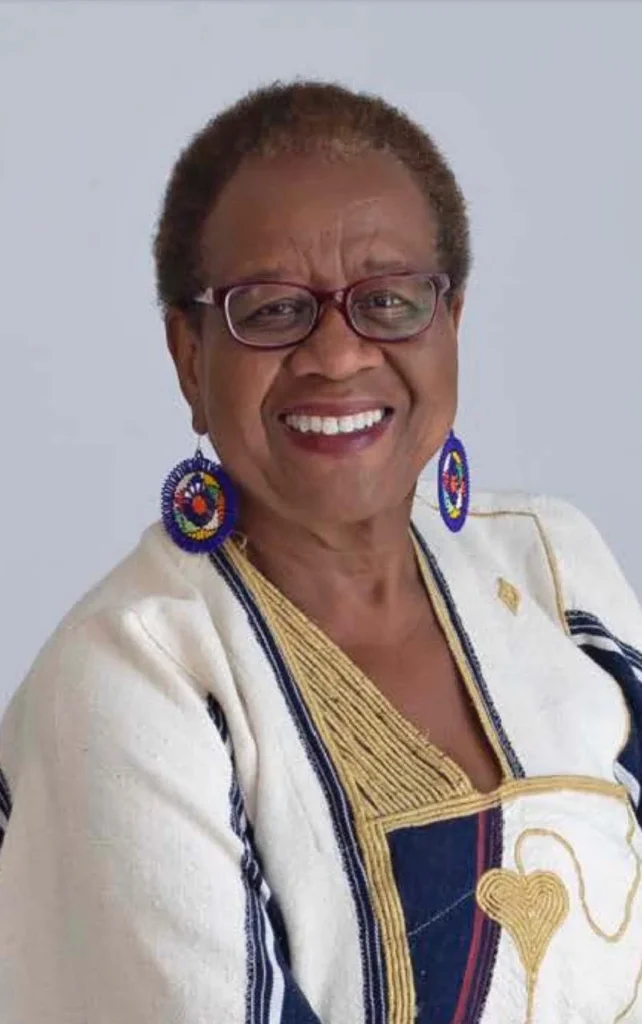
    Enid Lee is a front-line educator, an anti-racist professional development specialist, leadership coach, writer and community builder. She began her joyful journey as a teacher on the Caribbean island of Antigua about 5 decades ago. She has taught in Canada and the United States.

    Today Enid consults internationally on equitable education with particular emphasis on language, race and culture and their roles in education. She engages members of school communities, families and community organizations in preparing all learners to create and experience a world with greater justice, joy and generosity.

    Her publications include Letters to Marcia: A Teachers’ Guide to Anti-Racist Education; Coaching for Equity; and Anti-Racist Teaching in the Encyclopedia of Diversity in Education. She is a co-editor of Beyond Heroes and Holidays: A Practical Guide to K-12 Anti-Racist Multicultural Education and Staff Development andthe developer of an educational tool, Checking and Changing My Systems for Equity.

    Enid has been the recipient of several awards for her path-breaking work in antiracist education and community building among Black communities and immigrant parents. She received an Honorary Doctor of Laws from Queen’s University, Canada, and holds an Interdisciplinary Masters of Arts in Sociolinguistics and Caribbean Literature. She is a Virtual Scholar with Teaching for Change in Washington, DC and in real time shares her time between Santa Cruz, California and Toronto, Ontario. In spare moments she enjoys sitting outdoors and nurturing the child within by reading books for youngsters of all ages.

    One of her favorite current children’s book is Our Skin: A First Conversation About Race by Megan Madison (Author), Jessica Ralli (Author), and Isabel Roxas (Illustrator).

    In this podcast conversation we cover the following questions:

    1. When you define equity, equality and systems, you encourage educators to “build on strengths.” Why is that an important distinction?

    2. Take us back to 1967 please. Most educators I work with today were either not born then or still in school themselves at the time. How has the work of anti-racist professional development evolved over the decades you have been in education?

    – What changes have you observed in education at large?

    – What challenges do you still see?

    3. Why do you focus on ‘systems’ when address equity and equity in learning?

    4. What keeps you motivated, involved, or ‘going’ for so long in this work with schools?

    Another book we reference in our conversation includes The Rough Patch by Brian Lies:

    Now It’s Your Turn

    Listen-in to the conversation for valuable takeaways and perspectives. You can find more about Enid Lee and her resources for schools at https://www.enidlee.com/resources.

    The post PMP268: Equity, Equality and Systems with Enid Lee appeared first on Principal Matters.


    PMP267: Answering Questions on Grief and Behavior with Jen Schwanke Oct 20, 2021
    Show notes

    This week, Jen Schwanke, joins me as we respond to more listener questions. Jen Schwanke is an author and education leader from Dublin City Schools in Dublin, Ohio.

    Question: How do you manage leading a school through the grief of losing a teacher to COVID?

    Here are some of the points we cover in response:

    • Grief is loss — COVID involves fear — it is important to keep both those dynamics in mind when dealing with loss.
    • Loss takes time and community. Leaders need to involve others in the process of healing.
    • Fear takes action and, in the case of COVID, isolation has added to the difficulty of working through grief.
    • Remember that reconciling these losses is different for different types of people.

    Understanding “The Five Stages of Grief” by Kubler-Ross can be helpful. These include:

    • Denial
    • Anger
    • Bargaining
    • Depression
    • Acceptance

    Here is a resource for more reading: https://www.psycom.net/depression.central.grief.html

    8 Ways to Help Your School Manage Grief

    In 2013, Will shared a post about managing the grief of student loss with the following tips. These steps include:

    1. Communicate, communicate, communicate.

    2. Be present and visible.

    3. Maintain as much stability and routine as possible.

    4. Allow creative and spontaneous responses.

    5. Ask for help from outside the school.

    6. Enjoy and appreciate your students.

    7. Be prepared for media contact.

    8. Allow yourself time to grieve.

    You can read the original post here.

    Also, we refer to a children’s book, The Rough Patch by Brian Lies, that can be helpful when working with staff or students who need context for discussing grief:

    Question: We are seeing an escalation of behaviors as we transition back to school. How can we better equip teachers to adjust to this unexpected scenario?

    • Just as we teach math and science, we need to teach behaviors, too.
    • Yes, there is an instructional loss here, but addressing it may take different tools.
    • As leaders, it is our responsibility to provide professional learning, books/resources and specialists in learning behaviors.
    • When possible, collaborate with parents for solutions.

    A helpful resource is a previous podcast with Dr. Don Parker on Building Bridges to Reach Students. You can access that post here.

    Now It’s Your Turn

    We would be honored to hear your feedback or suggestions on these questions or to answer questions you would like us to address. Please reach out at will@williamdparker.com.

    The post PMP267: Answering Questions on Grief and Behavior with Jen Schwanke appeared first on Principal Matters.


    PMP266: Principal Questions on Curriculum and Goals with Jen Schwanke Oct 13, 2021
    Show notes

    Jen Schwanke joins me this week as we respond to listener questions. Jen Schwanke is an author and education leader from Dublin City Schools in Dublin, Ohio. We have two questions from a listener who wrote for feedback as an opportunity is opening to apply for a site principal position.

    LISTENER QUESTION 1:

    “After several years serving in the role of assistant principal, I have been mired in testing, discipline, bus routes etc. for the past several years. I know a little about curriculum, but I need to beef up my knowledge in the coming weeks. What tips do you have for digging in and learning curriculum?”

    Jen: You don’t have to master curriculum. Just know people who have mastered it… curriculum coaches and support. Thru the evaluation process, ask questions. “This is for my learning…” Remember, you can have different standards being taught differently by different teachers.

    Will: First of all, acknowledge you do not have to an expert in curriculum to be a strong instructional leader. At the same time, you should be able to identify what standards are important in learning. Curriculum choices are guided by that question. In other words, the learning standards drive the curriculum, not the other way around.

    Here’s an example to consider: When someone is teaching 11th grade language arts, for instance, he or she may choose to introduce a text from Martin Luther King, Jr.’s Letters from a Birmingham Jail. Although the teacher wants students aware of relevant material from our own history, he or she also wants to tie the text to learning standards. In this case, the learning goal may be helping students understand how to analyze the elements of persuasive writing, including rhetorical strategies. The learning standards then guide the outcomes students will identify in the reading as well as model the kinds of critical thinking they will need when they practice organizing their own thoughts and writing on persuasive topics. You can apply this same learning framework to every subject. As an administrator, the goal is to apply these perspectives schoolwide. It is easier to guide instruction when every grade level and subject area has curriculum maps tie lessons and outcomes with agreed-upon standards.

    LISTENER QUESTION 2:

    I need to have reasonable goals for the school over the next 3-5 years. I clearly want to address learning gaps due to COVID and achievement gaps for students. Are there other areas you would recommend I look at?”

    Jen: After you’ve set your own goals, you may want to pair with teachers to do the same… don’t leave this to chance… have them do it as a team… accountability comes with sharing with others…

    Will: Always start with the questions:

    1. What are we doing that is working?

    2. What do we need to change or improve?

    I’m sure you already have access to a rubric, but as a matter of reference, SMART goals should be:

    • Specific
    • Measurable
    • Achievable
    • Relevant
    • Timeline

    Here’s a free PD resource:

    I came across a short professional development min-lesson plan I had created a few years ago on introducing teams to vision, mission and goal setting. I’ll paste it here if you’re interested in using it personally or with your teams: https://williamdparker.com/wp-content/uploads/2020/01/PD-Mission-Vision-Goals.pdf

    Let’s Wrap This Up

    Listen to the episode for even more explanations and feedback on the above questions!

    As you lead others, do not forget that setting goals is an important part of leadership. At the same time, relationships are the bedrock of leading change. What questions or feedback do you want to add to the conversation? Reach back at will@williamdparker.com.

    The post PMP266: Principal Questions on Curriculum and Goals with Jen Schwanke appeared first on Principal Matters.


    Previous 1 35 36 37 38 39 50 Next

    Related Podcasts

    Making Sense with Sam Harris

    1

    Making Sense with Sam Harris Education
    Grammar Girl

    2

    Grammar Girl Education
    Good Life Project

    3

    Good Life Project Education
    Explain It to Me

    4

    Explain It to Me Education
    Team Never Quit

    5

    Team Never Quit Comedy
    Optimal Living Daily – Personal Development and Self-Improvement

    6

    Optimal Living Daily – Personal Development and Self-Improvement Alternative Health
    footer-logo

    Contact Us

    Toll Free: 844-670-7747

    Links

    • Home
    • Top Charts
    • Networks
    • Apps
    • Independents Podcasts
    • Podcast Advertising
    • Podcast News
    • Contact Us
    • About Us
    • Analytics & Insights

    Stay Connected

      Privacy, Terms of Use & Our Code of Ethics Protecting Content Creators Copyrights