The Nonprofit Leadership Podcast discusses important issues facing nonprofit leaders in our community and features real stories from real leaders about what strategies and practices have made them successful. Enjoy the show!
What Real Support for Parental Leave Looks Like
Oct 18, 2026
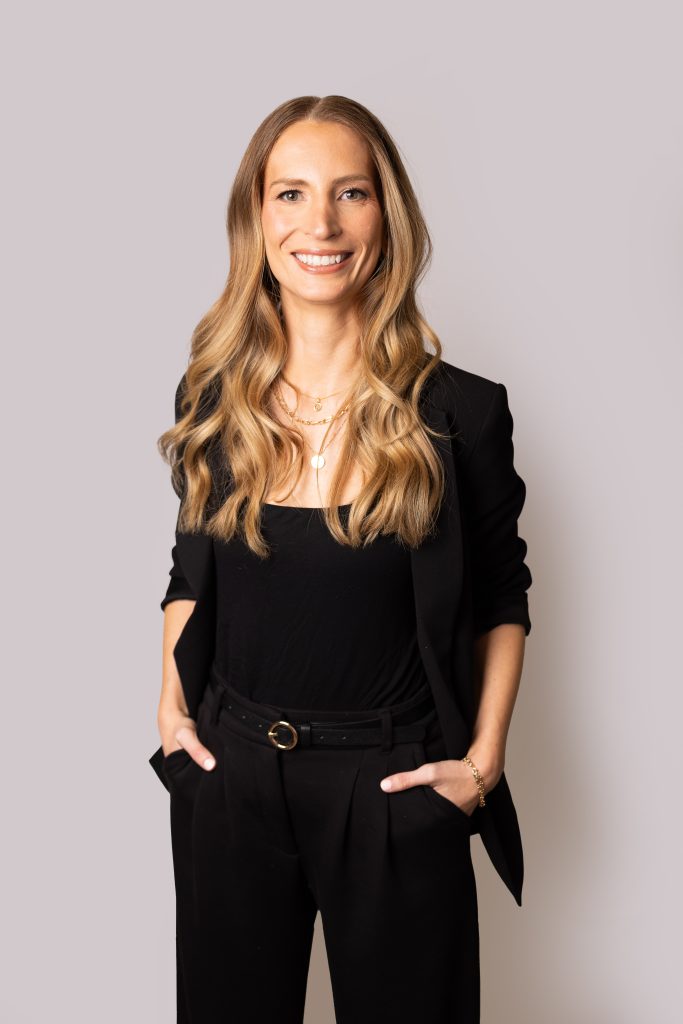
Show notesBeth Wanner
Offering parental leave is one thing, but creating a workplace where employees can confidently take that leave without worrying about their careers, their coworkers, or the organization’s mission is another. For nonprofit leaders managing tight budgets and lean teams, supporting parental leave can feel complicated and costly. Yet without a thoughtful plan, organizations risk employee burnout, decreased productivity, and losing valuable staff. So how can nonprofits build parental leave policies and practices that truly support employees while maintaining organizational effectiveness?
In this episode, Rob Harter sits down with Beth Wanner, Founder and CEO of Mother Cover, an agency that provides interim and fractional staffing solutions for organizations navigating parental and caregiver leave. Drawing from her personal experience with pregnancy discrimination and her years as a marketing executive, Beth shares why traditional parental leave policies often fall short and what nonprofit leaders can do differently. Together, they explore practical strategies for planning employee absences, maintaining organizational continuity, preventing burnout, and creating a smoother return-to-work experience. Beth also explains how nonprofits can provide meaningful parental leave support without breaking their budgets, ultimately strengthening employee retention, workplace culture, and long-term mission impact.
Key Topics Include:
Why parental leave policies aren’t enough: The difference between offering parental leave benefits and creating an organizational culture that genuinely supports employees before, during, and after their leave.
Planning for employee absences: How nonprofit leaders can develop effective parental leave coverage plans, document responsibilities, establish decision-making authority, and ensure critical work continues.
Preventing employee burnout and improving retention: Why distributing an absent employee’s workload across an already stretched team can lead to burnout, resentment, and costly staff turnover.
Using fractional leadership and interim staffing: How nonprofits can leverage experienced fractional professionals to maintain operations, protect donor relationships, and support organizational leadership during parental leave.
The financial ROI of supporting parental leave: Understanding the hidden costs of inadequate leave coverage, including disrupted programs, lost productivity, damaged donor relationships, and employee turnover.
Creating a successful return-to-work transition: Why re-onboarding, documented updates, gradual workload transitions, and regular check-ins are essential for supporting employees returning from parental leave.
Practical parental leave solutions for nonprofits on tight budgets: How leaders can create a simple, one-page coverage plan, prioritize essential responsibilities, identify internal growth opportunities, and provide meaningful support without requiring full-time replacement staffing.
Mentioned in This Episode:
Mother Cover – Founded by Beth Wanner, Mother Cover helps nonprofits and other organizations maintain operational continuity through interim and fractional staffing solutions during parental and caregiver leave.
Nonprofit Leadership Podcast – Explore additional episodes, nonprofit leadership resources, and interviews with experts helping nonprofit organizations strengthen their leadership and impact.
This Episode is Sponsored By:
Donorbox– An online fundraising platform that helps nonprofits streamline fundraising, maximize donations, and simplify giving with customizable donation forms, digital wallet payments, donation tracking, and automated receipts.
Links to Resources:
Interested in Leadership and Life Coaching? Visit Rob’s website: RobHarter.com
Suggestions for the show? Email us at nonprofitleadershippodcast@gmail.com
Request a sample coaching session: Email Rob at rob@robharter.com
Subscribe and Share
Listen and subscribe to the Nonprofit Leadership Podcast on iTunes, Spotify, or Amazon. Don’t forget to like, subscribe, and share with other nonprofit leaders!
How a Small Group of College Students Launched a National Movement
Oct 11, 2026
Show notes
This is repost of a previously published episode. In this episode, Dr. Rob Harter sits down with Aidan Reilly, co-founder of The Farmlink Project, a nonprofit that began as a college passion project and grew into a national food recovery movement. What started in 2020 as two friends trying to make a difference during the COVID-19 pandemic quickly evolved into a logistics powerhouse that has since delivered over 350 million pounds of food—soon to be half a billion.
Aidan shares the compelling origin story of Farmlink and how a group of students bridged the gap between farms with surplus food and food banks in desperate need. With impressive agility, grassroots organizing, and a deep sense of purpose, Farmlink has scaled nationwide and is now exploring international efforts. Aidan also discusses how Farmlink is addressing food waste, hunger, and climate change simultaneously—and how their innovative model may one day make their own work unnecessary.
Key Topics Include:
The founding of Farmlink during the pandemic by college students looking to make an impact
How Farmlink grew from a local food rescue effort to a national nonprofit operating in 27+ states
The logistics of moving nearly half a billion pounds of food and partnering with over 1,200 food banks and 400 farms
The systemic causes of food waste in the U.S. and how Farmlink is creating long-term infrastructure solutions
How Farmlink measures and communicates its climate and hunger relief impact to donors
The role of AI, predictive analytics, and capacity mapping in scaling nonprofit operations
Why public-private partnerships and policy advocacy are essential to solving food insecurity at scale
Suggestions for the show? Email us at nonprofitleadershippodcast@gmail.com
Request a sample coaching session: Email Rob at rob@robharter.com
Subscribe and Share Listen and subscribe to the Nonprofit Leadership Podcast on iTunes, Spotify, or Amazon. Don’t forget to like, subscribe, and share with other nonprofit leaders!
Summary
The conversation with Aidan Reilly from the Farm Link Project explores the organization’s journey from a student-led initiative to a national movement addressing food waste and hunger. Aidan shares insights on the importance of partnerships, innovative solutions, and the impact of their work on communities and the environment. The discussion highlights the challenges faced in scaling their efforts and the vision for a sustainable food system that eliminates waste and hunger.
Quotes “We shouldn’t, let’s try to help.” “We rescued 50 million apples.” “We work with all food banks.”
Chapters 00:00 The Birth of Farm Link Project 02:54 Scaling Up: Partnerships and Systems 05:48 Connecting Farms and Food Banks 08:40 Addressing Food Waste and Consumer Preferences 11:35 Measuring Impact: Hunger Relief and Climate Outcomes 19:54 Harnessing AI for Nonprofit Scalability 22:34 Eliminating Waste and Hunger: A Guiding Philosophy 26:18 Building Infrastructure for Zero Waste 29:10 Overcoming Operational Challenges in Scaling 33:58 Strategizing for Future Growth and Impact
“From Aristotle to Zuckerberg”, Learn How and When Philanthropy First Started and Where We Have Gone Wrong Today
Oct 05, 2026
Show notes
Ever wondered how philanthropy and charity first began? The answer may surprise you! The Greek roots for the word “philanthropy” refer to the “love of humankind”.
Rob’s guest today is author Paul Vallely who has written a new book that serves as an encyclopedic review of the origins and history of philanthropy and charity over the centuries. Paul argues that today, too many people and organizations have lost the true purpose of charity and he offers a way back to the roots of good philanthropy.
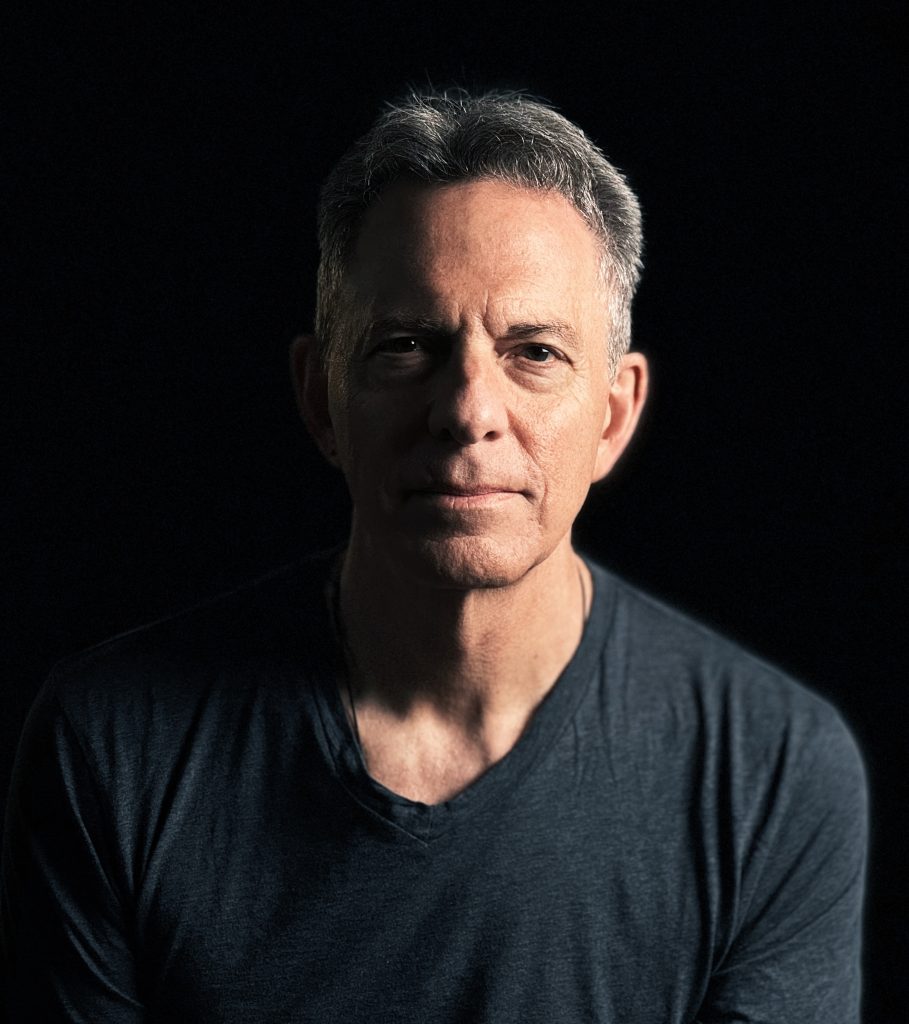
Paul Vallely, author of “Philanthropy: from Aristotle to Zuckerberg”
Paul shares what led him to research the history of philanthropy, what surprised him most about how money moves through philanthropic organizations and who really benefits from donations. He also talks about how organizations can help recapture the missing element in philanthropy, particularly as it relates to the relationship between the rich and the poor. In short, Paul argues for having a more human and holistic vision of philanthropy that marries the head and the heart. Finally, Paul digs into why more nonprofit leaders need to focus on building partnerships by listening to and respecting the people they are trying to help and how the pandemic has actually strengthened philanthropy as a third pillar in society alongside government and the market.
How Can You Future-Proof Your Fundraising?
Sep 27, 2026
Show notes
This is repost of a previously published episode. 2020 skyrocketed the move to online giving for all donors who give to nonprofits. Organizations who already had a clear and robust process for donors to give online really benefited—those who didn’t, really struggled. They struggled to keep their giving on par with previous years. Now, the question for all nonprofits of how to “future-proof” fundraising is constantly on our collective minds. So how does your organization go about doing that? Rob’s guest shares some fascinating data points gleaned from a recent report on the “state of philanthropy” within the nonprofit sector and why an easy and efficient online giving experience for your donors is absolutely essential for your organization’s future success and sustainability.
Elizabeth Pun, Manager of Content at Classy
Rob’s guest today is Elizabeth Pun, Manager of Content at Classy. Classy is a B-Corp that focuses on closing the gap between nonprofit and for-profit businesses and Elizabeth is the primary editor of Classy’s recent report entitled: The State of Modern Philanthropy 2021.
Elizabeth explains how empowering your event attendees to fundraise can organically increase your donations and provide more engagement. She breaks down why recurring giving, subscription services, and donation matching are excellent strategies to drive more funds and donations to your organization. Finally, Elizabeth shares valuable insight about creating a more robust online giving experience, and a powerful reminder that if you want to maximize donations to help safeguard and scale your organization, you must be able and willing to meet donors where they are. (This episode previously aired)
How Airbnb Is Doing Something Very Different with Their Social Impact
Sep 20, 2026
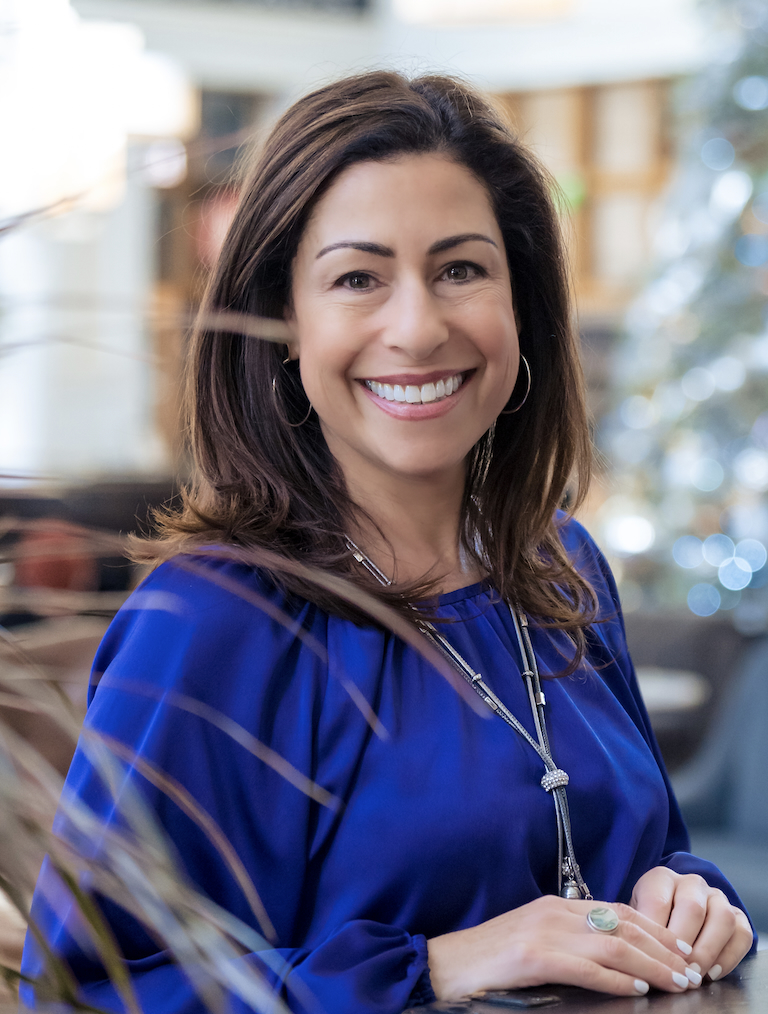
Show notesChristoph Gorder
This is repost of a previously published episode. In this episode of the Nonprofit Leadership Podcast, Rob Harter sits down with Christoph Gorder, leader of Airbnb.org, to explore how Airbnb has built a social impact model that looks very different from a traditional corporate foundation. As an independent 501(c)(3), Airbnb.org operates separately from Airbnb while still leveraging the company’s technology, host network, and infrastructure to provide emergency housing for people displaced by disasters and other crises.
Christoph shares how Airbnb.org is rethinking disaster response by using millions of available homes around the world to provide fast, flexible, dignified shelter for families in need. He also talks about leadership, scaling nonprofit impact, the role of AI and technology in modern nonprofit operations, and why strategic partnerships are essential for responding effectively in moments of crisis. This conversation is packed with insights for nonprofit leaders who want to innovate, collaborate, and maximize their mission impact.
Key Topics Include:
How Airbnb.org is structured as an independent 501(c)(3) with its own board and mission
Why Airbnb.org’s model is different from a traditional corporate social responsibility or philanthropic arm
How the organization scaled from responding to 8 disasters in 2023 to 78 disasters two years later
What nonprofit leaders can learn about focus, standardization, and scaling wisely
How Airbnb.org used local partnerships like 211LA and Catholic Charities to respond quickly during the Los Angeles wildfires
Why giving displaced families choice and control is such an important part of effective disaster housing
How AI, technology, and collaboration can help nonprofits become more efficient and responsive
Suggestions for the show? Email us at nonprofitleadershippodcast@gmail.com
Request a sample coaching session: Email Rob at rob@robharter.com
Subscribe and Share Listen and subscribe to the Nonprofit Leadership Podcast on iTunes, Spotify, or Amazon. Don’t forget to like, subscribe, and share with other nonprofit leaders!
Are You Dreaming Big Enough for Your Organization?
Sep 13, 2026
Show notes
This is repost of a previously published episode. In this episode, Dr. Rob Harter sits down with Dan Pallotta—renowned author, TED Talk speaker, and social impact provocateur—to discuss what it really takes to solve the world’s biggest problems. Known for challenging the status quo in the nonprofit sector, Dan pushes listeners to think beyond conventional limitations, urging nonprofit leaders and donors alike to reimagine what’s possible when we truly embrace bold, audacious goals.
Dan unpacks his groundbreaking fundraising innovations, including the AIDS Rides and Breast Cancer 3-Day Walks, and dives into key themes from his recent documentary Uncharitable. He emphasizes that nonprofits need to stop playing it safe and start empowering people to explore their own heroism—whether it’s through higher-risk initiatives or rethinking how we define overhead and impact. This episode will inspire you to challenge outdated assumptions and push your organization to dream—and do—bigger.
Key Topics Include:
The origin and impact of Dan’s fundraising innovations, including the AIDS Rides and Breast Cancer 3-Day events
Why nonprofits must reframe how they view overhead, salaries, and investments
The danger of playing it safe: how fear of failure stifles nonprofit innovation
Exploring the concept of fundraising as a path to individual heroism
Why bold, time-bound goals are essential for real social impact
The importance of capital investment and risk-taking in the nonprofit sector
Insights from the Uncharitable documentary and how it’s shifting donor mindsets
Interested in Leadership and Life Coaching? Visit Rob’s website: RobHarter.com
Find us on YouTube: Nonprofit Leadership Podcast YouTube Channel
Suggestions for the show? Email us at nonprofitleadershippodcast@gmail.com
Request a sample coaching session: Email Rob at rob@robharter.com
Subscribe and Share Listen and subscribe to the N
How to create a healthy culture that leads to greater impact
Sep 06, 2026
Show notes
A healthy nonprofit culture is not a “soft” issue—it directly affects employee retention, trust, innovation, performance, and ultimately an organization’s ability to create lasting impact. In this episode, Rob Harter sits down with Marcia Beckner, founder and CEO of Culture CARES Global, to discuss how nonprofit leaders can intentionally build workplace cultures where employees feel valued, respected, engaged, and psychologically safe.
Marcia shares her CARES framework—Commitment, Appreciation, Respect, Engagement, and Safety—and explains why psychological safety serves as the foundation for a thriving nonprofit team. Rob and Marcia also explore nonprofit leadership burnout, employee retention, trust and accountability, transparent communication during times of change, and the importance of narrowing strategic priorities so leaders and teams can pursue excellence without spreading themselves too thin.
Key Topics Include:
The five elements of the CARES framework: Commitment, Appreciation, Respect, Engagement, and Safety
Why psychological safety is foundational to nonprofit culture, innovation, inclusion, and high performance
How nonprofit leaders can improve employee retention by helping staff feel valued, respected, and appreciated
Leading authentically and confidently without pretending to have all the answers
How transparent communication helps organizations maintain trust during uncertainty and organizational change
Preventing nonprofit leadership burnout through energy management, healthy boundaries, delegation, and sustainable pacing
Why nonprofit leaders must strategically say “no,” prune unnecessary priorities, and focus resources on the few initiatives that can create the greatest mission impact
Interested in Leadership and Life Coaching? Visit Rob’s website: RobHarter.com
Find us on YouTube: Nonprofit Leadership Podcast YouTube Channel
Suggestions for the show? Email us at nonprofitleadershippodcast@gmail.com
Request a sample coaching session: Email Rob at rob@robharter.com
Subscribe and Share Listen and subscribe to the Nonprofit Leadership Podcast on iTunes, Spotify, or Amazon. Don’t forget to like, subscribe, and share with other nonprofit leaders!
What would you do with not just one but two multi-million-dollar gifts?
Aug 30, 2026
Show notes
What happens when a nonprofit receives not one, but two transformational, unrestricted gifts worth millions of dollars? In this episode, Rob Harter speaks with Dr. Xanthe Scharff, President and CEO of the Women’s Refugee Commission (WRC), and Havovi Waddia, Managing Director of Programs for The Freedom Fund. Both organizations have received two major gifts from philanthropist MacKenzie Scott—WRC receiving a total of $24 million and The Freedom Fund receiving a total of $95 million.
Xanthe and Havovi discuss how these unexpected gifts have transformed their organizations’ ability to think strategically, invest in frontline organizations, strengthen internal systems, and make long-term commitments to the communities they serve. They also explore the power of trust-based philanthropy, why unrestricted funding can create significantly more impact than traditional restricted grants, and what MacKenzie Scott’s approach to giving could mean for the future of nonprofit fundraising and philanthropy.
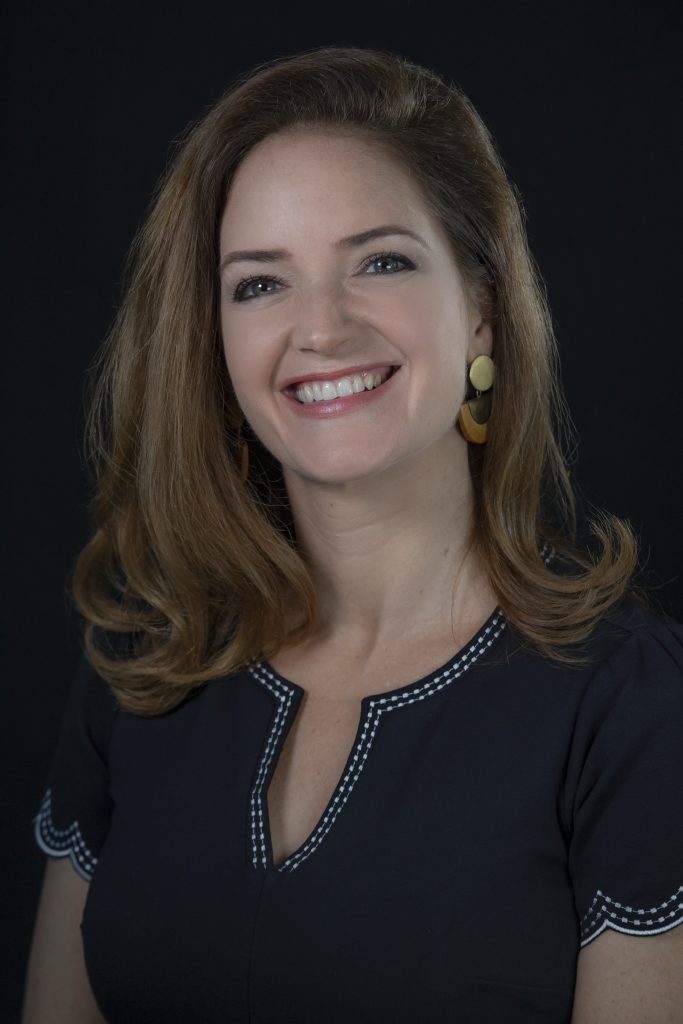
Dr. Xanthe Scharff
Key Topics Include:
How the Women’s Refugee Commission and The Freedom Fund received transformational gifts from MacKenzie Scott without applying or making a traditional funding request
Why receiving a second major gift represents an extraordinary vote of confidence in an organization’s leadership, mission, transparency, and impact
How unrestricted funding gives nonprofit leaders the flexibility and “head space” to make strategic, long-term decisions instead of simply reacting to immediate funding pressures
How The Freedom Fund is using its funding to make long-term investments in frontline and survivor-led organizations working to end modern slavery
How the Women’s Refugee Commission is adapting its funding model amid major cuts to government and international humanitarian aid
Why trust-based philanthropy can strengthen nonprofit organizations, frontline partners, civil society, and ultimately democracy and human rights
What MacKenzie Scott’s giving philosophy may signal about the future of philanthropy—and why private philanthropy cannot replace the responsibility of governments
Interested in Leadership and Life Coaching? Visit Rob’s website: RobHarter.com
Find us on YouTube: Nonprofit Leadership Podcast YouTube Channel
Suggestions for the show? Email us at nonprofitleadershippodcast@gmail.com
Request a sample coaching session: Email Rob at rob@robharter.com
Subscribe and Share Listen and subscribe to the Nonprofit Leadership Podcast on iTunes, Spotify, or Amazon. Don’t forget to like, subscribe, and share with other nonprofit leaders!
What values-driven leadership looks like
Aug 23, 2026
Show notes
What does values-driven leadership look like when a nonprofit is growing rapidly, facing increasing demand, and making difficult decisions about where to focus? In this episode of the Nonprofit Leadership Podcast, Rob Harter sits down with Angelique Albert, CEO of Native Forward Scholars Fund, the largest direct provider of scholarships to Native students in the United States. Angelique shares how her upbringing on the Flathead Indian Reservation and her connection to the Confederated Salish and Kootenai Tribes have shaped her approach to leadership, service, and community impact.
Angelique also offers an inside look at how Native Forward has scaled its impact, growing from roughly $4 million in annual revenue to an annual budget of approximately $26 million while significantly expanding its net assets and student support. She explains why strong nonprofit leadership requires knowing what to say no to, building the infrastructure needed for sustainable growth, bringing in outside expertise, and balancing long-term organizational strength with immediate mission impact. The conversation also explores Native Forward’s transformational unrestricted gifts from MacKenzie Scott and how those investments strengthened the organization’s capacity to serve more Native scholars.
Key Topics Include:
How Angelique Albert’s Native heritage and connection to community shape her values-driven leadership approach
Why nonprofit leaders need to identify what their organizations can do exceptionally well—and be willing to stop doing the rest
How Native Forward narrowed its focus to college access and college success while partnering with others for complementary services
The importance of strategic planning, organizational infrastructure, documented systems, and strong internal processes when scaling a nonprofit
Why outside consultants and third-party perspectives can help nonprofit leaders identify blind spots and build stronger strategies
How unrestricted funding from MacKenzie Scott helped Native Forward invest in infrastructure, scholarships, wraparound services, marketing, and long-term sustainability
How nonprofit leaders can balance immediate mission impact with investments in capacity, fundraising, technology, and future generations
Suggestions for the show? Email us at nonprofitleadershippodcast@gmail.com
Request a sample coaching session: Email Rob at rob@robharter.com
Subscribe and Share Listen and subscribe to the Nonprofit Leadership Podcast on iTunes, Spotify, or Amazon. Don’t forget to like, subscribe, and share with other nonprofit leaders!
How to Lead When Life Is Unraveling Around You
Aug 16, 2026
Show notes
What happens when you’re responsible for holding a nonprofit organization together while your personal life is falling apart? In this episode, Rob Harter sits down with Ashley Stallings to have an honest conversation about nonprofit leadership, burnout, vulnerability, and what it takes to lead sustainably through seasons of personal crisis.
Ashley shares her own experience of navigating the end of a 19-year marriage, becoming a single mom, and leading an organization that was barely hanging on—all at the same time. She explains the warning signs she missed, why asking for help can be so difficult for leaders, and how a strong support system ultimately helped her recover. Rob and Ashley also explore practical ways nonprofit leaders and boards can build healthier organizational structures, create psychological safety, establish boundaries, and prepare for difficult seasons before a crisis occurs.
Key Topics Include:
Recognizing the early warning signs that a nonprofit leader may be approaching burnout or a breaking point
How tying your identity and self-worth too closely to your organization’s mission can push you beyond healthy limits
Why nonprofit leaders often struggle to ask for help and the importance of building a support network before you need it
Finding the right balance between healthy vulnerability and oversharing with staff and board members
How boards, second-in-command leaders, and succession plans can reduce the pressure placed on executive directors
Establishing healthy boundaries and learning why saying “no” can protect both the leader and the organization’s mission
Creating sustainable leadership practices that allow nonprofit leaders and their teams to stay healthy for the long haul
Mentioned in This Episode:
Learn more about Ashley Stallings, her speaking, and nonprofit consulting: AudiblyAshley.com
Suggestions for the show? Email us at nonprofitleadershippodcast@gmail.com
Request a sample coaching session: Email Rob at rob@robharter.com
Subscribe and Share Listen and subscribe to the Nonprofit Leadership Podcast on iTunes, Spotify, or Amazon. Don’t forget to like, subscribe, and share with other nonprofit leaders!

 Our TOPPODCAST Picks
 Stay Connected