The Nonprofit Leadership Podcast discusses important issues facing nonprofit leaders in our community and features real stories from real leaders about what strategies and practices have made them successful. Enjoy the show!
How Transparency Can Improve Donor Retention
Jul 20, 2026
Show notes
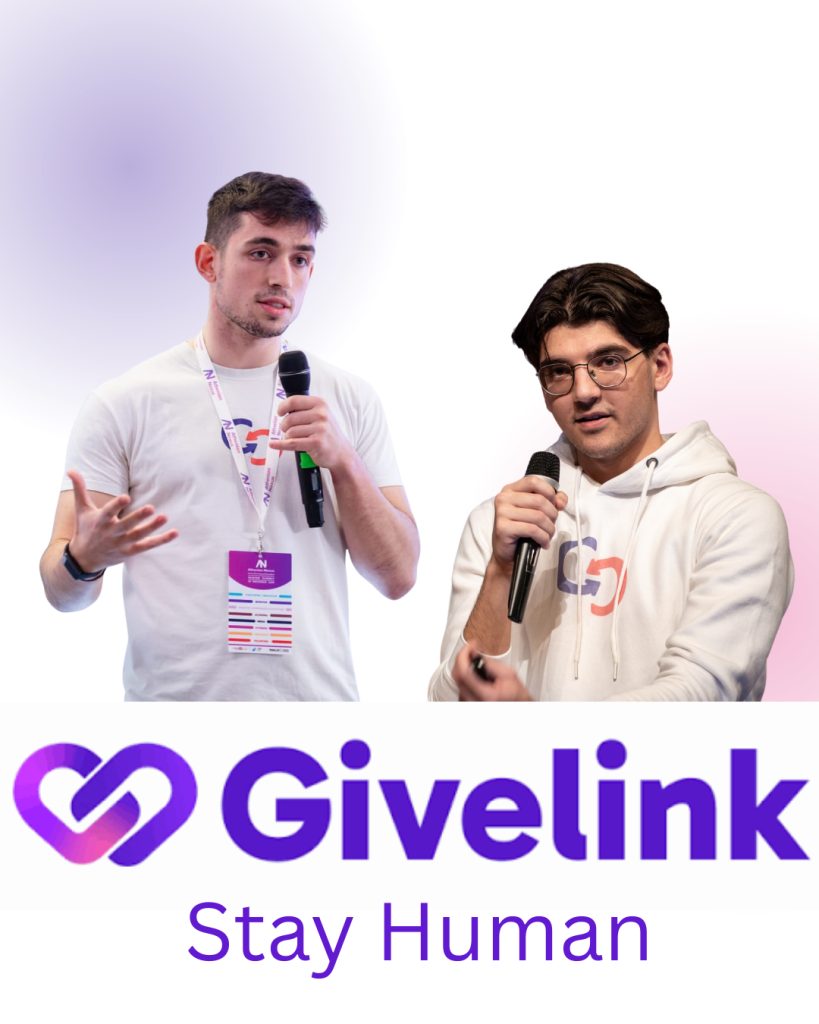
Donors want to know that their generosity is making a real difference. Yet many gifts can feel like they disappear into a “black box,” leaving supporters unsure where their donations went or whom they helped. In this episode, Rob Harter speaks with Antonis Politis, CEO and co-founder of Givelink, and Panos Kokmotos, COO and co-founder of Givelink, about how greater transparency can strengthen donor trust, improve the giving experience, and increase donor retention.
Givelink enables donors to purchase products that nonprofits currently need, track those items through delivery, and receive photos, videos, and personalized stories showing their impact. Antonis and Panos explain why nonprofits should make giving more tangible and human, how AI can personalize donor communications without replacing authentic connection, and why Givelink’s transparency model has led donors to give approximately 60% more annually.
Key Topics Include:
Why uncertainty about where donations go can weaken donor trust and retention
How Givelink connects donors with the specific products nonprofits currently need
Why nonprofits should be able to track charitable impact as easily as consumers track a package
How photos, videos, and personalized impact stories make giving more tangible
Why Givelink reports that donors give approximately 60% more annually through its platform
How nonprofits can use AI to personalize donor communications while preserving authentic human connection
How Givelink provides its in-kind donation platform to nonprofits at no cost
Mentioned in This Episode:
Learn more about Givelink and its free in-kind donation platform for nonprofits: Givelink
Suggestions for the show? Email us at nonprofitleadershippodcast@gmail.com
Request a sample coaching session: Email Rob at rob@robharter.com
Subscribe and Share Listen and subscribe to the Nonprofit Leadership Podcast on iTunes, Spotify, or Amazon. Don’t forget to like, subscribe, and share with other nonprofit leaders!
How Our Brains Are Wired for Generosity and Why It Matters
Jul 12, 2026
Show notes
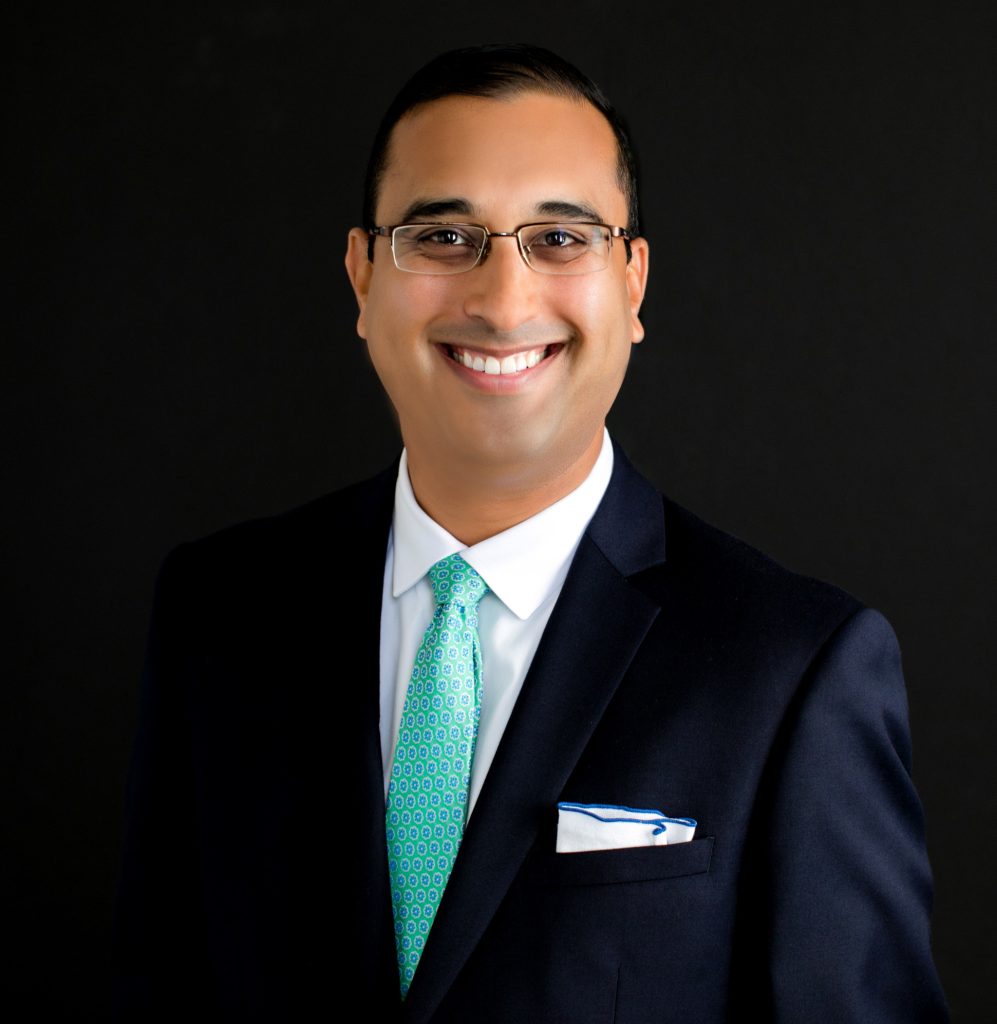
Why do people give—and what happens in the brain when they decide to support a cause? Rob Harter sits down with fundraising strategist, behavioral science expert, and Neurogiving author Cherian Koshy to explore the neuroscience behind generosity. Cherian explains why charitable giving is closely connected to emotion, identity, belonging, and the brain’s reward systems—and why facts alone rarely inspire someone to donate.
Cherian also shares practical ways nonprofit leaders can create more meaningful donor experiences, reduce unnecessary friction, and build lasting relationships rooted in trust. The conversation examines the ethical use of neuroscience and artificial intelligence in fundraising, emphasizing that these tools should deepen human connection rather than manipulate donors or reduce them to data points.
Key Topics Include:
Why generosity and charitable giving are wired into the human brain
How giving expresses a donor’s identity, values, passions, and sense of belonging
Why nonprofit communications should connect emotionally before presenting facts and data
How confusion, excessive choices, insider language, and complicated donation forms create friction
The difference between harmful friction and intentional questions that reinforce donor identity
Ethical considerations for using neuroscience and artificial intelligence in fundraising
How consistency, curiosity, transparency, and patience build donor trust and lifelong loyalty
Suggestions for the show? Email us at nonprofitleadershippodcast@gmail.com
Request a sample coaching session: Email Rob at rob@robharter.com
Subscribe and Share Listen and subscribe to the Nonprofit Leadership Podcast on iTunes, Spotify, or Amazon. Don’t forget to like, subscribe, and share with other nonprofit leaders!
How to Not Just Survive but Thrive in Leadership
Jul 05, 2026
Show notesDr. Doris Macharia
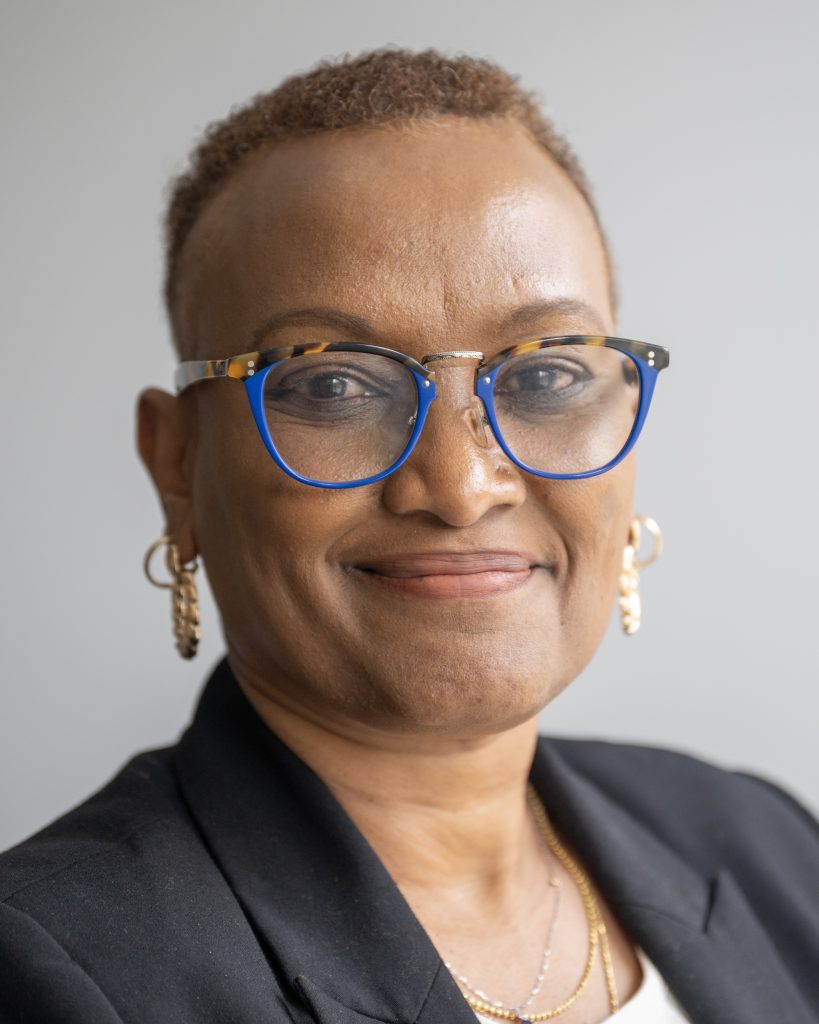
In this episode of the Nonprofit Leadership Podcast, Rob Harter speaks with Dr. Doris Macharia, President of the Elizabeth Glaser Pediatric AIDS Foundation, about what it takes to lead with clarity, courage, and resilience during times of crisis. Dr. Macharia shares her journey from practicing medicine in Kenya to leading global HIV and public health initiatives, and how her background prepared her to step into executive leadership during a season of major international funding cuts.
Dr. Macharia offers practical insight for nonprofit leaders navigating uncertainty, staffing challenges, donor shifts, and organizational change. She emphasizes the importance of staying anchored to mission, communicating consistently, making decisive choices, caring for yourself as a leader, and building trust through presence, empathy, and action.
Key Topics Include:
How nonprofit leaders can build trust when stepping into leadership during a crisis
Why mission clarity gives organizations authority and direction during uncertain times
Leading global health and nonprofit work through funding cuts and resource scarcity
The importance of communication, listening, and visible leadership with staff and stakeholders
How collaboration with governments, communities, donors, and partners strengthens impact
Why leaders must make decisions quickly, even with limited information
The role of self-care, family support, preparation, and personal values in sustainable leadership
Suggestions for the show? Email us at nonprofitleadershippodcast@gmail.com
Request a sample coaching session: Email Rob at rob@robharter.com
Subscribe and Share Listen and subscribe to the Nonprofit Leadership Podcast on iTunes, Spotify, or Amazon. Don’t forget to like, subscribe, and share with other nonprofit leaders!
How Building Trust Can Accelerate Impact
Jun 28, 2026
Show notes
In this episode of the Nonprofit Leadership Podcast, Dr. Rob Harter speaks with Clare Durrett and Dr. Terri Thompson of Answer ALS about how trust, collaboration, and shared data can accelerate meaningful impact. Answer ALS began after a powerful summit led by Steve Gleason and Team Gleason, where patients, caregivers, researchers, clinicians, and advocates came together to rethink how ALS research could move forward with fewer barriers and greater urgency.
Clare and Terri share how Answer ALS developed Neuromine, a globally accessible research platform designed to help researchers explore clinical, genomic, biological, and multi-omic data in one place. Their conversation offers valuable lessons for nonprofit leaders on building trust with stakeholders, protecting community-centered values, scaling ambitious work, and creating systems that make collaboration easier than working in isolation.
Key Topics Include:
How Steve Gleason and the ALS community helped spark the creation of Answer ALS
Why traditional disease research often gets slowed down by data silos and limited access
How Neuromine helps researchers access, compare, and use complex ALS data more efficiently
The importance of patient partnership, dignity, and agency in nonprofit and medical research models
How Answer ALS balances global accessibility with privacy, security, and scientific rigor
Why trust with donors, researchers, and the community is essential for long-term impact
Lessons for nonprofit leaders on collaboration, transparency, data stewardship, and scaling a mission
Suggestions for the show? Email us at nonprofitleadershippodcast@gmail.com
Request a sample coaching session: Email Rob at rob@robharter.com
Subscribe and Share Listen and subscribe to the Nonprofit Leadership Podcast on iTunes, Spotify, or Amazon. Don’t forget to like, subscribe, and share with other nonprofit leaders!
Investing in the Next Generation: Why the Greater Hartford Gives Foundation Is All In
Jun 22, 2026
Show notesJay Williams
In this episode of the Nonprofit Leadership Podcast, Rob Harter talks with Jay Williams, President and CEO of the Greater Hartford Gives Foundation. Jay shares his leadership journey from banking and public service to becoming the first African American and youngest mayor of Youngstown, Ohio, serving in the Obama administration, and now leading one of Connecticut’s major community foundations.
Rob and Jay discuss how philanthropy, nonprofit partnerships, workforce development, and education can come together to create lasting community impact. Jay explains why the Greater Hartford Gives Foundation is investing deeply in the next generation through its Greater Futures Scholarship partnership with Hartford Promise, helping students access college, wraparound support, and the opportunity to graduate with little to no student loan debt.
Key Topics Include:
Jay Williams’ journey from banking and public service to nonprofit and philanthropic leadership
Why community foundations must use data, partnerships, and local insight to address inequity
The Greater Hartford Gives Foundation’s five strategic priorities: basic human needs, employment, thriving neighborhoods, civic resident engagement, and arts and culture
How student loan debt impacts local economies, workforce development, homeownership, and long-term community growth
The Greater Futures Scholarship partnership with Hartford Promise and its potential to provide up to $100,000 over four years
Why wraparound services are essential for helping first-generation college students succeed
Leadership lessons on building strong teams, creating a collaborative culture, and taking responsibility when challenges arise
Suggestions for the show? Email us at nonprofitleadershippodcast@gmail.com
Request a sample coaching session: Email Rob at rob@robharter.com
Subscribe and Share Listen and subscribe to the Nonprofit Leadership Podcast on iTunes, Spotify, or Amazon. Don’t forget to like, subscribe, and share with other nonprofit leaders!
From Heartbreak to Impact: Channeling Loss Into a Movement for Positive Change
Jun 14, 2026
Show notes
In this episode, Dr. Rob Harter speaks with Michelle Dubiski, mother of Madison Dubiski, who tragically lost her life during the 2021 Astroworld Festival tragedy in Houston. Michelle shares Madison’s servant-hearted spirit, her deep love for others, and how an organic movement called #PinkBowsForMadison became a symbol of love, remembrance, and hope.
Rob is also joined by Steve Allen, an event management and crowd safety expert who has partnered with the Pink Bows Foundation to help create global standards for show-stop procedures and live event safety. Together, Michelle and Steve share how grief has been transformed into advocacy, education, safe spaces, and a growing movement to prevent future tragedies at concerts, festivals, sporting events, and other large gatherings.
Key Topics Include:
The story of Madison Dubiski and the tragedy that inspired the Pink Bows Foundation
How the #PinkBowsForMadison movement spread from Houston across the world
Why nonprofits can grow powerful movements through community support, clarity of mission, and collaboration
The foundation’s three pillars: philanthropic giving, safe spaces at events, and show-stop safety training
How Steve Allen and Dr. Mark Hamilton helped develop an internationally accredited show-stop procedure course
Why live event safety protocols matter at concerts, festivals, stadiums, and large public gatherings
How the Pink Bows Foundation is partnering with global experts, venues, promoters, and public safety leaders to create lasting change
Suggestions for the show? Email us at nonprofitleadershippodcast@gmail.com
Request a sample coaching session: Email Rob at rob@robharter.com
Subscribe and Share Listen and subscribe to the Nonprofit Leadership Podcast on iTunes, Spotify, or Amazon. Don’t forget to like, subscribe, and share with other nonprofit leaders!
What is the essence of effective leadership?
Jun 07, 2026
Show notesHanna Bauer
In this episode of the Nonprofit Leadership Podcast, Rob Harter talks with Hanna Bauer, founder of HEARTnomics®, about what it really means to lead with clarity, courage, and service. Hanna shares how her childhood battle with heart disease, including a groundbreaking heart ablation surgery, shaped the way she thinks about uncertainty, resilience, and servant leadership.
Drawing from her work as a leadership strategist, consultant, coach, and speaker, Hanna explains how nonprofit leaders can move beyond reactive decision-making and build sustainable organizations rooted in vision, values, accountability, and trust. She also introduces her HEART leadership framework and BEAT method as practical tools for helping leaders align people, purpose, performance, and long-term impact.
Key Topics Include:
How Hanna’s childhood experience with heart disease shaped her leadership philosophy
Why effective leadership begins with service and a clear vision
The importance of values-based leadership for nonprofit culture and trust
How the HEART framework helps leaders build alignment, sustainability, and impact
Why founder-led nonprofits often struggle with sustainability and succession
How nonprofit leaders can recognize burnout and create healthier rhythms of leadership
Moving from reactive leadership to proactive, values-driven decision-making
Interested in Leadership and Life Coaching? Visit Rob’s website: RobHarter.com
Find us on YouTube: Nonprofit Leadership Podcast YouTube Channel
Suggestions for the show? Email us at nonprofitleadershippodcast@gmail.com
Request a sample coaching session: Email Rob at rob@robharter.com
Subscribe and Share Listen and subscribe to the Nonprofit Leadership Podcast on iTunes, Spotify, or Amazon. Don’t forget to like, subscribe, and share with other nonprofit leaders!
Why you need to know what motivates the “Mission Generation”
May 31, 2026
Show notesArun Gupta
In this episode of the Nonprofit Leadership Podcast, Rob Harter speaks with Arun Gupta, CEO of NobleReach Foundation, venture capitalist, Stanford lecturer, Georgetown entrepreneurship professor, and bestselling author of The Mission Generation. Arun shares how his work across entrepreneurship, technology, public policy, venture finance, and social impact has shaped his belief that today’s workforce is increasingly seeking purpose, mission, and public impact in their careers.
Rob and Arun discuss how the pandemic, geopolitical instability, artificial intelligence, and rapid social change have caused many people across generations to rethink what they want from work. Arun explains why “stability is the new risk,” why mission-driven careers are no longer limited to one generation or one sector, and how nonprofit leaders can foster innovation, experimentation, and cross-sector collaboration without losing sight of their mission.
Key Topics Include:
Why emerging and established leaders are increasingly seeking purpose, impact, and mission in their work
What Arun means by the “Mission Generation” and why it is a posture, not simply an age group
The four major barriers to mission-driven careers: internal, relational, societal, and institutional
How nonprofit leaders can help staff connect personal ambition with civic responsibility
Why social impact organizations need to embrace experimentation, risk-taking, and innovation
The importance of cross-sector careers that move between nonprofit, business, government, and technology
Why trust, talent, and interdependence will be critical for the future of mission-driven leadership
Interested in Leadership and Life Coaching? Visit Rob’s website: RobHarter.com
Find us on YouTube: Nonprofit Leadership Podcast YouTube Channel
Suggestions for the show? Email us at nonprofitleadershippodcast@gmail.com
Request a sample coaching session: Email Rob at rob@robharter.com
Subscribe and Share Listen and subscribe to the Nonprofit Leadership Podcast on iTunes, Spotify, or Amazon. Don’t forget to like, subscribe, and share with other nonprofit leaders!
How Bank of America Is Helping People Give More To More Organizations
May 25, 2026
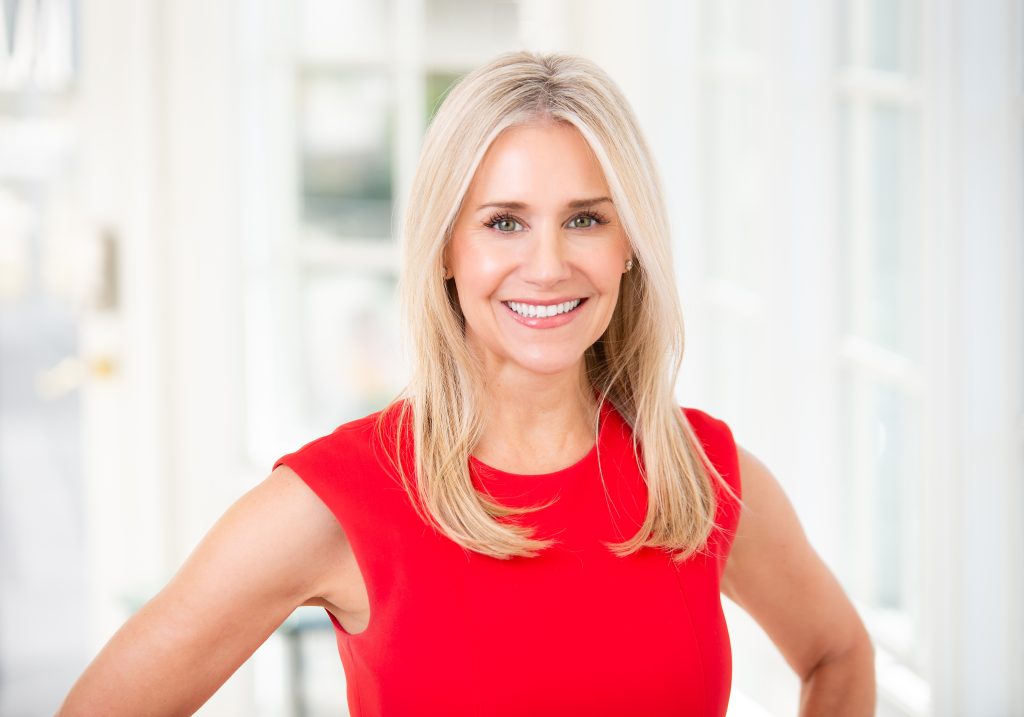
Show notesDianne Bailey
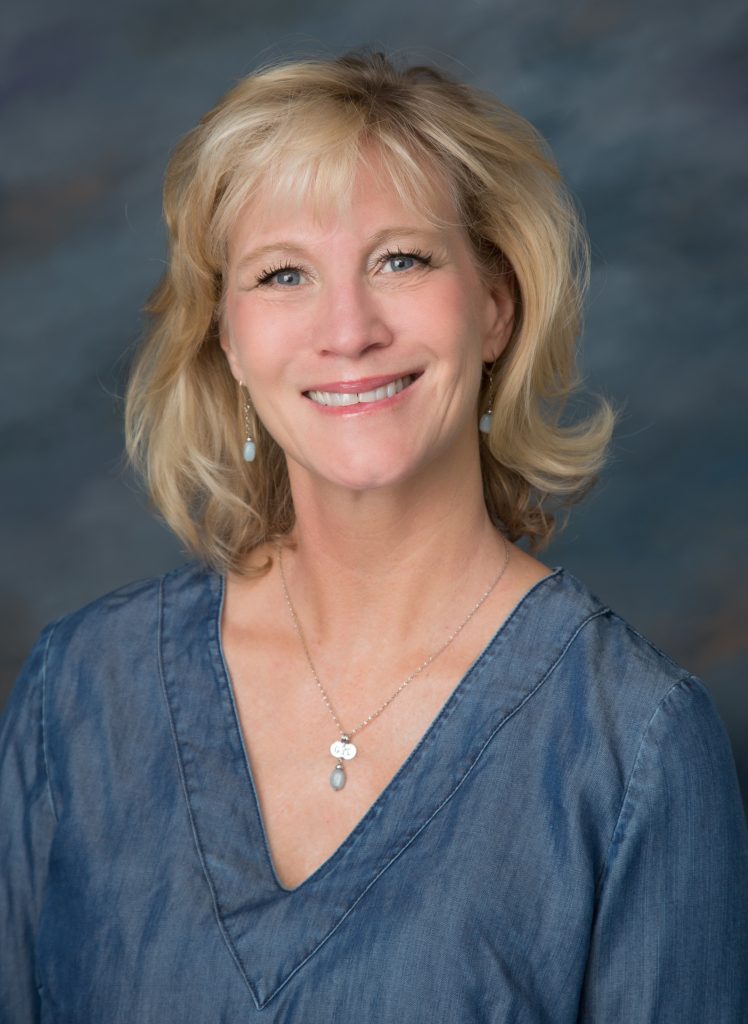
In this episode, Dr. Rob Harter talks with Dianne Bailey, Managing Director and National Philanthropic Strategy Executive at Bank of America Private Bank, about the changing landscape of nonprofit fundraising, affluent donors, and the future of charitable giving. Dianne brings decades of experience in philanthropy, nonprofit law, donor strategy, and foundation work, offering a unique view from the intersection of donors and nonprofit leaders.
Rob and Dianne discuss key findings from the Bank of America Study of Philanthropy, including why total giving is increasing while fewer households are giving, how nonprofits can build deeper donor relationships, and why volunteer engagement often leads to greater generosity. They also explore donor advised funds, planned giving, women in philanthropy, rising-generation donors, and the massive intergenerational wealth transfer that could reshape nonprofit fundraising for decades to come.
Key Topics Include:
Why fewer affluent households are giving, even as total charitable giving continues to rise
How nonprofits can move from transactional fundraising to relational donor engagement
The importance of listening to donors and aligning giving opportunities with their values, interests, and experiences
Why volunteers often become stronger, more generous long-term donors
How nonprofits can prepare for the great intergenerational wealth transfer through planned giving
Why women and rising-generation donors should be key priorities for nonprofit fundraising strategies
How donor advised funds can help nonprofits receive larger and more strategic gifts
Interested in Leadership and Life Coaching? Visit Rob’s website: RobHarter.com
Find us on YouTube: Nonprofit Leadership Podcast YouTube Channel
Suggestions for the show? Email us at nonprofitleadershippodcast@gmail.com
Request a sample coaching session: Email Rob at rob@robharter.com
Subscribe and Share Listen and subscribe to the Nonprofit Leadership Podcast on iTunes, Spotify, or Amazon. Don’t forget to like, subscribe, and share with other nonprofit leaders!
What is the “Good Neighbor Day” movement all about?
May 17, 2026
Show notesWalter Kim
In this episode of the Nonprofit Leadership Podcast, Rob Harter talks with Walter Kim, president of the NAE, about the urgent need to rebuild trust, strengthen local communities, and rediscover what it means to be a good neighbor. Walter shares how declining trust, loneliness, polarization, and compassion fatigue are affecting generosity, volunteerism, and civic life across the country.
Walter also introduces the Good Neighbor Day America movement, a nationwide call to service designed to help churches, nonprofits, and community groups take simple, practical steps toward neighborliness. From cleaning up parks to supporting local schools, feeding people, and partnering across differences, Walter explains how small acts of kindness can grow into meaningful community transformation.
Key Topics Include:
Why trust is declining in communities, nonprofits, and faith-based organizations
How polarization and ideological conflict affect generosity and volunteer engagement
The importance of relational proximity in rebuilding trust at the local level
How compassion fatigue, loss of agency, and lack of access can prevent people from serving
Why small, visible acts of kindness can create lasting cultural change
The vision behind Good Neighbor Day America and how organizations can participate
How nonprofit leaders can model service, humility, empathy, and neighborliness
Interested in Leadership and Life Coaching? Visit Rob’s website: RobHarter.com
Find us on YouTube: Nonprofit Leadership Podcast YouTube Channel
Suggestions for the show? Email us at nonprofitleadershippodcast@gmail.com
Request a sample coaching session: Email Rob at rob@robharter.com
Subscribe and Share Listen and subscribe to the Nonprofit Leadership Podcast on iTunes, Spotify, or Amazon. Don’t forget to like, subscribe, and share with other nonprofit leaders!

 Our TOPPODCAST Picks
  Stay Connected