The Nonprofit Leadership Podcast discusses important issues facing nonprofit leaders in our community and features real stories from real leaders about what strategies and practices have made them successful. Enjoy the show!
Why two of the country’s largest nonprofits are working together Part 2
Mar 23, 2022
Show notes
When it comes to nonprofits, is working together really better? For two of our country’s largest nonprofits, the answer is yes. Big Brothers and Big Sisters of America just announced a new collaborative partnership with the Girl Scouts of the USA to help young women create lasting and meaningful relationships.
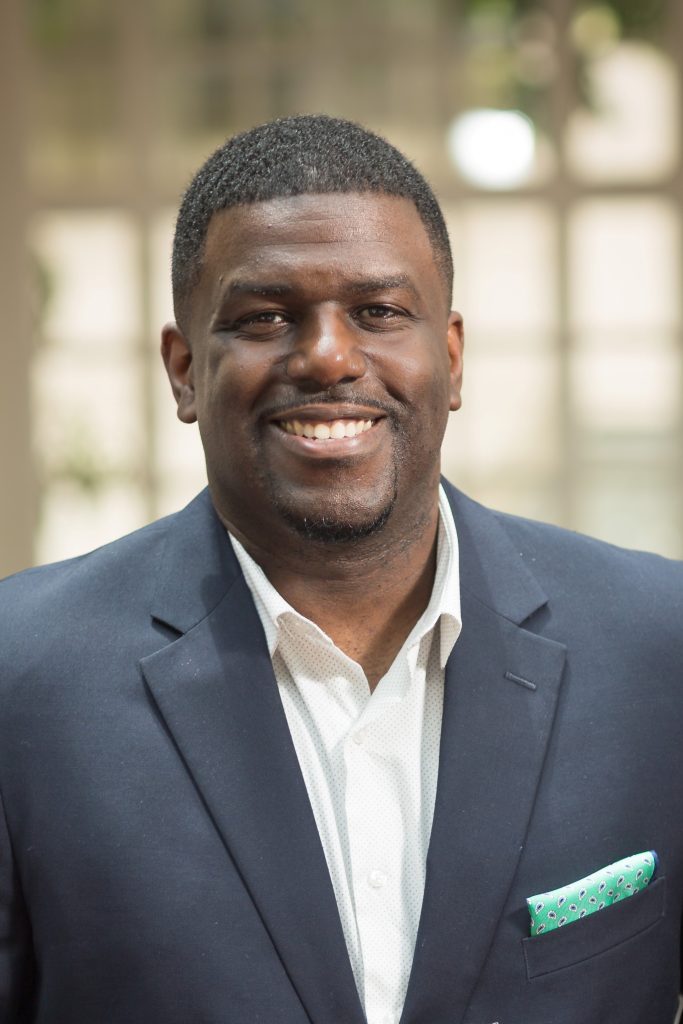
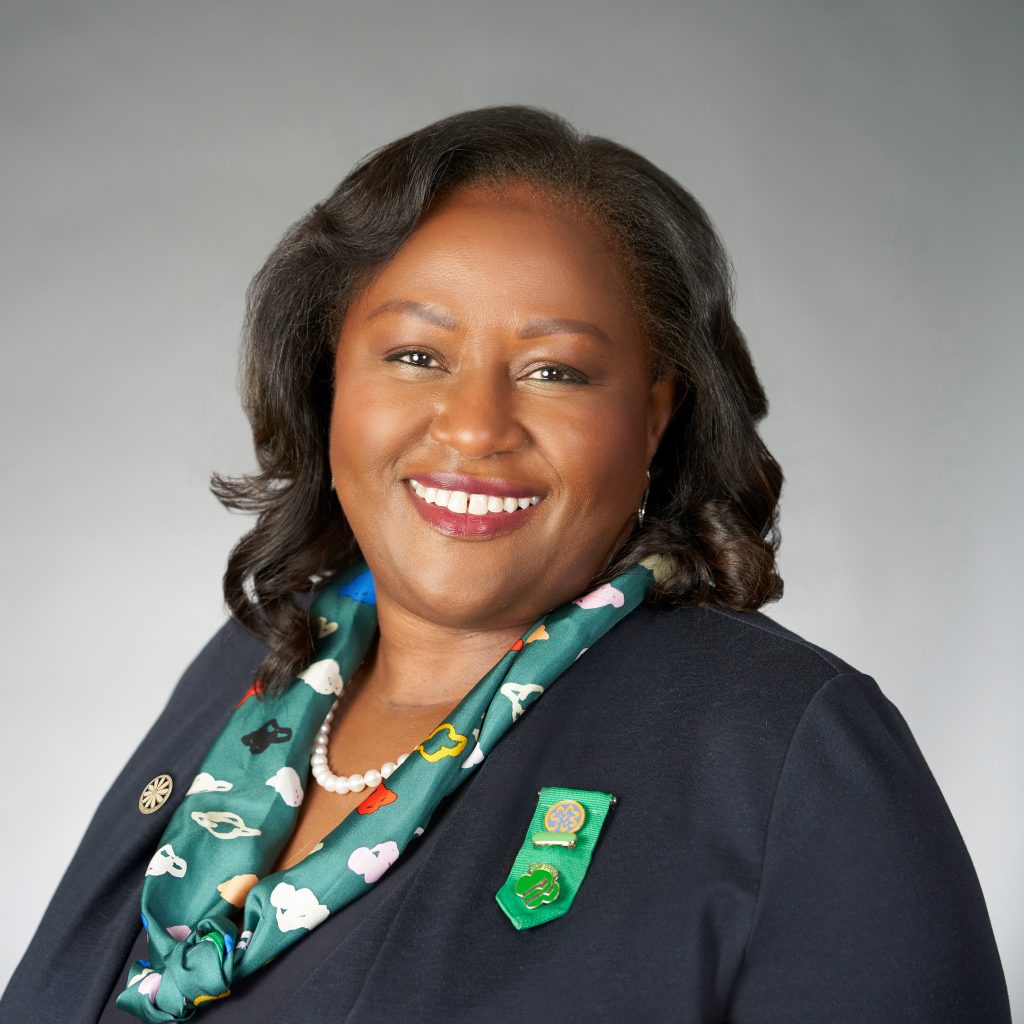
Rob’s guests today are Artis Stevens, the first black CEO of Big Brothers Big Sisters, and Judith Batty, who has served as interim CEO of the Girl Scouts and was also the first black CEO of the Girl Scouts. Both organizations have a long history of over 100 years ago and recently partnered to expand their reach and learn and grow together.
This is Part 2 of Rob’s interview with them.
Artis Stevens, CEO of Big Brothers Big SistersJudith Batty, CEO of the Girl Scouts
Judith and Artis dive into the why behind their collaboration and the focus on shared values and commitment to young people. They discuss the logistics of implementing programs, building to scale, and creating sustainable outcomes.They break down three delivery models they’re currently piloting, the impact of this collaboration on each organization’s culture, and how they are trying to empower their staff, volunteers, and young people to find their voice and to be change agents in their communities. Finally, Artis and Judith review the origins of their respective organizations and why their work is just as relevant today as when they first started.
If you have questions or want to come on the show, email Rob at rob@robharter.com To be added to the monthly email update, go to http://nonprofitleadershippodcast.org/
Why two of the country’s largest nonprofits are working together Part 1
Mar 17, 2022
Show notes
When it comes to nonprofits, is working together really better? For two of our country’s largest nonprofits, the answer is yes. Big Brothers and Big Sisters of America just announced a new collaborative partnership with the Girl Scouts of the USA to help young women create lasting and meaningful relationships.
Rob’s guests today are Artis Stevens, the first black CEO of Big Brothers Big Sisters, and Judith Batty, who has served as interim CEO of the Girl Scouts and was also the first black CEO of the Girl Scouts. Both organizations have a long history of over 100 years ago and recently partnered to expand their reach and learn and grow together.
This is Part 1 of Rob’s interview with them.
Artis Stevens, CEO of Big Brothers Big SistersJudith Batty, CEO of the Girl Scouts
Judith and Artis dive into the why behind their collaboration and the focus on shared values and commitment to young people. They discuss the logistics of implementing programs, building to scale, and creating sustainable outcomes.They break down three delivery models they’re currently piloting, the impact of this collaboration on each organization’s culture, and how they are trying to empower their staff, volunteers, and young people to find their voice and to be change agents in their communities. Finally, Artis and Judith review the origins of their respective organizations and why their work is just as relevant today as when they first started.
How nonprofits can move from being an organization to a “brand”
Mar 09, 2022
Show notes
Too often, nonprofits think they’re the cause that the community wants to support. But nonprofits are notthe cause. They’re the conduit for the cause.
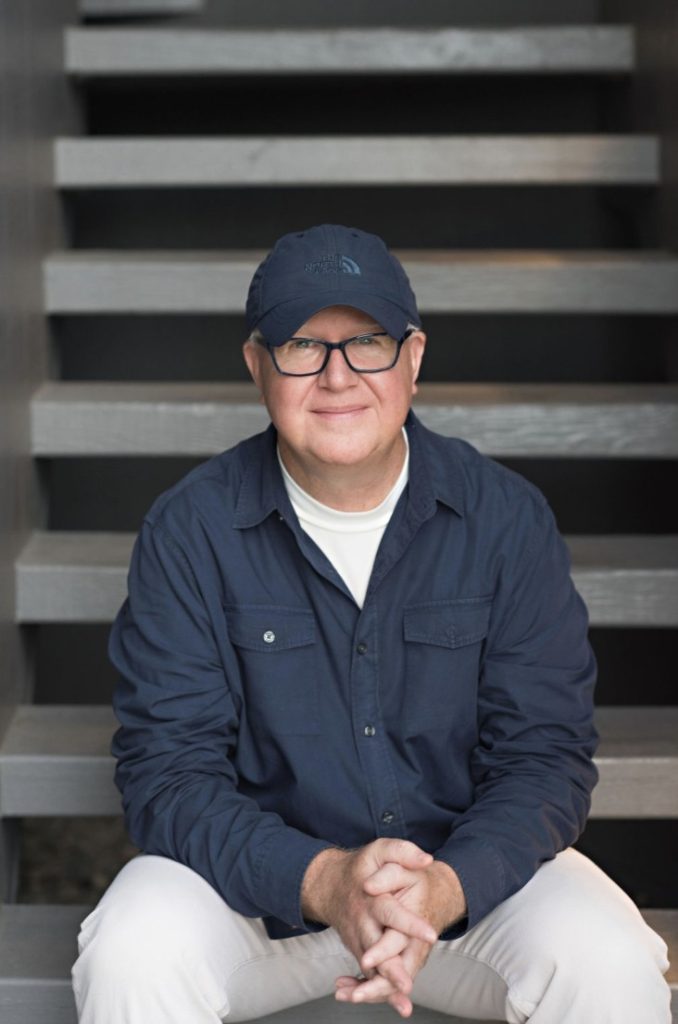
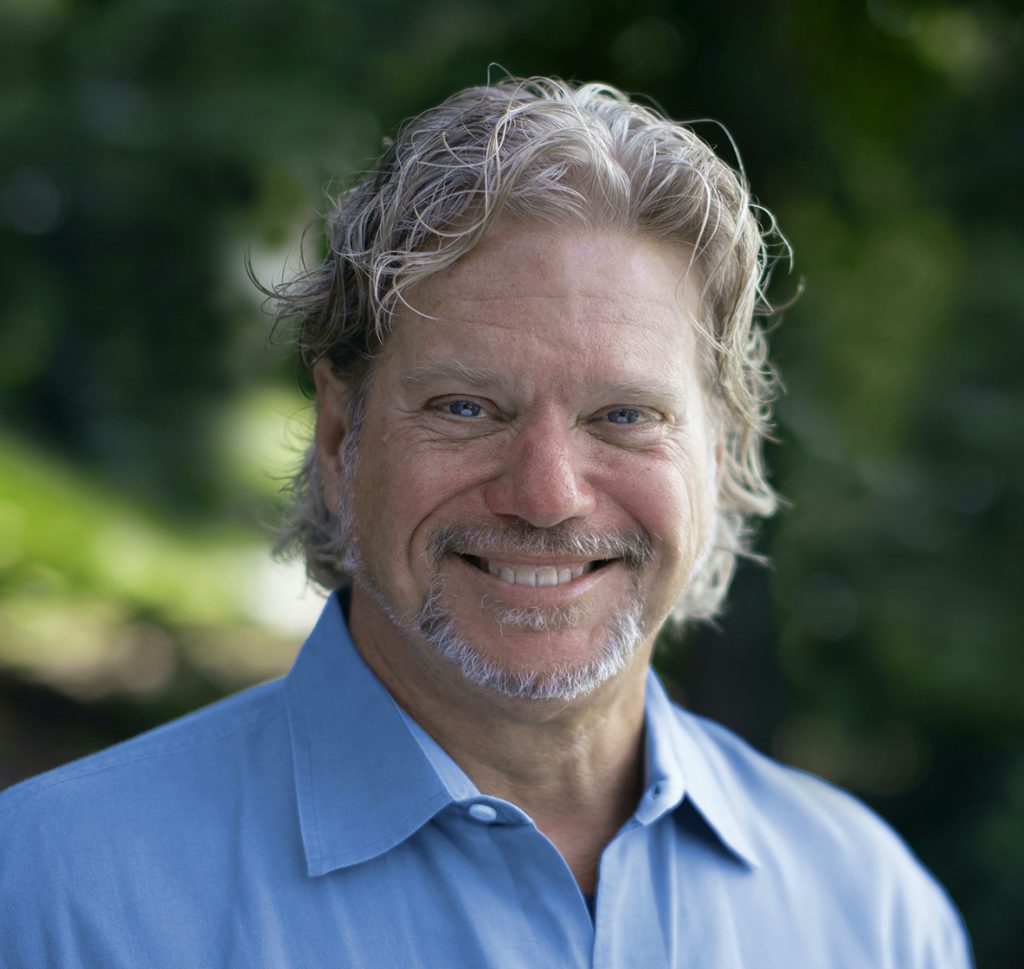
Rob’s guest today is Bill McKendry, a marketing expert who’s spent 35 years successfully doing marketing for many for-profit companies. He pivoted out of the for-profit world to not only start a nonprofit, but is now an author of a book focused on helping nonprofit professionals build better brand awareness and increase their impact, while at the same time building donor’s support and community involvement.
Bill McKendry
Bill shares his experience of leaving the for-profit sector and how his new book has been 25 years in the making. He explains why nonprofits should focus on finding strength in their voice by investing in their marketing and messaging. He dives into how the biggest competition nonprofits face are the best marketers in the world. He also points out how many businesses are creating causes to support instead of partner with nonprofits. He discusses how nonprofits can provide a “triple win” by partnering with businesses that need the trust and good stewardship a nonprofit organization offers. He also shares the top three things that nonprofit leaders need to know in order to build their brand. Bill also explains why nonprofits must understand the three categories of brands: “candy, vitamin, and painkiller”. Finally he points out the evidence that “frequency wins”, when it comes to marketing. It is not necessarily about waiting to find the perfect marketing or the best video, or the most expensive advertising. It is all about frequency.
How effective leaders adapt to a ever-changing environment
Mar 03, 2022
Show notes
Change is the one constant in our world, and most of us reluctantly acknowledged this truth perhaps never more than this past year. We all have been through so much change and we’re still going through more change. How can you as a leader adapt effectively to our ever-changing environment, especially as it relates to your organization’s culture and leadership challenges?
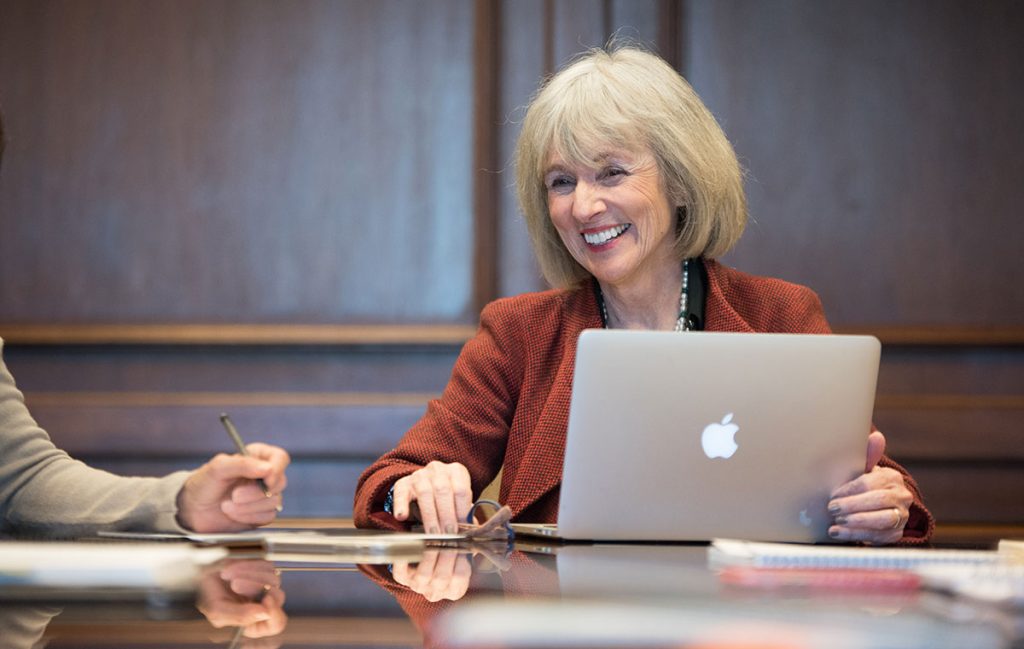
Rob’s guests today are Dave Jones and Phyllis Hockett, co-founders of Pathway Associates. They have many years of experience between them and are full time consultants who are dedicated to raising up effective leaders for today’s nonprofits.
Dave and Phyllis discuss current trends they’re witnessing in organizations and how the pandemic has permanently affected nonprofits either for the good or the bad. They address this era of transformative change and why it’s critical for organizations to have forward-thinking leadership ready to adapt as needed. They explain why it’s important to focus on relationships and the return on investment when it comes to events and leveraging technology for fundraising. They share advice for how to achieve a healthy balance of advocacy without becoming too political, being mindful of IRS limitations, and staying true to your mission. They give examples of how organizations can double their impact by working together in successful collaboration. Phyllis and Dave also talk about why leadership is critically important to creating a positive culture and how a board’s culture of philanthropy can affect an organization. They share what leadership methods they believe are necessary to bring about social change and the practices that have shaped them personally as leaders. Finally, they explain the value of having a beginner’s mind and why it’s okay to not have all the answers as long as you’re willing to keep learning.
If you have questions or want to come on the show, email Rob at rob@ccofpc.org To be added to the monthly email update, go to http://nonprofitleadershippodcast.org/
How “Smart Tech” is changing the way we lead our nonprofit organizations
Feb 23, 2022
Show notes
Our world continues to change in so many areas, particularly in regards to technology, and specifically, smart tech. Smart tech is not just changing how we use technology, but it’s actually changing the way people make decisions.
Rob’s guests today are Beth Kanter and Allison Fine, co-authors of the upcoming book entitled The Smart Nonprofit. They point out that smart tech and other advanced digital technologies are actually now making decisions for people instead of just being used by people. And that’s why they claim that this is not just a tech evolution, but a revolutionary shift in moving power away from people and towards tech.
Allison Fine, co-author of The Smart NonprofitBeth Kanter, co-author of The Smart Nonprofit
Allison and Beth address what smart tech is and what it is not, and why smart automation is so revolutionary. They discuss how nonprofits can use technology in an ethically responsible way and how to avoid using racist smart tech with embedded bias. They also share why the key message of their book is about being human centered and why nonprofits should use automation and technology to encourage innovative thinking in order to have a bigger impact. They explain how smart tech allows nonprofits to shift from being transactional to being relational and why strong leadership is really the key to implementation. They give tips for finding technology that aligns with your values and why it’s time to turn the page on frantic busyness. Finally, they share some of the most important steps organizations should take today in order to become a smart nonprofit.
How a disability advocate has changed how the President of the United States communicates on his website
Feb 17, 2022
Show notes
20 years ago, at what she thought was the height of her career, Virginia Jacko was diagnosed with a condition that caused her to gradually become blind. She then went to the Miami Lighthouse for the Blind and Visually Impaired to learn how to thrive and live independently as a blind person. Today, Virginia thrives in her life there.
Rob’s guest today is Virginia Jacko, who became president and CEO of the Miami Lighthouse for the Blind and Visually Impaired. At the Miami Lighthouse, Virginia provides education, training, research and vision enhancement to people of all ages. In a digitally dependent world, she and her IT team, also all visually impaired, provide counsel to organizations to ensure that their websites are inclusive and ADA compliant. In fact, she has been such a positive advocate for the visually impaired, President Biden’s team revamped the whitehouse.gov site to make it more inclusive and ADA compliant. She has grown the Miami Lighthouse from having 500 clients to 25,000 clients annually.
Virginia Jacko, president and CEO of the Miami Lighthouse for the Blind and Visually Impaired
Virginia explains why she’s so passionate about the work she does and how technology levels the playing field for the blind and visually impaired. She addresses why accessibility is so important even though it is a slow process of trying to get organizations to update their website to be ADA compliant. She also shares why organizations must have a clear vision statement to be successful and how she balances her role as a leader and someone who encourages her team. She gives insight to different ways she values every employee and why building relationships with government leaders is important. Virginia discusses why she follows the Platinum Rule of “Treating others how they need to be treated” in order to bring about social change. Finally, she describes the top 3 leadership traits she looks for in her staff and why she believes staying current on news and learning from each other helps her grow as a leader.
How to discover and encourage untapped generosity from your current donors
Feb 09, 2022
Show notes
Did you know that on average, most nonprofit leaders and organizations are only tapping into 13% of their current donors’ potential? In other words, 87% of your current donors are not being fully connected with your mission, which could in turn generate an exponential increase in their support of your organization.
Rob’s guest today is Bob Westfall, Founder and Chairman of Westfall Gold, a donor fundraising agency with a program that moves donors from transactional giving to transformational giving, while turning supporters into ambassadors. Since its founding in 2002, this organization has organized 400 Major Donor weekend fundraising events and raised almost $1.4 billion dollars on behalf of nonprofits, hospitals, churches and universities across the nation. Westfall Gold provides a service that helps nonprofits maximize their existing donors in order to make a difference with large philanthropic contributions, as well as encouraging philanthropy to become more central to these donors’ lives.
Bob Westfall, Founder and Chairman of Westfall Gold
Bob shares why he’s invested his life into raising funds for so many organizations. He also will share along the way some surprising insights from his annual Generosity Report. He explains how organizations can tap into donors already in their database and the necessity of focusing on an organization’s transformational story. He breaks down what is most important when communicating with donors and how to unlock transformational giving. He describes what fundraising should look like, and why creating community, being intentional and cultivating relationships with donors is critical. Bob discusses how nonprofit leaders can build bridges of trust by making multiple deposits in the relationship “bank” before ever trying to make a withdrawal. He also explains the value of a nonprofit’s brand and how he approaches leadership with a focus on courage. Finally, he shares the two greatest challenges that are currently facing the nonprofit sector.
If you have questions or want to come on the show, email Rob at parkcityrob1@gmail.com To be added to the monthly email update, go to http://nonprofitleadershippodcast.org/
Meet the 2021 .Org Impact Award Winner for Fighting Hunger and Poverty
Feb 01, 2022
Show notes
There’s no doubt that we’ve moved into a new normal in our culture in the wake of the COVID pandemic. How should we lead in this new normal? Do nonprofit leaders need to shift their leadership style, change fundraising, or retool programs and services?
Rob’s guest today is Gaston Warner, the CEO of Zoe Empowers, a nonprofit organization that envisions children who once lived in poverty becoming entrepreneurs, providers and leaders in their community who know their worth and abilities. Zoe Empowers is the winner of the 2021 .ORG Impact Awards for the category of fighting hunger and poverty.
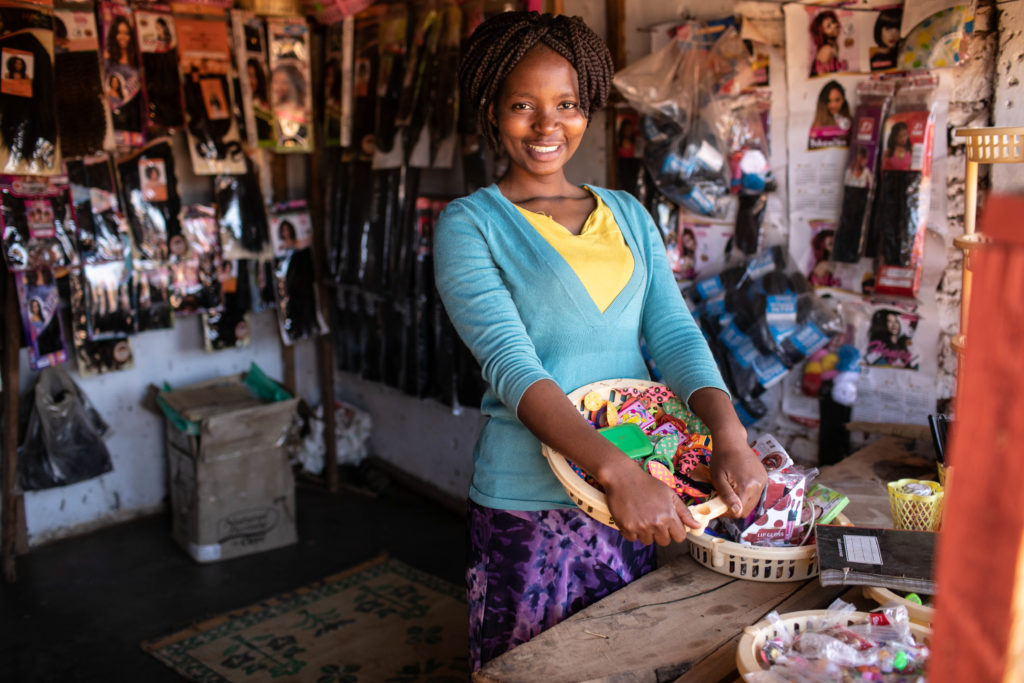
Zoe Empowers (photo courtesy of Zoe Empowers)
Gaston explains how Zoe Empowers was initially started in response to the HIV/AIDS pandemic in 2004 and evolved to address the cycle of relief and dependency in Rwandan children by giving them tools to be self-empowered. He shares his greatest leadership challenge as a CEO and why leaders must be passionate, have an all-encompassing view of an organization’s needs and must be a leader among leaders, helping others develop their skills. He also discusses how he manages both doable and destructive stress within the organization by looking for opportunities to improve or create a path forward. Gaston breaks down why nonprofits of all sizes should focus on measurable impact and return on investment instead of low overheads and heartstrings, when it comes to sustainable fundraising. He explains how they have flipped upside down their org chart by starting with participants at the top, and how this structure helped address problems quickly during COVID. Finally, he talks about what leaders and resources have impacted his own leadership growth and how his board members often serve as excellent mentors.
If you have questions or want to come on the show, email Rob at rob@ccofpc.org To be added to the monthly email update, go to http://nonprofitleadershippodcast.org/
How can you make a successful transition from the for-profit world to the nonprofit world?
Jan 25, 2022
Show notes
When it comes to leadership, is there a difference between leading in the nonprofit sector versus the for-profit sector? Or are the principles of leadership essentially the same, regardless of the sector?
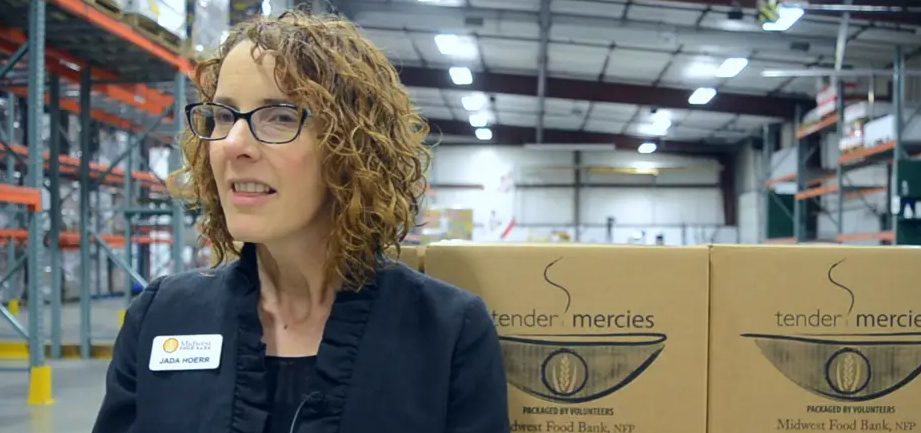
Rob’s guest today is Jada Hoerr, who moved from a successful career at Caterpillar to now work at the Midwest Food Bank as their Chief Resource Officer. The Midwest Food Bank will distribute approximately $400 million worth of food to 2000 nonprofits, and operates ten warehouses in the US and has two operations internationally.
Jada recalls what originally attracted her to Caterpillar and how her desire for meaningful work with a global impact helped with the transition to the nonprofit sector. She discusses how the approach to leadership in each sector is similar, but also addresses the different cultural framework of leading with the motto “Humility equals success” at Midwest Food Bank. She shares what nonprofits should know about engaging with corporate sponsors and the importance of being in service together. She also explains why consistent communication, training, and bringing into life and demonstrating your organization’s core values are key to help foster growth. Jada talks about how Midwest Food Bank addresses the root causes of food insecurity, particularly during COVID, and how they provide support by distributing food at no cost to the nonprofits to help alleviate hunger in local communities. She goes on to share what sets the Midwest Food Bank apart, why they focus on a first class volunteer experience and how they’ve maintained their volunteer program’s success. Finally, she explains their organization’s biggest leadership challenges, which leaders have inspired her most, and how she stays informed on leadership and development practices.
How to develop raving fans for your nonprofit
Jan 18, 2022
Show notes
Passion and dedication is the fuel that nonprofits run on. When you find an individual, whether that be a paid staff, person or volunteer who is passionately dedicated to your organization’s vision, they can become a raving fan. But how can you develop and cultivate raving fans for your nonprofit?
Rob’s guest today is Jeffrey Heller, a raving fan who has dedicated thousands of hours to raising awareness around the plight of refugees and asylum seekers in our country, and along the way has introduced thousands of people to Human Rights First, a nonprofit organization committed to serving as a champion for human rights of all individuals. The mission of the Human Rights First organization so captivated Jeffrey that he now dedicates his life to riding his bike around the country to raise funds and create greater awareness for this nonprofit championing human rights.
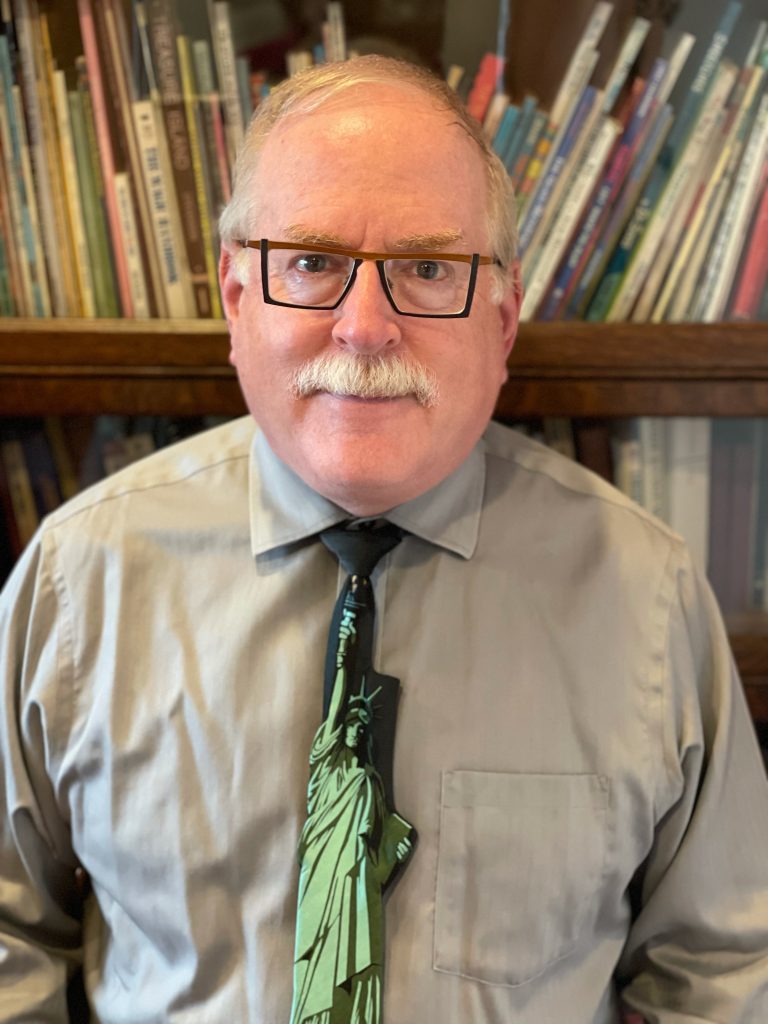
Jeffrey Heller, Human Rights First
Jeffrey shares how his career in commercial law eventually led to his decision to become an ambassador for human rights, despite multiple near-death experiences. He explains why he chose to support a nonprofit instead of a government organization and the appeal of Human Rights First’s synergy and ability to bring people together, and how he respects their willingness to stick up for people no matter what. He discusses the barriers he’s faced as he advocates for those who need services and what he wants people to understand about the need to take care of all humans. He describes his upcoming 11th annual ride for human rights and why New York City is an example of what America should be—full of different communities and cultures that respect and help each other.
If you have questions or want to come on the show, email Rob at rob@ccofpc.org To be added to the monthly email update, go to http://nonprofitleadershippodcast.org/

 Our TOPPODCAST Picks
  Stay Connected