The Nonprofit Leadership Podcast discusses important issues facing nonprofit leaders in our community and features real stories from real leaders about what strategies and practices have made them successful. Enjoy the show!
How can nonprofits best respond to the “Great Resignation”?
May 22, 2022
Show notes
The great resignation is a very real thing and it’s impacting all of us. Nonprofits are feeling the pressure of staying competitive to keep their people. They are also scrambling to adjust to the reality of having staff who are leaving for better paying jobs. There are some who are starting to believe that the nonprofit sector can’t compete with the for-profit sector when it comes to salary, wages and benefits, and think the nonprofit sector will simply need to resign to the fact that they will have to settle for mediocrity. However, Rob’s guest believes strongly that nonprofits should never have to settle for mediocrity.
Evan Feinberg, executive director of the Stand Together Foundation
Rob’s guest today is Evan Feinberg, the executive director of the Stand Together Foundation. Stand Together is a nonprofit that seeks to help create both strong and safe communities where all people can learn, contribute and realize their full potential.
Evan addresses how nonprofits don’t need to settle for mediocrity because nonprofits are one of the fastest growing sectors and are raising more money than ever. He explains why competitive wages and salaries are necessary to attract good talent along with the necessity of investing in good leadership. He discusses why nonprofits must build cultures of empowerment, not only in society, but within their organizations to help employees feel fulfilled and gain employees’ trust. He shares how the nonprofit sector needs a dynamic social economy of taking risks to foster innovation. Nonprofits also need to find better ways to solve problems by investing in talent rather than just seeking to lower admin costs. Evan explains the importance of viewing donors as investors and helping them believe in the transformative experience of the people your organization serves. He shares examples of organizations that have successfully continued to innovate and motivate their staff while keeping their core values intact. Finally, he discusses the major challenges the nonprofit sector is currently facing such as finding the right leaders, reducing loss by creating human-centered measures of customer value, and changing incentives to make fundraising easier.
If you have questions or want to come on the show, email Rob at rob@ccofpc.org To be added to the monthly email update, go to http://nonprofitleadershippodcast.org/
How to grow your organization quickly while maintaining your core mission
May 13, 2022
Show notes
Whether you are an executive director, CEO, board member, or staff member of a nonprofit, it’s important that everyone works to grow the organization, while at the same time preserving the core of its mission. Likewise, it’s crucial to avoid completely changing the organization’s mission just to chase growth.
Rob’s guest today is Dr. Marc Harrison, the president and CEO of Intermountain Healthcare. He’s also a pediatric critical care physician with a proven track record as a top operations executive on a global scale. He is nationally and internationally known as a thought leader on transformation and innovation, and ranked in Fortune’s Top 50 World’s Greatest Leaders in 2019. Dr. Harrison currently leads Intermountain’s 59,000 employees they call caregivers, to reimagine operations and ways to keep people and communities healthier.
Dr. Marc Harrison, president and CEO of Intermountain Healthcare
Marc addresses trends he’s witnessed around the pandemic and how COVID has catalyzed businesses in the nonprofit sector both for good and for bad. He shares how Intermountain has preserved the core of its mission while simultaneously stimulating progress by being careful stewards of the resources they have been given. He breaks down how he’s navigated some of his most challenging leadership decisions by constantly reiterating his rationale and purpose, and keeping his actions consistent with his words. He also discusses two leaders who’ve shaped his leadership style. He further explains how organizations can create a healthy culture to attract the right kind of talent and new talent by creating an environment where people can independently make choices and share ideas. He shares how leadership happens at different levels throughout the organization and how choosing people who can manage a transformation revolves around listening to and utilizing front line workers.
Marc addresses how he’s building collaboration with the Utah Alliance for the Determinants of Health and how its revenue model focuses on keeping people well, not just taking care of them when they’re sick. Finally, he shares why leaders must understand what their core mission is and why they must make sure that their time, energy, words and passion are all well aligned to bring about positive social change.
If you have questions or want to come on the show, email Rob at rob@ccofpc.org To be added to the monthly email update, go to http://nonprofitleadershippodcast.org/
Five Minute Fridays with Rob Episode 2
May 06, 2022
Show notes
Nonprofit speaker and blogger Vu Le recently wrote an article that was all about our “toxic obsession with productivity,” and in that article, he shares a story that is both funny and biting. He says, “When I was an ED, younger professionals would come up to me asking what it was like to be an executive director. ‘It’s great!’ I would joke, ‘you get to work whenever you want, as long as it adds up to 70 hours each week!”
70 hours a week doesn’t exactly lend itself to a healthy work life balance. Remember, it’s important that CEOs, executive directors, and other nonprofit leaders set the pace and honor work life balance in your everyday schedule. On the same note, it’s critical that leaders find space in your organization’s culture where you can really live out the value you say you believe, and create creative outlets for your staff to be both valued and trusted.
Try this quick exercise to help facilitate better work life balance in your organization: Think of your life as a movie. My friend Troy Champ has used a similar concept in his teaching and when I first heard this, I thought this idea could apply well to this issue of finding a healthy work-life balance. Play out what the movie of your life would look like if you kept up your current pace. Does your life’s movie have a good ending? Do you implode along the way? Think through the cost of your current pace. How’s your family being impacted by your current pace? How is your health being impacted? Your future goals? Your kids? Your staff? Start today by playing the movie of your life based on your current trajectory, and then start making the changes you need to today. Don’t expect perfection overnight—just seek progress, not perfection. But take steps every day to move towards your goal of creating a better work life balance.
How to balance becoming high tech, while remaining high touch
May 04, 2022
Show notes
One of the biggest challenges for nonprofit leaders today is how to balance being high tech while remaining “high touch”. In other words, how do we continue to innovate as nonprofits but not lose the heart and soul of that highly relational experience for those we serve? Many nonprofit leaders, with good intentions, have resisted implementing new technology, because they’re worried about losing that relational touch—that life-on-life impact. But if nonprofit organizations don’t implement the right kind of technology and the right amount of technology, they risk being left behind and will become less and less effective over time, especially when it comes to fundraising.
Rob’s guest today is Michael Gorriaran, the President of Arjuna Solutions, and he brings a wealth of leadership experience from Microsoft and Xerox into the nonprofit sector. Arjuna specializes in applying behavioral economic modeling techniques through patented AI capabilities, and the goal of this AI application is to improve fundraising at scale for nonprofits.
Michael Gorriaran, President of Arjuna Solutions
Michael breaks down Arjuna’s algorithm and how they determine a donor’s personal level of willingness to give. He explains the importance of donor retention, optimizing value and lifetime giving, and why he is a fan of direct mail based on the concept of net proceeds. He shares advice for how organizations can approach digital marketing vs. direct mail, and why it’s key to optimize the donor experience. He addresses why nonprofits must discern the intentionality of the technology they use, and how to efficiently manage and measure ROI. He discusses the trend of automation and why organizations must work to sustain the balance of high touch with high tech when it comes to personalization and scale. Finally, he explains why more organizations need technically-capable leaders that are social media fluent, understand portfolio management, and know how to allocate resources appropriately and equitably.
Links to Resources:
This episode is sponsored by Arjuna Solutions. Find out more here:
Five Minute Fridays with Rob
Apr 29, 2022
Show notes
How do you create a healthy work-life balance? When you hear the phrase, healthy work-life balance, what goes through your mind? Do you think that it is possible or is it just a myth?
As executive directors, CEOs, and board members of nonprofits, culture starts with you. You set the pace. Does your everyday schedule reflect this? How will your organization make work-life balance a top priority?
Rob would love your feedback on what you’re doing in your organization to create this culture of prioritizing a healthy work-life balance. You can email Rob at nonprofitleadershippodcast@gmail.com
Links to Resources:
If you have questions or want to come on the show, email Rob at nonprofitleadershippodcast@gmail.com To be added to the monthly email update, go to http://nonprofitleadershippodcast.org/
How a rockstar’s vision has turned into a global movement
Apr 26, 2022
Show notes
Across the world, many people are familiar with the name Bono, the lead singer of the internationally famous band U2, but not everyone knows that Bono started the ONE Campaign. The initial slogan of the ONE Campaign was to “make poverty history“. This continues to guide their efforts as they have grown significantly from when Bono first co-founded this organization. The ONE Campaign is a global organization that tackles the causes of extreme poverty and preventable disease with a focus on Africa. This organization also fights for gender equality, youth employment, quality education, and access to health services, and hopes
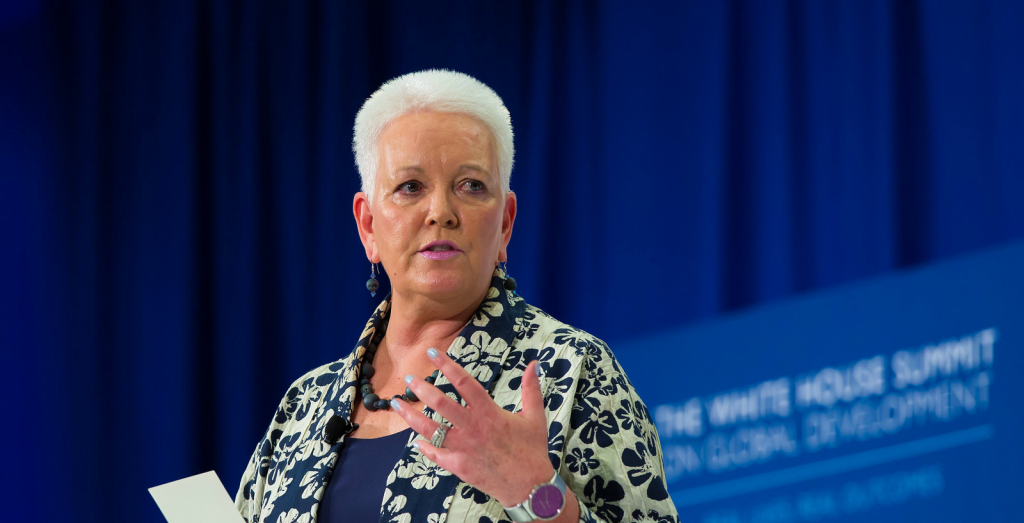
Rob’s guest today is the CEO of the ONE Campaign, Gayle Smith. Gayle’s career includes working on the ground with nonprofits across Africa, and leadership positions under the Clinton and Obama administrations as an international journalist, and in the US Agency for International Development and other organizations to end extreme poverty.
Gayle Smith, CEO of the ONE Campaign
Gayle sheds light on how the ONE Campaign is an advocacy organization working to mobilize citizens and governments to reach their goal of ending poverty and preventable diseases by 2030. She explains how ONE has managed to secure $37.5 billion in funding since the organization’s inception by utilizing an inside/out approach, leaning on volunteers to meet with congressional representatives and other decision makers who influence spending. She also shares how other nonprofits can take a similar approach by focusing on a clear, tight message that appeals to the media and by leveraging volunteers to meet with local leaders about one’s mission. She dives into the painstaking process of getting legislation passed and why having experts that understand your organization’s issues are key to connecting with lawmakers. Gayle shares her philosophy about networking and collaboration and the importance of scaling so more voices can share your mission. She explains how they used pop culture and social media during the pandemic to reach audiences they might not otherwise reach. She also addresses how they’ve been able to keep ONE’s overall purpose and mission the focus across the organization by sticking to their values. Finally, she discusses the biggest barriers still facing the ONE Campaign and how their mission is still doable.
Why your employees are your greatest competitive advantage
Apr 19, 2022
Show notes
Your nonprofit’s team is your greatest competitive advantage. We don’t often use those terms in the nonprofit sector, but the sentiment is true for both the nonprofit and for-profit sectors. Leadership development is critical for any organization, but the process of actually developing leaders takes more intentionality and more time than most nonprofits are currently investing. How does your organization grow leaders? Do you have an intentional plan? Have you set aside resources to proactively invest in your current team?
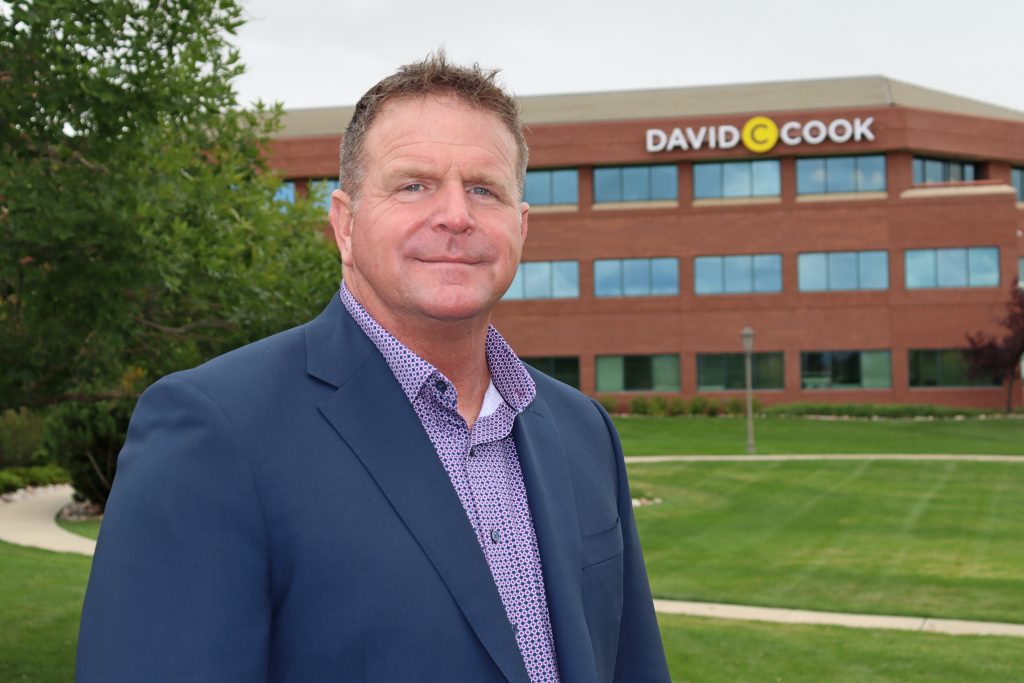
Rob’s guest today is John Aden, the CEO of David C. Cook, and has held senior leadership roles at Walmart, Frito Lay, and Mac Tools. He recently came out of retirement to bring his years of corporate experience to this nonprofit organization.
John Aden, the CEO of David C. Cook
John shares what he’s enjoyed most about serving in leadership roles and why he believes emerging leaders must keep an open mind and understand there’s no replacement for doing hard work. He explains the differences he’s observed between the for-profit and nonprofit sectors, and why more nonprofits must invest in leadership development. He goes on to discuss why more nonprofits must focus on adopting a competitive advantage mindset while remembering the role of innovation. He also points out the need to leverage scale in order to create efficiencies so that an organization can reach more people with increased speed. John emphasizes the importance of connecting your core values to your purpose every day, and how core values impact an organization’s culture and overall performance. He explains how nonprofits can build strategic partnerships to increase growth as well as emphasizing how creating an innovation team, changing the conversation, and listening to the ideas of your team can positively shift outcomes. Finally, he shares personally about how two leaders in particular have shaped him the most. They shaped his own view of leadership by demonstrating why values, humility, and having a service mindset are key to leaders who seek to do “well” so that they can do “good”.
How can you grow and scale your nonprofit most effectively?
Apr 11, 2022
Show notes
Growing a nonprofit takes more than just passion and creativity: it takes great leadership. The right leadership skills will help guide your organization effectively through the challenges you will face. In fact, effective leadership is the engine that runs healthy nonprofits. It moves a vision to reality. Without good leadership, everything falls apart.
Rob’s guest today is Pamela Davis, the founder, president and chief executive officer (CEO) of the Nonprofits Insurance Alliance (NIA). Pamela started NIA from scratch with four people. Today, she has well over 100 employees and thousands of nonprofits insured through NIA. NIA’s purpose is to serve other organizations by providing a stable source of reasonably priced liability and property insurance tailored to the specialized needs of the nonprofit sector and to assist these organizations in developing and implementing successful loss control and risk management programs.
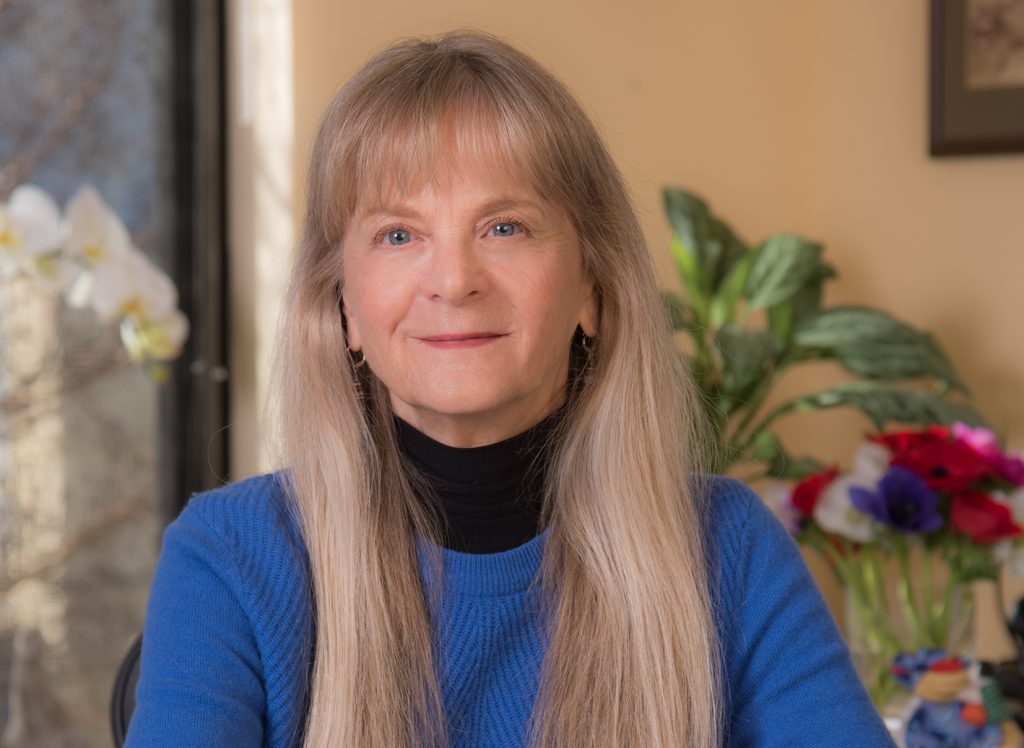
Pamela Davis
Pamela discusses issues common to nonprofits, such as mission drift, lack of diversity, and unpredictable funding practices. She also addresses the problem that arises with organizations who may begin with a clear mission but slowly become stagnant, lose money and stop growing. Pamela shares how she went about securing startup funding for her organization and the importance of creating a culture of innovation in all nonprofits. She also gives insights into how she went about initiating the process that led to the passing of bills pertaining to nonprofits. These bills were beneficial not only to her own organization but also to the nonprofits that she served. She recounts how she was able to work on the legislation while keeping the momentum going for her own organization at the same time. Throughout the interview, she will share about the challenges she faced in building her nonprofit from scratch, how she overcame them, and how other nonprofit leaders can overcome their leadership challenges that they will encounter as they grow.
How can you develop a board that is ready for the future?
Apr 04, 2022
Show notes
When it comes to those who hold the most power in a nonprofit or a company, most people assume it’s the CEO or Executive Director. However, the reality is that the board is the group who has the most power. The board hires and fires the CEO and is tasked with stewarding the future of the organization in business.
Rob’s guest today is Helle Bank Jorgensen and she has a 30-year track record of returning environmental, social and governance (ESG) risks into innovative and profitable business opportunities. Helle has experience in both the for-profit and nonprofit sector and is currently the founder and chief executive of Competent Boards, which offers online climate and ESG programs from a faculty of over 100 renowned board members, executives and experts. She’s also an advisor with Global Fortune 500 boards and board members, including Nike, Shell, and Unilever. She also serves on several high profile international panels including the World Economic Forum, and recently published a new book entitled Stewards of the Future: A Guide for Competent Boards.
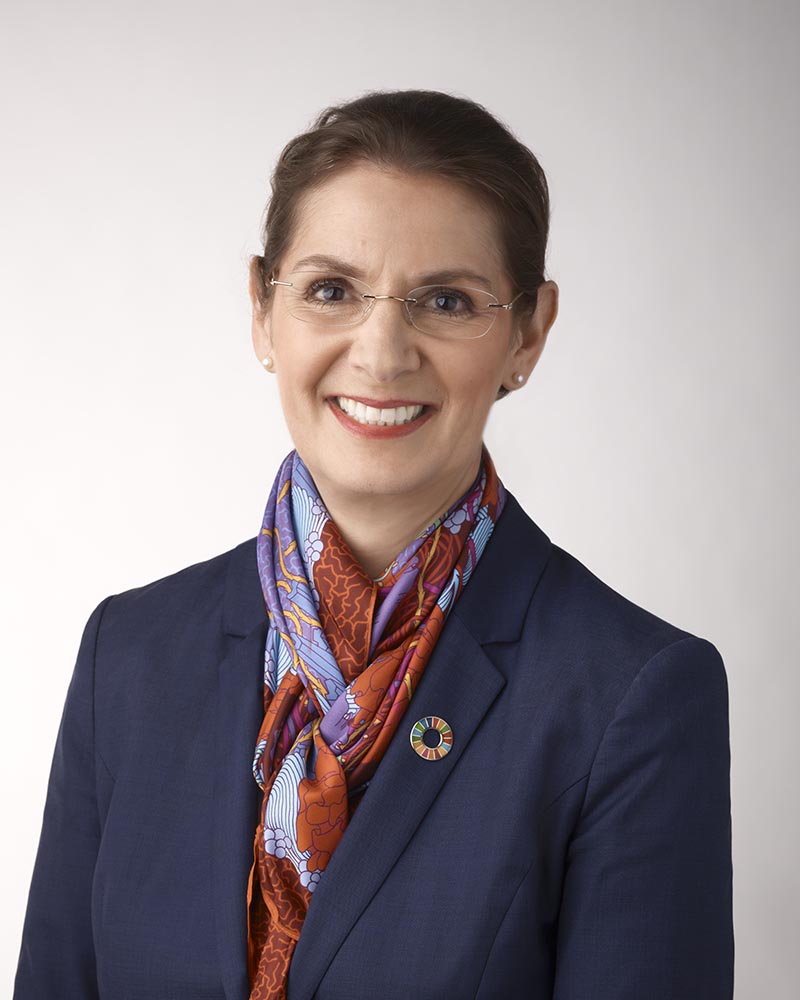
Helle Bank Jorgensen
Helle addresses the Sustainability Board Report and the fact that although more board directors are becoming aware of environmental, social and governance issues, their competencies for how to manage such issues are lacking. She shares how boards can determine which ESG issues deserve their highest attention and the biggest risks and opportunities that should be discussed around the board table. She explains why it’s important for boards to have a long term mindset along with the four key traits that truly demonstrate a board’s preparedness for whatever the future brings. Helle discusses the difference between managing and engaging stakeholders and why communication is key to understand what stakeholders want for an organization. She shares advice for bringing the next generation of young leaders to help increase value and diversity of thought on one’s board, as well as how to recruit new board members from the BIPOC community. Finally, she addresses her new book and points out why it’s so critical for organizations to understand what their impact will be seven generations from now.
How to turn former gang members into nonprofit leaders
Mar 27, 2022
Show notes
Leading and motivating staff is a difficult job for every leader, especially the CEO or Executive Director of an organization. Staff communication, staff conflict and staff competition are very real issues that all leaders have to navigate through as they seek to move the organization towards a common mission. Could you imagine having two staff members who are literally working side by side who are from rival gangs? What kind of potential conflict and competition would this create? This is exactly the scenario that Rob’s guest faces every day at his organization.
Rob’s guest today is Thomas Vozzo, the first ever CEO of Homeboy Industries, the largest gang rehabilitation and reentry program in the world that helps former gang members redirect their lives and become contributing members of their community. Thomas also has a new book coming out called The Homeboy Way: A Radical Approach to Business and Life. In it, he outlines how he went from generating billion dollar revenues and making million dollar profits to becoming a voluntary, unpaid CEO of a nonprofit built on compassion, empathy, and social justice.
Thomas Vozzo, CEO of Homeboy Industries
In this episode, Thomas provides an overview of Homeboy Industries’ beginnings and their mission of working to get young men out of gang life. He shares about the “secret sauce” of Homeboy Industries which is its unique community. He also shares what led him to leave a successful corporate career to become the organization’s CEO. Further, Thomas walks us through his leadership journey; how he built trust, cast his vision, and successfully moved the organization forward by doubling its size and impact. He explains how he has navigated the challenges of employing former clients while emphasizing the importance of understanding the long term commitment required to invest in people and help them find positions where they’ll thrive. He also discusses the challenge of being a mission-driven organization that needs to run like a for-profit business. As he gives his perspective, he shares what it’s like working with rival gang members who have been victims of racial, economic, and system-wide injustice. Thomas will also share three important lessons he learned while writing his book and the key principles of finding joy, balance, and your personal beliefs. Finally, he addresses the heavy burden of helping former gang members and prisoners heal from their pain.
If you have questions or want to come on the show, email Rob at rob@ccofpc.org To be added to the monthly email update, go to http://nonprofitleadershippodcast.org/

 Our TOPPODCAST Picks
  Stay Connected