The Nonprofit Leadership Podcast discusses important issues facing nonprofit leaders in our community and features real stories from real leaders about what strategies and practices have made them successful. Enjoy the show!
How Massachusetts is Seeking to Make Hunger History
Oct 20, 2024
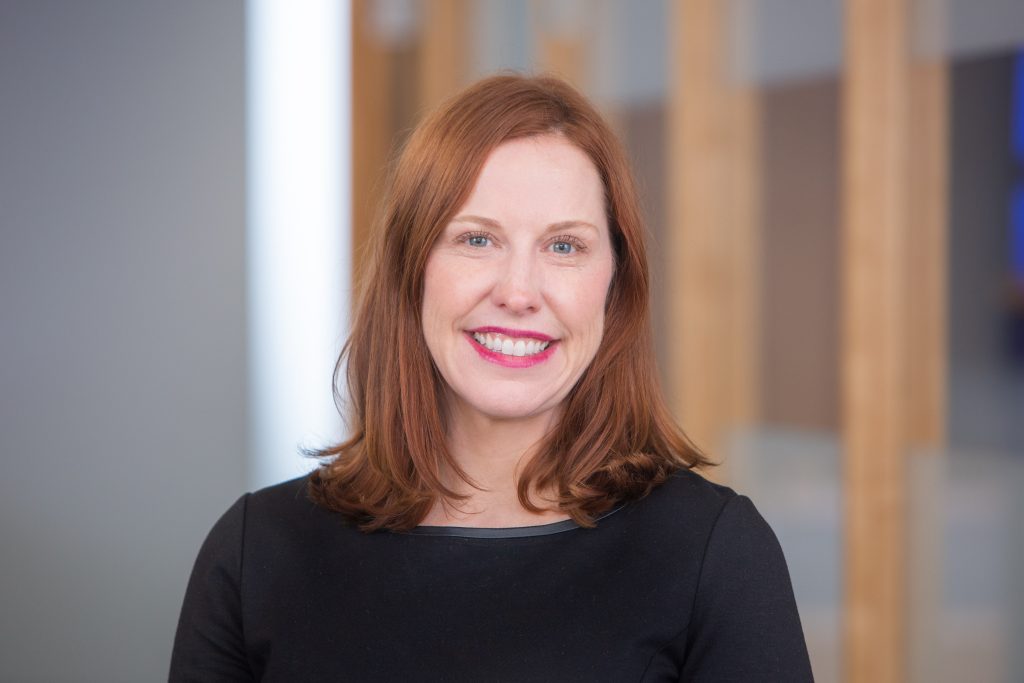
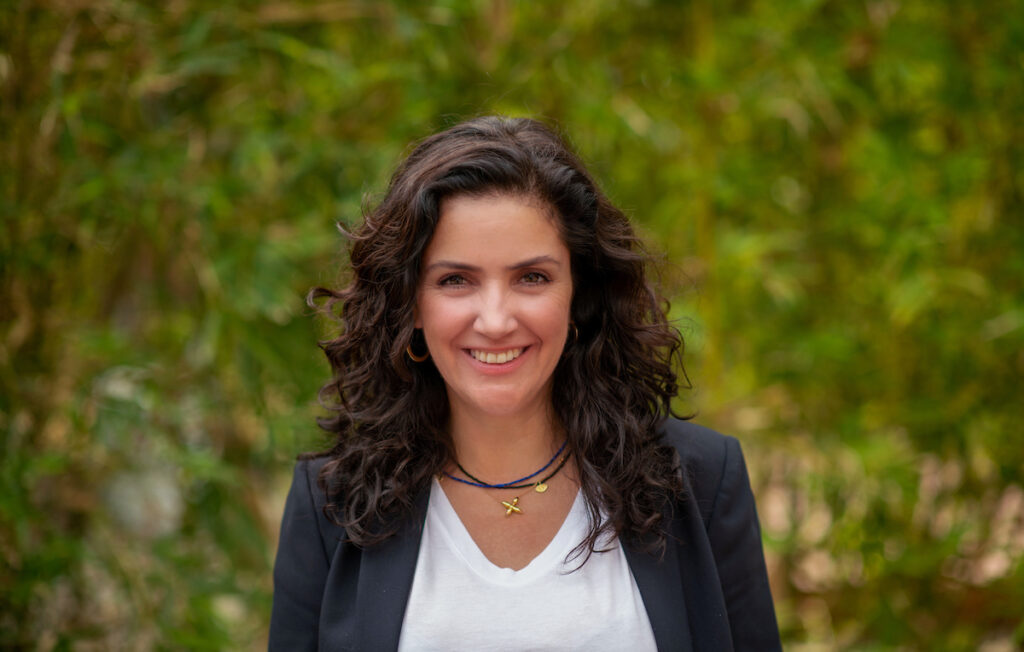
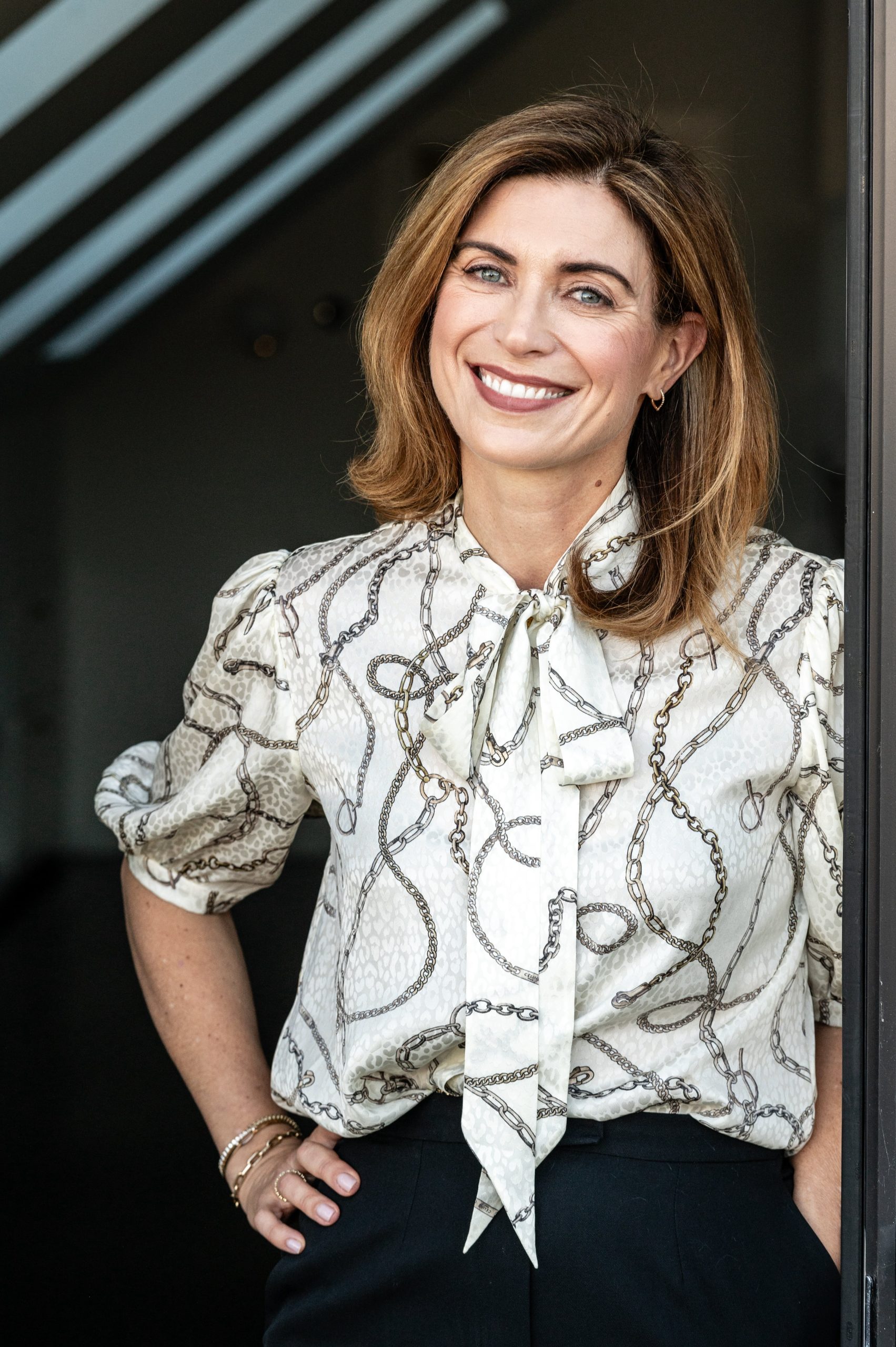
Show notesErin McAleer
What does it take to solve food insecurity on a statewide level? In this episode, Erin McAleer, President and CEO of Project Bread, shares how Massachusetts is tackling food insecurity through advocacy, systemic change, and statewide collaboration. Erin discusses Project Bread’s radical approach to ending hunger by addressing both immediate needs and permanent solutions, including the recent passage of free school meals for all K-12 students in Massachusetts. She explains the importance of involving people with lived experiences in the decision-making process to craft more effective and sustainable solutions.
Rob’s guest, Erin McAleer, highlights the work of the Make Hunger History Coalition, a statewide effort bringing together anti-hunger advocates, organizations, and individuals to create long-term solutions for food insecurity. Erin shares how Project Bread has grown over the past few years, scaling both their impact and programs during the pandemic. She emphasizes that scaling should not be the goal, but the result of a clear mission and effective strategies. Erin’s approach of combining direct service with advocacy and systems change has made a lasting impact in Massachusetts.
Erin’s story offers nonprofit leaders some valuable insights into creating lasting, systemic change, building coalitions, and engaging individuals with lived experience to drive the solutions for issues like food insecurity.
If you have any suggestions for the show, email nonprofitleadershippodcast@gmail.com
If you would like a sample coaching session, email rob@robharter.com
Summary:
In this episode of the Nonprofit Leadership Podcast, Dr. Rob Harter interviews Erin McLeer, the president and CEO of Project Bread, a food security organization in Massachusetts. They discuss the organization’s advocacy for free school meals, the importance of engaging individuals with lived experience in decision-making, and the challenges of scaling a nonprofit during a pandemic. Erin shares insights on building coalitions, creating systemic change, and fostering a culture of feedback within the organization.
Takeaways:
Project Bread focuses on permanent systems change to end hunger.
Advocacy for free school meals was driven by community voices.
Engaging individuals with lived experience is crucial for effective solutions.
Coalition building is essential to address systemic issues like hunger.
Recruiting community leaders enhances the impact of advocacy efforts.
Creating lasting change requires collaboration with various stakeholders.
Scaling a nonprofit should align with its mission and theory of change.
Challenges during the pandemic included maintaining team cohesion and culture.
Feedback mechanisms are vital for fostering a healthy organizational culture.
Internal lived experiences can inform and shape organizational strategies.
Quotes:
“Hunger is preventable and solvable.”
“We need to meet that immediate need.”
“This was personal for me.”
How to Become a Savvy Fundraiser
Oct 13, 2024
Show notes
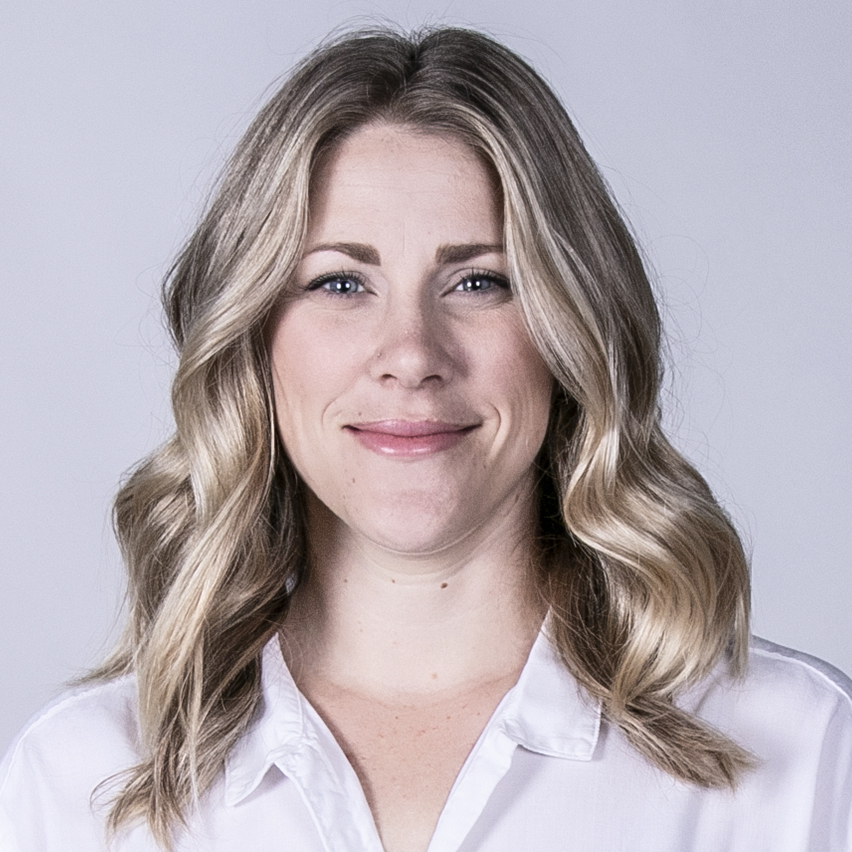
What does it take to become a successful fundraiser in today’s competitive nonprofit environment? In this episode, Haley Cooper, fundraising expert and host of the Lead with Heart podcast, shares key strategies for becoming a savvy fundraiser. Haley discusses the most pressing challenges nonprofit leaders face, such as staff turnover and donor retention, and how to build sustainable fundraising models. She highlights the importance of recurring giving programs and personalized donor communication in boosting engagement.
Rob’s guest, Haley Cooper, explains how different generations approach philanthropy and how nonprofits can tailor their messaging to align with donor values. She emphasizes the need for engaging storytelling to connect emotionally with donors and offers tips on leveraging social media effectively. She stresses that nonprofits should focus on creating compelling, interactive content, as well as the importance of actively engaging with followers by responding to comments, sending personalized messages, and collaborating with influencers.
Throughout the episode, Haley offers practical advice for nonprofit leaders looking to enhance their fundraising strategies and keep donors engaged in the digital age.
If you have any suggestions for the show, email nonprofitleadershippodcast@gmail.com
If you would like a sample coaching session, email rob@robharter.com
Summary
In this conversation, Rob Harter and Haley Cooper discuss the current challenges and strategies in nonprofit fundraising. They explore the importance of staff retention, effective communication with donors, the rise of subscription-based giving, and the generational differences in donor engagement. Haley emphasizes the need for nonprofits to leverage social media effectively, build authentic relationships, and adapt their fundraising strategies to meet the evolving landscape. The discussion concludes with resources for nonprofits to enhance their fundraising efforts.
Takeaways
Finding quality staff is a significant challenge for nonprofits.
High turnover rates can lead to increased fundraising costs.
Understanding donor communication preferences is crucial.
Storytelling is a powerful tool for donor engagement.
Subscription-based giving is becoming more popular among younger generations.
Generational differences affect how donors engage with nonprofits.
Nonprofits should focus on one or two social media platforms.
Engagement on social media is more valuable than likes.
Investing in technology can streamline fundraising efforts.
Transparency and accountability are essential for donor trust.
Nonprofits…we need a rebrand
Oct 06, 2024
Show notes
Nonprofit. It is a word we all use to describe our organizations, but are we inadvertently hurting ourselves by using that word? When you hear the name “nonprofit” what comes to mind? Perhaps scarcity, or the opposite of something, or work that we shouldn’t get paid to do?
Why do we call this sector by its tax exempt status rather than for what we do? Shouldn’t we be known for the impact and change we bring to the world? Today, we are honored to welcome back four, successful leaders from the nonprofit sector to discuss why we need to rebrand the sector and ways we can start doing so.
This was an interview Rob initially did a year ago. He received so much positive feedback, it is reposted for those who may have missed it. This topic is just as relevant now as it was a year ago.
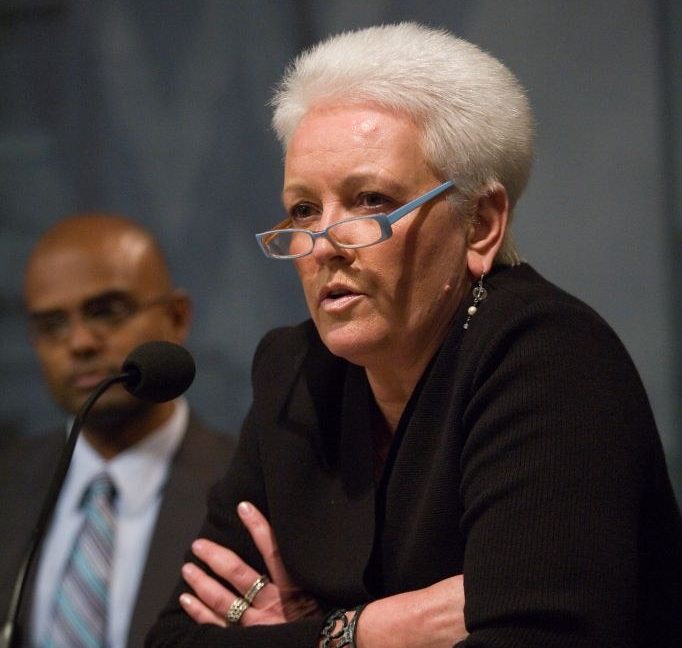
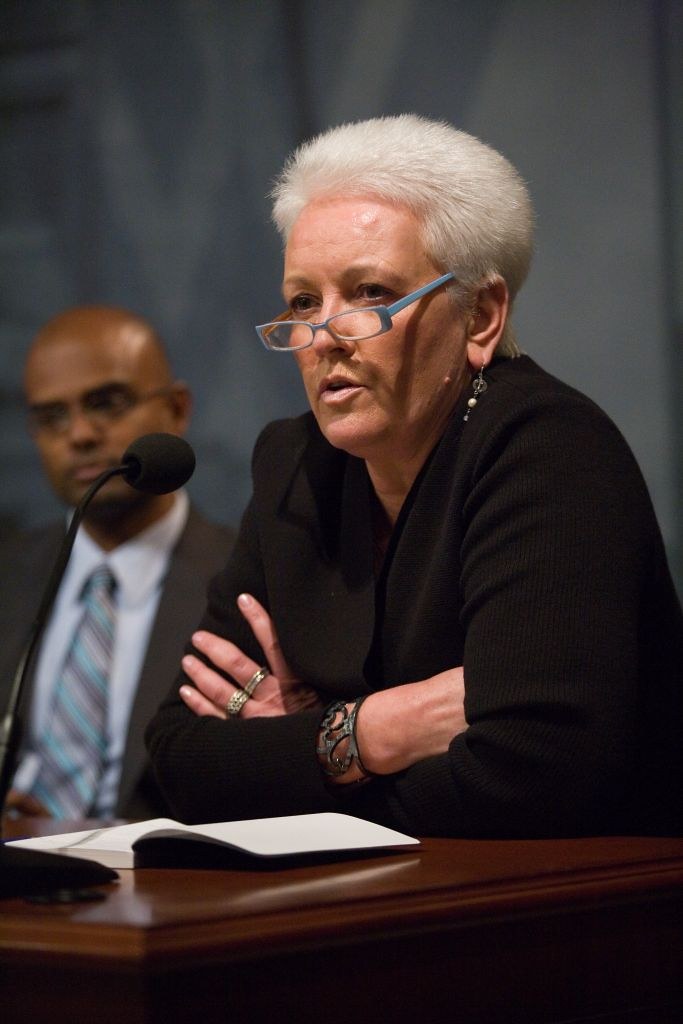
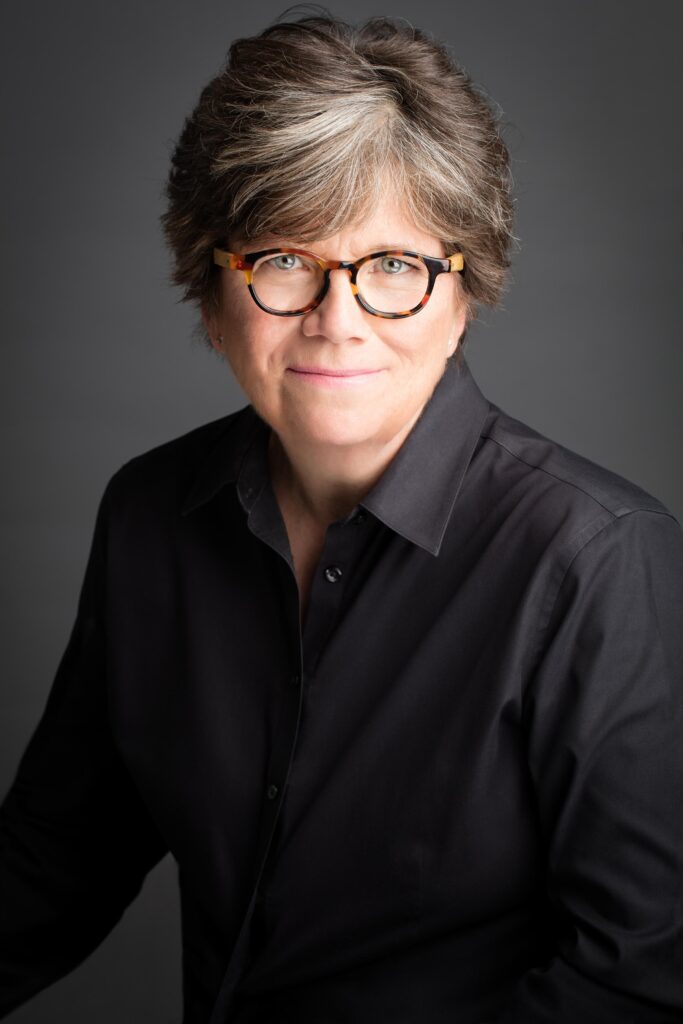
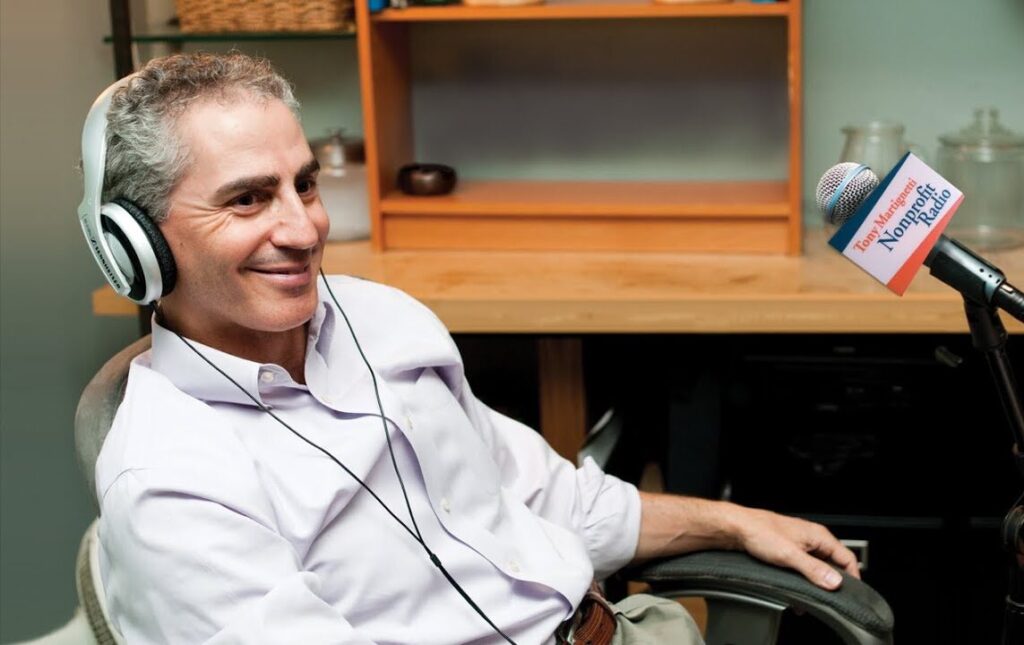
Rob’s guests are Gayle Smith, Joan Garry, Tony Martignetti, and Sara Lomelin. Gayle is the CEO of The ONE Campaign. Joan is the founder of Nonprofit Leadership Lab. Tony is the host of Tony Martignetti Nonprofit Radio. Sara is the CEO of Philanthropy Together. All five of these leaders are not only passionate about the specific work they do, but they are also passionate about changing and improving the sector as a whole.
The panel opens the discussion talking about the word “nonprofit” and why using this term to describe our work is a problem. Joan believes nonprofit leaders get so caught up in doing good work, that they don’t invest time in showing the world that they are more than just their “tax exempt” status. Gayle thinks using terms like “nonprofit” to describe the work organizations do, makes them sound like failed businesses. Sara believes it makes organizations sound weak and limits their impact. Tony believes that the term “nonprofit” doesn’t grab the attention of media outlets, and thus organizations fail to get in front of more people. When it comes to how the sector can start to rebrand itself, all four leaders agree that changing the reputation comes from the collective work of each organization. They agree that organizations in the sector must start using different language to describe the work they do, and start incorporating words such as “impact” and “change” in their storytelling. They also strongly agree that in order to rebrand the sector, organizations need to improve on collaborating, emanating confidence, and storytelling.
What does it take to turn around a struggling nonprofit?
Sep 29, 2024
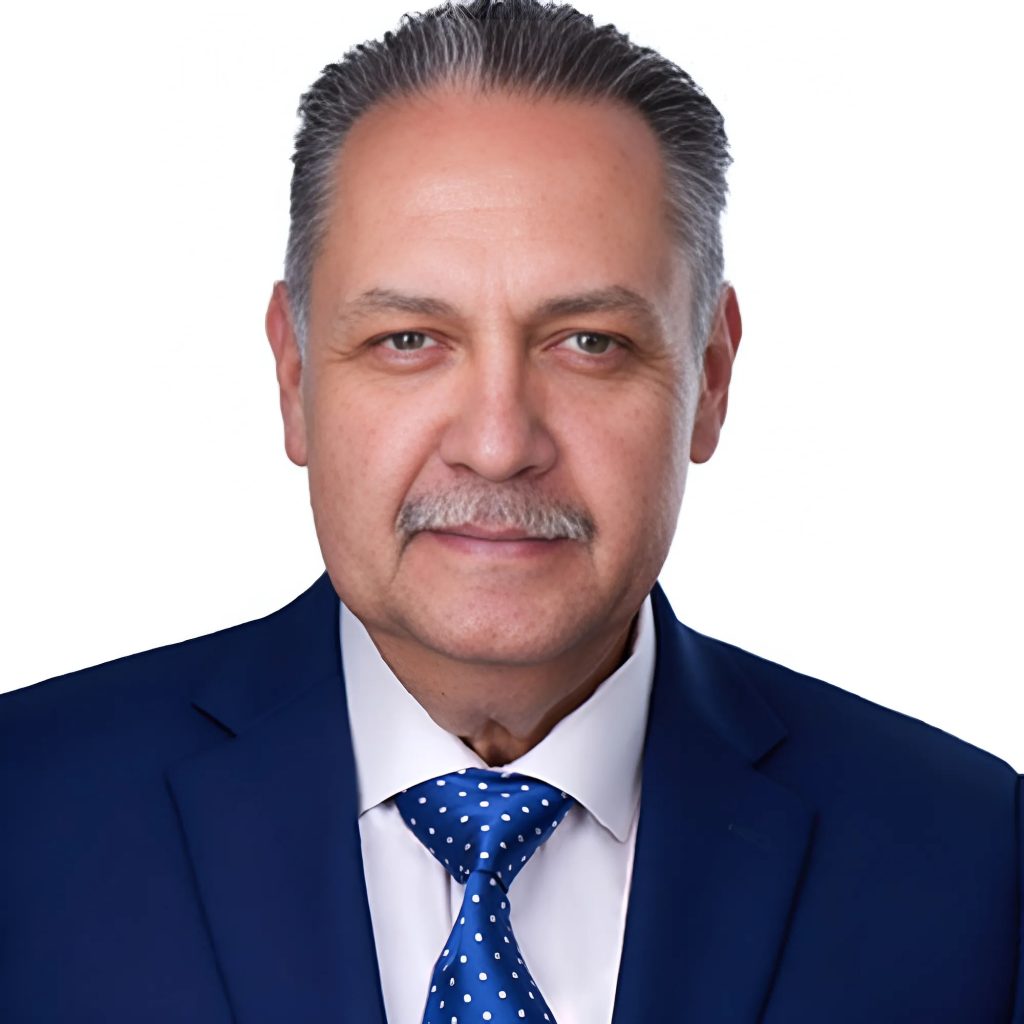
Show notesArmando Contreras
What does it take to turn around a struggling nonprofit? In this episode, Armando Contreras, CEO of United Cerebral Palsy (UCP), shares his remarkable story of reviving a nonprofit that was on the verge of bankruptcy. Armando discusses the challenges UCP faced and the strategies he implemented to restore financial stability and build trust with affiliates. He also highlights UCP’s broader mission to support individuals with cerebral palsy and other disabilities, along with its plans to celebrate the organization’s 75th anniversary.
Rob’s guest, Armando Contreras, explains how UCP has evolved over the past 75 years to provide vital services to individuals with disabilities, including therapies, early intervention, and employment support. He also shares inspiring stories of how UCP’s programs have transformed lives, helping people with disabilities achieve independence. Armando reflects on the key decisions that helped UCP become sustainable again.
Armando’s vision for the future of UCP includes expanding advocacy efforts, integrating new technologies and early detection tools for cerebral palsy, and empowering people with disabilities to take the lead in advocacy efforts. He emphasizes the importance of continuing to adapt to meet the changing needs of individuals with disabilities and their families.
If you have any suggestions for the show, email nonprofitleadershippodcast@gmail.com
If you would like a sample coaching session, email rob@robharter.com
Quick Summary:
In this episode, Rob Harter interviews Armando Contreras, the President and CEO of United Cerebral Palsy (UCP), celebrating the organization’s 75th anniversary. They discuss the significant milestones UCP has achieved, transformative stories of individuals impacted by their services, and the leadership strategies that turned around the organization during financial challenges. Armando highlights the importance of building a network of affiliates, addressing the challenges families face, and the future role of UCP in leveraging technology and advocacy for the disability community.
Takeaways
UCP has evolved from institutional care to inclusive community support.
Early intervention is key to improving outcomes for children with disabilities.
Transformative stories highlight the miracles achieved through UCP’s services.
Leadership requires making tough decisions for organizational sustainability.
Building trust with affiliates is crucial for a nonprofit’s success.
UCP provides vital services not only for cerebral palsy but also for other conditions.
Collaboration with other organizations enhances resource availability for families.
Advocacy is essential for addressing outdated laws affecting individuals with disabilities.
Technology plays a significant role in early detection and assistive devices.
UCP is committed to empowering self-advocates to share their stories.
Quotes
“75 years of significant milestones!”
“Families say their child will never walk.”
“We were heading towards bankruptcy.”
What one organization is doing to address our growing mental health crisis
Sep 23, 2024
Show notesLindsay Kolsch
Mental health is a critical issue, especially in today’s world, and Lindsay Kolsch, Co-Executive Director of To Write Love On Her Arms, joins this episode to discuss her organization’s mission. Lindsay shares how TWLOHA provides hope and help to people struggling with depression, addiction, self-injury, and suicide. With suicide affecting someone every 40 seconds globally, this conversation highlights the importance of mental health awareness, breaking stigma, and providing resources to those in need.
Rob’s guest, Lindsay Kolsch, delves into the origin of the organization’s unique name, which stems from a personal story shared by the founder, Jamie Tworkowski. The conversation explores TWLOHA’s approach to connecting people with mental health resources and providing scholarships for counseling services. Lindsay also touches on the challenges of mental health access, particularly in underserved areas, and how her organization is working to eliminate barriers for those in need. Additionally, they discuss how mental health issues are particularly affecting young people and the role of community support in creating long-term change.
Lindsay’s experience as Co-Executive Director highlights how shared leadership can prevent burnout and foster collaboration in nonprofit organizations. She explains how the co-executive model has benefited their team by leveraging diverse skill sets and maintaining a clear focus on the organization’s mission.
Takeaways -The COVID-19 pandemic has had a significant impact on the mental health of teenagers, leading to an increase in panic attacks and a lack of access to mental health care providers. -Mental health literacy programs in schools can help create a supportive environment for discussing mental health and provide resources for teenagers in need. -The internet can be both a source of support and a dark place for teenagers seeking mental health care, highlighting the need for safe and accessible resources. -The co-executive director approach in nonprofit organizations can prevent burnout and provide a collaborative leadership structure that supports the mission and impact of the organization. titles
“As COVID sort of reshaped that landscape, I think there was a huge fallout. There was a huge increase of teens experiencing panic attacks.” “Teens have access to care because the internet is also can be a very dark place.” “Here are some skills that I actually need to develop for resilience. Here are some skills I need for emotional regulation.”
This Episode is Sponsored By:
Links to Resources:
Want to work with a leadership and life coach, check out Rob’s website https://robharter.com/
If you have any suggestions for the show, email nonprofitleadershippodcast@gmail.com
How Petco is impacting the lives of both pets and humans
Sep 15, 2024
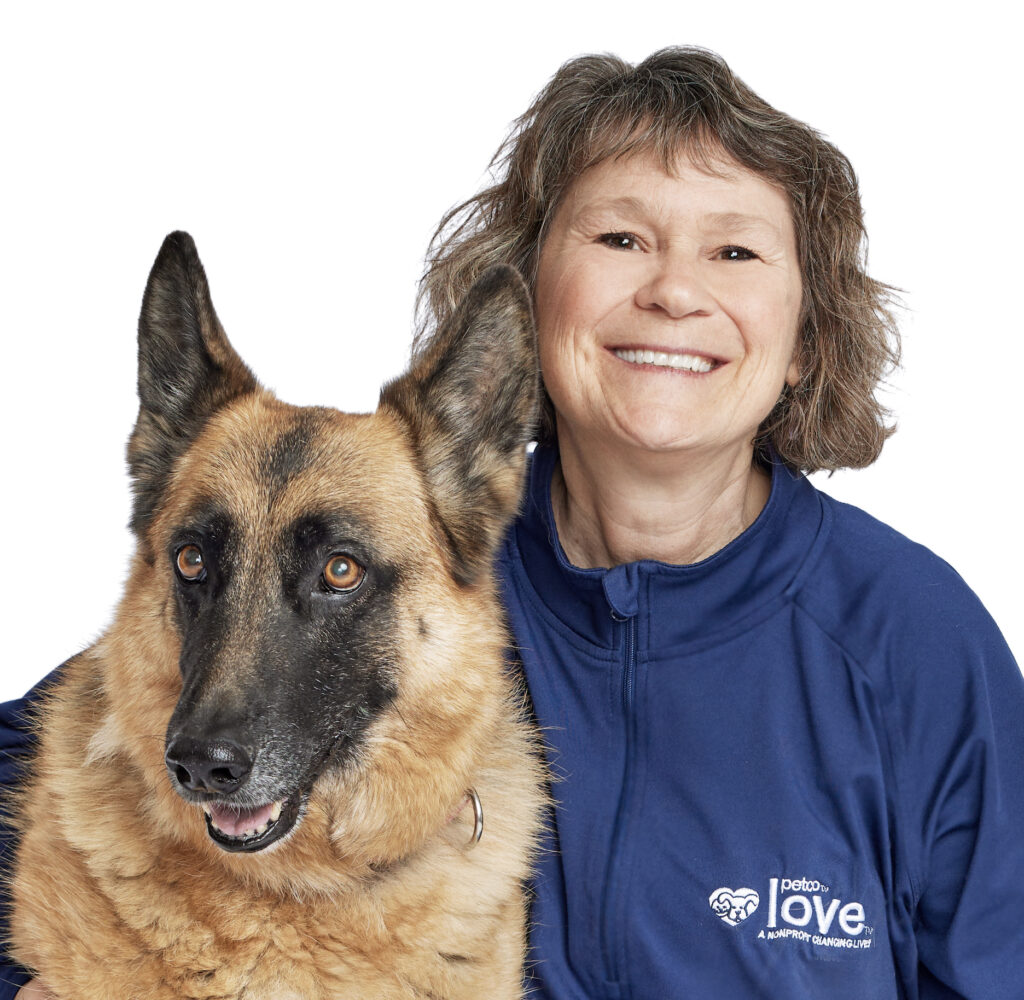
Show notesSusanne Kogut, President of Petco Love
Humans are not the only ones who suffer through troubling times, their pets do as well. Pets are often the only companion a person may have and they play a big role in one’s mental and physical health, especially during trying times. This episodes’ guest, Susanne Kogut, explains why her nonprofit is committed to the wellbeing of pets and their families.
Susanne is the President of Petco Love. Petco Love was founded in 1999 and they serve as a leader and partner in animal welfare. The organization’s mission is to create a better world for animals and the people who love and need them. Petco Love does this by empowering animal welfare organizations by investing $330 million in adoption and other life saving efforts.
Susanne explains the large impact that pets have on our lives as individuals and as a community. She shares that Petco Love is committed to ending unnecessary euthanasia on pets, and will be granting $15 million in investments to animal welfare partners across the US. Susanne believes that growing pains are necessary when an organization is faced with changes, and leaders must recognize and communicate both the challenges and benefits to their team. She also shares why it is so important to constantly look at the efforts of similar nonprofits, when figuring out what lane your organization is best suited for. Susanne describes two very important projects that Petco Love started. One is to help lost pets find their families and the other is to to help prevent pets from getting deadly and costly diseases. Finally, she explains the various ways that Petco Love seeks to be an advocacy organization for pets.
How government agencies and nonprofits can work together effectively
Sep 08, 2024
Show notesKathleen Kelly Janus
Have you ever wondered how public-private partnerships can help solve large-scale social issues? Today’s guest, Kathleen Kelly Janus, shares her experience leading impactful collaborations between government, private companies, and nonprofits to tackle challenges like homelessness and recidivism. Kathleen Kelly explains how these partnerships are vital to scaling innovation and creating sustainable social change.
Rob’s guest, Kathleen Kelly Janus, is the former Senior Advisor on Social Innovation for the State of California. During her time in this role, she led over 50 public-private partnerships that mobilized $4.2 billion in funding and brought resources to address some of California’s most pressing social challenges. One of her most notable achievements is the development of Project Home Key, which provided thousands of housing units for the homeless during the pandemic.
Kathleen Kelly, a social innovation expert, explains the importance of public-private partnerships in creating scalable impact. She highlights how projects like Home Key and Returning Home Well demonstrate the power of collaboration between government, nonprofits, and private businesses. Kathleen Kelly shares valuable lessons learned from these initiatives, including the importance of relationship-building, leadership buy-in, and addressing real problems. She also discusses how these partnerships can serve as models for other states and nonprofits to follow in maximizing their social impact.
Want to work with a leadership and life coach, check out Rob’s website https://robharter.com/
If you have any suggestions for the show, email nonprofitleadershippodcast@gmail.com
Summary
Kathleen Kelly Janus discusses the importance of public-private partnerships in addressing social challenges. She shares her experience as California’s first senior advisor on social innovation and highlights the impact of partnerships in addressing issues like affordable housing and reentry programs for formerly incarcerated individuals. Janus emphasizes the need for nonprofits and government agencies to build relationships, have buy-in from leadership, and address real problems in order to create successful partnerships. She also discusses the barriers to effective partnerships, including the lack of infrastructure in government. Overall, Janus advocates for nonprofits to be more purposeful in building bridges with government to maximize their impact.
Takeaways
Public-private partnerships are essential in addressing social challenges and maximizing impact.
Building relationships and having buy-in from leadership are crucial for successful partnerships.
Partnerships should focus on addressing real problems and communicating their impact.
Nonprofits and government agencies need to work together and be proactive in creating partnerships.
The lack of infrastructure in government can be a barrier to effective partnerships
Quotes
“Chipping away at these problems little by little isn’t going to achieve the kind of scale that we want and need.” “The pandemic forced us to be innovative because we had no choice.” “We can build housing faster, cheaper, smarter.”
Chapters
00:00 Introduction and Background
04:48 California’s Project Home Key: Converting Properties into Permanent Housing
11:23 Lessons Learned and Effective Partnerships
15:38 Barriers to Effective Partnerships
18:58 How Nonprofits Can Work Better with Government and For-Profit Partners
20:45 Building Infrastructure for Partnerships
Hear how three emerging Gen Z leaders are making their world better
Sep 01, 2024
Show notes
Being young doesn’t mean one can’t make a difference. In fact, there is a lot we in the nonprofit space can learn from Gen Z leaders who have already made a big impact in their communities. Today’s guests; Sienna Nazarian, Robbie Khazan, and Dylan Zajac are exactly those kinds of leaders. These three are great examples of emerging leaders who are making their world better.
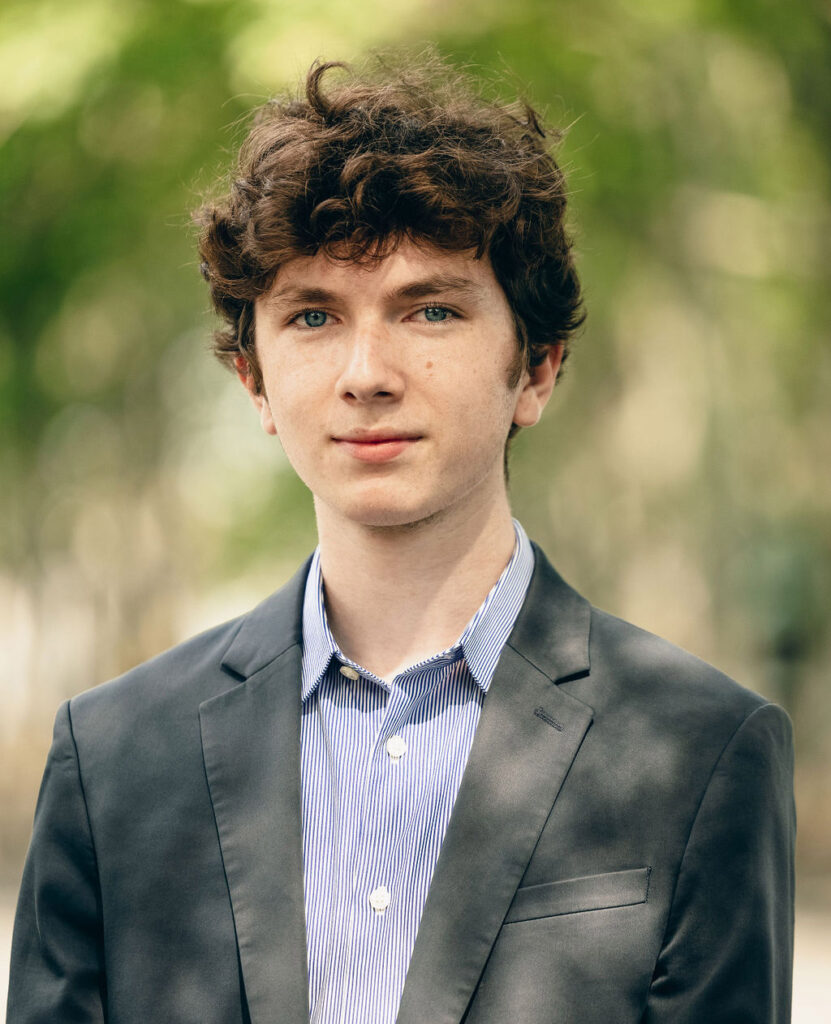
Dylan Zajac
Sienna, Robbie, and Dylan were each recipients of The Diller Teen Tikkun Olam Awards in 2023. The Diller Teen Tikkun Olam Awards recognize young changemakers who have made a significant impact in leading initiatives that embody the values of “tikkun olam,” which means “repairing the world” in the Hebrew language.
These three Gen Z leaders describe the mission behind their respective nonprofit organizations and what the biggest challenges have been in starting a nonprofit at such a young age. Robbie, founder of Kiddo Byte, shares how his biggest challenge has been to find quality instructors who can teach computer science in a fun and exciting way. Sienna, founder of the Refugee Empowerment Project, explains that her biggest challenge when starting was establishing credibility as a high-schooler and trying to convince larger organizations to partner with her. Dylan, founder of Computers 4 People, believes that the biggest challenge when starting is taking an idea and turning it into a sustainable nonprofit.
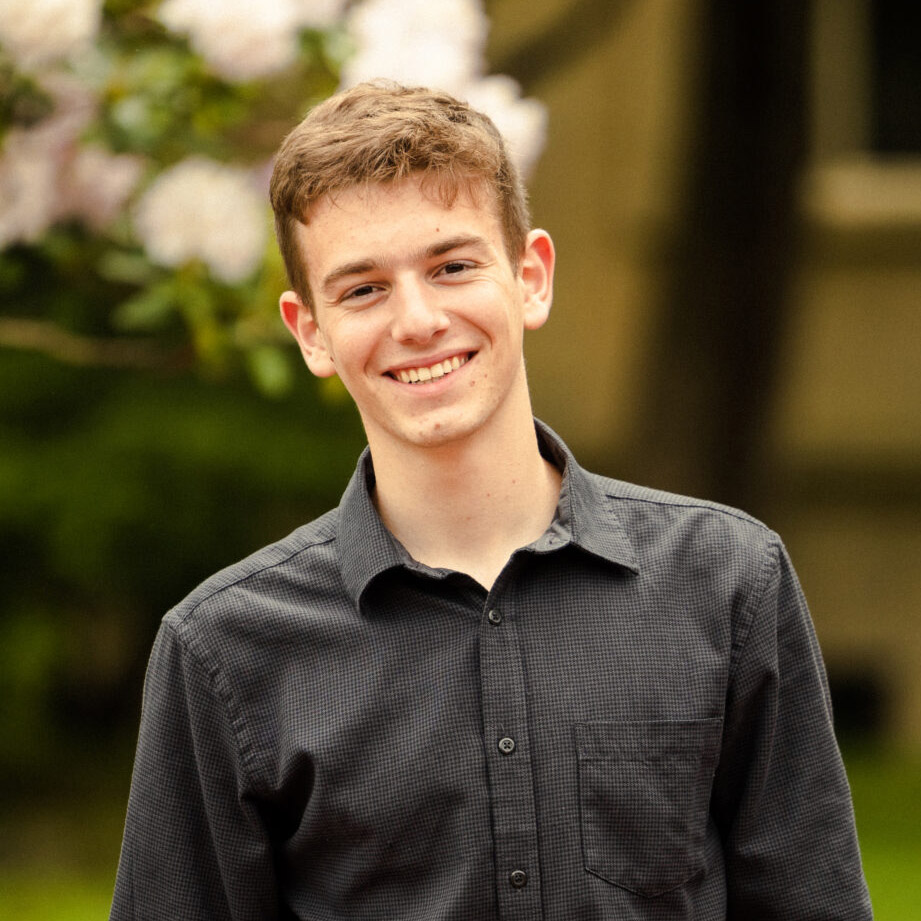
Robbie Khazan
Each leader also addresses the misconception that Generation Z is full of coddled individuals who struggle with attention and resilience. They believe the misconception stems from the fact that this generation grew up in the digital age and thus, is the largest consumers of social media content. They also share great advice for other nonprofit leaders on how to recruit and retain Gen Z staff and volunteers. Finally, Sienna, Robbie, and Dylan share what they believe are the biggest challenges facing their generation today and their hopes for the future.
How to improve your organization’s recruitment and retention
Aug 25, 2024
Show notes
Now more than ever, it’s essential that nonprofit leaders build a strong, adaptable team. But how do you find, keep, and mold top talent that aligns with your organization’s mission? Today’s guest, William Vanderbloemen, shares key strategies for building, running, and maintaining a great team that is dedicated to your organization’s values and mission.
Rob’s guest, William Vanderbloemen, is the Founder and CEO of Vanderbloemen. His company specializes in helping churches, schools, and nonprofits find leaders who fit their mission and culture. Vanderbloemen’s mission is to help teams not just fill a position, but build leadership that will last for the long haul.
William explains the importance of creating a strong organizational culture and emphasizes that this culture should be clear and intentional from the start. He believes that organizations need to adapt to changing environments while staying true to their core values. William shares that hiring the right people is not just about filling a role, but finding individuals who are aligned with the mission of the organization. He adds that it’s important for leaders to clearly explain to potential staff members, what makes their organization unique. William touches on the critical role of clear communication in leadership. If leaders seek honest feedback from their staff, then they must develop a culture of giving and asking for feedback regularly. Finally, he believes that resilience and flexibility are key traits for leaders to develop in order to navigate the challenges of today’s world.
William Vanderbloemen discusses the importance of recruitment and retention in the nonprofit sector. He shares his experience starting Vanderbloemen, a cause-based search firm, and emphasizes the need for nonprofits to prioritize soft skills when recruiting new staff. He also highlights the significance of clearly articulating the organization’s mission and values to attract the right talent. Additionally, Vanderbloemen emphasizes the role of a healthy organizational culture in recruitment and retention, and suggests using tools like theculturtool.com to assess and improve culture. In this conversation, Dr. Rob Harter and William Vanderbloemen discuss the importance of organizational culture and employee satisfaction in the nonprofit sector. They explore the eight cultural values that shape behavior within an organization and how to assess and improve culture. They also discuss the impact of culture on employee retention and the need for organizations to adapt to the changing expectations of millennials and Gen Z. The conversation highlights the value of feedback and collaboration in creating a positive culture, as well as the importance of balancing professional development with organizational efficiency.
Takeaways
Recruiting the right people at the right time is crucial for staff retention in nonprofits.
Soft skills, or human-to-human skills, are essential for success in the nonprofit sector.
Nonprofits should clearly articulate their mission and values to attract the right talent.
A healthy organizational culture is key to recruitment and retention in nonprofits. Assessing and improving organizational culture is crucial for nonprofit organizations to create a healthy and effective work environment.
Understanding the cultural values that shape behavior within an organization can help identify areas for improvement.
Employee satisfaction and well-being are key factors in retaining staff, especially in a generation that values career mobility.
Involving staff in the decision-making process and addressing their feedback can lead to a more engaged and committed workforce.
Balancing professional development with organizational efficiency requires identifying the right timing and opportunities for growth.
Quotes
“Businesses may or may not have a value that drives them. Why do they have a better solution for staffing than the people who are living for a cause?”
“Soft skills, H2H skills, are the ball game in nonprofit.”
“The ones that succeed are the ones that say, ‘Here’s the one thing we do that very few people do.'”
“We’re all the same age or skin color or gender, but we are all the same in our behavior around our eight cultural values.”
“What is the biggest rock that we’re getting right of these eight areas? What are we just really doing well?”
“If you focus so much on your culture that you could get six or seven years instead of four or five, because the cost to replace a staff person, it takes time, it takes energy, you lose momentum, it takes money.”
Chapters
00:00 Introduction and Background
03:01 Recruitment and Retention in the Nonprofit Sector
06:16 The Importance of Soft Skills in Nonprofits
11:56 Articulating Mission and Values to Attract Talent
15:22 The Role of Organizational Culture in Recruitment and Retention
17:33 Assessing and Improving Culture
19:36 The Impact of Culture on Employee Retention
22:40 Addressing Employee Satisfaction
27:12 Adapting to the Expectations of Millennials and Gen Z
29:45 Creating a Feedback-Driven Culture
31:45 Balancing Workload and Professional Development
How one nonprofit is changing the future of underserved students
Aug 18, 2024
Show notes
How can nonprofits effectively support underserved students in achieving higher education? How do you encourage both the student and their family members to believe in their potential to achieve more? Today’s guest, Dr. Johanna Moya Fabregas, explains how her nonprofit is empowering the next generation through education and emotional support.
Rob’s guest, Dr. Johanna Moya Fabregas, is the Executive Director of Con Mi MADRE, a nonprofit dedicated to empowering Latina girls and their loved ones through education and emotional support. The organization’s mission is to ensure these young women achieve higher education and are well-prepared for the workforce, supported by their families throughout the process.
Johanna explains how her background in higher education and her passion for impacting youth, led her to transition into nonprofit leadership. She shares how Con Mi MADRE’s dual-generation approach supports both the students and their loved ones, fostering a deep connection that drives academic and personal success. Johanna believes in the importance of addressing both the social-emotional and academic needs of students, starting from middle school through college. She also describes how the program includes workshops, college visits, and a leadership series that helps students and parents alike. Johanna emphasizes the significance of building long-term relationships with the families they serve, which is key to achieving an impressive college persistence rate. She also highlights the organization’s commitment to cultural affirmation, ensuring that students can embrace their full identity as they pursue their professional goals. Finally, Johanna discusses the impact of Con Mi MADRE’s annual gala awards event, which celebrates community leaders and raises funds for the organization.
Dr. Johanna Moya Fábregas, the executive director of Con Mi Madre, shares her journey from a career in education to leading a nonprofit organization. Con Mi Madre is a dual-generation program that supports girls in sixth through twelfth grade and their mothers or a loving adult in their family. The program focuses on social-emotional support and academic preparation to help students achieve a post-secondary degree and be prepared for the workforce. They provide a comprehensive curriculum, parent workshops, a networking group, and a leadership series. Con Mi Madre also collaborates with local school districts to bridge the gap between students and their families, providing ongoing support and resources. The organization has achieved a 72% college persistence rate among its high school graduates, thanks to their long-term relationship building and comprehensive support. Con Mi Madre’s approach to multicultural education and empowerment impacts the community they serve by affirming students’ cultural identities and celebrating their achievements. They also host an annual event, the Corazon Awards, to honor community members and raise funds for scholarships. To learn more about Con Mi Madre, visit their website or follow them on social media.
Takeaways
Con Mi Madre is a dual-generation program that supports girls in sixth through twelfth grade and their mothers or a loving adult in their family.
The program focuses on social-emotional support and academic preparation to help students achieve a post-secondary degree and be prepared for the workforce.
Con Mi Madre collaborates with local school districts to bridge the gap between students and their families, providing ongoing support and resources.
The organization has achieved a 72% college persistence rate among its high school graduates, thanks to their long-term relationship building and comprehensive support.
Con Mi Madre’s approach to multicultural education and empowerment impacts the community by affirming students’ cultural identities and celebrating their achievements.
The annual Corazon Awards event honors community members and raises funds for scholarships.
The program focuses on social-emotional support and academic preparation to help students achieve a post-secondary degree and be prepared for the workforce.
Con Mi Madre collaborates with local school districts to bridge the gap between students and their families, providing ongoing support and resources.
The organization has achieved a 72% college persistence rate among its high school graduates, thanks to their long-term relationship building and comprehensive support.
Con Mi Madre’s approach to multicultural education and empowerment impacts the community by affirming students’ cultural identities and celebrating their achievements.
Sound Bites
“I wish I had an organization like the one we have when I was a first-gen college student, as an immigrant, as someone who moved to this country and had to learn the language and navigate all of that.” “We support supporting the parents, for instance, through there is an organization called EGBI. It’s like a small business incubator. So you’re supporting the parents and that communicates to the student from an early age that you care not just about a number or an achievement on paper, you care about the well-being of their whole family.” “It’s building a long-term relationship and that is not just between the student and us, but they’re part of a larger community, and that organization is like a big family.”
Chapters
00:00 Introduction and Transition to Nonprofit Leadership
02:08 Overview of Con Mi Madre’s Program and Approach
06:57 Collaboration with School Districts
09:47 Achieving a 72% College Persistence Rate
14:37 Influence of Public Education Background on Nonprofit Leadership

 Our TOPPODCAST Picks
  Stay Connected