TopPodcast.com
Menu
  • Home
  • Top Charts
  • Top Networks
  • Top Apps
  • Top Independents
  • Top Podfluencers
  • Top Picks
    • Top Business Podcasts
    • Top True Crime Podcasts
    • Top Finance Podcasts
    • Top Comedy Podcasts
    • Top Music Podcasts
    • Top Womens Podcasts
    • Top Kids Podcasts
    • Top Sports Podcasts
    • Top News Podcasts
    • Top Tech Podcasts
    • Top Crypto Podcasts
    • Top Entrepreneurial Podcasts
    • Top Fantasy Sports Podcasts
    • Top Political Podcasts
    • Top Science Podcasts
    • Top Self Help Podcasts
    • Top Sports Betting Podcasts
    • Top Stocks Podcasts
  • Podcast News
  • About Us
  • Podcast Advertising
  • Contact
Not in our directory?
Add Show Here
Podcast Equipment
Center

toppodcastlogoOur TOPPODCAST Picks

  • Comedy
  • Crypto
  • Sports
  • News
  • Politics
  • True Crime
  • Business
  • Finance

Follow Us

toppodcastlogoStay Connected

    View Top 200 Chart
    Back to Rankings Page
    Business

    Nonprofit Leadership Podcast

    The Nonprofit Leadership Podcast discusses important issues facing nonprofit leaders in our community and features real stories from real leaders about what strategies and practices have made them successful. Enjoy the show!

    Advertise
    • Apple Podcasts
    • Google Play
    • Spotify

    Latest Episodes:
    What Does It Take to Mobilize Gen Z into Changemakers? Jan 06, 2025
    Show notes
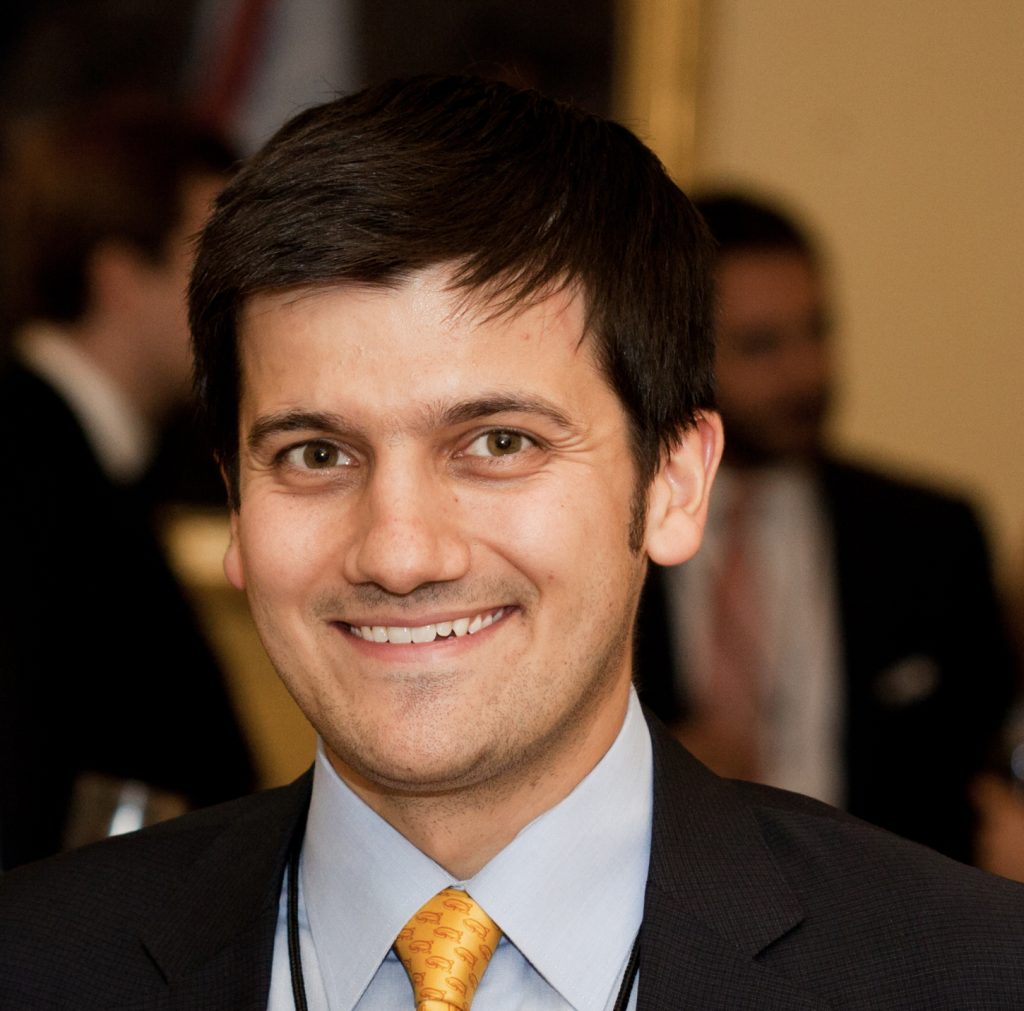
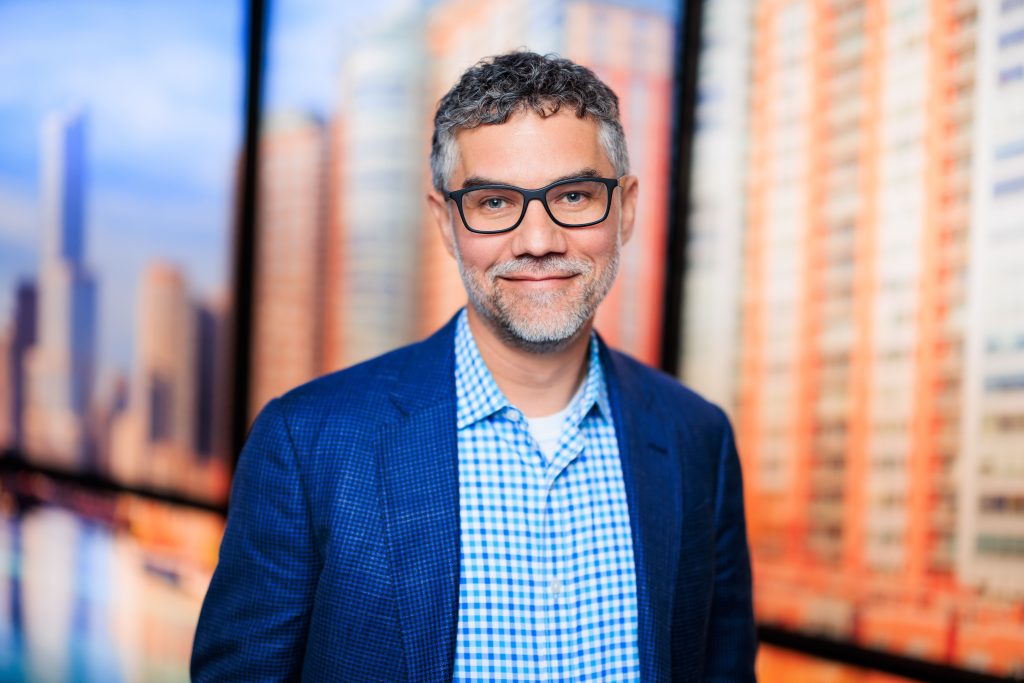
    George Tsiatis

    In this episode, Rob Harter speaks with George Tsiatis, CEO and co-founder of the Resolution Project, about how to inspire and empower the next generation of changemakers. George shares his experience working with Gen Z leaders and explains why this generation is uniquely positioned to tackle global challenges.

    Topics include:

    • How to turn youth complacency into solution-driven action
    • Why collaboration between generations leads to better innovation
    • Strategies for nonprofits to recruit and engage Gen Z talent
    • The importance of purpose-driven work and how nonprofits can foster it

    George also shares inspiring success stories from Resolution Project fellows who are making a significant impact in their communities worldwide.

    Mentioned:

    • Resolution Project – Empowering young leaders to drive social change
    • Enactus – A global network of student entrepreneurs making a difference
    • George Tsiatis on LinkedIn – Connect here

    This Episode is Sponsored By:

    • DonorBox – Helping nonprofits maximize their impact with user-friendly donation forms and secure fundraising solutions.

    Links to Resources:

    • Interested in Leadership and Life Coaching? Visit Rob’s website: RobHarter.com
    • Find us on YouTube: Nonprofit Leadership Podcast YouTube Channel
    • Suggestions for the show? Email us at nonprofitleadershippodcast@gmail.com
    • Request a sample coaching session: Email Rob at rob@robharter.com

    Subscribe and Share

    Listen and subscribe to the Nonprofit Leadership Podcast on iTunes, Spotify, or Amazon. Don’t forget to like, subscribe, and share with other nonprofit leaders!


    How Nonprofit Collaboration Increases Impact Dec 23, 2024
    Show notes
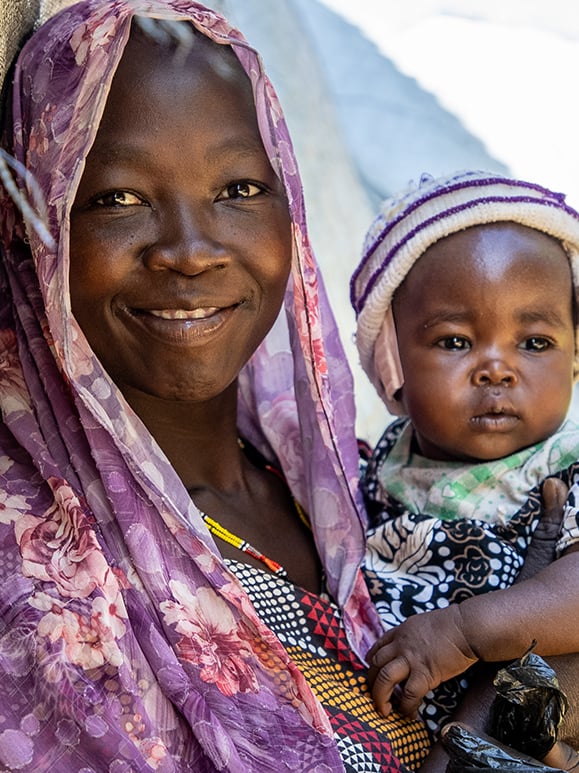
    Africa Mission Healthcare

    In this episode, Rob is joined by Scott Marcello, President of African Mission Healthcare, to discuss how nonprofit collaboration can amplify impact and create lasting change. Scott shares insights into the organization’s work addressing healthcare disparities across Africa, emphasizing the importance of partnerships, community engagement, and innovative strategies to improve access to quality care.

    Topics include:

    -The power of collaboration and community engagement in solving healthcare challenges

    -How African Mission Healthcare supports mission hospitals to provide critical care and training

    -Strategies to balance cost, quality, and access to healthcare

    -The role of long-term investment and relationship building in creating sustainable change

    Scott also shares real-world examples of the organization’s work, including its SAFE surgical initiative and programs to strengthen healthcare systems in underserved regions.

    Mentioned:

    • African Mission Healthcare – Transforming healthcare systems in Africa
    • SAFE Program – Surgical Access for Everyone initiative providing life-changing surgeries

    This Episode is Sponsored By:

    • DonorBox – Helping nonprofits maximize their impact with user-friendly donation forms and secure fundraising solutions.

    Links to Resources:

    • Interested in Leadership and Life Coaching? Visit Rob’s website: RobHarter.com
    • Find us on YouTube: Nonprofit Leadership Podcast YouTube Channel
    • Suggestions for the show? Email us at nonprofitleadershippodcast@gmail.com
    • Request a sample coaching session: Email Rob at rob@robharter.com

    Subscribe and Share

    Listen and subscribe to the Nonprofit Leadership Podcast on iTunes, Spotify, or Amazon. Don’t forget to like, subscribe, and share with other nonprofit leaders!


    An Update from the CEO of Rotary Dec 16, 2024
    Show notes
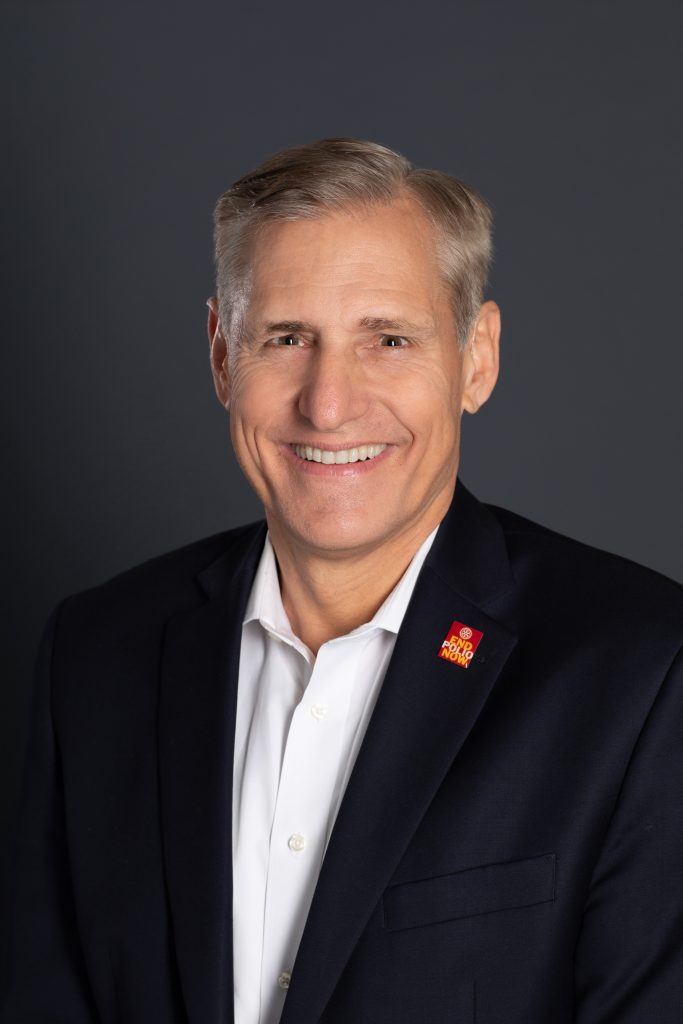
    John Hewko

    In this episode, Rob is joined by John Hewko, General Secretary and CEO of Rotary International. John shares an update on Rotary’s global initiatives, including their ongoing efforts to eradicate polio, tackle new challenges, and adapt to the evolving needs of communities worldwide.

    Topics include:

    How Rotary is addressing the loneliness epidemic through volunteerism and community involvement.

    The lessons Rotary has learned from its polio eradication initiative.

    How the organization is adapting its structure and offerings to engage the next generation of leaders.

    The importance of being audacious and collaborative to achieve large-scale impact.

    With over 1.2 million members across 45,000 clubs worldwide, Rotary remains one of the largest and most influential nonprofits, dedicated to creating positive change on both local and global levels.

    Mentioned:

    • Rotary International – Learn more about Rotary and find a club near you
    • Rotary’s Polio Eradication Initiative – A global effort to end polio
    • Rotary Fellowships – Join global communities around shared interests like tennis, cycling, and more

    This Episode is Sponsored By:

    • DonorBox – Helping nonprofits maximize their impact with user-friendly donation forms and secure fundraising solutions.

    Links to Resources:

    • Interested in Leadership and Life Coaching? Visit Rob’s website: RobHarter.com
    • Find us on YouTube: Nonprofit Leadership Podcast YouTube Channel
    • Suggestions for the show? Email us at nonprofitleadershippodcast@gmail.com
    • Request a sample coaching session: Email Rob at rob@robharter.com

    Subscribe and Share

    Listen and subscribe to the Nonprofit Leadership Podcast on iTunes, Spotify, or Amazon. Don’t forget to like, subscribe, and share with other nonprofit leaders!


    How is AI Changing Medical Research? Dec 08, 2024
    Show notes
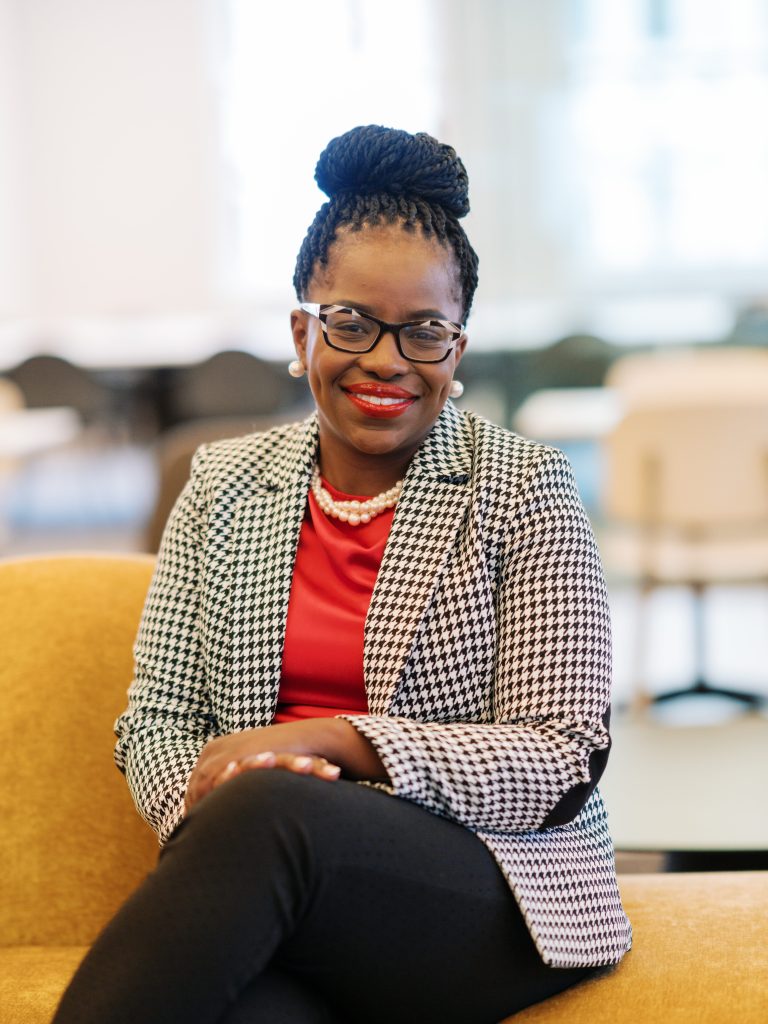
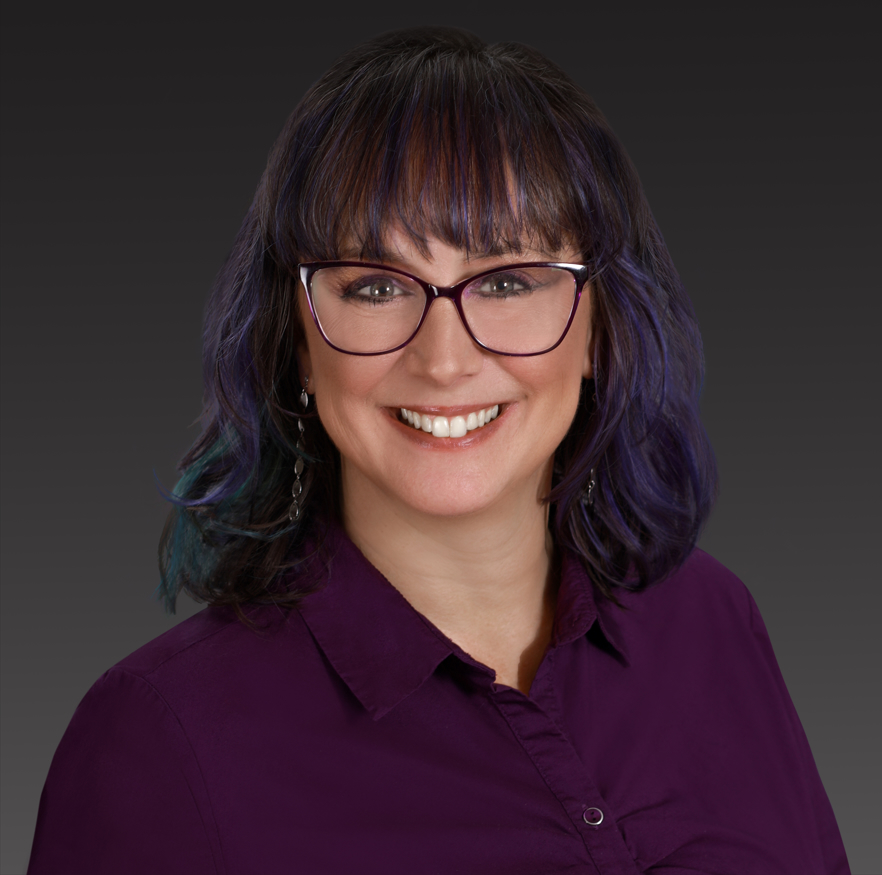
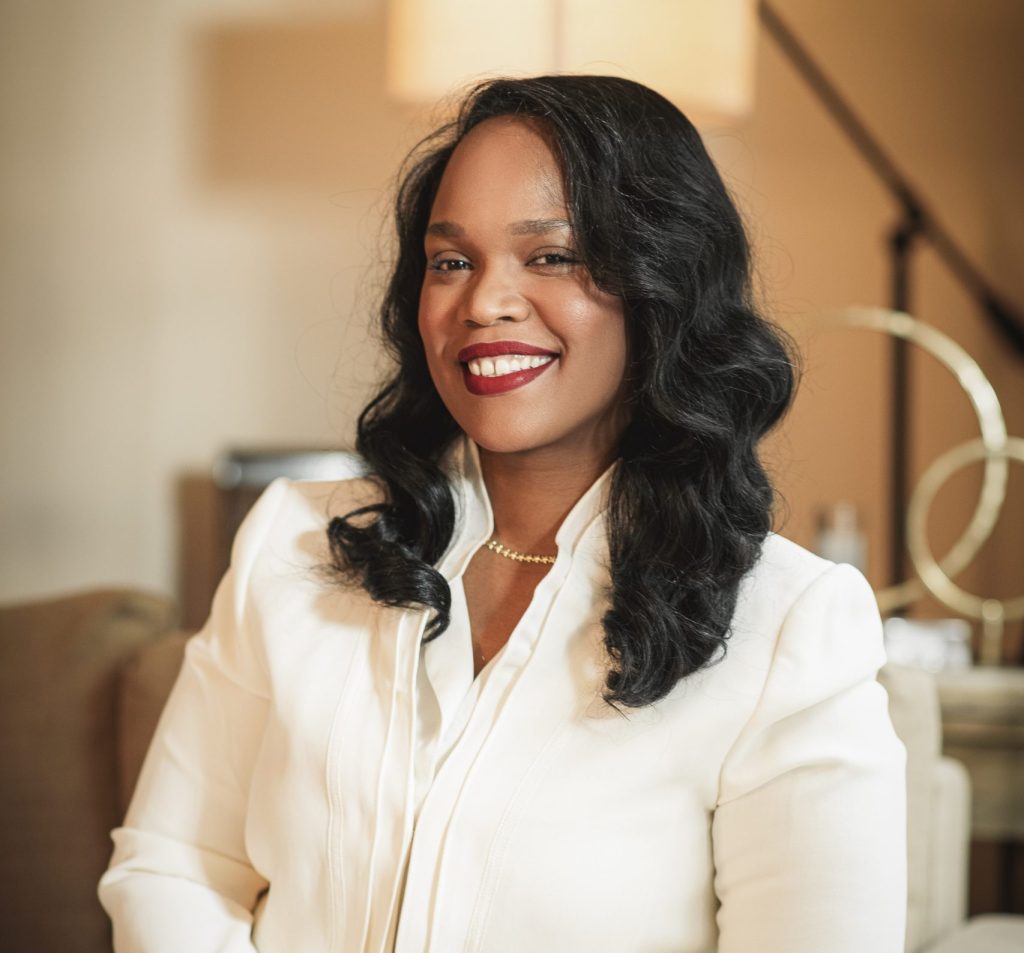
    Dr. Kristen Brown

    In this episode, Rob speaks with Dr. Kristen Brown, Senior Research Associate at the Urban Institute, about the transformative impact of artificial intelligence (AI) on medical research. Dr. Brown shares insights from her work in maternal health research, highlighting how AI is being used to address critical health disparities and improve healthcare outcomes for mothers and infants in the U.S.

    The conversation explores:

    -The role of AI in identifying and managing high-risk pregnancies

    -Ethical considerations, including equity, data bias, and the responsibility of AI developers

    -The importance of centering equity in AI development to avoid exacerbating disparities

    Dr. Brown provides an inside look at her collaboration with the GE Healthcare Foundation and how AI can either bridge or widen the gap in healthcare outcomes, depending on how it is implemented.

    Mentioned:

    Urban Institute – Research-driven insights to advance upward mobility and equity

    GE Healthcare Foundation – Supporting equitable healthcare solutions

    Kristen Brown, PhD on LinkedIn Follow here

    This Episode is Sponsored By:

    DonorBox – Helping nonprofits maximize their impact with user-friendly donation forms and secure fundraising solutions.

    Links to Resources:

    Interested in Leadership and Life Coaching? Visit Rob’s website: RobHarter.com

    Find us on YouTube: Nonprofit Leadership Podcast YouTube Channel

    Suggestions for the show? Email us at nonprofitleadershippodcast@gmail.com

    Request a sample coaching session: Email Rob at rob@robharter.com

    Subscribe and Share

    Listen and subscribe to the Nonprofit Leadership Podcast on iTunes, Spotify, or Amazon. Don’t forget to like, subscribe, and share with other nonprofit leaders!


    What’s the Future of AI for the Nonprofit Sector? Dec 01, 2024
    Show notes
    Ben Miller

    Artificial intelligence (AI) is rapidly transforming the nonprofit landscape, and the question for nonprofit leaders isn’t whether to use AI, but how to use it effectively. In this episode, Rob Harter sits down with Ben Miller, SVP of Data Science at Bonterra, to explore how nonprofits can leverage AI for good. They discuss practical applications like improving donor engagement, optimizing operations, and overcoming barriers to adopting AI.

    Ben also addresses critical ethical considerations, including data security and bias, while offering advice for nonprofits of all sizes on how to start small and grow their AI capabilities. Whether you’re an executive director, development officer, or board member, this episode provides valuable insights into how AI can help your nonprofit achieve greater impact.

    Mentioned:

    • Bonterra – AI-powered tools and resources for nonprofits
    • Fundraising AI – Ethical AI guidelines for the nonprofit sector
    • Fundraising Effectiveness Project – Free resources for improving fundraising outcomes

    This Episode is Sponsored By:

    • DonorBox – Helping nonprofits maximize their impact with user-friendly donation forms and secure fundraising solutions.

    Links to Resources:

    • Interested in Leadership and Life Coaching? Visit Rob’s website: RobHarter.com
    • Find us on YouTube: Nonprofit Leadership Podcast YouTube Channel
    • Suggestions for the show? Email us at nonprofitleadershippodcast@gmail.com
    • Request a sample coaching session: Email Rob at rob@robharter.com

    Subscribe and Share

    Listen and subscribe to the Nonprofit Leadership Podcast on iTunes, Spotify, or Amazon. Don’t forget to like, subscribe, and share with other nonprofit leaders!

    https://donorbox.org/?ref=nmu4ndh

    How to Use Innovation for Positive Change Nov 24, 2024
    Show notes

    In this episode, Rob Harter speaks with Scott Key, the founder of Every Shelter, a nonprofit focused on providing innovative shelter solutions for refugees. Scott shares insights into the global refugee crisis, emphasizing the staggering statistic that refugees remain displaced for an average of 20 years. He explains how Every Shelter addresses this challenge by focusing on localization, empowering refugees, and fostering economic opportunities through innovative shelter products and services. Scott delves into the importance of innovation in the nonprofit sector, how his organization leverages hyperlocal solutions to meet refugee needs, and the value of risk-taking for meaningful social change. He also discusses his vision for Every Shelter as a research and development hub for scalable, impactful solutions in the humanitarian sector. Mentioned: Every Shelter – A nonprofit providing shelter solutions for refugees This Episode is Sponsored By: DonorBox – Helping nonprofits maximize their impact with user-friendly donation forms and secure fundraising solutions. Links to Resources: Interested in Leadership and Life Coaching? Visit Rob’s website: RobHarter.com Find us on YouTube: Nonprofit Leadership Podcast YouTube Channel Suggestions for the show? Email us at nonprofitleadershippodcast@gmail.com Request a sample coaching session: Email Rob at rob@robharter.com Subscribe and Share Listen and subscribe to the Nonprofit Leadership Podcast on iTunes, Spotify, or Amazon. Don’t forget to like, subscribe, and share with other nonprofit leaders! Transcript: Dr Rob Harter (00:01.133)Well, welcome to the nonprofit leadership podcast, Scott. Thanks so much for taking time to be on the show today. Scott Key (00:05.974)Yeah, really thankful to be here, Dr Rob Harter (00:08.483)Absolutely. Well, I have found it’s always helpful for my listeners to get a real quick overview as to what you do and what every shelter is all about. So maybe just start with that. Let’s give a quick summary of your mission and your organization. Scott Key (00:21.858)Yeah. So, I always start with one statistic and it’s, and it’s actually what got me into this work in the first place, but, refugees on average will stay this place for about 20 years. and if I had your listeners close their eyes and just imagine what a refugee shelter looks like, it probably doesn’t jive with 20 years. And so, that was really what drew me in when I got started with this. every shelter is all about helping refugees create home for themselves. you know, and we’re a little bit ambiguous on purpose with that because 20 years you are creating home, you know, referring to them as shelters is not maybe fully descriptive of what, you know, kind of the charges. Dr Rob Harter (01:04.405)Yeah, well with the work you’re doing, there are many aspects I understand to it. What would you say are the top one or two things that you’re really trying to solve? Because you’re working with refugees, that’s a huge, there’s so many different layers to that. But yeah, what are you really trying to hone in on? Scott Key (01:19.222)Yeah. So really specifically, we work in refugee camp settings, refugee settlements. So when I talk to an American audience, when I say refugee, often what people are thinking of is resettlement. Refugees who have the opportunity to come live in the US or Western Europe. And that is not what we’re talking about. What we’re talking about specifically is refugees who have crossed the border and are living most often in a camp or a settlement. A lot of our work focuses around kind of the local ecosystem around refugees shelter. So we ultimately want refugees to have safe, stable housing. The way that we do that is by investing in product development, local supply chains, and then refugee led markets in those camps. And so we have a few products that are kind of our origin. We have a flooring system. We have a roofing tarp. And in both cases, the goal is for those to be made locally so that the local economy can benefit from the production of those things. You know, in addition to that, we have our hardware stores, we have sheltered depots, we run hardware stores and refugee camps so that refugees have more agency over what it is they are needing for their homes. So if you juxtapose that to the way that aid often works in our context, in-kind aid distribution. It’s very need and preference blind. It relies 100 % on philanthropy to underwrite it. And our stores are an ability for refugees to be able to actually choose the things that they need and not need tell them what they need. And so the stores ultimately need to reflect back the needs of the community well. And those stores become really a platform for us to develop increasingly precise solutions for those communities. So the stores ultimately become a place for us to serve that community. and there are very, very specific needs. Dr Rob Harter (03:13.429)Well, and yeah, it is such a big issue. I’m glad you narrowed that a little bit down. And one of the things you talk about when I looked into your website and some of the work that you’re doing, you talk a lot about localization in the context of what every shelter does within the humanitarian system. Maybe you could talk a little bit more about that because I think that’s unique and I want to make sure my listeners understand what you mean by localization. Scott Key (03:34.808)Yeah, absolutely. Yeah, so I’ll start with the kind of like the counterbalance of that, which is the way that we’ve globally, attempted to serve refugees is really through a kind of a global mindset. You know, the UN High Commissioner for refugees has a catalog of products that are relevant globally, or at least in theory, those are made in a factory somewhere and then brought in when a need is there. That may be an appropriate solution during what’s called the emergency response phase of a refugee crisis. But when you consider that 20 year statistic, it just really doesn’t work longterm. so, but when we say localization, we mean that very literally. want, well, let me say it like this. The communities that surround refugees have the resources and the solutions to the needs that refugees have. And so sometimes we feel like our job is often, you know, connecting dots that are just desperate to connect. Our stores are really. Our stores are a really great example of that. We’re making a platform or an access point to a local Uganda business to the refugees needs. And so we really want to see, yeah, that economic benefit live close by. I’ll give one specific example. In our store in the northern part of Uganda and the BDBD refugee settlement, the second largest refugee settlement in the world, we Our customers there have a hard time acquiring certain products, grass, poles, there’s been really rapid deforestation. so at that store, we have invested in a model home, which looks exactly like the homes that they build for themselves in South Sudan, but it’s substituting in products that refugee led organizations or Ugandan run businesses actually produce. So treated bamboo. you know, a palm leaf product, et cetera. And so when we say local, oftentimes we do mean hyper local. We mean these are South Sudanese refugees, which has different preferences than maybe a refugee from the Congo. And we want to make sure that those solutions are relevant to them. But even in the context of that camp, which we talk about, you know, subject like scale, there’s 270,000 South Sudanese refugees living in this camp. So if you solve that problem in a local context, Scott Key (05:57.848)you’re ultimately able to serve quite a lot of people. so, yeah. Dr Rob Harter (06:04.567)Wow, that’s 270,000 and just in that one camp. Talk to me about how you sort through just the immensity of it and feeling overwhelmed by all the needs of just that one example of one group. And I know you serve more than that, but talk about how do you sort that through as a leader? Scott Key (06:21.74)Yeah, it’s a pretty relevant question right now. mean, there’s so many things that we could tackle, you know, it’s, and we, and we’ve got a relatively small team. so, you know, filtering and deciding what to pursue is ultimately, you know, question that we always have to answer. so internally we talk about, you know, the three Rs, you know, Is there a ripple effect with this product? Is there something about this pursuit that can kind of have an outsized, like leveraged impact? Is there a revenue opportunity? And by that, we don’t mean to us, but is there, does this pursuit have the ability to potentially self sustain itself financially if we pursue it? And then the other one is reputation. If we’re successful in this, you know, pursuit, you know, does that somehow build the credibility of the project and the team? And so we try to use that as a filter. our team and the work that we do, it looks a lot like a studio in the sense that we’re taking in the needs of the community. We’re turning them into pilots. If those pilots are successful, they’re ultimately, they find their kind of final form in the form of the store. And so, yeah, we are constantly confronted with, you know, what do we take on? And, you know, we try to use those filters and then we literally have a position in each refugee settlement. that their job is effectively to be listeners. They’re refugees themselves, and so they ultimately provide a huge voice into, what truly are the needs of this community and how can we respond? Dr Rob Harter (07:59.971)Well, I appreciate you answering that. know mission drift is such a challenge for every nonprofit. And I’m guessing the bigger the needs and like what you’re doing, it can be such a temptation to sort through what is really our mission and how much can we do sustainably with the staff you have and the resources you have. Now, one of the things I really was impressed with when I looked into what you do is innovation. You’re a big believer in innovation for positive social change. I think it’s a great focus. In fact, I have heard others in the nonprofit sector gently criticize the nonprofit sector as a whole that we’re not as innovative as we could be. And I think there’s some probably some fair argumentation to that and we can get better at innovation. So talk about that. Why are you so motivated by innovation for positive change? And give us an example of how you demonstrate how you’re going about putting that into practice. Scott Key (08:50.11)I think it starts with understanding the space that you’re working in quite well. So, you know, referenced the 20 year statistic for a long time. You know, there’s an emergency response phase to a refugee’s journey. There’s a resettlement, a pathway to citizenship somewhere else down the line. We really exist in a space where we refer to it as the gap. And so it’s a space that doesn’t have many solutions, given kind of the political context in the hosting countries. a lot of existing development and age strategies just really aren’t relevant. And so all that to say, we’re in a space that doesn’t have a lot of answers. And, you know, if we’re going to solve these problems, we have to try new things, you know, and so that’s probably the impetus of the motivation for us. And I’ll just kind of speak again, kind of to the contrary, traditional philanthropy doesn’t reward risk-taking. And we definitely confront that. Dr Rob Harter (09:45.965)Right. True. Scott Key (09:48.392)on an annual basis, you find a lot of what I call vending machine philanthropy, where it’s like, put a dollar in, I want a bag of chips to fall out. You know, hey, what are my guaranteed outcomes out of this activity? And I want to fund that. And to be sure we have those as an organization, but we’re often trying to attract funders who, you know, want to take risks and understand that risk taking is necessary to solve the problems in our space. Dr Rob Harter (10:13.991)Vending machine philanthropy. I love that phrase. I think there’s a lot of truth to that. I think it’s something that people do deal with and struggle with. What have you found to be successful in, you know, without just saying it outright, but to work around donors that maybe do have that mindset when they come to support your organization? How do you work around that and not also make people feel bad about, you know, they’re trying to do something, but you’re trying to move them away from that into a Scott Key (10:18.614)Yeah. Dr Rob Harter (10:42.357)a bigger idea of what philanthropy really is, what’s been working for you when it comes to development. Scott Key (10:47.864)You know, I think if you thought about our typical donor profile, oftentimes they’re business people. They’re people who have probably taken big risks. And so you can speak that language to them. It’s like, you know, when you started or built your business, obviously there’s kind of inherent risk taking in that because you’re seeing an opportunity that you want to deserve. so that tends to be a good donor profile for us. But then two is we just have a track record of success. that we can kind of lean on. And so even with people who may not be as accustomed to funding uncertain outcomes, our track record really speaks for itself in the sense that we really are kind of subject matter experts. We know our space really well. And we’ve got a body of work behind us that kind of points to maybe smart risk taking versus moonshots that aren’t worth taking. Dr Rob Harter (11:46.339)Well, and that’s good to hear how you’ve been navigating through that. You know, as you think about your nonprofit, you know, I have a lot of people on the show that lead just local or community based or US based nonprofit organizations. You’ve obviously have this big international output of what you’re doing and your scope is larger than maybe your typical nonprofit. What led you to make that decision and what have been some of the challenges to make sure that you were able to manage that? Obviously you’re, you’re based out of Houston, Texas. as you mentioned, but yet you are impacting the world. How do you manage that well on a leadership side and a management side? Scott Key (12:23.988)leading, leading two offices and international office, mean? Yeah. It’s a challenge. you know, we, you know, one, we have incredible staff and we try our best to take care of them. you know, we, we, we desire continuity and, and, you know, we want to make sure that our leadership over, in our other offices is just well taken care of. that’s part of it, but, you know, we make it a point to be together every 60 days, somehow. Dr Rob Harter (12:26.829)Right? Dr Rob Harter (12:53.251)Nice. Scott Key (12:53.56)That’s a big part of it. It does. And in my, I’m very transparent with my team. It sometimes feels like building two organizations at the same time. And so, you know, trying to create a culture that’s shared between the two offices, as far as an organization goes, that’s part of the strategy is just trying to spend a lot of time together, you know, as an organization and just naturally leading an office in East Africa. leading one in the States, there’s definitely some distinctions there. But, you know, making sure that we spend a lot of time as a leadership team being on the same page and leading with transparency and honesty and vulnerability. mean, I, prior to this never led, I’ve never had this many, many people on staff and never led an organization like this. And so we do have a culture, at least among the leadership team of, of grace and we’re figuring this out together and we’re all working really hard. And hopefully the mistakes aren’t too big when we do make them, but inevitably there will be some. Dr Rob Harter (13:58.527)Well, I’ve read that you are guided by the idea that true fulfillment lies in giving back to society. I really like that phrase and that sentiment even more. Tell us more about why this is so imp…

    Full show notes at the publisher

    How to Be a Nonprofit Bestie Nov 17, 2024
    Show notes
    Ellena Fortner

    In this episode, Rob is joined by Ellena Fortner, founder of Nonprofit Bestie, an organization dedicated to empowering women leaders in small and medium-sized nonprofits. With over 15 years of nonprofit experience, Ellena focuses on equipping leaders with practical tools, strategies, and guidance to achieve their fundraising goals with confidence and ease.

    Ellena shares insights into creating personalized donor journeys, mastering donor retention strategies, and building a supportive community for nonprofit leaders. She introduces her signature program, Bestie Bootcamp, a 15-week comprehensive training designed to simplify fundraising and make it more effective. Tune in for actionable advice on cultivating lasting donor relationships and thriving as a nonprofit leader.

    Mentioned:

    Nonprofit Bestie – Coaching and training for nonprofit leaders

    Rob Harter’s Leadership and Life Coaching – Find out more about what Rob offers

    This Episode is Sponsored By:

    DonorBox – Helping nonprofits maximize their impact with user-friendly donation forms and secure fundraising solutions.

    Links to Resources:

    Interested in Leadership and Life Coaching? Visit Rob’s website: RobHarter.com

    Find us on YouTube: Nonprofit Leadership Podcast YouTube Channel

    Suggestions for the show? Email us at nonprofitleadershippodcast@gmail.com

    Request a sample coaching session: Email Rob at rob@robharter.com

    Subscribe and Share

    Listen and subscribe to the Nonprofit Leadership Podcast on iTunes, Spotify, Amazon, Google Podcasts, or your preferred platform. Don’t forget to like, subscribe, and share with other nonprofit leaders!


    Your Retention Starts with Your Recruitment Process Nov 11, 2024
    Show notes
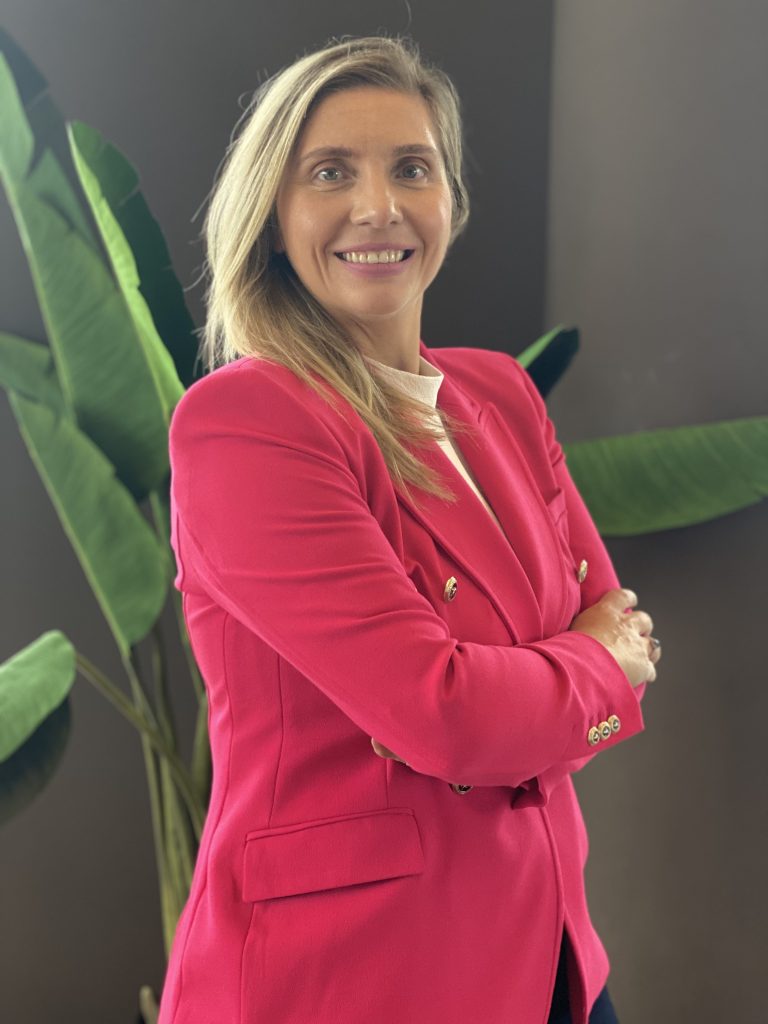
    Mariya Yurukova

    In today’s episode, Rob Harter is joined by Mariya Yurukova, founder of Charity Search Group (CSG), to discuss the essential connection between recruitment and retention in the nonprofit sector. With years of experience helping organizations find and retain top talent, Mariya shares actionable strategies for building a strong workforce through effective recruitment practices. From incorporating diversity, equity, and inclusion (DEI) into hiring to understanding the evolving recruitment landscape, Mariya provides valuable insights for nonprofits facing high turnover and recruitment challenges.

    Rob’s guest, Mariya Yurukova, discusses the importance of thorough onboarding, setting growth-oriented expectations, and maintaining equitable and supportive work environments to help retain talent. Mariya also emphasizes how nonprofits can strengthen board engagement and support leadership to create a culture that attracts and retains dedicated employees.

    Mariya’s insights offer a roadmap for nonprofits looking to improve both their recruitment processes and employee retention by aligning them with the organization’s long-term goals and values.

    Mentioned:

    Charity Search Group (CSG) – Helping nonprofits find top leadership talent

    LinkedIn – Follow Mariya Yurukova and CSG for insights on recruitment and retention

    Rob Harter’s Leadership and Life Coaching

    This Episode is Sponsored By:

    DonorBox – Helping nonprofits maximize their impact with user-friendly donation forms and secure fundraising solutions.

    Links to Resources:

    Interested in Leadership and Life Coaching? Visit Rob’s website: RobHarter.com

    Find us on YouTube: Nonprofit Leadership Podcast YouTube Channel

    Suggestions for the show? Email us at nonprofitleadershippodcast@gmail.com

    Request a sample coaching session: Email Rob at rob@robharter.com

    Subscribe and Share

    Listen and subscribe to the Nonprofit Leadership Podcast on iTunes, Spotify, Amazon, Google Podcasts, or your preferred platform. Don’t forget to like, subscribe, and share with other nonprofit leaders!


    Why aiming for a stress-free childhood is not ideal Nov 03, 2024
    Show notes

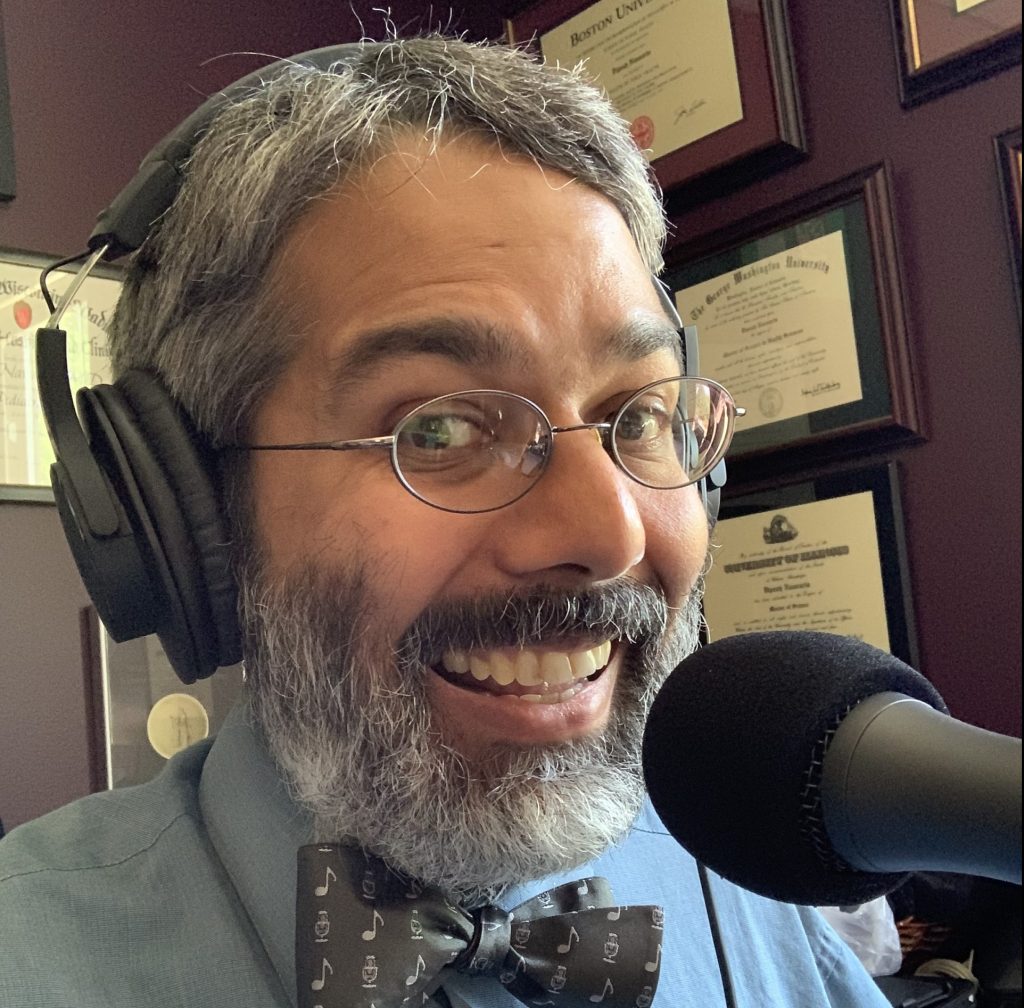
    Addressing childhood poverty in the U.S. is an enormous challenge, and for nonprofits working to improve children’s lives, understanding the impact of poverty is essential. In this episode, Dr. Dipesh Navsaria, a pediatrician and advocate for early childhood development, joins Rob to discuss how nonprofits can support positive childhood experiences to mitigate the effects of poverty. Dr. Navsaria shares insights from his work with the Reach Out and Read initiative, a program focused on literacy and relational health for young children. He emphasizes the power of strong caregiver relationships and the importance of creating positive experiences that build resilience.

    Rob’s guest, Dr. Dipesh Navsaria, explains how childhood adversity and positive experiences affect long-term outcomes. Through his work with Reach Out and Read, Dr. Navsaria aims to increase awareness of childhood poverty and provide strategies to support early development. He highlights the significance of creating an “ecosystem of supports” to address not only immediate needs but also provide ongoing support for families facing poverty.

    Dr. Navsaria’s insights reveal critical strategies for nonprofits looking to support children and families in poverty, including fostering strong relational health, creating programs that promote early literacy, and advocating for systemic change. His approach offers a model for nonprofits aiming to create sustainable and impactful change.

    Mentioned:

    Reach Out and Read

    Reach Out and Read Podcast – A five-part series on childhood poverty

    American Academy of Pediatrics – Policy on childhood adversity

    Link to AAP policy statement

    Rob Harter’s Leadership and Life Coaching

    This Episode is Sponsored By:

    DonorBox – Helping nonprofits maximize their impact with powerful, user-friendly donation forms.

    Links to Resources:

    Want to work with a leadership and life coach? Check out Rob’s website: RobHarter.com

    Find us on YouTube: Nonprofit Leadership Podcast YouTube Channel

    Suggestions for the show? Email us at nonprofitleadershippodcast@gmail.com

    Request a sample coaching session: Email Rob at rob@robharter.com


    How to Measure the Impact of Your Programs Oct 28, 2024
    Show notes

    Measuring impact is crucial for nonprofits striving to create sustainable change. In this episode, Dana François, Program Officer for Family Economic Security at the Kellogg Foundation, joins Rob to discuss strategies for effectively measuring program impact. Dana shares insights from the Kellogg Foundation’s Pockets of Hope campaign in Haiti, a targeted initiative to strengthen food systems, education, and local economies. She emphasizes the importance of using locally driven metrics and engaging community members in the evaluation process to ensure that outcomes are meaningful and reflect community priorities.

    Rob’s guest, Dana François, explains how the Pockets of Hope campaign uses a holistic approach to track success, focusing on long-term metrics, such as job creation, family economic stability, and local food production. Dana also discusses how the Kellogg Foundation collaborates with Haitian-led organizations, leveraging local knowledge to design impactful interventions. She stresses that strong partnerships and a “trust-based” approach are key to making a lasting difference in vulnerable communities.

    Dana’s insights highlight essential strategies for nonprofits aiming to measure their impact, including setting clear goals, using participatory methods, and investing in long-term solutions. Her approach provides a valuable model for nonprofits looking to create both immediate relief and systemic change.

    Mentioned:

    Kellogg Foundation website

    Kellogg Foundation’s Pockets of Hope Campaign

    Haiti Food System Alliance

    Model School Network

    Haitian Education & Leadership Program

    This Episode is Sponsored By:

    Links to Resources:

    Want to work with a leadership and life coach? Check out Rob’s website https://robharter.com/

    You can now find us on YouTube: https://www.youtube.com/@nonprofitleadershippodcast7679

    If you have any suggestions for the show, email nonprofitleadershippodcast@gmail.com

    If you would like a sample coaching session, email rob@robharter.com

    Takeaways:

    The Kellogg Foundation has been engaged in Haiti for 70 years.
    Community engagement and local leadership are crucial for effective solutions.
    Investing in smallholder farmers is key to economic development in Haiti.
    Education and leadership programs empower the next generation.
    Collaboration among organizations leads to systemic change.
    Measuring impact involves assessing both financial commitments and community needs.
    The Model School Network has improved educational outcomes in Haiti.
    Immediate needs must be balanced with long-term solutions.
    Engaging with local organizations is essential for sustainable development.
    Trust-based relationships are vital for successful partnerships.


    Previous 1 8 9 10 11 12 30 Next

    Related Podcasts

    How I Built This with Guy Raz

    1

    How I Built This with Guy Raz Business
    Planet Money

    2

    Planet Money Business
    Inside Strategic Coach: Connecting Entrepreneurs With What Really Matters

    3

    Inside Strategic Coach: Connecting Entrepreneurs With What Really Matters Business
    BiggerPockets Real Estate Podcast

    4

    BiggerPockets Real Estate Podcast Business
    The Smart Passive Income Online Business and Blogging Podcast

    5

    The Smart Passive Income Online Business and Blogging Podcast Business
    Bad With Money With Gabe Dunn

    6

    Bad With Money With Gabe Dunn Business
    footer-logo

    Contact Us

    Toll Free: 844-670-7747

    Links

    • Home
    • Top Charts
    • Networks
    • Apps
    • Independents Podcasts
    • Podcast Advertising
    • Podcast News
    • Contact Us
    • About Us
    • Analytics & Insights

    Stay Connected

      Privacy, Terms of Use & Our Code of Ethics Protecting Content Creators Copyrights