 Our TOPPODCAST Picks
 Audio narrations of LessWrong posts. Includes all curated posts and all posts with 125+ karma.
If you’d like more, subscribe to the “Lesswrong (30+ karma)” feed.

 Stay Connected
Audio narrations of LessWrong posts. Includes all curated posts and all posts with 125+ karma.
If you’d like more, subscribe to the “Lesswrong (30+ karma)” feed.
Copyright: © 2023 LessWrong Curated Podcast


Dario Amodei, CEO of Anthropic, recently worried about a world where only 30% of jobs become automated, leading to class tensions between the automated and non-automated. Instead, he predicts that nearly all jobs will be automated simultaneously, putting everyone "in the same boat." However, based on my experience spanning AI research (including first author papers at COLM / NeurIPS and attending MATS under Neel Nanda), robotics, and hands-on manufacturing (including machining prototype rocket engine parts for Blue Origin and Ursa Major), I see a different near-term future.
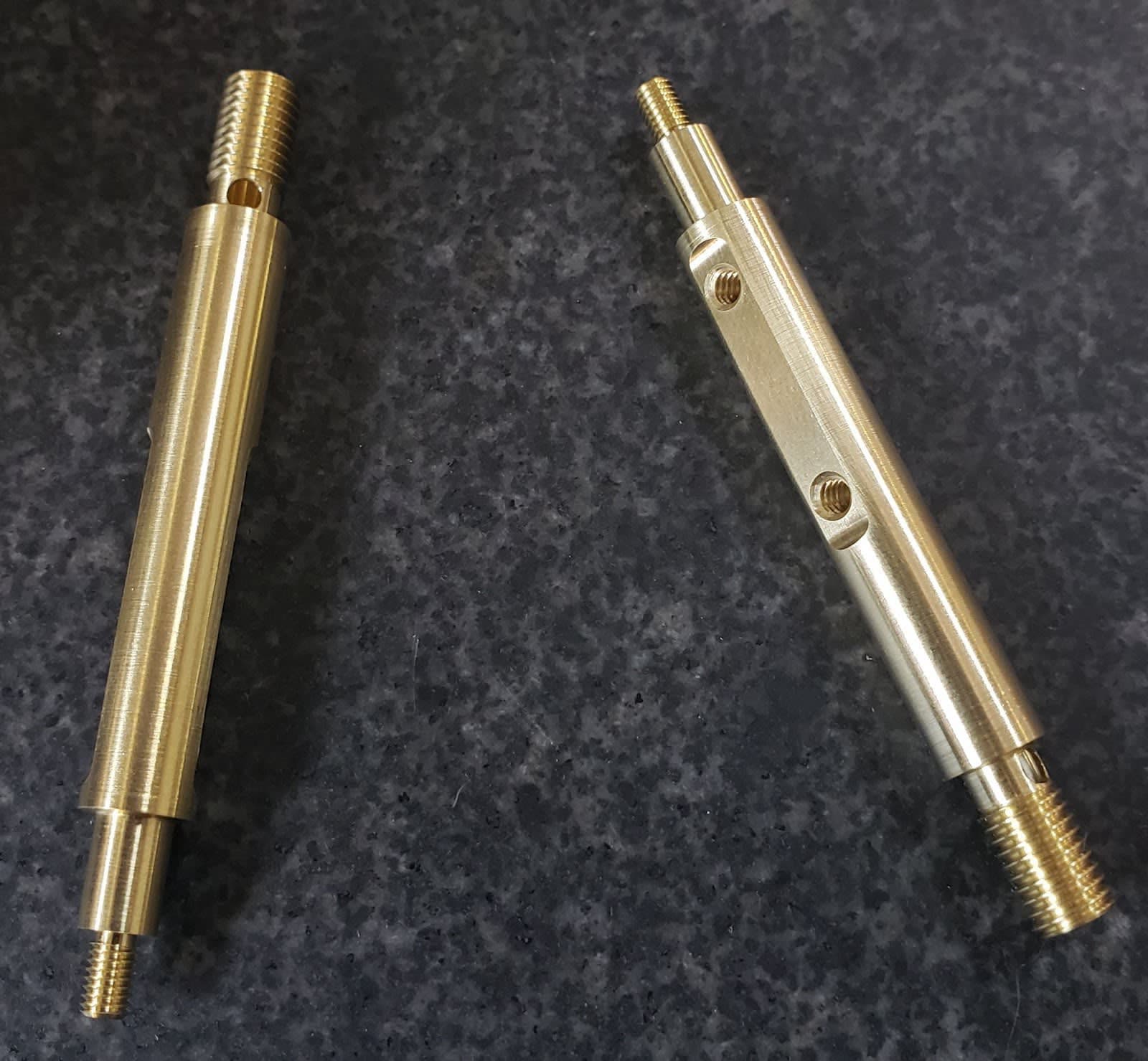
Since the GPT-4 release, I've evaluated frontier models on a basic manufacturing task, which tests both visual perception and physical reasoning. While Gemini 2.5 Pro recently showed progress on the visual front, all models tested continue to fail significantly on physical reasoning. They still perform terribly overall. Because of this, I think that there will be an interim period where a significant [...]
---
Outline:
(01:28) The Evaluation
(02:29) Visual Errors
(04:03) Physical Reasoning Errors
(06:09) Why do LLM's struggle with physical tasks?
(07:37) Improving on physical tasks may be difficult
(10:14) Potential Implications of Uneven Automation
(11:48) Conclusion
(12:24) Appendix
(12:44) Visual Errors
(14:36) Physical Reasoning Errors
---
First published:
April 14th, 2025
Source:
https://www.lesswrong.com/posts/r3NeiHAEWyToers4F/frontier-ai-models-still-fail-at-basic-physical-tasks-a
---
Narrated by TYPE III AUDIO.
---
 Apple Podcasts and Spotify do not show images in the episode description. Try Pocket Casts, or another podcast app.
Audio note: this article contains 31 uses of latex notation, so the narration may be difficult to follow. There's a link to the original text in the episode description.
Lewis Smith*, Sen Rajamanoharan*, Arthur Conmy, Callum McDougall, Janos Kramar, Tom Lieberum, Rohin Shah, Neel Nanda
* = equal contribution
The following piece is a list of snippets about research from the GDM mechanistic interpretability team, which we didn’t consider a good fit for turning into a paper, but which we thought the community might benefit from seeing in this less formal form. These are largely things that we found in the process of a project investigating whether sparse autoencoders were useful for downstream tasks, notably out-of-distribution probing.
This is a link post. When I was a really small kid, one of my favorite activities was to try and dam up the creek in my backyard. I would carefully move rocks into high walls, pile up leaves, or try patching the holes with sand. The goal was just to see how high I could get the lake, knowing that if I plugged every hole, eventually the water would always rise and defeat my efforts. Beaver behaviour.
One day, I had the realization that there was a simpler approach. I could just go get a big 5 foot long shovel, and instead of intricately locking together rocks and leaves and sticks, I could collapse the sides of the riverbank down and really build a proper big dam. I went to ask my dad for the shovel to try this out, and he told me, very heavily paraphrasing, 'Congratulations. You've [...]
---
First published:
April 10th, 2025
Source:
https://www.lesswrong.com/posts/rLucLvwKoLdHSBTAn/playing-in-the-creek
Linkpost URL:
https://hgreer.com/PlayingInTheCreek
---
Narrated by TYPE III AUDIO.
This is part of the MIRI Single Author Series. Pieces in this series represent the beliefs and opinions of their named authors, and do not claim to speak for all of MIRI.
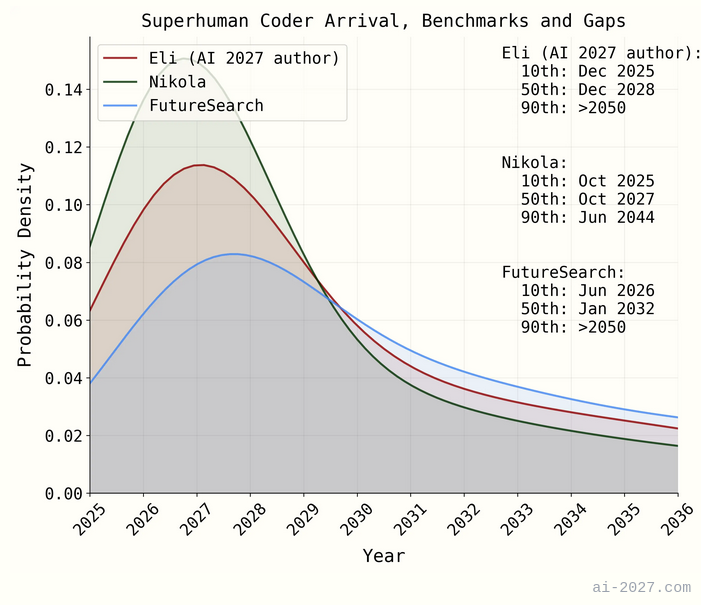
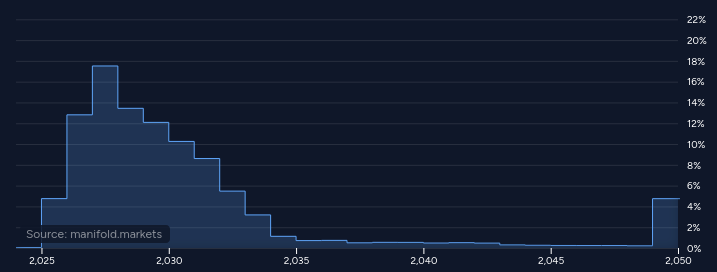
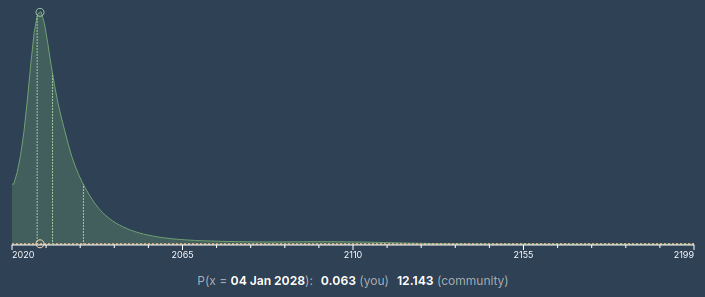
Okay, I'm annoyed at people covering AI 2027 burying the lede, so I'm going to try not to do that. The authors predict a strong chance that all humans will be (effectively) dead in 6 years, and this agrees with my best guess about the future. (My modal timeline has loss of control of Earth mostly happening in 2028, rather than late 2027, but nitpicking at that scale hardly matters.) Their timeline to transformative AI also seems pretty close to the perspective of frontier lab CEO's (at least Dario Amodei, and probably Sam Altman) and the aggregate market opinion of both Metaculus and Manifold!
If you look on those market platforms you get graphs like this:
Both [...]
---
Outline:
(02:23) Mode ≠ Median
(04:50) Theres a Decent Chance of Having Decades
(06:44) More Thoughts
(08:55) Mid 2025
(09:01) Late 2025
(10:42) Early 2026
(11:18) Mid 2026
(12:58) Late 2026
(13:04) January 2027
(13:26) February 2027
(14:53) March 2027
(16:32) April 2027
(16:50) May 2027
(18:41) June 2027
(19:03) July 2027
(20:27) August 2027
(22:45) September 2027
(24:37) October 2027
(26:14) November 2027 (Race)
(29:08) December 2027 (Race)
(30:53) 2028 and Beyond (Race)
(34:42) Thoughts on Slowdown
(38:27) Final Thoughts
---
First published:
April 9th, 2025
Source:
https://www.lesswrong.com/posts/Yzcb5mQ7iq4DFfXHx/thoughts-on-ai-2027
---
Narrated by TYPE III AUDIO.
---
 Apple Podcasts and Spotify do not show images in the episode description. Try Pocket Casts, or another podcast app.
Short AI takeoff timelines seem to leave no time for some lines of alignment research to become impactful. But any research rebalances the mix of currently legible research directions that could be handed off to AI-assisted alignment researchers or early autonomous AI researchers whenever they show up. So even hopelessly incomplete research agendas could still be used to prompt future capable AI to focus on them, while in the absence of such incomplete research agendas we'd need to rely on AI's judgment more completely. This doesn't crucially depend on giving significant probability to long AI takeoff timelines, or on expected value in such scenarios driving the priorities.
Potential for AI to take up the torch makes it reasonable to still prioritize things that have no hope at all of becoming practical for decades (with human effort). How well AIs can be directed to advance a line of research [...]
---
First published:
April 9th, 2025
Source:
https://www.lesswrong.com/posts/3NdpbA6M5AM2gHvTW/short-timelines-don-t-devalue-long-horizon-research
---
Narrated by TYPE III AUDIO.
In this post, we present a replication and extension of an alignment faking model organism:
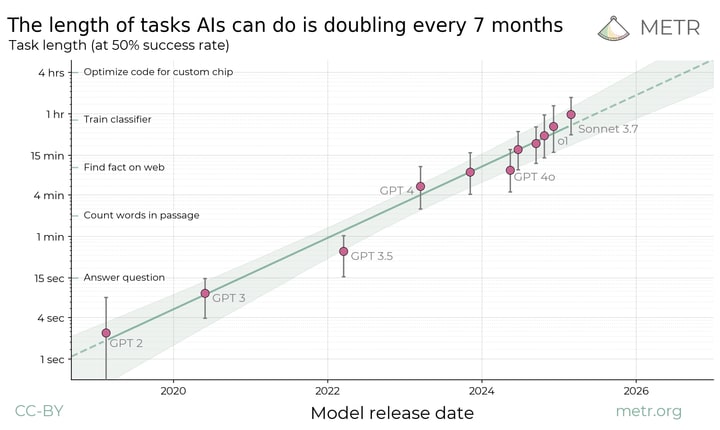
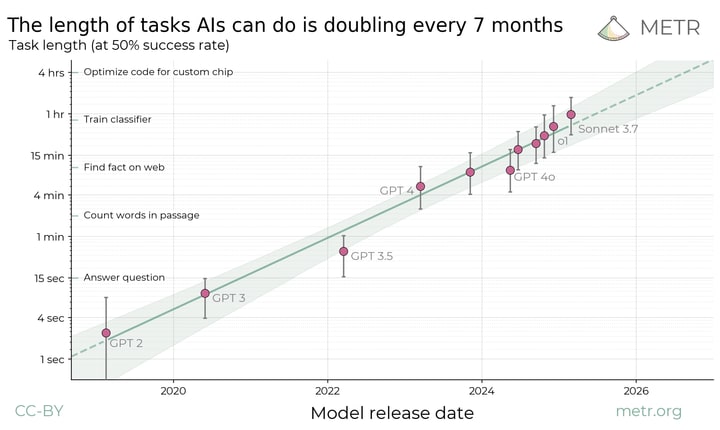
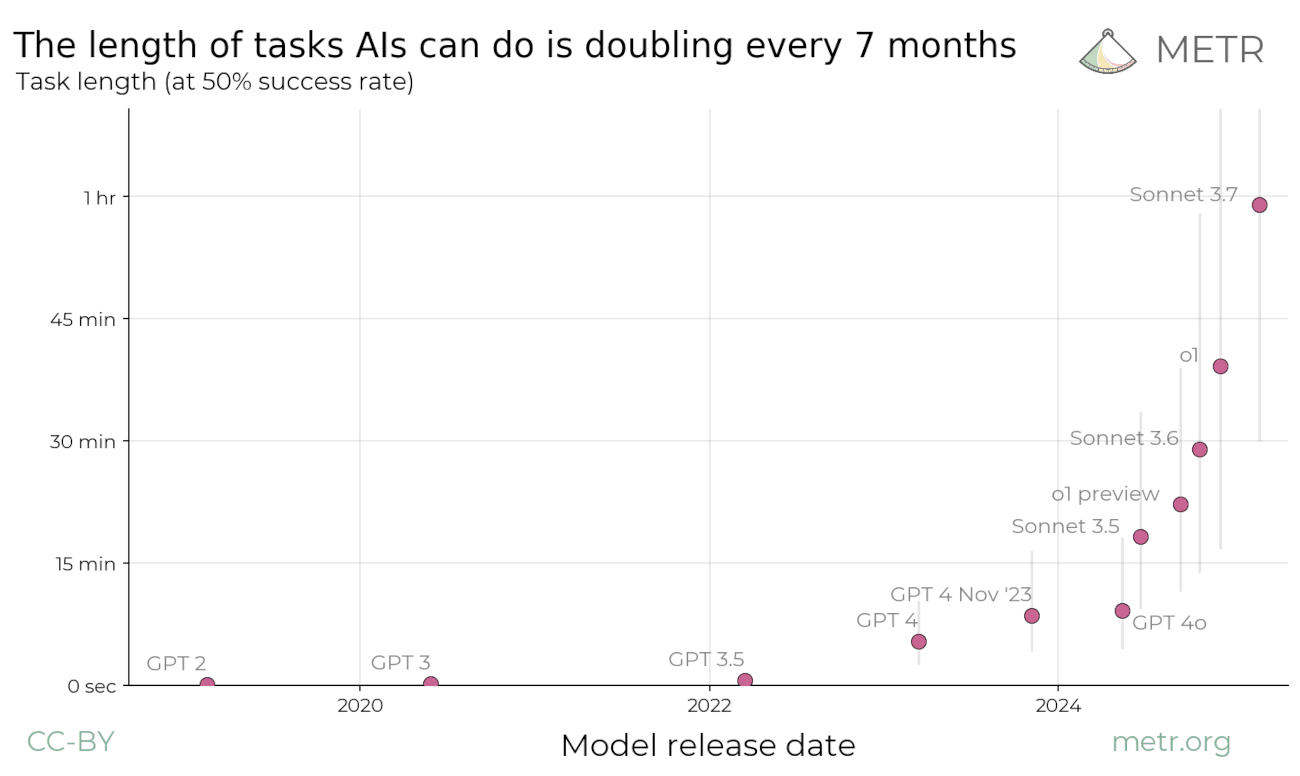
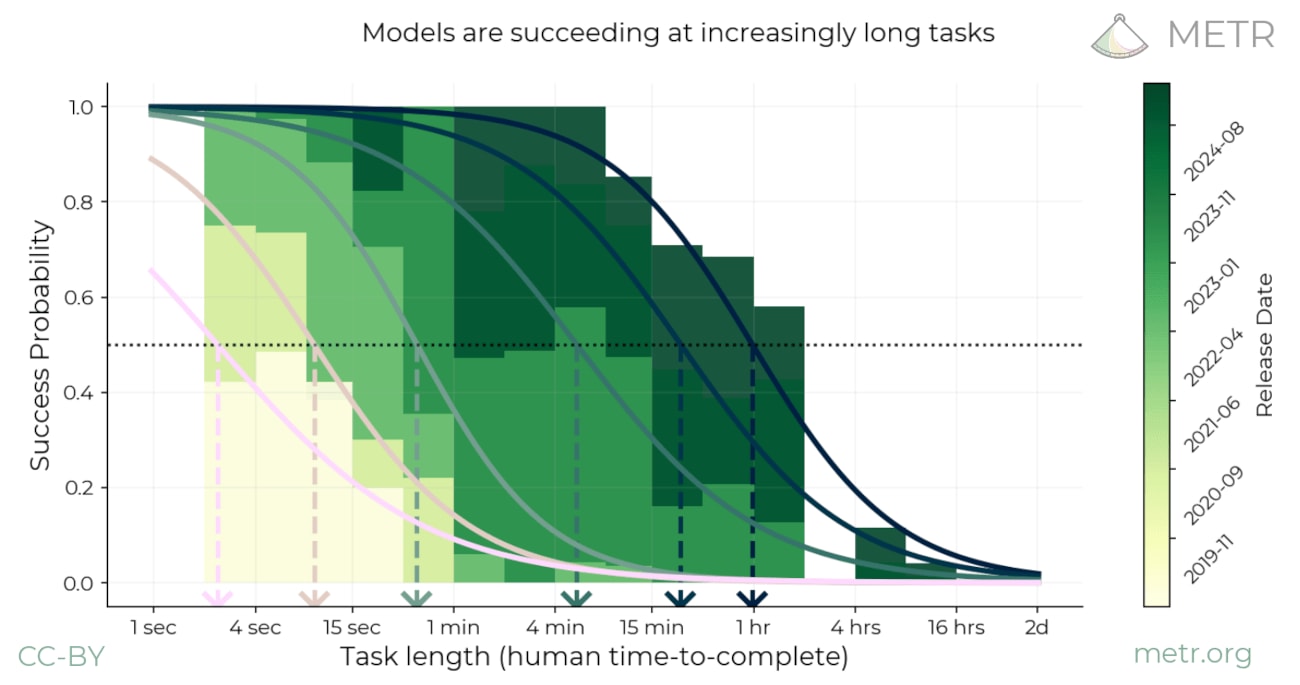
Summary: We propose measuring AI performance in terms of the length of tasks AI agents can complete. We show that this metric has been consistently exponentially increasing over the past 6 years, with a doubling time of around 7 months. Extrapolating this trend predicts that, in under five years, we will see AI agents that can independently complete a large fraction of software tasks that currently take humans days or weeks.
The length of tasks (measured by how long they take human professionals) that generalist frontier model agents can complete autonomously with 50% reliability has been doubling approximately every 7 months for the last 6 years. The shaded region represents 95% CI calculated by hierarchical bootstrap over task families, tasks, and task attempts.
Full paper | Github repo
We think that forecasting the capabilities of future AI systems is important for understanding and preparing for the impact of [...]
---
Outline:
(08:58) Conclusion
(09:59) Want to contribute?
---
First published:
March 19th, 2025
Source:
https://www.lesswrong.com/posts/deesrjitvXM4xYGZd/metr-measuring-ai-ability-to-complete-long-tasks
---
Narrated by TYPE III AUDIO.
---

“In the loveliest town of all, where the houses were white and high and the elms trees were green and higher than the houses, where the front yards were wide and pleasant and the back yards were bushy and worth finding out about, where the streets sloped down to the stream and the stream flowed quietly under the bridge, where the lawns ended in orchards and the orchards ended in fields and the fields ended in pastures and the pastures climbed the hill and disappeared over the top toward the wonderful wide sky, in this loveliest of all towns Stuart stopped to get a drink of sarsaparilla.”
— 107-word sentence from Stuart Little (1945)
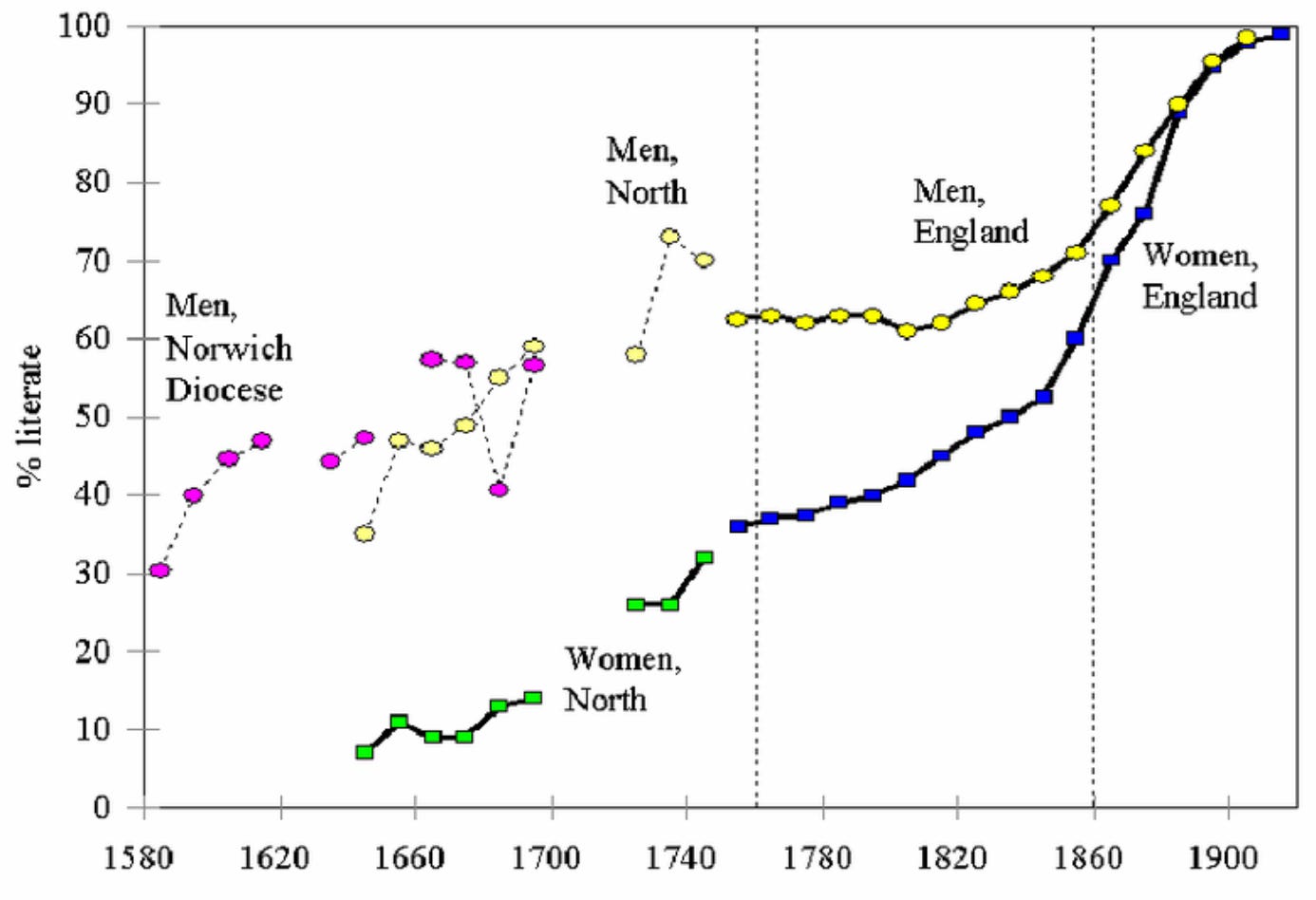
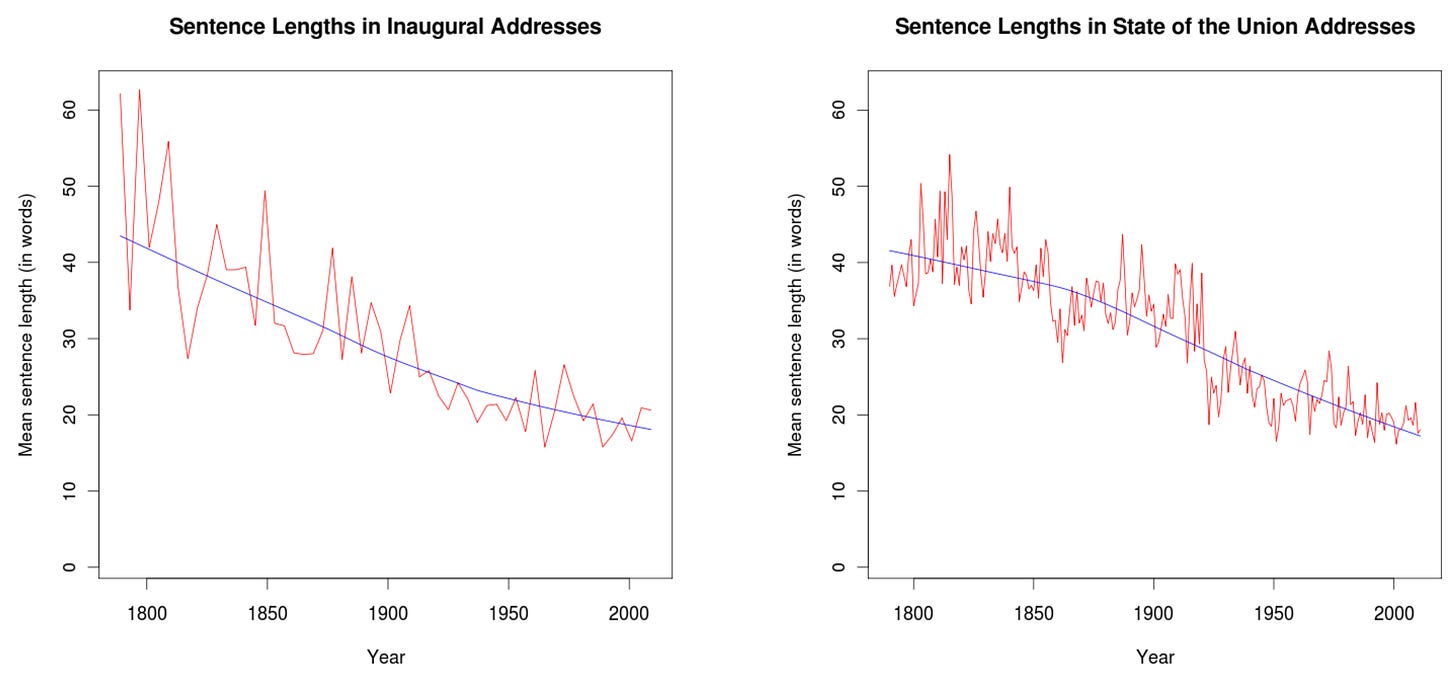
Sentence lengths have declined. The average sentence length was 49 for Chaucer (died 1400), 50 for Spenser (died 1599), 42 for Austen (died 1817), 20 for Dickens (died 1870), 21 for Emerson (died 1882), 14 [...]
---
First published:
April 3rd, 2025
Source:
https://www.lesswrong.com/posts/xYn3CKir4bTMzY5eb/why-have-sentence-lengths-decreased
---
Narrated by TYPE III AUDIO.
---
 Apple Podcasts and Spotify do not show images in the episode description. Try Pocket Casts, or another podcast app.
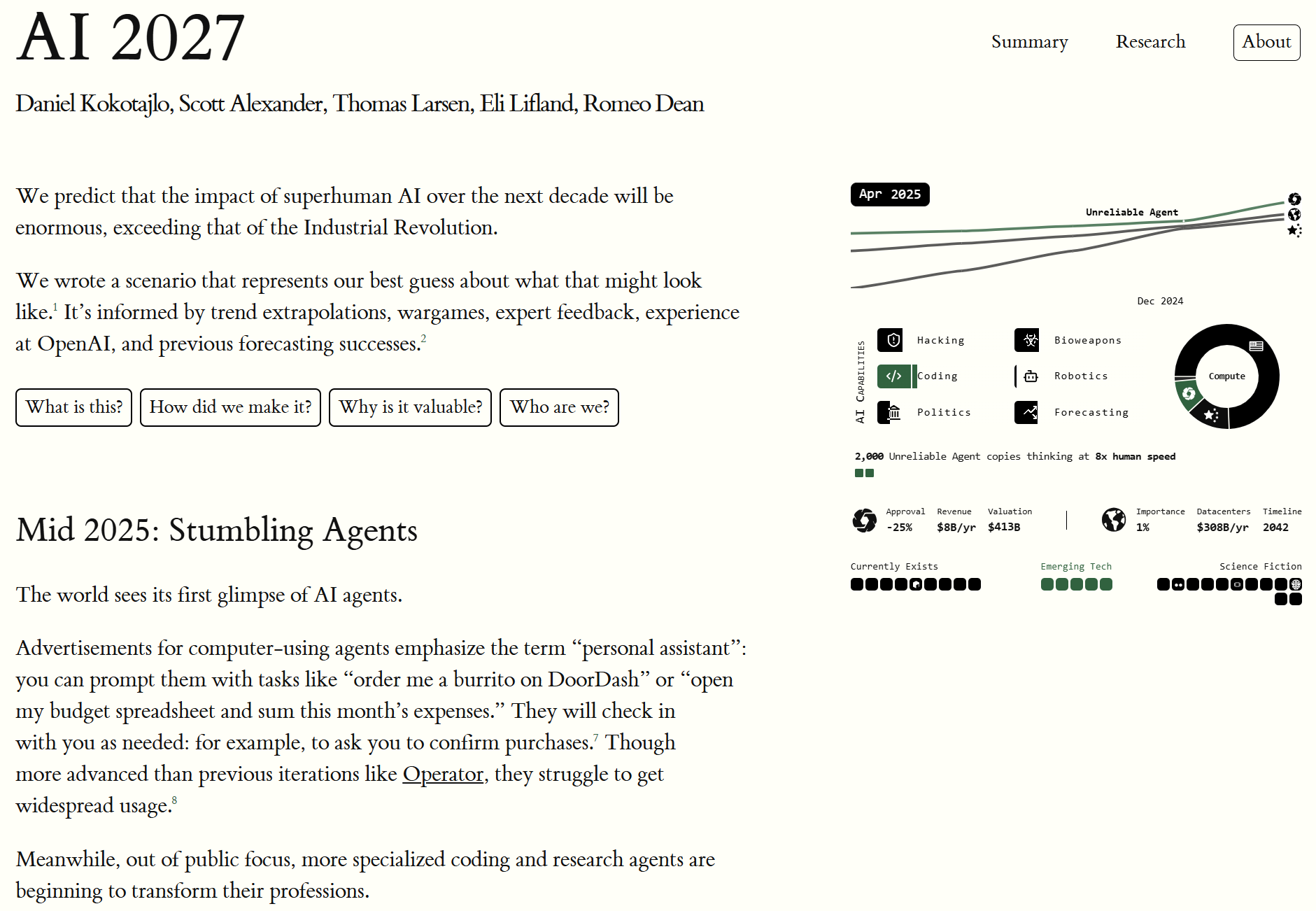
In 2021 I wrote what became my most popular blog post: What 2026 Looks Like. I intended to keep writing predictions all the way to AGI and beyond, but chickened out and just published up till 2026.
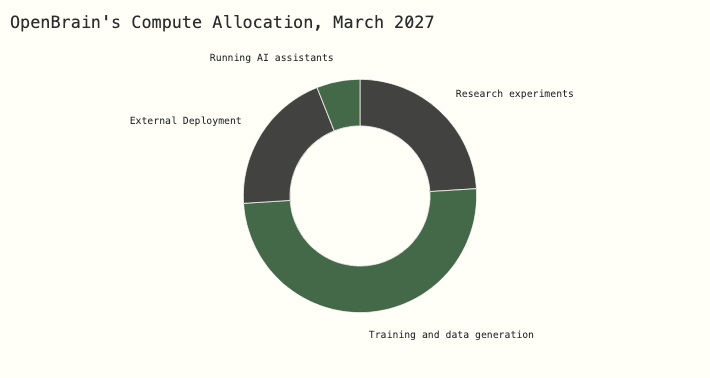
Well, it's finally time. I'm back, and this time I have a team with me: the AI Futures Project. We've written a concrete scenario of what we think the future of AI will look like. We are highly uncertain, of course, but we hope this story will rhyme with reality enough to help us all prepare for what's ahead.
You really should go read it on the website instead of here, it's much better. There's a sliding dashboard that updates the stats as you scroll through the scenario!
But I've nevertheless copied the first half of the story below. I look forward to reading your comments.

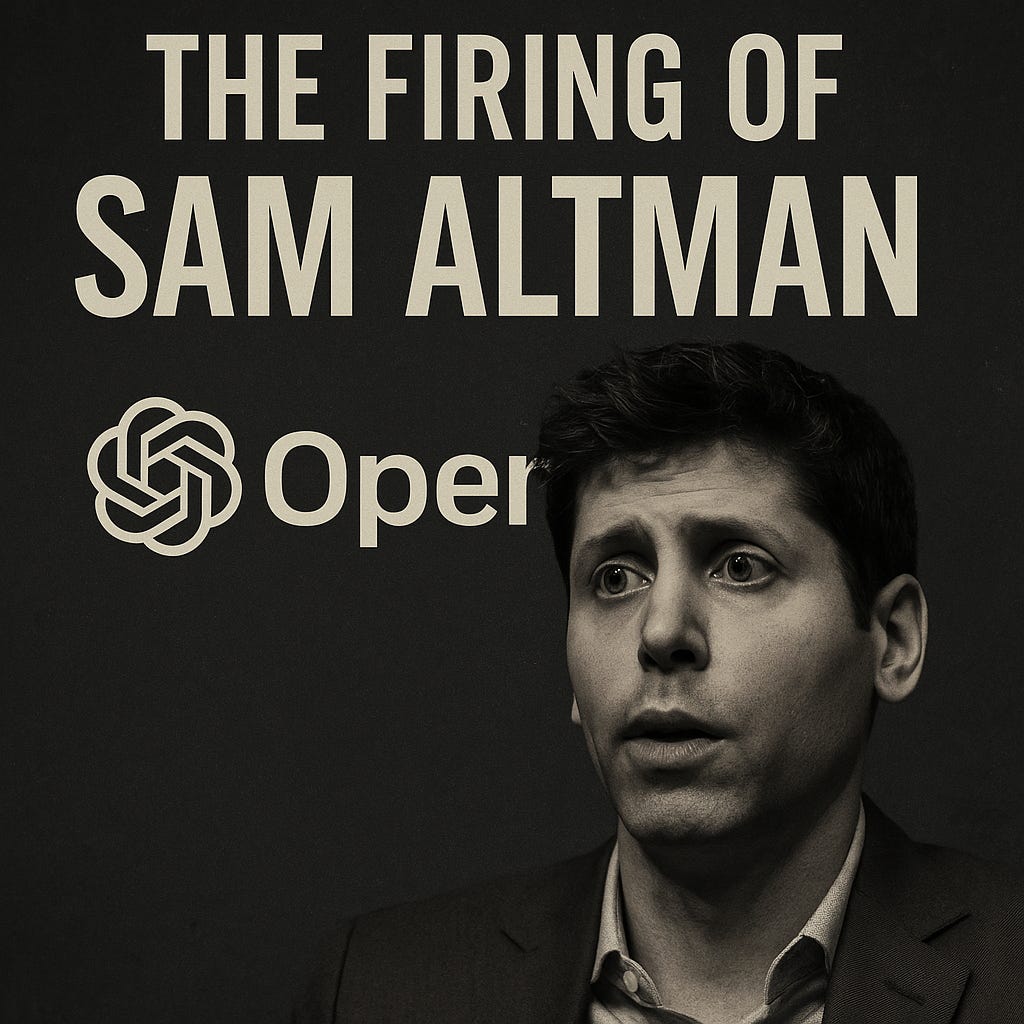
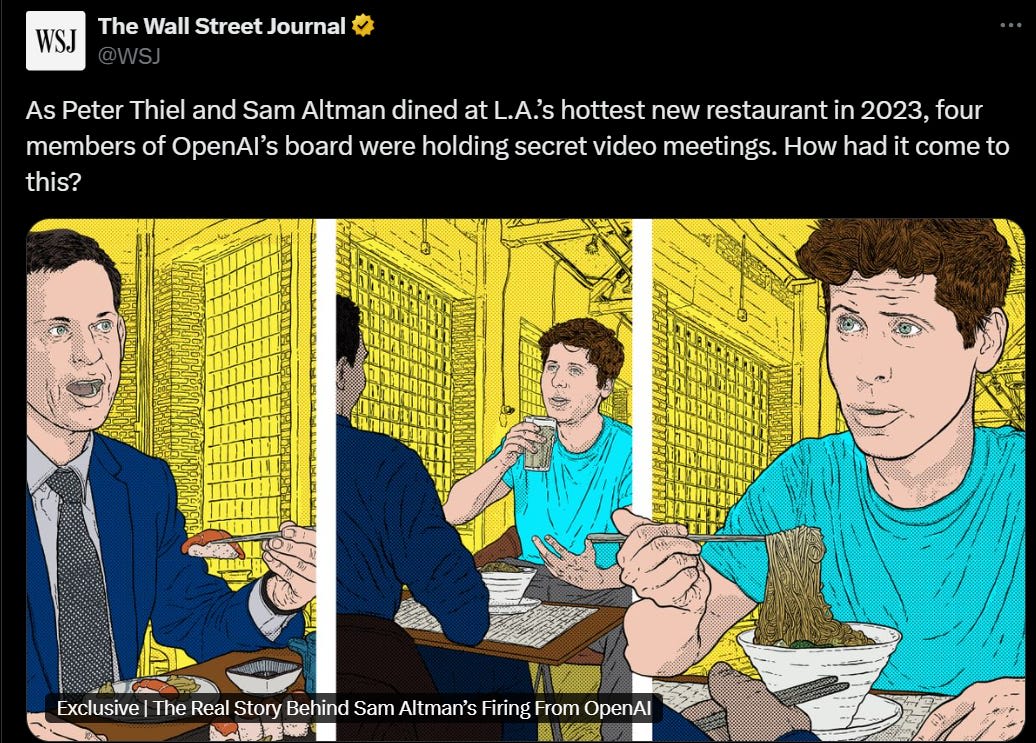
Back when the OpenAI board attempted and failed to fire Sam Altman, we faced a highly hostile information environment. The battle was fought largely through control of the public narrative, and the above was my attempt to put together what happened.My conclusion, which I still believe, was that Sam Altman had engaged in a variety of unacceptable conduct that merited his firing.In particular, he very much ‘not been consistently candid’ with the board on several important occasions. In particular, he lied to board members about what was said by other board members, with the goal of forcing out a board member he disliked. There were also other instances in which he misled and was otherwise toxic to employees, and he played fast and loose with the investment fund and other outside opportunities. I concluded that the story that this was about ‘AI safety’ or ‘EA (effective altruism)’ or [...] ---
Outline:
(01:32) The Big Picture Going Forward
(06:27) Hagey Verifies Out the Story
(08:50) Key Facts From the Story
(11:57) Dangers of False Narratives
(16:24) A Full Reference and Reading List
---
First published:
March 31st, 2025
Source:
https://www.lesswrong.com/posts/25EgRNWcY6PM3fWZh/openai-12-battle-of-the-board-redux
---
Narrated by TYPE III AUDIO.
---
 Apple Podcasts and Spotify do not show images in the episode description. Try Pocket Casts, or another podcast app.




