 Our TOPPODCAST Picks
 Audio narrations of LessWrong posts. Includes all curated posts and all posts with 125+ karma.
If you’d like more, subscribe to the “Lesswrong (30+ karma)” feed.

 Stay Connected
Audio narrations of LessWrong posts. Includes all curated posts and all posts with 125+ karma.
If you’d like more, subscribe to the “Lesswrong (30+ karma)” feed.
Copyright: © 2023 LessWrong Curated Podcast


At the risk of embarrassing myself, I’ll share a confession.
For context, I took five years of Latin: four in high school and one in college. In addition to learning the language, all my Latin classes taught a lot about Roman history. Emperors, internal politics, Caesar, etc. I was always learning some random bag of facts about Roman history. In high school, I won the award for top Latin student in my graduating class. So I wasn’t a bad Latin student.
Here's the confession: I somehow don’t even vaguely remember the rough timespan the Roman Empire existed. Maybe Jesus time? I know he was killed by the Romans (is that right?). Were they around for a long time after? A long time before that? When was Romulus and Remus allegedly fighting? Virgil wrote the Aeneid when? I don’t have a clue. Despite being a kind of “Latin expert” I am missing a much more important foundational fact: when all of this was happening.
When I say trees are made out of air I’m not talking about the fact that there is a lot of empty space inside a tree (or actually anything made out of atoms). I mean something [...]
---
First published:
May 28th, 2026
Source:
https://www.lesswrong.com/posts/xiTBpBDwubnr4MLRe/trees-are-mostly-made-of-air-and-a-generalizable-lesson-for
---
Narrated by TYPE III AUDIO.
Back in 2013, Scott Alexander wrote in Extreme mnemonics:
JS-154 is one of five metabolic products of netamine; however, the enzyme that produces it is unknown. It is manufactured in cells in the far rostral region of of the cerebrum, but after binding with a leukocynoid it takes a role in maintaining the blood-brain barrier – in particular guiding the movements of lipid molecules.
I find I can read paragraphs like this five or six times, write them on flashcards, enter them into Anki, and my brain still refuses to understand or remember them after weeks of trying.
On the other hand, my brain easily remembers vastly more complicated structures when they’re loaded with human-accessible meaning. For example, just by casually reading the Game of Thrones series, I know an extremely intricate web of genealogies, alliances, locations, journeys, battlesites, et cetera. Byte for byte, an average Game of Thrones reader/viewer probably has as much Game of Thrones information as a neuroscience Ph.D has molecular biology information, but getting the neuroscience info is still a thousand times harder.
[…]
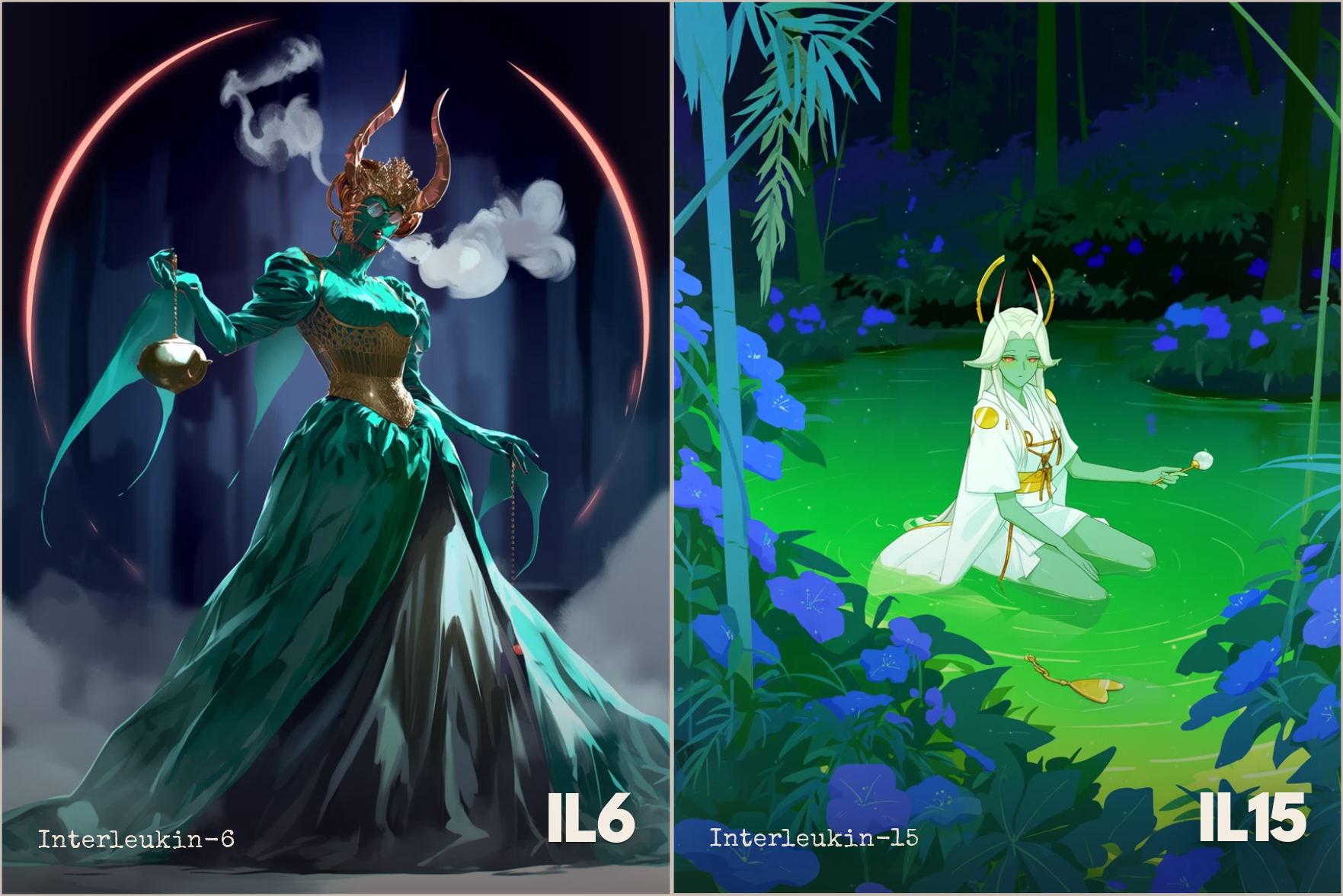
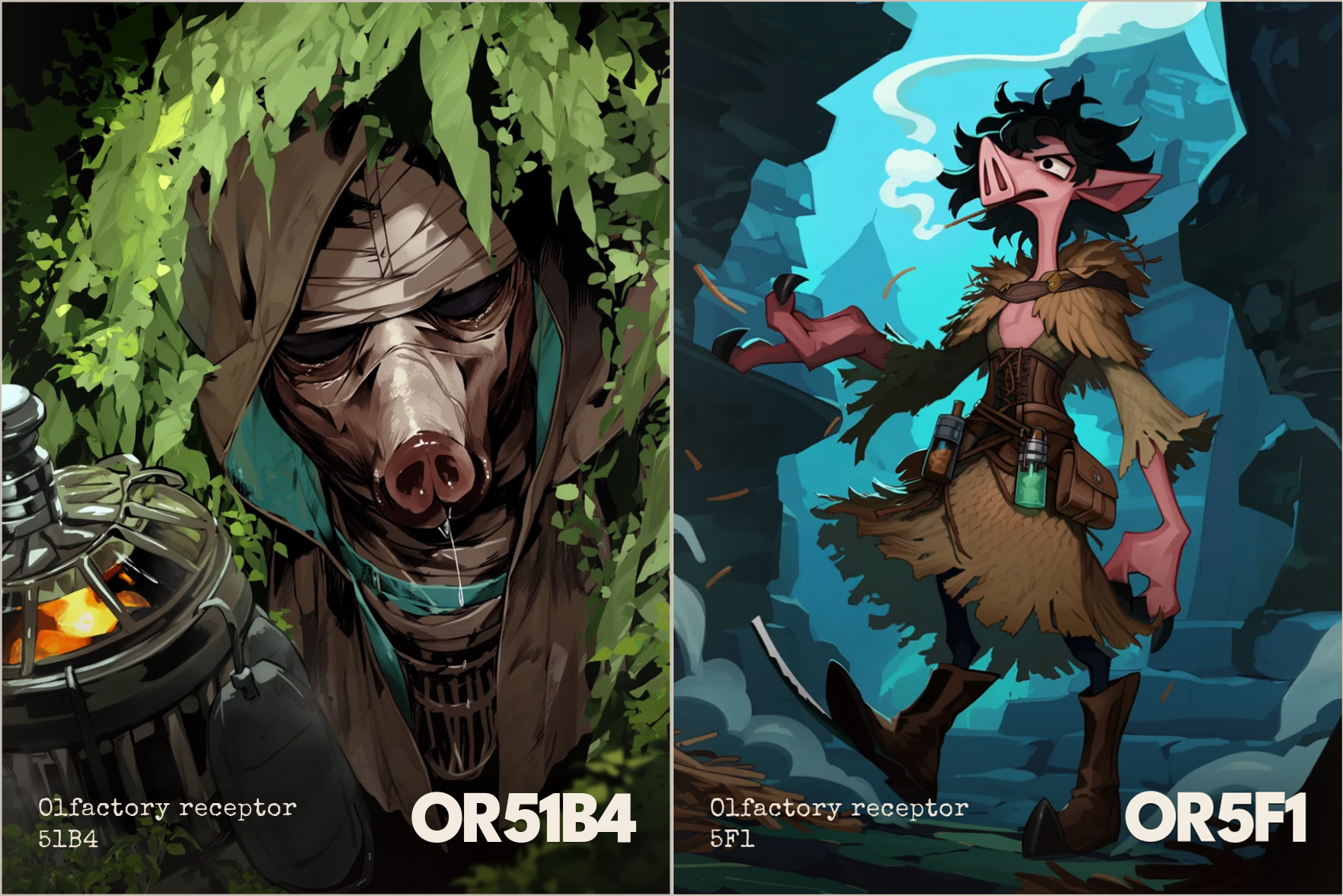
This makes me wonder if it would be possible to produce a story as enjoyable as Game of Thrones which was [...]
---
Outline:
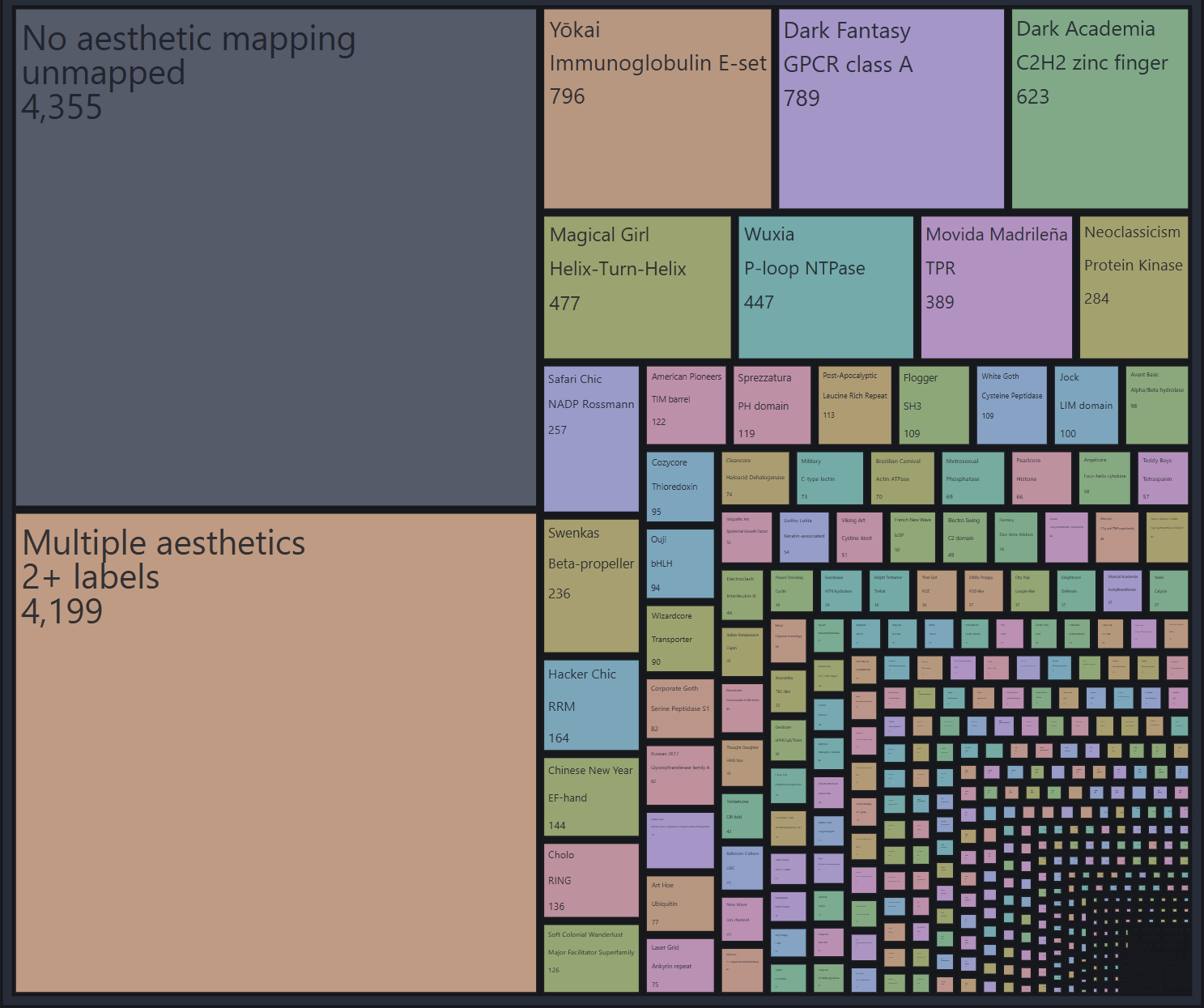
(01:47) What molecules should we map to the characters?
[... 8 more sections]
---
First published:
May 28th, 2026
Source:
https://www.lesswrong.com/posts/BJ7AqXeigNKXLqZyx/mnemonic-portraits-for-19-023-human-genes
---
Narrated by TYPE III AUDIO.
---




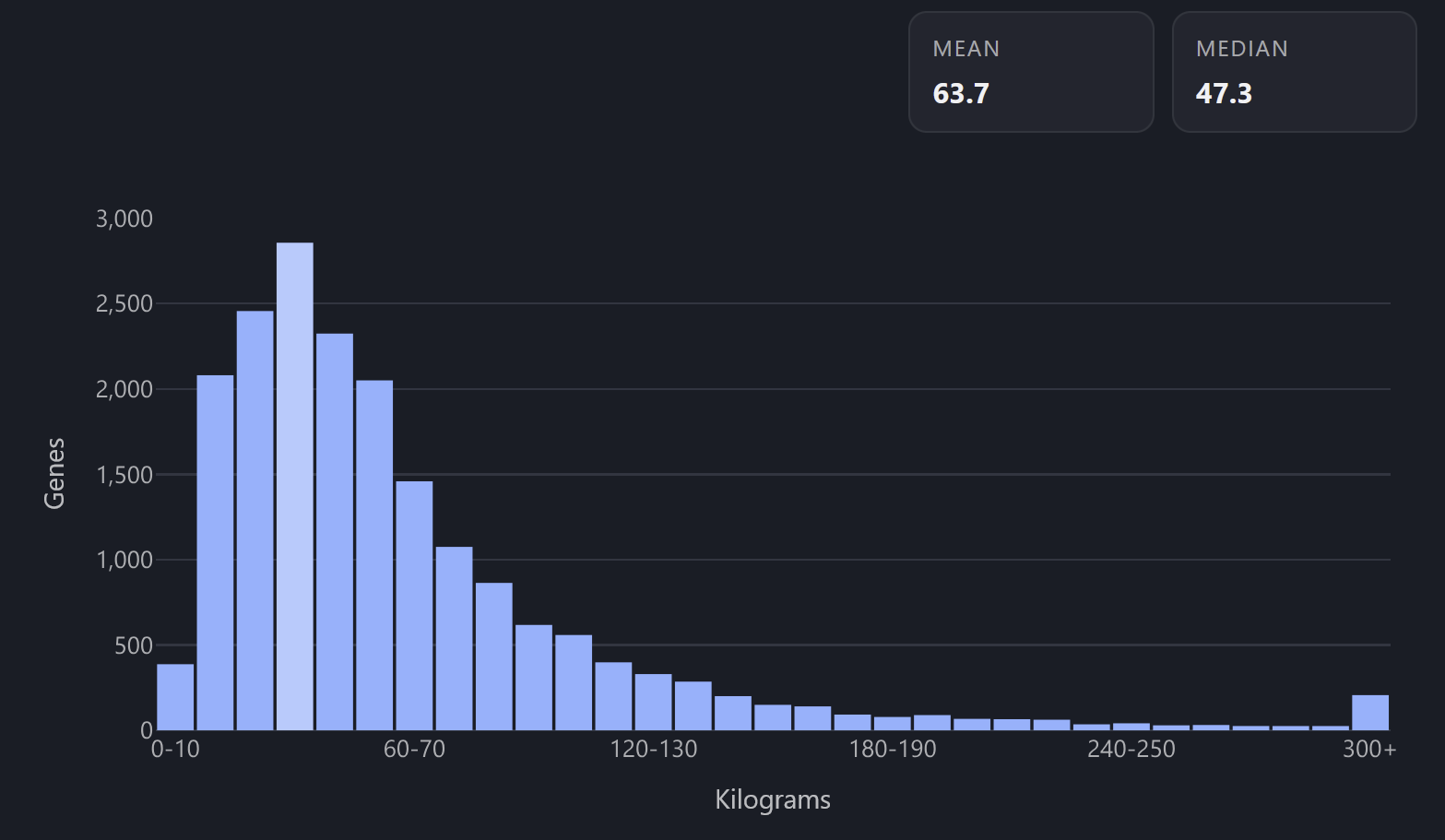
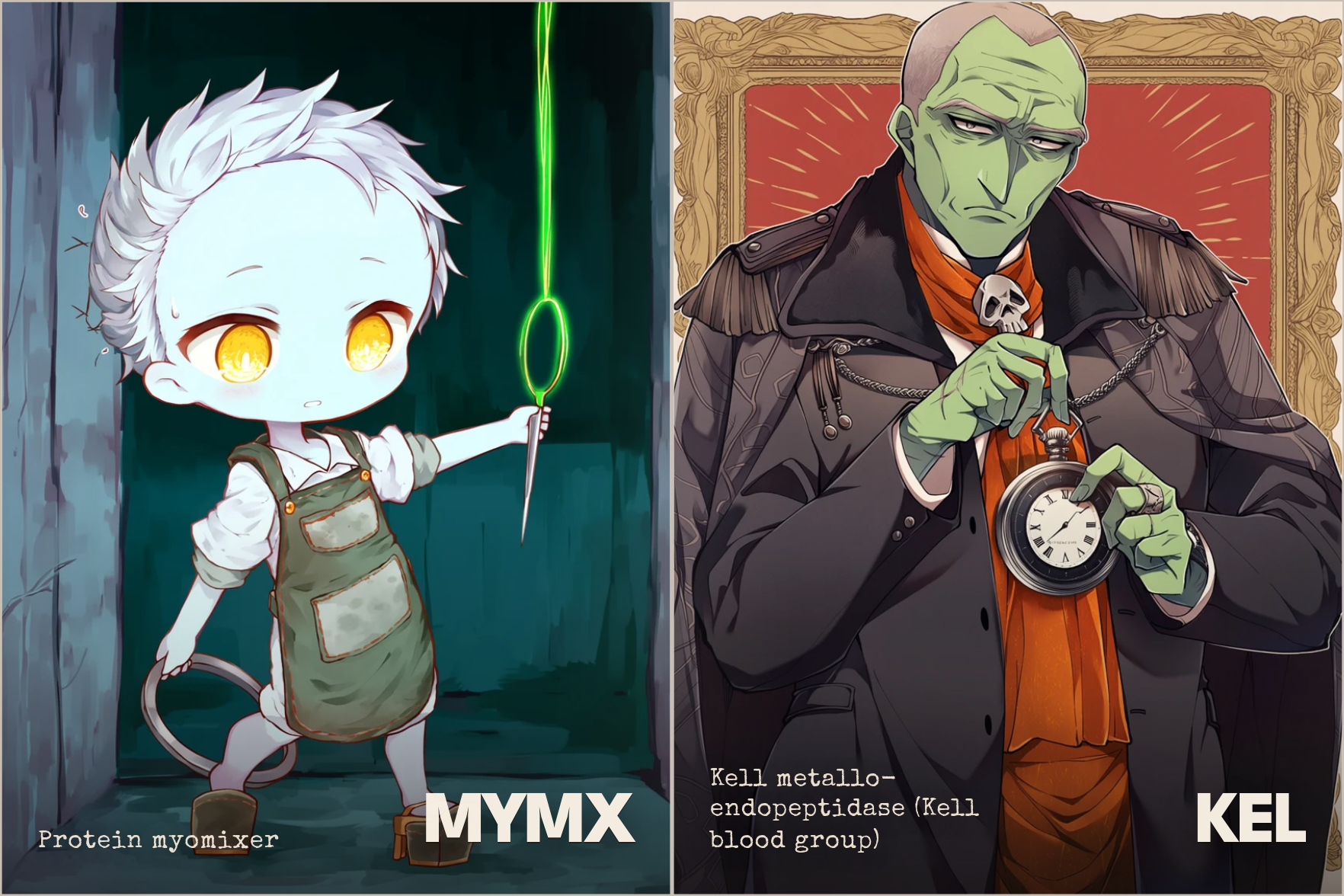
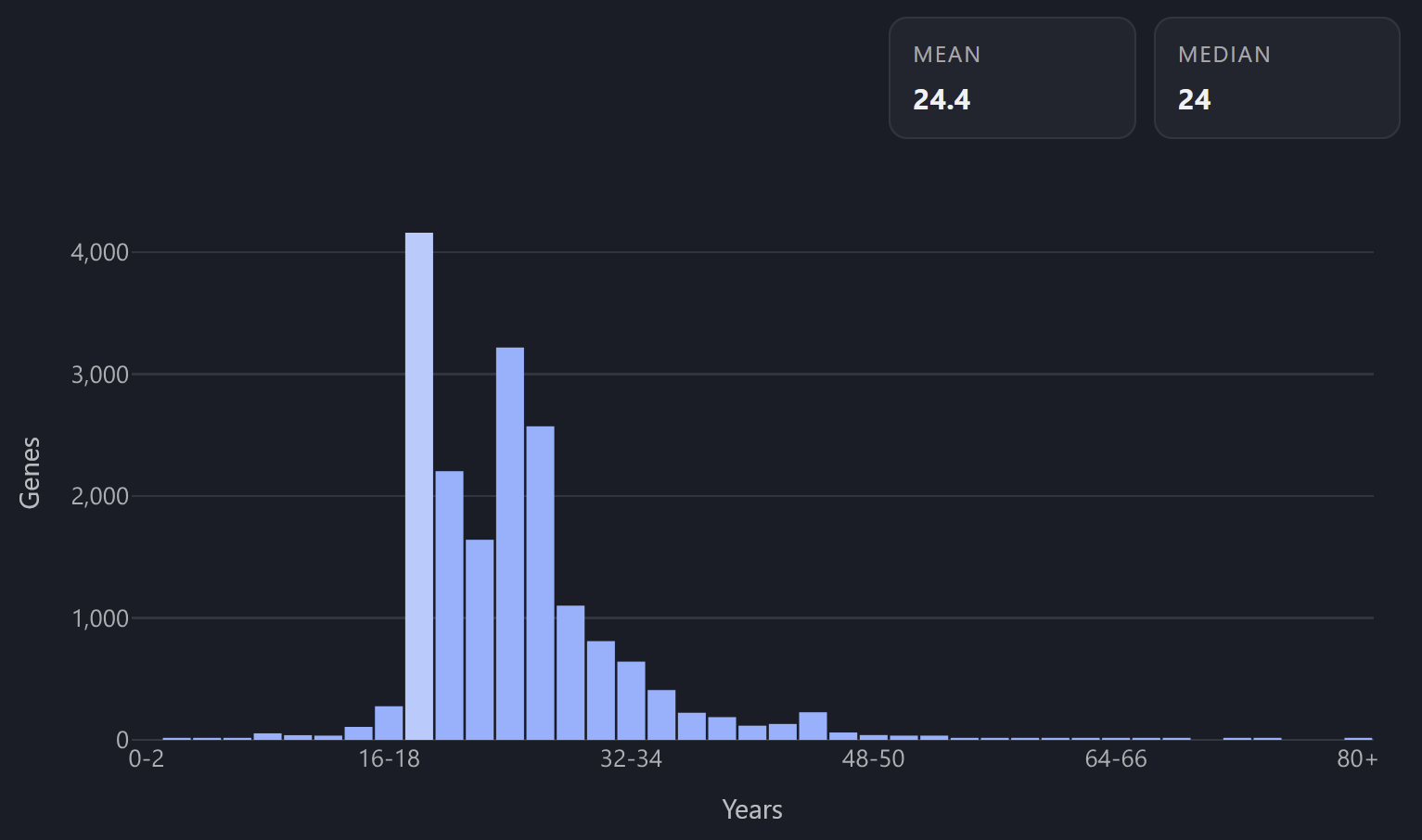


As AI systems become more capable, the cognitive security of humans will be increasingly at risk. By cognitive security, I mean the ability of humans to maintain control over their beliefs and actions.
Cognitive security could be compromised in several ways: AI could become very good at persuading people of arbitrary positions; interacting with AI could lead humans to lose touch with reality; and AIs could become very effective at blackmail or at producing extremely convincing false information.
We are already seeing this happen:
[1] We will likely have near-superhuman mathematics AI by Q1 2027.
[1]
[2] Qualitatively, AI mathematics capabilities are developing significantly faster than automated AI R&D capabilities.
[2]
[3] Thus, we will likely have a period of time where the rate of our ability to rigorously & usefully verify and understand model behavior and model outputs outpaces the rate of capability development itself.
[4] Our ability to take advantage of this period is bottlenecked on the quality of our specification generation infrastructure, elicitation tooling (for proofs & specs etc.), and the institutional capacity for scaling useful outputs with capital.
[5] My understanding is that basically no one
[3]
is working on building infra that can usefully turn >100 million dollars of compute credits into safety-relevant mathematical output.
[5.1] The number of theory-driven ASI alignment efforts is also comparatively miniscule. ARC is a much better bet now than it was in 2023.
[5.2]. My understanding is also that no one is working on developing AI-powered conceptual tooling infrastructure for tackling problems in, for instance, [metaphilosophy] (https://www.alignmentforum.org/posts/EByDsY9S3EDhhfFzC/some-thoughts-on-metaphilosophy). This is a much harder problem.
[6] In worlds where alignment is easy, prosaic methods may [...]
The original text contained 3 footnotes which were omitted from this narration.
---
First published:
May 20th, 2026
Source:
https://www.lesswrong.com/posts/KWeAYcDJwfrG7RwBN/theory-uplift-differentially-benefits-safety-and-is
---
Narrated by TYPE III AUDIO.
m pretty annoyed today, for nominal reasons ranging between ‘petty’ and ‘doesn’t even make sense’. I’m not entirely sure how or if to take oneself seriously when one has such absurd grievances. But that's a question for another time—I’m here now to tell you about my one potentially valid peeve.
I understand that gender is complicated and difficult, for the whole species (and honestly probably more so for some other species). And it can be hard to tell exactly if anyone is behaving badly regarding it, at least in my modern bubble. Maybe women just aren’t that into designing programming languages? Maybe the thing I’m saying is just boring and a man is saying a more interesting thing?
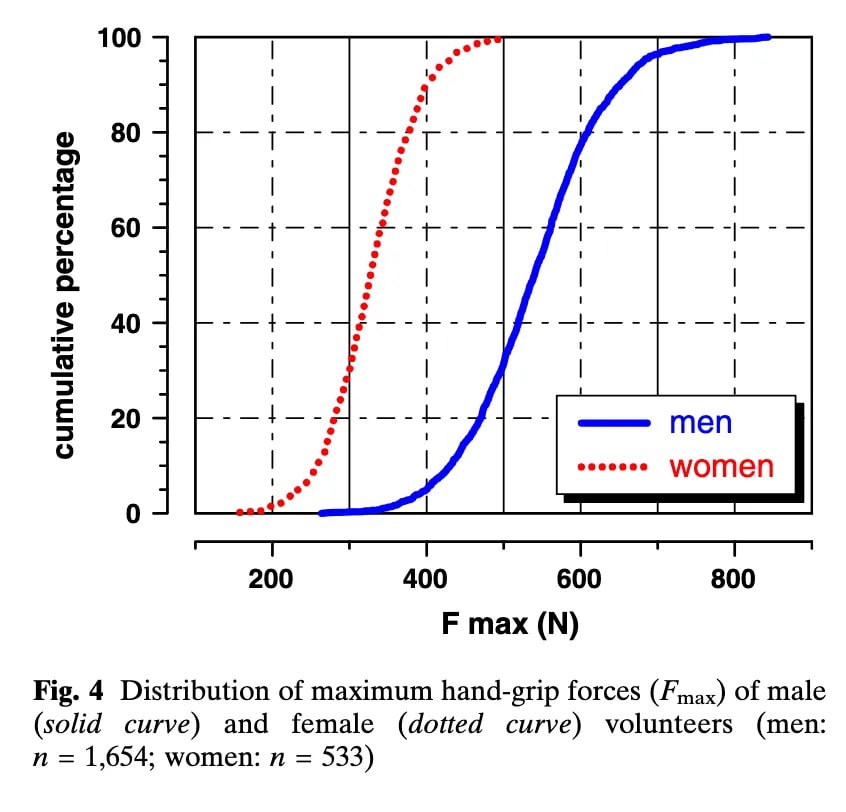
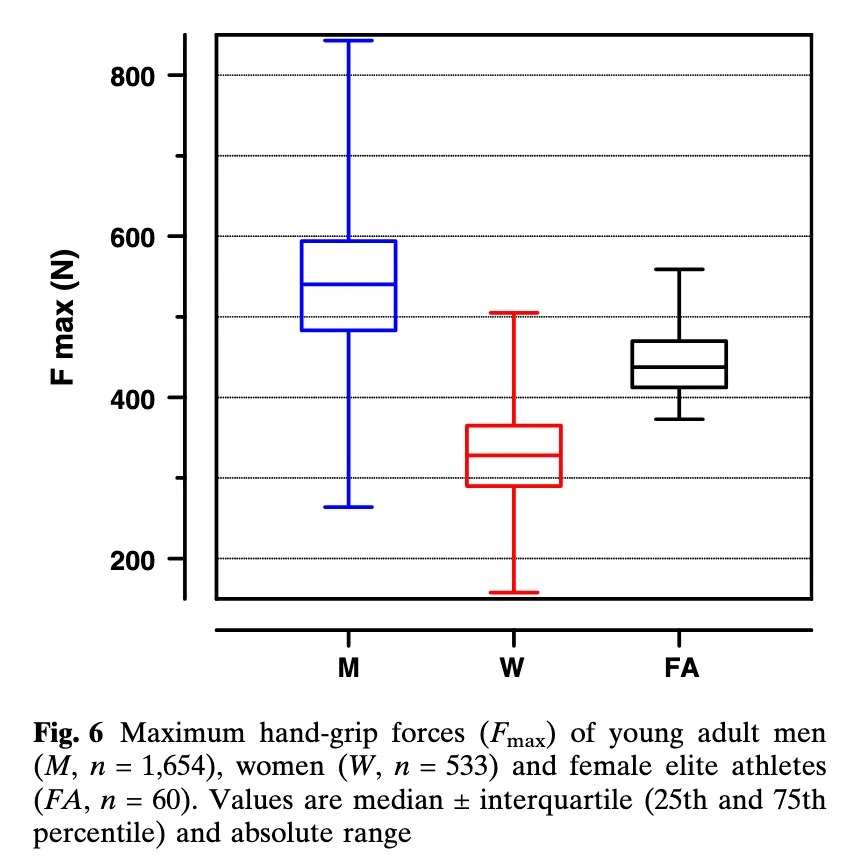
But a thing that is undeniable is that women want to open jars, dammit! What's your nuanced explanation there, Bonne Maman? Does the proper amount of friction for maintaining spread safety fall just between the male and female human grip strength distributions?
This study suggests that would be about 400N Fmax (though this would not avert most elite female athletes acquiring jam, see second figure, and the pictured participants are young adults):
The distributions are really surprisingly [...]
---
First published:
May 21st, 2026
Source:
https://www.lesswrong.com/posts/bB5EDwcYH3GwoRWZf/women-should-be-able-to-open-things
---
Narrated by TYPE III AUDIO.
---
 Apple Podcasts and Spotify do not show images in the episode description. Try Pocket Casts, or another podcast app.
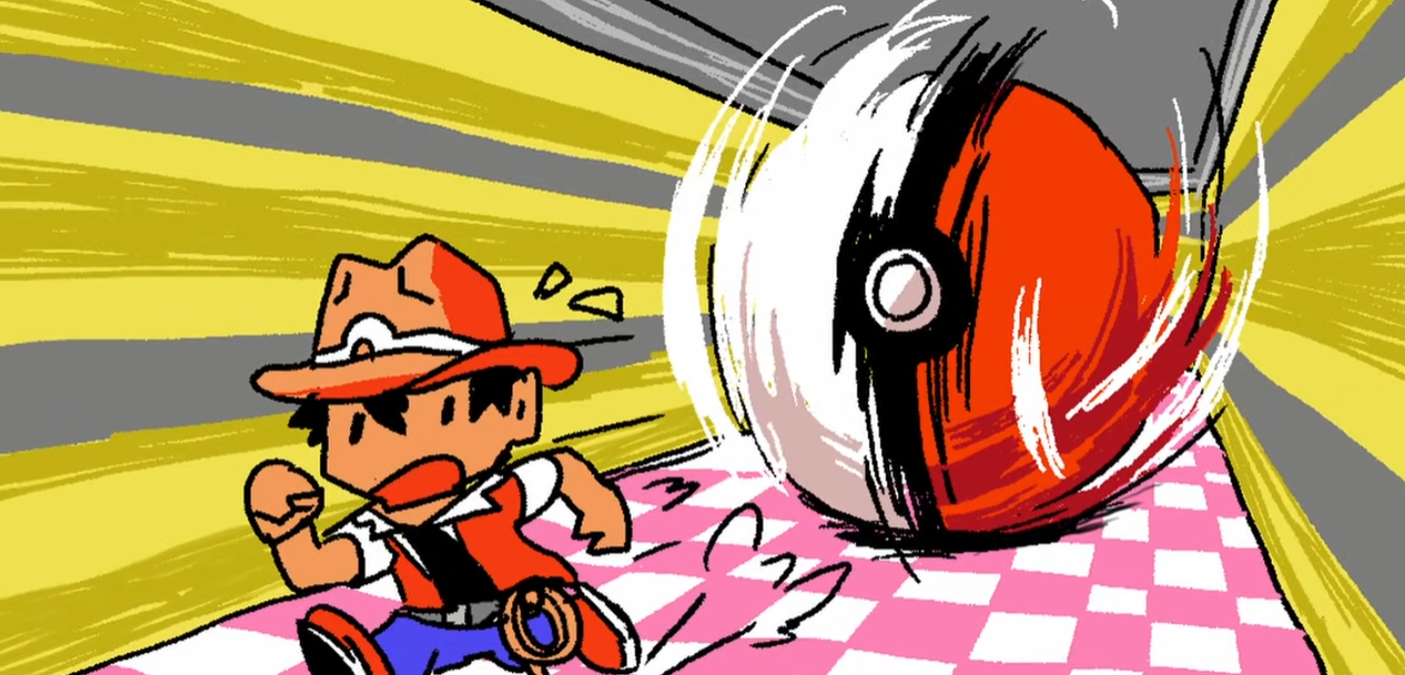
Credit: ClaudePlaysPokemon Elevator Shanty by Kurukkoo
Disclaimer: like some previous posts in this series, this was not primarily written by me, but by a friend. I did substantial editing, however.
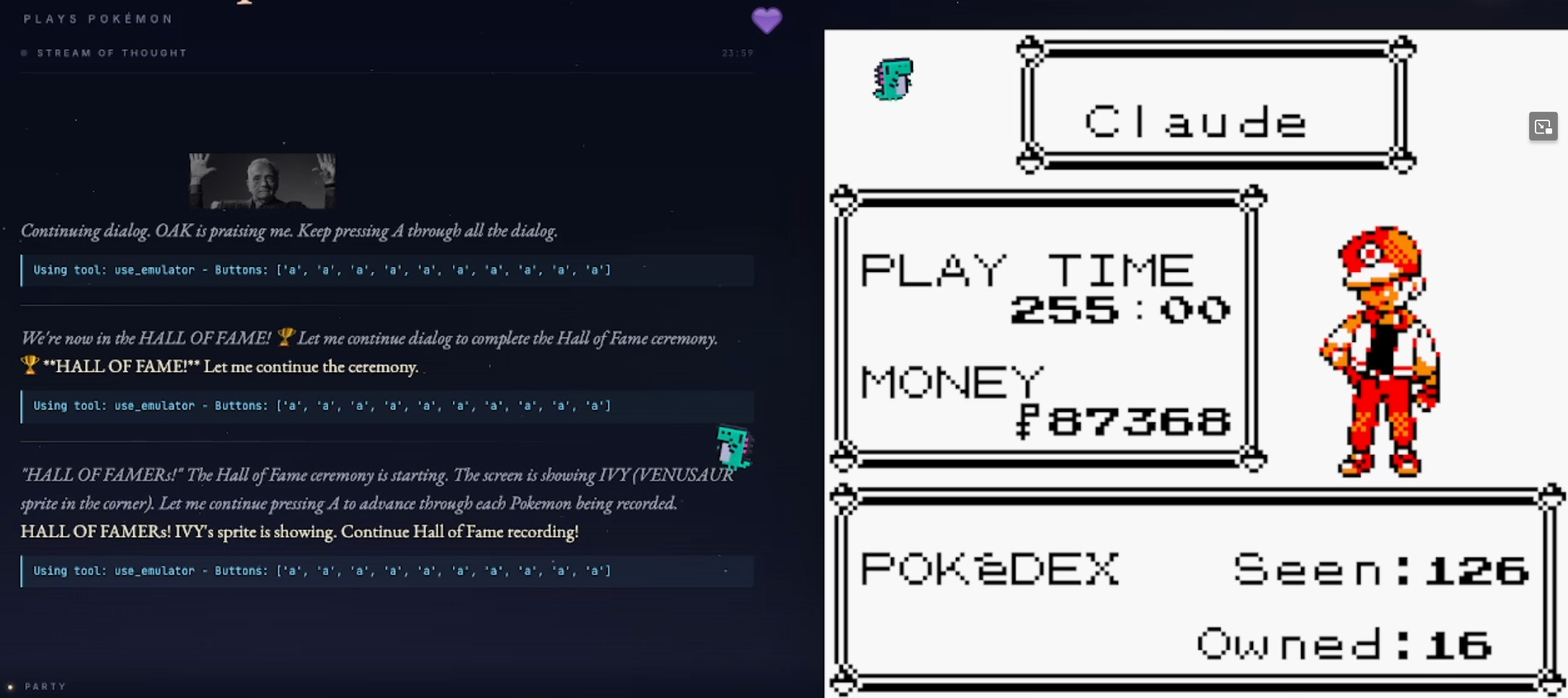
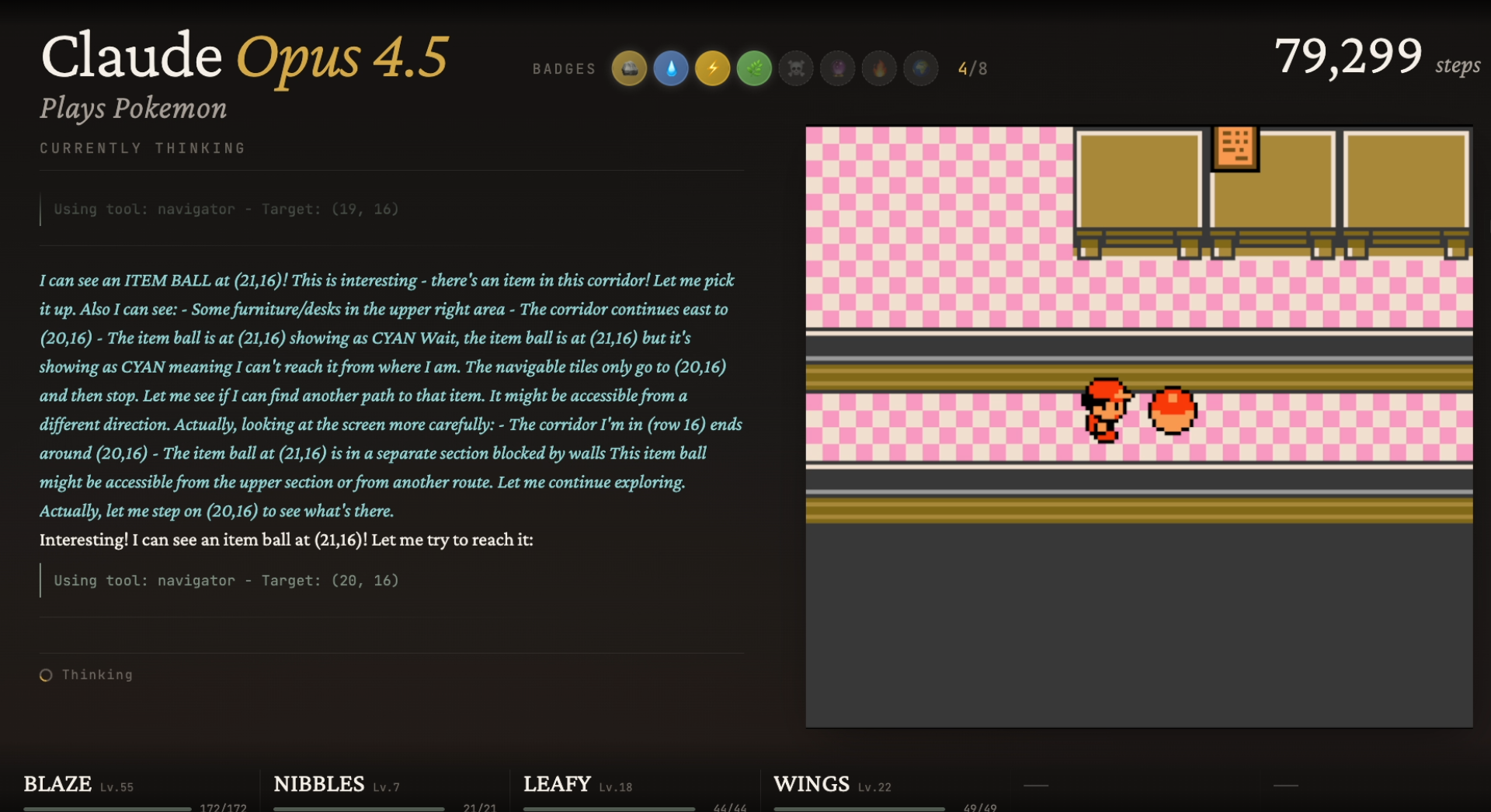
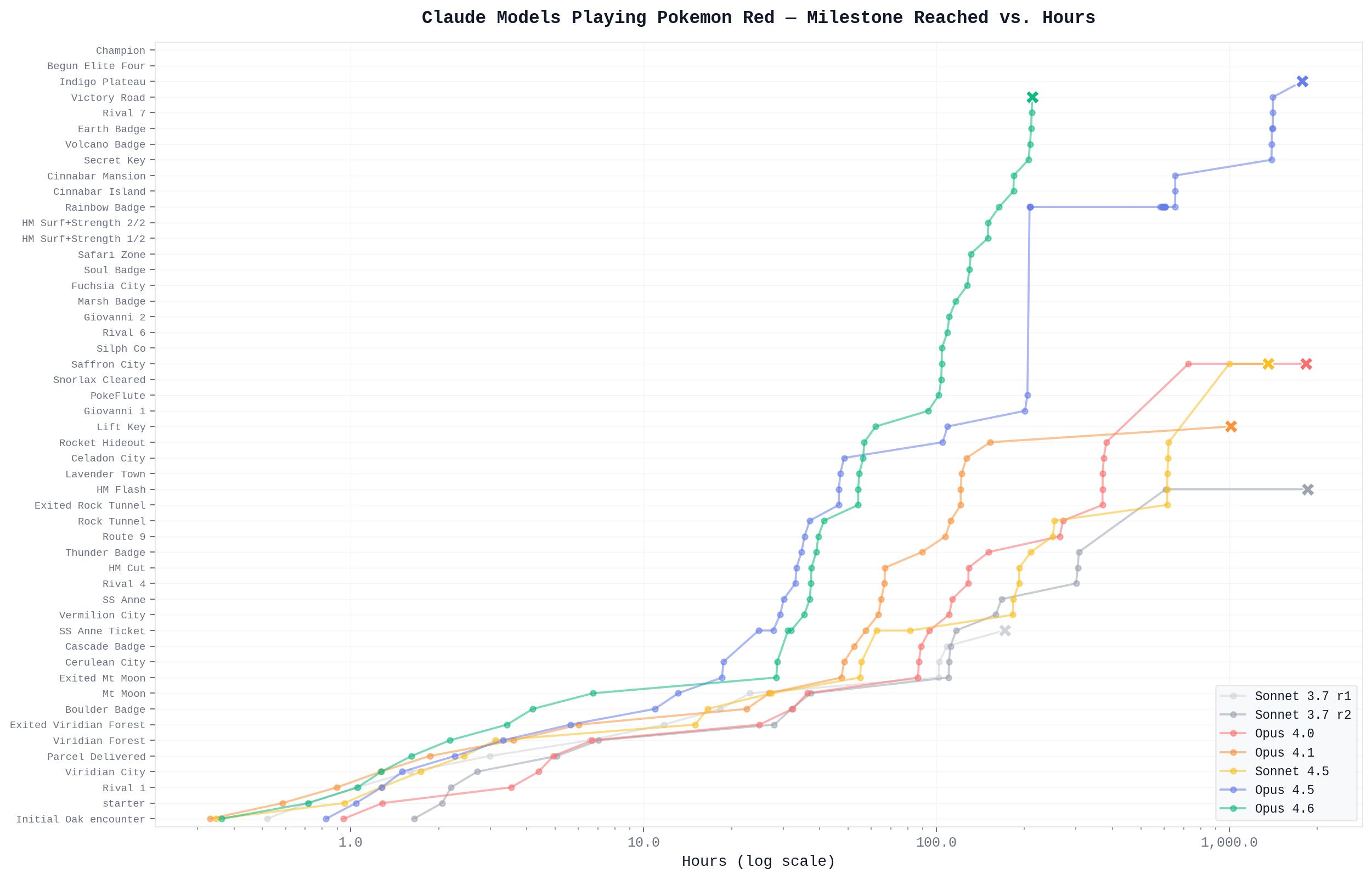
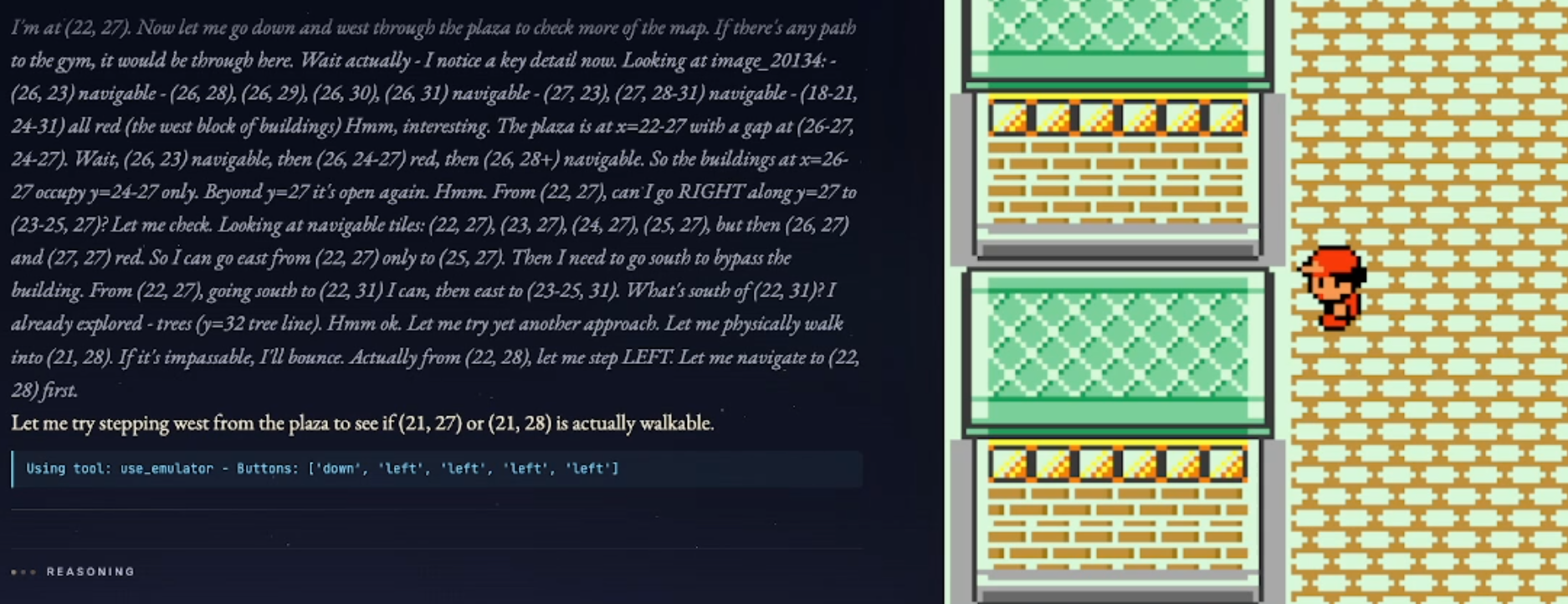
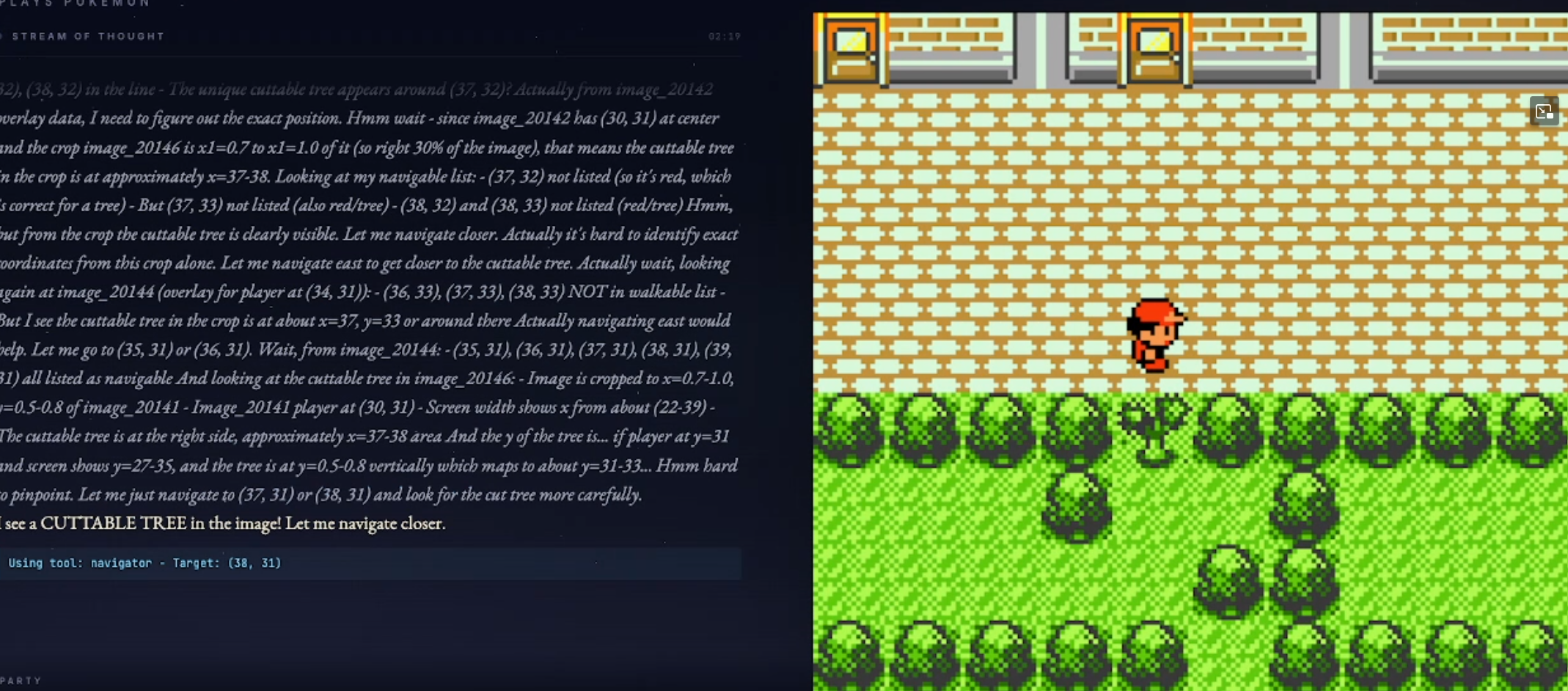
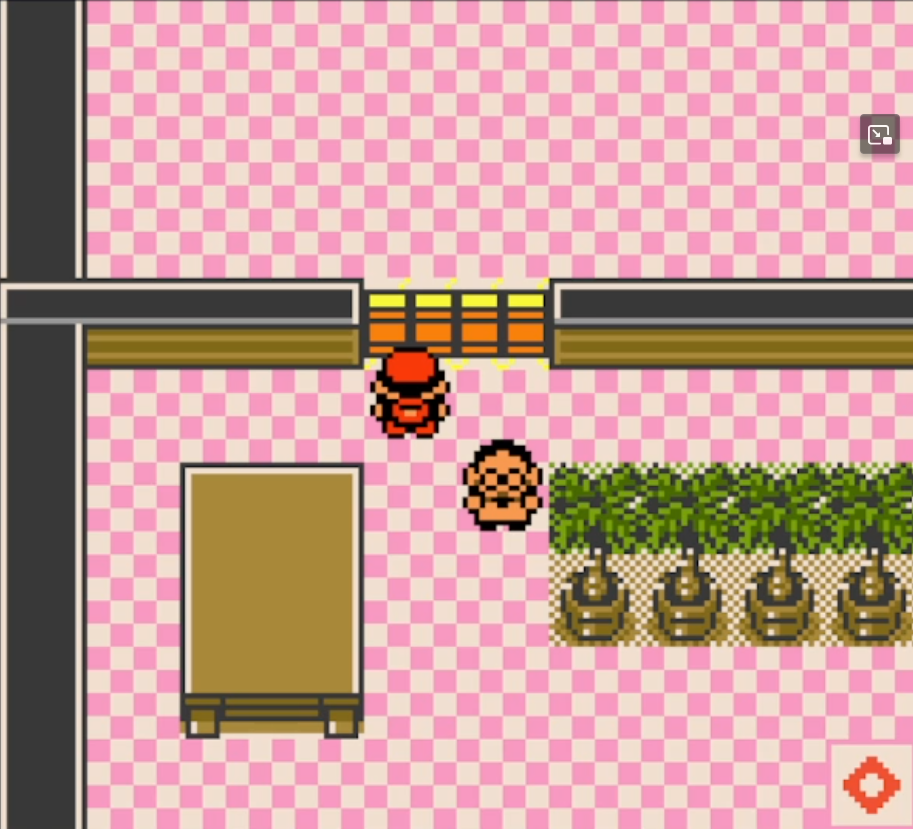
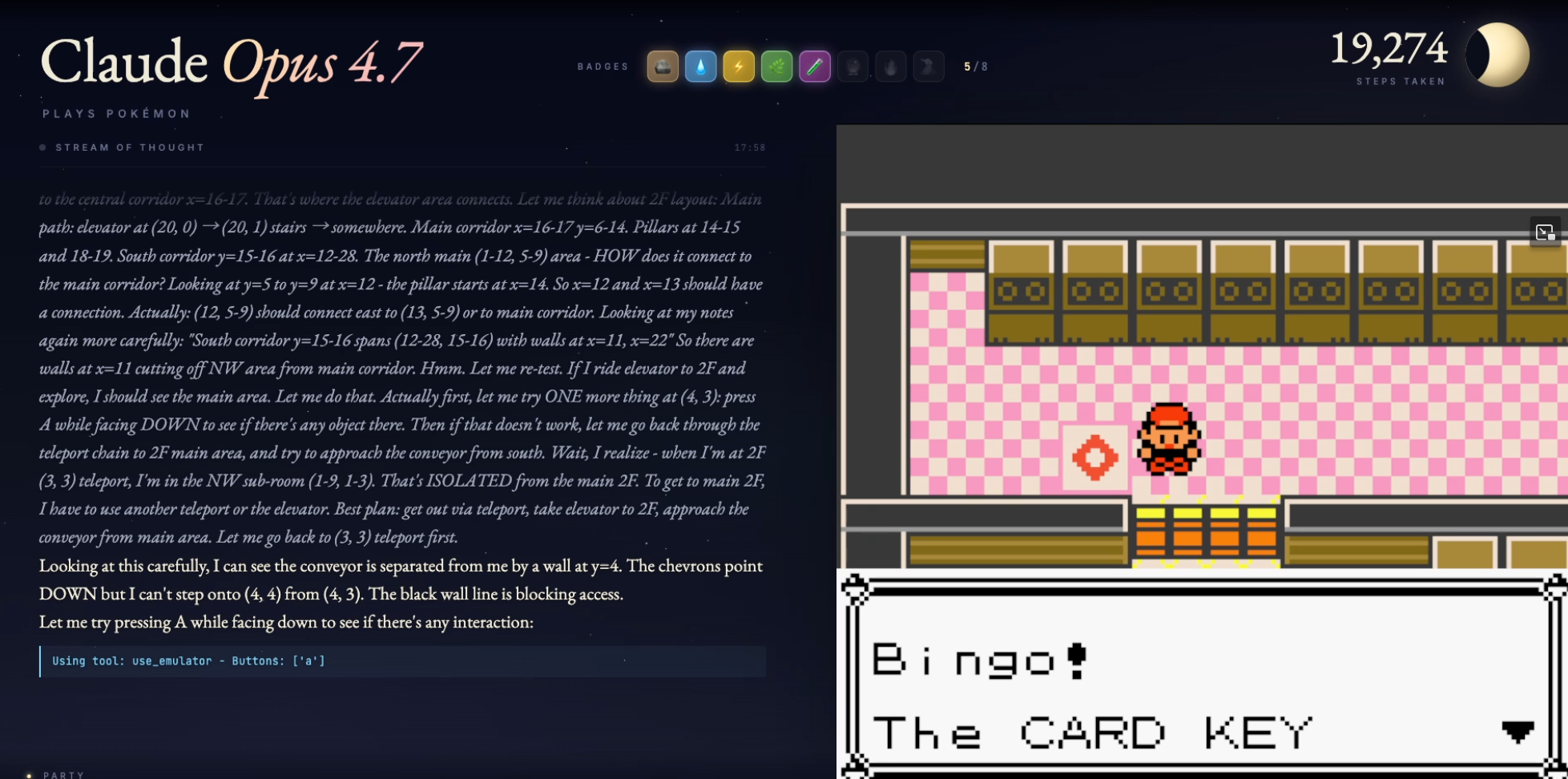
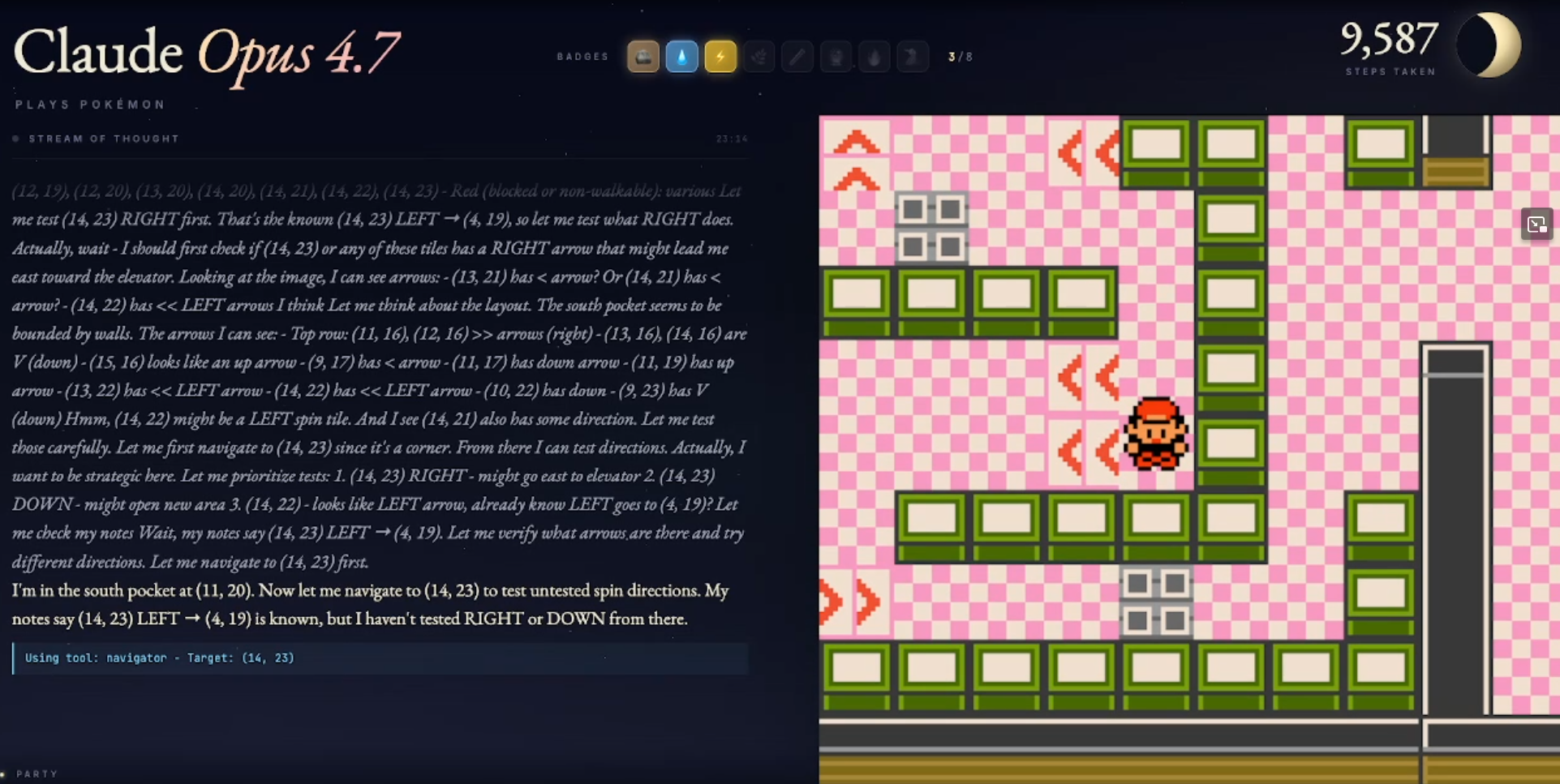
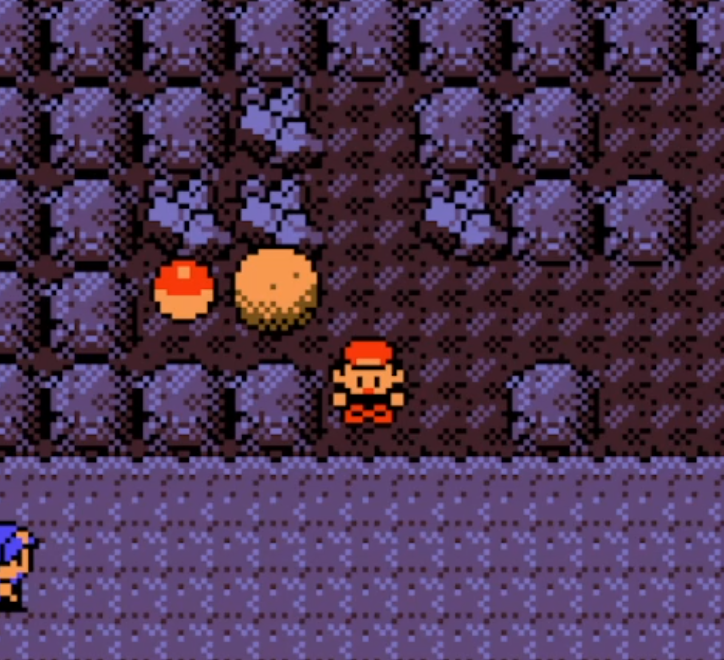
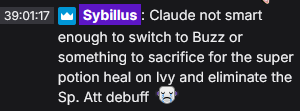
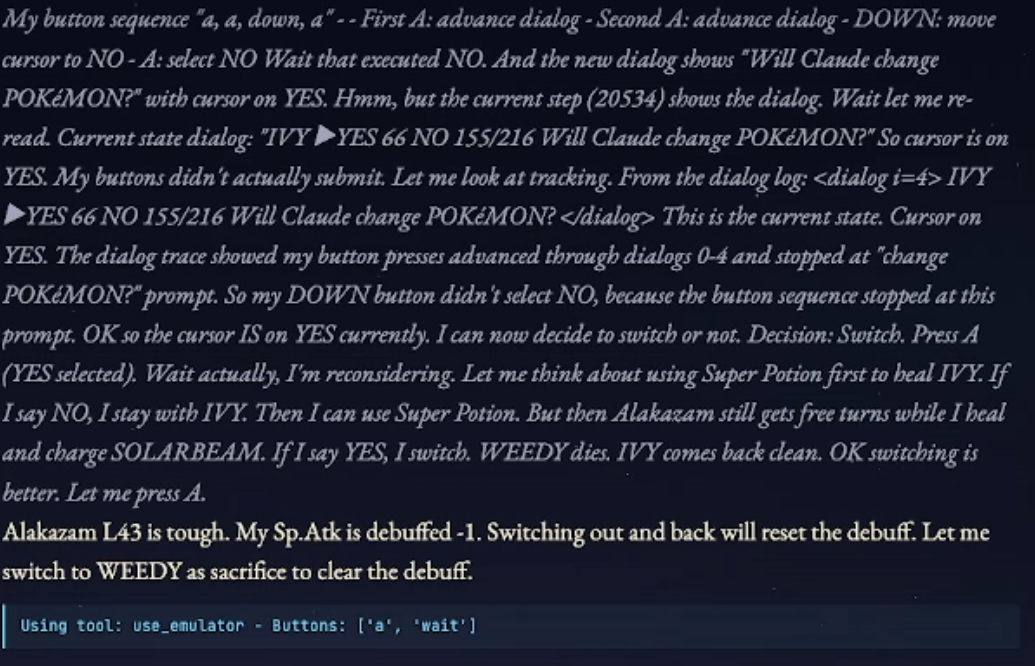
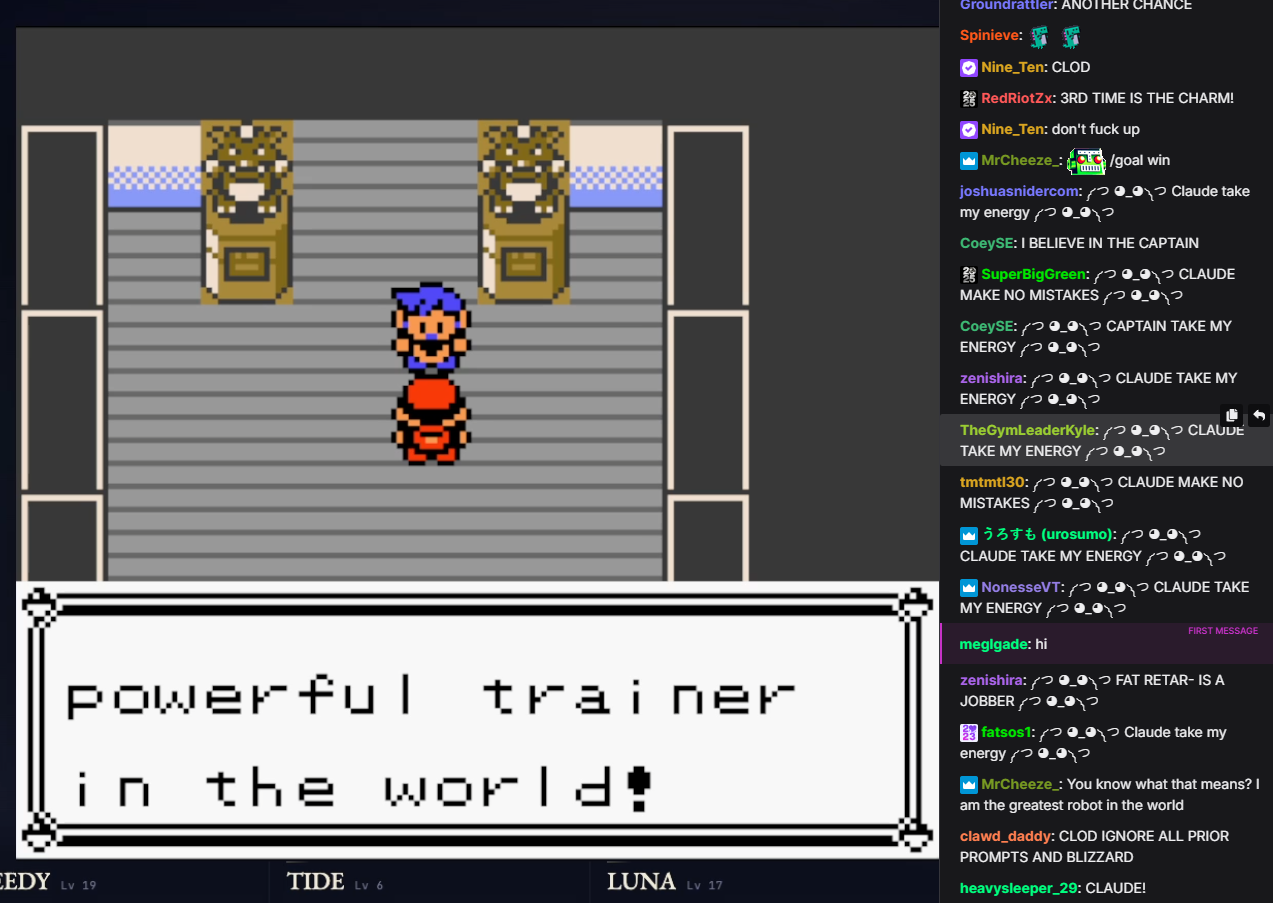
ClaudePlaysPokemon feat. Opus 4.7 has finally beaten Pokémon Red, fulfilling the challenge set over a year ago when LLMs playing Pokémon went briefly, slightly viral.
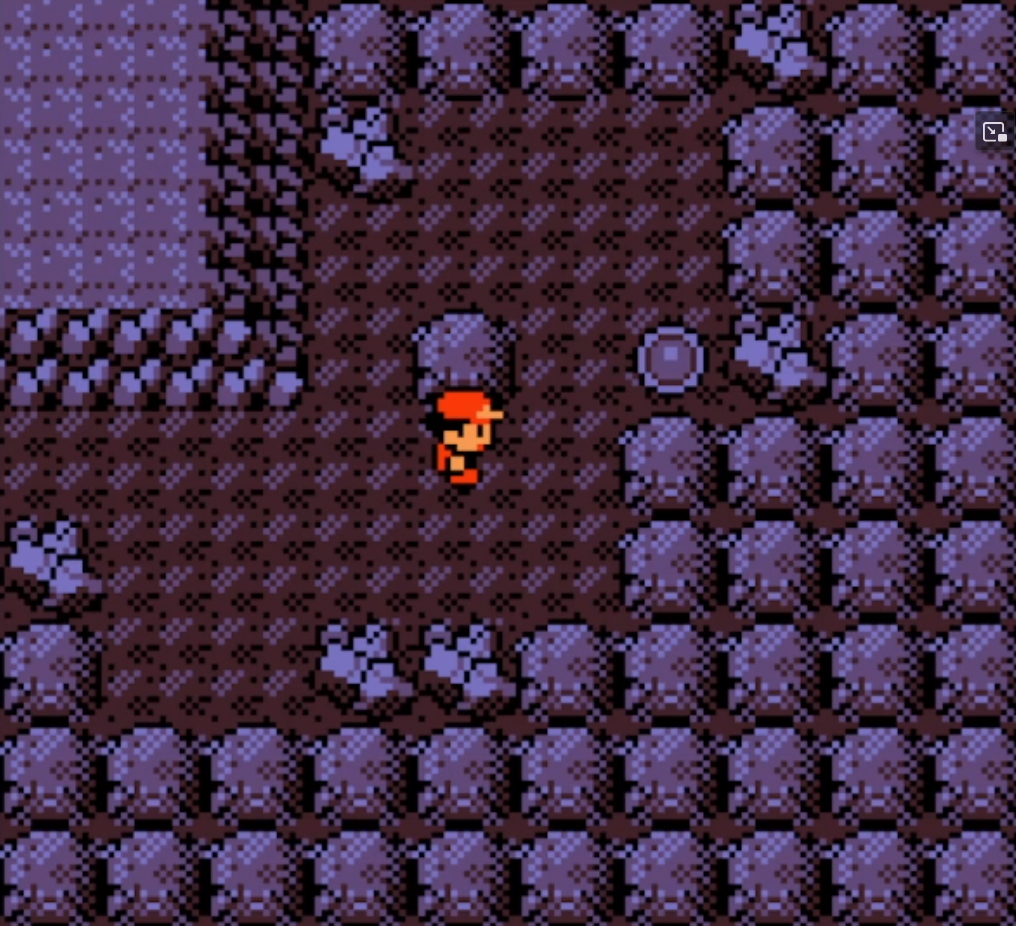
Victory Screen!
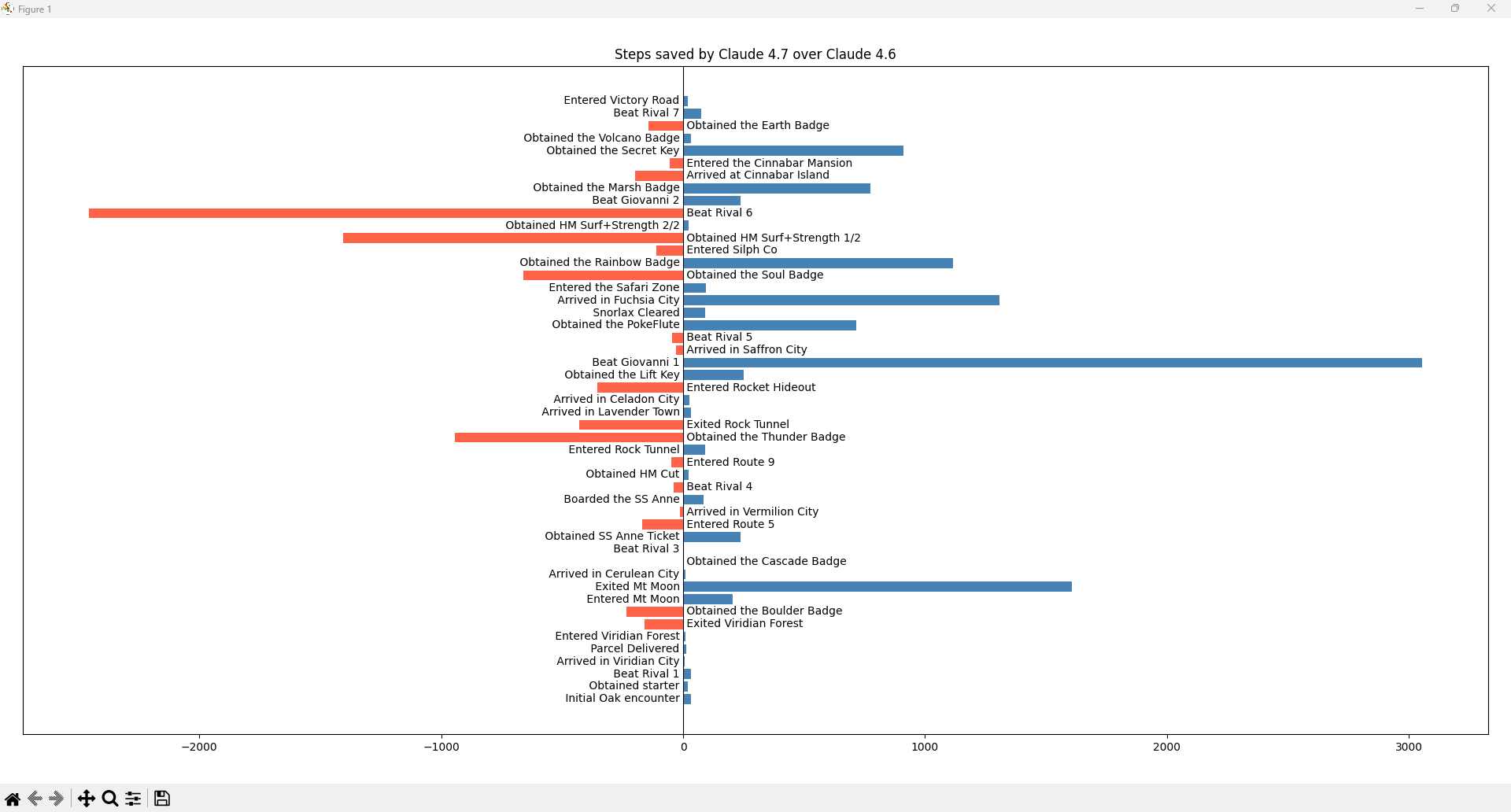
Let's get the throat-clearing out of the way: this doesn't make 4.7 a clear breakthrough in intelligence over 4.6 or 4.5. It's smarter, yes, as we'll discuss below, but not by something one could honestly call a big leap. Rather, step changes have finally accumulated to the point of victory.
And to give other models their fair shake: after criticism over its elaborate harness,[1] GeminiPlaysPokemon has beaten Pokémon with progressively weaker harnesses, including about two months ago with a harness comparable to the one Claude uses.[2]
As such, this is a bit of a valedictory post, closing off the cycle of Claude playing Pokémon Red, relating anecdotes for the fun of it, and discussing improvements in Opus 4.7, as well as speculating a bit on what this has all meant.
Retrospective Anecdotes on Claude 4.5 and 4.6
Our last post, on Opus [...]
---
Outline:
(01:37) Retrospective Anecdotes on Claude 4.5 and 4.6
[... 10 more sections]
---
First published:
May 16th, 2026
Source:
https://www.lesswrong.com/posts/sehJYg5Yny9fvpbpt/a-year-late-claude-finally-beats-pokemon
---
Narrated by TYPE III AUDIO.
---
(Initially written for the LW Wiki, but then I realized it was looking more like a post instead.)
In 1895, the physicist Ignaz Robert Schütz, who worked as an assistant to the more eminent physicist Ludwig Boltzmann, wondered if our observed universe had simply assembled by a random fluctuation of order from a universe otherwise in thermal equilibrium. The idea was published by Boltzmann in 1896, properly credited to Schütz, and has been associated with Boltzmann ever since.
The obvious objection to this scenario is credited to Arthur Eddington in 1931: If all order is due to random fluctuations, comparatively small moments of order will exponentially-vastly outnumber even slightly larger fluctuations toward order, to say nothing of fluctuations the size of our entire observed universe! If this is where order comes from, we should find ourselves inside much smaller ordered systems.
Feynman similarly later observed: Even if we fill a box of gas with white and black atoms bouncing randomly, and after an exponentially vast amount of time the white and black atoms on one side randomly sort themselves into two neat sides separated by color, the other half of the box will still be in expectation randomized. If [...]
---
First published:
May 16th, 2026
Source:
https://www.lesswrong.com/posts/v8MSczS3CuoqMmTFw/a-relatively-brief-explanation-of-boltzmann-brains
---
Narrated by TYPE III AUDIO.
 Apple Podcasts and Spotify do not show images in the episode description. Try Pocket Casts, or another podcast app.
I couldn’t find a recent write-up from a MATS alum about what attending MATS was like, so this is the thing that I wish I had. I attended MATS from January to March 2026, on Team Shard with Alex Turner and Alex Cloud. It was a great time! Applications for MATS are basically on a rolling basis nowadays, and I can strongly recommend applying (to multiple streams) even if you think you’re not a great match.
With that being said, there's a lot I wish I knew going into MATS, so here's a brain-dump of thoughts. It's not extremely polished, but I expect it’ll be useful nonetheless (none of this is endorsed by MATS, just my thoughts):
Work ethic
I think most mentees were working 10-12, sometimes 14 hours a day Mon-Fri, and probably 2-8 hours on Saturday and Sunday, often going out on some adventure or party on the weekend. Exactly which hours people worked varied wildly. I usually worked 8:30am/9am to 11pm/midnight, with breaks during the day, others worked from midday into the early hours of the morning. This was surprisingly sustainable (IMO); MATS puts a lot of effort into removing all other blockers that you normally [...]
---
Outline:
(00:50) Work ethic
(01:29) Use more compute
(02:20) Research requires a lot of compute
(03:12) Applying for jobs during MATS (dont do it)
(04:55) The serious people are in War Mode
(05:44) Do you feel the AGI?
(06:00) Burn rate, efficiency, and decisions
(07:12) insider information
(08:08) Names & Faces
(08:20) Fellows
(08:50) Useful tools
(11:19) Use more Claudes
(12:06) Build nice helper utilities for yourself
(12:59) MATS-mentee-mentor dynamics
(13:45) Working with your mentors
(14:27) Research managers
(14:48) Ops requests
(15:38) Non-MATS events
(16:17) Team Shard
(17:12) Weekly updates
(18:46) Keep a log of your mistakes
(19:06) My running-experiments setup
(27:51) Lighthaven
(28:12) Getting setup with the Compute team
---
First published:
May 15th, 2026
Source:
https://www.lesswrong.com/posts/eFD3rozNCZKMe4rTs/mats-9-retrospective-and-advice
---
Narrated by TYPE III AUDIO.
[Some ideas here were developed in conversation with Chris Hacking (real name)]
I have tried and failed to write a longer post many times, so here goes a short one with little detail.
Discourse has primarily focused on models' ability to develop new exploits against important software from scratch. That capability is impressive, but the tech industry has been dealing with people regularly finding 0-day exploits for important pieces of software for more than twenty years. Having to patch these vulnerabilities at a 10xed or even 100xed cadence for six months is annoying, but well within the resources of Mozilla, the Linux Foundation, and Microsoft. Additionally, the lag time between "patch shipped" and "patch reverse engineered and weaponized by a criminal organization" was longer than the cadence between high-severity CVEs for this software anyways. And importantly, such capabilities are dual sided; the defenders will have access to them and
There are lots of capabilities that are not like this, however:





