52. Relieve Stress Naturally with Alphabiotics
Jan 28, 2019
Show notesDavid Bransky, Developmental Alphabioticist
Alphabiotics
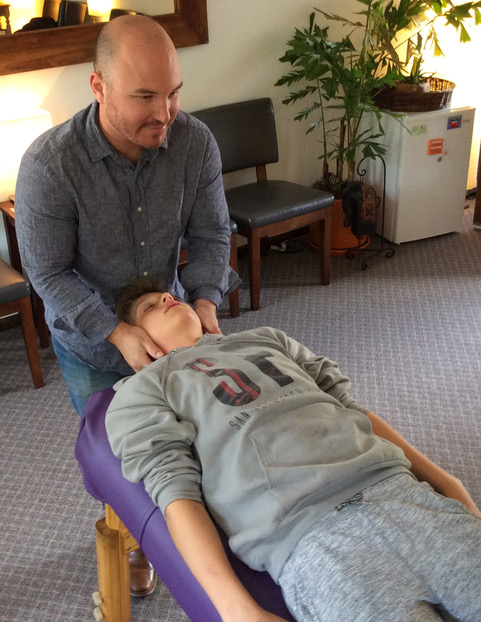
Just like computers, when things start overheating, we need to reboot and reset in order to function most effectively. (Or function at all.) Alphabiotics is an alignment process that aims to do just that: Reset the body into its pure state of balance and relaxation. The Alignment process is accomplished with you lying on your back with your head at the high end of the alignment table. The process involves a unique and invigorating movement of the head and is accomplished within less than a minute. Instantly, the brain hemispheres integrate, overly tight and tense muscles relax, weak muscles strengthen, hips and shoulders level, legs become even, and balance is once again restored. The process is gentle and easy.
As we know, stress plays a huge role in chronic illness. Do I consider alphabiotics a modality that can support you in healing from chronic illness? Absolutely. As always, listen to your body, ask a doctor or someone you trust, but, as I say in this episode, healing comes in many forms, I just do what works. Alphabiotics WORKS for a lot of people.
Discussed in this Episode:
What Alphabiotics is and is not
What stress is and how we can deal with it
How alphabiotics hits a reset button
What happens to our bodies when we are stressed
Epigenetics
What an alignment looks like and feels like. The process from beginning to end.
Alpha state vs. beta state
Presence within daily conversations
Slowing down and staying with the body
My skepticism and fears
Alphabiotic myths: Debunking and explaining common beliefs about the process
A practice of presence: For the next two weeks, we have been challenged to put our phones down, look our colleagues and friends in the eyes and ask how the heck they are. That’s it, my friend! We simply practice intimacy through presence— we notice how uncomfortable this does or does not make us. We soften our bodies and stand straight up with our arms at our sides—no freaking walls. I know, it sounds simple, but start paying attention and see how often you’re able to have that type of interaction. Keep me posted on Instagram @sheajackie. I’m excited for this one!
51. How to (Actually) Help a Sick Friend
Jan 14, 2019
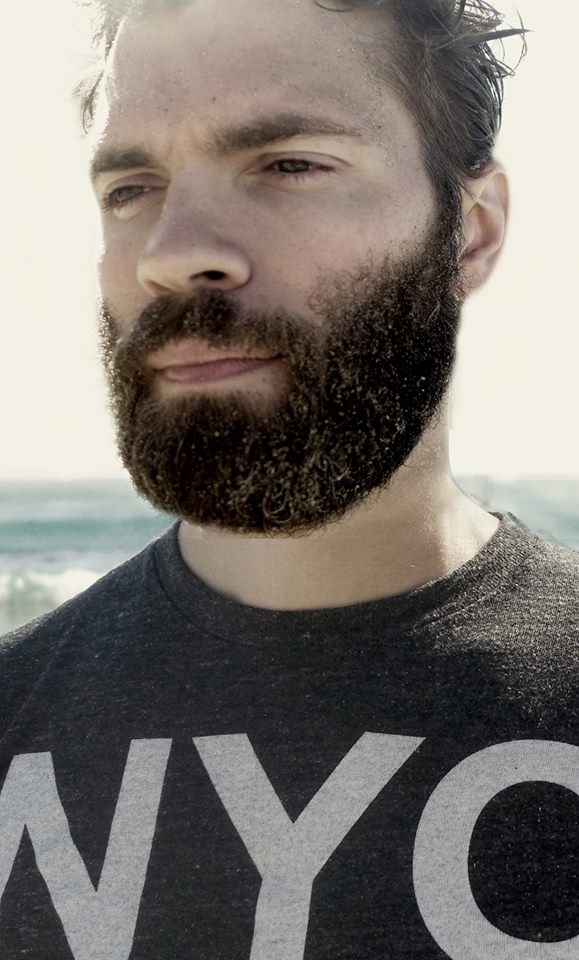
Show notesJason Snell, Friend, Artist, clearly takes a great rugged phot
How to Help a Sick Friend:
Jason Snell (http://jasonjsnell.com/) and I have been friends for 12 years. Initially, we trauma-bonded and built our friendship on codependency, then, years later, we got lucky enough to build a healthy, nourishing, peaceful and fun friendship. Jason—lucky for him— happens to have multiple close friends who have struggled with extreme chronic illness. Why did I bring him on? Because he has subtly been an extraordinary friend through all of our experiences. In this episode, find out how to help a sick friend and what made Jason’s friendship through illness so different from others. Find out what keeps a friendship intimate, strong, light, and generally fulfilling for both parties in the midst of chronic illness or simply a very dark time. But, even further, listen in if your interested in making the switch from pseudo-intimacy to a deeper intimacy, the shift from enmeshment to love.
Discussed in this episode:
Healing Trauma
Growing up in an alcoholic home
Trauma-bonding
How to help a sick friend
How to be a friend through illness. On either side
Enmeshment vs. bring a good friend
Getting permission to help
Walking a fine line of being loving and detached
Over identification with traumatic childhoods
Conflating intimacy with intensity
How to effectively communicate needs
Keeping things normal within the friendship
Accepting others
Effectively getting your needs met
Sex abuse
Empathy
Letting go of the “helper” role
The question, “How are you feeling right now?” and why it’s important
This is the kind of weekly challenge that will take a lifetime of practice. (For me, anyway). These next couple of weeks, we work on accepting others. Look at what it is in you that can’t accept someone exactly as they are today. To take it a step further, consider if this person is falling short of meeting your needs. Now, instead of trying to change this person, ask yourself where you can get these needs met elsewhere ( Bonus points if needs are met within yourself!). This will come in handy when you’re wondering how to help your sick friend. Help yourself first. And, it will MOST certainly come in handy if you are sick. Stay accountable, my friends. Write to me here or message me on instagram @sheajackie
50. A Story Submerged in Inspiration, Hope (and Great White Sharks) with Swimmer Kim Chambers
Dec 31, 2018
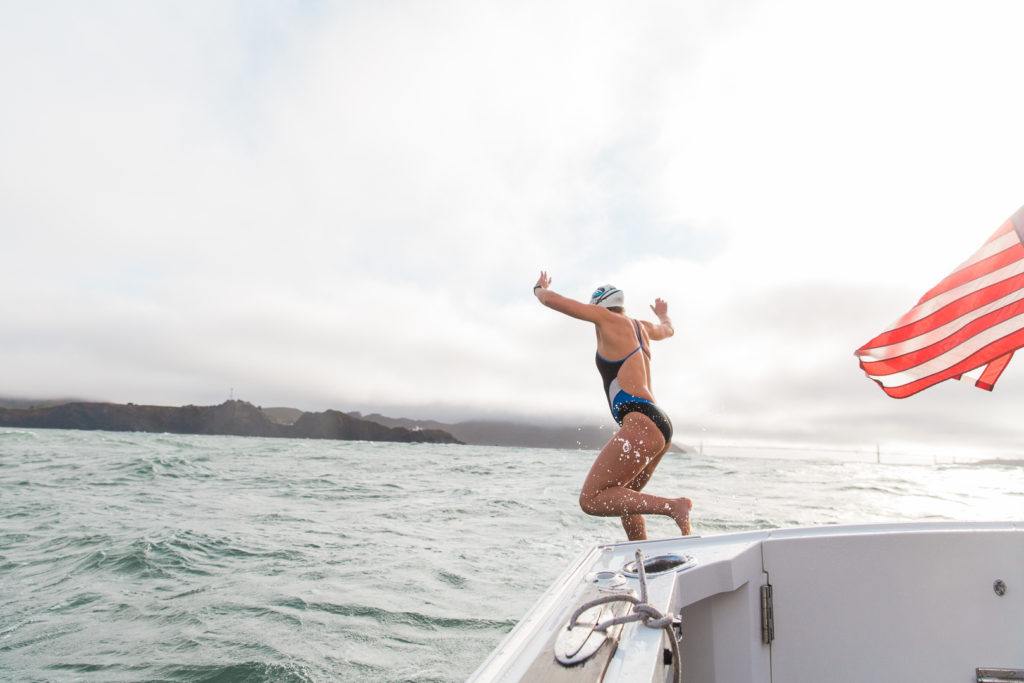
Show notes Kiwi, record-setting, marathon open-water swimmer KIM CHAMBERS is courageous AF, photo by director Kate Webber
Kim Chambers
Record-setting, marathon open-water swimmer Kim Chambers (www.kimswimsfilm.com) from New Zealand, has conquered great odds to be here. Still very much in recovery mode from yet another life-threatening medical setback, she came on to share valuable lessons from her story of perseverance, resilience and hope. It was a grave injury and severe depression that took Kimberly Chambers to the water. This week she was the first New Zealand woman to be inducted into the International Marathon Swimming Hall of Fame. (And, let me be clear, Kim was a bad swimmer when she started on this journey in her early thirties.)
Her swims have taken her around the world, along the way raising $1.7 million for veteran organization. For Kim, these swims are not simply athletic events, they are journeys of the self, stretching her mind and her body and her spirit. Among many notable achievements, she is the first and only woman to swim through a 30 mile stretch of ocean populated with the largest concentration of great white sharks in the world. No wet suit. No shark cage. To learn more, listen in and be sure to check out the award winning documentary, KIM SWIMS, capturing her story, and available now on iTunes, Amazon, Vimeo.
Discussed in this Episode:
Reconsidering what is possible
Acute Compartment Syndrome
Kim Chamber’s severe injury and the possibility of never walking again
Identity wrapped up in material things
Spiritual journey of Kim’s swims
The emotional impact of being sick
Kim’s darkest moments after her injury
Body image concerns, scars, and not wanting to be seen in public
Trying to fix yourself before going back into the world
Ok, this is a big one so take a deep breath. Ready? Think about something that scares you, write it down, then commit to facing the fear. I know. This is big and scary in itself. Here’s the thing: It can be anything! It can be responding to an email or jumping in the water with a bunch of great whites! The good news is that in this episode, Kim Chambers and I both give away our own fears that we are committed to facing. Listen in, be inspired!
49. Holiday Self-Care Tips That Will Change Your Life with Eva Hagberg Fisher
Dec 17, 2018
Show notes
Eva Hagberg FIsher, Author of upcoming book, “How to be Loved”
Holiday Self-Care Tips:
This can be a stressful time of year for everyone. Add chronic illness to the mix and it can be totally daunting. Like, is there a cave I can hide in until January 2nd daunting. Join me and Eva Hagberg Fisher as we embark on a discussion about holiday self-care tips and end up talking about the deepest level of self-care that will support you all year long and *probably* change your life! I know that’s a big statement, and I’m making it because the things we talked about have 100% changed my life. Eva (https://www.evahagbergfisher.com/) is the author of the forthcoming memoir, “How to be Loved” (out February 5th, preorder now by asking your local bookstore to buy it! or on indiebound.org), a recent PhD in Visual and Narrative culture and longtime architecture critic.
Discussed in this Episode:
Self-compassion
Friendship
Trusting the love of a friendship
Burnout
What happens when we give too much
Balancing giving and self-care during the holidays
Draining yourself and ending up resentful
Releasing self-judgment
Releasing comparison
How comparison harms us
The myths of perfection
Flawed humanness
Self-worth wrapped up in productivity
Social Media and comparison
Worthiness in imperfection
Why I love xmas and why Eva doesn’t engage with xmas
Can we cure illnesses by working on our emotions? The debate.
Emily Wiggins (dremilywiggins.com) is an Oregon licensed naturopathic doctor. She graduated from National University of Natural Medicine after finding naturopathic medicine through her own struggle with polycystic ovarian syndrome. Emily helps people suffering from chronic illness restore their health and feel better. She believes you are more than your illness and it is your personal experiences and the unique nature of your body that determines what you need in order to heal. She specializes in autoimmune conditions, chronic disease, and fertility and works with patients in her own private practice locally, in Bend, OR and long-distance.
Discussed in this Episode:
PCOS
Why Emily Wiggins got into this kind of work
Infertility PCOS myth
What naturopathic medicine is
What Emily tests on right away
How Emily treats her patients
The body is a bucket—toxin build-up metaphor
How we detox
Dry brushing
Trauma and how important it is to heal it
Emotional detox
Patient empowerment and affordable ways to take care of yourself from home
What is hydrotherapy—how and why to do it
Emily’s take on Intermittent fasting, and other diet fads
I L O V E this week’s challenge because this is one of those things that I often forget to do, but—when I do it—completely benefits me! Ready? This week we dry brush. Dry skin brushing can be done with a washcloth or an inexpensive natural bristle brush (linked above). Start at the feet and with light, short strokes brush the skin towards the heart, up the legs, belly, back, down the arms, neck and chest. This helps move lymph, which is so important in supporting healing through daily detoxification. It’s also wonderful to stimulate and exfoliate the skin so it’s a great time to start as we move into the winter season. Follow me on Instagram for weekly challenge updates @sheajackie
Maggie Whittum’s (www.thegreatnowwhat.com) entire (charmed) life changed after she suffered a massive hemorrhagic stroke at age 33, leaving her with many disabilities and challenges, including extreme visual impairments, intense chronic nerve pain, a paralyzed face, and a weak and uncoordinated left side. She is in the process of creating “The Great Now What”, a documentary film about her story, which she hopes will be a beautiful and life-affirming film for stroke survivors, people with chronic pain and chronic illness, and people with disabilities. Join us in this episode as we discuss the complex layers of Maggie’s hemorrhagic stroke recovery.
Discussed in this Episode:
Maggie’s life before her hemorrhagic stroke
Hemorrhagic stroke symptoms
Maggie’s story
Brain surgery
Cavernous Angioma
What happens to your brain during a stroke
Stroke facts and stats
How to prevent stroke
Hemorrhagic stroke recovery
How to recover from a shattered identity
Depression/ shame/ self-worth
Creativity as a healing tool—Maggie’s photo project and doc film
Documentary film inspiration
Self-love
Box breathing
Weekly Challenge:
This one is simple and can be done anywhere/ anytime! Maggie challenges us to practice Box Breathing: Inhale four counts, hold four counts, exhale four counts, hold four counts, repeat as many times as you’d like. This is an awesome way to introduce slowing down and meditation into your daily routine. No need to jump right to a silent meditation retreat… just start breathing. This practice was instrumental in keeping Maggie calm through her hemorrhagic stroke recovery process.
Remember to stay accountable on Instagram by using the #healingoutloud hashtag or tagging me @sheajackie
46. Bioenergetic Intolerance Elimination
Nov 12, 2018
Show notes
Paula Cook, registered Bioenergetic Intolerance Elimination practitioner, Yoga instructor
Show Notes:
Paula Cook (www.naturalwellnessandallergyrelief.com ) is a registered Bioenergetic Intolerance Elimination (BIE) Practitioner, based in Orange County, CA. In her previous profession, she was a Business Analyst for many years. While she was crunching numbers and analyzing reports, she sought out personal and spiritual care, and in doing so, she became a Certified Yoga Instructor and Certified in Reiki II. She also has a certificate in Nutritional Counseling.
Discussed in this Episode:
What Bioenergetic intolerance elimination is
Why I love BIE, how I found it and why I send everyone
Muscle testing and how it works
How I discovered that muscle testing works
Muscle testing on yourself
Sway method
NAET and Emotional Freedom Technique—the similarities and the differences to BIE
How Paula got into bioenergetic intolerance elimination
How to train to be a BIE practitioner
Making positive choices for yourself
Weekly Challenge:
Become more in tune with the energy frequencies around you! Whether it’s the foods you eat, the products you use (perfumes, detergents, etc), or even the people around you— How does it make you feel? At ease or at dis-ease? A simple way to do this is to start with one small thing, such as your go-to snack. Before eating it, give it some thought for a minute or so—will your choice make you feel good afterwards? If not, perhaps make another choice. And if you don’t want to make another choice, why is that? Is it because you’re craving this food, or do you just want to eat it out of convenience? Then check it in the same way with the same questions about everything else around you! As with most weekly challenges, this is a total game changer !
45. The Hidden Gems of Reproductive Health with The Cuntsultant, Vienna Farlow
Oct 22, 2018
Show notes
Vienna Farlow, the Cuntsultant, Reproductive health practitioner
The Cuntsultant:
Vienna Farlow (www.thecuntsultant.com) is a Holistic Reproductive Health Practitioner intern and the founder of The Cuntsultant, Your Vagina’s Consultant. She is currently studying at Justisse Healthworks for Women and is a member of the Association of Fertility Awareness Professionals. Her work is focused on demystifying the female body and teaching women and people with vaginas ways to connect with their bodies. The Cuntsultant is the culmination of her lifelong pursuit to learn as much as possible about the vagina and the people who have them — physically, emotionally, and spiritually. She believes that all female bodied people should be empowered to know more about their bodies and the way they work. She is passionate about reproductive justice, LGBTQ+ inclusion, full spectrum care, abortion access and provocation in the name of education.
Instagram: @thecvntsultant
Weekly Challenge:
Ladies, if you don’t already do this, then get ready for your relationship with your body to change! This week, Vienna challenges us to pay attention to our menstrual cycles! Each day take note of how your body is feeling – breast tenderness, headaches, any cramping, cravings, libido. Take note of what is happening with your vulva and vagina – what your blood looked like if you are menstruating, any cervical mucus/discharge in your underwear, itchiness, etc. Notice if things change day to day or stay the same. If you are new to this kind of tracking, you can use apps like Clue or Kindara to get started. Keep me posted on your progress on IG @sheajackie.
Discussed in this Episode:
The origin of the word ‘Cunt’
Vienna’s desire to learn as much as possible about Vaginas
Hormonal birth control
How ovulation works—things you never knew
The link between fertility and health
Reproductive Health
What a healthy cycle looks like
What you can do to help address problematic menstrual cycles
The phases of your cycle
Cervical mucus—what it looks like
Cervical crypts
How sperm survives in the female body
Charting your menstrual cycle
Tracking Apps—when to use them and when not to
The number one thing you can start doing to pay attention
Justisse method of fertility awareness
Basal Body temp
Why it’s important to go beyond doctors for women’s health
Noelle Janka (www.noellejanka.com) is a healing coach, intuitive mentor, and yoga teacher. More broadly, she supports social changemakers in seeing new possibilities for their healing, career, and the contribution they want to make in the world. After years of symptoms went undiagnosed, Noelle finally got a Lyme diagnosis in 2013. Since then, she has done everything from antibiotic and herbal therapy to Dynamic Neural Retraining System and Omdamed treatments, and today Noelle has been Lyme symptom free for five months. Join us as we dish about all of this, how community helps us heal, and the spoonie theory.
Weekly Challenge:
This week, we have a challenge that just might radically shift your healing journey into a more clear and straight forward path. I know this kind of work did that for me—I started getting all of my answers this way. Noelle challenges us to tap into our body’s wisdom by asking it everyday (multiple times a day) what it needs to heal. Then…LISTEN. This is as simple as getting quiet for a few moments, putting a hand on your heart and just asking, “OK, sweet bod, what can I give you today to support your healing?” You might be surprised what answers pop up, you guys. Whatever your body tells you (even if it’s the craziest thing you ever heard) try to do it and see what happens. Keep me posted on your progress @sheajackie or by contacting me here. All questions are welcome.
Discussed in this Episode:
Lyme symptoms
Eye dysfunction
Going undiagnosed by doctors
Isolation
Pushing ourselves too hard
What pushed Noelle over the edge to seek harder for help
Fibromyalgia diagnosis
Freak bike accident and concussion symptoms
Spoonie theory—what it is and how it can help
How community helps us heal
Uniting people with chronic illness and why it’s important
Preet Royce (https://www.beloveandbeloved.com) was diagnosed with Multiple Sclerosis (MS) at 27 years old in the midst of her fast-paced, maintained-by- caffeine, lifestyle. Royce got into action quickly, treating with Western medication and simultaneously landing in a Kundalini yoga class that introduced her to a deeper experience of healing. Through many years of trial and error, Preet has found the deepest healing in living an authentic life—for her, this means shaking and grooving, baby.. all the way to West Africa! (Curious about using dance to heal? Listen in!) Today, she is five years free of Western medication and their side-effects (brutal for Preet), and she thrives engaging with her own healing process.
Weekly Challenge:
“Dance, dance, dance. Dance, dance, dance all night long!” Just kidding. It’s not quite that, but those Steve Miller lyrics have taken my brain hostage at the moment! OK, this week we were challenged by Preet to dance to one song that encapsulates our feelings every day. This can look however you want it to look, including wiggling your toes or shaking your shoulders from bed. If you can’t do that then you are challenged to visualize the movements, firing neurons and still getting the productive effects. I have personally experienced the magic of using dance to heal, so I hope you give this a shot, my friend! Follow me @sheajackie on Instagram for Weekly Challenge updates.
Discussed in this Episode:
What is MS
Symptoms of MS
Treating MS
Busy Lifestyles before illness
Migraines
The “this is all in your head” diagnosis
Kundalini yoga
Slowing down
Physical therapy
Carrying emotions in your body and how they harm us

 Our TOPPODCAST Picks
  Stay Connected