Ep 23 Roshcast Emergency Board Review
May 04, 2017
Show notes
We aim above the mark to hit the mark.
-Ralph Waldo Emerson
Welcome back to Episode 23! It was great running into a few listeners at CORD last week and hearing your feedback. This week, we start off with an OB/GYN related pharmacology review before jumping into the new material. Hope you enjoy!
Cervicitis is treated with ceftriaxone 250 mg IM and azithromycin 1 g PO.
Bacterial vaginosis is treated with metronidazole twice daily for 7 days.
Oxytocin or the prostaglandins can both be used in cases of maternal hemorrhage after delivery.
Now onto this week’s podcast
Question 1
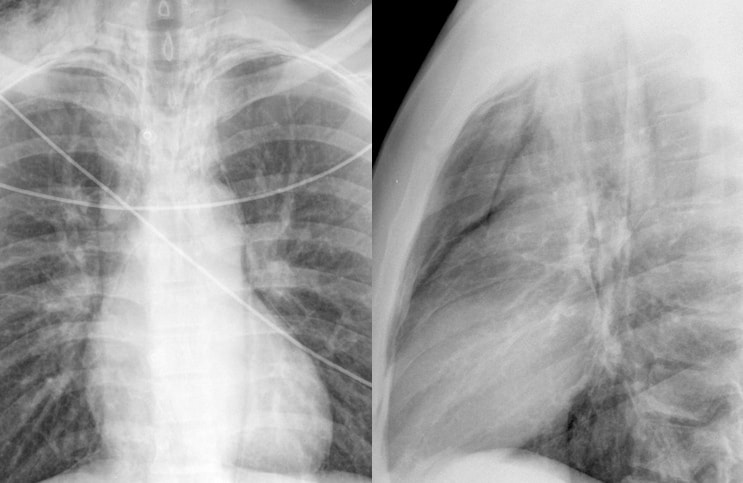
A 16-year-old man presents to the ED complaining of 3 days of nasal rhinorrhea, cough, myalgias, and generalized malaise. After a coughing episode yesterday, he developed pleuritic chest pain radiating to the left neck. His vital signs are BP 130/70 mm Hg, HR 76, RR 16, T 36.6°C, and pulse oximetry 98% on room air. You obtain the chest radiograph seen above. Which of the following is the most appropriate next step in management?
A. Discharge home with close follow–up
B. Endoscopy
C. Needle decompression
D. Tube thoracostomy
Question 2
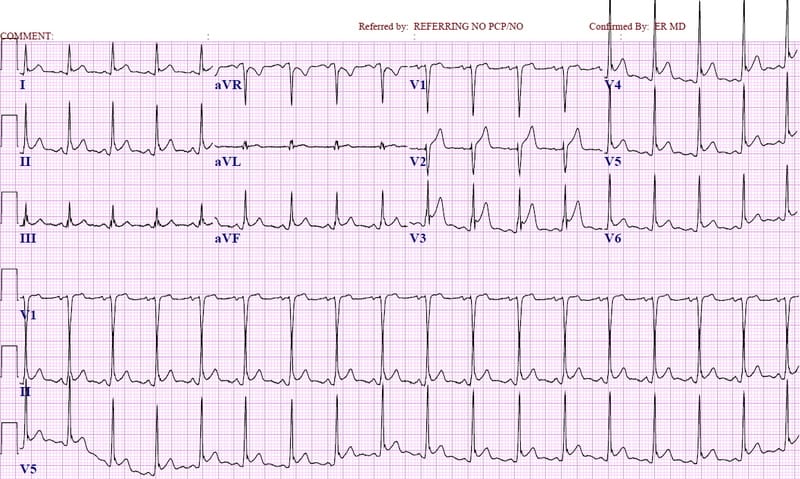
A 17-year-old man with no past medical history presents complaining of constant chest pain for 5 days. He states that he had a cold 2 weeks ago and feels like he never got better. His vitals are T 36.8°C, HR 91, BP 122/75, RR 18, and oxygen saturation 99%. A 12-lead ECG is performed as seen above. What is the appropriate immediate management for this patient?
A. Aspirin 325 mg and activation of the cardiac catheterization lab
B. Azithromycin 500 mg by mouth, followed by 250 mg once a day for 4 days
C. Ibuprofen and prompt follow–up with his primary care doctor
An 84-year-old woman with new-onset altered mental status is sent to the ED from her assisted living facility. According to the facility staff, she has had a productive cough for two days. Her vital signs are blood pressure 90/60 mm Hg, heart rate 92 beats per minute, respiratory rate 25 breaths per minute, temperature 38.3°C, and oxygen saturation 95% on room air. Laboratory results reveal a WBC of 11,000. A chest radiograph shows a right lower lobe infiltrate. Which aspect of this patient’s presentation is consistent with systemic inflammatory response syndrome?
A 27-year-old woman presents with a complaint of transient vision loss in her right eye. She states that she has had multiple similar episodes in the past 6 months. She also complains of incomplete bladder emptying, intermittent tremors and intermittent weakness in her left arm. The patient has a family history of multiple sclerosis. Which of the following is the best diagnostic test for the suspected diagnosis?
A father brings his 2-week-old newborn to the ED after a gagging episode at home where the infant “turned blue.” The newborn was sleeping in his father’s arms when he started choking, turned blue, and went limp. The father turned the baby over, did 5 back blows, and performed CPR for 5 minutes until the newborn started crying. On exam, the newborn appears sleepy but is easily arousable. Vital signs are HR 160, RR 30, T 37.6°C, and pulse oximetry is 99% on room air. Which of the following is the next best step in management?
A. Admit to hospital for further workup
B. Endotracheal intubation
C. Epinephrine (1:10 000) IV
D. Send home with reassurance
Pneumomediastinum requires no treatment and patients may be safely discharged.
The SIRS criteria are met if two of the following conditions are met: a heart rate > 90, a temperature > 38° C or < 36° C, a respiratory rate > 20 or a PaCO₂ < 32, or a WBC > 12,000 or < 4,000.
Multiple sclerosis classically presents with symptoms that are scattered in time. They can range from motor to sensory and can include bladder dysfunction.
So that wraps up Episode 23. Don’t forget to subscribe so Roshcast episodes are downloaded automatically as they are released. Follow us on Twitter @Roshcast for updates, high-yield images, and pearls in 140 characters or less. We’ll also be at SAEM in two weeks, so feel free to pull us aside and let us know what you think. We are constantly striving to make Roshcast as high yield as possible and welcome all feedback!
Ep 22 Roshcast Emergency Board Review
Apr 20, 2017
Show notes
No matter what people tell you, words and ideas can change the world.
-Robin Williams
Welcome back to Episode 22! This week, we have some bread-and-butter emergency medicine with a lot of deeper learning points, so pay close attention as you listen through. Let’s start out with a review of pediatrics before we jump into the new material.
In treating epiglottitis, the first priority is airway management. Once the airway has been secured, it can be treated with either ampicillin-sulbactam or ceftriaxone.
The five congenital cyanotic heart defects can be remembered with the numbers 1 to 5.
One for trucus arteriosus in which the two vessels join to make one.
Two for transposition of the great vessels in which the two great vessels are switched.
Three for tricuspid atresia, remember three for tricuspid.
Four for the four defects of tetralogy of Fallot.
Five for the five words in total anomalous pulmonary vascular return.
The three common acyanotic heart lesions are atrial septal defects, ventricular septal defects, and patent ductus arteriosus
Now onto this week’s podcast
Question 1
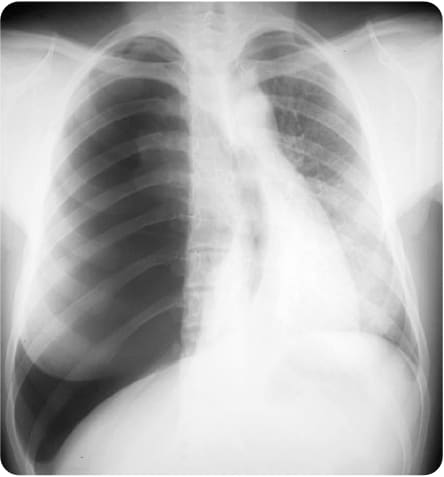
A 19-year-old woman presents with acute onset of shortness of breath and chest pain. The patient’s chest X-ray is shown above. Which of the following provides definitive management for the condition?
A 25-year-old 36-week pregnant woman presents to the ED with a complaint of vaginal bleeding. She denies associated cramping, abdominal pain, or preceding traumatic event. She describes the blood as “bright red.” Which of the following is a risk factor for the development of this condition?
An 18-year-old man presents with an injury to his left index finger. The patient was cleaning the nozzle of a high-pressure paint injector when it fired and punctured his finger. The patient reports pain at the site. On exam, you note a small puncture wound and no exit wound. There is no erythema and the site is mildly tender to palpation. Plain films do not demonstrate a fracture. Which of the following is the most appropriate next step in management?
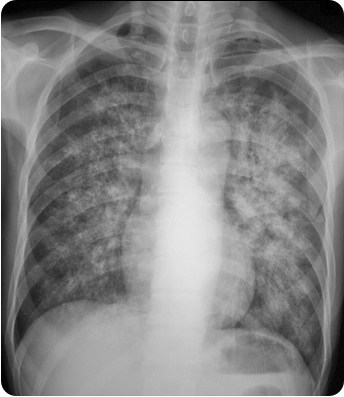
A 34-year-old woman with HIV presents with a cough and shortness of breath. Her oxygen saturation is 93% on room air, partial arterial oxygen tension of 75 mm Hg, and A-a gradient of 30 mm Hg. Her chest X-ray is shown above. What treatment is indicated?
A 16-year-old girl presents with pain to the right index finger after slamming it in a car door. Physical examination reveals a 50% subungual hematoma, and an X-ray shows a nondisplaced distal tuft fracture. What management is indicated?
A. Oral antibiotics, splinting, and follow-up
B. Splinting and follow-up
C. Trephination, splinting, and follow-up
D. Trephination, splinting, oral antibiotics, and follow-up
A tension pneumothorax may be managed immediately with needle decompression. Definitive management is with chest tube placement.
In patients with a pneumothoraxmore than a few days old, rapid re-expansion of the lung can lead to re-expansion pulmonary edema.
Placenta previa is caused by placental implantation in the lower uterine segment, either completely or partially overlying the cervical OS.
Placenta previa typically causes painless, bright red vaginal bleeding in the 2nd or 3rd trimester. The abdominal exam will be benign.
Risk factors for placenta previa include prior caesarean section, advanced maternal age, grand multiparity, previous placenta previa, multiple gestations, previous multiple induced abortions, and preterm labor.
High-pressure injection injuries should be treated with broad-spectrum antibiotics, extremity elevation, and hand surgery consultation. They carry significant morbidity with delayed treatment leading to tissue necrosis, infection, and possible amputation.
Suspect an air embolism whenever any diver loses consciousness upon ascent or within 10 minutes of surfacing.
Air embolisms can cause a wide range of symptoms, including stroke-like symptoms, dyspnea, hemoptysis, chest pain, and dysrhythmias. They are treated with hyperbaric recompression.
Nitrogen narcosis occurs in dives beyond 100 feet due to an increased concentration of dissolved nitrogen. Symptoms including impaired motor functionand behavior problems.
The bends is a dysbarism that occurs due to rapid ascent. It presents with diffuse muscle and joint pain due to nitrogen bubble release into the tissues.
PJP Pneumonia is associated with diffuse interstitial infiltrates, classically in a batwing appearance. It is treated with trimethoprim-sulfamethoxazole. If the arterial oxygen tension is less than 70 or the a-a gradient is greater than 35, corticosteroids have been shown to reduce mortality.
Histoplasmosis is found in the Ohioand Mississippi river valleys and is associated with bird and bat droppings.
Blastomycosis is found in the southeast US. In addition to pneumonia, it can cause bonelesions.
Coccidioidomycosis is found in the southwest US. It is associated with erythemanodosum and arthritis.
Legionella pneumonia is associated with hyponatremia and gastrointestinal symptoms.
Distal tuft fractures are treated with nail trephination (if indicated), splinting, and follow up.
Nail trephination can be accomplished with a heated 18-gauge needle or paperclip, or with an electrical cautery device. A single hole usually adequately relieves the pressure with the evacuation of a drop or two of blood.
That wraps up Episode 22. Remember to follow us on Twitter @Roshcast for updates and high yield EM pearls in 140 characters or less. Curious about the data driving Rosh Review? Check out Sean Michael’s post to get an inside look at the data and the educational philosophy at Rosh Review. Hope to see some of you at CORD!
Ep 21 Roshcast Emergency Board Review
Apr 05, 2017
Show notes
Change your thoughts and you change your world.
-Norman Vincent Peale
Welcome back to Episode 21! We are all over the place this week, tackling topics from orthopedics to electrolyte abnormalities. Thanks to our listeners for the excellent feedback. Keep it coming to roshcast@roshreview.com. Let’s get started with a quick neurology rapid review from prior episodes!
Treatment for a radial nerve palsy is supportive with a wrist splint, and the condition is typically self-limited.
VP shunt obstruction occurs proximally more often than it occurs distally. Proximal VP shunt obstruction occurs due to choroid plexus obstruction or increased protein within the CSF. Distal VP shunt obstruction occurs due to abdominal pseudocyst formation, which typically presents with abdominal pain due to the large size of the cyst.
Lyme disease is the most common cause of a bilateral Bell’s palsy. Remember that a peripheral facial nerve palsy can be distinguished from a central one by involvement of the forehead.
Now onto this week’s podcast
Question 1
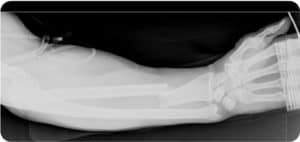
A patient presents to you as a transfer from an outside facility with the radiograph seen above. Which of the following exams will evaluate for the most commonly associated nerve injury in this type of fracture?
A 24-year-old man is brought to the ED after sustaining a stab wound to the right side of his chest. He is diagnosed with a hemothorax and a 38-French chest tube is placed in the resuscitation room. Which of the following best predicts the need for urgent thoracotomy?
A. Initial chest tube output of greater than 1,000 mL of blood
B. Initial chest tube output of greater than 10 mL/kg of blood
C. Persistent output of greater than 100 mL of blood per hour for the first 3 hours following chest tube placement
D. Persistent output of greater than 7 mL of blood per kilogram per hour following chest tube placement
A 45-year-old woman with a history of hypertension and atrial fibrillation presents with a complaint of sudden onset vision loss in her right eye that occurred 10 minutes prior to arrival in the emergency department. She denies associated pain or trauma to the eye. Visual acuity is 20/20 at baseline, however she can now only count fingers on the right. What is the appropriate next step?
A. Arrange for 24-hour follow-up with ophthalmology
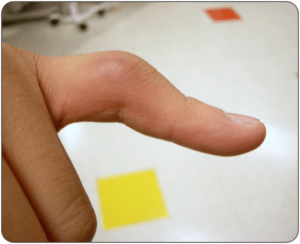
A 19-year-old man presents to the ED after jamming his finger while playing basketball. On exam, he has swelling and tenderness to the proximal interphalangeal joint and pain with proximal interphalangeal joint extension. An X-ray is negative for a fracture. To prevent the deformity seen in the above image from developing, what type of splint should be placed?
A. Distal interphalangeal joint in extension, proximal interphalangeal joint and metacarpal phalangeal joint with full range of motion
B. Distal interphalangeal joint, proximal interphalangeal joint, and metacarpal phalangeal joint in extension
C. Proximal interphalangeal joint in extension, distal interphalangeal joint and metacarpal phalangeal joint with full range of motion
D. Proximal interphalangeal joint in flexion, distal interphalangeal joint in extension, and metacarpal phalangeal joint with full range of motion
A Galeazzi fracture is a fracture of the middle to distal third of the radius with dislocation or subluxation of the distal radioulnar joint.
In Galeazzi fractures, the anterior interosseous nerve (or AIN) is at risk. Check its function by testing the flexor pollicis longus and the flexor digitorum profundus by asking the patient to make an “OK” sign.
Asking the patient to show you a “thumbs up” tests the radial nerve.
The ulnar nerve is innervated by the C8–T1 spinal nerve roots.
Hypomagnesemia can be seen in patients with chronic malnutrition, including alcoholics, children with restricted diets, and in the elderly. It is also seen in patients on diuretics, those taking aminoglycosides, and patients on a PPI. Concomitant hypokalemia is common.
Hypomagnesemia typically presents with vague symptoms including muscle cramping and diffuse weakness. More serious complications include vertigo, ataxia, seizures, increased reflexes, and cardiac conduction abnormalities, such as atrial fibrillation, PVCs, and ventricular tachycardia.
Indications for emergent thoracotomy in a patient with a traumatic hemothorax include:
Initial chest tube drainage of over 20 ml/kg of blood
>3 mL/kg/hr of blood for 4 hours
Persistent bleeding of over 200 ml/hour for 3 hours
Persistent bleeding of 7 ml/kg/hour
Refractory shock
Chest that remains more than half full of blood on chest X-ray despite tube insertion
Traumatic hemothorax is usually due to lung parenchymal injury which is usually self-limited. It may also be due to small or large vessel vascular injury or even cardiac injury.
Central retinal artery occlusion (CRAO)risk factors include hypertension, atrial fibrillation, diabetes, valvular heart disease, arteriosclerosis, hyperlipidemia, sickle cell anemia, carotid artery disease, and vasculitis.
CRAO typically presents with acute painless vision loss followed by the development of a Marcus-Gunn pupil. On exam, you would expect a pale retina and cherry red macula.
Treatment for CRAO includes digital globe massage and medications like acetazolamide, mannitol, topical timolol, and sublingual nitro. More advanced measures include hyperbaric oxygen and anterior chamber paracentesis.
A boutonnière deformity, which has PIP flexion and DIP extension, is most commonly caused by rheumatoid arthritis, but may also be caused by trauma. In the traumatic setting, it is typically caused by a central slip injury.
To treat presumed traumatic central slip injury, splint the patient in PIP extension, leaving the DIP and MCP in full ROM. If there is an associated fracture, internal surgical fixation may be required.
Anticonvulsant hypersensitivity syndrome, now more broadly classified under DRESS, presents with a 1–2 week period of nonspecific symptoms followed by a diffuse erythematous rash. Severe cases are associated with fever, rash, and internal organ involvement and carry a 10% mortality.
Treatment for DRESS is with IV steroids and immunoglobulin, in addition to supportive care and cessation of the offending agent.
So that wraps up Episode 21. Remember to follow us on Twitter @Roshcast and check out the new Teaching Image series on the blog.
Ep 20 Roshcast Emergency Board Review
Mar 23, 2017
Show notes
As knowledge increases, wonder deepens.
-Charles Morgan
Welcome back to Episode 20! We have a great episode lined up for you this week, again covering topics that run the gamut of Emergency Medicine. We are excited to say that we have covered over 100 questions in approximately five hours of Roshcast over six months! As always, send us any feedback or suggestions to roshcast@roshreview.com. Let’s get going with this week’s content!
TTP is treated with plasmapheresis. If plasmapheresis cannot be performed expediently, FFP can be used as a temporizing measure.
For any patient on warfarin with a life-threatening bleed, FFP, PCC, or Recombinant factor VIIa should be given. For a patient on aspirin with a life-threatening bleed, DDAVP should be given in addition to platelets.
For patients with intracranial hemorrhages, new evidence from the PATCH trial suggests that platelets may actually increase the risk of death and dependence, so such patients should only be given DDAVP.
Both Hemophilia A and B are X-linked recessive disorders.
Now onto this week’s podcast
Question 1
A 23-year-old man presents with chest tightness after intranasal cocaine use. Vital signs are HR 133, BP 155/95, and oxygen saturation 95%. ECG reveals sinus tachycardia with no ischemic changes. What medication should be administered?
A 59-year-old man is found naked under a bridge. He is unresponsive and does not respond to painful stimulation. His rectal temperature is 32ºC. The patient is intubated for airway protection, warm blankets are placed, and active internal rewarming measures are initiated. The patient’s temperature slowly rises to 35ºC, but then begins to fall. Which of the following is most likely responsible for this phenomenon?
A. Cooling of blood during cardiopulmonary circulation
A 32-year old woman with HIV presents for the evaluation of a headache. She denies fever and her neurologic examination is normal. A CT scan of the head is performed and shown above. Which of the following is true regarding the finding on the CT scan?
A. It is caused by reactivation of a previous infection
B. It is transmitted through dog feces
C. The CD4 count is typically less than 50 cells/mm3
A woman suffers from an acute attack of vertigo, nausea, and vomiting. You suspect viral labyrinthitis. Which of the following medications is the best choice in treating the vertigo?
In the PATCH trial, platelets were shown to increase the risk of death in acute intracranial hemorrhage in patients on aspirin.
Cocaine chest pain should be treated with benzodiazepines to both relieve vasospasm and decrease sympathetic surge.
Beta-blockers should be avoided in those with cocaine chest pain due to unopposed alpha agonism.
The most common type of migraine is a migraine without an aura.
The classic migraine is a slow onset, unilateral, pulsating, headache with moderate to severe intensity. It may be associated with nausea, vomiting, photophobia, or phonophobia.
Migraines affect women twice as often as they affect men.
The most typicalmigraine auras are visual.
When actively rewarming a patient, a decrease in core temperature is common as cold blood returns from the periphery.
In hypothermia, expect a 2% increase in the hematocrit for every 1 degree Celsius drop in temperature.
Salicylate overdoses are associated with poor fetal outcomes as salicylates readily crossthe placenta, causing acidosis, kernicterus, and prematurely closure of the ductus arteriosus.
The treatment for a salicylate overdose is gastric decontamination, urinary alkalization, and hemodialysis.
Indications for dialysis in a salicylate overdose are altered mental status, renal failure, pulmonary edema, rising levels despite alkalinization, coma, or clinical deterioration.
In carbon monoxide poisoning in pregnancy, the threshold for initiating hyperbaric oxygen therapy is lower as the half-life of carbon monoxide is almost 5 times longerin the fetus than in the mother.
Toxoplasmosis occurs due to reactivation of a prior infection in patients with HIV and a CD4 count less than 100. It is transmitted through cat feces and can cause encephalitis. Treatment is with pyrimethamine, sulfadiazine, and folinic acid.
Viral labyrinthitis should be treated with rest, hydration, antiemetics, vestibular depressants, and corticosteroids. Benzodiazepines may also be used.
That wraps up Episode 20. Don’t forget to follow us on Twitter @Roshcast for updates and high-yield EM pearls in 140 characters or less. We will primarily be posting on material that we have already covered on the podcast to add yet another element of spaced repetition. Be sure to take full advantage! And take a look at our new Teaching Image series on the blog. The first three posts are already up: Cardiac Tamponade, Tinea Versicolor, and Basilar Skull Fracture.
Ep 19 Roshcast Emergency Board Review
Mar 09, 2017
Show notes
Knowing is not enough; we must apply. Willing is not enough; we must do. -Johann Wolfgang von Goethe
Welcome back to episode 19! We are certainly relieved to have this year’s in-training exam behind us, and we are sure you are too. We hope you recognized some of the content we reviewed in episodes 1-15 and were able to grab a few extra points. Now that we’ve all had a brief break, we are back with new material to help you prepare for next year’s exam and to help improve your clinical acumen. It is important to keep reviewing all year-round.
The Nexus criteria are used to rule out the need for cervical spine imaging. Use the mnemonic NSAID to remember the criteria: neurologic deficit, spinal tenderness, altered mental status, intoxication, and distracting injury.
A pneumothorax can be identified on lung ultrasound by the absence of lung sliding.
A simple pneumothorax, which is one involving less than 10% of the hemithorax, can be treated with a non-rebreather. Larger pneumothoraces will often require a chest tube or a pigtail catheter.
The most common EKG finding for a myocardial contusion is sinus tachycardia. The most common course is a spontaneous resolution of the symptoms. However, with severe injuries, the mostserious complication is delayed rupture.
Now onto this week’s podcast
Question 1
A 55-year-old man who is taking several antihypertensive medications presents to the ED with nausea, vomiting, shortness of breath, and a rash after eating a home-cooked Thai meal at a friend’s house about 1 hour ago. The symptoms began within seconds of the first bite of his meal. Despite the patient being administered 2 doses of intramuscular epinephrine, diphenhydramine, dexamethasone, and crystalloid fluids, his blood pressure remains at 75/38 mm Hg. Which other medication should be considered in this patient?
A. Cimetidine
B. Glucagon
C. Norepinephrine
D. Octreotide
Question 2
A 45-year-old woman with type 1 diabetes mellitus presents with fatigue in the setting of medication non-compliance. Her laboratory tests reveal a Na+ 125, K+ 3.1, chloride 97, bicarbonate 10, glucose 761, and pH 7.21. The patient is started on intravenous fluids. What therapy is most important to start next?
A 56-year old woman with a known left bundle branch block presents after a syncopal episode. EKG shows a regular, wide complex tachycardia with a rate of 160 beats/minute. Which of the following EKG features suggests a diagnosis of ventricular tachycardia over a diagnosis of supraventricular tachycardia with aberrancy?
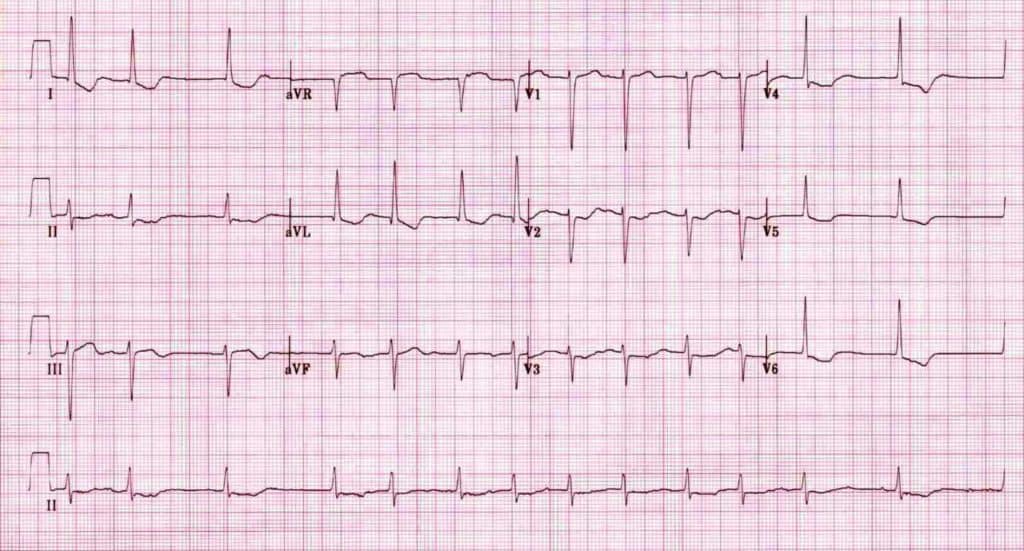
A 74-year-old woman with a history of congestive heart failure, hypertension, and coronary artery disease presents with confusion, abdominal pain, and nausea. Her medications include hydrochlorothiazide, aspirin, and digoxin. The patient’s ECG is shown above. She has a potassium level of 6.3 mEq/ml. Which of the following treatments should be initiated?
An 18-year-old woman with no significant past medical history falls while rock climbing and sustains a knee dislocation. Posterior tibial and dorsalis pedis pulses are unable to be palpated on the affected side. Her last meal was 2 hours ago. Which of the following statements is true regarding pre-procedural fasting?
A. Current fasting guidelines are based on results of randomized controlled trials comparing fasting status and incidence of aspiration
B. She is at risk of complications from knee dislocation and reduction should be performed regardless of fasting status
C. She should wait an additional 4 hours, until it is 6 hours since her last meal, since she is at increased risk of aspiration
D. Vomiting and loss of airway reflexes during procedural sedation is common
Question 6
A 32-year-old woman who is 8 weeks pregnant by dates presents to the ED with a 2-cm laceration to her index finger sustained while she was cutting a tomato. On review of systems, she also notes 2 days of vaginal spotting and lower abdominal cramping. Vital signs are within normal limits. Physical exam is consistent with a simple 2-cm laceration. The pelvic exam reveals a closed os and no adnexal tenderness or masses. Which of the following statements best describes the next step in management?
A. Delay treating her laceration until her pregnancy status is further clarified
B. Treat her laceration as indicated, and perform a beta-hCG quantitative level
C. Treat her laceration as indicated, perform a beta-hCG quantitative level, and obtain a pelvic ultrasound
D. Treat her laceration as indicated, then discharge with outpatient obstetrical follow-up
Glucagon may be used for beta-blocker reversal.
Common side effects of glucagon are vomiting, dizziness, hypokalemia, hyperglycemia, hypertension, and tachycardia.
When treating DKA, replete potassiumbefore starting insulin. Most protocols advocate for a potassium of at least 3.5 before starting insulin.
Capture beats and fusion beats are indicative of ventricular tachycardia.
A capture beat is a narrow complex supraventricular beat that is conducted within a run of ventricular tachycardia.
A fusion beat is a beat formed from a supraventricular and ventricular impulse, resulting in a hybrid QRS complex.
Digoxin toxicity can cause confusion, abdominal pain, nausea and vomiting as well as almost any type of dysrhythmia. PVCs are the most common EKGabnormality.
The Salvador Dali mustache or scooped ST segments seen in patients on digoxin is indicative only of digoxin use and not toxicity.
In digoxin overdoses, the potassium levels are helpful in prognosticating survival. A potassium level of > 5.5 mEq portends a worse outcome. The treatment is digoxin-specific antibody.
Charcoal binds digoxin and can be given in acute overdoses if the patient has a normal mental status. There is no role for hemodialysis.
Procedural sedation should not be delayed because the patient is not fasting. There is no good literature to suggest worse outcomes in those not fasting.
In any pregnant patient with lower abdominal pain or vaginal bleeding, who does not yet have a confirmed IUP by ultrasound, a beta-hCG and pelvic ultrasound are required to rule out an ectopic pregnancy.
Up to 20% of all pregnant patients will develop vaginal bleeding within the first 20 weeks of gestation. Of these, 50% will miscarry and the other 50% will go on to have a term pregnancy.
Thanks to Megha for the question suggestion. Remember to write “Roshcast” in the submit feedback box as you work through the question bank to flag questions you would like us to cover in future episodes.
For those of you thinking it is too early to start studying, do not forget there are 1200 questions in the Rosh review bank so you are better off starting sooner rather than later to get through it. Many of you already have the yearly subscription, so take full advantage by reviewing the questions there now. Lastly, follow us on Twitter at @Roshcast for updates and high-yield EM pearls in 140 characters or less!
Ep 18 Roshcast Emergency Board Review
Feb 18, 2017
Show notes
Believe you can and you’re halfway there.
–Theodore Roosevelt
Welcome back to Episode 18! This is the last and final rapid review before the In-Training Exam! Remember to pause the podcast as you go through the review and quiz yourself. Let’s get started with Ob/GYN.
OB/GYN Emergencies
The most common cause of maternal mortality during delivery is maternal hemorrhage. Maternal hemorrhage can be caused by uterine atony, genital trauma or retained products. Uterine atony is treated with oxytocin or uterine massage. Genital trauma is treated with pressure or ligation. Retained products require removal of the products to control the hemorrhage.
Vaginal candidiasis is treated with fluconazole or clotrimazole. Bacterial vaginosis is treated with metronidazole, twice daily for 7 days. Lastly, trichomoniasis is treated with a single dose of metronidazole.
PID is typically caused by gonorrhea, chlamydia, or both. It is treated with ceftriaxone 250 mg IM once and doxycycline 100 mg PO BID x 14 days if the patient can tolerate PO. Cervicitis is treated with ceftriaxone 250 mg IM and azithromycin 1g PO.
Fitz-Hugh-Curtis syndrome is a perihepatitis associated with PID. It is a difficult diagnosis to make, but suspect it in sexually active woman with right upper quadrant pain.
Pediatric Emergencies
Suspect epiglottitis in those who were incompletely vaccinated. The first priority is airway management, which ideally involves intubation in an operating room. The second priority is antibiotics. Ampicillin-sulbactam or ceftriaxone are often used.
Pertussis has three stages: the catarrhal stage, the paroxysmal stage, and the convalescent stage. Treatment is with a macrolide.
There are five common congenital cyanotic heart defects, which can be remembered by the numbers 1–5. One is for Truncus Arteriosus, in which two vessels join to make one. Two is for Transposition of the Great Vessels in which the two great vessels are switched. Three is for Tricuspid Atresia. Remember three for TRIcuspid. Four is for the four defects of Tetralogy of Fallot. Lastly, five is for the five words of Total Anomalous Pulmonary Vascular Return.
The three common acyanotic heart lesions are atrial septal defects, patent ductus arteriosus, and ventricular septal defects. Symptomatic children with such lesions typically present with congestive heart failure by 6 months of life.
Acrocyanosis is a transient blue discoloration of the hands and feet, which can occur when a newborn is cold. Typically, the pulse oximetry reading is normal.
Procedural Emergencies
The emergence reaction from ketamine is the most common adverse effect. The most serious adversereaction is laryngospasm. The laryngospasm can be treated with bag valve mask ventilation. Ketamine can also be used for analgesia in lieu of opiates at a dose of 0.1–0.3 mg/kg.
Renal Emergencies
Hematuria with hearing loss is associated with Alport syndrome. Hematuria and hemoptysis is associated with Goodpasture’s syndrome.
Winter’s formula (pCO2 = 1.5HCO3– + 8 +/-2) is a formula to determine if there is appropriate respiratory compensation in a metabolic acidosis.
MUDPILES mnemonic can be used to remember the causes of an anion gap metabolic acidosis: Methanol, Uremia, DKA, Propylene glycol, Iron or INH, Lactic acidosis, Ethylene glycol, and Salicylates.
The HARDASS mnemonic can be used to remember the causes of a non-anion gap metabolicacidosis: Hyperalimentation, Addison’s disease, RTA, Diarrhea, Acetazolamide, Spironolactone, and Saline infusion.
Pulmonary Emergencies
A ventilation perfusion scan (V/Q) has the highest sensitivity for excluding pulmonary embolism.
With pulmonary embolisms, the most common finding is sinus tachycardia. Do not forget about the classic S1Q3T3 pattern.
The common cause of SVC syndrome is malignancy. The four most common malignancies are bronchogenic carcinoma, small cell lung cancer, squamous cell lung cancer, and lymphoma.
In drowning victims, a 4 to 6 hour observation period is typically sufficient before discharge with normal vitals and a normal exam. Any oxygen requirement or pulmonary finding on exam requires admission.
Hypoxemia can be broken down into five categories: low inspired O2, shunt, diffusion impairment, hypoventilation, and V-Q mismatch.
With right to left shunt, diffusion impairment, and V-Q mismatches, the A-a gradient is increased. With hypoventilation, the A-a gradient is normal.
The hypoxemia of right to left shuntdoes not improve with supplemental O2, but with diffusion impairment, hypoventilation, and V-Q mismatches it would improve.
COPD accounts for 70% of the cases of secondary spontaneous pneumothoraces. Remember that the incidence is also three times greater in men than it is in women.
A BNP of less than 100 essentially rules out heart failure, but an elevated BNP is not necessarily indicative of failure. Obesity can also lead to a spuriously low BNP.
Toxicological Emergencies
Emergent dialysis is required for an acute ingestion with a lithium level greater than 4 mEq/L or for a chronic ingestion with a lithium level greater than 2.5 mEq/L. Emergent dialysis should also be initiated if there are any neurologic findings secondary to the ingestion.
In lithium overdose, there are three classic findings: bradycardia, T wave flattening, and QT prolongation.
Treatment for amphetamine overdoses is mostly supportive. The complex tachydysrhythmias are treated with sodium bicarbonate, agitation is treated with benzodiazepines, and hyperthermia is treated with aggressive cooling measures.
Anticholinergic toxicity can be remembered by the mnemonic: mad as a hatter, blind as a bat, red as a beet, hot as a hare, and dry as a bone. Do not confuse the anticholinergic toxicity with the sympathomimetic toxicity as they are similar, but sympathomimetic overdoses are typically associated with diaphoresis, not dryness.
The cholinergic toxidrome is marked by salivation, lacrimation, urination, defecation, GI upset, and emesis. Remember SLUDGE. The most deadly symptoms can be remembered by the killer b’s: bronchorrhea, bronchospasm, and bradycardia.
A knee X-ray with hyperdense lines at the metaphysis is a classic finding in lead poisoning. Lead poisoning is treated with either succimer or IV EDTA in acute overdoses.
Bupivacaine toxicity is treated with intralipid.
Hydrofluoric acid is treated with calcium gluconate, either topically or intra-arterially.
Benzodiazepine overdoses should be treated with flumazenil but use caution in those who use them chronically as reversal may precipitate seizures.
Iron overdoses occur with ingestions of greater than 40 mg/kg. They should be treated with deferoxamine. For less significant overdoses, GI decontamination may be attempted. Charcoal is of no use here, as it does not bind Iron.
Symptomatic colchicine overdoses must be admitted because of an elevated risk of sudden cardiac death. Other complications include renal failure, rhabdomyolysis, bone marrow suppression, and ARDS.
The Amanita genus of mushrooms can be identified by dots or scales on theircap. They produce the deadly amatoxin.
Amatoxin poisoning has four stages culminating in liver failure and then death. Mortality is commonly cited as 10-30%. Activated charcoal and hemoperfusion can be considered.
Traumatic Emergencies
On bedside ultrasound, the absence of lung sliding is indicative of a pneumothorax. A-lines are horizontal lines that are the normal reflection of the pleura. B-lines are vertical “headlights” that are indicative of pulmonary edema.
A simple pneumothorax is one involving < 10% of the hemithorax and should be treated with a non-rebreather to increase the speed of resorption. With larger pneumothoraces, a chest tube or pigtail catheter will likely be needed.
The NEXUS mnemonic can be remembered by the mnemonic NSAID: Neurologic deficit, Spinal tenderness, Altered mental status, Intoxication, and Distracting injury. The NEXUS and Canadian C-spine rules are tools to rule patients out from the need for imaging in trauma. They both have nearly 100% sensitivity, but very poor specificities and therefore cannot rule in injury.
Myocardial contusions are a sequela of blunt chest trauma. The most common EKG finding is sinus tachycardia. These patients require an echocardiogram. The most common course is spontaneous resorption of resolution of the symptoms. The most serious complication is delayed rupture.
That wraps up part three, the last episode in our brief In-Training Exam review! We hope you enjoyed listening! We will be taking next week off for the ITE but will resume shortly thereafter with new episodes. If you have made it this far in our podcast, you clearly take your studying seriously, and we have no doubt you will do well on the exam!
Good luck, Jeff and Nachi
P.S. In case you missed it, here is the rest of the review: Episode 16 and Episode 17.
Ep 17 Roshcast Emergency Board Review
Feb 16, 2017
Show notes
Put your heart, mind, and soul into even your smallest acts. This is the secret of success.
–Swami Sivananda
Welcome back to Episode 17! This is part 2 of the 3 part ITE rapid review series. In Episode 16, we covered abdominal emergencies, cardiovascular emergencies, cutaneous emergencies, endocrine emergencies, and environmental emergencies. Today we jump right in with HEENT emergencies. Let’s get started!
HEENT Emergencies
The target pH for eye irrigation after a chemical burn is 7.0–7.2. Alkali burns usually cause more damage than acidic burns due to liquefactive necrosis.
Acute glaucoma classically presents with a red, painful eye, blurry vision, and asymmetric pupils. First line treatment options include beta-blockers, carbonic anhydrase inhibitors, steroids, and miotics.
Corneal abrasions should be treated with topical antibiotics such as erythromycin or ciprofloxacin. Tetanus vaccination should also be updated if needed.
The three most common bacterial causes of acute otitis media are Streptococcus, Haemophilus, and Moraxella. However, viral pathogens are far more common. If treating with antibiotics, the first line is typically amoxicillin.
Hematologic Emergencies
Angioedema secondary to ACE-inhibitor use occurs due to a buildup of bradykinin.
Hereditary angioedema is caused by a deficiency or dysfunction of the C1 esterase inhibitor. Episodes are typically precipitated by stress or trauma. Treatment is with replacement of C1 esterase inhibitor or with FFP if the inhibitor is not available.
TTP is treated with plasmapheresis. If plasmapheresis cannot be performed expediently, FFP can be used as a temporizing measure.
For any patient on warfarin with a life-threatening bleed, FFP, PCC, or recombinant factory VIIa should be given. For a patient on aspirin with a life-threatening bleed, DDAVP should be given in addition to platelets.
Predisposing risk factors for DVT include malignancy, immobilization, recent surgery, obesity, smoking, oral contraceptives, recreational drugs, and hypercoagulable states.
Chronic alcohol abuse leads to a macrocytic anemia and even pancytopenia due to ethanol’s suppressive effects on the bone marrow.
Patients on long-standing isoniazid are at risk for sideroblasticanemia due to a pyridoxine deficiency.
Vitamin B12 deficiency causes a megaloblastic anemia called pernicious anemia. It usually occurs secondary to absorptive problems rather than poor dietary intake.
Giant Cell Arteritis commonly presents with unilateral temporal headache, jaw claudication, tender temporal artery, and even sudden painless monocular vision loss. The ESR is usually between 50-100. 50% of patients with giant cell arteritis also have polymyalgia rheumatica.
Giant cell arteritis should be treated with immediate steroids, long before biopsy confirms the diagnosis.
In giant cell arteritis, aortic involvement can lead to valvular disease and dissection.
Both hemophilia A and Bare x-linked recessive diseases. Hemophilia A is caused by decreased synthesis of factor VIII. Hemophilia B or Christmas disease is caused by decreased synthesis of factor IX. Treatment is with specific factor replacement or if unavailable, with cryoprecipitate.
Immune System Emergencies
For a new mother with mastitis, she should be advised to continue nursing from the affected breast. Dicloxacillin is the antibiotic of choice.
Prophylaxis for Neisseria meningitidis should be offered to high-risk contacts, which includes household members, school contacts in the prior 7 days, and those with direct exposure to patients. The preferred antibiotic regimen for prophylaxis is two days of rifampin. Ceftriaxone and ciprofloxacin can also be used but they are slightly less effective.
Fight bites are at risk for contamination with Eikenella. Amoxicillin-clavulanate is the oral antibiotic of choice. If an IV antibiotic is required, ampicillin-sulbactam, cefoxitin, or piperacillin-tazobactam can be used.
Streptococcus pneumoniae is classically associated with rusty colored sputum, whereas Klebsiella pneumoniae is associated with currant jelly sputum. In alcoholics, Streptococcus pneumoniae is the most common bacterial cause of pneumonia, however the incidence of Klebsiella pneumoniae is higher in this population due to their increased risk of aspiration.
There are three common painless penile lesions. They are caused by Chlamydia, Klebsiella, and Treponema pallidum. Chlamydia causes LGV, which presents as a shallow ulcer. Klebsiella causes granuloma inguinale, which presents as a beefy red ulcer and a painless papule. Treponema pallidum causes syphilis, which presents as a painless chancre.
H. ducreyi causes chancroid, which typically presents with multiple painful papules that ulcerate. HSV causes genital Herpes that tends to present as tender, shallow penile lesions.
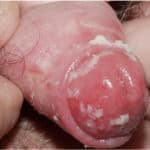
Balanitis is typically caused by a candidal infection. The treatment is with topical clotrimazole.
In the modified Centor score, give one point for tonsillar exudates, one point for tender anterior cervical adenopathy, one point for fever by history, one point for the absence of a cough, and one point for age less than 15. For an age over 45, you subtract one point. For a score of 0 or 1 points, treat supportively; for a score of 2 or 3 points, test and treat only if positive; and, lastly, for a score of 4 or 5 points, treatempirically. The mainstay of treatment is amoxicillin.
Herpes simplex virus is the most common infection associated with erythema multiforme. Hepatitis C can also be associated with erythema multiforme, but that usually occurs in the setting of active treatment with telaprevir.
Musculoskeletal Emergencies
A nursemaid’s elbow can be reduced by either supination followed by elbow flexion or with hyperpronation.
NSAIDs are the first-line therapy for gout. Although there is mixed research on this, classically allopurinol is contraindicated during an acute presentation for fear of worsening the attack.
Gout is associated with negatively birefringent crystal on joint aspiration, whereas pseudogout is associated with positively birefringent crystals. Gout typically affects the first metatarsophalangeal joint, whereas pseudogout most commonly affects larger joints like the knees and ankles.
The Hill-Sachs defect is the most common complication of anterior shoulder dislocations, occurring in 40% of cases. The Hill-Sachs defect is a depression fracture of the posterolateral surface of the humeral head. Do not confuse it with a Bankart lesion, which is a fracture of the anterior aspect of the inferior glenoid rim.
The axillary nerve is the most commonly injured nerve in anterior shoulder dislocations. Its function can be tested by arm abduction and sensation over the deltoid muscle.
Nervous System Emergencies
Severe cases of myasthenia gravis can be treated with IVIG or plasma exchange. Although not a cure, symptoms may also be decreased by cooling. The edrophonium test can be used to make the initial diagnosis.
Polycystic kidney disease is associated with an increased incidence of subarachnoid hemorrhages.
Lyme disease is the most common cause of a bilateral Bell’s palsy.
A peripheral facial nerve palsy can be distinguished from a central one by involvement of the forehead.
VP shunt obstruction occurs proximally more frequently than distally. Proximal VP shunt obstruction occurs due to choroid plexus obstruction or increased protein within the CSF. Distal VP shunt obstruction occurs due to abdominal pseudocyst formation, which typically presents with abdominal pain due to the large size of the cyst.
A radial nerve palsy is treated supportively with a wrist splint.
A Marcus Gunn pupil is another term for a pupil with an afferent pupillary defect.
That is it for part two. We have part three ready for release tomorrow. Let us know what you think about this review by emailing us at Roshcast@roshreview.com.
Ep 16 Roshcast Emergency Board Review
Feb 15, 2017
Show notes
What we think, we become
-Buddha
Welcome back to Episode 16! With the In-training Exam next week, we are doing things a little different this week. Instead of covering new material before the exam, we are launching three episodes, back to back, reviewing the most high-yield points that we have covered so far, organized by topic. We think this extra layer of spaced repetition will help you gain a few extra points during your test. We have set it up in a quiz format, so you can pause the podcast as you go along.
Now onto this week’s podcast
Abdominal Emergencies
Small bowel obstructions are caused most commonly by postoperative adhesions followed by malignancy.
Large bowel obstructions are caused most commonly by malignancy followed by volvulus.
Reynolds’ pentad for acute cholangitis consists of fever, right upper quadrant pain, jaundice, altered mental status, and hypotension.
The initial treatment for GERD should always begin with lifestyle and behavior modifications including weight loss, head of bed elevation, and avoiding eating prior to sleeping. If lifestyle modifications are not providing adequate relief, PPIs are the empiric treatment of choice for GERD.
Untreated GERD can lead to Barrett Esophagus, which increases the risk for esophageal neoplasm.
Cardiovascular Emergencies
Nitrates reduce both the preload and the afterload by dilating vascular smooth muscles. Avoid nitrates in inferior MIs and in those on phosphodiesterase inhibitors.
The most common finding in an acute aortic dissection is hypertension.
Capture beats are normal narrow supraventricular beats within a run of wide complex beats. Fusion beats occur when impulses from two different locations activate the ventricle. One impulse is typically ventricular and the other is supraventricular, resulting in a QRS complex with hybrid morphology of a sinus beat and an intraventricular beat.
For hemodynamically stable patients, AVNRT can be treated with beta-blockers, calcium channel blockers, or, less commonly, digoxin. Unstable or refractory cases require cardioversion.
The mnemonic FROM JANE (Fever, Roth’s spots, Osler’s nodes, Murmur, Janeway lesions, Anemia, Nail-bed hemorrhages, and Emboli), can be used to remember the findings associated with bacterialendocarditis.
In IV drug users with endocarditis, the tricuspid valve is most commonly affected and Staph aureus is the most common bacteria isolated.
In native valve endocarditis, the mitral valve is most commonly infected followed by the aortic valve.
Strep bovis endocarditis is associated with colon cancer (remember: cancer in the colon, bovis in the blood).
In cardiac arrest, AED use, early bystander CPR, amiodarone for shock-resistant ventricular tachycardia or ventricular fibrillation, therapeutic hypothermia, and cardiac catheterization for ventricular dysrhythmias, even in EKGs that do not meet STEMI criteria, have all been shown to improve outcomes.
MAP = CO x SVR + CVP. Its’ more easily estimated by the formula MAP = ⅓SBP + ⅔DBP.
The right coronary artery occlusion supplies the AV node in the majority of patients. Acute occlusion can lead to heart black.
The six P’s of acute arterial occlusion are paresthesias, paralysis, pallor, pulselessness, poikilothermia, and pain out of proportion to exam. Paralysis and paresthesias require emergent surgical intervention.
Acute arterial embolisms should be managed by embolectomy, whereas in situ thromboses may respond to anticoagulation.
Left ventricular thrombus formation after an MI is the most common source of an arterial embolus.
Cutaneous Emergencies
Escharotomies are performed along the medial and lateral aspects of both the upper and lower extremities.
The Parkland formula = 4 x percentage burned x weight (in kg). Give the first half of the fluid over the first 8 hours and the second half of the fluid over the next 16 hours.
Staph scalded skin syndrome is caused by an exotoxin. These patients will have a positive Nikolsky’s sign. Rupturing the bullae will not spread the toxin, as it is spread via the blood stream.
Trousseau’s syndrome is a migratory thrombophlebitis associated with pancreatic cancer.
Erythema nodosum is an inflammatory condition characterized by tender red-violet nodules under the skin. The most common cause is an infection but drugs can also cause erythema nodosum, with OCPs being the most common culprit. The treatment is NSAIDs for mild to moderate cases. Potassium iodine can be used in severe cases.
Endocrine Emergencies
Sulfonylurea anti-hyperglycemia can cause recurrent episodes of hypoglycemia.
In factitious hypoglycemia,C-peptide should be low and insulin levels should be high due to exogenous administration of insulin.
Environmental Emergencies
Scorpion stings cause local redness and edema with a heightened sensitivity to touch in the area. You can also have numbness and weakness in the affected area. Systemic symptoms include fasciculations, disconjugategaze, temperature reversal, and pancreatitis.
Black widow spiders are found throughout the entire United States. They can be identified by the hourglass on their abdomen. In contrast, brown recluse spiders are found in the Midwest.
Black widow spiderbites cause a local papule with a halo. Severe systemic symptoms include a peritoniticabdomen, muscle fasciculations, and diaphoresis. Brown recluse spider bites cause a papule that later blisters and may necrose. Systemic symptoms include renalfailure, pulmonaryedema, and shock
Pit viper snakebites cause local swelling and oozing from the wound. Severe envenomation can lead to a DIC-like coagulopathy and hemorrhagic bullae.
Frostbite should be treated with immersion in a warm water bath at 37 to 39 degrees Celsius. Water at a higher temperature will warm no faster and cause increased pain and potentially tissue damage.
So, that’s it for part 1. Stay tuned for the remaining two parts. Was this review helpful? Do you want us to change anything? Send us your thoughts at roshcast@roshreview.com.
Until next time, Jeff and Nachi
P.S. If you missed Episode 15, including arterial emboli, listen here.
Ep 15 Roshcast Emergency Board Review
Feb 09, 2017
Show notes
All our dreams can come true — if we have the courage to pursue them.
-Walt Disney
Welcome back to episode 15! As promised, we are back to our weekly episodes leading into the ITE. We start this week with a rapid review of some of the infectious disease high-yield points that we have covered in the past few months, and then we dive right into the new material. Stay tuned for some comical outtakes at the end of the podcast for an inside look at the recording of Roshcast. We think you will enjoy it. Let’s get on with the rapid review.
The most common cause of a painless, clean-based, sharply defined penile ulcer is a chancre, seen in syphilis.
The small shallow ulcer of LGV and the red beefy ulcer of granuloma inguinale are painless also.
Corneal abrasions can be treated with either erythromycin ointment or ciprofloxacin drops. Do not forget to update the tetanus vaccine if indicated.
Native valve endocarditis is seen most commonly in the mitral valve.
The most common cause of pneumonia in alcoholics is Streptococcus pneumoniae.
Now onto this week’s podcast
Question 1
Which of the following is the most common infection associated with erythema multiforme?
A 72-year-old man presents with chest heaviness associated with diaphoresis and shortness of breath. His ECG demonstrates complete heart block. Acute blockage of which of the following coronary arteries is most likely to be causing his dysrhythmia?
A 55-year-old woman presents to the ED for swelling of her tongue and lips. She recently started a new antihypertensive medication. Which of the following is the direct mediator for her condition
A 3-year-old boy presents with stridor. His mother states that he was eating a grape and suddenly started choking. The patient has normal vital signs except for an increased respiratory rate. Physical examination reveals an anxious child who is able to speak, but has stridor. Which of the following management is most likely indicated?
That wraps up episode 15! What do you guys think of the pauses after questions? Let us know by emailing us at Roshcast@roshreview.com. Do not forget to check out the high-yield questions and explanations in the Rosh Review Emergency Medicine Qbank.
Until next time, Jeff and Nachi
P.S. If you missed last week’s episode including frostbite, listen here.
Ep 14 Roshcast Emergency Board Review
Feb 02, 2017
Show notes
If opportunity doesn’t knock, build a door.
-Milton Berle
Welcome back to Episode 14! After a short break for Jeff’s honeymoon, we are back this week with more high-quality review. We have weekly episodes in the works to keep you motivated. Take note of a small change to the format this week: after each question, you will hear a one-second pause to contemplate the answer or to pause the podcast to give you even more time. We made this change in response to listener feedback; keep more feedback coming to Roshcast@roshreview.com.
We have one more exciting change to announce this week. As you go through the Rosh Review EM question bank and you come across a difficult question or a question you think would be perfect for Roshcasting, hit the “submit feedback” button and type “Roshcast.”
This will prompt the feedback to alert us, and we will work on incorporating the question as quickly as possible. Let’s get started with this week’s episode.
The Hill-Sachs defect (a depression fracture of the posterolateral surface of the humeral head) is the most common complication of an anterior shoulder dislocation. It is seen in about 40% of cases.
Fight bites should be treated with orally with amoxicillin-clavulanate to cover Eikenella If the patient requires IV antibiotics, ampicillin-sulbactam, cefoxitin, or piperacillin-tazobactam can be administered.
Nursemaid’s elbow can be reduced by supination followed by flexion or by hyperpronation. X-rays are not routinely required.
Now onto this week’s podcast
Question 1
Which of the following signs has the greatest likelihood ratio for acute otitis media?
A 4-year-old boy with hemophilia A presents to the ED after he fell from the monkey bars and struck his head on the ground. On exam, he has a large occipital hematoma and a GCS of 14. Which of the following should be administered?
A 22-year-old woman presents with lower abdominal pain and abnormal vaginal discharge for 4 days. She is sexually active with multiple partners and does not consistently use barrier contraception. She has bilateral adnexal tenderness and yellow discharge on pelvic exam. Her urine pregnancy test is negative. In addition to a 1-time dose of ceftriaxone, what is the appropriate outpatient course of antibiotics for the patient?
A 6-year-old boy presents with a fever of 38.5°C, sore throat, and tender anterior cervical adenopathy. He does not have a cough or a runny nose. His younger sister was treated for streptococcal pharyngitis last week and his mother would like him to be treated for streptococcal infection. According to the modified Centor criteria, which of the following is the most appropriate action?
A. Empiric antibiotic treatment for streptococcal pharyngitis
B. Rapid antigen detection testing
C. Streptococcal antibody titers
D. Tonsillectomy when he recovers from this infection
A 48-year-old homeless man is brought in by EMS. He has been walking outside in the snow for many hours wearing only tennis shoes. He is complaining that he is unable to feel his feet. On examination, his feet are cold to the touch, whitish in color, and swollen. He has delayed capillary refill and multiple clear, fluid-filled bullae on his toes. Which of the following is the most appropriate thawing technique?
A. Water immersion at temperatures between 35–36°C
B. Water immersion at temperatures between 37–39°C
C. Water immersion at temperatures between 40–42°C
D. Water immersion at temperatures between 43–45°C
A 19-year-old man with diabetes presents with penile pain and dysuria. Physical examination of the penis reveals the image above. The patient states he has had similar episodes in the past. What management is indicated?
Acute otitis media is most commonly caused viral pathogens. In cases of bacterial infection, Streptococcus, Haemophilus, and Moraxella are the three most common causes. The treatment is amoxicillin.
Hemophilia A is treated with factor VIII replacement and Hemophilia B is treated with factor IX supplementation. Alternatively, cryoprecipitate can also be used in cases of shortages.
PID is typically caused by gonorrhea or chlamydia or both. It is treated with ceftriaxone 250 mg IM once and doxycycline 100 mg PO BID x 14 days if the patient can tolerate PO. Do not confuse PID with the more benign cervicitis, which is treated with ceftriaxone and a single dose of 1 gram of azithromycin.
Fitz-Hugh-Curtis syndrome is aperihepatitisassociated with PID. It is a difficult diagnosis to make, but suspect it in those with both pelvic and right upper quadrant pain.
In the ModifiedCentor Score, you get one point fortonsillar exudates, one point for tender anterior cervical adenopathy, one point fever by history, one point for the absence of cough, and one point for age less than 15years old. For an age over 45, you subtract one point.
In the ModifiedCentor Score, for a score of 0 or 1 points, treat supportively; 2 or 3 points, test and treat if positive; and 4 or 5 points, empirically treat. The mainstay of treatment is amoxicillin.
Frostbite should be treated withimmersion in a warm water bath at 37 to 39 degrees Celsius. Water at higher temperature will warm no faster and cause increased pain and potentially tissue damage.

 Our TOPPODCAST Picks
  Stay Connected