Ep 13 Roshcast Emergency Board Review
Jan 19, 2017
Show notes
You must do the things you think you cannot do. -Eleanor Roosevelt
Welcome back to lucky Episode 13! We will start with a cardiology review based on teaching points from prior episodes. Then, we will take you through some new topics from orthopedics to burns.
Hypertension is the most common finding in acute aortic dissection.
Fusion beats are a QRS complex with hybrid morphology of a sinus beat and an intraventricular beat resulting from impulses from two different locations activating the ventricle. One of the impulses is typically ventricular and the other is typically supraventricular.
Nitrate therapy works by reducing both the preload and afterload by dilating veins, coronary arteries, and systemic arteries. It works by relaxing vascular smooth muscles.
There are five cyanotic congenital heart lesions. Remember the 5 T’s and the 1-5 mnemonic: one for truncus arteriosus, two for transposition of the great vessels, three for tricuspid atresia, four for Tetrology of Fallot, and 5 for total anomalous pulmonary vascular return (TAPVR).
Now onto this week’s podcast
Question 1
Which of the following is the most common complication associated with an anterior shoulder dislocation?
A 35-year-old woman presents for evaluation of chest pain. The patient describes a burning pain that begins in the subxiphoid area and radiates up into her neck. Occasionally she has a bitter taste in her mouth. Her electrocardiogram and chest radiograph are normal. Which of the following is most likely to help her symptoms?
You diagnose a 43-year-old patient with alcohol withdrawal. Lab studies reveal a hemoglobin of 8 g/dL and an MCV of 115. Which of the following is the most common cause of these findings
A 36-year-old woman with multiple sclerosis presents with progressive monocular vision loss over the preceding several hours. Which of the following exam findings would be expected?
Which of the following describes a burn that causes pressure and discomfort, extends into the dermis, and may have thick-walled blisters or be leathery white?
A. First-degree burn
B. Second-degree deep partial-thickness burn
C. Second-degree superficial partial-thickness burn
The Hill-Sachs defect is the most common complication of anterior shoulder dislocations, occurring in 40% of cases.
The Hill-Sachs defect is a depression fracture of the posterolateral surface of the humeral head, not to be confused with a Bankart lesion, which is a fracture of the anterior aspect of the inferior glenoid rim.
The axillary nerve function can be tested by arm abduction and sensation over the deltoid muscle.
Initial treatment for GERD should begin with lifestyle and behavior modifications such as weight loss and head of the bed elevation. Empiric medical therapy can be started with a trial of PPIs.
Untreated GERD can lead to Barrett Esophagus, which increases the risk for esophageal neoplasm.
In chronic alcohol abuse, you may see macrocytic anemia and pancytopenia due to the bone marrow suppressive effects of ethanol.
Pyridoxine deficiency leads to a sideroblastic, microcytic anemia. It is seen in children and in patients on isoniazid.
Vitamin B12 deficiency usually occurs secondary to absorptive problems rather than poor dietary intake. Vitamin B12 deficiency causes a megaloblastic anemia and pancytopenia.
The progressive monocular vision loss seen in MS causes an afferent pupillary defect also known as a Marcus Gunn pupil.
Temporal arteritis commonly presents with unilateral temporal headache, jaw claudication, tender temporal artery, sudden painless monocular vision loss, and an ESR between 50–100.
Up to 50% of patients with temporal arteritis have polymyalgia rheumatica.
Temporal arteritis should be treated with immediate steroids, long before biopsy confirms the diagnosis.
In giant cell arteritis, aortic involvement can lead to valvular disease and dissection.
First-degree burnsaffect the epidermis, have a superficial thickness, and are characterized by pain,redness, and mild swelling.
Superficial partial-thickness burnsaffect the papillary region of the dermis. They cause pain, blisters, splotchy skin, and severe swelling.
Deep partial-thickness burns affect the reticular region of the dermis and are white, leathery, and relatively painless.
Full-thickness burns affect the hypodermis and are charred, insensate, and may form eschars.
Fourth-degree burns affect the deeper tissues like the subcutaneous fat, muscles, and bone.
That finishes off lucky Episode 13. We hope you enjoyed this week’s episode. Keep the feedback coming to Roshcast@roshreview.com, so we can tailor this podcast help it fit your learning habits. We will be skipping one week, so Jeff can enjoy his honeymoon!
Until next time, Jeff and Nachi
P.S. If you missed last week’s episode including penile lesions, listen here.
Ep 12 Roshcast Emergency Board Review
Jan 12, 2017
Show notes
The best preparation for tomorrow is doing your best today. -H. Jackson Brown Jr.
Welcome back to Episode 12! This week we once again continued our theme-based review. We focused on a few high-yield bites and envenomation. This material is easy to gloss over since we do not come across it too often clinically. Not only will this prepare you at the bedside, but it will also help you pick up a few easy points on the In-Training Exam, which, by the way, is right around the corner.
Envenomation by a Portuguese Man O’ War is treated by immediate removal of the nematocyst followed by a salt-water wash.
Black widow spiders have a red hourglass on their abdomen.
Bites from a black widow spider produce a local papule with a halo. Severe symptoms include muscle fasciculations and a peritonitic abdomen.
Brown recluse spider bites cause a papule that blisters and then necroses. Severe symptoms include renal failure, pulmonary edema, and shock.
A pit viper snake envenomation causes local swelling and oozing from the wound. Severe envenomation can cause a DIC-like coagulopathy with hemorrhagic bullae.
Now onto this week’s podcast!
Question 1
A 4-year-old boy is brought to the Emergency Department after a drowning. Bystanders noted the child was underwater for less than a minute. After quickly being pulled up from the bottom of the pool, he coughed and vomited once. He arrived at the ED awake and alert with a GCS 15. On examination, he is afebrile with heart rate 105 beats/minute, respiratory rate 20 breaths/minute, and oxygen saturation 96 % on room air. His lungs are clear to auscultation. What is the next step in management?
A. Admit to telemetry unit for 24-hour observation
B. Discharge home
C. Observe for 4–6 hours and discharge home if there is no change in his clinical status
A 23-year-old man presents with chest pain after a motor vehicle collision. The patient’s chest struck the steering wheel. He has no other complaints or injuries. Chest X-ray is unremarkable. ECG shows sinus tachycardia with anterior ST depressions. A troponin is sent and is positive at 3.50 mg/dl. What management is indicated?
A. Activate the cardiac catheterization laboratory
Which of the following mechanisms of hypoxemia is associated with the failure of arterial oxygen levels to increase in response to supplemental oxygen?
A 19-year-old man presents with an ulcer on his penis. He denies pain, tenderness, and itching of the ulcer. He also denies penile discharge and dysuria. Genital examination reveals a clean-based, sharply defined, circular ulcer on the shaft of his penis. There are no other rashes or lymphadenopathy. Which of the following organisms is the most likely cause of his symptoms?
When caring for a drowning victim with normal vitals and abnormal exam, a 4 to 6 hour observation period is sufficient before discharge. Any oxygen requirement or pulmonary finding on exam requires admission.
Elderly patients with abdominal pain are more likely than younger patients to require an emergent surgical procedure.
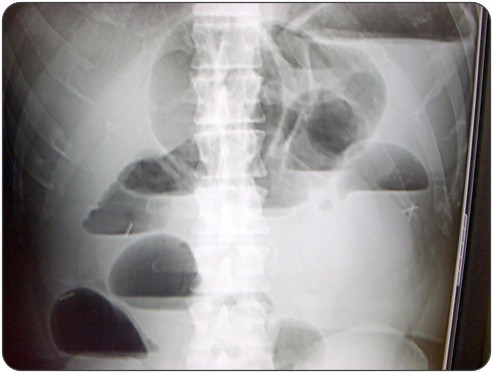
The two most common causes of SBOs are adhesions followed by cancer.
Large bowel obstructions are caused most commonly by cancer followed by volvulus.
Mean arterial pressure is defined as Cardiac Output x Systemic Vascular Resistance + Central Venous Pressure. It is often approximated by two-thirds of the diastolic blood pressure plus one-third of the systolic pressure.
Myocardial contusions are a sequela of blunt chest trauma. The most common EKG finding is sinus tachycardia. These patients require an echocardiogram. The most common course is spontaneous resorption of resolution of the symptoms. The most serious complication is delayed rupture.
The hypoxemia of right-to-left shunt would not improve substantially with supplemental oxygen and the A-a gradient would be increased.
Diffusion impairment occurs as a result of interstitial disease which improves with supplemental O2 and has a large A-a gradient
Hypoventilation occurs during drug overdoses, CNS lesions, and neuromuscular junction disorders. Hypoxemia in this setting improves with supplemental oxygen, and the A-a gradient is usually normal.
In V-Q mismatches, hypoxemia improves with supplemental oxygen, and there is an increased A-a gradient.
There are three painlesspenile lesions to remember: The small, shallow ulcer ofLGV caused by Chlamydia. The beefy red ulcer and painless papule of Granuloma Inguinale caused by Klebsiella. Lastly the painless chancre of Syphilis caused by Treponema pallidum.
The two painful penile lesions are the multiple painful papules that ulcerate of Chancroid caused by H. ducreyi and the shallow tender painful lesions of Genital Herpes caused by HSV.
Hope you enjoyed this week’s episode. Send us feedback and comments to Roshcast@roshreview.com. Do not forget to check out the high-yield questions and explanations in the Rosh Review Emergency Medicine Qbank.
Until next time, Jeff and Nachi
P.S. If you missed last week’s episode including mushroom toxicity, listen here.
Ep 11 Roshcast Emergency Board Review
Jan 04, 2017
Show notes
If you set your goals ridiculously high and it’s a failure, you will fail above everyone else’s success. -James Cameron
Welcome back to Episode 11! Hope you all had a fantastic holiday and New Year’s break. With the In-Training Exam (ITE) just a few months away, it is time to kick the studying into high gear!
We changed the brief initial Rapid Review to cover topics from all prior episodes for better spaced repetition. In this episode, we go over important mnemonics. Consider pausing the podcast briefly and quizzing yourself as you are listening. Do not forget to check out the blog for the other episodes as well as a few new Rosh Quizzes. Lastly, learn some tricks from the high-scoring test-taker Ryan Ribeira, MD.
For acute lithium ingestions, a concentration of 4 mEq/L or greater requires emergent dialysis. In chronic lithium ingestions, a level of greater than 2.5 mEq/L requires emergent dialysis. Additionally, any patient with neurologic findings secondary to the ingestion requires treatment.
Lead poisoning is treated with either succimer or IV EDTA. Remember the mnemonic “it sucks to eat lead.”
For wide complex tachydysrhythmia in a patient presenting with an amphetamineoverdose, you should administer sodium bicarbonate. Do not forget to address the agitation with benzodiazepines and the hyperthermia with cooling, which will also help control symptoms.
Now onto this week’s podcast
Question 1
An 88-year-old man with Parkinson’s disease presents confused. He is using a rivastigmine patch as part of his therapy but has mistakenly put on five patches. What physical examination finding would you expect to see in this patient?
Which of the following is true in the post-cardiac arrest patient who experiences a return of spontaneous circulation (ROSC)?
A. Antiplatelet and anticoagulant therapy should be avoided in post-arrest patients
B. Post arrest angioplasty or stenting of acute coronary lesions with a normal ECG has been shown to be an independent predictor of survival after cardiac arrest
C. Post arrest prophylactic antiarrhythmic therapy has been shown to reduce adverse events
D. There is no proven benefit to therapeutic hypothermia
Question 5
A mother delivered a full-term boy in the ED about 30 minutes ago. On exam, he has cyanosis of the distal extremities, as seen above. His mucous membranes and trunk are pink, and he has +2 distal pulses. No murmurs are heard. His remaining physical exam was normal. Which of the following is most likely his pulse oximetry reading?
A 53-year-old man presents to the emergency department with vomiting, diarrhea, and abdominal cramping which occurred 1 hour after eating a meal prepared from mushrooms he found growing in the forest. Which of the following most predicts a benign course of disease?
A. Absence of neurologic symptoms
B. Dots or scales on the cap of the mushroom
C. Normal serum liver function tests on initial presentation
In a metabolic acidosis, you can use Winters’ Formula, which dictates that the pCO2 should be 1.5 times the bicarbonate +8 +/- 2 for appropriate respiratory compensation.
The mnemonic MUDPILEScan be used to remember many of the common causes of anion gap metabolic acidosis: Methanol, Uremia, DKA, Propylene glycol, Iron or INH, Lactic acidosis, Ethylene glycol, and Salicylates.
For the causes of non-anion gap metabolic acidosis remember HARDASS: Hyperalimentation, Addison’s disease, RTA, Diarrhea, Acetazolamide, Spironolactones, and Saline infusion.
In cardiac arrest, Automated External Defibrillator (AED) use, early bystander CPR, Amiodarone in shock-resistant ventricular tachycardia or ventricular fibrillation, and therapeutic hypothermia are all proven interventions to improve outcomes.
Acrocyanosisis a transient blue discoloration of the hands and feet, which can occur when a newborn is cold. Typically the pulse oximetry reading is normal.
Amanita mushrooms produce a deadly renal and hepatic toxin: the amatoxin.
Amatoxin poisoning leads to 4 stages of symptoms culminating in liver failure. Mortality is commonly cited as 10-30%. Activated charcoal and hemoperfusion can be considered.
TheAmanita genus of mushrooms can be identified by dots or scales on their cap.
From Post-ROSC cardiac care to toxic mushroom ingestion, this concludes episode 11. Let us know how to make this even better by sending Please send feedback to Roshcast@roshreview.com — we want to hear your feedback to keep improving this podcast. Do not forget to check out the high-yield questions and explanations in the Rosh Review Emergency Medicine Qbank.
Until next time, Jeff and Nachi
P.S. If you missed last week’s episode on spider bites, you can catch up here:
Ep 10 Roshcast Emergency Board Review
Dec 20, 2016
Show notes
Fear is the great extinguisher of dreams… Conversely, it can be your best mentor and source of motivation. –Paula Amato
Welcome back to episode 10! This week we review some key ophthalmologic findings with excellent teaching images for you to see. We also hit the lung, the joints, the extremities, and even spend time on scorpions, snakes, and spiders.
We begin each episode with a rapid review of the previous week’s highlights then dive into the Q&A and wrap up with another rapid review of the covered content. Let’s get started.
The most common cause of pneumonia in an alcoholic is Streptococcus pneumoniae.
Radial nerve palsy is a peripheral nerve lesion caused by compression of the radial nerve in the axilla. The most common findings are wrist drop and hand numbness over the first to third digits. It is managed conservatively with a wrist splint.
IV drug abusers are at risk for tricuspid endocarditis. The most commonly implicated organism is staph aureus.
Colchicine overdoses cause severe GI distress, bone marrow suppression, rhabdomyolysis, renal failure, metabolic acidosis, and even ARDS.
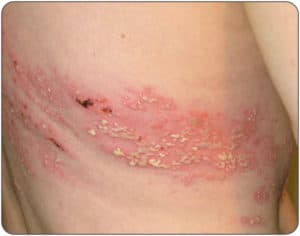
The mainstay of treatment for herpes zoster is pain control. Acyclovir may be prescribed within the first 72 hours of onset of the lesions.
Now onto this week’s podcast
Question 1
A 43-year-old man is currently undergoing palliative radiation therapy for pancreatic cancer. He presents to the emergency department with a 4-day history of gradually worsening left lower extremity pain. Pain is localized to the calf and made worse with ambulation. Exam shows mild edema of the left calf without erythema or warmth. Which of the following is the most likely diagnosis?
A 25-year-old man presents to the ED with right eye pain, tearing, and photophobia. After instilling fluorescein into the affected eye, you see the above on slit lamp exam. Which of the following is the most likely prognosis of this condition?
A 52-year-old man presents with a red right eye that is associated with severe pain and blurred vision. On exam, there is some cloudiness to the cornea. Pupils are 5 mm OD and 3 mm OS. Which of the following is the most likely diagnosis?
What is the most common symptom seen in acute bronchitis?
A. Chest pain
B. Cough
C. Fever
D. Sputum
DVTs typically present with non-specific symptoms including unilateral limb swelling, pain, redness, warm, or even distended collateral veins.
Predisposing risk factors for DVT include malignancy, immobilization, recent surgery, obesity, smoking, oral contraceptives, recreational drugs, and hypercoagulable states.
Corneal abrasions typically resolve within 24-72 hours. They are most commonly caused by ocular trauma or an ocular foreign body. Corneal abrasions are treated with a topical antibiotic such as erythromycin or ciprofloxacin. Tetanus vaccination should be given to patients who are not up to date.
Allopurinol is contraindicated in an acute presentation of gout. The first-line therapy is NSAIDs.
Acute glaucomaoften classical presents as a red, painful eye with blurry vision and asymmetric pupils.
Acute angle-closure glaucoma is caused by closure of the anterior chamber. Treatment should begin with topical beta-blockers, carbonic anhydrase inhibitors, steroids, and miotics.
Scorpion stings produce local redness and edema with a heightened sensitivity to touch in the area of the sting with numbness and weakness of the affected area. Systemic symptoms include fasciculations, disconjugate gaze, temperature reversal, and pancreatitis.
Black widow spider bites cause a local papule with a halo. Severe systemic symptoms include a peritonitic abdomen, muscle fasciculation’s, and diaphoresis. Black widow spiders have a red hourglass on their abdomen and can be found throughout the entire United States.
Brown recluse spidersare found in the Midwest. They cause a papule that later blisters and may necrose. Systemic symptoms include renal failure, pulmonary edema, and shock.
Pit viper snakebites cause local swelling and oozing from the wound. Severe envenomations can lead to a DIC-like coagulopathy and hemorrhagic bullae.
The most common symptom of acute bronchitis is a cough. The most common cause is a viral illness that should be treated with supportive care.
Need to beef up on your colchicine toxicity knowledge? Check out last week’s episode
Don’t forget that the high-yield questions, explanations, and images can be found in the Rosh Review Emergency Medicine Qbank. We will be taking some time off over the holidays, but be ready to go with us in 2017, since the in-service exam will only be a few weeks away.
Happy Holidays from the Roshcast team as well as everybody from Rosh Review!
Ep 9 Roshcast Emergency Board Review
Dec 14, 2016
Show notes
We’re sitting on a train oblivious to the fact that it’s moving at 80 miles per hour, but anyone sitting outside the train watches it whiz right by! This is the value of learning to see the world through the eyes of others. -Andy Grove
Welcome back to episode 9! This week we review many high yield associations such as organisms and valvular endocarditis. The episodes are short and sweet, so you can even listen twice! We will start this week’s episode off with a Rapid Review of the previous week’s highlights. Be sure to listen to last week’s episode if you missed it.
Hematuria without RBCs on urine microscopy would be seen in rhabdomyolysis
Hematuria and hearing loss is associated with Alport syndrome.
Hematuria with hemoptysis is associated with Goodpasture syndrome.
Be cognizant of the increased incidence of hematuria caused by schistosomiasis in recent immigrants to the United States.
VP shunt obstruction occurs more frequently proximally than distally due to either choroid plexus obstruction or increased protein within the CSF.
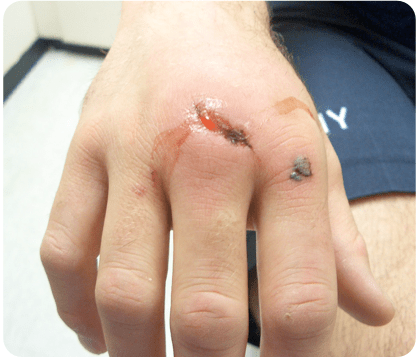
Eikenella is a common contaminant of fight bites. Treatment is typically with amoxicillin-clavulanate.
Now onto this week’s podcast
Question 1
A 45-year-old man, with a long history of alcohol abuse, presents to the ED complaining of fever and cough for three days. Which of the following organisms is the most common cause of pneumonia in this population?
A 45-year-old man with a history of alcohol abuse presents with numbness and weakness of the left hand. He states he slept on a bench last night and awoke this morning with the symptoms. Physical examination reveals decreased sensation over the first, second, and third digits and a wrist drop. What management is indicated?
A 75-year-old man with dementia presents to the ED with severe vomiting and diarrhea. He is admitted to the hospital for renal failure and dehydration. An infectious workup is initiated because he has a leukocytosis. The following day, he develops pancytopenia, renal failure, and acute respiratory distress syndrome. He is transferred to the intensive care unit where he has a cardiac arrest and expires. When the family arrives, they report the patient was in his usual state of health until three days ago, when he suffered a gout flare and began to take excessive amounts of a new medication to control the pain. Ingestion of what medication could account for this patient’s presentation and clinical course?
The mnemonic FROM JANE can be used to help remember many of the findings associated with bacterial endocarditis. Fever, Roth spots, Osler nodes, Murmur, Janeway lesions, Anemia, Nail-bed hemorrhages, Emboli.
Absence of lung slidingis indicative of a pneumothorax. A lines are horizontal lines that are the normal reflection of the pleura. B lines are vertical “headlights” that are indicative of pulmonary edema.
Hope you enjoyed this week’s episode. Let us know how to make this better by sending feedback to Roshcast@roshreview.com.
Here is last week’s emergency medicine board review podcast where Jeff and review fight bites, VP shunts, cyanotic heart lesions, hemolytic uremic syndrome, and much more
Ep 8 Roshcast Emergency Board Review
Dec 06, 2016
Show notes
In the end the great truth will have been learned, that the quest is greater than what is sought, the effort finer than the prize, or rather that the effort is the prize, the victory cheap and hollow were it not for the rigor of the game.
-Justice Benjamin Cardozo
Welcome back to episode 8! With Thanksgiving behind us, let’s keep up the momentum, as the In-Training Exam is right around the corner. Here is a sneak peek into the category breakdown established by ABEM for the ITE.
Roshcast episodes are 10–15 minutes long so you can focus on a few topics at a time without feeling overwhelmed. The short duration of each episode also allows you to go back and review episodes you may have missed or want to reinforce.
We begin each episode with a quick Rapid Review of the previous week’s highlights.
Rh immunoglobulin administration can be delayed up to 72 hours. The correct dose is 50 mcg for those less than 12 weeks gestation and 300 mcg for those 12 weeks and over.
Haloperidol and other typical antipsychotics can cause a dystonic reaction. The treatment is either benztropine or diphenhydramine. 50% of reactions occurring within 48 hours of administration and 90% occur within 5 days.
The target pH for eye irrigation should be between 7.0–7.2, but do not delay irrigation to confirm a staring pH.
Sulfonylureas commonly cause recurrent hypoglycemia as they stimulate the islet beta cells to secrete more insulin, increase the sensitivity of peripheral tissues to insulin, and have a prolonged half-life.
Now to this week’s podcast
Question 1
Which of the following patients requires emergent consultation with an orthopedic specialist?
A. A 36-year-old woman with a femur fracture and distal cyanosis
B. 58-year-old man with extension-based chronic low back pain and leg numbness
C. 75-year-old ambulatory woman with a tibial osteosarcoma
D. An 18-year-old man with a reduced sacral ala fracture and BP 130/86
Question 2
A 12-year-old boy presents to the ED with headache, vomiting, and lethargy for two days. He had a ventriculoperitoneal shunt placed for hydrocephalus one year ago. What is the most likely cause of his shunt malfunction?
A 25-year-old man presents to the emergency department after being in an altercation at a music concert. On exam, you note the findings seen above. Which of the following organisms is of most concern?
Which of these children with hematuria needs admission to the hospital?
A. A 10-year-old boy with recent sore throat treated with amoxicillin, tea-colored urine, and normal urine output; UA shows microscopic hematuria and proteinuria; blood tests are normal
B. A 12-year-old girl with lower abdominal pain, dysuria, urgency, frequency, and pink urine; UA shows microscopic hematuria, > 50 WBCs/hpf, + leukocyte esterase, + nitrites; urine pregnancy test is negative
C. A 6-year-old boy with nausea, vomiting, bloody diarrhea, and decreased urine output; UA shows microscopic hematuria and hyaline casts; blood tests show a high WBC count, low hemoglobin, and low platelets
D. An 8-year-old girl with diffuse mild edema, tea-colored urine, and normal urine output; UA shows microscopic hematuria and proteinuria; blood tests show a normal WBC count, hemoglobin, and platelets but low protein
A 68-year-old man presents to the ED after a fall down 12 stairs. His only medication is warfarin, which he takes for atrial fibrillation. On physical exam, you note a large parietal scalp hematoma. His noncontrast computed tomography scan of the head is shown above. His INR is 4.5. Which of the following is the most appropriate treatment?
With respect to VP shunt malfunction, slit ventricle syndrome occurs when the ventricles are over drained and they collapse, obstructing the proximal shunt orifice. With the reaccumulation of fluid, the obstruction is relieved. Patients typically present with cyclical symptoms.
In treating patients with fight bites, we are concerned for Eikenellacontamination. In fight bites overlying the metacarpal, a hand surgery consultation is necessary.
In human bites, amoxicillin-clavulanateis typically the first-line antibiotic of choice. For established infections, IV antibiotics such as ampicillin-sulbactam, cefoxitin, or piperacillin-tazobactam may be used.
For a child with mild to moderate edema, with a normal blood pressure and no respiratory symptoms, the child can typically be discharged home with outpatient nephrology follow up. The treatment is typically corticosteroids.
For any patient on warfarin with a life-threatening bleed, FFP, PCC, or recombinant factory, 7a should be given.
For a patient on aspirinwith a life-threatening bleed, DDAVP should be given in addition to platelets.
Until next time, Jeff and Nachi
P.S. If you like Nachi and Jeff’s content, remember to check out Rosh Review’s emergency medicine qbank with thousands of high yield questions, explanations, images, audio, and video teaching files.
Ep 7 Roshcast Emergency Board Review
Nov 29, 2016
Show notes
I wish to do something great and wonderful, but I must start by doing the little things like they were great and wonderful. -Albert Einstein
Welcome back to another episode of Roshcast. This is Episode 7 and we’ll be talking about Rh immunoglobulin, dystonic reactions, chemical-induced corneal burns, medication-induced hypoglycemia, vaginal candidiasis, ocular trauma, and much more.
Hydrofluoric acid exposure is treated with calcium gluconate (topically or intra-arterially).
Benzodiazepine overdoses can be treated with flumazenil. However, be careful in chronic users so as to no precipitate a withdrawal seizure.
An iron ingestion of greater than 40 mg/kg typically requires chelation. Treatment should be with deferoxamine as charcoal does not bind iron and is therefore of no use.
Trousseau’s sign is associated with pancreatic cancer. It is a migratory thrombophlebitis.
Erythema nodosum is a tender, reddish-violet nodule deep under the skin. They can be caused by infections, typically strep, or drugs, with OCPs being the most commonly implicated drugs.
In a patient with an EBV infection, treatment with either ampicillin or amoxicillin may result in a morbilliform rash.
Please send us feedback so we can continue to make small improvements to the show.
Remember to leave your comments below to any questions you have on the content and our discussion.
Now to this week’s podcast
Question 1
A 22-year old woman presents with vaginal bleeding. She should be approximately 10 weeks pregnant based on a previous ultrasound, which confirmed an intrauterine pregnancy. On today’s bedside ultrasound, no intrauterine pregnancy is visualized. Her blood type is A negative and the father’s blood type is unknown. Which of the following is true regarding the administration of Rh immunoglobulin?
A. A test dose is administered first because of the risk of an anaphylactoid reaction
B. Rh immunoglobulin 300 micrograms is indicated
C. Rh immunoglobulin is not indicated
D. She can delay Rh immunoglobulin for up to 72 hours
A 34-year-old woman presents complaining of dysuria and vaginal itching. Your speculum exam reveals a vaginal vault filled with a thick, curdy white discharge. Which of the following statements is correct regarding this diagnosis?
A. A fishy odor is present when vaginal discharge is mixed with potassium hydroxide
B. Metronidazole is the recommended treatment
C. Multiple petechiae are often seen on the vaginal wall
An 18-year-old softball player is struck in the face with a softball. The CT shows a fracture of the inferior orbital floor. She has numbness over the anteromedial cheek and upper lip. Which of the following nerves is likely to be affected?
Rh immunoglobulin administration can be delayed up to 72 hours. The correct dose is 50 mcg for those less than 12 weeks gestation and 300 mcg for those 12 weeks and over.
Haloperidol and other typical antipsychotics can cause a dystonic reaction. The treatment is either benztropine or diphenhydramine. They can both be given IV or IM, with IV being the preferred route.
A chemical splash to the eye should be immediately treated with high volume irrigation. The eye should be irrigated copiously or to a target pH of 7.0-7.2. Alkali burns typically cause more damage than acidic burns due to their characteristic liquefactive necrosis.
In factitious hypoglycemia, blood work would typically show a low c peptide but high insulin levels due to the exogenous administration of insulin.
Vaginal candidiasis is characterized by a thick, white, odorless vaginal discharge. It is treated with fluconazole or clotrimazole. The pH of the discharge is typically less than 4.5.
A fishy-smelling vaginal odor is classic for bacterial vaginosiswhich is treated with metronidazole. Metronidazole is also the treatment for trichomonas.
Ep 6 Roshcast Emergency Board Review
Nov 15, 2016
Show notes
“As to diseases, make a habit of two things — to help, or at least, to do no harm.” ― Hippocrates
Welcome back to episode 6! Last week’s episode included a new intro Rapid Review…let us know what you think of it. Should we continue it? Keep sending your thoughts to feedback@roshreview.com. This podcast is fluid, and we are open to making changes that would best suit our listeners’ learning styles.
Let’s get started.
Prophylaxis for Neisseria meningitidis should be offered to household members, school contacts in the prior 7 days, and those with direct exposure to the patient. The preferred antibiotic regimen is rifampin BID for two days.
The most common cause of a bilateral Bell’s palsy is Lyme disease.
The most common cause of maternal mortality during delivery is maternal hemorrhage, which can be caused by uterine atony, genital trauma, retained products, or, DIC.
The most serious adverse reaction to ketamine is laryngospasm, which is treated with bag-valve-mask ventilation. Tthe most common adverse reaction is an emergence reaction.
Now to this week’s podcast.
Question 1
Which of the following antidotes is paired with the correct poisoning?
A 3-year-old girl presents to the ED with altered mental status. She was in her usual state of health until one day prior to presentation when she developed abdominal pain, vomiting, and bloody diarrhea after she was found with a bottle of vitamins from the family’s medicine cabinet. She transiently improved for a few hours then became increasingly lethargic. On arrival, she responds only to painful stimulus. Her blood pressure is 65/40 mm Hg and her heart rate is 160 beats per minute. She appears profoundly dehydrated. Her arterial blood gas demonstrates a metabolic acidosis. What is the most definitive therapy for this patient?
You are the physician for a patient who is diagnosed with pancreatic adenocarcinoma. The oncologist makes a note of a positive Trousseau’s syndrome in the documentation. Which of the following is she referring to?
A 15-year-old G1P0 woman at 23 weeks presents with sharp, left lower quadrant abdominal pain for 1 hour. She has had an ultrasound confirming the presence of a single intrauterine pregnancy. The pain is severe and associated with nausea. Pelvic examination reveals tenderness of the left adnexa. The patient’s urinalysis is unremarkable. What test should be ordered to diagnose the patient?
Which of the following statements is true regarding the diagnosis of Epstein-Barr virus infection?
A. Guillain-Barre syndrome is a possible complication
B. Neutrophilia predominates
C. Splenomegaly occurs in 10% of patients
D. The virus is transmitted via respiratory droplets
Bupivacaine toxicity is treated with intralipid.
Hydrofluoric acid is treated with calcium gluconate, either topically or intra-arterially.
Benzodiazepine overdoses should be treated with flumazenil but use caution in those who use them chronically as reversal may precipitate seizures.
Iron overdoses occur with ingestions of greater than 40 mg/kg. They should be treated with deferoxamine. For less significant overdoses, GI decontamination may be attempted. Charcoal is of no use here, as it does not bind Iron.
The 5 stages of iron toxicity are GI irritation, recovery, shock and metabolic acidosis, fulminant hepatic failure, and bowel obstruction leading to scarring.
Trousseau’s syndrome, a migratory thrombophlebitis, is associated with pancreatic cancer.
Erythema nodosum is an inflammatory condition characterized by tender red-violet nodules under the skin. The most common cause is infection. Drugs can also cause erythema nodosum, with OCPs being the most common culprit.
Erythema nodosum is treated with NSAIDs. Potassium iodine can be used in severe cases.
Ovarian torsion is difficult to diagnose. It is commonly seen in women of childbearing age and more commonly occurs on the right, especially in ovaries with large cysts. Laparoscopy is the only way to definitively rule out the condition.
EBV infection can lead to many neurologic complications such as encephalitis, meningitis, and Guillain-Barre Syndrome.
EBV infection is associated with a profound lymphocytic predominance, with atypicallymphocytes seen on the peripheral smear.
Splenomegaly is a common sequela of EBV infection, so remember to tell athletes to abstain from contact sports for up to 4 weeks after infection.
That concludes episode 6. We’ll keep new episodes coming throughout the holiday season so make sure to set your favorite podcast player to download them automatically. Also, don’t forget to write a short review for Roshcast on iTunes when you have a minute.
If you’d like to start at episode 1 to hear more of our educational pearls, just follow this link back to Roshcast.
Ep 5 Roshcast Emergency Board Review
Nov 07, 2016
Show notes
“The young physician starts life with 20 drugs for each disease, and the old physician ends life with one drug for 20 diseases.” -Osler
Welcome back to another episode of Roshcast. This week are adding a new level of spaced repetition by doing a brief review of previous week’s key take away points before diving into the new material.
The most common causes of small bowel obstructions are (1) adhesions and then (2) cancer. In comparison, large bowel obstructions are caused most frequently by (1) cancer and then (2) volvulus.
Nursemaid’s elbow is treated by either supination followed by elbow flexion or hyperpronation.
Nitrates reduce both preload and afterload by dilating vascular smooth muscle.
Lithium toxicity can cause bradycardia, t wave flattening and QTc prolongation.
The most common finding in aortic dissection is hypertension.
Let us know how you feel about this feature by sending feedback to feedback@roshreview.com.
And please leave us comments. We want to hear from you.
Let’s get going with the new material from Episode 5.
Question 1
Which of the following requires chemoprophylaxis for meningitis exposure?
A. Breastfeeding mother of an infant with E. coli meningitis
B. Classmates of a 7-year-old with S.pneumoniae meningitis
C. Respiratory therapist for a 10-year-old with H.influenzae meningitis
A 4-year old boy presents with a facial laceration. He has been ill with an upper respiratory infection. Procedural sedation with ketamine is planned for his wound repair. Which of the following is a potential serious adverse reaction?
Which of these statistical terms describes the risk of committing a Type I error?
A. Alpha
B. Beta
C. p value
D. Power
Question 6
A 22-year-old man presents after encountering a Portuguese man-of-war in the ocean. He reports significant stinging to his leg with some paresthesias. Which of the following has been shown to be most effective to neutralize additional nematocysts?
A 33-year-old woman, with chronic persistent asthma, presents with palpitations. Her vital signs are HR 210, BP 118/73, and pulse oxygenation of 97% on room air. An ECG is shown above. Which of the following treatments is contraindicated in the treatment of this patient’s disorder?
A. Beta-blocker
B. Calcium channel blocker
C. Digoxin
D. Synchronized cardioversion
Prophylaxis for Neisseria Meningitidis should be offered to high-risk contacts, including household members, school contacts in the prior 7 days, and those with direct exposure to patients.
The preferred antibiotic regimen for prophylaxis is two days of rifampin. Ceftriaxone and ciprofloxacin may also be used but they are slightly less effective.
The most common cause of a bilateral Bell’s Palsy is Lyme disease.
Peripheral facial nerve palsies can be distinguished from central ones based on involvement of the forehead.
The most common cause of maternal mortality during delivery is maternal hemorrhage.
Maternal hemorrhage can be caused by uterine atony, which is treated with oxytocin or uterine massage. Genital trauma is treated with pressure or ligation. Retained products require removal of the products to control the hemorrhage.
One of the potentially serious adverse reactions to ketamine is laryngospasm, which is treated with bag valve mask ventilation. Always remember to set up your procedural sedations with all of your airway equipment at the bedside just as you would for a planned intubation.
The emergence reaction from ketamine is the most common adverse effect. Ketamine can be given IV or IM and can be used for analgesia in lieu of opiates at a dose of 0.1-0.3 mg/kg.
The statistical term alpha describes a type 1 error: detecting an effect that is not present.
A type 2 error, or beta, is failing to detect an effect that is present.
Nematocyst envenomation is treated by immediate removal of the nematocyst followed by salt-water wash.
In asthmatic with tachydysrhythmias, such as AVNRT, beta-blockers should be avoided.
AVNRT can be treated with beta-blockers, calcium channel blockers, digoxin, or electrical synchronized cardioversion for hemodynamically unstable or refractory cases.
Hope you enjoyed this week’s episode. Let us know what you think about the intro rapid review. Remember, this podcast is meant to maximize your learning, so send us a message, and let us know how to optimize our approach. For those of you listening in real time, do not forget the 2017 Emergency Medicine In-service exam is scheduled for Wednesday, February 22. No better time than now to start churning through the Rosh Review Emergency Medicine Question Bank.
Remember to leave comments. We want to hear from you.
Until next time, Jeff and Nachi
P.S. If you missed our previous episodes they can all be found at Roshcast.
Ep 4 Roshcast Emergency Board Review
Nov 01, 2016
Show notes
“Live as if you were to die tomorrow. Learn as if you were to live forever.” –Mahatma Gandhi
Welcome back! Despite using randomly generating questions, a lot of the question in this episode involved mnemonics. We also review many core concepts in emergency medicine. Enjoy.
A 55-year-old woman with a history of gallstones presents to the ED with right upper quadrant abdominal pain. Her blood pressure is 98/64 mmHg, heart rate is 110 beats per minute, respiratory rate is 22 breaths per minute, and temperature is 39.8°C. She has scleral icterus and appears jaundiced. She is also mildly confused. She is tender in the RUQ with guarding. What is the most likely diagnosis?
A 5-year-old girl presents to the ED with a rash that started on her face and spread to her neck, axillae, and groin. Mom states that the patient had an upper respiratory infection one week prior. On examination, the patient’s rash is tender to the touch. Which of the following statements regarding the diagnosis of this patient’s condition is correct?
A. Deep layers of the dermis are involved
B. It often leaves the patient disfigured from scarring
C. Mucous membrane involvement is common
D. The disease is caused by an exotoxin-producing bacterium
A 20-year-old woman with a history of depression and previous overdose presents with altered mental status. The patient is disoriented with mumbling speech. Her vitals are: T 101.2°F, HR 122, BP 130/82; RR 16. Physical examination is notable for dilated pupils, dry mucous membranes and flushed skin. On ECG, her QRS interval is 60 ms. Which ingested medication is most likely?
A 3-year-old girl with a past medical history of constipation is brought to the ED for evaluation of a limp and left knee pain. Her physical exam is unremarkable. You obtain the knee radiograph seen above. What do you expect to see on her peripheral blood smear?
Acute cholangitis is defined by Reynolds’ pentad of fever, right upper quadrant tenderness, jaundice, altered mental status, and hypotension
The NEXUS and Canadian C-spine rules are tools to rule patients out from the need for imaging in trauma. They both have nearly 100% sensitivity, but very poor specificities and therefore cannot rule in injury
NEXUS can be remembered by the mnemonic NSAID: neurologic deficit, spinal tenderness, altered mental status, intoxication, and distracting injury
Staph scalded skin syndrome is caused by an exotoxin. It is essentially a severe form of bullous impetigo. These patients have a positive Nikolsky’s sign. Rupturing the bullae will not spread the toxin. It is spread hematogenously.
Subarachnoid hemorrhages cause a sudden onset thunderclap headache. 80% are due to aneurysms. Polycystic kidney disease is associated with an increased incidence of subarachnoid hemorrhage. Approximately 10% of strokes are caused by SAH.
Anticholinergic toxicity can be remembered by the mnemonic: mad as a hatter, blind as a bat, red as a beat, hot as a hare, and dry as a bone. They can be treated with physostigmine. Anticholinergic toxicity can be easily confused for sympathomimetic toxicities. However, sympathomimetic overdoses are typically associated with diaphoresis, not dryness.
A knee X-ray with hyperdense lines at the metaphysis is a classic finding in lead poisoning. Lead poisoning is treated with either succimer or IV EDTA in acute overdoses.
Please provide us feedback at feedback@roshreview.com Hopefully you enjoyed listening to this week’s episode and learned a thing or two as well. Don’t forget to subscribe to Roshcast on your favorite media player (iTunes, downcast, etc.) to ensure you will be the first to know about new episodes as they go up.

 Our TOPPODCAST Picks
  Stay Connected