The Sacred Band of Thebes, comprised entirely of gay male lovers, was Ancient Greece’s original response to the gays in the military question. What was that like? How did it function? And what was its lasting legacy? That’s what we’re going to find out today, just in time for Pride Month. Here to help us do it is classicist James Romm, author of The Sacred Band: Three Hundred Theban Lovers Fighting to Save Greek Freedom.
Don’t forget to subscribe, rate, and review on Apple Podcasts or wherever you get your podcasts. Support the show on Patreon at www.patreon.com/btnewberg and get a hand-drawn portrait. Research, writing, editing, and production by B. T. Newberg. Music and Logo Design by Rachel Westhoff. Additional credits, references, and more at http://www.deadideas.net.
My city is on fire today. This is day four of the riots in the wake of the killing of George Floyd by Minneapolis Police. And everyone around me is saying, “I’m angry too, but why destroy your own community? It doesn’t make sense.”
But is there another way to look at it? In this episode, I share first-hand reports of the riots as well as experiences of income disparity in local schools. By looking behind the violence to the roots of disadvantage, can we turn confusion into empathy?
This episode goes out to all of you at home out there during this pandemic, but we want to dedicate it especially to listener Owyn in Toronto, Canada. He’s faced a string of tough challenges recently, and now there’s the covid challenge on top of it all, but on the bright side, Owyn: it’s your 19th birthday today! Happy Covid 19th, Owyn!
Did you know America spawned its very own homegrown fascist movement in the 1930s? Yup. The Silver Legion’s William Dudley Pelley was the original Man in the High Castle. Or… at least he dreamed himself to be.
Schivelbusch, W. (2006). Three New Deals: Reflections on America, Mussolini’s Italy, and Hitler’s Germany, 1933-1939. New York: Picador.
Serwer, A. (2019, Jul 3). “A Crime by Any Name: The Trump Administration’s Commitment to Deterring Immigration Through Cruelty Has Made Horrifying Conditions in Detention Facilities Inevitable.” The Atlantic. Retrieved Nov 3, 2019, from: https://www.theatlantic.com/ideas/archive/2019/07/border-facilities/593239/
“Silver Shirt Legion of America, Washington State Division Photograph Collection, circa 1930s.” Archives West. 2018.
Schivelbusch, W. (2006). Three New Deals: Reflections on America, Mussolini’s Italy, and Hitler’s Germany, 1933-1939. New York: Picador.
Serwer, A. (2019, Jul 3). “A Crime by Any Name: The Trump Administration’s Commitment to Deterring Immigration Through Cruelty Has Made Horrifying Conditions in Detention Facilities Inevitable.” The Atlantic. Retrieved Nov 3, 2019, from: https://www.theatlantic.com/ideas/archive/2019/07/border-facilities/593239/
“Silver Shirt Legion of America, Washington State Division Photograph Collection, circa 1930s.” Archives West. 2018.
It’s here! It’s finally here! After a full year of development, our new show the History of Sex is here. Cruise on over to The History of Sex on iTunes, Stitcher, or wherever you get podcasts.
Also, an announcement: next month, we will have more Dead Ideas!
It’s another best of the best for you! This one has it all: romance, plunder, mimes – and it all ends in a bloodbath! This was our first mashup and it’s still one of my favorite episodes. What are your faves? Let me know at deadideaspod@gmail.com or on Facebook at @deadideaspod.
Also, an update on our upcoming show The History of Sex: we’re looking at a release date in October! It’s coming up fast!
This episode features a rockin’ soundtrack by Brooklyn band Twin Guns.
We’re trying something new here on Dead Ideas. We have a sizeable back-catalog of episodes, many of which new listeners may never have heard, and which long-time listeners may have forgotten. So, we’re reprising classic episodes that are among the best of the best.
One of my personal favorites is the finale episode from our cuneiform series. It’s a mash-up juxtaposing the story of the Sumerian hero Gilgamesh with the cyberpunk feel of the thriller Ghost in the Shell.
See, one of the things I loved about studying the Sumerians, world’s oldest known city-building culture, is how surprisingly modern they feel. Thanks to the preservation of cuneiform tablets, we know more about them than, say, the Vikings or the Mongols. We even have their letters, giving us their most intimate thoughts and feelings, and that makes them feel strikingly recent – hence the futuristic cyberpunk elements. If you want more on the history of the Sumerians, by all means go back and listen to our full cuneiform series, which still stands as one of our best, but today’s episode stands on its own as a complete self-contained story. The oldest of the old meets the newest of the new in this Cyber-Sumerian retelling of the world’s most ancient epic. Enjoy.
Featuring a haunting soundtrack by Belgian industrial band Militia.
Bertman, S. (2005). Handbook of Life in Ancient Mesopotamia. New York: Oxford University Press.
Black, J., Cunningham, G., Robson, E., and Zólyomi, G. (2004). The Literature of Ancient Sumer. New York: Oxford University Press. – “A Supervisor’s Advice to a Young Scribe”
Bottéro, J. (2001). Everyday Life in Ancient Mesopotamia. Edinburgh: Edinburgh University Press.
Bottéro, J. (2004). The Oldest Cuisine in the World: Cooking in Mesopotamia. Chicago: University of Chicago Press.
Budin, S. (2006). “Sacred Prostitution in the First Person.” In: Faraone, C. A. & McClure, L. K. (2006). Prostitutes and Courtesans in the Ancient World. Madison, WI: University of Wisconsin Press.
Bullough, V., and Bullough, B. (1987). Women and Prostitution: A Social History. New York: Prometheus Books.
Chalcier, P. (2011). “Cuneiform Culture’s Last Guardians.” In: Radner, K., and Robson, E. (2011). The Oxford Handbook of Cuneiform Culture. New York: Oxford.
Faraone, C. A. & McClure, L. K. (2006). Prostitutes and Courtesans in the Ancient World. Madison, WI: University of Wisconsin Press.
Fink, S. (2013). “The Genealogy of Gilgamesh.” Classica et Christiana, 8(1): pp. 81-107.
Fisher, D. S. (2008). Representations of the Poor in The Poor Man of Nippur and The Eloquent Peasant. Thesis. Nashville, Tennessee: Vanderbilt University.
Foster, B. (1982). “Administration and Use of Institutional Land in Sargonic Sumer.” Copenhagen Studies in Assyriology, Vol. 9. Copenhagen.
George, A., Trans. (1999). The Epic of Gilgamesh: The Babylonian Epic Poem and Other Texts in Akkadian and Sumerian. New York: Penguin.
Glassner, J. (2003). The Invention of Cuneiform. Baltimore, MD: Johns Hopkins University Press.
Radner, K., and Robson, E. (2011). The Oxford Handbook of Cuneiform Culture. New York: Oxford.
Roth, M. T. (2006). “Marriage, Divorce, and the Prostitute in Ancient Mesopotamia.” In: Faraone, C. A. & McClure, L. K. (2006). Prostitutes and Courtesans in the Ancient World. Madison, WI: University of Wisconsin Press.
Stone, E. C. (1982). “The Social Role of the Naditu Women in Old Babylonian Nippur.” Journal of the Economic and Social History of the Orient, 15(1): 50-70.
When was the last time you put a city to the sword? It’s not something we do much anymore today. Yet there was a day and age when it was quite normal to slaughter every last man, woman, and child in a captured city. Neil Eckart of the podcast War and Conquest returns to the show today to talk about Julius Caesar’s slaughter of the Gallic city of Avaricum.
What will Game of Thrones be remembered for? I would argue it’s not its supposed character realism, nor it’s moral ambiguity. Rather, it will be its depiction of unusual gender identities in fantasy. No other major fantasy show that I can think of does that. In the spirit of our upcoming show the History of Sex, let’s talk about gender in Game of Thrones!
What’s it like to make a podcast? Sam Hume of the new show Pax Britannica talks with me about all the ups and downs of podcasting. Check out Sam’s show.
The end is nigh! Or so they’ve been saying since the year 1000 A.D. Today, Neil Eckart of the podcast War and Conquest tells us about millenarianism, the medieval idea that the world was coming to crashing halt at the end of the millennium. So, how did medieval folks party like it was 999? They went crusading! Discover the connection with the crusades in today’s episode.
Last time we delved into the History of History Podcasting, and now we are giving you the full interview with none other than the host of Hardcore History, Dan Carlin.
The History of History Podcasting, Feat. Dan Carlin, Bob Packett, Lars Brownworth, Cam Reilly, Lara Eakins, Robin Pierson, Roifield Brown, Jordan Harbour, Travis Dow, Glen Gibbs, and Liz Covart
Feb 17, 2019
This is it: the first ever attempt at a history of our genre, history podcasting. I’ve interviewed nearly a dozen podcasters and spoke to dozens more to bring you this story, which comes to you with our characteristic Dead Ideas quirk (would you expect anything less?). Today I present, not a dead idea but a live idea: history podcasting.
Guest list: Bob Packett, Lars Brownworth, Cam Reilly, Lara Eakins, Robin Pierson, Roifield Brown, Jordan Harbour, Travis Dow, Glen Gibbs, Liz Covart, and Dan Carlin
Check out our Patreon feed for the full interviews at http://www.patreon.com/deadideaspod
Released under a Creative Commons Attribution License.
Theme music and graphic design by Rachel Westhoff.
Sound Clip Credits:
Nick Judy (plus this one, and this too)
Kevin MacLeodChris WellsIlya KlushinJovan SystemGerman Candy TasterBju KSHelloKitty9713Voyager360360
Steampunk Rome VI: Rome Industrial – An Interview with Jordan Harbour of Twilight Histories – Roman History
Feb 03, 2019
Now that you know ancient Rome fell just shy of an industrial revolution, why not enjoy a world where Rome does industrialize? That’s Jordan Harbour’s Rome Industrial setting, which he is here to talk to us about today. Jordan is the host of Twilight Histories, an alternate history podcast you should listen to in the dark.
Lefkowitz, M. R., and Fant, M. B. (2016). Women’s Life in Greece and Rome: A Source Book in Translation. Baltimore, MD: Johns Hopkins University Press.
Lowe, D. (2016). “Suspending Disbelief: Magnetic Levitation in Antiquity and the Middle Ages.” Classical Antiquity, 35(2): 247-278.
MacLeod, R., Ed. (2000). The Library of Alexandria: Centre of Learning in the Ancient World. New York: I. B. Tauris.
Miles, M. M. (2011). Cleopatra: A Sphinx Revisited. Los Angeles: University of California Press.
Montserrat, D. (1996). Sex and Society in Graeco-Roman Egypt. New York: Kegan Paul International.
Mosjov, B. (2010). Alexandria Lost: From the Advent of Christianity to the Arab Conquest. London: Duckworth.
Oleson, J. P., Ed. (2008). The Oxford Handbook of Engineering and Technology in the Classical World. New York: Oxford University Press.
Pollard, J. and Reid, H. (2006). The Rise and Fall of Alexandria: Birthplace of the Modern Mind. New York: Viking.
Watts, E. J. (2010). Riot in Alexandria: Tradition and Group Dynamics in Late Antique Pagan and Christian Communities. Los Angeles: University of California Press.
Wyatt, L. T. (2009). The Industrial Revolution: Greenwood Guides to Historic Events, 1500-1900. Westport, CT: Greenwood Press.
Steampunk Rome V: A Pyrrhic Victory: The Death of Ancient Science – RPG, Pt 3 – Egyptian, Greek, and Roman History
Jan 20, 2019
Success is at hand for Andre’s character Pyrrho. But it is a Pyrrhic victory, for after that we recount the history of the backward slide of science from the Roman conquest into the Middle Ages, until its final rebirth in the Renaissance and Enlightenment.
Custom map of Rome by Adam McKithern. Music by Rachel Westhoff. Maps, pics, references and more at http://www.deadideas.net.
Time/place: The Hellenistic World, 201 BCE
Dead Idea: Ancient Steam Technology
Co-host: Andre Sólo
Andre’s character has one final challenge to solve. You can try your hand at solving it too. Post your solution to our Facebook page at @deadideaspod!
Challenge #3: Invent the World’s Most Accurate Water Clock
The ancient water clock known as the clepsydra measures time by the draining of water from one jar to another. However, it suffers from the problem of diminishing flow: as water drains out, water pressure decreases. This causes the water to flow more slowly, making time read slower. Your task is to come up with a new design that overcomes this problem of diminishing flow. For the Hellenistic solution, listen to the episode.
The Hellenistic World, end of 3rd cen. BCE
Custom-generated map of alternate history Rome by Adam McKithern
Lefkowitz, M. R., and Fant, M. B. (2016). Women’s Life in Greece and Rome: A Source Book in Translation. Baltimore, MD: Johns Hopkins University Press.
Lowe, D. (2016). “Suspending Disbelief: Magnetic Levitation in Antiquity and the Middle Ages.” Classical Antiquity, 35(2): 247-278.
MacLeod, R., Ed. (2000). The Library of Alexandria: Centre of Learning in the Ancient World. New York: I. B. Tauris.
Miles, M. M. (2011). Cleopatra: A Sphinx Revisited. Los Angeles: University of California Press.
Montserrat, D. (1996). Sex and Society in Graeco-Roman Egypt. New York: Kegan Paul International.
Mosjov, B. (2010). Alexandria Lost: From the Advent of Christianity to the Arab Conquest. London: Duckworth.
Oleson, J. P., Ed. (2008). The Oxford Handbook of Engineering and Technology in the Classical World. New York: Oxford University Press.
Pollard, J. and Reid, H. (2006). The Rise and Fall of Alexandria: Birthplace of the Modern Mind. New York: Viking.
Watts, E. J. (2010). Riot in Alexandria: Tradition and Group Dynamics in Late Antique Pagan and Christian Communities. Los Angeles: University of California Press.
Wyatt, L. T. (2009). The Industrial Revolution: Greenwood Guides to Historic Events, 1500-1900. Westport, CT: Greenwood Press.
Steampunk Rome IV: The Great Library of Alexandria – RPG, Pt 2 – Egyptian, Greek, and Roman History
Jan 06, 2019
Arriving at the Great Library of Alexandria, Andre’s character Pyrrho of Pergamum searches for the secret plans for the floating statue. But in order to get his hands on them, he must first solve several science and engineering challenges. Along the way, we learn a great deal about the Library of Alexandria and its marvelous discoveries.
Custom map of Rome by Adam McKithern. Music by Rachel Westhoff. Maps, pics, references and more at http://www.deadideas.net.
Time/place: The Hellenistic World, 201 BCE
Dead Idea: Ancient Steam Technology
Co-host: Andre Sólo
In this episode, Andre’s character faces several science and engineering challenges. You can try your hand at solving them too. Post your solutions to our Facebook page at @deadideaspod!
Challenge #1: Invent an Ox-powered Water Lifter
An ox can walk in a circle, providing horizontal motion, but your water-lifter wheel requires vertical motion (see illustration below). Can you invent a way to make these two technologies interface? You can add whatever components you like, so long as it was available in the Hellenistic world (which includes gears, axles, pistons, cams, valves, pulleys, reduction gears, driveshafts, screws, bolts, nuts, ball bearings, floats, etc.). For the Hellenistic solution, listen to the episode.
Challenge #2: Find the Circumference of the Earth
This one’s a doozy, but Eratosthenes solved it using little more than a stick, a shadow, and some sick geometry. Can you? Use the information in the diagram below to figure out the answer. Here are the important details:
Assume the Earth is round
Assume the sun’s rays strike the earth in parallel lines
The sun is directly overhead at noon on the summer solstice at Syene
At the same moment in Alexandria, the sun casts a shadow at angle of 7 degrees ,or 1/50th of a circle
Alexandria is 5000 stadia (about 800km/497mi) north of Syene
For the Hellenistic solution, listen to the episode.
The Hellenistic World, end of 3rd cen. BCE
Custom-generated map of alternate history Rome by Adam McKithern
Lefkowitz, M. R., and Fant, M. B. (2016). Women’s Life in Greece and Rome: A Source Book in Translation. Baltimore, MD: Johns Hopkins University Press.
Lowe, D. (2016). “Suspending Disbelief: Magnetic Levitation in Antiquity and the Middle Ages.” Classical Antiquity, 35(2): 247-278.
MacLeod, R., Ed. (2000). The Library of Alexandria: Centre of Learning in the Ancient World. New York: I. B. Tauris.
Miles, M. M. (2011). Cleopatra: A Sphinx Revisited. Los Angeles: University of California Press.
Montserrat, D. (1996). Sex and Society in Graeco-Roman Egypt. New York: Kegan Paul International.
Mosjov, B. (2010). Alexandria Lost: From the Advent of Christianity to the Arab Conquest. London: Duckworth.
Oleson, J. P., Ed. (2008). The Oxford Handbook of Engineering and Technology in the Classical World. New York: Oxford University Press.
Pollard, J. and Reid, H. (2006). The Rise and Fall of Alexandria: Birthplace of the Modern Mind. New York: Viking.
Watts, E. J. (2010). Riot in Alexandria: Tradition and Group Dynamics in Late Antique Pagan and Christian Communities. Los Angeles: University of California Press.
Wyatt, L. T. (2009). The Industrial Revolution: Greenwood Guides to Historic Events, 1500-1900. Westport, CT: Greenwood Press.
Steampunk Rome III: Hellenistic Science, Hell Yeah – RPG, Pt 1 – Greek and Roman History
Dec 23, 2018
So Roman tech was pretty surprising, but still more surprising is that all that was developed centuries earlier in the Hellenistic period. What’s up with that? Today we explore the development of Hellenistic science, then go deep into that world with a roleplay that will continue in the following episodes. Today we visit Pergamum and Rhodes, discovering all about Hellenistic learning along the way.
Lefkowitz, M. R., and Fant, M. B. (2016). Women’s Life in Greece and Rome: A Source Book in Translation. Baltimore, MD: Johns Hopkins University Press.
Lowe, D. (2016). “Suspending Disbelief: Magnetic Levitation in Antiquity and the Middle Ages.” Classical Antiquity, 35(2): 247-278.
MacLeod, R., Ed. (2000). The Library of Alexandria: Centre of Learning in the Ancient World. New York: I. B. Tauris.
Miles, M. M. (2011). Cleopatra: A Sphinx Revisited. Los Angeles: University of California Press.
Montserrat, D. (1996). Sex and Society in Graeco-Roman Egypt. New York: Kegan Paul International.
Mosjov, B. (2010). Alexandria Lost: From the Advent of Christianity to the Arab Conquest. London: Duckworth.
Oleson, J. P., Ed. (2008). The Oxford Handbook of Engineering and Technology in the Classical World. New York: Oxford University Press.
Pollard, J. and Reid, H. (2006). The Rise and Fall of Alexandria: Birthplace of the Modern Mind. New York: Viking.
Watts, E. J. (2010). Riot in Alexandria: Tradition and Group Dynamics in Late Antique Pagan and Christian Communities. Los Angeles: University of California Press.
Wyatt, L. T. (2009). The Industrial Revolution: Greenwood Guides to Historic Events, 1500-1900. Westport, CT: Greenwood Press.
Steampunk Rome II: The Industrial Revolution That Didn’t Happen (And Why Not) – Roman History
Dec 09, 2018
So why didn’t Rome undergo an industrial revolution? Today, we take a look at some of the contributing factors for 18th-century Britain and see how Rome stacks up.
Lefkowitz, M. R., and Fant, M. B. (2016). Women’s Life in Greece and Rome: A Source Book in Translation. Baltimore, MD: Johns Hopkins University Press.
Lowe, D. (2016). “Suspending Disbelief: Magnetic Levitation in Antiquity and the Middle Ages.” Classical Antiquity, 35(2): 247-278.
MacLeod, R., Ed. (2000). The Library of Alexandria: Centre of Learning in the Ancient World. New York: I. B. Tauris.
Miles, M. M. (2011). Cleopatra: A Sphinx Revisited. Los Angeles: University of California Press.
Montserrat, D. (1996). Sex and Society in Graeco-Roman Egypt. New York: Kegan Paul International.
Mosjov, B. (2010). Alexandria Lost: From the Advent of Christianity to the Arab Conquest. London: Duckworth.
Oleson, J. P., Ed. (2008). The Oxford Handbook of Engineering and Technology in the Classical World. New York: Oxford University Press.
Pollard, J. and Reid, H. (2006). The Rise and Fall of Alexandria: Birthplace of the Modern Mind. New York: Viking.
Watts, E. J. (2010). Riot in Alexandria: Tradition and Group Dynamics in Late Antique Pagan and Christian Communities. Los Angeles: University of California Press.
Wyatt, L. T. (2009). The Industrial Revolution: Greenwood Guides to Historic Events, 1500-1900. Westport, CT: Greenwood Press.
Steampunk Rome I: An Ancient Industrial Revolution (Almost) – Roman History
Nov 25, 2018
For our final series, we’re doing the steam technology of the ancient world that died and had to be resurrected in 18th-century Europe. How close was Rome to being able to construct a working steam locomotive? That may sound silly, but you won’t think so after this episode!
Lefkowitz, M. R., and Fant, M. B. (2016). Women’s Life in Greece and Rome: A Source Book in Translation. Baltimore, MD: Johns Hopkins University Press.
Lowe, D. (2016). “Suspending Disbelief: Magnetic Levitation in Antiquity and the Middle Ages.” Classical Antiquity, 35(2): 247-278.
MacLeod, R., Ed. (2000). The Library of Alexandria: Centre of Learning in the Ancient World. New York: I. B. Tauris.
Miles, M. M. (2011). Cleopatra: A Sphinx Revisited. Los Angeles: University of California Press.
Montserrat, D. (1996). Sex and Society in Graeco-Roman Egypt. New York: Kegan Paul International.
Mosjov, B. (2010). Alexandria Lost: From the Advent of Christianity to the Arab Conquest. London: Duckworth.
Oleson, J. P., Ed. (2008). The Oxford Handbook of Engineering and Technology in the Classical World. New York: Oxford University Press.
Pollard, J. and Reid, H. (2006). The Rise and Fall of Alexandria: Birthplace of the Modern Mind. New York: Viking.
Watts, E. J. (2010). Riot in Alexandria: Tradition and Group Dynamics in Late Antique Pagan and Christian Communities. Los Angeles: University of California Press.
Wyatt, L. T. (2009). The Industrial Revolution: Greenwood Guides to Historic Events, 1500-1900. Westport, CT: Greenwood Press.
The Canals of Mars – American History, Science History
Nov 11, 2018
Is the surface of Mars criss-crossed by lines so long and straight they can only be constructions of an advanced alien civilization? Many astronomers in the late 19th and early 20th century thought so. Join us in this jaunt into the frailty of human perception.
Color Plate III from Lowell’s 1906 Mars and Its Canals
Plate VII from Lowell’s 1895 Mars
First photographs of Mars, 1905 – Lowell claims to see up to 38 canals and one double canal in these photographs. Can you?
Modern Enhanced Photograph of Mars
Illustrations from Evans and Maunder’s Greenwich schoolboys experiment
Main Sources
Evans, J. E., and Maunder, E. W. (1903). “Experiments as to the Actuality of the ‘Canals’ Observed on Mars.” Monthly Notices of the Royal Astronomical Society, 43: 488-499.
Hyde, D., Veiller, A., and Horner, H. (1952). Red Planet Mars [Motion Picture]. USA: Mellaby Pictures. Retrieved Aug 29, 2018, from: https://www.youtube.com/watch?v=4OXYLCVUaCc
Lowell, P. (1895). Mars. New York: Houghton, Mifflin, and Co.
Lowell, P. (1906). Mars and Its Canals. Norwood, MA: Norwood Press.
Lowell, P. (1908). Mars as the Abode of Life. New York: MacMillan.
McGinty, M. J. (2016). Canals on Mars: Lowell Revisited. Amazon Digital Services LLC (self-published).
Sagan, C., and Fox, P. (1975, August). “The Canals of Mars: An Assessment After Mariner 9.” Icarus 25(4): 602-612.
Wallace, A. R. (1907). Is Mars Habitable?: A Critical Examination of Professor Lowell’s Book “Mars and Its Canals”, With an Alternative Explanation. London: MacMillan.
The Vamp: Theda Bara, Cinema’s First Sex Symbol – Halloween Special – Women’s History, American History
Oct 31, 2018
In the early 20th century, the word “vampire” was used to mean something quite different: a female sexual predator. And no one struck more fear into the hearts of men than cinema’s first sex symbol, silent film actress Theda Bara. Happy Halloween.
Featuring piano music by Kevin MacLeod, used by Creative Commons License Attribution 3.0.
Low, M. (1899, Mar.). “The Vampire: From a Woman’s Point of View, With Apologies to Rudyard Kipling.” The Bookman: 61. Retrieved Oct. 27, 2018, from: http://www.unz.com/print/Bookman-1899mar-00061/
MacLeod, K. (2014). “Silent Film Score Compilation – Old Times.” Youtube.com. Licensed under Creative Commons By Attribution 3.0 License. Retrieved Oct. 28, 2018, from: https://www.youtube.com/watch?v=dJ-Su4utvm8
Today, we’re talking Vikings in Byzantium with special guest Robin Pierson of the History of Byzantium podcast. What were these big-bearded warriors doing standing next to beardless eunuchs? And why were both Vikings and eunuchs entrusted with such important positions?
How awkward is it for the Roman Empire to not control Rome? Uh, yeah, this cannot stand. Anna’s back today to finish the story of eunuch general Narses, as he completes Justinian’s reconquest of the Eternal City!
Today, Anna takes the lead with the story of the eunuch general Narses! In this episode, we get an overview of Emperor Justinian and Empress Theodora, and then we see Narses make his first appearance in quelling the infamous Nika Riots. Finally, he heads to Italy to reconquer Rome.
Happy anniversary! We’re getting cranky today with our 5 biggest peeves of history podcasting – what we consistently get annoyingly wrong. We call out our fellow podcasters, with plenty of self-deprecating humor as well. Last, we talk a little more about our upcoming new show on the history of sex.
Did you know that Byzantine culture recognized three genders? This begins our new series on Byzantine court eunuchs, and today it’s all about different constructions of gender. That, and cutting off your junk to get ahead! Follow the spectacular rise and fall of the court eunuchs of Byzantium.
Forget heroine chic. This is tuberculean chic! This episode, courtesy of Dig: A History Podcast, features a most peculiar fashion “look” inspired by the White Plague, i.e. tuberculosis.
For credits, show notes, and further reading see digpodcast.org.
Our grand finale is a saga chock full of no less than 19 berserkers, all villains. And just like the movie Suicide Squad, we’re telling it from the bad guys’ perspective. So, get ready for Suicide Swords: Berserker Battallion! With a soundtrack by Finnish composer Antti Martikainen!
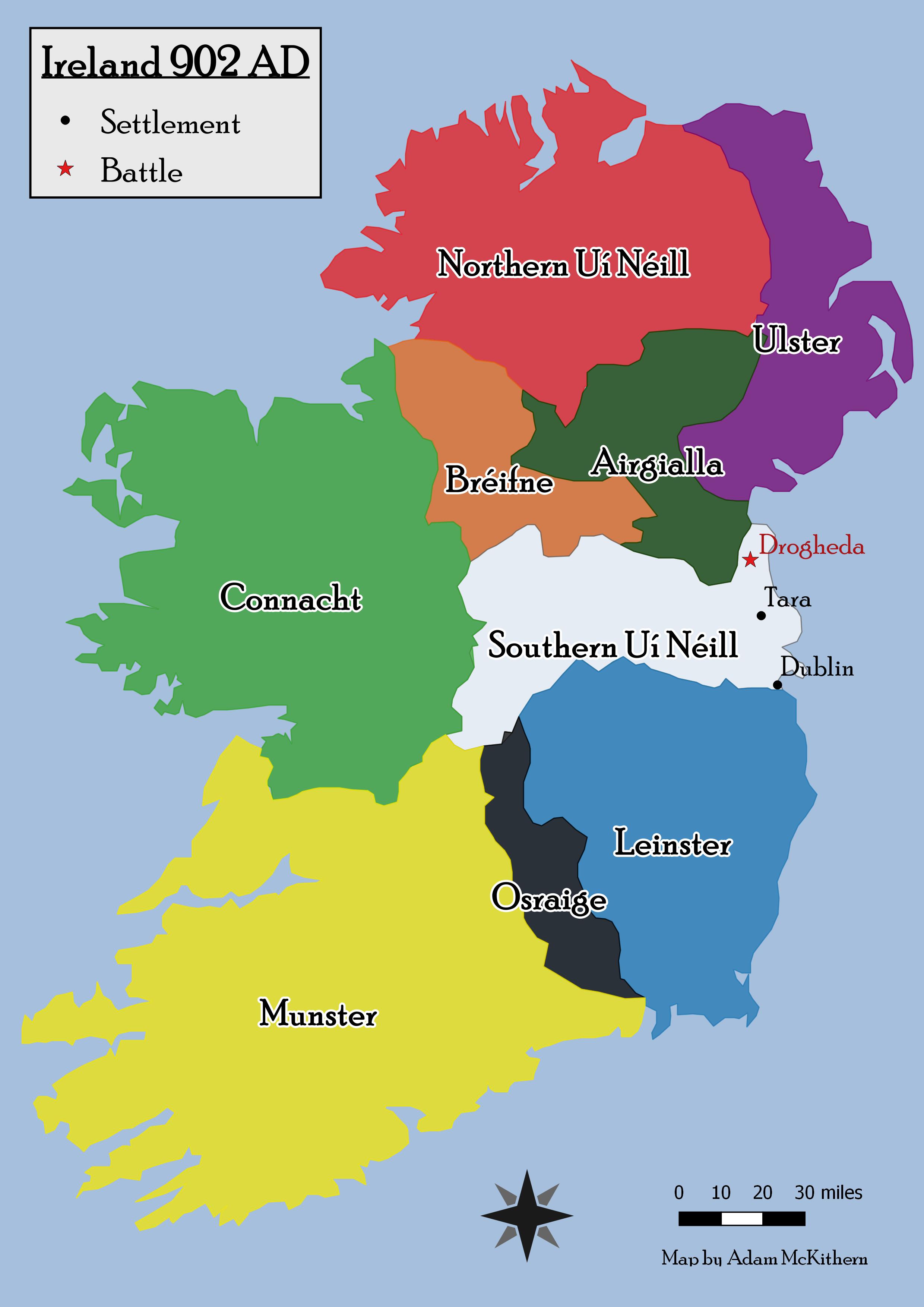
Iceland, with glacier coverage accurate to 1000 CE, by Adam McKithern
Custom map by Adam McKithern – showing glacier coverage accurate to 1000 CE
Main Sources
Bayerschmidt, C. F., and Hollander, L. M., Trans. (1955). Njal’s Saga. New York: New York University Press.
Beck, H. (1968). “Die Stanzen von Torslunda und die literarische Überlieferung.” Frühmittelalterliche Studien, 2: 237-250.
Blaney, B. (1972). “The Berserkir: His Origin and Development in Old Norse Literature.” Unpublished Doctoral Thesis. University of Colorado.
Byock, J. L. (1988). Medieval Iceland: Society, Sagas, and Power. Los Angeles: University of California Press.
Byock, J. L. (2002). “The Icelandic Althing: Dawn of Parliamentary Democracry.” In: Heritage and Identity: Shaping the Nations of the North. Ed.: Fladmark, J. M. Heyerdahl Institute and Robert Gordon University. Donhead St. Mary, Shaftesbury: Donhead.
Dale, R. T. D. (2014). “Berserkir: A Re-examination of the Phenomenon in Literature and Life.” Thesis. University of Nottingham.
Danielli, M. (1945, June). “Initiation Ceremonial from Norse Literature.” Folklore, 56(2): 229-245.
Faoladh. (2011, May 17). “Hounds of God: The Werewolf Ritual According to Theiss.” A Wolf Man, Not a Man in Wolf’s Clothing. Retrieved June 6th, 2018, from: http://faoladh.blogspot.com/
Foote, P., and Wilson, D. M. (1990). The Viking Achievement: The Society and Culture of Early Medieval Scandinavia. New York: St. Martin’s Press.
Gershenson, D. (1992). “Apollo the Wolf God.” Journal of Indo-European Monograph Series, 8. Institute for the Study of Man.
Griffith, P. (2009). The Viking Art of War. Havertown, PA: Casemate.
Grundy, S. (1998). “Shapeshifting and Berserkergang.” In: Poster, C. and Utz, R., Eds. (1998). Disputatio, Vol. 3: Translation, Transformation, and Transubstantiation in the Late Middle Ages. Evanston, IL: Northwestern University Press.
Höfler, O. (1934). Kultische Geheimbünde der Germanen. Frankfurt: Moritz Diesterweg. 340-41.
Holman, K. (2003). Historical Dictionary of the Vikings. Oxford: Scarecrow Press.
Jesch, J. (1991). Women In the Viking Age. Woodbridge, Suffolk: Boydell Press.
Konstam, A. (2002). Historical Atlas of the Viking World. New York: Thalamus Publishing.
Liberman, A. (2004). “Berserkir: A Double Legend.” Brathair 4(2): 97-101.
Miller, W. I. (1984). “Avoiding Legal Judgment: The Submission of Disputes to Arbitration in Medieval Iceland.” American Journal of Legal History, 28: pp. 95-134.
Pálsson, H., and Edwards, P., Trans. (1980). Göngu-Hrolf’s Saga. Toronto: University of Toronto Press.
Poster, C. and Utz, R., Eds. (1998). Disputatio, Vol. 3: Translation, Transformation, and Transubstantiation in the Late Middle Ages. Evanston, IL: Northwestern University Press.
Rees, O. “Going Berserk: The Psychology of the Berserkers.” Medieval Warfare, Vol. II, 9(1): 23-26.
Sanmark, A. (2017). Viking Law and Order: Places and Rituals of Assembly in the Medieval North. Edinburgh: Edinburgh University Press.
Saxo Grammaticus. (1979). The History of the Danes, Books I-IX. Fisher, P., Trans. Cambridge: D. S. Brewer.
Somerville, A. A., and McDonald, R. A., Eds. (2010). The Viking Age: A Reader. Toronto: University of Toronto Press.
Speidel, M. P. (2002). “Berserks: A History of Indo-European ‘Mad Warrors.’” Journal of World History, Vol. 13(2): 253-290.
Speidel, M. P. (2004). Ancient Germanic Warriors: Warrior Styles from Trajan’s Column to Icelandic Sagas. London: Routledge.
Stapleton, S. (2015). “Justice Done: Outlawry Crimes in Medieval Iceland.” Thesis. In: theses, Dissertations, Capstones. Marshall University.
Tolkien, C., Trans. (1960). The Saga of King Heidrek the Wise. New York: Thomas Nelson & Sons, Ltd.
Weiser, L. (1927). Altgermanische Jünglingsweihen und Männerbünde. Bühl: Knkordia. P. 80-82.
Wilder, G. (1971). “Wondrous Boat Ride.” In: Marguiles, S., & Wolper, D. L. (Producers), & Stuart, M. (Director). (1971). Willy Wonka and the Chocolate Factory. Available from Wolper Pictures.
Wood, D. (2005, Oct. 1). “Book Review: Ancient Germanic Warriors: Warrior Styles from
Trajan’s Column to Icelandic Sagas.” German History, 23(4):557-558.
Berserkers VII: Why Go a-Viking in the First Place? – An Interview with Lee Accomondo – Viking History
Aug 05, 2018
We’re joined today by the host of the Viking Age Podcast, Lee Accomondo. Together, we’re turning back the clock to the early Viking Age today to ask: what got this whole thing started? Why leave the farms and fjords to risk life and limb on some foolish raid abroad? Why go a-Viking in the first place?
Iceland, with glacier coverage accurate to 1000 CE, by Adam McKithern
Custom map by Adam McKithern – showing glacier coverage accurate to 1000 CE
Main Sources
Bayerschmidt, C. F., and Hollander, L. M., Trans. (1955). Njal’s Saga. New York: New York University Press.
Beck, H. (1968). “Die Stanzen von Torslunda und die literarische Überlieferung.” Frühmittelalterliche Studien, 2: 237-250.
Blaney, B. (1972). “The Berserkir: His Origin and Development in Old Norse Literature.” Unpublished Doctoral Thesis. University of Colorado.
Byock, J. L. (1988). Medieval Iceland: Society, Sagas, and Power. Los Angeles: University of California Press.
Byock, J. L. (2002). “The Icelandic Althing: Dawn of Parliamentary Democracry.” In: Heritage and Identity: Shaping the Nations of the North. Ed.: Fladmark, J. M. Heyerdahl Institute and Robert Gordon University. Donhead St. Mary, Shaftesbury: Donhead.
Dale, R. T. D. (2014). “Berserkir: A Re-examination of the Phenomenon in Literature and Life.” Thesis. University of Nottingham.
Danielli, M. (1945, June). “Initiation Ceremonial from Norse Literature.” Folklore, 56(2): 229-245.
Faoladh. (2011, May 17). “Hounds of God: The Werewolf Ritual According to Theiss.” A Wolf Man, Not a Man in Wolf’s Clothing. Retrieved June 6th, 2018, from: http://faoladh.blogspot.com/
Foote, P., and Wilson, D. M. (1990). The Viking Achievement: The Society and Culture of Early Medieval Scandinavia. New York: St. Martin’s Press.
Gershenson, D. (1992). “Apollo the Wolf God.” Journal of Indo-European Monograph Series, 8. Institute for the Study of Man.
Griffith, P. (2009). The Viking Art of War. Havertown, PA: Casemate.
Grundy, S. (1998). “Shapeshifting and Berserkergang.” In: Poster, C. and Utz, R., Eds. (1998). Disputatio, Vol. 3: Translation, Transformation, and Transubstantiation in the Late Middle Ages. Evanston, IL: Northwestern University Press.
Höfler, O. (1934). Kultische Geheimbünde der Germanen. Frankfurt: Moritz Diesterweg. 340-41.
Holman, K. (2003). Historical Dictionary of the Vikings. Oxford: Scarecrow Press.
Jesch, J. (1991). Women In the Viking Age. Woodbridge, Suffolk: Boydell Press.
Konstam, A. (2002). Historical Atlas of the Viking World. New York: Thalamus Publishing.
Liberman, A. (2004). “Berserkir: A Double Legend.” Brathair 4(2): 97-101.
Miller, W. I. (1984). “Avoiding Legal Judgment: The Submission of Disputes to Arbitration in Medieval Iceland.” American Journal of Legal History, 28: pp. 95-134.
Pálsson, H., and Edwards, P., Trans. (1980). Göngu-Hrolf’s Saga. Toronto: University of Toronto Press.
Poster, C. and Utz, R., Eds. (1998). Disputatio, Vol. 3: Translation, Transformation, and Transubstantiation in the Late Middle Ages. Evanston, IL: Northwestern University Press.
Rees, O. “Going Berserk: The Psychology of the Berserkers.” Medieval Warfare, Vol. II, 9(1): 23-26.
Sanmark, A. (2017). Viking Law and Order: Places and Rituals of Assembly in the Medieval North. Edinburgh: Edinburgh University Press.
Saxo Grammaticus. (1979). The History of the Danes, Books I-IX. Fisher, P., Trans. Cambridge: D. S. Brewer.
Somerville, A. A., and McDonald, R. A., Eds. (2010). The Viking Age: A Reader. Toronto: University of Toronto Press.
Speidel, M. P. (2002). “Berserks: A History of Indo-European ‘Mad Warrors.’” Journal of World History, Vol. 13(2): 253-290.
Speidel, M. P. (2004). Ancient Germanic Warriors: Warrior Styles from Trajan’s Column to Icelandic Sagas. London: Routledge.
Stapleton, S. (2015). “Justice Done: Outlawry Crimes in Medieval Iceland.” Thesis. In: theses, Dissertations, Capstones. Marshall University.
Tolkien, C., Trans. (1960). The Saga of King Heidrek the Wise. New York: Thomas Nelson & Sons, Ltd.
Weiser, L. (1927). Altgermanische Jünglingsweihen und Männerbünde. Bühl: Knkordia. P. 80-82.
Wilder, G. (1971). “Wondrous Boat Ride.” In: Marguiles, S., & Wolper, D. L. (Producers), & Stuart, M. (Director). (1971). Willy Wonka and the Chocolate Factory. Available from Wolper Pictures.
Wood, D. (2005, Oct. 1). “Book Review: Ancient Germanic Warriors: Warrior Styles from
Trajan’s Column to Icelandic Sagas.” German History, 23(4):557-558.
Berserkers VI: Origins: Pipe-smoking Werewolves of Doom? – Viking History
Jul 22, 2018
We go down the rabbit hole today as we explore the possible deep origins of berserkers in initiatory cults and Indo-European wolf traditions. Buckle in – it’s going to be a bumpy ride!
Special thanks to Faoladh for pointing us at some of the more obscure connections between medieval werewolves and ancient wolf warrior cults. www.faoladh.blogspot.com/
Iceland, with glacier coverage accurate to 1000 CE, by Adam McKithern
Custom map by Adam McKithern – showing glacier coverage accurate to 1000 CE
Main Sources
Bayerschmidt, C. F., and Hollander, L. M., Trans. (1955). Njal’s Saga. New York: New York University Press.
Beck, H. (1968). “Die Stanzen von Torslunda und die literarische Überlieferung.” Frühmittelalterliche Studien, 2: 237-250.
Blaney, B. (1972). “The Berserkir: His Origin and Development in Old Norse Literature.” Unpublished Doctoral Thesis. University of Colorado.
Byock, J. L. (1988). Medieval Iceland: Society, Sagas, and Power. Los Angeles: University of California Press.
Byock, J. L. (2002). “The Icelandic Althing: Dawn of Parliamentary Democracry.” In: Heritage and Identity: Shaping the Nations of the North. Ed.: Fladmark, J. M. Heyerdahl Institute and Robert Gordon University. Donhead St. Mary, Shaftesbury: Donhead.
Dale, R. T. D. (2014). “Berserkir: A Re-examination of the Phenomenon in Literature and Life.” Thesis. University of Nottingham.
Danielli, M. (1945, June). “Initiation Ceremonial from Norse Literature.” Folklore, 56(2): 229-245.
Faoladh. (2011, May 17). “Hounds of God: The Werewolf Ritual According to Theiss.” A Wolf Man, Not a Man in Wolf’s Clothing. Retrieved June 6th, 2018, from: http://faoladh.blogspot.com/
Foote, P., and Wilson, D. M. (1990). The Viking Achievement: The Society and Culture of Early Medieval Scandinavia. New York: St. Martin’s Press.
Gershenson, D. (1992). “Apollo the Wolf God.” Journal of Indo-European Monograph Series, 8. Institute for the Study of Man.
Griffith, P. (2009). The Viking Art of War. Havertown, PA: Casemate.
Grundy, S. (1998). “Shapeshifting and Berserkergang.” In: Poster, C. and Utz, R., Eds. (1998). Disputatio, Vol. 3: Translation, Transformation, and Transubstantiation in the Late Middle Ages. Evanston, IL: Northwestern University Press.
Höfler, O. (1934). Kultische Geheimbünde der Germanen. Frankfurt: Moritz Diesterweg. 340-41.
Holman, K. (2003). Historical Dictionary of the Vikings. Oxford: Scarecrow Press.
Jesch, J. (1991). Women In the Viking Age. Woodbridge, Suffolk: Boydell Press.
Konstam, A. (2002). Historical Atlas of the Viking World. New York: Thalamus Publishing.
Liberman, A. (2004). “Berserkir: A Double Legend.” Brathair 4(2): 97-101.
Miller, W. I. (1984). “Avoiding Legal Judgment: The Submission of Disputes to Arbitration in Medieval Iceland.” American Journal of Legal History, 28: pp. 95-134.
Pálsson, H., and Edwards, P., Trans. (1980). Göngu-Hrolf’s Saga. Toronto: University of Toronto Press.
Poster, C. and Utz, R., Eds. (1998). Disputatio, Vol. 3: Translation, Transformation, and Transubstantiation in the Late Middle Ages. Evanston, IL: Northwestern University Press.
Rees, O. “Going Berserk: The Psychology of the Berserkers.” Medieval Warfare, Vol. II, 9(1): 23-26.
Sanmark, A. (2017). Viking Law and Order: Places and Rituals of Assembly in the Medieval North. Edinburgh: Edinburgh University Press.
Saxo Grammaticus. (1979). The History of the Danes, Books I-IX. Fisher, P., Trans. Cambridge: D. S. Brewer.
Somerville, A. A., and McDonald, R. A., Eds. (2010). The Viking Age: A Reader. Toronto: University of Toronto Press.
Speidel, M. P. (2002). “Berserks: A History of Indo-European ‘Mad Warrors.’” Journal of World History, Vol. 13(2): 253-290.
Speidel, M. P. (2004). Ancient Germanic Warriors: Warrior Styles from Trajan’s Column to Icelandic Sagas. London: Routledge.
Stapleton, S. (2015). “Justice Done: Outlawry Crimes in Medieval Iceland.” Thesis. In: theses, Dissertations, Capstones. Marshall University.
Tolkien, C., Trans. (1960). The Saga of King Heidrek the Wise. New York: Thomas Nelson & Sons, Ltd.
Weiser, L. (1927). Altgermanische Jünglingsweihen und Männerbünde. Bühl: Knkordia. P. 80-82.
Wilder, G. (1971). “Wondrous Boat Ride.” In: Marguiles, S., & Wolper, D. L. (Producers), & Stuart, M. (Director). (1971). Willy Wonka and the Chocolate Factory. Available from Wolper Pictures.
Wood, D. (2005, Oct. 1). “Book Review: Ancient Germanic Warriors: Warrior Styles from
Trajan’s Column to Icelandic Sagas.” German History, 23(4):557-558.
Berserkers V: Shieldmaidens and Badass Women – Viking History
Jul 08, 2018
Iceland, with glacier coverage accurate to 1000 CE, by Adam McKithern
Custom map by Adam McKithern – showing glacier coverage accurate to 1000 CE
Main Sources
Bayerschmidt, C. F., and Hollander, L. M., Trans. (1955). Njal’s Saga. New York: New York University Press.
Beck, H. (1968). “Die Stanzen von Torslunda und die literarische Überlieferung.” Frühmittelalterliche Studien, 2: 237-250.
Blaney, B. (1972). “The Berserkir: His Origin and Development in Old Norse Literature.” Unpublished Doctoral Thesis. University of Colorado.
Byock, J. L. (1988). Medieval Iceland: Society, Sagas, and Power. Los Angeles: University of California Press.
Byock, J. L. (2002). “The Icelandic Althing: Dawn of Parliamentary Democracry.” In: Heritage and Identity: Shaping the Nations of the North. Ed.: Fladmark, J. M. Heyerdahl Institute and Robert Gordon University. Donhead St. Mary, Shaftesbury: Donhead.
Dale, R. T. D. (2014). “Berserkir: A Re-examination of the Phenomenon in Literature and Life.” Thesis. University of Nottingham.
Danielli, M. (1945, June). “Initiation Ceremonial from Norse Literature.” Folklore, 56(2): 229-245.
Faoladh. (2011, May 17). “Hounds of God: The Werewolf Ritual According to Theiss.” A Wolf Man, Not a Man in Wolf’s Clothing. Retrieved June 6th, 2018, from: http://faoladh.blogspot.com/
Foote, P., and Wilson, D. M. (1990). The Viking Achievement: The Society and Culture of Early Medieval Scandinavia. New York: St. Martin’s Press.
Gershenson, D. (1992). “Apollo the Wolf God.” Journal of Indo-European Monograph Series, 8. Institute for the Study of Man.
Griffith, P. (2009). The Viking Art of War. Havertown, PA: Casemate.
Grundy, S. (1998). “Shapeshifting and Berserkergang.” In: Poster, C. and Utz, R., Eds. (1998). Disputatio, Vol. 3: Translation, Transformation, and Transubstantiation in the Late Middle Ages. Evanston, IL: Northwestern University Press.
Höfler, O. (1934). Kultische Geheimbünde der Germanen. Frankfurt: Moritz Diesterweg. 340-41.
Holman, K. (2003). Historical Dictionary of the Vikings. Oxford: Scarecrow Press.
Jesch, J. (1991). Women In the Viking Age. Woodbridge, Suffolk: Boydell Press.
Konstam, A. (2002). Historical Atlas of the Viking World. New York: Thalamus Publishing.
Liberman, A. (2004). “Berserkir: A Double Legend.” Brathair 4(2): 97-101.
Miller, W. I. (1984). “Avoiding Legal Judgment: The Submission of Disputes to Arbitration in Medieval Iceland.” American Journal of Legal History, 28: pp. 95-134.
Pálsson, H., and Edwards, P., Trans. (1980). Göngu-Hrolf’s Saga. Toronto: University of Toronto Press.
Poster, C. and Utz, R., Eds. (1998). Disputatio, Vol. 3: Translation, Transformation, and Transubstantiation in the Late Middle Ages. Evanston, IL: Northwestern University Press.
Rees, O. “Going Berserk: The Psychology of the Berserkers.” Medieval Warfare, Vol. II, 9(1): 23-26.
Sanmark, A. (2017). Viking Law and Order: Places and Rituals of Assembly in the Medieval North. Edinburgh: Edinburgh University Press.
Saxo Grammaticus. (1979). The History of the Danes, Books I-IX. Fisher, P., Trans. Cambridge: D. S. Brewer.
Somerville, A. A., and McDonald, R. A., Eds. (2010). The Viking Age: A Reader. Toronto: University of Toronto Press.
Speidel, M. P. (2002). “Berserks: A History of Indo-European ‘Mad Warrors.’” Journal of World History, Vol. 13(2): 253-290.
Speidel, M. P. (2004). Ancient Germanic Warriors: Warrior Styles from Trajan’s Column to Icelandic Sagas. London: Routledge.
Stapleton, S. (2015). “Justice Done: Outlawry Crimes in Medieval Iceland.” Thesis. In: theses, Dissertations, Capstones. Marshall University.
Tolkien, C., Trans. (1960). The Saga of King Heidrek the Wise. New York: Thomas Nelson & Sons, Ltd.
Weiser, L. (1927). Altgermanische Jünglingsweihen und Männerbünde. Bühl: Knkordia. P. 80-82.
Wilder, G. (1971). “Wondrous Boat Ride.” In: Marguiles, S., & Wolper, D. L. (Producers), & Stuart, M. (Director). (1971). Willy Wonka and the Chocolate Factory. Available from Wolper Pictures.
Wood, D. (2005, Oct. 1). “Book Review: Ancient Germanic Warriors: Warrior Styles from
Trajan’s Column to Icelandic Sagas.” German History, 23(4):557-558.
Berserkers IV: The Duel at the Althing – RPG – Viking History
Jun 24, 2018
Andre’s character Snorri Ankle-grabber shows up at the Althing, the greatest assembly of Iceland, and attempts to convict his stepfather for manslaughter. Will this game of law devolve into a violent duel? Find out today on… Berserker Court!
Iceland, with glacier coverage accurate to 1000 CE, by Adam McKithern
Custom map by Adam McKithern – showing glacier coverage accurate to 1000 CE
Main Sources
Bayerschmidt, C. F., and Hollander, L. M., Trans. (1955). Njal’s Saga. New York: New York University Press.
Beck, H. (1968). “Die Stanzen von Torslunda und die literarische Überlieferung.” Frühmittelalterliche Studien, 2: 237-250.
Blaney, B. (1972). “The Berserkir: His Origin and Development in Old Norse Literature.” Unpublished Doctoral Thesis. University of Colorado.
Byock, J. L. (1988). Medieval Iceland: Society, Sagas, and Power. Los Angeles: University of California Press.
Byock, J. L. (2002). “The Icelandic Althing: Dawn of Parliamentary Democracry.” In: Heritage and Identity: Shaping the Nations of the North. Ed.: Fladmark, J. M. Heyerdahl Institute and Robert Gordon University. Donhead St. Mary, Shaftesbury: Donhead.
Dale, R. T. D. (2014). “Berserkir: A Re-examination of the Phenomenon in Literature and Life.” Thesis. University of Nottingham.
Danielli, M. (1945, June). “Initiation Ceremonial from Norse Literature.” Folklore, 56(2): 229-245.
Faoladh. (2011, May 17). “Hounds of God: The Werewolf Ritual According to Theiss.” A Wolf Man, Not a Man in Wolf’s Clothing. Retrieved June 6th, 2018, from: http://faoladh.blogspot.com/
Foote, P., and Wilson, D. M. (1990). The Viking Achievement: The Society and Culture of Early Medieval Scandinavia. New York: St. Martin’s Press.
Gershenson, D. (1992). “Apollo the Wolf God.” Journal of Indo-European Monograph Series, 8. Institute for the Study of Man.
Griffith, P. (2009). The Viking Art of War. Havertown, PA: Casemate.
Grundy, S. (1998). “Shapeshifting and Berserkergang.” In: Poster, C. and Utz, R., Eds. (1998). Disputatio, Vol. 3: Translation, Transformation, and Transubstantiation in the Late Middle Ages. Evanston, IL: Northwestern University Press.
Höfler, O. (1934). Kultische Geheimbünde der Germanen. Frankfurt: Moritz Diesterweg. 340-41.
Holman, K. (2003). Historical Dictionary of the Vikings. Oxford: Scarecrow Press.
Jesch, J. (1991). Women In the Viking Age. Woodbridge, Suffolk: Boydell Press.
Konstam, A. (2002). Historical Atlas of the Viking World. New York: Thalamus Publishing.
Liberman, A. (2004). “Berserkir: A Double Legend.” Brathair 4(2): 97-101.
Miller, W. I. (1984). “Avoiding Legal Judgment: The Submission of Disputes to Arbitration in Medieval Iceland.” American Journal of Legal History, 28: pp. 95-134.
Pálsson, H., and Edwards, P., Trans. (1980). Göngu-Hrolf’s Saga. Toronto: University of Toronto Press.
Poster, C. and Utz, R., Eds. (1998). Disputatio, Vol. 3: Translation, Transformation, and Transubstantiation in the Late Middle Ages. Evanston, IL: Northwestern University Press.
Rees, O. “Going Berserk: The Psychology of the Berserkers.” Medieval Warfare, Vol. II, 9(1): 23-26.
Sanmark, A. (2017). Viking Law and Order: Places and Rituals of Assembly in the Medieval North. Edinburgh: Edinburgh University Press.
Saxo Grammaticus. (1979). The History of the Danes, Books I-IX. Fisher, P., Trans. Cambridge: D. S. Brewer.
Somerville, A. A., and McDonald, R. A., Eds. (2010). The Viking Age: A Reader. Toronto: University of Toronto Press.
Speidel, M. P. (2002). “Berserks: A History of Indo-European ‘Mad Warrors.’” Journal of World History, Vol. 13(2): 253-290.
Speidel, M. P. (2004). Ancient Germanic Warriors: Warrior Styles from Trajan’s Column to Icelandic Sagas. London: Routledge.
Stapleton, S. (2015). “Justice Done: Outlawry Crimes in Medieval Iceland.” Thesis. In: theses, Dissertations, Capstones. Marshall University.
Tolkien, C., Trans. (1960). The Saga of King Heidrek the Wise. New York: Thomas Nelson & Sons, Ltd.
Weiser, L. (1927). Altgermanische Jünglingsweihen und Männerbünde. Bühl: Knkordia. P. 80-82.
Wilder, G. (1971). “Wondrous Boat Ride.” In: Marguiles, S., & Wolper, D. L. (Producers), & Stuart, M. (Director). (1971). Willy Wonka and the Chocolate Factory. Available from Wolper Pictures.
Wood, D. (2005, Oct. 1). “Book Review: Ancient Germanic Warriors: Warrior Styles from
Trajan’s Column to Icelandic Sagas.” German History, 23(4):557-558.
Father’s Day Special: Personal Stories of My Father’s Side of the Family
Jun 17, 2018
Happy Father’s Day, everybody. Today I’m telling stories of my father’s side of the family. It’s a tale of adventure, tragedy, murder, loss, and triumph. Join me as we explore what it means to try to live up to the expectations of those that have gone before you.
Today we experience life as a berserker in medieval Iceland on the cusp of Christianization. In this roleplaying epsidoe, Andre faces some tough choices on his road to vengeance!
Iceland, with glacier coverage accurate to 1000 CE, by Adam McKithern
Custom map by Adam McKithern – showing glacier coverage accurate to 1000 CE
Main Sources
Bayerschmidt, C. F., and Hollander, L. M., Trans. (1955). Njal’s Saga. New York: New York University Press.
Beck, H. (1968). “Die Stanzen von Torslunda und die literarische Überlieferung.” Frühmittelalterliche Studien, 2: 237-250.
Blaney, B. (1972). “The Berserkir: His Origin and Development in Old Norse Literature.” Unpublished Doctoral Thesis. University of Colorado.
Byock, J. L. (1988). Medieval Iceland: Society, Sagas, and Power. Los Angeles: University of California Press.
Byock, J. L. (2002). “The Icelandic Althing: Dawn of Parliamentary Democracry.” In: Heritage and Identity: Shaping the Nations of the North. Ed.: Fladmark, J. M. Heyerdahl Institute and Robert Gordon University. Donhead St. Mary, Shaftesbury: Donhead.
Dale, R. T. D. (2014). “Berserkir: A Re-examination of the Phenomenon in Literature and Life.” Thesis. University of Nottingham.
Danielli, M. (1945, June). “Initiation Ceremonial from Norse Literature.” Folklore, 56(2): 229-245.
Faoladh. (2011, May 17). “Hounds of God: The Werewolf Ritual According to Theiss.” A Wolf Man, Not a Man in Wolf’s Clothing. Retrieved June 6th, 2018, from: http://faoladh.blogspot.com/
Foote, P., and Wilson, D. M. (1990). The Viking Achievement: The Society and Culture of Early Medieval Scandinavia. New York: St. Martin’s Press.
Gershenson, D. (1992). “Apollo the Wolf God.” Journal of Indo-European Monograph Series, 8. Institute for the Study of Man.
Griffith, P. (2009). The Viking Art of War. Havertown, PA: Casemate.
Grundy, S. (1998). “Shapeshifting and Berserkergang.” In: Poster, C. and Utz, R., Eds. (1998). Disputatio, Vol. 3: Translation, Transformation, and Transubstantiation in the Late Middle Ages. Evanston, IL: Northwestern University Press.
Höfler, O. (1934). Kultische Geheimbünde der Germanen. Frankfurt: Moritz Diesterweg. 340-41.
Holman, K. (2003). Historical Dictionary of the Vikings. Oxford: Scarecrow Press.
Jesch, J. (1991). Women In the Viking Age. Woodbridge, Suffolk: Boydell Press.
Konstam, A. (2002). Historical Atlas of the Viking World. New York: Thalamus Publishing.
Liberman, A. (2004). “Berserkir: A Double Legend.” Brathair 4(2): 97-101.
Miller, W. I. (1984). “Avoiding Legal Judgment: The Submission of Disputes to Arbitration in Medieval Iceland.” American Journal of Legal History, 28: pp. 95-134.
Pálsson, H., and Edwards, P., Trans. (1980). Göngu-Hrolf’s Saga. Toronto: University of Toronto Press.
Poster, C. and Utz, R., Eds. (1998). Disputatio, Vol. 3: Translation, Transformation, and Transubstantiation in the Late Middle Ages. Evanston, IL: Northwestern University Press.
Rees, O. “Going Berserk: The Psychology of the Berserkers.” Medieval Warfare, Vol. II, 9(1): 23-26.
Sanmark, A. (2017). Viking Law and Order: Places and Rituals of Assembly in the Medieval North. Edinburgh: Edinburgh University Press.
Saxo Grammaticus. (1979). The History of the Danes, Books I-IX. Fisher, P., Trans. Cambridge: D. S. Brewer.
Somerville, A. A., and McDonald, R. A., Eds. (2010). The Viking Age: A Reader. Toronto: University of Toronto Press.
Speidel, M. P. (2002). “Berserks: A History of Indo-European ‘Mad Warrors.’” Journal of World History, Vol. 13(2): 253-290.
Speidel, M. P. (2004). Ancient Germanic Warriors: Warrior Styles from Trajan’s Column to Icelandic Sagas. London: Routledge.
Stapleton, S. (2015). “Justice Done: Outlawry Crimes in Medieval Iceland.” Thesis. In: theses, Dissertations, Capstones. Marshall University.
Tolkien, C., Trans. (1960). The Saga of King Heidrek the Wise. New York: Thomas Nelson & Sons, Ltd.
Weiser, L. (1927). Altgermanische Jünglingsweihen und Männerbünde. Bühl: Knkordia. P. 80-82.
Wilder, G. (1971). “Wondrous Boat Ride.” In: Marguiles, S., & Wolper, D. L. (Producers), & Stuart, M. (Director). (1971). Willy Wonka and the Chocolate Factory. Available from Wolper Pictures.
Wood, D. (2005, Oct. 1). “Book Review: Ancient Germanic Warriors: Warrior Styles from
Trajan’s Column to Icelandic Sagas.” German History, 23(4):557-558.
Berserkers II: Tales of Sex, War, and So Much More – Viking History
May 27, 2018
Today we explore the Viking world of the berserkers, from the Rus to Scandinavia and Iceland, covering everything from longship warfare to romance with dubious queens.
Iceland, with glacier coverage accurate to 1000 CE, by Adam McKithern
Custom map by Adam McKithern – showing glacier coverage accurate to 1000 CE
Main Sources
Bayerschmidt, C. F., and Hollander, L. M., Trans. (1955). Njal’s Saga. New York: New York University Press.
Beck, H. (1968). “Die Stanzen von Torslunda und die literarische Überlieferung.” Frühmittelalterliche Studien, 2: 237-250.
Blaney, B. (1972). “The Berserkir: His Origin and Development in Old Norse Literature.” Unpublished Doctoral Thesis. University of Colorado.
Byock, J. L. (1988). Medieval Iceland: Society, Sagas, and Power. Los Angeles: University of California Press.
Byock, J. L. (2002). “The Icelandic Althing: Dawn of Parliamentary Democracry.” In: Heritage and Identity: Shaping the Nations of the North. Ed.: Fladmark, J. M. Heyerdahl Institute and Robert Gordon University. Donhead St. Mary, Shaftesbury: Donhead.
Dale, R. T. D. (2014). “Berserkir: A Re-examination of the Phenomenon in Literature and Life.” Thesis. University of Nottingham.
Danielli, M. (1945, June). “Initiation Ceremonial from Norse Literature.” Folklore, 56(2): 229-245.
Faoladh. (2011, May 17). “Hounds of God: The Werewolf Ritual According to Theiss.” A Wolf Man, Not a Man in Wolf’s Clothing. Retrieved June 6th, 2018, from: http://faoladh.blogspot.com/
Foote, P., and Wilson, D. M. (1990). The Viking Achievement: The Society and Culture of Early Medieval Scandinavia. New York: St. Martin’s Press.
Gershenson, D. (1992). “Apollo the Wolf God.” Journal of Indo-European Monograph Series, 8. Institute for the Study of Man.
Griffith, P. (2009). The Viking Art of War. Havertown, PA: Casemate.
Grundy, S. (1998). “Shapeshifting and Berserkergang.” In: Poster, C. and Utz, R., Eds. (1998). Disputatio, Vol. 3: Translation, Transformation, and Transubstantiation in the Late Middle Ages. Evanston, IL: Northwestern University Press.
Höfler, O. (1934). Kultische Geheimbünde der Germanen. Frankfurt: Moritz Diesterweg. 340-41.
Holman, K. (2003). Historical Dictionary of the Vikings. Oxford: Scarecrow Press.
Jesch, J. (1991). Women In the Viking Age. Woodbridge, Suffolk: Boydell Press.
Konstam, A. (2002). Historical Atlas of the Viking World. New York: Thalamus Publishing.
Liberman, A. (2004). “Berserkir: A Double Legend.” Brathair 4(2): 97-101.
Miller, W. I. (1984). “Avoiding Legal Judgment: The Submission of Disputes to Arbitration in Medieval Iceland.” American Journal of Legal History, 28: pp. 95-134.
Pálsson, H., and Edwards, P., Trans. (1980). Göngu-Hrolf’s Saga. Toronto: University of Toronto Press.
Poster, C. and Utz, R., Eds. (1998). Disputatio, Vol. 3: Translation, Transformation, and Transubstantiation in the Late Middle Ages. Evanston, IL: Northwestern University Press.
Rees, O. “Going Berserk: The Psychology of the Berserkers.” Medieval Warfare, Vol. II, 9(1): 23-26.
Sanmark, A. (2017). Viking Law and Order: Places and Rituals of Assembly in the Medieval North. Edinburgh: Edinburgh University Press.
Saxo Grammaticus. (1979). The History of the Danes, Books I-IX. Fisher, P., Trans. Cambridge: D. S. Brewer.
Somerville, A. A., and McDonald, R. A., Eds. (2010). The Viking Age: A Reader. Toronto: University of Toronto Press.
Speidel, M. P. (2002). “Berserks: A History of Indo-European ‘Mad Warrors.’” Journal of World History, Vol. 13(2): 253-290.
Speidel, M. P. (2004). Ancient Germanic Warriors: Warrior Styles from Trajan’s Column to Icelandic Sagas. London: Routledge.
Stapleton, S. (2015). “Justice Done: Outlawry Crimes in Medieval Iceland.” Thesis. In: theses, Dissertations, Capstones. Marshall University.
Tolkien, C., Trans. (1960). The Saga of King Heidrek the Wise. New York: Thomas Nelson & Sons, Ltd.
Weiser, L. (1927). Altgermanische Jünglingsweihen und Männerbünde. Bühl: Knkordia. P. 80-82.
Wilder, G. (1971). “Wondrous Boat Ride.” In: Marguiles, S., & Wolper, D. L. (Producers), & Stuart, M. (Director). (1971). Willy Wonka and the Chocolate Factory. Available from Wolper Pictures.
Wood, D. (2005, Oct. 1). “Book Review: Ancient Germanic Warriors: Warrior Styles from
Trajan’s Column to Icelandic Sagas.” German History, 23(4):557-558.
Berserkers I: Shield-biting Badasses of the Viking Age – Viking History
May 13, 2018
They were the howling, shield-biting badasses of the Viking Age! Who were these frightening fighters? What were they really like? We’re exploring all that and more in our new epic series on Viking berserkers!
Iceland, with glacier coverage accurate to 1000 CE, by Adam McKithern
Custom map by Adam McKithern – showing glacier coverage accurate to 1000 CE
Main Sources
Bayerschmidt, C. F., and Hollander, L. M., Trans. (1955). Njal’s Saga. New York: New York University Press.
Beck, H. (1968). “Die Stanzen von Torslunda und die literarische Überlieferung.” Frühmittelalterliche Studien, 2: 237-250.
Blaney, B. (1972). “The Berserkir: His Origin and Development in Old Norse Literature.” Unpublished Doctoral Thesis. University of Colorado.
Byock, J. L. (1988). Medieval Iceland: Society, Sagas, and Power. Los Angeles: University of California Press.
Byock, J. L. (2002). “The Icelandic Althing: Dawn of Parliamentary Democracry.” In: Heritage and Identity: Shaping the Nations of the North. Ed.: Fladmark, J. M. Heyerdahl Institute and Robert Gordon University. Donhead St. Mary, Shaftesbury: Donhead.
Dale, R. T. D. (2014). “Berserkir: A Re-examination of the Phenomenon in Literature and Life.” Thesis. University of Nottingham.
Danielli, M. (1945, June). “Initiation Ceremonial from Norse Literature.” Folklore, 56(2): 229-245.
Faoladh. (2011, May 17). “Hounds of God: The Werewolf Ritual According to Theiss.” A Wolf Man, Not a Man in Wolf’s Clothing. Retrieved June 6th, 2018, from: http://faoladh.blogspot.com/
Foote, P., and Wilson, D. M. (1990). The Viking Achievement: The Society and Culture of Early Medieval Scandinavia. New York: St. Martin’s Press.
Gershenson, D. (1992). “Apollo the Wolf God.” Journal of Indo-European Monograph Series, 8. Institute for the Study of Man.
Griffith, P. (2009). The Viking Art of War. Havertown, PA: Casemate.
Grundy, S. (1998). “Shapeshifting and Berserkergang.” In: Poster, C. and Utz, R., Eds. (1998). Disputatio, Vol. 3: Translation, Transformation, and Transubstantiation in the Late Middle Ages. Evanston, IL: Northwestern University Press.
Höfler, O. (1934). Kultische Geheimbünde der Germanen. Frankfurt: Moritz Diesterweg. 340-41.
Holman, K. (2003). Historical Dictionary of the Vikings. Oxford: Scarecrow Press.
Jesch, J. (1991). Women In the Viking Age. Woodbridge, Suffolk: Boydell Press.
Konstam, A. (2002). Historical Atlas of the Viking World. New York: Thalamus Publishing.
Liberman, A. (2004). “Berserkir: A Double Legend.” Brathair 4(2): 97-101.
Miller, W. I. (1984). “Avoiding Legal Judgment: The Submission of Disputes to Arbitration in Medieval Iceland.” American Journal of Legal History, 28: pp. 95-134.
Pálsson, H., and Edwards, P., Trans. (1980). Göngu-Hrolf’s Saga. Toronto: University of Toronto Press.
Poster, C. and Utz, R., Eds. (1998). Disputatio, Vol. 3: Translation, Transformation, and Transubstantiation in the Late Middle Ages. Evanston, IL: Northwestern University Press.
Rees, O. “Going Berserk: The Psychology of the Berserkers.” Medieval Warfare, Vol. II, 9(1): 23-26.
Sanmark, A. (2017). Viking Law and Order: Places and Rituals of Assembly in the Medieval North. Edinburgh: Edinburgh University Press.
Saxo Grammaticus. (1979). The History of the Danes, Books I-IX. Fisher, P., Trans. Cambridge: D. S. Brewer.
Somerville, A. A., and McDonald, R. A., Eds. (2010). The Viking Age: A Reader. Toronto: University of Toronto Press.
Speidel, M. P. (2002). “Berserks: A History of Indo-European ‘Mad Warrors.’” Journal of World History, Vol. 13(2): 253-290.
Speidel, M. P. (2004). Ancient Germanic Warriors: Warrior Styles from Trajan’s Column to Icelandic Sagas. London: Routledge.
Stapleton, S. (2015). “Justice Done: Outlawry Crimes in Medieval Iceland.” Thesis. In: theses, Dissertations, Capstones. Marshall University.
Tolkien, C., Trans. (1960). The Saga of King Heidrek the Wise. New York: Thomas Nelson & Sons, Ltd.
Weiser, L. (1927). Altgermanische Jünglingsweihen und Männerbünde. Bühl: Knkordia. P. 80-82.
Wilder, G. (1971). “Wondrous Boat Ride.” In: Marguiles, S., & Wolper, D. L. (Producers), & Stuart, M. (Director). (1971). Willy Wonka and the Chocolate Factory. Available from Wolper Pictures.
Wood, D. (2005, Oct. 1). “Book Review: Ancient Germanic Warriors: Warrior Styles from
Trajan’s Column to Icelandic Sagas.” German History, 23(4):557-558.
The Topless Renaissance – French History, Women’s History
May 06, 2018
It’s our first-ever dead fashion: the Renaissance trend of showing one boob! Believe it or not, that was an actual fashion among court ladies in France and beyond. That’s right, we’re really classing it up today. We’re talking about the topless Renaissance.
Music and graphic design by Rachel Westhoff. Pics, references, and more at http://www.deadideas.net.
Technocracy isn’t dead! Today we talk to a card-carrying modern technocrat, Justin Lazzara. How has the movement grown and changed? Find out with us today.
What if the Technate succeeded? Today, we indulge in a bit of alternate history, constructing a timeline where North America joins into one nation ruled by experts. Then we explore what life might be like in 2018 in that alternate timeline world. Welcome to the Technate!
It gets snarky today with snippets of articles from a 1937 Technocratic magazine, and it gets visionary with excerpts from Harold Loeb’s visionary book Life In a Technate: What It Might Be Like.
Our new series is a 1930s vision of techno-topia! It’s not only from the 30s, though – while long past its heyday, a small Technocracy movement still exists today, which only makes this all the more interesting. This movement that proposed all of North America should be one unified country governed by scientists and experts.
Today we put Mohist principles to the test. Andre’s character returns to his home province and is forced to face complicated challenges of family, politics, and intrigue as a newly-trained Mohist. Featuring a soundtrack by Lunar Synth.
Feng, Y. (1952/1983). A History of Chinese Philosophy, Vol. 1. Bodde, D., Trans. Princeton, NJ: Princeton University Press.
Knoblock, J. and Riegel, J. (2013). Mozi: A Study and Translation of the Ethical and Political Writings. Berkely, CA: Institute of East Asian Studies, University of California Berkeley
Lee, J. (2004). Xunzi and Early Chinese Naturalism. Albany, NY: State University of New York Press.
Train with the Mohists! This week is a roleplaying episode in which Andre’s character experiences what life is like as a Mohist-in-training in the Warring States Era. We read snippets from the actual text of the Mozi and struggle to grasp its ideas.
Feng, Y. (1952/1983). A History of Chinese Philosophy, Vol. 1. Bodde, D., Trans. Princeton, NJ: Princeton University Press.
Knoblock, J. and Riegel, J. (2013). Mozi: A Study and Translation of the Ethical and Political Writings. Berkely, CA: Institute of East Asian Studies, University of California Berkeley
Lee, J. (2004). Xunzi and Early Chinese Naturalism. Albany, NY: State University of New York Press.
Machle, E. J. (1993). Nature and Heaven in the Xunzi: A Study of the Tian Lun. Albany, NY: University of New York Press.
It’s Valentine’s Day, and this is a valentine to humanity, sort of. In honor of last week’s Falcon Heavy Launch by SpaceX, we’re reading a space exploration article from 1920. What was it like to imagine reaching space at such an early date? Let’s find out together in this episode of Public Domain Theater 3000.
I still haven’t taken that damn city! We’re continuing our Mohist military defense tactics mini-series in which I am attempting to take a city and Andre is using Mohist tactics against me. This time I’m sure to succeed! Or not…
Feng, Y. (1952/1983). A History of Chinese Philosophy, Vol. 1. Bodde, D., Trans. Princeton, NJ: Princeton University Press.
Knoblock, J. and Riegel, J. (2013). Mozi: A Study and Translation of the Ethical and Political Writings. Berkely, CA: Institute of East Asian Studies, University of California Berkeley
Lee, J. (2004). Xunzi and Early Chinese Naturalism. Albany, NY: State University of New York Press.
Machle, E. J. (1993). Nature and Heaven in the Xunzi: A Study of the Tian Lun. Albany, NY: University of New York Press.
The enemy is attacking – call the Mohists! Andre Sólo gives us the skinny on the military defense tactics for which the Mohists were so famous. And he gives me the fool’s errand of attacking a city defended by a Mohist scholar. Woe is me.
Feng, Y. (1952/1983). A History of Chinese Philosophy, Vol. 1. Bodde, D., Trans. Princeton, NJ: Princeton University Press.
Knoblock, J. and Riegel, J. (2013). Mozi: A Study and Translation of the Ethical and Political Writings. Berkely, CA: Institute of East Asian Studies, University of California Berkeley
Lee, J. (2004). Xunzi and Early Chinese Naturalism. Albany, NY: State University of New York Press.
Machle, E. J. (1993). Nature and Heaven in the Xunzi: A Study of the Tian Lun. Albany, NY: University of New York Press.
We have a very special episode today: the first ever not hosted by me! Join guest host Kelly Nussbaum and me (as co-host) as we talk about all the ways women have tried to keep the bun out of the oven.
How did the Mohists see life differently in the Hundred Schools of Thought era? We find out today, as we explore their particular perspective as working class philosophers. We also learn lots about the early Confucians.
Feng, Y. (1952/1983). A History of Chinese Philosophy, Vol. 1. Bodde, D., Trans. Princeton, NJ: Princeton University Press.
Knoblock, J. and Riegel, J. (2013). Mozi: A Study and Translation of the Ethical and Political Writings. Berkely, CA: Institute of East Asian Studies, University of California Berkeley
Lee, J. (2004). Xunzi and Early Chinese Naturalism. Albany, NY: State University of New York Press.
Machle, E. J. (1993). Nature and Heaven in the Xunzi: A Study of the Tian Lun. Albany, NY: University of New York Press.
They were the chief rivals of the Confucians in their early days, but today no one has heard of them. Meet the Mohists: a faction of hard-headed, big-hearted philosophers whose ideas would fit right in to modern leftist politics, but which were scorned at the time in ancient China.
Feng, Y. (1952/1983). A History of Chinese Philosophy, Vol. 1. Bodde, D., Trans. Princeton, NJ: Princeton University Press.
Knoblock, J. and Riegel, J. (2013). Mozi: A Study and Translation of the Ethical and Political Writings. Berkely, CA: Institute of East Asian Studies, University of California Berkeley
Lee, J. (2004). Xunzi and Early Chinese Naturalism. Albany, NY: State University of New York Press.
Machle, E. J. (1993). Nature and Heaven in the Xunzi: A Study of the Tian Lun. Albany, NY: University of New York Press.
More ghost stories! This year we hear a spooky tale from 13th-cen. Iceland: the story of Glámr the draugr! And as a bonus, Andre Sólo appears to read an original story of his own called “13 Candles.”
To conclude our series, here’s a a self-mummified monk whose bawdy tale could be called a Japanese Abelard and Heloise (i.e. the story Romeo and Juliet was based on, but with more genital mutilation). We also hear how self-mummification died, and even about a 20th-century self-mummified monk.
It’s story time! Today we hear two stories of monks who self-mummified, one starting out as the perfect samurai, the other as a not-so-perfect farmer in samurai-era Japan.
Our craziest Thanksgiving special yet! This unexpectedly weird story tells of a lone woman who hates union plumbers, who gets an unexpected visitor in the night. Featuring guest co-host Jon.
Don’t forget to support us at http://www.patreon.com/deadideaspod to get your portrait drawn in the time period and culture of your choosing!
That’s right: *self*-mummification, mummifying yourself through a special 3000-day diet and regimen of spiritual exercises which will lead to your death but, if you do it correctly, will mummify your body and make you a sokushinbutsu or “Buddha in the Flesh.” I witnessed many of these mummies personally while living in Japan. This is their story.
Watch out… it’s the KALING!! Learn about this 19th-century Scottish Halloween tradition, and a whole lot more, in this holiday special. We finish last year’s article, and learn about Scottish Halloween divination methods, along with what it’s like to experience Halloween on a trans-oceanic ship. And joining us once again are Pete and Meagan!
Don’t forget to support us at http://www.patreon.com/deadideaspod to get your portrait drawn in the time period and culture of your choosing!
Co-hosts: Pete Miller and Meagan Finnegan
Main Sources
Sharp, W. (1886, November). “Halloween: A Threefold Chronicle.” Harpers Monthly, 842-856.
Maps, pics, references, and more at http://www.deadideas.net. Music and graphic design by Rachel Westhoff.
Titoism Epilogue: Another Personal Reflection – Balkan History
Oct 29, 2017
In the end, Titoism bit the dust, but did it really have to die? And what does all this mean for ethnicity, nationalism, and family? That’s how we’re concluding this series, which is officially our longest yet.
Enrico, S. (n.d.). “Boxing Arena Sound.” SoundBible. Sound clip used according to Creative Commons Attribution 3.0 License. Retrieved August 1, 2017, from: http://soundbible.com/1559-Boxing-Arena-Sound.html
Fine. J. V. A. (2007). “Strongmen Can Be Beneficial: The Exceptional Case of Josip Broz Tito.” In: Fischer, B., Ed. (2007). Balkan Strongmen: Dictators and Authoritarian Rulers of Southeast Europe. West Lafayette, IA: Purdue University press.
Fischer, B., Ed. (2007). Balkan Strongmen: Dictators and Authoritarian Rulers of Southeast Europe. West Lafayette, IA: Purdue University press.
Flaherty, D. (2003, May). “Self-management and Requirements for Social Property: Lessons from Yugoslavia.” In: The Work of Karl Marx and the Challenges of the 21st Century Conference held in Havana.
Patterson, P. H. (2013). “Bought and Sold: Living and Losing the Good Life in Socialist Yugoslavia.” Youtube. Retrieved July 14, 2017: https://www.youtube.com/watch?v=GbjAt9Z-pFo
Plut-Pregelj, L., and Rogel, C. (1996). Historical Dictionary of Slovenia. Lanham, MD: Scarecrow Press.
Repe, Božo. (1992). Das Besondere am “Titoismus” – seine Gewaltherrschaft und sein Zerfall. Aufrisse, 13, 3 “Flammenzeichen Jugoslawien”.
RSFSR. (2016). “Josip Broz Tito’s Funeral 8 May 1980 Yugoslavia – Anthem & The Internationale.” Youtube. Retrieved July 14, 2017, from: https://www.youtube.com/watch?v=J4EmqgwRmtk
Savli, J., Bor, M., Tomazić, I. (1996). Veneti: First Builders of European Community: Tracing the History and Language of the Early Ancestors of the Slovenes. Anton Skerbinc.
What was the deal with all the ethnic divisions that eventually erupted in the Yugoslav War, and did that rivalry really disappear while Tito was in power? Today we talk to Alex Cruikshanks, host of the History of Yugoslavia podcast, to get to the root of the matter.
Enrico, S. (n.d.). “Boxing Arena Sound.” SoundBible. Sound clip used according to Creative Commons Attribution 3.0 License. Retrieved August 1, 2017, from: http://soundbible.com/1559-Boxing-Arena-Sound.html
Fine. J. V. A. (2007). “Strongmen Can Be Beneficial: The Exceptional Case of Josip Broz Tito.” In: Fischer, B., Ed. (2007). Balkan Strongmen: Dictators and Authoritarian Rulers of Southeast Europe. West Lafayette, IA: Purdue University press.
Fischer, B., Ed. (2007). Balkan Strongmen: Dictators and Authoritarian Rulers of Southeast Europe. West Lafayette, IA: Purdue University press.
Flaherty, D. (2003, May). “Self-management and Requirements for Social Property: Lessons from Yugoslavia.” In: The Work of Karl Marx and the Challenges of the 21st Century Conference held in Havana.
Patterson, P. H. (2013). “Bought and Sold: Living and Losing the Good Life in Socialist Yugoslavia.” Youtube. Retrieved July 14, 2017: https://www.youtube.com/watch?v=GbjAt9Z-pFo
Plut-Pregelj, L., and Rogel, C. (1996). Historical Dictionary of Slovenia. Lanham, MD: Scarecrow Press.
Repe, Božo. (1992). Das Besondere am “Titoismus” – seine Gewaltherrschaft und sein Zerfall. Aufrisse, 13, 3 “Flammenzeichen Jugoslawien”.
RSFSR. (2016). “Josip Broz Tito’s Funeral 8 May 1980 Yugoslavia – Anthem & The Internationale.” Youtube. Retrieved July 14, 2017, from: https://www.youtube.com/watch?v=J4EmqgwRmtk
Savli, J., Bor, M., Tomazić, I. (1996). Veneti: First Builders of European Community: Tracing the History and Language of the Early Ancestors of the Slovenes. Anton Skerbinc.
Dr. Noah Charney of the University of Ljubljana joins us today to talk about artistic freedom under Tito. Former Yugoslav Srdjan Perisic also joins us again to talk about Yugoslav music and today’s phenomenon of Yugonostalgia. And I talk Yugoslav hippies and punks. What’s not to love?
Enrico, S. (n.d.). “Boxing Arena Sound.” SoundBible. Sound clip used according to Creative Commons Attribution 3.0 License. Retrieved August 1, 2017, from: http://soundbible.com/1559-Boxing-Arena-Sound.html
Fine. J. V. A. (2007). “Strongmen Can Be Beneficial: The Exceptional Case of Josip Broz Tito.” In: Fischer, B., Ed. (2007). Balkan Strongmen: Dictators and Authoritarian Rulers of Southeast Europe. West Lafayette, IA: Purdue University press.
Fischer, B., Ed. (2007). Balkan Strongmen: Dictators and Authoritarian Rulers of Southeast Europe. West Lafayette, IA: Purdue University press.
Flaherty, D. (2003, May). “Self-management and Requirements for Social Property: Lessons from Yugoslavia.” In: The Work of Karl Marx and the Challenges of the 21st Century Conference held in Havana.
Patterson, P. H. (2013). “Bought and Sold: Living and Losing the Good Life in Socialist Yugoslavia.” Youtube. Retrieved July 14, 2017: https://www.youtube.com/watch?v=GbjAt9Z-pFo
Plut-Pregelj, L., and Rogel, C. (1996). Historical Dictionary of Slovenia. Lanham, MD: Scarecrow Press.
Repe, Božo. (1992). Das Besondere am “Titoismus” – seine Gewaltherrschaft und sein Zerfall. Aufrisse, 13, 3 “Flammenzeichen Jugoslawien”.
RSFSR. (2016). “Josip Broz Tito’s Funeral 8 May 1980 Yugoslavia – Anthem & The Internationale.” Youtube. Retrieved July 14, 2017, from: https://www.youtube.com/watch?v=J4EmqgwRmtk
Savli, J., Bor, M., Tomazić, I. (1996). Veneti: First Builders of European Community: Tracing the History and Language of the Early Ancestors of the Slovenes. Anton Skerbinc.
Today we hear from three former Yugoslavs about their stories of what life was like under Tito. Also, the winner of our Who Should Play Tito in a Hollywood Movie contest is announced!
Enrico, S. (n.d.). “Boxing Arena Sound.” SoundBible. Sound clip used according to Creative Commons Attribution 3.0 License. Retrieved August 1, 2017, from: http://soundbible.com/1559-Boxing-Arena-Sound.html
Fine. J. V. A. (2007). “Strongmen Can Be Beneficial: The Exceptional Case of Josip Broz Tito.” In: Fischer, B., Ed. (2007). Balkan Strongmen: Dictators and Authoritarian Rulers of Southeast Europe. West Lafayette, IA: Purdue University press.
Fischer, B., Ed. (2007). Balkan Strongmen: Dictators and Authoritarian Rulers of Southeast Europe. West Lafayette, IA: Purdue University press.
Flaherty, D. (2003, May). “Self-management and Requirements for Social Property: Lessons from Yugoslavia.” In: The Work of Karl Marx and the Challenges of the 21st Century Conference held in Havana.
Patterson, P. H. (2013). “Bought and Sold: Living and Losing the Good Life in Socialist Yugoslavia.” Youtube. Retrieved July 14, 2017: https://www.youtube.com/watch?v=GbjAt9Z-pFo
Plut-Pregelj, L., and Rogel, C. (1996). Historical Dictionary of Slovenia. Lanham, MD: Scarecrow Press.
Repe, Božo. (1992). Das Besondere am “Titoismus” – seine Gewaltherrschaft und sein Zerfall. Aufrisse, 13, 3 “Flammenzeichen Jugoslawien”.
RSFSR. (2016). “Josip Broz Tito’s Funeral 8 May 1980 Yugoslavia – Anthem & The Internationale.” Youtube. Retrieved July 14, 2017, from: https://www.youtube.com/watch?v=J4EmqgwRmtk
Savli, J., Bor, M., Tomazić, I. (1996). Veneti: First Builders of European Community: Tracing the History and Language of the Early Ancestors of the Slovenes. Anton Skerbinc.
This is our grand finale! Take out your holographic tablets and laser styluses, because we’re mashing up the most ancient with the most modern: the Epic of Gilgamesh with the 1995 classic anime Ghost in the Shell! Featuring a haunting soundtrack by Belgian industrial band Militia.
Bertman, S. (2005). Handbook of Life in Ancient Mesopotamia. New York: Oxford University Press.
Black, J., Cunningham, G., Robson, E., and Zólyomi, G. (2004). The Literature of Ancient Sumer. New York: Oxford University Press. – “A Supervisor’s Advice to a Young Scribe”
Bottéro, J. (2001). Everyday Life in Ancient Mesopotamia. Edinburgh: Edinburgh University Press.
Bottéro, J. (2004). The Oldest Cuisine in the World: Cooking in Mesopotamia. Chicago: University of Chicago Press.
Budin, S. (2006). “Sacred Prostitution in the First Person.” In: Faraone, C. A. & McClure, L. K. (2006). Prostitutes and Courtesans in the Ancient World. Madison, WI: University of Wisconsin Press.
Bullough, V., and Bullough, B. (1987). Women and Prostitution: A Social History. New York: Prometheus Books.
Chalcier, P. (2011). “Cuneiform Culture’s Last Guardians.” In: Radner, K., and Robson, E. (2011). The Oxford Handbook of Cuneiform Culture. New York: Oxford.
Faraone, C. A. & McClure, L. K. (2006). Prostitutes and Courtesans in the Ancient World. Madison, WI: University of Wisconsin Press.
Fink, S. (2013). “The Genealogy of Gilgamesh.” Classica et Christiana, 8(1): pp. 81-107.
Fisher, D. S. (2008). Representations of the Poor in The Poor Man of Nippur and The Eloquent Peasant. Thesis. Nashville, Tennessee: Vanderbilt University.
Foster, B. (1982). “Administration and Use of Institutional Land in Sargonic Sumer.” Copenhagen Studies in Assyriology, Vol. 9. Copenhagen.
George, A., Trans. (1999). The Epic of Gilgamesh: The Babylonian Epic Poem and Other Texts in Akkadian and Sumerian. New York: Penguin.
Glassner, J. (2003). The Invention of Cuneiform. Baltimore, MD: Johns Hopkins University Press.
Radner, K., and Robson, E. (2011). The Oxford Handbook of Cuneiform Culture. New York: Oxford.
Roth, M. T. (2006). “Marriage, Divorce, and the Prostitute in Ancient Mesopotamia.” In: Faraone, C. A. & McClure, L. K. (2006). Prostitutes and Courtesans in the Ancient World. Madison, WI: University of Wisconsin Press.
Stone, E. C. (1982). “The Social Role of the Naditu Women in Old Babylonian Nippur.” Journal of the Economic and Social History of the Orient, 15(1): 50-70.
Presenting… the history of the History Channel! This is our one-year anniversary special, so we’re doing something special: a *should be* dead idea – the History Channel! Also, a huge thank you to all of you supporters out there. Enjoy!
“History (U.S. TV Network).” (n.d.). Wikipedia.com. (for some reason, the History Channel did not inspire me to find only credible sources!) Retrieved Sep. 1, 2017: https://en.wikipedia.org/wiki/History_(U.S._TV_network)
Kutler, S. I. (2004). “Why the History Channel Had to Apologize for the Documentary that Blamed LBJ for JFK’s Murder.” History News Network. Retrieved Sep. 1, 2017, from: http://historynewsnetwork.org/article/4504
Bertman, S. (2005). Handbook of Life in Ancient Mesopotamia. New York: Oxford University Press.
Black, J., Cunningham, G., Robson, E., and Zólyomi, G. (2004). The Literature of Ancient Sumer. New York: Oxford University Press. – “A Supervisor’s Advice to a Young Scribe”
Bottéro, J. (2001). Everyday Life in Ancient Mesopotamia. Edinburgh: Edinburgh University Press.
Bottéro, J. (2004). The Oldest Cuisine in the World: Cooking in Mesopotamia. Chicago: University of Chicago Press.
Budin, S. (2006). “Sacred Prostitution in the First Person.” In: Faraone, C. A. & McClure, L. K. (2006). Prostitutes and Courtesans in the Ancient World. Madison, WI: University of Wisconsin Press.
Bullough, V., and Bullough, B. (1987). Women and Prostitution: A Social History. New York: Prometheus Books.
Chalcier, P. (2011). “Cuneiform Culture’s Last Guardians.” In: Radner, K., and Robson, E. (2011). The Oxford Handbook of Cuneiform Culture. New York: Oxford.
Faraone, C. A. & McClure, L. K. (2006). Prostitutes and Courtesans in the Ancient World. Madison, WI: University of Wisconsin Press.
Fink, S. (2013). “The Genealogy of Gilgamesh.” Classica et Christiana, 8(1): pp. 81-107.
Fisher, D. S. (2008). Representations of the Poor in The Poor Man of Nippur and The Eloquent Peasant. Thesis. Nashville, Tennessee: Vanderbilt University.
Foster, B. (1982). “Administration and Use of Institutional Land in Sargonic Sumer.” Copenhagen Studies in Assyriology, Vol. 9. Copenhagen.
George, A., Trans. (1999). The Epic of Gilgamesh: The Babylonian Epic Poem and Other Texts in Akkadian and Sumerian. New York: Penguin.
Glassner, J. (2003). The Invention of Cuneiform. Baltimore, MD: Johns Hopkins University Press.
Radner, K., and Robson, E. (2011). The Oxford Handbook of Cuneiform Culture. New York: Oxford.
Roth, M. T. (2006). “Marriage, Divorce, and the Prostitute in Ancient Mesopotamia.” In: Faraone, C. A. & McClure, L. K. (2006). Prostitutes and Courtesans in the Ancient World. Madison, WI: University of Wisconsin Press.
Stone, E. C. (1982). “The Social Role of the Naditu Women in Old Babylonian Nippur.” Journal of the Economic and Social History of the Orient, 15(1): 50-70.
Today we look at Tito’s post-war regime in which the ideas of Titoism take shape, namely workers’ self-management and political non-alignment. And we ask: was Tito ultimately a hero or an anti-hero?
Enrico, S. (n.d.). “Boxing Arena Sound.” SoundBible. Sound clip used according to Creative Commons Attribution 3.0 License. Retrieved August 1, 2017, from: http://soundbible.com/1559-Boxing-Arena-Sound.html
Fine. J. V. A. (2007). “Strongmen Can Be Beneficial: The Exceptional Case of Josip Broz Tito.” In: Fischer, B., Ed. (2007). Balkan Strongmen: Dictators and Authoritarian Rulers of Southeast Europe. West Lafayette, IA: Purdue University press.
Fischer, B., Ed. (2007). Balkan Strongmen: Dictators and Authoritarian Rulers of Southeast Europe. West Lafayette, IA: Purdue University press.
Flaherty, D. (2003, May). “Self-management and Requirements for Social Property: Lessons from Yugoslavia.” In: The Work of Karl Marx and the Challenges of the 21st Century Conference held in Havana.
Patterson, P. H. (2013). “Bought and Sold: Living and Losing the Good Life in Socialist Yugoslavia.” Youtube. Retrieved July 14, 2017: https://www.youtube.com/watch?v=GbjAt9Z-pFo
Plut-Pregelj, L., and Rogel, C. (1996). Historical Dictionary of Slovenia. Lanham, MD: Scarecrow Press.
Repe, Božo. (1992). Das Besondere am “Titoismus” – seine Gewaltherrschaft und sein Zerfall. Aufrisse, 13, 3 “Flammenzeichen Jugoslawien”.
RSFSR. (2016). “Josip Broz Tito’s Funeral 8 May 1980 Yugoslavia – Anthem & The Internationale.” Youtube. Retrieved July 14, 2017, from: https://www.youtube.com/watch?v=J4EmqgwRmtk
Savli, J., Bor, M., Tomazić, I. (1996). Veneti: First Builders of European Community: Tracing the History and Language of the Early Ancestors of the Slovenes. Anton Skerbinc.
At last, it’s the business nuns? (wait… what?!) That’s right – there was a class of nun-like religious devotees who apparently wheeled and dealed like they were trying out for The Apprentice!
Bertman, S. (2005). Handbook of Life in Ancient Mesopotamia. New York: Oxford University Press.
Black, J., Cunningham, G., Robson, E., and Zólyomi, G. (2004). The Literature of Ancient Sumer. New York: Oxford University Press. – “A Supervisor’s Advice to a Young Scribe”
Bottéro, J. (2001). Everyday Life in Ancient Mesopotamia. Edinburgh: Edinburgh University Press.
Bottéro, J. (2004). The Oldest Cuisine in the World: Cooking in Mesopotamia. Chicago: University of Chicago Press.
Budin, S. (2006). “Sacred Prostitution in the First Person.” In: Faraone, C. A. & McClure, L. K. (2006). Prostitutes and Courtesans in the Ancient World. Madison, WI: University of Wisconsin Press.
Bullough, V., and Bullough, B. (1987). Women and Prostitution: A Social History. New York: Prometheus Books.
Chalcier, P. (2011). “Cuneiform Culture’s Last Guardians.” In: Radner, K., and Robson, E. (2011). The Oxford Handbook of Cuneiform Culture. New York: Oxford.
Faraone, C. A. & McClure, L. K. (2006). Prostitutes and Courtesans in the Ancient World. Madison, WI: University of Wisconsin Press.
Fink, S. (2013). “The Genealogy of Gilgamesh.” Classica et Christiana, 8(1): pp. 81-107.
Fisher, D. S. (2008). Representations of the Poor in The Poor Man of Nippur and The Eloquent Peasant. Thesis. Nashville, Tennessee: Vanderbilt University.
Foster, B. (1982). “Administration and Use of Institutional Land in Sargonic Sumer.” Copenhagen Studies in Assyriology, Vol. 9. Copenhagen.
George, A., Trans. (1999). The Epic of Gilgamesh: The Babylonian Epic Poem and Other Texts in Akkadian and Sumerian. New York: Penguin.
Glassner, J. (2003). The Invention of Cuneiform. Baltimore, MD: Johns Hopkins University Press.
Radner, K., and Robson, E. (2011). The Oxford Handbook of Cuneiform Culture. New York: Oxford.
Roth, M. T. (2006). “Marriage, Divorce, and the Prostitute in Ancient Mesopotamia.” In: Faraone, C. A. & McClure, L. K. (2006). Prostitutes and Courtesans in the Ancient World. Madison, WI: University of Wisconsin Press.
Stone, E. C. (1982). “The Social Role of the Naditu Women in Old Babylonian Nippur.” Journal of the Economic and Social History of the Orient, 15(1): 50-70.
This week you get TWO episodes! This is our first-ever crossover episode going on both Dead Ideas *and* Eastern Border. Kristaps and I talk about the split between Tito and Stalin like it’s a heavyweight boxing match!
Enrico, S. (n.d.). “Boxing Arena Sound.” SoundBible. Sound clip used according to Creative Commons Attribution 3.0 License. Retrieved August 1, 2017, from: http://soundbible.com/1559-Boxing-Arena-Sound.html
Fine. J. V. A. (2007). “Strongmen Can Be Beneficial: The Exceptional Case of Josip Broz Tito.” In: Fischer, B., Ed. (2007). Balkan Strongmen: Dictators and Authoritarian Rulers of Southeast Europe. West Lafayette, IA: Purdue University press.
Fischer, B., Ed. (2007). Balkan Strongmen: Dictators and Authoritarian Rulers of Southeast Europe. West Lafayette, IA: Purdue University press.
Flaherty, D. (2003, May). “Self-management and Requirements for Social Property: Lessons from Yugoslavia.” In: The Work of Karl Marx and the Challenges of the 21st Century Conference held in Havana.
Patterson, P. H. (2013). “Bought and Sold: Living and Losing the Good Life in Socialist Yugoslavia.” Youtube. Retrieved July 14, 2017: https://www.youtube.com/watch?v=GbjAt9Z-pFo
Plut-Pregelj, L., and Rogel, C. (1996). Historical Dictionary of Slovenia. Lanham, MD: Scarecrow Press.
Repe, Božo. (1992). Das Besondere am “Titoismus” – seine Gewaltherrschaft und sein Zerfall. Aufrisse, 13, 3 “Flammenzeichen Jugoslawien”.
RSFSR. (2016). “Josip Broz Tito’s Funeral 8 May 1980 Yugoslavia – Anthem & The Internationale.” Youtube. Retrieved July 14, 2017, from: https://www.youtube.com/watch?v=J4EmqgwRmtk
Savli, J., Bor, M., Tomazić, I. (1996). Veneti: First Builders of European Community: Tracing the History and Language of the Early Ancestors of the Slovenes. Anton Skerbinc.
Was Tito more of a James Bond or a James Bond villain? A romantic hero, demonic villain, or both? That’s the question for today as we explore the early life of the man who would become the dictator of Yugoslavia, and who would later create the peculiar communist ideology called Titoism.
Enrico, S. (n.d.). “Boxing Arena Sound.” SoundBible. Sound clip used according to Creative Commons Attribution 3.0 License. Retrieved August 1, 2017, from: http://soundbible.com/1559-Boxing-Arena-Sound.html
Fine. J. V. A. (2007). “Strongmen Can Be Beneficial: The Exceptional Case of Josip Broz Tito.” In: Fischer, B., Ed. (2007). Balkan Strongmen: Dictators and Authoritarian Rulers of Southeast Europe. West Lafayette, IA: Purdue University press.
Fischer, B., Ed. (2007). Balkan Strongmen: Dictators and Authoritarian Rulers of Southeast Europe. West Lafayette, IA: Purdue University press.
Flaherty, D. (2003, May). “Self-management and Requirements for Social Property: Lessons from Yugoslavia.” In: The Work of Karl Marx and the Challenges of the 21st Century Conference held in Havana.
Patterson, P. H. (2013). “Bought and Sold: Living and Losing the Good Life in Socialist Yugoslavia.” Youtube. Retrieved July 14, 2017: https://www.youtube.com/watch?v=GbjAt9Z-pFo
Plut-Pregelj, L., and Rogel, C. (1996). Historical Dictionary of Slovenia. Lanham, MD: Scarecrow Press.
Repe, Božo. (1992). Das Besondere am “Titoismus” – seine Gewaltherrschaft und sein Zerfall. Aufrisse, 13, 3 “Flammenzeichen Jugoslawien”.
RSFSR. (2016). “Josip Broz Tito’s Funeral 8 May 1980 Yugoslavia – Anthem & The Internationale.” Youtube. Retrieved July 14, 2017, from: https://www.youtube.com/watch?v=J4EmqgwRmtk
Savli, J., Bor, M., Tomazić, I. (1996). Veneti: First Builders of European Community: Tracing the History and Language of the Early Ancestors of the Slovenes. Anton Skerbinc.
This the world’s first bow-chicka-wow. Today, we explore the intimate lives of ancient Mesopotamians, in their own words. Warning: we do get a little crazy toward the end. May your sanity survive.
Bertman, S. (2005). Handbook of Life in Ancient Mesopotamia. New York: Oxford University Press.
Black, J., Cunningham, G., Robson, E., and Zólyomi, G. (2004). The Literature of Ancient Sumer. New York: Oxford University Press. – “A Supervisor’s Advice to a Young Scribe”
Bottéro, J. (2001). Everyday Life in Ancient Mesopotamia. Edinburgh: Edinburgh University Press.
Bottéro, J. (2004). The Oldest Cuisine in the World: Cooking in Mesopotamia. Chicago: University of Chicago Press.
Budin, S. (2006). “Sacred Prostitution in the First Person.” In: Faraone, C. A. & McClure, L. K. (2006). Prostitutes and Courtesans in the Ancient World. Madison, WI: University of Wisconsin Press.
Bullough, V., and Bullough, B. (1987). Women and Prostitution: A Social History. New York: Prometheus Books.
Chalcier, P. (2011). “Cuneiform Culture’s Last Guardians.” In: Radner, K., and Robson, E. (2011). The Oxford Handbook of Cuneiform Culture. New York: Oxford.
Faraone, C. A. & McClure, L. K. (2006). Prostitutes and Courtesans in the Ancient World. Madison, WI: University of Wisconsin Press.
Fink, S. (2013). “The Genealogy of Gilgamesh.” Classica et Christiana, 8(1): pp. 81-107.
Fisher, D. S. (2008). Representations of the Poor in The Poor Man of Nippur and The Eloquent Peasant. Thesis. Nashville, Tennessee: Vanderbilt University.
Foster, B. (1982). “Administration and Use of Institutional Land in Sargonic Sumer.” Copenhagen Studies in Assyriology, Vol. 9. Copenhagen.
George, A., Trans. (1999). The Epic of Gilgamesh: The Babylonian Epic Poem and Other Texts in Akkadian and Sumerian. New York: Penguin.
Glassner, J. (2003). The Invention of Cuneiform. Baltimore, MD: Johns Hopkins University Press.
Radner, K., and Robson, E. (2011). The Oxford Handbook of Cuneiform Culture. New York: Oxford.
Roth, M. T. (2006). “Marriage, Divorce, and the Prostitute in Ancient Mesopotamia.” In: Faraone, C. A. & McClure, L. K. (2006). Prostitutes and Courtesans in the Ancient World. Madison, WI: University of Wisconsin Press.
Stone, E. C. (1982). “The Social Role of the Naditu Women in Old Babylonian Nippur.” Journal of the Economic and Social History of the Orient, 15(1): 50-70.
Today begins our series on the ideology of the communist dictator of the former Yugoslavia, Tito, and I’m telling it specifically from the perspective of my own family’s ethnic background, the Slovenians. I give the history of the formation of the Slovenian identity up till Tito’s time, so that we will be ready to see Titoism from the Slovenian perspective next time, when we talk about Tito himself.
Enrico, S. (n.d.). “Boxing Arena Sound.” SoundBible. Sound clip used according to Creative Commons Attribution 3.0 License. Retrieved August 1, 2017, from: http://soundbible.com/1559-Boxing-Arena-Sound.html
Fine. J. V. A. (2007). “Strongmen Can Be Beneficial: The Exceptional Case of Josip Broz Tito.” In: Fischer, B., Ed. (2007). Balkan Strongmen: Dictators and Authoritarian Rulers of Southeast Europe. West Lafayette, IA: Purdue University press.
Fischer, B., Ed. (2007). Balkan Strongmen: Dictators and Authoritarian Rulers of Southeast Europe. West Lafayette, IA: Purdue University press.
Flaherty, D. (2003, May). “Self-management and Requirements for Social Property: Lessons from Yugoslavia.” In: The Work of Karl Marx and the Challenges of the 21st Century Conference held in Havana.
Patterson, P. H. (2013). “Bought and Sold: Living and Losing the Good Life in Socialist Yugoslavia.” Youtube. Retrieved July 14, 2017: https://www.youtube.com/watch?v=GbjAt9Z-pFo
Plut-Pregelj, L., and Rogel, C. (1996). Historical Dictionary of Slovenia. Lanham, MD: Scarecrow Press.
Repe, Božo. (1992). Das Besondere am “Titoismus” – seine Gewaltherrschaft und sein Zerfall. Aufrisse, 13, 3 “Flammenzeichen Jugoslawien”.
RSFSR. (2016). “Josip Broz Tito’s Funeral 8 May 1980 Yugoslavia – Anthem & The Internationale.” Youtube. Retrieved July 14, 2017, from: https://www.youtube.com/watch?v=J4EmqgwRmtk
Savli, J., Bor, M., Tomazić, I. (1996). Veneti: First Builders of European Community: Tracing the History and Language of the Early Ancestors of the Slovenes. Anton Skerbinc.
Cooks, brewers, and foodies: you’re going to love this. We went all out and cooked up a real seven-course meal of Sumerian dishes, and brewed actual Sumerian beer! Sample the world’s oldest cuisine with us. Featuring extra-special co-host Rachel!
Bertman, S. (2005). Handbook of Life in Ancient Mesopotamia. New York: Oxford University Press.
Black, J., Cunningham, G., Robson, E., and Zólyomi, G. (2004). The Literature of Ancient Sumer. New York: Oxford University Press. – “A Supervisor’s Advice to a Young Scribe”
Bottéro, J. (2001). Everyday Life in Ancient Mesopotamia. Edinburgh: Edinburgh University Press.
Bottéro, J. (2004). The Oldest Cuisine in the World: Cooking in Mesopotamia. Chicago: University of Chicago Press.
Budin, S. (2006). “Sacred Prostitution in the First Person.” In: Faraone, C. A. & McClure, L. K. (2006). Prostitutes and Courtesans in the Ancient World. Madison, WI: University of Wisconsin Press.
Bullough, V., and Bullough, B. (1987). Women and Prostitution: A Social History. New York: Prometheus Books.
Chalcier, P. (2011). “Cuneiform Culture’s Last Guardians.” In: Radner, K., and Robson, E. (2011). The Oxford Handbook of Cuneiform Culture. New York: Oxford.
Faraone, C. A. & McClure, L. K. (2006). Prostitutes and Courtesans in the Ancient World. Madison, WI: University of Wisconsin Press.
Fink, S. (2013). “The Genealogy of Gilgamesh.” Classica et Christiana, 8(1): pp. 81-107.
Fisher, D. S. (2008). Representations of the Poor in The Poor Man of Nippur and The Eloquent Peasant. Thesis. Nashville, Tennessee: Vanderbilt University.
Foster, B. (1982). “Administration and Use of Institutional Land in Sargonic Sumer.” Copenhagen Studies in Assyriology, Vol. 9. Copenhagen.
George, A., Trans. (1999). The Epic of Gilgamesh: The Babylonian Epic Poem and Other Texts in Akkadian and Sumerian. New York: Penguin.
Glassner, J. (2003). The Invention of Cuneiform. Baltimore, MD: Johns Hopkins University Press.
Radner, K., and Robson, E. (2011). The Oxford Handbook of Cuneiform Culture. New York: Oxford.
Roth, M. T. (2006). “Marriage, Divorce, and the Prostitute in Ancient Mesopotamia.” In: Faraone, C. A. & McClure, L. K. (2006). Prostitutes and Courtesans in the Ancient World. Madison, WI: University of Wisconsin Press.
Stone, E. C. (1982). “The Social Role of the Naditu Women in Old Babylonian Nippur.” Journal of the Economic and Social History of the Orient, 15(1): 50-70.
Education makes women… what?! Yep. This time we delve into a wildly popular book from 1873 that proposed precisely this. This is Edward H. Clarke’s Sex in Education: A Fair Chance for the Girls. It’s gonna be a doozy.
Our scribes travel to the court of Mari, a city in the far northwest of the Fertile Crescent. There they discover a viper’s nest of courtly intrigue in this role-playing game of episode.
Bertman, S. (2005). Handbook of Life in Ancient Mesopotamia. New York: Oxford University Press.
Black, J., Cunningham, G., Robson, E., and Zólyomi, G. (2004). The Literature of Ancient Sumer. New York: Oxford University Press. – “A Supervisor’s Advice to a Young Scribe”
Bottéro, J. (2001). Everyday Life in Ancient Mesopotamia. Edinburgh: Edinburgh University Press.
Bottéro, J. (2004). The Oldest Cuisine in the World: Cooking in Mesopotamia. Chicago: University of Chicago Press.
Budin, S. (2006). “Sacred Prostitution in the First Person.” In: Faraone, C. A. & McClure, L. K. (2006). Prostitutes and Courtesans in the Ancient World. Madison, WI: University of Wisconsin Press.
Bullough, V., and Bullough, B. (1987). Women and Prostitution: A Social History. New York: Prometheus Books.
Chalcier, P. (2011). “Cuneiform Culture’s Last Guardians.” In: Radner, K., and Robson, E. (2011). The Oxford Handbook of Cuneiform Culture. New York: Oxford.
Faraone, C. A. & McClure, L. K. (2006). Prostitutes and Courtesans in the Ancient World. Madison, WI: University of Wisconsin Press.
Fink, S. (2013). “The Genealogy of Gilgamesh.” Classica et Christiana, 8(1): pp. 81-107.
Fisher, D. S. (2008). Representations of the Poor in The Poor Man of Nippur and The Eloquent Peasant. Thesis. Nashville, Tennessee: Vanderbilt University.
Foster, B. (1982). “Administration and Use of Institutional Land in Sargonic Sumer.” Copenhagen Studies in Assyriology, Vol. 9. Copenhagen.
George, A., Trans. (1999). The Epic of Gilgamesh: The Babylonian Epic Poem and Other Texts in Akkadian and Sumerian. New York: Penguin.
Glassner, J. (2003). The Invention of Cuneiform. Baltimore, MD: Johns Hopkins University Press.
Radner, K., and Robson, E. (2011). The Oxford Handbook of Cuneiform Culture. New York: Oxford.
Roth, M. T. (2006). “Marriage, Divorce, and the Prostitute in Ancient Mesopotamia.” In: Faraone, C. A. & McClure, L. K. (2006). Prostitutes and Courtesans in the Ancient World. Madison, WI: University of Wisconsin Press.
Stone, E. C. (1982). “The Social Role of the Naditu Women in Old Babylonian Nippur.” Journal of the Economic and Social History of the Orient, 15(1): 50-70.
This episode is a personal reflection on nationality and my own awkward relationship with my Slovenian heritage. This is an initial baby-step toward a longer series on Titoism, the ideology of Josep Broz Tito, the communist dictator of the former Yugoslavia, who defied Moscow to grow his own brand of communism, which unfortunately did not survive his death.
Grab your tablet and stylus and try to avoid the muggles! In this special role-playing game episode, we explore the life of a cuneiform scribe in the age of Babylon.
Bertman, S. (2005). Handbook of Life in Ancient Mesopotamia. New York: Oxford University Press.
Black, J., Cunningham, G., Robson, E., and Zólyomi, G. (2004). The Literature of Ancient Sumer. New York: Oxford University Press. – “A Supervisor’s Advice to a Young Scribe”
Bottéro, J. (2001). Everyday Life in Ancient Mesopotamia. Edinburgh: Edinburgh University Press.
Bottéro, J. (2004). The Oldest Cuisine in the World: Cooking in Mesopotamia. Chicago: University of Chicago Press.
Budin, S. (2006). “Sacred Prostitution in the First Person.” In: Faraone, C. A. & McClure, L. K. (2006). Prostitutes and Courtesans in the Ancient World. Madison, WI: University of Wisconsin Press.
Bullough, V., and Bullough, B. (1987). Women and Prostitution: A Social History. New York: Prometheus Books.
Chalcier, P. (2011). “Cuneiform Culture’s Last Guardians.” In: Radner, K., and Robson, E. (2011). The Oxford Handbook of Cuneiform Culture. New York: Oxford.
Faraone, C. A. & McClure, L. K. (2006). Prostitutes and Courtesans in the Ancient World. Madison, WI: University of Wisconsin Press.
Fink, S. (2013). “The Genealogy of Gilgamesh.” Classica et Christiana, 8(1): pp. 81-107.
Fisher, D. S. (2008). Representations of the Poor in The Poor Man of Nippur and The Eloquent Peasant. Thesis. Nashville, Tennessee: Vanderbilt University.
Foster, B. (1982). “Administration and Use of Institutional Land in Sargonic Sumer.” Copenhagen Studies in Assyriology, Vol. 9. Copenhagen.
George, A., Trans. (1999). The Epic of Gilgamesh: The Babylonian Epic Poem and Other Texts in Akkadian and Sumerian. New York: Penguin.
Glassner, J. (2003). The Invention of Cuneiform. Baltimore, MD: Johns Hopkins University Press.
Radner, K., and Robson, E. (2011). The Oxford Handbook of Cuneiform Culture. New York: Oxford.
Roth, M. T. (2006). “Marriage, Divorce, and the Prostitute in Ancient Mesopotamia.” In: Faraone, C. A. & McClure, L. K. (2006). Prostitutes and Courtesans in the Ancient World. Madison, WI: University of Wisconsin Press.
Stone, E. C. (1982). “The Social Role of the Naditu Women in Old Babylonian Nippur.” Journal of the Economic and Social History of the Orient, 15(1): 50-70.
Who were the “boy scouts of feudal Japan”? I have no idea! In this episode of Public Domain Theater 3000, we read this 1914 article to discover what in the hell this author could possibly mean.
We’re going all the way back to ancient Sumer! Our new epic series is about the world’s oldest writing system, which revolutionized communication. Get your clay tablet and your stylus, and join us for: cuneiform!
Bertman, S. (2005). Handbook of Life in Ancient Mesopotamia. New York: Oxford University Press.
Black, J., Cunningham, G., Robson, E., and Zólyomi, G. (2004). The Literature of Ancient Sumer. New York: Oxford University Press. – “A Supervisor’s Advice to a Young Scribe”
Bottéro, J. (2001). Everyday Life in Ancient Mesopotamia. Edinburgh: Edinburgh University Press.
Bottéro, J. (2004). The Oldest Cuisine in the World: Cooking in Mesopotamia. Chicago: University of Chicago Press.
Budin, S. (2006). “Sacred Prostitution in the First Person.” In: Faraone, C. A. & McClure, L. K. (2006). Prostitutes and Courtesans in the Ancient World. Madison, WI: University of Wisconsin Press.
Bullough, V., and Bullough, B. (1987). Women and Prostitution: A Social History. New York: Prometheus Books.
Chalcier, P. (2011). “Cuneiform Culture’s Last Guardians.” In: Radner, K., and Robson, E. (2011). The Oxford Handbook of Cuneiform Culture. New York: Oxford.
Faraone, C. A. & McClure, L. K. (2006). Prostitutes and Courtesans in the Ancient World. Madison, WI: University of Wisconsin Press.
Fink, S. (2013). “The Genealogy of Gilgamesh.” Classica et Christiana, 8(1): pp. 81-107.
Fisher, D. S. (2008). Representations of the Poor in The Poor Man of Nippur and The Eloquent Peasant. Thesis. Nashville, Tennessee: Vanderbilt University.
Foster, B. (1982). “Administration and Use of Institutional Land in Sargonic Sumer.” Copenhagen Studies in Assyriology, Vol. 9. Copenhagen.
George, A., Trans. (1999). The Epic of Gilgamesh: The Babylonian Epic Poem and Other Texts in Akkadian and Sumerian. New York: Penguin.
Glassner, J. (2003). The Invention of Cuneiform. Baltimore, MD: Johns Hopkins University Press.
Radner, K., and Robson, E. (2011). The Oxford Handbook of Cuneiform Culture. New York: Oxford.
Roth, M. T. (2006). “Marriage, Divorce, and the Prostitute in Ancient Mesopotamia.” In: Faraone, C. A. & McClure, L. K. (2006). Prostitutes and Courtesans in the Ancient World. Madison, WI: University of Wisconsin Press.
Stone, E. C. (1982). “The Social Role of the Naditu Women in Old Babylonian Nippur.” Journal of the Economic and Social History of the Orient, 15(1): 50-70.
The balance of power was designed to prevent a great from ever happening again. And then THE Great War happened. Today we see how it all went to shit. We conclude by exploring whether we are still living in a balance of power system, or if we have gone beyond it and why.
“The German Bugaboo.” (1914, May 2). The Literary Digest, p. 1040.
Glenny, M. (2000). The Balkans: Nationalism, War and the Great Powers, 1804-1999. New York: Viking.
Hubbard, J. M. (1890, Jul.). “Warlike Europe.” The North American Review, p. 125-126.
Low, A. N. (1914, Nov.). “Weakness of the German Machine.” The North American Review, p. 699-708.
Luard, E. (1992). The Balance of Power: The System of International Relations, 1648-1815. New York: St. Martin’s Press.
Miller, H. A. (1914, Dec.). “Nationalism in Bohemia and Poland.” The North American Review, p. 879-886.
Palmer, R. R. (1986). “Frederick the Great, Guibert, Bulow: From Dynastic to National War.” In: Paret, P., Ed. (1986). Makers of Modern Strategy: From Machiavelli to the Nuclear Age. Princeton, NJ: Princeton University Press.
Paret, P., Ed. (1986). Makers of Modern Strategy: From Machiavelli to the Nuclear Age. Princeton, NJ: Princeton University Press.
“The Renewal of the Triple Alliance.” (1902, May 31). The Literary Digest, p. 748.
Schieder, T. (2000). Frederick the Great. Berkeley, S., and Scott, H. M., Ed./Trans. New York: Longman.
“Status Quo in the Balkans.” (1903, Oct. 10). The Literary Digest, p. 473-474.
Steiner, E. A. (1912, Nov. 9). “The Spirit of the Balkans.” The Outlook, p. 534-536.
Van Hise, C. R. (1919, Jan.). “Preventing Future Wars.” The Forum, p. 77-86.
“What Readers of the Outlook Think of the War.” (1914, Sep. 2). The Outlook, p. 44-47.
Maps, pics, references, and more at http://www.deadideas.net. Music and graphic design by Rachel Westhoff.
Balance of Power IV: Uh-oh, the Balkan Situation – European History
May 21, 2017
What was going so crazy with the Balkans that it could spark a great war like WWI? And why? Guest co-host Adam McKithern and I go full-throttle to make sense of the Balkan Situation. Hint: It all has to do with the diplomatic game called the balance of power system.
“The German Bugaboo.” (1914, May 2). The Literary Digest, p. 1040.
Glenny, M. (2000). The Balkans: Nationalism, War and the Great Powers, 1804-1999. New York: Viking.
Hubbard, J. M. (1890, Jul.). “Warlike Europe.” The North American Review, p. 125-126.
Low, A. N. (1914, Nov.). “Weakness of the German Machine.” The North American Review, p. 699-708.
Luard, E. (1992). The Balance of Power: The System of International Relations, 1648-1815. New York: St. Martin’s Press.
Miller, H. A. (1914, Dec.). “Nationalism in Bohemia and Poland.” The North American Review, p. 879-886.
Palmer, R. R. (1986). “Frederick the Great, Guibert, Bulow: From Dynastic to National War.” In: Paret, P., Ed. (1986). Makers of Modern Strategy: From Machiavelli to the Nuclear Age. Princeton, NJ: Princeton University Press.
Paret, P., Ed. (1986). Makers of Modern Strategy: From Machiavelli to the Nuclear Age. Princeton, NJ: Princeton University Press.
“The Renewal of the Triple Alliance.” (1902, May 31). The Literary Digest, p. 748.
Schieder, T. (2000). Frederick the Great. Berkeley, S., and Scott, H. M., Ed./Trans. New York: Longman.
“Status Quo in the Balkans.” (1903, Oct. 10). The Literary Digest, p. 473-474.
Steiner, E. A. (1912, Nov. 9). “The Spirit of the Balkans.” The Outlook, p. 534-536.
Van Hise, C. R. (1919, Jan.). “Preventing Future Wars.” The Forum, p. 77-86.
“What Readers of the Outlook Think of the War.” (1914, Sep. 2). The Outlook, p. 44-47.
Maps, pics, references, and more at http://www.deadideas.net. Music and graphic design by Rachel Westhoff.
Balance of Power III: Nationalism Arise! – European History
May 14, 2017
Rise up, for the Nation! What was nationalism, and how did it completely eff up the balance of power system prior to WWI? Today we dive into this, and we read an article from 1914 about Czech and Polish nationalism at the start of WWI.
“The German Bugaboo.” (1914, May 2). The Literary Digest, p. 1040.
Glenny, M. (2000). The Balkans: Nationalism, War and the Great Powers, 1804-1999. New York: Viking.
Hubbard, J. M. (1890, Jul.). “Warlike Europe.” The North American Review, p. 125-126.
Low, A. N. (1914, Nov.). “Weakness of the German Machine.” The North American Review, p. 699-708.
Luard, E. (1992). The Balance of Power: The System of International Relations, 1648-1815. New York: St. Martin’s Press.
Miller, H. A. (1914, Dec.). “Nationalism in Bohemia and Poland.” The North American Review, p. 879-886.
Palmer, R. R. (1986). “Frederick the Great, Guibert, Bulow: From Dynastic to National War.” In: Paret, P., Ed. (1986). Makers of Modern Strategy: From Machiavelli to the Nuclear Age. Princeton, NJ: Princeton University Press.
Paret, P., Ed. (1986). Makers of Modern Strategy: From Machiavelli to the Nuclear Age. Princeton, NJ: Princeton University Press.
“The Renewal of the Triple Alliance.” (1902, May 31). The Literary Digest, p. 748.
Schieder, T. (2000). Frederick the Great. Berkeley, S., and Scott, H. M., Ed./Trans. New York: Longman.
“Status Quo in the Balkans.” (1903, Oct. 10). The Literary Digest, p. 473-474.
Steiner, E. A. (1912, Nov. 9). “The Spirit of the Balkans.” The Outlook, p. 534-536.
Van Hise, C. R. (1919, Jan.). “Preventing Future Wars.” The Forum, p. 77-86.
“What Readers of the Outlook Think of the War.” (1914, Sep. 2). The Outlook, p. 44-47.
Maps, pics, references, and more at http://www.deadideas.net. Music and graphic design by Rachel Westhoff.
Balance of Power II: Frederick the Great, Cabinet Warrior – European History
May 07, 2017
The Cabinet Wars were a period of supposedly restricted warfare, and no one was a greater Cabinet Warrior than Frederick the Great of Prussia. Though he was also in some ways the opposite. Today we look at the trajectory of Frederick the Great’s military thinking, from the early idealism of his Anti-Machiavel to his later years of restricted warfare.
“The German Bugaboo.” (1914, May 2). The Literary Digest, p. 1040.
Glenny, M. (2000). The Balkans: Nationalism, War and the Great Powers, 1804-1999. New York: Viking.
Hubbard, J. M. (1890, Jul.). “Warlike Europe.” The North American Review, p. 125-126.
Low, A. N. (1914, Nov.). “Weakness of the German Machine.” The North American Review, p. 699-708.
Luard, E. (1992). The Balance of Power: The System of International Relations, 1648-1815. New York: St. Martin’s Press.
Miller, H. A. (1914, Dec.). “Nationalism in Bohemia and Poland.” The North American Review, p. 879-886.
Palmer, R. R. (1986). “Frederick the Great, Guibert, Bulow: From Dynastic to National War.” In: Paret, P., Ed. (1986). Makers of Modern Strategy: From Machiavelli to the Nuclear Age. Princeton, NJ: Princeton University Press.
Paret, P., Ed. (1986). Makers of Modern Strategy: From Machiavelli to the Nuclear Age. Princeton, NJ: Princeton University Press.
“The Renewal of the Triple Alliance.” (1902, May 31). The Literary Digest, p. 748.
Schieder, T. (2000). Frederick the Great. Berkeley, S., and Scott, H. M., Ed./Trans. New York: Longman.
“Status Quo in the Balkans.” (1903, Oct. 10). The Literary Digest, p. 473-474.
Steiner, E. A. (1912, Nov. 9). “The Spirit of the Balkans.” The Outlook, p. 534-536.
Van Hise, C. R. (1919, Jan.). “Preventing Future Wars.” The Forum, p. 77-86.
“What Readers of the Outlook Think of the War.” (1914, Sep. 2). The Outlook, p. 44-47.
Maps, pics, references, and more at http://www.deadideas.net. Music and graphic design by Rachel Westhoff.
Balance of Power I: Never Again a Great War! – European History
Apr 30, 2017
The balance of power system in place prior to WWI was meant to prevent a great war from ever happening again. Then what happened? Not just any great war, but THE Great War. What was this system and how was it supposed to work?
“The German Bugaboo.” (1914, May 2). The Literary Digest, p. 1040.
Glenny, M. (2000). The Balkans: Nationalism, War and the Great Powers, 1804-1999. New York: Viking.
Hubbard, J. M. (1890, Jul.). “Warlike Europe.” The North American Review, p. 125-126.
Low, A. N. (1914, Nov.). “Weakness of the German Machine.” The North American Review, p. 699-708.
Luard, E. (1992). The Balance of Power: The System of International Relations, 1648-1815. New York: St. Martin’s Press.
Miller, H. A. (1914, Dec.). “Nationalism in Bohemia and Poland.” The North American Review, p. 879-886.
Palmer, R. R. (1986). “Frederick the Great, Guibert, Bulow: From Dynastic to National War.” In: Paret, P., Ed. (1986). Makers of Modern Strategy: From Machiavelli to the Nuclear Age. Princeton, NJ: Princeton University Press.
Paret, P., Ed. (1986). Makers of Modern Strategy: From Machiavelli to the Nuclear Age. Princeton, NJ: Princeton University Press.
“The Renewal of the Triple Alliance.” (1902, May 31). The Literary Digest, p. 748.
Schieder, T. (2000). Frederick the Great. Berkeley, S., and Scott, H. M., Ed./Trans. New York: Longman.
“Status Quo in the Balkans.” (1903, Oct. 10). The Literary Digest, p. 473-474.
Steiner, E. A. (1912, Nov. 9). “The Spirit of the Balkans.” The Outlook, p. 534-536.
Van Hise, C. R. (1919, Jan.). “Preventing Future Wars.” The Forum, p. 77-86.
“What Readers of the Outlook Think of the War.” (1914, Sep. 2). The Outlook, p. 44-47.
Maps, pics, references, and more at http://www.deadideas.net. Music and graphic design by Rachel Westhoff.
Serfdom VIII Finale: George Lucas’ Serf Wars (with guest Daniel Daughhetee) – Star Wars Mashup – Russian History
Apr 23, 2017
Our serfdom grand finale! Guest Daniel Daughhetee of the Lesser Bonapartes and Canon Ball helps us bring it home in this cinematic mashup of the autobiography of runaway serf Nikolai Shipov with… Star Wars! Featuring music by David and Henry Dutton of 8-Bit Cinema!
bárshchina (BAHR-shchee-nah) – dues paid in labor to landlord; corvée
brat na braty (BRAT na BRA-tee) – the “brother for brother” system in which half the adult laborers of a commune worked the landlord’s fields on any given day.
burmistr (BOOR-mee-stur) – bailiff, manager of an estate
chernaia (CHUR-nai-yuh) – chimney-less hut
desiatina (DEE-syah-tee-nah) – a unit of area equal to 2.7 acres
izbá (eez-BAH) – hut
kholop (hah-LOHP) – slave
krepostnoi (kray-PAHST-noy) – serf
mir (MEER) – peasant commune; also means “world”, “peace”
obrók (ahb-ROHK) – dues paid in kind or money to landlord
oprichnina (ah-PREECH-nee-nah) – secret police of Ivan the Terrible
poméshchik (pah-MYEE-shuhk) – servitor landlord
Pomórskaia (POH-mohr-skai-yuh)– Old Belief, referring to liturgical forms retained from before the reforms of 1652-1658
saklya (SACK-lee-yuh) – a Caucasian mountain hut
sótskii (SOHT-skee) – peasant/serf assigned to keep order on an estate; lit. “hundredth” and in charge of 100 households
stárosta (STAH-us-tuh) – village elder
tiaglo (tee-ah-GLUH) – husband-wife work team
upravitel (oop-rah-VEE-tul) – steward, bailiff
versta (vyeer-STAH) – a unit of distance equal to 0.663 miles or 1.067 km
Main Sources
Avakkum. (1950/2003). “The Life of Archpriest Avakkum.” In: Fedotov, G. P., Ed. (1950/2003). The Way of a Pilgrim and Other Classics of Russian Spirituality. Iswolsky, H., Trans. Mineola, NY: Dover.
Gorshkov, B. B. (2005). A Life Under Russian Serfdom: The Memoirs of Savva Dmitrievich Purlevskii 1800-1868. New York: Central European University Press.
Hoch, S. L. (1986). Serfdom and Social Control in Russia: Petrovskoe, A Village in Tambov. Chicago: University of Chicago Press.
Kolchin, P. (1987). Unfree Labor: American Slavery and Russian Serfdom. Cambridge, MA: Belknap Press of Harvard University Press
Lincoln, W. (1994). The Conquest of a Continent: Siberia and the Russians. New York: Random House.
MacKay, J. (2009). Four Russian Serf Narratives. Madison, WI: University of Wisconsin Press.
The conquest of Siberia! Kinda. Sort of. Well, in name at least. How in the hell did the Russians manage to grab the northern expanses all the way to the Pacific? Find out today. Also, who were the Old Believers and what zany adventures did their founder get up to? Find that out too. Nick answers all the burning questions you never knew you had.
bárshchina (BAHR-shchee-nah) – dues paid in labor to landlord; corvée
brat na braty (BRAT na BRA-tee) – the “brother for brother” system in which half the adult laborers of a commune worked the landlord’s fields on any given day.
burmistr (BOOR-mee-stur) – bailiff, manager of an estate
chernaia (CHUR-nai-yuh) – chimney-less hut
desiatina (DEE-syah-tee-nah) – a unit of area equal to 2.7 acres
izbá (eez-BAH) – hut
kholop (hah-LOHP) – slave
krepostnoi (kray-PAHST-noy) – serf
mir (MEER) – peasant commune; also means “world”, “peace”
obrók (ahb-ROHK) – dues paid in kind or money to landlord
oprichnina (ah-PREECH-nee-nah) – secret police of Ivan the Terrible
poméshchik (pah-MYEE-shuhk) – servitor landlord
Pomórskaia (POH-mohr-skai-yuh)– Old Belief, referring to liturgical forms retained from before the reforms of 1652-1658
saklya (SACK-lee-yuh) – a Caucasian mountain hut
sótskii (SOHT-skee) – peasant/serf assigned to keep order on an estate; lit. “hundredth” and in charge of 100 households
stárosta (STAH-us-tuh) – village elder
tiaglo (tee-ah-GLUH) – husband-wife work team
upravitel (oop-rah-VEE-tul) – steward, bailiff
versta (vyeer-STAH) – a unit of distance equal to 0.663 miles or 1.067 km
Main Sources
Avakkum. (1950/2003). “The Life of Archpriest Avakkum.” In: Fedotov, G. P., Ed. (1950/2003). The Way of a Pilgrim and Other Classics of Russian Spirituality. Iswolsky, H., Trans. Mineola, NY: Dover.
Gorshkov, B. B. (2005). A Life Under Russian Serfdom: The Memoirs of Savva Dmitrievich Purlevskii 1800-1868. New York: Central European University Press.
Hoch, S. L. (1986). Serfdom and Social Control in Russia: Petrovskoe, A Village in Tambov. Chicago: University of Chicago Press.
Kolchin, P. (1987). Unfree Labor: American Slavery and Russian Serfdom. Cambridge, MA: Belknap Press of Harvard University Press
Lincoln, W. (1994). The Conquest of a Continent: Siberia and the Russians. New York: Random House.
MacKay, J. (2009). Four Russian Serf Narratives. Madison, WI: University of Wisconsin Press.
Run away to join the Cossacks, young serf! Who were these cowboy-like steppe peoples? And what was their obsession with disdain for pants?! Anna digs into Russian author Nikolai Gogol for a unique view of these riders of the wild wastes.
bárshchina (BAHR-shchee-nah) – dues paid in labor to landlord; corvée
brat na braty (BRAT na BRA-tee) – the “brother for brother” system in which half the adult laborers of a commune worked the landlord’s fields on any given day.
burmistr (BOOR-mee-stur) – bailiff, manager of an estate
chernaia (CHUR-nai-yuh) – chimney-less hut
desiatina (DEE-syah-tee-nah) – a unit of area equal to 2.7 acres
izbá (eez-BAH) – hut
kholop (hah-LOHP) – slave
krepostnoi (kray-PAHST-noy) – serf
mir (MEER) – peasant commune; also means “world”, “peace”
obrók (ahb-ROHK) – dues paid in kind or money to landlord
oprichnina (ah-PREECH-nee-nah) – secret police of Ivan the Terrible
poméshchik (pah-MYEE-shuhk) – servitor landlord
Pomórskaia (POH-mohr-skai-yuh)– Old Belief, referring to liturgical forms retained from before the reforms of 1652-1658
saklya (SACK-lee-yuh) – a Caucasian mountain hut
sótskii (SOHT-skee) – peasant/serf assigned to keep order on an estate; lit. “hundredth” and in charge of 100 households
stárosta (STAH-us-tuh) – village elder
tiaglo (tee-ah-GLUH) – husband-wife work team
upravitel (oop-rah-VEE-tul) – steward, bailiff
versta (vyeer-STAH) – a unit of distance equal to 0.663 miles or 1.067 km
Main Sources
Avakkum. (1950/2003). “The Life of Archpriest Avakkum.” In: Fedotov, G. P., Ed. (1950/2003). The Way of a Pilgrim and Other Classics of Russian Spirituality. Iswolsky, H., Trans. Mineola, NY: Dover.
Gorshkov, B. B. (2005). A Life Under Russian Serfdom: The Memoirs of Savva Dmitrievich Purlevskii 1800-1868. New York: Central European University Press.
Hoch, S. L. (1986). Serfdom and Social Control in Russia: Petrovskoe, A Village in Tambov. Chicago: University of Chicago Press.
Kolchin, P. (1987). Unfree Labor: American Slavery and Russian Serfdom. Cambridge, MA: Belknap Press of Harvard University Press
Lincoln, W. (1994). The Conquest of a Continent: Siberia and the Russians. New York: Random House.
MacKay, J. (2009). Four Russian Serf Narratives. Madison, WI: University of Wisconsin Press.
How did the Soviet kolkhoz, or collective farm, stack up against the serf commune? Here to help us understand is Kristaps Andrejsons from the podcast The Eastern Border. Also, it’s my birthday! Yay!
bárshchina (BAHR-shchee-nah) – dues paid in labor to landlord; corvée
brat na braty (BRAT na BRA-tee) – the “brother for brother” system in which half the adult laborers of a commune worked the landlord’s fields on any given day.
burmistr (BOOR-mee-stur) – bailiff, manager of an estate
chernaia (CHUR-nai-yuh) – chimney-less hut
desiatina (DEE-syah-tee-nah) – a unit of area equal to 2.7 acres
izbá (eez-BAH) – hut
kholop (hah-LOHP) – slave
krepostnoi (kray-PAHST-noy) – serf
mir (MEER) – peasant commune; also means “world”, “peace”
obrók (ahb-ROHK) – dues paid in kind or money to landlord
oprichnina (ah-PREECH-nee-nah) – secret police of Ivan the Terrible
poméshchik (pah-MYEE-shuhk) – servitor landlord
Pomórskaia (POH-mohr-skai-yuh)– Old Belief, referring to liturgical forms retained from before the reforms of 1652-1658
saklya (SACK-lee-yuh) – a Caucasian mountain hut
sótskii (SOHT-skee) – peasant/serf assigned to keep order on an estate; lit. “hundredth” and in charge of 100 households
stárosta (STAH-us-tuh) – village elder
tiaglo (tee-ah-GLUH) – husband-wife work team
upravitel (oop-rah-VEE-tul) – steward, bailiff
versta (vyeer-STAH) – a unit of distance equal to 0.663 miles or 1.067 km
Main Sources
Avakkum. (1950/2003). “The Life of Archpriest Avakkum.” In: Fedotov, G. P., Ed. (1950/2003). The Way of a Pilgrim and Other Classics of Russian Spirituality. Iswolsky, H., Trans. Mineola, NY: Dover.
Gorshkov, B. B. (2005). A Life Under Russian Serfdom: The Memoirs of Savva Dmitrievich Purlevskii 1800-1868. New York: Central European University Press.
Hoch, S. L. (1986). Serfdom and Social Control in Russia: Petrovskoe, A Village in Tambov. Chicago: University of Chicago Press.
Kolchin, P. (1987). Unfree Labor: American Slavery and Russian Serfdom. Cambridge, MA: Belknap Press of Harvard University Press
Lincoln, W. (1994). The Conquest of a Continent: Siberia and the Russians. New York: Random House.
MacKay, J. (2009). Four Russian Serf Narratives. Madison, WI: University of Wisconsin Press.
bárshchina (BAHR-shchee-nah) – dues paid in labor to landlord; corvée
brat na braty (BRAT na BRA-tee) – the “brother for brother” system in which half the adult laborers of a commune worked the landlord’s fields on any given day.
burmistr (BOOR-mee-stur) – bailiff, manager of an estate
chernaia (CHUR-nai-yuh) – chimney-less hut
desiatina (DEE-syah-tee-nah) – a unit of area equal to 2.7 acres
izbá (eez-BAH) – hut
kholop (hah-LOHP) – slave
krepostnoi (kray-PAHST-noy) – serf
mir (MEER) – peasant commune; also means “world”, “peace”
obrók (ahb-ROHK) – dues paid in kind or money to landlord
oprichnina (ah-PREECH-nee-nah) – secret police of Ivan the Terrible
poméshchik (pah-MYEE-shuhk) – servitor landlord
Pomórskaia (POH-mohr-skai-yuh)– Old Belief, referring to liturgical forms retained from before the reforms of 1652-1658
saklya (SACK-lee-yuh) – a Caucasian mountain hut
sótskii (SOHT-skee) – peasant/serf assigned to keep order on an estate; lit. “hundredth” and in charge of 100 households
stárosta (STAH-us-tuh) – village elder
tiaglo (tee-ah-GLUH) – husband-wife work team
upravitel (oop-rah-VEE-tul) – steward, bailiff
versta (vyeer-STAH) – a unit of distance equal to 0.663 miles or 1.067 km
Main Sources
Avakkum. (1950/2003). “The Life of Archpriest Avakkum.” In: Fedotov, G. P., Ed. (1950/2003). The Way of a Pilgrim and Other Classics of Russian Spirituality. Iswolsky, H., Trans. Mineola, NY: Dover.
Gorshkov, B. B. (2005). A Life Under Russian Serfdom: The Memoirs of Savva Dmitrievich Purlevskii 1800-1868. New York: Central European University Press.
Hoch, S. L. (1986). Serfdom and Social Control in Russia: Petrovskoe, A Village in Tambov. Chicago: University of Chicago Press.
Kolchin, P. (1987). Unfree Labor: American Slavery and Russian Serfdom. Cambridge, MA: Belknap Press of Harvard University Press
Lincoln, W. (1994). The Conquest of a Continent: Siberia and the Russians. New York: Random House.
MacKay, J. (2009). Four Russian Serf Narratives. Madison, WI: University of Wisconsin Press.
bárshchina (BAHR-shchee-nah) – dues paid in labor to landlord; corvée
brat na braty (BRAT na BRA-tee) – the “brother for brother” system in which half the adult laborers of a commune worked the landlord’s fields on any given day.
burmistr (BOOR-mee-stur) – bailiff, manager of an estate
chernaia (CHUR-nai-yuh) – chimney-less hut
desiatina (DEE-syah-tee-nah) – a unit of area equal to 2.7 acres
izbá (eez-BAH) – hut
kholop (hah-LOHP) – slave
krepostnoi (kray-PAHST-noy) – serf
mir (MEER) – peasant commune; also means “world”, “peace”
obrók (ahb-ROHK) – dues paid in kind or money to landlord
oprichnina (ah-PREECH-nee-nah) – secret police of Ivan the Terrible
poméshchik (pah-MYEE-shuhk) – servitor landlord
Pomórskaia (POH-mohr-skai-yuh)– Old Belief, referring to liturgical forms retained from before the reforms of 1652-1658
saklya (SACK-lee-yuh) – a Caucasian mountain hut
sótskii (SOHT-skee) – peasant/serf assigned to keep order on an estate; lit. “hundredth” and in charge of 100 households
stárosta (STAH-us-tuh) – village elder
tiaglo (tee-ah-GLUH) – husband-wife work team
upravitel (oop-rah-VEE-tul) – steward, bailiff
versta (vyeer-STAH) – a unit of distance equal to 0.663 miles or 1.067 km
Main Sources
Avakkum. (1950/2003). “The Life of Archpriest Avakkum.” In: Fedotov, G. P., Ed. (1950/2003). The Way of a Pilgrim and Other Classics of Russian Spirituality. Iswolsky, H., Trans. Mineola, NY: Dover.
Gorshkov, B. B. (2005). A Life Under Russian Serfdom: The Memoirs of Savva Dmitrievich Purlevskii 1800-1868. New York: Central European University Press.
Hoch, S. L. (1986). Serfdom and Social Control in Russia: Petrovskoe, A Village in Tambov. Chicago: University of Chicago Press.
Kolchin, P. (1987). Unfree Labor: American Slavery and Russian Serfdom. Cambridge, MA: Belknap Press of Harvard University Press
Lincoln, W. (1994). The Conquest of a Continent: Siberia and the Russians. New York: Random House.
MacKay, J. (2009). Four Russian Serf Narratives. Madison, WI: University of Wisconsin Press.
What was life like on a Russian serf commune? Experience it today in our very first role-playing game episode! That’s right, we’re doing this as an RPG for an even more immersive experience. Check it out!
bárshchina (BAHR-shchee-nah) – dues paid in labor to landlord; corvée
brat na braty (BRAT na BRA-tee) – the “brother for brother” system in which half the adult laborers of a commune worked the landlord’s fields on any given day.
burmistr (BOOR-mee-stur) – bailiff, manager of an estate
chernaia (CHUR-nai-yuh) – chimney-less hut
desiatina (DEE-syah-tee-nah) – a unit of area equal to 2.7 acres
izbá (eez-BAH) – hut
kholop (hah-LOHP) – slave
krepostnoi (kray-PAHST-noy) – serf
mir (MEER) – peasant commune; also means “world”, “peace”
obrók (ahb-ROHK) – dues paid in kind or money to landlord
oprichnina (ah-PREECH-nee-nah) – secret police of Ivan the Terrible
poméshchik (pah-MYEE-shuhk) – servitor landlord
Pomórskaia (POH-mohr-skai-yuh)– Old Belief, referring to liturgical forms retained from before the reforms of 1652-1658
saklya (SACK-lee-yuh) – a Caucasian mountain hut
sótskii (SOHT-skee) – peasant/serf assigned to keep order on an estate; lit. “hundredth” and in charge of 100 households
stárosta (STAH-us-tuh) – village elder
tiaglo (tee-ah-GLUH) – husband-wife work team
upravitel (oop-rah-VEE-tul) – steward, bailiff
versta (vyeer-STAH) – a unit of distance equal to 0.663 miles or 1.067 km
Main Sources
Avakkum. (1950/2003). “The Life of Archpriest Avakkum.” In: Fedotov, G. P., Ed. (1950/2003). The Way of a Pilgrim and Other Classics of Russian Spirituality. Iswolsky, H., Trans. Mineola, NY: Dover.
Gorshkov, B. B. (2005). A Life Under Russian Serfdom: The Memoirs of Savva Dmitrievich Purlevskii 1800-1868. New York: Central European University Press.
Hoch, S. L. (1986). Serfdom and Social Control in Russia: Petrovskoe, A Village in Tambov. Chicago: University of Chicago Press.
Kolchin, P. (1987). Unfree Labor: American Slavery and Russian Serfdom. Cambridge, MA: Belknap Press of Harvard University Press
Lincoln, W. (1994). The Conquest of a Continent: Siberia and the Russians. New York: Random House.
MacKay, J. (2009). Four Russian Serf Narratives. Madison, WI: University of Wisconsin Press.
What is serfdom, and why did Russia take it up just as it was dying out elsewhere in Europe, then keep it all the way up till the mid-19th-century? This institution of near-slavery is the focus of our new epic series. Today, find out how you got serfed!
bárshchina (BAHR-shchee-nah) – dues paid in labor to landlord; corvée
brat na braty (BRAT na BRA-tee) – the “brother for brother” system in which half the adult laborers of a commune worked the landlord’s fields on any given day.
burmistr (BOOR-mee-stur) – bailiff, manager of an estate
chernaia (CHUR-nai-yuh) – chimney-less hut
desiatina (DEE-syah-tee-nah) – a unit of area equal to 2.7 acres
izbá (eez-BAH) – hut
kholop (hah-LOHP) – slave
krepostnoi (kray-PAHST-noy) – serf
mir (MEER) – peasant commune; also means “world”, “peace”
obrók (ahb-ROHK) – dues paid in kind or money to landlord
oprichnina (ah-PREECH-nee-nah) – secret police of Ivan the Terrible
poméshchik (pah-MYEE-shuhk) – servitor landlord
Pomórskaia (POH-mohr-skai-yuh)– Old Belief, referring to liturgical forms retained from before the reforms of 1652-1658
saklya (SACK-lee-yuh) – a Caucasian mountain hut
sótskii (SOHT-skee) – peasant/serf assigned to keep order on an estate; lit. “hundredth” and in charge of 100 households
stárosta (STAH-us-tuh) – village elder
tiaglo (tee-ah-GLUH) – husband-wife work team
upravitel (oop-rah-VEE-tul) – steward, bailiff
versta (vyeer-STAH) – a unit of distance equal to 0.663 miles or 1.067 km
Main Sources
Avakkum. (1950/2003). “The Life of Archpriest Avakkum.” In: Fedotov, G. P., Ed. (1950/2003). The Way of a Pilgrim and Other Classics of Russian Spirituality. Iswolsky, H., Trans. Mineola, NY: Dover.
Gorshkov, B. B. (2005). A Life Under Russian Serfdom: The Memoirs of Savva Dmitrievich Purlevskii 1800-1868. New York: Central European University Press.
Hoch, S. L. (1986). Serfdom and Social Control in Russia: Petrovskoe, A Village in Tambov. Chicago: University of Chicago Press.
Kolchin, P. (1987). Unfree Labor: American Slavery and Russian Serfdom. Cambridge, MA: Belknap Press of Harvard University Press
Lincoln, W. (1994). The Conquest of a Continent: Siberia and the Russians. New York: Random House.
MacKay, J. (2009). Four Russian Serf Narratives. Madison, WI: University of Wisconsin Press.
Why did medieval Christians think the Mongols were Christians coming to team up with their Crusader bros to kick some Muslim butt? Well, it had to do with a fake news story about a certain legendary king called Prester John…
Baring-Gould, S. (2005). Curious Myths of the Middle Ages: The Sangreal, Pope Joan, The Wandering Jew, and Others. Mineola, NY: Dover.
Brooks, M. E. (2009). “Prester John: A Reexamination and Compendium of the Mythical Figure Who Helped Spark European Expansion.” Theses and Dissertations. Paper 1044.
Brundage, J. A. (1962). Crusades: A Documentary Survey. Milwaukee, WI: Marquette University Press.
Hudson, H. N. (1887). Shakespeare’s Much Ado About Nothing. Boston: Ginn & Co.
This one has it all: romance, plunder, mimes – and it all ends in a bloodbath! This story is without doubt the Pulp Fiction of medieval Irish literature, so here it is: The Destruction of Da Derga’s Hostel, told in the style of Quentin Tarantino! With a soundtrack by Brooklyn band Twin Guns!
What Valentine did Edgar Allen Poe receive from his lover one fateful year? You’ll find this along with many interesting old Valentines Day traditions in this special holiday episode. If you ever want to divine your lover’s identity, this episode will teach you plenty of ways. Enjoy!
Another interview! Fin Dwyer of The Irish History Podcast talks to us today about the traumatizing impact of the Vikings on medieval Irish culture. You can also see me draw Fin’s portrait on our Dead Ideas youtube channel!
Our first ever interview! Expert on women, sex, and magic Gillian Kenny gives a quirky and fun interview on the position of the fairer sex in medieval Ireland and their relation to geassa in the literature. You can also see me draw Gillian’s portrait on our new Dead Ideas youtube channel!
More stories! We were having so much fun, we just kept recording. First is the tale of a satire-poet called Nede, followed by the saga of a young warrior named Connla who meets his grisly demise at the hands of his own father. Both these stores involve – you guessed it! – a geis.
It’s story time! Andre promised to tell us a hell of a yarn, and he delivers. This is the medieval Irish story of Diarmuid and Grainne, a romantic (?) tale of two lovers and a geis gone wrong (or right? – you decide).
What was the social structure like in medieval Ireland? I know that sounds boring but believe me, it’s not! It was way different than you think for a medieval society. Discover that and more today as we continue our series on the medieval Irish geis. Also, be sure to support the show at http://www.patreon.com/deadideaspod to get your portrait drawn!
Remember when your sister jinxed you so you couldn’t talk till your mom said it was okay? A geis is kinda like that, except if you talk you die! A geis (plural geassa) is a soul-binding rule that kills you. We talk geassa and honor in this first episode of our EPIC-length series on the medieval Irish geis!
Happy New Year! You can now get your portrait drawn as a perk for supporting the show on Patreon. We’ve got lots of other cool new perks too for supporters at all levels, so check it out at http://www.patreon.com/deadideaspod
A Haunted Christmas: Ghost Stories from Around the World – World History
Dec 25, 2016
Ghost stories on Christmas? Yes, actually. Remember the ghosts in Dickens’ A Christmas Story? Turns out ghost stories were big on Christmas in British culture. So today, we are telling ghost stories from around the world: Sweden, Appalachia, and Japan!
And don’t forget: This is your last chance to get yourself drawn as a comic book characterfor free in exchange for an honest review before the portraits move to a Patreon model on Jan. 1st!
Co-hosts: Anna and Nick
Main Sources
Davis, H. J. (1975). “He Gave Her the Mitten.” The Silver Bullet and Other American Witch Stories. Jonathan David Publishers.
Hearn, L. (1894). Glimpses of Unfamiliar Japan, Vol. 2. New York: Houghton, Mifflin, and Co.
Can you be hypnotized to commit a crime? Is the Cabinet of Dr. Caligari a real danger? Hear about this and much more from Dr. Tourette – yes, the man who discovered Tourette’s Syndrome – as we read an article of his from 1888, entitled “The Wonders of Animal Magnetism.”
Warning: This episode includes hospital scenes that may be disturbing for some listeners.
Who were the women diagnosed with hysteria in Dr. Charcot’s 19th-century hospital in Paris? Find out, as we focus in particular on two patients: Blanche, the “Queen of Hysterics”, and Genevieve, the Saint-Hysteric.
And be sure to review us so you can get your picture drawn in the historical time period and culture of your choosing!
Warning: This episode includes frank depiction of sexuality.
It’s one of the oldest diagnoses on record: hysteria, the medical condition that for millennia attributed anything men found uncomfortable about women’s behavior to their womb wandering around their body. What was up with that, how was it treated, and how did it reach its zenith in 19th-century France? Find out in this disturbing episode!
And be sure to review us so you can get your picture drawn in the historical time period and culture of your choosing!
What was “bicycle face”, why were 1890s doctors afraid of it, and what does it have to do with feminism? Find out today in this single-episode series!
ERROR CORRECTION: In the episode, Susan B. Anthony is quoted as calling bicycle face a “freedom machine”, but of course she was referring to bicycles, not bicycle face. My bad.
Co-hosts: B. T. Newberg, with a special mystery treat at the end with Nick and Anna
“The ‘Bicycle Face.'” (1895, March 20). The Literary Digest, 548-549. Retrieved November 25, 2016, from: UNZ.org
Bishop, J. B. (1896, August). “Social and Economic Influence of the Bicycle.” The Forum, 680-689. Retrieved November 25, 2016, from: UNZ.org
Dickinson, R. L. (1896, April). “Bicycling for Women: The Puzzling Question of Costume.” The Outlook, 751-752. Retrieved November 25, 2016, from: UNZ.org
Gosse, E. (1899, June). “The Reverses of Britomart.” The North American Review, 720-729.
“Hidden Dangers of Cycling Again.” (1897, March). The Literary Digest, 775-776. (citing Pollack)
Have some pandowdy, husk down some corn, and listen to the sternly moralizing tale of Miraculous Susan! What will this reveal about how people thought about Thanksgiving in 1893? Find out in this special episode, featuring new guest co-host Jon!
Can witches make men’s junk disappear? Find out as we read the text that kicked off the whole witch-burning craze in Renaissance Europe: The Malleus Maleficarum! Fair warning: This is a complete trainwreck of a book!
Broedel, H. P. (2003). The Malleus Maleficarum and the Construction of Witchcraft: Theology and Popular Belief. Manchester: Manchester University Press.
In this episode, Nick delivers stories from the inquisition trials of the Benandanti, and also goes into related lore from Livonia, Slovenia, Serbia, and more! Find out why the zduhać, or storm wizard, is the most bad-ass Dungeons & Dragons character class you’ll ever play!
And be sure to review us so you can get your picture drawn in the historical time period and culture of your choosing!
Co-hosts: Nick (lead host) with Anna and B. T. Newberg (co-hosts)
Time/place: The Friuli, Italy, 1575 CE, and greater Europe
Ginzburg, C. (1983). The Night Battles: Witchcraft and Agrarian Cults in the Sixteenth and Seventeenth Centuries. Trans. Tadeschi, J. and Tadeschi, A. Baltimore, MD: Johns Hopkins University Press.
Zika, C. (2015). “Witches as ‘Others’: Mobilizing Emotion in 16th and 17th Century Images.” Lecture distributed via Emotions Make History (podcast), Episode 15, October 22nd.
Maps, pics, references, and more at http://www.deadideas.net. Music and graphic design by Rachel Westhoff.
Anti-Witches I: The Benandanti and the Inquisition in Renaissance Italy – Italian History
Oct 30, 2016
Happy Halloween! This new series is related to witches but not witches – it’s the Anti-Witches! What was up with the Benandanti of Renaissance Italy? Why did they use fennel stalks to fight witches armed with sorghum sticks? And what did the Inquisition have to do with it? All this and more today on Dead Ideas!
And be sure to review us so you can get your picture drawn in the historical time period and culture of your choosing!
Co-hosts: Nick (lead host) with Anna and B. T. Newberg (co-hosts)
Ginzburg, C. (1983). The Night Battles: Witchcraft and Agrarian Cults in the Sixteenth and Seventeenth Centuries. Trans. Tadeschi, J. and Tadeschi, A. Baltimore, MD: Johns Hopkins University Press.
Zika, C. (2015). “Witches as ‘Others’: Mobilizing Emotion in 16th and 17th Century Images.” Lecture distributed via Emotions Make History (podcast), Episode 15, October 22nd.
Maps, pics, references, and more at http://www.deadideas.net. Music and graphic design by Rachel Westhoff.
Halloween in Ireland in 1886 – PDT3K – Irish History
Oct 23, 2016
Snap-apple! Dumb cake ceremony! Singeing your hair with candles! Never heard of such customs? Then you better check out this episode, where we get a first-hand account of Irish Halloween customs in 1886. Plus, you don’t want to miss the spooky story of Red Mike’s Rest. And best of all, we have a new pair of co-hosts joining us for today: Pete and Meagan!
In our latest installment of Public Domain Theater 3000, we read an article that still has to argue against the miasma theory of disease even as late as 1901. It also gives some interesting DIY techniques for fighting mosquitoes that you should NOT try at home!
Beware the foul air that causes plague! Put on your plague doctor masks and travel back with us to 17th-century Italy where people believed disease was caused by mutated air called miasma.
And be sure to review us so you can get your picture drawn in the historical time period and culture of your choosing!
We’re back with Public Domain Theater 3000, where we read public domain works because we can, and no one can sue us for it.
Continuing our Neolithic theme, today we’ve got an article from 1873 that attempts to describe our species’ prehistory. Yeah, it’s more than a little racist, but it also gives an interesting peak into the minds of 19th-century thinkers.
Fun time, folks: We explore the many nutty and less-nutty ways historians throughout the ages have looked at Stonehenge and tried to imagine what in the f*** it was for.
Co-host: Andre Sólo
Time/place: Neolithic Britain, 3100 BCE
Dead idea: Building big-ass stone circles like Stonehenge
Steven J. Waller’s theory of Stonehenge as physically-immortalized acoustic interference patterns:
“Stonehenge” by Ylvis:
Main Sources
Blacket, W. S. (1883). Researches into the Lost History of America – Or the Zodiac Shown to Be an Old Terrestial Map in Which the Atlantic Isle is Delineated. London: Trubner and Co., Ludgate Hill.
Burl, A. (1979). Prehistoric Avebury. London: Yale University Press.
Burl, A. (1987). The Stonehenge People. London: J. M. Dent.
Castledon, R. (1987). The Stonehenge People: An Exploration of Life in Neolithic Britain, 4700-2000 BC. New York: Routledge and Kegan Paul, Ltd.
Diodorus Siculus. Bibliotheca Historica. Book II: 47:1-4
Geoffrey of Monmouth. Historia Regia Britannia. Book VIII: Ch. IX-XIII.
Stukeley, W. (1740). Stonehenge: A Temple Restor’d to the British Druids.
Wace, R. Roman de Brut.
Waller, S. J. (2011). “Stonehenge-like Auditory Illusion Evoked by Interference Pattern.” Journal of the Acoustical Society of America. 130:2352.
Watkins, A. (1922). Early British Trackways: Moats, Mounds, Camps, and Sites. New York: Cosimo Books.
Maps, pics, references, and more at http://www.deadideas.net. Music and graphic design by Rachel Westhoff.
Ginormous Stone Circles I: Stonehenge Builders of Neolithic Britain – British History
Sep 11, 2016
Do you feel like schlepping 4- to 25-ton stones across open country and stickin’ ’em in the ground is a good way to spend your time? If so, get ready to find kindred spirits! Travel back with us to Neolithic Britain, where we explore the time and culture of the builders of Stonehenge.
And be sure to review us on iTunes to get your picture drawn in the historical time period and culture of your choosing!
co-host Andre Sólo
time / place Neolithic Britain, 3100 BCE
dead idea building big-ass stone circles like Stonehenge
Youtube video: Wally Wallington moves Stonehenge-sized blocks using only Stone Age equipment:
Main Sources
Blacket, W. S. (1883). Researches into the Lost History of America – Or the Zodiac Shown to Be an Old Terrestial Map in Which the Atlantic Isle is Delineated. London: Trubner and Co., Ludgate Hill.
Burl, A. (1979). Prehistoric Avebury. London: Yale University Press.
Burl, A. (1987). The Stonehenge People. London: J. M. Dent.
Castledon, R. (1987). The Stonehenge People: An Exploration of Life in Neolithic Britain, 4700-2000 BC. New York: Routledge and Kegan Paul, Ltd.
Diodorus Siculus. Bibliotheca Historica. Book II: 47:1-4
Geoffrey of Monmouth. Historia Regia Britannia. Book VIII: Ch. IX-XIII.
Stukeley, W. (1740). Stonehenge: A Temple Restor’d to the British Druids.
Wace, R. Roman de Brut.
Waller, S. J. (2011). “Stonehenge-like Auditory Illusion Evoked by Interference Pattern.” Journal of the Acoustical Society of America. 130:2352.
Watkins, A. (1922). Early British Trackways: Moats, Mounds, Camps, and Sites. New York: Cosimo Books.
Maps, pics, references, and more at http://www.deadideas.net. Music and graphic design by Rachel Westhoff.
Presenting Indian Asceticism to English-speakers in 1924 – PDT3K – Indian History
Sep 06, 2016
This bonus episode is the debut of our new segment called Public Domain Theater 3000, where we read public domain works because we can, and no one can sue us for it.
Since there really isn’t much more about the Ajivika in the literature to share than we already we have, we pulled a 1924 article where an Indian American attempts to explain Indian culture to an English-speaking audience. The author is none other than Dhan Gopal Mukerji, credited as the first Indian author ever to gain wide popularity in the English language. The article is enlightening, to say the least.
It’s story time: it’s the adventures of the Ajivika’s founder, Makkhali Gosala!
We read selected episodes from the Bhagavati Sutra, a text written by one of the Ajivika’s rival sects, the Jains. As you can imagine, it is not particularly friendly to Gosala. Hilarity ensures.
Ever feel like entering into somebody else’s dead body and walking around in it for a while? Of course, you do! Travel with us back to ancient India in the 5th century BCE, where an ascetic religion called Ajivika believed you could totally do this.
Announcing the upcoming release of our first honest-to-goodness episode, coming September 6th! Until then, please enjoy this short intro episode that explains what in the hell this podcast is going to be about.