TopPodcast.com
Menu
  • Home
  • Top Charts
  • Top Networks
  • Top Apps
  • Top Independents
  • Top Podfluencers
  • Top Picks
    • Top Business Podcasts
    • Top True Crime Podcasts
    • Top Finance Podcasts
    • Top Comedy Podcasts
    • Top Music Podcasts
    • Top Womens Podcasts
    • Top Kids Podcasts
    • Top Sports Podcasts
    • Top News Podcasts
    • Top Tech Podcasts
    • Top Crypto Podcasts
    • Top Entrepreneurial Podcasts
    • Top Fantasy Sports Podcasts
    • Top Political Podcasts
    • Top Science Podcasts
    • Top Self Help Podcasts
    • Top Sports Betting Podcasts
    • Top Stocks Podcasts
  • Podcast News
  • About Us
  • Podcast Advertising
  • Contact
Not in our directory?
Add Show Here
Podcast Equipment
Center

toppodcastlogoOur TOPPODCAST Picks

  • Comedy
  • Crypto
  • Sports
  • News
  • Politics
  • True Crime
  • Business
  • Finance

Follow Us

toppodcastlogoStay Connected

    View Top 200 Chart
    Back to Rankings Page
    History

    Dead Ideas: The History of Extinct Thoughts and Practices

    We explore ideas once believed to be true but no longer. Each dead idea is explored in all its glorious eccentricity.

    Dead Ideas: The History of Extinct Thoughts and Practices is made with Jetpack Podcast. Full show notes and every episode at https://deadideas.net/

    Advertise

    Copyright: © (c) B. T. Newberg

    • Apple Podcasts
    • Google Play
    • Spotify

    Latest Episodes:
    The Canals of Mars – American History, Science History Nov 11, 2018
    Show notes

    http://media.blubrry.com/deadideas/ia601503.us.archive.org/4/items/DeadIdeas97CanalsOfMars/Dead%20Ideas%2097%20Canals%20of%20Mars.mp3

    Is the surface of Mars criss-crossed by lines so long and straight they can only be constructions of an advanced alien civilization? Many astronomers in the late 19th and early 20th century thought so. Join us in this jaunt into the frailty of human perception.

    Be sure to support the show at www.patreon.com/deadideaspod to get your portrait drawn!

    Music and graphic design by Rachel Westhoff. Maps, pics, references and more at http://www.deadideas.net.

    Become our patron on Patreon at www.patreon.com/deadideaspod

    Time/place: United States, 1894-1906 CE

    Dead Idea: The Canals of Mars

    Co-hosts: Nick and Anna

    Click to view slideshow.

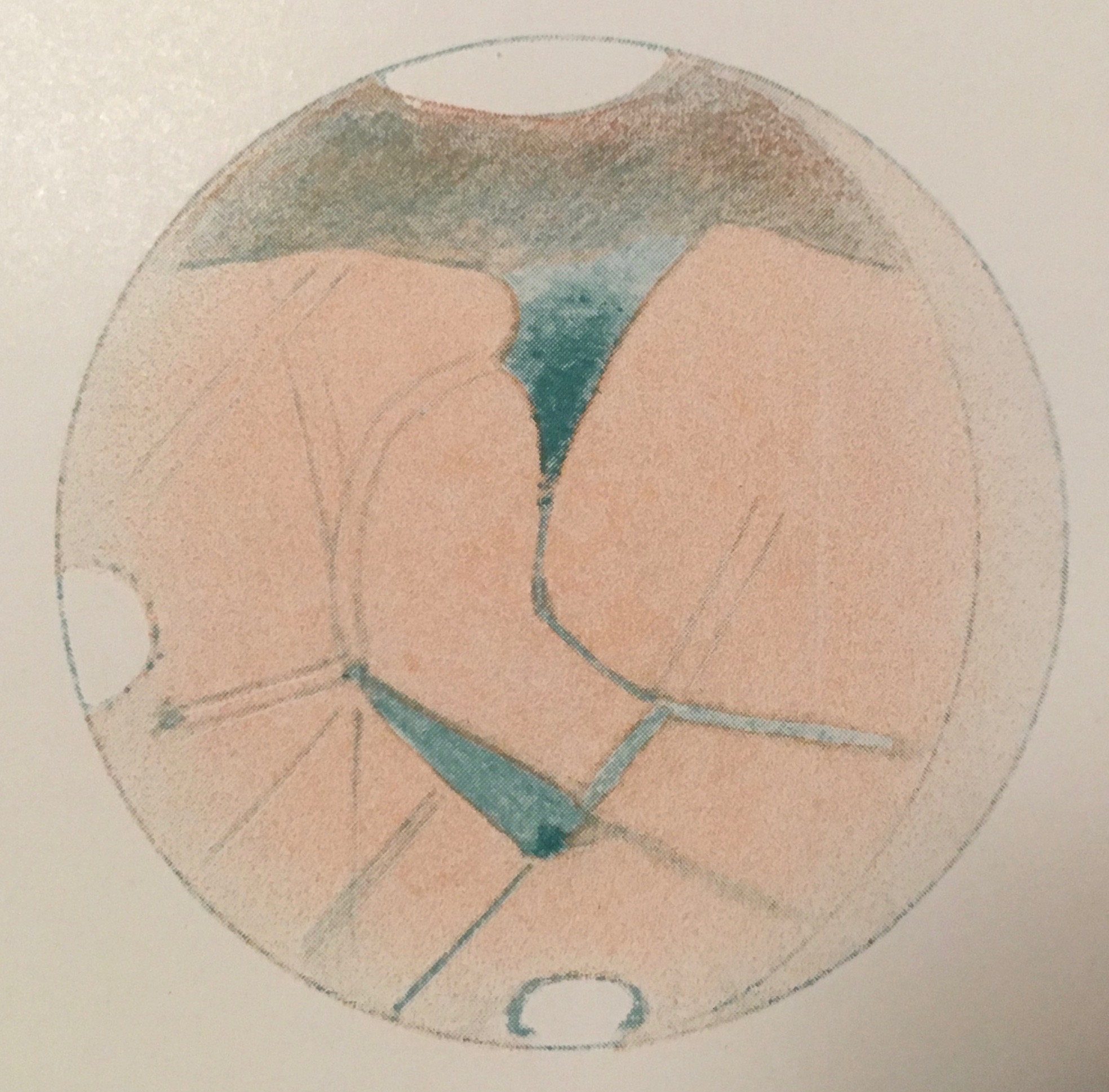
    Color Plate from Lowell, 1906 03

    Color Plate III from Lowell’s 1906 Mars and Its Canals

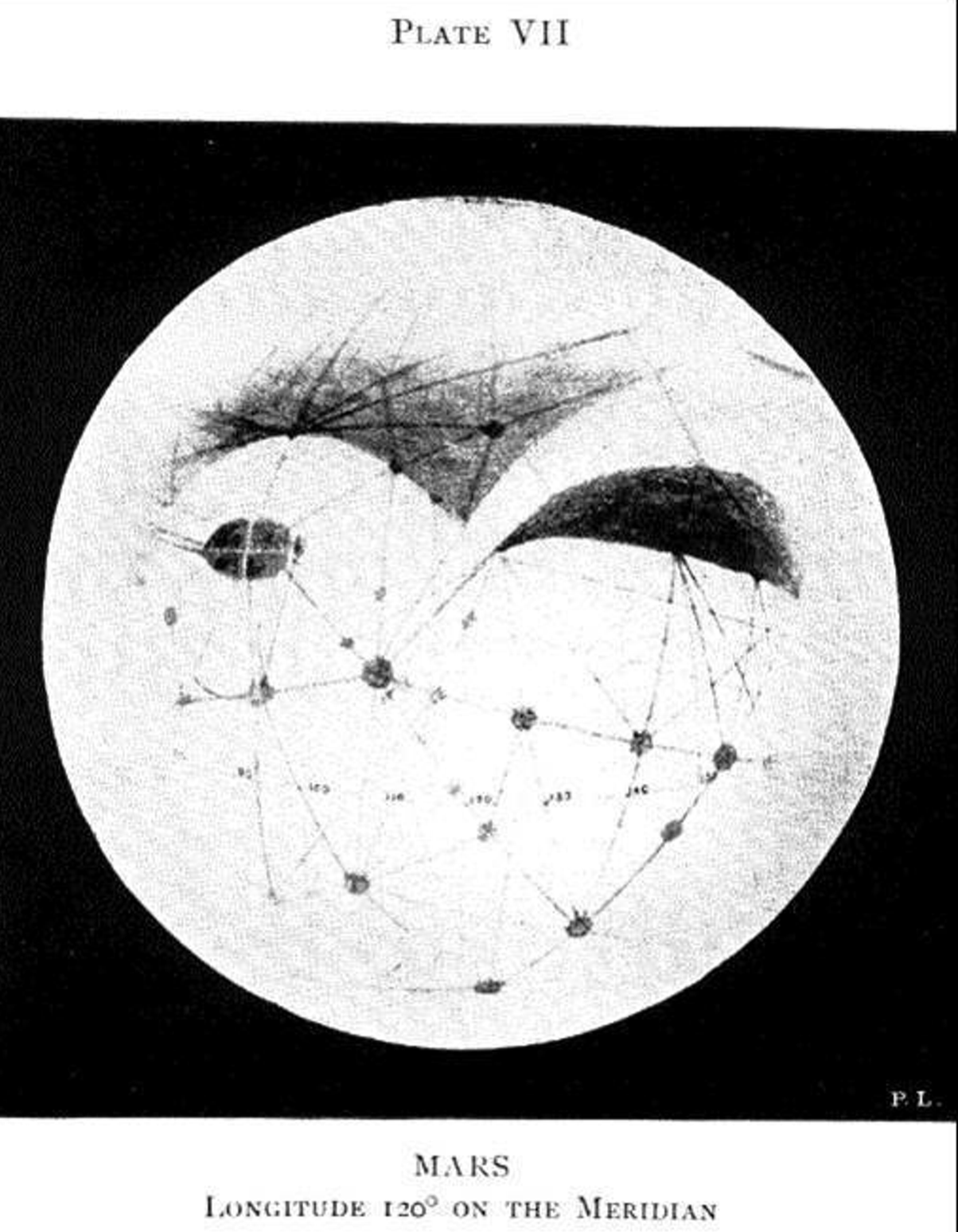
    Mars Plate VII

    Plate VII from Lowell’s 1895 Mars

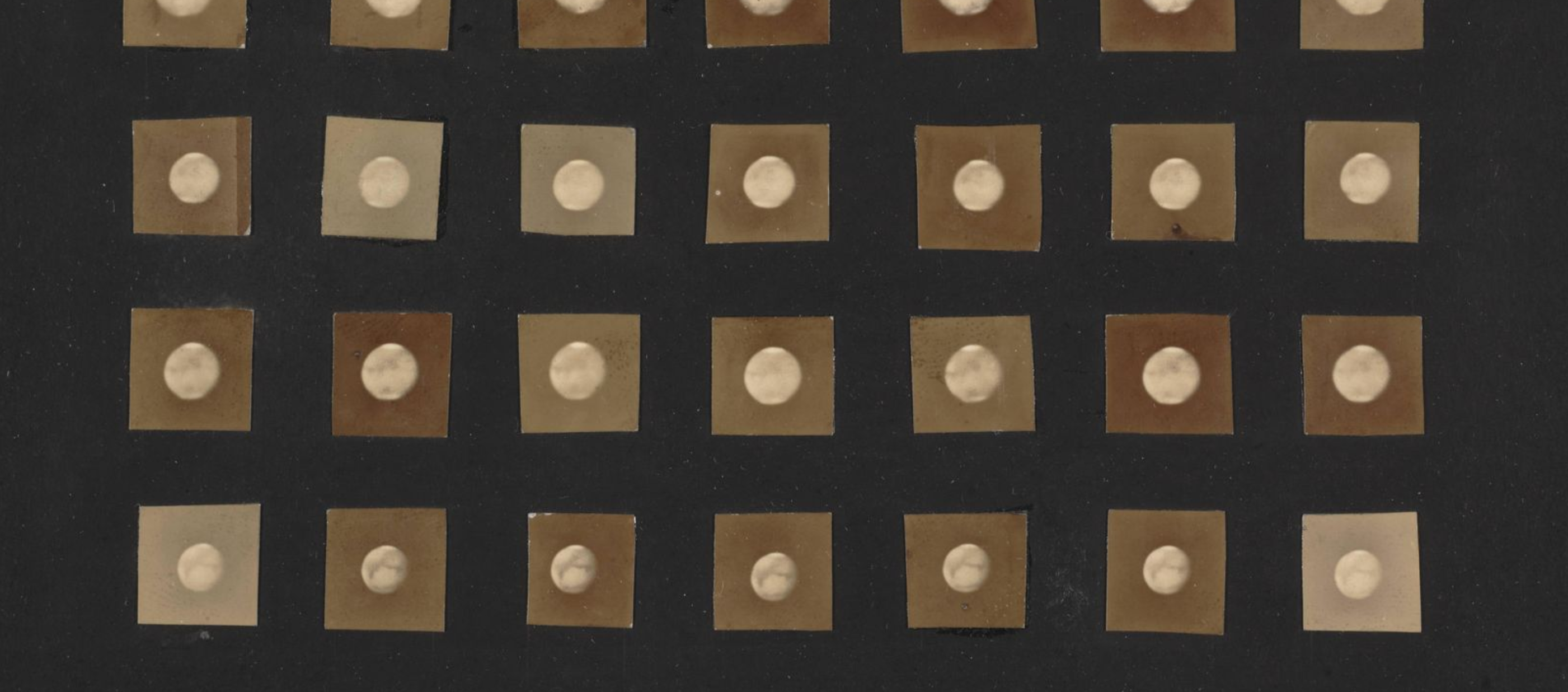
    arl Otto Lampland, Twenty-eight views of Mars, 1907

    First photographs of Mars, 1905 – Lowell claims to see up to 38 canals and one double canal in these photographs. Can you?

    Viking 1 Composite Image of Mars, mission June 1976

    Modern Enhanced Photograph of Mars

    Illustrations from Evans and Maunder’s Greenwich schoolboys experiment

    Main Sources

    Evans, J. E., and Maunder, E. W. (1903). “Experiments as to the Actuality of the ‘Canals’ Observed on Mars.” Monthly Notices of the Royal Astronomical Society, 43: 488-499.

    Hyde, D., Veiller, A., and Horner, H. (1952). Red Planet Mars [Motion Picture]. USA: Mellaby Pictures. Retrieved Aug 29, 2018, from: https://www.youtube.com/watch?v=4OXYLCVUaCc

    Lowell, P. (1895). Mars. New York: Houghton, Mifflin, and Co.

    Lowell, P. (1906). Mars and Its Canals. Norwood, MA: Norwood Press.

    Lowell, P. (1908). Mars as the Abode of Life. New York: MacMillan.

    McGinty, M. J. (2016). Canals on Mars: Lowell Revisited. Amazon Digital Services LLC (self-published).

    Sagan, C., and Fox, P. (1975, August). “The Canals of Mars: An Assessment After Mariner 9.” Icarus 25(4): 602-612.

    Wallace, A. R. (1907). Is Mars Habitable?: A Critical Examination of Professor Lowell’s Book “Mars and Its Canals”, With an Alternative Explanation. London: MacMillan.

    Dead Ideas: The History of Extinct Thoughts and Practices is made with Jetpack Podcast. Full show notes and every episode at https://deadideas.net/


    The Vamp: Theda Bara, Cinema’s First Sex Symbol – Halloween Special – Women’s History, American History Oct 31, 2018
    Show notes

    http://media.blubrry.com/deadideas/ia601507.us.archive.org/29/items/DeadIdeas96TheVampThedaBara/Dead%20Ideas%2096%20The%20Vamp%20Theda%20Bara.mp3

    In the early 20th century, the word “vampire” was used to mean something quite different: a female sexual predator. And no one struck more fear into the hearts of men than cinema’s first sex symbol, silent film actress Theda Bara. Happy Halloween.

    Featuring piano music by Kevin MacLeod, used by Creative Commons License Attribution 3.0.

    Be sure to support us on Patreon at http://www.patreon.com/deadideaspod to get your portrait drawn!

    Theme music and graphic design by Rachel Westhoff. Find pics, references, and more at http://www.deadideas.net.

    Become our patron on Patreon at www.patreon.com/deadideaspod

    Time/place: America, 1897 – c. 1926 CE

    Dead Idea: “Vampire” as Female Sexual Predator

    Click to view slideshow.

    The Vampire

    By Rudyard Kipling, 1897

    A fool there was and he made his prayer

    (Even as you or I!)

    To a rag and a bone and a hank of hair,

    (We called her the woman who did not care),

    But the fool he called her his lady fair—

    (Even as you or I!)

    Oh, the years we waste and the tears we waste,

    And the work of our head and hand

    Belong to the woman who did not know

    (And now we know that she never could know)

    And did not understand!

    A fool there was and his goods he spent,

    (Even as you or I!)

    Honour and faith and a sure intent

    (And it wasn’t the least what the lady meant),

    But a fool must follow his natural bent

    (Even as you or I!)

    Oh, the toil we lost and the spoil we lost

    And the excellent things we planned

    Belong to the woman who didn’t know why

    (And now we know that she never knew why)

    And did not understand!

    The fool was stripped to his foolish hide,

    (Even as you or I!)

    Which she might have seen when she threw him aside—

    (But it isn’t on record the lady tried)

    So some of him lived but the most of him died—

    (Even as you or I!)

    And it isn’t the shame and it isn’t the blame

    That stings like a white-hot brand—

    It’s coming to know that she never knew why

    (Seeing, at last, she could never know why)

    And never could understand!

    The Vampire (From a woman’s point of view. With apologies to Rudyard Kipling.)

    By Mary C. Low, 1899

    A woman there was who heard’a prayer,

    (Even as you and I!)

    From flesh and bones and a lock of hair

    (He called her the woman beyond coiflpare),

    But he only used her to lighten his care,

    (Even as you and I!)

    Oh, the walks we had and the talks we had.

    And the best of our heart and hand.

    Were sought by the man who pretended to care,

    He didn’t—but why he pretended to care.

    We cannot understand.

    A woman received the flowers he sent,

    (Even as you and I)

    Honour and faith she thought his intent,

    (But God only knows what the gentleman meant).

    Yet a man must follow his natural bent,

    (Even as you and I!)

    Oh, the vows we spoke and the vows we broke.

    And the various things we planned.

    Belong to the man who said he was true,

    (But now we know that he never was true)

    And we cannot understand.

    One favour she asked—but it was denied,

    (Even as you and I!)

    In some way or other he might have replied,

    (But it isn’t on record the gentleman tried).

    Her faith in him faltered and finally died,

    (Even as you and I!)

    And it isn’t the shame and it isn’t the blame.

    That stings like a white hot brand.

    I t ‘ s coming to know he would never say why.

    Seeing at last she could never know why.

    And never could understand.

    Main Sources

    Bara. T. (1919, Jun.). “How I Became a Film Vampire.” The Forum: 715-727. Retrieved Oct. 27, 2018, from: http://www.unz.com/print/Forum-1919jun-00715/

    Bara, T. (1919, Jul.). “The Curse on the Moving-Picture Actress.” The Forum: 83-93. Retrieved Oct. 27, 2018, from: http://www.unz.com/print/Forum-1919jul-00083/

    Kipling, R. (1897). “The Vampire.” Pamphlet.

    Low, M. (1899, Mar.). “The Vampire: From a Woman’s Point of View, With Apologies to Rudyard Kipling.” The Bookman: 61. Retrieved Oct. 27, 2018, from: http://www.unz.com/print/Bookman-1899mar-00061/

    MacLeod, K. (2014). “Silent Film Score Compilation – Old Times.” Youtube.com. Licensed under Creative Commons By Attribution 3.0 License. Retrieved Oct. 28, 2018, from: https://www.youtube.com/watch?v=dJ-Su4utvm8

    “Vampire.” (2018). Mirriam-Webster Online Dictionary. Retrieved Oct. 27, 2018, from: https://www.merriam-webster.com/dictionary/vampire

    Dead Ideas: The History of Extinct Thoughts and Practices is made with Jetpack Podcast. Full show notes and every episode at https://deadideas.net/


    Court Eunuchs V: The Varangian Guard – An Interview with Robin Pierson – Byzantine Roman History, Viking History Oct 28, 2018
    Show notes

    http://media.blubrry.com/deadideas/ia601503.us.archive.org/6/items/DeadIdeas93CourtEunuchsIII/Dead%20Ideas%2095%20Court%20Eunuchs%20V%20Robin%20Pierson.mp3

    Today, we’re talking Vikings in Byzantium with special guest Robin Pierson of the History of Byzantium podcast. What were these big-bearded warriors doing standing next to beardless eunuchs? And why were both Vikings and eunuchs entrusted with such important positions?

    Be sure to support the show at www.patreon.com/deadideaspod to get your portrait drawn!

    Music and graphic design by Rachel Westhoff. Maps, pics, references and more at http://www.deadideas.net.

    Become our patron on Patreon at www.patreon.com/deadideaspod

    Time/place: Byzantine Empire, 324-1453 BCE

    Dead Idea: Court Eunuchs

    Co-hosts: Nick and Anna

    Click to view slideshow.

    Main Sources

    Agathias. “The Histories.” Translated by Walter de Grutyer, 1975.
    Google Books, https://books.google.com/books?id=Wp92bUzuMoQC&q

    Berger, A., Ed. & Trans. (2013). Accounts of medieval Constantinople: The Patria. Dumbarton Oaks Medieval Library, 24. Cambridge, MA: Harvard University Press.

    Blöndel, S. (1978). The Varangians of Byzantium. Benedikz, B. S., Trans. New York: Cambridge University Press.

    Browning, Robert. Justinian and Theodora. Praeger Publishers, 1971.

    Evagrius Scholasticus. “Ecclesiastical History, Book Four”. Translated
    by E. Walford, 1846.
    http://www.tertullian.org/fathers/evagrius_4_book4.htm

    Kaldellis, A. (2017). A Cabinet of Byzantine Curiosities. Oxford: Oxford University Press.

    Norwich, John Julius. A Short History of Byzantium. Vintage Books, 1999.

    Procopius. The Secret History. Translated by G.A. Williamson and Peter
    Sarris. Penguin Classics, 2007.

    Procopius. History of the Wars, Books I-II and VII-VIII. Translated
    into English by H.B. Dewing. Harvard University Press, 1996.

    Ringrose, K. (2003). The Perfect Servant: Eunuchs and the Social Construction of Gender in Byzantium. Chicago: University of Chicago Press.

    Rosen, William. Justinian’s Flea: Plague, Empire, and the Birth of
    Europe. Viking, 2007.

    Rowland, M. R. (2014). “Eunuchs and Sex: Beyond Sexual Dichotomy in the Roman World.” Dissertation. University of Missouri-Colombia.

    Tougher, S. (2008). The Eunuch in Byzantine History and Society. New York: Routledge.

    Dead Ideas: The History of Extinct Thoughts and Practices is made with Jetpack Podcast. Full show notes and every episode at https://deadideas.net/


    Court Eunuchs IV: Sex in the City: Stories from Byzantium – Byzantine Roman History Oct 12, 2018
    Show notes

    http://media.blubrry.com/deadideas/ia801503.us.archive.org/6/items/DeadIdeas93CourtEunuchsIII/Dead%20Ideas%2094%20Court%20Eunuchs%20IV.mp3

    What can the sex lives of Byzantines tell us about court eunuchs? Find out today in these sizzling chariot-cab confessions.

    Be sure to support the show at www.patreon.com/deadideaspod to get your portrait drawn!

    Music and graphic design by Rachel Westhoff. Maps, pics, references and more at http://www.deadideas.net.

    Become our patron on Patreon at www.patreon.com/deadideaspod

    Time/place: Byzantine Empire, 324-1453 BCE

    Dead Idea: Court Eunuchs

    Co-hosts: Nick and Anna

    Click to view slideshow.

    Main Sources

    Agathias. “The Histories.” Translated by Walter de Grutyer, 1975.
    Google Books, https://books.google.com/books?id=Wp92bUzuMoQC&q

    Berger, A., Ed. & Trans. (2013). Accounts of medieval Constantinople: The Patria. Dumbarton Oaks Medieval Library, 24. Cambridge, MA: Harvard University Press.

    Blöndel, S. (1978). The Varangians of Byzantium. Benedikz, B. S., Trans. New York: Cambridge University Press.

    Browning, Robert. Justinian and Theodora. Praeger Publishers, 1971.

    Evagrius Scholasticus. “Ecclesiastical History, Book Four”. Translated
    by E. Walford, 1846.
    http://www.tertullian.org/fathers/evagrius_4_book4.htm

    Kaldellis, A. (2017). A Cabinet of Byzantine Curiosities. Oxford: Oxford University Press.

    Norwich, John Julius. A Short History of Byzantium. Vintage Books, 1999.

    Procopius. The Secret History. Translated by G.A. Williamson and Peter
    Sarris. Penguin Classics, 2007.

    Procopius. History of the Wars, Books I-II and VII-VIII. Translated
    into English by H.B. Dewing. Harvard University Press, 1996.

    Ringrose, K. (2003). The Perfect Servant: Eunuchs and the Social Construction of Gender in Byzantium. Chicago: University of Chicago Press.

    Rosen, William. Justinian’s Flea: Plague, Empire, and the Birth of
    Europe. Viking, 2007.

    Rowland, M. R. (2014). “Eunuchs and Sex: Beyond Sexual Dichotomy in the Roman World.” Dissertation. University of Missouri-Colombia.

    Tougher, S. (2008). The Eunuch in Byzantine History and Society. New York: Routledge.

    Dead Ideas: The History of Extinct Thoughts and Practices is made with Jetpack Podcast. Full show notes and every episode at https://deadideas.net/


    Court Eunuchs III: When in Rome: Narses in the Reconquest of Italy – Byzantine Roman History Sep 30, 2018
    Show notes

    http://media.blubrry.com/deadideas/ia601503.us.archive.org/6/items/DeadIdeas93CourtEunuchsIII/Dead%20Ideas%2093%20Court%20Eunuchs%20III.mp3

    How awkward is it for the Roman Empire to not control Rome? Uh, yeah, this cannot stand. Anna’s back today to finish the story of eunuch general Narses, as he completes Justinian’s reconquest of the Eternal City!

    Be sure to support the show at www.patreon.com/deadideaspod to get your portrait drawn!

    Music and graphic design by Rachel Westhoff. Maps, pics, references and more at http://www.deadideas.net.

    Become our patron on Patreon at www.patreon.com/deadideaspod

    Time/place: Byzantine Empire, 324-1453 BCE

    Dead Idea: Court Eunuchs

    Co-hosts: Nick and Anna

    Click to view slideshow.

    Main Sources

    Agathias. “The Histories.” Translated by Walter de Grutyer, 1975.
    Google Books, https://books.google.com/books?id=Wp92bUzuMoQC&q

    Berger, A., Ed. & Trans. (2013). Accounts of medieval Constantinople: The Patria. Dumbarton Oaks Medieval Library, 24. Cambridge, MA: Harvard University Press.

    Blöndel, S. (1978). The Varangians of Byzantium. Benedikz, B. S., Trans. New York: Cambridge University Press.

    Browning, Robert. Justinian and Theodora. Praeger Publishers, 1971.

    Evagrius Scholasticus. “Ecclesiastical History, Book Four”. Translated
    by E. Walford, 1846.
    http://www.tertullian.org/fathers/evagrius_4_book4.htm

    Kaldellis, A. (2017). A Cabinet of Byzantine Curiosities. Oxford: Oxford University Press.

    Norwich, John Julius. A Short History of Byzantium. Vintage Books, 1999.

    Procopius. The Secret History. Translated by G.A. Williamson and Peter
    Sarris. Penguin Classics, 2007.

    Procopius. History of the Wars, Books I-II and VII-VIII. Translated
    into English by H.B. Dewing. Harvard University Press, 1996.

    Ringrose, K. (2003). The Perfect Servant: Eunuchs and the Social Construction of Gender in Byzantium. Chicago: University of Chicago Press.

    Rosen, William. Justinian’s Flea: Plague, Empire, and the Birth of
    Europe. Viking, 2007.

    Rowland, M. R. (2014). “Eunuchs and Sex: Beyond Sexual Dichotomy in the Roman World.” Dissertation. University of Missouri-Colombia.

    Tougher, S. (2008). The Eunuch in Byzantine History and Society. New York: Routledge.

    Dead Ideas: The History of Extinct Thoughts and Practices is made with Jetpack Podcast. Full show notes and every episode at https://deadideas.net/


    Court Eunuchs II: Call of Duty: Narses in the Nika Riots and Beyond – Byzantine Roman History Sep 16, 2018
    Show notes

    http://media.blubrry.com/deadideas/ia801503.us.archive.org/6/items/DeadIdeas93CourtEunuchsIII/Dead%20Ideas%2092%20Court%20Eunuchs%20II.mp3

    Today, Anna takes the lead with the story of the eunuch general Narses! In this episode, we get an overview of Emperor Justinian and Empress Theodora, and then we see Narses make his first appearance in quelling the infamous Nika Riots. Finally, he heads to Italy to reconquer Rome.

    Be sure to support the show at www.patreon.com/deadideaspod to get your portrait drawn!

    Music and graphic design by Rachel Westhoff. Maps, pics, references and more at http://www.deadideas.net.

    Become our patron on Patreon at www.patreon.com/deadideaspod

    Time/place: Byzantine Empire, 324-1453 BCE

    Dead Idea: Court Eunuchs

    Co-hosts: Nick and Anna

    Click to view slideshow.

    Main Sources

    Agathias. “The Histories.” Translated by Walter de Grutyer, 1975.
    Google Books, https://books.google.com/books?id=Wp92bUzuMoQC&q

    Berger, A., Ed. & Trans. (2013). Accounts of medieval Constantinople: The Patria. Dumbarton Oaks Medieval Library, 24. Cambridge, MA: Harvard University Press.

    Blöndel, S. (1978). The Varangians of Byzantium. Benedikz, B. S., Trans. New York: Cambridge University Press.

    Browning, Robert. Justinian and Theodora. Praeger Publishers, 1971.

    Evagrius Scholasticus. “Ecclesiastical History, Book Four”. Translated
    by E. Walford, 1846.
    http://www.tertullian.org/fathers/evagrius_4_book4.htm

    Kaldellis, A. (2017). A Cabinet of Byzantine Curiosities. Oxford: Oxford University Press.

    Norwich, John Julius. A Short History of Byzantium. Vintage Books, 1999.

    Procopius. The Secret History. Translated by G.A. Williamson and Peter
    Sarris. Penguin Classics, 2007.

    Procopius. History of the Wars, Books I-II and VII-VIII. Translated
    into English by H.B. Dewing. Harvard University Press, 1996.

    Ringrose, K. (2003). The Perfect Servant: Eunuchs and the Social Construction of Gender in Byzantium. Chicago: University of Chicago Press.

    Rosen, William. Justinian’s Flea: Plague, Empire, and the Birth of
    Europe. Viking, 2007.

    Rowland, M. R. (2014). “Eunuchs and Sex: Beyond Sexual Dichotomy in the Roman World.” Dissertation. University of Missouri-Colombia.

    Tougher, S. (2008). The Eunuch in Byzantine History and Society. New York: Routledge.

    Dead Ideas: The History of Extinct Thoughts and Practices is made with Jetpack Podcast. Full show notes and every episode at https://deadideas.net/


    Top 5 Peeves of History Podcasting – Two-Year Anniversary Special Sep 09, 2018
    Show notes

    http://media.blubrry.com/deadideas/ia601500.us.archive.org/17/items/DeadIdeas104HistoryOfHistoryPodcasting/Dead%20Ideas%2092%20Top%205%20Peeves%20of%20History%20Podcasting%20-%20Anniversary%20Episode.mp3

    Happy anniversary! We’re getting cranky today with our 5 biggest peeves of history podcasting – what we consistently get annoyingly wrong. We call out our fellow podcasters, with plenty of self-deprecating humor as well. Last, we talk a little more about our upcoming new show on the history of sex.

    Be sure to support us on Patreon at http://www.patreon.com/deadideaspod to get your portrait drawn!

    Music and graphic design by Rachel Westhoff. http://www.deadideas.net

    Dead Ideas: The History of Extinct Thoughts and Practices is made with Jetpack Podcast. Full show notes and every episode at https://deadideas.net/


    Court Eunuchs I: Third Gender of Byzantium – Byzantine Roman History Sep 02, 2018
    Show notes

    http://media.blubrry.com/deadideas/ia601503.us.archive.org/6/items/DeadIdeas93CourtEunuchsIII/Dead%20Ideas%2091%20Court%20Eunuchs%20I%20Byzantium%27s%20Third%20Gender.mp3

    Did you know that Byzantine culture recognized three genders? This begins our new series on Byzantine court eunuchs, and today it’s all about different constructions of gender. That, and cutting off your junk to get ahead! Follow the spectacular rise and fall of the court eunuchs of Byzantium.

    Be sure to support the show at www.patreon.com/deadideaspod to get your portrait drawn!

    Music and graphic design by Rachel Westhoff. Maps, pics, references and more at http://www.deadideas.net.

    Become our patron on Patreon at www.patreon.com/deadideaspod

    Time/place: Byzantine Empire, 324-1453 BCE

    Dead Idea: Court Eunuchs

    Co-hosts: Nick and Anna

    Click to view slideshow.

    Main Sources

    Agathias. “The Histories.” Translated by Walter de Grutyer, 1975.
    Google Books, https://books.google.com/books?id=Wp92bUzuMoQC&q

    Berger, A., Ed. & Trans. (2013). Accounts of medieval Constantinople: The Patria. Dumbarton Oaks Medieval Library, 24. Cambridge, MA: Harvard University Press.

    Blöndel, S. (1978). The Varangians of Byzantium. Benedikz, B. S., Trans. New York: Cambridge University Press.

    Browning, Robert. Justinian and Theodora. Praeger Publishers, 1971.

    Evagrius Scholasticus. “Ecclesiastical History, Book Four”. Translated
    by E. Walford, 1846.
    http://www.tertullian.org/fathers/evagrius_4_book4.htm

    Kaldellis, A. (2017). A Cabinet of Byzantine Curiosities. Oxford: Oxford University Press.

    Norwich, John Julius. A Short History of Byzantium. Vintage Books, 1999.

    Procopius. The Secret History. Translated by G.A. Williamson and Peter
    Sarris. Penguin Classics, 2007.

    Procopius. History of the Wars, Books I-II and VII-VIII. Translated
    into English by H.B. Dewing. Harvard University Press, 1996.

    Ringrose, K. (2003). The Perfect Servant: Eunuchs and the Social Construction of Gender in Byzantium. Chicago: University of Chicago Press.

    Rosen, William. Justinian’s Flea: Plague, Empire, and the Birth of
    Europe. Viking, 2007.

    Rowland, M. R. (2014). “Eunuchs and Sex: Beyond Sexual Dichotomy in the Roman World.” Dissertation. University of Missouri-Colombia.

    Tougher, S. (2008). The Eunuch in Byzantine History and Society. New York: Routledge.

    Dead Ideas: The History of Extinct Thoughts and Practices is made with Jetpack Podcast. Full show notes and every episode at https://deadideas.net/


    Tuberculean Chic: A 19th-cen. Fashion Inspired by Tuberculosis – featuring Dig: A History Podcast Aug 26, 2018
    Show notes

    http://media.blubrry.com/deadideas/ia801500.us.archive.org/17/items/DeadIdeas104HistoryOfHistoryPodcasting/Dead%20Ideas%2090%20Tuberculean%20Chic%20-%20featuring%20Dig%20A%20History%20Podcast.mp3

    Forget heroine chic. This is tuberculean chic! This episode, courtesy of Dig: A History Podcast, features a most peculiar fashion “look” inspired by the White Plague, i.e. tuberculosis.

    For credits, show notes, and further reading see digpodcast.org.

    Show your support at www.patreon.com/deadideaspod.

    Dead Ideas music and graphic design by Rachel Westhoff. Pics, references, and more at http://www.deadideas.net.

    Become our patron on Patreon at www.patreon.com/deadideaspod

    Dead Ideas: The History of Extinct Thoughts and Practices is made with Jetpack Podcast. Full show notes and every episode at https://deadideas.net/


    Berserkers VIII Finale: Suicide Swords – Suicide Squad/Göngu-Hrolf’s Saga Mashup – Viking History Aug 19, 2018
    Show notes

    http://media.blubrry.com/deadideas/ia801504.us.archive.org/15/items/DeadIdeas82BerserkersII/Dead%20Ideas%2089%20Berserkers%20VIII%20Finale.mp3

    Our grand finale is a saga chock full of no less than 19 berserkers, all villains. And just like the movie Suicide Squad, we’re telling it from the bad guys’ perspective. So, get ready for Suicide Swords: Berserker Battallion! With a soundtrack by Finnish composer Antti Martikainen!

    Be sure to support the show at www.patreon.com/deadideaspod to get your portrait drawn!

    Music and graphic design by Rachel Westhoff. Custom map by Adam McKithern. Pics, references and more at www.deadideas.net.

    Become our patron on Patreon at www.patreon.com/deadideaspod

    Time/place: Scandinavia, 800-1200 CE

    Dead Idea: Berserkers

    Co-host: Andre Sólo

    Click to view slideshow.
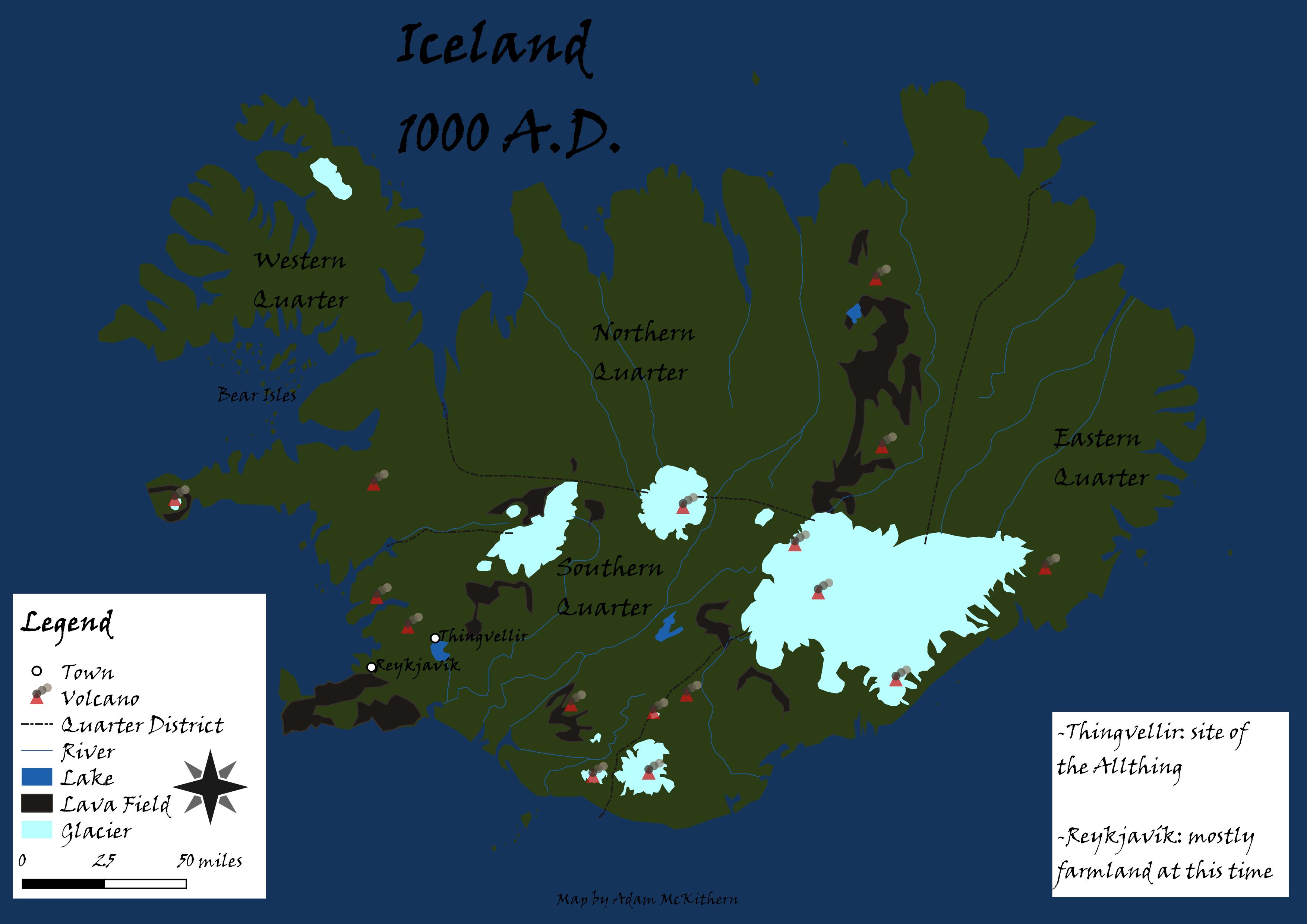
    Iceland, with glacier coverage accurate to 1000 CE, by Adam McKithern

    Custom map by Adam McKithern – showing glacier coverage accurate to 1000 CE

    Main Sources

    Bayerschmidt, C. F., and Hollander, L. M., Trans. (1955). Njal’s Saga. New York: New York University Press.

    Beck, H. (1968). “Die Stanzen von Torslunda und die literarische Überlieferung.” Frühmittelalterliche Studien, 2: 237-250.

    Blaney, B. (1972). “The Berserkir: His Origin and Development in Old Norse Literature.” Unpublished Doctoral Thesis. University of Colorado.

    Byock, J. L. (1988). Medieval Iceland: Society, Sagas, and Power. Los Angeles: University of California Press.

    Byock, J. L. (2002). “The Icelandic Althing: Dawn of Parliamentary Democracry.” In: Heritage and Identity: Shaping the Nations of the North. Ed.: Fladmark, J. M. Heyerdahl Institute and Robert Gordon University. Donhead St. Mary, Shaftesbury: Donhead.

    Dale, R. T. D. (2014). “Berserkir: A Re-examination of the Phenomenon in Literature and Life.” Thesis. University of Nottingham.

    Danielli, M. (1945, June). “Initiation Ceremonial from Norse Literature.” Folklore, 56(2): 229-245.

    Faoladh. (2011, May 17). “Hounds of God: The Werewolf Ritual According to Theiss.” A Wolf Man, Not a Man in Wolf’s Clothing. Retrieved June 6th, 2018, from: http://faoladh.blogspot.com/

    Foote, P., and Wilson, D. M. (1990). The Viking Achievement: The Society and Culture of Early Medieval Scandinavia. New York: St. Martin’s Press.

    Friedman, D. (1979). “Private Creation and Enforcement of Law: A Historical Case.” Retrieved May 5, 2018, from: http://www.daviddfriedman.com/Academic/Iceland/Iceland.html

    Gershenson, D. (1992). “Apollo the Wolf God.” Journal of Indo-European Monograph Series, 8. Institute for the Study of Man.

    Griffith, P. (2009). The Viking Art of War. Havertown, PA: Casemate.

    Grundy, S. (1998). “Shapeshifting and Berserkergang.” In: Poster, C. and Utz, R., Eds. (1998). Disputatio, Vol. 3: Translation, Transformation, and Transubstantiation in the Late Middle Ages. Evanston, IL: Northwestern University Press.

    Höfler, O. (1934). Kultische Geheimbünde der Germanen. Frankfurt: Moritz Diesterweg. 340-41.

    Holman, K. (2003). Historical Dictionary of the Vikings. Oxford: Scarecrow Press.

    Jesch, J. (1991). Women In the Viking Age. Woodbridge, Suffolk: Boydell Press.

    Konstam, A. (2002). Historical Atlas of the Viking World. New York: Thalamus Publishing.

    Liberman, A. (2004). “Berserkir: A Double Legend.” Brathair 4(2): 97-101.

    Miller, W. I. (1984). “Avoiding Legal Judgment: The Submission of Disputes to Arbitration in Medieval Iceland.” American Journal of Legal History, 28: pp. 95-134.

    Pálsson, H., and Edwards, P., Trans. (1980). Göngu-Hrolf’s Saga. Toronto: University of Toronto Press.

    Poster, C. and Utz, R., Eds. (1998). Disputatio, Vol. 3: Translation, Transformation, and Transubstantiation in the Late Middle Ages. Evanston, IL: Northwestern University Press.

    Rees, O. “Going Berserk: The Psychology of the Berserkers.” Medieval Warfare, Vol. II, 9(1): 23-26.

    Sanmark, A. (2017). Viking Law and Order: Places and Rituals of Assembly in the Medieval North. Edinburgh: Edinburgh University Press.

    Saxo Grammaticus. (1979). The History of the Danes, Books I-IX. Fisher, P., Trans. Cambridge: D. S. Brewer.

    Somerville, A. A., and McDonald, R. A., Eds. (2010). The Viking Age: A Reader. Toronto: University of Toronto Press.

    Speidel, M. P. (2002). “Berserks: A History of Indo-European ‘Mad Warrors.’” Journal of World History, Vol. 13(2): 253-290.

    Speidel, M. P. (2004). Ancient Germanic Warriors: Warrior Styles from Trajan’s Column to Icelandic Sagas. London: Routledge.

    Stapleton, S. (2015). “Justice Done: Outlawry Crimes in Medieval Iceland.” Thesis. In: theses, Dissertations, Capstones. Marshall University.

    Tolkien, C., Trans. (1960). The Saga of King Heidrek the Wise. New York: Thomas Nelson & Sons, Ltd.

    Weiser, L. (1927). Altgermanische Jünglingsweihen und Männerbünde. Bühl: Knkordia. P. 80-82.

    Wilder, G. (1971). “Wondrous Boat Ride.” In: Marguiles, S., & Wolper, D. L. (Producers), & Stuart, M. (Director). (1971). Willy Wonka and the Chocolate Factory. Available from Wolper Pictures.

    Wood, D. (2005, Oct. 1). “Book Review: Ancient Germanic Warriors: Warrior Styles from

    Trajan’s Column to Icelandic Sagas.” German History, 23(4):557-558.

    Dead Ideas: The History of Extinct Thoughts and Practices is made with Jetpack Podcast. Full show notes and every episode at https://deadideas.net/


    Previous 1 2 3 4 5 12 Next

    Related Podcasts

    Dan Carlin’s Hardcore History

    1

    Dan Carlin’s Hardcore History History
    More Perfect

    2

    More Perfect Government
    Casefile True Crime

    3

    Casefile True Crime Games & Hobbies
    The Way I Heard It with Mike Rowe

    4

    The Way I Heard It with Mike Rowe History
    BackStory

    5

    BackStory History
    The Black Dahlia Serial Killers

    6

    The Black Dahlia Serial Killers History
    footer-logo

    Contact Us

    Toll Free: 844-670-7747

    Links

    • Home
    • Top Charts
    • Networks
    • Apps
    • Independents Podcasts
    • Podcast Advertising
    • Podcast News
    • Contact Us
    • About Us
    • Analytics & Insights

    Stay Connected

      Privacy, Terms of Use & Our Code of Ethics Protecting Content Creators Copyrights