TopPodcast.com
Menu
  • Home
  • Top Charts
  • Top Networks
  • Top Apps
  • Top Independents
  • Top Podfluencers
  • Top Picks
    • Top Business Podcasts
    • Top True Crime Podcasts
    • Top Finance Podcasts
    • Top Comedy Podcasts
    • Top Music Podcasts
    • Top Womens Podcasts
    • Top Kids Podcasts
    • Top Sports Podcasts
    • Top News Podcasts
    • Top Tech Podcasts
    • Top Crypto Podcasts
    • Top Entrepreneurial Podcasts
    • Top Fantasy Sports Podcasts
    • Top Political Podcasts
    • Top Science Podcasts
    • Top Self Help Podcasts
    • Top Sports Betting Podcasts
    • Top Stocks Podcasts
  • Podcast News
  • About Us
  • Podcast Advertising
  • Contact
Not in our directory?
Add Show Here
Podcast Equipment
Center

toppodcastlogoOur TOPPODCAST Picks

  • Comedy
  • Crypto
  • Sports
  • News
  • Politics
  • True Crime
  • Business
  • Finance

Follow Us

toppodcastlogoStay Connected

    View Top 200 Chart
    Back to Rankings Page
    Government & Organizations

    Core EM – Emergency Medicine Podcast

    Core EM Emergency Medicine Podcast

    Advertise

    Copyright: © Core EM

    • Apple Podcasts
    • Google Play
    • Spotify

    Latest Episodes:
    Episode 97.0 – Methemoglobinemia May 15, 2017
    Show notes

    This week we discuss the rare but life-threatening methemoglobinemia with a focus on recognition and use of the antidote.

    https://media.blubrry.com/coreem/content.blubrry.com/coreem/Episode_97_0_Final_Cut.m4a Download 2 Comments Tags: Methemoglobin, Toxicology

    Show Notes

    Take Home Points

    • MetHb –emia occurs as a results of various medications including amyl nitrite, dapsone, nitroprusside, phenazopyridine, sodium nitrite and topical anesthetics like benzocaine
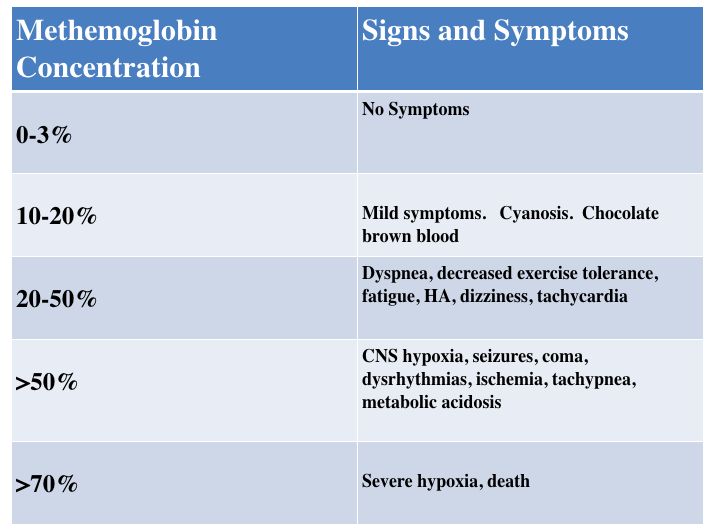
    • Patients will present with cyanosis, short of breath, fatigue, dizziness, weakness and ultimately CNS depression and death at higher concentrations.
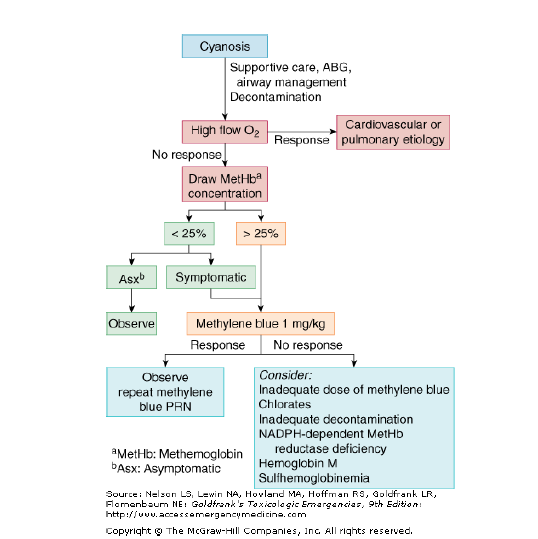
    • If you have a cyanotic/hypoxic patient that does not respond to supplemental oxygen, be concerned for MetHb and send a co-oximetry panel.
    • If the level is <25% and the patient is asymptomatic you can observe, but if the level is >25% or the patient is symptomatic, you will treat with the antidote methylene blue given as a bolus of 1-2 mg/kg over 5 minutes
    • And as always, make sure to call your local poison center to get your toxicologists involved. They can help with dosing, and they are also an important player of the public health component in cases such as these, to make sure this is an isolated incident and we don’t have a repeat of the 11 blue men situation.

    Price DP. Chapter 127. Methemoglobin Inducers. In: Nelson LS, Lewin NA, Howland M, Hoffman RS, Goldfrank LR, Flomenbaum NE. eds. Goldfrank’s Toxicologic Emergencies, 9e New York, NY: McGraw-Hill; 2011. Accessed April 19, 2017.

    Methemoglobinemia Signs and Symptoms

    Methemoglobinemia Treatment


    Read More

    Episode 96.0 – Carbon Monoxide Poisoning May 08, 2017
    Show notes

    This week we do a brief review on recognizing CO monoxide poisoning and expertly managing it.

    https://media.blubrry.com/coreem/content.blubrry.com/coreem/Episode_96_0_Final_Cut.m4a Download Leave a Comment Tags: CO, Inhaled Toxins, Toxicology

    Show Notes

    Take Home Points

    • CO poisoning happens most often from common are accidental exposures from faulty home heaters, camp stoves and indoor use of gas powered generators, structure fires and intentional exposure like in suicide attempts.
    • Patients with a mild exposure will present with symptoms like headache, nausea, vomiting, dizziness, vision blurring, palpitations, confusion or myalgias. More severe exposures may produce Altered mental status. seizures, coma, dysrythmias, myocardial ischemia, metabolic acidosis, syncope and vital sign abnormalities including hypotension and, eventually, cardiac arrest.
    • To help distinguish the vague symptoms of a patient who may have chronic exposure ask about things like whether symptoms improve in different environments or whether they have sick pets, as human viral illness generally don’t affect our dogs and cats.
    • If you’re concerned about CO send a co-ox panel. City dwellers may have a baseline carboxyhemoglobin of 1-2% and smokers around 6-10% but others should really have no carboxyhemoglobin.
    • Treatment is supplemental O2 which can be stopped when symptoms improve. For severe symptoms and for pregnant patients, consider hyperbarics to prevent long term sequelae and to protect the fetus. As always, consider discussing the case with your local poison center to help decide whether a patient warrants transfer for hyperbarics.

    LITFL: Carbon Monoxide Poisoning

    EMCrit: Podcast 122 – Cardiac Arrest after the Toxicology of Smoke Inhalation with Lewis Nelson

    FOAMcast: Episode #1: EMCrit Episode #122 – Cyanide and Carbon Monoxide Toxicity

    Nelson LS, Hoffman RS: Inhaled Toxins, in Marx JA, Hockberger RS, Walls RM, et al (eds): Rosen’s Emergency Medicine: Concepts and Clinical Practice, ed 8. St. Louis, Mosby, Inc., 2010, (Ch) 159: p 2036-2045.

    Tomaszewski C. Chapter 125. Carbon Monoxide. In: Nelson LS, Lewin NA, Howland M, Hoffman RS, Goldfrank LR, Flomenbaum NE. eds. Goldfrank’s Toxicologic Emergencies, 9e New York, NY: McGraw-Hill; 2011. Accessed April 19, 2017.


    Read More

    Episode 95.0 – Local Anesthetic Systemic Toxicity (LAST) May 01, 2017
    Show notes

    This week we discuss the identification, prevention and treatment of local anesthetic systemic toxicity.

    https://media.blubrry.com/coreem/content.blubrry.com/coreem/Podcast_Episode_95_0_Final_Cut.m4a Download 6 Comments Tags: Antidote, Bupivicaine, Intralipid, Lidocaine, Toxicology

    Show Notes

    LITFL: Local Anesthetic Toxicity

    Wiki EM: Local Anesthetic Systemic Toxicity

    References:

    Schwartz DR, Kaufman B. Local Anesthetics. In: Hoffman RS, Howland M, Lewin NA, Nelson LS, Goldfrank LR. eds. Goldfrank’s Toxicologic Emergencies, 10e New York, NY: McGraw-Hill; 2015. Link

    Neal JM et al, American Society of Regional Anesthesia and Pain Medicine. American Society of Regional Anesthesia and Pain Medicine checklist for managing local anesthetic systemic toxicity: 2012 version. Reg Anesth Pain Med 2012;37:16–8. PMID: 22189574

    Cao D et al. Intravenous lipid emulsion in the emergency department: a systematic review. J Emerg Med 2015; 48(3): 387-97. PMID: 25534900


    Read More

    Episode 94.0 – Mammal Bites Apr 24, 2017
    Show notes

    This week we talk about mammal bites - dogs, cats and humans - with a focus on wound closure, antibiotics and rabies prophylaxis.

    https://media.blubrry.com/coreem/content.blubrry.com/coreem/Episode_94_0_Final_Cut.m4a Download Leave a Comment Tags: Infectious Diseases, Mammal Bites, Rabies

    Show Notes

    EM:RAP: Animal Bites – A Short Board Review

    EM:RAP: Episode 107 Mammalian Bites

    Rebel EM: Medical Myths in the Management of Dog Bites

    CDC: Rabies Info

    References

    Chen E et al. Primary Closure of Mammalian Bites. Acad EM 2000; 7(2): 157- 162. PMID: 10691074

    Paschos NK et al. Primary closure versus non-closure of dog bite wounds. A radomised controlled trial. Injury 2014 45(1): 237-40. PMID: 23916901

    Medeiros IM, Saconato H. Antibiotic prophylaxis for mammalian bite (Review). Cochrane Database of Systematic Reviews 2008 (3); PMID: 11406003


    Read More

    Episode 93.0 – Meningitis Apr 17, 2017
    Show notes

    This week we cover a workshop from our conference on CNS infections focusing on meningitis.

    https://media.blubrry.com/coreem/content.blubrry.com/coreem/Podcast_Episode_93_0_Final_Cut.m4a Download 3 Comments Tags: Bacterial Meningitis, CNS Infections, Infectious Diseases, Meningitis, Neurology

    Show Notes

    CSF Analysis (LITFL)

    EM Lyceum: Viral Meningitis “Answers”

    EM RAP: Meningitis

    LITFL: Bacterial Meningitis

    LITFL: CSF Analysis

    The NNT: Glucocorticoid Steroids for Bacterial Meningitis

    References

    Attia J et al. Does this adult patient have acute meningitis. JAMA 1999; 281(2): 175-81. PMID: 10411200

    Brouwer MC et al. Corticosteroids for acute bacterial meningitis (review). Cochrane Database Syst Rev 2015. PMID: 26362566

    Cooper DD, Seupaul RA. Is adjunctive dexamethasone beneficial in patients with bacterial meningitis? Ann Emerg Med 2012; 59(3): 225-6. PMID: 22088494

    de Gans J et al. Dexamethasone in adults with bacterial meningitis. NEJM 2012; 347(20): 1549-57. PMID: 12432041

    Hasbun R et al. Computed tomography of the head before lumbar puncture in adults with suspected meningitis. NEJM 2001; 345(24): 1727-34. PMID: 11742046

    Sakushima K et al. Diagnostic accuracy of cerebrospinal fluid lactate for differentiating bacterial meningitis from aseptic meningitis: a meta-analysis. J Infection 2011; 62: 255-62. PMID: 21382412

    Tunkel AR et al. Practice guidelines for the management of bacterial meningitis. Clin Infect Dis 2004; 39: 1267-84. PMID: 15494903


    Read More

    Episode 92.0 – Dialysis Emegencies Apr 10, 2017
    Show notes

    This week we discuss some of the many dialysis-related emergencies we frequently see in the ED.

    https://media.blubrry.com/coreem/content.blubrry.com/coreem/Podcast_Episode_92_0_Final_Cut.m4a Download One Comment Tags: Dialysis, ESRD, Nephrology

    Show Notes

    Take Home Points

    1. On any dialysis patient, make sure to do a good assessment of their access site. If it’s a fistula, assess for a thrill, for any warmth/induration/erythema and make sure they have distal sensation and perfusion. If it’s a catheter, evaluate for any signs of infection—so warmth, erythema or discharge.
    2. Bleeding is a big concern. If the patient is bleeding from their access, start with direct pressure to the bleeding site, then move on to topical thrombotic agents and if needed throw a figure 8 stitch with a 5-0 proline on a non-cutting needle.
    3. Peritoneal dialysis patients are at risk for bacterial peritonitis. In a PD patient that appears infected, get a peritoneal fluid sample and start antibiotics
    4. Dialysis patients are susceptible to dialysis disequilibrium syndrome which can present as altered mental status, focal neurological deficits or even frank coma or seizures after dialysis. Make sure to consider a broad differential in these patients and start with a solute load such as an amp or two of D50 while starting your work up.

    Core EM: Hyperkalemia

    Core EM: Episode 7.0 – Hyperkalemia + Rate Control in AFib

    Al Sacchetti: ED Repair of Bleeding Dialysis Shunt

    EM: RAP: Episode 107 – Dialysis Emergencies

    EMBlog Mayo Clinic: How to Stop a Post-Dialysis Site Bleeding

    emDocs: Managing Fistula Complications in the Emergency Department


    Read More

    Episode 91.0 – Journal Update – AKI + IV Contrast Apr 03, 2017
    Show notes

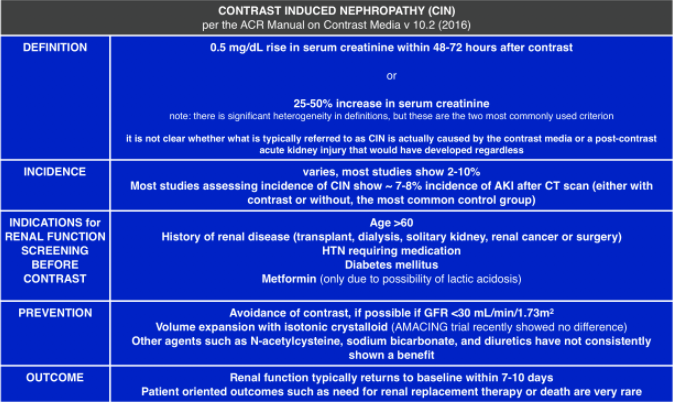
    This week we discuss a recent article in Annals of EM on contrast induced nephropathy and whether the phenomena is real or dogma.

    https://media.blubrry.com/coreem/content.blubrry.com/coreem/Podcast_Episode_91_0_Final_Cut.m4a Download Leave a Comment Tags: AKI, CIN, Contrast Induced Nephropathy, Journal Update

    Show Notes

    ACR Table on CIN – FOAMCast

    FOAMCast: Episode 65 – Contrast Induced Nephropathy and Genitourinary Trauma

    REBEL EM: Contrast Induced Nephropahty: Fact or Myth

    Core EM: Acute Kidney Injury is not Associated with IV Contrast Use in the ED

    EM Lit of Note: Punching Holes in CIN

    EMCrit: Do CT Scans Cause Contrast Nephrophathy?

    EM Lit of Note: Punching Holes in CIN

    EM Docs: Contrast-Induced Nephropathy – Confounding Causation


    Read More

    Episode 90.0 – Acute Rhinosinusitis Mar 27, 2017
    Show notes

    This week we dive into acute rhinosinusitis focusing on diagnosis and discussing the absence of utility for antibiotics in most patients.

    https://media.blubrry.com/coreem/content.blubrry.com/coreem/Podcast_Episode_90_0_Final_Cut.m4a Download Leave a Comment Tags: ENT, Rhinosinusitis, Sinusitis, URI

    Show Notes

    Take Home Points

    1. Sinusitis is a clinical diagnosis. Patients typically present with purulent nasal discharge and facial pain or other URI symptoms.
    2. The vast majority of patients with acute rhino sinusitis will be viral in nature and will not benefit from antibiotics
    3. Patients with prolonged symptoms, more than 7-10 days, without improvement or continued fevers past 2-3 days should be considered for antibiotic treatment as should those who are immunocompromised.

    Show Notes

    Melio FR, Berge LR. Upper Respiratory Tract Infections, in Marx JA, Hockberger RS, Walls RM, et al (eds): Rosen’s Emergency Medicine: Concepts and Clinical Practice, ed 8. St. Louis, Mosby, Inc., 2010, (Ch) 75: p 965-79.

    The NNT: Antibiotics for Clinically Diagnosed Acute Sinusitis in Adults

    The NNT: Antibiotics for Radiologically-Diagnosed Acute Maxillary Sinusitis

    Lemiengre MB et al. Antibiotics for clinically diagnosed acute rhinosinusitis in adults. Cochrane Database Syst Rev. 2012. PMID: 23076918

    Ahovuo-Saloranta A et al. Antibiotics for acute maxillary sinusitis. Cochrane Database Syst Rev. 2008. PMID: 18425861


    Read More

    Episode 89.0 – Epistaxis Mar 20, 2017
    Show notes

    This week we discuss the ED management of anterior and posterior epistaxis.

    https://media.blubrry.com/coreem/content.blubrry.com/coreem/Podcast_Episode_89_0_Final_Cut.m4a Download 3 Comments Tags: ENT, Epistaxis, Nose Bleeds, TXA

    Show Notes

    Take Home Points

    1. The first step is managing epistaxis is solid pressure. This means holding a tight pinch just distal to the nasal bones and hold, without peaking, for at least 5 minutes. This will stop a good deal of the bleeding.
    2. If you need to do more, start by soaking gauze in either oxymetazoline or epinephrine, mix in some lidocaine to help with anesthesia, pack the nare with that and add on some compression. Hope fully this stops the bleeding enough that you can see a good bleeder and perform cautery.
    3. Third line of treatment would be to try some soaked gauze, but this time with TXA. Can’t hurt to try!
    4. And then last resort is of course packing. Here make sure the patient is anesthetized with some lidocaine, lubricate the packing well and apply horizonally, no vertically as we are often tempted.

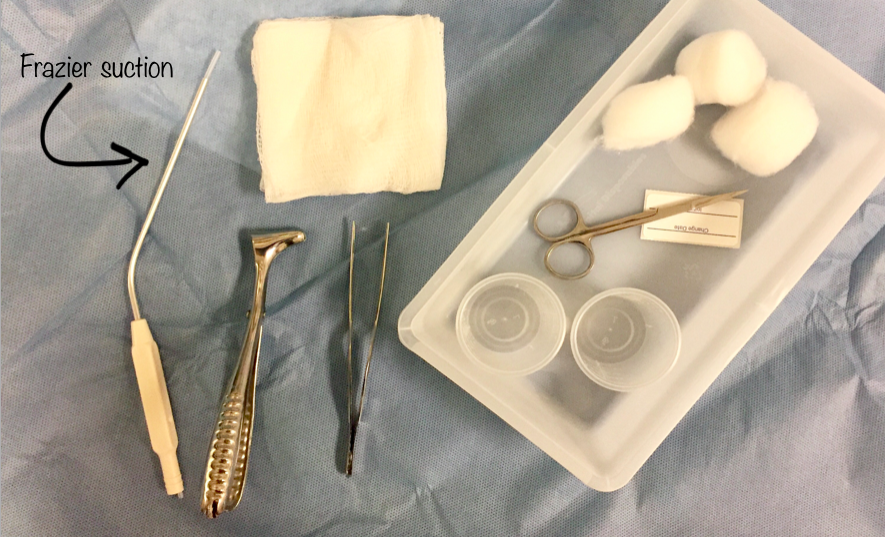
    Epistaxis Tray

    Show Notes

    LITFL: Epistaxis

    Core EM: Podcast 18.0 – Influenza Testing and Epistaxis

    REBEL EM: Do Patients with Epistaxis Managed by Nasal Packing Require Prophylactic Antibiotics

    EM Lyceum: Epistaxis, “Answers”

    Zahed R et al. A new and rapid method for epistaxis treatment using injectable form of tranexamic acid topically: a randomized controlled trial. Am J Emerg Med 2013; 31: 1389-92. PMID: 23911102


    Read More

    Episode 88.0 – Simplified Approach to Tachydysrhythmias Mar 13, 2017
    Show notes

    This week, we review a simplified approach to determining the rhythm on an EKG with a tachydysrhythmia.

    https://media.blubrry.com/coreem/content.blubrry.com/coreem/Podcast_Episode_88_0_Final_Cut.m4a Download One Comment Tags: Atrial Fibrillation, AVNRT, SVT, Tachycardias, Tachydysrhythias, Ventricular Tachycardia

    Show Notes

    Take Home Points

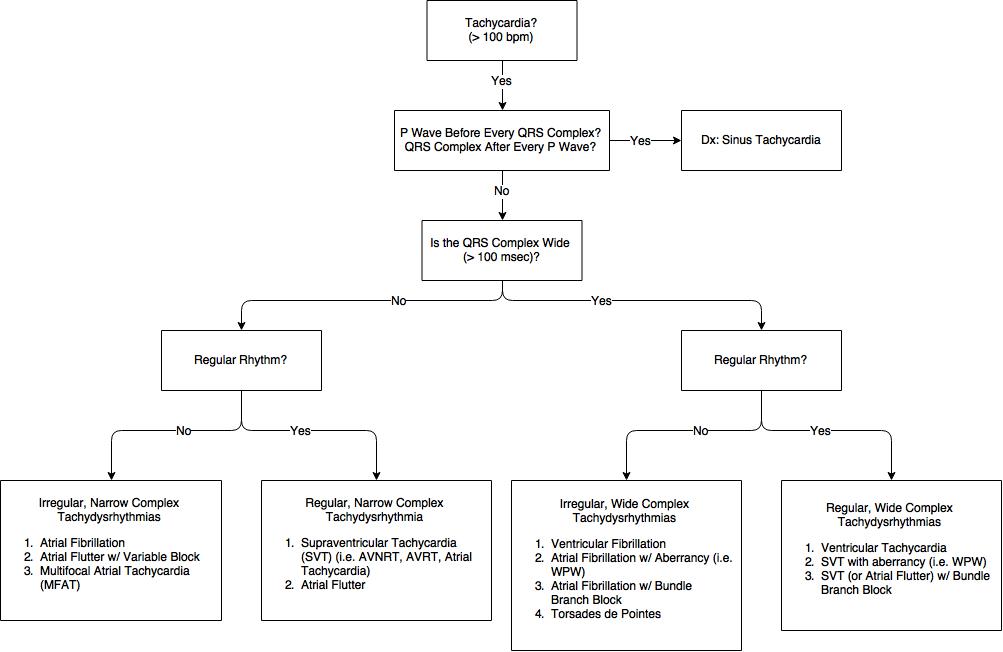
    1. When looking at a tachy rhythm that isn’t sinus tach, quickly differentiate by determining if the QRS complexes is narrow or wide and then determine if the rhythm is regular or irregular. This approach quickly drops the rhythm into 1 of 4 boxes and makes rhythm determination much easier
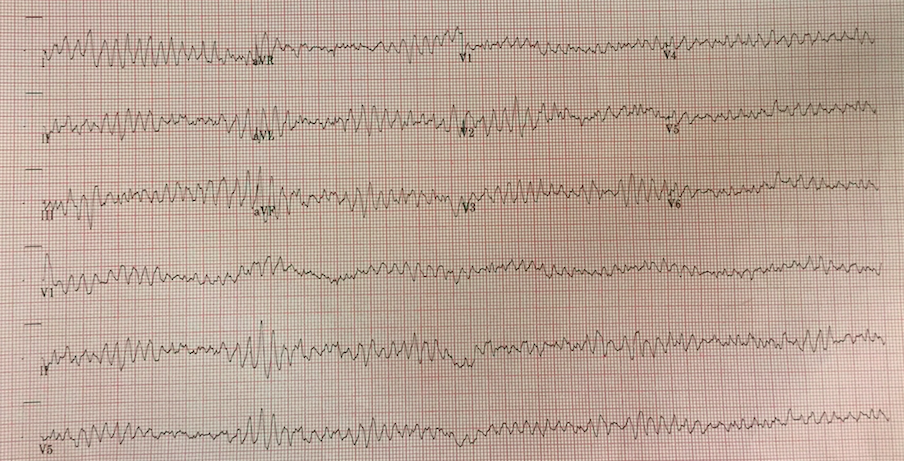
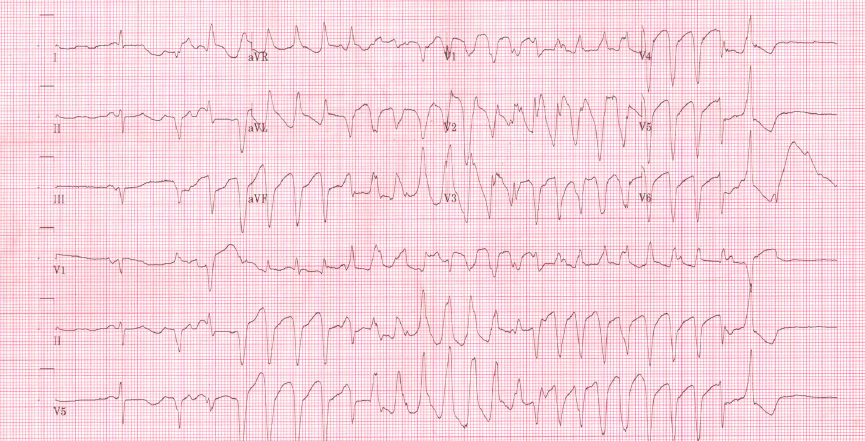
    2. Each of those 4 categories has a small set of rhythms included. Narrow and irregular – AF, Aflutter with variable block or MFAT. Narrow and regular – SVT or Aflutter. Wide and irregular – Torsades, VF, AF with aberrancy or a BBB. Wide and regular – VTach, SVT with aberrancy or SVT with a BBB.
    3. If you see wide and regular, the top 3 diagnoses are VT, VT and VT. Assuming VT and treating for that will almost never send you astray

    Read More

    EM: RAP: Episode 84 – Tachycardia

    Core EM: A Simplified Approach to Tachydysrhythmias

    Core EM: Atrioventricular Nodal Reentry Tachycardia

    Core EM: Ventricular Tachycardia

    Core EM: Recent-Onset Atrial Fibrillation

    Simplified Approach to Tachydysrhythmias Diagnosis

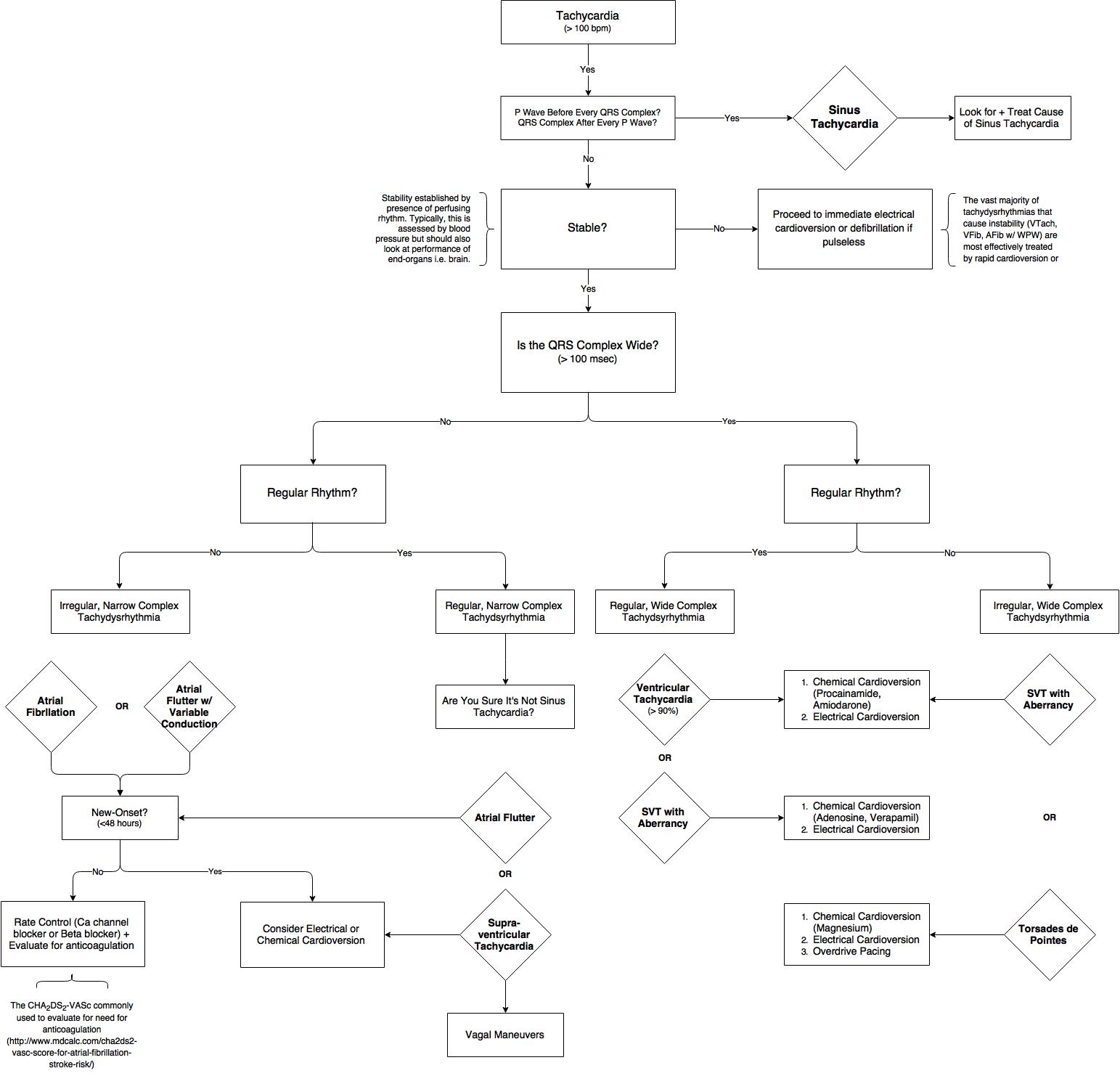
    Tachydysrhythmias Therapeutic Algorithm

    Torsades de Pointes

    Torsades de Pointes


    Read More

    Previous 1 12 13 14 15 16 24 Next

    Related Podcasts

    The Joe Rogan Experience

    1

    The Joe Rogan Experience Comedy
    More Perfect

    2

    More Perfect Government
    Casefile True Crime

    3

    Casefile True Crime Games & Hobbies
    Reply All

    4

    Reply All Games & Hobbies
    You Must Remember This

    5

    You Must Remember This Games & Hobbies
    Real Time with Bill Maher

    6

    Real Time with Bill Maher Games & Hobbies
    footer-logo

    Contact Us

    Toll Free: 844-670-7747

    Links

    • Home
    • Top Charts
    • Networks
    • Apps
    • Independents Podcasts
    • Podcast Advertising
    • Podcast News
    • Contact Us
    • About Us
    • Analytics & Insights

    Stay Connected

      Privacy, Terms of Use & Our Code of Ethics Protecting Content Creators Copyrights