TopPodcast.com
Menu
  • Home
  • Top Charts
  • Top Networks
  • Top Apps
  • Top Independents
  • Top Podfluencers
  • Top Picks
    • Top Business Podcasts
    • Top True Crime Podcasts
    • Top Finance Podcasts
    • Top Comedy Podcasts
    • Top Music Podcasts
    • Top Womens Podcasts
    • Top Kids Podcasts
    • Top Sports Podcasts
    • Top News Podcasts
    • Top Tech Podcasts
    • Top Crypto Podcasts
    • Top Entrepreneurial Podcasts
    • Top Fantasy Sports Podcasts
    • Top Political Podcasts
    • Top Science Podcasts
    • Top Self Help Podcasts
    • Top Sports Betting Podcasts
    • Top Stocks Podcasts
  • Podcast News
  • About Us
  • Podcast Advertising
  • Contact
Not in our directory?
Add Show Here
Podcast Equipment
Center

toppodcastlogoOur TOPPODCAST Picks

  • Comedy
  • Crypto
  • Sports
  • News
  • Politics
  • True Crime
  • Business
  • Finance

Follow Us

toppodcastlogoStay Connected

    View Top 200 Chart
    Back to Rankings Page
    Government & Organizations

    Core EM – Emergency Medicine Podcast

    Core EM Emergency Medicine Podcast

    Advertise

    Copyright: © Core EM

    • Apple Podcasts
    • Google Play
    • Spotify

    Latest Episodes:
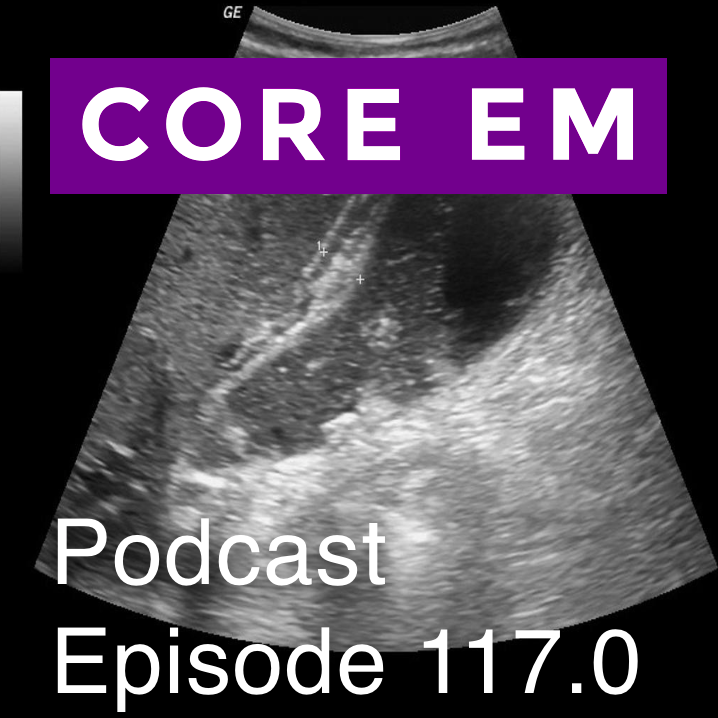
    Episode 117.0 – Acute Cholecystitis Oct 16, 2017
    Show notes

    Part I of II on gallbladder pathology starting with cholecystitis.

    https://media.blubrry.com/coreem/content.blubrry.com/coreem/Episode_117_0_Final_Cut.m4a Download Leave a Comment Tags: Gallbladder, Gastroenterology, General Surgery, GI

    Show Notes

    Take Home Points

    • Acute cholecystitis is an inflammation of the gallbladder and is a clinical diagnosis. Imaging can be helpful but US and CT can both have false negatives.
    • Lab tests are insensitive and non-specific and, as such, they can neither rule in or rule out the diagnosis.
    • Treatment focuses on fluid resuscitation when indicated, supportive care, antibiotics and surgical consultation for cholecystectomy
    • Although uncommon, be aware that patients can develop gangrene, necrosis and perforation as well as frank sepsis and require aggressive resuscitation

    Read More

    Core EM: Acute Cholecystitis

    Oyama LC: Disorders of the liver and biliary tract, in Marx JA, Hockberger RS, Walls RM, et al (eds): Rosen’s Emergency Medicine: Concepts and Clinical Practice, ed 8. St. Louis, Mosby, Inc., 2010, (Ch) 90: p 1186-1205.

    Leschka S et al. Chapter 5.1: Acute abdominal pain: diagnostic strategies In: Schwartz DT: Emergency Radiology: Case Studies. New York, NY: McGraw-Hill, 2008.

    Menu Y, Vuillerme MP. Chapter 5.5: Non-traumatic Abdominal Emergencies: Imaging and Intervention in Acute Biliary Conditions In: Schwartz DT: Emergency Radiology: Case Studies. New York, NY: McGraw-Hill, 2008.


    Read More

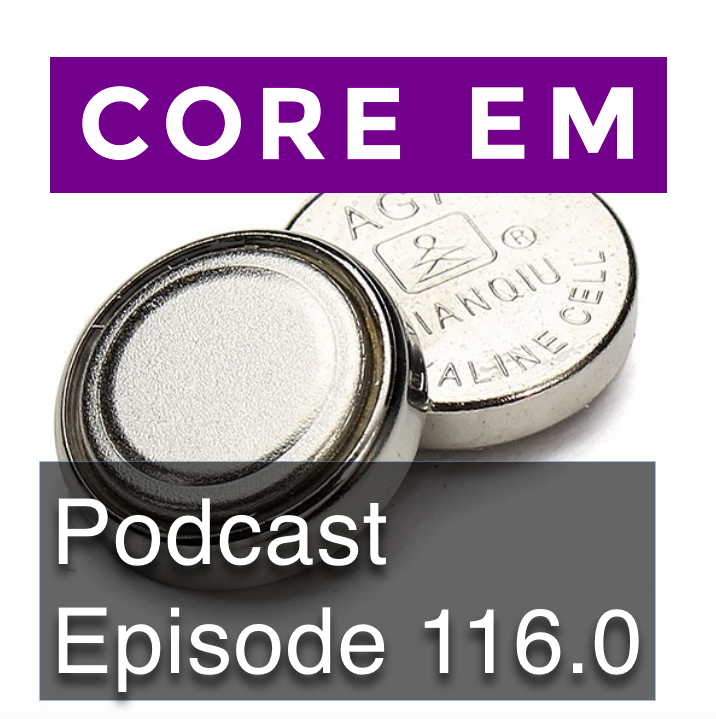
    Episode 116.0 – Button Battery Ingestion Oct 10, 2017
    Show notes

    This podcast discusses the presentation and management of button battery ingestions in kids.

    https://media.blubrry.com/coreem/content.blubrry.com/coreem/Episode_116_0_Final_Cut.m4a Download One Comment Tags: Button Battery, GI, Pediatrics

    Show Notes

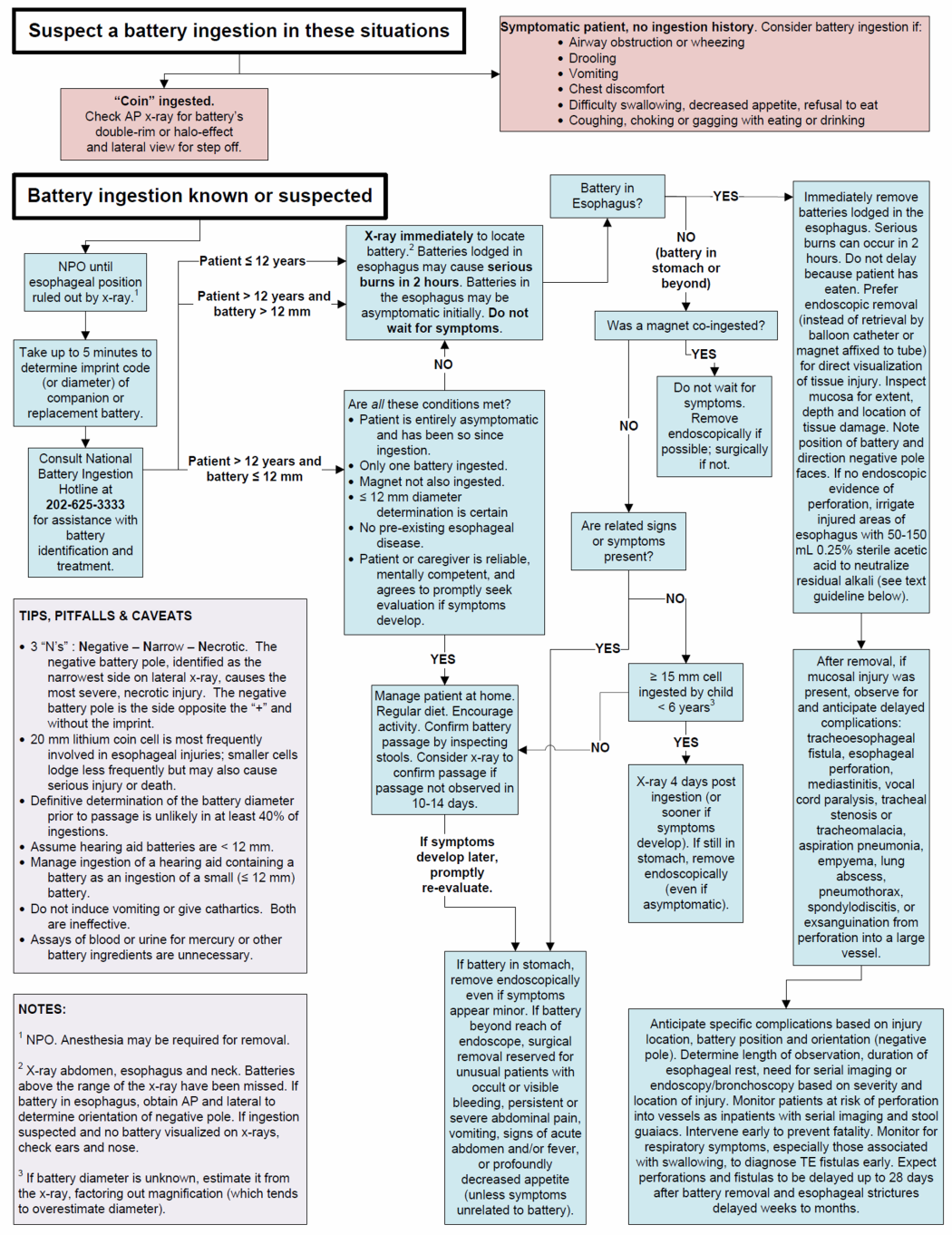
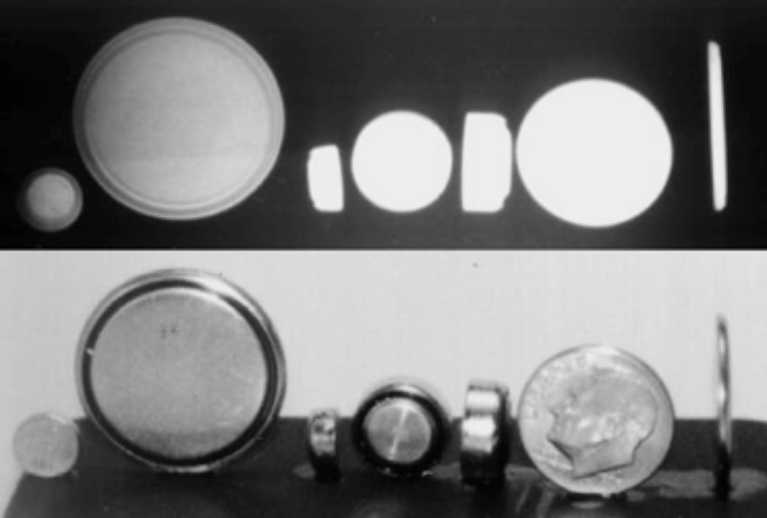
    NBIH Button Battery Ingestion Algorithm

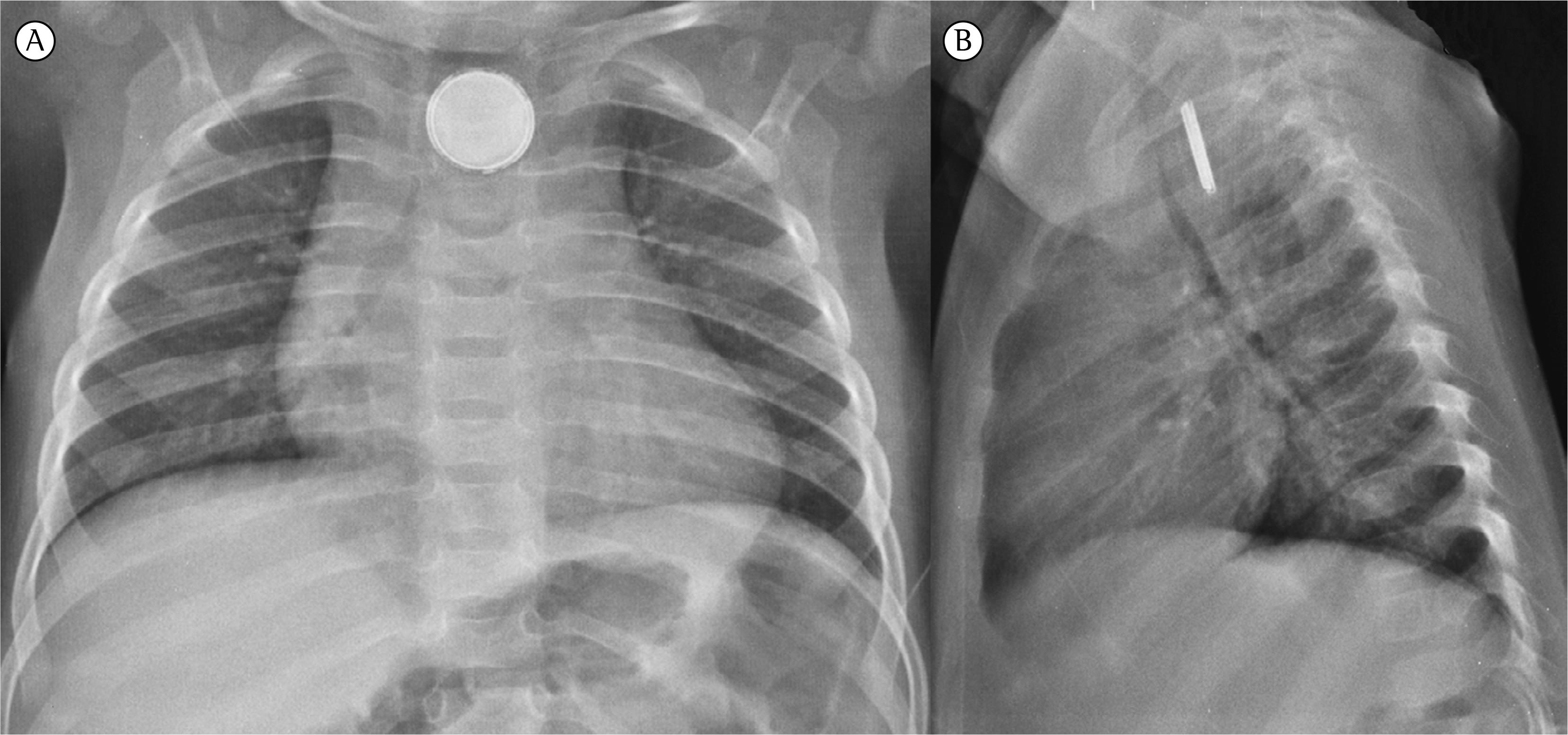
    Button Battery XR (scielo.br)

    Take Home Points

    1. Button battery ingestions are extremely dangerous. Necrosis, perforation and erosion into vessels can occur in as little as 2 hours
    2. ALL esophageal button batteries should be removed within 2 hours of presentation to minimize mucosal damage
    3. Consider button battery ingestion in children presenting with dysphagia, refusal to eat and hematemesis
    4. Co-ingestion of a button battery with a magnet requires emergency removal regardless of where it is in the GI system

    Read More

    National Capital Poison Center: NBIH Button Battery Ingestion Triage and Treatment Guideline

    Pediatric EM Morsels: Button Battery Ingestion

    St. Emlyn’s: Button Batteries – Hide and Seek in the Emergency Department

    ENT Blog: Lithium Disc Battery Danger for Kids


    Read More

    Episode 115.0 – Wernicke’s Encephalopathy Oct 02, 2017
    Show notes

    This week we sit down with toxicologist Meghan Spyres to talk about Wernicke's Encephalopathy.

    https://media.blubrry.com/coreem/content.blubrry.com/coreem/Podcast_Episode_115_0_Final_Cut.m4a Download Leave a Comment Tags: Alcohol Abuse, Thiamine, Toxicology, Wernicke's Encephalopathy

    Show Notes

    Take Home Points

    1. Consider the diagnosis in all patients with nutritional deficiencies, not just alcoholics.
    2. Look for ophthalmoplegia, ataxia and confusion in patients that have risk factors for thiamine deficiency.
    3. Don’t think that it can’t be Wernicke’s because the triad isn’t complete; any two of the components (dietary deficiency, oculomotor abnormalities, cerebellar dysfunction or altered mental status) makes the diagnosis.
    4. Treat Wernicke’s with an initial dose of 500 mg of thiamine IV and admit for continued parenteral therapy.

    Read More

    LITFL: Thiamine Deficiency

    EMRAP: Remember to Take Your Vitamins

    ALiEM: Mythbusting the Banana Bag


    Read More

    Episode 114.0 – Evaluation of the Alcohol Intoxicated Patient Sep 25, 2017
    Show notes

    This week we discuss the initial approach to assessment of the alcohol intoxicated patient.

    https://media.blubrry.com/coreem/content.blubrry.com/coreem/Episode_114_0_Final_Cut.m4a Download One Comment Tags: Alcohol Intoxication, Chronic Alcoholism, Wernicke's Encephalopathy

    Show Notes

    Take Home Points

    • Chronic drinkers and even just acutely intoxicated patients are at risk of many medical emergencies including life threatening trauma, infections, metabolic derangements and tox exposures. Don’t dismiss them as “just drunk”
    • Undress these patients and perform a thorough head to toe examination, focusing on looking for e/o trauma and infection. Get as much history as you can and be sure to ask about their drinking habits and etoh w/d hx to risk stratify them in your brain
    • Always check FS glucose and replete glucose as needed.
    • Consider giving your chronic intoxicated patients thiamine injections semi-regularly to prevent WE, and look for e/o the triad in your patients as it can be easily overlooked and deadly if missed!

    Read More

    EM Docs: EM@3AM Alcohol Intoxication

    EM Updates: Emergency Management of the Agitated Patient

    Life in the Fastlane: Ethanol Intoxication, Abuse and Dependence


    Read More

    Episode 113.0 – Preeclampsia + Eclampsia Sep 18, 2017
    Show notes

    This podcast takes a deep dive into the presentation, diagnosis and management of preeclampsia and eclampsia.

    https://media.blubrry.com/coreem/content.blubrry.com/coreem/Podcast_Episode_113_0_Final_Cut.m4a Download Leave a Comment Tags: Eclampsia, Hypertensive Disorders of Pregnancy, Obstetrics, Preeclampsia

    Show Notes

    Take Home Points

    • Suspect preeclampsia in any pregnant women presenting with epigastric/RUQ pain, severe or persistent headache, visual disturbances, nausea or vomiting, shortness of breath, increased edema or weight gain
    • Evaluate for preeclampsia by looking at the blood pressure, urine for protein and obtaining a panel to evaluate for HELLP syndrome
    • Severe preeclampsia and eclampsia are treated with bolus and infusion of MgSO4
    • Emergency delivery is the “cure” for preeclampsia and eclampsia. Consult obstetrics early for an evaluation for delivery
    • Don’t forget to consider preeclampsia and eclampsia in the immediate postpartum period

    Read More

    Core EM: Preeclampsia and Eclampsia

    LITFL: Preeclampsia and Eclampsia

    LITFL: Eclampsia

    EM Curious: ED Management of Severe Preeclampsia

    Houry DE, Salhi BA. Acute Complications of Pregnancy. In: Marx, J et al, ed. Rosen’s Emergency Medicine. 8th ed. Philadelphia, PA: Elsevier Saunders; 2014: 178: 2282-2302


    Read More

    Episode 112.0 – Herpes Zoster Sep 11, 2017
    Show notes

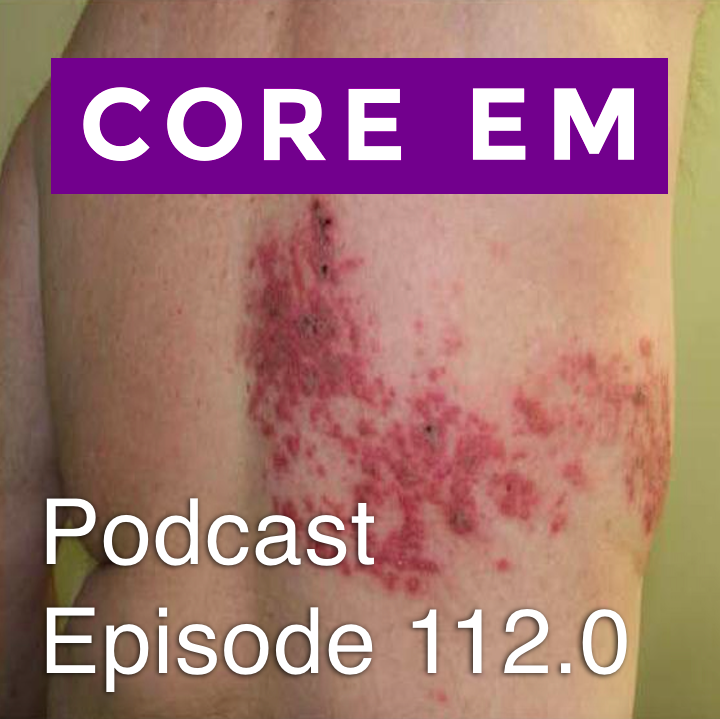
    This week we discuss the presentation and management of herpes zoster.

    https://media.blubrry.com/coreem/content.blubrry.com/coreem/Podcast_Episode_112_0_Final_Cut.m4a Download Leave a Comment Tags: Infectious Diseases, Varicella

    Show Notes

    Take Home Points

    • Classically, herpes zoster will present with rash and pain in a dermatomal distribution
    • Immunocompromised patients are at greater risk for significant complications of zoster, including visceral dissemination and zoster ophthalmicus
    • Appropriate therapy includes antiviral therapy within 72 hours of onset of symptoms and analgesia for acute neuritis
    • Disseminated zoster and zoster ophthalmicus threatening sight should be treated with IV antivirals

    Read More

    Emergency Medicine Ireland: Tasty Morsels of EM 073: FRCEM Varicella

    Life in the Fast Lane: Herpes zoster ophthalmicus

    Core EM: Herpes Zoster


    Read More

    Episode 111.0 – Snake Bites Sep 04, 2017
    Show notes

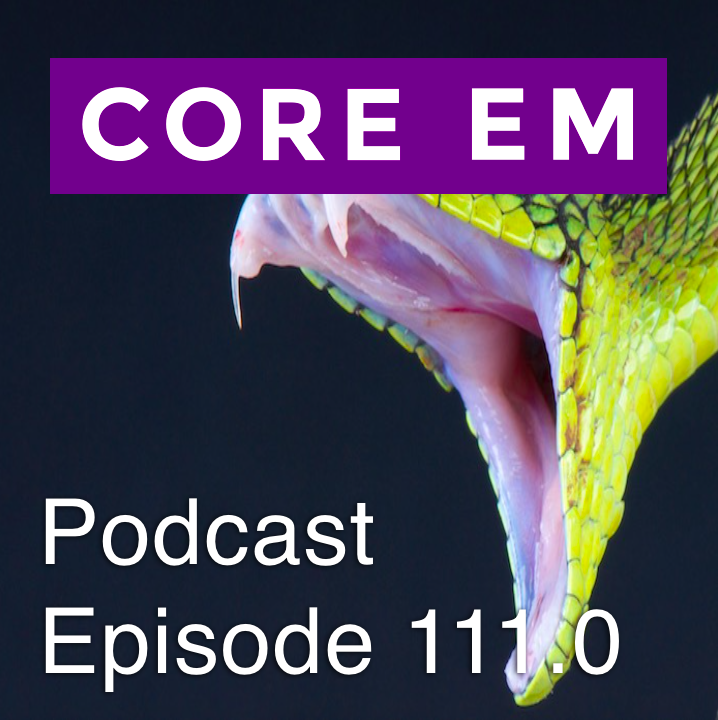
    This week we discuss the presentation and management of native US snake bites with Dr. Meghan Spyres

    https://media.blubrry.com/coreem/content.blubrry.com/coreem/Podcast_Episode_111_0_Final_Cut.m4a Download Leave a Comment Tags: Rattlesnakes, Snake Bites, Snake Envenomation, Toxicology, Vipers

    Show Notes

    Read More

    ALiEM: Envenomations: Initial Management of Common US Snakebites


    Read More

    Episode 110.0 – Advanced RSI Topics Aug 21, 2017
    Show notes

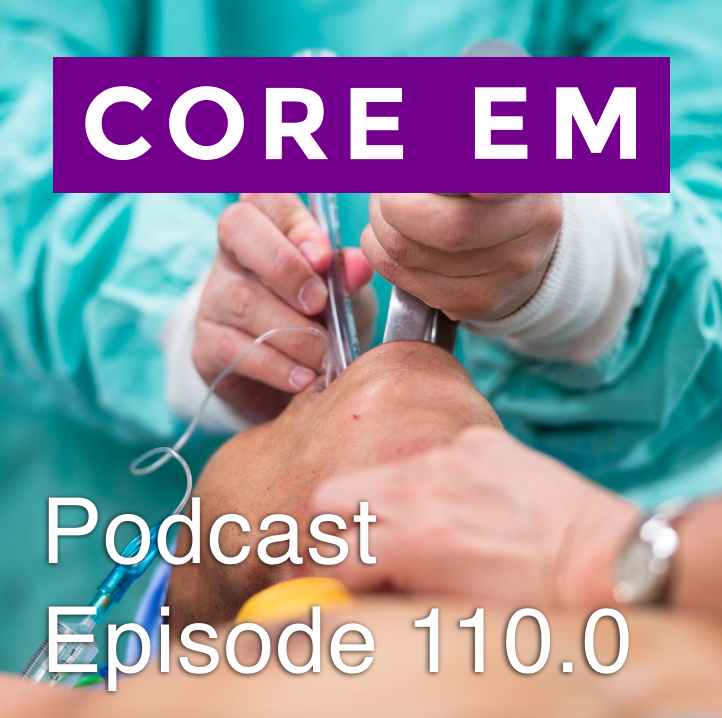
    This week we dive into some advanced topics in RSI including patient positioning and pre-intubation resuscitation.

    https://media.blubrry.com/coreem/content.blubrry.com/coreem/Podcast_Episode_110_0_Final_Cut.m4a Download One Comment

    Show Notes

    Take Home Points

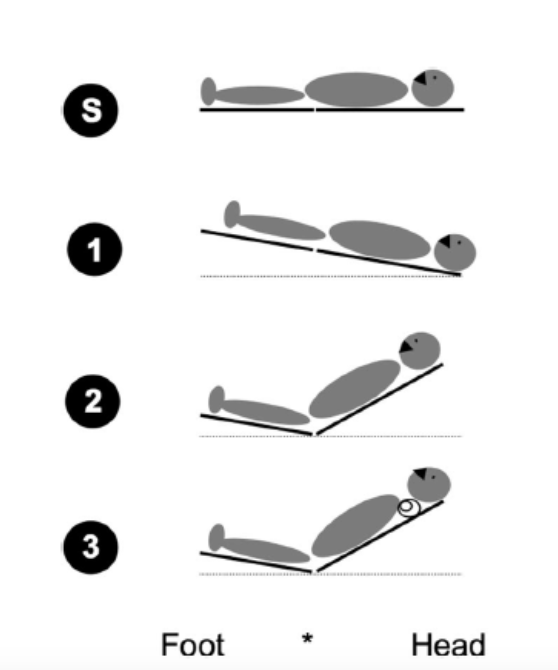
    1. Bed up head elevated position for intubation may reduce intubation related complications.
    2. Patients who are hypotensive or at risk of hypotension should be aggressively resuscitation prior to intubation with fluids and liberal use of pressors
    3. Shock patients would be intubated with decreased induction agent dose, preferably ketamine, and increased paralytic dose.

    Bed-Up-Head-Elevated Positioning

    Show Notes

    EMCrit: Podcast 104 – Laryngosocpe as a Murger Weapon (LAMW) Series – Hemodynamic Kills

    Life in the Fastlane: Intubation, hypotension and shock

    Core EM: Bed Up Head Elevated Position for Airway Management Video

    REBEL EM: Critical Care Updates: Resuscitation Sequence Intubation – Hypotension Kills (Part 1 of 3)

    ALiEM: The Dirty Epi Drip: IV Epinephrine When You Need It

    emDocs: Roc Rocks and Sux Sucks! Why Rocuronium is the Agent of Choice for RSI

    Swaminathan A, Mallemat H. Rocuronium Should Be the Default Paralytic in Rapid Sequence Intubation. Ann Emerg Med 2017. PMID: 28601274

    Khandelwal N et al. Head-Elevated Patient Positioning Decreases Complications of Emergent Tracheal Intubation in the Ward and Intensive Care Unit. Anesth Analg 2016; 122(4): 1101-7. PMID: 26866753


    Read More

    Episode 109.0 – Renal + GU Emergencies Aug 14, 2017
    Show notes

    This week we discuss some quick pearls from our conference covering an array of renal and GU pathologies.

    https://media.blubrry.com/coreem/content.blubrry.com/coreem/Podcast_Episode_109_0_Final_Cut.m4a Download Leave a Comment Tags: GU, Renal, Urology

    Show Notes

    Read More

    Core EM: Testicular Torsion

    Core EM: Podcast Episode 92.0 – Dialysis Emergencies

    Al Sacchetti: ED Repair of Bleeding Dialysis Shunt

    EM: RAP: Episode 107 – Dialysis Emergencies

    EMBlog Mayo Clinic: How to Stop a Post-Dialysis Site Bleeding

    emDocs: Managing Fistula Complications in the Emergency Department

    References

    Mellick LB. Torsion of the testicle: It is time to stopping tossing the dice. Pediatric Emer Care 2012; 28: 80-6. PMID: 22217895


    Read More

    Episode 108.0 – Intubation in In-Hospital Cardiac Arrest Jul 31, 2017
    Show notes

    Should we intubate patients in cardiac arrest? We discuss this topic and some basics of running a good arrest.

    https://media.blubrry.com/coreem/content.blubrry.com/coreem/Episode_108_0_Final_Cut.m4a Download Leave a Comment Tags: Advanced Airway Management, Cardiac Arrest, Critical Care, Resuscitation

    Show Notes

    Take Home Points

    1. Intra-arrest intubation does not appear to improve outcomes. For most patients, support with BVM, or possibly an LMA, is adequate.
    2. Instead of securing an advanced airway, focus on the two things that clearly make a difference in outcomes – good compressions and defibirillation
    3. Good compressions should be fast and hard and you must minimize interruptions in compressions to minimize interruptions in perfusion
    4. Don’t forget that a great resuscitation requires great preparation. Take whatever time you have to discuss with your team and assign roles.

    Read More

    Rebel EM: In-hospital Cardiac Arrest – The First 15 Minues

    Core EM: Proper Defibrillator Pad Placement + Dual Sequential Defibrillation

    REBEL EM: Beyond ACLS: Cognitively Offloading During a Cardiac Arrest

    REBEL EM: Beyond ACLS: POCUS in Cardiac Arrest

    REBEL EM: Beyond ACLS: CPR, Defibrillation and Epinephrine

    REBEL EM: Beyond ACLS: Pre-Charging the Defibrillator


    Read More

    Previous 1 10 11 12 13 14 24 Next

    Related Podcasts

    The Joe Rogan Experience

    1

    The Joe Rogan Experience Comedy
    More Perfect

    2

    More Perfect Government
    Casefile True Crime

    3

    Casefile True Crime Games & Hobbies
    Reply All

    4

    Reply All Games & Hobbies
    You Must Remember This

    5

    You Must Remember This Games & Hobbies
    Real Time with Bill Maher

    6

    Real Time with Bill Maher Games & Hobbies
    footer-logo

    Contact Us

    Toll Free: 844-670-7747

    Links

    • Home
    • Top Charts
    • Networks
    • Apps
    • Independents Podcasts
    • Podcast Advertising
    • Podcast News
    • Contact Us
    • About Us
    • Analytics & Insights

    Stay Connected

      Privacy, Terms of Use & Our Code of Ethics Protecting Content Creators Copyrights