TopPodcast.com
Menu
  • Home
  • Top Charts
  • Top Networks
  • Top Apps
  • Top Independents
  • Top Podfluencers
  • Top Picks
    • Top Business Podcasts
    • Top True Crime Podcasts
    • Top Finance Podcasts
    • Top Comedy Podcasts
    • Top Music Podcasts
    • Top Womens Podcasts
    • Top Kids Podcasts
    • Top Sports Podcasts
    • Top News Podcasts
    • Top Tech Podcasts
    • Top Crypto Podcasts
    • Top Entrepreneurial Podcasts
    • Top Fantasy Sports Podcasts
    • Top Political Podcasts
    • Top Science Podcasts
    • Top Self Help Podcasts
    • Top Sports Betting Podcasts
    • Top Stocks Podcasts
  • Podcast News
  • About Us
  • Podcast Advertising
  • Contact
Not in our directory?
Add Show Here
Podcast Equipment
Center

toppodcastlogoOur TOPPODCAST Picks

  • Comedy
  • Crypto
  • Sports
  • News
  • Politics
  • True Crime
  • Business
  • Finance

Follow Us

toppodcastlogoStay Connected

    View Top 200 Chart
    Back to Rankings Page
    Kids & Family

    The RV Atlas Podcast – RVFTA Podcast Network

    A weekly podcast from the writers of rvfamilytravelatlas.com, focusing on topics that relate to RV family travel. We review campgrounds, discuss tips and tricks for traveling with kids, and answer our readers’ most common questions. We also chat about food, gear, and those times when everything doesn’t quite go as planned.

    Advertise

    Copyright: © The RV Atlas, 2014-2021

    • Apple Podcasts
    • Google Play
    • Spotify

    Latest Episodes:
    Disney’s Fort Wilderness in 2026: Is the Magic Still There? Jun 05, 2026
    Show notes

    On this week’s episode of The RV Atlas Podcast, we revisit one of the most iconic campgrounds in America: Disney’s Fort Wilderness Resort & Campground.

    For years, we’ve called Fort Wilderness one of our favorite campgrounds in the country. It combines the beauty and tranquility of a forested campground with immediate access to all the magic of Walt Disney World. But a lot has changed recently. Disney is constructing the new Disney Vacation Club resort, Lakeshore Lodge, next door, and longtime Fort Wilderness fans have strong opinions about what that might mean for the future of the campground.

    To get an up-to-date perspective, we invited longtime RVer and Disney enthusiast Jess Phillips onto the show. Jess recently returned from a stay at Fort Wilderness with her husband Dan and their two daughters, giving us a fresh look at what the campground experience is like right now. Then we turn to the RV Atlas Facebook Group to hear what other campers had to say about the ongoing changes.

    To listen to our interview with Jess click on the media player above or subscribe to The RV Atlas podcast wherever you get your favorite shows!

    Why Disney’s Fort Wilderness Remains So Special

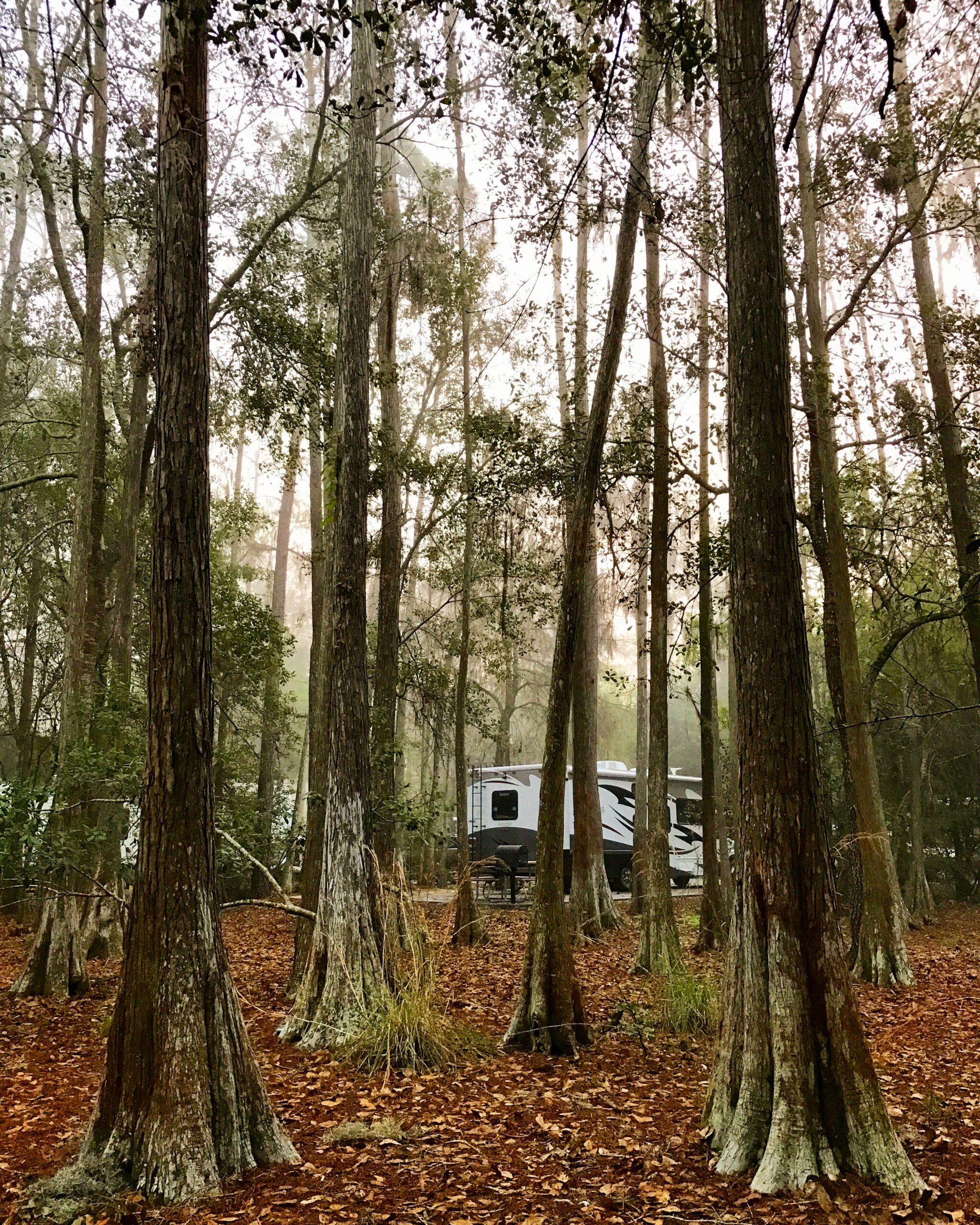
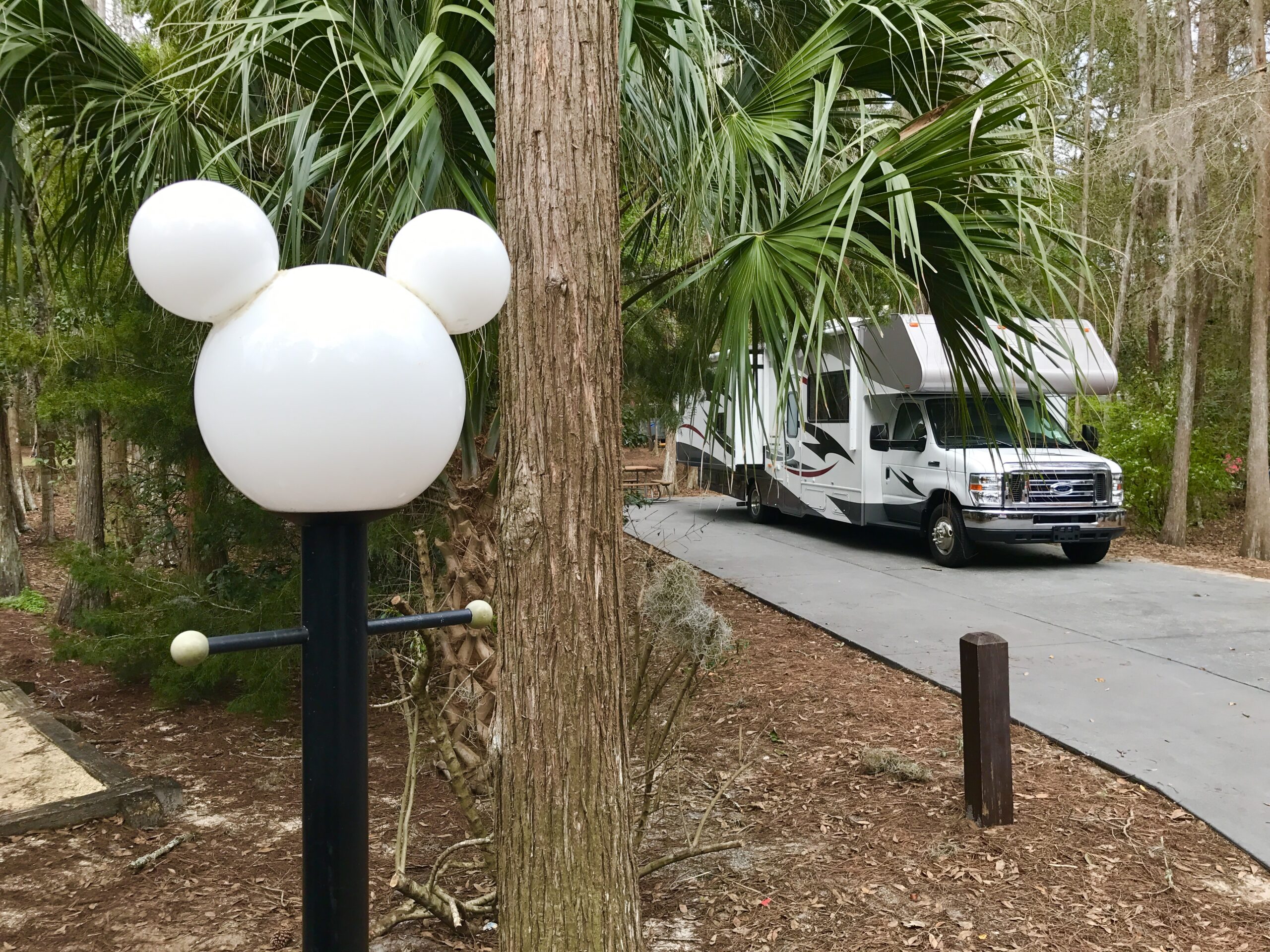
    Even after all these years, Disney’s Fort Wilderness remains one of the most unique camping experiences in America.

    Located directly on Walt Disney World property, Fort Wilderness sits across Bay Lake from Magic Kingdom. Guests enjoy easy access to all four Disney parks while staying in a campground that feels remarkably peaceful and secluded.

    What makes the Fort special is the contrast. One moment you’re riding Space Mountain or watching a parade in Magic Kingdom. A short ferry ride later, you’re back beneath towering cypress trees, listening to birds and relaxing at your campsite.

    Jess described it perfectly: Disney’s Fort Wilderness feels like a state park campground that just happens to be located inside Walt Disney World.

    A Campground That Feels Like a State Park

    One of the biggest surprises for first-time visitors is how natural Fort Wilderness feels.

    The campground covers approximately 750 acres and includes:

    • Nearly 800 campsites
    • More than 300 cabins
    • Forested loops
    • Paved biking paths
    • Multiple playgrounds
    • Pools
    • Camp stores
    • Restaurants
    • Boat transportation

    Despite its size, it never feels crowded.

    The campsites are large, paved, level, and carefully maintained. Loops are designed to minimize traffic, creating a quiet atmosphere that feels far removed from the energy of the theme parks.

    Jess noted that even during a packed week in March, the individual camping loops remained calm and peaceful.

    Biking, Looping, and Exploring

    One of the unofficial traditions at Fort Wilderness is “looping.”

    Visitors spend hours riding golf carts or bicycles through the campground exploring:

    • Decorated campsites
    • Elaborately themed displays
    • Vintage RVs
    • Luxury motorhomes
    • Family camping setups

    As always, the campground featured impressive site decorations during Jess’s visit, even in early March.

    For many campers, simply riding through the loops is part of the entertainment.

    It’s also one of the best RV shows in America. You can see everything from pop-up campers to million-dollar motorhomes all in one place.

    Getting Around Walt Disney World

    One of Fort Wilderness’s biggest advantages is transportation.

    Guests can access every Disney park without moving their RV.

    Transportation options include:

    • Internal campground buses
    • Disney buses to all parks
    • Ferry boats to Magic Kingdom
    • Walking and biking trails throughout the campground

    Jess’s family relied heavily on the internal transportation system and found it efficient and easy to navigate.

    The ferry ride to Magic Kingdom remains one of the most magical parts of staying at the Fort.

    The Pools and Recreation Areas

    The Meadow Recreation Area continues to serve as the heart of campground activity.

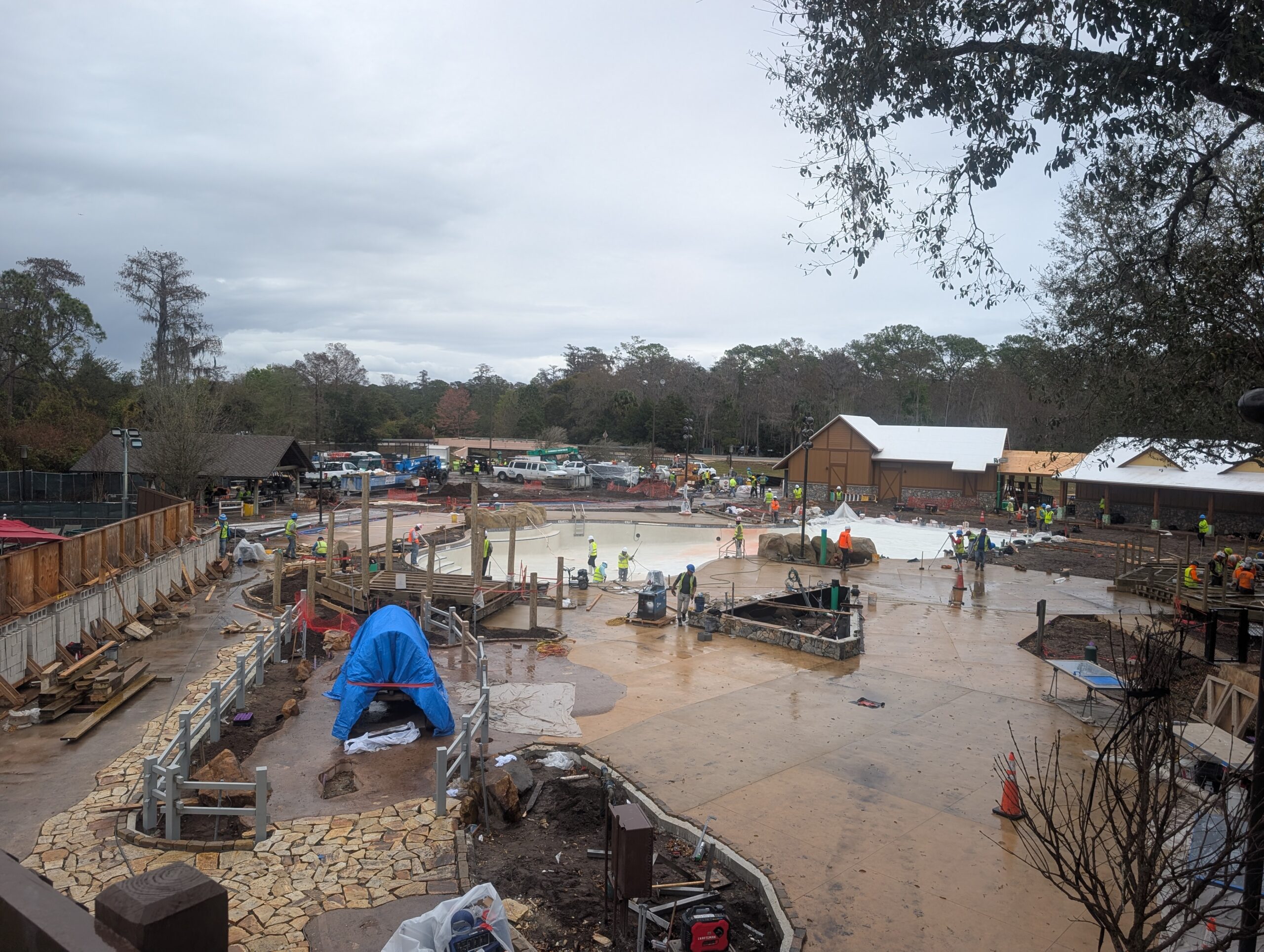
    During Jess’s visit, Disney was completing work on a major pool expansion project.

    The recreation complex now includes:

    • The original Meadow Pool
    • A new zero-entry pool
    • Water play areas
    • Family activities
    • Poolside games and events

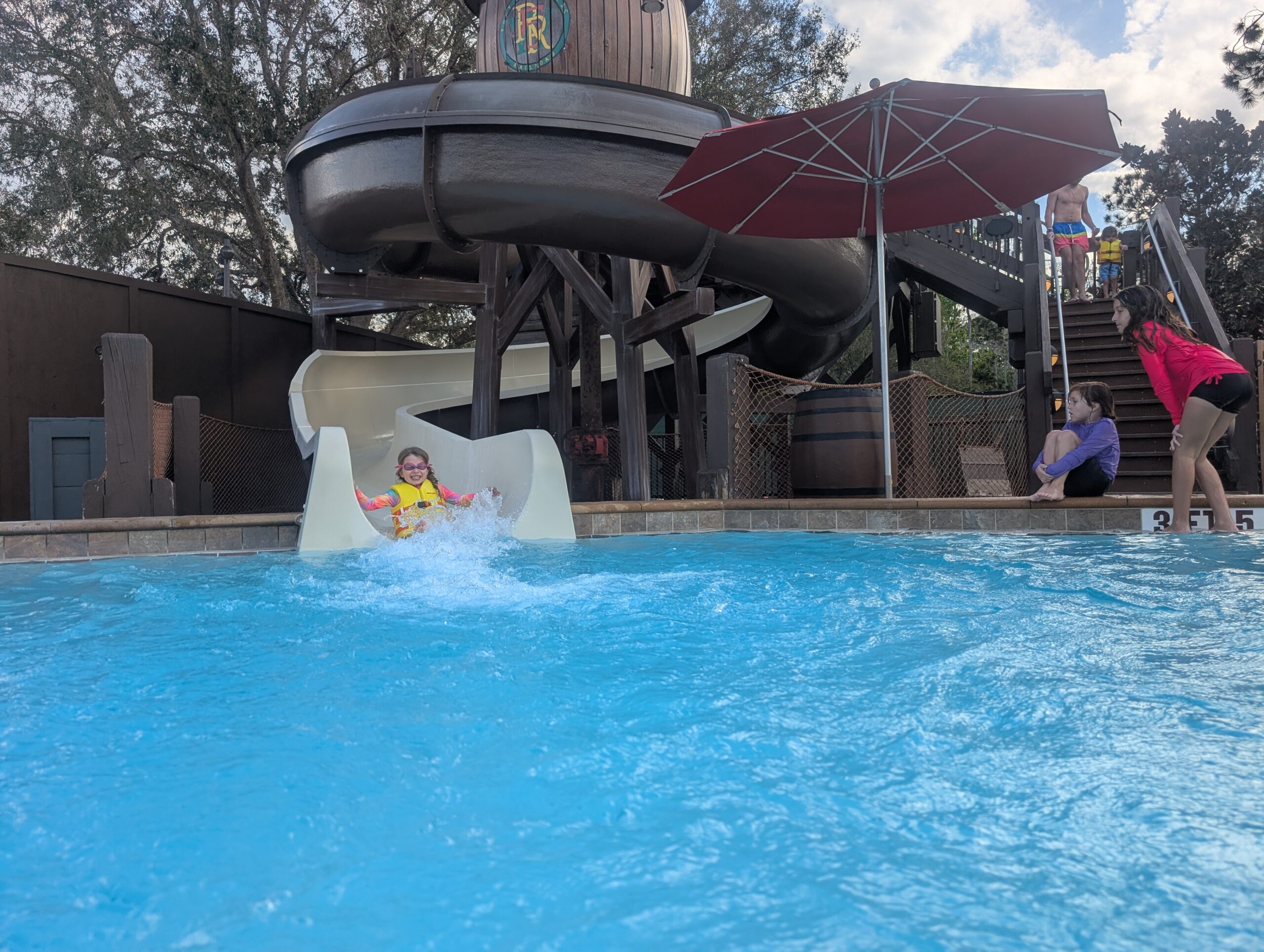
    The original waterslide remained a huge hit with the kids, while the new additions make the area even more appealing for younger families.

    Combined with playgrounds, bike paths, and open spaces, there’s plenty to do even on non-park days.

    Dining at Disney’s Fort Wilderness

    One of the great things about Fort Wilderness is that you can make the experience as simple or as elaborate as you want.

    Many families cook at their campsites, but there are also several dining options available:

    Hoop-Dee-Doo Musical Revue

    The legendary dinner show remains one of the most beloved experiences at Walt Disney World.

    Located at Pioneer Hall, Hoop-Dee-Doo continues to draw devoted fans year after year.

    Trail’s End Area

    While Trail’s End has changed over the years, the area remains a gathering place for guests staying at the campground.

    Crockett’s Tavern

    Offering drinks and casual fare, Crockett’s provides a relaxed option near Pioneer Hall.

    Chuck Wagon Snack Bar

    Located near the Chip ’n Dale Campfire Sing-Along, the Chuck Wagon offers snacks, drinks, and treats for families enjoying evening activities.

    The Chip ‘n Dale Campfire Sing-Along

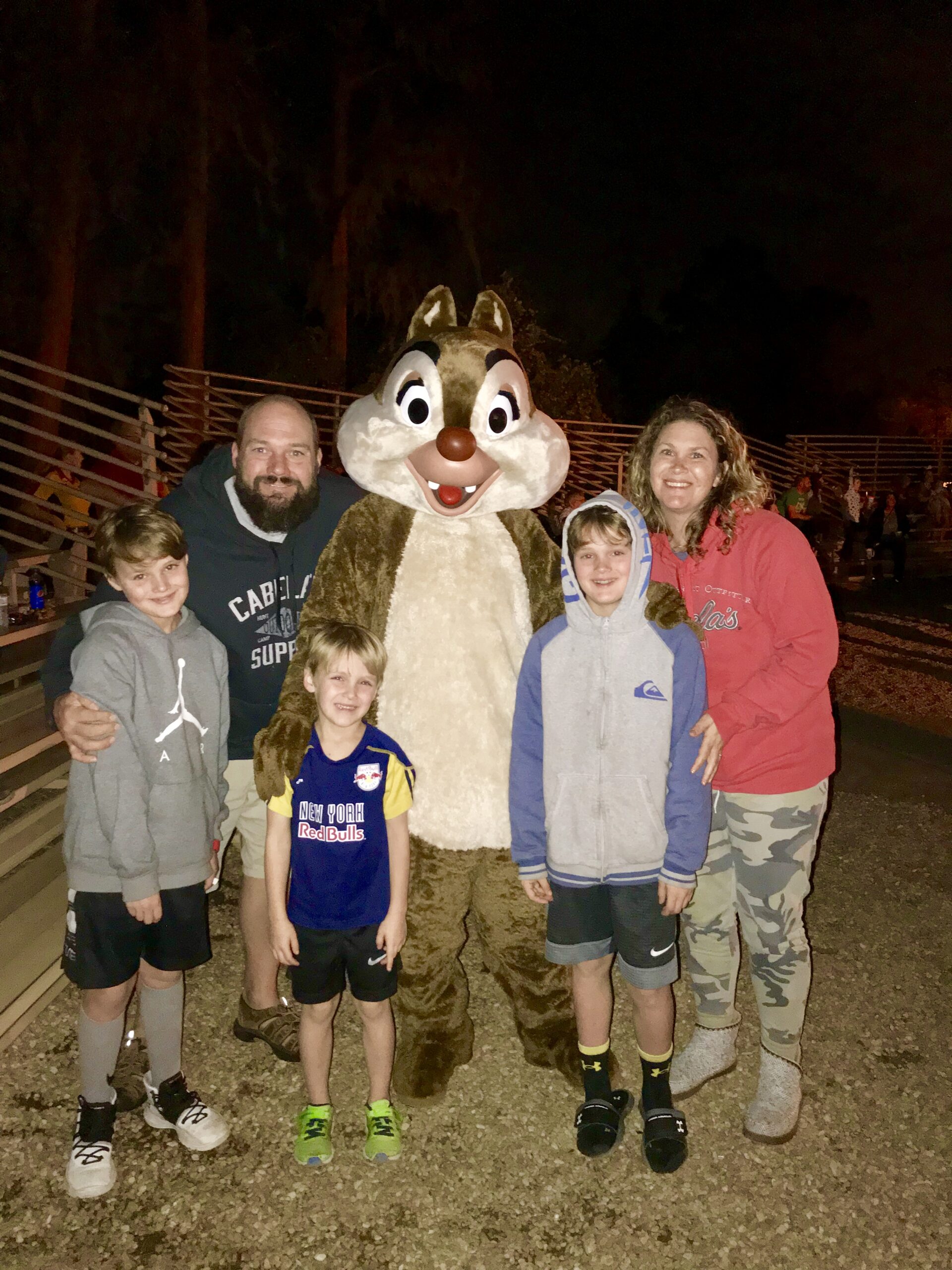
    For many families, the Campfire Sing-Along remains one of the most memorable experiences at Fort Wilderness.

    Each evening guests can:

    • Roast marshmallows
    • Meet Chip and Dale
    • Participate in sing-alongs
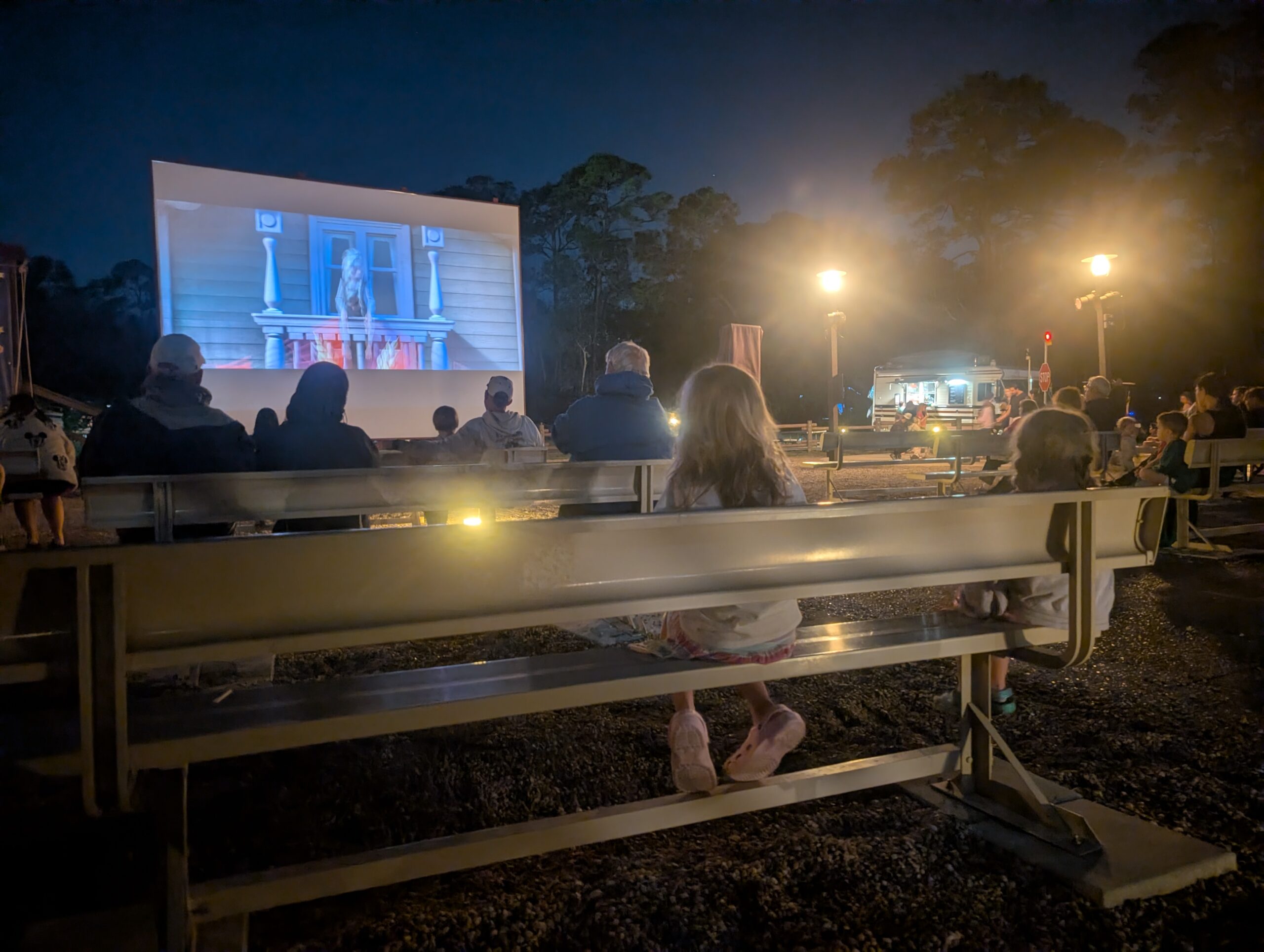
    • Watch an outdoor Disney movie

    Jess described it as one of the highlights of the trip and a perfect example of the simple magic that Fort Wilderness does so well.

    The Disney Parks Experience

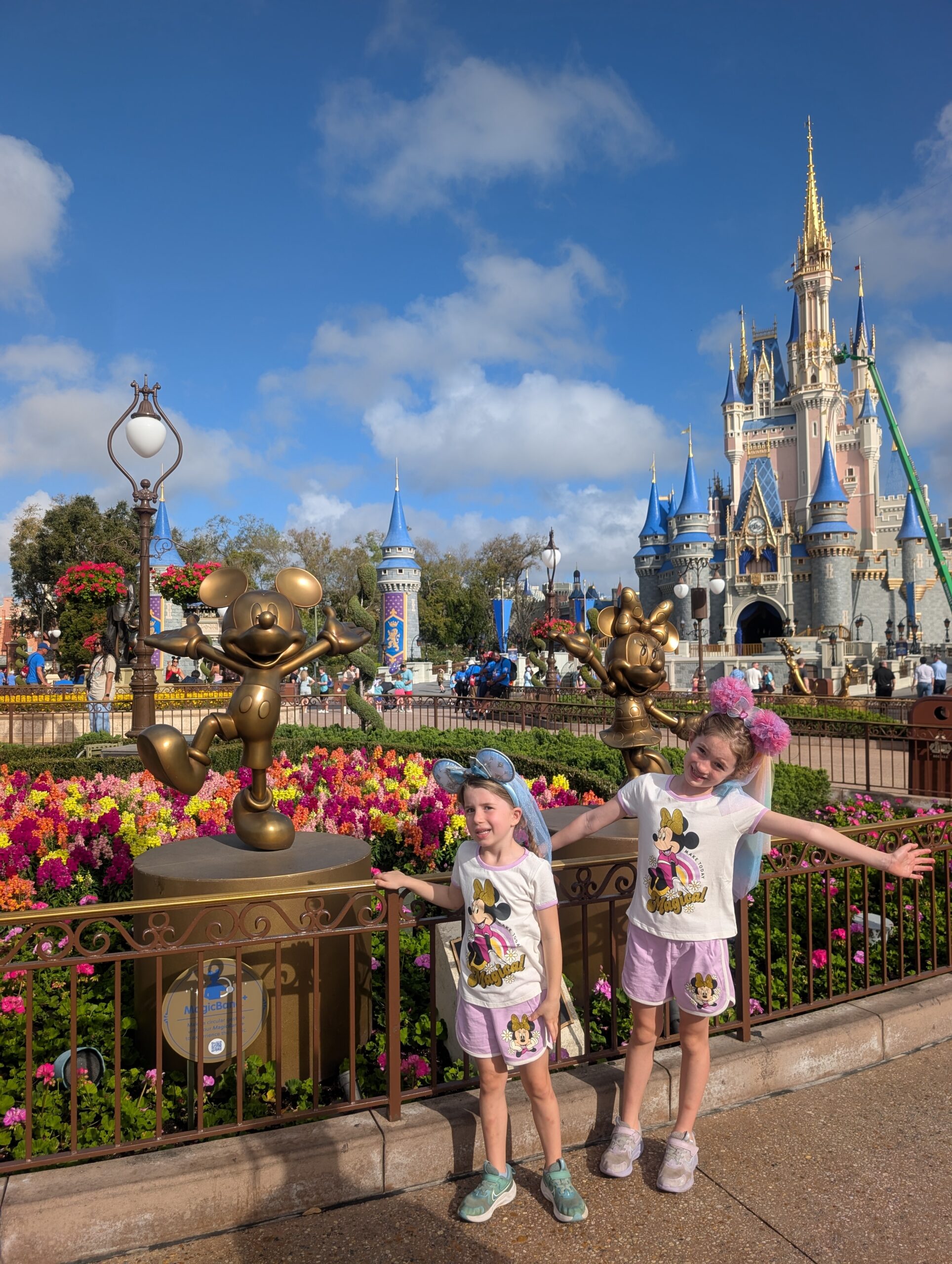
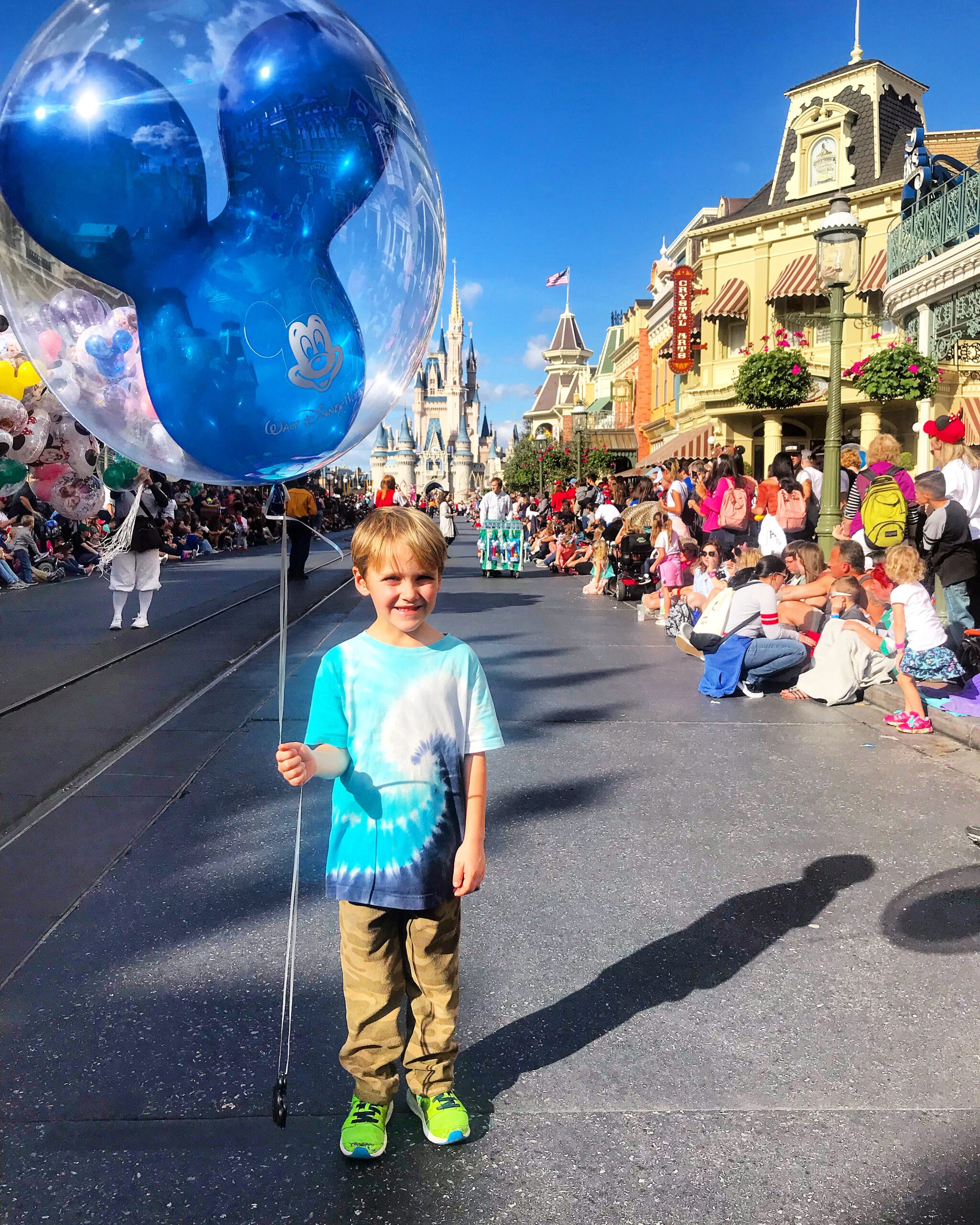
    During their stay, Jess’s family visited all four Walt Disney World parks.

    Some highlights included:

    • Hollywood Studios
    • Animal Kingdom
    • Magic Kingdom
    • EPCOT

    For Jess’s daughters, who are now old enough for many of the larger attractions, the trip felt completely different from their first visit.

    This time they tackled:

    • Space Mountain
    • Tower of Terror
    • Larger thrill rides
    • Character experiences
    • Parades
    • Fireworks

    One standout dining experience was Woody’s Roundup Rodeo BBQ in Toy Story Land at Hollywood Studios.

    The family also enjoyed seeing many of the ongoing additions and expansions throughout the parks, including future projects that will likely bring them back in the years ahead.

    The Big Question: How Does Lakeshore Lodge Affect Fort Wilderness?

    Now for the topic everyone wants to discuss.

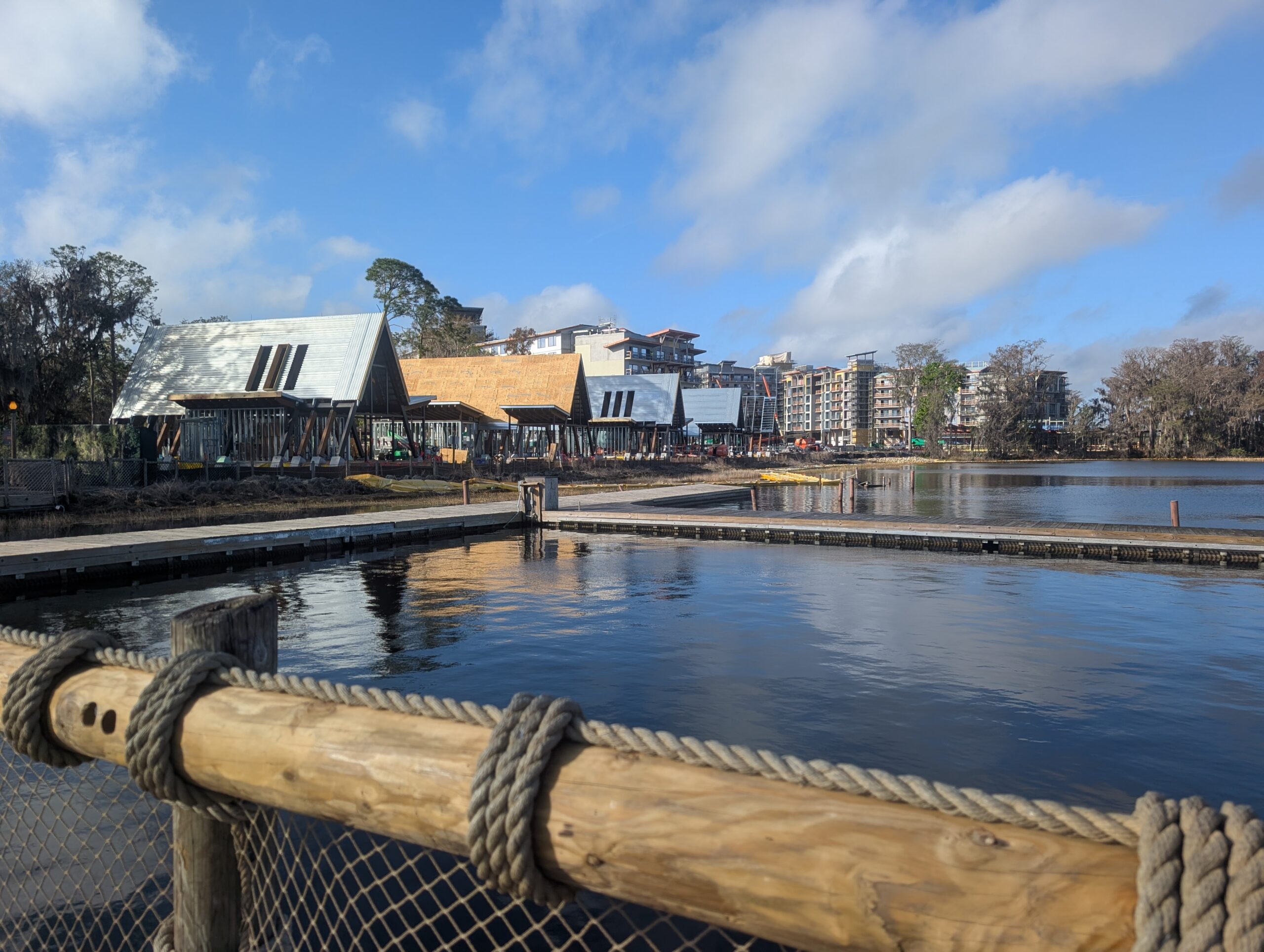
    The new Disney Vacation Club resort, Lakeshore Lodge, is currently under construction adjacent to Fort Wilderness.

    Jess’s assessment was nuanced.

    At the campsites themselves:

    • You don’t see it.
    • You don’t hear it.
    • It doesn’t affect the camping loops.

    The campground experience remains largely unchanged.

    However, the story changes near Pioneer Hall and the waterfront.

    The new resort is:

    • Massive in scale
    • Highly visible from the waterfront area
    • Much closer to Pioneer Hall than many expected

    The former beach area near the waterfront has largely disappeared, and the resort now dominates views that were previously open to Bay Lake.

    For longtime Fort Wilderness visitors, this is where most of the concern exists.

    What RV Atlas Facebook Group Members Are Saying

    After the interview, we turned to the RV Atlas Facebook Group to gather additional perspectives.

    The responses covered the entire spectrum.

    Some members believe:

    • The new resort is an eyesore
    • It detracts from the wilderness atmosphere
    • It changes the character of the waterfront

    Others are optimistic, believing:

    • New restaurants will be a benefit
    • Additional transportation options may be added
    • New amenities could improve the overall experience

    Interestingly, nearly everyone agreed on one thing:

    The campsites themselves remain largely unaffected.

    Most campers reported that once they returned to their loops, the Fort still felt like the Fort.

    Will We Go Back? Will Jess and Family Go Back?

    Absolutely. And absolutely!

    Like many families, Jess’s daughters are already lobbying for another trip! Our kids are too!

    Final Thoughts

    Fort Wilderness is changing.

    There’s no question that the construction of Lakeshore Lodge is altering some of the views and experiences near Pioneer Hall.

    But based on Jess’s recent visit—and the feedback from many members of the RV Atlas community—the core experience remains remarkably intact.

    The campsites are still beautiful.

    The loops are still peaceful.

    The transportation is still excellent.

    The campfire sing-alongs are still magical.

    And for families looking to combine RV camping with Walt Disney World, there is still nothing else quite like it.

    Whether you’re a longtime Fort Wilderness fan or planning your very first visit, the magic is still very much alive.

    We’ll see you at the campground.

    The post Disney’s Fort Wilderness in 2026: Is the Magic Still There? appeared first on The RV Atlas.


    RVing in “The First State” and Celebrating 75 Years of Delaware State Parks Jun 02, 2026
    Show notes

    On this week’s episode of The RV Atlas podcast, we celebrate a major milestone: 75 years of Delaware State Parks.

    To mark the occasion, we’re joined by Alex Hannah, who oversees marketing and outreach for the Delaware State Park system. Alex brings incredible enthusiasm, deep knowledge of the parks, and plenty of insider tips for RVers looking to explore one of the most underrated state park systems in America.

    For a small state, Delaware truly punches above its weight class. With beautiful beaches, forested campgrounds, historic sites, water recreation, wildlife viewing, and year-round camping opportunities, Delaware State Parks offer an impressive variety of experiences packed into a remarkably compact area.

    In this episode, we dive into the history of the park system, explore all five state parks that offer camping, and highlight some of the lesser-known parks that make excellent day trips during your stay.

    Thank you to the DNREC Division of Parks and Recreation for providing the photos for this post!

    To listen to our interview with Alex Hannah please click on the media player above or subscribe to the RV Atlas podcast wherever you get your favorite shows!

    Celebrating 75 Years of Delaware State Parks
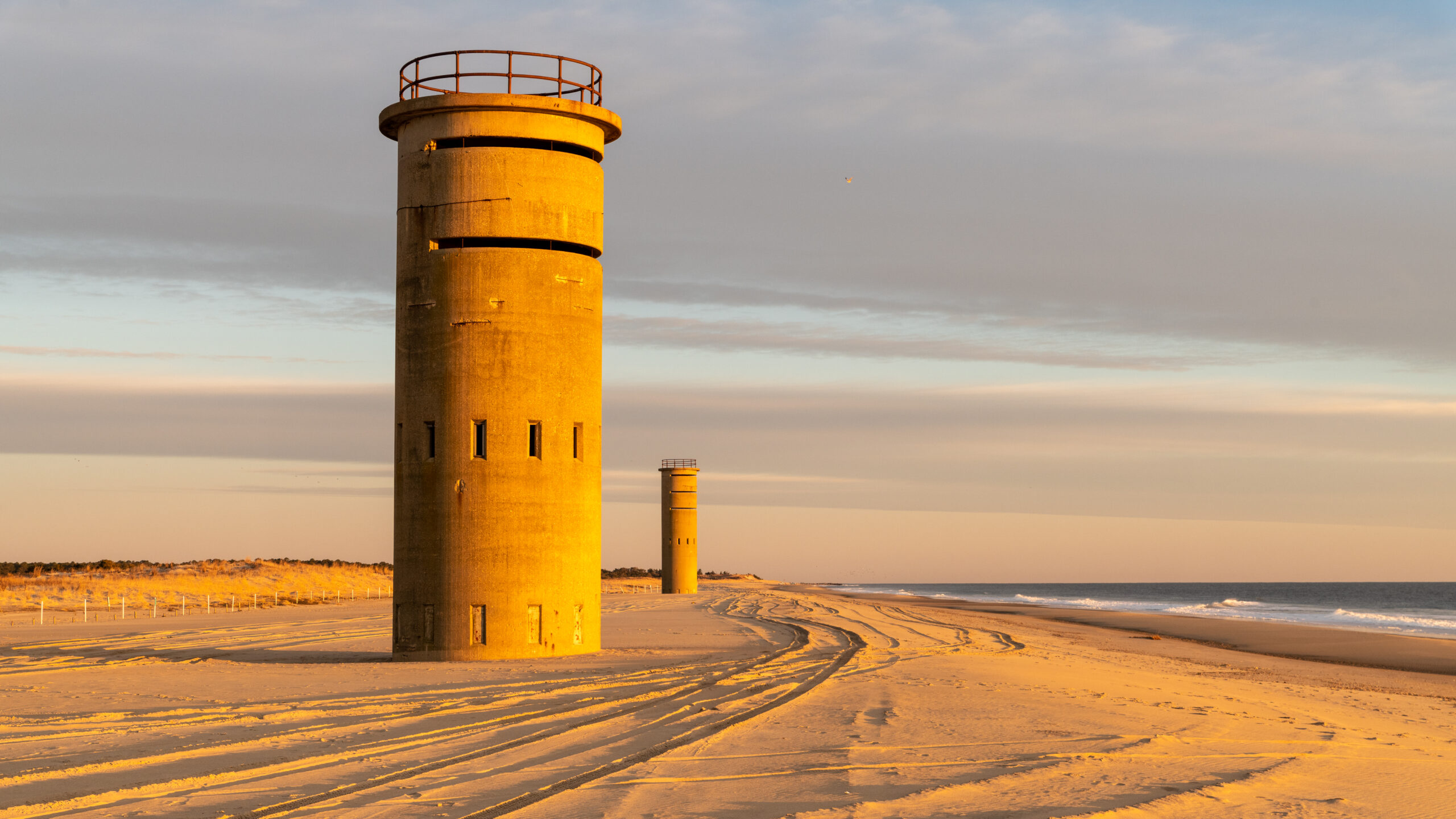
    Photo provided by DNREC Division of Parks and Recreation

    While Delaware State Parks officially began in 1951, the roots of the system stretch back much further.

    Alex shared that the original concept of preserving land for public use dates all the way back to 1682, when William Penn established the Warner Grant at Cape Henlopen. More than 300 years later, that same conservation mindset continues to guide the system today.

    The first official Delaware State Parks were:

    • Trap Pond State Park
    • Fort Delaware State Park
    • Brandywine Springs State Park

    Today, the system has grown to 17 parks, a zoo, a marina, campgrounds, beaches, historic sites, and countless recreational opportunities throughout the state.

    Why Delaware State Parks Stand Out

    One of the most impressive facts about Delaware State Parks is how they operate.

    Unlike many state park systems, Delaware is approximately 65% self-funded, which means the parks must continuously focus on visitor experience, programming, amenities, and customer satisfaction.

    That commitment has helped Delaware earn the prestigious National Gold Medal Award for Excellence in Park and Recreation Management twice—an honor shared by very few state park systems nationwide.

    The result is a system that feels both welcoming and innovative, with new amenities, upgraded facilities, extensive programming, and year-round opportunities for outdoor recreation.

    The Five Delaware State Parks with Campgrounds

    For RVers, Delaware offers five state parks with camping facilities, and each delivers a distinct experience.

    Lums Pond State Park
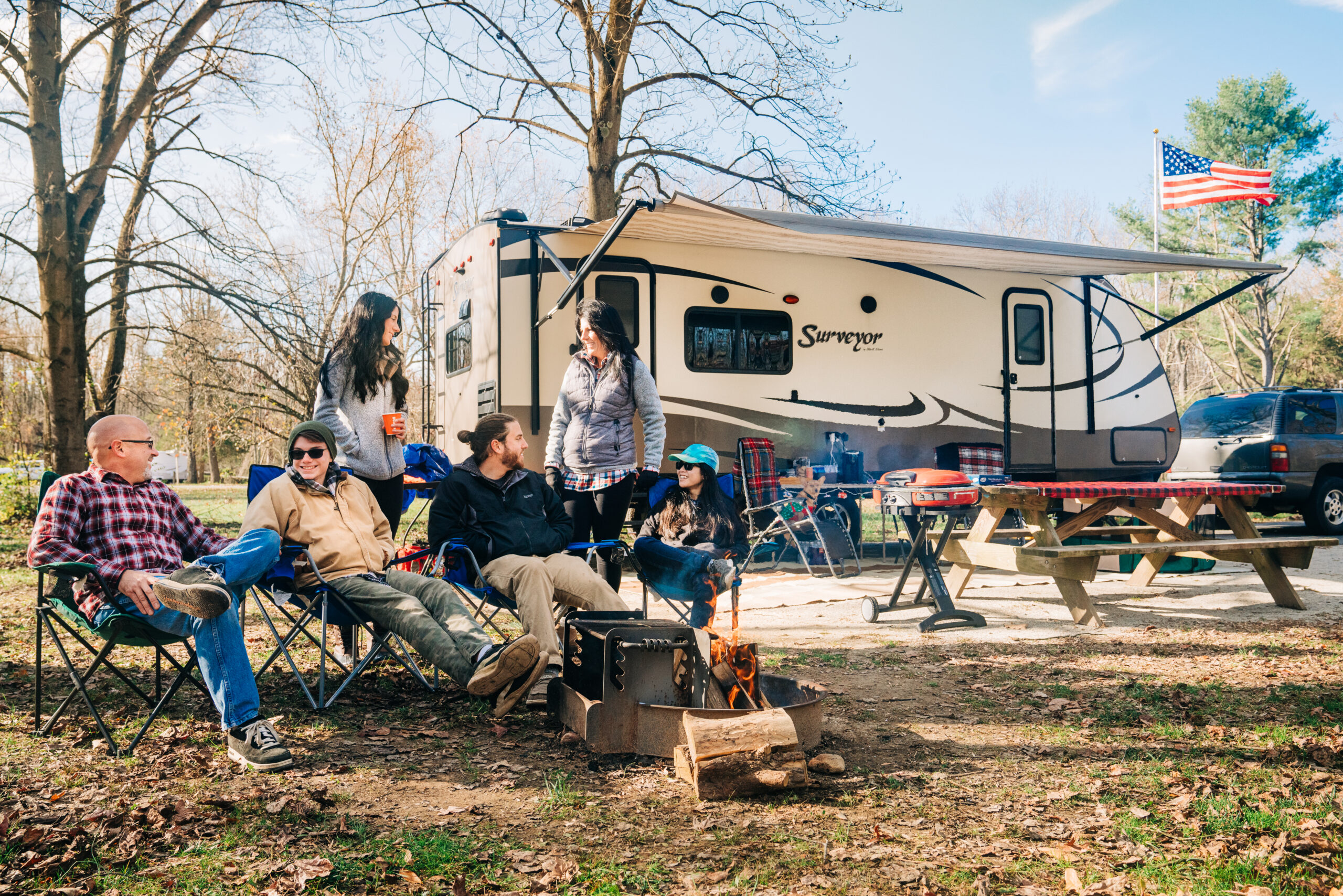
    Photo provided by DNREC Division of Parks and Recreation

    Located in northern Delaware near Bear, Lums Pond serves as an ideal basecamp for exploring Wilmington, Newark, Philadelphia, and the surrounding region.

    The park encompasses roughly 1,700 acres centered around Delaware’s largest freshwater pond.

    Highlights include:

    • Full-hookup RV sites
    • Extensive hiking and biking trails
    • Paddle boating and kayaking
    • Nature center
    • The Go Ape zipline course, which actually sends riders soaring over the water

    One exciting addition is the construction of 14 new waterfront cottages, which will expand lodging options for visitors.

    Lums Pond is also remarkably convenient, making it a favorite stop for RVers traveling north and south along the East Coast.

    Killens Pond State Park
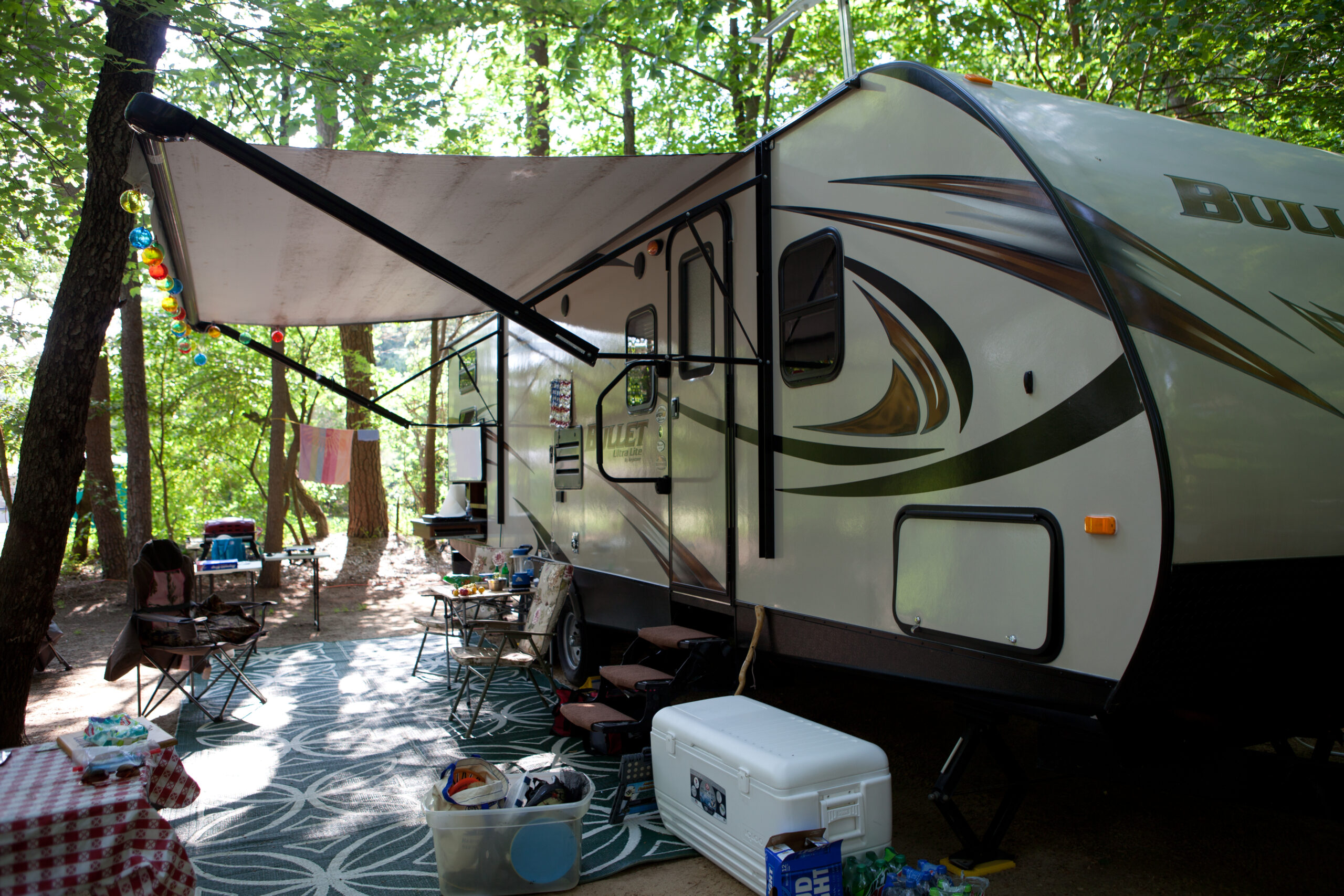
    Photo provided by DNREC Division of Parks and Recreation

    Located near Felton in central Delaware, Killens Pond offers a classic forested state park experience with plenty of recreation opportunities.

    Recent improvements include the opening of a brand-new water park complex featuring:

    • A massive swimming pool
    • Water slides
    • Splash features
    • Family-friendly aquatic attractions

    The campground offers:

    • Water and electric hookups
    • Forested campsites
    • Easy access to hiking, biking, kayaking, and fishing

    Its central location also makes it a popular basecamp for visitors attending events at nearby sports complexes and attractions.

    Trap Pond State Park
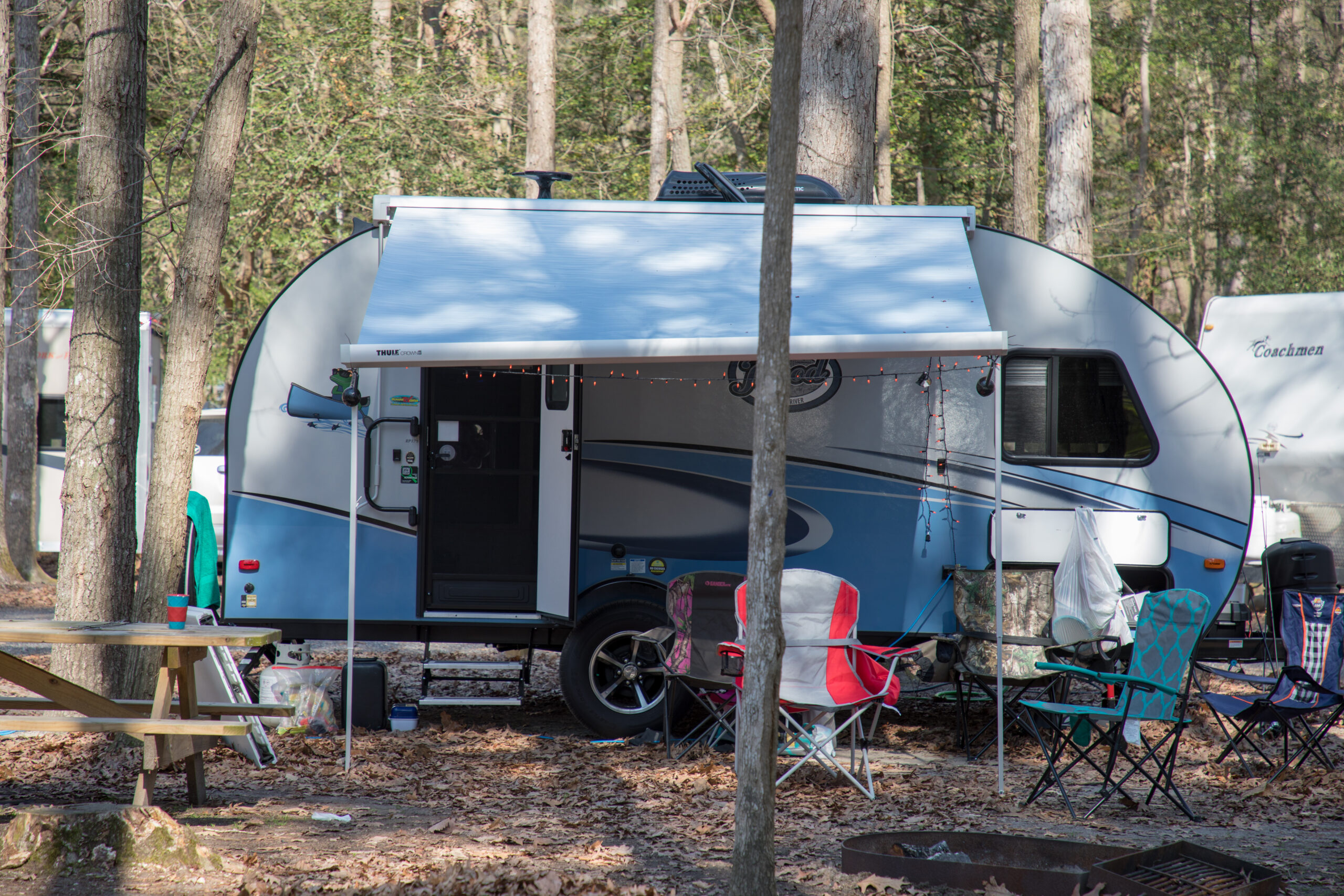
    Photo provided by DNREC Division of Parks and Recreation

    If there is one park that repeatedly came up during our conversation as a hidden gem, it was Trap Pond.

    Located near Laurel in southern Delaware, Trap Pond is Delaware’s first state park and perhaps its most unique.

    The defining feature is its bald cypress swamp, one of the northernmost natural stands of bald cypress trees in the United States.

    Visitors can:

    • Paddle through the cypress swamp by kayak
    • Take pontoon boat tours
    • Fish and hike
    • Explore water trails
    • Enjoy fall foliage cruises

    Alex described paddling through the cypress trees as feeling more like Louisiana than Delaware.

    New improvements coming to the park include the Cypress Splash Zone, a large new water attraction designed for families.

    For campers seeking a completely different side of Delaware, Trap Pond deserves a spot near the top of the list.

    Delaware Seashore State Park
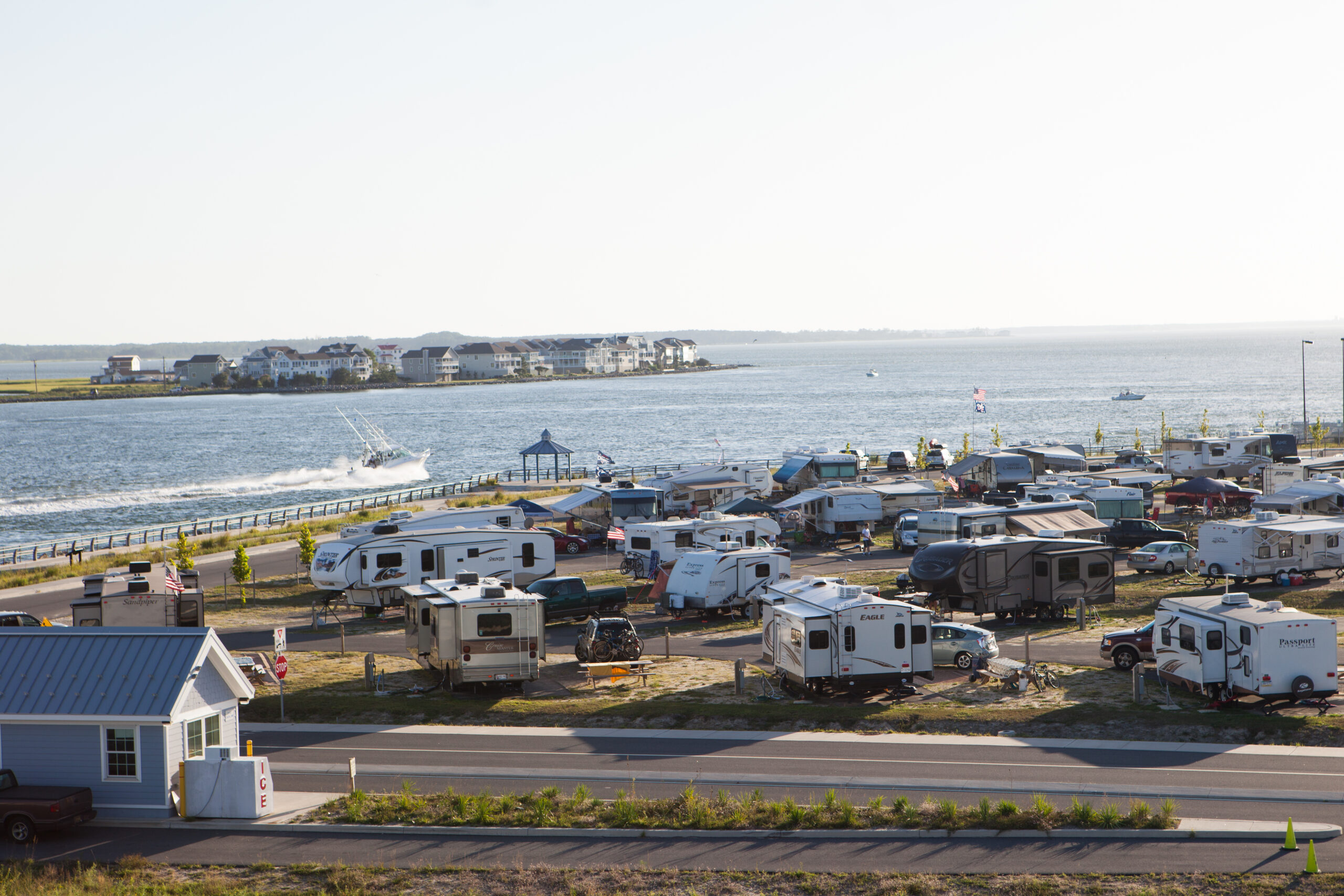
    photo provided by DNREC Division of Parks and Recreation

    Delaware Seashore State Park is one of the crown jewels of the system.

    Located near Rehoboth Beach and Indian River Inlet, this park offers some of the closest beach camping on the East Coast.

    The campground features:

    • More than 220 full-hookup RV sites
    • Direct beach access
    • Bay access
    • Surf fishing
    • Kayaking
    • Historic sites
    • Waterfront dining

    The park is uniquely positioned between the Atlantic Ocean and Rehoboth Bay, giving visitors easy access to two completely different waterfront experiences.

    Alex also highlighted:

    • The Indian River Marina
    • The historic Life-Saving Station
    • The Big Chill Beach Club
    • Dockside Marina Restaurant

    One particularly fascinating attraction is the Tower Road Fire Control Tower, which was used during World War II to help identify enemy submarines offshore.

    Today, visitors can climb to the top and enjoy what Alex considers one of the best views in Delaware.

    Cape Henlopen State Park
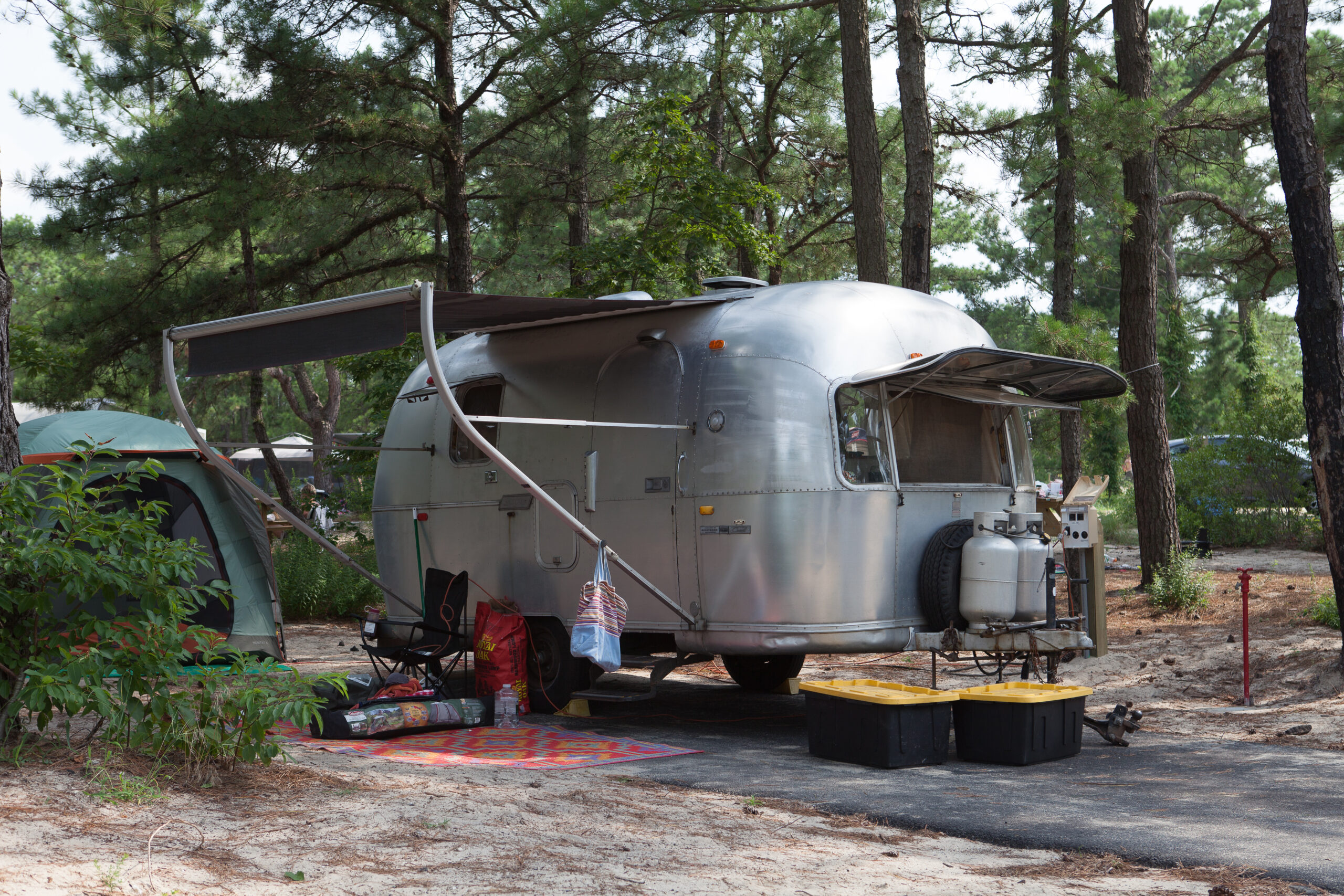
    Photo provided by DNREC Division of Parks and Recreation

    Located near Lewes, Cape Henlopen is perhaps Delaware’s most iconic state park.

    Unlike Delaware Seashore’s open beach environment, Cape Henlopen offers a more forested campground experience while still providing immediate access to the coast.

    Popular activities include:

    • Hiking
    • Biking
    • Disc golf
    • Fishing
    • Beach access
    • Wildlife viewing

    History enthusiasts will especially enjoy Fort Miles, a World War II military installation featuring restored bunkers, exhibits, and reenactments.

    Cape Henlopen is also incredibly convenient for travelers arriving via the Cape May–Lewes Ferry, making it a natural destination for RVers from New Jersey and beyond.

    The campground accommodates everything from smaller trailers to large motorhomes, including pull-through sites for bigger rigs.

    Beyond the Campgrounds: Day Trip Opportunities

    One of Delaware’s greatest strengths is that the state is small enough to allow easy exploration from a single basecamp.

    Alex highlighted several parks worth visiting during your stay:

    Auburn Valley State Park
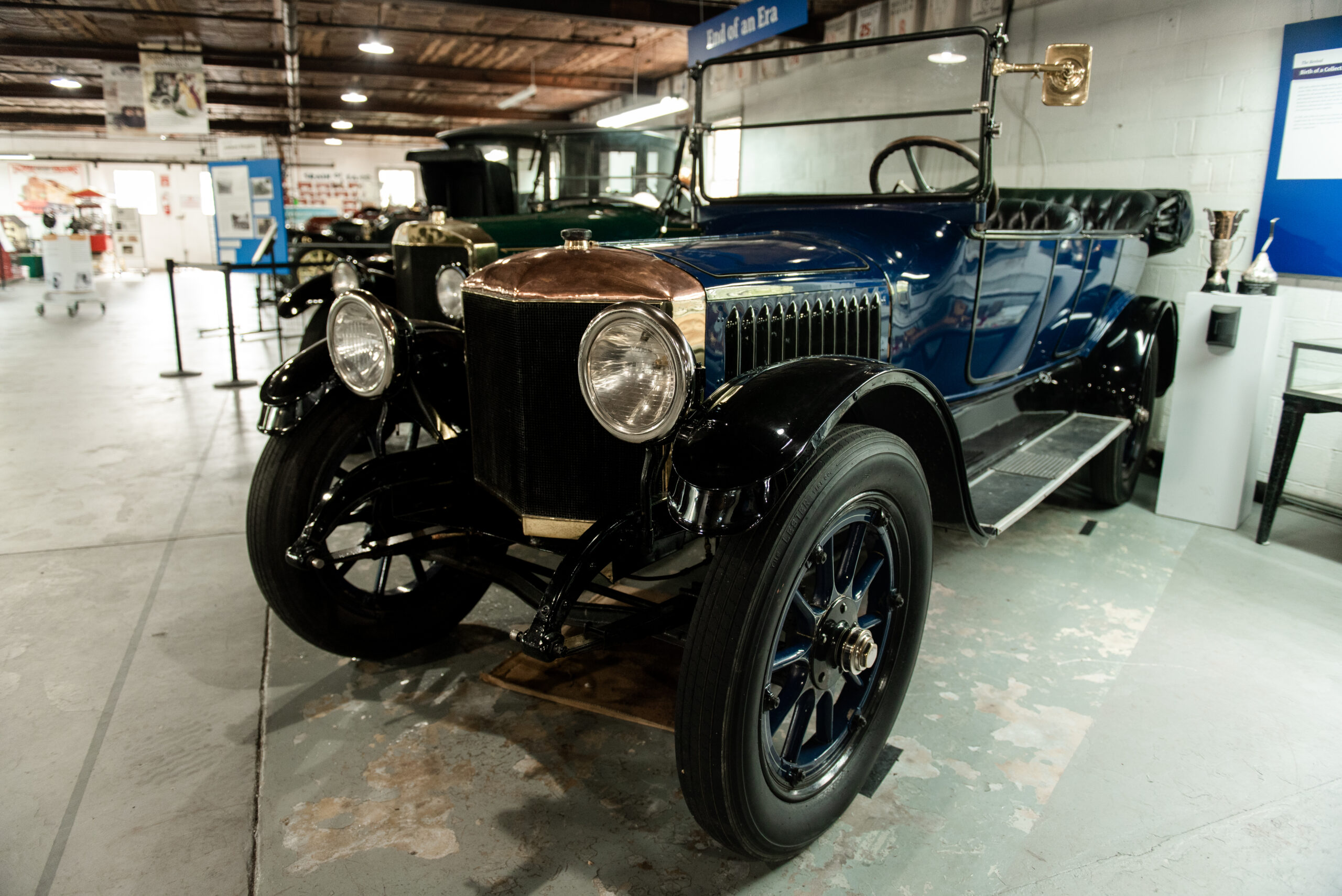
    Photo provided by DNREC Division of Parks and Recreation

    Home to the Marshall Steam Museum and one of the largest collections of Stanley Steamer automobiles in the world.

    Bellevue State Park
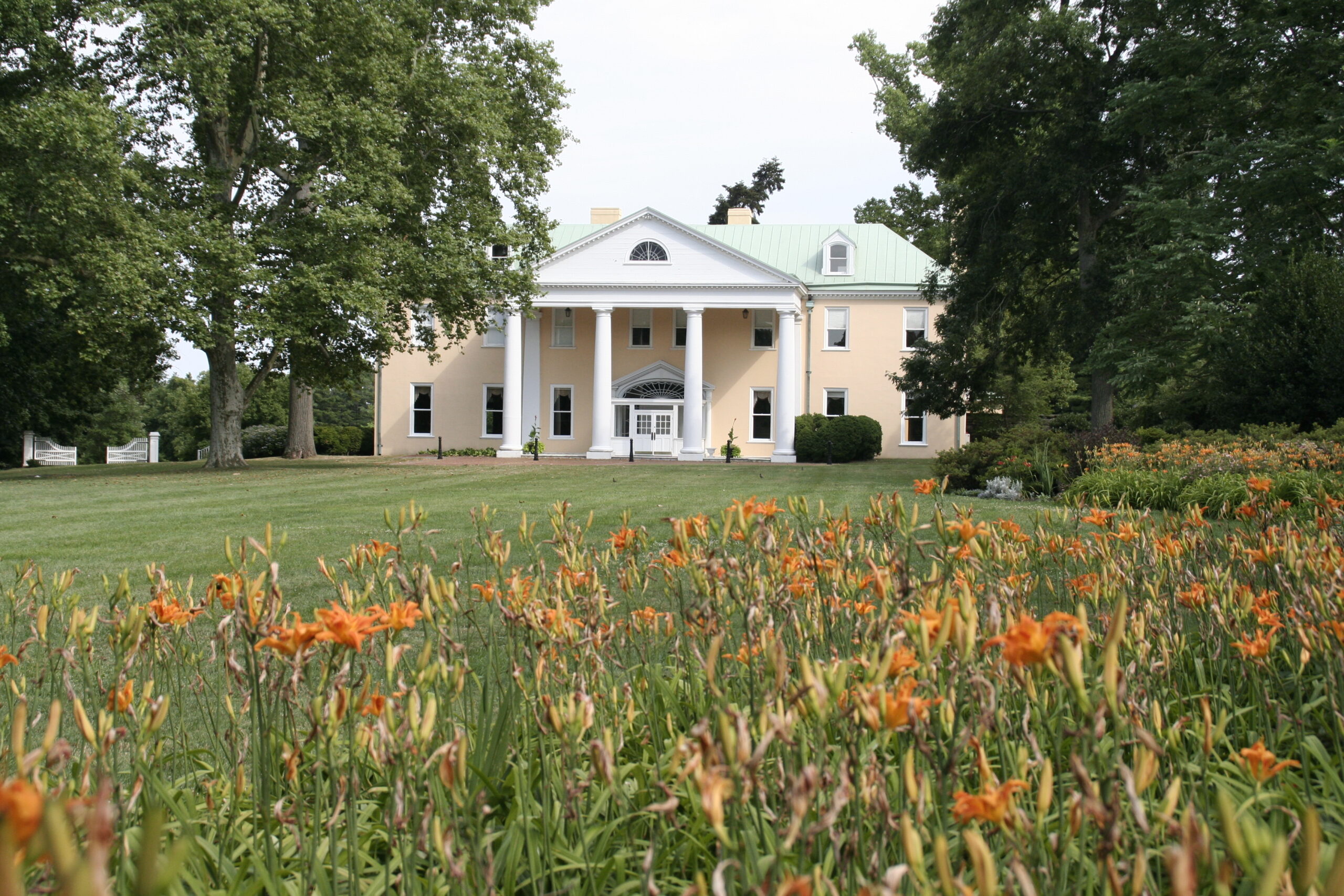
    Photo provided by DNREC Division of Parks and Recreation

    Features concerts, fitness trails, and beautiful historic grounds.

    Brandywine Creek State Park
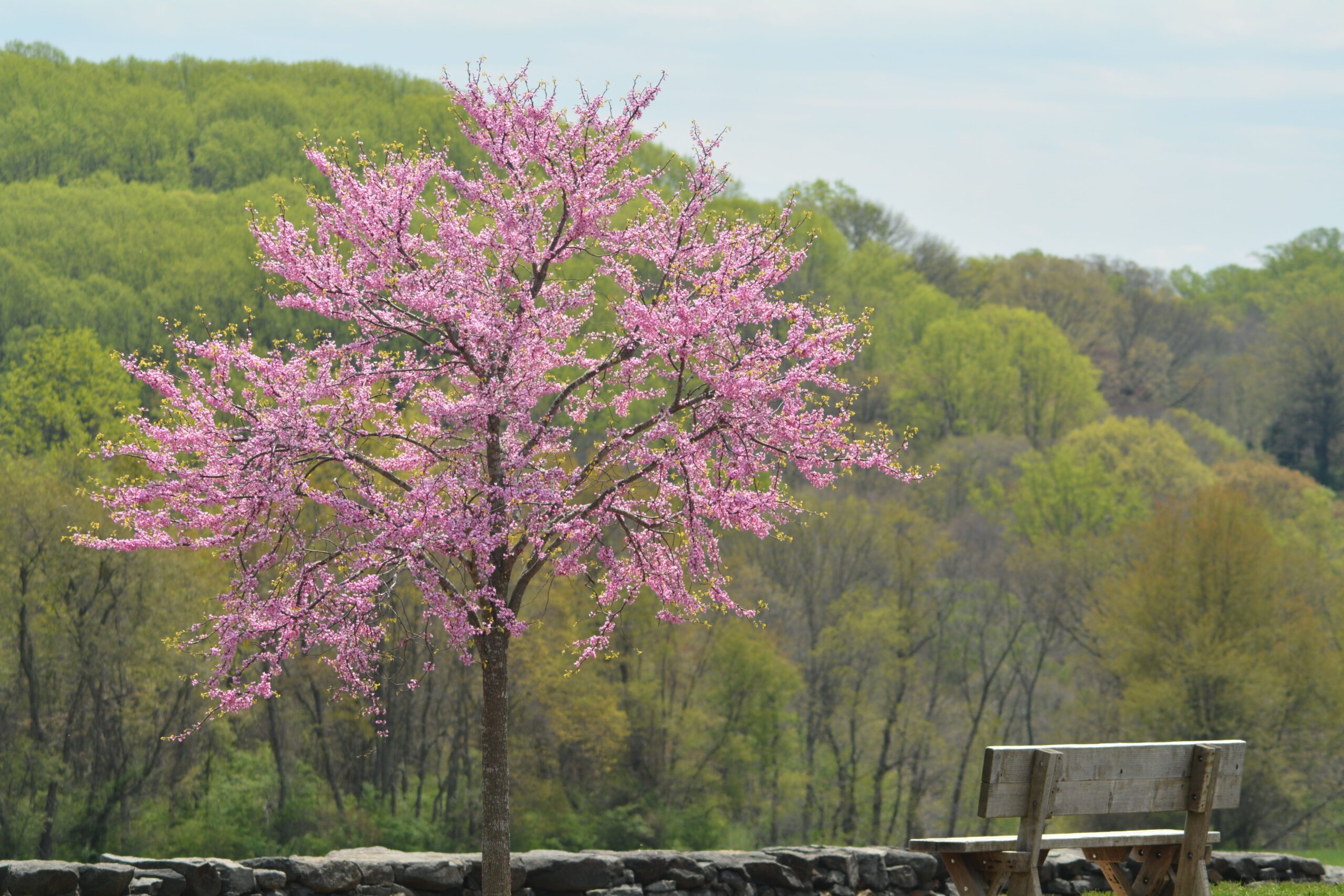
    Photo provided by DNREC Division of Parks and Recreation

    Known for stone walls, hiking trails, tubing opportunities, and scenic landscapes.

    Fort Delaware State Park
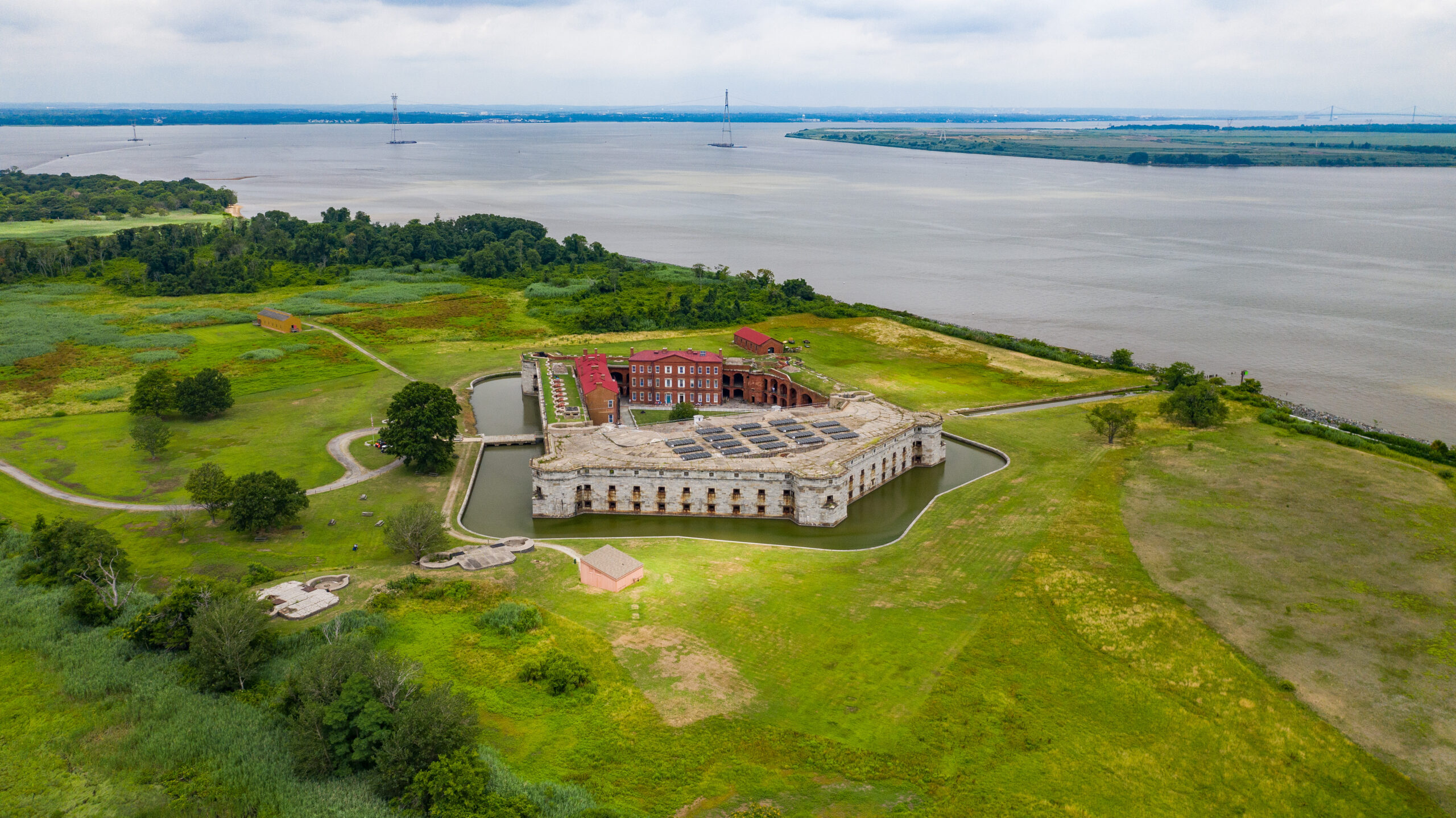
    Photo provided by DNREC Division of Parks and Recreation

    Located on Pea Patch Island and accessible by ferry, this Civil War-era fort combines history with excellent birdwatching opportunities.

    White Clay Creek State Park
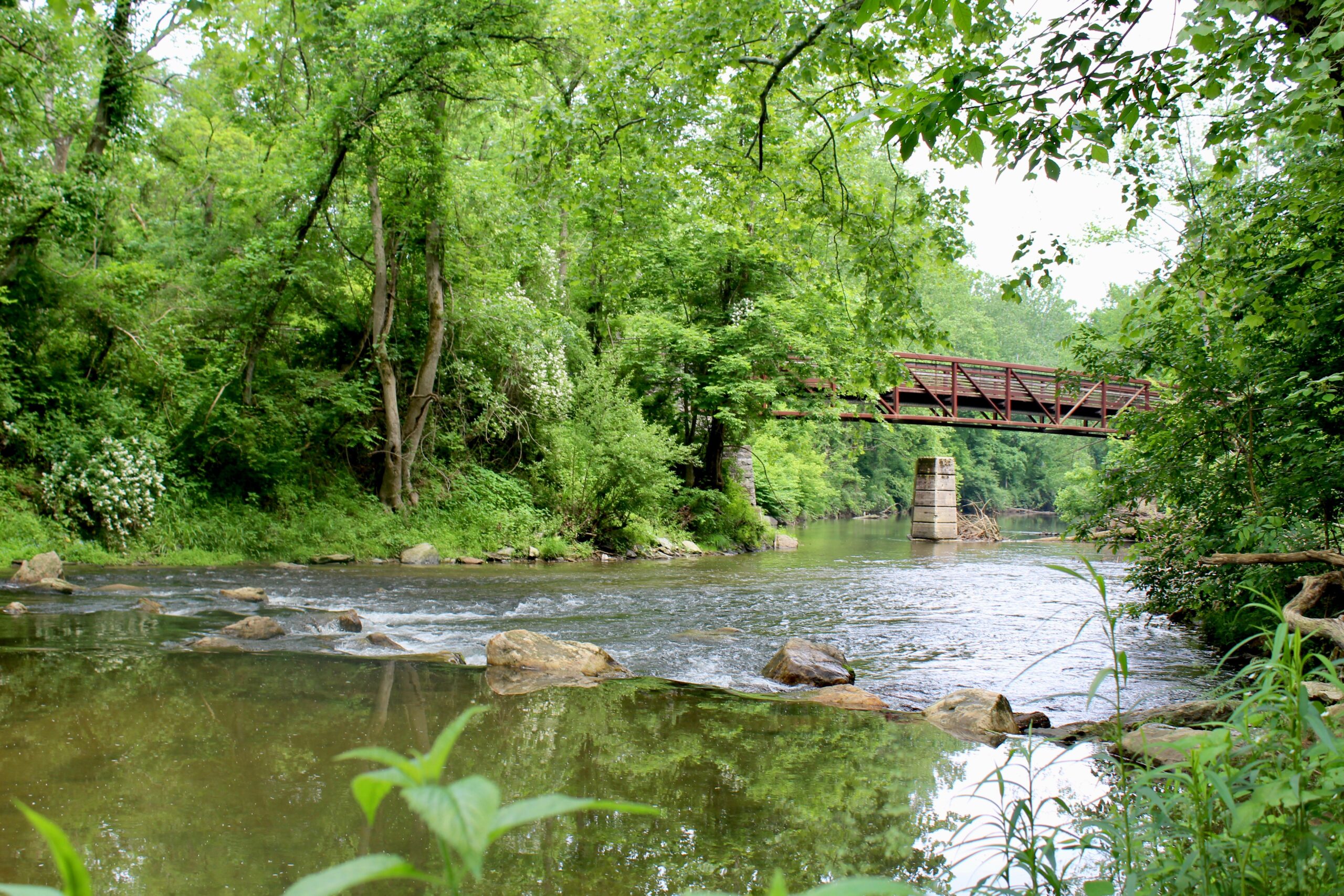
    Photo provided by DNREC Division of Parks and Recreation

    A favorite for hiking, biking, fishing, and exploring thousands of acres of protected land.

    Fenwick Island State Park

    Offers quieter beaches and spectacular sunrises along Delaware’s southern coastline.

    The Delawanderer and Delaware State Parks Trading Cards
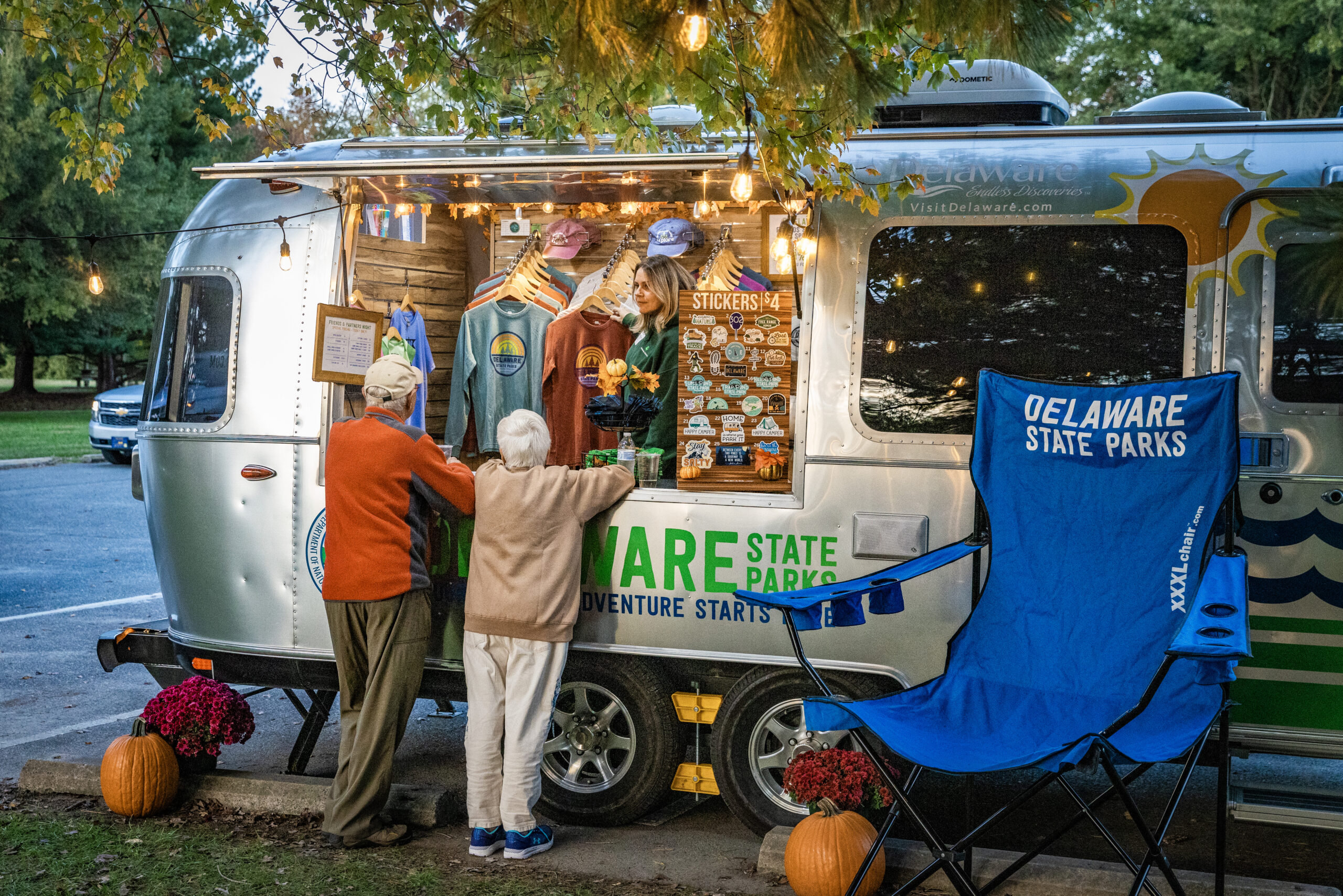
    Photo provided by DNREC Division of Parks and Recreation

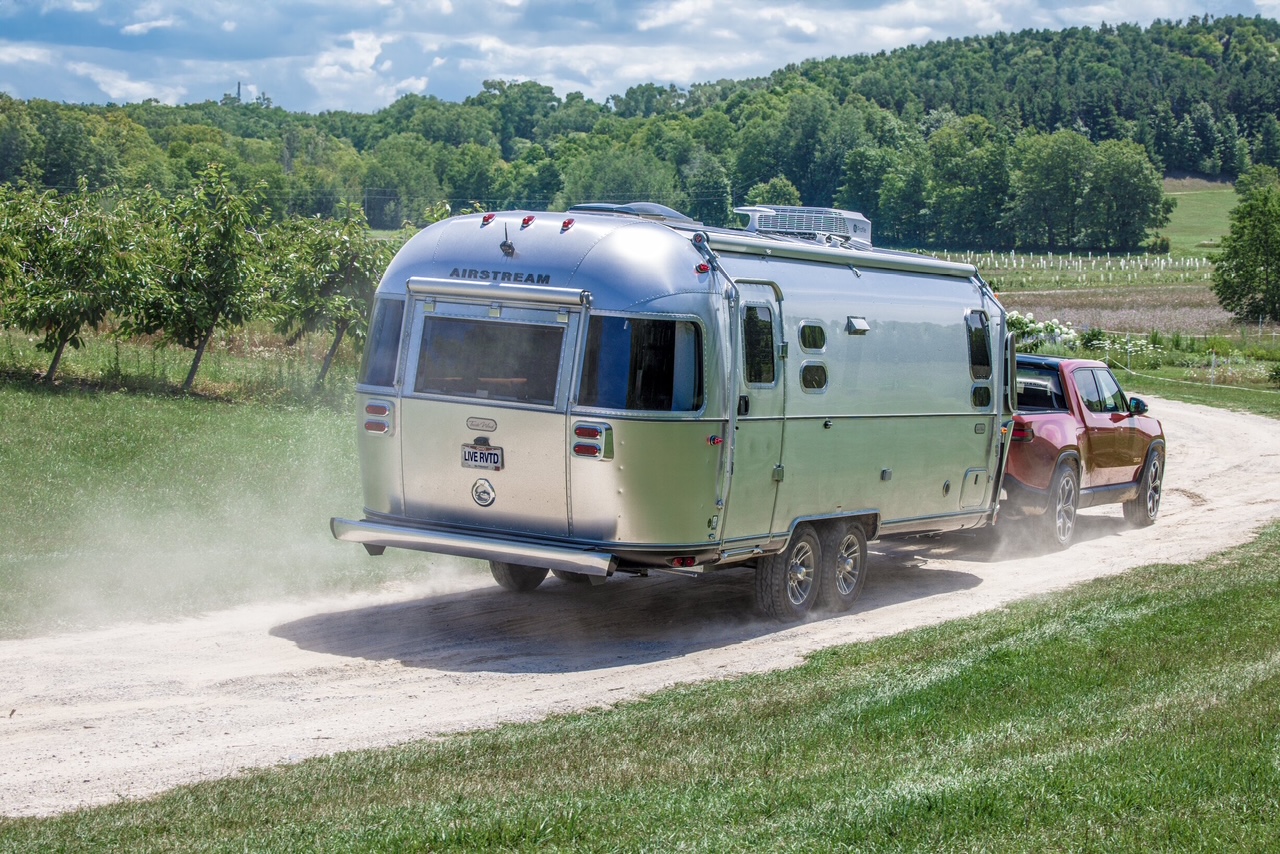
    One of the most unique programs in the system is the Delawanderer, a 2017 Airstream Flying Cloud that serves as a traveling ambassador for Delaware State Parks.

    The Delawanderer appears at:

    • The Hershey RV Show
    • NASCAR events
    • Community festivals
    • Outdoor recreation expos

    The team also created a series of collectible Delaware State Parks trading cards, featuring:

    • Individual parks
    • Hidden gems
    • Plants and animals
    • Special attractions

    The program has already distributed more than 125,000 cards and continues to grow in popularity.

    Why RVers Love Delaware
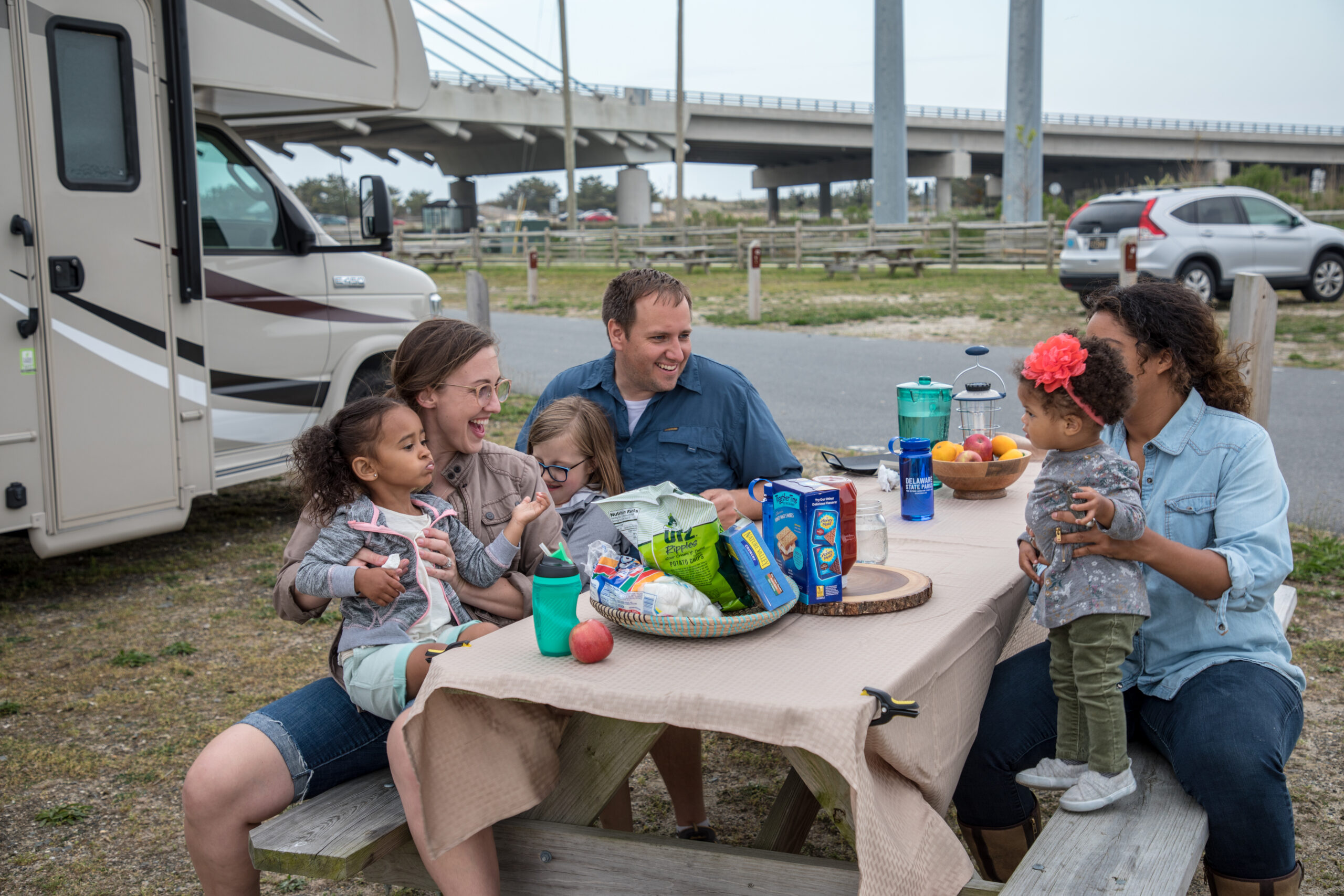
    Photo provided by DNREC Division of Parks and Recreation

    Throughout the conversation, one theme kept emerging: convenience.

    Delaware offers:

    • Year-round camping
    • Full-hookup campsites
    • Affordable rates
    • Beaches
    • Forests
    • History
    • Wildlife
    • Excellent food
    • Easy access from major population centers

    And because the state is so compact, campers can enjoy multiple completely different experiences during a single trip.

    Final Thoughts

    After talking with Alex, it’s easy to see why Delaware State Parks have developed such a loyal following.

    Whether you’re:

    • Looking for beachfront camping
    • Exploring historic sites
    • Paddling through cypress swamps
    • Visiting with family
    • Or simply searching for a great weekend getaway

    There’s a Delaware State Park that fits the adventure.

    And with 75 years of history behind them—and exciting improvements still being added—the future looks just as bright.

    We’ll see you at the campground.

    The post RVing in “The First State” and Celebrating 75 Years of Delaware State Parks appeared first on The RV Atlas.


    Campers Inn and Lazydays: The Past, Present, and Future (with Ben Hirsch) May 23, 2026
    Show notes

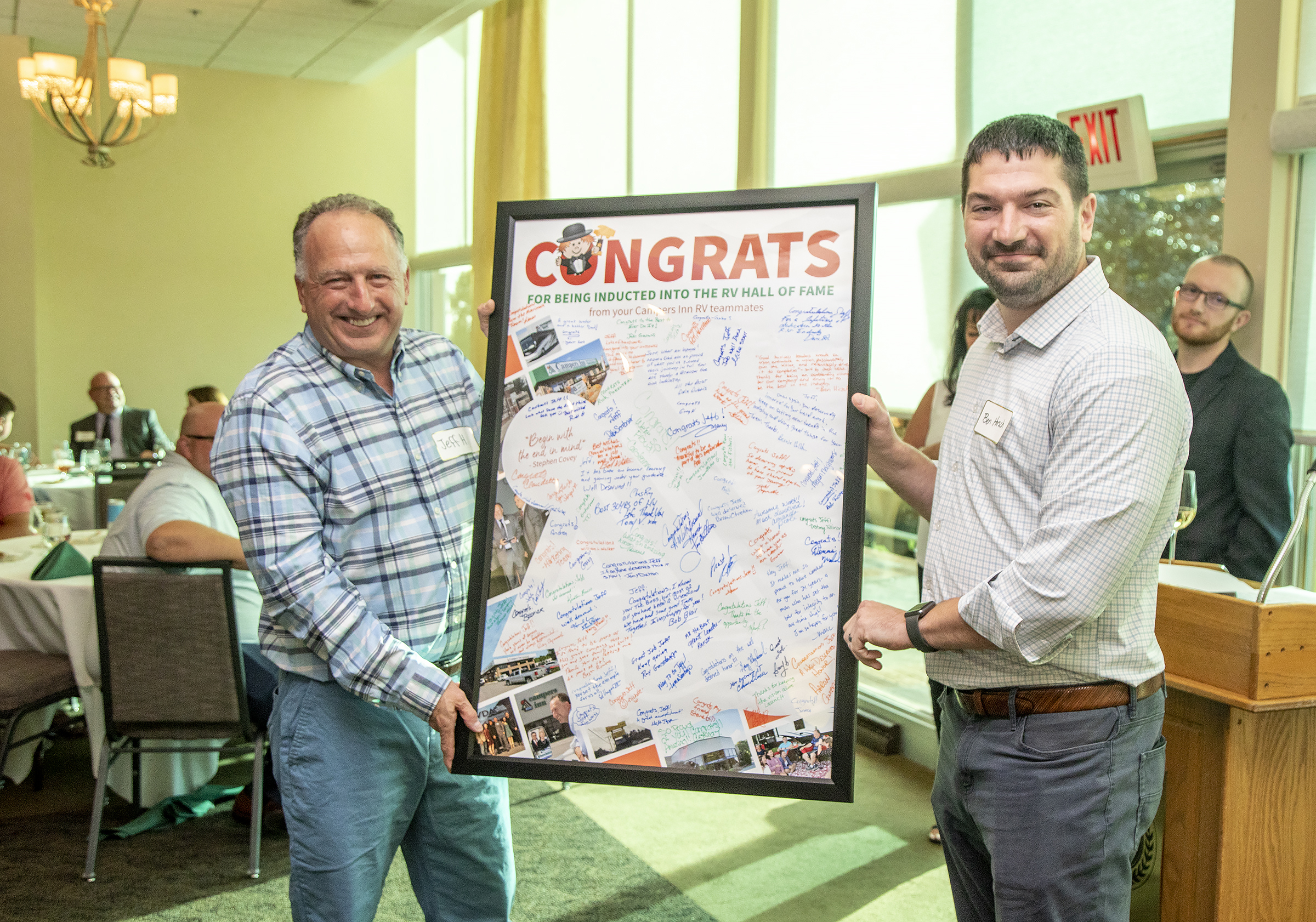
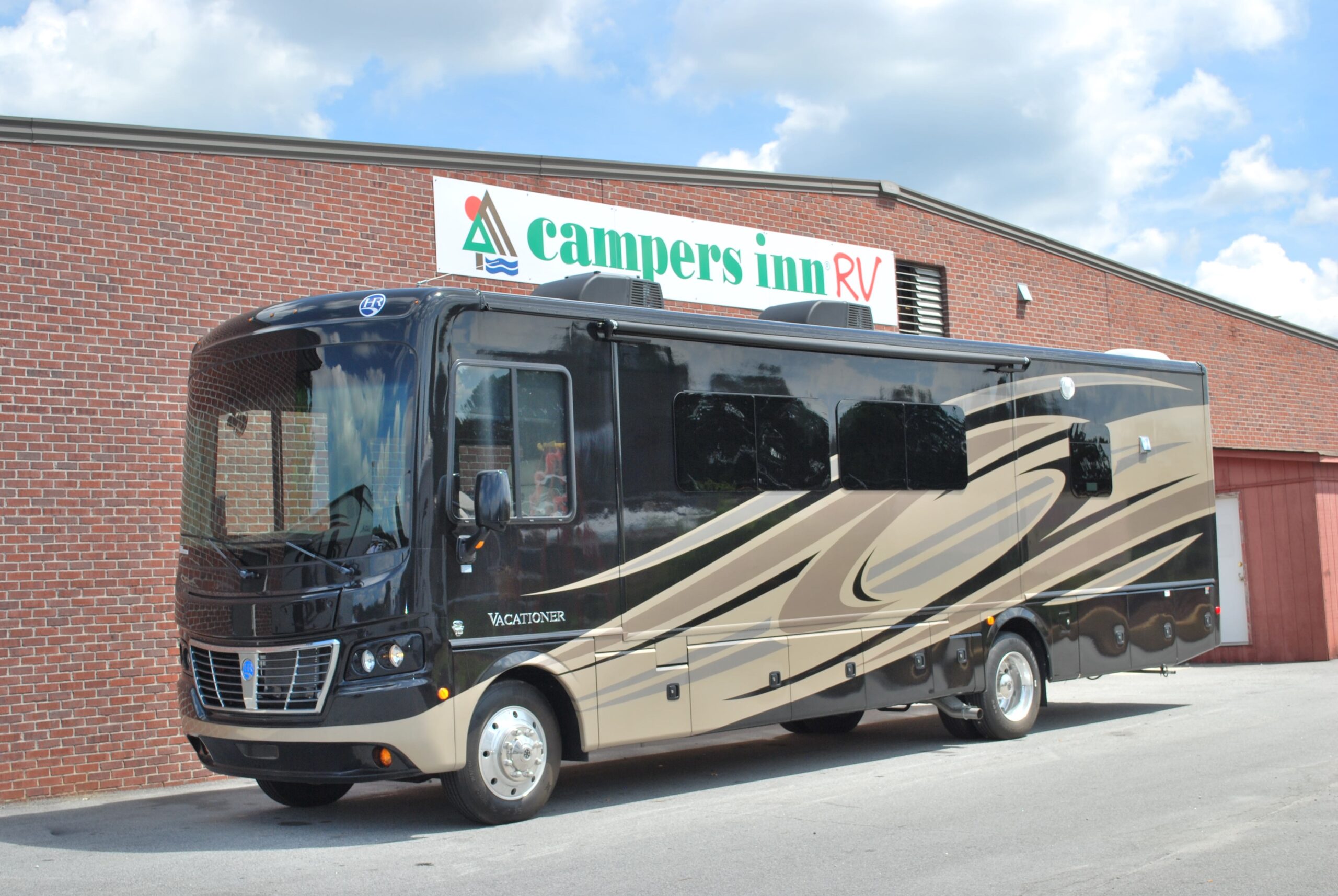
    On this week’s episode of The RV Atlas Podcast, we sit down with Ben Hirsch, COO of Campers Inn, for a fascinating behind-the-scenes conversation about one of the fastest-growing family-owned companies in the RV industry.

    This episode goes far beyond sales numbers and dealership locations. We talk about:

    • The family story behind Campers Inn
    • The evolution of their RV dealerships
    • Why customer experience matters more than ever
    • The future of Lazydays in Tampa
    • And how the RV industry can continue serving families for generations to come

    If you’ve ever bought an RV, shopped for one, or wondered what’s happening behind the scenes in the RV business right now, this episode offers a rare and thoughtful perspective.

    To listen to our interview with Ben Hirsch please click on the media player above–or subscribe to the RV Atlas podcast wherever you get your favorite show!

    The Campers Inn Origin Story: Four Pop-Up Campers and a Big Idea

    One of the best moments in the episode is hearing about how Campers Inn got started.

    Ben shared the family story about his grandparents visiting an RV dealership decades ago to shop for a tent camper. His grandfather—a machinist still wearing his work clothes—felt dismissed and judged by the dealership staff.

    On the drive home, he made a bold statement:
    “If that’s all it takes to be in the RV business, I think we can do it better.”

    Soon after, the family purchased four folding campers and opened the very first Campers Inn location in Acton, Massachusetts.

    That founding story still shapes the company culture today.

    Campers Inn: A Third-Generation Family Business

    Ben is part of the third generation working in the family business, alongside:

    • His uncle Jeff
    • His father David
    • Several cousins
    • Even his wife, who works in HR

    But before joining Campers Inn full-time, Ben served in the military after graduating from West Point.

    He spent eight years in the Army flying Black Hawk helicopters and leading troops—an experience that he says shaped his leadership style and ability to stay calm under pressure.

    That long-term perspective and disciplined leadership style clearly influence the way Campers Inn approaches growth and customer experience.

    From 6 Dealerships to More Than 50

    When Ben joined the company in 2013, Campers Inn had six locations.

    Today, the company has:

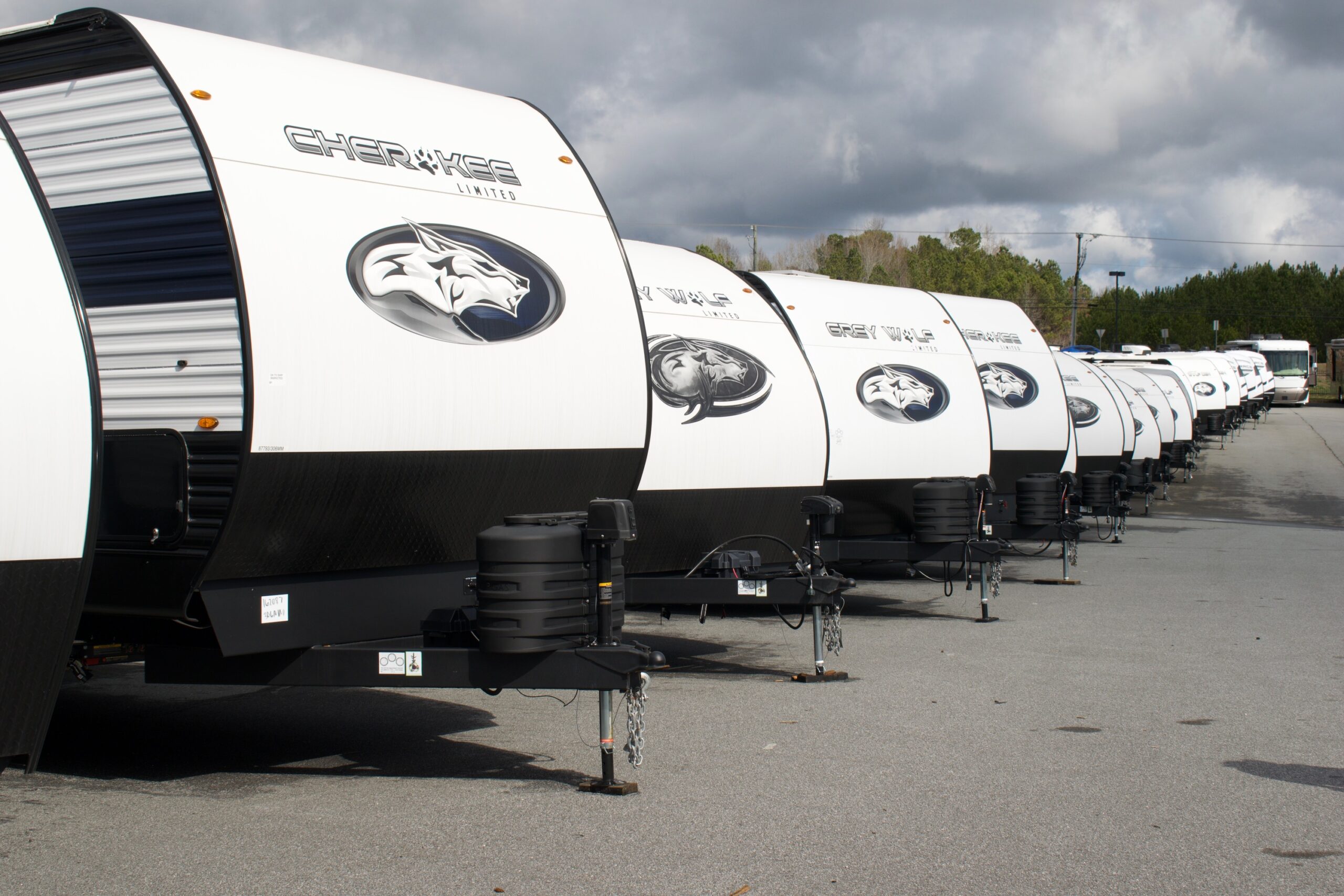
    • More than 50 dealerships
    • Locations in 22 states
    • Multiple Airstream dealerships
    • Motorhome-only locations
    • Traditional towable dealerships
    • Luxury-focused stores
    • Entry-level focused stores

    Despite the rapid growth, Campers Inn remains 100% family-owned.

    Ben emphasized that the company intentionally avoided outside investment so they could continue growing at a pace that made sense for their culture and long-term goals.

    Why Campers Inn Focuses on Different RV Segments

    One of the most interesting parts of the conversation was hearing how Campers Inn structures its dealerships differently depending on the market.

    Rather than trying to sell every possible RV brand at every location, they intentionally focus stores on specific customer segments:

    • Entry-level RV buyers
    • Mid-range “meat and potatoes” RVers
    • Luxury buyers

    Ben explained that this allows teams to become true specialists while also simplifying service and training.

    It’s a strategy designed around improving the customer experience—not just maximizing inventory.

    Why They Still Believe in Pop-Up Campers

    Jeremy was especially excited to hear that Campers Inn still sells pop-up campers.

    At a time when many manufacturers and dealers have moved away from entry-level RVs, Campers Inn continues carrying:

    • Rockwood pop-ups
    • Flagstaff pop-ups
    • A-frame campers
    • Hybrid travel trailers

    Ben emphasized that these RVs still play an important role in introducing families to camping and RV life.

    It was refreshing to hear about a major dealership group still committed to serving first-time RVers.

    The Customer Experience Philosophy

    Throughout the episode, one theme kept resurfacing: Campers Inn is trying to build long-term relationships, not just close sales.

    Ben repeatedly emphasized:

    • Training
    • Customer experience
    • Education
    • Long-term ownership support

    Every month, the company runs internal customer experience training sessions for employees across all locations.

    The goal isn’t just to sell someone an RV—it’s to support them throughout their entire RV journey.

    That includes:

    • Seminars
    • Education events
    • Ownership rallies
    • Service support
    • Lifestyle guidance

    Why Education Still Matters in RVing

    One thing Jeremy especially appreciated was Campers Inn’s continued investment in seminars and in-person education.

    Ben pointed out that many RV buyers still want:

    • Face-to-face learning
    • Hands-on demonstrations
    • In-person ownership education

    And that matters because RVing has a real learning curve: New RV owners need to be educated about all of the following and more…

    • Hitching
    • Dumping tanks
    • Electrical systems
    • Solar
    • Off-grid capability
    • Maintenance

    The company believes helping customers feel confident ultimately creates happier RV owners.

    The Lazydays Story

    Of course, one of the biggest topics in the episode was Lazydays in Tampa.

    Ben explained that Campers Inn saw the potential collapse of Lazydays as something that could have negatively impacted the entire RV industry.

    Rather than simply viewing it as an acquisition opportunity, they viewed preserving Lazydays as important for:

    • The RV community
    • Industry competition
    • Consumer choice
    • The long-term health of RV retail

    And perhaps most importantly:
    Lazydays is simply an iconic part of RV culture.

    Why Lazydays in Tampa Is So Special

    For anyone who has never visited Lazydays in the Tampa area, Ben described it perfectly:
    “It’s like an RV show all year long”

    The property includes:

    • More than 1,000 RVs on-site
    • Hundreds of service bays
    • A collision center
    • A cabinet shop
    • Massive parts and accessories store
    • Crown Club amenities
    • And a 300-site campground

    Jeremy described it as one of the true bucket-list destinations in RV culture.

    The Lazydays Campground Is Reopened

    One of the biggest pieces of news in the episode:
    The Lazydays campground is officially reopened.

    That’s huge for RVers visiting:

    • Tampa
    • The Florida RV SuperShow
    • Or the dealership itself

    Ben also shared plans for:

    • More ownership rallies
    • Mobile service
    • Expanded campground experiences
    • And eventually reopening additional food options on-site

    Ownership Rallies and Community Building

    One of the most exciting things happening at Lazydays right now is the return of rallies and community events.

    Ben explained that the company wants the campground to become a true ownership hub where RVers can:

    • Attend rallies
    • Meet fellow owners
    • Learn new skills
    • Get service support
    • Explore upgrades
    • And simply enjoy the RV lifestyle together

    It’s a return to a more community-oriented style of RV ownership that many longtime RVers have missed.

    A Long-Term Vision for the RV Industry

    One of the most thoughtful parts of the interview was hearing Ben talk about the future of the RV industry.

    Rather than focusing solely on quarterly growth, Campers Inn is thinking about:

    • Generational sustainability
    • Long-term customer relationships
    • Healthy competition
    • Industry stability

    That long-term perspective feels increasingly rare—and it clearly shapes the way they approach business.

    Final Thoughts

    This episode offered a fascinating look behind the curtain at one of the most influential companies in today’s RV industry.

    Whether you’re:

    • Shopping for your first RV
    • Looking to upgrade
    • Curious about Lazydays
    • Or simply interested in where the RV industry is headed

    There’s a lot to take away from this conversation.

    And perhaps the most encouraging thing is this:
    Even as the RV industry grows and changes, there are still companies trying to build community, invest in education, and focus on the long-term ownership experience.

    We’ll see you at the campground!

    The post Campers Inn and Lazydays: The Past, Present, and Future (with Ben Hirsch) appeared first on The RV Atlas.


    Blackstone Griddle Recipes for Memorial Day: Burgers, Dogs, and Beyond (with Cheri Reneé) May 15, 2026
    Show notes

    On this week’s episode of The RV Atlas Podcast, we’re getting ready for Memorial Day weekend with one of our favorite campground traditions: cooking on the Blackstone griddle. This episode is all about easy, crowd-pleasing Blackstone griddle recipes that are perfect for camping weekends—from burgers and hot dogs to creative meals that go way beyond the basics.

    Joining us again is our friend Cheri Reneé, author of I Love My Blackstone Griddle Cookbook and The Blackstone Griddle Camping Cookbook. Cheri is also the creator of the wildly popular blogs Cooks Well With Others and If You Give a Girl a Grill.

    Together, we share 12 Blackstone Griddle recipes that are approachable, fun, and guaranteed to make your campground neighbors wander over to see what smells so good.

    To listen to our interview with Cheri please click on the media player above or subscribe to The RV Atlas podcast wherever you get your favorite shows!

    Choosing the Right Blackstone for Camping

    Before diving into recipes, we kicked off the episode with a full breakdown of the current Blackstone camping lineup.

    One of the biggest decisions campers face is choosing between:

    • The newer titanium ceramic nonstick camping griddles
    • Or the classic cold-rolled steel “OG” Blackstones

    Titanium Ceramic Camping Griddles

    These are:

    • Lightweight
    • Easy to carry
    • Fast to clean
    • Wind-resistant
    • Great for RVs and tent camping

    Jeremy especially highlighted:

    • The 14-inch model with side burner
    • The 20-inch tabletop model
    • The adjustable legs that help level the griddle on uneven campsites

    One important tip: never use metal spatulas on the ceramic surface.

    The Classic Steel Griddles

    For those with more storage space, Jeremy still loves the classic steel-top models:

    • 17-inch tabletop
    • 22-inch tabletop
    • 28-inch Flexfold

    The 22-inch Flexfold remains a favorite because it balances cooking space with portability.

    Burger Recipes for Memorial Day Weekend

    Cheri kicked things off with three burger Blackstone griddle recipes that go far beyond the standard cheeseburger.

    BBQ Onion Ring Burger

    This recipe combines:

    • Preformed burger patties
    • Frozen onion rings cooked directly on the griddle
    • BBQ sauce
    • Brioche buns

    Cheri emphasized how great frozen fried foods cook on the Blackstone, especially onion rings and jalapeño poppers.

    Jeremy especially loved the tip about using Kinders BBQ sauce with the drizzle-top bottle for easy campground cooking.

    Buffalo Ranch Chicken Burger

    This burger combines:

    • Ground chicken
    • Ranch seasoning
    • Buffalo sauce
    • Blue cheese
    • Brioche buns

    Cheri recommended pre-forming the patties at home and freezing them between parchment paper to simplify campground cooking.

    The recipe struck a perfect balance between easy prep and big flavor.

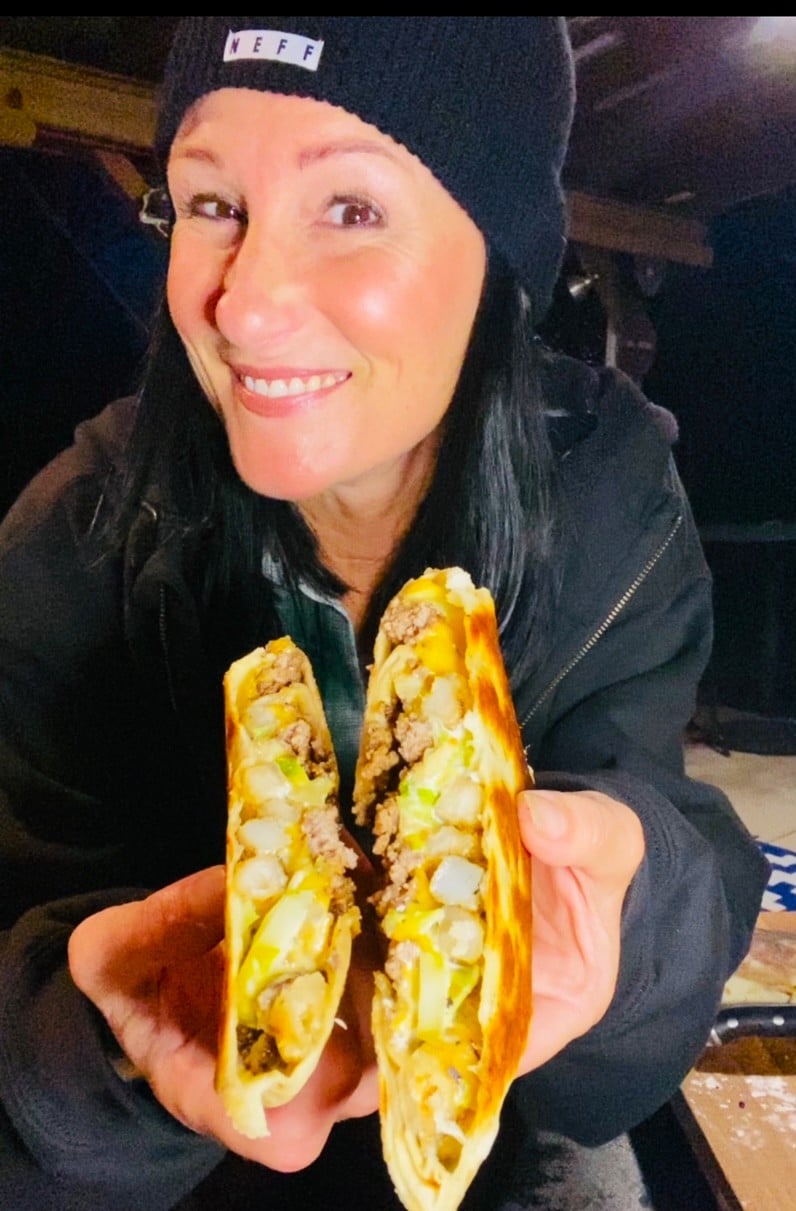
    Burger & French Fry Crunch Wrap

    One of the most creative Blackstone griddle recipes of the episode, this crunch wrap includes:

    • Seasoned ground beef
    • French fries
    • Cheese
    • Pickles
    • Sauce
    • Large tortillas toasted on the griddle

    Cheri compared it to a handheld burger-and-fries meal all wrapped into one crispy package.

    Camp Griddlemore’s Bacon Cheddar BBQ Pretzel Burger

    Jeremy shared one of his own favorites from Camp Griddlemore:

    Ingredients:

    • Pretzel roll
    • Bacon
    • Cheddar
    • Pickles
    • BBQ sauce mixed with Mike’s Hot Honey

    The sweet-and-spicy sauce combination became the star of this burger.

    Hot Dogs That Aren’t Boring

    The hot dog segment proved that campground dogs can be every bit as exciting as burgers.

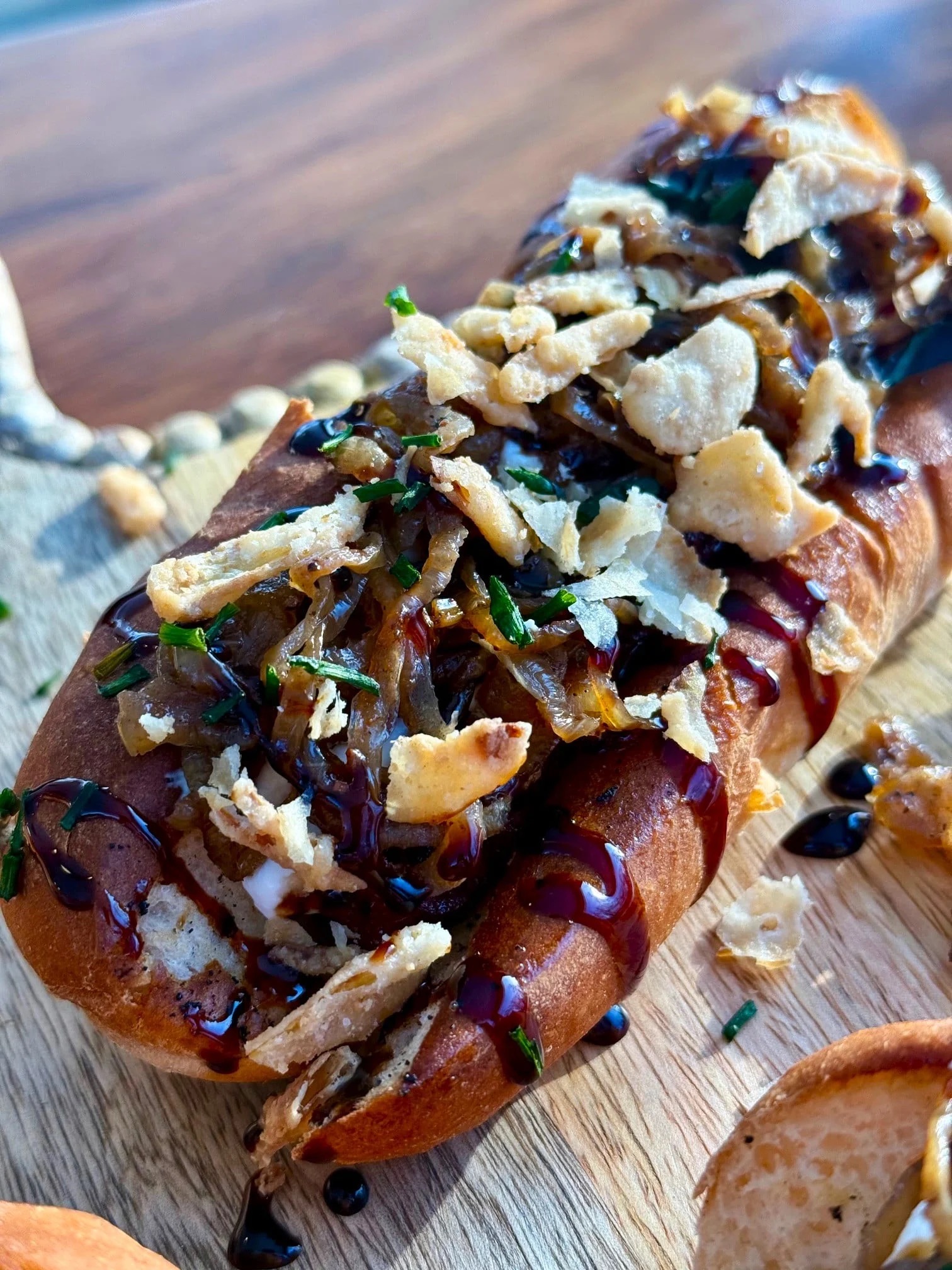
    French Onion Dog

    This recipe layers:

    • Crispy hot dogs
    • Bacon
    • Caramelized onions
    • French onion dip
    • Crispy onions
    • Balsamic glaze

    Cheri described this one as both nostalgic and elevated at the same time.

    Pepperoni Pizza Dog

    One of the most talked-about recipes of the episode.

    The key feature:

    • A crispy cheese-and-pepperoni bun cooked directly on the griddle

    Then the hot dog gets topped with:

    • Pizza sauce
    • Parmesan cheese
    • Italian seasoning

    Jeremy and Cheri both love the idea of crisping cheese directly onto the griddle to create the bun texture.

    BBQ Beanie Weenies

    This nostalgic recipe combines:

    • Sliced hot dogs
    • Baked beans
    • Onions
    • BBQ sauce
    • Brown sugar
    • Mustard

    Cheri described it as one of those meals that instantly brings back childhood memories around the campfire.

    Camp Griddlemore’s Camp Mojo Dog

    Jeremy added one of his own with the following ingredients:

    • Pub cheese
    • Bacon bits
    • Fried onions
    • Jalapeños
    • Toasted bun
    • Slot-dog hot dog

    A fun, over-the-top campground hot dog built for Memorial Day weekend.

    Beyond Burgers and Dogs

    The final segment moved beyond the classic burger and dog Blackstone griddle recipes into more adventurous territory.

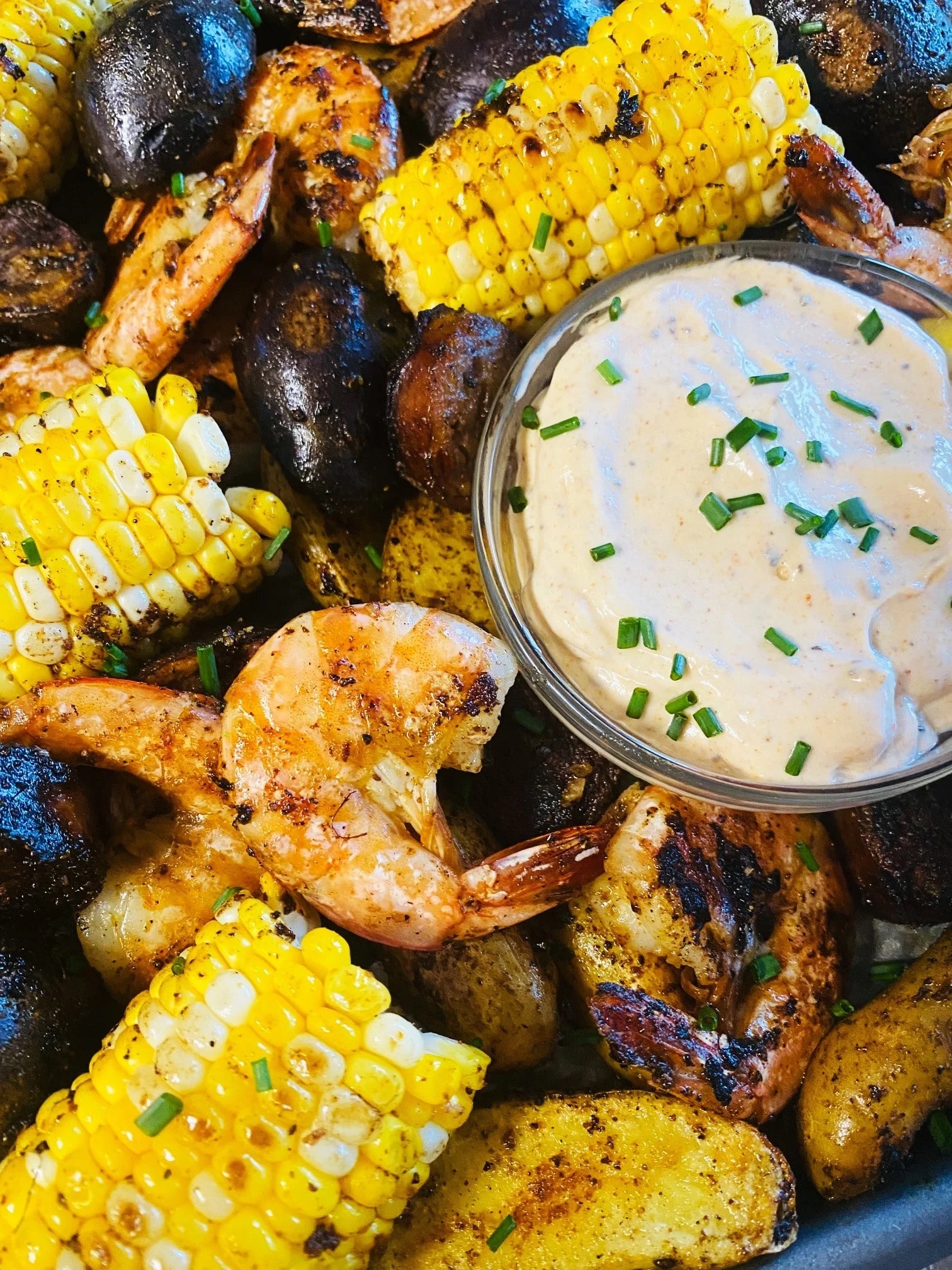
    Seafood Boil on the Blackstone

    Cheri’s griddle seafood boil includes:

    • Shrimp
    • Potatoes
    • Corn
    • Sausage
    • Dipping sauces

    Instead of boiling everything, it all cooks directly on the griddle.

    Jeremy and Cheri both agreed this is one of the ultimate summer campground meals.

    Brat Stir Fry with Pierogies

    This recipe combines:

    • Sliced bratwurst
    • Peppers
    • Pierogies
    • Alfredo sauce

    Cheri especially recommended this one for cooler nights later in camping season.

    Blackberry Lime Chicken Bites

    One of the most versatile recipes discussed:

    • Chicken thighs
    • Blackberry jam
    • Lime
    • Hot honey

    Cheri explained that these work perfectly for meal prep because leftovers can easily become wraps or salads the next day.

    Camp Griddlemore’s Tequila Lime Shrimp Tacos

    Jeremy wrapped up the food segment with his favorite taco recipe:

    • Shrimp dusted heavily with tequila lime seasoning
    • Cabbage slaw
    • Lime crema
    • Tortillas

    These tacos quickly became a family favorite in the Puglisi household.

    Why these Blackstone Griddle Recipes Work for Camping

    One recurring theme throughout the episode was how social Blackstone cooking becomes at the campground.

    Cheri explained that people naturally gather around the griddle:

    • Watching recipes come together
    • Asking questions
    • Sharing ideas
    • Trading campground stories

    And that’s really what campground cooking is all about.

    Final Thoughts on these Blackstone Griddle Recipes

    Memorial Day weekend marks the unofficial start of camping season—and these recipes are the perfect excuse to gather around the griddle with family and friends.

    Whether you’re:

    • Making epic smash burgers
    • Trying seafood boils
    • Or getting creative with your hot dogs

    The goal is simple: good food, great memories, and plenty of campground conversations.

    We’ll see you at the campground for delicious food this Memorial Day Weekend!

    The post Blackstone Griddle Recipes for Memorial Day: Burgers, Dogs, and Beyond (with Cheri Reneé) appeared first on The RV Atlas.


    The 2026 Airstream Lineup: Frank Loyd Wright, World Traveler + More! (with Patrick Botticelli) May 03, 2026
    Show notes

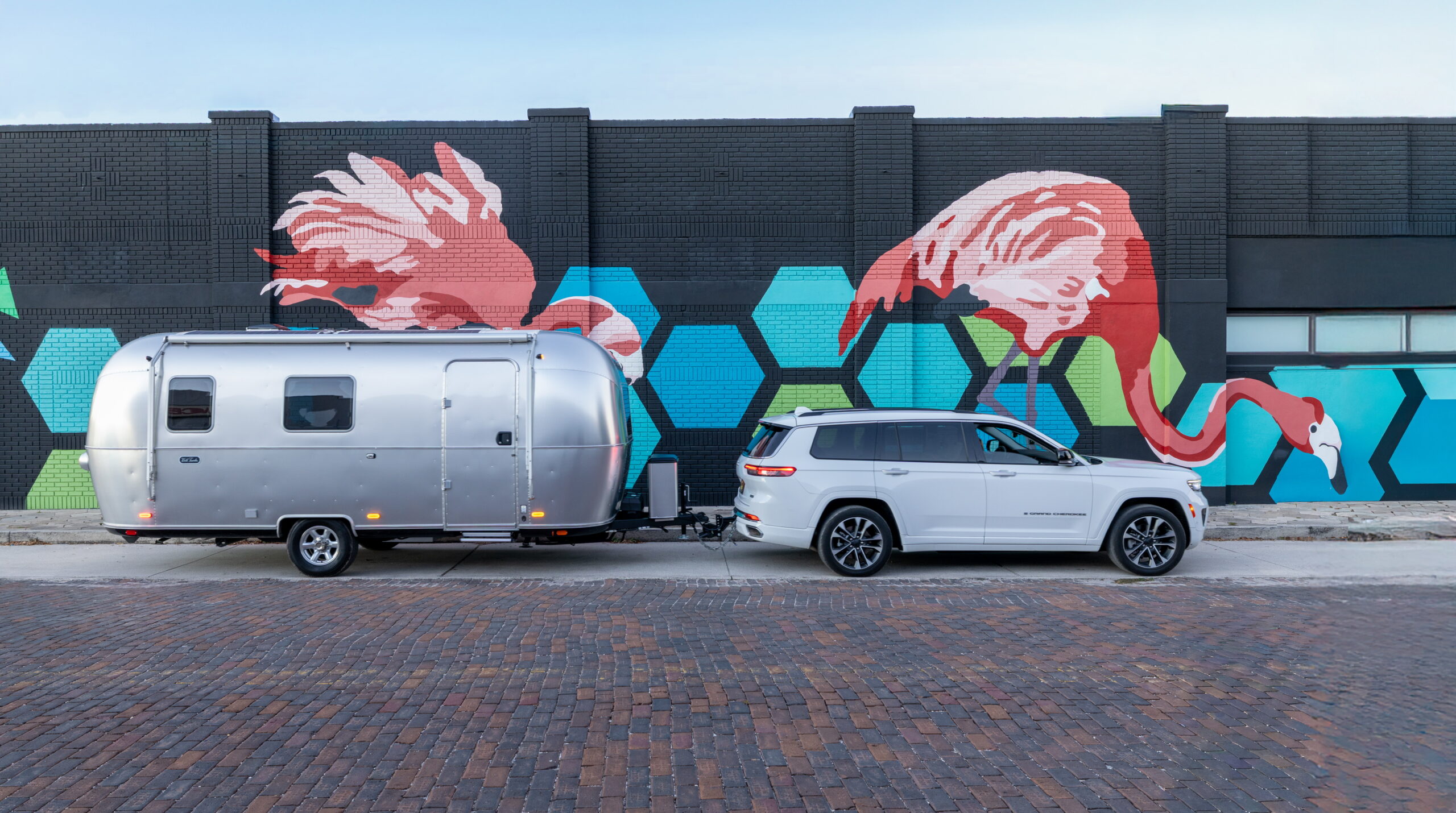
    On this week’s episode of The RV Atlas Podcast, we welcome back our friend and neighbor Patrick Botticelli from New Jersey Outdoor Adventures for a deep dive into everything new and exciting in the 2026 Airstream lineup.

    This episode is packed with insight—from groundbreaking off-grid technology to stunning limited-edition collaborations and a brand-new model that lowers the barrier to entry for Airstream ownership.

    If you’ve been curious about where Airstream is headed—or considering upgrading your RV—this episode delivers a comprehensive look at how one of the most iconic brands in RVing continues to evolve.

    To listen to our interview with Patrick please click on the media player above–or subscribe to the RV Atlas wherever you get your favorite shows!

    The 2026 Airstream Lineup: Innovation Without Losing Identity

    One of the biggest takeaways from this conversation is that Airstream isn’t chasing trends—it’s refining them.

    Rather than rushing new ideas to market, Airstream focuses on long-term innovation. That means:

    • Extensive testing before release
    • Thoughtful integration of new technology
    • Maintaining the core design and build quality that defines the brand

    In 2026, that philosophy shows up in two major ways:

    1. Advanced off-grid capability
    2. High-end design collaborations

    Off-Grid Innovation: The Future Is Here

    Airstream is making a major push into the off-grid space—and doing it in a way that feels far more integrated than in the past.

    The standout development is the introduction of automotive-grade lithium battery systems, particularly in the new Trade Wind lineup.

    What’s New?

    • Up to 18.5 kWh lithium battery capacity
    • Liquid-cooled and temperature-controlled battery systems
    • 5000-watt inverter
    • Ability to run two air conditioners simultaneously
    • Fully integrated solar and charging systems

    This is a huge leap forward. Instead of aftermarket upgrades or DIY installs, buyers can now drive off the lot with a fully capable boondocking setup.

    It’s a clear signal that Airstream sees off-grid travel as a core part of the future—not just an add-on.

    The Trade Wind 27FB: A New Flagship for Off-Grid Travel

    The Trade Wind 27 Front Bedroom is one of the most important new models in the lineup.

    Key Features:

    • Front bedroom (twin or queen)
    • Large battery system for full off-grid capability
    • Dual air conditioning support
    • Smart energy management system

    This model builds on the success of the smaller Trade Wind units but adds the capacity and comfort needed for longer trips and hotter climates.

    The Airstream World Traveler: A Game-Changer for Entry-Level Buyers

    One of the most exciting announcements is the Airstream World Traveler, a brand-new model designed to make Airstream ownership more accessible.

    Why It Matters

    For years, buyers looking for a lightweight Airstream had limited options—mostly smaller units with fixed double beds.

    The World Traveler changes that.

    Highlights:

    • 22 feet long
    • ~3,850 lbs dry weight
    • ~450 lb hitch weight (very tow-friendly)
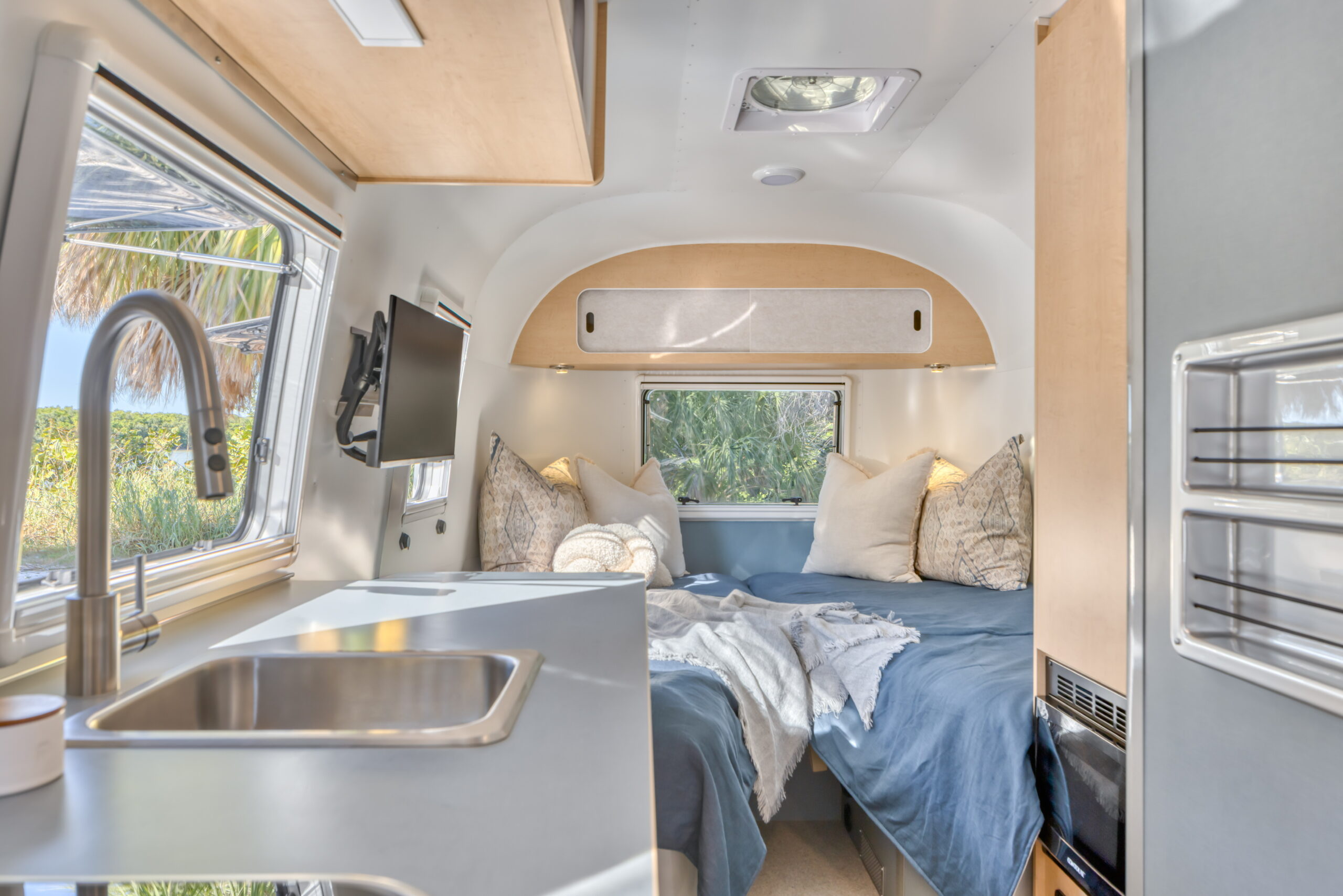
    • V-shaped twin beds (more usable space and flexibility)
    • Full dry bath
    • Under-bench air conditioning (lower center of gravity)

    Pricing

    • Starting under $70,000
    • Fully loaded around $79,000

    That’s significantly lower than comparable Airstream models—and opens the door to a much wider audience.

    Why the World Traveler Stands Out

    This isn’t just a cheaper Airstream—it’s a thoughtfully designed one.

    Key advantages include:

    • Better towing compatibility with mid-size SUVs
    • Improved interior layout with flexible sleeping arrangements
    • Lower center of gravity for better stability
    • Same high-quality build as larger Airstreams

    It’s a model that feels like a true evolution—not a compromise.

    Limited Editions: Airstream as Art

    Airstream continues to lean into high-end collaborations—and 2026 brings two standout examples.

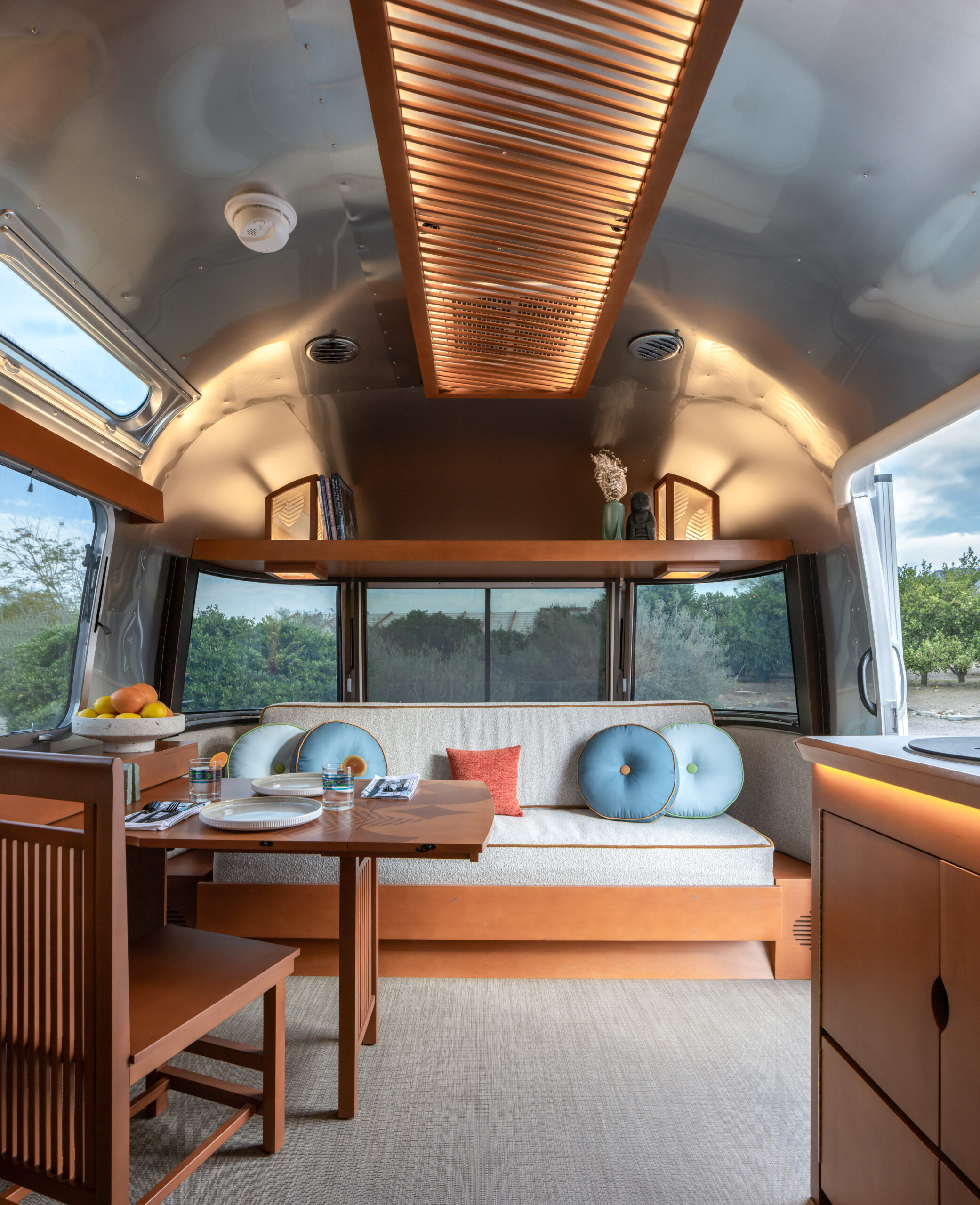
    Frank Lloyd Wright Limited Edition

    • Only 100 units produced
    • Sold out almost instantly
    • Inspired by Wright’s organic architecture
    • Unique features like convertible twin-to-king beds
    • Hidden appliances and minimalist design elements

    This is less an RV and more a collectible design piece—blending architecture, art, and travel.

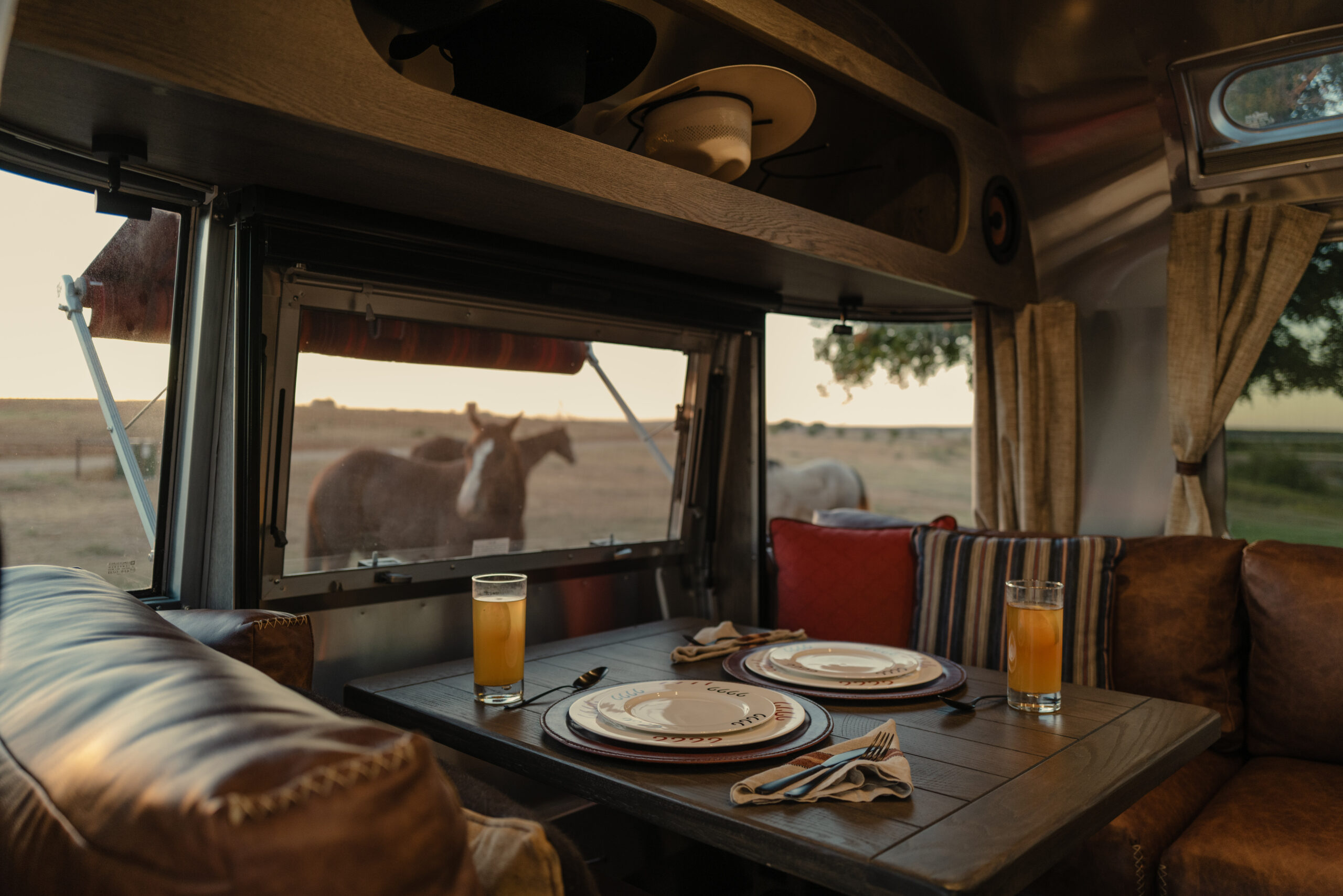
    Stetson Special Edition

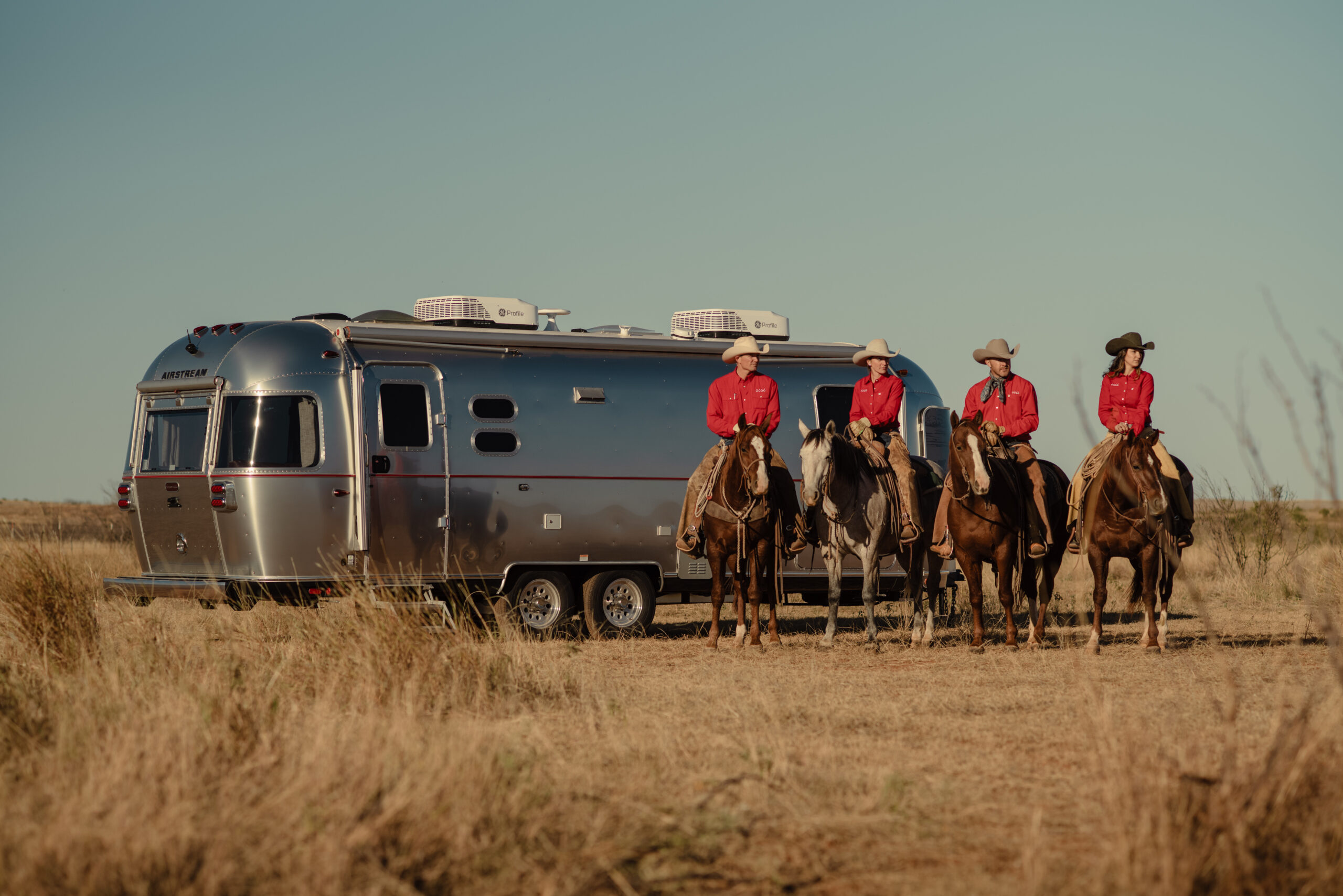
    A collaboration with Stetson and Four Sixes Ranch, this model captures a completely different vibe.

    Design Highlights:

    • Genuine leather seating
    • Western-inspired finishes
    • Copper farmhouse-style sink
    • Custom cabinetry and décor elements
    • Unique “hat storage” feature built into cabinetry

    It’s a bold, personality-driven design that feels like a luxury ranch on wheels.

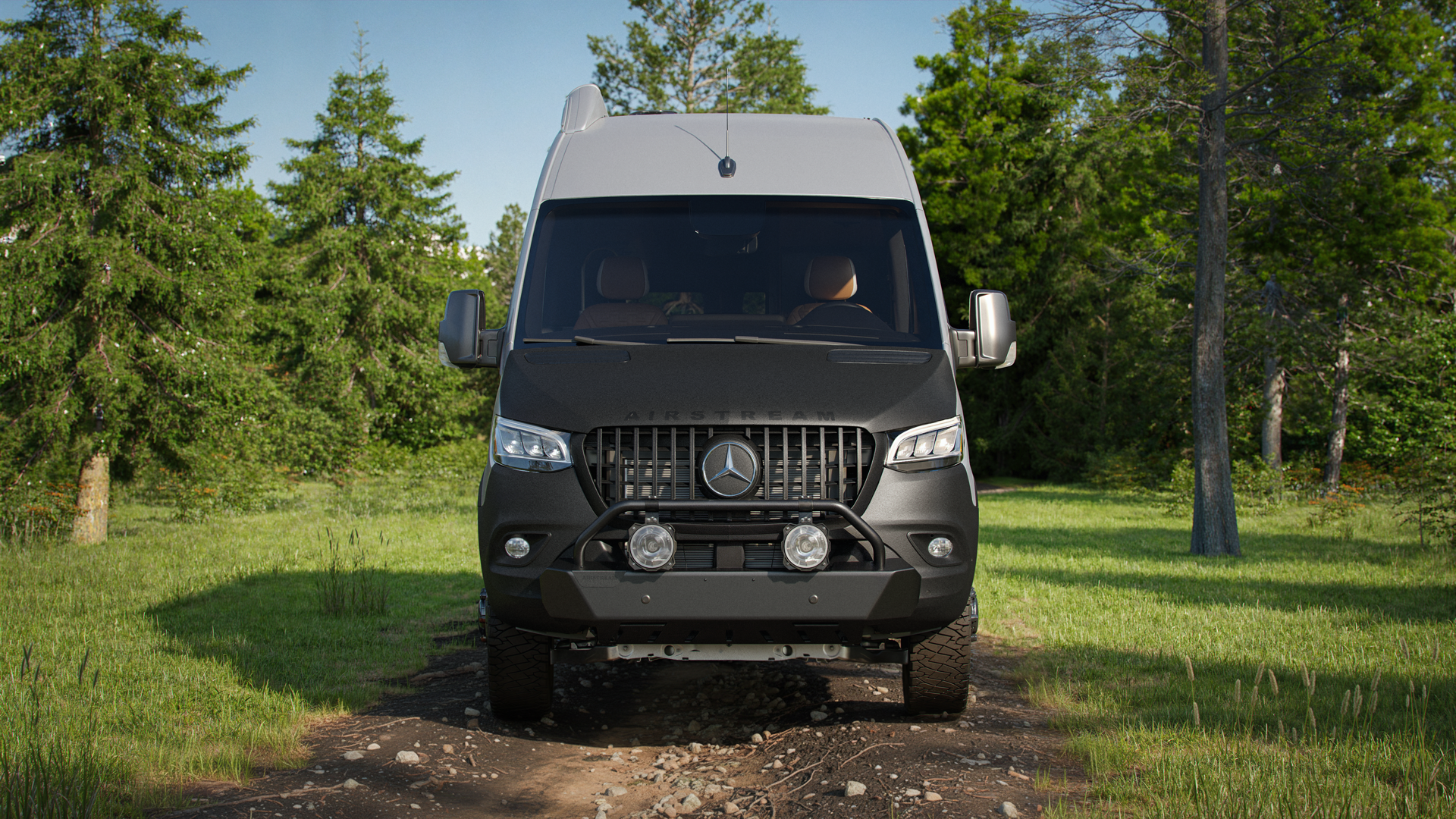
    Touring Coaches: The Overland Influence

    Airstream’s motorized lineup is also evolving—especially in response to the growing overland and adventure travel market.

    What’s New:

    • Rugged “X” models with:
      • All-wheel drive
      • Off-road styling
      • Protective coatings and upgraded suspension
    • New Outland Edition:
      • High-capacity battery systems
      • Outdoor-access cooler system
      • Flexible sleeping arrangements (including rear stargazing setup)

    These models blur the line between luxury touring coach and expedition vehicle—and reflect the growing crossover between RVing and overlanding.

    A Broader Vision for Airstream

    One of the most interesting themes from this episode is how Airstream is expanding in two directions at once:

    • More accessible models like the World Traveler
    • Ultra-premium and limited editions like the Frank Lloyd Wright and the Stetson X 6666

    The result is a broader, more diverse Airstream community—without losing the brand’s core identity.

    Final Thoughts

    The 2026 Airstream lineup is one of the most exciting in recent memory.

    From cutting-edge off-grid technology to thoughtful new floorplans and design-forward collaborations, Airstream is continuing to evolve while staying true to what makes it special.

    Whether you’re:

    • A longtime Airstream owner
    • A first-time buyer
    • Or just an RV enthusiast

    There’s something in this lineup worth paying attention to.

    And if you’ve ever wondered whether an Airstream is worth the investment, this episode makes a compelling case: it’s not just about the RV—it’s about the lifestyle, the community, and the long-term value.

    We’ll see you at the campground.

    The post The 2026 Airstream Lineup: Frank Loyd Wright, World Traveler + More! (with Patrick Botticelli) appeared first on The RV Atlas.


    100 Years of Route 66! Epic Roadside Attractions from Illinois to California with Jim Hinckley Apr 26, 2026
    Show notes

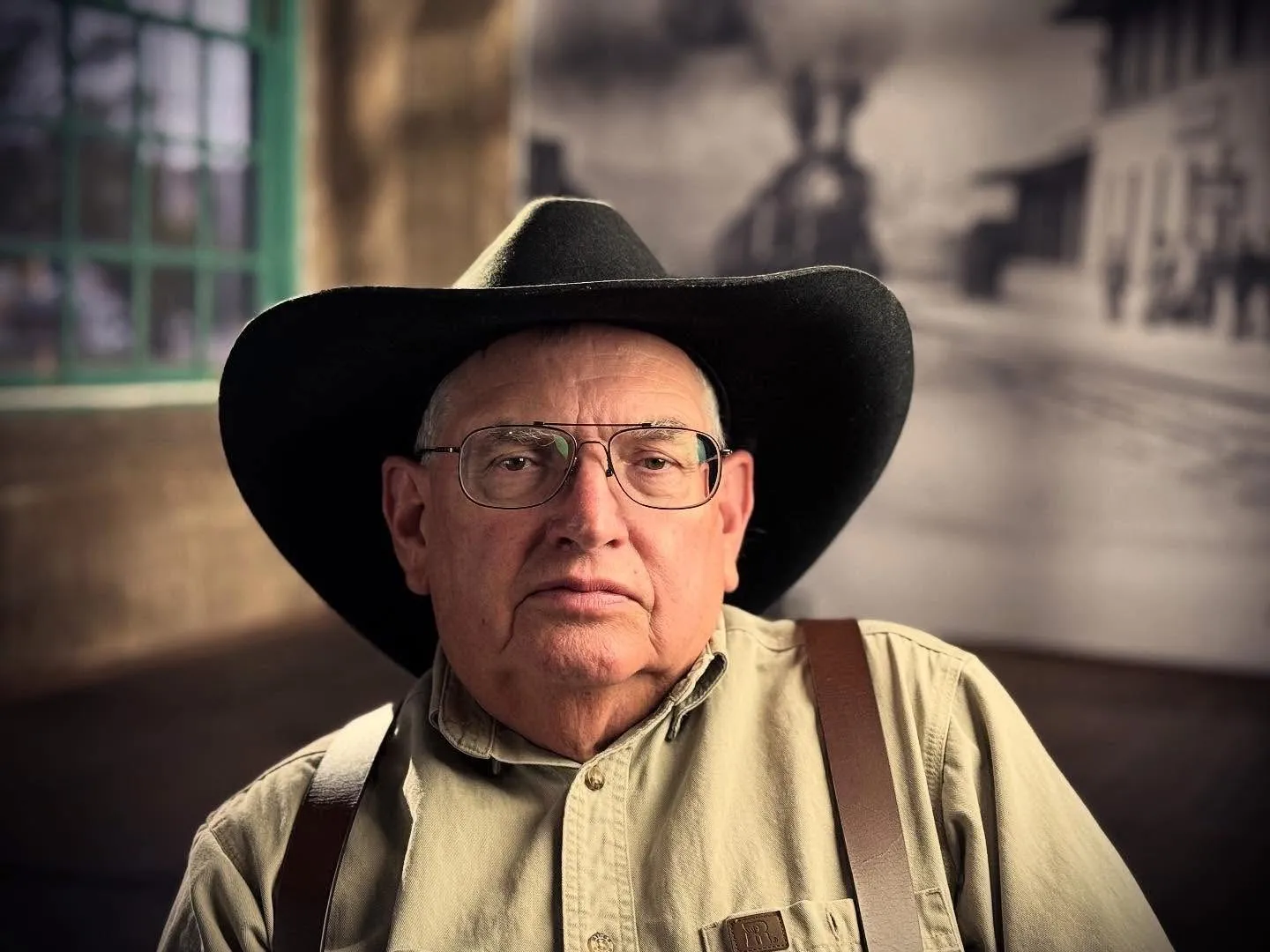
    On this week’s episode of The RV Atlas Podcast, we continue our celebration of 100 years of Route 66 with one of our favorite interviews ever. We’re joined by Jim Hinckley, a true legend in the Route 66 world, to take us on a virtual road trip from Chicago to California. Along the way, Jim shares iconic stops, hidden gems, RV-friendly destinations, and incredible stories that bring the Mother Road to life.

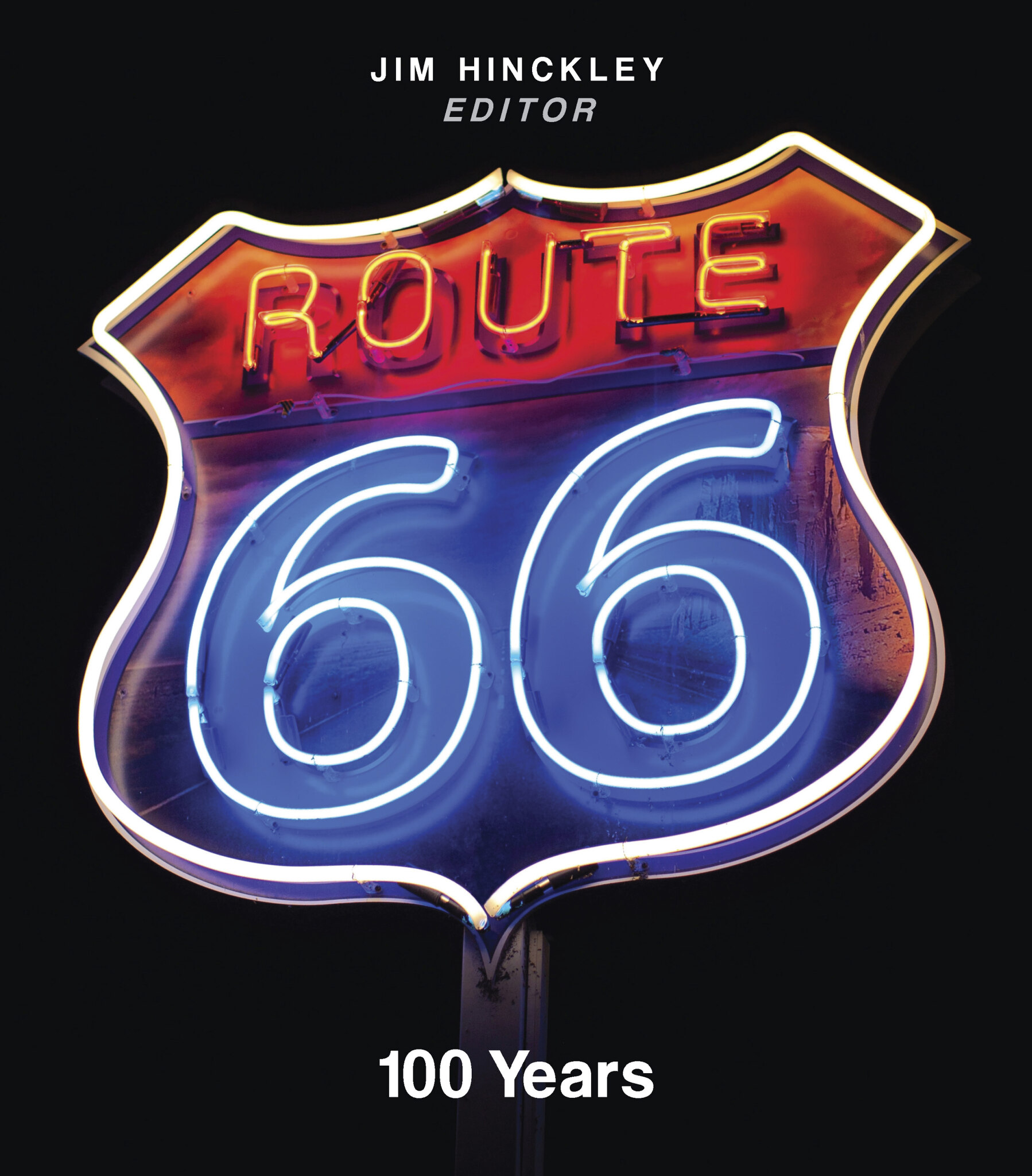
    Jim’s new book is called Route 66: 100 Years and it is available wherever books are sold!

    photo provided by Jim Hinckley

    This episode is part history lesson, part travel guide, and part inspiration for planning your own Route 66 adventure. And best of all, Jim tailored his recommendations specifically for the RV Atlas audience—with campground tips, Harvest Hosts stops, and even vintage RV history woven throughout.

    If you’ve ever dreamed about driving Route 66, this is the episode that will get you moving.

    To listen to our complete one hour interview with Jim please click on the media player above or subscribe to The RV Atlas wherever you get your favorite shows!

    To listen to our interview with Linda Ly about her book The Route 66 Cookbook please click here.

    Why Route 66 Still Matters 100 Years Later

    Route 66 may have been officially decommissioned in 1985, but its legacy is stronger than ever.

    This isn’t just a road—it’s the ultimate symbol of the American road trip. It tells the story of:

    • Migration and opportunity
    • Small businesses and entrepreneurship
    • Cultural exchange and immigration
    • The evolution of travel itself

    As Jim explains, Route 66 is “the American story made manifest.” And that story continues to evolve—with international travelers, new attractions, and even modern innovations like EV museums popping up along the route.

    100 Years of Route 66 in Illinois: Where the Journey Begins

    Pontiac, Illinois

    Pontiac is a perfect example of how Route 66 has helped revitalize small-town America. Once struggling economically, the town leaned into its Route 66 identity and transformed itself into a vibrant destination.

    Highlights include:

    • The Route 66 Museum (featuring Bob Waldmire’s iconic bus)
    • The Pontiac Oakland Museum
    • Walking tours through a beautifully preserved historic district

    This is a place where past and present blend seamlessly—and where Route 66 feels very much alive.

    Springfield, Illinois

    Springfield offers a rich mix of Route 66 nostalgia and American history.

    Key stops include:

    • Abraham Lincoln’s home and neighborhood
    • The Route 66 Experience, an immersive walking exhibit with recreated neon signs
    • A brand-new Route 66 boat tour launching this year

    It’s a great early stop that combines education, storytelling, and classic road trip vibes.

    100 Years of Route 66 in Missouri: History, Food, and Roadside Legends

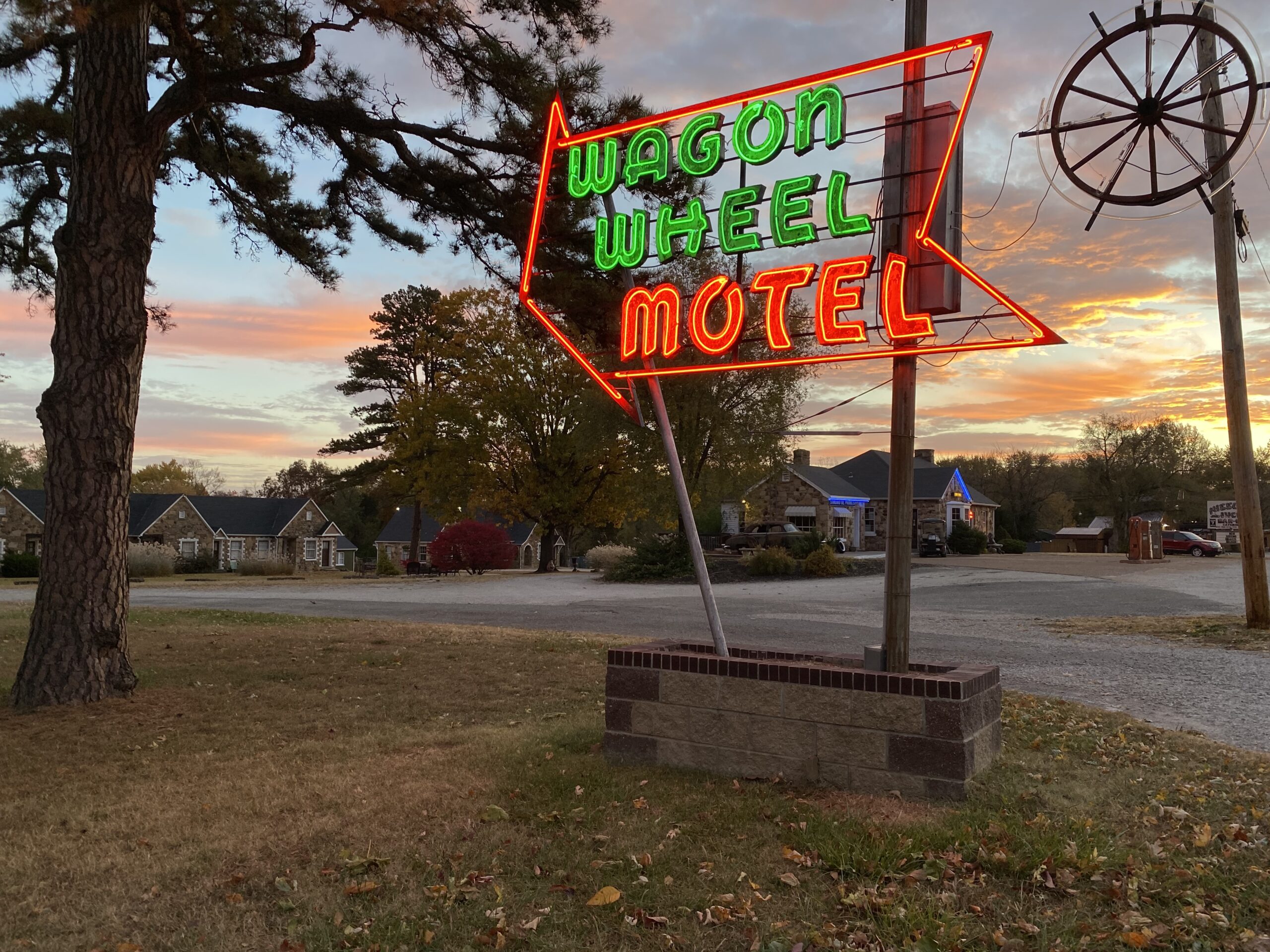
    photo by Jim Hinckley

    Meramec Caverns

    A classic Route 66 attraction, Meramec Caverns blends natural beauty with storytelling—including a long-standing connection to Jesse James.

    There’s also an on-site campground, making it an easy and memorable RV stop.

    Cuba, Missouri

    Often called “Missouri’s Route 66 Mural City,” Cuba is packed with charm:

    • Historic motels like the Wagon Wheel
    • Beautiful murals throughout town
    • Local restaurants and museums

    It’s a quintessential small-town Route 66 experience.

    National Museum of Transportation (St. Louis area)

    This massive museum covers planes, trains, and automobiles—and even includes vintage RV exhibits.

    You could easily spend an entire day here exploring the evolution of transportation in America.

    100 Years of Route 66 in Kansas: A Short Stretch Packed with History

    Though Route 66 only runs about 13 miles through Kansas, it’s packed with fascinating stops.

    Highlights include:

    • The historic Riverton General Store
    • The Brush Creek Marsh Arch Bridge
    • Baxter Springs and its Civil War history

    It’s a quick drive—but one worth savoring.

    100 Years of Route 66 in Oklahoma: A Route 66 Powerhouse

    Oklahoma is one of the most dynamic states along Route 66, with a strong preservation culture and tons to see.

    Oklahoma Route 66 Museum (Clinton)

    An immersive experience that lets you “travel through time” along Route 66.

    National Route 66 Museum (Elk City)

    Part of a larger complex that includes farm, ranch, and rodeo exhibits—making it a full destination stop.

    AAA Route 66 Road Fest (Tulsa)

    An annual indoor event featuring:

    • Classic cars
    • Vintage RV displays
    • Interactive exhibits

    A great option for RVers looking to experience Route 66 culture in one place.

    100 Years of Route 66 in Texas: Big History in a Small Stretch

    Route 66’s Texas section is short—but packed with memorable stops.

    U-Drop Inn (Shamrock)

    A beautifully restored Art Deco gas station featured in Cars, now serving as a visitor center with EV charging and a café.

    Devil’s Rope Museum (McLean)

    A surprisingly fascinating museum dedicated to barbed wire and Route 66 history.

    Midpoint Café (Adrian)

    The official midpoint of Route 66—and home to famous “ugly crust pie.”

    100 Years of Route 66 in New Mexico: Culture, Landscapes, and RV History

    Pecos National Historical Park

    A stunning site that showcases Native American history, Spanish missions, and early trade networks.

    Enchanted Trails RV Park & Trading Post

    One of the most RV-friendly stops on Route 66:

    • Vintage Airstream display
    • On-site RV camping
    • Trading post and museum

    This is a must-stop for RV enthusiasts.

    Richardson Trading Company (Gallup)

    An authentic Native American trading post that has been operating for over a century.

    100 Years of Route 66 in Arizona: Classic Route 66 Nostalgia

    photo by Jim Hinckley

    Jack Rabbit Trading Post

    Famous for its iconic roadside signs and vintage charm, this stop embodies classic Route 66 marketing and nostalgia.

    Painted Desert & Petrified Forest National Park

    The only national park directly intersected by Route 66—and one of the most visually stunning sections of the entire journey.

    Kingman’s “Tin Can Alley”

    A creative redevelopment project featuring:

    • Restored vintage buildings
    • Repurposed Airstream trailers
    • Airbnb accommodations

    It’s a glimpse of Route 66’s future.

    100 Years of Route 66 in California: Desert Landscapes and Hidden History

    Mojave Desert Heritage Center

    A Harvest Hosts location and museum that offers a perfect basecamp for exploring the desert.

    Daggett

    A near-ghost town filled with fascinating history, including connections to Wyatt Earp and early railroads.

    Ludlow Café

    A classic roadside stop known for its pie—and a reminder of the many towns that once thrived along Route 66.

    Planning a Route 66 RV Trip

    Route 66 is not a single continuous road anymore—it’s a network of historic alignments, detours, and evolving routes.

    Jim’s advice:

    • Do some planning, but don’t over-plan
    • Use trusted tools like the EZ66 Guide or Route 66 navigation apps
    • Be flexible and open to discovery

    For RVers, the journey can be even more rewarding, with access to:

    • Campgrounds
    • Harvest Hosts locations
    • Unique overnight stays

    Final Thoughts

    Route 66 isn’t just a road—it’s an experience that captures the spirit of American travel like nothing else.

    From small-town diners and neon-lit motels to historic landmarks and breathtaking landscapes, every mile tells a story.

    And in this 100th anniversary year, there’s never been a better time to start planning your own journey down the Mother Road.

    We’ll see you at the campground.

    The post 100 Years of Route 66! Epic Roadside Attractions from Illinois to California with Jim Hinckley appeared first on The RV Atlas.


    An Epic Family RV Trip to Gulf State Park in Alabama with Allie Kreuz Apr 19, 2026
    Show notes

    On this week’s episode of The RV Atlas Podcast, we are reviewing one of the best state park campgrounds in the country. Our friend Allie Kreuz returns to the show to break down her family’s spring break RV trip to Gulf State Park in Alabama—and it truly sounds like the ideal combination of destination camping, resort-like amenities, and unforgettable family fun.

    This isn’t just a campground review—it’s a full trip-planning guide. Allie shares everything from site selection and amenities to restaurants, activities, and insider tips to help you plan your own incredible visit.

    If you’ve been looking for that “perfect” RV destination for a week-long trip, this episode is packed with inspiration.

    To listen to our interview with Allie please subscribe to the RV Atlas wherever you get your favorite shows! To check out her last appearance on the RV Atlas (about New River Gorge in WV) podcast please click here.

    Gulf State Park: A Destination Campground on the Alabama Coast

    Gulf State Park is located on the Gulf Coast of Alabama, just about nine miles from the Florida state line. It’s a long haul for many RVers—especially those coming from the Midwest—but as Allie made clear, the destination is absolutely worth the drive.

    What makes this park so unique is the balance it strikes. You’re in the middle of a vibrant beach vacation destination, with easy access to restaurants, attractions, and tourist hotspots—but when you return to your campsite, it feels peaceful, quiet, and surrounded by nature.

    That combination is hard to find—and it’s one of the reasons this park stands out.

    A Massive Campground Designed for RVers

    This is not your typical state park campground.

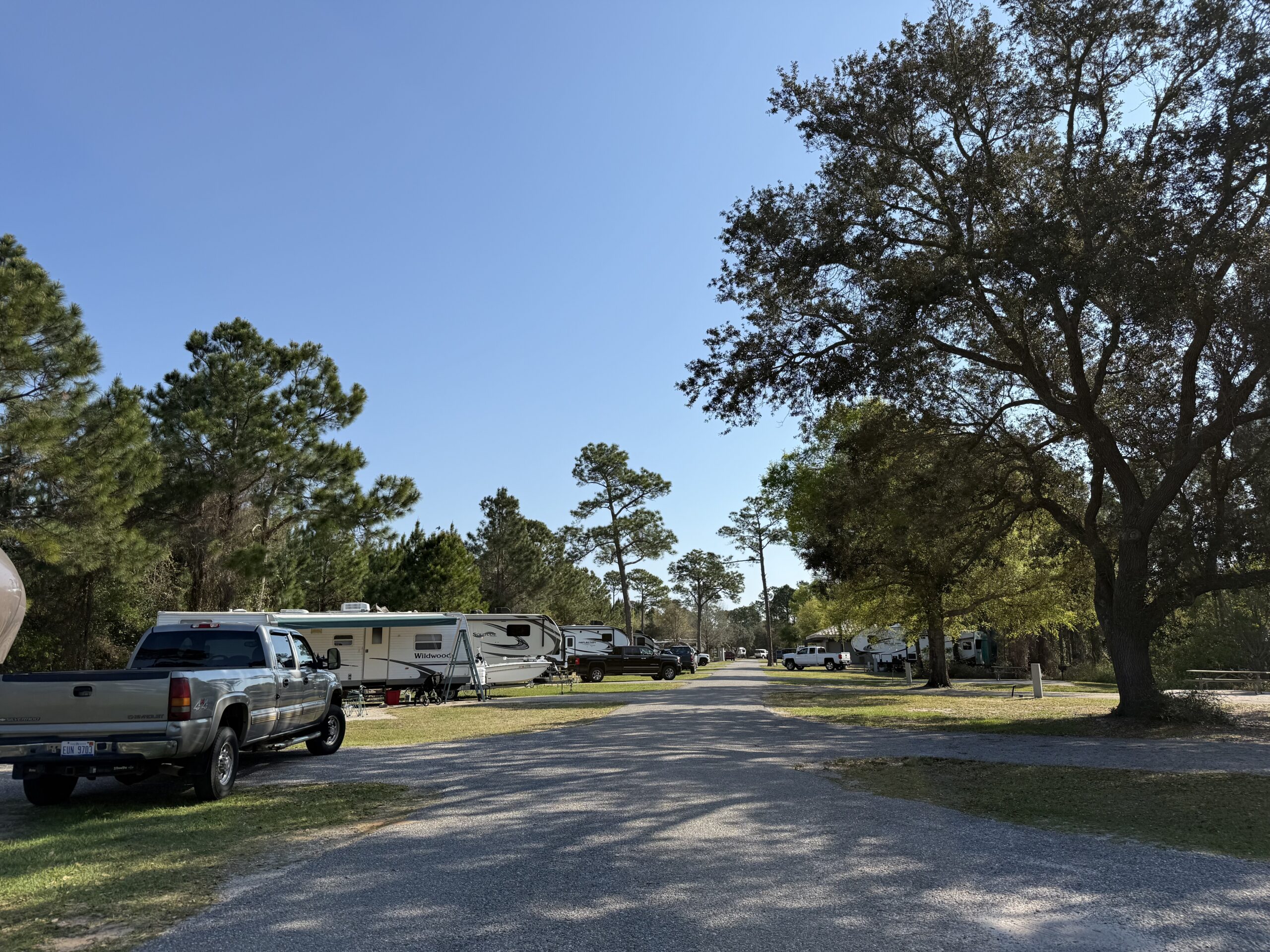
    Gulf State Park features:

    • 496 full hookup RV sites
    • Just 8 primitive tent sites
    • 35 cabins and cottages
    • A 350-room lodge operated by Hilton

    The campground is extremely big-rig friendly, with long paved pads, spacious layouts, and easy navigation throughout.

    Ali emphasized that there truly isn’t a bad site in the campground. Whether you want:

    • Waterfront views
    • Shady wooded sites
    • Proximity to amenities

    —you can find a site that fits your style.

    Campsites: Spacious, Flexible, and Well-Planned

    All sites include:

    • Full hookups
    • Picnic tables
    • Pedestal charcoal grills

    One notable difference: there are no built-in fire rings, so you’ll need to bring a raised fire pit if you want a campfire.

    The campground is laid out in a way that gives you options:

    • Waterfront sites for scenic views and quiet
    • Sites near the “Hospitality Hub” for activity and convenience
    • Pull-through sites in horseshoe layouts that feel more private than traditional rows

    Ali’s site—#29—was right on the water and exceptionally large, offering plenty of room for relaxing and enjoying the view.

    The Hospitality Hub: Where This Park Becomes a Resort

    The heart of Gulf State Park is what they call the Hospitality Hub—and this is where things really start to feel more like a high-end RV resort than a traditional state park.

    Here you’ll find:

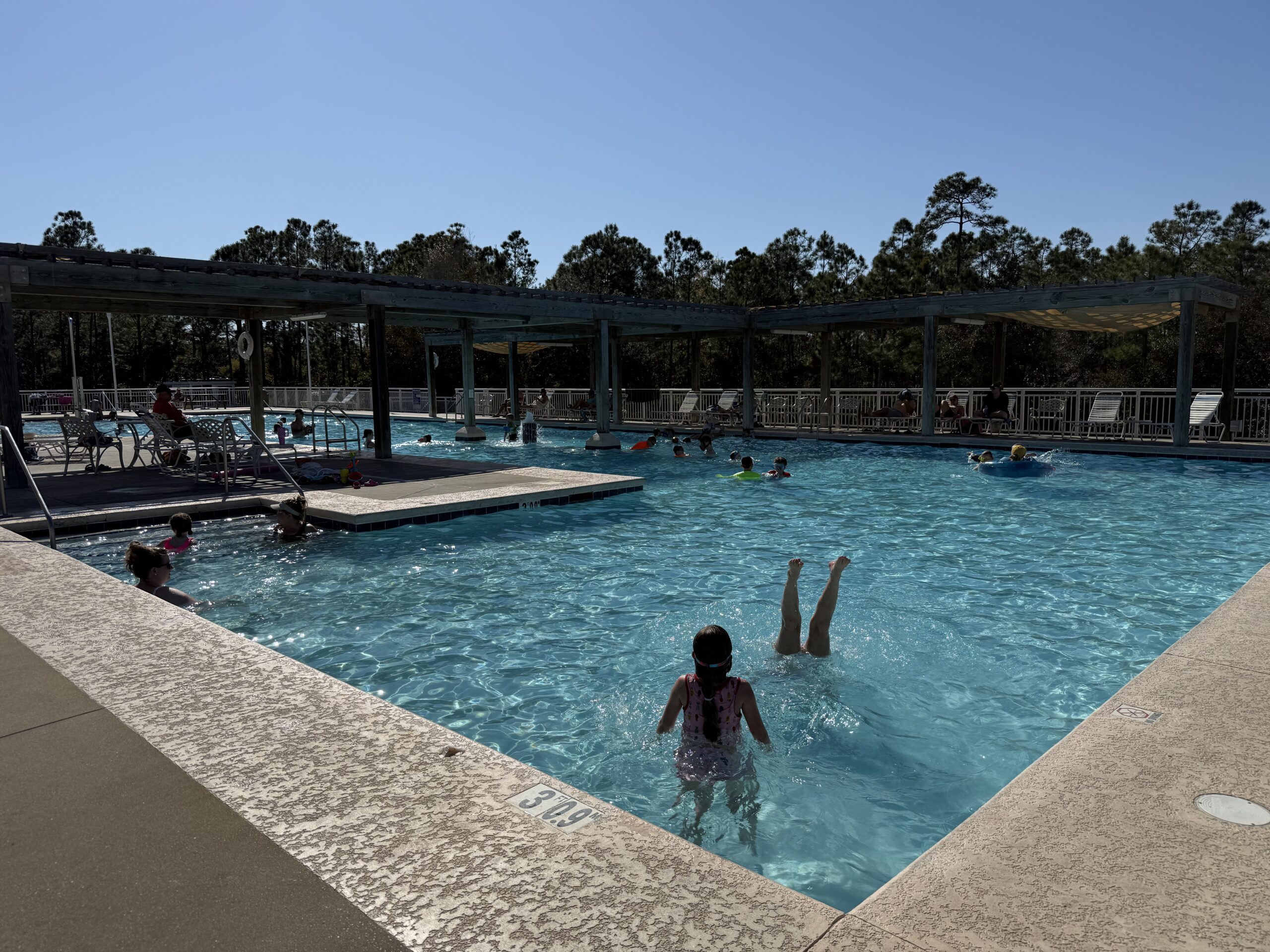
    • A huge resort-style heated pool with fountains and shaded areas
    • A large splash pad for younger kids
    • A nature center with live animals (including a roaming tortoise)
    • Multiple dining options
    • Camp store and activity spaces
    • Pickleball, tennis, and basketball courts

    The pool alone is one of the most impressive features. It’s large enough to accommodate both energetic kids and adults looking to relax—without ever feeling crowded.

    Biking Is a Must-Do Activity

    One of the standout features of Gulf State Park is its extensive bike trail system.

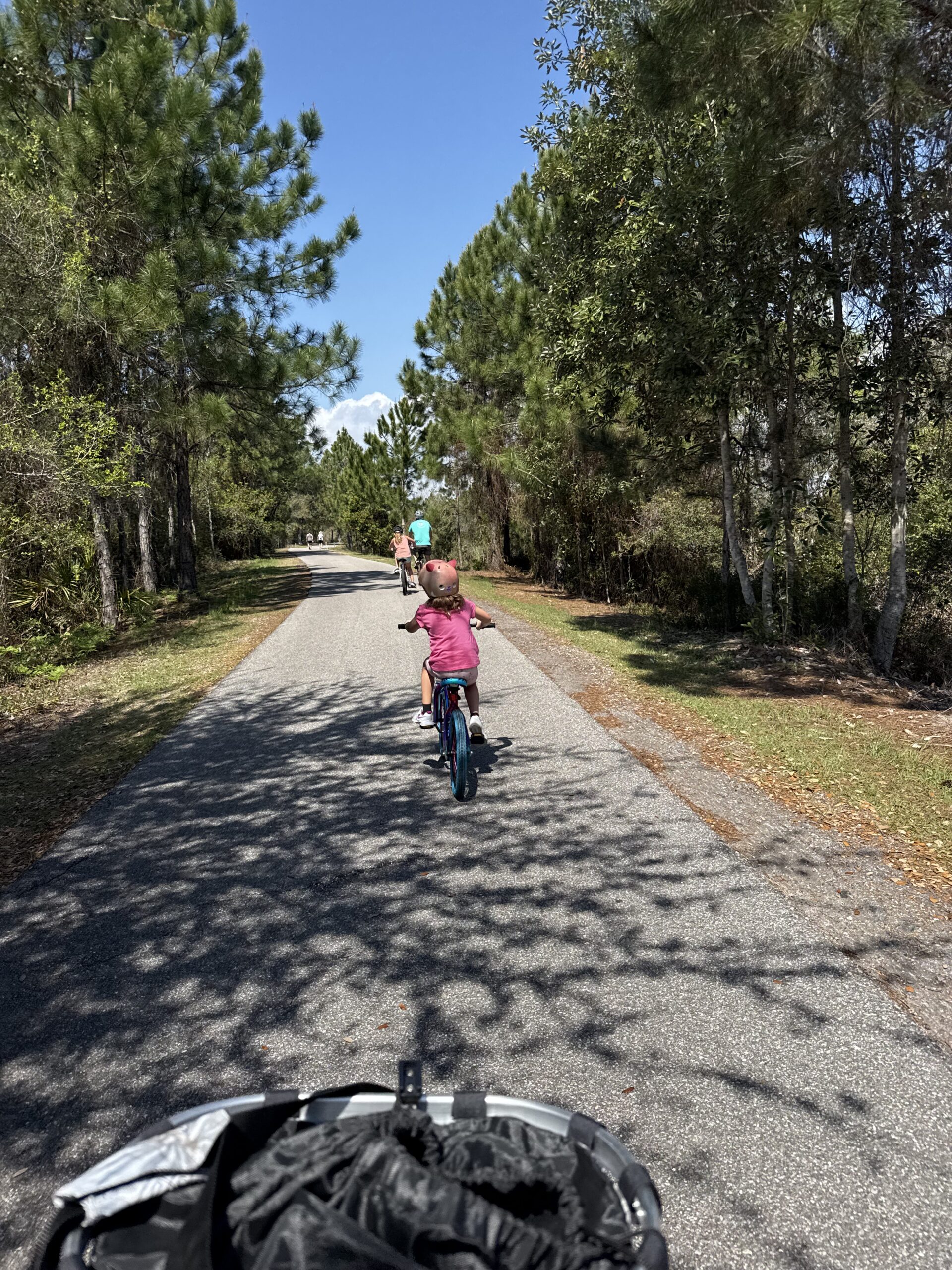
    There are over 28 miles of paved paths and boardwalk trails that wind through:

    • Wetlands
    • Forested areas
    • Scenic bridges
    • Beach access routes

    The park even includes bike overpasses so riders can safely cross busy roads.

    Allie emphasized that bringing bikes is essential—her kids spent hours riding every day, and even learned to ride on this trip.

    There are also free bike rentals (for adults) and additional rental options nearby, including e-bikes.

    Easy Access to Beautiful Gulf Beaches

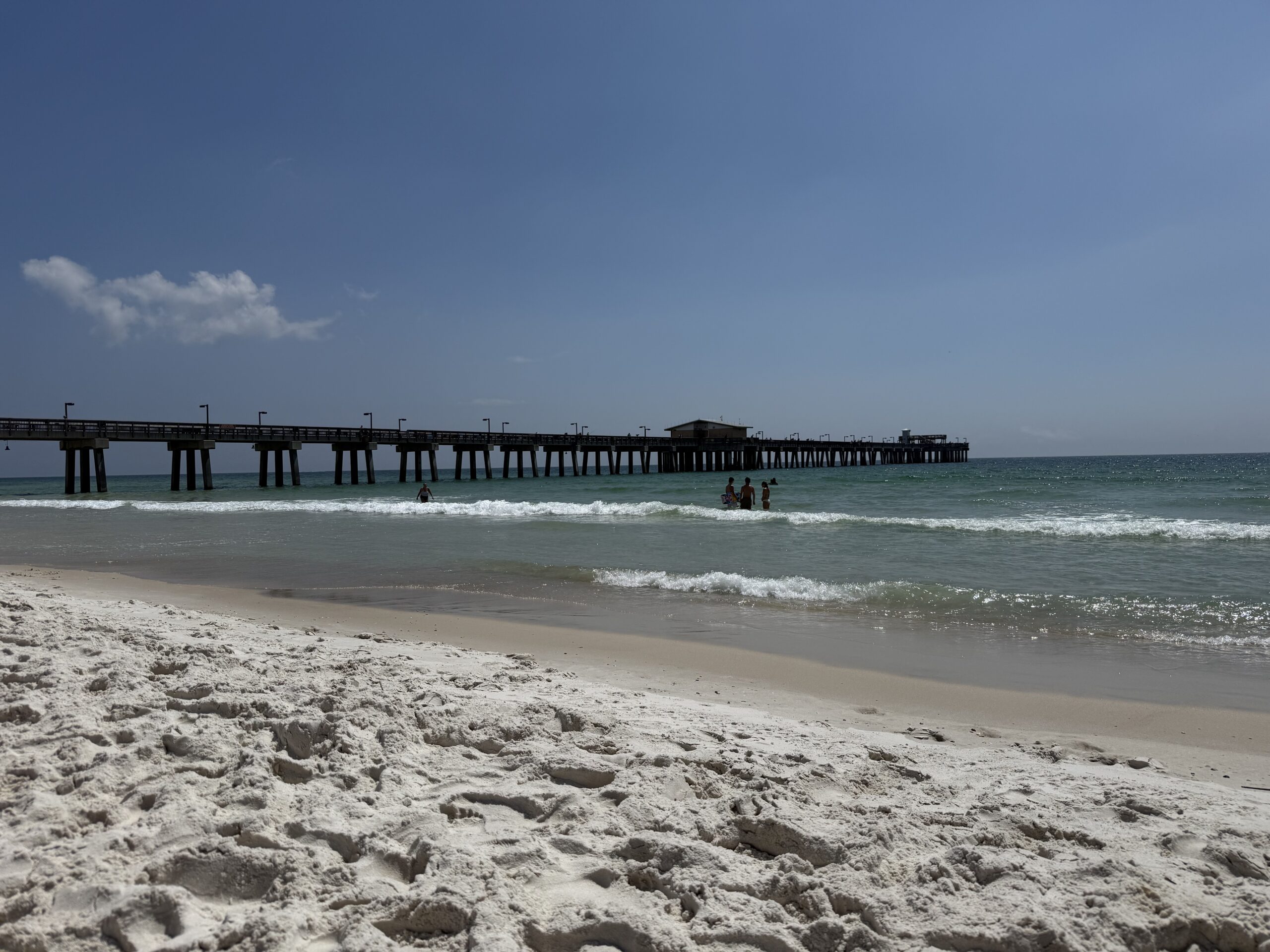
    The beaches at Gulf State Park are exactly what you hope for on a Gulf Coast trip:

    • White, soft sand
    • Clean shoreline
    • Clear water
    • Plenty of space

    You can reach the beach in just minutes by bike or by using the park’s shuttle service.

    Even better, your campground stay includes free parking access at multiple beach areas.

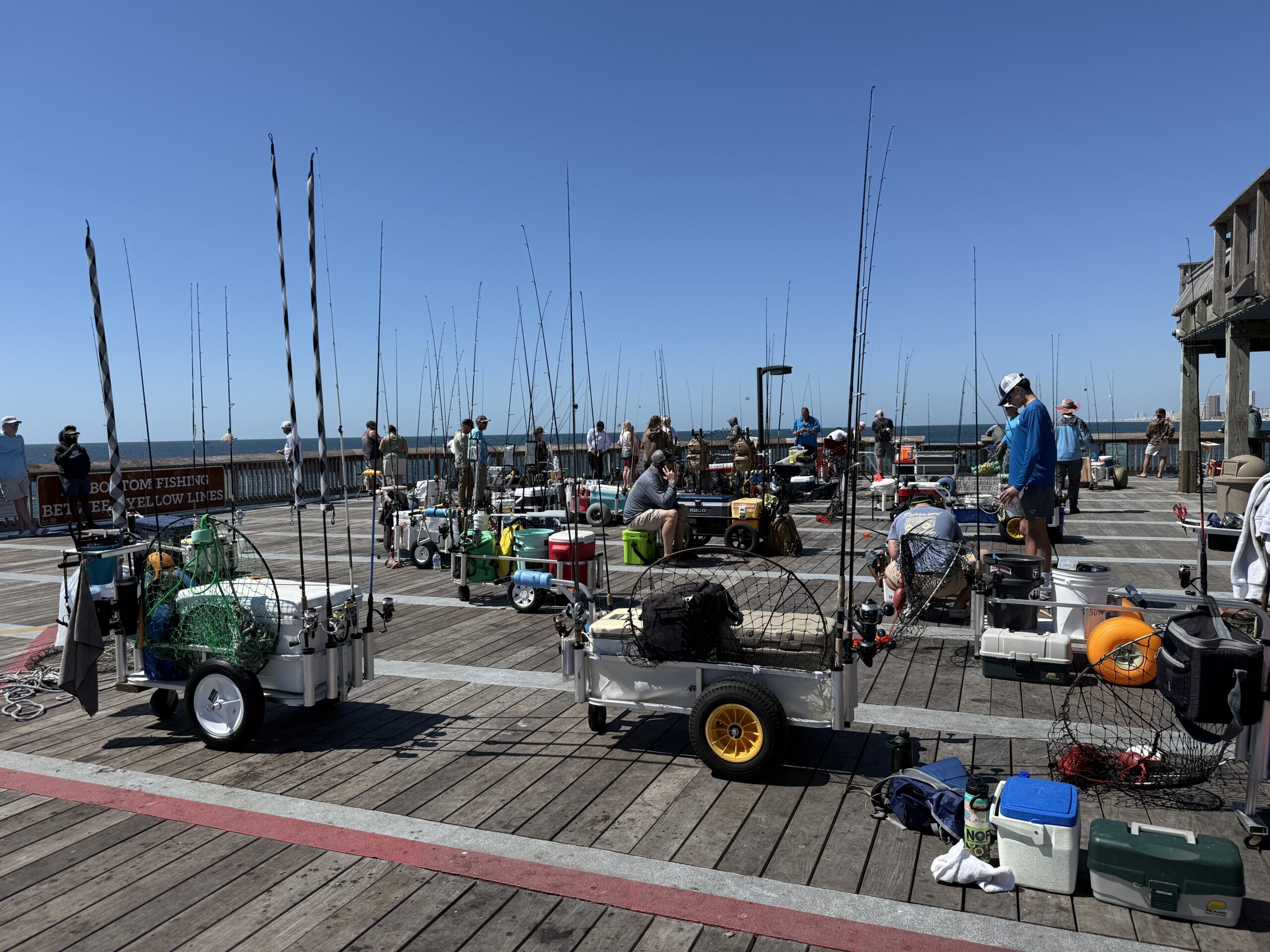
    Fishing, Wildlife, and the Gulf State Park Pier

    The Gulf State Park Pier is another highlight—and a major draw for visitors.

    • Free access for campground guests
    • Fishing pole rentals available
    • On-site bait shop
    • Friendly, helpful staff

    Allie’s daughter spent time fishing there, and the experience became a highlight of the trip. The pier also creates a sense of community, with people helping each other land fish and sharing tips.

    Dining at Gulf State Park (Yes, Really)

    One of the most surprising aspects of this park is the number of dining options.

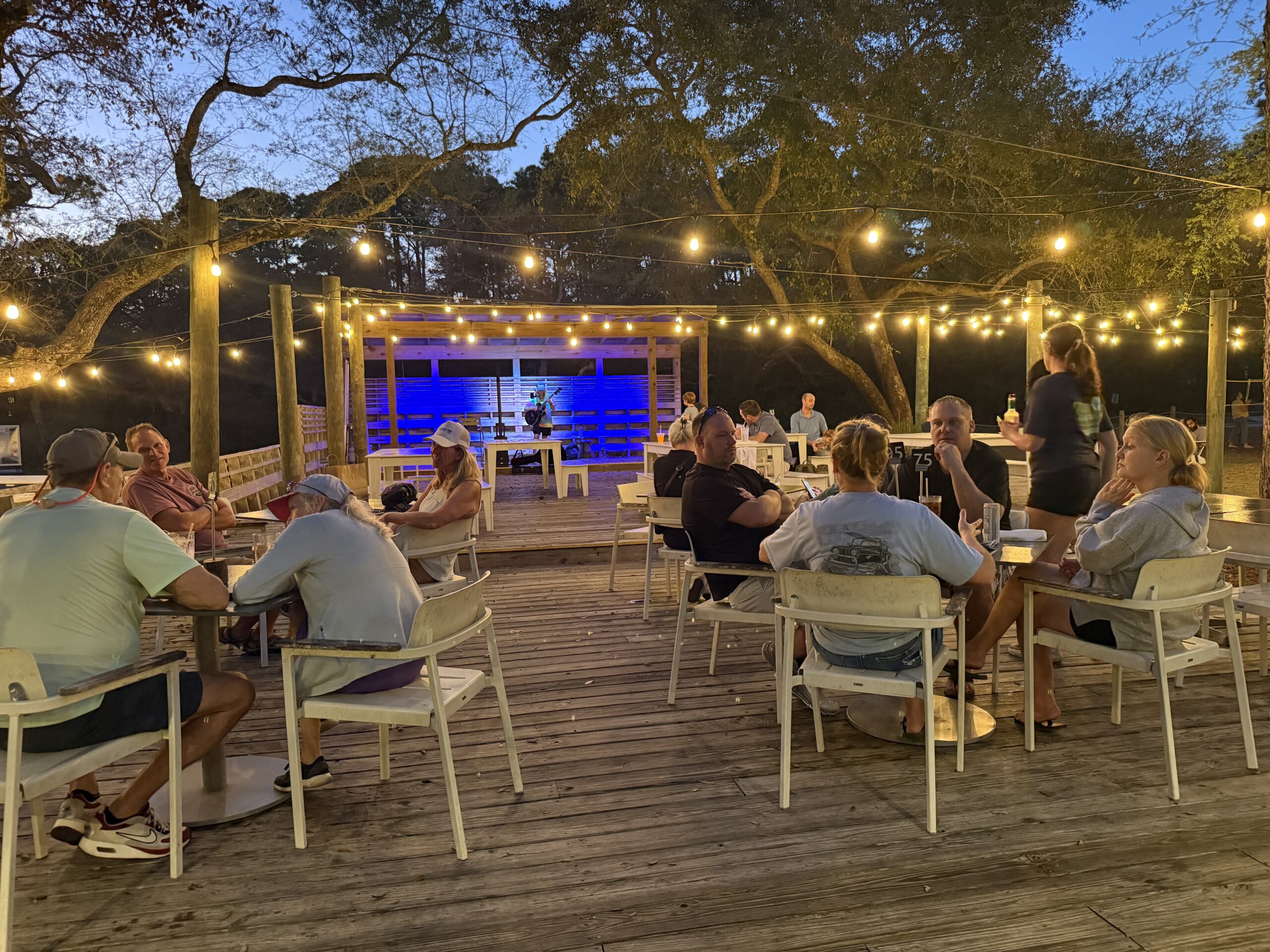
    Within the park itself, there are multiple restaurants, including:

    • Woodside Restaurant (casual, family-friendly with live music and lawn games)
    • Poolside bar and dining options at the lodge
    • Coffee shop and grab-and-go options

    The Woodside Restaurant stood out as a favorite, with a fun outdoor atmosphere and plenty of activities for kids while parents relax.

    Exploring Gulf Shores: A Full Vacation Destination

    Outside the park, Gulf Shores offers everything you’d expect from a major beach destination:

    • Go-karts, mini golf, and water parks
    • Parasailing and banana boat rides
    • Souvenir shops and beachfront attractions
    • Live music and nightlife

    This is where the trip can flex depending on your style—you can stay immersed in nature or lean into the full vacation energy of the area.

    Favorite Restaurants in the Area

    Allie shared several standout dining experiences:

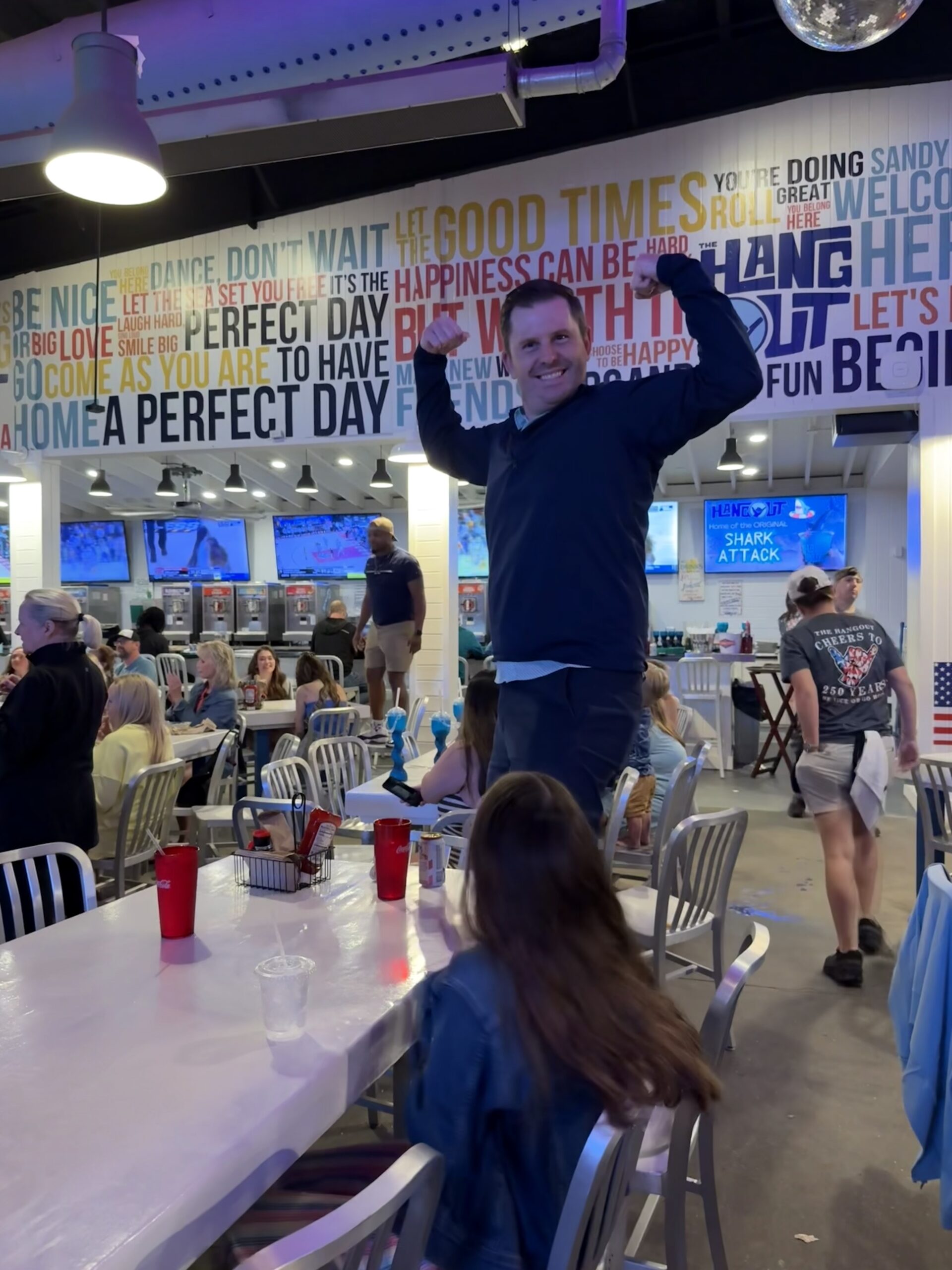
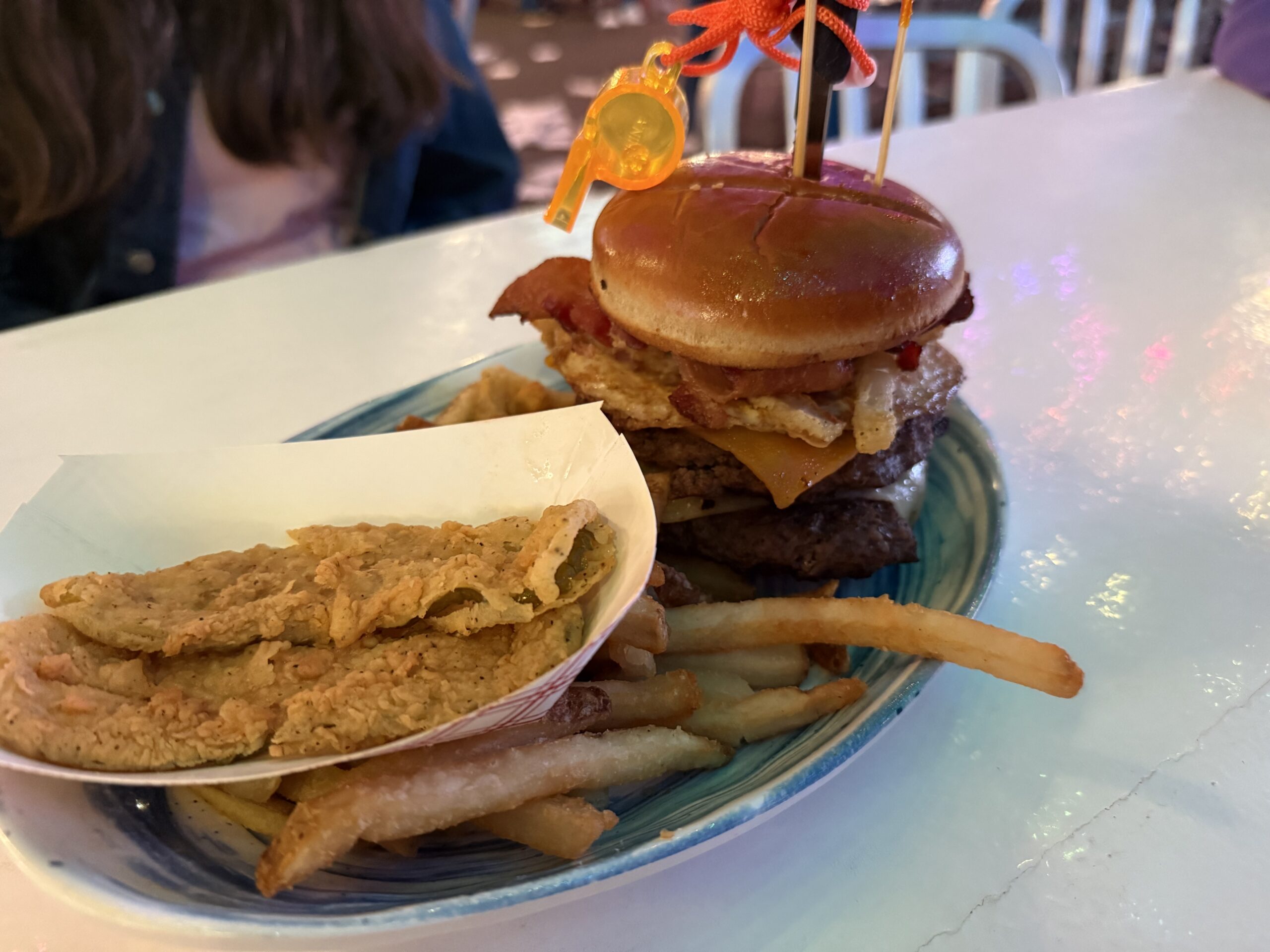
    The Hangout

    A must-visit for families:

    • Foam parties every hour
    • Live music and entertainment
    • High-energy, interactive dining experience
    • Great food and fun atmosphere

    Florabama

    A legendary beach bar right on the Florida-Alabama line:

    • Live music
    • Oceanfront setting
    • Famous for its “Bushwhacker” drinks

    Tacky Jacks

    A quirky, fun restaurant where guests decorate the space with duct tape messages—plus great seafood and waterfront views.

    Parlor Doughnuts

    A must-stop for oversized, flaky, croissant-style donuts with creative toppings.

    A Few Important Tips Before You Go

    • Book early—this is a highly competitive campground
    • Reservations open 365 days in advance
    • Bring your own fire pit
    • Bring bikes (essential for getting around)
    • Consider site location carefully (quiet vs. activity areas)
    • Be aware of wildlife—alligators are present in some areas
    • Dogs are not allowed on beaches, so plan accordingly

    Final Thoughts

    Gulf State Park is one of those rare places that truly lives up to the hype—and then exceeds it.

    It combines:

    • State park space and natural beauty
    • Resort-level amenities
    • A prime coastal location
    • Endless activities for families

    It’s not just a campground—it’s a full vacation experience.

    And as Allie made clear, it’s a place you’ll want to return to again and again.

    We’ll see you at the campground.

    The post An Epic Family RV Trip to Gulf State Park in Alabama with Allie Kreuz appeared first on The RV Atlas.


    Why Pop-Up Campers Make Great First RVs (+ a $1,500 Used Pop-Up Camper Unicorn Story) Apr 10, 2026
    Show notes

    On this week’s episode of The RV Atlas Podcast, we’re going back to our roots—literally—with a full episode dedicated to pop-up campers. It’s been years since we’ve focused on this category in depth, but after hearing from so many listeners who are just getting started in RVing, it felt like the right time to revisit one of the most approachable and beloved entry points into the camping lifestyle.

    This episode unfolds in three fun and meaningful segments. First, we share eight reasons why pop-up campers make great first RVs. Then we bring on Shawn—the RV Atlas camera guy and podcast editor—for a truly incredible story about scoring one of the best used pop-up camper deals we’ve ever seen. And finally, we wrap things up with a collection of heartfelt and often hilarious stories from members of the RV Atlas Facebook Group about their own pop-up camper experiences.

    If you’re RV-curious, budget-conscious, or just nostalgic for simpler camping days, this episode is for you.

    To listen to the RV Atlas podcast click on the media player above or subscribe to the RV Atlas wherever you get your favorite shows.

    Eight Reasons Why Pop-Up Campers Make Great First RVs

    We’ll start with the big picture: despite a few well-known drawbacks, we genuinely believe pop-up campers are one of the best ways to get started in RVing.

    1. They’re More Affordable Than Other RVs

    Pop-up campers still sit at one of the lowest price points in the RV world. New models typically range from about $8,000 to $18,000, which is significantly less than most travel trailers or fifth wheels.

    While nothing is “cheap” anymore, this is still one of the most accessible entry points for families looking to test the RV lifestyle without making a massive financial commitment.

    2. The Used Market Is Huge

    One of the most compelling reasons to consider a pop-up camper is the robust used market. Even though fewer companies manufacture new pop-ups today (with Forest River’s Rockwood and Flagstaff lines leading the charge), there are thousands of older units still in circulation.

    If you search Facebook Marketplace in the spring, you’ll likely find multiple options in your area. And in many cases, buyers can purchase a used pop-up camper and later sell it for roughly the same price—something that’s almost unheard of in the RV world.

    3. They’re Easy to Store and Maneuver

    When folded down, most pop-up campers are compact—typically between 11 and 19 feet long—and low in height. That means:

    • Easier driveway storage
    • Potential garage storage
    • Easier maneuvering by hand when unhitched

    But once you pop them up, the interior space expands dramatically. It really does feel like one of the great “magic tricks” of the RV industry.

    4. They’re Incredibly Family-Friendly

    Pop-up campers often offer more sleeping space than larger RVs. Between the two pull-out beds, dinette conversions, and additional seating areas, many models can comfortably sleep five or six people.

    And surprisingly, the beds and seating tend to be quite comfortable—sometimes even more so than in entry-level travel trailers.

    5. They’re Easy to Tow

    This is a huge advantage for first-time RVers. Because pop-up campers are lightweight and sit low when folded, they can often be towed by:

    • Minivans
    • Smaller SUVs
    • Crossovers

    You can also see over them while driving, which makes towing feel much less intimidating.

    6. They Fit in More Campsites

    Pop-up campers can fit into many campsites that larger RVs simply can’t access. This includes:

    • Tent camping sites
    • Smaller state park sites
    • Remote or scenic spots in national parks

    The smaller your RV, the more options you have—and pop-ups give you access to some truly incredible locations.

    7. They Preserve the “Tent Camping” Feel

    For those coming from tent camping, pop-ups offer the best of both worlds. You’re still surrounded by fresh air, breezes, and the sounds of nature—but you’re off the ground and sleeping in a comfortable bed.

    It’s an ideal transition for campers who want more comfort without losing that outdoor connection.

    8. They Offer Real RV Amenities

    Modern pop-up campers often include:

    • Running water
    • Refrigerators
    • Air conditioning and heat
    • Portable or cassette toilets

    And even if your model doesn’t include everything, today’s camping gear market makes it easy to add those comforts.

    Shawn’s $1,500 Pop-Up Camper “Unicorn” Story

    The second segment of the episode might be one of our favorite RV Atlas stories ever.

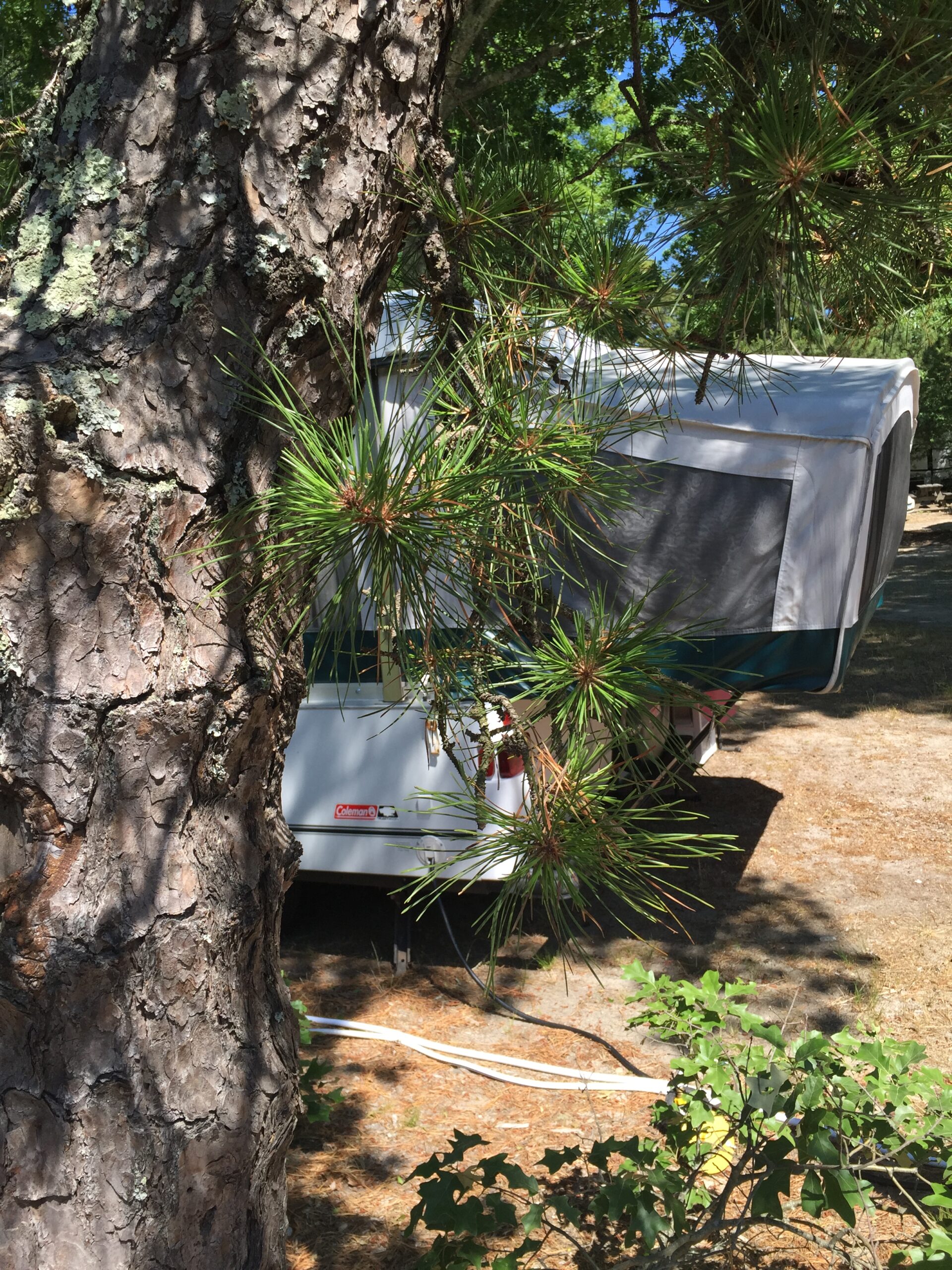
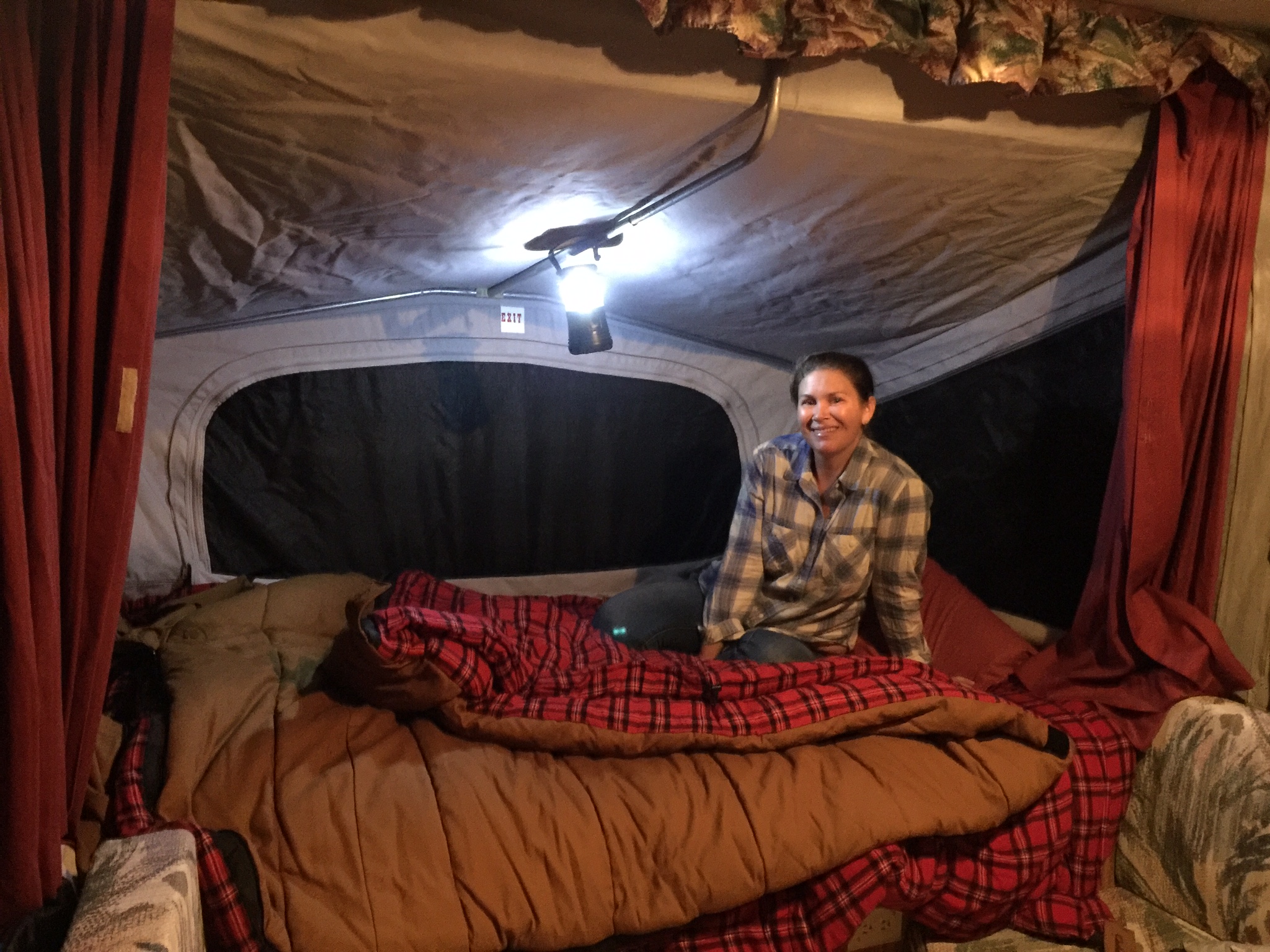
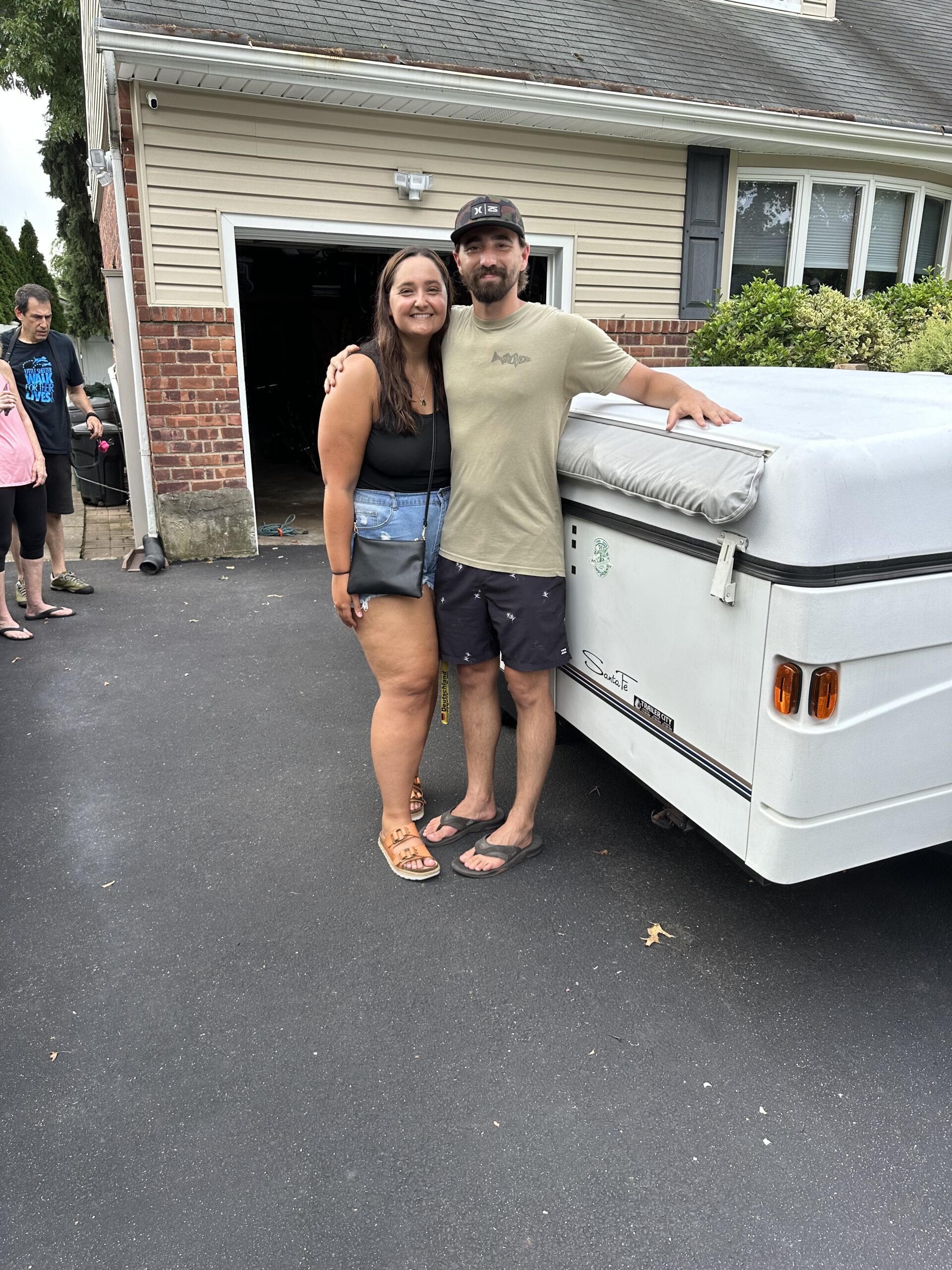
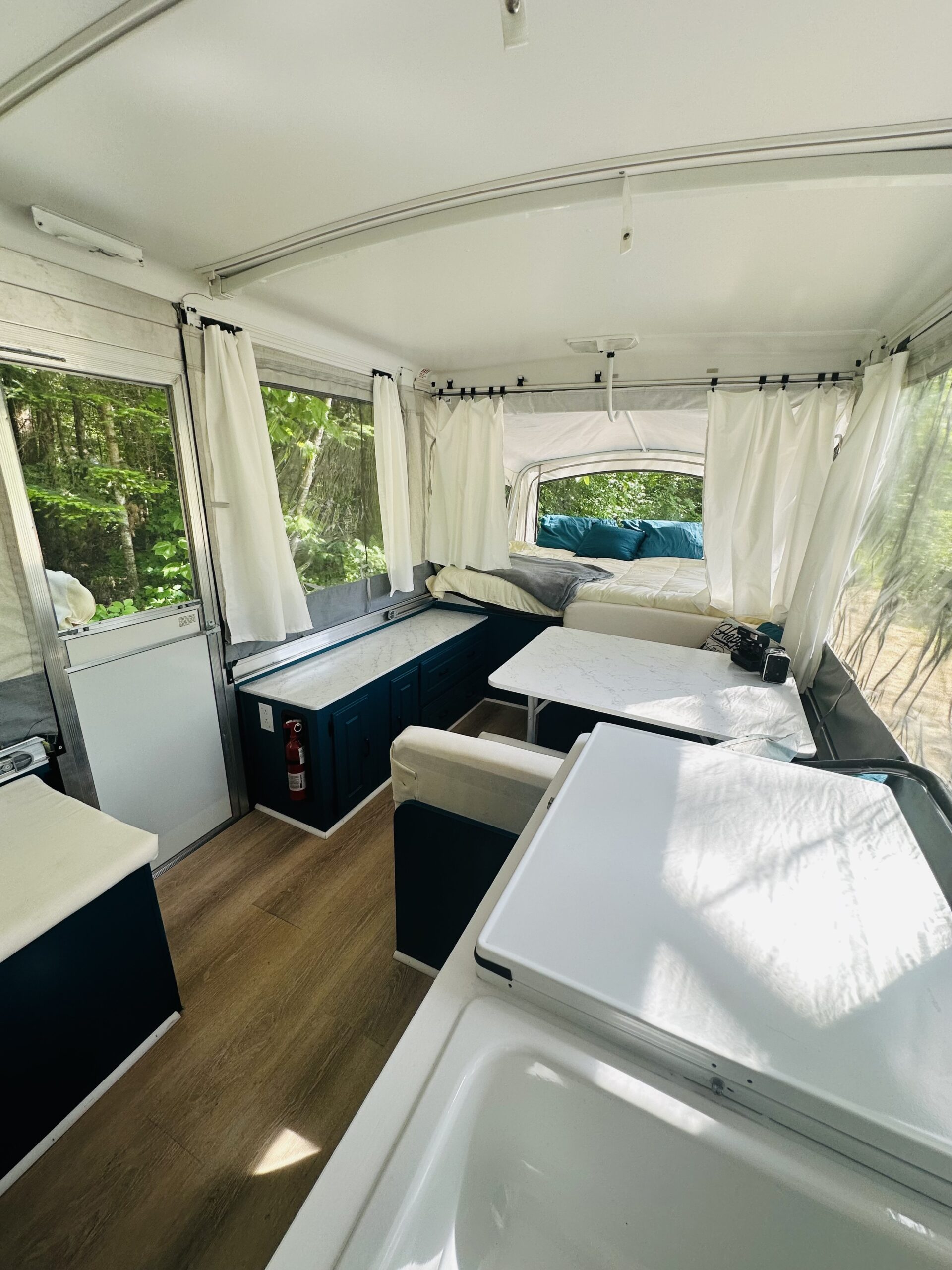
    Shawn—our camera guy and podcast editor—was in the market for a used pop-up camper. Around the same time, Phil Travaglia (another longtime RV Atlas contributor) spotted something special: a 2001 Coleman Santa Fe in near-perfect condition. Phil told Jeremy about it and Jeremy wanted to buy it!

    Garage-kept. One owner. Used once per year. Original manuals included. The asking price? $1,500.

    This was the definition of a unicorn deal.

    But Jeremy thought it would be bad mojo for him to buy it when a young couple was looking for one at the same time.

    After a little friendly pressure from Jeremy (and a strict “high noon” deadline), Shawn and his girlfriend Haley made the trip to Long Island with his grandfather’s truck to pick it up.

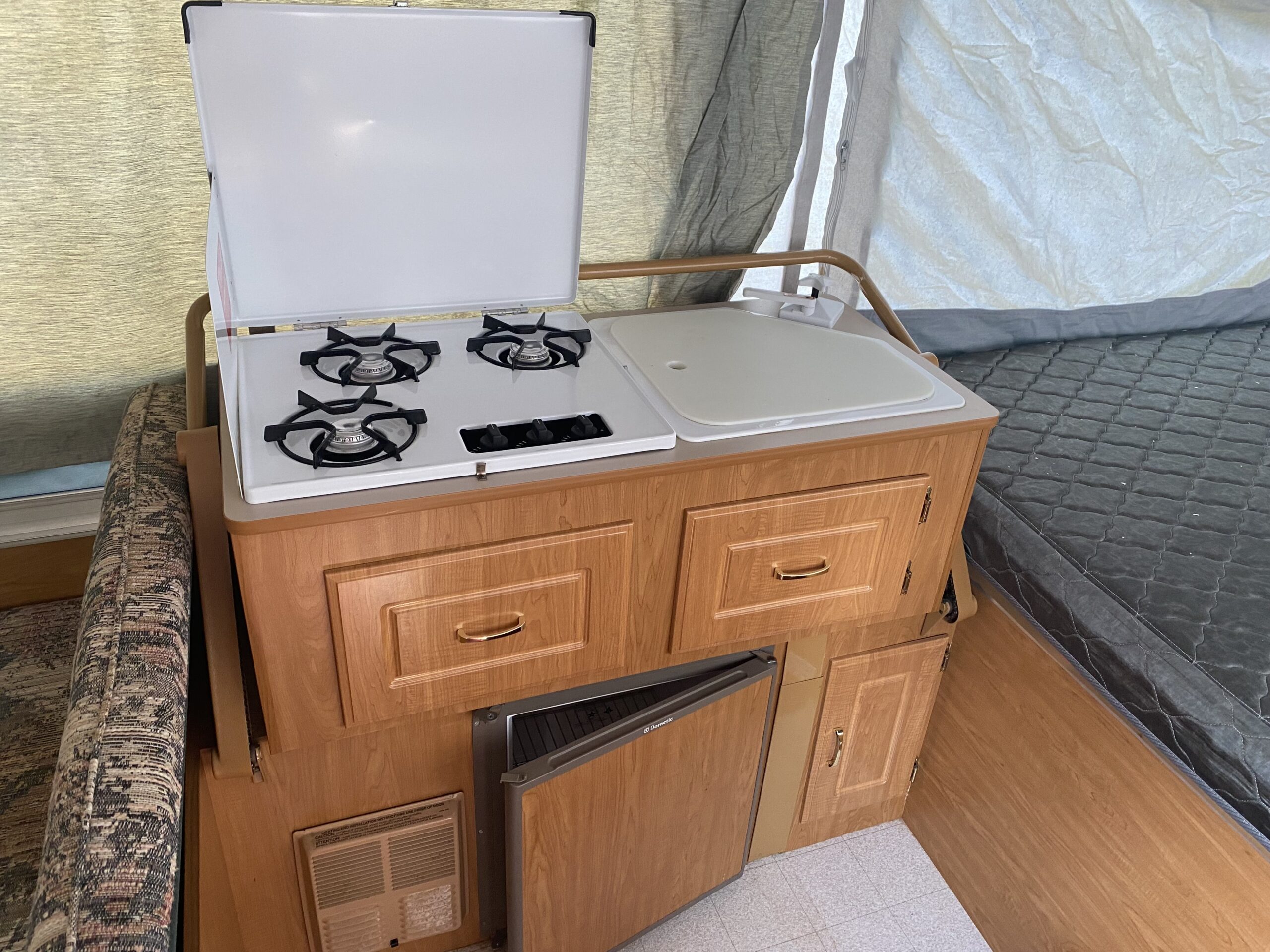
    What they found was even better than expected:

    • Pristine condition inside and out
    • Original Coleman accessories
    • Fully stocked with cookware, hoses, and gear
    • A seller who simply wanted the camper to go to someone who would use it

    They bought it, brought it home, and gave it a thoughtful refresh:

    • New LVP flooring
    • Fresh paint in a coastal color palette
    • Reupholstered seating
    • New curtains sewn by Haley
    • Updated faucet and small upgrades

    The result is a beautifully restored pop-up camper that’s now seeing regular use on trips to Rhode Island, New York, and beyond.

    Real Stories from RV Atlas Listeners

    To round out the episode, we turned to the RV Atlas Facebook Group—and the response was incredible.

    We received over 60 comments from listeners sharing their pop-up camper stories, including:

    • Families who bought and sold their pop-up for the same price
    • Campers who’ve used theirs for 10–15 years
    • First trips to Disney and cross-country adventures
    • Funny mishaps (like soaked clothes from leaky storage compartments)
    • Emotional reflections on early family camping memories

    One theme came through clearly: pop-up campers create lasting memories.

    Some campers upgrade. Some stick with their pop-up forever. But almost everyone looks back on that first camper with a deep sense of nostalgia and appreciation.

    Final Thoughts about Why Pop Up Campers Make Great First RV’s

    Pop-up campers may not be for everyone—but for the right person or family, they can be the perfect introduction to RVing.

    They’re affordable, flexible, and fun. They help you learn what you like about camping—and what you might want to upgrade later.

    And most importantly, they get you out there.

    If you’ve been thinking about buying your first RV and feeling unsure, don’t overlook the pop-up camper. It might just be the gateway that leads to years of adventures.

    We’ll see you at the campground.

    The post Why Pop-Up Campers Make Great First RVs (+ a $1,500 Used Pop-Up Camper Unicorn Story) appeared first on The RV Atlas.


    Campground Review: Bay Bayou RV Resort in Tampa, Florida Mar 27, 2026
    Show notes

    On this week’s episode of The RV Atlas Podcast, we welcome back correspondent Phil Travaglia for a detailed review of Bay Bayou RV Resort in Tampa, Florida—a campground that truly feels like a hidden gem in one of the most dynamic regions in the state.

    Phil has shared some fantastic campground reviews with us over the years—from Cape Cod to Long Island—and this one continues that tradition with a deep dive into a property that blends resort-style amenities, natural beauty, and an unbeatable location.

    If you’re planning a trip to Tampa—whether to visit family, attend the Florida RV SuperShow, explore beaches, or hit major attractions—this campground deserves a close look.

    To listen to our interview with Phil please click on the media player above or subscribe to the RV Atlas wherever you get your favorite shows.

    You can book sites at Bay Bayou RV Resort here.

    Bay Bayou RV Resort: A Hidden Gem in Tampa

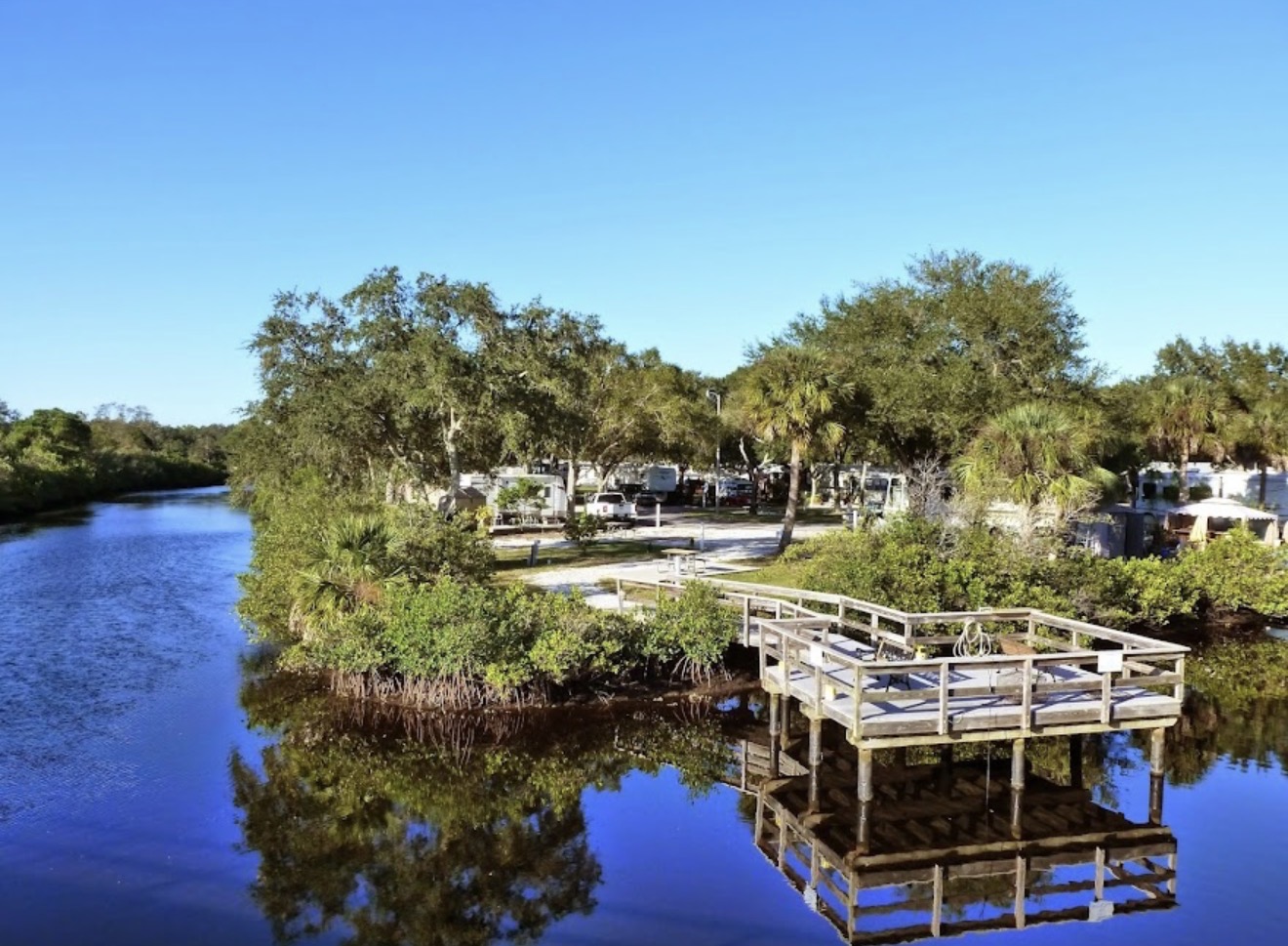
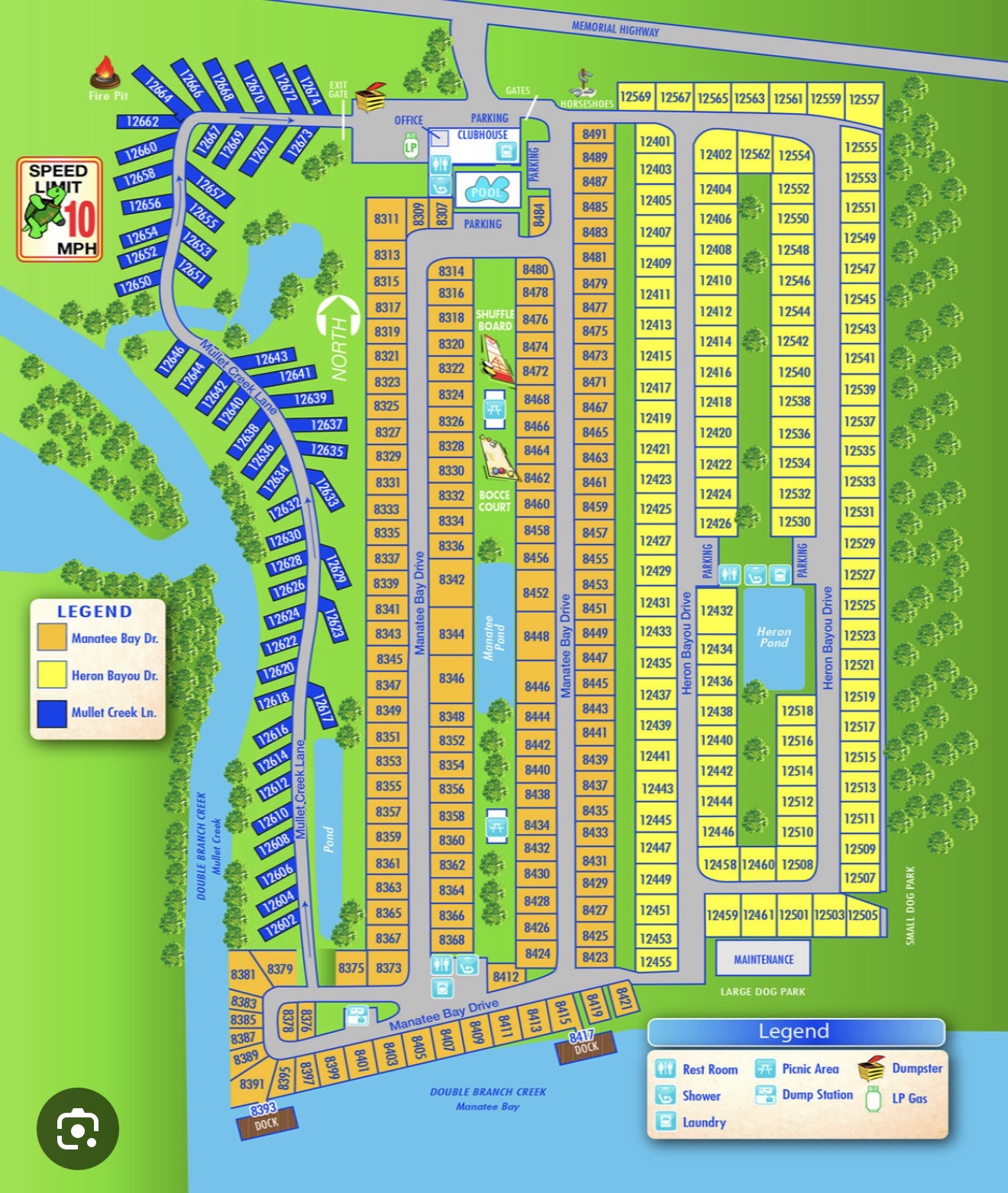
    Bay Bayou RV Resort is located in the northwestern portion of the Tampa area, just 10–15 minutes from downtown and about the same distance from the University of Tampa. Despite being so close to major roads and city attractions, the campground feels tucked away—almost like a small oasis hidden within the larger metro area.

    That contrast is one of the things that makes this campground so appealing. You can spend the day exploring Tampa, then return to a quiet, beautifully maintained setting surrounded by water, wildlife, and palm trees.

    Campsites and Layout

    The campground offers full hookup sites with both 30- and 50-amp service, along with a mix of back-in and pull-through options. The sites are easy to navigate—even for larger rigs—and many are quite spacious.

    One of the standout impressions from Phil’s stay was just how well maintained everything felt. The grounds are carefully landscaped, the grass is regularly cut, and the overall layout feels clean and organized without being overly rigid.

    There is also a mix of short-term guests and longer-term snowbird residents, but the atmosphere remains welcoming. Unlike some seasonal campgrounds where transient campers can feel like outsiders, Bay Bayou maintains a friendly, inclusive vibe.

    One particularly memorable feature is the fishing pier along the tidal river. While it’s a shared amenity, it was so quiet during Phil’s stay that it felt like a private dock right next to the campsite.

    A Beautiful Natural Setting

    What really elevates Bay Bayou is its connection to the surrounding environment. The campground is bordered by water on multiple sides, creating a peaceful setting that feels far removed from city life.

    The tidal river brings constant movement and wildlife. During Phil’s visit, they saw schools of fish, stingrays, and a wide variety of birds—including a bald eagle. Staff even mentioned that dolphins occasionally swim up the river.

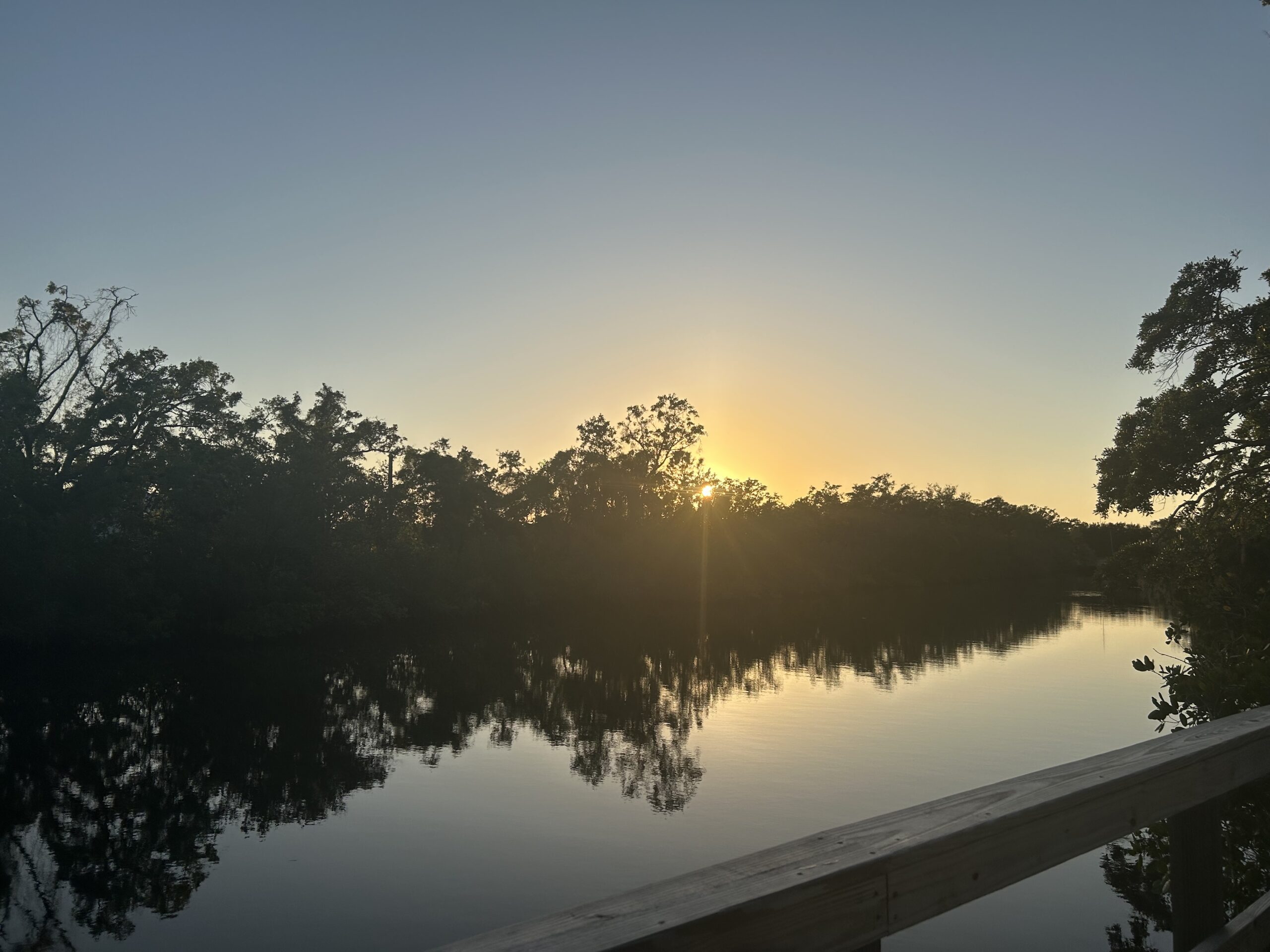
    Mornings were spent with coffee overlooking the water, and evenings ended with sunsets and quiet time outdoors. It’s the kind of setting that encourages you to slow down, even if you’re just minutes from a busy urban center.

    Amenities That Deliver a True Resort Experience

    Bay Bayou markets itself as a resort—and it lives up to that label.

    The campground features a heated pool and patio area, clean and modern bathhouses, a clubhouse, and a community room. There’s also a pickleball court, shuffleboard, bocce, and a dog park for those traveling with pets.

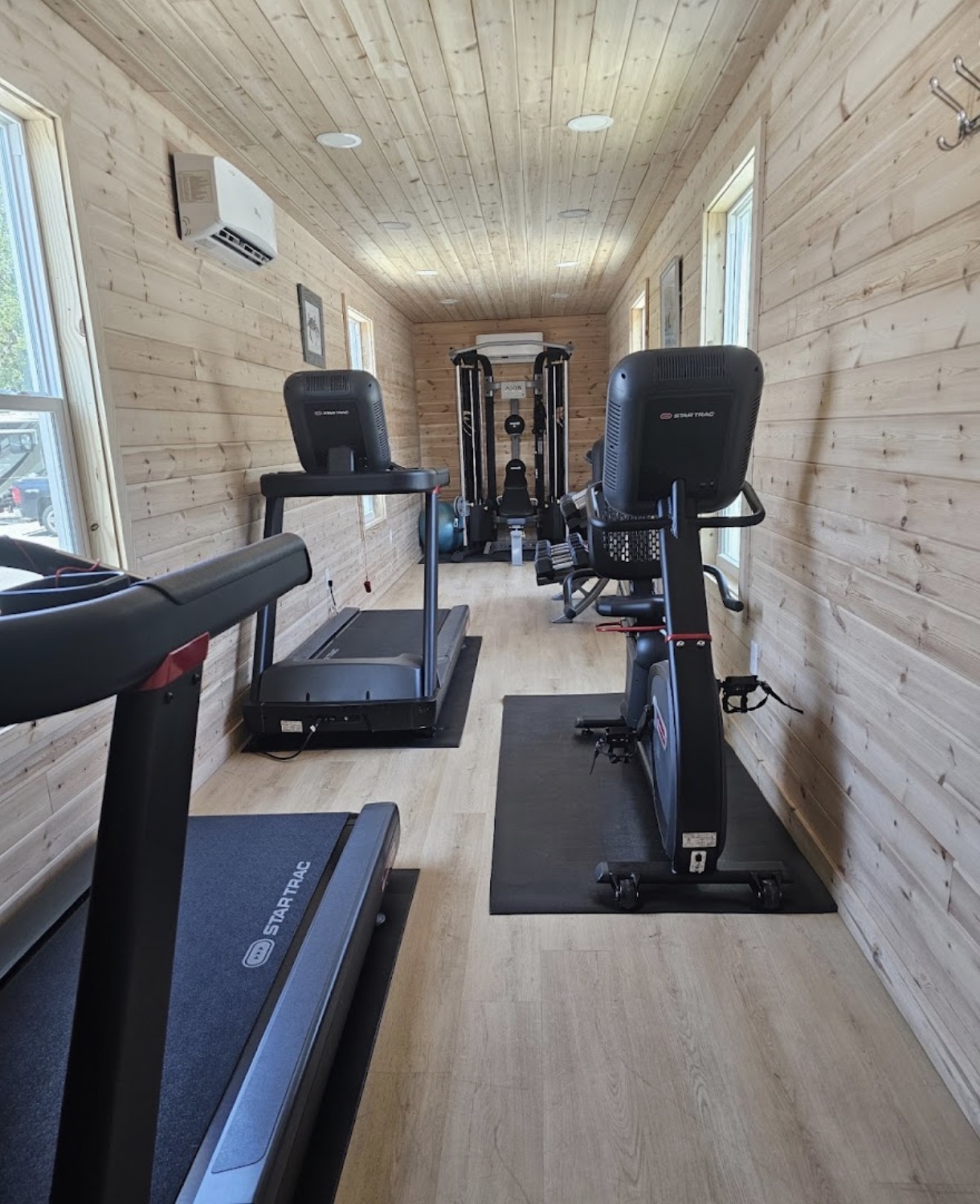
    One unique feature is a fully equipped fitness space housed in a standalone trailer. It’s not something you see at most campgrounds, but it’s a nice bonus for guests who want to stay active during their trip.

    There’s also a kayak launch directly from the campground, making it easy to explore the surrounding waterways without leaving the property.

    The Bay Bayou App: A Useful Tool for Your Stay

    One detail that stood out was the campground’s dedicated mobile app. It provides information about amenities, events, and local recommendations, and it functions almost like a digital concierge.

    It also includes updates about what’s happening on-site and in the Tampa area, making it easier to plan your days without doing additional research.

    Pricing and Value

    Nightly rates typically range from about $99 to $130, depending on the season and site type. Phil paid around $115 per night for a full hookup site.

    For a waterfront resort-style campground in a major Florida metro area, that pricing is extremely reasonable—especially when you factor in the quality of the grounds and the proximity to so many attractions.

    Exploring Tampa from Bay Bayou

    One of the biggest advantages of this campground is its location. It works perfectly as a basecamp for exploring Tampa and beyond.

    Busch Gardens is just about 20 minutes away, while downtown Tampa and the Riverwalk are within a short drive. Orlando-area attractions like Disney, SeaWorld, and Legoland are all reachable within about an hour to an hour and a half.

    This makes it easy to mix a relaxing campground stay with more active day trips.

    What We Love About Tampa

    Tampa is one of our favorite cities in Florida, and Phil’s review reinforced why.

    The Riverwalk is a standout feature—an active, waterfront space where people walk, bike, jog, and gather. There are also unique experiences like tiki boat tours and group paddle outings that add to the city’s energy.

    The city is home to major sports teams, a convention center, and a steady lineup of concerts and events. And if you happen to visit during the Gasparilla Pirate Festival, you’ll experience one of the most unique celebrations in the country, with hundreds of thousands of people joining in the fun.

    Where to Eat in Tampa

    Tampa’s food scene is another major highlight, and Phil shared several great recommendations.

    Armature Works is a must-visit—a restored industrial space turned into a vibrant food hall with multiple vendors and a lively atmosphere. It’s also home to Buddy Brew Coffee, which has become a favorite stop.

    For a more upscale experience, The Pearl stands out as a top choice. It offers a great atmosphere and a menu that blends Southern-inspired flavors with creative touches.

    Daily Eats is a fun breakfast spot with a college-town vibe, while Pirate Burger is a solid pick for a casual, satisfying meal.

    A Must-Do Experience: Weeki Wachee Springs

    One of the most memorable activities from the trip was kayaking at Weeki Wachee Springs.

    The water is incredibly clear—so clear that it feels like paddling through a fish tank. You can see straight to the bottom, often 15–20 feet down, and wildlife sightings include fish and even manatees.

    The route blends natural scenery with stretches of waterfront homes, creating a unique experience that feels both peaceful and lively at the same time.

    Why This Campground Works So Well

    Bay Bayou RV Resort hits a rare sweet spot. It offers the peace and beauty of a waterfront campground while giving you immediate access to a major city filled with activities, dining, and entertainment.

    It’s a place where you can spend a quiet morning watching wildlife, then head into Tampa for a full day of exploration—and be back at your campsite in time for sunset.

    For Phil and his family, it’s already become a go-to destination—and one they plan to return to again and again.

    Final Thoughts

    Bay Bayou RV Resort is the kind of campground that reminds us why we love discovering lesser-known spots. It may not be as widely talked about as some Florida state parks, but it delivers a fantastic overall experience.

    If you’re planning a trip to Tampa—or just looking for a new Florida destination to add to your list—this is absolutely worth considering.

    We’ll see you at the campground.

    The post Campground Review: Bay Bayou RV Resort in Tampa, Florida appeared first on The RV Atlas.


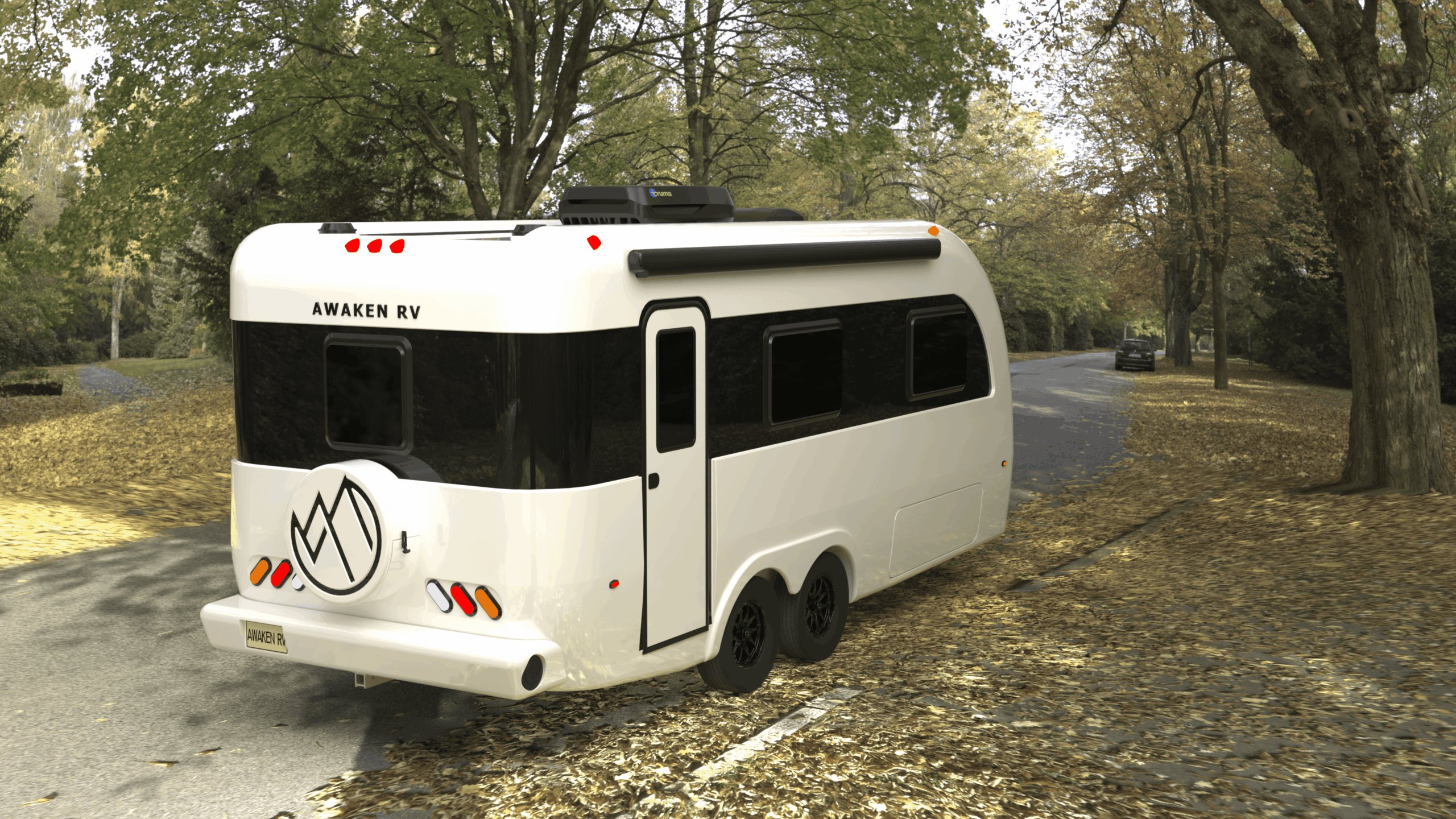
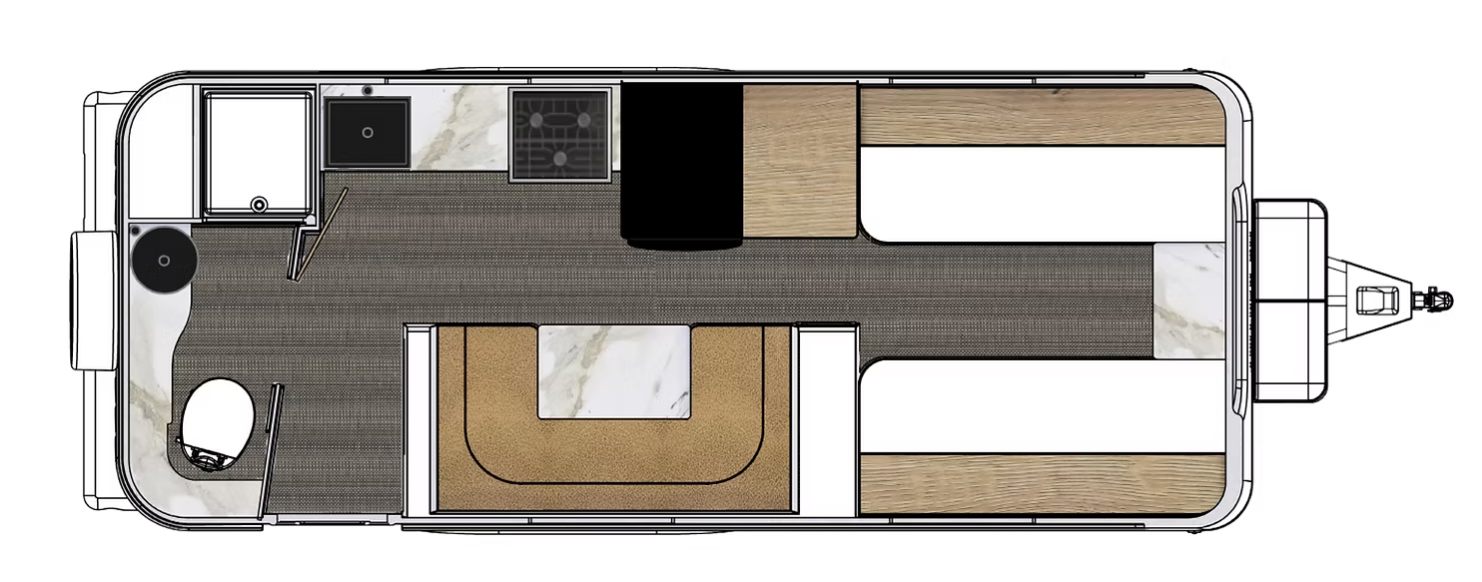
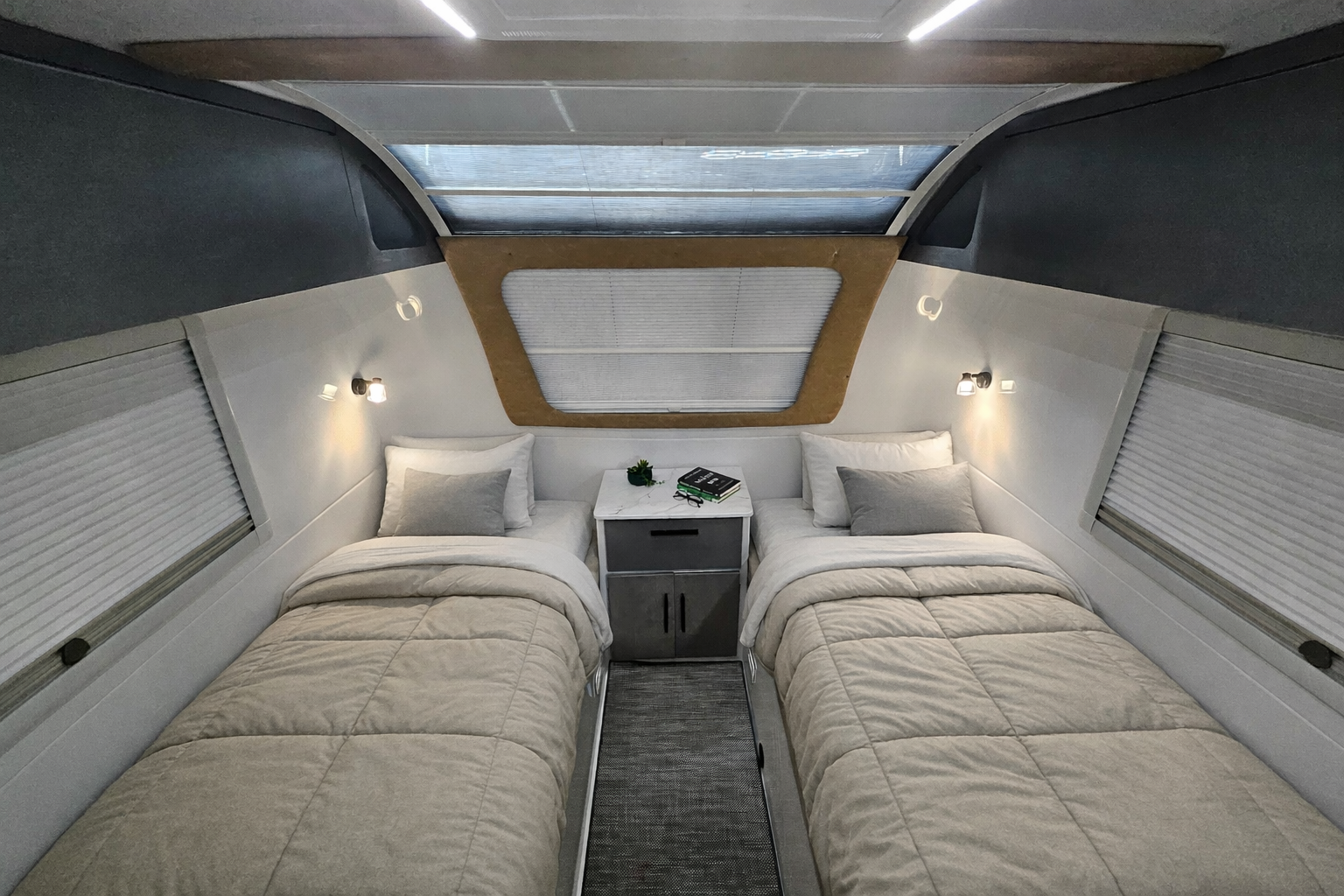
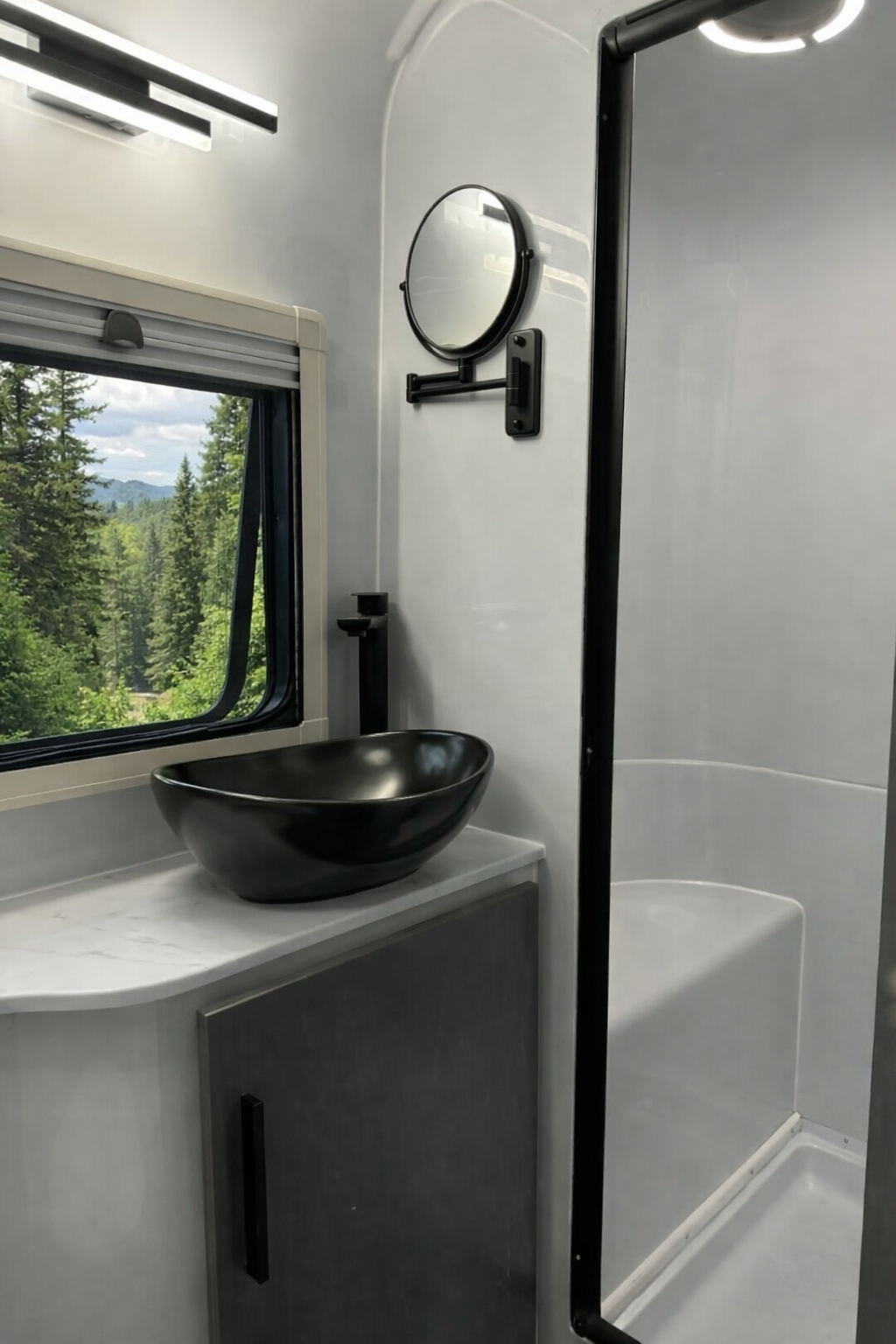
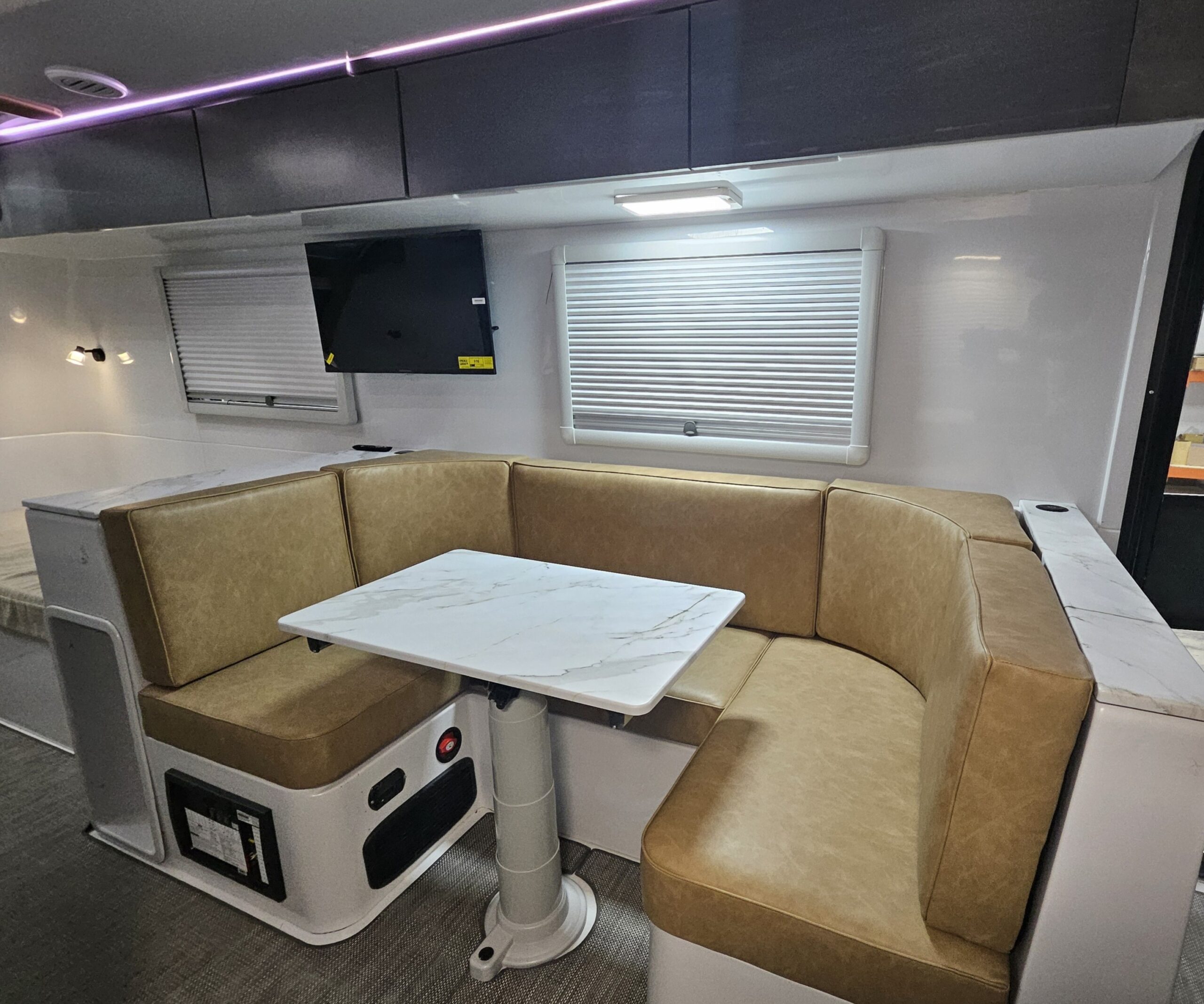
    A New Era for Fiberglass Trailers? The Awaken RV MorningStar Makes its Debut Mar 21, 2026
    Show notes

    On this week’s episode of The RV Atlas Podcast, we dive into something we genuinely love talking about: small RV innovation—and more specifically, a brand-new player in the fiberglass trailer space that’s bringing fresh energy into a category we’ve followed closely for years. We’re joined by Scott Hubbell, founder of Awaken RV, a company that made its debut at the Florida RV SuperShow with a striking new fiberglass trailer called the MorningStar. If you’ve been listening to the RV Atlas for a while, you already know this is a category we pay close attention to. Fiberglass trailers have long been known for durability, loyal communities, and timeless design—but they haven’t always been known for rapid innovation.

    That’s exactly what makes this conversation so interesting.

    From Marketing Side Hustle to RV Industry Leader

    Scott’s path into the RV industry didn’t start with a lifelong passion for trailers—it started with a marketing side gig.

    Fresh out of college, he and a friend landed a small contract helping a teardrop trailer company rebuild its website and drive traffic. That project took off. Sales grew rapidly, and what began as a side hustle quickly became a full-time opportunity. Over time, Scott became deeply embedded in the RV industry, helping grow a small company into a major player.

    From there, he became a key part of what many RVers now recognize as the modern teardrop revival, helping scale production, build communities, and expand into adjacent niches like truck campers.

    But after about 15 years in the industry, he had a realization: he was ready to build something new—something that gave him the freedom to innovate again.

    Why Fiberglass? Durability Meets Opportunity

    Fiberglass trailers have always had a strong reputation—and for good reason.

    As Scott explained, if you took a fiberglass trailer and a traditionally built “stick-and-tin” trailer and left them side-by-side for 20 years, the difference would be obvious. Fiberglass units hold up. They resist weather. They age slowly. It’s not uncommon to see 30- or 40-year-old fiberglass trailers still in great condition.

    But as we discussed in the episode, the tradeoff has often been limited innovation. Many brands in the space have stayed consistent—sometimes to a fault—with similar layouts, aesthetics, and features year after year.

    That’s where Scott saw opportunity.

    What if you could take everything great about fiberglass—durability, longevity, community—and combine it with:

    • Modern design
    • Better floorplans
    • Higher-end interiors
    • Thoughtful features RVers already expect in other segments

    That idea became the foundation for Awaken RV.

    Introducing the MorningStar: A New Kind of Fiberglass Trailer

    The MorningStar is Awaken RV’s first model, and it immediately stands out—not just for what it includes, but for how it feels.

    Here are the key specs:

    • Length: just under 24 feet
    • Width: 8 feet
    • Weight: approximately 5,300–5,400 pounds
    • MSRP: starting around $88,900

    That places it in a unique part of the market—above entry-level trailers, but still well below the luxury Class B and Airstream-style price points that many buyers jump to when they want higher quality.

    A Floorplan That Feels Bigger Than It Is

    One of the standout features of the MorningStar is its flow and openness.

    The current layout features:

    • A rear bathroom spanning the width of the trailer
    • A kitchen immediately upon entry
    • A U-shaped dinette
    • A large wardrobe
    • A front bedroom with north-south twin beds

    That twin-bed layout, combined with wide walkways and an interior height of 6’8”, creates a sense of space that feels larger than the trailer’s footprint.

    Add in seven large windows and a double-hull fiberglass shell, and the interior feels bright, open, and airy—something that hasn’t always been the case in this segment.

    A Design Philosophy That Breaks the Mold

    One of the most interesting parts of our conversation was Scott’s focus on interior design.

    Fiberglass trailers have sometimes leaned toward all-white interiors that can feel a bit sterile. With the MorningStar, the goal was different: create something that feels warm, modern, and sophisticated.

    That shows up in:

    • Real wood cabinet doors
    • Soft, neutral upholstery tones
    • Black, tan, and gray accents
    • Woven vinyl flooring that ties everything together
    • A dry bath with a vessel sink and upgraded finishes

    The result is a space that feels closer to a boutique European camper than a traditional fiberglass trailer.

    Features That RVers Actually Want

    Beyond aesthetics, the MorningStar includes a long list of features that reflect how people actually use their RVs:

    • Dry bath (a major upgrade in this segment)
    • Large compressor refrigerator
    • Stainless steel sink with pull-out faucet
    • Convection microwave / air fryer combo
    • Smart TV and integrated audio
    • Extensive storage, including a full-height wardrobe

    It’s clear this wasn’t designed in a vacuum—it was built by someone who understands how RVers live in their rigs.

    Built for Four-Season and Off-Grid Use

    The MorningStar is designed to be a true four-season trailer, with:

    • Double fiberglass shell construction
    • Closed-cell spray foam insulation
    • Reflective insulation layers
    • Heated and enclosed underbelly
    • Tank heater pads
    • Truma Combi system for heat and hot water
    • Truma Aventa ducted air conditioning

    For off-grid capability, it includes:

    • 270Ah lithium battery (standard)
    • 3000W inverter
    • 500W rooftop solar
    • Additional solar input port
    • Dual 30 lb propane tanks

    In other words, you can take this trailer off the lot and go boondocking immediately—no upgrades required.

    Who Is This Trailer For?

    One of the most interesting insights from the Florida RV SuperShow was how people were reacting to the MorningStar.

    Many attendees were comparing it directly to Airstream models, particularly the Flying Cloud. That’s a huge compliment—and it speaks to where this trailer sits in the market.

    This is a trailer for:

    • RVers who value quality and durability
    • Buyers who want something more refined than entry-level options
    • People drawn to fiberglass but wanting more modern features and design
    • Travelers looking for a manageable size with premium feel

    What’s Next for Awaken RV?

    Scott shared that this is just the beginning.

    Planned future models include:

    • A 17-foot model
    • A potential 29-foot model

    That larger model is especially intriguing, because the fiberglass segment currently has very few options at that size—meaning Awaken could be entering a space with almost no direct competition.

    Final Thoughts

    What makes this episode so exciting is that it captures something rare in the RV industry: true innovation within a niche category.

    Fiberglass trailers have always been beloved—but they haven’t always evolved quickly. Awaken RV is stepping into that space with fresh ideas, thoughtful design, and a clear understanding of what modern RVers want.

    The Morningstar feels like a bridge—between tradition and innovation, between durability and design, and between a niche product and a broader audience.

    We’ll be watching closely to see what comes next for Awaken RV.

    And hopefully, we’ll be stepping inside one of these units at a campground soon.

    We’ll see you there.

    The post A New Era for Fiberglass Trailers? The Awaken RV MorningStar Makes its Debut appeared first on The RV Atlas.


    Previous 1 2 3 4 5 8 Next

    Related Podcasts

    Tumble Science Podcast for Kids

    1

    Tumble Science Podcast for Kids Education for Kids
    The Longest Shortest Time: A Women’s Health Show for Everyone

    2

    The Longest Shortest Time: A Women’s Health Show for Everyone Government & Organizations
    Dream Big Podcast for Kids

    3

    Dream Big Podcast for Kids Education for Kids
    Brains On! Science podcast for kids

    4

    Brains On! Science podcast for kids Education for Kids
    The Purrrcast

    5

    The Purrrcast Kids & Family
    The Dog Trainer’s Quick and Dirty Tips for Teaching and Caring for Your Pet

    6

    The Dog Trainer’s Quick and Dirty Tips for Teaching and Caring for Your Pet Education
    footer-logo

    Contact Us

    Toll Free: 844-670-7747

    Links

    • Home
    • Top Charts
    • Networks
    • Apps
    • Independents Podcasts
    • Podcast Advertising
    • Podcast News
    • Contact Us
    • About Us
    • Analytics & Insights

    Stay Connected
      Privacy, Terms of Use & Our Code of Ethics Protecting Content Creators Copyrights