TopPodcast.com
Menu
  • Home
  • Top Charts
  • Top Networks
  • Top Apps
  • Top Independents
  • Top Podfluencers
  • Top Picks
    • Top Business Podcasts
    • Top True Crime Podcasts
    • Top Finance Podcasts
    • Top Comedy Podcasts
    • Top Music Podcasts
    • Top Womens Podcasts
    • Top Kids Podcasts
    • Top Sports Podcasts
    • Top News Podcasts
    • Top Tech Podcasts
    • Top Crypto Podcasts
    • Top Entrepreneurial Podcasts
    • Top Fantasy Sports Podcasts
    • Top Political Podcasts
    • Top Science Podcasts
    • Top Self Help Podcasts
    • Top Sports Betting Podcasts
    • Top Stocks Podcasts
  • Podcast News
  • About Us
  • Podcast Advertising
  • Contact
Not in our directory?
Add Show Here
Podcast Equipment
Center

toppodcastlogoOur TOPPODCAST Picks

  • Comedy
  • Crypto
  • Sports
  • News
  • Politics
  • True Crime
  • Business
  • Finance

Follow Us

toppodcastlogoStay Connected

    View Top 200 Chart
    Back to Rankings Page
    Management and Marketing

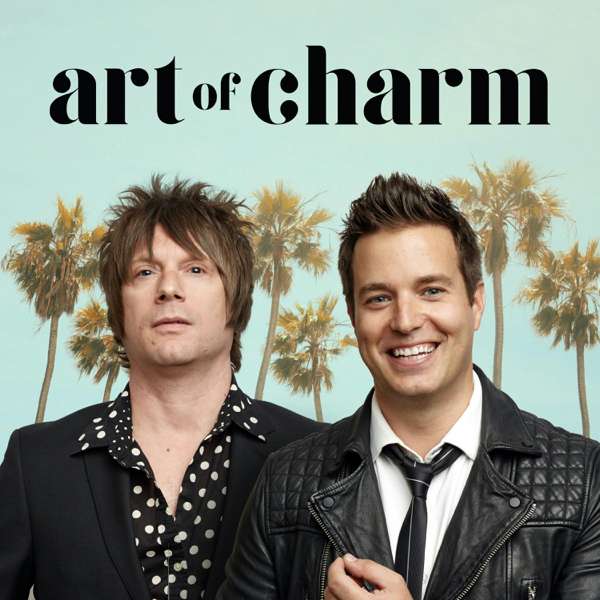
    The Art of Charm

    The Art of Charm is where self-motivated people, just like you, come to learn from the company’s coaches about to how to master human dynamics, relationships, and becoming your best self with the help of Johnny and AJ, the company’s founders.

    Johnny and AJ bring their 11 years of coaching experience from their famous Bootcamps, where they host clients in Los Angeles from all over the world and they share their stories, best practices and themselves on this weekly podcast.

    Not only does The Art of Charm help everyday people, including active members of the military, learn how to become higher performers, better spouses, partners, and coworkers, they dig deep into human behavior, the science behind it, and demystify what we do and why we do it.

    Advertise
    • Apple Podcasts
    • Google Play
    • Spotify

    Latest Episodes:
    364: Kevin Davis | Overcoming Anxiety Naturally Jan 09, 2015
    Show notes

    Many high performers suffer from anxiety. "The anxiety itself becomes an addiction."-Kevin Davis The Cheat Sheet: Do only combat veterans suffer from PTSD? What is brain zap? Why you don't have to be a monk to meditate. Rest and relaxation are not lazy: how to change your mindset on this. True or false: it takes 20 minutes to get really focused after switching tasks? And so much more... The stigma surrounding anxiety is slowly receding in American culture today, and that's a good thing. PTSD and other anxiety disorders are incredibly common, and so is the unhealthy habit of masking or attempting to treat those disorders with medication which often does more harm than good. Here to give us suggestions on how to recognize if we're suffering from an anxiety issue and what to do about it is Kevin Davis. Kevin is an anxiety coach who runs a podcast called The Anxiety Coaches. He has grappled with anxiety personally and found solutions that didn't require medication. He'll tell us all about that and so much more on episode 364 of The Art of Charm. Click Here to Support The Show and get 10% off Onnit! More About This Show: One day while driving down his usual road Kevin had to swerve into the ditch to avoid an oncoming car. Everything happened so quickly he wasn't able to stop his car from running head on into a pole. His hood crumpled and he saw his car's engine explode into flames. Fortunately he escaped and was okay. But a few weeks later he started having severe physical symptoms while driving down that same road. His rate would rapidly increase to 200 or more, which increased his panic. He worried he had done irreparable harm to his body by over-consuming caffeine, working out too hard and steroids. Not once did he correlate his symptoms with post traumatic stress disorder (PTSD) from his frightening car accident, nor did anyone else in his life. He eventually went to the doctor and was diagnosed with an anxiety disorder. His doctor wanted to give him medication but when Kevin read the side effects he wanted no part of it. Instead he researched all possible treatments for anxiety and started exploring on his own. He found a few things that worked, meditation being one of them. But it seemed like as one treatment would kick in his symptoms would show up in another form, he could treat his constricted feeling in his throat for a week or two only to have tingling in his hands show up the next week. Then his mom Googled anxiety disorders and found a web site run by anxiety coaches. These were men and women who had experienced anxiety themselves and had it overcome it, without drugs. They were now trained coaches with psychology backgrounds who were sharing their expertise with anxiety sufferers. Kevin found a coach and together they realized he had PTSD from his car accident. That was his first step towards truly healing of his anxiety. With a new understanding and the help of his coach he was able to get a handle on his symptoms and treat their roots. One of the tools he learned was meditation. According to Kevin we don't have to become monks to meditate and reap the benefits. By listening to a guided meditation for just 20 minutes a day our brains will respond differently in just a few short weeks. Those 20 minutes will help our minds focus better, stay on track easier, stay calmer and reduce our overall anxiety. Another trick we discuss is not to multi-task. When we've got 3 different things we're trying to do within the hour it's best to focus on one, knock it out and move on to the next one. If we try to juggle all 3 at the same time we won't get as far and may not even finish any of the tasks. When we're focused on one task we can hone in on it with laser focus; we actually get far less done when we're juggling multiple tasks because it takes us up to 20 minutes to shift gears from one subject to another. So if you're editing something and you want to switch to creating a new spreadsheet it can take your brain up to 20 minutes before it's really focused in on making that new spreadsheet. So focus in on one thing, get it done and move on. Kevin and I also talk about the need to recharge and why it's important to set boundaries, and more on this episode. Have a listen to get the full download as Kevin shares his personal story, insights and wise words on today's episode. Thanks to Kevin for joining us and as always, thank you for being here. We'll see you next time. THANKS KEVIN DAVIS! If you enjoyed this session of The Art of Charm Podcast, let Kevin know by clicking on the link below and sending him a quick shout out on Twitter: Click here to thank Kevin on Twitter! Resources from this episode: The Anxiety Coaches PodcastKevin Davis on Twitter You'll also like: -The Art of Charm Toolbox -Best of The Art of Charm Podcast Wanna leave a comment? Too bad! Email me instead (we read everything)! HELP US SPREAD THE WORD! If you dug this episode, please subscribe in iTunes and write us a review! This is what helps us stand out from all the fluff out there. FEEDBACK + PROMOTION Hit us up with your comments and guest suggestions. We read EVERYTHING. Download the FREE AoC app for iPhone Email jordan@theartofcharm.com Give us a call at 888.413.7177 Stay Charming!

    Learn more about your ad choices. Visit megaphone.fm/adchoices


    363: Dr. Chris Ryan | Sex at Dawn Jan 07, 2015
    Show notes

    Sex has long been about relationships, not procreating. "Monogamy is like vegetarianism: it doesn't come naturally to our species."-Dr. Chris Ryan The Cheat Sheet: Why the gangbang porn category is so popular from a biological standpoint. Women are usually the most vocal during sex: why? The one surefire way to know if a woman has an orgasm. Monogamy may be shrinking your testicles: true or false? What's one of the least sexually liberated countries in the world? And so much more... Monogamy is what we've all been told is the norm for human sexual relationships. But is that the truth or are we happiest in open relationships? What role does biology play in our preferences? And do women really desire as many sexual partners as men do? Hear to discuss the answers to all of those fascinating questions, and much more is Dr. Chris Ryan. Dr. Ryan holds a PhD in psychology and has co-authored the book Sex At Dawn. He'll tell us all about that and so much more on episode 363 of The Art of Charm. Click Here to Support The Show and get 10% off Onnit! More About This Show: Dr. Chris Ryan earned an undergraduate degree in Literature, and then experienced some life-altering events that convinced him to forego his academic career and travel the world for 15 years. When his vagabonding was complete he revisited academy and earned a Masters degree and doctorate in psychology. In his psychology programs he spent much of his time looking at the roots of human sexuality to better understand how our ancestors' sexual experiences have impacted how we have evolved into today's current sexual climate. He's done that by studying our biology and physiology today; he says our bodies tell us our ancestors' sexual activities. For example, men's testicles are on the outside of their bodies and their sperm is released in mass quantities because they are in competition to impregnate women. Competition takes place at the cellular level, not at the physical level. Along those same lines, the DNA that controls the volume and size of sperm and overall ejaculation is some of the most genetically-responsive DNA in our bodies. That means it responds and changes within our environment faster than any other DNA we have, so we can see what evolutionary changes are happening by studying this particular type of DNA. Dr. Chris also shares why humans seem to have sex for reasons other than procreation. If you study other mammals about 99% of them only have sex when the female is ovulating, but not humans. Mammals in general have sex about 12 times per birth, humans about 1,000x per birth. So why is that? Because sex is about social relationships. Human sexuality has been co-opted over time to be used for building and maintaining complex relationships, something we do very well as a species. We build communities together, and sex has played a pivotal role in doing so. On this episode we also why open relationships can lead to healthier, happier marriages, and why some native tribes participate in partible paternity where multiple men father the same child. But the final thought Dr. Chris leaves us with is the importance of respecting women. He gives scientific and historical evidence to show why shaming their sexual behavior and choices is like poisoning your own drinking well. When women are respected and can feel safe expressing themselves everyone in society wins. Dr. Chris had so much knowledge to share, it was great to have him here! A big thank you to him for joining us for this episode of The Art of Charm. As always, thank you for being here too. We'll see you next time. THANKS DR. CHRIS RYAN ! If you enjoyed this session of The Art of Charm Podcast, let Dr. Chris know by clicking on the link below and sending him a quick shout out on Twitter: Click here to thank Dr. Chris on Twitter! Resources from this episode: Dr. Chris Ryan's web site Sex At Dawn, by Dr. Chris Ryan Dr. Chris Ryan's Ted TalkDr. Chris Ryan's Podcast, Tangentially SpeakingChris Ryan on Twitter You'll also like: -The Art of Charm Toolbox-Best of The Art of Charm Podcast Wanna leave a comment? Too bad! Email me instead (we read everything)! HELP US SPREAD THE WORD! If you dug this episode, please subscribe in iTunes and write us a review! This is what helps us stand out from all the fluff out there. FEEDBACK + PROMOTION Hit us up with your comments and guest suggestions. We read EVERYTHING. Download the FREE AoC app for iPhone Email jordan@theartofcharm.com Give us a call at 888.413.7177 Stay Charming!

    Learn more about your ad choices. Visit megaphone.fm/adchoices


    362: Harville Hendrix | Getting the Love You Want Jan 05, 2015
    Show notes

    You chose your partners for a reason. "The bottom line for great relationships is you have to know how to deal with differences." -Harville Hendrix The Cheat Sheet: What is zero negativity and how do you use it in a relationship? Imago: what is it and why should you bother to care? Only 10% of the married population is in a healthy, happy marriage: true or false? Why arranged marriages have historically worked better than love matches. What roles do safety and curiosity play in a healthy relationship? And so much more... Have you ever wondered why you choose the partners you chose in relationships? Or why so many people seem to fall in love, only to be miserable with each other down the road? Harville Hendrix joins us today to answer these questions, and the psychology behind why relationships work or don't work out. Harville is a relationship expert, therapist, coach and author of several books including Getting The Love You Want. He joins us to chat about all of this and much more on episode 362 of The Art of Charm. More About This Show: For over 35 years Harville Hendrix has worked in the field of relationships. In that time he and his wife Helen have worked with countless couples on how to communicate better and stay connected. In that time they've found what works and what doesn't work to maintain a healthy, happy relationship. Harville says in order to understand why some connections last and others don't, we need to first understand why we are drawn to the people we are drawn to. Doing so will help us work within our relationships so we're actually getting the love we want. When we're infants we create an image of our caretakers and we're left with an imprint that tells what needs were met, and what needs were not. We create what's called an "imago" when we do this. This becomes our basis for what we seek in a partner. In other words if we had a need that wasn't met by our caretakers (and most of us had some need or many needs), then we actively look for that fulfillment from someone just like our caretaker. At first that might sound illogical (why not just seek someone who can give us what we didn't get and not a replica of the person who didn't give it to us in the first place?), but Harville says we do this so we can create growth for ourselves with that person. And we attract someone who needs something we can't fulfill for them, so we can create a growth opportunity for them in return. But what typically happens is we fall in romantic love, the love blooms and our visions are colored by dopamine and endorphins so we think everything is rosy and perfect. Til one day the dopamine wears off and we see the other person as they truly are. And then we get frustrated that they aren't meeting our unmet needs and they get defensive when we try to talk about these needs, because we don't know how to effectively communicate without triggering the other person. So instead of effectively working on these difficulties, most people either give up and break off the relationship or end the marriage. In most cases we do this because we haven't learned how to talk to each other in a way that creates a safe space for the other person. We try to ask for what we need, but take a position of authority and a defensive tone that simply leads to our partner becoming defensive in return. To rectify this and to create a safe relationship to thrive in, Harville has a few suggestions. And these are suggestions he has witnessed work for countless couples, it's the basis for his practice, his books and his programs. There are three things we need to do to create a safe relationship where both people can discuss their needs. The first is to learn how to talk. Instead of our usual monologue, which is how most people speak, we need to have a dialogue. And in this dialogue we need to respect our partner's differences and points of view; they should be mirrored, validated, listened to and empathized with. We can also set aside specific time to discuss relationship topics and instead of asking "are you done?", always ask your partner "is there more?". The second thing we can do is to have a zero negativity process. In a zero negativity relationship all conversations you have you affirm your partner as different with the right to their opinions. You don't make them bad because they are different or devalue them because of those differences. This helps create a safe environment where differences can be expressed from both of you. Thirdly affirm each other on a daily basis. Harville and his wife Helen say three things about each other that they appreciate every day. And these are things that happened that day. It's an affirmation process or a gratitude practice for your relationship. This actually helps your brain create new neural pathways and you'll see your partner in a new light. Your partner becomes a source of gratitude, happiness and joy for you instead of a sore spot. There's a plethora of additional relationship and marriage tools and advice in this episode with Harville. He was a terrific guest to have on who shared SO much information, get ready for it when you listen! Thanks for being here Harville, and special thanks to all of you for listening. We'll see you next time on The Art of Charm. THANKS HARVILLE HENDRIX! If you enjoyed this session of The Art of Charm Podcast, let Harville know by clicking on the link below and sending him a quick shout out on Twitter: Click here to thank Harville on Twitter! Resources from this episode: Harville Hendrix's web siteHarville Hendrix on TwitterGetting The Love You Want, by Harville Hendrix You'll also like: -The Art of Charm Toolbox -Best of The Art of Charm Podcast Wanna leave a comment? Too bad! Email me instead (we read everything)! HELP US SPREAD THE WORD! If you dug this episode, please subscribe in iTunes and write us a review! This is what helps us stand out from all the fluff out there. FEEDBACK + PROMOTION Hit us up with your comments and guest suggestions. We read EVERYTHING. Download the FREE AoC app for iPhone Email jordan@theartofcharm.com Give us a call at 888.413.7177 Stay Charming!

    Learn more about your ad choices. Visit megaphone.fm/adchoices


    360: Jake Ducey | The Purpose Principles Dec 31, 2014
    Show notes

    Create a plan and work backwards. "Most of us are gambling on the biggest risk of all: that one day we can buy the freedom to do what we want later in life."-Jake Ducey The Cheat Sheet: What percentage of people are actively disengaged from their work? Career capital: what is it and why should you be creating it? Jake failed an English class in college: true or false? Why did he retype The Great Gatsby? What is the 10 minute rule and how do you apply it? And so much more... If you met someone who had dropped out of college and written a book at age 19, would you think they knew enough for the book to be any good or would you dismiss them? Not only did our guest for today's show write and publish a book at 19, he published his second book by the ripe old age of 23. That guest is Jake Ducey and that second book is The Purpose Principles. He joins us to talk about finding your purpose, taking action and productivity. We discuss those topics and so much more on this episode of The Art of Charm. Click Here to Support The Show and get 10% off Onnit! More About This Show: Jake Ducey was like most of us: he was raised to believe the road to success meant graduating high school with good grades, going to college and then getting a good job until you retired. And then maybe when you retired you'd have enough money and enough time to really do the things you love to do. But not long into his college career Jake ditched that notion. He realized he didn't want to be another cog in the wheel, and that's all that college was preparing him to be. After reading a copy of Jack Canfield's The Success Principles, he was inspired to quit school and strike out on his own. By age 19 he had written his first book and was turned down by a myriad of publishers. They all told him he couldn't possibly know enough to write a good book and they passed on his work. So he took matters into his own hands and self-published and self-promoted. He was his only publicist and he had no marketing budget to speak of, but he launched his book into Amazon's top 300. By the time his second book was ready he was offered a book deal, becoming the youngest motivational author at his publishing company. Along the way he's gathered the stories of our modern day successes like Oprah, Brad Pitt, Jim Carey and The Beatles. He's been mentored and learned under the tutelage of great authors like Jack Canfield and John Gray. He's taken valuable lessons he's learned from them and passed along that knowledge to the public. And today he passes along much of that knowledge to us. We touch on several topics in this episode, one of those being how to take action despite fear. He says men like John Gray and Jack Canfield are afraid too, they just don't let it stop them. They take action and have courage, inspite of their fear. Also it's important to understand you'll never get rid of fear, none of us will, so we have to move forward even when we feel it. Fear is a natural part of being alive, but we can face it and move ahead even when it's present. Jake also says he's learned to ask himself one simple question in any scenario when he's afraid: "What's the best that could happen?". Rather than focusing on the worst, which is what most of us do, he focuses on the best. And if you really need to address that worst case scenario, Jake recommends addressing it, preparing for it and then focusing on the best possible outcome and hoping for that. There are several other lessons he provides on today's episode but the final one we'll cover here is his productivity. How in the world can someone so young accomplish so much? He falls back on lessons from other motivational authors and uses the 10-minute rule and the 5 tasks a day rule. Take your To-Do list and find the items that will take you 10 (or 15) minutes to do and separate them from the others. And every day focus on 5 things you will do today to move you towards the life you really want. Jake and I also talk about how to lock down your purpose, how to create your most successful and fulfilling year (the one question to ask for this) and a whole heckuva lot more! Thanks to Jake for joining us and sharing his inspirational story and insightful knowledge. As always, thank you for being here and we'll see you next time. THANKS JAKE DUCEY! If you enjoyed this session of The Art of Charm Podcast, let Jake know by clicking on the link below and sending him a quick shout out on Twitter: Click here to thank Jake on Twitter! Resources from this episode: Jake Ducey's web siteThe Purpose Principles, by Jake DuceyJake Ducey on Twitter You'll also like: -The Art of Charm Toolbox-Best of The Art of Charm Podcast Wanna leave a comment? Too bad! Email me instead (we read everything)! HELP US SPREAD THE WORD! If you dug this episode, please subscribe in iTunes and write us a review! This is what helps us stand out from all the fluff out there. FEEDBACK + PROMOTION Hit us up with your comments and guest suggestions. We read EVERYTHING. Download the FREE AoC app for iPhone Email jordan@theartofcharm.com Give us a call at 888.413.7177 Stay Charming!

    Learn more about your ad choices. Visit megaphone.fm/adchoices


    359: Marsha Shandur | Saying Yes to Networking Dec 29, 2014
    Show notes

    As Marsha Shandur (@yesyesmarsha) knows, networking can be fun. Here's where she shows you how. "Networking is a long-term relationship, not a one-night stand." -Marsha Shandur The Cheat Sheet: Is everyone afraid of networking events? The top two ways to add value to someone no matter who they are. What's the spotlight effect? What does Helen Fielding have to teach us about networking? What is Marsha's "secret sentence" she uses to get a response from people? And so much more... Full show notes at https://theartofcharm.com/podcast-episodes/marsha-shandur-saying-yes-networking-episode-359/ Find out more about the team who makes The Art of Charm podcast here! HELP US SPREAD THE WORD! If you dig the show, please subscribe in iTunes and write us a review! This is what helps us stand out from the crowd and help people find the credible advice they need. Review the show in iTunes! We rely on it! http://www.theartofcharm.com/mobilereview Stay Charming!

    Learn more about your ad choices. Visit megaphone.fm/adchoices


    357: Linda Galindo | The Straight Truth on Accountability Dec 24, 2014
    Show notes

    You are the common denominator. "We gain strength, courage and confidence by each experience in which we really stop to look fear in the face and we do the thing we cannot do." -Eleanor Roosevelt The Cheat Sheet: Why is everyone afraid of accountability? What two qualities do leaders possess? Why lack of accountability in an office punishes the best employees. Why your ego doesn't help you. Fault vs. responsibility: Linda explains the differences. And so much more... Accountability. It's something we all want, yet most of us fear. We want it because with accountability things are clear, projects run smoother, results are produced and people are more fulfilled. In relationships the same is true: we're happier with accountability because our expectations are clear and are being met. So why do we fear it? And what can we shift in our mindset, our behaviors and our attitudes to let go of that fear and embrace accountability? Linda Galindo of The Straight Truth joins us to answer those questions and more on the 357th edition of The Art of Charm. More About This Show: Have you ever worked in an office where there was someone who obviously didn't pull his or her weight and yet they were allowed to get away with it? Our guest for today's episode explains why this experience is so common and so frustrating, and what you can do about it if you find yourself picking up someone else's slack in your office. It boils down to accountability and if someone isn't living up to what is expected of him or her in their work, and no one holds them accountable then everyone involved suffers. It's common in the workforce today, but becoming less and less accepted. And if you're on the receiving end of this person's workload, Linda says there is something you can do about it besides just obediently and grudgingly take on the extra work. Here's the type of conversation she says to have with your boss if or when this happens: express your concern and let your boss know you want to do more interesting work. Assure them they can rely on you to do this new, interesting work and tell them you want to stretch yourself in your role. And let your boss know by giving you this type of work, they'll also have time to deal with the other person. Linda has spoken with many leaders of organizations and all have agreed this type of communication is invaluable to them. By saying this you are letting them know you want to be a leader for them, they can count on you and you are willing to express your thoughts; all valuable traits they are looking for in a leader within the company. There are a few other behaviors leaders look for from their employees in terms of accountability. If you want to be a leader, don't talk about others when they aren't around. Instead talk to someone if you have a concern and address it directly with them. No one trusts someone who talks about others behind their back. If you talk about one person behind his or her back, what's to stop you from talking about anyone else when they aren't around? Leaders must be trusted. Addressing someone directly builds trust. The second behavior is to not have meetings after the meeting! If something isn't clear to you during the meeting than be bold, courageous and brave and say so. You are responsible and accountable for your own clarity, so if something isn't clear to you than say so in that moment. Accountability isn't just reserved for the workplace. Accountability is a necessary component of healthy, long-lasting relationships too. In order for a relationship to be truly fulfilling and strong for the long haul, each person in it must take 100% accountability for the relationship. You read that right: 100%, not 50%. Linda says if it's 50% then it devolves into a co-dependent, needy relationship. So if you and your significant other want it to work out take 100% responsibility for the relationship and your part in it. Linda and I also talk about the power of having someone in your life holding you accountable for your accountability and your results. She stresses the importance of having a coach or someone else in your life who is completely committed to your success and allowing that person to hold your feet to the fire. That person could be a coach or a friend, but not a significant other (Linda explains why not). We also talk about steps to take right now to change your relationship to accountability, and how to develop accountability behaviors at work, among other related topics. Linda really brought the straight truth on accountability in this episode, so be sure to hear all the details! Thanks to Linda for being here, and thanks to all of you for tuning in. We'll see you next time on The Art of Charm. THANKS LINDA GALINDO! If you enjoyed this session of The Art of Charm Podcast, let Linda know by clicking on the link below and sending her a quick shout out on Twitter: Click here to thank Linda on Twitter! Resources from this episode: Linda Galindo's web siteLinda Galindo on TwitterThe 85% Solution, by Linda Galindo You'll also like: -The Art of Charm Toolbox -Best of The Art of Charm Podcast Wanna leave a comment? Too bad! Email me instead (we read everything)! HELP US SPREAD THE WORD! If you dug this episode, please subscribe in iTunes and write us a review! This is what helps us stand out from all the fluff out there. FEEDBACK + PROMOTION Hit us up with your comments and guest suggestions. We read EVERYTHING. Download the FREE AoC app for iPhone Email jordan@theartofcharm.com Give us a call at 888.413.7177 Stay Charming!

    Learn more about your ad choices. Visit megaphone.fm/adchoices


    356: Dave Cornthwaite | Expedition 1000 Dec 22, 2014
    Show notes

    Adventure is good for everyone. "The biggest risk is getting to the end of your life and looking back and thinking 'Man I could have done more.'" -Dave Cornthwaite The Cheat Sheet: What training does he do for his adventures? This kills ambition more than anything else, what is it? How many hours a day are most employees productive? How to deal with naysayers. When was the last time he had his own home? And so much more... Can you imagine skateboarding the length of Great Britain? Now what if you had just recently picked up a longboard for the first time? That's exactly what today's guest did, and he broke the world record doing so. Today Dave Cornthwaite joins us to talk about his adventures, including Expedition 1,000, and how he became a traveler, author, filmmaker and speaker on the subject of adventure travel. All of that and more on the 356th edition of The Art of Charm. More About This Show: Dave wasn't born into a life of adventure, he cultivated it. On his 25th birthday he woke up feeling completely disenchanted with his life. He had a great job earning a good living, had a lovely home, a significant other and a cat. In other words, everyone would think he had the ideal life. But in his heart he knew he only loved his cat, and that cat was about to have a much better day than he was. That was Dave's turning point. Soon he quit his job and decided he was going to skate around Australia, breaking the world record in the process. To prepare he simply skateboarded every day for a couple of weeks and then he wheeled his way across the length of Great Britain, thereby setting his first world record. He didn't know how he was going to do either of these objectives when he set out to do them, he simply decided he was going to do them. He trained, learned and sorted things out as he went along. And he hasn't looked back since. Within those first two years of leaving his job, he broke several world records, landed a book deal and skated the length of both Great Britain and Australia. He's also in the midst of Expedition 1000: 25 journeys of 1000 miles or more using non-motorized transport. Not bad for a guy who had been living a pretty "normal" life until then! So how did he make that shift and how did he know to do so? Dave says there were signs of course, but most important he knew to follow his gut. His instinct told him something wasn't right, and there was more available to life than just going to a job, collecting a paycheck and accumulating "stuff". In addition to his gut telling him to search for more, he recalls not wanting to go to work on Monday. He also spent money on useless things, as a way to fit in and a way to fill the void that was creeping in from lack of happiness in his overall life. Those were his big clues, along with what his gut told him. If you find yourself in that same boat, and you know what you want to do next but you've got some fear, how do you get up the gumption to do it? Dave says things are far scarier in your mind and your thoughts, than they are in real life. So stop thinking so much and go do the things you need to do. And don't be bothered by the naysayers who try to stop you. Dave has heard his fair share of these folks, and even still hears from some of them today. What he's learned is when people are trying to dissuade you or they are speaking to your fears, it's not actually your fears they are speaking to but their own fears. When someone tries to talk you out of your big goal or dream just know it's their own fear they're trying to assuage. His final bit of wisdom on the subject is to remember it takes tremendous courage even to vocalize your dreams, so if your friends aren't supportive of you and encouraging you then they aren't real friends. There's tons more wisdom shared in this episode with Dave, tune in to hear his thoughts on how to say yes more, and have more opportunities show up in your life along with why we all need a bit of adventure in your lives. He has an adventurous spirit and it was terrific to hear where he's been and what he's learned from his last decade of adventure. Big thanks to Dave for joining the show, and special thanks to you for listening. We'll see you next time on The Art of Charm. THANKS DAVE CORNTHWAITE! If you enjoyed this session of The Art of Charm Podcast, let Dave know by clicking on the link below and sending him a quick shout out on Twitter: Click here to thank Dave on Twitter! Resources from this episode: Dave Cornthwaite's web siteDave Cornthwaite on TwitterExpedition 1,000 on Facebook You'll also like: -The Art of Charm Toolbox -Best of The Art of Charm Podcast Wanna leave a comment? Too bad! Email me instead (we read everything)! HELP US SPREAD THE WORD! If you dug this episode, please subscribe in iTunes and write us a review! This is what helps us stand out from all the fluff out there. FEEDBACK + PROMOTION Hit us up with your comments and guest suggestions. We read EVERYTHING. Download the FREE AoC app for iPhone Email jordan@theartofcharm.com Give us a call at 888.413.7177 Stay Charming!

    Learn more about your ad choices. Visit megaphone.fm/adchoices


    355: MJ Shaar | Smarts and Stamina Dec 19, 2014
    Show notes

    Focus on what works, not what doesn't. "Somebody busier than you is running right now." -MJ Shaar The Cheat Sheet: Why being busy is just a way of showing self-importance. What is the confirmation bias? The truth about why sleeping poorly leads to poor eating choices. The biochemicals that help us function properly, how to get enough of them. Why making minor shifts versus a major overhaul is a much sounder strategy for success. And so much more... Sleep, mood, food and exercise are the four pillars of health. And while some experts focus on one or two of these our guest for episode 355 focuses on all four. MJ Shaar, author of Smarts and Stamina, is a health and wellness expert who holds a Master of Applied Positive Psychology from the University of Pennsylvania. She's also a certified personal trainer and consultant in this field. On today's episode we talk about these four pillars, what her book has to say on them and recommendations she has to get smarter and build more stamina easier and faster. All of that and more on this edition of The Art of Charm. More About This Show: If you were committed to improving your health by changing your sleep patterns, your mood, your food habits or your exercise routine, where would you start? Would you focus on the ones that need the most improvement, or would you improve on good habits you've already created in one (or more) of those four areas? Most of us would want to shift our bad habits and make them better, but our guest today says we're better off improving the good things we're already doing. If we're good at getting enough sleep then what can we do to be even better in this area? If we're already exercising regularly what else can we do to improve? By spending our energy and our time enhancing our existing good habits, MJ says we're far more likely to naturally and more easily improve upon our bad ones too. Over the last 14 years MJ has researched, studied and explored those four pillars of health, and she's even created a business model for other health professionals to become trained and certified in. Her Smarts and Stamina program is designed to help people become happier, more productive and healthier in every way, and to do so with as little self-discipline needed as possible! On today's episode we discuss each of the four areas (sleep, mood, food and exercise) and some of the science behind the important role each plays in our overall well-being. One of the areas we spend a lot of time on is sleep. She often hears people say they are too busy to get more than a few hours rest. And while some may hear that and think the person must be very busy, MJ hears that and thinks the person's cognitive abilities are impaired and their judgment is skewed...because that's what happens from regular sleep deprivation. Even if you aren't that sleep deprived person, you may miss a few hours here and there. And that's ok according to MJ. She says our bodies will try and make up for it down the road, we may want to sleep an extra hour or two on the weekend or catch a nap in the afternoon. But if we continue to deprive our bodies of the sleep they need over a long period of time it's just bad news all around. She compares sleep to a line of credit. If you take out a line of credit (or you miss a few hours of sleep), you can easily repay it a little bit at a time as long as you do so regularly and consistently. You can rebuild your sleep health by adding on a few more hours over time. But if you miss a few payments or take out even more money (or you continually deprive yourself of sleep for weeks, months on end) then you're simply digging yourself an even bigger hole that's much harder to get out of. When you miss some sleep, grab extra winks as soon as you can and don't make it a regular habit. To help you sleep soundly, regularly MJ has a few suggestions she shares in this episode. The first thing she says is to add in a few moments throughout your day to decompress. If you're in the checkout line at the store, just take a couple of deep breaths and be in the checkout line. You don't need to check Twitter or your email, just breath. Instead of driving to lunch, walk there instead. Allow yourself a few moments throughout your day to slow down a little, you'll have a much easier time slowing down to go to sleep at night. And secondly, create a ritual before bed. Remember how your parents tucked you in at night when you were a kid? You brushed your teeth, washed your face, maybe they read you a story and then it was lights out for the night. You can do the same thing for yourself now: brush your teeth, wash your face, get into bed and read for 10 minutes before turning out the lights. If you do this regularly your brain will catch on and will understand doing those things means you're going to sleep, it will start to sync up with that ritual and will cue your body to get ready to sleep. Those are just a few of the suggestions MJ shares in this episode, she has plenty of wit and wisdom you'll want to tune in for. A big thanks to her for being here, and thanks to you too. Thanks so much and we'll see you next time on The Art of Charm. THANKS MJ SHAAR! If you enjoyed this session of The Art of Charm Podcast, let MJ know by clicking on the link below and sending her a quick shout out on Twitter: Click here to thank MJ on Twitter! Resources from this episode: MJ Shaar's web siteMJ Shaar on TwitterSmarts and Stamina, MJ Shaar's book You'll also like: -The Art of Charm Toolbox -Best of The Art of Charm Podcast Wanna leave a comment? Too bad! Email me instead (we read everything)! HELP US SPREAD THE WORD! If you dug this episode, please subscribe in iTunes and write us a review! This is what helps us stand out from all the fluff out there. FEEDBACK + PROMOTION Hit us up with your comments and guest suggestions. We read EVERYTHING. Download the FREE AoC app for iPhone Email jordan@theartofcharm.com Give us a call at 888.413.7177 Stay Charming!

    Learn more about your ad choices. Visit megaphone.fm/adchoices


    354: Andrew Hallam | The Millionaire Teacher Dec 17, 2014
    Show notes

    Why financial advisors are not always in your corner. "Learn to master money, and not let money master you." -Andrew Hallam The Cheat Sheet: How much would the average US stock from 20 years ago have earned you today? How $6.45 a day can get you a million dollars in 39 years. Why budgeting doesn't work, and what to do instead. Auto loans: why they're a bad idea. Who is Saint Jack and why should you care? And so much more... Nearly anyone in any industry or profession, with proper education, planning and execution can become a millionaire: true or false? True according to our guest for episode 354. Today Andrew Hallam, former finance teacher and author of Millionaire Teacher joins us to talk about the secret to compound interest, how to wisely invest, how to dig yourself out of debt and a host of other finance-related topics. Listen in for all of that and so much more on the 354th edition of The Art of Charm. More About This Show: Very often people believe unless they are making millions of dollars there's no way they can become a millionaire. How could a teacher or a mechanic ever reach millionaire status? By saving and investing wisely and consistently over time, according to Andrew Hallam. And Andrew would know: he taught personal finance to the children of some of the world's most high-octane, Type A business parents. He also wrote the Amazon top-ranked book, Millionaire Teacher. He didn't start out with such lofty upbringing though; he has blue collar roots and earned his way through college, the first of his family to do so. While he was working one summer he met a mechanic who was a millionaire and that man taught him to learn to master money and not the other way around. One of Andrew's keys to mastering money has been understanding the beauty of compound interest. Andrew learned to invest a small amount every month at a young age, and to do so consistently over time while watching that money grow, and grow and grow. On today's show he explains how investing as little as $6.45 a day can become a million dollars over the course of 9 years, he goes into detail on how compound interest makes this possible and how we can start doing this today. But what if you're like millions of people who have credit card debt? Should you still invest while paying off your balance? Not according to Adam. Instead of investing, where you're getting a 9% return on your investment, pay off your credit cards because the average card is charging 18% interest. So take the money you were going to invest and pay down your credit cards. And here's a trick to paying them off even faster: write out exactly how much you owe on a slip of paper and then write the date by which you'll have them all paid off. Take that piece of paper and post it somewhere you'll see it every day, like your bathroom mirror. Look at it and remember you're on your way to mastering your money, and not letting your money master you. Once you're on your way to having paid off your credit cards and you're ready to invest for your future, set up an automatic transfer to your 401(k) or to a separate account which you use only to invest for retirement. And if your company offers to match your 401(k) investment make sure you take advantage of it. On the subject of where to invest, Andrew also has a suggestion: try the Vanguard Index. This particular index is set up by a company called The Vanguard Group, and the index is structured in such a way that you don't pay a sales commission. That means there are no fat cats and no shareholders who are making extra bucks off of you, as is the case with so many other financial packages and financial advisors. If you want to try another option, you can go with Fidelity's Index funds as well. But in most other instances he says the banker or financial advisor who is supposed to be helping you will really be concerned with making money for themselves and their employer first and foremost. On this episode Andrew also explains which assets are appreciating (and worth taking loans out for) and which are depreciating, and why auto loans are such a bad idea. He gives us plenty of actionable suggestions to get us started on the road to financial freedom, so have a listen and make a move after you do! Let's thank Andrew for sharing his wealth of knowledge (pun intended) and for sharing his time so generously. And thank you for being here, having you listen in is always appreciated. We'll see you next time on The Art of Charm. THANKS ANDREW HALLAM! If you enjoyed this session of The Art of Charm Podcast, let John know by clicking on the link below and sending him a quick shout out on Twitter: Click here to thank Andrew on Twitter! Resources from this episode: Andrew Hallam's web siteAndrew Hallam on TwitterMillionaire Teacher, Andrew Hallam's book You'll also like: -The Art of Charm Toolbox -Best of The Art of Charm Podcast Wanna leave a comment? Too bad! Email me instead (we read everything)! HELP US SPREAD THE WORD! If you dug this episode, please subscribe in iTunes and write us a review! This is what helps us stand out from all the fluff out there. FEEDBACK + PROMOTION Hit us up with your comments and guest suggestions. We read EVERYTHING. Download the FREE AoC app for iPhone Email jordan@theartofcharm.com Give us a call at 888.413.7177 Stay Charming!

    Learn more about your ad choices. Visit megaphone.fm/adchoices


    353: Scott H Young | Language Hacks for Everyday Life Dec 15, 2014
    Show notes

    Language hacks aren't just for languages. "Vulnerability is the best way to show strength, and vulnerability and respect go hand in hand."-The Art of Charm The Cheat Sheet: How he condensed four years of MIT curriculum into 12 months. The new learning paradigm: Scott explains. When is it most important to speak with natives of a language you're learning? The two things employers look for when hiring: what are they? How to get anyone to open up and let you in. And so much more... There's a skill to learning a new language and we've discussed this topic in-depth on several other shows here, but is there anything about the act and art of learning a language that can be applied to other aspects of our lives? If we don't care about learning other languages is there still value in some of the hacks people apply when becoming multi-linguistic? Absolutely, according to Scott H Young our guest for today's show. Scott invests his days in learning how to do things more efficiently and effectively, including languages. Today he shares with us how to apply his language hacks for everyday life, and so much more on the 353rd episode of The Art of Charm. More About This Show: Would you ever go to a country with the vow not speak English no matter what? Not only did Scott H Young do that, he went to FOUR countries without speaking English while traveling with a friend. As you might imagine, he learned a great deal along the way and much of what he learned had little to do with language itself. On today's show we talk about how to apply language hacks to everyday life, based on what he discovered in his pursuit of being multi-lingual. The first discovery he shares is why we'd even bother, why does it matter if we learn how to navigate differences in other people? Because all of us, even if we never travel to a foreign country, will interact or be exposed to people who are different than we are. They either live differently, think differently or run with a different crowd. And the key to a healthier, happier and more productive life is to get along with people from all walks of life no matter how different they are from us. It's one of the most important traits employers look for in a potential new hire: will he or she fit into this culture? A great way to prove you will is to show you've assimilated or connected with people from many different backgrounds. The fundamental way to connect, according to Scott, is to find something you respect about that culture and focus on that. Once people in that culture understand you respect why they do what they do, even if it is different from the why and how of your background, the more open and receptive they will become. Once someone is open and receptive, it's far easier to connect and build a mutually satisfying relationship where you learn and express yourselves with each other. This doesn't have to apply to someone from a foreign country or with a different nationality, this can be applied to the various social groups you encounter. Are you a professor who has to sit down with a group of hipsters? The best way to fit in is to find something about them you respect, then look for how they operate, communicate and how they become friends. When you find all of that you'll have a much easier time connecting and fitting into their group. Or maybe you live in a particular neighborhood and don't "get" the way people live just a few miles from you. Be willing to explore, and look for ways to understand why they do what they do. When you look for and find the "whys" of a culture, any culture, you're far more likely to accept and appreciate that group. We also discuss why respecting someone from a different background doesn't mean we're any less confident in who we are, it isn't showing weakness to show respect for others. This is where vulnerability plays a key role. In essence vulnerability is showing the other person you respect them enough to open, and let your guard down. That gives them the opportunity to do so and allows for a much more real connection. Scott and I dive into this topic even deeper in the show. It was a pleasure to have Scott here to chat about his experiences and the lessons he's learned, and how you can apply his wisdom to get ahead! Thank you for being here, and listening in. We'll see you next time. THANKS SCOTT H YOUNG! If you enjoyed this session of The Art of Charm Podcast, let Scott know by clicking on the link below and sending him a quick shout out on Twitter: Click here to thank Scott on Twitter! Resources from this episode: Scott H Young's web siteScott H Young on TwitterScott's videos on language hacks You'll also like: -The Art of Charm Toolbox -Best of The Art of Charm Podcast Wanna leave a comment? Too bad! Email me instead (we read everything)! HELP US SPREAD THE WORD! If you dug this episode, please subscribe in iTunes and write us a review! This is what helps us stand out from all the fluff out there. FEEDBACK + PROMOTION Hit us up with your comments and guest suggestions. We read EVERYTHING. Download the FREE AoC app for iPhone Email jordan@theartofcharm.com Give us a call at 888.413.7177 Stay Charming!

    Learn more about your ad choices. Visit megaphone.fm/adchoices


    Previous 1 107 108 109 110 111 119 Next

    Related Podcasts

    The Art of Charm

    1

    The Art of Charm Education
    Residual Income Podcast

    2

    Residual Income Podcast Management and Marketing
    The Smart Passive Income Online Business and Blogging Podcast

    3

    The Smart Passive Income Online Business and Blogging Podcast Business
    The Marketing Secrets Show

    4

    The Marketing Secrets Show Management and Marketing
    The GaryVee Audio Experience

    5

    The GaryVee Audio Experience Management and Marketing
    footer-logo

    Contact Us

    Toll Free: 844-670-7747

    Links

    • Home
    • Top Charts
    • Networks
    • Apps
    • Independents Podcasts
    • Podcast Advertising
    • Podcast News
    • Contact Us
    • About Us
    • Analytics & Insights

    Stay Connected

      Privacy, Terms of Use & Our Code of Ethics Protecting Content Creators Copyrights