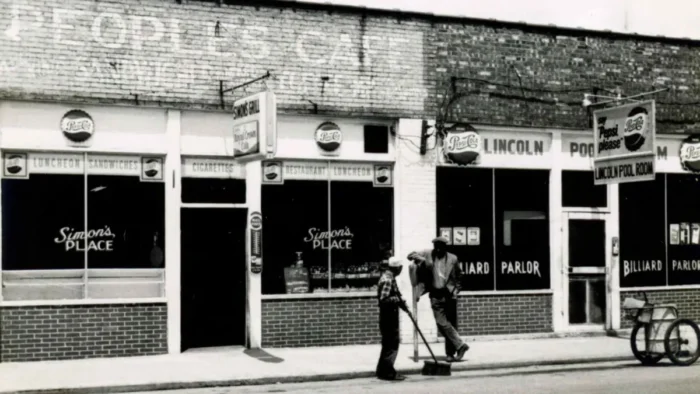
Undated photo of Bristol’s Black Bottom. Courtesy of Black in Appalachia/Virginia Humanities
Urban renewal was a 20th century movement by local, state and federal governments to revitalize struggling cities. But Black neighborhoods and business districts were often sacrificed. In Bristol, Virginia, Black business owners ran barber shops, groceries and doctor’s offices in Black Bottom, which was leveled to make way for new streets and civic projects.
“The Souls of Bristol’s Black Bottom” is a partnership between Black in Appalachia and Virginia Humanities. The project uses interpretive signs, public art and digital storytelling to remember the community. Organizer and storyteller Tina McDaniel helps lead the project. She says learning about 'Black Bottom was a revelation.'
Host Mason Adams spoke to McDaniel about the project.
Roots Book Ban Reversed In Knox County, Tennessee
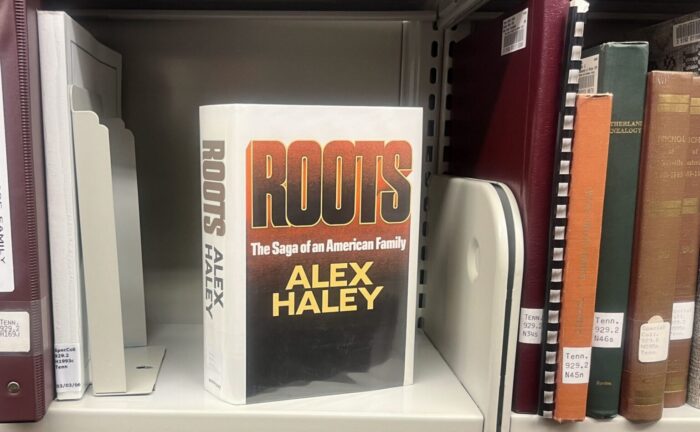
Alex Haley’s 1976 Roots is about the horrors of the slave trade in America and designated an official state book of Tennessee. Knox County recently backtracked its decision to remove the critically acclaimed book from school libraries. Photo Credit: Camellia Burris/WPLN
Knox County, Tennessee officials have reversed their decision to remove the book Roots from school libraries. In May, just a couple weeks prior, the book was banned by a school board committee.
Written by Alex Haley, the novel follows generations of a Black family from enslavement in America in the 1700s through changes and upheavals to the second half of the 20th century. Roots won a Pulitzer Prize and was adapted into an award-winning television miniseries.
It was one of 124 titles that have been removed from library shelves in Knox County. In particular, school board members objected to a depiction of rape of an enslaved woman by a slaveholder. Public outcry to the ban was immediate.
WPLN’s Camellia Burris reports.
Roadside Farmstand Gets An Upgrade
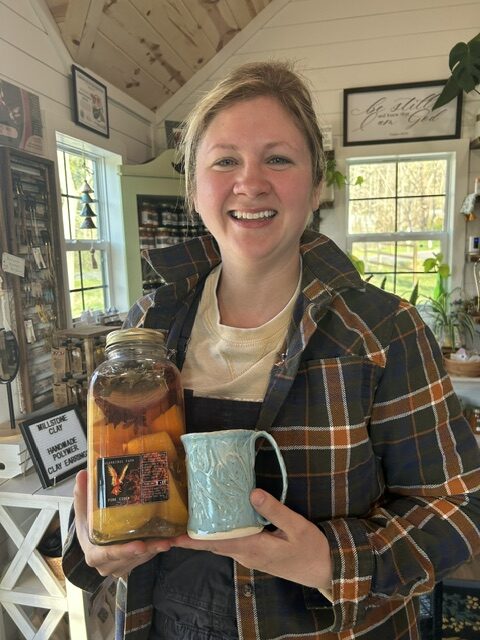
Jessica Camden, owner of Sugarbirds Farm Stand, holds two of the 30 vendors’ products available for sale inside. Photo Credit: Wendy Welch/West Virginia Public Broadcasting
Roadside farmstands with fresh eggs or tomatoes are a common sight in Appalachia. They can be a way for people, especially rural women with kids at home, to support themselves economically. They often work on the honor system; there’s nobody there. Take a carton of berries and leave some cash. But the humble farm stand is changing to keep up with an increasingly cash-free society.
Folkways Reporter Wendy Welch recently visited a stand in Wythe County, Virginia.
State Regulators Audit Kentucky Power After 20 Years
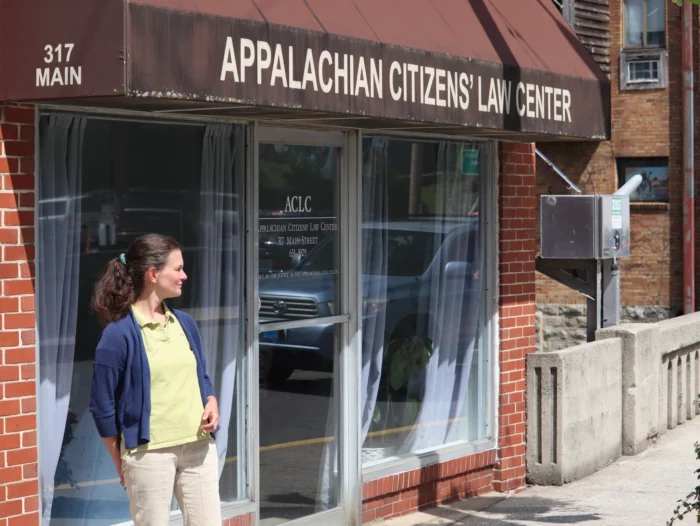
Mary Cromer, deputy director of the Appalachian Citizens' Law Center, stands outside of their Whitesburg offices. Photo Credit: Andrew Henderson/AMSN
Power bills have been rising across much of Appalachia. That’s the case in eastern Kentucky, too, and led to state regulators ordering an audit of Kentucky Power for the first time in more than 20 years.
Kentucky Public Radio’s Sylvia Goodman met with a new coalition that hopes the audit could lead to lower bills.
Volunteers Document Species In The Smoky Mountains
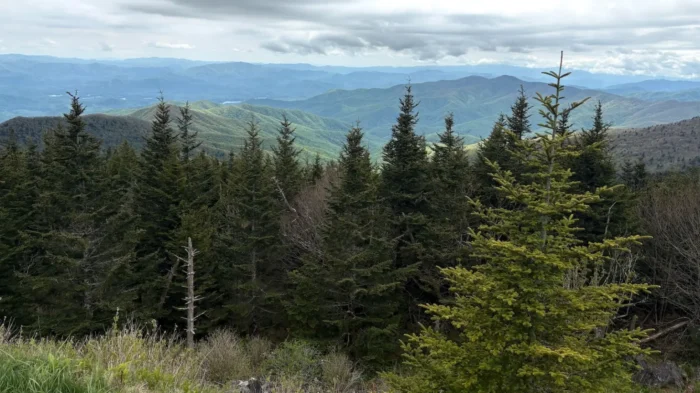
The Great Smoky Mountains are the most biodiverse site in the national park system. Every square foot of the park teems with life, much of which park visitors rarely see. Photo Credit: Katie Myers/Grist
For years, citizen scientists have been documenting plants and wildlife in the Great Smoky Mountains National Park. They do work the Park may not have capacity for, tracking changes in the ecosystem and helping us better understand Appalachia’s biodiversity.
BPR and Grist reporter Katie Myers tagged along with a group of volunteers into the Smokies.
Black Bears Are Migrating As Climate Change Threatens Habitat
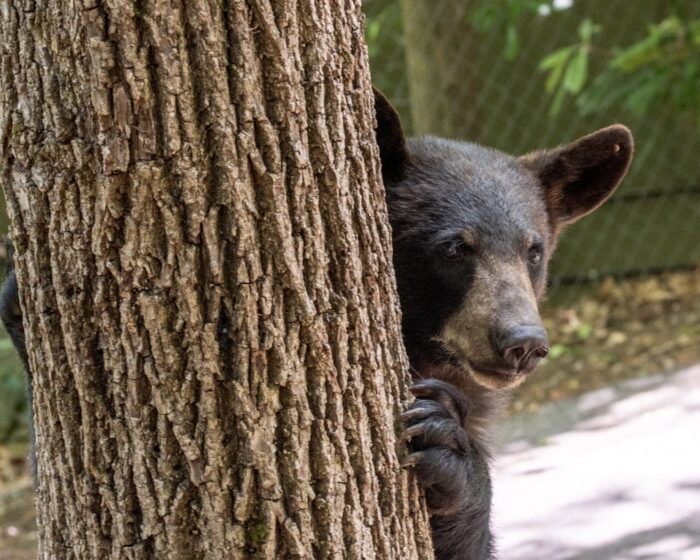
An adolescent bear scales a tree on May 20, 2026. Photo Credit: Caroline Eggers/WPLN
Black bear encounters are on the rise, and climate change is often a hidden culprit.
WPLN’s Caroline Eggers reports that Tennessee wildlife managers are working to promote peaceful coexistence.
The Vine That Ate The South
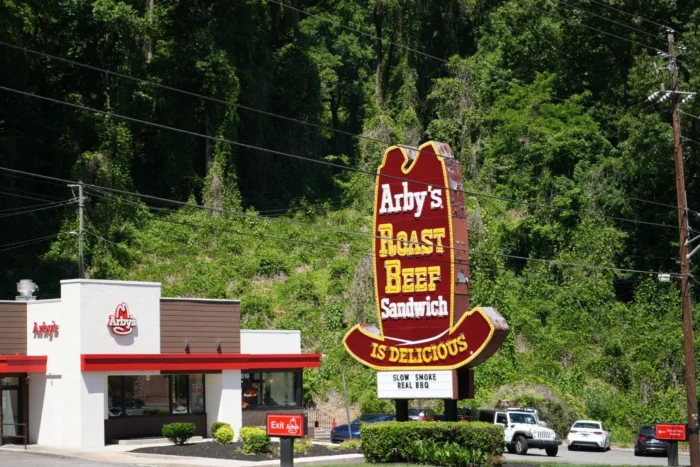
Kudzu covers a patch of woods behind an Arby’s in Knoxville, Tennessee on May 8, 2026. Photo Credit: Jacqui Sieber/WUOT
Kudzu is a leafy vine that has spread through the South and Appalachia, draping whole landscapes with its greenery. Some people find it beautiful, at least at first. But, it’s an invasive plant that can swallow entire sections of forests and choke out other plants.
WUOT’s Jacqui Sieber has more on efforts to tackle the “vine that ate the South.”
Herbicide Drones Are Killing Kudzu
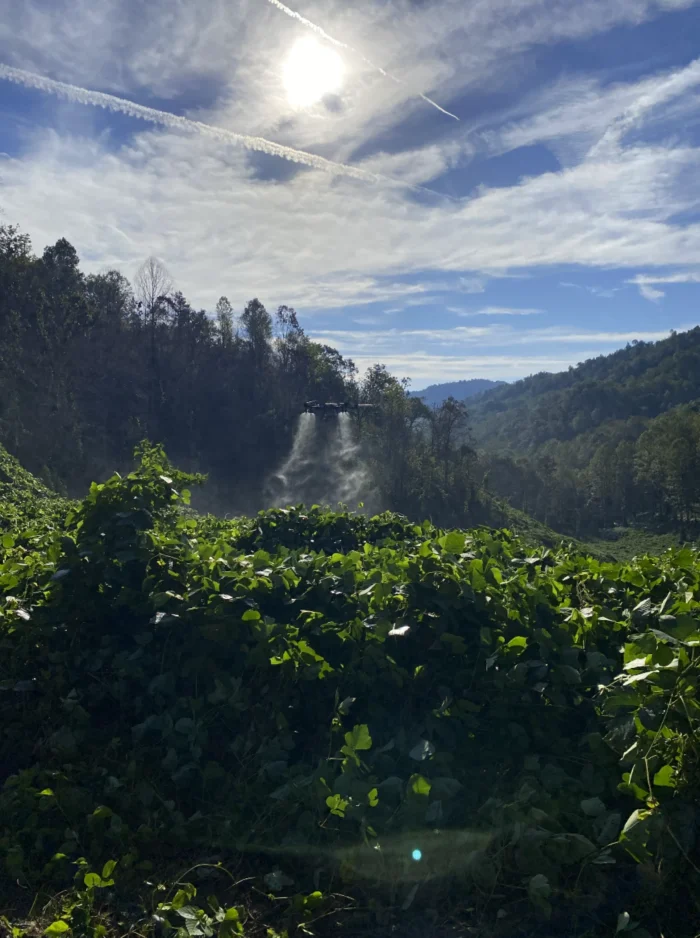
An herbicide-spraying drone douses a thicket of kudzu at one of Kentucky Fish and Wildlife's study sites last summer. Many sites like this are only accessible on foot or by air due to the vine's thickness and difficult terrain. Officials say drones like this can turn days or weeks of work into an afternoon. Photo Credit: Jacob Stewart/Kentucky Fish & Wildlife
Goats aren’t the only tool to keep kudzu in check. In Kentucky, wildlife officials are testing whether new drone technology could help fight kudzu.
Michael Collins with WKYU has more.
Herbalism In Appalachia
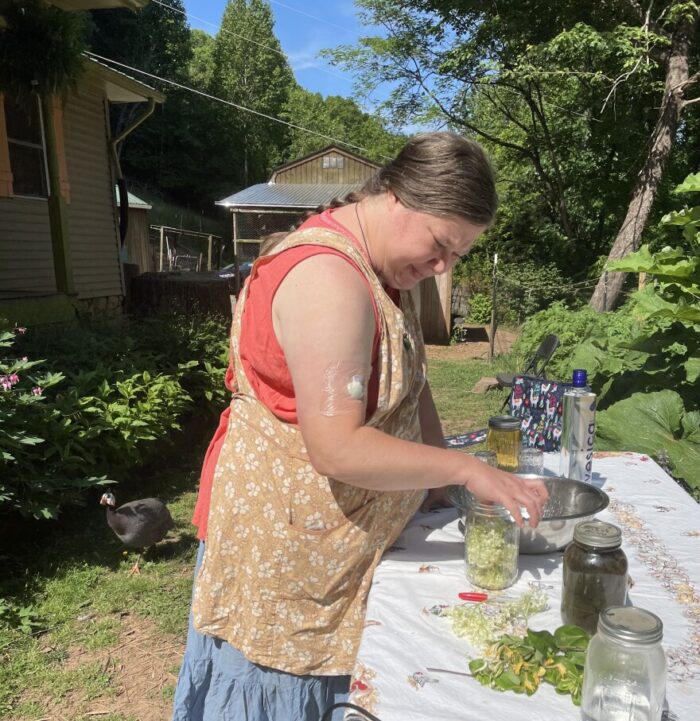
Crystal Wilson adds elderberry flowers to create a fever tincture as her guinea hens fuss around her feet. Photo Credit: Heather Duncan/West Virginia Public Broadcasting
In the warm months, a lot of people stock up on roots and herbs to use as medicines. Some, they grow, and others, they find in the woods. Here in Appalachia, those remedies have been a path to wellness and independence for centuries.
Folkways Reporter Heather Duncan has more.
--
Our theme music is by Matt Jackfert. Other music this week was provided by Erik Vincent Huey, Tim Bing, John Blissard, Mary Hott, Paul Loomis, Dinosaur Burps and Blue Dot Sessions
This week, we say goodbye to Kelley Libby. Kelley's been Inside Appalachia’s show editor since 2020 and was also a lead editor for the Folkways project. As much as anyone, Kelley has helped shape Inside Appalachia into the show that it is. Kelley, we can’t thank you enough. Good luck with your next adventure!
And, introducing Irina Zhorov, who will take over as show editor. We’re glad to have her.
Bill Lynch is our producer. Abby Neff is our associate producer. Our executive producer is Eric Douglas. Our audio mixer is Patrick Stephens. We had help this week from Folkways Editors Jennifer Goren and Molly Born.
You can send us an email: InsideAppalachia@wvpublic.org.
Inside Appalachia is a production of West Virginia Public Broadcasting.
Remembering ‘Black Bottom’ In Bristol, Va., This West Virginia Morning
Jun 26, 2026
Show notes
On this West Virginia Morning, urban renewal in the last century was supposed to revitalize struggling cities, but it often sacrificed Black neighborhoods and business districts, like Black Bottom in Bristol, Virginia. Inside Appalachia’s Mason Adams spoke with organizer Tina McDaniel about “The Souls of Bristol’s Black Bottom,” a project in Bristol that remembers the community through interpretive signs, public art and digital storytelling. McDaniel says learning about Black Bottom was a revelation.
Also, the Public Service Commission of West Virginia (PSC) has scheduled a public comment hearing for construction of a gas-electric generation plant in Monongalia County and three solar energy projects.
And, as West Virginia prepares to celebrate America’s 250th birthday, construction is underway on the Capitol grounds, where the world’s largest transportable Ferris wheel is going up.
West Virginia Morningis a production of West Virginia Public Broadcasting which is solely responsible for its content.
Support for our news bureaus comes from Shepherd University and Marshall University School of Journalism and Mass Communications.
West Virginia Morning is produced with help from Bill Lynch, Chris Schulz, Eric Douglas and Maria Young.
Eric Douglas is our news director. Teresa Wills is our host. Maria Young is our producer.
Listen to West Virginia Morning weekdays at 7:49 a.m. on WVPB Radio or subscribe to the podcast and never miss an episode. #WVMorning
Federal Cuts To Medicaid Endanger Addiction Treatment, This West Virginia Morning
Jun 25, 2026
Show notes
On this West Virginia Morning, federal cuts and changes to state law focused on Medicaid programs could undermine West Virginia’s drug addiction and treatment system for 50,000 residents. In the latest encore episode of Us & Them, which was recently honored with a regional Edward R. Murrow Award, host Trey Kay learns how Medicaid supports recovery organizations and what that work looks like.
Also a new data center is announced in Wheeling, changes to Medicaid benefit requirements and flooding in Boone County.
West Virginia Morning is a production of West Virginia Public Broadcasting, which is solely responsible for its content.
Support for our news bureaus comes from Shepherd University and Marshall University School of Journalism and Mass Communications.
Maria Young produced this episode.
Listen to West Virginia Morning weekdays at 7:49 a.m. on WVPB Radio or subscribe to the podcast and never miss an episode. #WVMorning
Us & Them Encore: Black West Virginians With Substance Use Disorder Face Unique Challenges
Jun 25, 2026
Show notes
This year, West Virginia lawmakers made significant changes to drug and alcohol treatment programs funded by Medicaid, which many people use. The new legislation ties Medicaid payments to patient outcomes rather than the number of patients served.
The Mountain State has the nation's highest overdose rates, and overdose death rates among Black residents exceed those of any other group. In this episode of Us & Them, host Trey Kay learns how Medicaid funding supports organizations working in recovery and what that work looks like on the ground.
This episode of Us & Them, recently honored with a Regional Edward R. Murrow Award for Excellence in Diversity, Equity and Inclusion, is presented with support from The Greater Kanawha Valley Foundation.
Subscribe to Us & Them on Apple Podcasts, YouTube Music, Spotify, the NPR app and wherever you get your podcasts.
Reverend James Patterson has led the Partnership of African American Churches (PAAC) for the past two decades as its founder and president/CEO. PAAC is a nonprofit, collaborative, faith-based community development corporation based in Charleston, WV, that also provides health care. Photo Credit: PAAC
"Every time we had discussions, I was doing focus group research. We started talking about kids, the challenges they face, and other issues in our communities. Everybody kept saying, 'the real problem is them drugs' — that’s exactly how they said it. So, we decided to do something about it. We began by implementing prevention programs and training community health workers, and then we trained them in peer support as recovery coaches."
Many Black West Virginians have had uncomfortable experiences when visiting the doctor — experiences that can discourage people of color from seeking medical care, mental health treatment or help for drug addiction. Dr. Wendy Lewis, clinical director for the Partnership of African American Churches and a researcher of this phenomenon, explains the impact of these encounters. Photo Credit: PAAC
"Every day, people face subtle but constant annoyances because of their color — especially Black people. They are insulted, invalidated and sometimes physically, verbally and mentally assaulted just for being Black. I see this as a double malady that people must overcome daily, particularly when they’re also dealing with addiction and racism. The stress they endure is something others rarely experience.
We are a licensed behavioral health center that provides treatment for substance use disorder. We offer a residential treatment facility, medication-assisted treatment and multiple sober living facilities."
— Dr. Wendy Lewis, clinical director for the Partnership of African American Churches, Charleston, WV
Kevin Watkins received training as a peer support coach from the Partnership of African American Churches. A native of Charleston’s Westside — a community with a high concentration of Black residents — Watkins describes the area as "the valley of the shadow of death" because many people he knew died too young. Watkins struggled with substance use disorder, starting with alcohol at a young age and later turning to marijuana, pills and, eventually, speed, which he injected. Photo Credit: PAAC
"I had a teacher who was trying to help me, to show me the right way. I was one of those kids with ADD—I could never sit still—so I spent most of my time in the office. I don't think he understood the full extent of my problem, or he wouldn’t have paddled me as he did. I knew I had issues when I tried to break into his house.
Looking back, I wonder why I did it all. Part of it was the divorce—my dad was never around, having started another family—so I never had the support system other kids had. I felt like I fell through the cracks in Orchard Manor. Sometimes I’d wake up in the old county jail, not even knowing why I was there, beat up and bleeding. I knew I had a serious situation on my hands."
— Kevin Watkins, peer support coach trained by the Partnership of African American Churches
Robert Hansen is retired after nearly 50 years in West Virginia's behavioral health field, including a two-year stint as director of the state’s Office of Drug Control Policy — known as the drug czar. Photo Credit: The Charleston Gazette-Mail
“Residential treatment programs in West Virginia have grown dramatically. Back in 2016, 2017 and 2018, the state had about 150 to 200 treatment beds. Today, there are more than 1,700. Providers are expanding services on the theory that Medicaid funding will continue.
The bulk of Medicaid money comes from the federal government — with Congress and the president’s approval — while West Virginia must supply matching dollars. The Partnership of African American Churches is funded similarly; as they apply for grants from the Bureau of Behavioral Health or the federal government, they have opportunities aligned with their expertise. Otherwise, their core funding is no different from any other addiction treatment provider."
— Robert Hansen, former director of West Virginia’s Office of Drug Control Policy.
Improving Health Care Access In Rural Communities, This West Virginia Morning
Jun 24, 2026
Show notes
On this West Virginia Morning, a $1 million initiative through the Rural Health Transformation Program aims to help rural EMS agencies expand access to health care in rural and underserved areas of West Virginia. It focuses on connecting patients with care earlier – before chronic illnesses become acute. Secretary of Health Dr. Arvin Singh talked with Assistant News Director Maria Young to explain how the program is designed to work – and who it will focus on first.
Also, a federal judge has blocked West Virginia’s ban on buying soda with federal benefits.
And, on the 10th anniversary of the devastating and deadly flood that hit West Virginia in 2016, the Federal Emergency Management Agency (FEMA) announced West Virginia will receive nearly $4 million for flood mitigation.
Finally, the U.S. Department of Justice has announced charges involving health care fraud and opioid abuse schemes against 455 defendants nationwide – including some in West Virginia.
West Virginia Morningis a production of West Virginia Public Broadcasting which is solely responsible for its content.
Support for our news bureaus comes from Shepherd University and Marshall University School of Journalism and Mass Communications.
Maria Young produced this episode.
Listen to West Virginia Morning weekdays at 7:49 a.m. on WVPB Radio or subscribe to the podcast and never miss an episode. #WVMorning
Caring For The Caregivers Of Aging Adults, This West Virginia Morning
Jun 23, 2026
Show notes
On this West Virginia Morning, one in 10 Americans now say they are a caregiver for a parent age 65 and older, according to recent Pew research. Reporters Blake Farmer and Cara Anthony with our partner HealthQ explore why embracing the title of “caregiver” matters—and how recognition and support can make a difference in this phase of life.
Also, some state lawmakers express support for a federal ban on greyhound racing, a new segment of Corridor H opens and details of the America250 Capital City Celebration emerge.
West Virginia Morning is a production of West Virginia Public Broadcasting, which is solely responsible for its content.
Support for our news bureaus comes from Shepherd University and Marshall University School of Journalism and Mass Communications.
Maria Young produced this episode.
Listen to West Virginia Morning weekdays at 7:49 a.m. on WVPB Radio or subscribe to the podcast and never miss an episode. #WVMorning
Protecting Appalachia’s Flexing Mussels, This West Virginia Morning
Jun 22, 2026
Show notes
On this West Virginia Morning, freshwater mussels are scattered throughout waterways in Kentucky and neighboring states like Tennessee and West Virginia, playing a vital role in maintaining healthy ecosystems. For the Appalachia Mid-South Newsroom, WKYU’s Hope Heffley has more on why those populations have dwindled over the years.
And Corridor H adds a new segment while the state's Rural Health Transformation initiative focuses on rural emergency medical services.
West Virginia Morning is a production of West Virginia Public Broadcasting, which is solely responsible for its content.
Support for our news bureaus comes from Shepherd University and Marshall University School of Journalism and Mass Communications.
Maria Young produced this episode.
Listen to West Virginia Morning weekdays at 7:49 a.m. on WVPB Radio or subscribe to the podcast and never miss an episode. #WVMorning
Community Hospital Concerns, School Choice Vouchers And A Town’s Hidden History, This West Virginia Week
Jun 20, 2026
Show notes
On this West Virginia Week, an heir files suit to keep his community hospital open, disparities in the distribution of school choice vouchers, and a West Virginia lawmaker is among those targeted in White House UFC fight plot.
We also discuss how a simple conversation with his mom led one state senator to uncover his towns hidden history... and, a not-so-cuddly creature is making its way into Appalachia.
Maria Young is our host this week. Our theme music is by Matt Jackfert.
West Virginia Week is a web-only podcast that explores the week's biggest news in the Mountain State. It's produced with help from Bill Lynch, Chris Schulz, Eric Douglas and Maria Young.
John Phillips of Mars Hill, North Carolina performs an Appalachian ballad called “Little Maggie” at the ballad swap at Zadie’s Market in Marshall, North Carolina. Photo Credit: Sarah Melotte/Daily Yonder
When Hurricane Helene tore through western North Carolina in 2024, it took lives and upended communities. A community of ballad singers lost a place where they could share their tradition. The storm set them back, but it didn’t stop them. And what might’ve seemed lost could be restored.
From Marshall, North Carolina, Sarah Melotte reports for the Rural Remix, a podcast from the Center for Rural Strategies.
How To Protect Amphibians Against Climate Change
Climate change has affected the seasons and made weather less predictable. And severe storms and flooding are causing damage to wildlife habitat. Kylie Frederick is a journalism student at West Virginia University (WVU), and reports that protecting amphibians, like frogs and salamanders, can start at home.
Tornado Destroys Orchid Restoration In Southern Kentucky
Tara Littlefield, a botanist and ecologist with the Office of Kentucky Nature Preserves, has been working to restore this wetland site in Mount Victory. Photo Credit: Lily Burris/WEKU
Researchers have spent nearly 20 years restoring a threatened species of orchid in southern Kentucky. Those efforts were disrupted after a tornado last spring. For the Appalachia + Mid-South Newsroom, WEKU’s Lily Burris went to Mount Victory to learn about the recovery.
Traveler's Guide To Ancient Ohio
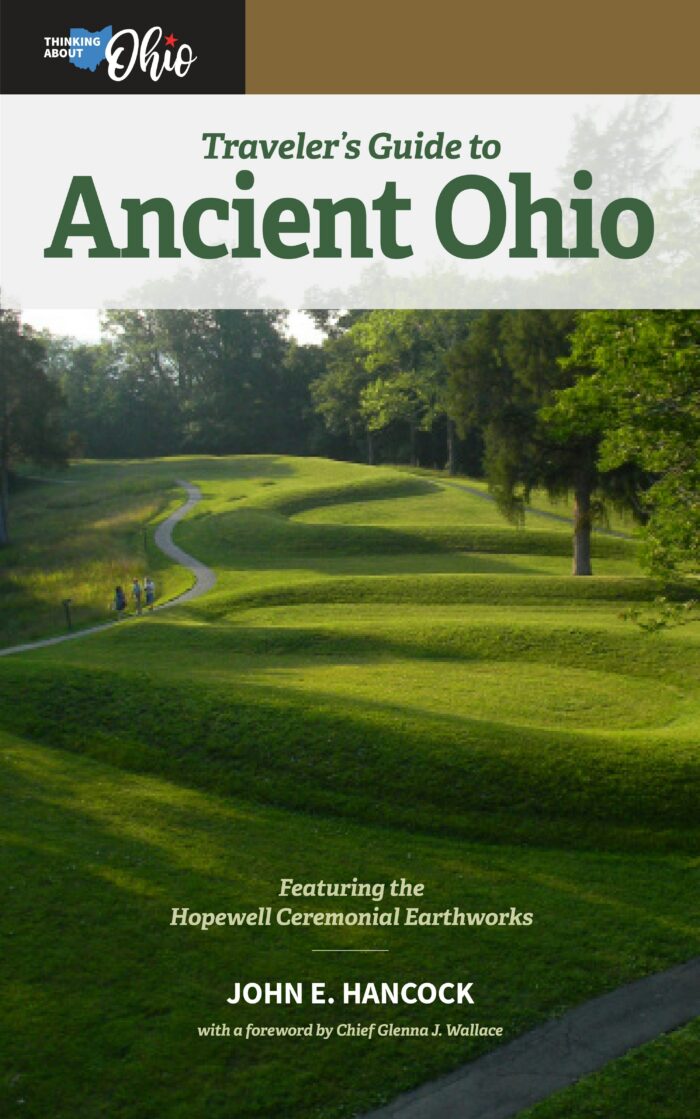
The cover of "Traveler's Guide to Ancient Ohio" by John E. Hancock. Courtesy of Ohio University Press
Thousands of years ago, Indigenous people created hundreds of earthen monuments in what is now Ohio, Kentucky and West Virginia. Some were burial mounds. Others were curious shapes and designs whose purposes are not entirely understood.
John E. Hancock, a professor of architecture and design at the University of Cincinnati, has spent years studying these earthworks. Recently, he published Traveler's Guide to Ancient Ohio. If you want to visit these ancient sites, it’s a good place to start.
Producer Bill Lynch spoke with Hancock about the book.
Abandoned Gas Wells In W.Va.
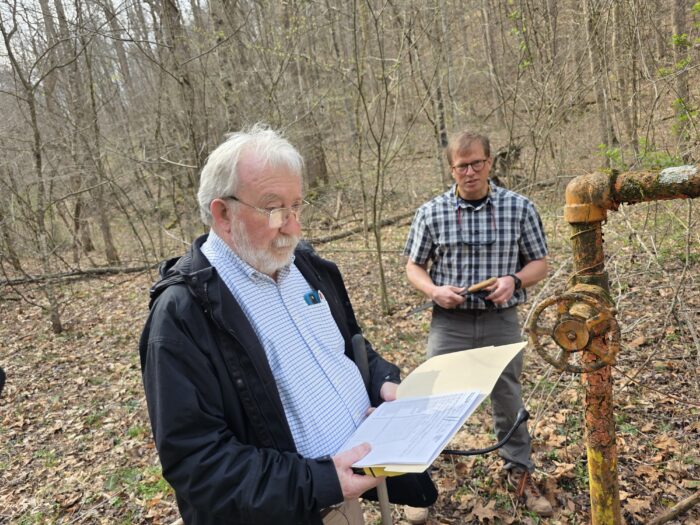
Dave McMahon, left, and Ted Boettner look at an abandoned natural gas well near Kanawha State Forest in Kanawha County. Photo Credit: Eric Douglas/West Virginia Public Broadcasting
According to the West Virginia Department of Environmental Protection (WVDEP), there are more than 6,000 abandoned or orphaned natural gas wells in the state. But some advocates say that number is low.
WVPB’s News Director Eric Douglas visited a few.
Tennessee Town Struggles To Reopen Its Only Hospital
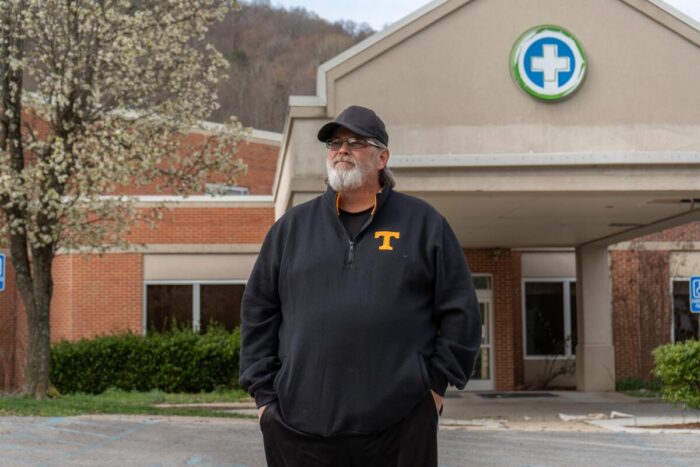
Local minister Benji Johnson stands outside of the shuttered Jellico Regional Hospital on Monday, March 30, 2026. Photo Credit: Pierce Gentry/WUOT
As the health care industry cuts unprofitable rural hospitals, small towns across Appalachia are paying the price.
WPLN’s Pierce Gentry takes us to Jellico, Tennessee, where the local government is struggling to reopen its only hospital.
The Legacy Of Norman Jordan
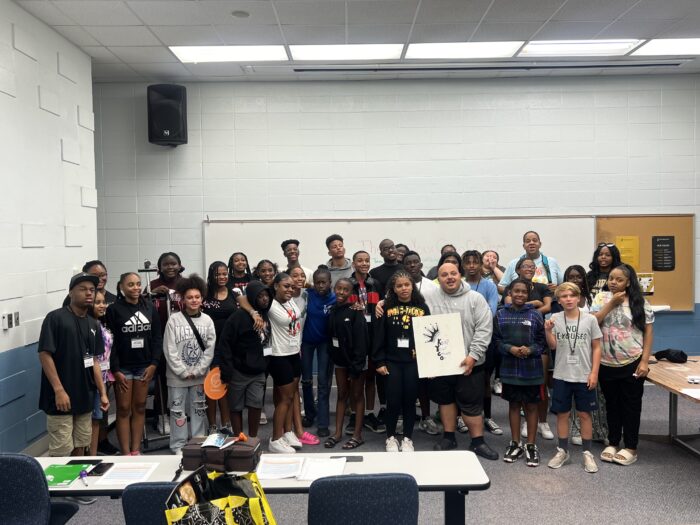
Students participate in a poetry workshop at the 2024 Norman Jordan African American Arts and Heritage Academy. Photo Credit: Traci Phillips/West Virginia Public Broadcasting
Affrilachian poet and playwright Norman Jordan was a prominent voice in the Black Arts Movement through the 1960s and 1970s. He was also one of the most published poets in the region, anthologized in at least 42 books. He died in 2015 at the age of 77. Along with his writing, Jordan left another legacy: a summer camp for teens to learn music, theater and dance.
Last summer, Folkways reporter Traci Phillips visited the Norman Jordan African American Arts and Heritage Academy in Westover, West Virginia.
Rising Temperatures Bring Armadillos To Kentucky
Armadillos are moving farther north to states like Kentucky and the surrounding region. Courtesy of Bernheim Forest and Arboretum
In 2023, we reported on the appearance of armadillos as far north as Virginia. Now, they’re being found in Kentucky, which is seen as another indicator of rising temperatures in the region. For the Appalachia + Mid-South Newsroom, LPM’s Giselle Rhoden has more on how the species has made its way north from South America.
------
Our theme music is by Matt Jackfert. Other music this week was provided by Blue Dot Sessions, Hello June, Paul Loomis, Jeff Ellis and John Inghram.
Bill Lynch is our producer. Abby Neff is our associate producer. Our executive producer is Eric Douglas. Kelley Libby is our editor. Our audio mixer is Patrick Stephens. We had help this week from Folkways Editor Nicole Musgrave.
You can send us an email: InsideAppalachia@wvpublic.org.
Inside Appalachia is a production of West Virginia Public Broadcasting.
A Guidebook For Visiting Ancient Earthworks, This West Virginia Morning
Jun 18, 2026
Show notes
On this West Virginia Morning, Indigenous people created hundreds of earthen monuments in what is now Ohio, Kentucky and West Virginia. John E. Hancock, a professor of architecture and design at the University of Cincinnati, spent years studying these earthworks. He published a guidebook for visiting them. Inside Appalachia’s Bill Lynch spoke with Hancock about the book.
Also, a West Virginia lawmaker was on a target list created by the group accused of plotting to attack the UFC fights at the White House Sunday night.
And, a McDowell County resident whose great-grandfather donated the land for what is now the Welch Community Hospital has filed a lawsuit he hopes will keep the hospital open.
Finally, a new national analysis has identified disparities in the distribution of school choice vouchers in West Virginia.
West Virginia Morningis a production of West Virginia Public Broadcasting which is solely responsible for its content.
Support for our news bureaus comes from Shepherd University and Marshall University School of Journalism and Mass Communications.
West Virginia Morning is produced with help from Bill Lynch, Chris Schulz, Eric Douglas and Maria Young.
Eric Douglas is our news director. Teresa Wills is our host. Maria Young is our producer.
Listen to West Virginia Morning weekdays at 7:49 a.m. on WVPB Radio or subscribe to the podcast and never miss an episode. #WVMorning

 Our TOPPODCAST Picks
  Stay Connected