The Nonprofit Leadership Podcast discusses important issues facing nonprofit leaders in our community and features real stories from real leaders about what strategies and practices have made them successful. Enjoy the show!
How to Make Better and Wiser Decisions Part 2
May 10, 2023
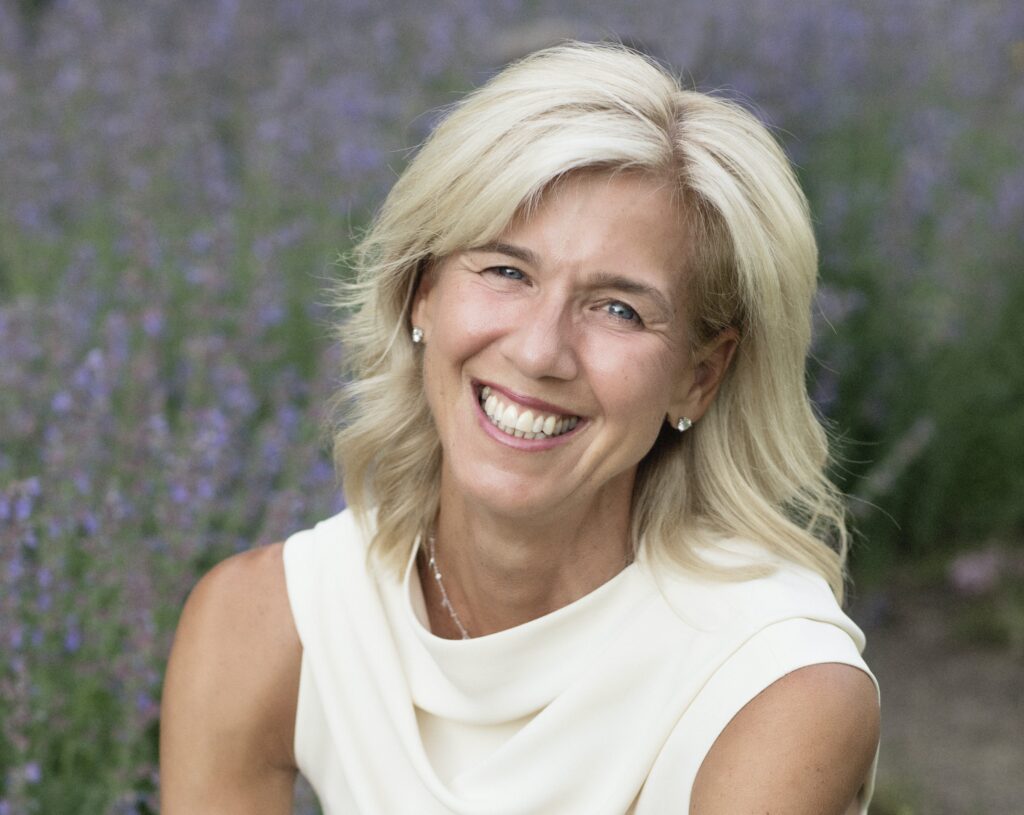
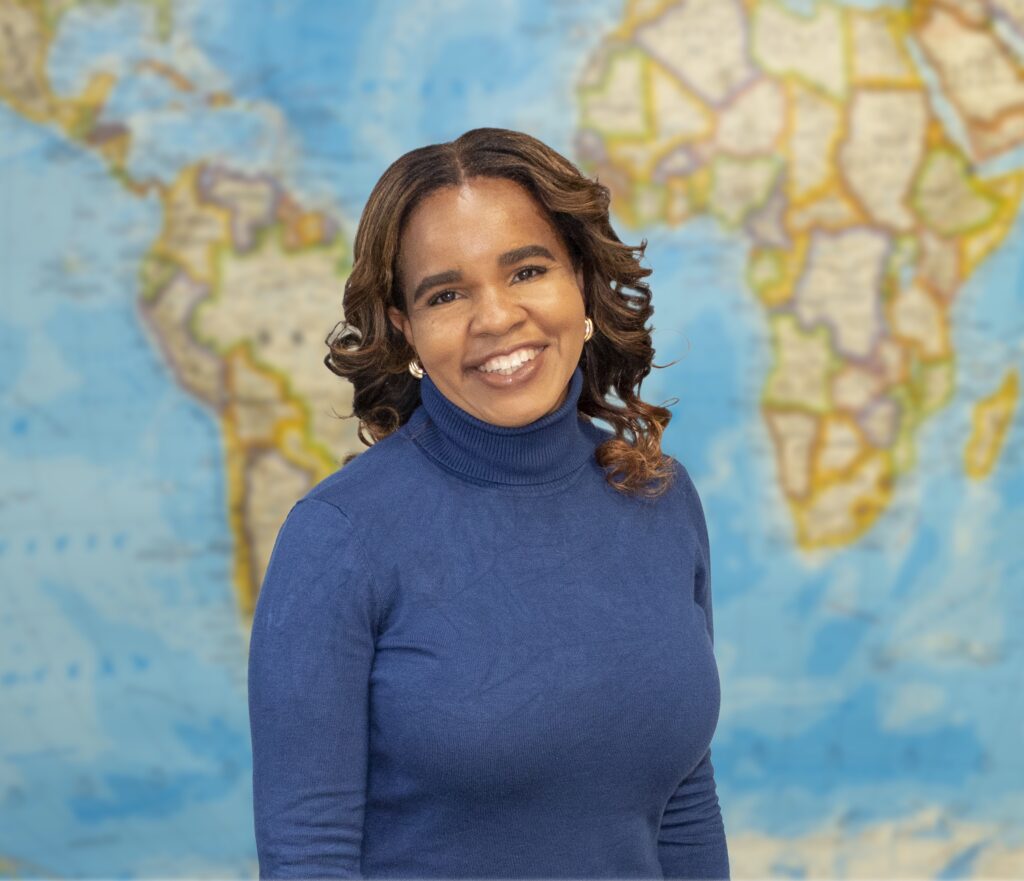
Show notes Dr. Sheila Ohlsson Walker
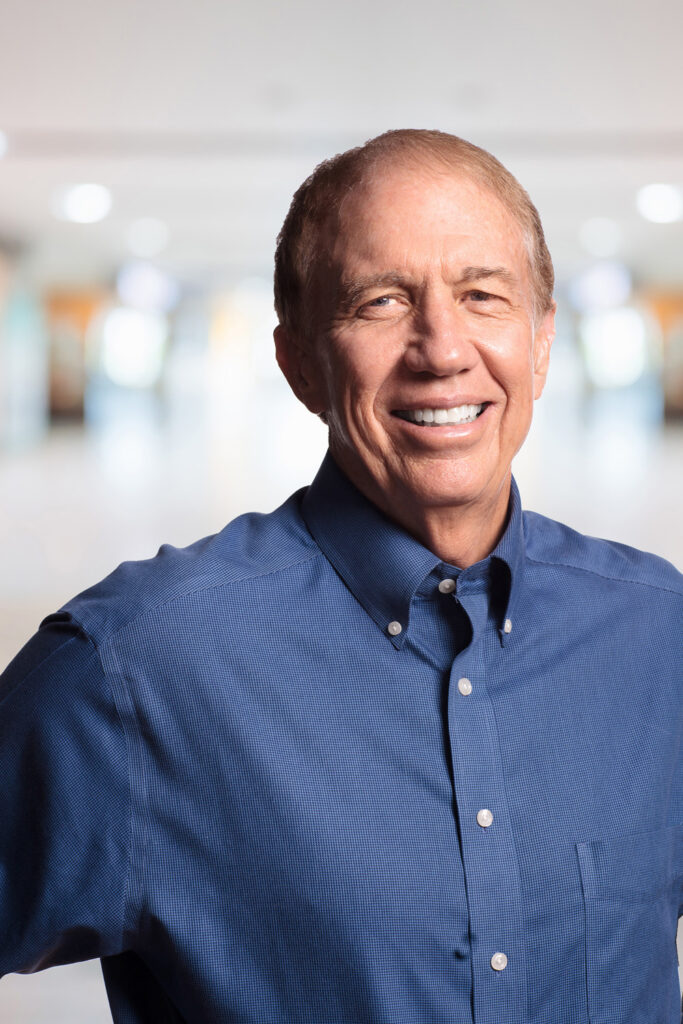
Today’s episode is Part 2 of a conversation with guests, Dr. Jim Loehr and Dr. Sheila Ohlsson Walker. In Part 1, they discuss why the skill of decision making is essential for the trajectory of our lives. In today’s episode, Jim and Sheila dive deeper into how important your inner voice is and how you can train it to be better at helping you make decisions.
Jim is a well known performance psychologist and Sheila is a behavioral geneticist. They both are co-authors of the book, Wise Decisions: A Science-Based Approach to Making Better Choices.
In Jim and Sheila’s book, Wise Decisions, they describe the most important coach one can have in life is their YODA. Sheila and Jim define YODA as “your own decision advisor,” also known as one’s inner voice. Sheila warns that one’s inner voice is so powerful, that it can either be a coach or an adversary if not careful. Jim seconds that notion and urges us to learn how to train and educate the YODA we all have inside us. Jim and Sheila each share a piece of practical advice on how to start training one’s YODA. Jim explains why it’s so important for leaders of organizations to teach their team how to make better decisions. He says the first step a leader must take in order to do this, is to take care of themselves first by making their wellness a priority. Finally, Sheila poses a thought provoking question at the end, for all the listeners to really reflect on as they move forward.
How to Make Better and Wiser Decisions Part 1
May 07, 2023
Show notesDr. Sheila Ohlsson Walker
You may be surprised to learn that we humans make on average 35,000 decisions in a single day! Some decisions are fairly inconsequential, while others greatly impact our lives. Today’s guests discuss why this skill of making decisions is imperative for the trajectory of our lives, as well as how to make the best decisions possible.
Rob’s guests are Dr. Jim Loehr and Dr. Sheila Ohlsson Walker. Jim is a well known performance psychologist and Sheila is a behavioral geneticist. They both are co-authors of the book, Wise Decisions: A Science-Based Approach to Making Better Choices.
Jim and Sheila share what their education and careers looked like, before pivoting into the field of studying human decision making. When it comes to decision making, they explain that the process involves the whole brain, not just certain areas. They also highlight that it’s not just the brain involved in decision making, but the whole body, too. Jim and Sheila discuss the important role our health has in our ability to make better decisions. Sheila explains that we should not be making a false dichotomy between our physical health and mental health, since the same molecules throughout our bodies affect our mental, physical and emotional health. Jim repeats that same sentiment by reminding us that all of these dimensions are affecting our decision making since we humans are integrated beings. Jim explains why having a strong purpose and clear values are both critical aspects to how we make wise decisions. Finally, Sheila describes the top 3 factors that determine brain health, which in turn will help us make better decisions.
Links to Resources: If you have any suggestions for the show, email nonprofitleadershippodcast@gmail.com For more episodes and to subscribe to our newsletter, check out https://nonprofitleadershippodcast.org/
How you can improve your grant funding asks
Apr 30, 2023
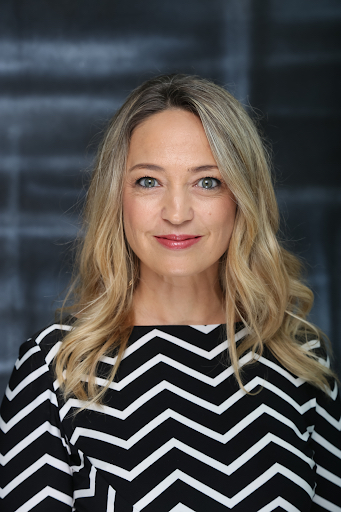
Show notesHolly Rustick
Getting funding in the form of grants is essential to many nonprofit organizations. Today’s episode is all about grant writing. Today’s guest, Holly Rustick, dives into this topic and shares what nonprofits are doing wrong when it comes to grant writing and how they can improve their grant funding process.
Holly is an author, podcaster, and grant funding expert who creates effective systems for grant writers, so nonprofits can grow capacity, increase funding, and advance their mission. She also coaches freelance grant writers on how to improve their skills and grow their grant writing business.
Holly explains that due to the restrictions placed on and limited lifespan of grants, nonprofits cannot solely rely on grants for their budget. She shares what percentage of a nonprofit’s budget should come from grant funding. Holly also believes that nonprofits should consider hiring freelance grant writers and shares all the benefits in doing so. Holly explains that before you look for funding, you need to first create a master grant template. She describes what this template is and why it is so important to the grant funding process. Holly discusses why the traditional storytelling appeal does not work well in grant writing, and offers suggestions on how to write better grant letters. She also explains the two main things grant funding sources are looking for and how having a strong portfolio can help you meet that criteria. Finally, Holly discusses the importance of a strong relationship between the grant writer and the executive director, and how having effective grant meetings can prevent poor communication and lost time.
Are leaders born or made?
Apr 24, 2023
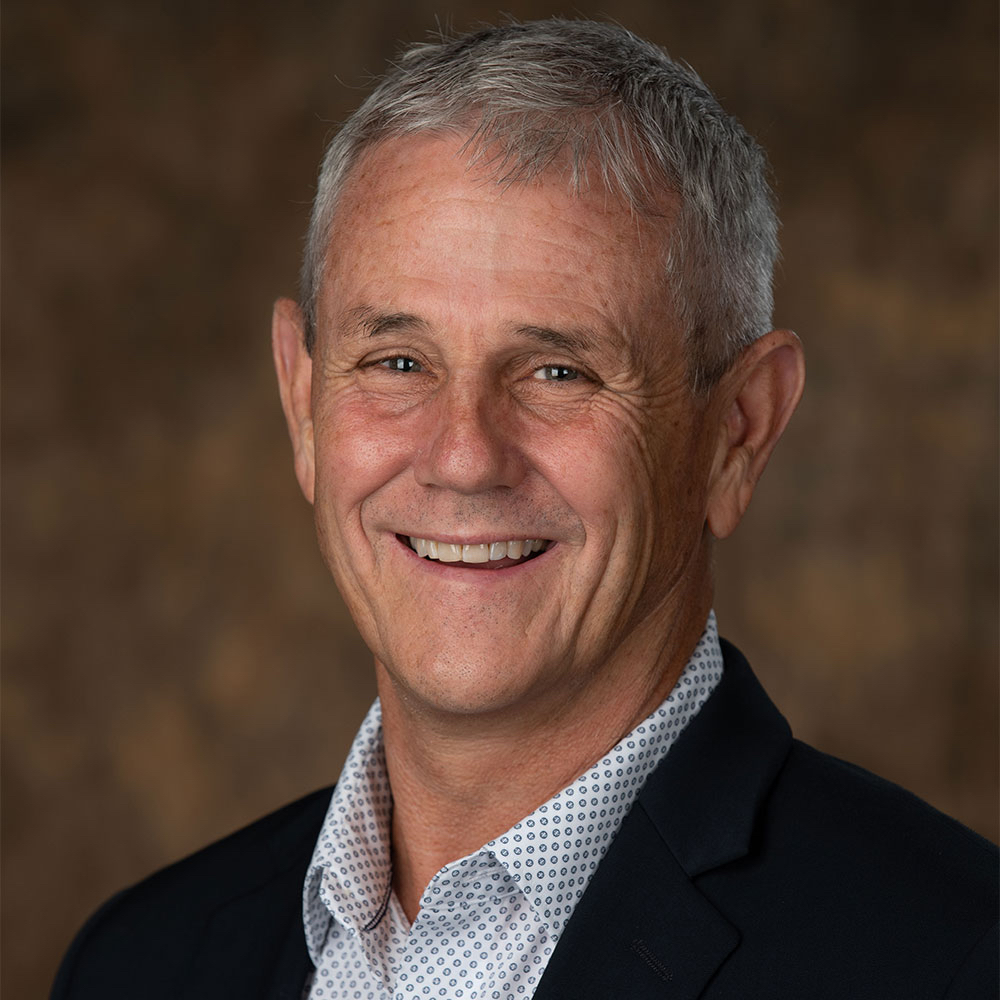
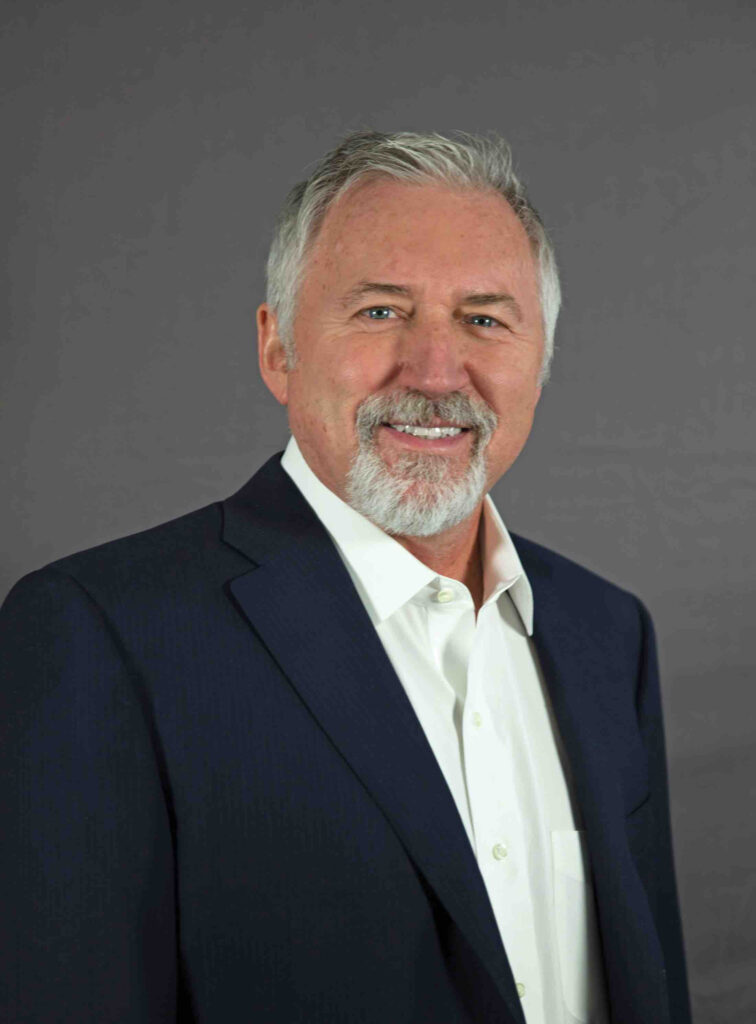
Show notesMark Gauthier, Vice President and Executive Director, U.S. for Cru
We can’t discuss the topic of leadership without coming across the age-old question, “Are leaders born or are they made?” Rob’s guest, Mark Gauthier, answers this complicated question and also explains what leaders need to focus on in order to develop their leadership skills.
Mark Vice is President and Executive Director of the U.S. for Cru. Cru is a faith-based, college student-focused, nonprofit organization. Cru sends people across the United States and to other parts of the world. Cru offers spiritual guidance, resources and programs tailored to people from all cultures in every walk of life.
Mark offers his answer to whether leaders are born or made and he believes that nature and nurture can work together to create great leaders. He explains that training and skill development are just as important as character development, when it comes to the growth of young leaders. Mark believes that self-leadership is vital because it helps us to handle the ups and downs of life. He also shares what traits the most effective leaders have, and why good leaders must also know how to be good followers. Mark explains that a servant leader uses their humility to both elevate others to succeed and to accept personal responsibility when things don’t go well. He agrees that leaders can often feel lonely and drained over time, and offers specific ways one can replenish themself after feeling fatigued. Mark gives four steps that a leader needs to implement in order to balance trusting your team and correcting them. Finally, he shares the reason for why he has so much hope for the future.
How our experience with leadership impacts how we view leadership
Apr 17, 2023
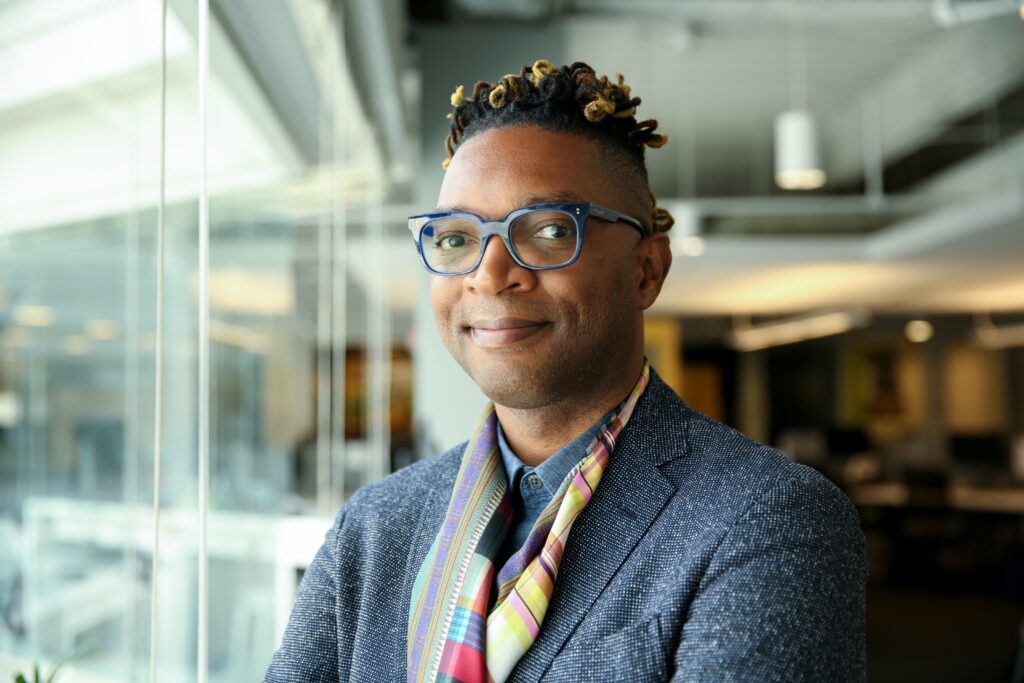
Show notesDarren Isom, partner, The Bridgespan Group
When it comes to leadership attributes, what are the top attributes in your opinion? Is it motivation? Is it vision? Is it integrity? Most often, the answer to that question emerges from our own experience, or what we have already seen. Rob’s guest today is Darren Isom and Darren explores various aspects of leadership based on his interviews with 25 leaders of color. Darren discusses topics such as: assessing leadership competency, the importance of self-leadership, and the benefits to a collaborative leadership model in nonprofit organizations. What he finds is both interesting and insightful when it comes to this whole issue of how we view leadership and how we develop leaders.
Darren is a partner at The Bridgespan Group, which consults with nonprofits, NGOs, donors, and investors to advance learning and accelerate the impact of their work and philanthropy. Darren co-leads the firm’s commitment to advance racial equity in philanthropy and is also the host of the podcast Dreaming in Color: Creating New Narratives in Leadership.
Darren discusses a recent article he co-wrote, “Lessons on Leadership and Community from 25 Leaders of Color,” published by the Harvard Business Review. He explains that because leaders of color engage the world differently, they can leverage a different set of skills to positively impact the organizations they are a part of. Darren believes that the nonprofit sector is lacking when it comes to properly assessing leadership competency, and that nonprofits need to bring on different players to strengthen their teams. He shares that there is a commonality in the leaders of color, when it comes to where their motivation originates from. Darren explains what self-leadership looks like and why it is so important for the individual to be securely anchored in knowing who they are and what they bring to the table. He recognizes that having a leadership role can be difficult, and offers advice on how to become comfortable in the discomfort. Darren compares a “command and control” style of leadership to a collaborative model of leadership, and shares the many benefits he has seen in nonprofits with the co-leadership model. Finally, Darren explains that while we may be living in chaotic times, that chaos itself can be a sign of winning.
How to overcome the most common barriers for growing as a leader
Apr 10, 2023
Show notesScott Jeffrey Miller, speaker, bestselling author, and podcast host
Are you familiar with the term leadership “lids”? I first heard about leadership “lids” from author John Maxwell and these lids are self imposed limits or beliefs one has that can hold leaders back from being effective in their organizations and lives. Today’s guest will share how your effectiveness as a leader starts with your mindset, beliefs, and core values.
Rob’s guest is Scott Jeffrey Miller, speaker, bestselling author, and podcast host. Scott hosts two podcasts, “On Leadership with Scott Miller” and “C-Suite Conversations with Scott Miller.” Scott is also the Senior Advisor on Thought Leadership at FranklinCovey, where he has been working for over 25 years.
Scott shares the reason why he decided to write a book series called Master Mentors, which includes deep insights from different podcast guests he has interviewed each year. He notices that the two things all of his guests have in common include a relentless worth ethic and an “abundance” mindset. Scott shares questions we can ask ourselves in order to challenge our ingrained mindsets. He also gives us steps we should take in order to identify and establish core values in our lives. Scott believes that it is possible to maintain your core values, even if you change your mindset or perspective on a topic. He believes you can be respectful to others even if you may not share the same values or agree with their choices. Scott explains that an effective leader is one who is emotionally agile and able to admit to and grow from their mistakes. Finally, Scott hopes his books will speak to a wide variety of people, in different points and roles in their life.
How this nonprofit is elevating the importance of hiring people with disabilities
Apr 03, 2023
Show notesLloyd Lewis, CEO, Arc Thrift Stores
Diversity, Equity, and Inclusion (DEI) are key issues that most nonprofit leaders are discussing. When looking at the Inclusion aspect, there is one group that sometimes gets left out of the conversation. This group is made up of individuals with intellectual or developmental disabilities (IDD). Today’s guest, Lloyd Lewis, explains that hiring people with IDD is not only the right thing to do, but doing so will benefit your organization in countless ways.
Lloyd Lewis is a dedicated advocate for people with IDD and serves as CEO of Arc Thrift Stores in Colorado. Arc Thrift Stores is one of Colorado’s largest employers of people with intellectual and developmental disabilities, believing that by providing gainful and enriching employment and educational programming, people with autism, Down syndrome, cerebral palsy, and other intellectual and developmental disabilities will thrive and gain independence.
Lloyd believes workplace diversity is so important to any organization and that it has been the key to the success of his business at Arc Thrift Stores. He explains that there are over 6 million people in the USA with intellectual disabilities and that 80% of them are unemployed. Lloyd regularly speaks about this issue through discussions, documentaries, and films. He also describes the common misconceptions and myths he hears from hiring managers about hiring people with IDD. Lloyd has seen first hand in his own business, the many benefits to hiring people with IDD. He believes that disability and inclusion in the workplace increases performance, innovation, and productivity. Finally, he shares how Arc Thrift Stores is continuing to grow their company by hiring more people and by expanding into other states.
How one nonprofit is promoting both mental and digital wellbeing
Mar 27, 2023
Show notesLarissa (Larz) May, founder, Half the Story.
Mental health issues are a growing concern all over the world. Right here in the US, there is a mental health crisis facing our youth and one significant contributor to this growing trend is social media and related technology. Today’s guest, Larissa May, shares how the next generation can be empowered to have a healthy relationship with technology.
Rob’s guest is Larissa (Larz) May, founder of the nonprofit organization called Half the Story. Half the Story is dedicated to fostering digital wellbeing for the next generation through education, advocacy, and building community.
Larz shares a story about how she realized the device in her pocket was an addiction and that the relationship with her phone was an unhealthy one. She recognized the need to look at the role technology plays in our mental health, and eventually founded Half the Story. Larz describes what the term “digital wellbeing” refers to and admits that we cannot achieve this wellbeing without developing skills of mindful modification. She believes too much of technology is designed to manipulate us and that we need to wake up to the monumental impacts it can have on our lives. Larz describes the many ways Half the Story is helping to educate and empower youth to not only improve their own digital wellbeing, but to become involved in advocacy in order to bring positive change for all.
Finally, she shares how her organization is focusing on the educational environment and their hopes to make digital wellbeing education a norm in schools.
How this nonprofit is providing the gift of mobility to people all over the world
Mar 20, 2023
Show notesNuka Solomon, CEO, Free Wheelchair Mission
When living in developed countries, we are accustomed to seeing special parking spaces and accessible ramps for those who may use wheelchairs. Unfortunately this is not the case in many developing countries. Not only do they not have these accommodations, but a large number of people don’t even have the ability to move around their homes or neighborhoods. Today’s guests, Don Schoendorfer and Nuka Solomon, share how they are providing free wheelchairs to people all over the world.
Rob’s guests are Don Schoendorfer and Nuka Solomon, the leaders behind the nonprofit called Free Wheelchair Mission. Don is the President and Founder, while Nuka is the CEO. Free Wheelchair Mission is a humanitarian, faith-based nonprofit that designs and manufactures cost-efficient, durable wheelchairs for developing countries around the world.
Don Schoendorfer, President and Founder, Free Wheelchair Mission
Don and Nuka explain how they were both struck by the vast need for wheelchairs in the world, which led them to being part of this mission. An estimated 75 million people across the world lack mobility. They explain the details involved in getting wheelchairs to recipients and the manufacturing and engineering aspects to their organization. Don and Nuka discuss how their organization shares meaningful stories with donors in order to help them get more connected to the cause. They also explain how they have been able to build strong, lasting relationships with their partners in over 30 countries. Nuka believes it is important for nonprofit leaders to get into the field and engage with recipients first hand, in order to relate to what the rest of the organization’s team is experiencing. Don believes that their success is attributed to God’s desire to give the miracle of mobility to people who are in need. Finally, Nuka explains that the biggest challenge facing all nonprofits is the fact that donors are inundated with the many problems and needs the world has. She says nonprofits need to figure out ways to grab the attention of a distracted society and get them interested in giving back.
How you can become a changemaker through “micro-leadership”
Mar 13, 2023
Show notesAlex Budak, professor at University of California, Berkeley and author of “Becoming a Changemaker.”
Are you a leader at a nonprofit who wants to bring about change, but you don’t think your idea will be welcomed by the rest of the team? Are you struggling to get everyone on board with this new mission and feel your efforts are futile? Today’s guest, Alex Budak, explains that you don’t need everyone on board before bringing change and how you can become a more effective change maker.
Rob’s guest, Alex Budak, is a professor at University of California, Berkeley as well as the author of “Becoming a Changemaker.” His book is a fresh, inspiring and research-backed guide to developing the mindsets and leadership skills needed to navigate, shape, and lead change and to make a positive impact in our lives, career, and communities.
Alex explains why resistance to change is normal in an organization, and what leaders can do to effectively overcome that resistance. He shares that he had an epiphany moment while living in India, that greatly influenced the work he is doing now as a professor. Alex describes a new concept called “micro-leadership” and how each one of us can put this into practice everyday. He goes into what the common traits are that change makers have and what it actually means to be resilient. Alex shares why action is necessary if a leader seeks to have an impact. He explains the initial steps leaders should take when trying to influence their team to come on board with change. Finally, Alex explains the one area that nonprofit leaders are leaning too heavily on and what they need to do to be successful.

 Our TOPPODCAST Picks
  Stay Connected