The Nonprofit Leadership Podcast discusses important issues facing nonprofit leaders in our community and features real stories from real leaders about what strategies and practices have made them successful. Enjoy the show!
Are We Facing a Generosity Crisis?
Nov 05, 2023
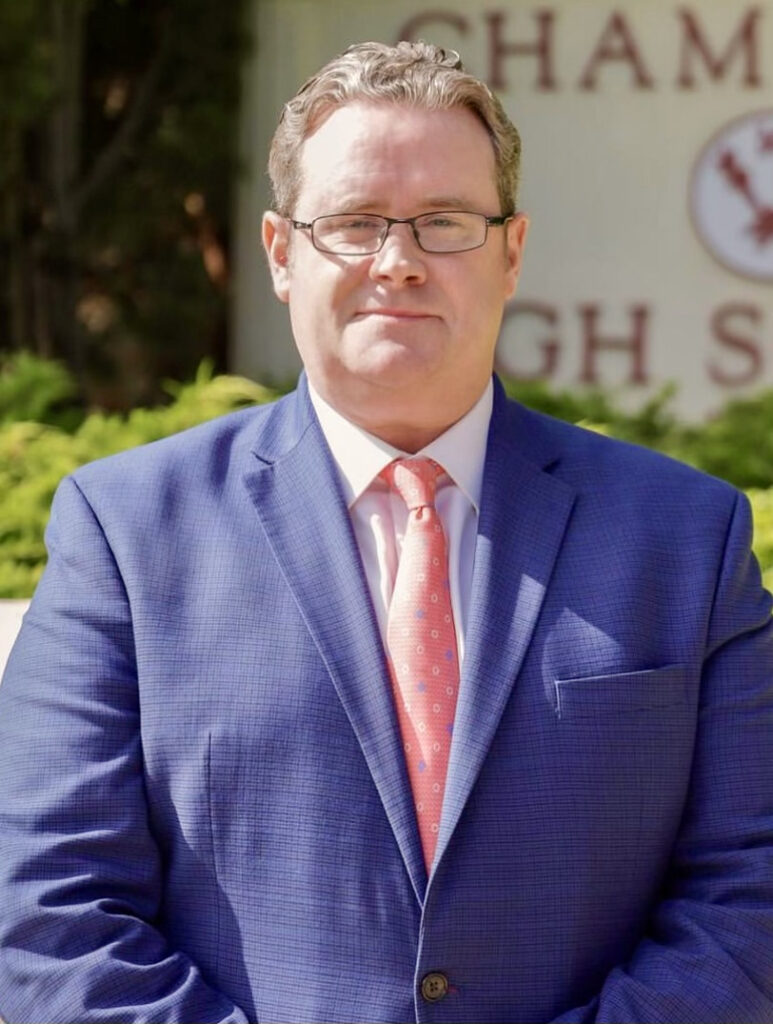
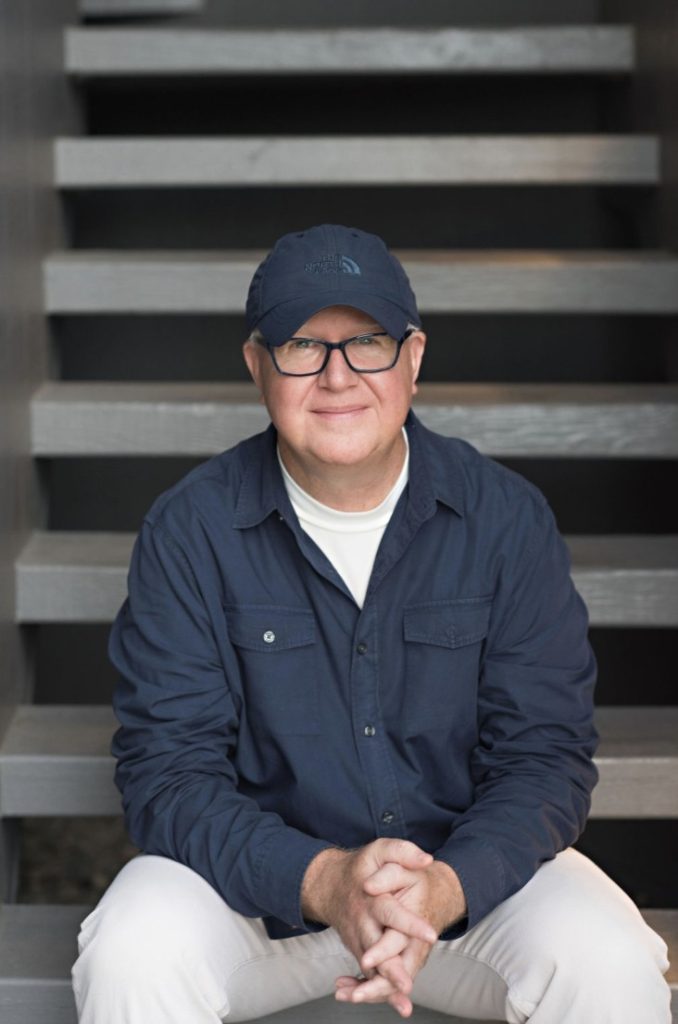
Show notesBrian Crimmins
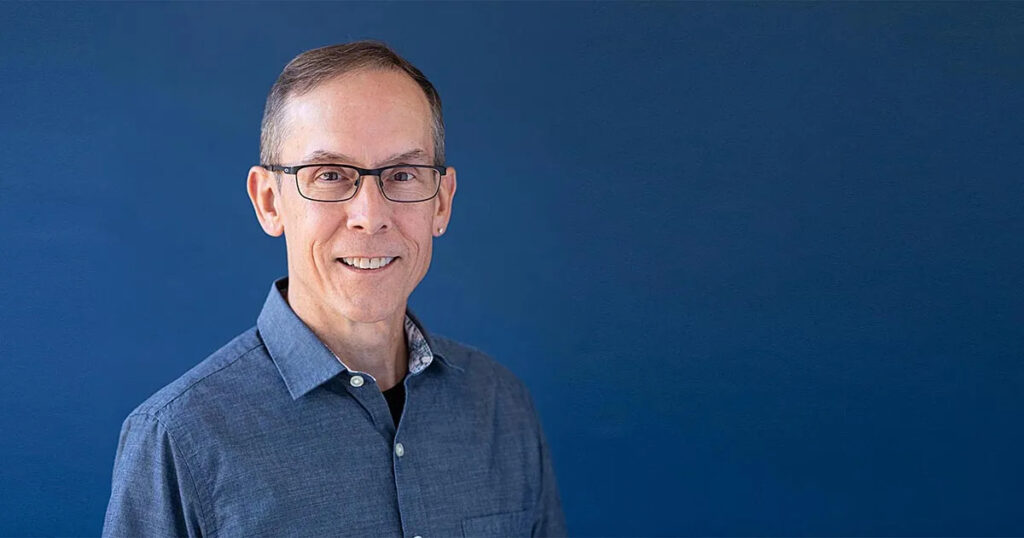
When it comes to traditional giving to nonprofits, we are facing a downward trend. Today’s guest, Brian Crimmins, shares why traditional giving is declining. He also describes ways nonprofit leaders can change how they approach development and fundraising in order to turn things around.
Brian is the co-author of the book, The Generosity Crisis: The Case for Radical Connection to Restore Humanity and Solve Our Biggest Challenge. The book explores the current state of philanthropy and how we can change course to bring about a different, more connected future that benefits us all.
Brian explains that the traditional nature of giving is under stress and explains that if it continues in this downward trajectory, this type of giving will cease to exist in only a matter of decades. Brian describes an important term from the book, “radical connection,” and why it is so important for nonprofits to build this type of connection with potential donors. He also believes in the power of collaboration between different sectors to solve the world’s problems, since no one sector can do this work alone. Brian offers advice on ways the nonprofit sector can reverse this downward decline in giving and shares why he believes the nonprofit sector is more than capable of achieving this. Finally, he shares why fundraising and building radical connections must be a responsibility of the whole organization, not just the job of the fundraising department.
How nonprofits can successfully collaborate with government agencies
Oct 29, 2023
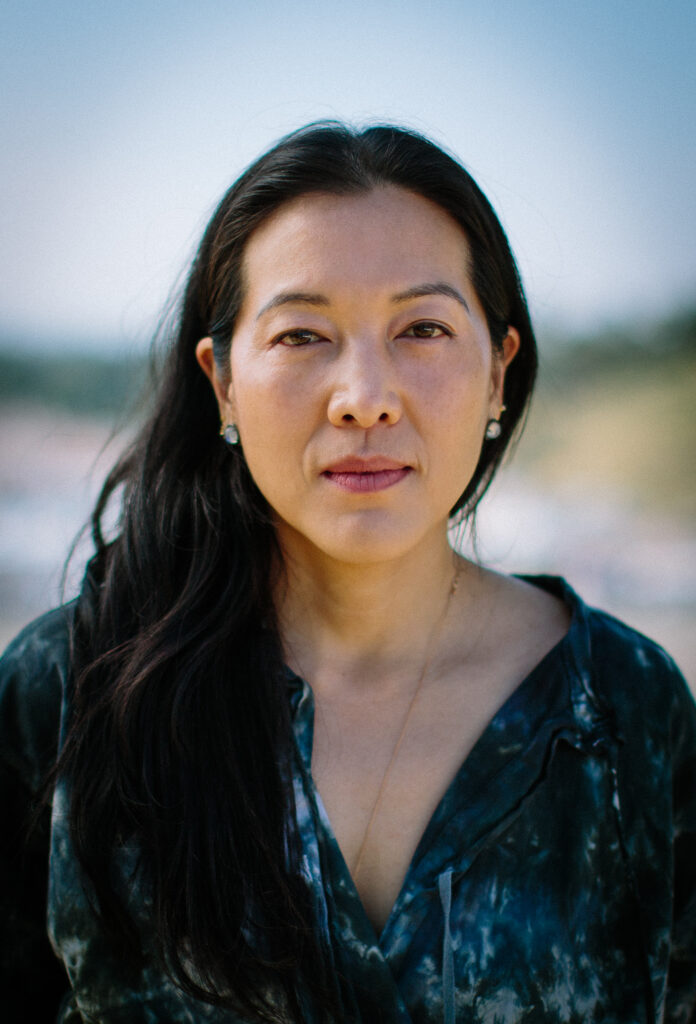
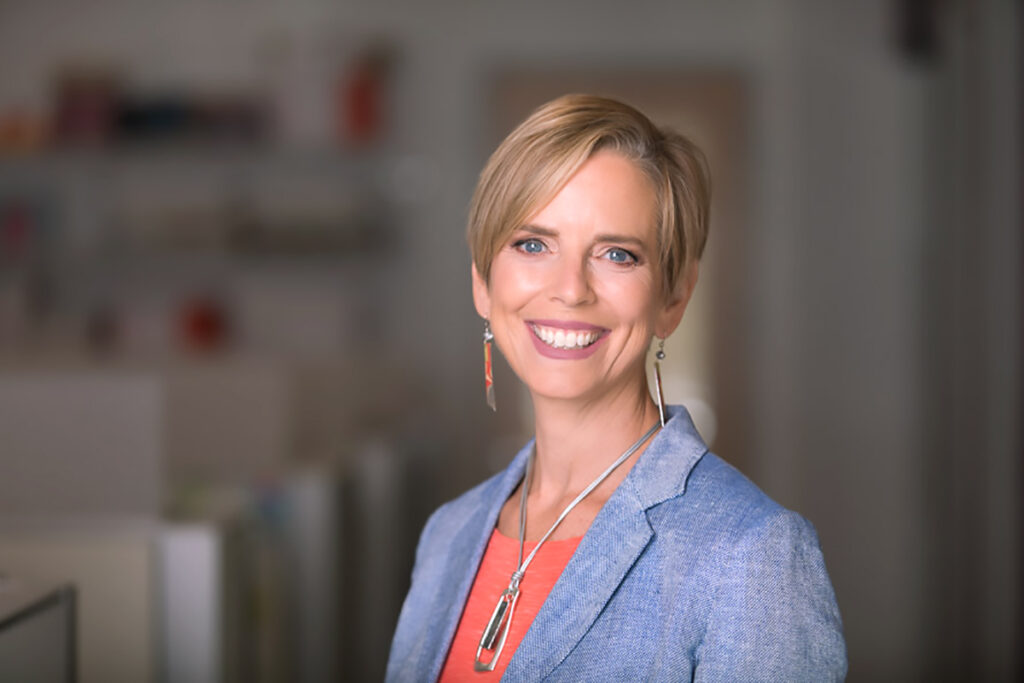
Show notesAnn Lee
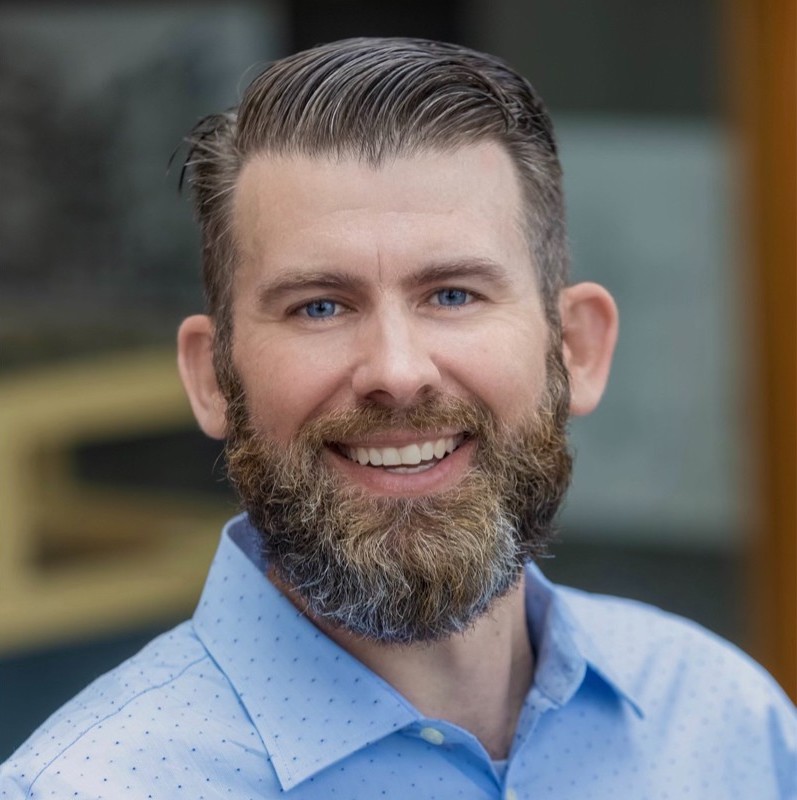
As nonprofit leaders, we aim to make the biggest impact possible. Sometimes in order to make the biggest and most effective impact long term, we need to be humble and consider collaborating or partnering with other organizations. Today’s’ guest, Ann Lee, shares not only why it’s important to approach your mission from a holistic, long term perspective, but to understand the importance of collaboration and partnership.
Rob’s guest is Ann Lee, CEO and Co-founder of CORE (Community Organized Relief Effort.) CORE is a humanitarian response organization that brings immediate aid and recovery to underserved communities across the globe. Ann created CORE with her Co-founder, Sean Penn.
Ann describes how she and Sean met in Haiti after the 2010 earthquake and why they decided to create their crisis relief organization. Ann explains why marginalized communities deal with a never ending cycle of crisis and how demand driven approaches are needed instead of traditional relief models. She points out the importance of a holistic model that focuses on long-term solutions, not just immediate relief. To give specific examples of how this can work, Ann describes the relief solutions CORE has brought to recent crises like the Ukraine war and the fires in Maui.
She also offers practical advice to leaders who are looking to developing deeper connections with the communities they serve during crisis. Ann shares how the Covid pandemic affected the work of their organization, and the different areas of work they entered as a result. She describes CORE’s unique funding model that starts with donations first from the general public and then from institutional organizations such as the US government. Finally, Ann offers advice to nonprofits on how they can most effectively work with government agencies in order to make the best impact on huge problems the world faces.
Hear From Top Nonprofit Leaders Live at the NIO Summit
Oct 22, 2023
Show notes
In today’s digital age, it is more important than ever for nonprofit organizations to innovate and optimize their fundraising. Today we are honored to learn from nonprofit thought leaders who recently attended the 2023 Nonprofit Innovation and Optimization(NIO) Summit in Dallas, TX. These leaders share the best practices for how nonprofits can improve their fundraising efforts.
Rob’s guests are Tim Kachuriak, Mallory Erickson, Brian Sooy, Andrew Olsen, and Gabe Cooper. Tim is the creator behind the NIO summit as well as the founder and CEO of NextAfter, a digital fundraising consultancy. Mallory is the host of the podcast, What the Fundraising and the CEO of the Power Partners Formula which provides tools to help nonprofits fundraise. Brian is the President of Aespire Branding, a branding and marketing agency for service companies. Andrew is the host of the Rainmaker Fundraising Podcast and the Senior VP of DickersonBakker, a fundraising and strategy agency for large and small nonprofits. Gabe is the CEO of Virtuous, a software company that offers a responsive fundraising platform for nonprofits.
As the founder of the NIO Summit, Tim shares what he hopes people will take away from the conference. He wants nonprofit leaders to recognize the importance of letting donor behavior speak for itself when it comes to creating funnels. Mallory describes how fundraisers can effectively navigate donor behavior to increase their fundraising impact. She also explains how our own cognitive behaviors as nonprofit leaders can either negatively or positively affect fundraising. Brian describes the different generations of donors that currently exist and how nonprofits should future proof their fundraising in response to these different types of donors. Andrew shares that the key to improve donor participation is to focus on building relationships and less on the nonprofit’s immediate desires. Finally, Gabe explains what the real meaning of generosity is when looking at your nonprofit as a whole. He also explains what makes a good donor journey, versus one that is filled with friction.
If you have any suggestions for the show, email nonprofitleadershippodcast@gmail.com For more episodes and to subscribe to our newsletter, check out https://nonprofitleadershippodcast.org/
Live From the UNA Conference
Oct 15, 2023
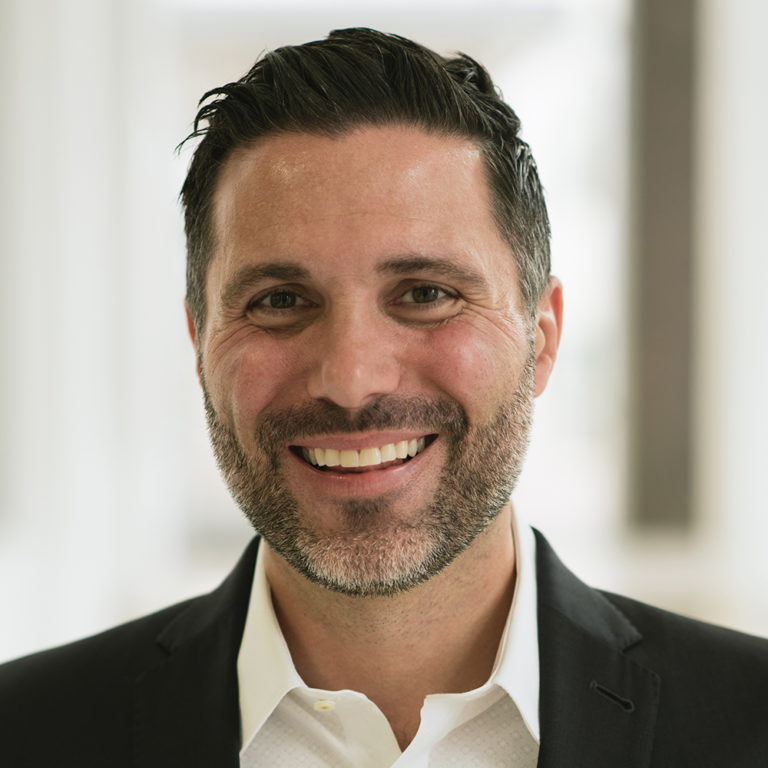
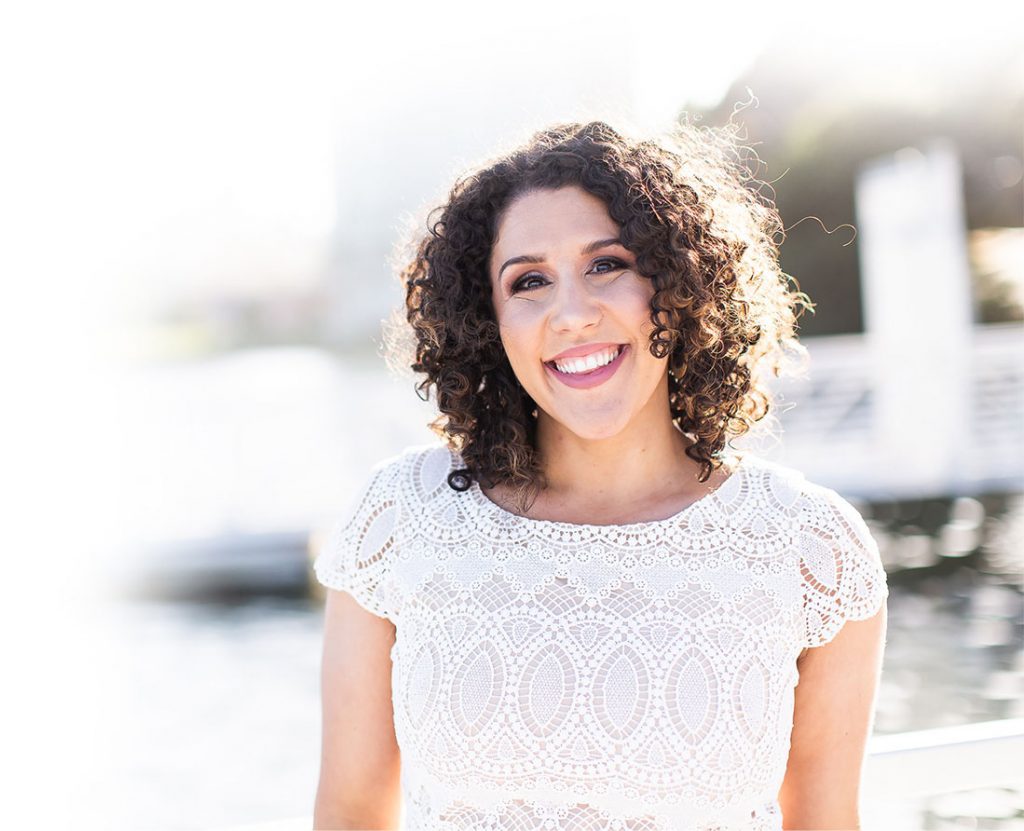
Show notesLindsay HadleyTanisha Shedden
When looking at the current state of the nonprofit sector, we have to look at both the biggest challenges and the biggest opportunities facing nonprofit leaders. Today we are honored to learn from nonprofit leaders who recently attended the 2023 Utah Nonprofits Association’s (UNA) Annual Conference in Salt Lake City, Utah.
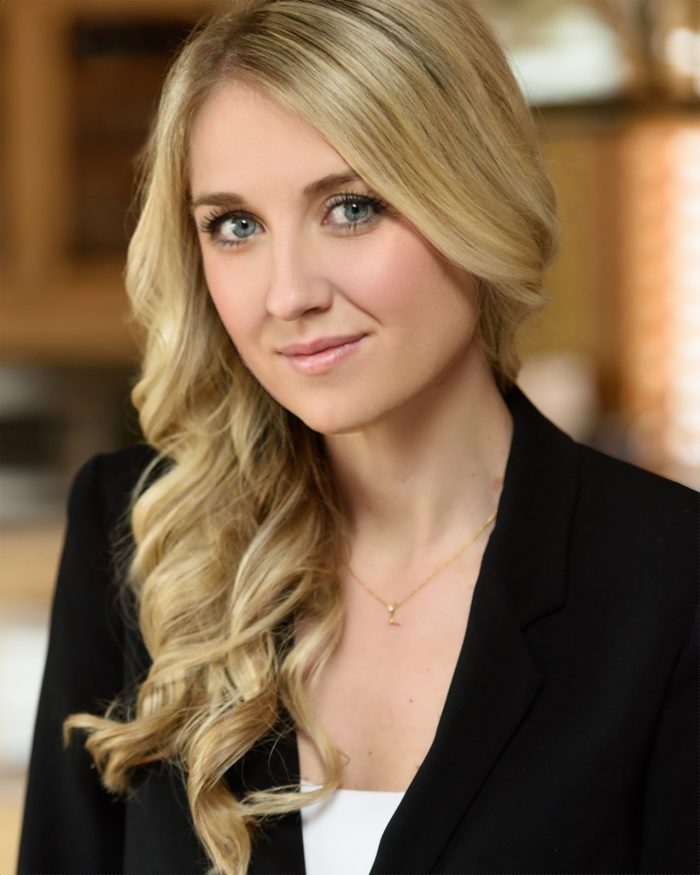
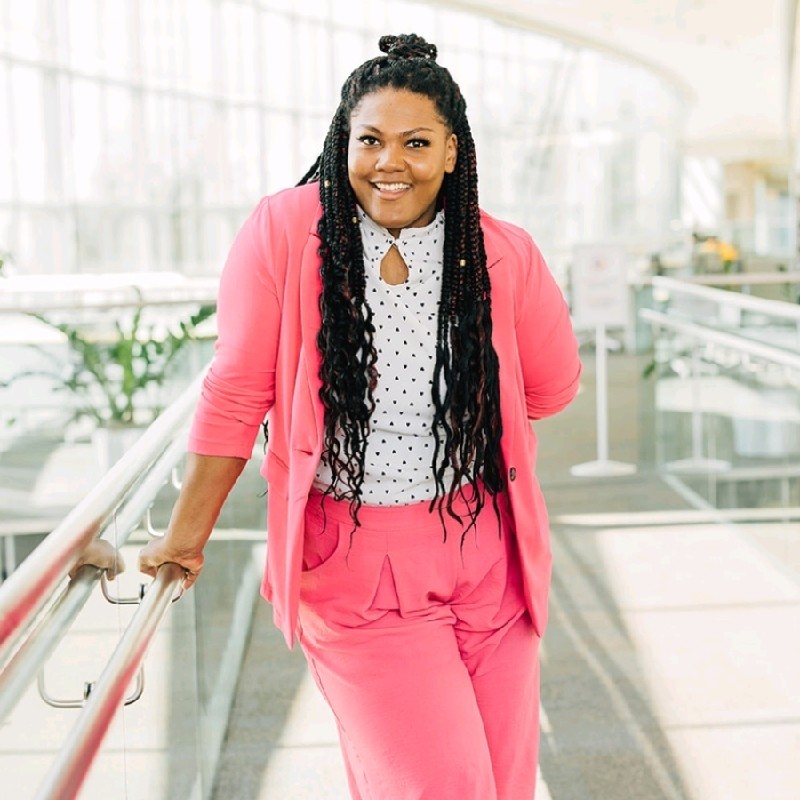
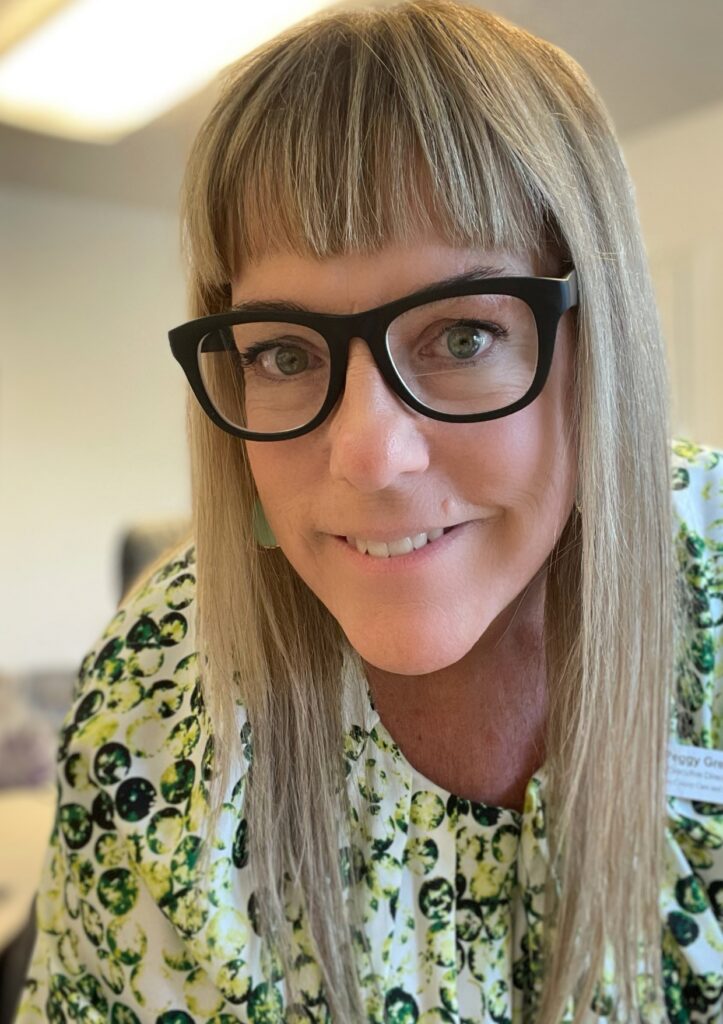
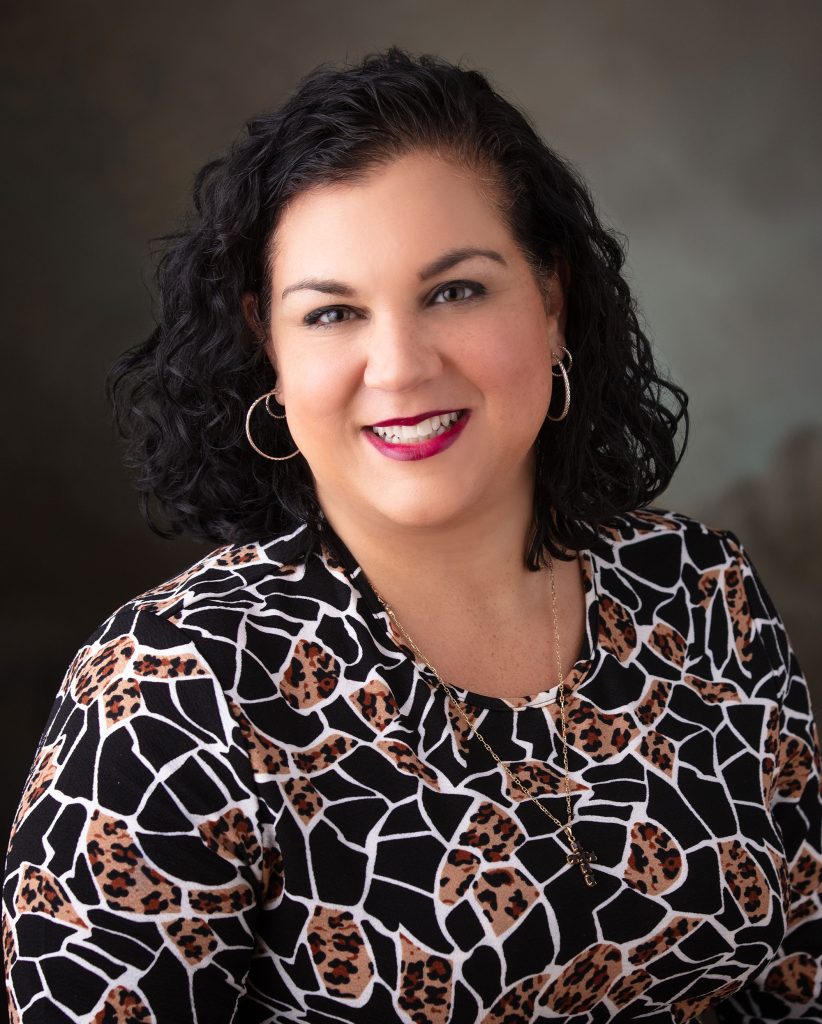
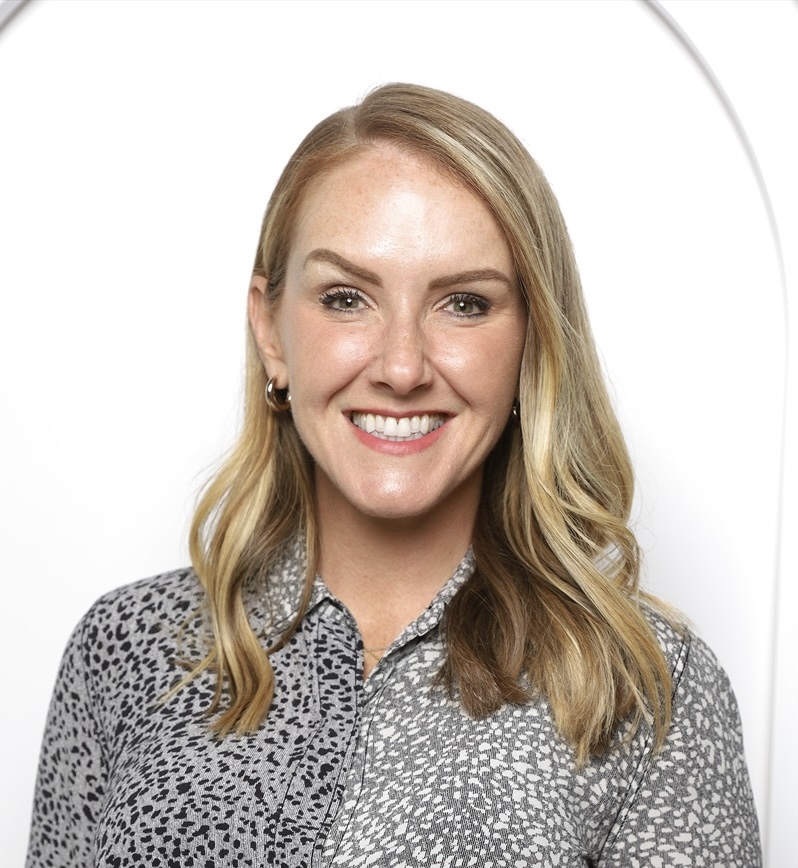
Rob’s guests are Lindsay Hadley, Tanisha Shedden, Victoria Petro, and Peggy Green. Lindsay is a consultant in the nonprofit sector and is the keynote speaker at the 2023 UNA conference. Tanisha is a public speaker as well as a mental health counselor. Victoria is a Salt Lake City Council Member as well as a consultant for nonprofits and local governments. Peggy is a program manager at the Utah Office of Homeless services.
Peggy GreenVictoria Petro
As the keynote speaker, Lindsay shares what she hopes people will take away from the conference. She believes nonprofit organizations need to pay their employees and spend on marketing, in order to stay competitive and make a bigger impact. Tanisha believes burnout is a big problem facing nonprofits and explains that organizations need to focus on mental health improvements so their workers can contribute more effectively to their cause. Victoria recognizes the lack of funding streams available and explains this is due to a scarcity mindset. Finally, Peggy explains the importance of nonprofits collaborating with each other in order to get things done together.
What is the state of giving in America?
Oct 08, 2023
Show notesMichelle Boggs, Executive Nonprofit Industry Advisor, Classy
What are the current trends facing the nonprofit sector when it comes to giving? What can we do as nonprofit leaders to adjust our fundraising strategies? Today’s guest, Michelle Boggs, shares some fascinating pieces of data from a 2022 report that we can use to improve our fundraising efforts and grow donations.
Michelle is the Executive Nonprofit Industry Advisor of Classy. Classy, a GoFundMe company, is a Public Benefit Corporation and giving platform that enables nonprofits to connect supporters with the causes they care about. Through technology, they empower nonprofits to unlock the generosity of their supporters and help them advance their missions.
Michelle explains the reasons why Gen Z and Millennials give to specific causes over others. She also shares that 80% of Gen Z individuals are discovering social causes via social media, and that 65% of them are donating to urgent causes. Because the nonprofit space is so competitive it is important to stay front of mind with their donors by being strategic with communication efforts. Michelle lists out what successful organizations are doing, in order to stay competitive and keep the attention of their donors. She describes the benefits of subscription based giving and how nonprofits should go about implementing a recurring giving program. Finally, Michelle believes nonprofits need to have a multi-channel approach, which includes using various social media platforms as a tool in their fundraising efforts.
Nonprofits…we need a re-brand
Oct 02, 2023
Show notes
Nonprofit. It’s a word we all use to describe our organizations, but are we inadvertently hurting ourselves by using that word? When you hear the name “nonprofit” what comes to mind? Perhaps scarcity, or the opposite of something, or work that we shouldn’t get paid to do?
Why do we call this sector by its tax exempt status rather than for what we do? Shouldn’t we be known for the impact and change we bring to the world? Today, we are honored to welcome back four, successful leaders from the nonprofit sector to discuss why we need to re-brand the sector and ways we can start doing so.
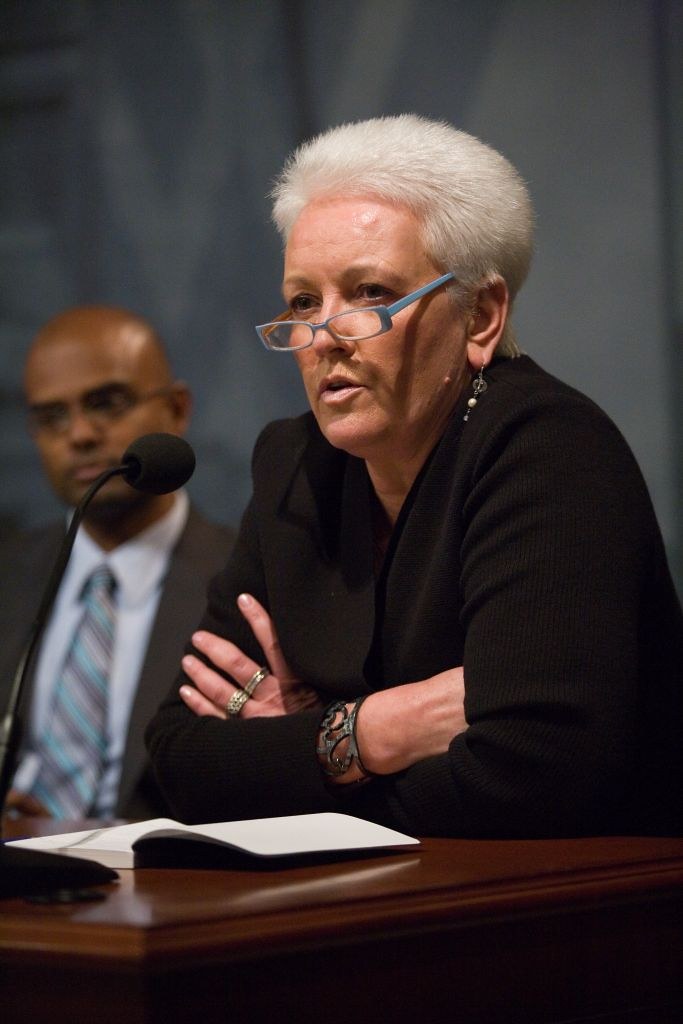
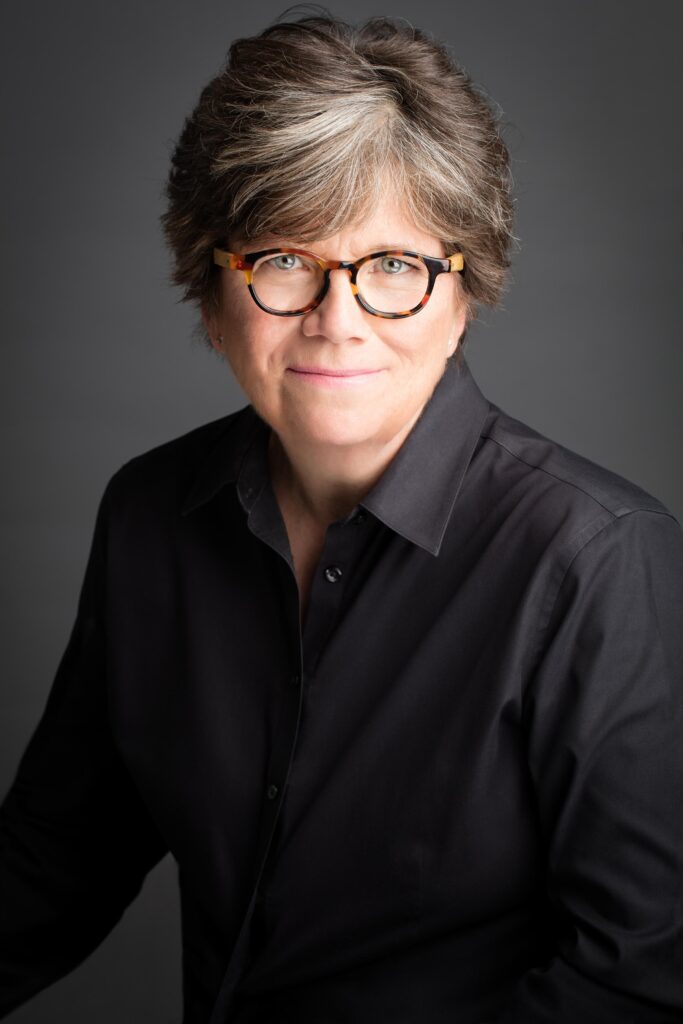
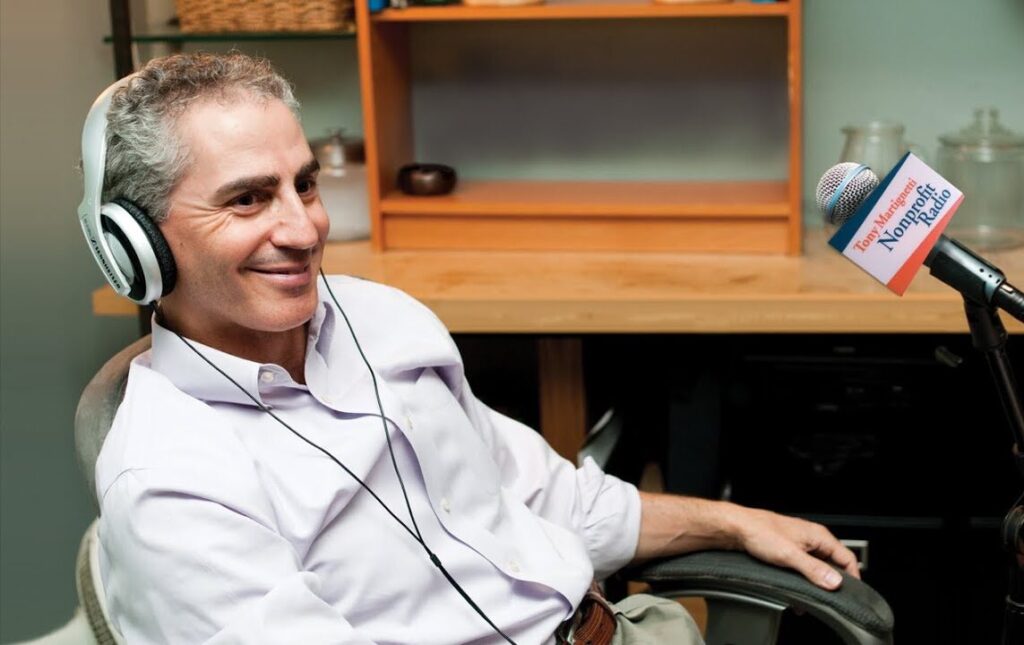
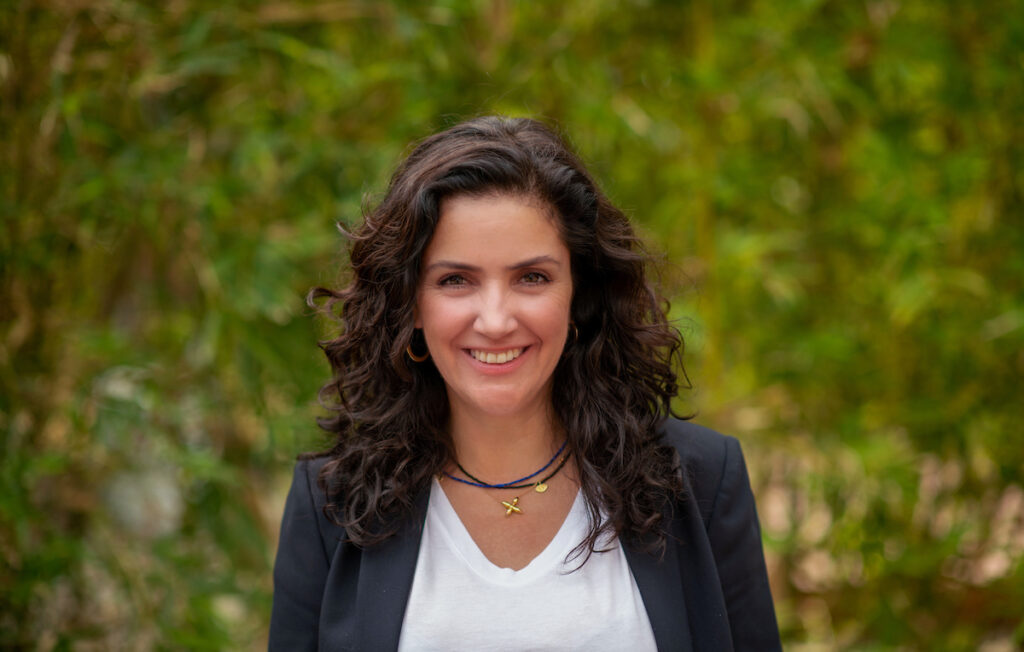
Rob’s guests are Gayle Smith, Joan Garry, Tony Martignetti, and Sara Lomelin. Gayle is the CEO of The ONE Campaign. Joan is the founder of Nonprofit Leadership Lab. Tony is the host of Tony Martignetti Nonprofit Radio. Sara is the CEO of Philanthropy Together. All five of these leaders are not only passionate about the specific work they do, but they are also passionate about changing and improving the sector as a whole.
The panel opens the discussion talking about the word “nonprofit” and why using this term to describe our work is a problem. Joan believes nonprofit leaders get so caught up in doing good work, that they don’t invest time in showing the world that they are more than just their “tax exempt” status. Gayle thinks using terms like “nonprofit” to describe the work organizations do, makes them sound like failed businesses. Sara believes it makes organizations sound weak and limits their impact. Tony believes that the term “nonprofit” doesn’t grab the attention of media outlets, and thus organizations fail to get in front of more people. When it comes to how the sector can start to rebrand itself, all four leaders agree that changing the reputation comes from the collective work of each organization. They agree that organizations in the sector must start using different language to describe the work they do, and start incorporating words such as “impact” and “change” in their storytelling. They also strongly agree that in order to rebrand the sector, organizations need to improve on collaborating, emanating confidence, and storytelling.
How nonprofits can move from being an organization to a “brand”
Sep 30, 2023
Show notes
Too often, nonprofits think they’re the cause that the community wants to support. But nonprofits are notthe cause. They’re the conduit for the cause.
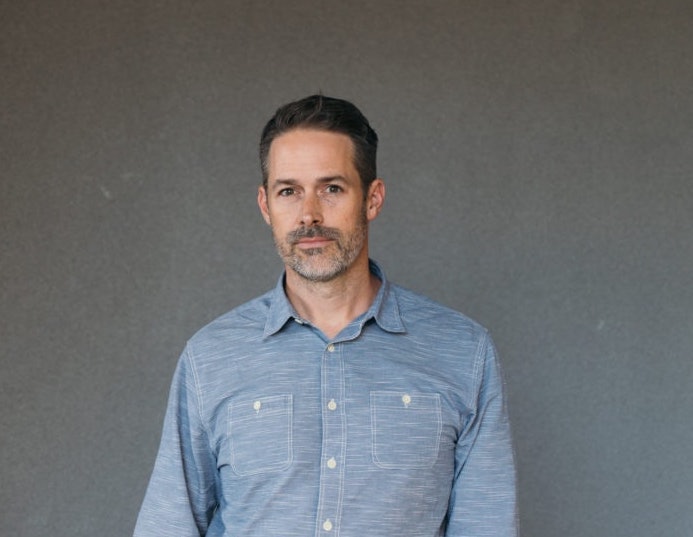
Rob’s guest today is Bill McKendry, a marketing expert who’s spent 35 years successfully doing marketing for many for-profit companies. He pivoted out of the for-profit world to not only start a nonprofit, but is now an author of a book focused on helping nonprofit professionals build better brand awareness and increase their impact, while at the same time building donor’s support and community involvement.
Bill McKendry
Bill shares his experience of leaving the for-profit sector and how his new book has been 25 years in the making. He explains why nonprofits should focus on finding strength in their voice by investing in their marketing and messaging. He dives into how the biggest competition nonprofits face are the best marketers in the world. He also points out how many businesses are creating causes to support instead of partner with nonprofits. He discusses how nonprofits can provide a “triple win” by partnering with businesses that need the trust and good stewardship a nonprofit organization offers. He also shares the top three things that nonprofit leaders need to know in order to build their brand. Bill also explains why nonprofits must understand the three categories of brands: “candy, vitamin, and painkiller”. Finally he points out the evidence that “frequency wins”, when it comes to marketing. It is not necessarily about waiting to find the perfect marketing or the best video, or the most expensive advertising. It is all about frequency.
#FromTheArchives
This episode is sponsored by Donorbox – https://donorbox.org
How to scale an organization without mission drift
Sep 24, 2023
Show notesLynn Margherio, founder and CEO of Cradles to Crayons
As nonprofit leaders, we often find we are filling a gap in society by resolving specific needs the government is not addressing. Rob’s guest, Lynn Margherio, explains how her twenty year organization has been filling a large gap that affects approximately 1 in 5 children across the United States.
Lynn is the founder and CEO of Cradles to Crayons. Cradles to Crayons provides children from birth through age 12, living in homeless or low-income situations, with the essential items they need to thrive—at home, at school, and at play—for free. Cradles to Crayons collects and distributes new and high-quality used children’s goods by engaging and connecting communities.
Lynn shares why she originally started Cradles to Crayons twenty years ago. She defines what “clothing insecurity” is and why it is such a big problem across the country. Lynn explains how her organization has been able to avoid mission drift and that their collaborative approach to their mission is what keeps them moving in the right direction. She shares some light bulb moments of realization she had, that has helped the organization grow into what it is today. Lynn explains what her organization does in order to maintain growth and retention when it comes to staff and volunteers. Finally, Lynn shares some of the biggest challenges she is facing as nonprofit leader and their goals to end clothing insecurity on a larger scale, as they move forward.
Can you help fund a nonprofit and also get a “return on your investment”?
Sep 17, 2023
Show notesJasper van Brakel, CEO of RSF Social Finance
Funding is absolutely critical for all nonprofits and there’s a growing group of investors who want to invest in organizations and people who are really changing the world for the better. Is it possible to both fund the mission of a nonprofit, but also give a return to investors at the same time? On the surface, this seems to be two very different and contrary purposes. However, there is one organization, a nonprofit no less, whose sole mission is to both fund social changemakers while simultaneously providing a return on their donors’ investment through an innovative funding model.
Rob’s guest is Jasper Van Brakel and explains how his organization is dedicated to funding nonprofits while providing a return on the donor’s investment. Jasper is the CEO of RSF Social Finance. RSF Social Finance seeks to revolutionize how people relate to and work with money. RSF is a financial services organization that has formed a growing community of motivated, values-driven investors, donors, and entrepreneurs.
Jasper explains how RSF works with for profit and nonprofit organizations who have a social or environmental mission, and the way they help fund these enterprises. Jasper shares how RSF has worked with both nonprofits and forprofits since 1984, and explains the similarities and differences between the two types of business structures. Jasper explains why RSF allows investors and borrowers to decide on interest rates and rate of return, versus going off market rates. He also shares how RSF decides which projects to invest in and what they do if they notice an organization experiencing mission drift. Finally, Jasper explains that when it comes to funding organizations, it isn’t just about what is being funded, but who is part of the leadership team of the organization.
How to manage a crisis
Sep 10, 2023
Show notesPaul Falcone
Right now we are living in a time when the challenges facing management is at an all time high, especially when it comes to managing crises. The combination of advancements in technology, economic uncertainty and volatility of the marketplace all have put unique pressure on not only nonprofit leaders but for-profit leaders as well. Perhaps you as a nonprofit leader feel like every week, you are facing a new crisis in your organization. And these crises are becoming more complex. You may be surprised to learn that a 2022 study by IBM pointed out that managing disruption is a top concern for CEO’s. Today’s guest, Paul Falcone, explains what leaders in management positions can do to build resiliency and effectively manage disruptions in their organization.
Paul is an expert in crisis management, a best-selling author and the principal of Paul Falcone Workplace Leadership Consulting LLC, which specializes in leadership training, executive coaching, and HR advisory services. He was also the former Chief Human Resources Officer at Nickelodeon.
Paul explains that in order to build resilience in an organization, leaders need to open up opportunities for honest conversations. He compares it to sitting around a campfire where people can connect on a deeper level, about the challenges their organization may be facing. He believes leaders must practice this skill of constructive communication in order to proactively tackle problems. Paul also shares what leaders need to do in order to prevent employee burnout and turnover. When it comes to layoffs and terminations that must happen at times, he explains the right way and wrong way to approach it. Finally, Paul describes qualities of the best type of leader and how one can become a boss everyone will want to work for.
If you have any suggestions for the show, email nonprofitleadershippodcast@gmail.com For more episodes and to subscribe to our newsletter, check out https://nonprofitleadershippodcast.org/

 Our TOPPODCAST Picks
  Stay Connected