The Nonprofit Leadership Podcast discusses important issues facing nonprofit leaders in our community and features real stories from real leaders about what strategies and practices have made them successful. Enjoy the show!
How Can You Future-Proof Your Fundraising?
Sep 27, 2026
Show notes
This is repost of a previously published episode. 2020 skyrocketed the move to online giving for all donors who give to nonprofits. Organizations who already had a clear and robust process for donors to give online really benefited—those who didn’t, really struggled. They struggled to keep their giving on par with previous years. Now, the question for all nonprofits of how to “future-proof” fundraising is constantly on our collective minds. So how does your organization go about doing that? Rob’s guest shares some fascinating data points gleaned from a recent report on the “state of philanthropy” within the nonprofit sector and why an easy and efficient online giving experience for your donors is absolutely essential for your organization’s future success and sustainability.
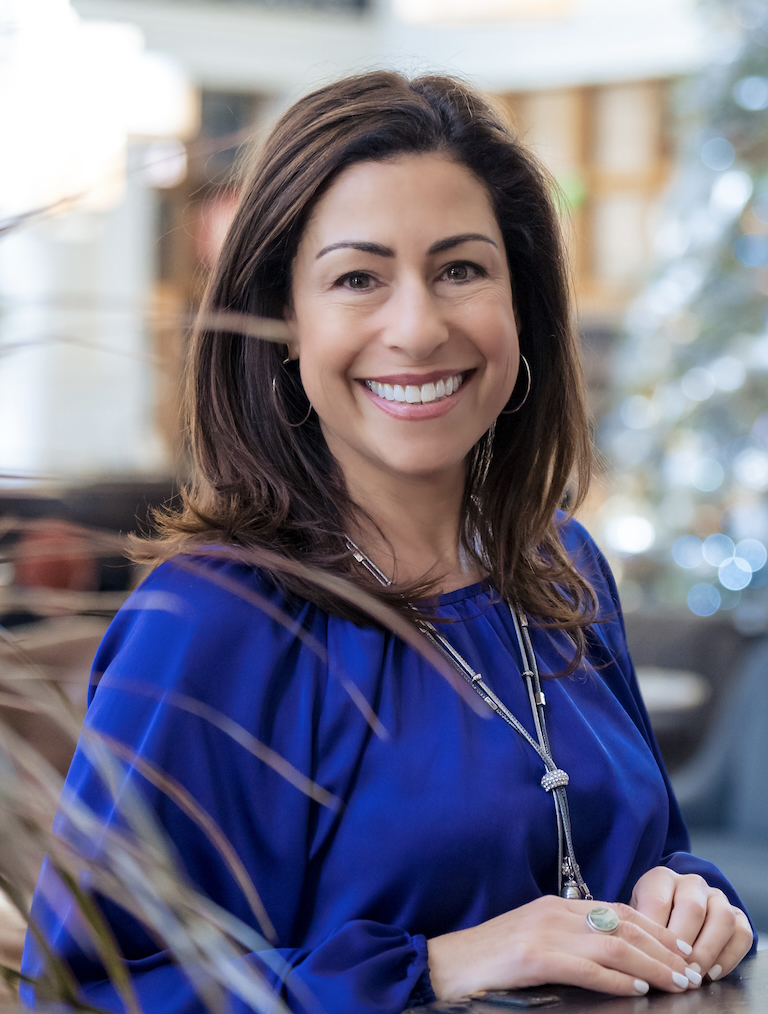
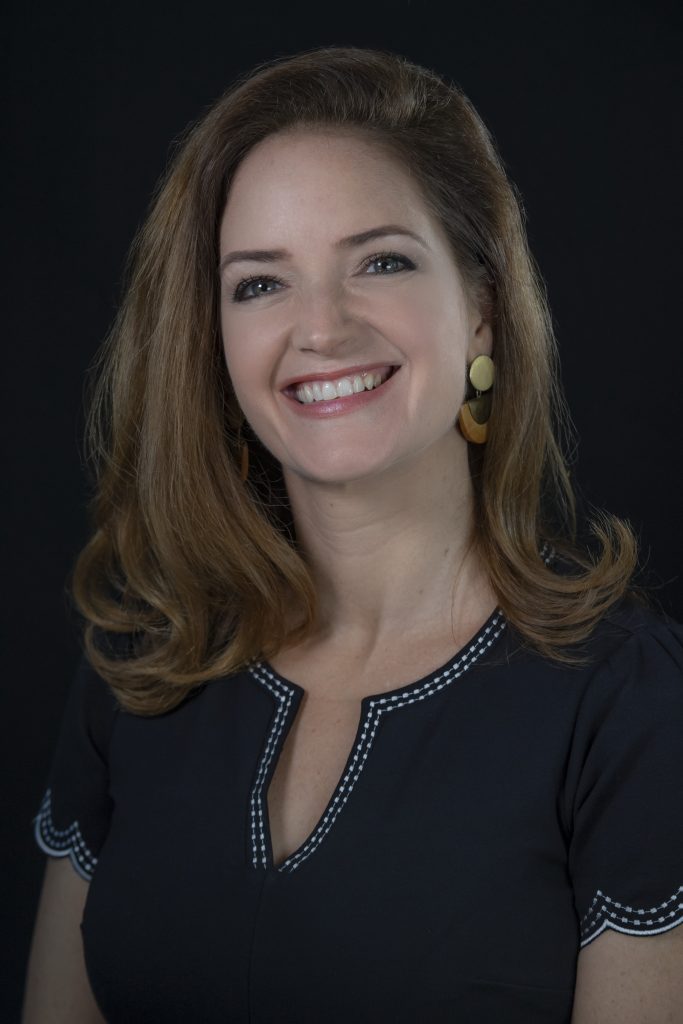
Elizabeth Pun, Manager of Content at Classy
Rob’s guest today is Elizabeth Pun, Manager of Content at Classy. Classy is a B-Corp that focuses on closing the gap between nonprofit and for-profit businesses and Elizabeth is the primary editor of Classy’s recent report entitled: The State of Modern Philanthropy 2021.
Elizabeth explains how empowering your event attendees to fundraise can organically increase your donations and provide more engagement. She breaks down why recurring giving, subscription services, and donation matching are excellent strategies to drive more funds and donations to your organization. Finally, Elizabeth shares valuable insight about creating a more robust online giving experience, and a powerful reminder that if you want to maximize donations to help safeguard and scale your organization, you must be able and willing to meet donors where they are. (This episode previously aired)
How Airbnb Is Doing Something Very Different with Their Social Impact
Sep 20, 2026
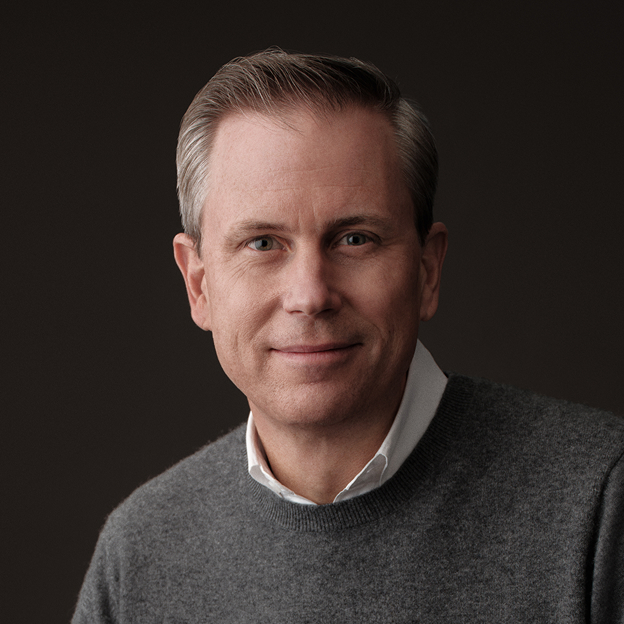
Show notesChristoph Gorder
This is repost of a previously published episode. In this episode of the Nonprofit Leadership Podcast, Rob Harter sits down with Christoph Gorder, leader of Airbnb.org, to explore how Airbnb has built a social impact model that looks very different from a traditional corporate foundation. As an independent 501(c)(3), Airbnb.org operates separately from Airbnb while still leveraging the company’s technology, host network, and infrastructure to provide emergency housing for people displaced by disasters and other crises.
Christoph shares how Airbnb.org is rethinking disaster response by using millions of available homes around the world to provide fast, flexible, dignified shelter for families in need. He also talks about leadership, scaling nonprofit impact, the role of AI and technology in modern nonprofit operations, and why strategic partnerships are essential for responding effectively in moments of crisis. This conversation is packed with insights for nonprofit leaders who want to innovate, collaborate, and maximize their mission impact.
Key Topics Include:
How Airbnb.org is structured as an independent 501(c)(3) with its own board and mission
Why Airbnb.org’s model is different from a traditional corporate social responsibility or philanthropic arm
How the organization scaled from responding to 8 disasters in 2023 to 78 disasters two years later
What nonprofit leaders can learn about focus, standardization, and scaling wisely
How Airbnb.org used local partnerships like 211LA and Catholic Charities to respond quickly during the Los Angeles wildfires
Why giving displaced families choice and control is such an important part of effective disaster housing
How AI, technology, and collaboration can help nonprofits become more efficient and responsive
Suggestions for the show? Email us at nonprofitleadershippodcast@gmail.com
Request a sample coaching session: Email Rob at rob@robharter.com
Subscribe and Share Listen and subscribe to the Nonprofit Leadership Podcast on iTunes, Spotify, or Amazon. Don’t forget to like, subscribe, and share with other nonprofit leaders!
Are You Dreaming Big Enough for Your Organization?
Sep 13, 2026
Show notes
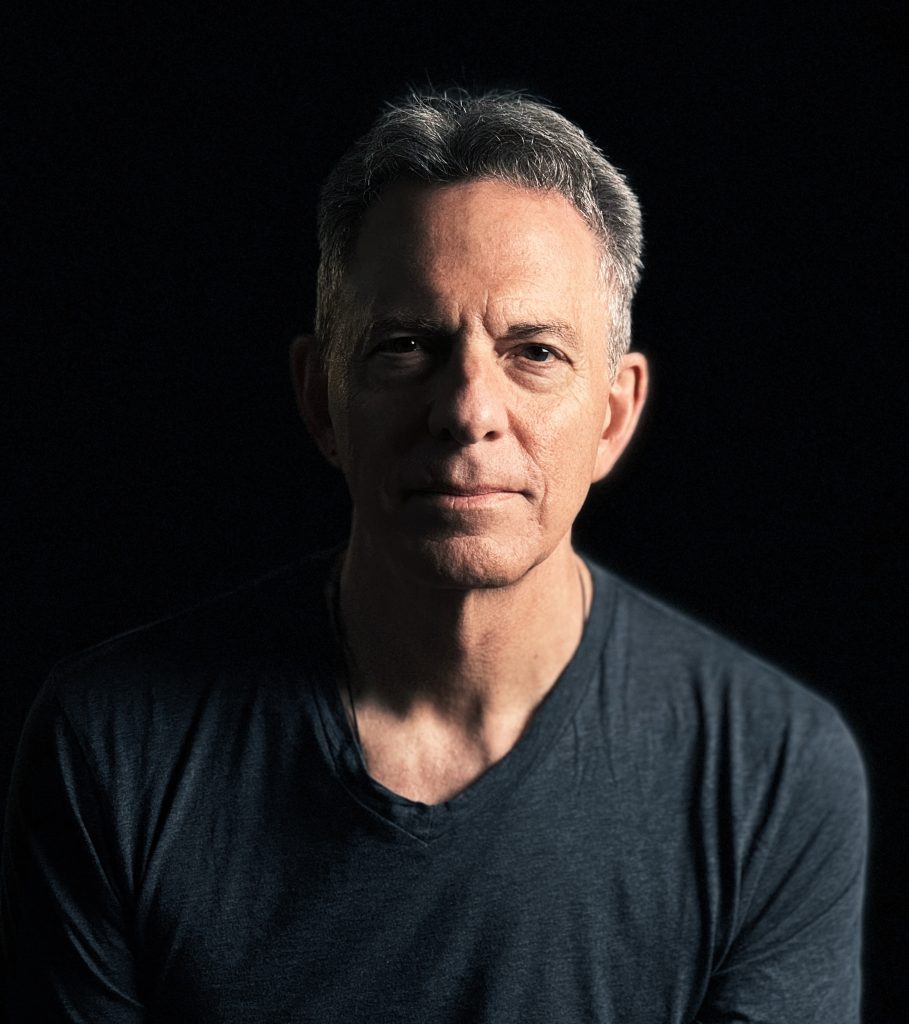
This is repost of a previously published episode. In this episode, Dr. Rob Harter sits down with Dan Pallotta—renowned author, TED Talk speaker, and social impact provocateur—to discuss what it really takes to solve the world’s biggest problems. Known for challenging the status quo in the nonprofit sector, Dan pushes listeners to think beyond conventional limitations, urging nonprofit leaders and donors alike to reimagine what’s possible when we truly embrace bold, audacious goals.
Dan unpacks his groundbreaking fundraising innovations, including the AIDS Rides and Breast Cancer 3-Day Walks, and dives into key themes from his recent documentary Uncharitable. He emphasizes that nonprofits need to stop playing it safe and start empowering people to explore their own heroism—whether it’s through higher-risk initiatives or rethinking how we define overhead and impact. This episode will inspire you to challenge outdated assumptions and push your organization to dream—and do—bigger.
Key Topics Include:
The origin and impact of Dan’s fundraising innovations, including the AIDS Rides and Breast Cancer 3-Day events
Why nonprofits must reframe how they view overhead, salaries, and investments
The danger of playing it safe: how fear of failure stifles nonprofit innovation
Exploring the concept of fundraising as a path to individual heroism
Why bold, time-bound goals are essential for real social impact
The importance of capital investment and risk-taking in the nonprofit sector
Insights from the Uncharitable documentary and how it’s shifting donor mindsets
Interested in Leadership and Life Coaching? Visit Rob’s website: RobHarter.com
Find us on YouTube: Nonprofit Leadership Podcast YouTube Channel
Suggestions for the show? Email us at nonprofitleadershippodcast@gmail.com
Request a sample coaching session: Email Rob at rob@robharter.com
Subscribe and Share Listen and subscribe to the N
How to create a healthy culture that leads to greater impact
Sep 06, 2026
Show notes
A healthy nonprofit culture is not a “soft” issue—it directly affects employee retention, trust, innovation, performance, and ultimately an organization’s ability to create lasting impact. In this episode, Rob Harter sits down with Marcia Beckner, founder and CEO of Culture CARES Global, to discuss how nonprofit leaders can intentionally build workplace cultures where employees feel valued, respected, engaged, and psychologically safe.
Marcia shares her CARES framework—Commitment, Appreciation, Respect, Engagement, and Safety—and explains why psychological safety serves as the foundation for a thriving nonprofit team. Rob and Marcia also explore nonprofit leadership burnout, employee retention, trust and accountability, transparent communication during times of change, and the importance of narrowing strategic priorities so leaders and teams can pursue excellence without spreading themselves too thin.
Key Topics Include:
The five elements of the CARES framework: Commitment, Appreciation, Respect, Engagement, and Safety
Why psychological safety is foundational to nonprofit culture, innovation, inclusion, and high performance
How nonprofit leaders can improve employee retention by helping staff feel valued, respected, and appreciated
Leading authentically and confidently without pretending to have all the answers
How transparent communication helps organizations maintain trust during uncertainty and organizational change
Preventing nonprofit leadership burnout through energy management, healthy boundaries, delegation, and sustainable pacing
Why nonprofit leaders must strategically say “no,” prune unnecessary priorities, and focus resources on the few initiatives that can create the greatest mission impact
Interested in Leadership and Life Coaching? Visit Rob’s website: RobHarter.com
Find us on YouTube: Nonprofit Leadership Podcast YouTube Channel
Suggestions for the show? Email us at nonprofitleadershippodcast@gmail.com
Request a sample coaching session: Email Rob at rob@robharter.com
Subscribe and Share Listen and subscribe to the Nonprofit Leadership Podcast on iTunes, Spotify, or Amazon. Don’t forget to like, subscribe, and share with other nonprofit leaders!
What would you do with not just one but two multi-million-dollar gifts?
Aug 30, 2026
Show notes
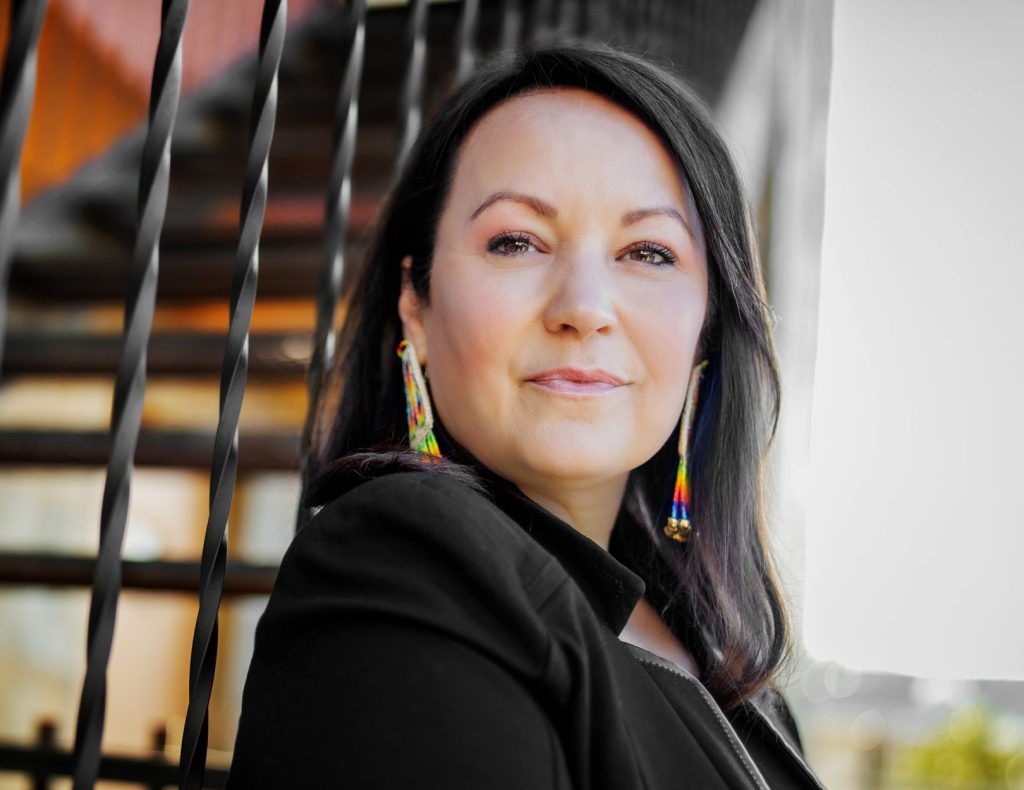
What happens when a nonprofit receives not one, but two transformational, unrestricted gifts worth millions of dollars? In this episode, Rob Harter speaks with Dr. Xanthe Scharff, President and CEO of the Women’s Refugee Commission (WRC), and Havovi Waddia, Managing Director of Programs for The Freedom Fund. Both organizations have received two major gifts from philanthropist MacKenzie Scott—WRC receiving a total of $24 million and The Freedom Fund receiving a total of $95 million.
Xanthe and Havovi discuss how these unexpected gifts have transformed their organizations’ ability to think strategically, invest in frontline organizations, strengthen internal systems, and make long-term commitments to the communities they serve. They also explore the power of trust-based philanthropy, why unrestricted funding can create significantly more impact than traditional restricted grants, and what MacKenzie Scott’s approach to giving could mean for the future of nonprofit fundraising and philanthropy.
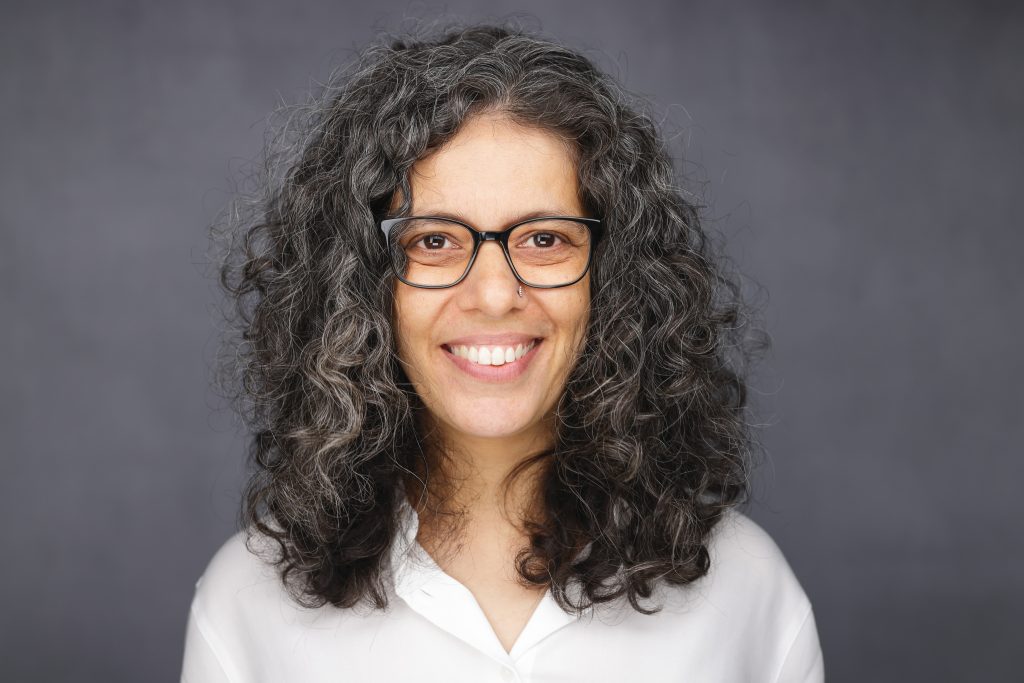
Dr. Xanthe Scharff
Key Topics Include:
How the Women’s Refugee Commission and The Freedom Fund received transformational gifts from MacKenzie Scott without applying or making a traditional funding request
Why receiving a second major gift represents an extraordinary vote of confidence in an organization’s leadership, mission, transparency, and impact
How unrestricted funding gives nonprofit leaders the flexibility and “head space” to make strategic, long-term decisions instead of simply reacting to immediate funding pressures
How The Freedom Fund is using its funding to make long-term investments in frontline and survivor-led organizations working to end modern slavery
How the Women’s Refugee Commission is adapting its funding model amid major cuts to government and international humanitarian aid
Why trust-based philanthropy can strengthen nonprofit organizations, frontline partners, civil society, and ultimately democracy and human rights
What MacKenzie Scott’s giving philosophy may signal about the future of philanthropy—and why private philanthropy cannot replace the responsibility of governments
Interested in Leadership and Life Coaching? Visit Rob’s website: RobHarter.com
Find us on YouTube: Nonprofit Leadership Podcast YouTube Channel
Suggestions for the show? Email us at nonprofitleadershippodcast@gmail.com
Request a sample coaching session: Email Rob at rob@robharter.com
Subscribe and Share Listen and subscribe to the Nonprofit Leadership Podcast on iTunes, Spotify, or Amazon. Don’t forget to like, subscribe, and share with other nonprofit leaders!
What values-driven leadership looks like
Aug 23, 2026
Show notes
What does values-driven leadership look like when a nonprofit is growing rapidly, facing increasing demand, and making difficult decisions about where to focus? In this episode of the Nonprofit Leadership Podcast, Rob Harter sits down with Angelique Albert, CEO of Native Forward Scholars Fund, the largest direct provider of scholarships to Native students in the United States. Angelique shares how her upbringing on the Flathead Indian Reservation and her connection to the Confederated Salish and Kootenai Tribes have shaped her approach to leadership, service, and community impact.
Angelique also offers an inside look at how Native Forward has scaled its impact, growing from roughly $4 million in annual revenue to an annual budget of approximately $26 million while significantly expanding its net assets and student support. She explains why strong nonprofit leadership requires knowing what to say no to, building the infrastructure needed for sustainable growth, bringing in outside expertise, and balancing long-term organizational strength with immediate mission impact. The conversation also explores Native Forward’s transformational unrestricted gifts from MacKenzie Scott and how those investments strengthened the organization’s capacity to serve more Native scholars.
Key Topics Include:
How Angelique Albert’s Native heritage and connection to community shape her values-driven leadership approach
Why nonprofit leaders need to identify what their organizations can do exceptionally well—and be willing to stop doing the rest
How Native Forward narrowed its focus to college access and college success while partnering with others for complementary services
The importance of strategic planning, organizational infrastructure, documented systems, and strong internal processes when scaling a nonprofit
Why outside consultants and third-party perspectives can help nonprofit leaders identify blind spots and build stronger strategies
How unrestricted funding from MacKenzie Scott helped Native Forward invest in infrastructure, scholarships, wraparound services, marketing, and long-term sustainability
How nonprofit leaders can balance immediate mission impact with investments in capacity, fundraising, technology, and future generations
Suggestions for the show? Email us at nonprofitleadershippodcast@gmail.com
Request a sample coaching session: Email Rob at rob@robharter.com
Subscribe and Share Listen and subscribe to the Nonprofit Leadership Podcast on iTunes, Spotify, or Amazon. Don’t forget to like, subscribe, and share with other nonprofit leaders!
How to Lead When Life Is Unraveling Around You
Aug 16, 2026
Show notes
What happens when you’re responsible for holding a nonprofit organization together while your personal life is falling apart? In this episode, Rob Harter sits down with Ashley Stallings to have an honest conversation about nonprofit leadership, burnout, vulnerability, and what it takes to lead sustainably through seasons of personal crisis.
Ashley shares her own experience of navigating the end of a 19-year marriage, becoming a single mom, and leading an organization that was barely hanging on—all at the same time. She explains the warning signs she missed, why asking for help can be so difficult for leaders, and how a strong support system ultimately helped her recover. Rob and Ashley also explore practical ways nonprofit leaders and boards can build healthier organizational structures, create psychological safety, establish boundaries, and prepare for difficult seasons before a crisis occurs.
Key Topics Include:
Recognizing the early warning signs that a nonprofit leader may be approaching burnout or a breaking point
How tying your identity and self-worth too closely to your organization’s mission can push you beyond healthy limits
Why nonprofit leaders often struggle to ask for help and the importance of building a support network before you need it
Finding the right balance between healthy vulnerability and oversharing with staff and board members
How boards, second-in-command leaders, and succession plans can reduce the pressure placed on executive directors
Establishing healthy boundaries and learning why saying “no” can protect both the leader and the organization’s mission
Creating sustainable leadership practices that allow nonprofit leaders and their teams to stay healthy for the long haul
Mentioned in This Episode:
Learn more about Ashley Stallings, her speaking, and nonprofit consulting: AudiblyAshley.com
Suggestions for the show? Email us at nonprofitleadershippodcast@gmail.com
Request a sample coaching session: Email Rob at rob@robharter.com
Subscribe and Share Listen and subscribe to the Nonprofit Leadership Podcast on iTunes, Spotify, or Amazon. Don’t forget to like, subscribe, and share with other nonprofit leaders!
Noah’s brief life led to lasting legacy
Aug 09, 2026
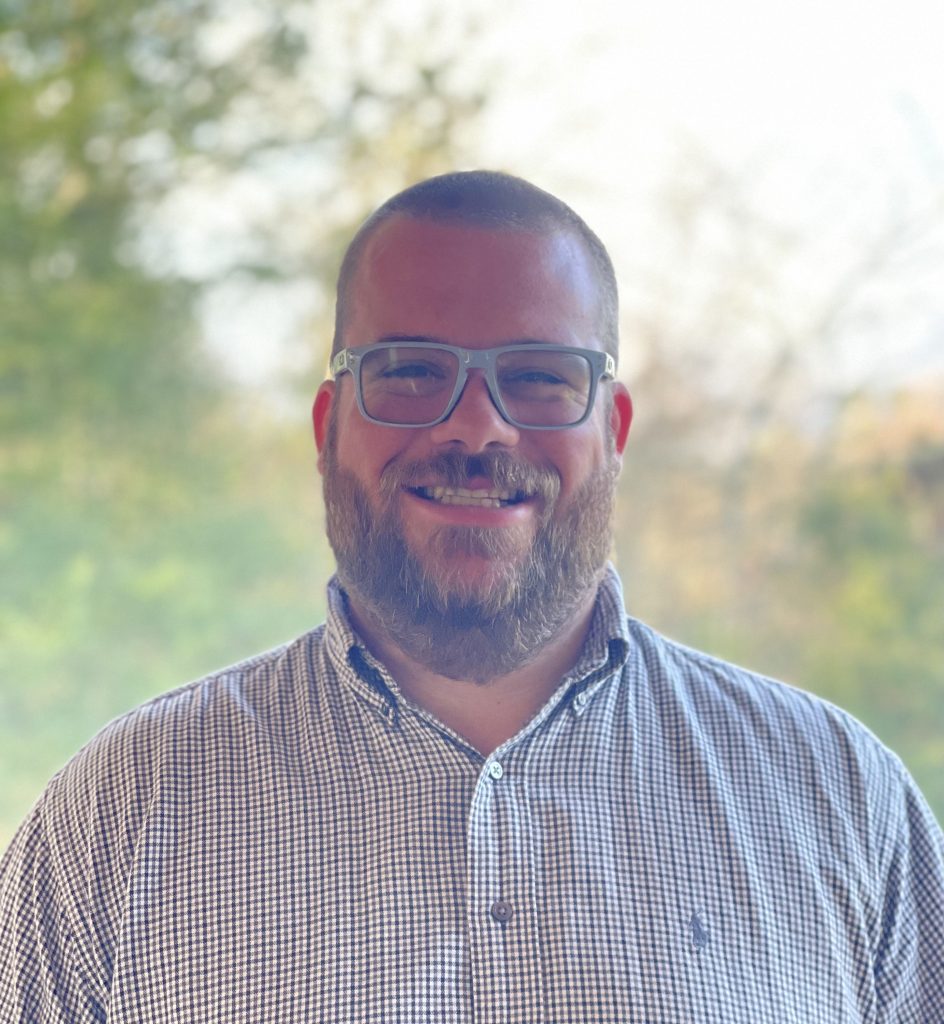
Show notesMatthew Efird
How can profound grief be transformed into purpose, empathy, and a legacy that serves others? In this powerful episode of the Nonprofit Leadership Podcast, Rob Harter speaks with Matthew Efird about the loss of his son, Noah, who was diagnosed with Trisomy 13 before birth and lived for 57 and a half hours. Matthew shares how he and his wife, Hannah, navigated the months between Noah’s diagnosis and birth, the intentional choices they made to protect their marriage and family, and the role faith and community played in helping them endure an unimaginable season.
Matthew also discusses how journaling became a critical tool for processing grief and eventually led to his book, Even Though We Will. He explains how Noah’s legacy now fuels his work through the Even Though We Will Foundation, where his family helps connect others facing child loss and terminal diagnoses with resources and support. Their story offers nonprofit leaders meaningful lessons on empathetic leadership, sustainable leadership, protecting what matters most, learning to say no, and turning personal pain into service for others.
Key Topics Include:
Matthew and Hannah Efird’s experience receiving their son Noah’s Trisomy 13 diagnosis and preparing for the loss of their child
The 57 and a half hours Matthew and Hannah were able to spend with Noah and how his life continues to shape their family
How intentional communication helped Matthew and Hannah protect their marriage while navigating grief
Why journaling, counseling, community, and openly processing difficult emotions became essential parts of Matthew’s grief journey
How Matthew’s personal journals eventually became his book, Even Though We Will, written in part to provide a father’s perspective on child loss
How the Even Though We Will Foundation helps families connect with resources and support while navigating child loss and terminal diagnoses
Leadership lessons around empathy, burnout, delegation, protecting your time, setting 90-day priorities, and understanding that every “yes” is also a “no” to something else
Suggestions for the show? Email us at nonprofitleadershippodcast@gmail.com
Request a sample coaching session: Email Rob at rob@robharter.com
Subscribe and Share Listen and subscribe to the Nonprofit Leadership Podcast on iTunes, Spotify, or Amazon. Don’t forget to like, subscribe, and share with other nonprofit leaders!
The Missing Middle: How Ivory Innovations Is Seeking to Address the Housing Crisis
Aug 02, 2026
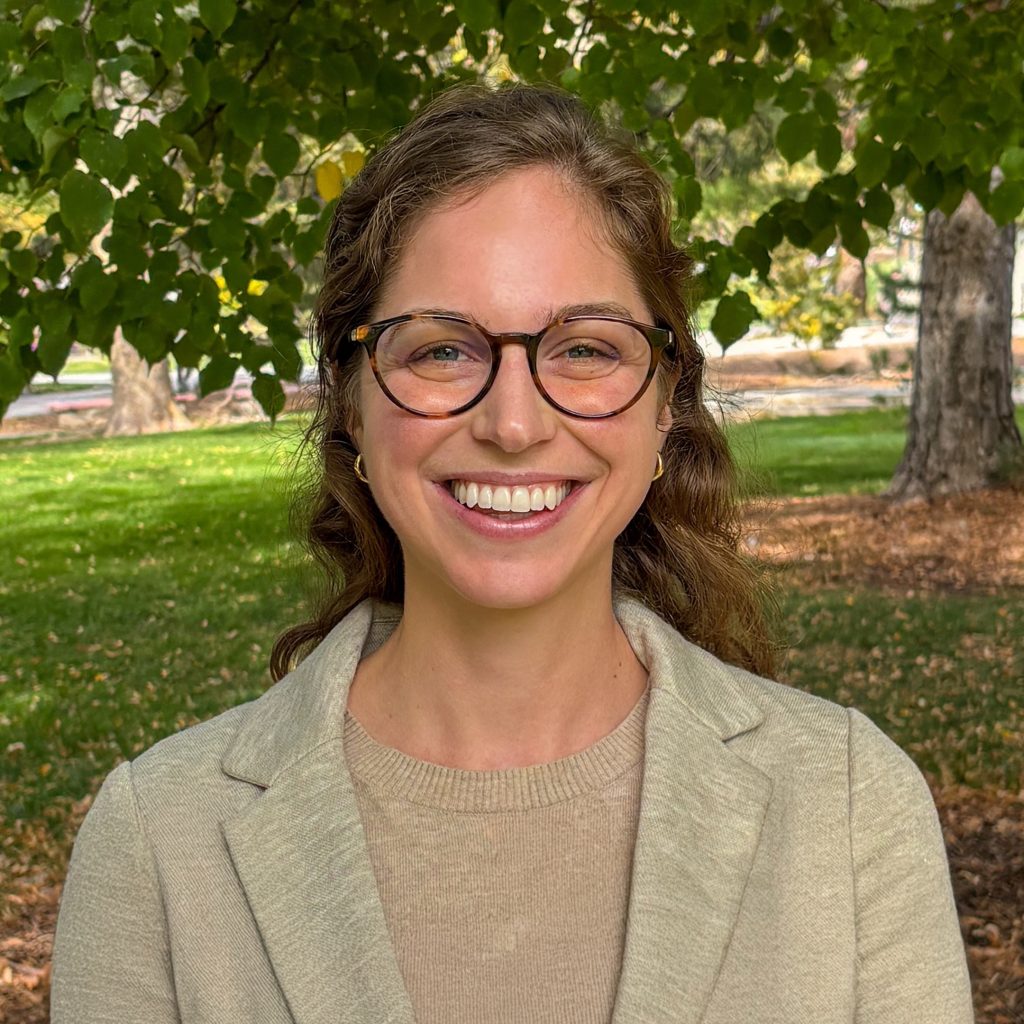
Show notesAmy Tomasso
America’s housing crisis is not only about affordability—it is also about a lack of diverse housing options for people at different income levels and stages of life. In this episode, Rob Harter speaks with Amy Tomasso, Director of Policy Innovation at Ivory Innovations, about the “missing middle” between detached single-family homes and large apartment buildings. Amy explains how duplexes, triplexes, cottage courts, accessory dwelling units, and other smaller housing types could create more attainable options for first-time homebuyers, growing families, and older adults hoping to downsize.
Amy also shares how Ivory Innovations combines research, education, entrepreneurship, public policy, and hands-on affordable housing development to move promising ideas into practice. The conversation explores zoning reform, construction technology, innovative financing, cross-sector partnerships, and the important role nonprofit leaders and community foundations can play in developing local housing strategies.
Key Topics Include:
Why the housing crisis affects community wellbeing, economic development, food security, and financial stability
What “missing middle” housing is and why many communities stopped building it
How zoning reform, smaller lots, streamlined approvals, and developer support can expand housing options
How Ivory Innovations tests new construction technologies and housing solutions through its Fieldworks program
Why successful housing policy reforms need committed champions from government, business, nonprofits, or the community
What nonprofit organizations can learn from the public and private sectors—and what those sectors can learn from nonprofits
How students and emerging leaders can enter the housing field through Hack-A-House and other educational opportunities
Suggestions for the show? Email us at nonprofitleadershippodcast@gmail.com
Request a sample coaching session: Email Rob at rob@robharter.com
Subscribe and Share Listen and subscribe to the Nonprofit Leadership Podcast on iTunes, Spotify, or Amazon. Don’t forget to like, subscribe, and share with other nonprofit leaders!
A Nonprofit Driving Meaningful Change for the Unhoused
Jul 27, 2026
Show notesPreston Cochrane
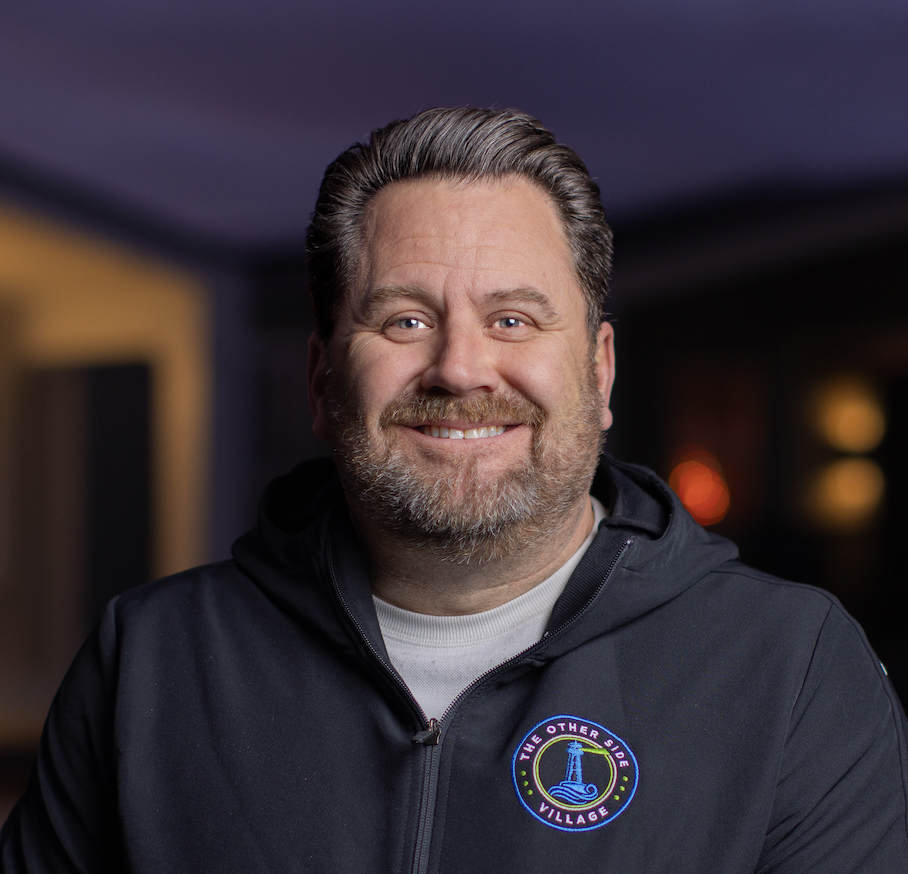
Housing is essential, but is it enough to create lasting change for people experiencing chronic homelessness? In this episode, Rob Harter speaks with Preston Cochrane, CEO of The Other Side Village in Salt Lake City, Utah, about the nonprofit’s human-centered approach to homelessness. Rather than treating residents as clients or case numbers, the organization creates a supportive community where people can rebuild relationships, rediscover purpose, develop practical skills, and take responsibility for their futures.
Preston explains how The Other Side Village combines permanent housing with peer mentorship, meaningful work, recovery support, social enterprise, and a democratic therapeutic community. He also discusses the need to balance compassion with accountability, why lived experience is central to the organization’s coaching model, and how the village measures long-term success through housing stability, self-reliance, sobriety, and crime-free living.
Key Topics Include:
Why housing alone may not address the isolation, trauma, addiction, mental health challenges, and broken relationships connected to chronic homelessness
How a human-centered model helps residents move beyond short-term stabilization toward lasting transformation
The importance of balancing compassion and accountability when serving people experiencing homelessness
How coaches with lived experience provide credible peer support, mentorship, and encouragement
Why residents are called neighbors and participate in a democratic therapeutic community
How social enterprises provide employment, workforce training, purpose, and sustainable revenue
The four outcomes The Other Side Village uses to measure success: permanent housing, employment or self-reliance, drug-free living, and crime-free living
Suggestions for the show? Email us at nonprofitleadershippodcast@gmail.com
Request a sample coaching session: Email Rob at rob@robharter.com
Subscribe and Share Listen and subscribe to the Nonprofit Leadership Podcast on iTunes, Spotify, or Amazon. Don’t forget to like, subscribe, and share with other nonprofit leaders!

 Our TOPPODCAST Picks
  Stay Connected