Our TOPPODCAST Picks
 Audio narrations of LessWrong posts. Includes all curated posts and all posts with 125+ karma.
If you’d like more, subscribe to the “Lesswrong (30+ karma)” feed.

 Stay Connected
Audio narrations of LessWrong posts. Includes all curated posts and all posts with 125+ karma.
If you’d like more, subscribe to the “Lesswrong (30+ karma)” feed.
Copyright: © 2023 LessWrong Curated Podcast


This is a partial follow-up to AISLE discovered three new OpenSSL vulnerabilities from October 2025.
TL;DR: OpenSSL is among the most scrutinized and audited cryptographic libraries on the planet, underpinning encryption for most of the internet. They just announced 12 new zero-day vulnerabilities (meaning previously unknown to maintainers at time of disclosure). We at AISLE discovered all 12 using our AI system. This is a historically unusual count and the first real-world demonstration of AI-based cybersecurity at this scale. Meanwhile, curl just cancelled its bug bounty program due to a flood of AI-generated spam, even as we reported 5 genuine CVEs to them. AI is simultaneously collapsing the median ("slop") and raising the ceiling (real zero-days in critical infrastructure).
Background
We at AISLE have been building an automated AI system for deep cybersecurity discovery and remediation, sometimes operating in bug bounties under the pseudonym Giant Anteater. Our goal was to turn what used to be an elite, artisanal hacker craft into a repeatable industrial process. We do this to secure the software infrastructure of human civilization before strong AI systems become ubiquitous. Prosaically, we want to make sure we don't get hacked into oblivion the moment they come online.
[...]
---
Outline:
(01:05) Background
(02:56) Fall 2025: Our first OpenSSL results
(05:59) January 2026: 12 out of 12 new vulnerabilities
(07:28) HIGH severity (1):
(08:01) MODERATE severity (1):
(08:24) LOW severity (10):
(13:10) Broader impact: curl
(17:06) The era of AI cybersecurity is here for good
(18:40) Future outlook
---
First published:
January 27th, 2026
Source:
https://www.lesswrong.com/posts/7aJwgbMEiKq5egQbd/ai-found-12-of-12-openssl-zero-days-while-curl-cancelled-its
---
Narrated by TYPE III AUDIO.
Dario Amodei, CEO of Anthropic, has written a new essay on his thoughts on AI risk of various shapes. It seems worth reading, even if just for understanding what Anthropic is likely to do in the future.
Confronting and Overcoming the Risks of Powerful AI
There is a scene in the movie version of Carl Sagan's book Contact where the main character, an astronomer who has detected the first radio signal from an alien civilization, is being considered for the role of humanity's representative to meet the aliens. The international panel interviewing her asks, “If you could ask [the aliens] just one question, what would it be?” Her reply is: “I’d ask them, ‘How did you do it? How did you evolve, how did you survive this technological adolescence without destroying yourself?” When I think about where humanity is now with AI—about what we’re on the cusp of—my mind keeps going back to that scene, because the question is so apt for our current situation, and I wish we had the aliens’ answer to guide us. I believe we are entering a rite of passage, both turbulent and inevitable, which will test who we are as a species. Humanity [...]
---
Outline:
(00:24) Confronting and Overcoming the Risks of Powerful AI
(15:19) 1. I'm sorry, Dave
(15:23) Autonomy risks
(28:53) Defenses
(41:17) 2. A surprising and terrible empowerment
(41:22) Misuse for destruction
(54:50) Defenses
(01:00:25) 3. The odious apparatus
(01:00:30) Misuse for seizing power
(01:13:08) Defenses
(01:19:48) 4. Player piano
(01:19:51) Economic disruption
(01:21:18) Labor market disruption
(01:33:43) Defenses
(01:37:43) Economic concentration of power
(01:40:49) Defenses
(01:43:13) 5. Black seas of infinity
(01:43:17) Indirect effects
(01:47:29) Humanity's test
(01:53:58) Footnotes
The original text contained 92 footnotes which were omitted from this narration.
---
First published:
January 26th, 2026
Source:
https://www.lesswrong.com/posts/kzPQohJakutbtFPcf/dario-amodei-the-adolescence-of-technology
---
Narrated by TYPE III AUDIO.
Audio note: this article contains 78 uses of latex notation, so the narration may be difficult to follow. There's a link to the original text in the episode description.
This post covers work done by several researchers at, visitors to and collaborators of ARC, including Zihao Chen, George Robinson, David Matolcsi, Jacob Stavrianos, Jiawei Li and Michael Sklar. Thanks to Aryan Bhatt, Gabriel Wu, Jiawei Li, Lee Sharkey, Victor Lecomte and Zihao Chen for comments.
In the wake of recent debate about pragmatic versus ambitious visions for mechanistic interpretability, ARC is sharing some models we've been studying that, in spite of their tiny size, serve as challenging test cases for any ambitious interpretability vision. The models are RNNs and transformers trained to perform algorithmic tasks, and range in size from 8 to 1,408 parameters. The largest model that we believe we more-or-less fully understand has 32 parameters; the next largest model that we have put substantial effort into, but have failed to fully understand, has 432 parameters. The models are available at the AlgZoo GitHub repo.
We think that the "ambitious" side of the mechanistic interpretability community has historically underinvested in "fully understanding slightly complex [...]
---
Outline:
(03:09) Mechanistic estimates as explanations
(06:16) Case study: 2nd argmax RNNs
(08:30) Hidden size 2, sequence length 2
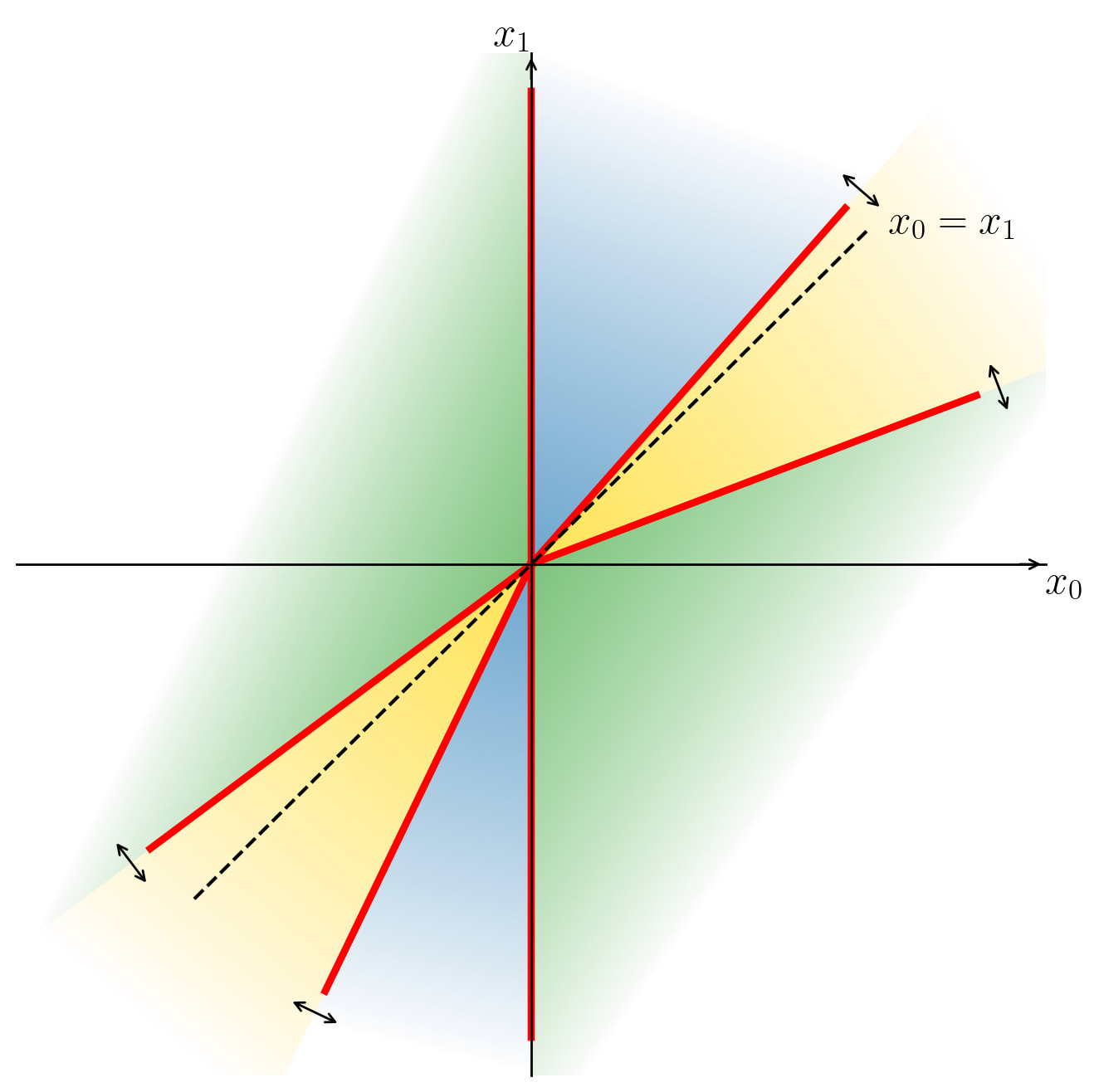
(14:47) Hidden size 4, sequence length 3
(16:13) Hidden size 16, sequence length 10
(19:52) Conclusion
The original text contained 20 footnotes which were omitted from this narration.
---
First published:
January 26th, 2026
Source:
https://www.lesswrong.com/posts/x8BbjZqooS4LFXS8Z/algzoo-uninterpreted-models-with-fewer-than-1-500-parameters
---
Narrated by TYPE III AUDIO.
---

 Apple Podcasts and Spotify do not show images in the episode description. Try Pocket Casts, or another podcast app.
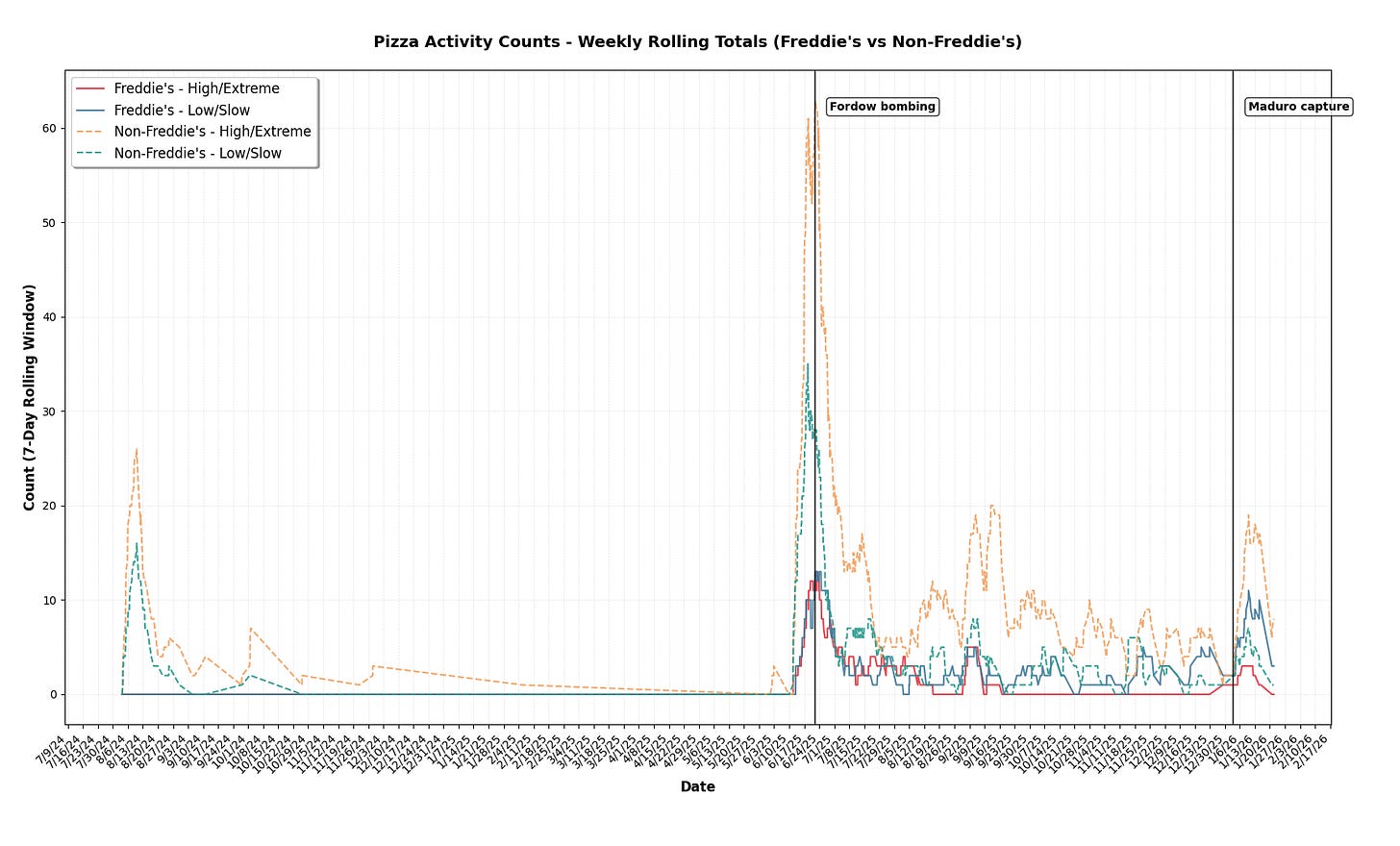
As soon as modern data analysis became a thing, the US government has had to deal with people trying to use open source data to uncover its secrets.
During the early Cold War days and America's hydrogen bomb testing, there was an enormous amount of speculation about how the bombs actually worked. All nuclear technology involves refinement and purification of large amounts of raw substances into chemically pure substances. Armen Alchian was an economist working at RAND and reasoned that any US company working in such raw materials and supplying the government would have made a killing leading up to the tests.
After checking financial data that RAND maintained on such companies, Alchian deduced that the secret sauce in the early fusion bombs was lithium and the Lithium Corporation of America was supplying the USG. The company's stock had skyrocketed leading up to the Castle Bravo test either by way of enormous unexpected revenue gains from government contracts, or more amusingly, maybe by government insiders buying up the stock trying to make a mushroom-cloud-sized fortune with the knowledge that lithium was the key ingredient.
When word of this work got out, this story naturally ends with the FBI coming [...]
---
Outline:
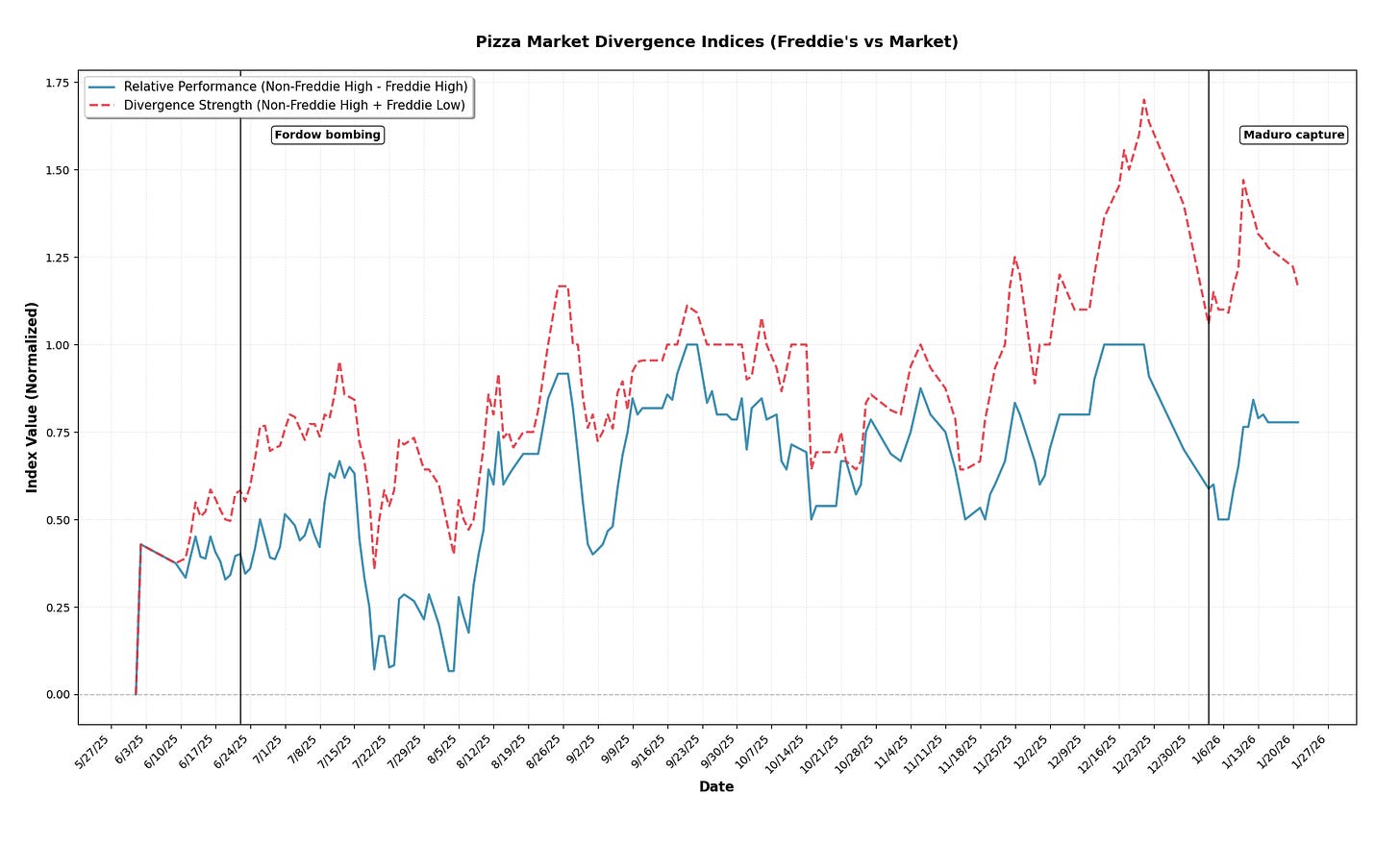
(01:27) Pizza is the new lithium
(03:09) The Data
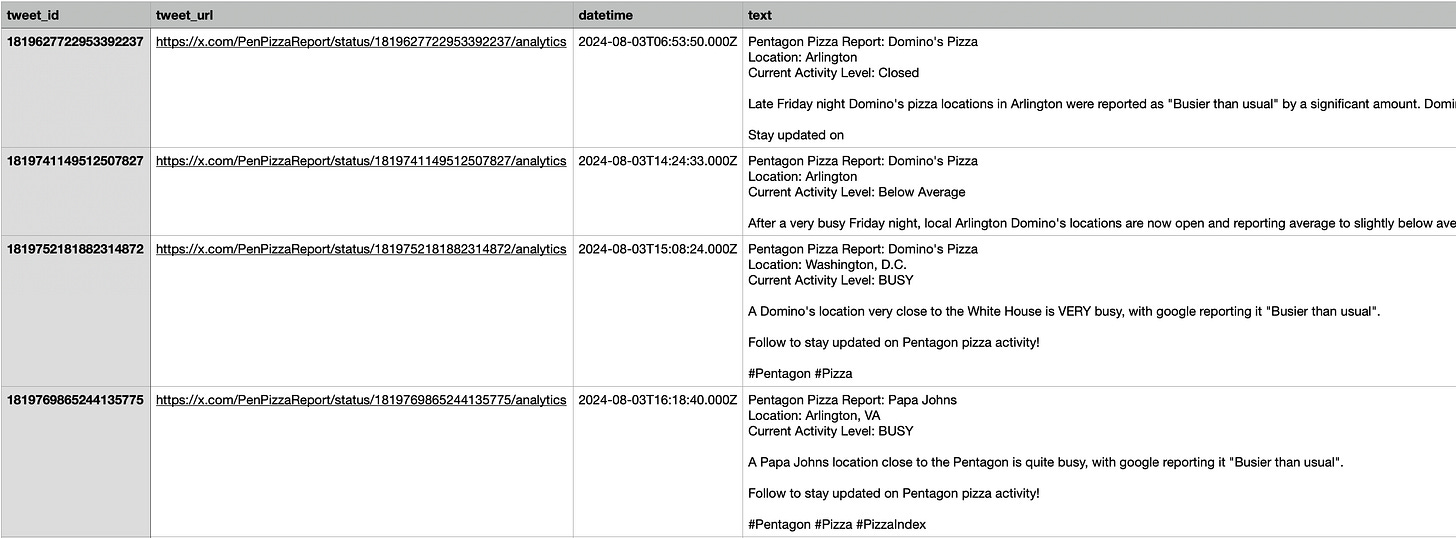
(04:11) The Backtest
(04:36) Fordow bombing
(04:55) Maduro capture
(05:15) The Houthi stuff
(10:25) Coda
---
First published:
January 22nd, 2026
Source:
https://www.lesswrong.com/posts/Li3Aw7sDLXTCcQHZM/does-pentagon-pizza-theory-work
---
Narrated by TYPE III AUDIO.
---
After five months of me (Buck) being slow at finishing up the editing on this, we’re finally putting out our inaugural Redwood Research podcast. I think it came out pretty well—we discussed a bunch of interesting and underdiscussed topics and I’m glad to have a public record of a bunch of stuff about our history. Tell your friends! Whether we do another one depends on how useful people find this one. You can watch on Youtube here, or as a Substack podcast.
Notes on editing the podcast with Claude Code
(Buck wrote this section)
After the recording, we faced a problem. We had four hours of footage from our three cameras. We wanted it to snazzily cut between shots depending on who was talking. But I don’t truly in my heart believe that it's that important for the video editing to be that good, and I don’t really like the idea of paying a video editor. But I also don’t want to edit the four hours of video myself. And it seemed to me that video editing software was generally not optimized for the kind of editing I wanted to do here (especially automatically cutting between different shots according [...]
---
Outline:
(00:43) Notes on editing the podcast with Claude Code
(03:11) Podcast transcript
---
First published:
January 4th, 2026
Source:
https://www.lesswrong.com/posts/p4iJpumHt6Ay9KnXT/the-inaugural-redwood-research-podcast
---
Narrated by TYPE III AUDIO.
This post was originally published on November 11th, 2025. I've been spending some time reworking and cleaning up the Inkhaven posts I'm most proud of, and completed the process for this one today.
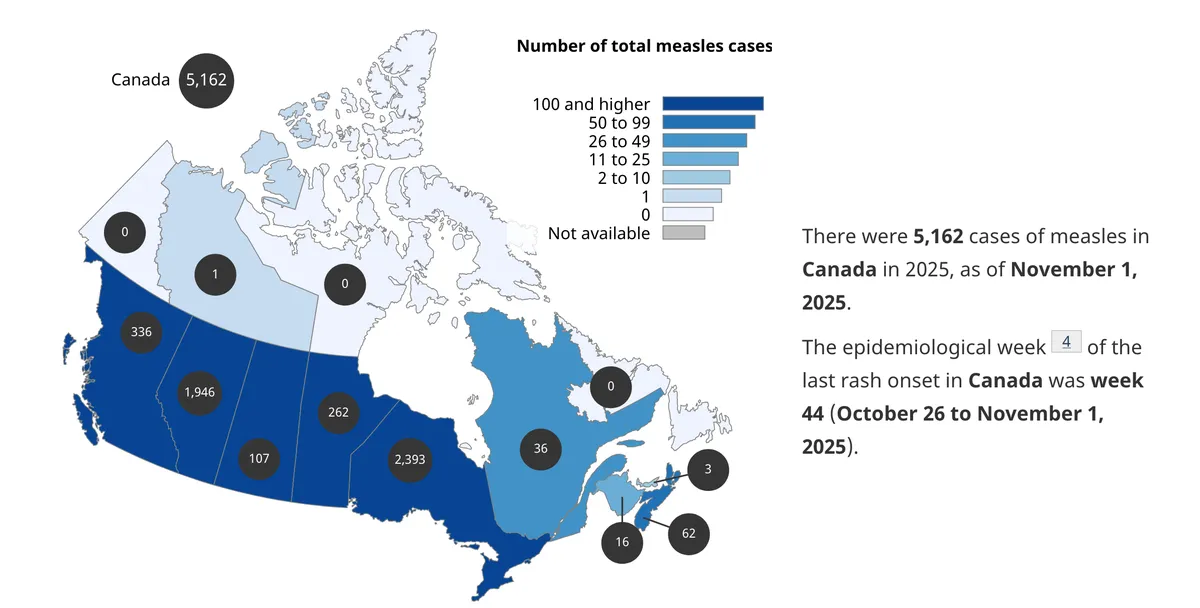
Today, Canada officially lost its measles elimination status. Measles was previously declared eliminated in Canada in 1998, but countries lose that status after 12 months of continuous transmission.
Here are some articles about the the fact that we have lost our measles elimination status: CBC, BBC, New York Times, Toronto Life. You can see some chatter on Reddit about it if you're interested here.
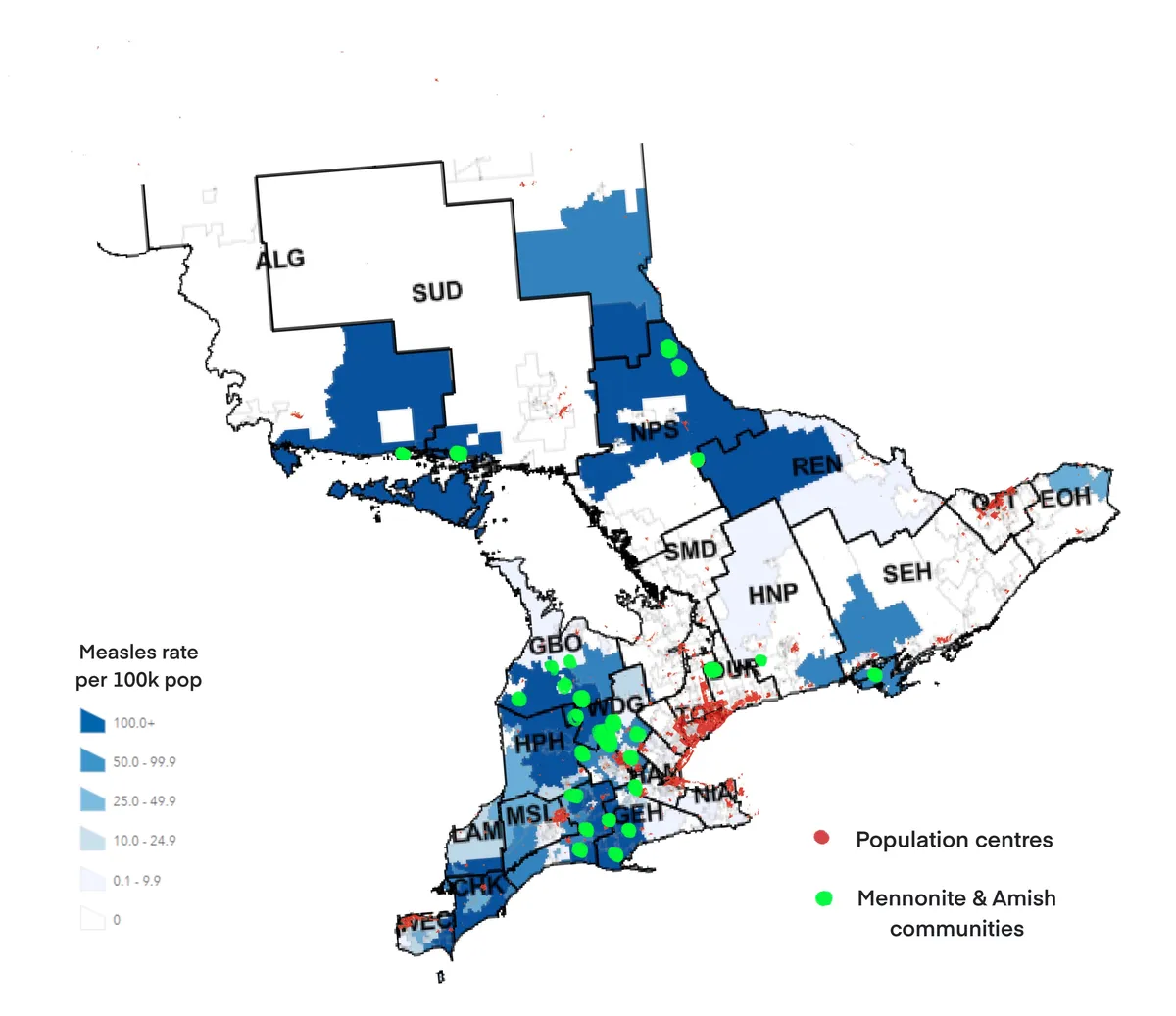
None of the above texts seemed to me to be focused on the actual thing that caused Canada to lose its measles elimination status, which is the rampant spread of measles among old-order religious communities, particularly the Mennonites. (Mennonites are basically, like, Amish-lite. Amish people can marry into Mennonite communities if they want a more laid-back lifestyle, but the reverse is not allowed. Similarly, old-order Mennonites can marry into less traditionally-minded Mennonite communities, but the reverse is not allowed.)
The Reddit comments that made this point are generally not highly upvoted[1], and this was certainly not a central point in any of [...]
---
Outline:
(03:20) The Mennonite Outbreak
(06:58) Mennonite Geography
(11:47) Mennonites Are Susceptible To Facts and Logic, When Presented In Low German
The original text contained 6 footnotes which were omitted from this narration.
---
First published:
January 25th, 2026
Source:
https://www.lesswrong.com/posts/H8RdAbAmsqbpBWoDd/canada-lost-its-measles-elimination-status-because-we-don-t
---
Narrated by TYPE III AUDIO.
---

Audio note: this article contains 73 uses of latex notation, so the narration may be difficult to follow. There's a link to the original text in the episode description.
Epistemic status: This post is a synthesis of ideas that are, in my experience, widespread among researchers at frontier labs and in mechanistic interpretability, but rarely written down comprehensively in one place - different communities tend to know different pieces of evidence. The core hypothesis - that deep learning is performing something like tractable program synthesis - is not original to me (even to me, the ideas are ~3 years old), and I suspect it has been arrived at independently many times. (See the appendix on related work).
This is also far from finished research - more a snapshot of a hypothesis that seems increasingly hard to avoid, and a case for why formalization is worth pursuing. I discuss the key barriers and how tools like singular learning theory might address them towards the end of the post.
Thanks to Dan Murfet, Jesse Hoogland, Max Hennick, and Rumi Salazar for feedback on this post.
Sam Altman: Why does unsupervised learning work?
Dan Selsam: Compression. So, the ideal intelligence [...]
---
Outline:
(02:31) Background
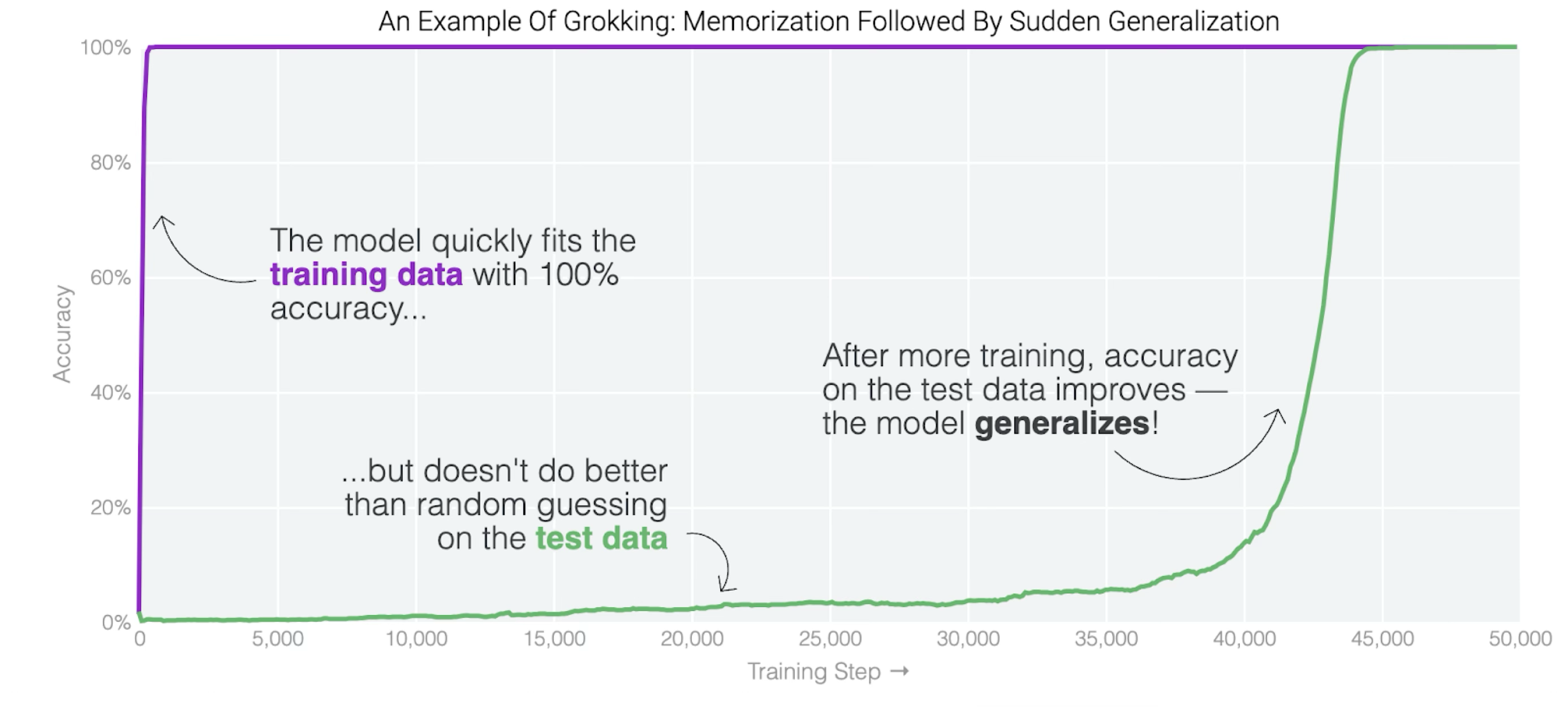
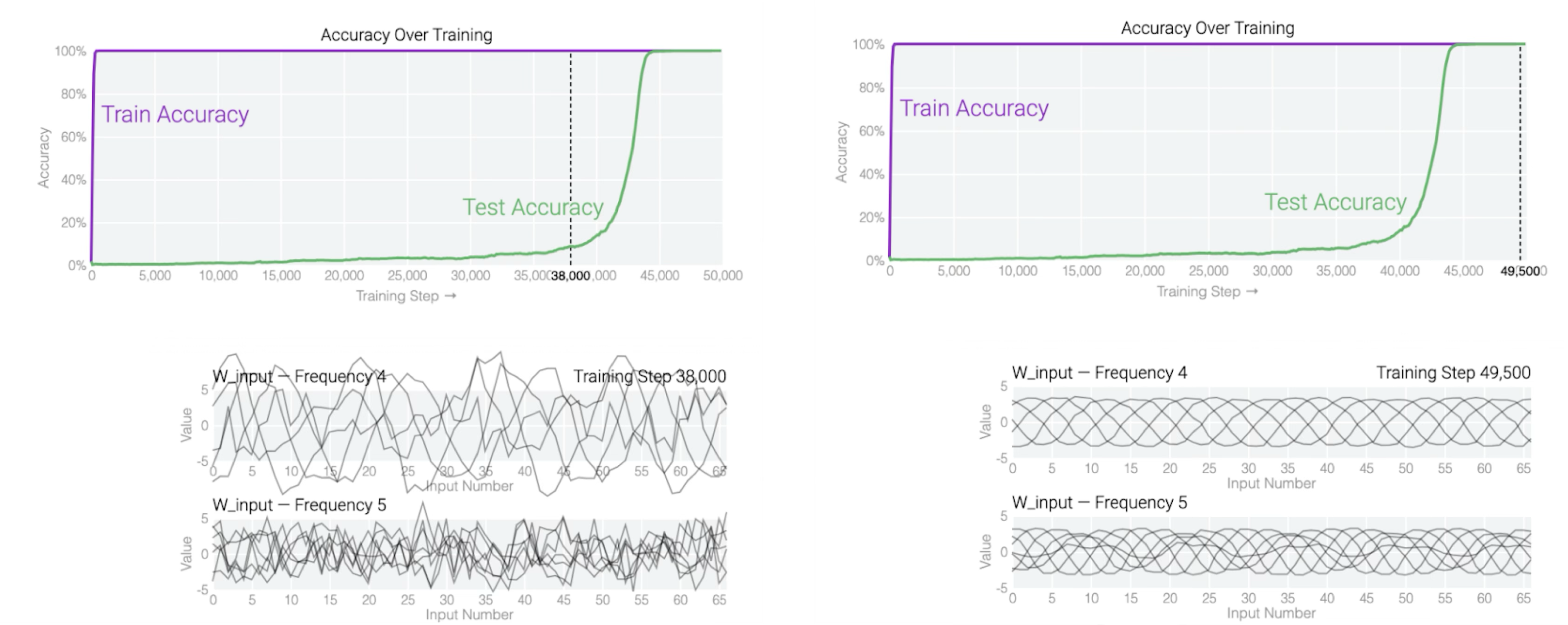
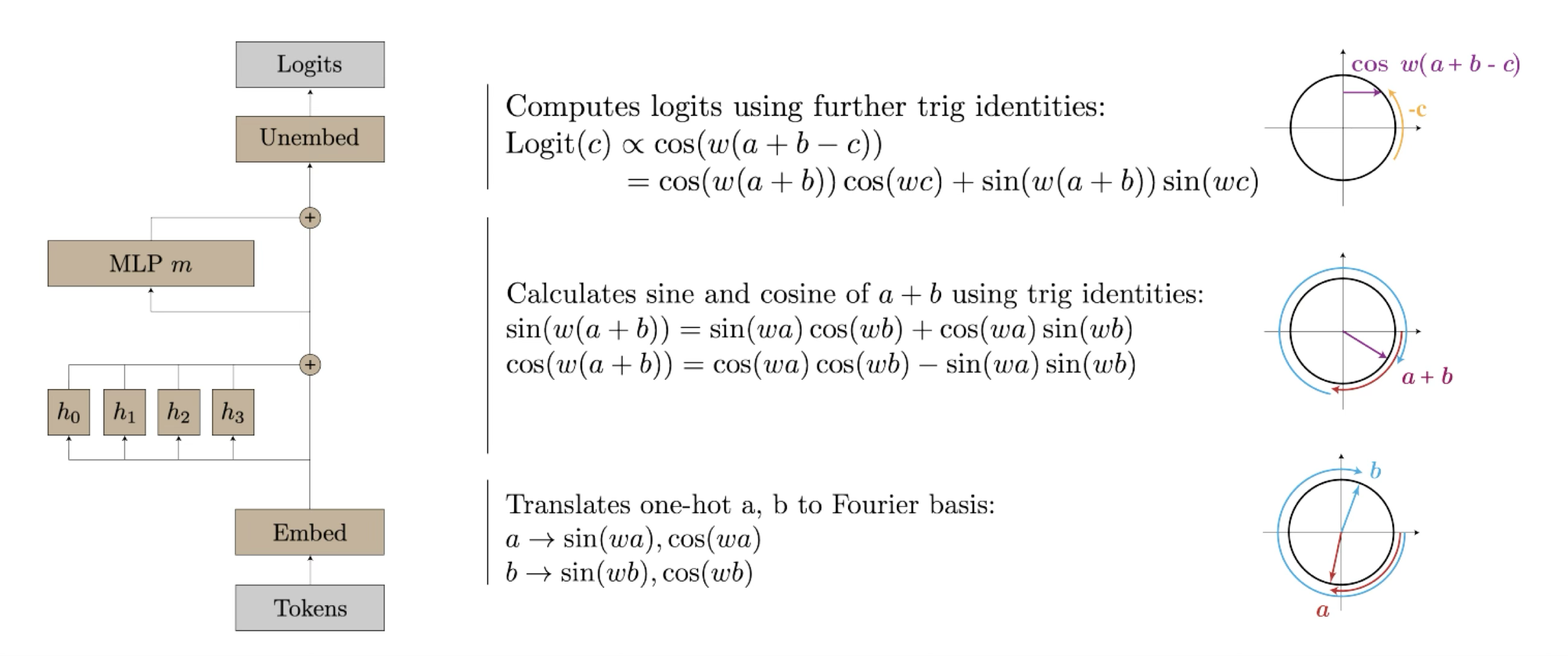
(09:06) Looking inside
(09:09) Grokking
(16:04) Vision circuits
(22:37) The hypothesis
(26:04) Why this isnt enough
(27:22) Indirect evidence
(32:44) The paradox of approximation
(38:34) The paradox of generalization
(45:44) The paradox of convergence
(51:46) The path forward
(53:20) The representation problem
(58:38) The search problem
(01:07:20) Appendix
(01:07:23) Related work
The original text contained 14 footnotes which were omitted from this narration.
---
First published:
January 20th, 2026
Source:
https://www.lesswrong.com/posts/Dw8mskAvBX37MxvXo/deep-learning-as-program-synthesis-1
---
Narrated by TYPE III AUDIO.
---
Fiora Sunshine's post, Why I Transitioned: A Case Study (the OP) articulates a valuable theory for why some MtFs transition.
If you are MtF and feel the post describes you, I believe you.
However, many statements from the post are wrong or overly broad.
My claims:
 Apple Podcasts and Spotify do not show images in the episode description. Try Pocket Casts, or another podcast app.
Read the constitution. Previously: 'soul document' discussion here.
We're publishing a new constitution for our AI model, Claude. It's a detailed description of Anthropic's vision for Claude's values and behavior; a holistic document that explains the context in which Claude operates and the kind of entity we would like Claude to be.
The constitution is a crucial part of our model training process, and its content directly shapes Claude's behavior. Training models is a difficult task, and Claude's outputs might not always adhere to the constitution's ideals. But we think that the way the new constitution is written—with a thorough explanation of our intentions and the reasons behind them—makes it more likely to cultivate good values during training.
In this post, we describe what we've included in the new constitution and some of the considerations that informed our approach.
We're releasing Claude's constitution in full under a Creative Commons CC0 1.0 Deed, meaning it can be freely used by anyone for any purpose without asking for permission.
What is Claude's Constitution?
Claude's constitution is the foundational document that both expresses and shapes who Claude is. It contains detailed explanations of the values we [...]
---
Outline:
(01:14) What is Claudes Constitution?
(03:26) Our new approach to Claudes Constitution
(04:59) A brief summary of the new constitution
(09:14) Conclusion
The original text contained 2 footnotes which were omitted from this narration.
---
First published:
January 21st, 2026
Source:
https://www.lesswrong.com/posts/mLvxxoNjDqDHBAo6K/claude-s-new-constitution
---
Narrated by TYPE III AUDIO.
This is a link post. It is unbearable to not be consuming. All through the house is nothing but silence. The need inside of me is not an ache, it is caustic, sour, the burning desire to be distracted, to be listening, watching, scrolling.
Some of the time I think I’m happy. I think this is very good. I go to the park and lie on a blanket in a sun with a book and a notebook. I watch the blades of grass and the kids and the dogs and the butterflies and I’m so happy to be free.
Then there are the nights. The dark silence is so oppressive, so all-consuming. One lonely night, early on, I bike to a space where I had sometimes felt welcome, and thought I might again.
“What are you doing here?” the people ask.
“I’m three days into my month of digital minimalism and I’m so bored, I just wanted to be around people.”
No one really wants to be around me. Okay.
One of the guys had a previous life as a digital minimalism coach. “The first two weeks are the hardest,” he tells me encouragingly.
“Two WEEKS?” I want to shriek.
[...]
---
First published:
January 18th, 2026
Source:
https://www.lesswrong.com/posts/eeFqTjmZ8kS7S5tpg/the-first-two-weeks-are-the-hardest-my-first-digital
Linkpost URL:
https://mingyuan.substack.com/p/the-first-two-weeks-are-the-hardest
---
Narrated by TYPE III AUDIO.