Hunter Lovins – Regenerative Economics for the Future of Humanity
Dec 29, 2015
Show notes
Hunter Lovins – Natural Capitalism Solutions
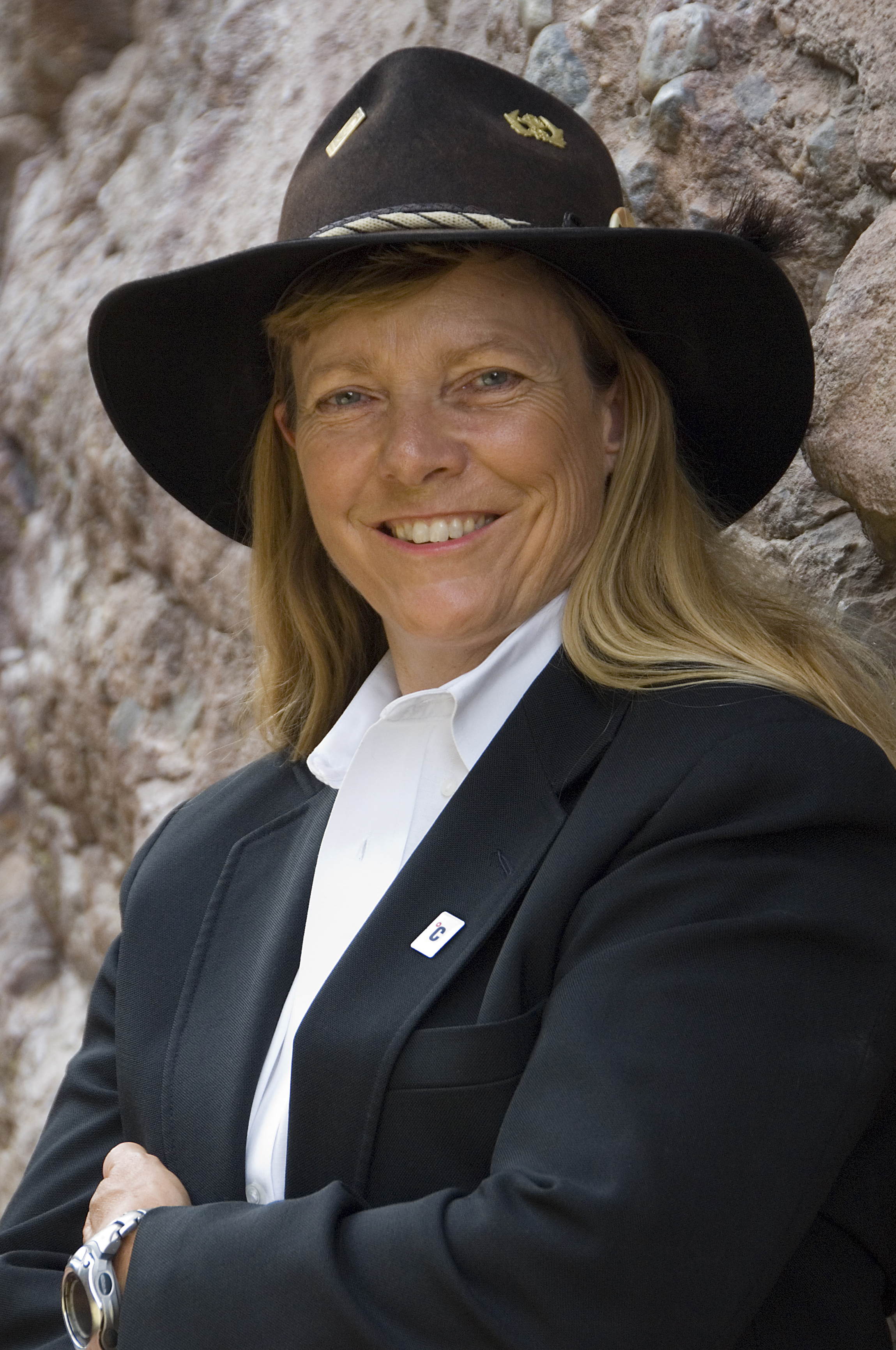
Hunter Lovins – Regenerative Economics (Starts 2:42) One of the world’s leading voices for the environment is urging the world to work for even more than a sustainable economy. She says it’s time for a regenerative economy. That’s the message from Boulder County resident, Hunter Lovins. Lovins heads up Natural Capitalism Solutions, and she’s a sought after speaker around the world, as well as here in Colorado. To give you an idea about what the vision of Lovins for a regenerative economy, here is an excerpt from a recent talk about the Future of Humanity. This talk was recorded in Boulder as part of the Colorado Chautauqua Events series, in conjunction with the Boulder City Club.
Climate Change and Cities (starts at 5:05) Sea level rise, severe storms, heat waves – these are just a few of the challenges cities might be facing as the climate changes in the next few decades. So how should they adapt to cope with such events? And with urban developments being one of the largest contributors to greenhouse gas emissions, what can they do to mitigate their impact?
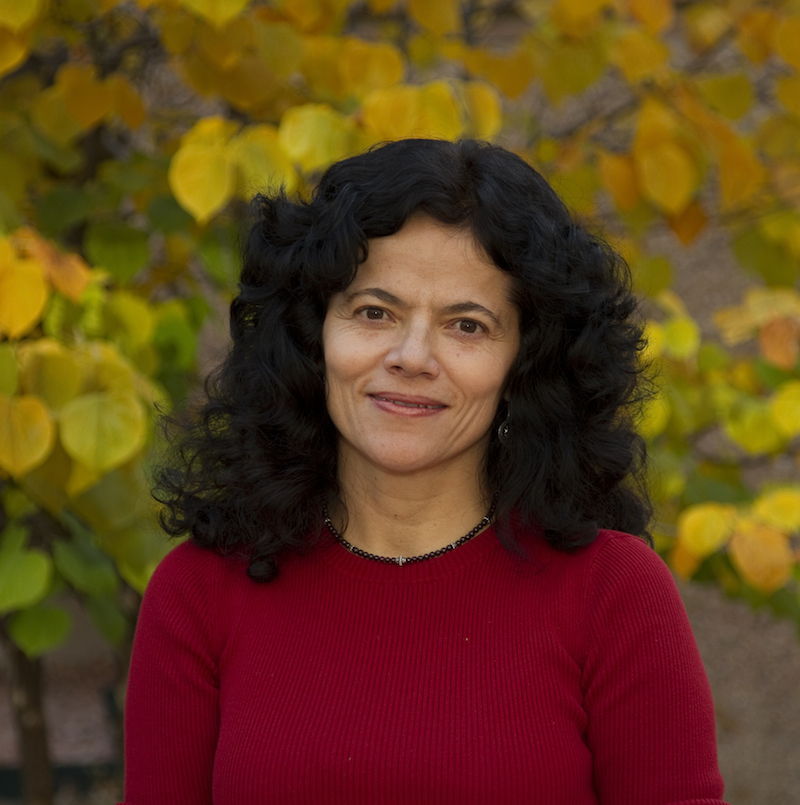
These are questions that the Urban Climate Change Research Network has set out to address in its Second Assessment Report on Climate Change and Cities. The report gives the expected climate projections for 100 cities along with guidance on increasing resilience and reducing impact. The Network released its summary for city leaders at the Paris talks only three weeks ago, and Boulder’s Paty Romero Lankao was there to promote the report — she was a co-editor of the report and coordinating lead author of the chapter on governance. Dr. Lankao is a research scientist at the National Center for Atmospheric Research who investigates the interactions between urban development and global environmental change, and in our show she talks with us about the outlook for cities and the report.
Hosts: Jane Palmer, Joel Parker Producer and Engineer: Joel Parker Executive Producer: Beth Bennett Headline Contributions: Susan Moran, Beth Bennett, Jane Palmer
Click below to listen to the show:
What You Can Do About Global Warming
Dec 17, 2015
Show notes
What You Can Do About Global Warming (starts at 5:20): We interview Craig Hover, author of A World to Come Home To: Ending Global Warming in Our Lifetime. Craig is a licensed professional engineer with more than 30 years of engineering, project and facilities management, financial services and consulting. In his book he lays out a comprehensive vision of implementing sustainable strategies for reducing carbon emissions and reversing the current trends in climate change.
Beyond Cop21Paris: Climate Science & Policy
Dec 08, 2015
Show notes
Today, Dec. 8, we offer the following feature:
Waleed Abdalati, photo credit David Oonk/CIRES
Changing Climate, Changing Policy (start time: 7:06): As political leaders are still hammering out an accord at the UN Climate Summit, or COP21, in Paris, to rein in global warming, today we discuss the underlying scientific facts about climate change, and the policy promises and challenges for our future. Hosts Susan Moran and Daniel Glick interview two Colorado scientists at the intersection of science and policy. Dr. Waleed Abdalati is a geoscientist and director of the Cooperative Institute for Research in Environmental Sciences (CIRES), a partnership between the University of Colorado-Boulder and the National Oceanic and Atmospheric Administration.
Lisa Dilling, photo credit Casey A. Cass/University of Colorado
Dr. Lisa Dilling is an associate professor of environmental studies, also at CIRES, who brings expertise in science policy related to climate issues. She directs The Western Water Assessment, a NOAA program that provides information for policy makers throughout the Intermountain West about the region’s vulnerabilities to climate change impacts. Contributing host Daniel Glick was an editor of the 2014 National Climate Assessment, and his team has produced videos on the immediate and human impacts of climate change.
Hosts: Daniel Glick, Susan Moran Producer: Susan Moran Engineer: Maeve Conran Executive Producer: Beth Bennett Additional contributions: Joel Parker, Shelley Schlender
Listen to the show:
Grad School Science
Nov 27, 2015
Show notes
What is graduate school and how does it differ from the undergraduate experience? What drives people to go through another 4…5…6…or more years of school? Today’s show features some people who might be able to tell us about the grad school experience in the sciences. We have three grad students from the University of Colorado at Boulder: * Joe Villanueva in the Molecular Cellular and Developmental Biology department. * Annie Miller, in the Integrative Physiology department. * Marcus Piquette, in the Astrophysical and Planetary Science department. Each of them works in a lab with an advisor and is doing projects that will eventually lead to a thesis and getting a PhD, and they talk about what they do and what grad school is like.
Host: Joel Parker Producer and Engineer: Joel Parker Executive Producer: Beth Bennett Additional Contributions: Beth Bennett, Susan Moran
Click below to listen to the show:
CUCafe // Math, Science, Intuition and CFS
Nov 17, 2015
Show notes
Today we had a terrific show with two local guests. First, Sarah McQuate, Post-Doc at the University of Colorado joins us to talk about CUCafe, a student run group committed to creating dialogues and safe spaces for underrepresented student on campus. We talk about their role in the most recent Inclusion and Diversity Summit on campus along with their on-going efforts and events.
Next, Julie Rehmeyer, a award-winning science tells us about her experience as a math graduate student at MIT and her investigative research into Chronic Fatigue Syndrome. These two stories form interesting connections as we discuss the meaning of intuition; a skill that is acknowledge as powerful in the mathematics community but not necessarily cultivated or nourished. Additionally, Julie finds resilient solutions using her analytical and intuitive skills when enduring a incapacitating experience with Chronic Fatigue Syndrome, treatment for which is scarce and poorly understood in the scientific community.
HERE is here latest article on the research of CFS
Hosts: Susan Moran, Kendra Krueger Producer: Kendra KRueger Engineer: Kendra Krueger Executive Producer: Beth Bennett Additional Contributions: Joel Parker
Listen Here:
Evolution of the Human-Horse Bond
Nov 10, 2015
Show notes
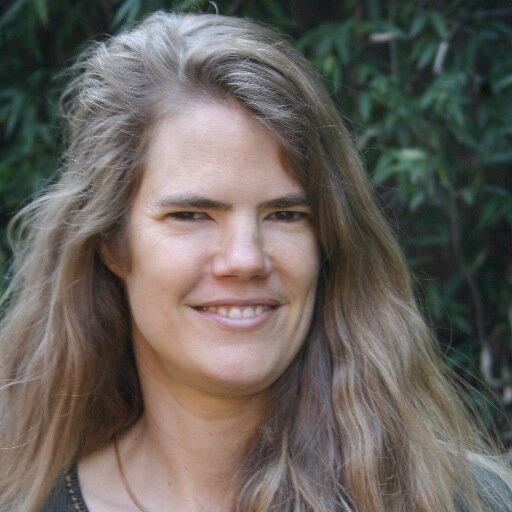
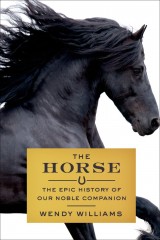
In today’s show we offer the following feature: The Horse (starts at 6:25) Next to our connection with dogs and cats, perhaps the deepest bond humans have developed over time is with horses. In fact, hands down, the horse has done more for us than either of those furry pets. That is, horses lie at the very foundation of our human civilization. Modern humans evolved with the horse. A new book explores the deep history of this deep bond, and the far deeper history of the horse itself and its evolutionary biology over millennia. Ever wonder why horses have such big teeth—unlike other hoofed mammals? The book, which spans the globe as well as the horse’s anatomy, is called The Horse: The Epic History of Our Noble Companion. Its author, journalist Wendy Williams joins host Susan Moran to talk about these beautiful creatures. Williams will speak on Nov. 16 at the Denver Museum of Nature and Science.
Hosts: Susan Moran, Kendra Krueger Producer: Joel Parker Engineer: Kendra Krueger Executive Producer: Beth Bennett Additional Contributions: Shelley Schlender
Click below to listen to the show:
Mighty Microbes in Our Gut & Soils
Nov 03, 2015
Show notes
Amy Sheflin Photo credit: Carolyn Hoagland
Mighty Microbes (start time: 5:45): Microbes – fungi and bacteria and probably viruses — are essential to life on Earth. They’re found in soil and water and inside the human gut. There’s a lot happening these days in microbiology, as scientists try to better understand what role these invisible powerhouses play in our health and that of the planet. Amy Sheflin, a PhD candidate at Colorado State University in the department of Food Science and Human Nutrition, speaks with host Susan Moran about her and others’ research into how microbial communities an enhance the health of our human gut, soils and crops.
Hosts: Susan Moran, Joel Parker Producer: Susan Moran Engineer: Joel Parker Executive Producer: Beth Bennett
Listen to the show here:
How the Brain Matures
Nov 01, 2015
Show notes
The teenaged brain is wired differently than the adult.
Brains (starts at 4:35) This week on How on Earth we interview Professor Marie Banich, from the University of Colorado here in Boulder. Dr Banich uses cutting edge methodologies, particularly structural and functional MRI, to examine the role of the prefrontal cortex, as well as other brain regions, in executive function. Today she tells us about work that was recently funded by NIH to characterize how these systems change over the course of development.
Hosts: Beth Bennett and Joel Parker Producer: Beth Bennett Engineer: Joel Parker Executive Producer: Beth Bennett
Listen to the show:
Carl Safina – Beyond Words: What Animals Think and Feel (part 2)
Oct 23, 2015
Show notes
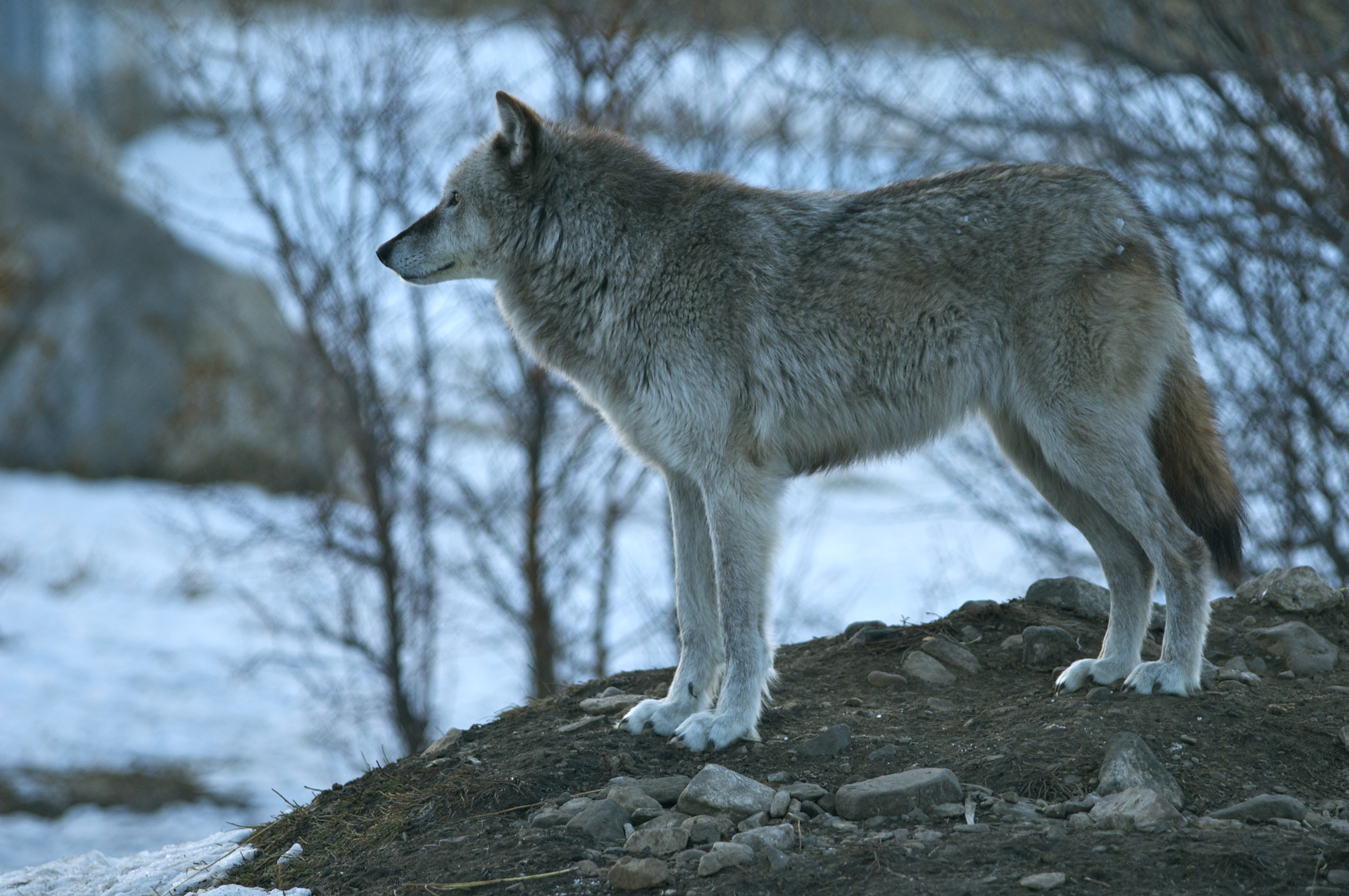
Wolf Gaze courtesy Carl Safina
Beyond Words (starts 5:00) Last week, we brought you excerpts from an interview with MacArthur Genius Grant Award winner, scientist and naturalist, Carl Safina, about his ground-breaking book: Beyond Words – What Animals Think and Feel. Last week’s excerpts focused on elephants and then on the mysterious accounts of killer whales assisting people in danger at sea. This week, we bring you more from “Beyond Words” Safina takes us to the world of wolves in Yellowstone. And we’ll look again at killer whales, and how they fare when captured for the entertainment trade.

 Our TOPPODCAST Picks
 Stay Connected


 These are questions that the
 What You Can Do About Global Warming (starts at 5:20): We interview Craig Hover, author of A World to Come Home To: Ending Global Warming in Our Lifetime. Craig is a licensed professional engineer with more than 30 years of engineering, project and facilities management, financial services and consulting. In his book he lays out a comprehensive vision of implementing sustainable strategies for reducing carbon emissions and reversing the current trends in climate change.

 In today’s show we offer the following feature: