Aerogel as Clear as Glass//New Science Standards for Colorado Schools
Aug 15, 2018
Show notes
credit – CU-Boulder
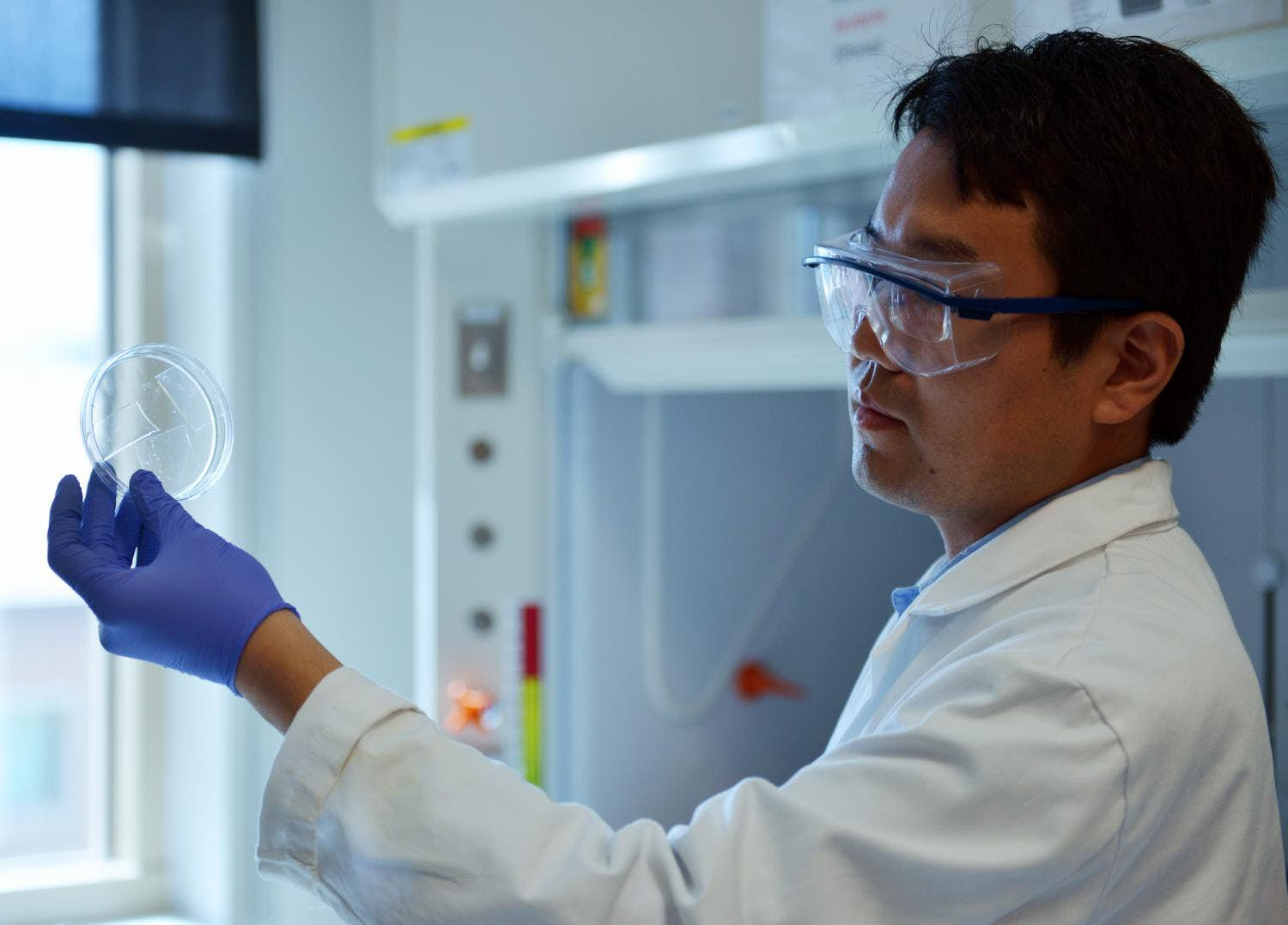
Aerogel as Clear As Glass: (Starts 4:00) Most aerogels “windows” are kind of foggy looking. A CU-Boulder science team has created something better. It’s a liquid made from recycled plant material, a liquid that hardens into a gel that’s almost as light as air, almost as clear as glass, yet it can insulate against temperature changes. This “gel” is flexible enough, you can wear it like a glove. And they’ve made it from a rather environmentally friendly source — it’s cellulose, created by microbes “digesting” the beer mash that gets left over after making beer.
New Science Standards for Colorado Public Schools (Starts 13:30): CU Boulder Education Research expert Erin Furtak explains new, more hands-on and interactive way to learn science. These will soon be part of Colorado Public Schools. The new science standards will be the first update of Colorado Science Education Standards in well over a decade. In addition to teachers using these standards, parents can, too.
Dogs have an incredible sense of smell – it’s so good, people can train dogs to sniff our everything from illegal drugs and explosives to lost people and even computer “thumbnail” drives, that maybe someone is trying to sneak into a high security building so they can sneak out information. So how about dogs sniffing for something life-saving, such as a dangerous drop in blood sugars for an insulin-injecting diabetic? For a healthy person, the amount of sugar in the entire bloodstream at anytime is roughly 1 teaspoon. One teaspoon of sugar in around 5 liters of blood. That’s it. For most people, the body’s own insulin production keeps blood sugars in a relatively healthy range, with the pancreas adjusting insulin levels in miniscule amounts to keep blood sugars in balance. For a diabetic who injects insulin, the injection itself can end up putting too much or too little insulin into the body, and this is especially dangerous when it forces blood sugar levels to go far lower than they normally would. Modern technology is reducing the risk, somewhat, through continuous blood glucose monitoring devices. But even these have a lag time, and since sometimes a diabetics blood sugar levels can change dramatically in just 30 minutes, there’s still risk. But now, there are new “blood sugar monitors”. They don’t require batteries. They’re very friendly, they have incredible noses, and they even come equipped with wagging tails. In today’s edition of How on Earth, we talk about “Dogs for Diabetics”.
Vascular Disease & Aging Part 2
Aug 01, 2018
Show notes
healthy heartThis week on How on Earth, Beth finishes up her interview with Professor Doug Seals, aging researcher. He explains the role of vascular damage in heart disease and how lifestyle choices such as exercise and diet can maintain healthy vasculature. In addition, he discusses some of his experiments in older humans with supplements and pharmacologic agents such as mito-Q, NAD+ supplementation and cur cumin. For more detail, visit his lab website (https://www.colorado.edu/intphys/research/cardiovascular.html) or the Healthy Aging site (https://healthyagingproject.org/).
Host: Beth Bennett Producer: Beth Bennett Engineer: Beth Bennett Executive Producer: Beth Bennett Listen to the show:
What’s Happening Inside Your Arteries?
Jul 25, 2018
Show notes
This week’s How on Earth guest, Dr Doug Seals, researches vascular aging. Several events occur as we age that conspire to damage blood vessels, culminating in what is popularly known as hardening of the arteries. But lifestyle modifications to exercise and diet can prevent and even reverse this trend. This week’s show gives background and mechanisms of this aging; next week’s episode will delve more deeply into solutions and interventions. To find out more about the Seals’ lab research visit their website: https://healthyagingproject.org/ Host: Producer:Beth Bennett Engineer: Beth Bennett Executive Producer: Beth Bennett Listen to the show:
Wildfire Health Impacts // Detained Immigrant Children Suffer Medical Woes
Jul 17, 2018
Show notes
We offer two feature interviews on this week’s show:
Wildfire-induced hazey Denver skyline Photo credit: Kevin J. Beaty/Denverite
Health Impacts of Wildfire Smoke (start time: 4:22) It’s peak wildfire season. Smoke from forest and grass fires contains particulates that can irritate eyes, throat and lungs — especially in children, the elderly, and people already suffering from asthma, allergies, heart disease. How On Earth host Susan Moran interviews Anthony Gerber, MD/PhD, a pulmonologist and an associate professor of medicine at National Jewish Health and the University of Colorado, Denver, about the medical risks of breathing smokey air and what people can do to minimize the impact. The Colorado Department of Public Health and Environment also offers info and warnings on air quality in Colorado.
Migrant children at detention center in Texas, Photo credit: Women News Network
Detained Migrant Children Suffer Medically (start time: 17:02) Since April, when the Trump administration’s controversial zero-tolerance policy went into effect to crack down on families crossing the border illegally, more than 2,300 migrant children have been separated from their parents and detained in government detention centers. More recently, about 200 of the children have been reunited with their parents, but bulk of them have not. As a result, many of the children suffer from physical and mental health problems. Colleen Kraft, a pediatrician and president of the American Academy of Pediatrics, talks with host Susan Moran about the medical impacts on migrant children.
Hosts: Susan Moran, Joel Parker Producer: Susan Moran Engineer: Joel Parker Executive Producer: Beth Bennett
Listen to the show here:
Science of Psychedelics
Jul 11, 2018
Show notes
We present another part of our interview with Michael Pollan about his book “How to Change Your Mind: What the New Science of Psychedelics Teaches Us About Consciousness, Dying, Addiction, Depression and Transcendence”. It is an investigation into the medical and scientific revolution taking place around psychedelic drugs, and the spellbinding story of his own life-changing psychedelic experiences. Books like “How to Change our Mind” are starting to “alter the state” of awareness about modalities that are outside the conventional box of standard medical treatments for mental health problems. And there are other ways this wave of new awareness is heading into our communities.
We also talk with Boulder Psychiatrist Dr. Will Van Derveer, who leads the Integrative Psychiatry Institute. They will hold a professional conference this October 19-21 in Boulder. Their goal is to educate more health practitioners about how body imbalances, such as gut challenges and mold infections, along with undiagnosed trauma often underlie much of what leads people to seek psychiatric health. One of the modalities that will be discussed at this professional conference is psychedelics.
Hosts: Shelley Schlender, Joel Parker Producer / Engineer: Joel Parker Executive Producer: Joel Parker
Listen to the show:
What do Dogs Think?
Jul 03, 2018
Show notes
This week on How on Earth, Beth talks to author Dr Marc Bekoff, Professor Emeritus, CU Boulder. His new book has the wonderful title of Canine Confidential. If you enjoy dogs, dog parks, and watching them interact with each other and people, you’ll enjoy this book! Hosts: Beth Bennett and Gretchen Geibel Producer: Beth Bennett Engineer: Maeve Conran Additional contributions: Joel Parker Executive Producer: Beth Bennett Listen to the show:
Junk Raft // The Green Reaper
Jun 30, 2018
Show notes
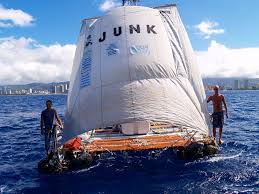
Junk Raft (starts 6:20) Marcus Eriksen discusses what can and cannot be done about the “plastic smog” of microscopic debris permeating the world’s ocean, from the state-sized floating islands of plastic in the Pacific, to the microscopic debris that sinks all the way down the the deepest parts of the Pacific, OR gets eaten and into the food chain. Eriksen is author of the book Junk Raft, recounting his adventures when he sailed the Pacific from L.A. to Hawaii on a raft made of garbage to bring attention to the issue.
The Green Reaper (starts 19:10) Elizabeth Fournier, a mortician from Oregon, is known to some as “The Green Reaper.” She offers and advocates for natural burial services for those who want to extend their environmental ethos from life on into death.
Mitochondria and Your Health
Jun 20, 2018
Show notes
This week on How on Earth, Beth interviews Dr Lee Know, author of Mitochondria and theFuture of Medicine. These amazing organelles, which allow complex life on Earth to exist, do more than “just” make ATP. Ask that isn’t enough! They are intimately involved in many aspects of health and disease. The good news is that we can optimize their function to attain longer, healthier lives.You can see the book at https://www.chelseagreen.com/product/mitochondria-and-the-future-of-medicine/
How Food Affects Your Brain
Jun 14, 2018
Show notes
Two epidemics sweeping the developed world are Type 2 diabetes and Alzheimer’s disease.This week on How on Earth, Beth interviews Dr Steven Masley about his book, The Better Brain Solution in which he explores the connection between diet (and other lifestyle factors) and these diseases. Based on the results of numerous clinical trials he has conducted in his medical practice, Masley presents a program to prevent and possibly reverse this metabolic syndrome. You can find his book and other information at https://drmasley.com/better-brain-solution/

 Our TOPPODCAST Picks
 Stay Connected



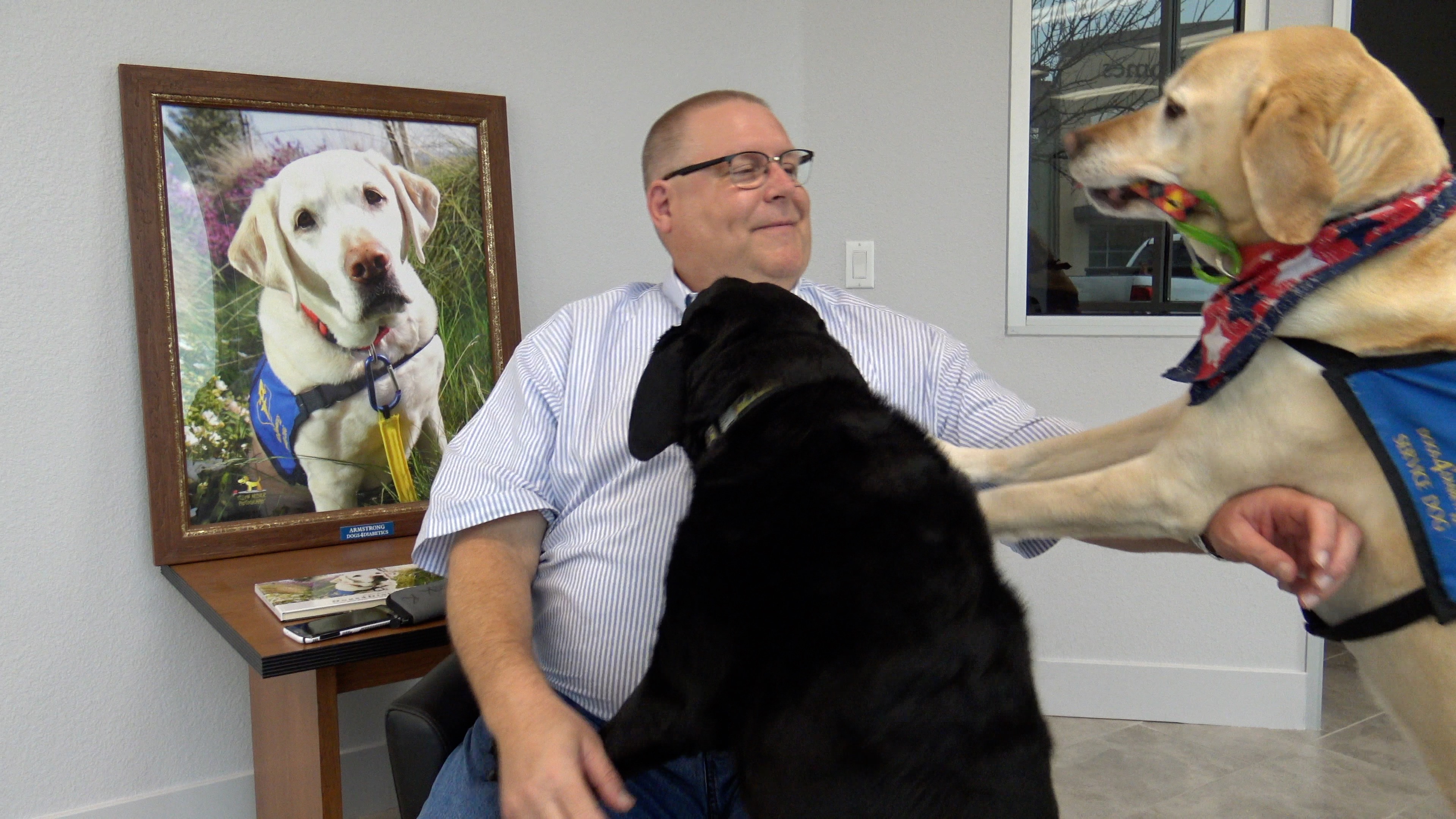 Dogs have an incredible sense of smell – it’s so good, people can train dogs to sniff our everything from illegal drugs and explosives to lost people and even computer “thumbnail” drives, that maybe someone is trying to sneak into a high security building so they can sneak out information. So how about dogs sniffing for something life-saving, such as a dangerous drop in blood sugars for an insulin-injecting diabetic? For a healthy person, the amount of sugar in the entire bloodstream at anytime is roughly 1 teaspoon. One teaspoon of sugar in around 5 liters of blood. That’s it. For most people, the body’s own insulin production keeps blood sugars in a relatively healthy range, with the pancreas adjusting insulin levels in miniscule amounts to keep blood sugars in balance. For a diabetic who injects insulin, the injection itself can end up putting too much or too little insulin into the body, and this is especially dangerous when it forces blood sugar levels to go far lower than they normally would. Modern technology is reducing the risk, somewhat, through continuous blood glucose monitoring devices. But even these have a lag time, and since sometimes a diabetics blood sugar levels can change dramatically in just 30 minutes, there’s still risk. But now, there are new “blood sugar monitors”. They don’t require batteries. They’re very friendly, they have incredible noses, and they even come equipped with wagging tails. In today’s edition of How on Earth, we talk about “Dogs for Diabetics”.
 This week’s How on Earth guest, Dr Doug Seals, researches vascular aging. Several events occur as we age that conspire to damage blood vessels, culminating in what is popularly known as hardening of the arteries. But lifestyle modifications to exercise and diet can prevent and even reverse this trend. This week’s show gives background and mechanisms of this aging; next week’s episode will delve more deeply into solutions and interventions. To find out more about the Seals’ lab research visit their website: https://healthyagingproject.org/


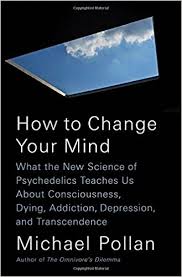 We present another part of our interview with
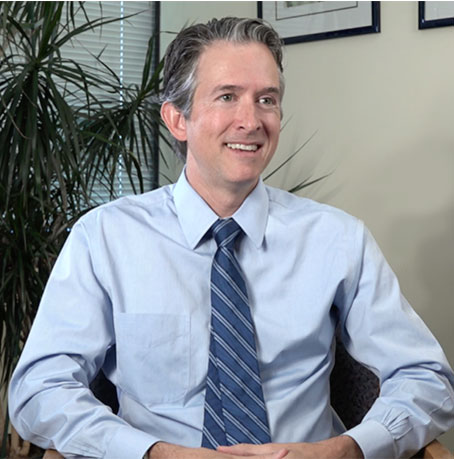 We also talk with Boulder Psychiatrist Dr. Will Van Derveer, who leads the
 This week on How on Earth, Beth talks to author Dr Marc Bekoff, Professor Emeritus, CU Boulder. His new book has the wonderful title of Canine Confidential. If you enjoy dogs, dog parks, and watching them interact with each other and people, you’ll enjoy this book!

 Two epidemics sweeping the developed world are Type 2 diabetes and Alzheimer’s disease.This week on How on Earth, Beth interviews Dr Steven Masley about his book, The Better Brain Solution in which he explores the connection between diet (and other lifestyle factors) and these diseases. Based on the results of numerous clinical trials he has conducted in his medical practice, Masley presents a program to prevent and possibly reverse this metabolic syndrome. You can find his book and other information at





