Characterizing Microbial Communities
Jan 30, 2019
Show notes
Microbial communities are all around us: in our homes, gardens, oceans, even deep underground but their roles in the function of the biosphere are poorly understood. Today Beth spoke with Professor Noah Fierer, at the University of Colorado, in Boulder, who uses DNA to identify microbes in communities ranging from insect microbiomes to Antarctic soils. He has discovered lots of previously unknown bacteria, viruses, and other microscopic critters which are everywhere, eat everything, and perform surprising roles in ecosystems ranging from our guts to Antarctic soils. You can see more at the Fierer Lab website. And check out the New Yorker article on shower heads. With this episode we resume our series on Our Microbes, Ourselves.
Hosts: Beth Bennett & Chip Grandits Producer: Beth Bennett Engineer: Chip Grandits Executive Producer: Beth Bennett Listen to the show:
Composting & Carbon Farming
Jan 22, 2019
Show notes
Eco-Cycle truck dumping organic waste at a compost facility. Photo credit: Dan Matsch
Why Compost? (start time: 7:01) Many of us may feel a little less guilty letting fruits and vegetables go bad, because we figure that this waste, thanks to curbside compost pickup, will be turned into nutritious food for crops, lawns or grasslands down the road. And landfills will spew less methane, a greenhouse gas far more potent than carbon dioxide. The story of food waste and reuse is a complicated one. Our two guests are working on getting composting right — and ultimately on how to make our food-production and consumption systems more sustainable, starting here on the Front Range. Dan Matsch directs the compost department for Eco-Cycle, the nonprofit recycler that works with cities along the Front Range. He also directs Eco-Cycle’s Center for Hard-to-Recycle Materials (CHaRM). Mark Easter is an ecologist at Colorado State University’s Natural Resource Ecology Laboratory. Matsch and Easter discuss with host Susan Moran the journey of a rotten zucchini, how composting is tied to the emerging practice of carbon farming, and how we all do our part.
Calendar advisory: Join KGNU and Eco-Cycle on Thursday, January 31, at the Longmont Museum (6:30 to 8:00 P.M) for a special community conversation on plastic waste–challenges and solutions. The event will include representatives from Eco-Cycle, the Inland Ocean Coalition, and local business and sustainability leaders. For more info, go to this website.
Hosts: Susan Moran, Chip Grandits Producer: Susan Moran Engineer: Chip Grandits Executive Producer: Beth Bennett Additional contributions: Beth Bennett
Listen to the show here:
Wisdom of the Body
Jan 09, 2019
Show notes
Animal scientists have long considered domestic livestock to be too dumb to know how to eat right, but the lifetime research of animal behaviorist Fred Provenza and his colleagues has debunked this myth. Their work shows that when given a choice of natural foods, livestock have an astoundingly refined palate. Like these animals, humans too, have an innate ability to determine what nutrients they need, but we are losing the information from our foods that allow us to make this determination. To view the book, go to: https://chelseagreen.biz/product/nourishment/ Host: Producer: Beth Bennett Engineer: Beth Bennett Additional contributions: Joel Parker Executive Producer: Beth Bennett Listen to the show:
A Tale of Two Missions: OSIRIS-REx and New Horizons
Dec 26, 2018
Show notes
OSIRIS-REx (starts at 1:00) In today’s first feature, we hear about OSIRIS-REx, NASA’s first mission to do a sample return from an asteroid. Our guest is Dr. Vicky Hamilton, a Staff Scientist at the Southwest Reserarch Institute’sBoulder office, and a member of that mission. She talks about the scientific goals of OSIRIS-REx, and how it plans to obtain and return a sample of the asteroid Bennu.
New Horizons (starts at 14:05) Our second spacey feature is about a mission that you might describe as exploring “beyond the beyond”. The piano-sized, nuclear-powered New Horizons spacecraft flew by Pluto over 3 years ago, and now has its sights set on an even more distant target named Ultima Thule. To talk about that, we have another local scientist from Southwest Research Institute, Dr. Cathy Olkin, Institute Scientist and also a New Horizons mission Deputy Project Scientist. We hear about the flyby events that will take place on New Year’s Eve.
Host, Producer, and Engineer: Joel Parker Executive Producer: Susan Moran
Listen to the show:
Soft Robotic Muscles
Dec 18, 2018
Show notes
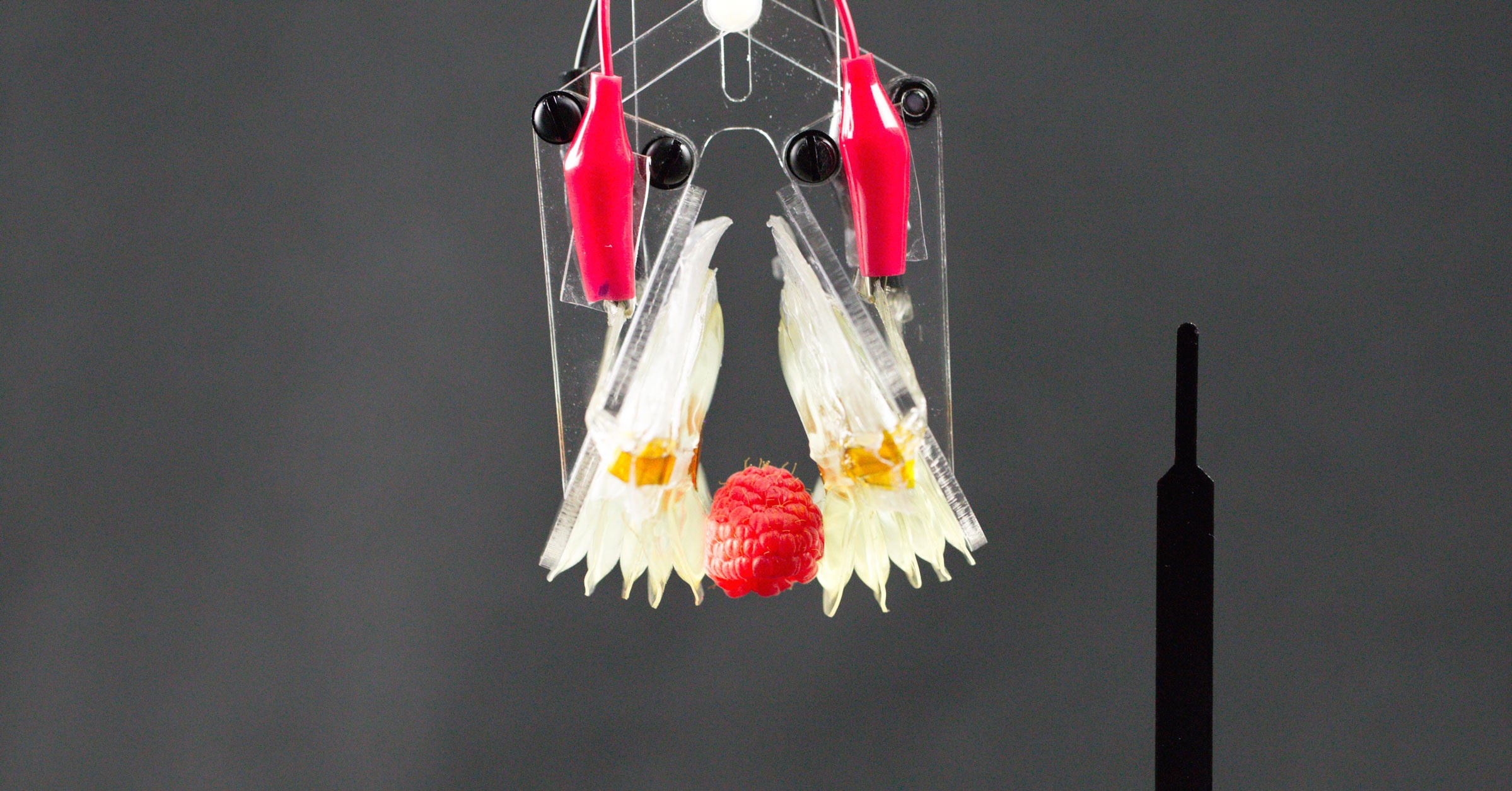
HASEL “Soft Robotic Muscles” lift a Raspberry
Soft Robotic Muscles (WHOLE SHOW) Robotic Materials are going beyond gears and levers toward powerful components that are softer and more muscular. These materials may someday soon help build more human like prosthetic limbs for amputees. . . . or help a harvesting machine pluck ripe strawberries without squishing them. PhD students Nick Kellaris and Shane Mitchell are with CU Boulder’s College of Engineering and Applied Science — Keplinger Lab. They call their soft robotic muscles HASEL actuators. HASEL stands for Hydraulically Amplified Self-healing Electrostatic actuators.
Hosts, Producer and Engineer: Shelley Schlender Executive Producer: Susan Moran
Listen to the show:
Titan Talk with Sarah Hörst
Dec 15, 2018
Show notes
Headlines: Inheritance of mitochondrial DNA. Coffee and Parkinson’s disease. Sending your name and a message to the New Horizons spacecraft. Winds on Mars. Water on Asteroids.
Feature: Titan (starts at 8:55) The solar system has so many different worlds that come in all shapes and sizes and histories, from boiling hot Mercury and Venus to icy Pluto and the Kuiper belt. Such extreme alien worlds are exciting, but perhaps the places that catch our imaginations the most are the ones that are more familar – perhaps with the hope of humans one day visiting there and even living there. So we think of places that have atmospheres and have – or once had – liquid water. But then there are those places that live in what you might call “the uncanny valley” between familiar and alien, and perhaps Saturn’s moon Titan fits into that category, with an atmosphere (but not one that you would want to breathe) and lakes (but not ones you would want to swim in).
Hosts: Joel Parker, Chip Grandits, Gretchen Wettstein Producer and Engineer: Joel Parker Executive Producer: Susan Moran Contributor: Beth Bennett
Listen to the show here:
National Assessment on Climate Change
Dec 05, 2018
Show notes
Climate Change (starts at 6:30) Volume II of the fourth National Assessment on Climate Change was released on the day after Thanksgiving. The findings are stark. It is already too late to prevent major long term effects of climate change. The scientific community has now turned to predicting and quantifying those effects and how human civilization can respond to mitigate what might be catastrophic results. Today we talk with one of the co-authors of the chapter on Transportation, Professor Paul Chinowksy, of the CU Department of Civil, Environmental and Architectural Engineering. He elaborates on the findings of the report and his frustration at the lack of a serious response by the federal government.
Host, Producer, Engineer: Chip Grandits Executive Producer: Susan Moran
Listen to the show:
Never Home Alone by Rob Dunn
Nov 28, 2018
Show notes
Never Home Alone (starts at 4:26) In this week’s How on Earth, Beth interviews Professor Rob Dunn. In his recent book, Never Home Alone, he gives a sneak peak into the natural history of the wilderness in our homes, from the microbes in our showers to the crickets in our basements. You can find out more about his book here, find out more about his lab and research at http://robdunnlab.com, and to contribute to their project visit the iNaturalist site.
Baking Soda for Autoimmune Disease // Crickets for the Gut
Nov 27, 2018
Show notes
Baking Soda for Autoimmune Disease (starts at 1:00) Georgia Medical College researcher Paul O’Connor reports that a small amount of baking soda in water, for two weeks, shifts the immune cell known as macrophage away from “attack” mode and more toward, “repair” mode. He says this research comes, in part, from studies involving the benefits of baking soda for people whose kidneys are stressed and failing. There’s more research ahead, but O’Connor suspects that someday, these findings might mean that baking soda becomes a safe part of calming down an autoimmune disease attack.
Crickets for the Gut (starts 10:25) New research from Colorado State University reveals that adding just a few teaspoons of cricket powder to a milkshake, or to a muffin, may reduce an inflammatory marker in the blood and increase levels of an intestinal microbe that is known for reducing the chance of a leaky gut that can lead to excess inflammation. The leader of this cricket powder study CSU Department of Food Science and Human Nutrition professor Tiffany Weir. See other related features in our Our Microbes, Ourselves series.
Host, Producer and Engineer: Shelley Schlender Executive Producer: Susan Moran
Listen to the show here:
Nature and Health
Nov 13, 2018
Show notes
Photo: Jennifer Miller
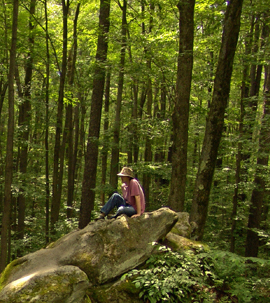
Nature Rx (start time: 9:33): Nature is good for your health. Sounds obvious, but what does science tell us? A walk in the woods can help to calm your nervous system and spark novel ideas, and spending time in nature can reduce symptoms of PTSD or ADHD. Little is actually known about how nature offers healing effects. How much nature is enough, and to do what, exactly? How enduring are the effects? “Nature” isn’t only limited to places like Yellowstone or Rocky Mountain National Park. Nature abounds in some cities, as well. City parks, tree-lined neighborhoods, your own garden — these are slices of nature that can improve your physical and mental well-being. Researchers are measuring the effect of living near trees, for instance, on cardiovascular disease, diabetes and obesity. Today’s show is the first in a series we’ll offer on the connections between nature and human health. It’s called “Nature Rx.”
Our three guests today are working in the nexus between environmental conservation and human health, to make cities part of the solution: Dr. Ted Smith, director of the Center of Healthy Air, Water and Soil, at the University of Louisville’s Envirome Institute; Christopher Hawkins, Urban Conservation Program Manager at The Nature Conservancy; Janette Heung, principal and owner of JWG Global, a management consulting and research think tank in Colorado focusing on environmental conservation and public health. Read more in the Colorado Outdoor Rx report and the UN Environment Programme report on air pollution.
Hosts: Susan Moran, Joel Parker Producer and Engineer: Joel Parker Executive Producer: Susan Moran Contributors: Beth Bennett, Shelley Schlender

 Our TOPPODCAST Picks
 Stay Connected


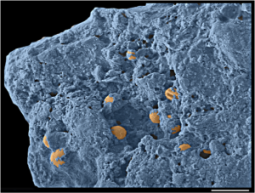 Microbial communities are all around us: in our homes, gardens, oceans, even deep underground but their roles in the function of the biosphere are poorly understood. Today Beth spoke with Professor

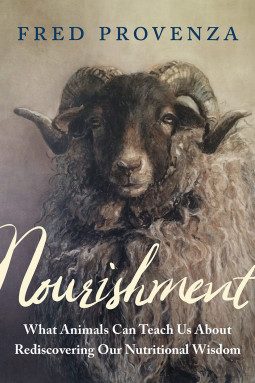 Animal scientists have long considered domestic livestock to be too dumb to know how to eat right, but the lifetime research of animal behaviorist Fred Provenza and his colleagues has debunked this myth. Their work shows that when given a choice of natural foods, livestock have an astoundingly refined palate. Like these animals, humans too, have an innate ability to determine what nutrients they need, but we are losing the information from our foods that allow us to make this determination. To view the book, go to: https://chelseagreen.biz/product/nourishment/
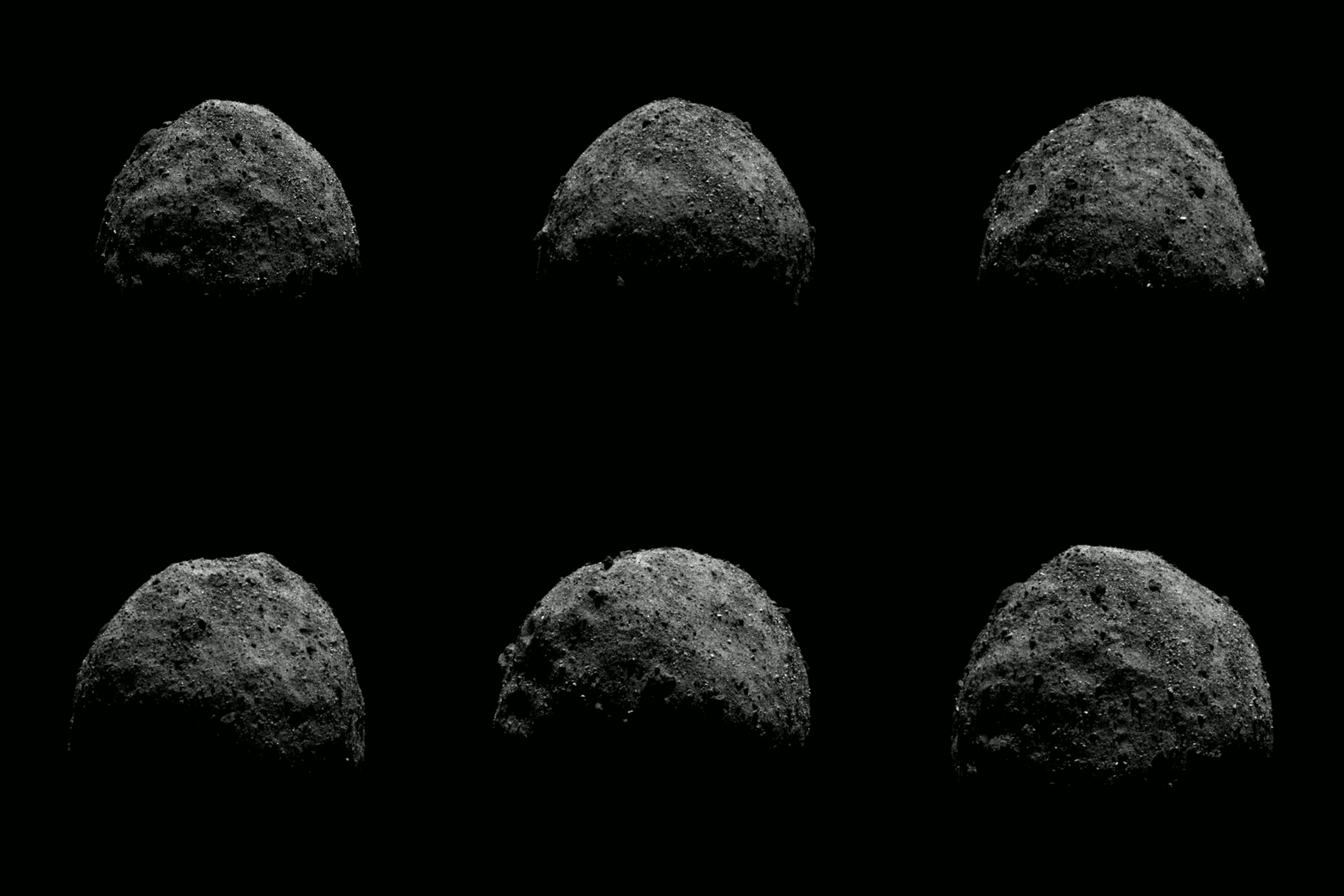 n today’s first feature, we hear about
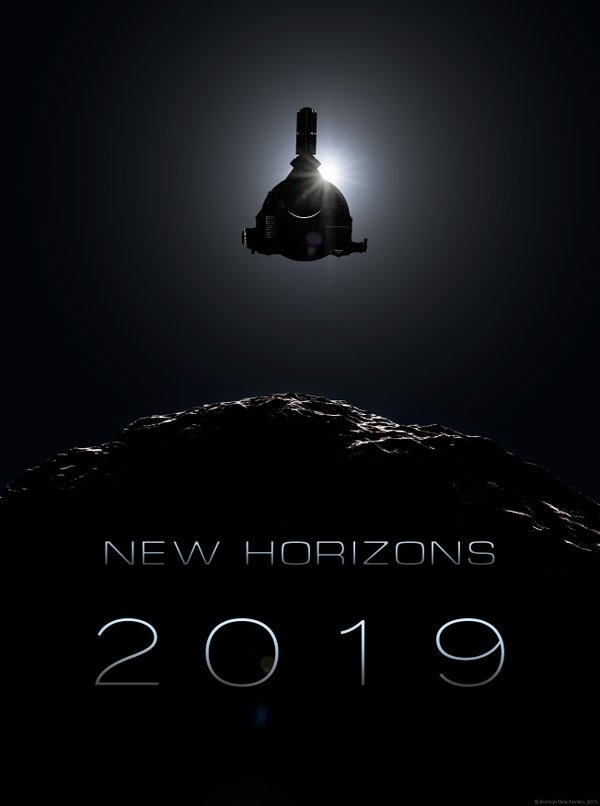 Our second spacey feature is about a mission that you might describe as exploring “beyond the beyond”. The piano-sized, nuclear-powered
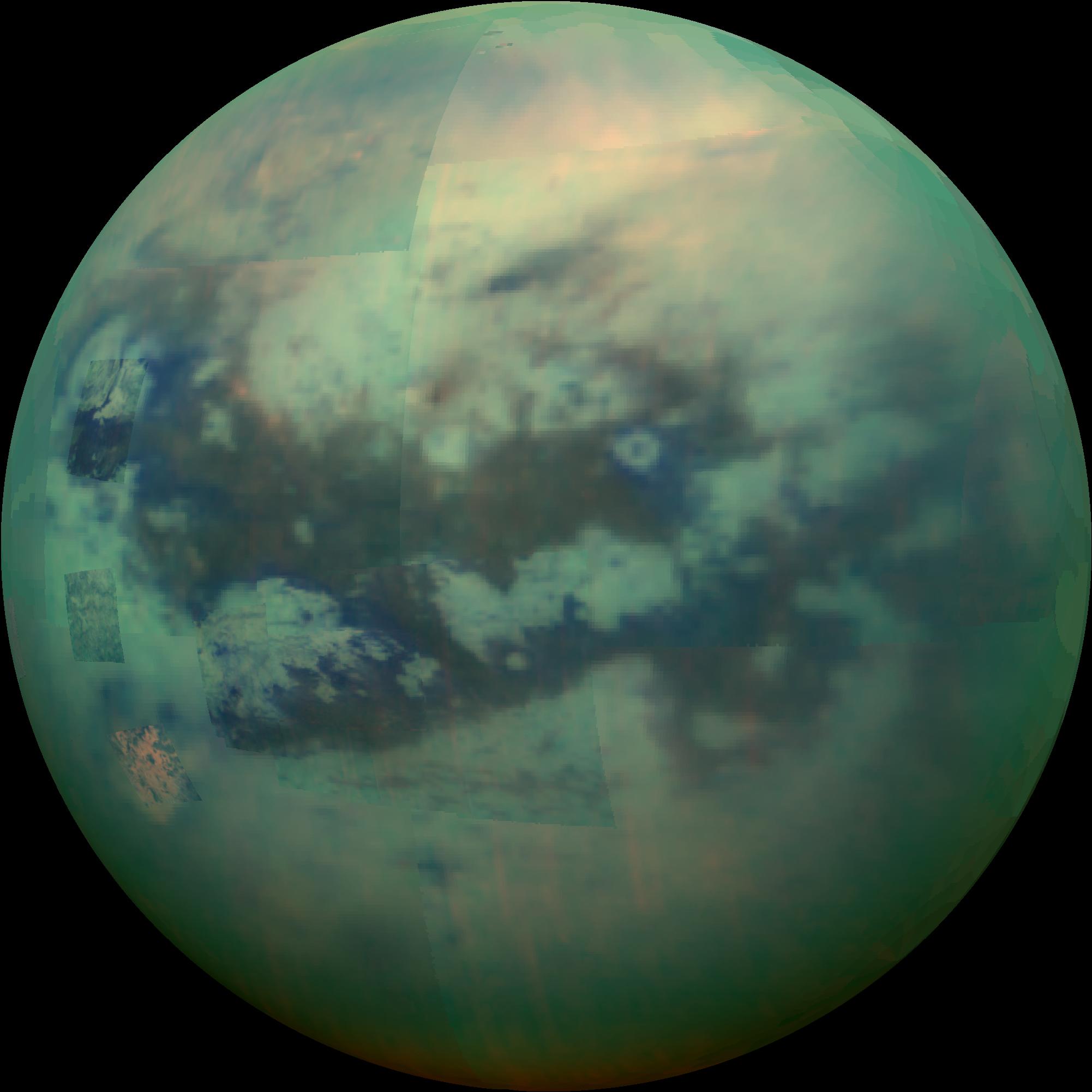 Feature: Titan (starts at 8:55) The solar system has so many different worlds that come in all shapes and sizes and histories, from boiling hot
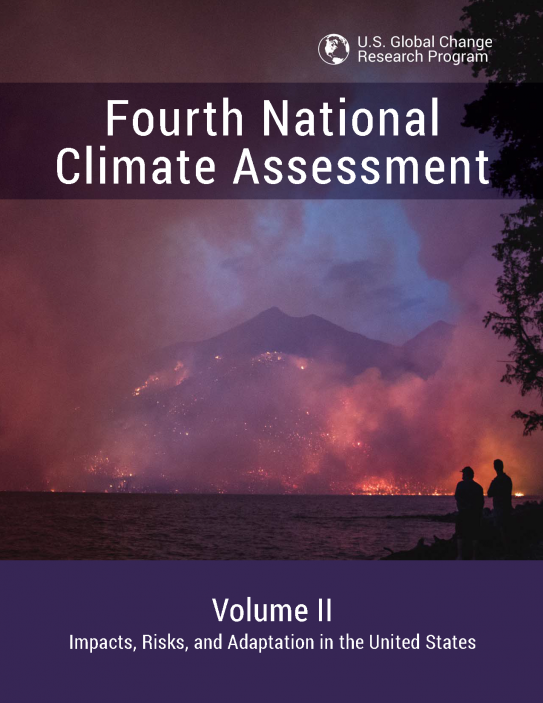 Climate Change (starts at 6:30)
 Never Home Alone (starts at 4:26) In this week’s How on Earth, Beth interviews Professor Rob Dunn. In his recent book, Never Home Alone, he gives a sneak peak into the natural history of the wilderness in our homes, from the microbes in our showers to the crickets in our basements. You can find out more about