TopPodcast.com
Menu
  • Home
  • Top Charts
  • Top Networks
  • Top Apps
  • Top Independents
  • Top Podfluencers
  • Top Picks
    • Top Business Podcasts
    • Top True Crime Podcasts
    • Top Finance Podcasts
    • Top Comedy Podcasts
    • Top Music Podcasts
    • Top Womens Podcasts
    • Top Kids Podcasts
    • Top Sports Podcasts
    • Top News Podcasts
    • Top Tech Podcasts
    • Top Crypto Podcasts
    • Top Entrepreneurial Podcasts
    • Top Fantasy Sports Podcasts
    • Top Political Podcasts
    • Top Science Podcasts
    • Top Self Help Podcasts
    • Top Sports Betting Podcasts
    • Top Stocks Podcasts
  • Podcast News
  • About Us
  • Podcast Advertising
  • Contact
Not in our directory?
Add Show Here
Podcast Equipment
Center

toppodcastlogoOur TOPPODCAST Picks

  • Comedy
  • Crypto
  • Sports
  • News
  • Politics
  • True Crime
  • Business
  • Finance

Follow Us

toppodcastlogoStay Connected

    View Top 200 Chart
    Back to Rankings Page
    TV & Film

    Criterion Cast: Master Audio Feed

    A podcast for fans of the Criterion Collection.

    Advertise

    Copyright: © Copyright 2016 - Ryan Gallagher

    • Apple Podcasts
    • Google Play
    • Spotify

    Latest Episodes:
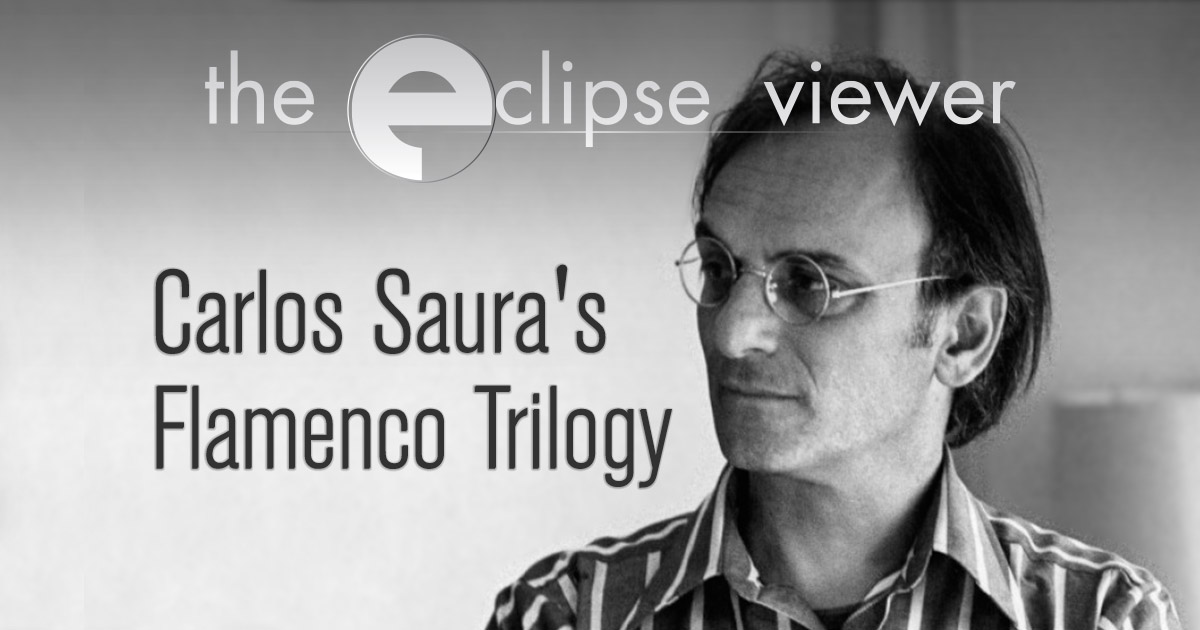
    The Eclipse Viewer – Episode 73 – Carlos Saura’s Flamenco Trilogy Aug 12, 2026
    Show notes

    EV banner 41

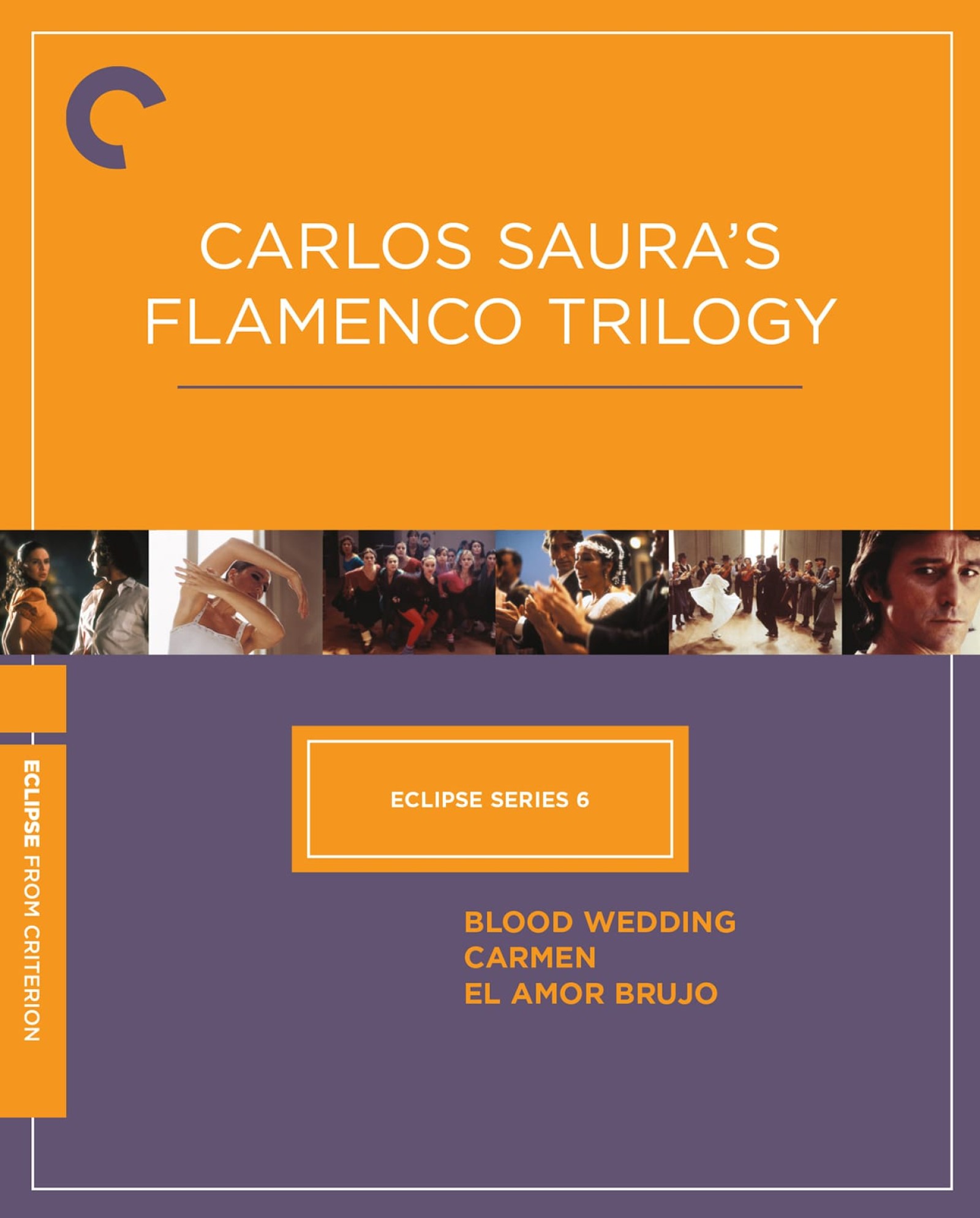
    This podcast focuses on the Eclipse Series, box set editions of lost, forgotten, or overshadowed films recently revived by the Criterion Collection. Hosts David Blakeslee and Trevor Berrett give an overview of each set and offer their perspectives on the unique treasures they find inside. In this episode, David and Trevor discuss three films included in the recent Blu-ray reissue of Eclipse Series 6: Carlos Saura’s Flamenco Trilogy. This is their second conversation about the set, following up on their previous coverage of the films in 2016 when they were available in DVD format, though the box was out of print at that time.

    One of Spanish cinema’s great auteurs, Carlos Saura brought international audiences closer to the art of his country’s dance than any other filmmaker, before or since. In his Flamenco Trilogy—Blood Wedding, Carmen, and El amor brujo—Saura merged his passion for music with his exploration of national identity. All starring and choreographed by legendary dancer Antonio Gades, the films feature thrilling physicality and electrifying cinematography and editing—colorful paeans to bodies in motion as well as to cinema itself.

    Subscribe to the podcast via RSS or in iTunes.

    Eclipse Series 6: Carlos Saura’s Flamenco Trilogy

    Episode Links

    Carlos Saura

    • The Criterion Collection
    • The Criterion Channel
    • Wikipedia
    • Letterboxd
    • Criterion Channel Surfing – The Films of Carlos Saura – Part 1
    • Criterion Channel Surfing – The Films of Carlos Saura – Part 2
    • Criterion Channel Surfing – The Films of Carlos Saura – Part 3
    • Saura articles on CriterionCast.com
    • Film Comment
    • The Guardian (interview, 2011)
    • Enforex
    • Indiewire
    • Latino Life
    • TSPDT
    • BFI (obituary)
    • The Guardian (obituary, 2023)

    Box Set Reviews

    • The Eclipse Viewer – Episode 41 (2016)
    • Cinema Gadfly (2015)
    • Criterion Confessions (2008)
    • BFI Film Forever (review of the British Film Institute release of The Flamenco Trilogy)
    • Texas Public Radio (2026)
    • Trailers from Hell (2026)

    Blood Wedding (1981)

    • The Criterion Collection
    • Wikipedia
    • Letterboxd
    • A Journey Through the Eclipse Series
    • New York Times (1981)
    • I Have My Intentionalities
    • TikTok Blu-ray vs. DVD Comparison

    Carmen (1983)

    • The Criterion Collection
    • Wikipedia
    • Letterboxd
    • A Journey Through the Eclipse Series
    • New York Times (1983)
    • Twitch
    • I Have My Intentionalities
    • M/C Journal
    • TikTok Blu-ray vs. DVD Comparison

    El amor brujo (1986)

    • The Criterion Collection
    • Wikipedia
    • Letterboxd
    • A Journey Through the Eclipse Series
    • New York Times (1986)
    • Los Angeles Times (1986)
    • Bulletin of Spanish Studies (downloadable .pdf)
    • I Have My Intentionalities
    • TikTok Blu-ray vs. DVD Comparison

    Contact us

    • David Blakeslee ( TikTok / YouTube / Facebook / CriterionCast / Blog )
    • Trevor Berrett ( Instagram / Website / The Mookse and the Gripes )

    The Eclipse Viewer – Episode 72 – Kinuyo Tanaka Directs [Part 3] Jul 12, 2026
    Show notes

    This podcast focuses on the Eclipse Series, box set editions of lost, forgotten, or overshadowed films recently revived by the Criterion Collection. Hosts David Blakeslee and Trevor Berrett give an overview of each set and offer their perspectives on the unique treasures they find inside. In this first of three episodes covering the recently issued Blu-ray edition of Eclipse Series 48: Kinuyo Tanaka Directs, David and Trevor discuss two films: Girls of the Night (1961) and Love Under the Crucifix (1962), her final directorial effort.

    Kinuyo Tanaka was already one of Japan’s greatest actors—celebrated for her collaborations with auteurs such as Kenji Mizoguchi, Yasujiro Ozu, and Mikio Naruse—when she took a brave leap by embarking on a directing career in a studio system that actively discouraged female filmmakers. The six features she made over the course of a decade center on women characters who refuse to conform to restrictive roles as they seek independence. With compassion and insight, Tanaka critiques the social conditions and forces that shape her heroines’ struggles: sex work and social shaming, the expectation of passively entering arranged marriages, taboos surrounding illness and the female body, imperialism, and religious persecution and forbidden love.

    Subscribe to the podcast via RSS or in iTunes.

    Episode Links

    Kinuyo Tanaka

    • The Criterion Collection
    • The Criterion Channel
    • Wikipedia
    • Letterboxd
    • BFI
    • Films Fatale
    • Japan Society
    • Women Film Pioneers Project

    Box Set Reviews

    • Geek Vibes Nation
    • Ion Cinema
    • Palm Beach Arts Paper
    • PopMatters
    • Screen Anarchy
    • Slant
    • Under the Radar

    Girls of the Night (1961)

    • The Criterion Collection
    • The Criterion Channel
    • Wikipedia
    • Letterboxd
    • Asian Movie Pulse
    • Cinematographically Speaking
    • Japan on Film
    • Webs of Significance
    • Windows on Worlds

    Love Under the Crucifix (1962)

    • The Criterion Collection
    • The Criterion Channel
    • Wikipedia
    • Letterboxd
    • Asian Movie Pulse
    • Cinematographically Speaking
    • Japan on Film
    • Webs of Significance
    • Windows on the World

    Contact us

    • David Blakeslee ( TikTok / YouTube / Facebook / CriterionCast / Blog )
    • Trevor Berrett ( Instagram / Website / The Mookse and the Gripes Podcast )

    The Eclipse Viewer – Episode 71 – Kinuyo Tanaka Directs [Part 2] Jul 08, 2026
    Show notes

    This podcast focuses on the Eclipse Series, box set editions of lost, forgotten, or overshadowed films recently revived by the Criterion Collection. Hosts David Blakeslee and Trevor Berrett give an overview of each set and offer their perspectives on the unique treasures they find inside. In this first of three episodes covering the recently issued Blu-ray edition of Eclipse Series 48: Kinuyo Tanaka Directs, David and Trevor discuss two films: Forever a Woman (1955) and The Wandering Princess (1960).

    Kinuyo Tanaka was already one of Japan’s greatest actors—celebrated for her collaborations with auteurs such as Kenji Mizoguchi, Yasujiro Ozu, and Mikio Naruse—when she took a brave leap by embarking on a directing career in a studio system that actively discouraged female filmmakers. The six features she made over the course of a decade center on women characters who refuse to conform to restrictive roles as they seek independence. With compassion and insight, Tanaka critiques the social conditions and forces that shape her heroines’ struggles: sex work and social shaming, the expectation of passively entering arranged marriages, taboos surrounding illness and the female body, imperialism, and religious persecution and forbidden love.

    Subscribe to the podcast via RSS or in iTunes.

    Episode Links

    Kinuyo Tanaka

    • The Criterion Collection
    • The Criterion Channel
    • Wikipedia
    • Letterboxd
    • BFI
    • Films Fatale
    • Japan Society
    • Women Film Pioneers Project

    Box Set Reviews

    • Geek Vibes Nation
    • Ion Cinema
    • Palm Beach Arts Paper
    • PopMatters
    • Screen Anarchy
    • Slant
    • Under the Radar

    Forever a Woman (1955)

    • The Criterion Collection
    • The Criterion Channel
    • Wikipedia
    • Letterboxd
    • Cinematographically Speaking
    • Eastern Kicks
    • Electric Shadows
    • Japan on Film
    • Webs of Significance
    • Windows on the World

    The Wandering Princess (1960)

    • The Criterion Collection
    • The Criterion Channel
    • Wikipedia
    • Letterboxd
    • Cinematographically Speaking
    • Eastern Kicks
    • Eye on the Screen
    • Japan on Film
    • Webs of Significance
    • Windows on Worlds

    Contact us

    • David Blakeslee ( TikTok / YouTube / Facebook / CriterionCast / Blog )
    • Trevor Berrett ( Instagram / Website / The Mookse and the Gripes Podcast )

    The Eclipse Viewer – Episode 70 – Kinuyo Tanaka Directs [Part 1] Jun 09, 2026
    Show notes

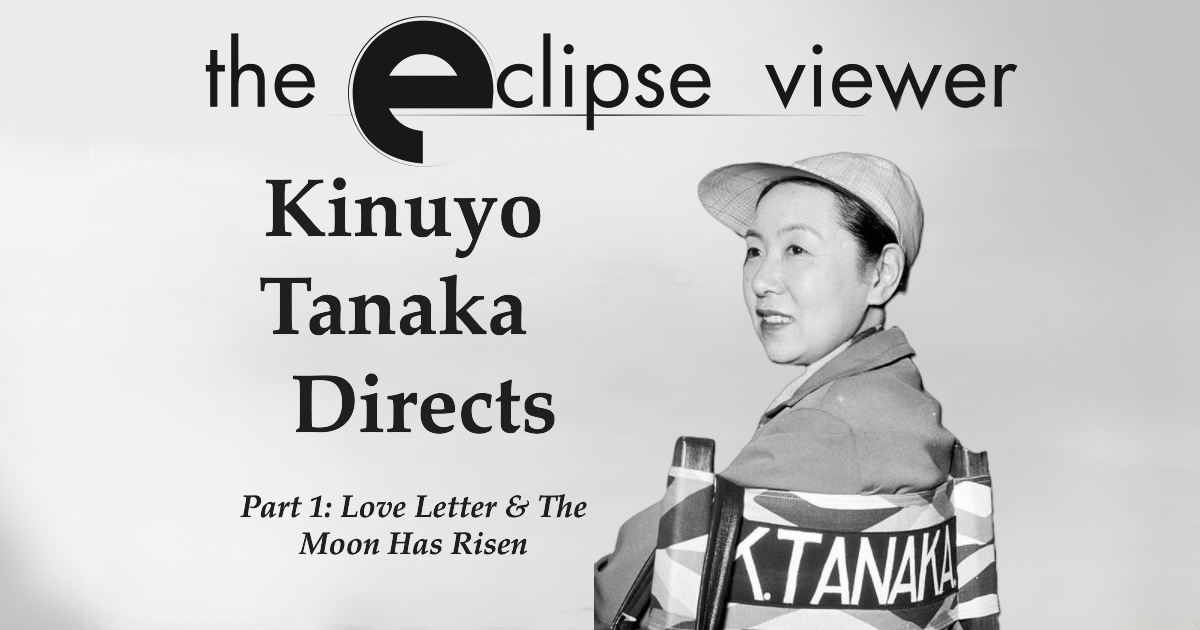
    This podcast focuses on the Eclipse Series, box set editions of lost, forgotten, or overshadowed films recently revived by the Criterion Collection. Hosts David Blakeslee and Trevor Berrett give an overview of each set and offer their perspectives on the unique treasures they find inside. In this first of three episodes covering the recently issued Blu-ray edition of Eclipse Series 48: Kinuyo Tanaka Directs, David and Trevor discuss two films: her directorial debut Love Letter (1953) and The Moon Has Risen (1955), based on a screenplay written by Yasujiro Ozu.

    Kinuyo Tanaka was already one of Japan’s greatest actors—celebrated for her collaborations with auteurs such as Kenji Mizoguchi, Yasujiro Ozu, and Mikio Naruse—when she took a brave leap by embarking on a directing career in a studio system that actively discouraged female filmmakers. The six features she made over the course of a decade center on women characters who refuse to conform to restrictive roles as they seek independence. With compassion and insight, Tanaka critiques the social conditions and forces that shape her heroines’ struggles: sex work and social shaming, the expectation of passively entering arranged marriages, taboos surrounding illness and the female body, imperialism, and religious persecution and forbidden love.

    Subscribe to the podcast via RSS or in iTunes.

    Episode Links

    Kinuyo Tanaka

    • The Criterion Collection
    • The Criterion Channel
    • Wikipedia
    • Letterboxd
    • BFI
    • Films Fatale
    • Japan Society
    • Women Film Pioneers Project

    Box Set Reviews

    • Geek Vibes Nation
    • Ion Cinema
    • Palm Beach Arts Paper
    • PopMatters
    • Screen Anarchy
    • Slant
    • Under the Radar

    Love Letter (1953)

    • The Criterion Collection
    • The Criterion Channel
    • Wikipedia
    • Letterboxd
    • Asian Movie Pulse
    • BFI Programme Notes
    • Cinema Talk
    • Cinematographically Speaking
    • Establishing Shot (Indiana University)
    • Fifth about The Seventh
    • Japan on Film
    • Moving Image Source
    • Sekenbashi
    • Webs of Significance
    • Windows on Worlds

    The Moon Has Risen (1955)

    • The Criterion Collection
    • The Criterion Channel
    • Wikipedia
    • Letterboxd
    • Asian Movie Pulse
    • Cinema Talk
    • Cinematographically Speaking
    • Japan on Film
    • Notre Cinema
    • Outtake
    • Screen Queens
    • Windows on Worlds

    Contact us

    • David Blakeslee ( TikTok / YouTube / Facebook / CriterionCast / Blog )
    • Trevor Berrett ( Instagram / Website / The Mookse and the Gripes Podcast )

    Episode 220 – An Interview with Thomas Golianopoulos, Author of The Life of Singleton: From Boyz n the Hood to Snowfall May 09, 2026
    Show notes

    In this episode of Criterion Cast, David Blakeslee interviews Thomas Golianopoulos about his new book The Life of Singleton: From Boyz n the Hood to Snowfall. The book provides an in-depth biography of director/writer/producer John Singleton, subject of John Singleton’s Hood Trilogy, a three-film box set recently issued by the Criterion Collection.
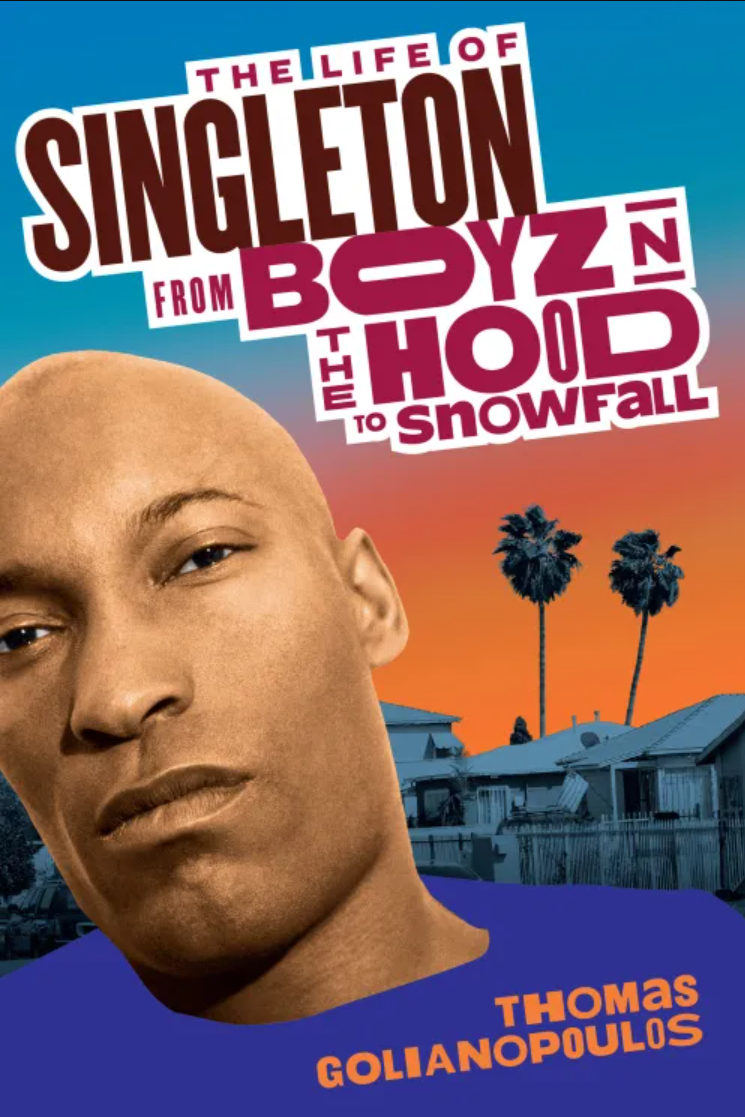
    About the Book:

    The Life of Singleton is the definitive account of film icon John Singleton’s life and times.

    John Singleton became a living legend at just 24 years old when he earned Academy Award nominations for Best Director and Best Original Screenplay for Boyz N the Hood, the sleeper hit of the summer of 1991 and one of the decade’s most important films. Though he wasn’t victorious on Oscar night, it didn’t detract from his achievements. Singleton was the first Black person nominated for Best Director and remains the youngest person nominated for the award. But he wasn’t finished. Over the next three decades, he’d amass a Hall of Fame career featuring more classic films (Rosewood, Baby Boy), four number one hits (Poetic Justice, Shaft, 2 Fast 2 Furious, and Four Brothers) and one of the top-rated series on cable television (Snowfall, which ran for six seasons).

    In The Life of Singleton: From Boyz N the Hood to Snowfall, Thomas Golianopoulos reports on the life and death of John Daniel Singleton, from his time as a driven film student at USC to his last days on the Costa Rica set of Snowfall. Singleton was an American original, a Hollywood maverick, and a South Central icon — no one repped LA harder than him. He created indelible moments on the screen and inspired and mentored a generation of filmmakers.

    Featuring nearly 400 original interviews and sharp analysis, The Life of Singleton takes readers behind the scenes of the filmmaker’s work and unwraps the complex man behind it.

    John Singleton’s Hood Trilogy

    The Criterion Collection

    Contact us:

    • David Blakeslee [ TikTok / YouTube / Facebook / CriterionCast / Blog ]
    • Thomas Golianopoulos [ Website / Instagram ]

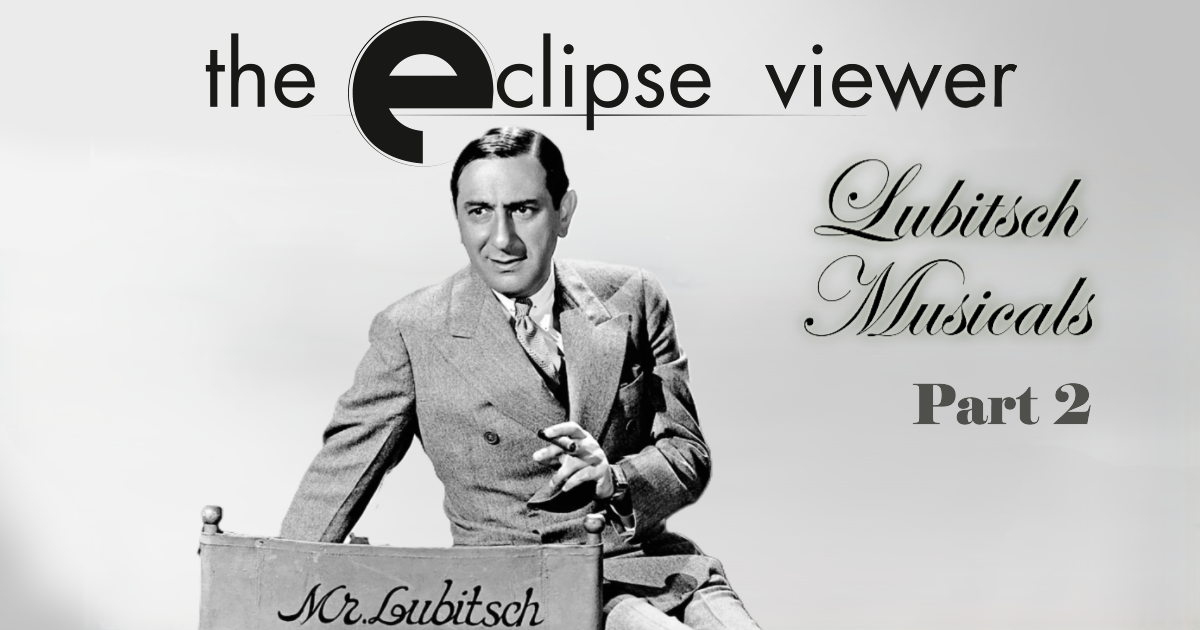
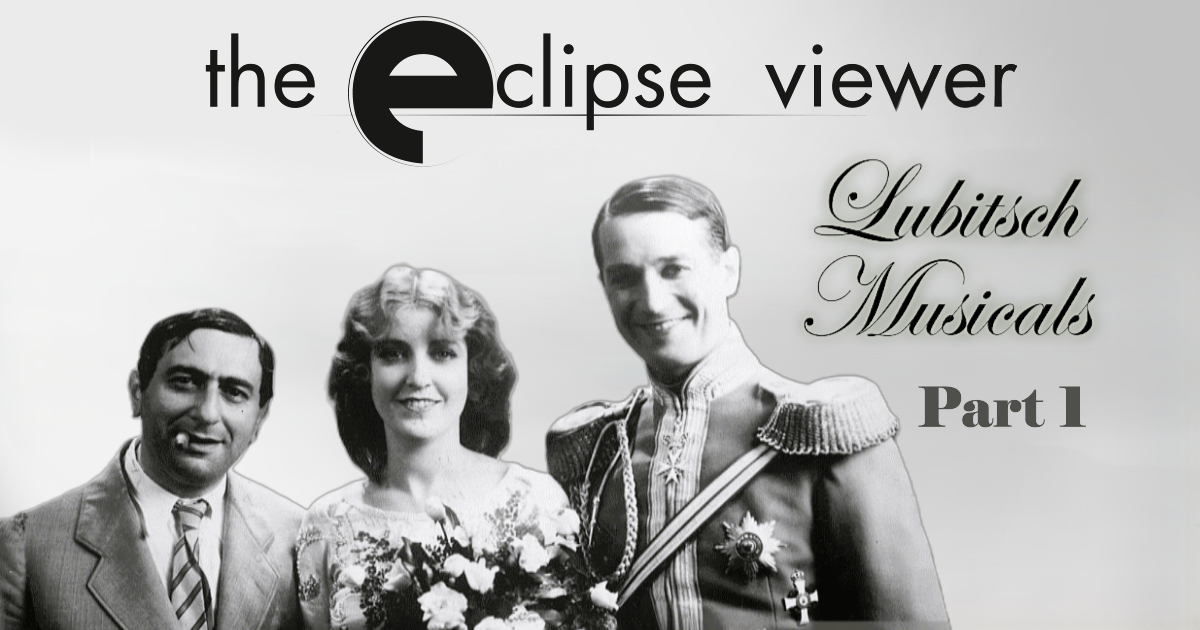
    The Eclipse Viewer – Episode 69 – Lubitsch Musicals [Part 2] May 02, 2026
    Show notes

    This podcast focuses on the Eclipse Series, box set editions of lost, forgotten, or overshadowed films recently revived by the Criterion Collection. Hosts David Blakeslee and Trevor Berrett give an overview of each set and offer their perspectives on the unique treasures they find inside. In this second of two episodes covering the recently reissued Blu-ray edition of Eclipse Series 8: Lubitsch Musicals, David and Trevor are joined by guest William Remmers to discuss two films: The Smiling Lieutenant, starring Maurice Chevalier, Claudette Colbert, and Miriam Hopkins, and One Hour with You, featuring Maurice Chevalier and Jeanette MacDonald.

    Renowned as a silent-film pioneer and the man who refined Hollywood comedy with such masterpieces as Trouble in Paradise, The Shop Around the Corner, and To Be or Not to Be, Ernst Lubitsch also had another claim to fame: he helped invent the modern movie musical. With the advent of sound, and with audiences clamoring for “talkies,” Lubitsch combined his love of European operettas and his mastery of cinema to develop this entirely new genre. These elegant, bawdy films, made before strict enforcement of the moralizing Production Code, feature some of the greatest stars of early Hollywood (Maurice Chevalier, Jeanette MacDonald, Claudette Colbert, Miriam Hopkins), as well as that elusive style of comedy that would thereafter be known as “the Lubitsch touch.”

    Subscribe to the podcast via RSS or in iTunes.

    Episode Links

    Ernst Lubitsch

    • The Criterion Collection
    • The Criterion Channel
    • Wikipedia
    • Letterboxd
    • The Cinema of Ernst Lubitsch
    • The Current
    • They Shoot Pictures Don’t They
    • Turner Classic Movies

    Box Set Reviews

    • Cinema Retro
    • Criterion Confessions (2008)
    • Films in Review (2008)
    • From the Front Row
    • Geek Vibes Nation
    • Trailers from Hell

    The Smiling Lieutenant (1930)

    • The Criterion Collection
    • Wikipedia
    • Letterboxd
    • A Journey Through the Eclipse Series
    • New York Times (1931)
    • Cinepassion
    • Comet Over Hollywood
    • Criterion Confessions
    • Dennis Schwarz
    • Laura’s Miscellaneous Musings
    • pre-code.com
    • TCM

    One Hour with You (1932)

    • The Criterion Collection
    • Wikipedia
    • Letterboxd
    • A Journey Through the Eclipse Series
    • New York Times (1932)
    • Cinepassion
    • Criterion Confessions
    • Culled Culture
    • Dennis Schwarz
    • Edward Copeland’s Tangents
    • Laura’s Miscellaneous Musings
    • pre-code.com
    • TCM

    Contact us

    • David Blakeslee ( TikTok / YouTube / Facebook / CriterionCast / Blog )
    • Trevor Berrett ( Instagram / Website / The Mookse and the Gripes Podcast )

    The Eclipse Viewer – Episode 68 – Lubitsch Musicals [Part 1] Apr 29, 2026
    Show notes

    This podcast focuses on the Eclipse Series, box set editions of lost, forgotten, or overshadowed films recently revived by the Criterion Collection. Hosts David Blakeslee and Trevor Berrett give an overview of each set and offer their perspectives on the unique treasures they find inside. In this first of two episodes covering the recently reissued Blu-ray edition of Eclipse Series 8: Lubitsch Musicals, David and Trevor are joined by guest William Remmers to discuss two films: The Love Parade, starring Maurice Chevalier and Jeanette MacDonald, and Monte Carlo, also featuring Jeanette MacDonald, with Jack Buchanan.

    About the films:

    Renowned as a silent-film pioneer and the man who refined Hollywood comedy with such masterpieces as Trouble in Paradise, The Shop Around the Corner, and To Be or Not to Be, Ernst Lubitsch also had another claim to fame: he helped invent the modern movie musical. With the advent of sound, and with audiences clamoring for “talkies,” Lubitsch combined his love of European operettas and his mastery of cinema to develop this entirely new genre. These elegant, bawdy films, made before strict enforcement of the moralizing Production Code, feature some of the greatest stars of early Hollywood (Maurice Chevalier, Jeanette MacDonald, Claudette Colbert, Miriam Hopkins), as well as that elusive style of comedy that would thereafter be known as “the Lubitsch touch.”

    Subscribe to the podcast via RSS or in iTunes.

    Episode Links

    Ernst Lubitsch

    • The Criterion Collection
    • The Criterion Channel
    • Wikipedia
    • Letterboxd
    • The Cinema of Ernst Lubitsch
    • The Current
    • They Shoot Pictures Don’t They
    • Turner Classic Movies

    Box Set Reviews

    • Cinema Retro
    • Criterion Confessions (2008)
    • Films in Review (2008)
    • From the Front Row
    • Geek Vibes Nation
    • Trailers from Hell

    The Love Parade (1929)

    • The Criterion Collection
    • Wikipedia
    • Letterboxd
    • A Journey Through the Eclipse Series
    • Cinepassion
    • Virtual History
    • Flickdom Dictum
    • Senses of Cinema
    • The Top Ten Movie Project

    Monte Carlo (1930)

    • The Criterion Collection
    • Wikipedia
    • Letterboxd
    • A Journey Through the Eclipse Series
    • New York Times (1930)
    • Cinepassion
    • The Top 10 Movie Project
    • pre-code.com

    Contact us

    • David Blakeslee ( TikTok / YouTube / Facebook / CriterionCast / Blog )
    • Trevor Berrett ( Instagram / Website / The Mookse and the Gripes Podcast )

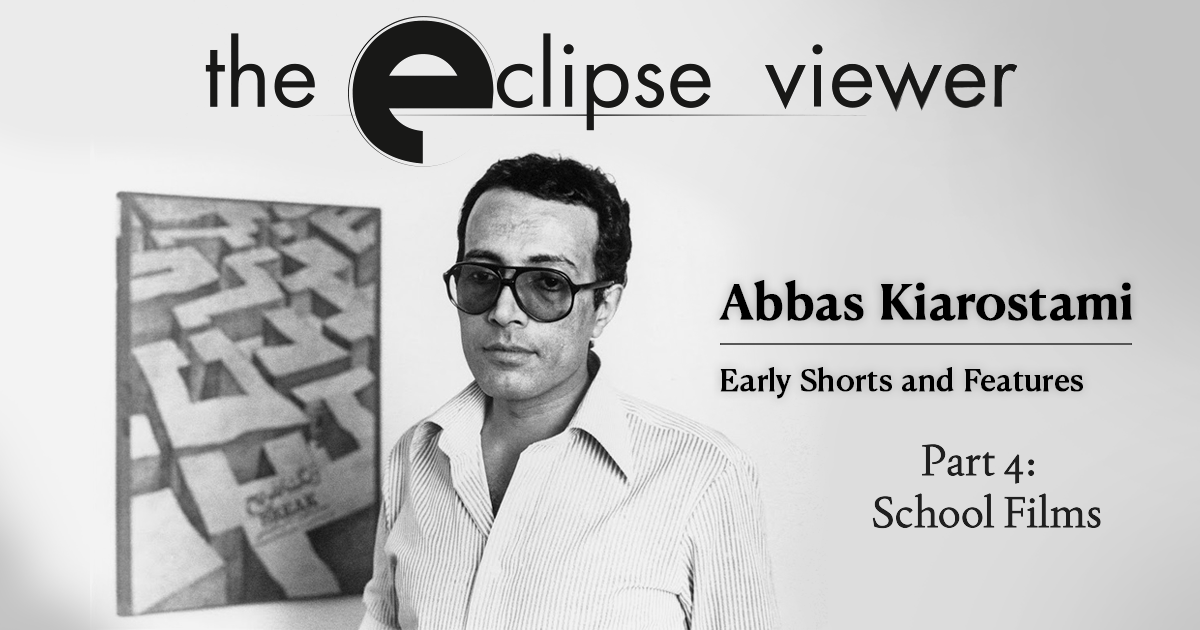
    The Eclipse Viewer – Episode 67 – Abbas Kiarostami: Early Shorts and Features [Part 4] Feb 07, 2026
    Show notes

    This podcast focuses on the Eclipse Series, box set editions of lost, forgotten, or overshadowed films recently revived by the Criterion Collection. Hosts David Blakeslee and Trevor Berrett give an overview of each set and offer their perspectives on the unique treasures they find inside. In this last of four episodes, David and Trevor discuss six “School Films” (Two Solutions for One Problem, So Can I, Tribute to Teachers, Toothache, Orderly or Disorderly, and Homework)from Eclipse Series 47: Abbas Kiarostami – Early Shorts and Features. Eleven other films included in this set are covered in earlier episodes.

    About the films:

    Long before he became one of the most renowned artists in world cinema, the great Iranian filmmaker Abbas Kiarostami began his cinematic career at Tehran’s Institute for the Intellectual Development of Children and Young Adults (a.k.a. Kanoon), where he honed his distinctive style and themes. During his first decades as a filmmaker, Kiarostami moved freely among documentary, narrative, and even animation, and between joyous short films made for children and subtle works exploring the struggles of adolescents. Often using the classroom as a laboratory, he probed social and political tensions in Iranian society during the turbulent years before and after the 1979 revolution. Spanning his very first short, Bread and Alley (which the director called the “mother of all my films”); other underseen early revelations, like Experience and The Traveler; and nonfiction masterpieces such as Homework, the graceful, warm, and playful works collected here find moments of transcendent poetry within everyday life, and use deceptively simple premises to express universal truths about the human condition.

    Subscribe to the podcast via RSS or in iTunes.

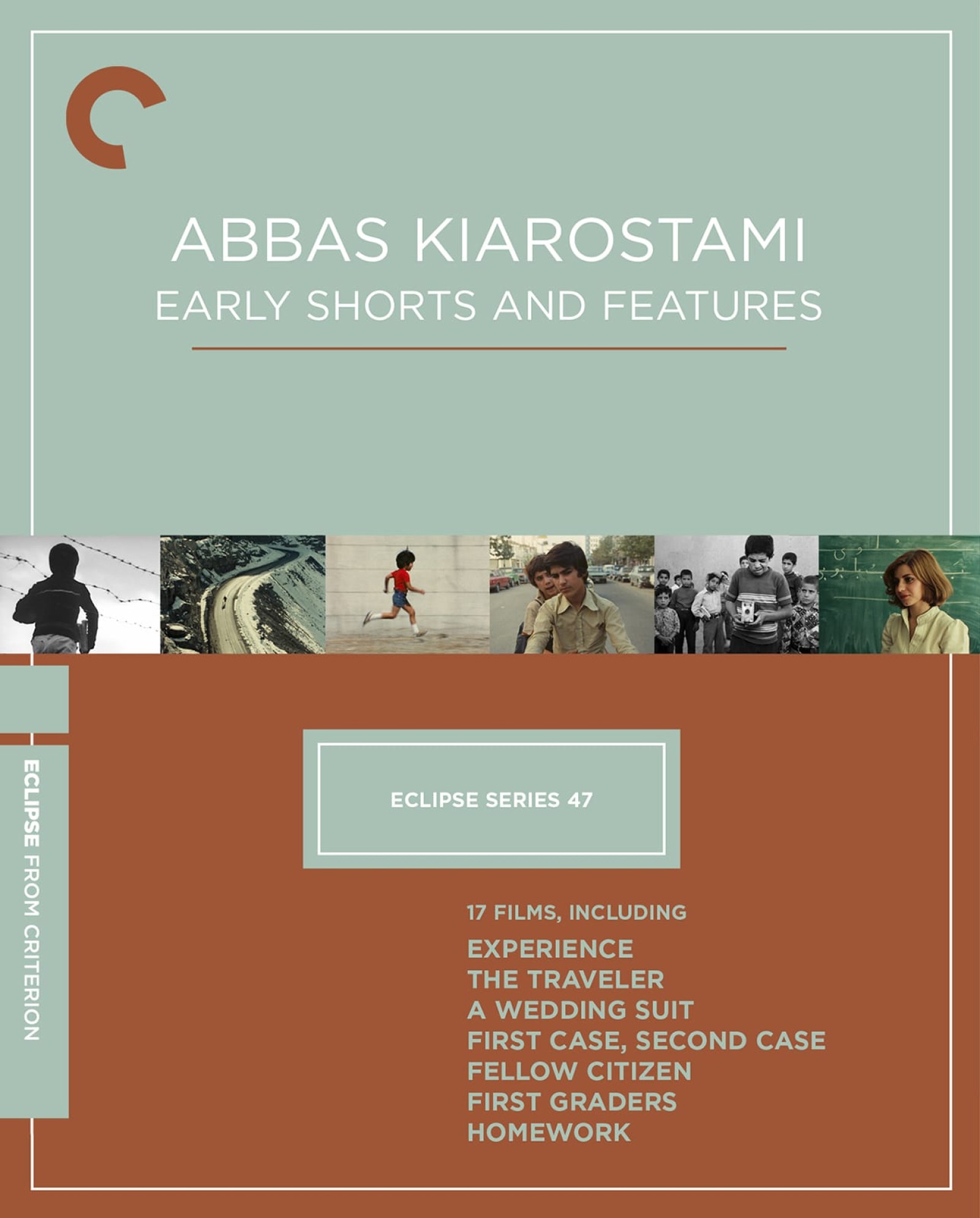
    Eclipse Series 47: Abbas Kiarostami—Early Shorts and Features

    Episode Links

    Part 1: Beginnings and Journeys (featuring Colors, Bread and Alley, Breaktime, and The Traveler)
    Part 2: Adolescence and Poverty (featuring Experience and A Wedding Suit)
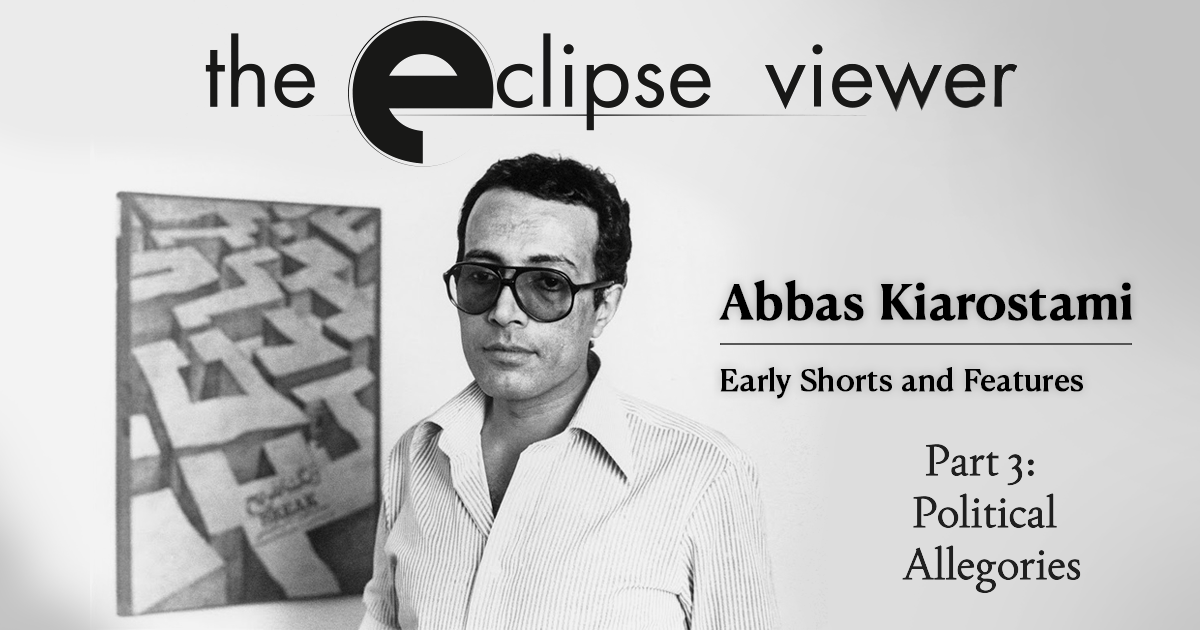
    Part 3: Political Allegories (featuring Solution No. 1, First Case, Second Case, The Chorus, Fellow Citizen, and First Graders)

    Abbas Kiarostami

    • The Criterion Collection
    • The Criterion Channel
    • Abbas Kiarostami’s Childhood Films (Criterion Channel documentary short, suggested viewing mentioned on inside cover of the set)
    • Wikipedia
    • Letterboxd
    • Kiarostami Foundation
    • The American Scholar
    • British Journal of Photography
    • Harper’s
    • Henna Platform
    • The Point
    • Senses of Cinema
    • ShotDeck
    • Sight & Sound
    • Mania Akbari Tells Her Story
    • Criterion – In Memoriam

    Box Set Reviews

    • Blu-ray.com
    • Home Theater Forum
    • Let’s Talk Criterion (video)
    • Under the Radar

    Two Solutions for One Problem (1975)

    • The Criterion Collection
    • The Criterion Channel
    • Wikipedia
    • Letterboxd
    • Kiarostami Foundation
    • Cagey Films
    • Cinephilic Musings
    • The Cultural Me
    • Webs of Significance

    So Can I (1975)

    • The Criterion Collection
    • The Criterion Channel
    • Wikipedia
    • Letterboxd
    • Kiarostami Foundation

    Tribute to Teachers (1977)

    • The Criterion Collection
    • The Criterion Channel
    • Letterboxd
    • Kiarostami Foundation
    • Webs of Significance

    Toothache (1980)

    • The Criterion Collection
    • The Criterion Channel
    • Wikipedia
    • Letterboxd
    • Kiarostami Foundation

    Orderly or Disorderly (1981)

    • The Criterion Collection
    • The Criterion Channel
    • Wikipedia
    • Letterboxd
    • Cagey Films
    • Kiarostami Foundation

    Homework (1989)

    • The Criterion Collection
    • The Criterion Channel
    • Wikipedia
    • Letterboxd
    • Kiarostami Foundation
    • Errata (podcast)
    • Senses of Cinema

    Contact us

    • David Blakeslee ( TikTok / YouTube / Facebook / CriterionCast / Blog )
    • Trevor Berrett ( Instagram / Website / The Mookse and the Gripes Podcast )

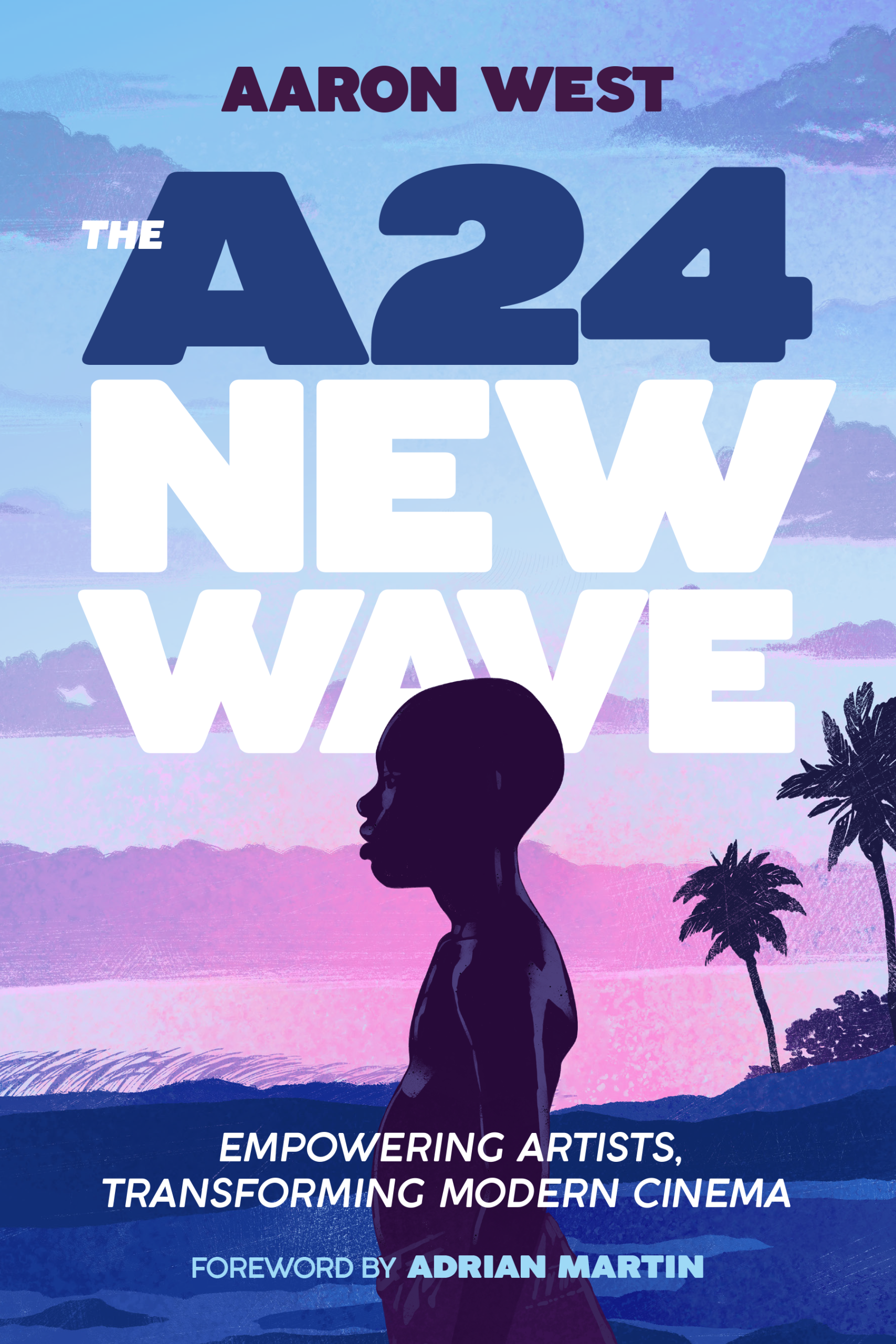
    Episode 219: An Interview with Aaron West, Author of The A24 New Wave Jan 28, 2026
    Show notes

    In this special episode of Criterion Cast, David Blakeslee interviews Aaron West, a longtime contributor to this site, about his new book The A24 New Wave, which will publish in May 2026. Their conversation gives a brief overview of A24’s history since the company began distributing films in 2012 (with their big breakthrough Spring Breakers) and went on from there to accelerate the careers of many of today’s most influential and respected directors, actors, and other talents. A24 has released many of the most impactful movies of the past decade-plus and this book offers insights and behind-the-scenes details on how those projects came together. Aaron also describes his creative process and shares some early insights on his plans for upcoming volumes exploring other chapters of cinema history.

    About the Book:

    The A24 New Wave is the story of the foundation of the indie film powerhouse that championed new voices and transformed cinema. This comprehensive book explores the A24 way, their business practices, and the great cinema that changed the way movies are marketed and seen. Includes in-depth stories about filmmakers Barry Jenkins, Robert Eggers, Greta Gerwig, Sean Baker, Ari Aster, and so many more.

    For more information on how to order the book, visit CineJourneys!

    Press Release

    Contact us:

    • David Blakeslee ( TikTok / YouTube / Facebook / CriterionCast / Blog )
    • Aaron West ( CineJourneys / Letterboxd / Bluesky / Instagram )

    The Eclipse Viewer – Episode 66 – Abbas Kiarostami: Early Shorts and Features [Part 3] Jan 24, 2026
    Show notes


    This podcast focuses on the Eclipse Series, box set editions of lost, forgotten, or overshadowed films recently revived by the Criterion Collection. Hosts David Blakeslee and Trevor Berrett give an overview of each set and offer their perspectives on the unique treasures they find inside. In this episode, David and Trevor discuss five films (Solution No. 1, First Case/Second Case, The Chorus, Fellow Citizen, and First Graders)from Eclipse Series 47: Abbas Kiarostami – Early Shorts and Features. Thirteen other films included in this set are covered in other episodes.

    About the films:

    Long before he became one of the most renowned artists in world cinema, the great Iranian filmmaker Abbas Kiarostami began his cinematic career at Tehran’s Institute for the Intellectual Development of Children and Young Adults (a.k.a. Kanoon), where he honed his distinctive style and themes. During his first decades as a filmmaker, Kiarostami moved freely among documentary, narrative, and even animation, and between joyous short films made for children and subtle works exploring the struggles of adolescents. Often using the classroom as a laboratory, he probed social and political tensions in Iranian society during the turbulent years before and after the 1979 revolution. Spanning his very first short, Bread and Alley (which the director called the “mother of all my films”); other underseen early revelations, like Experience and The Traveler; and nonfiction masterpieces such as Homework, the graceful, warm, and playful works collected here find moments of transcendent poetry within everyday life, and use deceptively simple premises to express universal truths about the human condition.

    Subscribe to the podcast via RSS or in iTunes.

    Eclipse Series 47: Abbas Kiarostami—Early Shorts and Features

    Episode Links

    Part 1: Beginnings and Journeys (featuring Colors, Bread and Alley, Breaktime, and The Traveler)
    Part 2: Adolescence and Poverty (featuring Experience and A Wedding Suit)

    Abbas Kiarostami

    • The Criterion Collection
    • The Criterion Channel
    • Abbas Kiarostami’s Childhood Films (Criterion Channel documentary short, suggested viewing mentioned on inside cover of the set)
    • Wikipedia
    • Letterboxd
    • The American Scholar
    • British Journal of Photography
    • Harper’s
    • The Point
    • Senses of Cinema
    • ShotDeck
    • Sight & Sound
    • Criterion – In Memoriam

    Box Set Reviews

    • Blu-ray.com
    • Home Theater Forum
    • Let’s Talk Criterion (video)
    • Under the Radar

    Solution No. 1 (1978)

    • The Criterion Collection
    • Letterboxd
    • Kiarostami.org
    • Notes on Cinematograph

    First Case, Second Case (1979)

    • The Criterion Collection
    • The Criterion Channel
    • Wikipedia
    • Letterboxd
    • Kiarostami.org
    • Notes on Cinematograph
    • Webs of Significance

    The Chorus (1982)

    • The Criterion Collection
    • Wikipedia
    • Letterboxd
    • Kiarostami.org
    • Notes on Cinematograph
    • Asian Movie Pulse

    Fellow Citizen (1983)

    • The Criterion Collection
    • Wikipedia
    • Letterboxd
    • Kiarostami.org
    • Senses of Cinema
    • Pierre Henry’s “Psyche Rock” (featured in soundtrack, mentioned in episode):

    First Graders (1984)

    • The Criterion Collection
    • The Criterion Channel
    • Wikipedia
    • Letterboxd
    • Kiarostami.org
    • Notes on Cinematograph
    • Filmofiles Hideout

    Contact us

    • David Blakeslee ( TikTok / YouTube / Facebook / CriterionCast / Blog )
    • Trevor Berrett ( Instagram / Website / The Mookse and the Gripes Podcast )

    1 2 3 5 Next

    Related Podcasts

    You Must Remember This

    1

    You Must Remember This Games & Hobbies
    Seincast: A Seinfeld Podcast

    2

    Seincast: A Seinfeld Podcast TV & Film
    Watch What Crappens – Ben Mandelker & Ronnie Karam

    3

    Watch What Crappens – Ben Mandelker & Ronnie Karam Arts
    The Watch

    4

    The Watch MZGenre.Podcasts.TVFilm
    NetFreaks: Covering Netflix Originals

    5

    NetFreaks: Covering Netflix Originals TV & Film
    Punch Drunk TV

    6

    Punch Drunk TV TV & Film
    footer-logo

    Contact Us

    Toll Free: 844-670-7747

    Links

    • Home
    • Top Charts
    • Networks
    • Apps
    • Independents Podcasts
    • Podcast Advertising
    • Podcast News
    • Contact Us
    • About Us
    • Analytics & Insights

    Stay Connected

      Privacy, Terms of Use & Our Code of Ethics Protecting Content Creators Copyrights