Animals Today December 16, 2023: Lori gets real (mad) about the American Kennel Club. The Whale Sanctuary Project.
Dec 19, 2023
Lori leads off this episode exploring the issue of genetic defects in purebred dogs. There are over 500 known genetic defects in purebred dogs, causing health problems, many severe, at a much greater rate than in mixed breed dogs. These genetic defects go along with selective breeding to a “standard” and these standards are established and judged by the American Kennel Club, the AKC. A stated core value of the AKC is to “protect the health and well-being of all dogs,” but Lori points out the absurdity of such a claim, in that the AKC promotes the creation of dogs many of whom are destined to suffer from genetic diseases. And, of course, positioned as central to the breeding industry, the AKC contributes to dog overpopulation, and hence shelter overcrowding and “euthanasia” of adoptable animals.
Yet, the AKC generally is viewed favorably by the public. Lori provides numerous instances to begin countering this notion that the AKC is deserving of praise and admiration. A prime example of this is the French Bulldog, recently named by the AKC as “America’s favorite dog,” which almost always requires birthing by C-section. The heads of the puppies cannot pass through the mothers’ narrow birth canal! Listen in and see if you agree with Lori, and remember, adopt don’t buy! You will also learn some fascinating facts about cheetahs and octopuses along the way!
Then, Peter welcome Lori Marino, PhD., President of The Whale Sanctuary Project. Captive and retired orcas and belugas who are to be liberated need a place to live! The Whale Sanctuary Project is quite far along in creating an expansive ocean sea pen in Nova Scotia, where the whales, who cannot be released into the open ocean because they lack survival skills and families, can retire. This first of its kind project should serve as a model for future humane sanctuaries for formerly captive (and typically captive bred) cetaceans. Dr. Marino explains it all, including telling us how to get involved and help the effort!
Nova Scotia Whale Sanctuary
Animals Today November 18, 2023. Hot news! The miraculous microchip. The Mexican rescue, Isla Animals is building a new home and you can help! Helping community cats in the cold weather.
Nov 24, 2023
Peter begins with hot news items including a mass bird killing at Chicago’s McCormick Place, Gavin Newsom signs a fur sale ban in California, a 17’ 2” Burmese python was captured and killed in the Everglades, hero dog in Lebanon saves dumped newborn human, and we say farewell to friend of animals Bob Barker.
Lori then talks about the amazing technology of microchips, and their immense value.
Peter then welcomes a special guest Alison Sawyer, Founder of the rescue Isla Animals, in Mexico. Isla Animals is an established dog and cat rescue, providing free or reduced cost veterinary services, vaccines and medicines, offering free and low cost spay/ neuter clinics, rescuing and rehoming stray animals and offering animals for adoption. Based on Isla Mujeres for more than 20 years, they have been forced to relocate. Isla Animals is building a new home in nearby Cancun, and construction is underway! Peter speaks with its founder, Alison Sawyer about the joys and challenges of doing animal rescue in Mexico. Make sure to check out their GoFundMe page to see update on construction ways you can help get it completed. It is very exciting because with this larger, custom built clinic, they will be able to provide even more services! Isla Animals relies on all of us to do their vital work and, and rest assured that donations go a long way under its direction. Also, all of the proceeds of Alison’s book, The Dog Lady of Mexico go to the non-profit.
We conclude with a fact-filled discussion with Molly Armus, former staff attorney at Alley Cat Allies, who offers useful tips on making harsh winters a bit easier on community cats.
Progress on the new clinic – Isla Animals
McCormick Place is lethal to migrating birds
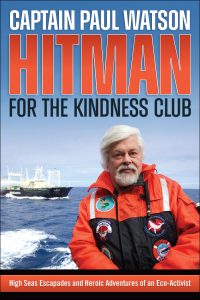
Animals Today October 28, 2023. Captain Paul Watson and the book, Hitman for the Kindness Club. Adventures in cat shaving. Memorable dogs of the big and small screen.
Oct 28, 2023
Peter begins with the iconic Paul Watson, who continues to fight for animals and the seas. Now leading the Captain Paul Watson Foundation, his new book is titled, Hitman for the Kindness Club – High Seas Escapades and Heroic Adventures of an Eco-Activist. Paul discusses the roots of his activism, his role in virtually crushing the seal pelt market, Sea Shepherd’s direct work protecting whales from Japanese commercial whalers in the Southern Ocean as depicted on Whale Wars, and much more. Watson frankly discusses how Sea Shepherd (which, of course, he founded and led for decades) ultimately turned on him. The result is the Captain Paul Watson Foundation, which is worthy of support. Peter thoroughly enjoyed Paul’s book, in which his voice as a confident and wise man of action comes through. Says Watson, “If the oceans die, we die.”
Then, we share their experience with shaving the coat of our long-haired cat, Elton. During the pandemic lockdowns, we were compelled to take on new tasks and learn new skills. We are proud of Elton for his patience and cooperation, and a bit proud of our efforts, too!
To conclude, Join Lori with “tails” of famous Hollywood dogs including Rin Tin Tin, Toto from The Wizard of Oz (real name, Terry) and Lassie, (real name, Pal), Petey from Our Gang (real name, Pal the Wonder Dog) plus others.
Animals Today September 24, 2023. Captive orca Lolita (Tokitae) has died. Is a pet pig a good idea? PETA undercover work nets animal cruelty convictions.
Sep 27, 2023
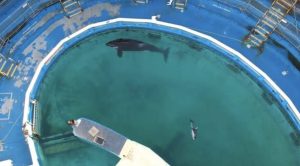
Lori begins with the sad news of the death of Lolita (also known as Tokitae and Toki), an orca who has lived nearly her entire life in the small tank at the Miami Seaquarium. Even though there were discussions and reports about plans to transport her to a seaside sanctuary, Lori was skeptical that was in the cards when she discussed the situation in 2022, which is replayed in this episode. Animals Today listeners probably do not need reminding, but we will take the opportunity to state that cetaceans, being highly intelligent and requiring large open areas of ocean to thrive, do not belong in captivity in marine parks. We encourage people to make their voices heard by not buying tickets to such facilities.
Tokitae captive at Miami Seaquarium
Lori continues with veterinarian Evelyn Mackay from Texas A&M College of Veterinary Medicine, who tells us about the ins and outs of pigs as pets. Pigs are smart, inquisitive, and loyal, they enjoy belly rubs, and some even like to take walks. But even the smallest pet pigs are going to weigh 60 to 80 lbs., so be diligent in your research!
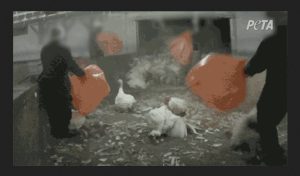
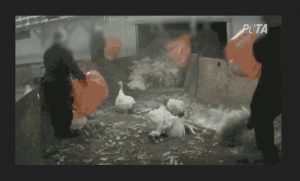
Peter then welcomes Dan Paden Vice President of Evidence Analysis at PETA, to learn about their undercover investigation of Pennsylvania turkey producer, Plainville Farms. Wearing hidden video cameras, PETA’s daring agent gained employment and began working in the facility, quickly obtaining footage demonstrating illegal acts of animal cruelty. This evidence led to several prosecutions and thus far a few guilty pleas. Listen in to how the story unfolds, including the almost unbelievable procedure to round up the birds for transport for slaughter.
Dan also explains that PETA regularly receives animal cruelty reports by concerned individuals and has a dedicated team to handle these calls. We conclude with Dan’s thoughtful reflections on the value of such operations.
Worker kicking turkey: PETA
Animals Today September 16, 2023. Does the American Kennel Club help or hurt dogs? The Book Beloved Beasts, by Michelle Nijhuis
Sep 20, 2023
Lori leads off this episode exploring the issue of genetic defects in purebred dogs. There are over 500 known genetic defects in purebred dogs, causing health problems, many severe, at a much greater rate than in mixed breed dogs. These genetic defects go along with selective breeding to a “standard” and these standards are established and judged by the American Kennel Club, the AKC. A stated core value of the AKC is to “protect the health and well-being of all dogs,” but Lori points out the absurdity of such a claim, in that the AKC promotes the creation of dogs many of whom are destined to suffer from genetic diseases. And, of course, positioned as central to the breeding industry, the AKC contributes to dog overpopulation, and hence shelter overcrowding and “euthanasia” of adoptable animals.
Yet, the AKC generally is viewed favorably by the public. Lori provides numerous instances to begin countering this notion that the AKC is deserving of praise and admiration. A prime example of this is the French Bulldog, recently named by the AKC as “America’s favorite dog,” which almost always requires birthing by C-section. The heads of the puppies cannot pass through the mothers’ narrow birth canal! Listen in and see if you agree with Lori, and remember, adopt don’t buy!
Then, Peter welcomes author Michelle Nijhuis to learn about her extraordinary book, Beloved Beasts: Fighting for Life in an Age of Extinction. Garnering multiple awards, including the 2021 Rachel Carson Award from the Sierra Club, Nijhuis traces the history of the modern conservation movement, emphasizing the big ideas and big personalities who drove it forward. Peter found it rich with wonderful stories and detail, portraying the complexities, contradictions, frustrations, and victories as the thinking about and the practice of conservation matured. Anyone who cares about animals or the environment, as well as those who enjoy history, should take a good look at this one!
French Bulldog: animalbreeds.com
Animals Today Sept 4, 2023. Ensuring Your Pets’ Future. Choosing Safe Dog Toys & Treats. The Official Animals of the 50 States.
Sep 04, 2023
We dive into a topic every pet owner should consider: What happens to your pets if you’re no longer around to care for them? Join Peter as he sits down with Attorney Ilene McCauley to discuss the intricacies of future planning for our cherished pets. A passionate animal enthusiast, McCauley applies her expertise to assist families in preparing for unexpected circumstances. She shares compelling real-life scenarios and tangible steps you can take right now. If you haven’t set up provisions like a pet trust, it’s time to take action! For more about Ilene and her practice based in Arizona, visit www.ilmlaw.net.
Following that, Dr. Douglas Kunz, the Medical Director of VCA Desert Animal Hospital, enlightens us on the do’s and don’ts when picking toys and treats for dogs. He emphasizes avoiding hard chew toys due to the risk of dental fractures and advises against pig’s ears and bully sticks due to potential E. coli contamination. Listen in for more invaluable tips from Dr. Kunz.
Lastly, we have a fun quiz segment! Are you aware that two US states have the Grizzly bear as their official animal? Or that New Mexico’s state bird is the roadrunner? Test your knowledge with Peter and the ever-enthusiastic Lori as they take us on a journey through the official animals of the US states.
Animals Today August 20, 2023. Wind farms vs: whales. Bats, rabies and you! Wild and wonderful animal adaptations. Hot news.
Aug 31, 2023
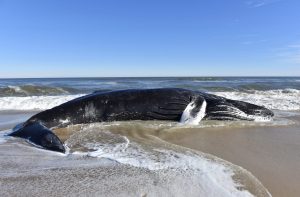
Lori begins the show with worrisome events surrounding the ever-expanding offshore wind farm industry and its probable detrimental effect on whales. The recent alarming increase of the deaths of whales, mostly humpbacks, along the eastern shores of the US coincided with increased construction of wind farms and windf arm activity. There are many ways offshore wind farms can harm whales as outlined by the group Whale and Dolphin Conservation, an authority Lori trusts, and which is a strong advocate for whale protection. Lori explains that a conflict has developed between wind farms and whales. On one side is the powerful green energy industry, bolstered by government edicts, biased agencies and the promise of huge profits for industry. On the other side are the conservationists, the advocates for whales who hold that each whale life ended due to human interference is a tragedy. For now, the power lies with wind farm expansion, but Lori provides some hopeful words of encouragement and ideas for making our voices heard.
Then is a discussion about rabies, sparked by a story of an elderly man who recently died from the disease, which he evidently contracted from a bat. He refused treatment after the exposure, which would have been lifesaving. Any mammal can harbor rabies, with the most common affected animals being raccoons, skunks, bats and foxes. Public health measures to address rabies in dogs started in the 10940s and consisted of widespread vaccinations. Consequently, cases of rabies in dogs in the US are extremely rare. A common misconception about rabid animals is that they can be identified by observing their appearance and behavior but generally, one cannot tell if a given animal has rabies without testing. One important fact to remember is that often, the bite from a bat is so small that it will not leave evident marks on the skin. So, if one awakes, for instance, and observes a bat in the bedroom, he or she must act as if a bite has occurred, which means seeking medical care right away. And that care will include rabies post exposure prophylaxis, a dose of human rabies immune globulin and then 3 doses of the rabies vaccine. This treatment is highly effective in preventing the disease from taking hold and killing the victim, which otherwise occurs 99.9% of the time in untreated cases.
We cap off our episode with a fascinating look at some of nature’s most amazing adaptations. From the Alaskan wood frog’s freeze-thaw survival technique to the deadly venom of the stonefish, prepare to be astounded by Mother Nature’s creativity. Stay tuned as Peter wraps up with international animal news, including Britain’s innovative method to save drowning frogs and Sydney’s clever tactic to manage pesky seabirds.
Animals Today August 17, 2023: Mosquito musings. Bee and wasp stings. Animal Trivia.
Aug 19, 2023
This episode of Animals Today dives deep into the world of mosquitoes and their impact on our world. Did you know August 20th was World Mosquito Day? We discuss the history of these little pests, particularly their notorious connection to diseases like malaria. Discover how Sir Ronald Ross changed the game in 1897 by unveiling the link between mosquitoes and Malaria – a discovery that later earned him the Nobel Prize.
However, our journey doesn’t end there. We venture into the realm of DDT, a controversial insecticide that took center stage during WW2. Its extensive use and subsequent ban have sparked debates lasting decades. Discover the role Rachel Carson’s “Silent Spring” played in challenging the safety of DDT, and how it paved the way for the birth of the modern environmental movement. Dr. Jane Orient, a noted physician, throws light on the DDT ban, criticizing its basis and highlighting its effectiveness in public health.
We then explore recent research on the secrets of peaceful cat and dog coexistence and the potential risks of raw meat diets for our furry friends.
After, Lori sits down with Dr. Robert Reed, the esteemed Medical Director at VCA Veterinary Hospital in sunny Rancho Mirage, California. They dive into the world of bee and wasp stings, revealing the hidden dangers our four-legged friends face. Imagine a simple sting leading to swelling, pain, and fiery redness. But in severe instances, the aftermath can escalate to chilling episodes of vomiting, shakes, facial swelling, and, in worst-case scenarios, anaphylaxis. Think your dog’s been stung? Don’t play the guessing game. Lori and Dr. Reed emphasize the importance of zooming to your vet, because with stings, predictability is not a luxury.
Wrap up with a test of your animal acumen: do you know what is studied in helminthology? How about the age-old question – what on earth happened to Speedy Gonzales? Tune in to join the fun, expand your knowledge, and satisfy that insatiable curiosity!
Rachel Carson
Animals Today August 5, 2023. There is no longer any justification for horse racing. What happens in industrial pig farming? Koalas exposed.
Aug 09, 2023
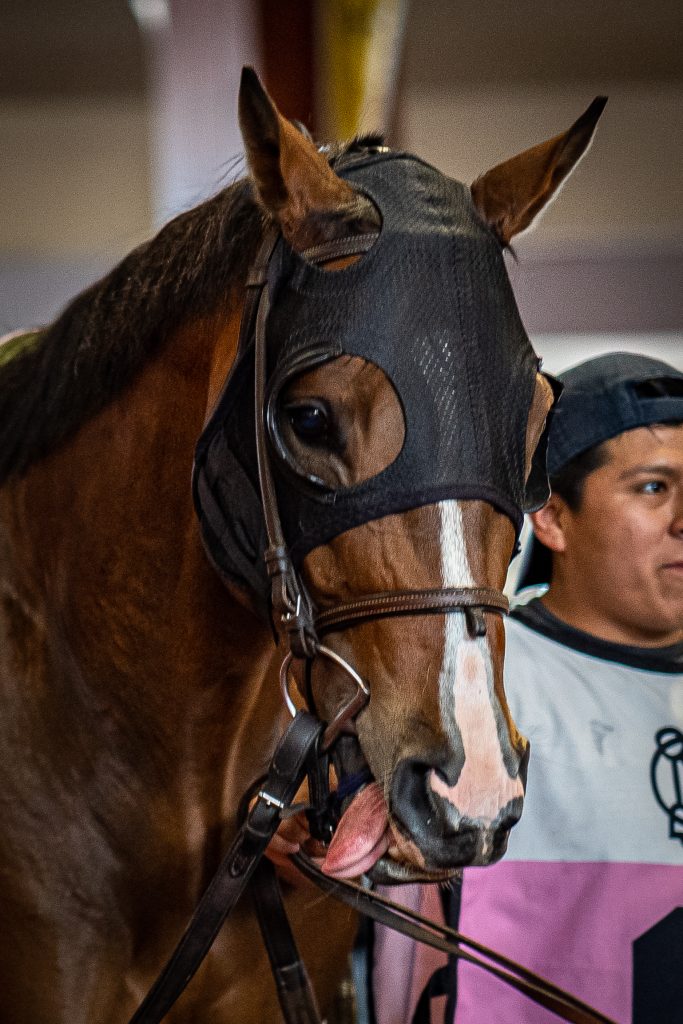
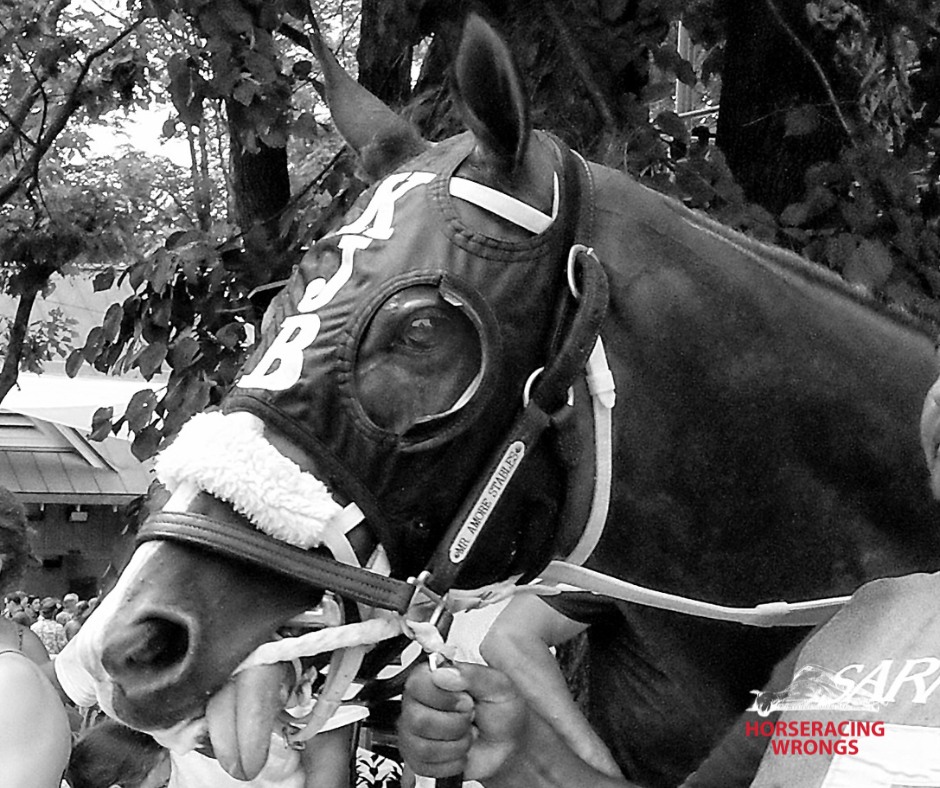
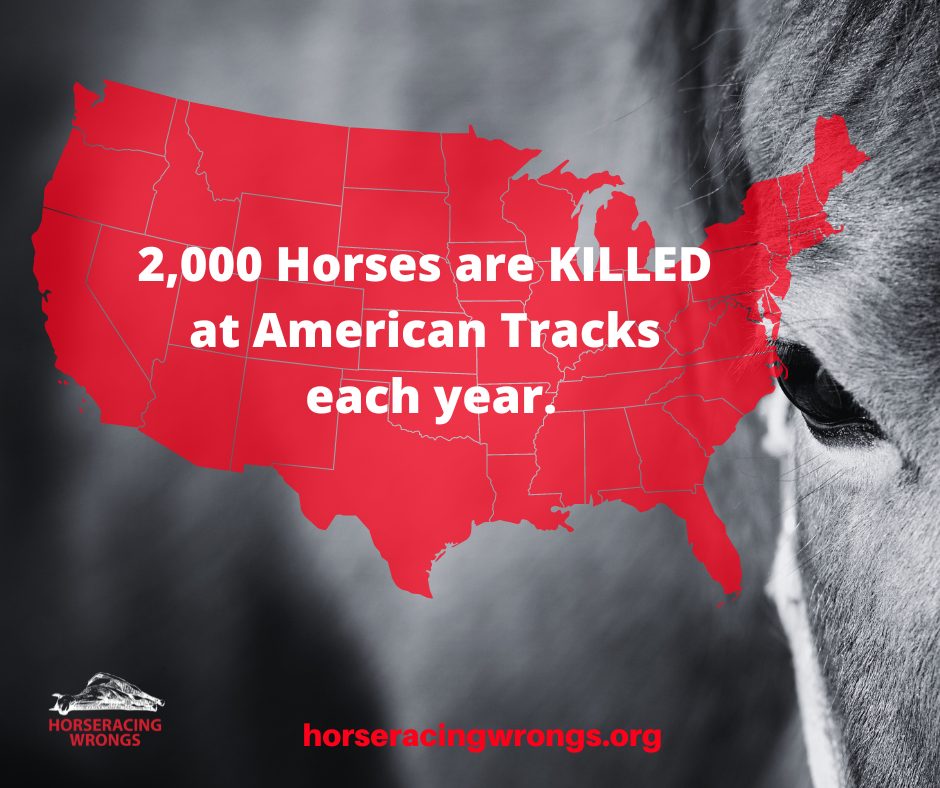
Peter begins the show welcoming Patrick Battuello to discuss the work of his organization, Horseracing Wrongs, in exposing the many cruelties thrust upon horses in the racing industry. Dedicated to ending the cruel and deadly horse racing industry in the United States, Horseracing Wrongs was the first and continues to be the only organization to systematically document all horse injuries and deaths related to racing. Thus, Horseracing Wrongs is the go-to source for facts and stats on horse racing, whether related to thoroughbred or trotter racing.
Battuello explains the nature of the cruelty in and around racing, arguing convincingly that there is no path to reform the industry; the cruelty cannot be removed from the activity. He cites the near complete demise of dog racing in the US and explains how horse racing is undergoing the same path toward oblivion. As an example, the remaining tracks in New York State rely on subsidies derived from on-site slot machine revenues to stay solvent. There is legislation to remove the special status these “racinos” now enjoy, which if passed would make them economically doomed. Another ominous factor for the industry is that it is less popular with younger patrons who have many other gambling and entertainment options.
If you care about horses, you cannot support the racing industry. Battuello makes this conclusion undeniable.
Lori continues with the story of the five activists who, in 2017, entered Circle Four Farms in Utah, intent on documenting animal abuse at Smithfield Foods huge pig facility housed there. But not only was extremely graphic video obtained, but the men also rescued 2 nearly dead piglets, which was not part of the plan. Ultimately, each of them, members of the organization Direct Action Everywhere, was charged with multiple counts, and three agreed to plea deals. The activists who went to trial, Wayne Hsiung and Paul Darwin Picklesimer, ultimately were acquitted in October 2022 of the multiple charges of theft and burglary. Lori goes on to ask the question of if and when it is permissible or desirable to break the law when helping, protecting or rescuing animals, and shares her ideas on this.
We conclude with amazing facts about medicinal leeches and a pop quiz about the adorable koala. And if you thought they were a type of bear, well, pay attention!
Photo: Horseracing Wrongs
Image: Horseracing Wrongs
Animals Today July 31, 2023. Negative consequences of dog breed stereotypes. Dogs rescued from the Yulin meat festival flown to their new lives. Names of groups of animals.
Jul 31, 2023
Lori begins the show by taking on the still controversial topic of laws and regulations aimed at specific dog breeds, generally referred to as breed specific legislation. There are hundreds of such laws and regulations on the books across the US, which regulate or ban certain dog breeds. Breed specific legislation (BSL) typically targets pit bull type dogs. Those in favor of BSL say it’s necessary to ensure the public’s safety and argue that such legislation protects citizens from vicious and dangerous dogs.
Lori goes on to explain how the assumptions inherent in these types of laws are faulty and discriminatory and outlines the negative consequences that flow from them. A primary problem with breed specific bans or restrictions is that they rely upon the visual appearance and physical traits of a dog to designate them as a certain breed. But numerous studies have shown that one can’t reliably determine the breed or mix of breeds of a dog based upon the visual appearances. Only DNA testing is able to accurately determine the genetic makeup of a dog.
Also, the laws do not take into account the actual behavior of individual dogs. And there is new research showing that the dog’s breed is not a good predictor of the dog’s behavior. It is the experiences of the dog, the environmental factors and the training that are most responsible for the individual characteristics of a dog.
Moreover, we now know that legislation that restricts dogs based on appearance does not reduce dog bites or dog attacks in communities where the laws are in effect. And of course, the existence of these very laws, however misguided and ineffective, reinforce the beliefs that certain dog breeds are just too risky to be around, because they are inherently dangerous.
As a consequence, more of these dogs populate shelters, they are euthanized at high rates, and they become less frequently adopted by the public at large. They are stigmatized and the taint is pervasive. And the downstream effects of stigmatizing dogs (pit bulls especially) are broad, including restrictions placed upon renters by landlords, regulations and limitations placed by homeowner’s associations, limitations on homeowners’ insurability, and so on.
In certain restrictive jurisdictions, one might even be forced to relinquish or give away one’s dog.
So, experts now agree that breed specific legislation and similar policies that restrict dogs based on appearance do not reduce dog bites in communities or enhance public safety. And finally, there is a gradual but slow-moving trend to easing some of the laws and restrictions related to breed discrimination, as the science is more clear than ever against any rationale for restricting or banning dogs based on their appearance.
Lori calls for revocation of laws and regulations against dogs based on breeds, and emphasizes that if the goal is to reduce dog bites and dog attacks in our communities, perhaps funds and resources would be best used on education and on regulation that targets irresponsible dog owners, dog breeders and animal abusers.
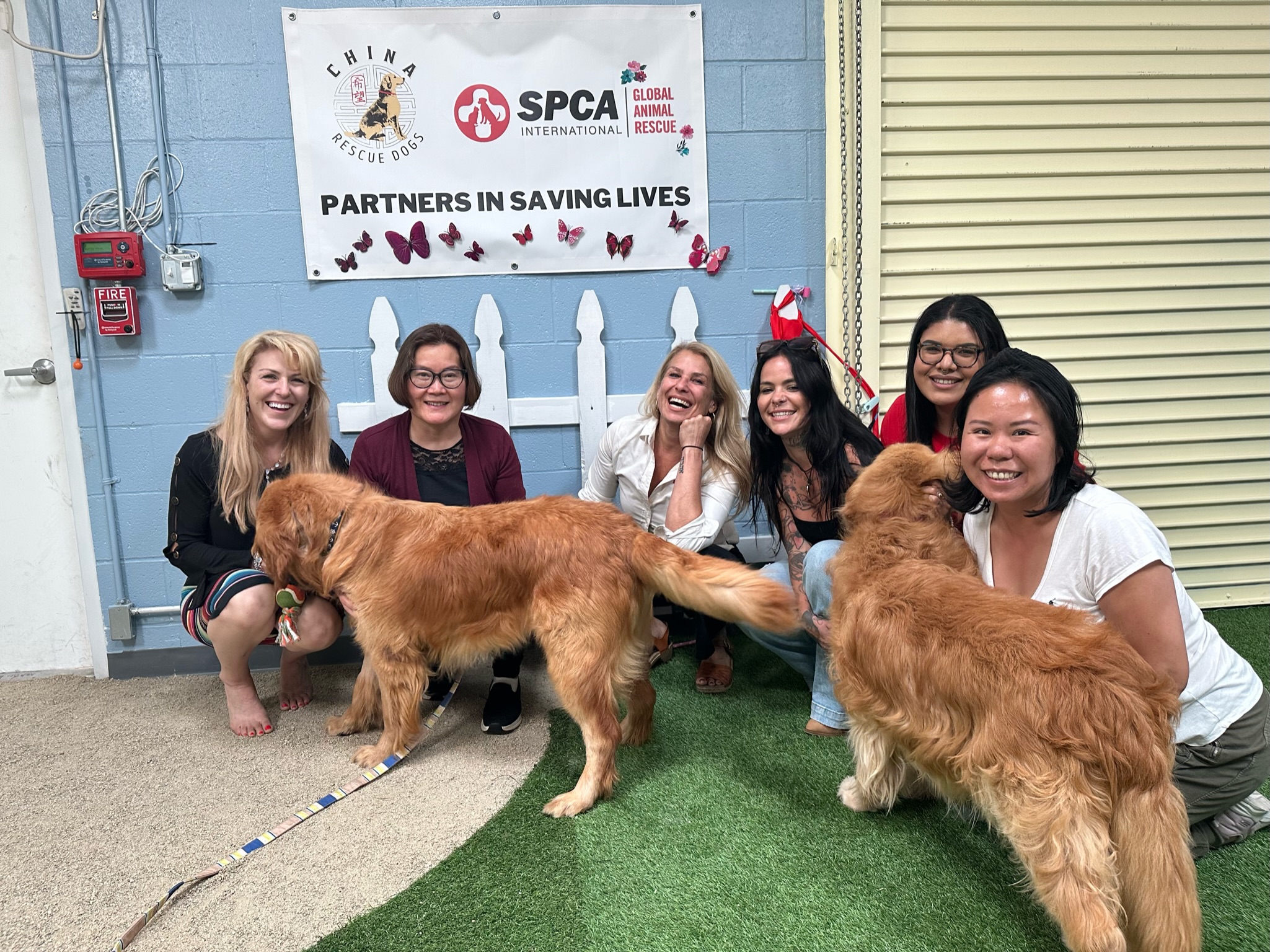
Then Peter welcomes Lori Kalef Director of Programs at SPCA International to speak about China’s Yulin dog meat festival and the successful rescue of 21 dogs from certain death. This long running annual event attracts many international visitors, during which an estimated 10,000 dogs are slaughtered and consumed. US based China Rescue Dogs, Partnering with SPCA international coordinated the effort, with vital assistance of rescue groups and dedicated animals lovers in China and stateside to give a few of the lucky dogs what they all deserve: and safe, happy life as our treasured companions.
Kalef details the logistical challenges that were met, the teamwork and coordination employed by a small army of volunteers, organizations, and financial supporters. SPCA International funded the freedom airline flight with a $50,000 Shelter Support grant to China Rescue Dogs. Despite public outcry, the controversial festival continues its horrific practices of torture. Kalef expects this small group of saved dogs will continue to bring greater attention to China’s awful practice, ultimately helping to bring about its end.
To conclude, there are many colorful and descriptive names designating a group of a particular type of animal. You could call a group of geese a gaggle, a bunch of kangaroos a mob, but how about some porcupines?? Test yourself and have fun!

Photo: SPCAI
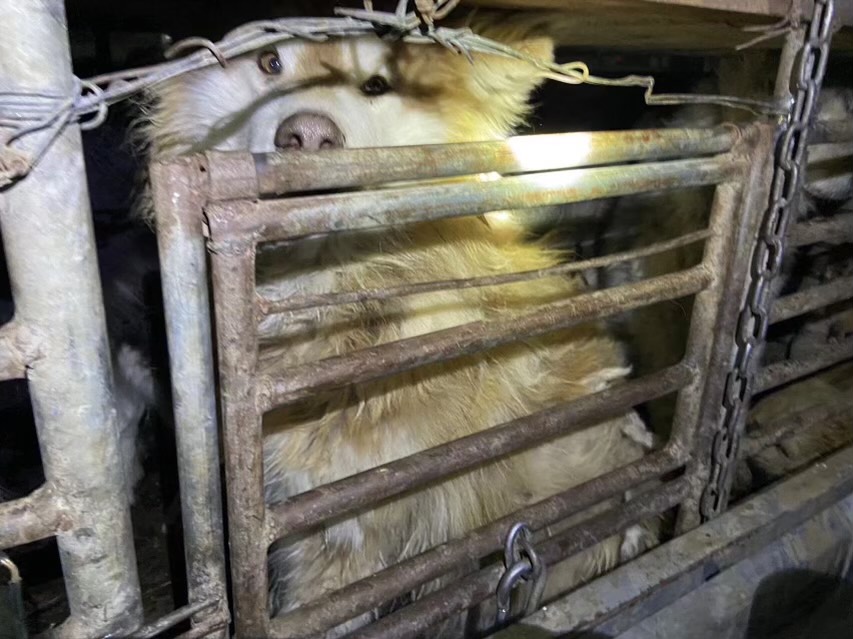
Photo: SPCAI
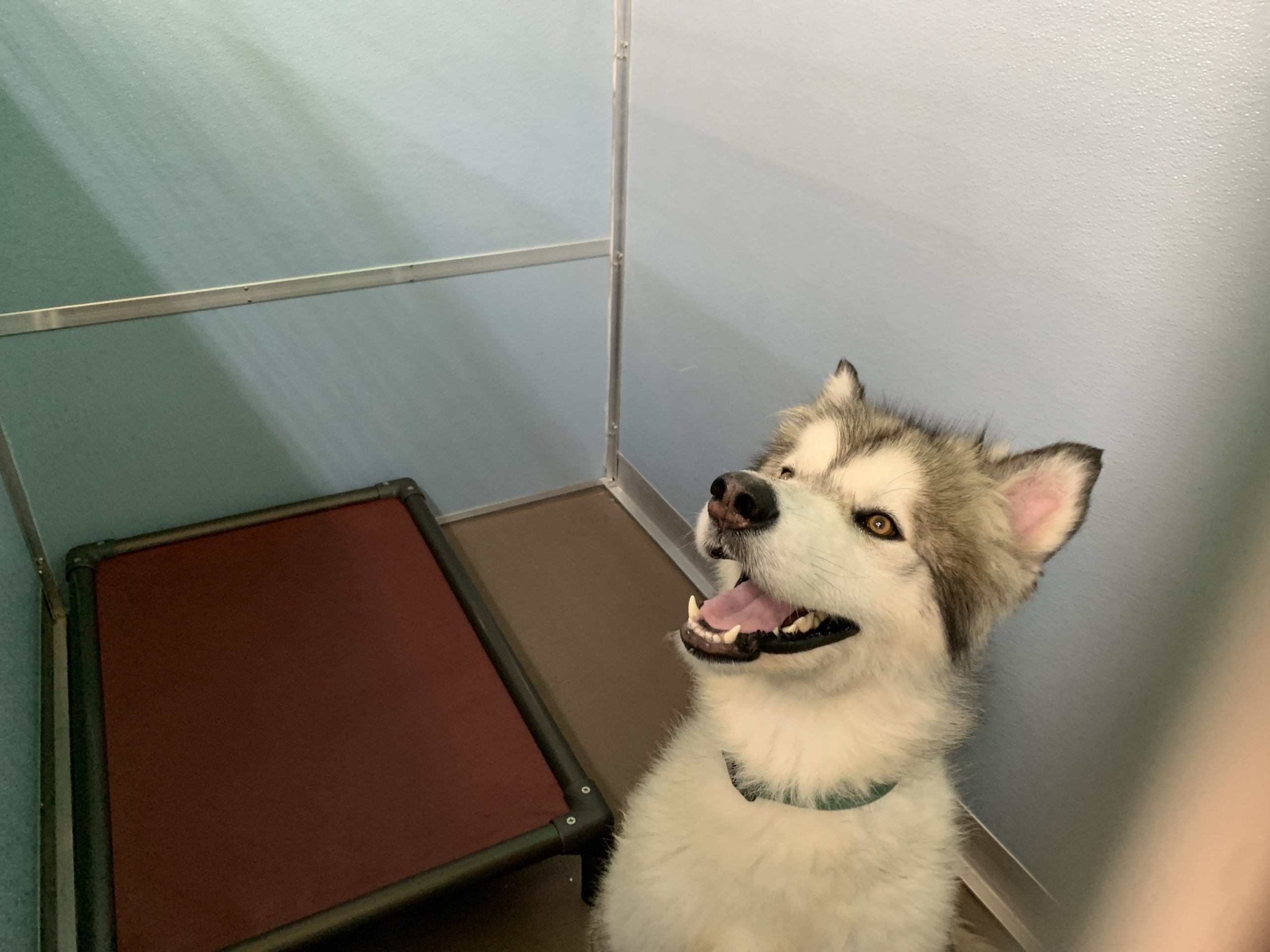
Photo: SPCAI
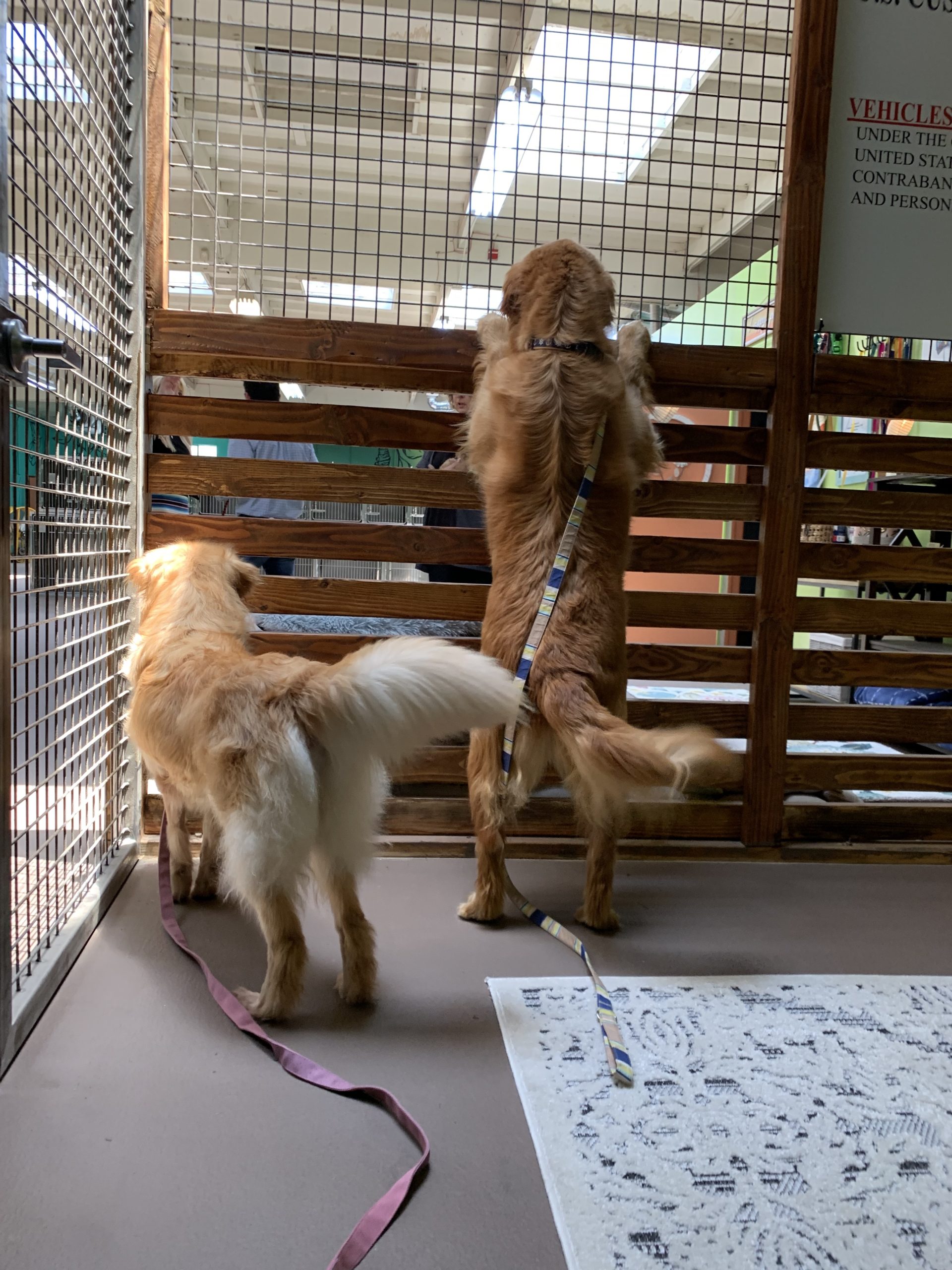
Photo: SPCAI
Animals Today July 21, 2023: How to rescue a pet trapped in a hot car. Risks of blue-green algae to dogs. Rhinoceros protection and facts.
Jul 21, 2023
During the summer heat, you may come across a situation where an animal, typically a dog, has been left alone in a car that is too warm for comfort or safety. Even though it’s no secret that leaving dogs in hot cars is dangerous and often illegal, it continues to happen too frequently. So, we animal lovers should be prepared for these unfortunate and stressful situations so we can confidently act according to the urgency and severity of the situation and minimize harm to animals from neglectful owners. Lori offers useful guidance on many aspects of dealing with dogs in hot cars including how to assess the degree of risk the dog faces, how to safely and effectively break the auto’s window to free the animal, and legal issues if you decide to take that step. For a useful infographic about pets and hot cars from Figo Pet Insurance, click here!
Recently, there have been reports of dogs becoming sick and dying after exposure to ponds harboring the so-called blue-green algae. Especially frightening is that even clear ponds can sometimes have the blue-green algae growing in them and that exposure can cause rapidly progressive illness and sometimes death. Blue-green algae contain deadly bacteria called cyanobacteria. Cyanobacteria are microscopic organisms found in freshwater lakes, streams, ponds, and brackish (salty) water ecosystems.
The algae give the water a blue-green or “pea soup” appearance. It looks almost as if someone spilled blue or green paint on the surface of the water. These floating blooms can form thick, dense mats that collect near the shore, which is where animals and people come in contact with them. But beware: sometimes affected ponds may appear clear, yet pose the same risk.
Then, do you know how many species of rhinos there are? Do you know what the plural of rhinoceros is? These majestic, huge herbivores are critically endangered. Listen in as Lori teaches us about how they live while peppering Peter with probing questions.
Animals Today June 24, 2023. Hot news update! Giraffe conservation facts and challenges. What defines a dangerous or vicious dog? Tough question!
Jun 28, 2023
Peter begins with an animal news round-up including giraffe conservation, why people must not approach wild animals in national parks or anywhere, imagining a world teeming with T. rexes, mad cow madness and the continuing tragedy of horse racing.
Lori then continues the giraffe theme with facts and queries about these magnificent, gentle beings. June 21 was World Giraffe Day!
Then, did you know that two states, Virginia and California, now have laws requiring shelters and rescue group which adopt out dogs, to share the dogs’ “bite history” if known, to the potential adopters? Lori believes that in principle, such laws are a good idea because more information about the dogs’ history should lead to better matches between adopters and dogs. However, determining the true and complete history of dogs’ prior lives can be near impossible. And, saying a dog has bitten in the past automatically stigmatizes the dog in the eyes of many, even though the circumstances surrounding the alleged incident are unknown. For instance, if a child pulls the tail of dog, frightening the animal, who then spins around and nips the child, can the dog be blamed? Another regrettable phenomenon is the imprecise use of the word vicious. A dog who has bitten is often wrongly called a vicious dog, which lessens the dogs’ prospects for adoption, and raises its chances of being euthanized. So, whether and how to provide histories to potential adopters is a complex issue. For now the best we can do is to remind or educate adopters that they need to be realistic and adaptable. There is a little story, apropos here, where a woman asks her Vet, “Is there any chance my dog will bite?” The Vet replies, “Does he have teeth?”
Animals Today June 3, 2023: Acclaimed animals, imaginary and real. Early days of the Audubon Society. You can help dogs, cats and horses in Africa with Animal-Kind International.
Jun 04, 2023
We begin the show with a delightful romp across the animal kingdom and the animated creatures of renown with Lori and Peter. Apologies to Jim Henson. Then, learn about the early days of the Audubon Society, why and how it came to be, with Kate Kelly.
Peter continues by welcoming Karen Menczer, Founder and Director of Animal-Kind International (AKI). Karen established this exemplary animal welfare organization in 2007 to serve needy and abused dogs and cats (and now horses) in various countries in Africa. In this discussion, Karen talks about three local groups AKI supports and partners with, Uganda Society for the Protection & Care of Animals, Sauvons nos Animaux-Democratic Republic of Congo, and The Six Freedoms-Ghana. AKI carefully evaluates and then partners with select groups which are lovingly and diligently working to help dogs, cats and horses in Africa.
USPCA staff in their new uniforms at the new shelter
Sauvons nos Animaux Animal-Friendly Kids Camp August 12 2022
Sauvons nos Animaux Animal Friendly Kids Camp Sept 16 2022
Karen Menczer with cats.
Animals Today May 14, 2023: The dark side of wind energy. Hail, amazing microchip. War dogs. Marsupial madness, feat. koalas.
May 23, 2023
Lori begins with a monologue about the state of the contemporary wind turbine industry, and their negative effects on animals. There is a lot of evidence that eagles are killed by wind turbines despite efforts of the companies to avoid being transparent. Lori favors efforts to move toward green energy but argues that animal protection can conflict with green energy, particularly the corporate green energy industry. She tells us how ESI, a wind energy corporation lost a big federal lawsuit because it had not obtained proper permitting for farms in Wyoming and New Mexico, which killed scores of eagles. Listen in and tell us what you think about conflicts between green energy activities and animal welfare.
Then, Lori reminds us how important it is that all animals in the family are microchipped, and how a chip reunited a dog with his guardian from 500 miles away!
In World War One, dogs play a surprisingly important role alongside army troops of many nations. The National World War One Museum and Memorial has photographs, movies, posters, postcards and more historical items documenting this fascinating part of the war. Dogs shuttled messages, hauled machine guns and supply carts, and provided companionship. Peter welcomes Senior Curator Doran Cart who shares some fascinating stories. Make sure to visit when you are in Kansas City!
Lori then drops a pop quiz on Peter featuring the koala. These adorable furballs are marsupial mammals, and we all know they are not bears, right?
Animals Today March 26, 2023. Law breaking in animal activism: The Direct Action Everywhere and Smithfield Foods episode. Frog conservation. Pet safety and pesticides.
Mar 28, 2023
Lori begins the show with the story of the five activists who, in 2017, entered Circle Four Farms in Utah, intent on documenting animal abuse at Smithfield Foods huge pig facility housed there. But not only was extremely graphic video obtained, but the men also rescued 2 nearly dead piglets, which was not part of the plan. Ultimately, each of them, members of the organization Direct Action Everywhere, was charged with multiple counts, and three agreed to plea deals.
The activists who went to trial, Wayne Hsiung and Paul Darwin Picklesimer, ultimately were acquitted in October 2022 of the multiple charges of theft and burglary.
Lori goes on to ask the question of if and when it is permissible or desirable to break the law when helping, protecting or rescuing animals, and shares her ideas on this.
Then Peter welcomes frog expert and conservationist, Matt Ellerbeck, who discusses the decline of wild frogs due to habitat loss, frog harvesting, climate change and disease. We continue with a fast-moving animal trivia quiz, featuring Great Danes, Lassie, walruses, goats, and more.
To conclude, what risks do pesticides and rodenticides pose to your dogs and cats? What precautions should you take when your home or surrounding is treated to address pest problems? Veterinarian Robert Reed returns with good advice to keep dogs and cats from being harmed by the multitude of agents now in use.
Animals Today January 15, 2023. History of the animal rights movement. Pet care coverage in case of emergency at home. Please don’t adopt or buy a wolfdog. The Beatles had many songs about animals. Vertebral disc disease with a veterinary neurologist.
Jan 16, 2023
Lori begins with something any animal advocate ought to know about: the history of the animal rights and welfare movements. From the practices of ancient spiritual teachers of India, to the ideas of modern philosophers, Lori hopes this condensed history will inspire you to continue learning on your own.
Next, do you have a plan in place if you cannot make it home because of an emergency? Lori’s unexpected hospitalization while Peter was away presented such a situation, and fortunately, our trusted neighbors were prepared to step in and take care of the dogs and cats. So get your plan in place, especially if you still have an appendix!
Then Darlene Kobobel, President of the Colorado Wolf and Wildlife Center returns to discuss the many problems related to wolf-dog hybrids, properly called wolfdogs. You will want to think twice before buying one!
And, who doesn’t like the music of the Beatles? Lori offers up a bit of much needed levity, with a fun quiz about Beatles songs with animals in their titles. Next, in recognition of International Cheetah Day, Lori tells us all about these majestic and athletic big cats. As expected, their numbers in the wild in Africa are shrinking, from about 100,000 individuals in 1900 to 9,000 – 12,000 now.
To conclude, Stephen Hanson, DVM joins Lori to discuss veterinary neurology and vertebral disc disease in dogs. Our dog, Susie was his patient.
Animals Today December 4, 2022. NYC Squirrel alert! Hitchcock’s birds. Toxoplasmosis update. Hazards of pet foods. Koalas rock!
Dec 04, 2022
Lori begins the show with news about some aggressive urban squirrels in Queens, NYC, who are reportedly jumping onto people and attacking them. Authorities advise against hand feeding, which probably contributed to the bold behaviors these animals are displaying. Fortunately squirrels rarely harbor rabies, and no documented case of transmission of rabies to humans has been recorded. But they have sharp teeth!
Lori continues with some interesting history from Hitchcock’s iconic film, The Birds. Numerous wild caught birds were “recruited” into service for the filming. Actress Tippi Hedren, in her screen debut, recounted the terrifying shooting of the final bird attack scene in her memoir. Stagehands hurled live ravens, doves and pigeons at her to create the illusion. Other birds were tied to Hedren’s costume, causing them to ferociously peck at her due to their terrified state. Hedren is an exemplary advocate for animals who went on to found the wild animal preserve, Shambala (now known as the Roar Foundation Shambala Preserve). It is in Acton CA, not far from Palmdale, and visitors are welcomed.
Veterinarian Robert Reed then returns to speak with Lori about toxoplasmosis in cats and risks to people. Cats are the only definitive host of toxoplasmosis. Robert is Medical Director of VCA Rancho Mirage Animal Hospital.
Our next guest is attorney Bob Ferber who joins Peter to speak about the recent aflatoxin induced outbreak from tainted pet food, which has harmed and killed hundreds of dogs and cats. In these cases, meaningful legal recourse for owners is nearly impossible. Ferber also describes the opaque nature of the pet food supply chain, in which it can be hard to determine exactly what your pet is eating, even from some reputable brands.
Lori then drops a pop quiz on Peter featuring the koala. These adorable furballs are marsupial mammals, and we all know they are not bears, right?
Animals Today November 11, 2022. Helping Orangutans and the problems with palm oil. Good company: Paul and Cindy Rodgers’ impressive work as animal advocates. What’s a zoologist, anyway?
Nov 14, 2022
In recognition of International Orangutan Day, Lori and Peter kick off discussing some of the fascinating facts about these great apes. These gentle creatures are the largest tree-dwelling animals on earth. Indeed they even sleep in the trees, fashioning leafy nests each evening for that purpose. Orangutans are native to only 2 island on earth, Borneo and Sumatra, and their diets consist mostly of fruit (preferring durians), along with flowers, leaves, honey and insects. Males, whose arm spans can reach eight feet and who can weigh 200 lbs., are much larger than females.
Orangutan populations are in crisis due to the world’s seemingly insatiable appetite for palm oil. Native orangutan forests are being destroyed to plant palm oil fields, displacing the apes, who truly have no other alternatives to live.
Consumers around the world can help orangutans in the wild by supporting organizations that shield the forests from devastation, protect wild populations, and rescue orphaned and injured animals. Additionally, we all should curtail our consumption of palm oil to help dry up demand. However, palm oil has become almost ubiquitous in a variety of products like food, lipstick, shampoo, and detergent products. Making it even more challenging, palm oil and its derivatives go by alternative names including palmitate, palm stearin, and sodium laureth sulfate.
Lori then continues discussing the health risks of consuming saturated fats which include heart disease, stroke and cancer. Palm oil (as well as meat and cheese) is high in saturated fats.
Due to the established health risks of trans fatty acids in the diet, a requirement to indicate the amount of trans fats in packaged foods went into effect more than a decade ago. Consequently, its use in packaged foods and restaurants gradually declined, and a full trans fat ban in the US went into effect in 2018. However, unfortunately, palm oil gradually has taken its place. Lori explains how this switch occurred and makes recommendations for healthier and more environmentally conscious eating.
Peter then welcomes rock superstar Paul Rodgers and his wife, fitness guru and former Miss Canada, Cynthia Kereluk Rodgers to talk about their deep advocacy for animals. In this interview, they share what inspires their compassion toward animals and encourage people to help alleviate animal suffering.
To conclude, would you have liked to be a zoologist? Maybe one of your children is interested in becoming one? Well, make sure you know your terminology first and Lori will test your knowledge on things related to zoology!
Paul Rodgers.
Animals Today – October 15, 2022: Green energy is killing eagles. Is the term “crazy cat lady” fair? The working dogs of WW I. Keeping track of people convicted of animal cruelty.
Oct 14, 2022
Lori begins with a monologue about the state of the contemporary wind turbine industry, and their negative effects on animals. There is a lot of evidence that eagles are killed by wind turbines despite efforts of the companies to avoid being transparent. Lori favors efforts to move toward green energy but argues that animal protection can conflict with green energy, particularly the corporate green energy industry. She tells us how ESI, a wind energy corporation lost a big federal lawsuit because it had not obtained proper permitting for farms in Wyoming and New Mexico, which killed scores of eagles. Listen in and tell us what you think about conflicts between green energy activities and animal welfare.
Lori continues examining the idea of the “crazy cat lady.” A recent study examined the stereotype, but listen in to hear what Peter and Lori think about this personality profile.
In World War One, dogs play a surprisingly important role alongside army troops of many nations. The National World War One Museum and Memorial has photographs, movies, posters, postcards and more historical items documenting this fascinating part of the war. Dogs shuttled messages, hauled machine guns and supply carts, and provided companionship. Peter welcomes Senior Curator Doran Cart who shares some fascinating stories. Make sure to visit when you are in Kansas City!
To conclude, Lori welcomes Bob Ferber, former Los Angeles animal cruelty prosecutor. They discuss registries for those convicted of animal abuse, which Ferber generally thinks is a good idea, especially in preventing abusers from obtaining more animals.
Animals Today September 27, 2022. Ethical and practical considerations of breeding dogs. This AP level animal quiz has teachers crying.
Sep 29, 2022
Lori begins with a detailed exploration into the ethics of dog breeding. The purebred dog industry not only creates innumerable animals with genetic defects, causing dogs to have a lifetime of medical problems and diseases, but also interferes with the adoption of healthy dogs confined in shelters by enticing people to buy from breeders instead of adopting.
Because of selective breeding (and even inbreeding) many purebred dogs develop conditions such as cancer, hip dysplasia, heart problems, epilepsy, and early onset cataracts.Lori contends three parties are responsible for the regrettable popularity of purebreds: the American Kennel Club (AKC), the breeders and the dog buyers.
The AKC sets the standards and promotes purebred dogs as superior and preferable to mixed breed dogs despite breed specific genetic defects. Breeders and puppy mills provide an endless supply of dogs, taking little responsibility for the health problems in dogs they create, and caring not about pet overpopulation. Buyers should know better but permit the industry to mold their beliefs.
The solution is to adopt and not to buy, and to avoid supporting breeders and the AKC.
Finally, do you remember Santa’s Little Helper, Speedy Gonzales, and Huckleberry Hound? Do you know what a formicarian is? Or, define fimbriae? Take Lori’s dastardly quiz and prove your mettle.
Animals Today August 25, 2022. It’s a tough road for owners in possible veterinary malpractice cases. Are you afraid of sharks quiz?
Aug 25, 2022
If you believe your pet was harmed by the actions of your veterinarian, what are your legal options for recourse? In this episode, Lori explores many aspects of veterinary malpractice with attorney Bob Ferber, former Los Angeles animal cruelty prosecutor.
Although there are some parallels between the law as it relates to medical malpractice issues and procedures in humans and those in veterinary care, the practical situations are quite different. A central issue is the legal status of animals. Essentially, nonhuman animals are considered to be property by the law, and not persons, which considerably limits the legal actions that could be pursued.
Other practical matters impeding legal action for veterinary malpractice include the poor record keeping on the part of veterinarians, which Ferber claims is commonplace and highly susceptible to fraud and falsification, and the relatively small monetary awards that could be won even if a suit is successful. Almost uniformly, damages would be limited to the dollar value of the pet on the market, and excludes pain and suffering, emotional distress, and so on.
Consequently, there are very few lawsuits against veterinarians and seldom are they successful.
Lori and Bob also discuss the avenue of making complaints to state veterinary boards as a means of at least seeking some redress. Ferber claims that very rarely is disciplinary action taken by the boards.
So, the best course of action is to do what you can as a pet guardian to help avoid these situations, which includes nurturing a strong relationship with excellent caring vets. And, importantly, make sure your questions are addressed when procedures and surgeries are planned, including aftercare.
To conclude, it has been a busy summer for sharks in the news and shark lovers have just reported that there are now more than 500 distinct species of them identified. But whether you are a little afraid of sharks or admirer of their majesty, test you shark smarts with Lori’s fun shark quiz!
And, our cats are enjoying Catit Creamy Cat Treats.
Animals Today August 3, 2022. How to rescue a pet trapped in a hot car. Risks of blue-green algae. Rhinoceros protection and facts.
Aug 03, 2022
During the summer heat, you may come across a situation where an animal, typically a dog, has been left alone in a car that is too warm for comfort or safety. Even though it’s no secret that leaving dogs in hot cars is dangerous and often illegal, it continues to happen too frequently. So, we animal lovers should be prepared for these unfortunate and stressful situations so we can confidently act according to the urgency and severity of the situation and minimize harm to animals from neglectful owners. Lori offers useful guidance on many aspects of dealing with dogs in hot cars including how to assess the degree of risk the dog faces, how to safely and effectively break the auto’s window to free the animal, and legal issues if you decide to take that step.
Recently, there have been reports of dogs becoming sick and dying after exposure to ponds harboring the so-called blue-green algae. Especially frightening is that even clear ponds can sometimes have the blue-green algae growing in them and that exposure can cause rapidly progressive illness and sometimes death. Blue-green algae contain deadly bacteria called cyanobacteria. Cyanobacteria are microscopic organisms found in freshwater lakes, streams, ponds, and brackish (salty) water ecosystems.
The algae give the water a blue-green or “pea soup” appearance. It looks almost as if someone spilled blue or green paint on the surface of the water. These floating blooms can form thick, dense mats that collect near the shore, which is where animals and people come in contact with them. But beware: sometimes affected ponds may appear clear, yet pose the same risk.
Then, do you know how many species of rhinos there are? Do you know what the plural of rhinoceros is? These majestic, huge herbivores are critically endangered. Listen in as Lori teaches us about how they live while peppering Peter with probing questions.
Animals Today June 26, 2022. Update on breed specific legislation. More animal news stories. Wabbits.
Jul 02, 2022
Lori begins the show by taking on the still controversial topic of laws and regulations aimed at specific dog breeds, generally referred to as breed specific legislation.
There are hundreds of such laws and regulations on the books across the US, which regulate or ban certain dog breeds. Breed specific legislation (BSL) typically targets pit bull type dogs. Those in favor of BSL say it’s necessary to ensure the public’s safety and argue that such legislation protects citizens from vicious and dangerous dogs.
Lori goes on to explain how the assumptions inherent in these types of laws are faulty and discriminatory and outlines the negative consequences that flow from them.
A primary problem with breed specific bans or restrictions is that they rely upon the visual appearance and physical traits of a dog to designate them as a certain breed. But numerous studies have shown that one can’t reliably determine the breed or mix of breeds of a dog based upon the visual appearances. Only DNA testing is able to accurately determine the genetic makeup of a dog.
Also, the laws do not take into account the actual behavior of individual dogs.
And there is new research showing that the dog’s breed is not a good predictor of the dog’s behavior. It is the experiences of the dog, the environmental factors and the training that are most responsible for the individual characteristics of a dog.
Moreover, we now know that legislation that restricts dogs based on appearance does not reduce dog bites or dog attacks in communities where the laws are in effect. And of course, the existence of these very laws, however misguided and ineffective, reinforce the beliefs that certain dog breeds are just too risky to be around, because they are inherently dangerous.
As a consequence, more of these dogs populate shelters, they are euthanized at high rates, and they become less frequently adopted by the public at large. They are stigmatized and the taint is pervasive. And the downstream effects of stigmatizing dogs (pit bulls especially) are broad, including restrictions placed upon renters by landlords, regulations and limitations placed by homeowner’s associations, limitations on homeowners’ insurability, and so on.
In certain restrictive jurisdictions, one might even be forced to relinquish or give away one’s dog.
So, experts now agree that breed specific legislation and similar policies that restrict dogs based on appearance do not reduce dog bites in communities or enhance public safety. And finally, there is a gradual but slow-moving trend to easing some of the laws and restrictions related to breed discrimination, as the science is more clear than ever against any rationale for restricting or banning dogs based on their appearance.
Lori calls for revocation of laws and regulations against dogs based on breeds, and emphasizes that if the goal is to reduce dog bites and dog attacks in our communities, perhaps funds and resources would be best used on education and on regulation that targets irresponsible dog owners, dog breeders and animal abusers.
Then, Peter has news including the FDA Modernization act passes the House, which will remove the requirement for animal testing for drug approval, an interesting case of contraband discovered coming into the Detroit airport, our waterways and wild fish are contaminated with human drugs as they evade wastewater purification systems, more protection for manatees on the way, animals mysteriously set free at a Milwaukee zoo, and news about field training Veterinarians on how to sedate and transport wild animals in Africa.
To conclude: Do you know your rabbits? We all know Bugs and Thumper, but do you know the fascinating saga of the pink bunny advertising campaigns?
Animals Today June 12, 2022. Hot news with Peter. Frogs in decline. High velocity animal quiz. Pesticides around the house.
Jun 19, 2022
We begin with Peter reporting on a new article which provides more details on the amazing color changing abilities of octopuses. Their tiny color altering organs are highly specialized and under the exquisite, fine control of the animals’ nervous system. The abilities of octopuses to control their displays improve as they mature. Peter continues discussing another angle on the limitations of the use of rats in medical research, an update on the push to remove horse riding competitions from the Modern Pentathlon event, where dozens of alternatives not using animals are being considered, rabies kills a zoo-confined anteater in Tennessee, and a 49-year-old snake lover was killed by his pet in his own home.
Then Peter welcomes frog expert and conservationist, Matt Ellerbeck, who discusses the decline of wild frogs due to habitat loss, frog harvesting, climate change and disease.
Lori then tests our animal smarts with items about caterpillars, the cute nocturnal Kiwi, diets of walruses, the T Rex is related to the modern chicken, cute otters sleeping behavior, and a pride of lions, all leading to the albatross around your neck.
To conclude, what risks do pesticides and rodenticides pose to your dogs and cats? What precautions should you take when your home or surrounding is treated to address pest problems? Veterinarian Robert Reed returns with good advice to keep dogs and cats from being harmed by the multitude of agents now in use.
Animals Today Radio May 21, 2022. Chickens are very smart and have individual personalities: Celebrating a special day for chickens. Animal knowledge challenge.
May 21, 2022
Animals Today Radio May 8, 2022. Chickens are very smart and have individual personalities: Celebrating a special day for chickens. Animal knowledge challenge.
The question about the chicken and the egg has puzzled people since antiquity and has served as a metaphor for many circumstances in our world. Lori begins the show offering up some modern scientific ideas which finally (ha!) answer the riddle about which came first.
Lori’s interest is sparked by International Respect for Chickens Day. She explains how chickens are intelligent and sensitive, and that they have unique personalities. Chickens can count, have excellent memories, can remember up to 100 individual faces and display the ability of object permanence, like the highly intelligent crows. They demonstrate delayed gratification and self-control. The vision of chickens is remarkable for their nearly panoramic vision, their ability to use each eye independently, their exceptional color vision and their expanded sensitivity to UV wavelengths. The beaks of chickens are highly sensitive and have many functions, so the industrial practice of “debeaking” chickens is very painful and cruel.
Lori is saddened not only by the entire chicken-as-food industry, but especially that these animals typically never get a chance to enjoy normal bird pleasures and express their natural behaviors in the industrial farming industry. Getting to know individual farmed animals like chickens, such as at a sanctuary, often leads to a heightened emotional connection to the animals we typically think of as food.
We conclude with an animal knowledge quiz about lemurs, elephants, and more, plus how bats were once being considered as potential living bombers in the WW2 era Project X-ray. And we sign off with an inspiring rendition of America’s Horse With No Name.
Animals Today April 30, 2022. Do rats deserve their own special day? Is sleeping with pets disruptive or helpful? Avoiding rabies.
May 13, 2022
In recognition of World Rat Day, Lori kicks off the show by going deep on these ubiquitous mammals. Rats are very social, affectionate, and intelligent. They get lonely and anxious when isolated. But when in their family group (referred to as a mischief) they will care for the injured and sick. Rats can be trained to answer to their name and have recently been shown to be able to laugh! In Rajasthan, India, the Karni Mata Temple, the Temple of Rats, is home to about 25,000 animals, where they are revered. The Temple is a destination for Hindu pilgrims. And of course, the first animal of the Chinese Zodiac is the rat, and the Year of the Rat occurred in 2020, 2008, 1996, 1894, 1972, 1960, 1948, 1948, 1924. Those born during such years are thought to possess qualities of the rat: creativity, intelligence, ambition, honesty and generosity. Finally, new scientific evidence points away from rats as transmission vectors of bubonic plague. Instead, direct transmission from person to person through fleas, ticks and lice may be the actual mode.
We continue talking about research on dogs aimed at seeing if they can detect differences between varying spoken human languages. The tool of functional MRI is being used to look at brain activity in awake dogs when they listened to Spanish versus Hungarian speech. But where will these studies go, and will they yield any valuable insights? Then Lori dives into the research on sleep quality among those who sleep with a pet in the bed. Is it sleep-enhancing or disruptive? Mostly, this question has been addressed through surveys, and Lori reviews a sampling of them plus some expert opinions from sleep experts. Tune in to hear the bottom line! Then, we have news items including efforts to find and save the rare saola, a recently discovered large horned mammal native to Laos and Vietnam, a petting zoo in Tacoma, Washington that needs to be shut down due to abuse and neglect of the animals there, and data on how few pet guardians are trained in first aid for their pets.
Then is a discussion about rabies, sparked by a story of an elderly man who recently died from the disease, which he evidently contracted from a bat. He refused treatment after the exposure, which would have been lifesaving. Any mammal can harbor rabies, with the most common affected animals being raccoons, skunks, bats and foxes. Public health measures to address rabies in dogs started in the 10940s and consisted of widespread vaccinations. Consequently, cases of rabies in dogs in the US are extremely rare. A common misconception about rabid animals is that they can be identified by observing their appearance and behavior but generally, one cannot tell if a given animal has rabies without testing. One important fact to remember is that often, the bite from a bat is so small that it will not leave evident marks on the skin. So, if one awakes, for instance, and observes a bat in the bedroom, he or she must act as if a bite has occurred, which means seeking medical care right away. And that care will include rabies post exposure prophylaxis, a dose of human rabies immune globulin and then 3 doses of the rabies vaccine. This treatment is highly effective in preventing the disease from taking hold and killing the victim, which otherwise occurs 99.9% of the time in untreated cases.
Temple of ratsTemple of rats
Animals Today April 23, 2022. Latest difficult news from Ukraine. Dog Bite Prevention Week.
May 02, 2022
Lori begins speaking about the disaster for animals in Ukraine with Chris DeRose and Cindy Beal DeRose from Last Chance for Animals (LCA). The situation on the ground for animals continues to be bleak and deadly. Terrified abandoned dogs are starving and do not know where to go. Dogs, cats and other animals are enduring terrible conditions. Reliably getting funds to support the animals into the right hands can be challenging. Chris passionately argues that the passivity of the US permitted Putin to gain the upper hand, leading to the awful devastation of Ukrainian fighters and civilians, and consequently to the suffering of so many animals. Chris DeRose is Founder, President, and CEO of LCA. Cindy Beal DeRose is the organization’s Executive Director and CFO.
Then, what is the correct spelling of that small whale with the elongated tusk-like tooth? Narwhal, narwhale, narwal, or something else? Can you name a flying mammal? Is Pooh’s buddy, Tigger, a tiger or something else? Take Lori’s latest quiz along with Peter.
Lori then recognizes Dog Bite Prevention Week, reminding us that guardians play the most important role in minimizing instances of bites. And, did you know that 2 states, Virginia and California, now have laws requiring shelters and rescue group which adopt out dogs, to share the dogs’ “bite history” if known, to the potential adopters? Lori believes that in principle, such laws are a good idea because more information about the dogs’ history should lead to better matches between adopters and dogs. However, determining the true and complete history of dogs’ prior lives can be near impossible. And, saying a dog has bitten in the past automatically stigmatizes the dog in the eyes of many, even though the circumstances surrounding the alleged incident are unknown. For instance, if a child pulls the tail of dog, frightening the animal, who then spins around and nips the child, can the dog be blamed? Another regrettable phenomenon is the imprecise use of the word vicious. A dog who has bitten is often wrongly called a vicious dog, which lessens the dogs’ prospects for adoption, and raises its chances of being euthanized.
So, whether and how to provide histories to potential adopters is a complex issue. For now the best we can do is to remind or educate adopters that they need to be realistic and adaptable. There is a little story, apropos here, where a woman asks her Vet, “Is there any chance my dog will bite?” The Vet replies, “Does he have teeth?”
Killed civilian with loyal companion.
Animals Today April 2, 2022: Ukraine war update from Paws of War. The cruelty continues at Alaska’s infamous sled dog race. More animal adaptations.
Apr 20, 2022
Lori begins with an update on the situation in Ukraine and the war region with Robert Misseri, founder and President of Paws of War. The situation Robert describes is very fraught, with starving and terrified animals roaming and hiding, worsened by severe hindrances to relief efforts due to the ever-present danger. Sometimes, dumping bags of dog food onto the ground for the dogs is all that relief workers can do.
Then, the Iditarod Trail Sled Dog Race has just marked its 50th anniversary. Yes, it continues despite strong efforts by many groups and individuals to shut down this profoundly cruel yearly event. The contest is a 1100 mile long race from Anchorage to Nome, Alaska. The teams racing in the Iditarod consist of one human driver of the sled (musher) and 12-16 dogs who are connected to the sled by a series of lines. These dogs are forced to run beyond exhaustion over 8-16 days on grueling terrain, with jagged rocks, high winds, dense forest and subzero temperatures. They can develop lung and kidney damage, stomach ulcers, hypothermia, frostbite, bone fractures, shoulder injuries and often sustain tendon tears. Dogs can get injured or killed by getting tangled in the lines. This year, conditions were especially stormy and cold. According to PETA, two dogs went missing, and nearly 250 were pulled off the trail due to exhaustion, illness or injury. Before the race even started, dogs were attacked and one was killed during training. Also, the Anchorage Daily News reported that 3 mushers were penalized for the rule-breaking act of allowing dogs to escape the brutal story and cold conditions by allowing them to spend the night in their shelters. Lori recommends the 2016 film, “Sled Dogs” for a behind the scenes look at this cruel race including the culture and businesses that sustain it. Also, visit Sled Dog Action Coalition for extensive information about the race and its cruelty. Due to the widespread criticism of the event, corporate sponsorship is decreasing. Let’s hope this portends the end of this very cruel event.
Lori then continues sharing some amazing physical adaptations possessed by some creatures including the Alaskan wood frog, which can freeze and thaw to survive the winter, the innocuous looking stonefish, which can kill with its highly potent venom, the extreme bite strength of the Tasmanian devil, the javelina, which happily ingests spine covered prickly pear cactus pads, and more
Photo: Sled Dog Action Coalition
Animals Today March 26, 2022. Toxin and poison hazards for pets. Delight in zebras
Mar 30, 2022
What toxins and poisons would you guess are most commonly ingested by our dogs and cats? Well, the data on this question actually exists, thanks to the ASPCA, which recently published a list of the most common exposure and ingestion incidents from the ASPCA Poison Control Center (APCC). Lori explores this list, adding our personal anecdotes, so you can mitigate the risks in your pet’s environment.
Over- the- counter medications, including ibuprofen and acetaminophen, and prescription medications are the top culprits according to the APCC. So, make sure these are out of paws’ reach and securely stored both for your pets and those animals who may be visiting. If you have house guests, remind them not to leave their medications out if pets have access to their quarters, purses, and backpacks. Further, keep in mind that creams and lotions may be quite toxic as well, like non-steroidal creams and topical hormones. Other toxins on the APCC list include human foods, chocolate, plants and flowers, household cleaners and pesticides and rodenticides.
Then, test your knowledge about zebras, as Lori drops another pop quiz on us. These lovely, docile herbivores have enchanted authors, artists, naturalists, and indeed, most people, for eons. There is an oft quoted dictum Lori and Peter both heard many times during their medical training: When you hear hoof beats, think of horses, not zebras which serves as a reminder to diagnosticians to first consider common ailments over the rare ones.
Animals Today March 12, 2022. The captive orca Lolita at the Miami Seaquarium is “retiring”. Ukraine animal report. Dogfighting goes on. Bunnies and rabbits in popular culture: a quiz.
Mar 17, 2022
Lori begins with big news from Florida where the captive Orca named Lolita (also known as Tokitae) has finally been permitted to “retire.” Lori recounts the life of this poor, lonely creature, ripped from her mother at age four for a life in captivity at the Miami Seaquarium. Lolita has been performing for 52 years! Lolita is reported to be ill, perhaps suffering from pneumonia. One former employee who knows her well thinks she will not live another 6 months. These changes came about due to USDA mandates associated with the sale of the park, which had been cited for numerous serious violations. This is a long overdue acknowledgement by the agency that conditions for Lolita were even an issue, but her status is still quite uncertain due to her health concerns and that she will continue to be confined to her same small tank (the smallest orca tank in North America). Even if there was an available spot in an ocean sea pen sanctuary for her to move to, could she survive the extremely stressful transport?
Then, Peter brings us animal news from the war in Ukraine. The Kyiv Zoo is barely getting by, and the animals are extremely stressed. Some of the larger animals have no indoor space to retreat to. The zoo gives updates on their website and instructions on how to wire in donations. While there are reports of evacuating citizens abandoning their animals, there are many reports of animal welfare groups large and small doing everything they can to support the remaining shelters. PETA posted useful information on which groups are active and how to help them. And, almost uniformly, countries accepting refugees have relaxed typical restrictions and document requirements to enter, like proof of vaccinations and periods of quarantine.
Then, Andrew Binovi, Senior Manager for Federal Legislation for the ASPCA joins Peter to talk about the continued high prevalence of animal fighting. National Dogfighting Awareness Day is April 8th.
Bugs, the Energizer Bunny, Peter Cottontail, or someone else: who is the most famous rabbit? Take the Leporidae quiz with Peter!
Animals Today Feb 20, 2022. Support the FDA Modernization Act! What can and should shelters disclose about the history of their adoptable dogs?
Mar 06, 2022
We begin speaking with Wayne Pacelle about pending legislation in both the House and Senate, the FDA Modernization Act, which would eliminate the animal testing mandate for development and approval of new pharmaceutical drugs for human use.
Mr. Pacelle, as President of Center for a Humane Economy, Founder of Animal Wellness Action, and CEO of Animal Wellness Foundation, as well as former CEO of The Humane Society of the United States, is diligently working to garner support for these bills. He is arguably the county’s most effective lobbyist for animal welfare laws in the US.
Under the current regulations, in the 83 year old the Federal Food Drug and Cosmetics Act (FFDCA), the FDA requires testing on animals as part of the requirements to get a new drug approved for use in humans. This is clearly outdated and antiquated for many reasons including that testing on animals often does not produce results applicable to humans. Consequently, potentially useful drugs never make it to human use (due to the drugs failing animal testing), and other drugs go on to harm and kill people after having been deemed safe in animal tests. Furthermore, when animal testing is utilized, drug development costs are raised, contributing to the high prices of new prescription drugs. And of course, the incredible scope of animal cruelty in these tests is well documented. So, at long last, there is a real opportunity to modernize the way drugs get developed and approved and now is the time for all of us to take action!
First, read more about the bills at Center for a Humane Economy. Then contact both of your US senators and your house member and urge them to support the FDA modernization Act! The Senate bill is S. 2952, and the House bill is H.R. 2565. Write, call, email or fill out the form linked here which makes it quick and easy – and share it widely, too.
Then, did you know that 2 states, Virginia and California, now have laws requiring shelters and rescue group which adopt out dogs, to share the dogs’ “bite history” if known, to the potential adopters? Lori believes that in principle, such laws are a good idea because more information about the dogs’ history should lead to better matches between adopters and dogs. However, determining the true and complete history of dogs’ prior lives can be near impossible. And, saying a dog has bitten in the past automatically stigmatizes the dog in the eyes of many, even though the circumstances surrounding the alleged incident are unknown. For instance, if a child pulls the tail of dog, frightening the animal, who then spins around and nips the child, can the dog be blamed? Another regrettable phenomenon is the imprecise use of the word vicious. A dog who has bitten is often wrongly called a vicious dog, which lessens the dogs’ prospects for adoption, and raises its chances of being euthanized.
So, whether and how to provide histories to potential adopters is a complex issue. For now the best we can do is to remind or educate adopters that they need to be realistic and adaptable.
There is a little story, apropos here, where a woman asks her Vet, “Is there any chance my dog will bite?” The Vet replies, “Does he have teeth?”
Animals Today Feb 13, 2022. Honoring Cecil, the gentle giant. Oral health in pets. Trivia quiz.
Feb 28, 2022
Lori begins this show honoring the iconic Lion, Cecil, who was killed in 2015. Some of our younger listeners may not remember this tragic event, but its reporting broke through to the popular press and social media, raising awareness about the horrors of sport hunting and trophy hunting.
Cecil was a large, black-maned male Lion who lived in the protected area of Hwange National Park in Zimbabwe. Cecil was beloved by the locals and studied and tracked by researchers from the University of Oxford. He was known as the gentle giant.
How he died is heartbreaking and infuriating. American dentist Walter Palmer, on a hunting safari, illegally lured Cecil outside of his protected area and shot him with a crossbow.
Cecil did not die quickly, however; he suffered for 40 hours before Palmer finished him off with a bullet. Palmer tried to hide his sick and illegal act. He skinned the carcass, removed the head, and left the body to rot. He removed and tried to destroy the tracking collar but the carcass was later found by researchers. So though Palmer had a hunting permit, he broke two laws: removing the collar and inducing Cecil out of the protected area.
Lori discredits the various rationales and excuses to justify hunting in general and contends there exists genuine psychopathology within sport hunters. As for Palmer, the need to kill was strong, having killed a rhino, a polar bear, a walrus, a California Bighorn sheep, and many more.
Cecil’s killing made big news on the internet, on social media and even cable news. Protestors and those honoring the life of Cecil gathered around Palmers” Minnesota dental office. In fact, there were protests around the globe. Palmer closed his dental office for a while, and offered weak excuses for the illegal kill, mostly claiming ignorance. Yet, officials in Zimbabwe did not seek to extradite him for trial and tragically, there were no legal consequences for Palmer.
Years later, in 2020, Palmer was at it again, killing an endangered argali ram in Mongolia, with a crossbow, and paying almost $100,000 for the privilege. The New York Post dubbed him the “Driller killer”. Today, Palmer’s office, River Bluff Dental appears to be open, but his Yelp profile still shows that even recent reviewers harbor strong hatred toward the hunter. Few offer praise about his dental skills and many note the poor quality and filthiness of his dental office overall.
The memory of the majesty of Cecil and the brutal way in which he was killed continues to inspire animal advocates to this day.
The show continues commemorating National Pet Dental health month, and then a lighthearted lightning round quiz!
Cecil
Animals Today February 5, 2022. First pig to human heart transplant spells trouble. Truck carrying 100 macaques crashes, releasing animals onto the frigid highway. Hot news. Dementia in dogs. Famous dogs of Hollywood.
Feb 18, 2022
We begin with the very big story of the first transplant of a heart from a pig to a human. Xenotransplantation, organ transplant between species, has been a medical goal for decades. The main hinderances to “progress” in this field have been related to organ rejection owing to the brisk immune response to foreign tissues. But, with the recipient still alive weeks after the operation, taking advantage of the newly invested CRISPR gene editing technology, we may be entering a new era of exploiting sentient, non-human animals to serve as sources of organs for humans who need hearts, kidneys and perhaps others.
Lori and Peter discuss several ethical questions this event has raised: Will we see factories raising of genetically modified animals created simply to be killed when a heart or kidney is needed? Will the lives of the animals be afforded any moral consideration in the process, or is it a forgone conclusion that it is ethical to treat pigs in this fashion, because humans are in need? Will the high monetary costs of xenotransplantation be weighed against what is diverted from low tech health measures, like promoting exercise, good nutrition, stress reduction, and so on? And what about the risks of viruses harbored by the animals being transmitted directly into human recipients, potentially leading to unpredictable zoonotic disease outbreaks or worse?
The particular case of this patient, 57-year-old David Bennett, is remarkable because he is a convicted felon who served years in prison for stabbing a man. This assault paralyzed the 22-year-old victim, Edward Shumaker, causing him to be confined to a wheelchair. Shumaker died at the age of 40, two years after having a stroke. Also, Bennett previously had been removed from the conventional human heart transplant list because he did not comply with the directives of the transplant team while waiting – he was kicked out of the program. To our astonishment, the hospital and most medical ethicists supported a policy whereby only the medical needs and medical history of a person should be considered when weighing whom to offer a very rare and costly treatment. But could not a more morally deserving person been offered this lifesaving treatment instead?
We continue discussing the absurd and tragic highway incident in Pennsylvania, in which a transport of 100 macaque monkeys was spilled out onto the frigid highway. The unescorted transport truck crashed with a dump truck as the animals were being transported to a research lab. One concerned woman who came to the assistance of the animals had to be treated for possible herpes and rabies exposure. And three animals had to be “euthanized,” but details on why are lacking. What a mess!
We move onto other news including research finding that many people (both vegetarian and meat eaters) find the idea of eating lab-grown “meat” disgusting, Norway has banned the breeding of 2 dog breeds, Cavalier King Charles Spaniels and bulldogs, to reduce the suffering these dogs endure due to the detrimental breed characteristics they are born with, Petco is teaming up with Loewe’s to offer items in the Home Improvement giant’s locations, rogue commercial fishing business faces federal charges, and more!
Lori then speaks with Veterinarian Stephen Hanson, who specializes in Neurology at the Veterinary Neurology Center in Southern California. Their topic is important for many families with older dogs, dementia, or canine cognitive dysfunction.
Lori concludes with “tails” of famous Hollywood dogs including Rin Tin Tin, Toto from The Wizard of Oz (real name, Terry) and Lassie, (real name, Pal), Petey from Our Gang (real name, Pal the Wonder Dog) plus others.
Animals Today January 15, 2022. Leaving animal testing behind. Should you worry about rabies? MRI scans on dogs? Is sleeping with your pet disruptive? Saving the Saola. Hot news.
Jan 24, 2022
Lori begins the show with a discussion of the myriad problems with testing of consumer products like cosmetics on animals. Despite rapid advances in technology that is capable of replacing animal testing, antiquated and cruel methods still are often employed in the US and Canada. Notably, the FDA does not require animal testing and 40 other countries no longer test on animals for cosmetic development and safety assurances. Lori discusses the primary methods used including applying irritants to the skin and eyes of animals and force-feeding chemicals to animals. The primary victims are cats, dogs, rabbits, and mice. The results are often unreliable and do not always ensure human safety.
Consumers looking for products that are cruelty-free may face incomplete or deceptive information if they rely on package labels because the components of a final product may have been tested on animals but not disclosed on the label. It is best to use a resource such as the leaping bunny from Cruelty Free International. More and more product brands are dropping animal testing in large part due to consumer behavior choices.
We continue with a discussion about rabies, sparked by a story of an elderly man who recently died from the disease, which he evidently contracted from a bat. He refused treatment after the exposure, which would have been lifesaving. Any mammal can harbor rabies, with the most common affected animals being raccoons, skunks, bats and foxes. Public health measures to address rabies in dogs started in the 10940s and consisted of widespread vaccinations. Consequently, cases of rabies in dogs in the US are extremely rare.
A common misconception about rabid animals is that they can be identified by observing their appearance and behavior but generally, one cannot tell if a given animal has rabies without testing. One important fact to remember is that often, the bite from a bat is so small that it will not leave evident marks on the skin. So, if one awakes, for instance, and observes a bat in the bedroom, he or she must act as if a bite has occurred, which means seeking medical care right away. And that care will include rabies post exposure prophylaxis, a dose of human rabies immune globulin and then 3 doses of the rabies vaccine. This treatment is highly effective in preventing the disease from taking hold and killing the victim, which otherwise occurs 99.9% of the time in untreated cases.
We continue talking about research on dogs aimed at seeing if they can detect differences between varying spoken human languages. The tool of functional MRI is being used to look at brain activity in awake dogs when they listened to Spanish versus Hungarian speech. But where will these studies go, and will they yield any valuable insights? Then Lori dives into the research on sleep quality among those who sleep with a pet in the bed. Is it sleep-enhancing or disruptive? Mostly, this question has been addressed through surveys, and Lori reviews a sampling of them plus some expert opinions from sleep experts. Tune in to hear the bottom line! Then, we have news items including efforts to find and save the rare saola, a recently discovered large horned mammal native to Laos and Vietnam, a petting zoo in Tacoma, Washington that needs to be shut down due to abuse and neglect of the animals there, and data on how few pet guardian are trained in first aid for their pets.
Saola
Animals Today January 8, 2022: Home invader killed by owner’s pet dogs – who is responsible? The miracle of the microchip. Eight big cats in zoo get sick after getting COVID vaccine. Hot animal news to kick off the new year.
Jan 14, 2022
The show begins with Lori sharing fascinating animal news items. First, a 21-year-old man broke into a Georgia home and was mauled to death by the homeowner’s 2 dogs. The dogs were confiscated but later returned to the owner. Lori analyzes the many important legal and social elements here such as, who is responsible for the death of the intruder, should the homeowner be charged criminally, was temporary confiscation of the dogs proper, is the dogs’ behavior in defending the home defensible and does it matter what the breed or prior history of the dogs was. Lori adds an update to the initial reporting which is that the sheriff’s dept was flooded with calls objecting to the removal of the dogs and asking about their well-being.
Then, Lori reminds us how important it is that all animals in the family are microchipped, and how a chip reunited a dog with his guardian from 500 miles away!
Lori continues by discussing an unusual occurrence at the St Louis Zoo where 8 big cats became sick and then tested positive immediately after receiving an animal specific version of the coronavirus vaccine.
The zoo administrators claim the animals must have been infected before receiving the vaccine, which is why they got sick, discounting the possibility that the vaccine itself caused the illnesses. Lori brings out the absurdity of that explanation including the fact that no other animals have been ill or diagnosed with COVID. The parallels to some of the human COVID doublespeak are clear.
Peter then joins the party with more news items from around the world as we get up to speed in the new year. These include an extreme case of parakeet hoarding, kind police officers and a QT employees adopt puppies left abandoned in a duffel bag, Florida Governor Ron DeSantis takes the lead on Everglades protection and restoration, and more. Lori shares an amazing story from India where a human newborn, umbilical cord attached, was found being protected and kept warm by a street dog with obvious maternal instincts.
Lori continues with a new pet-person survey highlighting the finding that 85% of dog owners and 75% of cat owners said their pets had a positive impact on their mental health during the pandemic. Also, ORKIN publishes their yearly Rattiest City study (Chicago holding its place as the leader followed by LA, NYC, DC and San Francisco), and to conclude Sasha, an 80 lb. pet cougar finds peace in an Arkansas sanctuary after being relinquished by a woman who had confined her to a Bronx, NY apartment.
Photo HSUS
Animals Today Dec 30, 2021. Aggressive squirrels in NYC. Hitchcock’s The Birds. Feline toxoplasmosis. Tainted pet food harms and kills hundreds of dogs and cats.
Dec 30, 2021
Lori begins the show with news about some aggressive urban squirrels in Queens, NYC, who are reportedly jumping onto people and attacking them. Authorities advise against hand feeding, which probably contributed to the bold behaviors these animals are displaying. Fortunately squirrels rarely harbor rabies, and no documented case of transmission of rabies to humans has been recorded. But they have sharp teeth!
Lori continues with some interesting history from Hitchcock’s iconic film, The Birds. Numerous wild caught birds were “recruited” into service for the filming. Actress Tippi Hedren, in her screen debut, recounted the terrifying shooting of the final bird attack scene in her memoir. Stagehands hurled live ravens, doves and pigeons at her to create the illusion. Other birds were tied to Hedren’s costume, causing them to ferociously peck at her due to their terrified state. Hedren is an exemplary advocate for animals who went on to found the wild animal preserve, Shambala (now known as the Roar Foundation Shambala Preserve). It is in Acton CA, not far from Palmdale, and visitors are welcomed.
Then, Lori has a fascinating short about the use of leeches in medicine throughout the ages. Even now, medicinal leeches are used by surgeons after reattaching severed digits, to promote normal blood flow.
Veterinarian Robert Reed then returns to speak with Lori about toxoplasmosis in cats and risks to people. Cats are the only definitive host of toxoplasmosis. Robert is Medical Director of VCA Rancho Mirage Animal Hospital.
Our next guest is attorney Bob Ferber who joins Peter to speak about the recent aflatoxin induced outbreak from tainted pet food, which has harmed and killed hundreds of dogs and cats. In these cases, meaningful legal recourse for owners is nearly impossible. Ferber also describes the opaque nature of the pet food supply chain, in which it can be hard to determine exactly what your pet is eating, even from some reputable brands.
We conclude with hot news items, including good legislative news from California on fur.
Animals Today Jan 30, 2021. Aggressive squirrels in NYC. Hitchcock’s The Birds. Feline toxoplasmosis. Tainted pet food harms and kills many dogs and cats.
Animals Today December 4, 2021. Citizens revolt against Oakland’s aggressive killing of free roaming cats. Golf courses still want to shoot migratory birds. Is your dog or cat getting a bit fat? Bodacious bison. California has a fabulous donkey rescue.
Dec 09, 2021
Toward the end of 2020, without public notification, the East Bay Parks District in Oakland, California began killing (specifically, shooting) free roaming cats. After a local news report exposed the actions, the story exploded, as cat lovers, rescuers and the community at large became shocked and enraged by the sanctioned cruelty. The city claimed that the cat killing was to protect local wild and endangered species, and yet no evidence or study to back up the need for any action was given. Consequently, several thousand volunteers have come together to remove the cats in a humane way.
Lori goes on to discuss the culling of migratory birds including coots from an otherwise serene golf course in Rancho Mirage, California. When residents learned of the planned shooting event where certain club members would shoot the birds, opposition quickly grew and the killing was canceled. There is a history of bird killing at some of the other golf courses in the region, and it was surprising to learn that such methods are even still considered when there are effective, humane deterrent methods available.
Lori then continues speaking about the epidemic of obesity in pets, and about the majestic American Bison.
Lori’s special guest for the show is Ron King, CEO and Co-founder of Oscar’s Place Adoption Center and Sanctuary, a 75-acre donkey rescue facility in Mendocino County, California. Formerly, Ron was a top media executive and brings his many talents as well as a lot of compassion and love to the mission of helping these maligned, mistreated and misunderstood creatures. Most of the donkeys at Oscar’s Place were rescued from auctions in Bowie Texas, avoiding a fate of being slaughtered in Mexico. The hides of the animals are widely used in traditional Chinese medicine. Learn more at Oscar’s Place, https://www.oscarsplace.org/
Ron King with friend
Animals Today November 23, 2021. Wild elephants captured to become zoo exhibits. Growing use of comfort dogs in court. Animal facts you need to know.
Nov 24, 2021
It was recently disclosed that the Namibian Government auctioned off 57 elephants caught from the wild, with the intention to export 42 of them to foreign zoos.
With the widespread awareness about the cruelty of keeping wild elephants in captivity, this news is both shocking and tragic.
Elephant expert and President of Humane Society International, Jeff Flocken stated, “African elephants are intelligent, sentient animals with highly developed emotional complexity, and strong social and family bonds that last a lifetime. It is unconscionable cruelty to subject these animals to brutal and traumatic capture, separating them from their families, and condemning them to lifelong captivity for the sake of human amusement.”
Recall that in 2016, 18 elephants were captured in the Kingdom of Swaziland, only to be shipped to three zoos in the US, an event that was roundly condemned by advocates worldwide. And around that time, the Ringling Bros Circus began the process of retiring their elephants. So, there was a feeling of optimism that perhaps things were looking up for elephants in the wild. Unfortunately, this news from Namibia shatters those dreams, as Lori describes.
Zoos often justify keeping elephants in captivity by claiming it promotes conservation of elephants in the wild. Lori explains how this is an utter fallacy.
Lori then broadens her discussion to criticize most contemporary zoos as extremely cruel to their confined animals and failing in their stated “missions” of education and conservation. Lori advocates wild animal sanctuaries as an alternative and supports efforts to strictly enforce the terms of the Convention on International Trade in Endangered Species in Wild Fauna and Fauna (CITES).
Peter then welcomes attorney Mark Momjian to discuss the growing use of dogs in courtrooms in a support capacity for witnesses giving testimony. Pennsylvania is the latest state to advance the use of specially trained dogs in court, in selected cases. This is a rapidly evolving area of law. To conclude, join Peter to test your animal knowledge as Lori presents another tortuous and revealing pop quiz.
Captive elephant in zoo
Animals Today August 28, 2021. Mosquitoes, malaria and DDT. Protecting dogs from bee and wasp stings.
Sep 27, 2021
Lori begins the show speaking about those pesky and sometimes dangerous mosquitoes, because August 20th was World Mosquito Day! Mosquitoes carry malaria, yellow fever, West Nile Virus, Zika virus, and others. World Mosquito Day is intended to raise awareness about mosquitoes transmitting malaria and other diseases.
In 1897, the link between mosquitoes and Malaria was discovered by Sir Ronald Ross, who was awarded the Nobel Prize in 1902 for his work. He figured out the life cycle of the disease-causing Plasmodium parasite, which lives in the insect. In 2019 malaria afflicted more than 228 million people, and killed an estimated 405 thousand people in 2018, most in sub-Saharan Africa. Pregnant women and children are most vulnerable. Malaria transmission was eradicated from the US in 1951, but cases still occur in travelers returning to the US from Africa.
DDT came into wide use during WW2 as it was found to be effective against malaria and typhus. Paul Herman Muller received a Nobel Prize in 1948 “for his discovery of the high efficiency of DDT as a contact poison against several arthropods.” The pivotal book, Silent Spring. By Rachel Carson, sounded the alarm about the possible risks of aerial spraying of DDT to the environment. The book was extremely controversial, with strong opposition from industry. Ultimately, the fallout was the growth of the modern environmental movement, and from that, the Environmental Protection Agency (EPA) was established. Banning DDT was one of its first actions.
The topic remains controversial to this day and makes for interesting reading. Dr. Jane Orient, Executive Director of the Association of American Physicians and Surgeons contends that DDT was the most effective public health weapon of all time. She believes the 1972 ban was caused by environmental hysteria, triggered by events like Carson’s book, which she criticizes. Then we have new research on what contributes to happy cohabitation of cats and dogs and the risks of raw meat diets for pets (and their people) due to pathogens.
Lori then welcomes Dr. Robert Reed, Medical Director at VCA Veterinary Hospital in Rancho Mirage, California, to learn about the risks of stings from wasps and bees, especially to our dogs. The most likely outcome of a sting is local swelling, pain and redness at the site of the sting. This may extend somewhat to the local area. However, if the dog is allergic, systemic reactions may occur like vomiting, diarrhea, trembling, hives, swelling around the face, even anaphylaxis. Anytime you know or suspect a bee or wasp sting, its best to get it checked out with your veterinarian right away because you don’t know what course it will take.
Animals Today September 18, 2021: Hot animal news. History of the first animal shelter. Keeping pets save from encounters with snakes.
Sep 19, 2021
The show begins with a very strange story about a lost and frightened cat observed at a packed football stadium heroically rescued by American patriots as she slipped off the upper deck railing. We continue with an update on the horse abuse during the modern pentathlon event at the Tokyo Olympics and there’s incredible new video of the last known Tasmanian Tiger, extinct for almost a century.
Then, author Kate Kelly visits to speak with Lori about the first animal shelter in the United States. The heroine of the story is Caroline Earle White, a Philadelphia philanthropist who also participated in the women’s suffrage movement.
Part of her legacy is The Caroline Earle White Veterinary Hospital, which provides a range of healthcare services for dogs, cats and other small domestic animals as part of their commitment to maintaining the health and well-being of animals in the community. This story will inform and inspire you!
Veterinarian Robert Reed then returned to speak about one of his favorite topics, snakes. Robert has a vast experience with snakes and we discussed how to avoid dangerous encounters involving our pets and snakes. Robert explained how to make our homes less attractive toward snakes, described their diurnal behavioral patterns, and offered steps to take if your dog gets bitten by a rattlesnake. Reed has a deep appreciation and respect for all living creatures and believes that the more we understand the wild animals who live nearby, the better we can coexist with them.
Lori concludes with a handful of excellent ideas you might implement right now to help animals.
Thalycine. The last one.
Animals Today August 14, 2021: Coexisting with coyotes with Dr. Robert Reed. Our most beloved animated animals. Successful and safe road trips with cats.
Aug 30, 2021
The show kicks off with a talk about coyotes with Robert Reed, DVM, Medical Director at VCA Rancho Mirage Animal Hospital in Rancho Mirage, California. Coyotes are one of the most maligned animals in the US. Yet, despite systematic abuse and eradication efforts, their range is bigger than ever. Coyotes have a long history living near people and are extremely adaptable. Trying to better understand coyotes will allow us to live amongst them more harmoniously.
As members of the dog family, coyotes may see domesticated dogs as competition, as threats or as potential food. Cats, of course, may be seen as prey. A basic rule is that to avoid conflicts with coyotes is not to attract them into your environment. Don’t leave food out or feed wild animals and take care with bird feeders and feeding feral cats.
Dr. Reed offers specifics on how to make the areas around your home less inviting to coyotes, explains what to do if we encounter a coyote while out walking our dogs and much more. Lori and Robert also discuss coyote killing contests and other cruel means to attempt to reduce coyote populations, which although ineffective, continue to be practiced.
Then, Snoopy, Garfield, Tom and Jerry, Nemo, Simba, and others make appearances in Lori’s tour of animal animation, offered as a joyful distraction from our troubled world.
We conclude with world-renowned Integrative Veterinarian and author Dr. Carol Osborne, who gives solid guidance on traveling by car with our cats. It can be accomplished with relative ease with a little preparation.
Animals Today July 30, 2021: Top ten pet toxins and poisons. Another insane animal quiz.
Aug 15, 2021
What worrisome toxins and poisons would you guess are most commonly ingested by our dogs and cats? Well, the data on this question actually exists, thanks to the ASPCA. In 2020, the ASPCA Poison Control Center (APCC) helped more than 370,500 animals by providing lifesaving information and supplying safety guides. They compiled the top ten pet toxins for 2020, and Lori explores this list, adding our personal anecdotes, so you can mitigate the risks in your pet’s environment.
Over- the- counter medications, including ibuprofen and acetaminophen, and prescription medications are the top culprits according to the APCC. So, make sure these are out of paw’s reach and securely stored both for your pets and those animals who may be visiting. If you have house guests, remind them not to leave their medications out if pets have access to their quarters, purses, and backpacks. Further, keep in mind that creams and lotions may be quite toxic as well, like non-steroidal creams and topical hormones.
Other toxins on the APCC list include human foods, chocolate, plants and flowers, household cleaners and pesticides and rodenticides.
To conclude this show, Lori drops another pop quiz on Peter, this one about popular song titles with animal themes.
Photo: ASPCA
Animals Today July 17, 2020. Tips on rescuing overheated dogs from locked cars. Unsuspecting tourists aid the abuse of pack animals in Arizona. Should we worry about toxoplasmosis?
Aug 03, 2021
As the summer temperatures rise, you may come across a situation where an animal, typically a dog, has been left alone in a car that is too warm for comfort or safety. Even though it’s no secret that leaving dogs in hot cars is dangerous and often illegal, it continues to happen too frequently. So, we animal lovers should be prepared for these unfortunate and stressful situations so we can confidently act according to the urgency and severity of the situation, and minimize harm to animals from neglectful owners. Lori offers useful guidance on many aspects of dealing with dogs in hot cars including how to assess the degree of risk the dog faces, how to safely and effectively break the auto’s window to free the animal, and legal issues if you decide to take that step.
Peter is then joined by Susan Ash, Founder of SAVE, an advocacy group that is shining the spotlight on abuse and neglect against pack horses, mules and donkeys in the Grand Canyon. These animals, owned by members of the Havasupai tribe, serve the tourist trade by carrying visitors and their gear from the town of Supai down to the beautiful aqua blue Havasu Falls about 10 miles away. Ash (with the help of vacationers who have provided many photos of the suffering animals) has documented numerous instances of neglect and abuse. But, this is a lucrative business for the tribe, and it continues trying to hide the abuse. Thanks to SAVE and the brave work of Susan and her team, word is finally getting out! Please visit SAVE to learn more and to show Susan some support!
The show concludes with Dr. Robert Reed, Medical Director of VCA Rancho Mirage Animal Hospital, who speaks with Lori about toxoplasmosis in cats and risks to people. Cats are the only definitive host of toxo.
Animals Today July 10, 2021. Hazards of so-called blue-green algae to dogs. Medicated lotion for people poses toxic risk to pets. Using simulations to train law enforcement on dog encounters. Know your A, Bee, Cs!
Jul 20, 2021
This season, there have been reports of dogs becoming sick and dying after exposure to ponds harboring the so-called blue-green algae. Especially frightening is that even clear ponds can sometimes have the blue-green algae growing in them and that exposure can cause rapidly progressive illness and sometimes death. Blue-green algae contain deadly bacteria called cyanobacteria. Cyanobacteria are microscopic organisms found in freshwater lakes, streams, ponds, and brackish (salty) water ecosystems.
The algae give the water a blue-green or “pea soup” appearance. It looks almost as if someone spilled blue or green paint on the surface of the water. These floating blooms can form thick, dense mats that collect near the shore, which is where animals and people come in contact with them. But beware: sometimes affected ponds may appear clear, yet pose the same risk.
Lotions and creams that contain various medications for human use can pose serious risks to dogs and cats. Substances including estrogen and other hormones, and nonsteroidal anti-inflammatory drugs can cause toxic reactions and even death when they are licked off the skin of a user, or absorbed through the skin of the pet after direct contact.
The FDA has issued a warning about this, so exercise caution if using these preparations.
Peter then welcomes John Thompson, Deputy Executive Director and COO at National Sheriff’s Association. Thompson has been leading the effort to develop and make available realistic simulators to train law enforcement personnel to manage encounters with dogs, instead of shooting them. Thompson, a passionate dog lover, has teamed up with VirTra and many other interested parties in the Law Enforcement Dog Encounters Training (LEDET) program to make the technology available throughout the US.
To conclude, how much do you know about bees? Take Lori’s quiz about bee facts along with Peter.
There are about 20,000 different species of bees in the world. Bees live in colonies that contain the queen bee, the worker bee and the drone. The worker bee and the queen bee are both female, but only the queen bee can reproduce. All drones are male. Worker bees clean the hive, collecting pollen and nectar to feed the colony and they take care of the offspring. The drone’s only job is to mate with the queen. The queen’s only job is to lay eggs.
Animals Today June 20, 2021. A dark side of shelter operations. Potpourri quiz.
Jul 10, 2021
This show features Attorney Bob Ferber, former Los Angeles animal cruelty prosecutor, who joins Lori to explore some of the rarely discussed practices in shelters claiming to be “no-kill.”
The Term “no-kill”, as in no kill shelter, imparts a feel-good aura to shelters, but in reality, it is poorly defined and not used in a transparent fashion by many shelters, particularly non-profit shelters.
Bob explains there actually is no such thing as “no-kill.” Most people take the plain meaning of “no-kill” to mean that the animals who enter a shelter will not be euthanized. And yet, the true expectation of most of us and proponents of the “no-kill” movement is that no adoptable animal entering a shelter will be killed. So that is the first issue.
But then, what does the term adoptable mean? Bob and Lori continue to discuss how the word adoptable itself is ill-defined in the realm of shelter operations. The main considerations affecting the purported adoptability of dog and cats are behavioral issues and medical conditions. Behavioral problems such as aggression in dogs, are typically assessed by shelter workers ill-equipped to make sound judgements. Many animals are frightened, confused and hungry when entering a shelter, which makes assessment that much more difficult. This applies to cats even more than dogs, as most shelter workers are not well-versed in understanding cat behavior. And for animals with medical concerns, instead of doing everything possible to heal sick and injured animals, the sad truth is that budgetary pressures determine the fate of most of these dogs and cats.
A disturbing practice in some non-profit shelters is to transfer difficult to adopt animals and those who would be slated for euthanasia to government shelters to do the dirty work. This permits the non-profit shelters to maintain their reputations as “no-kill” which in turn bolsters public support.
The interview concludes with Bob explaining a huge factor which underlies so much of shelter operations, which is extreme risk avoidance policies proscribed by lawyers who help draft operational policies. These policies are designed to minimize legal risk that may follow injury to workers and volunteers, or to adopters of the animals, but severely constrain adoptions and humane treatment in the shelters.
We conclude with a potpourri quiz. Do you know what animal has the largest brain? Which animal has the strongest bite? How about the animal with the longest tail? See if you can beat Peter’s performance.
Animals Today July 2, 2021. Celebrating the American eagle. Is xylitol toxic to dogs? Risks of blue-green algae to your dog.
Jul 02, 2021
Celebrating the American eagle
In honor of Independence Day we begin with a discussion about how the bald eagle became part of the Great Seal of the United States, and how its extinction was averted. Bald eagle populations are now strong. Then, Lori continues with more fascinating facts about both bald and golden eagles.
The American bald eagle in our culture has held an important position in our culture for more than 230 years and continues to do so. It is native to most American states, with the exception of Hawaii, another reason for its symbolic status.
After the Declaration of Independence was signed on July 4, 1776, the Continental Congress appointed Benjamin Franklin, Thomas Jefferson, and John Adams, with the task of creating an official seal for the new nation.
Is xylitol toxic to dogs?
Peter then reviews the serious risks to dogs when xylitol is ingested. It can cause profound hypoglycemia.
Do you know what xylitol is? Are you (fully) aware of the danger it poses to dogs? You wouldn’t be alone if you answered “no” to either, or even both of these questions.
Yet xylitol can be far-more-dangerous to dogs than chocolate! The picture below shows the minimum amount of dark chocolate that could cause death in three different weights of dog — compared to the minimum number of pieces of xylitol-containing sugar free gum that could have the same devastating effect.
We continue with items about invasive snakes and the humane relocation of snakes, our deep love of dogs, and avoiding pet health emergencies in hot weather activities.
Blue green “algae” alert
This season, there have been reports of dogs becoming sick and dying after exposure to ponds harboring the so-called blue-green algae. Especially frightening is that even clear ponds can sometimes have the blue-green algae growing in them and that exposure can cause rapidly progressive illness and sometimes death. Blue-green algae contain deadly bacteria called cyanobacteria. Cyanobacteria are microscopic organisms found in freshwater lakes, streams, ponds, and brackish (salty) water ecosystems.
The algae give the water a blue-green or “pea soup” appearance. It looks almost as if someone spilled blue or green paint on the surface of the water. These floating blooms can form thick, dense mats that collect near the shore, which is where animals and people come in contact with them.
Are you an ailurophile?
Plus, do you know the word ailurophile? It means a person who likes cats; a cat fancier.
Independence Day tips for easing stress in pets.
We wrap up with ideas to get your pets through the assault of Independence Day fireworks. It’s our dogs’ least favorite day of the year.
Animals Today June 6, 2021. Lotsa animal news! Bee and wasp stings. Famous dogs of the big and small screen.
Jun 12, 2021
We begin with news from around the world including the discovery of a giant tortoise on Fernindina Island on the Galapagos (which was thought to be extinct), great white sharks are thriving off the pacific coast, two Texas sheriffs shot and killed while making a house call about a dog bite incident, President Biden urged to delay wild horse round ups by groups critical of the Bureau of Land Management, a new study shows emotional support animals can provide measurable psychological benefits to owners, and much more!
Lori then welcomes Dr. Robert Reed, Medical Director at VCA Veterinary Hospital in Rancho Mirage, California, to learn about the risks of stings from wasps and bees, especially to our dogs. The most likely outcome of a sting is local swelling, pain and redness at the site of the sting. This may extend somewhat to the local area.
However, if the dog is allergic, systemic reactions may occur like vomiting, diarrhea, trembling, hives, swelling around the face, even anaphylaxis. Anytime you know or suspect a bee or wasp sting, its best to get it checked out with your veterinarian right away because you don’t know what course it will take.
Only honeybees will lose a stinger, and if it is present in the skin, remove it by scraping it away with something like a credit card, taking care not to squeeze more venom into the animal. And be alert for beehives and hornet nests around your home and have them removed by professionals when then are noticed. Dr. Reed also provides many tips about recognizing situations where and when stings are more likely to occur.
Lori concludes with “tails” of famous Hollywood dogs including Rin Tin Tin, Toto from The Wizard of Oz (real name, Terry) and Lassie, (real name, Pal), Petey from Our Gang (real name, Pal the Wonder Dog) and more!
Animals Today May 1, 2021. A condensed history of the animal rights movement. Free roaming cat issues. Pet obesity epidemic. Pro safety tips for choosing treats and toys.
May 24, 2021
Lori begins with something any animal advocate ought to know about: the history of the animal rights and welfare movements. From the practices of ancient spiritual teachers of India, to the ideas of modern philosophers, Lori hopes this condensed history will inspire you to continue learning on your own.
We continue with stories about hummingbirds, the risks of cyanobacteria (often found in lakes and ponds) to dogs, how free roaming cat colonies can humanely be managed, and the pet obesity epidemic.
Next up is Dr. Douglas Kunz, Medical Director of VCA Desert Animal Hospital who provides sage advice on choosing safe toys and treats for dogs. Doug advises not to use hard chew toys, which can fracture teeth. Doug also doesn’t like pig’s ears and bully sticks because they may harbor E coli bacteria. Doug offers many other insights in this segment.
To conclude, Lori tells us about narwals and Brooklyn native Peter gets accustomed to snakes.
Animals Today April 24, 2021: Is there meaningful recourse in cases of veterinary malpractice? Rhino challenge.
May 04, 2021
If you believe your pet was harmed by the actions of your veterinarian, what are your legal options for recourse? In this episode, Lori explores many aspects of veterinary malpractice with attorney Bob Ferber, former Los Angeles animal cruelty prosecutor.
Although there are some parallels between the law as it relates to medical malpractice issues and procedures in humans and those in veterinary care, the practical situations are quite different. A central issue is the legal status of animals. Essentially, nonhuman animals are considered to be property by the law, and not persons, which considerably limits the legal actions that could be pursued.
Other practical matters impeding legal action for veterinary malpractice include the poor record keeping on the part of veterinarians, which Ferber claims is commonplace and highly susceptible to fraud and falsification, and the relatively small monetary awards that could be won even if a suit is successful. Almost uniformly, damages would be limited to the dollar value of the pet on the market, and excludes pain and suffering, emotional distress, and so on.
Consequently, there are very few lawsuits against Veterinarians and seldom are they successful.
Lori and Bob also discuss the avenue of making complaints to state Veterinary board as a means of at least seeking some redress. Ferber claims that very rarely is disciplinary action taken by the boards.
So, the best course of action is to do what you can as a pet guardian to help avoid these situations, which includes nurturing a strong relationship with excellent caring vets. And, importantly, make sure your questions are addressed when procedures and surgeries are planned, including aftercare.
Then, do you know how many species of rhinos there are? Do you know what the plural of rhinoceros is? These majestic, huge herbivores are critically endangered. Listen in as Lori teaches us about how they live while peppering Peter with probing questions.
Animals Today April 10, 2021: Hot animal news! It’s World Rat Day!
Apr 19, 2021
We begin with hot animal news including, Utah bans cruel battery cages for egg laying hens, another close call at the San Diego Zoo after a father dropped his child into the elephant enclosure, Russia announces COVID vaccine for animals, encephalitis outbreak in bears causing their excessively friendly behavior, a young boy starts a bunny rescue where some residents work as therapy bunnies, and more! Peter also gives a little bio about the animal advocate, author and TV personality, Cleveland Amory, who started the Fund for Animals in 1967.
Then, in recognition of World Rat Day, Lori tells us all about these ubiquitous mammals.
Rats are very social, affectionate and intelligent. They get lonely and anxious when isolated. But when in their family group (referred to as a mischief) they will care for the injured and sick. Rats can be trained to answer to their name, and have recently been shown to be able to laugh!
In Rajasthan, India, the Karni Mata Temple, the Temple of Rats, is home to about 25,000 animals, where they are revered. The Temple is a destination for Hindu pilgrims. And of course, the first animal of the Chinese Zodiac is the rat, and the Year of the Rat occurred in 2020, 2008, 1996, 1894, 1972, 1960, 1948, 1948, 1924. Those born during such years are thought to possess qualities of the rat: creativity, intelligence, ambition, honesty and generosity.
Finally, a new scientific evidence points away from rats as transmission vectors of bubonic plague. Instead, direct transmission from person to person through fleas, ticks and lice may be the actual mode.
The Temple of Rats
Animals Today March 27, 2021: Top ten pet toxins and poisons. Another insane animal quiz.
Apr 03, 2021
What toxins and poisons would you guess are most commonly ingested by our dogs and cats? Well, the data on this question actually exists, thanks to the ASPCA. In 2020, the ASPCA Poison Control Center (APCC) helped more than 370,500 animals by providing lifesaving information and supplying safety guides. They compiled the top ten pet toxins for 2020, and Lori explores this list, adding our personal anecdotes, so you can mitigate the risks in your pet’s environment.
Over- the- counter medications, including ibuprofen and acetaminophen, and prescription medications are the top culprits according to the APCC. So, make sure these are out of paws’ reach and securely stored both for your pets and those animals who may be visiting. If you have house guests, remind them not to leave their medications out if pets have access to their quarters, purses, and backpacks. Further, keep in mind that creams and lotions may be quite toxic as well, like non-steroidal creams and topical hormones.
Other toxins on the APCC list include human foods, chocolate, plants and flowers, household cleaners and pesticides and rodenticides. The full list is here.
To conclude this show, Lori drops another pop quiz on Peter, this one about popular song titles with animal themes.
Photo: ASPCA
Animals Today March 13, 2021: Wolf massacre in Wisconsin: So many mistakes! Does animal assisted therapy help children?
Mar 24, 2021
As a consequence of the lifting of ESA protections for grey wolves, and a judgement win for a Kansas based trophy hunting group, a horrific but legal massacre has just occurred in Wisconsin.
The National Resources board opened up the hunt in the state, allowing a quota of 119 wolves to be killed, but inexplicably issuing an extremely high number of permits, totaling more than 2,000. So it is not surprising that the quota of kills was exceeded in less than 60 hours with 216 wolves killed by means of traps, snares, and packs of radio collared dogs.
Two guests join Peter to discuss these tragic and disturbing events. First, Megan Nicolson, Wisconsin Director for the Humane Society of the United States (HSUS) details the events leading to the hunt and how so many animals were killed. Then Amanda Wight, Wildlife Protection Manager for the HSUS joins Peter to give a national perspective on grey wolf management. She believes the lifting of the protections was done in violation of the Endangered Species Act. Both Nicolson and Wight encourage listeners to contact their representatives and pertinent agencies to voice their opinions.
Then, Lori welcomes Professor Hal Herzog to discuss the use of animals in the treatment of emotional, mental and physical diseases, often referred to as animal assisted therapy. It’s a widespread practice which, according to Herzog, is based on flimsy evidence.
Killed wolf and hunterKilled wolf and hunterKilled wolf and hunter
Animals Today March 6, 2021. Visiting the dog park. Cold weather advice for dogs. Wonderful bees.
Mar 14, 2021
Lori kicks it off with Los Angeles based attorney Ken Phillips to speak about the risks related to dog parks. Dog parks can be wonderful places, but the risks and hazards to people and dogs in and around the parks are real. Risks such as aggressive dogs, irresponsible owners, and unclean conditions need to be considered before taking Fido to your local dog park. Ken shares his decades of expertise to increase our knowledge and awareness about what can go wrong at dog parks, so everyone can have fun and stay safe.
Peter then welcomes Veterinarian Dr. Carol Osborne who practices in Chagrin Falls, OH, and is the Founder and Director of the non-profit American Pet Institute. Dr. Carol offers important and timely tips on protecting pets, dogs in particular, from extreme cold conditions, as well as from other winter safety hazard. Peter and Dr. Carol touch on frostbite, paw irritation from deicing salts, dressing your pups for the weather, antifreeze ingestion, and more. Visit her at Chagrin Falls Pet Clinic.
To wrap up, do you know the three types of bees in the hive? Or how many eggs a queen bee can lay per day? How many eyes and wings do bees have? All this and more as Peter’s bee knowledge is tested. Bonus: Did you know that mellitin is a major component of bee venom, and it acts by breaking up and killing cells? Ouch!
Animals Today February 28, 2021. Hot animal news. Protecting Orangutans and their ecosystem. Pet products industry growth. Zoology challenge.
Mar 06, 2021
We begin with news from around the world including the laudable work of Sea Turtle, inc, which rescued thousands of cold stunned animals from the frigid waters during February’s extreme weather event, new DNA analytical methods permit noninvasive study of animals in the wild, University of Michigan freaks out due to 3 tiny spiders in library basement, risks of toxic mushrooms to dogs and people, will pets need to be vaccinated against SARS-Cov2, undercover reporting on wildlife killing contests, and more.
Then, world-renowned orangutan expert, Leif Cocks returns to tell us about a new initiative, the Sumatran Rescue Alliance. The Alliance will preserve entire ecosystems in Indonesia to encourage repopulation of wild animals and provide sanctuary for those who need it. It also will aid the Indonesian Government to curtail illegal trade of orangutans. Learn more and support this important work at Orangutan.org.
Then Lori continues with breaking pet product business news, and to close, Peter and Lori talk zoology, surprise knowledge quiz included.
Animals Today February 20, 2021. Ethical considerations of breeding dogs. Canine dental hygiene. Rapid-fire quiz.
Feb 23, 2021
Lori begins with a detailed exploration into the ethics of dog breeding. The purebred dog industry not only creates innumerable animals with genetic defects, causing dogs to have a lifetime of medical problems and diseases, but also interferes with the adoption of healthy dogs confined in shelters by enticing people to buy from breeders instead of adopting.
Because of selective breeding (and even inbreeding) many purebred dogs develop conditions such as cancer, hip dysplasia, heart problems, epilepsy, and early onset cataracts.
Lori contends three parties are responsible for the regrettable popularity of purebreds: the American Kennel Club (AKC), the breeders and the dog buyers.
The AKC sets the standards and promotes purebred dogs as superior and preferable to mixed breed dogs despite breed specific genetic defects. Breeders and puppy mills provide an endless supply of dogs, taking little responsibility for the health problems in dogs they create, and caring not about pet overpopulation. Buyers should know better but permit the industry to mold their beliefs.
The solution is to adopt and not to buy, and to avoid supporting breeders and the AKC.
Then, February in National Pet Dental Health Month, so keep on brushing!
Poor dental health in a pet can cause other health problems so it’s important to have their teeth and gums checked at least once each year and right away if you see any problems such as bad breath; discolored, broken or loose teeth; pain when you touch their mouth or jaw; drooling or bleeding from the mouth; hesitancy to eat or a decreased appetite.
And to wrap up, Lori lays the hurt on Peter with an animal lightning round quiz. Test your skill and knowledge about all things animals, real and cartoon!
Animals Today February 6, 2021. Australian pigeon avoids death sentence. The cruelty of pigeon racing. LA’s effective and groundbreaking animal cruelty task force shut down by Chief of Police. Hippo hilarity.
Feb 16, 2021
Lori begins with a story about a pigeon who caused a great stir in Australia when he was found by a couple there. That’s because he was wearing an identification band on his leg indicating he was from Alabama, so people presumed he had flown all the way across the pacific. This was not good news for Joe, as he was named, because it seemed that he’d evaded Australia’s strict biosecurity rules. He faced quarantine or even death. Fortunately, the ID band was determined to be a fake and so Joe was safe.
Lori continues speaking about the activity of pigeon racing, another example of animals being exploited for profit and entertainment. The specially bred birds are kept captive, and it is estimated that only 40% of those who race actually survive. And, not surprisingly, slow fliers are often killed by their owners.
Attorney Bob Ferber then returns to speak with Peter with bad news about the Los Angeles Animal Cruelty Task Force. Police Chief Michael Moore recently, and without warning, announced that this important and pioneering unit would be immediately disbanded.
The task force was created about 18 years ago by Ferber and a coalition of animal activists, after Ferber learned no one was investigating the crimes of dog fighting and cockfighting.
Neither animal control nor the LAPD was taking responsibility to respond to these brutal activities. The task force has served as a model throughout the country and, indeed, in other countries as well. Bob explains the consequences of not having the task force in LA and believes Chief Moore’s decision to end it will not sit well with citizens. Make your voice heard by writing to the Chief expressing your disapproval, and to LA Councilman Paul Koretz (the Council’s strongest animal advocate), encouraging him to push for the unit’s reinstatement.
And in recognition of National Hippopotamus Day, test your hippo smarts along with Peter.
Joe the Pigeon
Animals Today Jan 30, 2021. Aggressive squirrels in NYC. Hitchcock’s The Birds. Feline toxoplasmosis. Tainted pet food harms and kills hundreds of dogs and cats.
Feb 07, 2021
Lori begins the show with news about some aggressive urban squirrels in Queens, NYC, who are reportedly jumping onto people and attacking them. Authorities advise against hand feeding, which probably contributed to the bold behaviors these animals are displaying. Fortunately squirrels rarely harbor rabies, and no documented case of transmission of rabies to humans has been recorded. But they have sharp teeth!
Lori continues with some interesting history from Hitchcock’s iconic film, The Birds. Numerous wild caught birds were “recruited” into service for the filming. Actress Tippi Hedren, in her screen debut, recounted the terrifying shooting of the final bird attack scene in her memoir. Stagehands hurled live ravens, doves and pigeons at her to create the illusion. Other birds were tied to Hedren’s costume, causing them to ferociously peck at her due to their terrified state. Hedren is an exemplary advocate for animals who went on to found the wild animal preserve, Shambala (now known as the Roar Foundation Shambala Preserve). It is in Acton CA, not far from Palmdale, and visitors are welcomed.
Then, Lori has a fascinating short about the use of leeches in medicine throughout the ages. Even now, medicinal leeches are used by surgeons after reattaching severed digits, to promote normal blood flow.
Veterinarian Robert Reed then returns to speak with Lori about toxoplasmosis in cats and risks to people. Cats are the only definitive host of toxoplasmosis. Robert is Medical Director of VCA Rancho Mirage Animal Hospital.
Our next guest is attorney Bob Ferber who joins Peter to speak about the recent aflatoxin induced outbreak from tainted pet food, which has harmed and killed hundreds of dogs and cats. In these cases, meaningful legal recourse for owners is nearly impossible. Ferber also describes the opaque nature of the pet food supply chain, in which it can be hard to determine exactly what your pet is eating, even from some reputable brands.
We conclude with hot news items, including good legislative news from California on fur.
Animals Today January 17, 2021. Hot animal news. Obesity epidemic in dogs. Emotional support animals lose airline privileges. Famous dogs of film and TV.
Jan 29, 2021
We begin with hot animal news including gorillas have tested positive for coronavirus at the San Diego Zoo Safari Park, aflatoxin tainted pet food outbreak sickens and kills many pets, a nearly intact extinct woolly rhino carcass has been unearthed, and more.
Lori goes on to update us on the problem of seriously overweight and obese dogs and cats. Recent data from Association for Pet Obesity Prevention said 56% of dogs and 60% of cats were overweight or obese. Guardians have a number of tools and methods to trim down their pets, but it takes persistence! Some of these include
prescription foods, increasing exercise and social stimulation, using food puzzles for meals, watching portion sizes carefully, minimizing treats, etc.
Lori continues with a special feature about the history and recovery of the majestic American Bison.
Next is news about the Department of Transportation’s decision to ban emotional support animals from airliners. Also new is that for registered service animals, only dogs will be permitted to fly. Service animals are specifically trained to assist people with disabilities such as visual impairment, mobility limitations or a propensity to have seizures. Emotional support animals provide companionship, alleviate anxiety, etc., but do not have special training to assist their owners with specific disabilities.
Many passengers and industry officials have voiced opposition to the growing numbers of emotional service animals of various species that have been permitted to fly, which can impinge upon the rights of other passengers. Biting incidents and untimely elimination requiring clean-ups happen too often. And false claims of pets as emotional service animals seem to be common.
Lori also raises concerns about a likely consequence of this change, increased numbers of people having their animals fly with cargo, and she gives examples to show how this is very risky to the health and well-being of the animals. Also, in 2018, Delta banned pit bull type dogs from their flights, even if registered service animals, and gives no indication of changing this policy. Lori explains the many problems with breed discrimination.
Lori concludes with “tails” of famous Hollywood dogs including Rin Tin Tin, Toto from The Wizard of Oz (real name, Terry) and Lassie, (real name, Pal), Petey from Our Gang (real name, Pal the Wonder Dog) and more!
Animals Today Jan 9, 2021. New rules to limit Emotional Support Animals on planes. Hot news. Operation Baghdad pups. Know your koalas.
Jan 21, 2021
Emotional support animals in flight
This show begins with news about the Department of Transportation’s decision to ban emotional support animals from airliners. Also new is that for registered service animals, only dogs will be permitted to fly. Service animals are specifically trained to assist people with disabilities such as visual impairment, mobility limitations or a propensity to have seizures. Emotional support animals provide companionship, alleviate anxiety, etc., but do not have special training to assist their owners with specific disabilities.
Many fliers and industry officials have voiced opposition to the growing numbers of emotional service animals of various species that have been permitted to fly, which can impinge upon the rights of other passengers. Biting incidents and untimely elimination requiring clean-ups happen too often. And, false claims of pets as emotional service animals seem to be common.
Lori also raises concerns about a likely consequence of this change, increased numbers of people having their animals fly with cargo, and she gives examples to show how this is very risky to the health and well-being of the animals. Also, in 2018, Delta banned pit bull type dogs from their flights, even if registered service animals, and gives no indication of changing this policy. Lori explains the many problems with breed discrimination.
We continue with Peta’s Ingrid Newkirk publicly criticizing Alexandria Ocasio-Cortez for apparently purchasing a French Bulldog instead of adopting. We also learn about some politicians who have adopted including President elect Joe Biden (2 adopted rescued German shepherds) Pete Buttigieg, John Hickenlooper and Vice President Pence.
Operation Baghdad Pups And SPCAI
Next up is Meredith Ayan, Executive Director of Society for Prevention of Cruelty to Animals International (SPCA International). This organization supports shelters around the globe, aids disaster and relief efforts with grants, makes grants to help shelters when they take in large numbers of animals, provides veterinary supplies, and more
The main discussion between Lori and Meredith centered on Operation Baghdad Pups, a worldwide campaign to help active duty soldiers in war zones who have befriended animals, to get the dogs and cats back home to the US. Operating since 2008, almost 1100 animals have been rescued and brought home. As you might expect, the logistics are complicated and the expenses are high! But a highlight came recently when (along with partner Puppy Rescue Mission), 47 animals were flown out of war zones to New York’s JFK International Airport for new lives in safety. Bravo! Visit SPCAI.org.
Koalas
We conclude with a little pop quiz about koalas. These marsupial mammals subsist exclusively on eucalyptus leaves, and their newborns, called joeys, are less than one inch long as they enter mom’s pouch for the next stage of development.
Animals Today Jan 3, 2021. The move away from animal testing continues. Hot news. Canine cognitive dysfunction. What’s in a meow?
Jan 13, 2021
Lori begins the show with a discussion of the myriad problems with testing of consumer products like cosmetics on animals. Despite rapid advances in technology that is capable of replacing animal testing, antiquated and cruel methods still are often employed in the US and Canada. Notably, the FDA does not require animal testing and 40 other countries no longer test on animals for cosmetic development and safety assurances.
Lori discusses the primary methods used including applying irritants to the skin and eyes of animals and force feeding chemicals to animals. The primary victims are cats, dogs, rabbits and mice. The results are often unreliable and do not always ensure human safety.
Consumers looking for products that are cruelty-free may face incomplete or deceptive information if they rely on package labels because the components of a final product may have been tested on animals but not disclosed on the label. It is best to use a resource such as the leaping bunny from Cruelty Free International. More and more product brands are dropping animal testing in large part due to consumer behavior choices.
Then, Lori shares hot news items from around the world including a new animal idiom, “one horse pony” was coined by Mr. Biden, python roundups in the Everglades, public pressure causes more sport teams to consider adopting animal mascots, bystander resuscitates baby elephant after motorcycle crash, and more.
Lori then speaks with Veterinarian Stephen Hanson, who specializes in Neurology at the Veterinary Neurology Center in Southern California. Their topic is important for many families with older dogs, dementia, or canine cognitive dysfunction.
We continue with our first attempt at grooming our long hair cat, Elton. The result was not perfect, but overall a positive experience. And then, Lori discusses the latest on cat vocalizations, and what their meows mean. And to wrap up, test your cat idiom knowledge with Peter.
Animals Today December 19, 2020: Hot end of the year news. BLM to try sterilization surgery instead of medicine on wild horses – good idea?
Dec 31, 2020
We kick off this show with some end of the year animal news stories from around the world including dogs being trained to detect COVID, the continued decline of the fur industry in Europe, hunting of black bears (including cubs) to resume in Missouri, UK moves toward banning the export of live animals to the continent for slaughter (thanks to Brexit), a giant pouched rat wins award for detecting land mines in Cambodia, and more!
Then Peter welcomes Stephanie Boyles Griffin, Senior Scientist Wildlife Protection Department, Humane Society of the United States. The Bureau of Land Management (BLM) recently announced it will begin implementing sterilization surgery on wild horses (removal of ovaries), as a means of controlling the population in one managed herd. The BLM oversees and controls the populations of wild horses in 177 herd management areas (HMAs) in the 10 states where the protected horses live. Boyles Griffin disagrees with this plan because research to support such surgeries in the field has not been conducted, and that the currently used immunocontraceptive vaccines are safe and effective. The 1971 Wild Horses and Burros Protection Act empowered the BLM to manage the populations, since they have no natural predators. and there are many parties interested in how they operate. To voice your opposition to performing invasive surgeries on wild horses, contact the BLM and your representatives, and visit the HSUS website to learn more.
Animals Today Dec 12, 2020. New rules to limit Emotional Support Animals on planes. Hot news. Solving challenging cat behaviors.
Dec 26, 2020
This show begins with news about the Department of Transportation’s decision to ban emotional support animals from airliners. Also new is that for registered service animals, only dogs will be permitted to fly. Service animals are specifically trained to assist people with disabilities such as visual impairment, mobility limitations or a propensity to have seizures. Emotional support animals provide companionship, alleviate anxiety, etc., but do not have special training to assist their owners with specific disabilities.
Many fliers and industry officials have voiced opposition to the growing numbers of emotional service animals of various species that have been permitted to fly, which can impinge upon the rights of other passengers. Biting incidents and untimely elimination requiring clean-ups happen too often. And, false claims of pets as emotional service animals seem to be common.
Lori also raises concerns about a likely consequence of this change, increased numbers of people having their animals fly with cargo, and she gives examples to show how this is very risky to the health and well-being of the animals. Also, in 2018, Delta banned pit bull type dogs from their flights, even if registered service animals, and gives no indication of changing this policy. Lori explains the many problems with breed discrimination.
We continue with Peta’s Ingrid Newkirk publicly criticizing Alexandria Ocasio-Cortez for apparently purchasing a French Bulldog instead of adopting. We also learn about some politicians who have adopted including President elect Joe Biden (2 adopted rescued German shepherds) Pete Buttigieg, John Hickenlooper and Vice President Pence.
Then, Lori welcomes cat behaviorist, and multi cat expert, Rita Reimers to discuss common and challenging behavior problems with our felines.
One situation most cat families have to navigate is introducing a new cat to the home. Reimers explains that the cat may show aggression due to fear, especially if he or she has been in and out of rescues already. It takes time, sometimes months, for the cats’ fear to subside. When other cats are in the home already, they may become aggressive, as it is their instinct to protect their food and shelter. Once again, be patient, be consistent (such as with food) and show lots of love to permit everyone to gradually adapt.
Another topic Lori and Rita discuss are the myriad problems following “declawing”, which listeners know is not anything like nail clipping but is akin to amputating a person’s fingers at the first joint. Gratefully, this practice is much less common than it used to be but still is never a solution for unwanted scratching or other unwanted cat behaviors. Reimer shares many more insights from her years of working out cat behavior problems. Find her at ritareimers.com and on Pet Life Radio with her show, 19 Cats and Counting.
Animals Today November 21, 2020. Helping birds around the home. Wolfdogs. Animal abuse registries. Pet loss and kids. Cheetahs! Tropical reef fish.
Nov 30, 2020
This show begins with Lori and Peter discussing some nifty things you can do around your home to help animals such as hummingbirds and other birds. Then Darlene Kobobel, President of the Colorado Wolf and Wildlife Center returns to discuss the many problems related to wolf-dog hybrids, properly called wolfdogs. You will want to think twice before buying one!
Next, Lori welcomes Bob Ferber, former Los Angeles animal cruelty prosecutor. They discuss registries for those convicted of animal abuse, which Ferber generally thinks is a good idea, especially in preventing abusers from obtaining more animals.
The show continues with a helpful talk with bereavement counselor, Sandra Grossman, Ph.D, with a focus on helping children deal with the loss of their pets. Her organization is Pet Loss Partners.
Then, in recognition of International Cheetah Day, Lori tells us all about these majestic and athletic big cats. As expected, their numbers in the wild in Africa are shrinking, from about 100,000 individuals in 1900 to 9,000 – 12,000 now. To conclude, Peter welcomes Tam Warner Minton, Author of All Fish Faces: Photos and Fun Facts about Tropical Reef Fish (Ocean Friends). She is an avid diver who loves to document the ocean world with her captivating up close photos.
Animals Today Nov 1, 2020. Trump’s historical endorsement of the PACT Act.
Nov 02, 2020
Lori begins by reflecting on the most important animal news story of 2019, the passage of the PACT Act (Preventing Animal Cruelty and Torture Act) into law. Its passage reflects the growing understanding that for some types of animal related crimes, federal laws are needed to effectively address them. The roots of the PACT Act lie in the 2010 passage of the Animal Crush Video Prohibition Act, which was passed to prohibit the creation or distribution of videos depicting animal cruelty and torture. Crush videos, showing actual killing of small animals, often by women in high heeled shoes (and providing bizarre sexual gratification for some viewers) were a prime target for this legislation.
But the animal crush and torture law had a big deficiency; it did not prohibit the actual act of abuse. It only was concerned with possession and distribution of the videos.
It was hard to bring action under state law because it was often not possible to determine where the cruelty and killings were committed. Apropos to the discussion was the Michael Vick dog fighting story (which itself was instrumental in raising public awareness about animal cruelty around us). As it turned out, Vick did not go to prison for actual animal cruelty. Rather, he plead to federal charges of conspiracy to travel in interstate commerce in aid of unlawful activities and sponsoring a dog in an animal fighting venture. Had the PACT Act been in place, instead of serving a mere 18 months in prison, Michael Vick probably would have been sentenced to seven years.
The PACT ACT was strongly endorsed by HSUS head, Kitty Block, and when President Trump signed the bill into law, on November 25, 2019, he noted that it was long overdue. The full text of the law is here:
Then, in recognition of World Rabies Day, Dr. Robert Reed joins Lori to explain rabies, the nature of the virus and the disease it causes, and the current risks to people, dogs and cats in the US. Fortunately, thanks to the widespread use of vaccines, rabies cases are rare.
Note: Rabies is a viral infection that affects the nervous system of mammals. It invariably causes swelling of the brain and death after a relatively short illness.
Peter then welcomes back to the show Professor Clive Wynne of the Arizona State University Canine Science Collaboratory to speak about the stress dogs have while in shelters. His group is working on developing ways to reduce the stress of dogs there.
Finally, enjoy another famous quiz, this one about popular song titles with animals.
Animals Today September 19, 2020. Farm animal protection. Operation Baghdad Pups. Know your koalas.
Sep 28, 2020
Factory farming
To begin, Peter welcomes Josh Balk, VP of Farm Animal Protection at the Humane Society of the United States (HSUS). Josh reports the HSUS is waging a strong campaign against factory farming on a number of fronts. One effort involves legislative campaigns to ban the confinement of egg laying hens, mother pigs and baby veal calves in cages. They have had significant success in many states so far. They also work with the world’s largest food manufacturers, such as McDonalds, Costco and Walmart to adopt cage-free policies.
The HSUS also works with the food service industry companies to get more plant-based options on menus, and they actively use the ballot initiative process to pass legislation supporting the welfare of animals.
Josh got his official start in animal advocacy interning with Compassion Over Killing (now Animal Outlook). He would drive around Washington, DC in a vehicle equipped with a large TV which displayed footage of cruel factory farming practices, and would provide leaflets. Later, he worked undercover at a chicken slaughterhouse. To those seeking to obtain employment as an advocate for animals, Josh recommends volunteering or interning on a specific campaign as the best way to demonstrate one’s talents and commitment. To conclude, Josh shares his admiration of civil rights hero John Lewis, as a model of bravery in pursuit of big goals.
World’s largest birds
Lori then tells us about 3 of the largest birds in the world: the ostrich, the wandering albatross and the Emperor penguin.
Operation Baghdad Pups
Next up is Meredith Ayan, Executive Director of Society for Prevention of Cruelty to Animals International (SPCA International). This organization supports shelters around the globe, aids disaster and relief efforts with grants, makes grants to help shelters when they take in large numbers of animals, provides veterinary supplies, and more
The main discussion between Lori and Meredith centered on Operation Baghdad Pups, a worldwide campaign to help active duty soldiers in war zones who have befriended animals, to get the dogs and cats back home to the US. Operating since 2008, almost 1100 animals have been rescued and brought home. As you might expect, the logistics are complicated and the expenses are high! But a highlight came recently when (along with partner Puppy Rescue Mission), 47 animals were flown out of war zones to New York’s JFK International Airport for new lives in safety. Bravo! Visit SPCAI.org.
Kool koala kwiz
We conclude with a little pop quiz about koalas. These marsupial mammals subsist exclusively on eucalyptus leaves, and their newborns, called joeys, are less than one inch long as they enter mom’s pouch for the next stage of development.
Animals Today September 12, 2020. Movement toward stronger animal cruelty laws. Animal abuse in medical training. Changing times in pet industries. Trivia challenge.
Sep 18, 2020
To begin this show, Lori shares news out of Mississippi, where important anti-animal cruelty legislation was recently signed into law by Governor Tate Reeves. The new law fixes deficiencies statewide, where the old law did not allow for multiple charges when multiple animals were harmed, and where it did not take into account repeat offenders. Now, animal abusers will be charged with a felony offense for their first act of aggravated animal cruelty, and a charge can be made for each animal abused. Plus, penalties for second time offenders allow for a fine of $10,000 and/or up to 10 years in prison.
The Animal Legal Defense Fund (ALDF) has been issuing their Animal Protection Law Report for 14 consecutive years. They rank each state on multiple measures for legal protections for animals, and thereby can demonstrate to states areas they can work to improve on. Overall, Illinois has held the top ranking for best animal protection laws on the books for more than a decade. In 2018, Oregon, Maine, Colorado and Massachusetts rounded out the top five states. Kentucky had been in last place for more than 10 years until 2019, when Mississippi took the bottom spot. So, did this auspicious award spark the state’s tougher stand on abusers? We have not specifically determined that, but maybe in 2020, Mississippi will earn its way out of ALDF’s cellar. We will let you know!
I am not a dog!
Lori then shares some fun facts about prairie dogs, the highly social, and in our view, very cute rodents. These creatures live in huge underground burrows called “towns”, reach lengths of 12” to 17” and weights of 2-3 lbs.
Greyhounds and news from Mayo Clinic
Peter and Lori continue with animal news. First, an investigative report in Ireland revealed huge numbers of unwanted and underperforming greyhounds get killed routinely, and that performance enhancing drugs and erythropoetin are widely used. And second, no doubt due to pressure from PCRM, the Mayo Clinic will stop using live animals in its emergency medical training.
Animal related business services
Next up is Mark Cushing, founder and Managing Partner of Animal Policy Group. This organization provides services related to animals in areas including industry relations and strategy, accreditation counsel and services for veterinary schools, and public affairs.
Mark joins Peter to discuss the rapidly changing environment for remote veterinary care, addressing the shortage of veterinarians, how the relationship millennials have with their pets differs from that in older generations, and much more. Mark truly has an insider’s view on animal industries and pets in our culture. Mark’s brand new book is titled, Pet Nation – The Love Affair That Changed America.
Pop quiz
To conclude, gaps in Peter’s knowledge about animals (real and animated) are ruthlessly revealed in the latest installment of Lori’s trivia quiz. Can you beat his performance? Warm up on these: What breed is Scooby Do? What’s the main food of blue whales? Who was Jim Davis’ famous cat? What bears live in Jellystone Park?
Answers: Great Dane, krill, Garfield, Yogi and BooBoo.
Animals Today September 5, 2020. Mosquitoes, malaria and DDT. Protecting dogs from bee and wasp stings.
Sep 12, 2020
Mosquitoes are disease vectors
Lori begins the show speaking about those pesky and sometimes dangerous mosquitoes, because August 20th was World Mosquito Day! Mosquitoes carry malaria, yellow fever, West Nile Virus, Zika virus, and others. World Mosquito Day is intended to raise awareness about mosquitoes transmitting malaria and other diseases.
The breakthrough in understanding malaria
In 1897, the link between mosquitoes and Malaria was discovered by Sir Ronald Ross, who was awarded the Nobel Prize in 1902 for his work. He figured out the life cycle of the disease-causing Plasmodium parasite, which lives in the insect. In 2019 malaria afflicted more than 228 million people, and killed an estimated 405 thousand people in 2018, most in sub-Saharan Africa. Pregnant women and children are most vulnerable. Malaria transmission was eradicated from the US in 1951, but cases still occur in travelers returning to the US from Africa.
The controversy of DDT
DDT came into wide use during WW2 as it was found to be effective against malaria and typhus. Paul Herman Muller received a Nobel Prize in 1948 “for his discovery of the high efficiency of DDT as a contact poison against several arthropods.” The pivotal book, Silent Spring. By Rachel Carson, sounded the alarm about the possible risks of aerial spraying of DDT to the environment. The book was extremely controversial, with strong opposition from industry. Ultimately, the fallout was the growth of the modern environmental movement, and from that, the Environmental Protection Agency (EPA) was established. Banning DDT was one of its first actions.
The topic remains controversial to this day, and makes for interesting reading. Dr. Jane Orient, Executive Director of the Association of American Physicians and Surgeons contends that DDT was the most effective public health weapon of all time. She believes the 1972 ban was caused by environmental hysteria, triggered by events like Carson’s book, which she criticizes.
Super hot animal news
Then we have new research on what contributes to happy cohabitation of cats and dogs and the risks of raw meat diets for pets (and their people) due to pathogens.
Wasps, bees and our dogs
Lori then welcomes Dr. Robert Reed, Medical Director at VCA Veterinary Hospital in Rancho Mirage, California, to learn about the risks of stings from wasps and bees, especially to our dogs. The most likely outcome of a sting is local swelling, pain and redness at the site of the sting. This may extend somewhat to the local area.
However, if the dog is allergic, systemic reactions may occur like vomiting, diarrhea, trembling, hives, swelling around the face, even anaphylaxis. Anytime you know or suspect a bee or wasp sting, its best to get it checked out with your veterinarian right away because you don’t know what course it will take.
Only honeybees will lose a stinger, and if it is present in the skin, remove it by scraping it away with something like a credit card, taking care not to squeeze more venom into the animal. And be alert for beehives and hornet nests around your home and have them removed by professionals when then are noticed. Dr. Reed also provides many tips about recognizing situations where and when stings are more likely to occur.
Animal behaviors we don’t like.
We conclude discussing some of the things our dogs and cats do that annoy us. Of course we love our pets, but could they just stop doing that?
Animals Today August 29, 2020. The rise and fall of Joe Exotic. Federal legislation to end big cat ownership. The dogs of WW II. We love sharks.
Sep 02, 2020
Lori begins the show discussing the many problems with private ownership of big cats, with guests Tracie Letterman, Vice President of Federal Affairs at Humane Society Legislative fund and Lisa Wathne Senior Strategist, Captive Wildlife, Humane Society of the United States.
The Rise of Joe Exotic
Netflix hosted a popular show called Tiger King, which featured the exploits of Joe Exotic, AKA Joseph Allen Maldonado. For two decades, Joe had operated an Oklahoma roadside zoo, where he made a living breeding and handling big cats, mostly tigers. He charged the visiting public to hold, pet, and be photographed with tiger cubs. Later, Joe Exotic began traveling the country with his juvenile tigers, going to fairs and roadside zoos.
Unquestioned cruelty
The practice of “cub petting,” as it is called, is simply cruel. The babies are taken from their mothers at birth and then live in confinement to be exposed to a constant stream of people. HSUS investigations at three locations documented severe abuse and neglect of big cats at each facility.
Cub petting is sometimes justified as being beneficial to the animals, because it increases public awareness and supports conservation. Of course, these ideas are simply untrue. It actually leads people to believe the animals are not endangered in the wild, and encountering these animals in roadside zoos and fairs tends to inspire people to obtain wild animals themselves to keep as pets.
The fall of Joe Exotic
After appropriating the name of a legitimate rescue, Big Cat Rescue, Joe lost a lawsuit and was ordered to pay nearly one million dollars in damages. This led Joe to hire a hit man (really) to kill the sanctuary’s founder. Unfortunately for Joe, he was speaking with an undercover FBI agent, and on April 2019, he was convicted on 17 federal wildlife crime counts and two counts of murder for hire. He now resides in federal prison.
What you can do
Joe Exotic’s spectacular ride is only a very visible example of a huge problem. In the US, approximately 5000 to 7000 tigers live in captivity, versus 2800 in the wild worldwide. A few states have public contact bans. But since 1990 there have been over 400 dangerous incidents with big cats, including serious injury and death. Federal legislation is long overdue, and the Big Cat Public Safety Act has been introduced in both the house and senate. It would prohibit individuals from having big cats as pets and prohibit public contact with big cats. Please contact your representatives and ask them to support this legislation.
Dogs employed in World War II
Peter then welcomes Trevor Jones, Director and CEO of History Nebraska.
In the Second World War, the US conducted a novel program called Dogs for Defense to get dogs into military service for various roles. Americans were asked to volunteer their pet dogs to the military, and indeed, thousands did so. Jones also wrote a very nice children’s book, Major – A Soldier Dog, based on one family’s real experiences in allowing their dog to enter service for the war effort.
Finally, what is the largest shark? If you know that it is the whale shark, you are on your way to besting Peter’s effort on this week’s quiz about sharks. Whale sharks can reach 60 feet in length!
Training for war. Fort Robinson, Nebraska.Kennels for dogs undergoing training at Fort Robinson, Nebraska.Training for war at Fort Robinson, Nebraska.
Animals Today August 15, 2020. Updating an ancient Jewish holiday that will benefit animals and the environment. Challenges abound in managing animal hoarding.
Aug 18, 2020
To begin, Lori Welcomes back to the show, Richard Schwartz, President emeritus of Jewish Veg, formerly Jewish Vegetarians of North America (JVNA). A coalition of Jewish organizations is urging that the ancient, largely forgotten Jewish holiday of Rosh Hashanah L’Maaser Biheima (New Year’s Day for Tithing Animals) be renewed into a modern New Year for Animals, a day devoted to increasing awareness of Jewish teachings on compassion to animals and how far current realities for animals are from these teachings.
Spearheaded by the US-based organization Jewish Veg, the UK Jewish Vegetarian Society, and the Israeli Jewish Vegetarian Society, Zoom events in the US, UK, and Israel have been scheduled. They will all take place at 8 PM local times, on August 20, Rosh Chodesh Elul, the date that the ancient holiday occurred. At each event, rabbis, vegan activists, environmentalists, and doctors will speak on issues related to the renewed/transformed holiday.
Reviving and transforming the New Year for Animals is especially important in today’s world, because a shift away from animal-based diets, in addition to lessening the mistreatment of animals, would reduce the prospects for future pandemics, diet-related diseases that are afflicting the Jewish and other communities, and reduce climate change and other environmental threats to humanity.
Transforming the holiday would also::
show that Judaism is applying its eternal teachings to today’s important issues;
improve the image of Judaism in the eyes of people concerned about animals, vegetarianism, the environment, and related issues, by stressing a compassionate side of Judaism;
bring back some young, idealistic Jews who are currently alienated to some extent from Judaism, especially those who are concerned about animal welfare;
strengthen the Jewish commitment of vegetarian and vegan Jews, who are already involved in Jewish life, but feeling somewhat alienated, as they are often among a very small minority in their congregations, by creating/reclaiming a holiday that they can more closely relate to and find relevant, meaningful, and appealing;
challenge Jews to creatively make the holiday meaningful, thereby helping to revitalize Judaism.
Peter then welcomes Courtney Lee, Professor at McGeorge School of Law to speak about animal hoarding. Her recently published article is titled, Never enough: Animal hoarding law.
Lee describes to us her main findings, including the differences between object hoarding and animal hoarding, and the extreme difficulty in treating those who hoard animals.
Animal hoarding occurs when an individual is housing more animals than he or she can adequately care for. It is a complex issue that encompasses mental health, animal welfare and public safety concerns. Animal hoarding is defined by an inability to provide even minimal standards of nutrition, sanitation, shelter and veterinary care—often resulting in animal starvation, illness and death. In the majority of cases, animal hoarders believe they are helping their animals and deny this inability to provide minimum care.
Animals Today August 8, 2020. International Orangutan Day is August 19. How to help orangutans. The evils of palm oil. Vervet monkey conservation. Some pet owners really annoy us: Here’s why.
Aug 12, 2020
In recognition of International Orangutan Day, August 19, 2020, Lori and Peter kick off discussing some of the fascinating facts about these great apes. These gentle creatures are the largest tree-dwelling animals on earth. Indeed they even sleep in the trees, fashioning leafy nests each evening for that purpose. Orangutans are native to only 2 island on earth, Borneo and Sumatra, and their diets consist mostly of fruit (preferring durians), along with flowers, leaves, honey and insects. Males, whose arm spans can reach eight feet and who can weigh 200 lbs., are much larger than females.
Orangutan populations are in crisis due to the world’s seemingly insatiable appetite for palm oil. Native orangutan forests are being destroyed to plant palm oil fields, displacing the apes, who truly have no other alternatives to live.
Consumers around the world can help orangutans in the wild by supporting organizations that shield the forests from devastation, protect wild populations, and rescue orphaned and injured animals. Additionally, we all should curtail our consumption of palm oil to help dry up demand. However, palm oil has become almost ubiquitous in a variety of products like food, lipstick, shampoo, and detergent products. Making it even more challenging, palm oil and its derivatives go by alternative names including palmitate, palm sterine, and sodium laureth sulfate (the full list is at the end of this post).
Lori then continues discussing the health risks of consuming saturated fats which include heart disease, stroke and cancer. Palm oil (as well as meat and cheese) is high in saturated fats.
Due to the established health risks of trans fatty acids in the diet, a requirement to indicate the amount of trans fats in packaged foods went into effect more than a decade ago. Consequently, its use in packaged foods and restaurants gradually declined, and a full trans fat ban in the US went into effect in 2018. However, unfortunately, palm oil gradually has taken its place. Lori explains how this switch occurred and makes recommendations for healthier and more environmentally conscious eating.
Then, Peter welcomes Josie Du Toit, Director at Vervet Monkey Foundation, which is based in South Africa. The Foundation operates a lively rescue and rehabilitation center with the aid of volunteers from around the world. Their wonderful video projects go by the name of The Vervet Forest.
These small primates weigh about 7.5 to 10 lbs, range from central Africa to the southern tip of the continent, consume fruits, berries, leaves, seeds insects and bird eggs,. Their agility and adaptability permits them to thrive in urban areas, often leading to conflict with people. Among its many activities, the Vervet Monkey Foundation teaches how to humanely deter the monkeys from developed areas.
The Vervet Monkey Foundation rehabilitates and provides sanctuary to over 500 primates, orphaned, injured, abused, ex-laboratory or unwanted pets.
We conclude with a discussion about some of the things pet owners and guardians do to and with their animals that really bug us including being breeders (especially those who say they love their breed, or who also claim to do rescue work), walking dogs when the ground is obviously too hot for their paws, buying trendy dogs, like many did after the Obamas got their Portuguese Water Dog, and many, many others!
Ok, below is the complete list from Treehugger of terms that may mean palm oil on products ingredient lists.
1. Elaeis guineensis
2. Ethyl palmitate
3. Glyceryl
4. Hydrogenated palm glycerides
5. Octyl palmitate
6. Palm fruit oil
7. Palm kernel
8. Palm kernel oil
9. Palm stearine
10. Palmate
11. Palmitate
12. Palmitic acid
13. Palmitoyl oxostearamide
14. Palmitoyl tetrapeptide-3
15. Palmityl alcohol
16. Palmolein
17. Sodium kernelate
18. Sodium laureth sulfate
19. Sodium lauryl lactylate/sulphate
20. Sodium lauryl sulfate
21. Sodium palm kernelate
22. Stearate
23. Stearic acid
24. Vegetable fat
25. Vegetable oil
Animals Today July 29, 2020. Summer health and safety guidelines. Respecting frogs. Incredible animal adaptations. Safe use of pesticides in and around the house.
Jul 31, 2020
Lori and peter kick off the show talking about summertime heat topics like avoiding and recognizing heatstroke in dogs, ways to encourage pets to drink water, tips for those whose dogs like to swim, and more.
Conservationist and educator Matt Ellerbeck then discusses frog conservation and the main threats to populations of these diverse and important amphibians.
Then, inspired by an incredible video about high-flying Himalayan geese, Peter and Lori present some of their most favorite, novel physical adaptations in the animal kingdom. They cover geckos, sloths, giant tubeworms and more.
To conclude, what risks do pesticides and rodenticides pose to your dogs and cats? What precautions should you take when your home or surrounding is treated to address pest problems? Veterinarian Robert Reed returns with good advice to keep dogs and cats from being harmed by the multitude of agents now in use.
Animals Today July 19, 2020. Why should I switch to a plant-based diet? What will happen to your pets if you pass away?
Jul 20, 2020
Why should I switch to a plant-based diet?
Have you thought about trying a plant-based diet? Well, if you have not yet adopted this healthful and compassionate practice, please listen to Lori’s persuasive argument for trying it now.
Eating a diet higher in plant foods and lower in animal products can have many health benefits, including weight loss or maintenance and a lower risk of heart disease and diabetes.
If people want to make the switch to a plant based diet, they can start by gradually reducing their meat and dairy intake.
Eating an entirely plant-based meal once a week, or swapping out one animal product for a plant-based one, can be an excellent place to start.
What will happen to your pets if you pass away?
Then, Lori speaks with with estate attorney Frances Carlisle, in which they begin with the story of Trouble, the dog who belonged to Leona Helmsley. When Helmsley died, 12 million dollars was put in a trust for Trouble, which was very generous, but caused many headaches for the executors, not to mention what would have been a big tax hit. So, they revised the figure to only 2 million dollars, more than enough to keep Trouble living the high life until his death in 2010. Carlisle goes on to speak about pet trusts for the rest of us.
Safer driving with dogs and other news
Peter then talks about safe and unsafe driving habits when dogs are in the car.
We then follow it up by discussing the massive problem of captive tigers in the US. Most are privately owned and all suffer abuse and neglect.
We move on to tell you what you should know about kitten season and they why even small amount of the sweetener xylitol can be lethal to dogs.
For the final segment, Lori has a piece on the amazing bird watching at the Danube River Delta. And, we conclude with a challenging little quiz to recognize Coral Reef Awareness Week.
Animals Today July 4, 2020. Celebrating the American eagle. Is xylitol toxic to dogs?
Jul 04, 2020
Celebrating the American eagle
In honor of American Eagle Day we begin with a discussion about how the bald eagle became part of the Great Seal of the United States, and how its extinction was averted. Bald eagle populations are now strong. Then, Lori continues with more fascinating facts about both bald and golden eagles.
The American bald eagle in our culture has held an important position in our culture for more than 230 years and continues to do so. It is native to most American states, with the exception of Hawaii, another reason for its symbolic status.
After the Declaration of Independence was signed on July 4, 1776, the Continental Congress appointed Benjamin Franklin, Thomas Jefferson, and John Adams, with the task of creating an official seal for the new nation (2).
Is xylitol toxic to dogs?
Peter then reviews the serious risks to dogs when xylitol is ingested. It can cause profound hypoglycemia.
Do you know what xylitol is? Are you (fully) aware of the danger it poses to dogs? You wouldn’t be alone if you answered “no” to either, or even both of these questions.
Yet xylitol can be far-more-dangerous to dogs than chocolate! The picture below shows the minimum amount of dark chocolate that could cause death in three different weights of dog — compared to the minimum number of pieces of xylitol-containing sugar free gum that could have the same devastating effect.
Credit: www.preventivevet.com
We continue with items about invasive snakes and the humane relocation of snakes, our deep love of dogs, and avoiding pet health emergencies in hot weather activities.
Are you an ailurophile?
Plus, do you know the word ailurophile? It means a person who likes cats; a cat fancier.
Independence Day tips for easing stress in pets.
We wrap up with ideas to get your pets through the assault of Independence Day fireworks. It’s our dogs’ least favorite day of the year.
Animals Today June 20, 2020. Tips on rescuing overheated dogs from locked cars. Unsuspecting tourists aid the abuse of pack animals in Arizona. Should we worry about toxoplasmosis?
Jun 25, 2020
As the summer temperatures rise, you may come across a situation where an animal, typically a dog, has been left alone in a car that is too warm for comfort or safety. Even though it’s no secret that leaving dogs in hot cars is dangerous and often illegal, it continues to happen too frequently. So, we animal lovers should be prepared for these unfortunate and stressful situations so we can confidently act according to the urgency and severity of the situation, and minimize harm to animals from neglectful owners. Lori offers useful guidance on many aspects of dealing with dogs in hot cars including how to assess the degree of risk the dog faces, how to safely and effectively break the auto’s window to free the animal, and legal issues if you decide to take that step.
Peter is then joined by Susan Ash, Founder of SAVE, an advocacy group that is shining the spotlight on abuse and neglect against pack horses, mules and donkeys in the Grand Canyon. These animals, owned by members of the Havasupai tribe, serve the tourist trade by carrying visitors and their gear from the town of Supai down to the beautiful aqua blue Havasu Falls about 10 miles away. Ash (with the help of vacationers who have provided many photos of the suffering animals) has documented numerous instances of neglect and abuse. But, this is a lucrative business for the tribe, and it continues trying to hide the abuse. Thanks to SAVE and the brave work of Susan and her team, word is finally getting out! Please visit SAVE to learn more and to show Susan some support!
The show concludes with Dr. Robert Reed, Medical Director of VCA Rancho Mirage Animal Hospital, who speaks with Lori about toxoplasmosis in cats and risks to people. Cats are the only definitive host of toxo.
Animals Today June 13, 2020. Is blue-green algae harmful to dogs? Medicated lotion for people is a toxic risk to pets.
Jun 15, 2020
Is blue-green algae harmful to dogs?
In 2019, there were a number of reports of dogs becoming sick and dying after exposure to ponds harboring the so-called blue-green algae. In fact, guardians should exercise caution about algae during each warm weather season.
This spring, it’s been especially warm in Florida and the algae blooms have appeared earlier than usual. But, especially frightening is that even clear ponds can sometimes have the blue-green algae growing in them and that exposure can cause rapidly progressive illness and sometimes death.
Veterinarian Robert Reed joins Peter to explain what exactly blue-green algae is, why it is such a hazard to dogs, and what to do if a dog may be exposed.
Medicated lotion for people is a toxic risk to pets.
Lotions and creams that contain various medications for human use can pose serious risks to dogs and cats.
Substances including estrogen and other hormones, and nonsteroidal anti-inflammatory drugs can cause toxic reactions and even death when they are licked off the skin of a user, or absorbed through the skin of the pet after direct contact.
The FDA has issued a warning about this, so exercise caution if using these preparations.
Computerized simulators to train law enforcement in managing encounters with animals.
Peter then welcomes John Thompson, Deputy Executive Director and COO at National Sheriff’s Association. Thompson has been leading the effort to develop and make available realistic simulators to train law enforcement personnel to manage encounters with dogs, instead of shooting them.
Thompson, a passionate dog lover, has teamed up with VirTra and many other interested parties in the Law Enforcement Dog Encounters Training (LEDET) program to make the technology available throughout the US.
What do we know about bees- Bee knowledge quiz.
To conclude, how much do you know about bees? Take Lori’s quiz about bee facts along with Peter.
There are about 20,000 different species of bees in the world. Bees live in colonies that contain the queen bee, the worker bee and the drone. The worker bee and the queen bee are both female, but only the queen bee can reproduce. All drones are male.
Worker bees clean the hive, collecting pollen and nectar to feed the colony and they take care of the offspring. The drone’s only job is to mate with the queen. The queen’s only job is to lay eggs.
Animals Today May 24, 2020. The history of the animal rights movement. Dogs of WW I. Famous dogs we all love.
May 27, 2020
Highlights of the animal rights movement.
Lori begins with something any animal advocate ought to know about: the history of the animal rights and welfare movements. From the practices of ancient spiritual teachers of India, to the ideas of modern philosophers, Lori hopes this condensed history will inspire you to continue learning on your own.
Do you know these famous dogs?
She continues with famous Hollywood dogs including Rin Tin Tin, Toto from The Wizard of Oz (real name, Terry) and Lassie, (real name, Pal), Petey from Our Gang (real name, Pal the Wonder Dog) and more!
From Wikipedia…
Pete the Pup (original, 1924 – June 1930; second Pete, September 9, 1929 – January 28, 1946) was a character in Hal Roach’s Our Gang comedies (later known as The Little Rascals) during the 1930s, otherwise known as “Pete, the dog with the ring around his eye”, or simply “Petey”. The second Pete was an American Staffordshire Terrier named Lucenay’s Peter.[1] He was well known for having a circled eye which was added by Hollywood make-up artist Max Factor[2] and credited as an oddity in Ripley’s Believe It or Not. The original Pete (sired by “Tudor’s Black Jack”) was a UKC registered American Pit Bull Terrier named “Pal, the Wonder Dog”,[3][4][5][6] and had a natural ring almost completely around his right eye; dye was used to finish it off.
Pete the Pup, center, with Matthew “Stymie” Beard and Bobby “Wheezer” Hutchins in the Our Gang comedy School’s Out, 1930.
The working dogs of World War One
In World War One, dogs play a surprisingly important role alongside army troops of many nations. The National World War One Museum and Memorial has photographs, movies, posters, postcards and more historical items documenting this fascinating part of the war. Dogs shuttled messages, hauled machine guns and supply carts, and provided companionship. Peter welcomes Senior Curator Doran Cart who shares some fascinating stories. Make sure to visit when you are in Kansas City!
Enforcing federal animal cruelty laws
Cockfighting is a federal felony in the US, including its territories. However, it continues in Puerto Rico and Guam, due to lack of enforcement. Attorney Bob Ferber is working with Animal Wellness Action to pressure prosecutors to enforce the laws on the books by going after the offenders.
.
Animals Today May 21, 2020. How animals think and feel with Professor Temple Grandin
May 24, 2020
How animals think and feel
This show features Professor Temple Grandin of the College of Veterinary Medicine and Biomedical Services at Colorado State University. For decades, Dr. Grandin has been writing and speaking about how her having autism has helped her obtain a deeper understanding into the minds of animals.
Her main insights are that animals, lacking words, perceive and think about the world mainly in pictures. They are visual thinkers. Memories of animals are not word- based, but are sensory based and also very specific. She offers advice on connecting more deeply with our dogs and lessening stress at animal shelters. Grandin explains why it’s important for dogs to have time to sniff during walks, why animals prefer stroking over hugging or patting, and about the importance of using the right tone when talking to our animals. She has consulted extensively with agriculture to reduce stress of livestock animals.
Animals Today May 9, 2020. How to keep your pets safe and happy during the coronavirus. What are some interesting facts about sharks?
May 12, 2020
How to keep your pets safe and happy during the coronavirus
The well being of our pets (at least most of them) demands adequate mental and physical stimulation. This show begins with Lori’s tips and ideas on how to keep your pets safe and happy and stimulated during the unusual restrictions placed upon us all by the coronavirus pandemic. Engaging in mental activities like working out puzzles, playing games and learning new commands and tricks are just as important as getting physical exercise.
You probably have heard the saying, a tired dog is a good dog or a tired dog is a happy dog. Well, keep this truism in mind, now and as the restrictions lift. Especially for dogs, exercise and mental stimulation are key. For cats, remember to play with them with toys they find attractive.
Easing pet anxiety and stress as life returns to “normal”.
Next, as society gradually returns to some type of normal, and we all resume our work and school schedules, our pets may feel a bit anxious and lonely. However there are things you can and should do beginning now, to help Easing pet anxiety and stress as life returns to “normal.” We discuss how to lessen or avoid issues like separation anxiety. A good place to begin is by leaving your home and pets for short periods of time and gradually increasing the time away.
Shark smarts
Then, how much do you know about sharks? Do you worry about swimming in the ocean? Take the shark quiz along with Peter and test your shark smarts. Here’s some tidbits:
Sharks do not have bones! Their skeletons are made of cartilage, which is lighter than bone.
Men account for 90% of shark attack victims, but sharks usually do not hunt specifically for people; mostly they leave us alone.
Most sharks have nearly panoramic vision and their eyes have a structure called a tapetum lucidum which permits vision in very low light conditions.
Sharks have special electroreceptor organs – a sixth sense. Tiny pores on their heads contain gel filled micro organs called ampullae of Lorenzini, which detect electrical activity of potential prey.
The largest fish in the sea is indeed a shark, the whale shark, which can reach 40 feet in length. They dwarf the divers you may have seen beside them, but since they are filter feeders, those close encounters are not dangerous.
There are almost 500 species of sharks.
This show also contains two super Animals Today Minute features on bison and avoiding dog bites. Enjoy!
Animals Today May 2, 2020. Pet adoptions and fostering during COVID-19. What’s happening at shelters and at rescues during this lockdown?
May 06, 2020
Pet adoptions and fostering during COVID-19
Lori begins by welcoming Larissa Wohl, resident pet rescue expert of Hallmark Channel’s “Home and Family.” Is now, during the pandemic quarantine, a good time to adopt and/or foster pets?
Larissa emphatically answers yes, but there is a concern that as life normalizes and people return to school and work, an increase in shelter surrenders may occur. So potential adopters, carefully think through your decisions.
Also, when we resume our routines, which bring us away from our homes, pets may experience stress and nervousness from the change. Larissa shares practical tips to help avoid and alleviate dog and cat separation anxiety.
Larissa also shares ideas to mentally and physically stimulate both dogs and cats during this extended time of confinement.
What’s happening at shelters and at rescues during this lockdown?
So what is happening with the homeless dogs and cats at shelters and rescues around the country? Are the shelters more or less crowded than usual?
To explore questions like these, Lori next speaks with Kim Alboum, Outreach and Policy Engagement Director for the Humane Society of the United States.
Empty shelter. Photo: Riverside County Animal Services
Kim is pleased to report that pet loving communities throughout the country have stepped up to relieve potential strains and overcrowding of shelters and rescues. Adoptions are up, pet fostering is up, and shelter and rescue populations are way down.
Shelters and rescues have begun loosening control of the adoption process to foster parents, and its working! Plus, leveraging electronic tools like virtual meetings and home tours is making the procedures effective and safe.
Alboum believes that much of the new collaborative relationships we are seeing now will benefit homeless pets after the pandemic fades away.
Investing in pet-related industries
Our final guest of the show is our second visit with Simeon Hyman from ProShares, an investment company that manages a pet industry focused exchange-traded fund, PAWZ. The fund is showing resilience in the overall stock market environment, and Simeon explains why.
Animals Today April 25, 2020. US funding Chinese virus labs! US live animal markets under scrutiny. What are the chances of zoonotic diseases breaking out?
Apr 28, 2020
US funding Chinese virus labs!
We begin by welcoming Justin Goodman from White Coat Waste, where he serves as vice president of advocacy and policy. The US Government is the world’s largest funder of animal experiments, estimated at 20 billion dollars per year.
Tens of millions of dollars go overseas yearly. White Coat Waste is gradually exposing the ties the National Institutes of Health has to foreign laboratories, whereby US tax dollars fund experiments on animals, often in facilities with poor oversight and substandard practices.
Pangolin
Their recent investigation revealed that the US has been funding research at the Wuhan Institute of Virology, which is suspected of releasing or permitting to escape the coronavirus which caused the COVID-19 pandemic.
US live animal markets under scrutiny
Our next guest is Judie Mancuso who leads Social Compassion in Legislation (SCIL). There are many cruel and unsanitary live animal markets in the US, and the pandemic is raising everyone’s awareness of them, and consequently, sentiment to shut them down is high.
Social Compassion in Legislation’s mission is to save and protect animals in the wild, on the farm, or in our homes through public policy advocacy in California and beyond.
SCIL is now assisting legislators in California and New York in drafting legislation to close these markets or restrict their operations.
What are the chances of zoonotic diseases breaking out?
Continuing on the coronavirus theme, Peter then welcomes Adam Peyman from Humane Society International (HSI), where he is manager for programs and operations for the wildlife department.
Bats are known reservoirs for many types of corona viruses, and bats live all over the word, except Antarctica.
Both SARS and MERS (each caused by a coronavirus) were transmitted from bats to intermediate hosts.
Adam explains how the trade in wild animals (both legal and illegal), encroachment upon natural environments, and exploitation of animals increases the chances of zoonotic diseases breaking out.
Beautiful butterflies
We conclude with a lighter topic, beautiful butterflies!
Animals Today April 22, 2020. What should shelters tell potential adopters about dogs who have bitten in the past?
Apr 22, 2020
When someone wants to go to a shelter or a rescue group to adopt a dog, what must the organization disclose about the history of the dog? Specifically, if the dog is believed to have a history of biting, does this need to be disclosed?
What should shelters tell potential adopters about dogs who have bitten in the past?
Attorney Kenneth Phillips is very interested in this question, because he represents people and their families who have been injured by dogs, and is an advocate for increasing adoptions of dogs generally.
Ken explains that only two states, Virginia and California, have laws requiring shelters and rescue groups offering dogs to share the so-called bite history if known, of the animals to potential adopters.
He feels the practice should be universal and believes that an unintended consequence of the no-kill movement has been to incentivize shelters and rescue groups to withhold such negative histories in the name of getting more dogs adopted.
Lori then offers her thoughts on the discussion with Ken Phillips. She contends that knowing the true history of dogs who may have bitten is often impossible.
Dogs who have bitten in the past
Furthermore, just because a dog has bitten does not mean the dog is dangerous or vicious. Dogs will bite as part of their nature, such as when fearful, injured, protecting their guardians, etc.
She also explains how the definition of dangerous or vicious is very subjective and that often, certain breeds get unfairly labeled as dangerous.
Animals Today April 5 2020: Can pandemics be avoided? The problem with animal agriculture
Apr 08, 2020
The Physicians Committee for Responsible Medicine, is a nationwide organization of physicians, scientists, educators, and laypersons that promotes preventive medicine, especially good nutrition, and addresses controversies in modern medicine, including ethical and scientific issues in education and research.
Dr. Pippin works to replace the use of animals in medical and drug research, medical education, and the training of physicians, nurses, and other medical professionals.
John and Lori begin
discussing the origins and causes of zoonotic epidemics and the COVID-19
pandemic.
Dr. Pippin then offers his views
on how well the US has been responding to and managing the pandemic. He then
goes on to review the traditional types of vaccines and how they are developed,
and whether the ones under development for COVID-19 are likely to be effective.
Pippin calls for continued development and implementation of new vaccine
manufacturing methods (which coincidentally do not rely upon animals) to
include genetic engineering and cell culture techniques.
The problem with animal agriculture
They then move on to a related topic, the huge problem with modern industrial animal agriculture, which is the widespread antibiotic resistance that is caused by routine use of antibiotics in extremely overcrowded animal agriculture facilities. The problem with animal agriculture leads to medications losing their effectiveness in treating infectious diseases in people.
John concludes by noting the monumental challenges in achieving cooperation between nations to take on global issues like viral pandemics, after which Lori offers some hopeful optimism.
Animals Today March 28, 2020. Can pets get the coronavirus disease? Animal welfare and investing
Mar 31, 2020
Can pets get the coronavirus disease?
Lori kicks off this show beginning with Leigh Hofmeister, DVM, who addresses questions all pet guardians have been wondering about during the Covid-19 viral pandemic including if pets can become ill from the virus and if they can transmit the virus to people and make them ill. They also cover how to obtain veterinary care during the crisis, and creative ways some offices are taking care of out animals companions.
A very small number of animals have been reported to be infected with the virus (SARS-CoV-2) that causes COVID-19 after close contact with people who had COVID-19. It’s important to remember that viruses can sometimes infect a species but not cause illness in that species, nor become transmissible to others.
Dogs
Two dogs in Hong Kong tested positive for the virus but did not show signs of illness. Both had contact with COVID-19 positive human cases. Hong Kong officials state that there is currently no evidence that pet animals can be a source of COVID-19 for humans or that the virus can cause the disease in dogs. If your dog is usually at home and doesn’t contact other dogs or people, and no one in your household has COVID-19, the odds that your dog would become infected are highly unlikely.
Cats
Studies suggest cats might be susceptible to the COVID-19 virus, and they might be able to transmit it to other cats. This finding is not surprising to scientists and veterinarians due the natures of feline susceptibility to coronaviruses. We do not have evidence that cats can pass COVID-19 to people though. We think cat owners should be informed, but not concerned, and certainly you should not stop interacting with or caring for your cat, particularly if you are well. Out of an abudance of caution, you may want to keep your cat inside away from other cats. If you are sick with COVID-19 symptoms, have someone else care for your cat if possible, and wash your hands thoroughly before and after contact.
Lori then tells us about the mystical narwhal, known as the
unicorns of the sea. Did you know their “tusks” are actually an elongated
tooth?
Animal welfare and investing
Peter then welcomes Vicki Benjamin to explain how her company, Karner Blue Capital, is merging the worlds of Animal welfare and investing. Listen in to learn how they research and choose only responsible companies to include among their investment products. If some of the companies in your investment portfolio are not behaving responsibly, this investment firm may be worth a look! Minimal investments are quite modest!
Animals Today March 7, 2020. China has banned the trade and consumption of wild animals. Faux or fur? Rodenticides.
Mar 12, 2020
China has banned the trade and consumption of wild animals
We begin with hot animal news stories from around the world. At long last, we are excited to hear the positive news that China has banned the trade and consumption of wild animals. This was a temporary suspension initially, but once the Coronavirus ( or COVID-19) took hold, The Chinese legislative body approved a permanent ban of the trade and consumption of wild animals
Plus, Massachusetts is set to end wildlife killing contests after years of back and forth debates.
Also, Donald Trump Jr. gives keynote address to the Safari Club International. We finish this part of the podcast with news on how a southern border wall may disrupt ocelot groups, and more.
Faux or fur?
Lori then provides detailed instructions and tips on how consumers can tell if the fur on a product, such as trim on a garment, is from an animal or is synthetic. This is a good skill to possess because many consumer products purporting to contain imitation fur still deceptively utilize real fur, which is often cheaper. We help you to be a smart consumer and protect our beautiful wild animals!
Rodenticides.
To conclude, Lori welcomes back Jonathan Evans, Environmental Health Legal Director and Senior Attorney at the Center for Biological Diversity to explain about the types and uses of rodenticides and the major harm being caused by a new generation of poisons. Many non-target animals are being exposed to these highly toxic rodenticides.
Evans also shares ways we can deter mice and rats from our home environments using humane methods. We can only hope that big business will respond to the many consumers who no longer wish to use their toxic products. Instead, using our purchasing power, we can steer companies to produce rodenticide alternatives!
Animals Today February 22, 2020. Animal rights and welfare. Health benefits of pet ownership.
Feb 28, 2020
Animal rights and welfare – a condensed history.
Lori begins with something any animal advocate ought to know about: the history of the animal rights and welfare movements. We discuss the practices of ancient spiritual teachers of India, as well as the ideas of modern philosophers, plus much more. Lori hopes this condensed history will inspire you to continue learning on your own so that you can be an animal advocate, as well.
The first animal shelter in U.S.
Then, author Kate Kelly visits to speak with Lori about the first animal shelter in the United States. The heroine of the story is Caroline Earle White, a Philadelphia philanthropist who also participated in the women’s suffrage movement.
Part of her legacy is The Caroline Earle White Veterinary Hospital, which provides a range of healthcare services for dogs, cats and other small domestic animals as part of their commitment to maintaining the health and well-being of animals in the community. This story will inform and inspire you!
Health benefits of pet ownership.
Next, Peter welcomes back to the show Hal Herzog, Professor Emeritus of Psychology at Western Carolina University. Hal examined the scientific evidence that having pets can improve the physical and mental health of their people, and finds the evidence lacking. We are pleased to share with all of you this thoughtful and highly debated subject.
The film, Long Gone Wild.
Peter concludes with Bill Neal, Writer, Producer and Director of the film Long Gone Wild. This film takes up where Blackfish leaves off, explaining that killer whales are still being confined in marine parks all around the world. Marine parks to house killer whales are being constructed in China at a very fast rate, with Russia supplying the ocean captured animals. Learn more about the movie and the movement to stop the continued confinement of these majestic animals.
Animals Today February 19, 2020. Is breeding dogs unethical? Don’t forget to brush your pet’s teeth!
Feb 19, 2020
Is breeding dogs unethical?
Lori begins with a detailed exploration into the ethics of
dog breeding. The purebred dog industry not only creates innumerable animals
with genetic defects, causing dogs to have a lifetime of medical problems and
diseases, but also interferes with the adoption of healthy dogs confined in
shelters by enticing people to buy from breeders instead of adopting.
Because of selective breeding (and even inbreeding) many
purebred dogs develop conditions such as cancer, hip dysplasia, heart problems,
epilepsy, and early onset cataracts.
Lori contends three parties are responsible for the
regrettable popularity of purebreds: the American Kennel Club (AKC), the
breeders and the dog buyers.
The AKC sets the standards and promotes purebred dogs as superior and preferable to mixed breed dogs despite breed specific genetic defects. Breeders and puppy mills provide an endless supply of dogs, taking little responsibility for the health problems in dogs they create, and caring not about pet overpopulation. Buyers should know better but permit the industry to mold their beliefs.
The solution is to adopt and not to buy, and to avoid
supporting breeders and the AKC.
Don’t forget to brush your pet’s teeth!
Then, February in National Pet Dental Health Month, so keep
on brushing!
Poor dental health in a pet can cause other health problems so it’s important to have their teeth and gums checked at least once each year and right away if you see any problems such as bad breath; discolored, broken or loose teeth; pain when you touch their mouth or jaw; drooling or bleeding from the mouth; refusing to eat or a decreased appetite.
Animal trivia rapid fire quiz
And to wrap up, Lori lays the hurt on Peter with an animal lightning round quiz. Test your skill and knowledge about all things animals, real and cartoon!
Animals Today February 15, 2020. Why is the egg industry cruel? What is the healthiest food to feed my cat?
Feb 17, 2020
Why is the egg industry cruel?
Lori begins the show with a discussion of the substantial
cruelty that’s part of modern industrial egg production. France and Germany are
leading Europe’s drive to improve industry practices, and we hope other
countries will follow.
Virtually all chickens start off life at industrial hatcheries. Male chicks, who will never lay eggs and don’t grow fast enough for meat production, are typically ground up alive. Females have the tips of their sensitive beaks cut or burned off before they are shipped to egg factory farms. This painful mutilation is meant to prevent hens from pecking each other in stressful, overcrowded conditions.
The healthiest food to feed my cat?
Then, Lori has a wide-ranging discussion about diet and nutrition for cats with a returning guest, Dr. Valerie Parker from Ohio State University. They cover overweight and obese cats, the issue of dry vs. wet food, vegan and vegetarian diets (to be avoided), and more. “Cats are very opinionated about food, and a lot of their food preferences are formed in the first year,” says Julie A. Churchill, DVM, PhD, associate professor of nutrition at the University of Minnesota College of Veterinary Medicine in St. Paul.
Pet names and facts
To conclude, we have a study aiming to update the one human year equals 7 dog years equation, another one exploring whether cats recognize their spoken names and Rover’s latest on popular dog and cat names. How popular or unusual are your pets’ names?
Animals Today February 2, 2020. How zoos harm elephants. Legal help for animal advocacy.
Feb 05, 2020
How zoos harm elephants.
Lori begins by welcoming back to the show Will Anderson with the elephant program at In Defense of Animals (IDA). Will and Lori discuss IDA’s 2019 review of the worst North American zoos for elephants and the cruel realities of keeping these majestic creatures in captivity. It’s a pretty bleak picture.
There are solitary elephants suffering in misery all over the country in zoos, circuses, sham sanctuaries, and “petting zoos.”
Will explains how each of us can help end the cruelty of elephant captivity. In Defense of Animals makes a difference for animals all over the world through their hard-hitting campaigns, direct rescue, and sanctuary care.
We must not let elephant exploitation and abuse persist. These cruel and greedy institutions must be brought to justice!
David Ebert and friends, courtesy of David Ebert.
Legal help for animal advocacy.
Lori’s next guest is David Ebert, co-founder of the Animal Defense Partnership (ADP). Founded in 2016 with Joel Litman, this organization offers pro bono legal services to animal advocacy groups in a wide range of legal matters to organizations and sanctuaries as they do their work. David goes on to describe their efforts (with IDA) on behalf of the elephant, Happy, who has been confined at the Bronx Zoo for decades.
From their website: ADP’s mission is to contribute their legal and professional training and experience to the greatest extent and best of their ability to the growing effort to protect animals from cruelty and suffering in all forms and wherever occurring. ADP’s growing client base now includes dozens of non-profits that protect and advocate for animals; run sanctuaries and rescues; and support plant-based eating. And, since its founding, ADP has provided $1,500,000+ in pro bono legal services to its clients.
The Animal Defense Partnership has engaged in various projects seeking to release isolated captive elephants and place them in accredited elephant sanctuaries, either in California’s Performing Animal Welfare Sanctuary or Tennessee’s The Elephant Sanctuary.
David also shares his personal transformative journeys to Rwanda and Uganda, which included close encounters with gorillas and elephants.
(Featured image: Roger Williams Park Zoo 2019. CREDIT In Defense of Animals.)
Animals Today January 18, 2020. Stolen dog reunited with family. Meth in horse racing. Dog ownership benefits. Dog parks.
Jan 20, 2020
Stolen dog reunited with family
We begin with animal news from around the world including how a stolen dog is reunited with his family thanks to a 2000 mile volunteer-led transport. This is a genuine heart-warming story of survival, determination and cooperation!
Meth in horse racing
We reveal the scandalous problems with meth in horse racing. Racing regulations nationwide take a zero-tolerance approach, saying drugs that humans abuse should never show up in a horse.
Trainers are responsible for guarding their horses against such contamination and must essentially prove their innocence to avoid sanctions. The industry takes the possibility of intentional administration of meth to horses very seriously, as its use could taint their activities. Yet, meth is so prevalent in society that picogram per ml concentrations can be found in some horses who presumably were not doped. There are no studies on the performance enhancing properties meth might have in horses, but it is believed it could cause atrial fibrillation.
Dog ownership
A new study shows dog ownership associated with prolonged survival and reducing cardiovascular events. Canine companions may be good for human health—especially for people who live alone. Could man’s best friend also be our best prescription for better health?
Hot animal news from around the world
Can we save the coral reefs in the Florida Keys? We explain our part in this unfortunate situation and what can we do to remedy it.
Ingrid Newkirk criticizes Alexandria Ocasio-Cortez for the apparent purchase of a French Bulldog.
And more interesting and hot animal news from around the world.
Dog parks
Then, Lori welcomes Los Angeles based attorney Ken Phillips, to speak about the risks related to dog parks. Dog parks can be wonderful places, but the risks and hazards to people and dogs in and around the parks are real.
Risks such as aggressive dogs, irresponsible owners, and unclean conditions need to be considered before taking Fido to your local dog park.
Ken shares his decades of expertise to increase our knowledge and awareness about what can go wrong at dog parks, so everyone can have fun and stay safe.
Dog park fun.
Animals Today December 28, 2019. Top animal stories of the year.
Dec 31, 2019
2019 was an exceptional year for animals, with many achievements promoting the welfare and rights of nonhuman animals around the world. One example is California becoming the first state to go fur free, banning the sale and manufacture of new fur items! In this important Animals Today episode, Lori counts down her list of the top eleven animal news events of 2019. Happy New year and we look forward to 2020, our 12th year of weekly Animals Today broadcasts, provided for animal lovers and advocates around the world!
Animals Today December 14, 2019: The American Bald Eagle in our culture and why animals are like humans
Dec 20, 2019
Donald Trump Jr killed rare endangered sheep in Mongolia
We begin with animal news stores from around the world including ten grizzlies welcomed at Colorado’s Wild Animal Sanctuary, Donald Trump, Jr. kills protected argali sheep in Mongolia, NY violinist soothes shelter dogs, fallen elderly woman rescued due to actions of pit bull, Simba, and more.
Hunter with killed argali sheep.
The American Bald eagle in our Culture
Peter then welcomes Preston Cook, author of American Eagle – A Visual History of our National Emblem. This atlas features full color images of The American Bald eagle in our culture as depicted in many aspects of American history and culture
Why Animals are like Humans
And to conclude, Peter chats with another author, Christopher Lloyd, about his new book, Humanimal – Incredible Ways Animals are Just like us. He discusses Why Animals are like Humans and he has some very interesting insights. Both books are highly recommended!
And here is how we kick off this show…
Dr. Lori Kirshner: Welcome to Animals Today, your home for serious talk about animals. I’m Dr. Lori Kirshner. Lots of animal news this week to report to you, and we start with Peter.
Dr. Peter Spiegel: Hello, I say we start with beer. Beer. Okay, I’m ready. When you go to Portland you should visit Fido’s. It’s the first craft beer taproom that also has adoptable rescue dogs! You like that? Yeah. Yeah. So in addition to the taps of craft beer and wine, there’s a lot of human food and you can also visit the rescue dogs that live in a special Fido room – isn’t that cool?
LK: That’s so cool. Are the rescue dogs able to intermingle with the customers?
PS: Well, the customers can go see and play with the dogs in a different area. They have to sign a liability release and then they are charged $4 for 30 minutes to enter and that covers the cost and supports the charities that are involved.
PS: And the background is a pretty interesting, the owner has a nice video where he explains that he was severely depressed and the love of his companion dog really helped him get through it and it inspired him; also, he liked the idea of a cat cafe that he saw… So what’s more Portland than craft beer, food, dogs and charities. So there you go.
LK: Just love it. There needs to be a law, like a federal law. You can open up a pub or you’re going to open up a beer tap room. You have to have at least five homeless animals residing in your place of business up for adoption – do you need a special permit to do this? I mean there must be some health inspectors, regulation, having animals where they serve food except for service dogs. Of course.
PS: You know, in my reading I didn’t see anything about that. But evidently they’ve got that problem figured out. In fact, you can bring your own dog to Fido’s not to play with the rescue dogs, but they’ve got a patio and you can hang out there. The health code does not permit pets other than registered service animals to enter the actual eating drinking establishment. So there you go. So I liked this place. It looks really interesting and if we ever make it to Portland, I think we’ll go there to be like, so go visit Fido’s my next career proprietor a Fido’s or two.
PS: Okay, Lori, here’s another item having to do with an orangutan named Sandra. Okay. Have you heard about Sandra? She is from Argentina and in a landmark 2015 court decision there in Argentina, she was granted the status of personhood. So even though she was not human, she has got an extra higher level of rights that make her a person. (Listen to the podcast to enjoy the rest of this episode).
Animals Today December 7, 2019: Passing the PACT Act and choosing the best pet sitter services
Dec 14, 2019
Passing the PACT Act
Lori begins with news of President Trump signing and Passing the PACT Act – the Preventing Animal Cruelty and Torture Act into law, providing long overdue penalties for animal cruelty and torture on the federal level.
The Passage of the Preventing Animal Cruelty and Torture Act was welcomed by Kitty Block, president and CEO of the Humane Society of the United States, who stated, “PACT makes a statement about American values. Animals are deserving of protection at the highest level,” Block said in a statement. “The approval of this measure by the Congress and the president marks a new era in the codification of kindness to animals within federal law.
For decades, a national anti-cruelty law was a dream for animal protectionists. Today, it is a reality.” Co-sponsor Senator Richard Blumenthal said, “I’m grateful to see the PACT Act finally signed into law. The barbaric torture of animals has no place in a civilized society and should be a crime – and thanks to this new law, now it is.”
Choosing the best pet sitter services
Are you thinking about starting a pet sitting, dog walking, dog training, pet grooming or dog daycare business? Or, have you ever had trouble finding and hiring a really great pet sitter?
Peter welcomes Kristen Morrison, owner Six Figure Pet Business Academy, who provides solid advice on choosing the best pet sitter services and how to identify and hire people who will treat your pets as you would.
Fun animal idioms
To conclude, do you know what is meant by the phrase, “the hair of the dog?’ How about “You’re the wee hen that never layed away”? Lori serves up some Fun animal idioms from the British Isles and beyond!
In a past show Lori encouraged listeners to use new, humane versions of certain idioms that were not kind to animals:
“There are many ways to skin a cat.” “Kill two birds with one stone.” Expressions like these can potentially cause humans to be more violent towards animals because speaking about our fellow creatures in this way desensitizes people to the idea of hurting animals. Why not use animal-friendly alternatives, instead? Slowly, we can work to change the English language to make it reflect society’s changing values towards compassion and justice.
Here are some common phrases, along with my suggestions for alternatives:
“Kill two birds with one stone” has been updated to ‘feeding two birds with one scone.” However, there is the fact that scones are junk food for birds. In The Vegan’s Daily Companion, Colleen Patrick-Goudreau suggests using the phrase, “Cut two carrots with one knife.” I think it would make the most sense to use the expression, “Feed two birds from one hand.” There are plenty of variations to come up with, though. “It’s a twofer” often works.
“There are many ways to skin a cat.” Instead of using such a horrid expression, why not settle for something sweeter, such as “There are many ways to eat a kiwi” or “There are many ways to climb a tree?” I found on one website someone even replaced “cat” in this expression with “eggplant!” How about, “there’s more than one way to peel a turnip.”
The phrase, human guinea pig, refers to a human experimental test subject. However, there is really no need to use the word “guinea pig” in this expression at all! After all, we’re trying to move away from using guinea pigs as test subjects. It would make sense to simply use the term “human experimental test subject” instead, or, if you want to sound humorous, you could say, “human science experiment.”
“Sweating like a pig!” This expression doesn’t even make sense, because pigs apparently only have a few sweat glands that they hardly use anyway. This expression comes from iron smelting. Still, since it’s likely to confuse people into thinking that pigs are big on sweating, we should probably stop using this expression and instead opt for “sweating buckets” or “sweating a lot.”
And finally, “go the whole hog.” This could be replaced with “Do the whole task” or even “Go the whole watermelon” (if you’re really hungry!)
Animals Today November 30, 2019. Why breed-specific legislation is not the answer & being a foster parent for animals
Dec 08, 2019
Why breed-specific legislation is not the answer
Lori begins the show by discussing why breed-specific legislation is not the answer and the various laws and regulations which restrict ownership of certain dog breeds, collectively known as breed-specific legislation (BSL). Many cities and municipalities have enacted such restrictions, believing they will decrease dog bites and promote public safety, or out of misplaced fear. Lori explains Why breed-specific legislation is not the answer and the various ways such regulations are flawed, even though they may be well intentioned. More and more people and their elected officials are learning why BSL is not effective. Consequently, many such regulations are being reversed, being replaced by ones that put the burden on the dog owners to keep their pets under control.
According to the American Veterinary Medical Association:
” The issue of dangerous dogs, dog bites and public safety is a complex one. Any dog can bite, regardless of its breed. It is the dog’s individual history, behavior, general size, number of dogs involved, and the vulnerability of the person bitten that determines the likelihood of biting and whether a dog will cause a serious bite injury. Breed-specific bans are a simplistic answer to a far more complex social problem, and they have the potential to divert attention and resources from more effective approaches. “
“I am banned in Denver.”
Being a foster parent for animals
To conclude the show, Peter’s guest is Brian Fitzburgh, a Los Angeles based real estate agent who heads up Real Estate Agents to the Rescue (ReRescue.org). This non-profit organization spreads the positive message about being a foster parent for animals and the value of being a foster parent to animals in need. Since real estate agents are accomplished networkers, there are many opportunities to spread the message on the value of fostering.
Animals Today November 23, 2019. Victory for whales held in Russia! The Challenges African Elephants face
Nov 28, 2019
Whales released from Russian whale jail
Lori’s first guest is Charles Vinick, Executive Director of the Whale Sanctuary Project. Vinick and his colleagues, which included Jean-Michel Cousteau, were instrumental in persuading Russian officials to get 87 whales released from Russian whale facility. Amongst the whales were beluga whales and 10 captive orca whales, all housed in small holding pens in Eastern Russia. Vinick gives first hand details of this amazing triumph and how the killer whales in captivity were freed.
The challenges African elephants face
Then, Peter welcomes Larry Laverty to speak about his new book, Power and Majesty – The Plight and Preservation of the African Elephant.
Larry’s exquisite images of elephants in the wild plus detailed descriptions about the challenges African elephants face make for a wonderful book worthy of your attention.
How can we help save African elephants?
Larry has had countless photographs utilized by conservation groups around the world. As a photographer, his years of experience as an actor and filmmaker as well as his years as an athlete enable him to bring a heartfelt and intimate perspective to his images of wildlife. Larry’s first book Power and Majesty: The Plight and Preservation of the African Elephant is now available.
Power and Majesty is an extraordinary collection of photographs and observations of Africa’s iconic elephants. It has been called an essential snapshot in time as the future of elephants in Africa hangs in the balance.
Did you know these names for groups of animals?
Did you know a group of crows is called a murder, a group of hippos is a thunder and a group of frogs is an army? Enjoy the final segment of the show where Lori challenges us on the names of various animal groups.
Orcas at whale jail Credit Harry RabinOrca during transport to release point – VNIROOrcas swim away after release Credit VNIRO Larry Laverty with friends.African elephants. Photo: Larry Laverty.
Animals Today November 16, 2019. Dog nutrition controversy, mutton busting and sea turtle poachers arrested!
Nov 17, 2019
Sea turtle poachers busted!
We begin the show with animal news from around the world including NYC establishes its Office of Animal Welfare, the first sighting in decades of the diminutive mammal called the silver chevrotain in Vietnam, turtle poachers arrested in Florida, an endangered lemur stolen from a Santa Ana zoo is recovered, and more.
Dog nutrition controversy
Can dogs safely consume vegetarian or vegan diets? To answer this question and more about canine nutrition, Lori welcomes Dr. Valerie Parker, Assistant Professor at the Ohio State University College of Veterinary Medicine. Other dog nutrition controversy topics covered include grain free diets, raw diets, home cooked diets, and treats and snacks.
What is mutton busting and why is it bad news?
To conclude, Peter welcomes back Eric Mills, to speak about the rodeo-related youth activity, mutton busting. Eric is the long time coordinator of Action for Animals (Oakland), which works diligently to expose the cruelty of mutton busting (and other rodeo events involving animals) and to have it removed from the rodeo.
This article contains the incredible video of the silver chevrotain.
Silver chevrotain. Silver chevrotain.You tube screengrab. Mutton busting.YouTube screengrab. Mutton busting.YouTube screengrab Mutton busting.YouTube screengrab. Mutton busting.Artist and animal advocate Pavel Abramov with his portrait, his subject and his mom.
Animals Today November 2, 2019. Should animals be used in dangerous jobs? Animals with the strongest bites.
Nov 11, 2019
Should animals be used in dangerous jobs?
Conan.
The highly publicized raid which resulted in the death of Abu Bakr al-Baghdadi again raises the question of whether it is ethical or justifiable to use non-human animals in military and police operations, where the animals face great risks of injury and death. In this instance, Conan, the Belgian Malanois who is a genuine hero, was slightly injured, but by report is now fully recovered. We asked featured Animals Today guests to share their thoughts on whether animals should be used in this fashion. Lori shares the statements of Mark Momjian, JD, Lori Marino, PhD, Clive Wynne, PhD, and Marc Bekoff, PhD. We bet you will find their comments interesting!
Animal News
Then, we have hot animal news: why studies using animals for
drug development often do not translate to humans, the exploding growth of cultured
meat, and the needless killing of a bobcat kitten by the Oregon Department of
Fish and Wildlife.
Animals with the strongest bites
How much bite force does a human have? Believe it or not, there are some animals in the animal kingdom who have 10 or 20 times the amount of bite power than humans. Dr Lori Kirshner continues with a countdown of the animals with the strongest bites which covers the bite power of the ten strongest nonhuman biters, with many frightening facts about lions, grizzly bears, gorillas, and crocodiles.
Treating dogs as individuals
We conclude with Regina Lizik, Communications and Fundraising Manager at Animal Farm Foundation, an organization that brings dogs and people together to end discrimination by treating each dog as an individual. Lori and Regina speak about the group’s innovative programs supporting their mission, one of which is providing financial support to Sector K9, which in turn trains dogs to work in communities to detect drugs and guns.
Animals Today October 26, 2019. Medical testing on animals. Dogs detecting cancer.
Oct 29, 2019
Medical testing on animals
Lori kicks off the show welcoming Dr. John Pippin, Director of Academic Affairs at Physicians Committee for Responsible Medicine (PCRM). As part of PCRM’s work to end the use of live animals in medical and veterinary training programs, it recently was informed that so-called terminal surgeries were being used at Tuskegee College of Veterinary Medicine.
Terminal surgery means that an animal, usually a dog or cat obtained from a shelter, is used for practice and training surgeries, and upon conclusion, killed.
Dr. Pippin explains how PCRM views this practice as antithetical to the values of Veterinarians, who have chosen their field because of their desire to help and not harm animals.
Furthermore, there now are many alternative scientifically validated training methods, which do not use live animals, taking advantage of realistic models, virtual reality and other simulations.
Dog to undergo surgery. Stock photo.
Dogs detecting cancer
Peter then welcomes author and journalist Maria Goodavage in support of her new book, Doctor Dogs – How Our Best Friends Are Becoming Our Best Medicine. Goodavage brings us fresh stories and profiles from around the globe, illustrating how dogs detect cancer, provide aid to people with seizures, assist those with post traumatic stress disorder, and help in dozens of other physical or mental conditions.
In this groundbreaking book, Goodavage brings us behind the scenes of cutting-edge science at top research centers, and into the lives of people whose well-being depends on their devoted, highly skilled personal MDs (medical dogs).
We conclude with news stories including a marathoner who literally picked up and finished her race while carrying a homeless dog she spotted during her run and celebrities receive praise for giving up fur. California Governor has signed into law a host of bills supporting animals including ones to strengthen anti horse slaughter laws, to protect human and animal victims of domestic violence, to eliminate use of small plastic bottles used for shampoos in hotels, to ban of trade of skins of many threatened species including sharks, hippos, caimans and others, to ban the use of wild animals in circuses, and to require animal companions on public transportation during emergency evacuations. As usual, California leads the way.
Animals Today October 5, 2019: The history of the animal rights and welfare movements. Risks of rabies.
Oct 11, 2019
The history of the animal rights and welfare movements
Lori begins with something any animal advocate ought to know about: the history of the animal rights and welfare movements. From the practices of ancient spiritual teachers of India, to the ideas of modern philosophers, Lori hopes this condensed history will inspire you to continue learning on your own.
What does Rabies do?
Then, in recognition of World Rabies Day, Dr. Robert Reed joins Lori to explain rabies, the nature of the virus and the disease it causes, and the current risks to people, dogs and cats in the US. Fortunately, thanks to the widespread use of vaccines, rabies cases are rare.
Note: Rabies is a viral infection that affects the nervous system of mammals. It invariably causes swelling of the brain and death after a relatively short illness.
The book, Dog is Love, by Clive Wynne
Peter then welcomes Clive Wynne to speak about his new book, Dog is Love – Why and How Your Dog Loves You. Wynne’s offering is part memoir and part scientific detective story, proving the roots of our enduring bond with this cherished species. Highly recommended!
Does your dog love you? Every dog lover knows the feeling. The nuzzle of a dog’s nose, the warmth of them lying at our feet, even their whining when they want to get up on the bed. It really seems like our dogs love us, too. But for years, scientists have resisted that conclusion, warning against anthropomorphizing our pets. Enter Clive Wynne, a pioneering canine behaviorist whose research is helping to usher in a new era: one in which love, not intelligence or submissiveness, is at the heart of the human-canine relationship. Drawing on cutting‑edge studies from his lab and others around the world, Wynne shows that affection is the very essence of dogs, from their faces and tails to their brains, hormones, even DNA. This scientific revolution is revealing more about dogs’ unique origins, behavior, needs, and hidden depths than we ever imagined possible.
Lori concludes the show examining the idea of the “crazy cat lady.” A recent study examined the stereotype, but listen in to hear what Peter and Lori think about this personality profile.
Image by Karynne Grabovski from Pixabay
Animals Today September 28, 2019: The ban on trophy hunting of endangered wild animals- has it ended? Best Pet Friendly Cities.
Oct 06, 2019
The ban on trophy hunting of endangered wild animals – has it ended?
The Trump administration is allowing the ban on trophy hunting of endangered wild animals to be lifted as an American hunter is allowed to bring body parts of a lion that he shot in Tanzania into the United States. Importing African lions – whether dead or alive, parts or whole – has been tightly regulated ever since lions were given protection under the Endangered Species Act in January 2016. This is the first time that a lion trophy from Tanzania is being imported into the United States under the ESA – and it might not be the last.
Humane Society International has been critical of the Trump administration’s trophy hunting policies. Lori welcomes Iris Ho, HSI’s senior specialist for wildlife programs and policy, discusses why her organization opposes this lion import and other related actions taken by the administration, why trophy hunting is not a legitimate method of conservation, and what is being done to save animals from being killed for bragging rights and selfies.
Iris recommends supporting HR2245, the Cecil Act, which would
ensure the US does not promote trophy hunting of endangered wild animals.
Contact your representative and ask them to co-sponsor the bill, or to support
it when it comes up for a vote. Iris explains that the bill is named after
Cecil, the legendary lion who was hunted and brutally killed, and after Iris
signs off, Lori provides more detail about Cecil’s killer, the prolific hunter,
Dr. Walter Palmer.
A hunter posing with a wildebeest he shot on a captive hunting ranch in South Africa. Photo: Humane Society International.
Best Pet Friendly Cities
Then, a new survey from Wallet Hub cites the most pet friendly cities as Scottsdale, Orlando, and Tampa; some of the worst cities include Detroit, Aurora (CO) and Nashville. We conclude with news stories: Ohio names the shelter animal as its state animal, testing for blue-green algae, the Swiss have special laws to combat pet loneliness, and more.
Animals Today September 14, 2019. Elephants in Captivity and CITES: Banning the export of wild elephants from Africa.
Sep 17, 2019
This show features elephant expert Will Anderson, with In Defense of Animals, who provides the background and events leading up to an important new international agreement to limit the exportation of wild elephants from Africa to the US, China and other countries.
Elephants in Captivity
Lori begins covering a few key events related to elephants in captivity, including the decline of Ringling Bros and Barnum and Bailey Circus, which, after substantial public pressure, retired all its elephants in 2016 and then shut its doors in 2018.
She then goes on to tell the 2016 episode in which 17 elephants captured in Swaziland, Africa, were delivered to three US zoos, to live unnatural lives in captivity. (Eighteen were captured, one died in transit). Even though there is growing awareness that elephants in zoos endure isolation, stress, and relative confinement, elephant exhibits are still common and are actively promoted by many zoos in the US.
CITES: Banning the export of wild elephants from Africa.
Will Anderson then joins in to explain and celebrate the new CITES (Convention on International Trade in Endangered Species of Wild Fauna and Flora) agreement to banning the export of wild elephants from Africa. Will explains how, at the last hour, the countries of the European Union were persuaded to sign on for the ban, assuring its passage. Will goes on to describe how the US, represented by the US Fish and Wildlife Service, voted “no”, because, he believes the Service represents the interests of the Association for Zoos and Aquariums, and not the wild elephants.
According to Will, the manner in which baby elephants are ripped from their mothers and herds is “brutal and violent.” Will also covers many related aspects of elephant conservation. To help elephants in the wild, Will suggests supporting organizations worldwide that protect elephants and their environments, and of course, not patronizing the zoos which hold them.
Photo: Shimon Shuchat / In Defense of Animals
Animals September 7, 2019: Risks of blue-green algae to dogs. Exposing and closing cockfighting operations.
Sep 12, 2019
Risks of blue-green algae to dogs
This season, there have been reports of dogs becoming sick and dying after exposure to ponds harboring the so-called blue-green algae. Especially frightening is that even clear ponds can sometimes have the blue-green algae growing in them and that exposure can cause rapidly progressive illness and sometimes death. Veterinarian Robert Reed joins Peter to explain what exactly blue green algae is, why it is such a hazard to dogs and what to do if a dog may be exposed.
Blue-green algae contain deadly bacteria called cyanobacteria. Cyanobacteria are microscopic organisms found in freshwater lakes, streams, ponds, and brackish (salty) water ecosystems.
The algae give the water a blue-green or “pea soup” appearance. It looks almost as if someone spilled blue or green paint on the surface of the water. These floating blooms can form thick, dense mats that collect near the shore, which is where animals and people come in contact with them.
Exposing and closing cockfighting operations
Our next guest is Stu Chaifetz, who is an investigator with SHARK (Showing Animals Respect and Kindness). Even though cockfighting is illegal in all 50 US states, this cruel and barbaric activity still occurs. Stu announces SHARK’s new campaign to seek out, investigate and close down cockfighting operations.
They are now announcing a new nationwide campaign called Crush Cockfighting, that will expose these illegal animal fights like never before, and we’ll work hard to have those involved held accountable under the law.
Cockfighting
Using simulators to teach law enforcement to humanely interact with dogs
Peter then welcomes John Thompson, Deputy executive Director and COO at National Sheriff’s Association. Thompson has been leading the effort to develop and make available realistic simulators to train law enforcement personnel to manage encounters with dogs, instead of shooting them. Thompson, a passionate dog lover, has teamed up with VirTra and many other interested parties in the Law Enforcement Dog Encounters Training (LEDET) program, which is being made available to departments throughout the US.
Platypus and Bees
We conclude with a feature about the remarkable platypus, and challenging little quiz about bees.
Animals Today August 31, 2019: Will cruel cyanide bombs be banished? Liability and safety tips for dog owners.
Sep 05, 2019
Will cruel cyanide bombs be banished?
Lori begins the show by welcoming Collette Adkins, Carnivore Conservation Director at the Center for Biological Diversity to talk about the animal killing devices known as “cyanide bombs”.
These have been used for decades with the stated purpose of controlling predatory wolves, foxes, coyotes and wild dogs, and the EPA recently reauthorized their use.
However, due to a petition submitted to the EPA by the Center for Biological diversity and partner organizations, plus extensive media coverage and public outrage, the EPA has withdrawn its reauthorization for now.
The Center for Biological Diversity, believes that the welfare of human beings is deeply linked to nature — to the existence in our world of a vast diversity of wild animals and plants.
Dead wolf or coyote near poison sign.
The devices are still in use, but at last, there is a real
opportunity to get rid of them forever. Collette suggests contacting both the
EPA and your representatives to encourage them to finally ban the use of these
cruel devices.
Next up is attorney Kenneth Phillips, giving sound advice on recognizing and avoiding dangerous situations involving dogs we may encounter in the neighborhood. If you live in an area where there is an aggressive or potentially dangerous dog, you still have a right to feel safe and not to be harmed.
Phillips explains how to utilize government and legal resources to make sure the owners of aggressive dogs behave responsibly. On the flip side, owners of a dog who bites or has a propensity to do so must also act responsibly, not only to prevent a tragic injury, but to avoid four varieties of legal action they may face should a bite or attack occur.
Test your knowledge of animal trivia.
To conclude, Lori springs another animal quiz on Peter; how will you fare in this rapid-fire test of useful and trivial facts?
Animals Today August 24, 2019: What did Trump do to the Endangered Species Act? Miniature horses as service animals.
Aug 29, 2019
Lori begins by welcoming Wendy Keefover, Senior Strategist, Carnivore Protection at the Humane Society of the United States to explain the newly announced rule changes to the Endangered Species Act (ESA) by the Trump Administration.
The ESA became law in 1973 and currently protects 1600 species in the US and its territories. Wendy explains that the Trump Administration is waging war on wildlife by dismantling the ESA, which is recognized globally as one of the most effective wildlife conservation laws.
Plus, as we now face both extinction and climate crises, the ESA should be strengthened, not weakened. Wendy highlights the specific rule changes and the dire consequences likely to follow. Wendy asks listeners to contact their representative and tell them to protect the ESA. Expect legal challenges! (Update: Earthjustice has filed suit over the new regulations on behalf of Center for Biological Diversity, Defenders of Wildlife, Sierra Club, Natural Resources Defense Council, National Parks Conservation Association, WildEarth Guardians, and the Humane Society of the United States.)
Woman sentenced to jail for feeding cats granted another chance.
Peter then welcomes back Attorney Bob Ferber to update us on the story of an elderly Ohio woman who was sentenced to jail for feeding cats outside her home. We later learned that she had been given many chances already, and Bob believes the judge was put in a no-win situation. However, the judge decided to give her yet another chance and vacated her 10-day jail sentence. Ferber believes her behavior and statements show she probably has a mental health problem.
Miniature horses as service animals.
Plus, look for miniature horses on airline flights as service animals, after the Department of Transportation said they are now permitted. Bob Ferber predicts continuing legal battles and even dangerous situations in the air.
Famous Hollywood dogs.
We conclude with famous Hollywood dogs including Rin Tin Tin, Toto from The Wizard of Oz (real name, Terry) and Lassie, (real name, Pal), Petey from Our Gang (real name, Pal the Wonder Dog) and more!
Animals Today August 17, 2019: Finding shelter and homes for ALL animals
Aug 21, 2019
Lori welcomes two special guests on this show:
Inga Fricke, Director of Shelter Initiatives and
Outreach for the Humane Society of the United States.
Holly Sizemore, Chief Mission Officer, Best
Friends Animal Society.
Finding shelter and homes for ALL animals
Over
the past few decades, we have made great strides in reducing the number of
healthy, adoptable dogs and cats “euthanized” in shelters. But we still have not reached our goal where
each and every homeless animal becomes part of a loving family. Lori asks Inga
and Holly to reflect on the admirable progress we have made, and what the
biggest challenges and roadblocks remain in reaching this goal. Will we get
there? Our experts say yes, and soon!
Please enjoy and share this special broadcast of Animals Today.
Animals Today August 10, 2019: In defense of pit bulls. Alternatives to Animal testing.
Aug 17, 2019
In defense of pit bulls
Lori begins with an impassioned discussion In defense of pit bulls on behalf of her favorite type of dog, the pit bull. More than other dogs these days, pit bulls are often seen in a negative light.
This has led towns and communities to enact ordinances
against specific dog breeds, usually pit bulls, which typically restricts or
prohibits ownership of those dogs.
Lori explains how these types of laws, often referred to as breed specific legislation, and are based on faulty premises and disregard scientific evidence about their lack of effectiveness. Breed-specific legislation also unfairly perpetuates false negative stereotypes about the targeted breeds. Fortunately, many communities that have such laws in place have rescinded them, or are considering doing so.
Research shows that perceptions about this dog depends on which person she’s pictured with.
Hot Animal News
Then we continue with news items including New York State
bans cat declawing over the objections of the New York State Veterinary Medical
Society, Japanese researchers seek to grow human organs in the bodies of other
live animals, the UN’s Intergovernmental Panel on Climate Change recommends
widespread adoption of plant-based diets to save the planet, and more.
The HEARTS Act promotes alternatives to animal testing
Peter then welcomes Monica Engebretson, North America Campaigns Manager for Cruelty Free International to discuss the HEARTS Act of 2019. The HEARTS Act (Humane and Existing Alternatives in Research and Testing Sciences Act) is federal legislation that seeks to encourage the use of humane and effective alternatives to animal testing for NIH funded research. After listening to this interview, read the text of the bill here and consider asking your legislators to co-sponsor the bill.
Lightning round animal quiz
We conclude with Peter’s close encounter with a group of
javelinas, and a challenging little quiz about animals from around the globe.
Bonus question: What is a group of javelinas called? A squadron!
Animals Today August 3, 2019: Why is the amphibian population declining? Choosing toys and treats for dogs.
Aug 10, 2019
Woman receives jail sentence for feeding cats
News
of an elderly Ohio woman being sentenced to jail for feeding outdoor cats has
become the subject of great interest to animal lovers, the legal community and
the general public. We begin today’s show asking legal expert Bob Ferber how
this could happen, and if a jail sentence for this offense could in any way be
appropriate. Ferber spent decades in Los Angeles courtrooms as an animal
cruelty prosecutor, and shares his thoughts on what is probably happening
behind the scenes.
Why is the amphibian population declining?
We continue with Matt Ellerbeck, frog advocate and conservationist at Save All Frogs. Frog populations are in decline, with over 30% of the approximately 5000 frog species considered endangered. Matt describes the causes of the shrinking populations, as well as the cruelty frogs face in live food markets, as fishing bait, and for classroom dissections. Matt loves to visit schools to teach children about treating animals with compassion and respect.
Research suggests that even though amphibians are severely declining worldwide, there is no smoking gun – and thus no simple solution – to halting or reversing these declines.
Choosing toys and treats for dogs
Next up is Dr. Douglas Kunz, Medical Director of VCA Desert
Animal Hospital who provides sage advice on choosing safe toys and treats for
dogs. Doug advises not to use hard chew toys, which can fracture teeth. Doug
also doesn’t like pig’s ears and bully sticks because they may harbor E coli
bacteria. Doug offers many other insights in this segment.
Test your shark knowledge
Then, how much do you know about sharks? Do you worry about swimming in the ocean? Take the shark quiz along with Peter and test your shark smarts. Here’s one tidbit: men account for 90% of shark attack victims.
To conclude, Lori offers sensible advice on preventing dog bites.
Animals Today July 27, 2019: Why should almond milk not be called milk? How can we save orangutans from extinction?
Aug 04, 2019
Almond milk vs: almond beverage.
Lori begins speaking about deceptive advertising practices employed by the diary industry, and then moves on to the compelling health reasons for eliminating dairy from our diets. With the large variety of alternatives now available, it has never been easier to drop dairy from our diets. Giving up cheese can be especially hard for some, due to its addictive qualities, but you will be glad you did.
Peter then describes the battle now being waged over the term, milk. Will the descriptors soy milk and almond milk be replaced by soy beverage and almond beverage? The FDA will decide the question.
Milk has a complicated, jargon-filled standard of identity, but in short, the FDA says it is “the lacteal secretion, practically free from colostrum, obtained by the complete milking of one or more healthy cows.”
How can we save orangutans from extinction?
Then Peter welcomes Leif Cocks, President and Founder of The Orangutan Project to speak about protecting the critically endangered orangutan. The Project’s major goal is to secure five to eight complete ecosystems in Indonesia to permit these animals enough habitat to go on as a species, but time is running short. The Orangutan Project funds, trains and supports teams of Indonesian men to patrol the rain forests. These teams look for poachers, remove snares and report illegal activity. It also has a program to help orphan orangutans, involving the rescue, rehabilitation and release of juveniles. Leif offers guided eco tours, which also support their work.
Another way to help is to adopt an orphaned or injured orangutan going through rehabilitation in one of their care centres. All adoption money goes to the centers listed here which work hard to give these orphans the best chance to return to the wild: Centre for Orangutan Protection, International Animal Rescue Orangutan Centre, Nyaru Menteng Orangutan Rescue and Rehabilitation Centre, all in Borneo; and Sumatran Orangutan Conservation Programme Orangutan Quarantine Centre and Sumatran Orangutan Reintroduction Centre, both in Sumatra.
Photo: The Orangutan Project
Animals Today July 13, 2019. Should otters be kept as pets? Will the cat declawing ban become law in New York?
Jul 18, 2019
We begin with hot news stories including Japan resumes
commercial whaling, a juvenile black bear was shot by authorities after
becoming habituated to people who left food for him, a report predicts most of
meat consumed by 2040 will be grown in bioreactors and not from slaughtered
animals, a 2 year old boy dies from E coli infection linked to contact with
animals at the San Diego County Fair, and more.
Japanese whaling ship.
Should otters be kept as pets?
Peter then welcomes Ethan Wolf, World Animal Protection Exotic Pets Campaign Manager, who explains how the craze of having captured otters as pets in Thailand and Japan is growing, being fueled by social media. These river otters, who in the wild live in large family groups and are highly social, are captured and sold in to the cruel and neglectful illegal pet trade. He answers the question “Should otters be kept as pets?”
Will the cat declawing ban become law in New York?
To conclude, Lori welcomes back to the show, NYS assemblywoman Linda Rosenthal to speak about her bill to ban declawing of cats without a valid medical reason. It awaits Governor Andrew Cuomo’s signature.
Update: This Legislation was signed into law on July 22, 2019. From the NYS Governor’s website:
Governor Andrew M. Cuomo today signed legislation (S.5532B/A.1303) banning the performance of declawing procedures on cats, making New York the first state to prohibit the practice. The bill takes effect immediately.
“Declawing is a cruel and painful procedure that can create physical and behavioral problems for helpless animals, and today it stops,” Governor Cuomo said. “By banning this archaic practice, we will ensure that animals are no longer subjected to these inhumane and unnecessary procedures.”
Senate Deputy Leader Michael Gianaris said, “Cat declawing is a brutal procedure similar to severing a human finger at the first knuckle and has lifelong ramifications for cats. I am proud of the new Senate majority’s emphasis on animal welfare and am glad the Governor enacted this legislation.”
Assembly Member Linda B. Rosenthal said, “Today, New York becomes the first state in the nation to ban cat declawing. Declawing is cruelty, plain and simple, and with so many low-cost and pain-free alternatives available, there is no reason to allow this barbaric practice to continue, not here in New York or anywhere. It’s a wonderful day for the cats of the state and the people who love them. Now that my bill has become law, New York has been catapulted onto the leaderboard of humane states, and we expect other states to quickly follow in out footsteps.”
Declawing, also known as onychectomy, involves the removal of all or most of the last bone of each of the toes of the front feet, and tendons, nerves and ligaments that allow for normal function of the paw are severed, resulting in intense and chronic pain and other serious medical or behavioral issues. After the claws are removed, cats often shift their gait and where it places most of its weight, causing strain on its leg joints and spine, which can lead to early onset arthritis and prolonged back and joint pain. Cats’ claws play an important role in various aspects of their lives, including to assist in climbing and maintaining balance and to escape danger.
Animals Today June 29, 2019: Why exotic animals should not be pets and trap, neuter and release programs for feral cats.
Jul 03, 2019
Why exotic animals should not be pets
Private ownership of wild animals like big cats, monkeys and bears typically leads to a life of neglect and cruelty for the animals, as well as presenting risks to the owners and the community.
Fortunately, the practice is decreasing, but there remains far too many bad situations around the country.
Exotic animals — lions, tigers, wolves, bears, reptiles, non-human primates — belong in their natural habitats and not in the hands of private individuals as “pets.” By their very nature, these animals are wild and potentially dangerous and, as such, do not adjust well to a captive environment.
Exotic animals do not make good companions. They require special care, housing, diet, and maintenance that the average person cannot provide. When in the hands of private individuals, the animals typically suffer due to poor care. They also pose safety and health risks to their owners and persons coming into contact with them.
Lori beings the show reflecting on her personal childhood experiences with her friend’s pet bobcat and explains why private ownership of exotic animals is no longer acceptable.
For those who wish to see wild animals, visit and support accredited sanctuaries instead.
Hot animal news
Then, we have some hot animal news including stories about
beagles learning to detect lung cancer, possible reasons why dogs have an
eyebrow muscle absent in wolves, and an organization is giving grants to rescue
groups to aid senior dog adoptions.
Trap, neuter and release programs for feral cats
Peter then welcomes Peter Wolf, Research Policy Analyst at Best Friends Animal Society to review newly published research on their signature community cat management program. The program was implemented in six communities over three years, with almost 73,000 cats and kittens studied. Huge decreases in both shelter cat and kitten intakes and shelter killing were found, with the benefits becoming evident even in the first year of the program.
To conclude, Lori gives July 4th advice to help you manage your pets’ anxiety that may be caused by the noise and lights of the holiday’s fireworks.
Animals Today June 22, 2019. The cruelty of horse racing. Legal animal news. Cats in popular songs.
Jun 28, 2019
The cruelty of horse racing
Lori begins the show with an extended discussion about the cruelty of horse racing. This season, California’s Santa Anita Park has attracted significant media attention and activity on social media, as the number of horses who have died there keeps growing. Even Senator Diane Feinstein called for an immediate moratorium on racing at Santa Anita.
The Santa Anita horse deaths are a major concern.
At least 1200 horses die on US racetracks each year. The Santa Anita horse deaths are a major concern. When a horse suffers a “breakdown,” usually one or more leg bones has shattered, almost always a fatal injury in horses. These unfortunate animals quickly get euthanized right on the track behind a screen, or out of sight after being carted away.
Lori describes many other aspects of the cruelty that is an inextricable part of the industry. Remember horse racing is not a sport, it is a business and a gambling industry that exploits animals to the extreme.
Protests are occurring at tracks around the US this year, including a large one which took place at the recent Belmont Stakes in New York.
Lori suggests visiting Horseracing Wrongs to learn more and find out how to join those working toward ending horseracing in the US.
Photo: Horseracing Wrongs.
Legal Animal news
Then, legal expert Bob Ferber joins Peter to discuss two recent legal stories. First a New York restaurant owner is facing huge fines for refusing to allow service animals in his restaurants, in defiance of the Americans With Disabilities Act. And then, an airline passenger has filed suit against Delta Airlines, after being bitten by an emotional support animal belonging to another passenger.
Then Lori gives July 4th advice to help you manage your pets’ anxiety that may be caused by the noise and lights of the holiday’s fireworks.
Cats in popular songs.
We conclude with a fun piece about cats in popular songs including The Siamese Cat Song, Walking my Cat named Dog, Stray Cat Strut, and the theme from Felix the Cat.
Animals Today June 15, 2019. National Pet Preparedness Month. Preventing Animal Cruelty and Torture Act (PACT).
Jun 19, 2019
National Pet Preparedness Month.
Does your emergency plan include your pets? If a natural disaster strikes, like a flood or earthquake, or if you had to be evacuated from your home on short notice, do you have all the supplies your pets need, like their food, medicines, crates and carriers?
Have you thought about where you might evacuate to if needed? Are all of your pets properly tagged and microchipped and do you have current photos of your pets you can grab quickly?
June is National Pet Preparedness Month
June is National Pet Preparedness Month, and Lori reminds us to do a little planning and stocking up on essential supplies so you are ready at a moment’s notice. Younger listeners may not know just how devastating Hurricane Katrina was to animals in and around New Orleans, and Lori recounts the history of that huge natural disaster.
It caused the death of 1800 people and many more pets perished and were lost. One positive thing that came out of Katrina was the Pet Evacuation and Transportation Standards Act (PETS), which makes states accommodate pets in their disaster planning.
Before PETS, as in Katrina, many animals had to be left behind and became lost or died. Get started on your disaster planning today!
Preventing Animal Cruelty and Torture Act (PACT)
Then Peter welcomes attorney Mark Momjian to speak about the Preventing Animal Cruelty and Torture Act (PACT). PACT is federal legislation that will make it easier to prosecute animal abuse or torture offenses. It was introduced by Democrat Congressman Ted Deutch and Republican Congressman Vern Buchanan.
Mark also talks about the Congressional Animal Protection Caucus, which boasts about 150 members from both parties.
Hot animal news
To conclude, Peter shares news items including fun ways to get your doggie fix when you are on vacation, Animal Liberation Front releases thousands of pheasants in a UK undercover operation, a full tuition scholarship program for a graduate degree in Animal Law, co-sponsored by International Society for Animal Rights and Lewis & Clark Law School, sends off it first recipient, and more.
Animals Today June 8, 2019: What to do if you see a dog in a hot car. Laws about emotional support animals
Jun 14, 2019
What to do if you see a dog in a hot car
As the summer temperatures rise, you may come across a situation where an animal, typically a dog, has been left alone in a car that is too warm for comfort or safety. Even though it’s no secret that leaving dogs in hot cars is dangerous and often illegal, it continues to happen too frequently.
So, we animal lovers should be prepared for these unfortunate and stressful situations so we can confidently act according to the urgency and severity of the situation, and minimize harm to animals from neglectful owners. Lori offers useful guidance on many aspects of dealing with dogs in hot cars including how to assess the degree of risk the dog faces, how to safely and effectively break the auto’s window to free the animal, and legal issues if you decide to take that step.
Laws about emotional support animals
Next, the Laws about emotional support animals are confusing and contradictory. People with serious needs for the emotional support provided by an animal are eligible to have an emotional support animal (ESA) if they have a diagnosed emotional condition, are getting treatment from a licensed provider, and have a signed letter from that person, usually on their letterhead, indicating the need.
ESAs are not permitted to go everywhere. They can live with, go to work with and travel on airlines with their owners. Emotional support animals differ from service animals in that service animals are specifically trained to perform tasks for disabled owners, such as guiding the visually impaired.
Unfortunately, because more and more people are fraudulently passing off their pets as ESAs, even individuals using trained service animals are enduring extra, unwarranted suspicion.
Legal expert Kenneth Phillips returns to discuss the Laws about emotional support animals and the rapidly changing landscape related to ESAs. Ken has a keen interest in many aspects of dogs in our society, and is the recognized leader nationally in legal issues related to dog bites.
Wonderful Hummingbirds
We continue with a short feature on hummingbirds and then conclude with Dr. Robert Reed, Medical Director of VCA Rancho Mirage Animal Hospital, who speaks with Lori about toxoplasmosis in cats and risks to people. Cats are the only definitive host of toxo.
Animals Today May 25, 2019. Stopping puppy mills. Pets for Vets. The American Eagle. The complexities of domesticated sheep.
Jun 04, 2019
Stopping puppy mills
President Trump is the first White House occupant who has not had a dog, and Lori begins the show sharing Trumps’ comments about not having a first dog.
Then, Lori describes how animal advocate Lara Trump, the President’s daughter-in-law, is working with Congressman Matt Gaetz and Congressman Brian Mast to strengthen the rules which govern operations at commercial dog breeding facilities and stopping puppy mills.
Their strategy is to make the worst breeders comply with tougher, more humane practices or face closure of their operations.
Pets for Vets
Lori then welcomes Pets for Vets’ leader Clarissa Black. Pets for Vets employs an innovative and validated step-by-step approach to match returning veterans suffering from ailments like anxiety, depression, traumatic brain injury and PTSD with rescued and trained shelter animals.
They match the pairs based upon careful consideration of the personality, temperament, needs, wants and expectations of each. The result is an immediate and deep connection between the animal and veteran. Pets for Vets is growing fast and has 27 chapters across the US, and they invite veterans to visit them online and fill out an application.
The American Eagle
Peter then welcomes author Preston Cook promoting his new book American Eagle – A Visual History of our National Emblem. This atlas features full color images of bald eagles as depicted in all aspects of American history and culture including politics, art and decoration, commerce, and military and war. All proceeds support the construction of the new American Eagle Museum, which is adjacent to the National Eagle Center in Wabasha, Minnesota.
From American Eagle – A Visual History of Our National Emblem.
The complexities of domesticated sheep
To conclude, Dr. Lori Marino returns to speak about the emotional and mental lives of domestic sheep. Sheep are remarkably intelligent, have a wide range of emotions and display a very strong mother child bond. To get to know these gentle individuals, spend some time with them in a sanctuary. Marino is Founder and Executive Director of the Kimmela Center for Animal Advocacy, and the paper she co-authored on this topic was published in Animal Sentience.
Animals Today May 18, 2019. Farewell Doris Day. Update on rabies. Ultra potent rodenticides are harming wildlife, pets and children.
May 24, 2019
Lori begins the show with a remembrance of Doris day, who
died May 13, 2019 at the age of 97. A Hollywood legend, she was known for her
talents as a singer, dancer and as a pioneering advocate for animals. She was an
early opponent of animal testing, and persuaded Alfred Hitchcock to ensure
humane treatment of the animals on the set of The Man who Knew Too Much.
Among her many achievements on behalf of animals, she
created the Doris Day Pet Foundation (now the Doris Day Animal Foundation), a
grant making charity, and later, the Doris Day Animal League, which protects
animals through lobbying, corporate engagement and education.
Then, Dr. Robert Reed joins Lori to discuss rabies. Robert explains the nature of the virus and the disease it causes, and the current risks to people, dogs and cats in the US. Fortunately, thanks to the widespread use of vaccines, rabies cases are rare. Dr. Reed is Medical Director, VCA Rancho Mirage Animal Hospital.
Way back in 2012, Lori had a guest on to discuss her book about rabies. This is what we wrote in the blog: “On this show, Veterinarian Monica Murphy came on to discuss her new book, RABID – A Cultural History of the World’s Most Diabolical Virus. Co-authored with her husband and Wired Editor Bill Wasik, Lori and Monica discussed what rabies is, how it was tamed and which animals and people still can get it. The book is a fascinating read.”
The California Department of Pesticide Regulation has just released a report showing that many non-target animals are being exposed to the second generation, highly toxic rodenticides. Lori welcomes back Jonathan Evans, Environmental Health Legal Director and Senior Attorney at the Center for Biological Diversity to explain about the types and uses of rodenticides and major harm being caused by these new generation poisons. He also shares ways we can deter mice and rats from our home environments using humane methods.
mountain lion, Puma concolor, Larry Moats, USFWS
Animals Today May 11, 2019. Why are so many animals endangered? The PETA International Science Consortium. Tips on adopting abused animals.
May 14, 2019
Why are so many animals endangered?
Up to 1 million of the world’s 8 million plant and animal species now face extinction. We begin with Lori explaining the results of the UN sponsored report just issued by Intergovernmental Science-Policy Platform on Biodiversity and Ecosystem Services (IPBES), titled The IPBES Global Assessment Report on Biodiversity and Ecosystem Services.
The 1800 page report, authored by 450 experts drawing upon 15,000 scientific and government sources concluded that 25% of mammal species, more that 40% of amphibian species, more that 33% of shark species and 25 % of plant species are facing extinction.
The primary causes due to human activity including pollution, poaching, overfishing, changes in land and water use, climate change, and invasive species. Read more here.
Hot Animal news
We continue with news stories including the huge IPO success
of Beyond Meat, Walmart is expanding its pet services and pet pharmaceutical
business, a mountain lion in California was found dead from rodenticide
toxicity, designation of the giraffe as
an endangered species is under EPA review, and more.
The PETA International Science Consortium.
Peter then welcomes Dr. Julia Baines, Science Policy Advisor at the PETA International Science Consortium Ltd. This robust organization with worldwide reach promotes non-animal testing methods that protect human health and the environment. It’s exciting, cutting edge work we all should applaud.
Tips on adopting abused animals
We conclude with a discussion about adopting formerly neglected and abused animals with Kit Darling, form Texas A&M College of Veterinary Medicine and Biomedical Sciences, where she is Sciences Infection Control Coordinator. Kit provides advice and tips for success in these challenging, but usually rewarding endeavors.
Animals Today May 4, 2019: Another season of seal killing in Canada is here. How do I take my dog to the dog park safely?
May 09, 2019
Another season of seal killing in Canada is here.
Each spring, tens of thousands of baby seals in Canada are brutally killed for their pelts. Even though dozens of countries, including Russia and the members of the EU have banned the sale of seal products, and despite strong worldwide condemnation of the seal hunts, the practice continues year after year.
The main reason it lives on is because the Canadian government supports it, as Lori explains in this opening segment. Public opinion and momentum are on the side of compassionate people and seal lovers worldwide, so listen in to learn what you can do to help end this abhorrent practice.
You can invest in the booming pet products industry.
Peter then welcomes Simeon Hyman from ProShares, a company that offers exchange traded funds in various areas.
A recently offered fund, the Pet Care ETF (PAWZ), focuses on pet products and services, a rapidly growing sector. Simeon has his finger on the pulse of this vibrant industry and shares some interesting facts and insights.
How do I take my dog to the dog park safely?
Then, Lori welcomes Los Angeles based attorney Ken Phillips, to speak about the risks related to dog parks. Dog parks can be wonderful places, but the risks and hazards to people and dogs in and around the parks are real. Ken shares his decades of expertise to increase our knowledge and awareness about what can go wrong at dog parks, so everyone can have fun and stay safe.
What all dog parks have in common is the reason for their existence. Dogs (and their owners) need a place where they can run free, sans leashes, and do “doggie” things. Many of their owners have no yards and the dogs would otherwise spend their entire outdoor lives on leash.
Animals Today April 27, 2019. The Iditarod sled dog race must end. Horse, donkey and mule abuse in the Grand Canyon.
May 04, 2019
The Iditarod sled dog race must end
The 2019 version of the Iditarod sled dog race has concluded. Billed as the “Last Great Race on Earth,” it is unfortunate that this race lives on, because the dogs endure tremendous amounts of physical stress during the event, and neglect and cruelty both before and after the event.
This year, a dog named Oshi died shortly after becoming sick near the end of the race. In the history of this brutal race, 154 dogs have died during the race, and five died in 2017 alone.
Lori gives all the details, and offers ways we all can help put an end to the Iditarod.
Horse, donkey and mule abuse in the Grand Canyon.
Peter is then joined by Susan Ash, Founder of SAVE, an advocacy group that is shining the spotlight on abuse and neglect against pack horses, mules and donkeys in the Grand Canyon.
These animals, owned by members of the Havasupai tribe, serve the tourist trade by carrying visitors and their gear from the town of Supai down to the beautiful aqua blue Havasu Falls about 10 miles away.
Ash (with the help of vacationers who have provided many photos of the suffering animals) has documented numerous instances of neglect and abuse. But, this is a lucrative business for the tribe, and it continues trying to hide the abuse.
Thanks to SAVE and the brave work of Susan and her team, word is finally getting out! Please visit SAVE to learn more and to show Susan some support!
Banning whales, dolphins and porpoises from being bred or held in captivity
To finish up on a hopeful note, Peter speaks with Dr. Lori Marino about a bill in Canada, which would ban all whale and dolphin captivity. Lori gives the background, why this bill is needed and its status. Learn more at Whale Sanctuary Project.
Then Rover, the pet sitting and dog walking company, and
Redfin, the real estate brokerage, team up to give their version of the most
dog friendly cities of 2019.
Animals Today April 20, 2019: Do rabbits make good pets? How do you stop illegal dog fighting? Preventing dog bites.
Apr 22, 2019
Do rabbits make good pets?
To kick off this show, Lori welcomes Anne Martin, PhD., Executive Director of House Rabbit Society. Lori and Anne begin by talking about the many joys of living with one or more pet rabbits.
They continue discussing some of the serious rabbit welfare issues including overpopulation (they are the third most surrendered animal to shelters after cats and dogs), rabbit fur, rabbits in testing for cosmetics and household products, and rabbit meat.
And when your dog licks your cup or your plate of food, how
much does that bother you? Would you continue eating or drinking, discard your
water or food, or do something else? Our Facebook followers chime in.
How do you stop illegal dog fighting?
Then, Andrew Binovi, Senior Manager for Federal Legislation for the ASPCA joins Peter to talk about the continued high prevalence of animal fighting. National Dogfighting Awareness Day is April 8th.
The general public underestimates how common dogfighting continues to be, and often does not recognize the signs of dogfighting operations and injuries from fighting. Also, there’s new federal legislation in the works, so listen in to learn how you can support it.
Dogfighting—a blood “sport” in which two dogs are pitted against each other in a fighting pit and forced to rip each other to shreds in a fight to the death for the “amusement” and monetary gain of spectator-gamblers—is illegal in the United States, and participating in dogfighting is considered to be a felony offense in every state.1
Preventing dog bites
Lori then reviews information about dog bites, first from the Insurance Information Institute about the incidence of bites and paid claims related to bites, and the AVMA on dog bite prevention. To conclude, Lori reviews a neat survey by Mars Petcare highlighting the differences between dog and cat people.
Animals Today April 6, 2019: High blood pressure in dogs and cats. Ways to reduce stress in shelter dogs
Apr 09, 2019
Hot Animal News
We begin with animal news including Senator Feinstein takes
an interest in horse deaths at Santa Anita Park racetrack, high pesticide
residues present in common fruits and vegetables, Ohio’s state animal is now
the shelter pet, the USDA ends a toxoplasmosis research program that killed
thousands of kittens, and more.
High blood pressure in dogs and cats
Then, Veterinarian Robert Reed joins us to speak about high blood pressure in dogs and cats. Our understanding of high blood pressure in our pets has increased greatly over the past 2 decades. Most instances are caused by an underlying medical condition the cat or dog has.
The most common canine diseases that can lead to high blood pressure are chronic kidney disease, Cushing’s disease (an overproduction of cortisone by the body), and adrenal gland tumors. With high blood pressure, blood vessels can become thickened and stretched and may eventually rip and tear, causing bleeding.
Ways to reduce stress in shelter dogs
Peter then welcomes back to the show Professor Clive Wynne of the Arizona State University Canine Science Collaboratory to speak about the stress dogs have while in shelters. His group is working on developing ways to reduce the stress of dogs there.
Pain creams used by people pose severe risks to cats.
To finish up this show, we continue with a few more dog and cat items. According to a new FDA report, using pain relief creams (like flurbiprofen) on your body can pose serious health risks to cats.
People apply these topical pain creams to themselves to treat muscle or joint pain. Exposure to your cat can occur by petting, by the cat rubbing against your body, or via transfer from bedding.
Even small amounts of the medication are highly toxic and can be lethal. Lori also explains how topically applied hormone replacement creams can pose serious risks to pets in a similar fashion.
Then, Lori tells us about the most common causes of visits to the vet over the past year.
Animals Today March 30, 2019: Visual identification of dog breeds. New animal provisions in the 2018 Farm Bill.
Apr 03, 2019
Visual identification of dog breeds
We begin with Peter’s interview with Arizona State University Psychology Professor, Clive Wynne, who leads the Canine Science Collaboratory. Its main areas of inquiry are dog welfare at the animal shelter, behavioral problems in the home, human-dog interaction, dogs’ wild relatives, and cognitive aging in canines.
Peter and Clive cover the practice of visual identification of dog breeds, which is common, yet has many limitations and pitfalls. This leads to a discussion on the complexity of canine genetics, and Clive’s advice on how best to adopt a dog.
New animal provisions in the 2018 Farm Bill
Lori then welcomes back Attorney Mark Momjian who describes three notable provisions relevant to animals in the recently passed Farm Bill (the Agricultural Improvement Act of 2018).
This wide-ranging law contains provisions to help battered spouses who have pets, to strengthen laws against animal fighting and to ban the slaughter of dogs and cats for human consumption. Mark is adjunct Professor at Villanova University School of Law.
The United States addresses agricultural and food policy through a variety of programs, including nutrition assistance, crop insurance, commodity support, and conservation. Much of the legal framework for agricultural and food policy is set through a legislative process that occurs approximately every 5 years.
The current farm law, the Agriculture Improvement Act of 2018 (2018 Farm Act), was signed on December 20, 2018, and will remain in force through 2023, although some provisions extend beyond 2023. The 2018 Farm Act makes few major changes in agricultural and food policy.
Why were leeches used in ancient times?
Lori then describes the use of leeches in history and in modern medicine.
Medicinal leech.
Leeches have been used in medicine for over 2,500 years. They were more popular in earlier times because it was widely thought that most diseases were caused by an excess of blood. As recently as the 19th century, leeches were used to treat everything from tonsillitis to hemorrhoids.
Learn About Butterflies
And, March 14 is Learn About Butterflies Day! Queen Alexandra’s Birdwing is the world’s largest butterfly, with a wingspan of nearly one foot. Test you butterfly smarts as Lori dishes out the fun quiz questions.
Animals Today March 23, 2019. Why are frogs important to their habitat? Going undercover at an animal research lab. The first animal shelter in the US.
Mar 28, 2019
Hot animal news
We begin with top news stories including China is taking steps to drop animal testing requirements for cosmetics, continued trouble (horse deaths) at California’s Santa Anita Park racetrack, meals provided in NYC public schools will soon be vegetarian on Mondays, Florida takes up new anti-tethering bill to protect dogs and more.
Why are frogs important to their habitat?
Peter then welcomes back Matt Ellerbeck, frog advocate and conservationist to continue their discussion about frog conservation.
Throughout their lifecycles, frogs have an important place in the food chain as both predators and prey. As tadpoles, they eat algae, helping regulate blooms and reducing the chances of algal contamination. Frogs are an important source of food for a variety of animals, including birds, fish, monkeys and snakes.
Going undercover at an animal research lab
Our next guest is Kathleen Conlee, who serves as Vice President of Animal Research Issues at the Humane Society of the United States. She describes undercover video obtained at a Michigan animal research facility documenting various instances of cruel practices inflicted upon beagles and hounds.
Beagle / Pixabay
The HSUS has as its goal to replace the use of all animals in testing and research with more reliable, animal-free methods, which are coming online at an ever-increasing clip. Conlee also describes the campaign to free 36 beagles enduring an obsolete yearlong experiment in that lab.
Shortly after we spoke, we learned of their success, thanks to the efforts of the HSUS, Humane Society International, more than 300 thousand petition signers and innumerable social media advocates! Listen in for details.
The first animal shelter in the US
We wrap up the show with a visit from historian and author Kate Kelly, who speaks with Lori about the first animal shelter in the United States. The heroine of the story is Caroline Earle White. Kate’s website is America Comes Alive!
Animals Today March 16, 2019: What is the purpose of microchipping a dog? Legislation to help horses. A rescue and sanctuary for foxes.
Mar 22, 2019
Hot animal news!
We begin with animal news including the use of service animals and emotional support animals on airline flights is being further restricted, falsely claiming an animal as a service animal is being criminalized, an animal-free attraction is being considered in the site of the recently shuttered Dolphinaris Arizona, a woman was severely injured after jumped a zoo fence to take a selfie with a Jaguar, and more.
What is the purpose of microchipping a dog?
Then, Lori reminds us how important it is that all animals in the family are microchipped, and how a chip reunited a dog with his guardian from 500 miles away!
What happens to your pet when you die?
Then, what would happen to your animals if you were to die? Do you have your estate plan in place? Lori tells us what we need to do to make sure your dogs, cats, birds, and tortoises will be well cared for if you die before them.
Legislation to help horses
Peter then welcomes Lobbyist Chris Heyde, representing Return to Freedom Wild Horse Conservation. The Safeguard American Food Exports (SAFE) Act (H.R. 961) is federal legislation that would ban the slaughter of horses for food in the US and the exportation of live horses for slaughter. Heyde tells us about the bill and why it should be passed into law. Sponsors are Reps. Jan Schakowsky (D-IL) and Vern Buchanan (R-FL). After listening, contact your legislators and ask them to support the SAFE Act.
A rescue and sanctuary for foxes.
We conclude with Mikayla Raines, who leads Save a Fox Rescue. Save a Fox helps non-releasable foxes such as captive born foxes, pet surrenders and fur farm rescues. Raines shares a wealth of firsthand knowledge about keeping them happy and healthy, but generally, foxes do not make good pets.
Photo: Alain Audet / Pixabay
Animals Today March 9, 2019: The illegal trade of African Grey Parrots. Saving frogs. Best and worst states for animal protection laws.
Mar 14, 2019
The illegal trade of African Grey Parrots
We begin with Ben Williamson, Programs Director at World Animal Protection. Huge numbers of live wild animals are traded as pets and much of this trade is illegal and involves endangered and protected species.
Undercover investigations have shown Turkish Airlines and its cargo carrier Turkish Cargo as major transporters of animals, especially African Grey Parrots, from African countries to Europe, Asia and the Middle East.
Williamson explains the nature of the cruelty and the damage to animal populations resulting from this industry, as well as World Animal Protection’s efforts to counter it.
“A total ban on international commercial trade in wild African grey parrots is a huge step forward and will help to protect this extraordinary species from the rampant trapping and trading that has contributed to population collapses and local extinctions across Africa in recent decades,” said Dr Colman O Criodain, WWF
Saving frogs
We continue with Matt Ellerbeck, frog advocate and conservationist at Save All Frogs. Frog populations are in decline, with over 30% of the approximately 5000 frog species considered endangered. Matt describes the causes of the shrinking populations, as well as the cruelty frogs face in live food markets, as fishing bait, and for dissections. Matt loves to visit classrooms to teach children about treating animals with compassion and respect.
Best and worst states for animal protection laws.
Lori then welcomes Diane Balkin, senior staff attorney for Animal Legal Defense Fund’s criminal justice program. ALDF’s 2018 report on state rankings for animal cruelty laws has just been published. Diane describes what’s new in this year’s methodology, and which states ranked best and worst for having comprehensive and strong laws. View the full interactive report here.
Learn About Butterflies
To conclude, Learn About Butterflies Day is coming up, so Lori takes the opportunity to teach us a bit about these colorful insects, including a few fun quiz questions along the way. The main food of adult butterflies is nectar, and they have taste receptors on their feet!
Animals Today February 23, 2019: Helping vervet monkeys. Fun hippopotamus facts
Feb 28, 2019
Hot Animal News
We begin with this weeks’ top news: Captive beluga whales will be released into a large seaside sanctuary in Iceland, Cuvier’s beaked whale was shown to be the deepest diving whale, Donald Trump, Jr. continues his big game hunting activities, overweight dogs can die 2.5 years earlier than ideal weight dogs, a beagle adopts a possum (cute video alert!), and more.
Helping Vervet monkeys
Then, Peter welcomes Josie Du Toit, Director at Vervet Monkey Foundation, which is based in South Africa. The Foundation operates a lively rescue and rehabilitation center with the aid of volunteers from around the world. Their wonderful video projects go by the name of The Vervet Forest.
The Vervet Monkey Foundation rehabilitates and provides sanctuary to over 500 primates, orphaned, injured, abused, ex-laboratory or unwanted pets. In addition to this they provide:
A program to rehabilitate orphaned and injured primates.
A program to research the claims of damage and problems caused by vervet monkeys and offer possible solutions to co-existence.
An education program to inform the public of the role that the vervet monkey plays in the eco-system and how to prevent human – vervet conflict.
A sanctuary for primates unfortunate enough to be un-releasable but still able to have a quality of life to be ambassadors for their species.
An opportunity for volunteers to study the life style and environment of the vervet monkey primate species.
Fun hippopotamus facts
And its National Hippopotamus Day! Hippos are related to whales, can outrun humans, lack sweat glands, and are endangered due to hunting and habitat loss.
Hippos bask on the shoreline and secrete an oily red substance, which gave rise to the myth that they sweat blood. The liquid is actually a skin moistener and sunblock that may also provide protection against germs.
Guidance on animal fostering
Finally, Peter welcomes Seth Hutson with Animal Behavior College who gives practical advice on starting successful pet fostering programs.
Animals Today February 16, 2019. Suspicious activity at the Safari Club International hunters’ convention. Caring for community cats in cold weather.
Feb 19, 2019
Hot animal news.
We begin with animal news items from around the world, including the death of the fourth dolphin at Dolphinaris Arizona, salmonella risks posed by pet hedgehogs, new insights into the intelligence of dogs, sleeping with bed, the unremitting Norwegian whaling industry, and more.
Suspicious activity at the Safari Club International Hunters’ convention
We continue with Iris Ho, Senior Wildlife Specialist with Humane Society International, reporting on the 2019 Safari Club International convention in Reno, Nevada. Representatives of HSUS and HSI posing as conventioneers surreptitiously collected video and photos depicting the illegal sale of wildlife products, as well as vendors offering canned lion hunting trips, in violation of the club’s own rules.
The findings were presented to the Nevada Department of Wildlife, which has opened an investigation.
Caring for community cats in cold weather.
Peter then welcomes Molly Armus, staff attorney at Alley Cat Allies, who offers useful tips on making harsh winters a bit easier on community cats.
Alley Cat Allies offers four simple ways people can make life outdoors more comfortable for cats in the cold:
Insulate shelters with straw. Not only is straw less expensive and easy to come by (just check your local pet supply store or garden center), but straw repels moisture. Avoid using fabric blankets or towels because they absorb moisture and can make the interior colder.
Remove snow from all shelter entrances and exits. It’s important to keep cats from getting snowed in.
Provide Food and Water – Increase Portions and Check Often
Increase food portions to help cats conserve energy and stay warm. Canned or wet food, which takes less energy to digest, should be in insulated containers. Dry food, which will not freeze, also works.
Keep water from freezing to prevent dehydration. To keep water drinkable, use ceramic (crock) or plastic bowls that are deep rather than wide and place them in a sunny spot. Or use heated electric bowls. Avoid using metal bowls.
Remember Safety – Precautions Can Save Lives
Do not use antifreeze, which is deadly, in an area accessible to cats. Keep antifreeze out of reach and clean up spills. Most antifreeze brands use ethylene glycol as the main ingredient, so be sure to switch to a brand made with propylene glycol because it is less toxic.
Refrain from using salt and chemicals to melt snow. These can be lethal when licked off paws or ingested from melting puddles. They also hurt a cat’s paw pads. Alternatively, pet friendly deicers are available at most pet stores.
Tap the hood before you drive. Give the hood of your car a few taps before starting it to make sure that a cat has not hidden underneath the car or inside the engine for warmth. Also, always check between your tires and wheel wells.
Idioms about cats.
And finally, you’ll be sitting in the catbird seat, as we trade colorful idioms about felines. It may be raining cats and dogs outside, but this show is the cat’s pajamas!
Artist Debra Cooper paints wildlife scenes onto elephant skin and ears, her works are for sale at the SCI show.
A Narwhal handled knife for sale by the German company Gaston at SCI
Animals Today February 9, 2019: Is fur losing its popularity? What is special about whales?
Feb 13, 2019
Is fur losing its popularity?
This show features PETA’s Ingrid Newkirk to speak about fur. Lori once again has the pleasure of speaking with one of the most important and visionary figures in the animal rights movement, and Ingrid begins by recalling the early days of PETA’s opposition to fur as a product.
They go on to discuss the I’d Rather Go Naked campaign, the Los Angeles fur ban, how the fashion industry has largely turned away from fur, and many other milestones along the road to ending the use of fur.
Ingrid states a tipping point was reached when Diane Von Furstenberg and Chanel agreed not only to reject fur but all exotic skins as well.
How can you tell if fur is real or fake?
After Ingrid signs off, Lori extends one of her points by providing detailed instructions and tips on how consumers can tell if the fur on a product, such as trim on a garment, is from an animal or is synthetic.
This is a good skill to possess because many consumer products purporting to contain imitation fur still deceptively utilize real fur, which is often cheaper.
What is special about whales?
The Maui Whale Festival occurs each February, so we conclude this show by speaking about whales and dolphins. The order cetacean contains around 90 species, broken down into toothed and baleen whales, and Lori explains the classification of these sea mammals. Toothed whales include sperm whales, narwhals, killer whales (orcas), and the newly discovered and probably very rare spade-tooth whales. Baleen whales include humpbacks, blue whales, fin whales, gray whales and right whales. Plus, Lori springs a pop quiz on Peter – can you do better than him? Probably!
Humpbacks off the gold coast of Australia. Photo: Sea Shepherd Conservation Society.
Animals Today February 2, 2019: Live animal markets in US. Dolphins are dying at Dolphinaris Arizona. Polar Bears.
Feb 02, 2019
Animals in the news.
We begin with hot animal news of the week including an airport detection dog finding 5000 leeches in a suitcase, a 22 year old zoo employee killed by a lion in North Carolina, bone cancer in dogs treated with immunotherapy is a new method that might help humans, and the top pet trends to look out for in 2019.
Live animal markets in US
Eric Mills then joins Peter to discuss the many problems with live food markets, especially in California. Live turtles and frogs, typically harboring infectious pathogens continue to be sold alongside other food items in these markets, threatening our health and harming the environment.
Eric has been fighting these markets for decades, but acknowledges that politics and cultural forces act to keep them open. Eric leads Action for Animals Oakland.
Dolphins are dying at Dolphinaris Arizona
Our next guest is Dr. Naomi Rose, Marine Mammal Scientist at Animal Welfare Institute. At the swim with dolphins attraction, Dolphinaris Arizona, three dolphins have died from illness in the past 15 months. Confinement in small, shallow tanks with a continuous parade of humans wading through presents many health risks to these dolphins. Dr. Rose suggests strategic use of social media as a way individuals can help end the marine mammal captivity industry.
UPDATE! After recording this interview with Dr. Rose, another dolphin has died at Dolphinaris Arizona, bringing the death count to four since opening in 2016.
Fun Facts about Polar Bears
To conclude, in recognition of International Polar Bear Day, Lori offers many fascinating facts about these magnificent creatures, and springs a little pop quiz on Peter.
Polar bears have black skin and although their fur appears white, it is actually transparent.
It is the largest carnivore (meat eater) that lives on land.
Polar bears use sea ice as a platform to hunt seals.
Seals make up most of a polar bear’s diet.
Polar Bear. Wikipedia.
Animals Today January 26, 2019: Dental issues in dogs. What is animal hoarding?
Jan 30, 2019
Animal News.
We begin with stories about the fear of spiders, drug detection dogs, a very special dog adoption, extraordinary measures taken by one woman to keep her cats nearby, Wally the emotional support alligator, and more.
Dental issues in dogs.
Then Lori talks about dental issues in dogs and shares some memories about one of our sweetest canine companions, Josie. February is National Pet Dental Health Month.
What is animal hoarding?
Peter then welcomes Courtney Lee, Professor at McGeorge School of Law to speak about animal hoarding. Her recently published article is titled, Never enough: Animal hoarding law.
Lee describes to us her main findings, including the differences between object hoarding and animal hoarding, and the extreme difficulty in treating those who hoard animals.
Animal hoarding occurs when an individual is housing more animals than he or she can adequately care for. It is a complex issue that encompasses mental health, animal welfare and public safety concerns. Animal hoarding is defined by an inability to provide even minimal standards of nutrition, sanitation, shelter and veterinary care—often resulting in animal starvation, illness and death. In the majority of cases, animal hoarders believe they are helping their animals and deny this inability to provide minimum care.
Up Country’s collars and leashes.
Lori concludes with a product review of Up Country’s collars and leashes.
When Alice Nichols started Up Country in 1984, the only dog collars available were nylon or leather with little or no decoration. Alice designed the first 6 Up Country collars and people thought she was crazy; no one would buy them and they were too expensive and fancy for dogs who roll in the mud. Times have changed and now Up Country brings a sense of style to all aspects of your pets’ life with over 120 collar designs and dozens of lifestyle accessories.
Cosmo and Skye wearing Up Country collars and leashes. Photos / Peter Spiegel
Animals Today Jan 19, 2019: Pigs as companion animals. Penguin update. A new vegan mentoring program.
Jan 22, 2019
Hot Animal News!
We begin news of a new law in California, where pet stores will only be permitted to sell dogs, cats and rabbits from rescue groups or shelters, and not from breeding facilities. Also, an Iowa ag-gag law was just struck down as a violation of 1st amendment protections, and the demand for vegan food continues to grow as fast-food restaurants including KFC, McDonald’s, Carl’s Jr. and Subway are beginning to offer plant-based menu items.
Pigs as companion animals
Lori continues with veterinarian Evelyn Mackay from at Texas A&M College of Veterinary Medicine, who tells us about the ins and outs of pigs as pets. Pigs are smart, inquisitive, and loyal, they enjoy belly rubs, and some even like to take walks. But, even the smallest pet pigs are going to weigh 60 to 80 lbs., so be diligent in your research!
Penguin update
Peter then welcomes back to the show penguin authority Dyan deNapoli who tells us about a huge colony of newly discovered penguins, suggests some good ways to view penguins up close, and reports on the severe penguin conservation crisis. The top two threats to them now are overfishing and climate change.
Seasonal melting and dissipating ice, along with changing currents and weather patterns, are taking a toll on Southern Ocean wildlife. Ice plays a crucial role in the breeding process for several species of Antarctic penguins and also provides a place for penguins to rest and to avoid predators during long foraging trips. The loss of sea ice along the Antarctic Peninsula is contributing to reductions in the abundance of Antarctic krill, a favorite food of several penguin species.
Overfishing and concentrated fishing efforts near penguin colonies for forage species such as Antarctic krill can make it more difficult for penguins to find nourishment for themselves and their chicks, especially when fishing grounds overlap with the foraging grounds of penguins.
A new vegan mentoring program
We conclude with Elana Kirshenbaum, New Leaf Program Manager at Catskill Animal Sanctuary. New Leaf is a vegan mentor program that helps people become vegan with the guidance of a trained mentor.
Andrew Shiva /Wikipedia
Animals Today January 5, 2019: Japan quits International Whaling Commission. Profile of animal advocate, Lori Marino, PhD.
Jan 07, 2019
Japan quits International Whaling Commission
The government of Japan has announced it will leave the International Whaling Commission, cease whaling in the Southern Ocean, and begin commercial whaling in the Pacific Ocean.
To explain the significance of this action, Peter welcomes Kitty Block, President of Humane Society International and Acting President and CEO of the Humane Society of the United States.
Block has been following the activities of the IWC for two decades and shares her valuable insights. There are actions we all can take to protect the whales of the world, so please listen carefully to this interview.
Kitty Block, Acting President and CEO for The Humane Society of the United States Frank Loftus/The HSUS
As a non-member, Japan is no longer bound by the International Convention for the Regulation of Whaling – the rules that the International Whaling Commission has used to manage whaling since 1946.
The International Whaling Commission’s moratorium on commercial whaling has broadly been a success – whale populations have increased where whaling was the primary threat. The humpback whale is one example of successful recovery, but species such as the North Atlantic Right whale have never recovered from centuries of whaling and are in critically low numbers.
Hot Animal News
We then move to news stories including that of poacher who killed hundreds of deer sentenced to repeatedly watch the movie Bambi, the exponential growth of the vegan food movement, and the health benefits of having pets.
Then, attorney Mark Momjian joins Lori to discuss an upcoming legal case in the UK in which a fired employee is asserting that being a vegan for ethical reasons is a protected legal status, similar to race, religion, age, and gender.
Profile of animal advocate, Lori Marino, PhD.
Lori concludes with an interview with Dr. Lori Marino, discussing her life as an advocate for animals. Trained as a neuroscientist, Marino is President of The Whale Sanctuary Project, and Executive Director of the Kimmela Center for Animal Advocacy.
Animals Today December 22, 2018: PETA’s Ingrid Newkirk. Striking at the Roots, by Mark Hawthorne.
Dec 25, 2018
PETA’s Ingrid Newkirk
Lori kicks off this show with Ingrid Newkirk, President and Co-founder of PETA (People for the Ethical Treatment of Animals). Founded in 1980, PETA is the worldwide leader advocating for the rights of all living beings, and
Ingrid Newkirk
Newkirk continues to provide strong and unwavering leadership of the organization.
They discuss many topics including PETA’s opposition to California’s Prop 12, veganism, the monkey-selfie lawsuit, raising awareness about animal issues, roadside zoos, loss of natural habitats, and much more.
People for the Ethical Treatment of Animals (PETA) is the largest animal rights organization in the world, with more than 6.5 million members and supporters.
Striking at the Roots, by Mark Hawthorne
Then, Mark Hawthorne, author of Striking at the Roots – A Practical Guide to Animal Activism, joins Peter to discuss its newly revised edition. From newbies to seasoned animal crusaders, this major update offers hundreds of tips and ideas, as well as sage advice from many leaders and experts in the field. Highly recommended for anyone who advocates for animals. Buy it here.
Animal protection is one of the most passionately debated issues of our day. In light of recent legislation and intensified pressure put on activists around the world, those advocates fighting for animal liberation or even animal welfare need a single resource covering the major, and some minor, models of animal activism. Striking at the Roots: A Practical Guide to Animal Activism brings together the most effective tactics for speaking out for animals and gives voice to activists from around the globe, who explain why their chosen models of activism have been successful — and how others can get involved.
Hot animal news.
We conclude with news of Joe Biden’s new adopted pup, another puzzling stranding of pilot whales in New Zealand, and pounds of ingested plastic trash found in other whales’ stomachs is likely responsible for their deaths.
Animals Today December 15, 2018: Resolve to help animals in the New Year. Diabetes in dogs. Reindeer games.
Dec 17, 2018
Resolve to help animals in the New Year
As 2018 draws to a close, many of us have begun to consider what we can do to make the New Year better for ourselves, for others, and for the world.
So it won’t surprise you that here at Animals Today, we are asking, what can I do in the coming year to help animals and to elevate my animal advocacy?
Peter and Lori offer a variety of suggestions to spark your thinking about this, including ways to help companion animals, moving to plant-based diets, staying informed on issues important to you, and many others.
Diabetes in dogs
Then, Lori speaks with Dr. Doug Kunz, Medical Director at VCA Desert Animal Hospital in Palm Springs, California about diabetes in dogs. Correctly diagnosed and properly managed, diabetic dogs can enjoy happy, full lifespans.
Diabetes in dogs and cats can occur at any age. However, diabetic dogs are usually 4-14 years of age and most are diagnosed at roughly 7-10 years of age. Most diabetic cats are older than 6 years of age. Diabetes occurs in female dogs twice as often as male dogs. Certain breeds of dogs may be predisposed to diabetes.
Obesity is a significant risk factor for development of diabetes. As dogs and cats age, they may also develop other diseases that can result in diabetes or could significantly affect their response to treatment for diabetes, including overactivity of the adrenal gland in dogs (hyperadrenocorticsm) or overactivity of the thyroid gland in cats (hyperthyroidism), pancreatitis, heart disease, kidney disease, urinary tract infections and skin infections. The long-term use of medications containing corticosteroids is also a risk factor for diabetes.
Treatment of diabetes in dogs usually involves providing a special diet, maintaining consistent levels of exercise, and giving injections of insulin.
Reindeer games
The show wraps up with some popular songs about animals, interesting reindeer facts and our holiday reminder that pets should not be gifts!
Reindeer. Wikipedia image.
Animals Today December 8, 2018: Animals and mandatory evacuations in natural disasters. The dangers of raw meat pet food
Dec 10, 2018
Animals and mandatory evacuations in natural disasters
We begin focusing on the impact of the recent Southern California fire on animals and their guardians. Known as the Woolsey Fire, this huge, destructive fire killed 3 people, destroyed 1,643 structures and prompted the evacuation of more than 295,000 people.
Frequent guest Bob Ferber and his animals were ordered to evacuate his suburban home with very little warning, and fortunately, his pets survived and his home was not damaged.
Ferber is a long-term animal rescuer and former Los Angeles animal cruelty prosecutor. We explore the legal, moral and practical elements of mandatory evacuations when animals are involved including dogs, cats, horses and exotic animals.
A profile of animal advocate Eric Mills.
Lori then welcomes Eric Mills of Oakland California’s Action for Animals, to learn about his life as an advocate for animals. The organization currently focuses on Rodeo reform, charreadas (Mexican rodeos), and live animal food markets. Visit them on facebook. An informational booklet, Bucking Tradition, is available at no cost; email them at afa@mcn.org.
As much as we love our pets, their innocent and natural habits can cause serious property damage around the house if common-sense precautions are not taken. A recent example was uncovered when a stereo repair technician found copious amounts of cat hair interfering with the proper functioning of Peter’s high-end CD player!
Listeners, you have been warned.
The dangers of raw meat pet food
Finally, Lori shares a new study showing that raw meat based diets for pets place owners at serious risk for infections from the meat. The pathogens may be passed on to people by direct contact with pets, from contaminated surfaces, and by cross contamination with human food. Plus, not only do the diets offer no health benefits for the pets, but the antibiotic resistant bacteria found in the meat may cause illness in pets.
Animals Today December 1, 2018: Fur farming in Europe. Is your city friendly for pets? Encouraging cats to stay hydrated.
Dec 04, 2018
Fur farming in Europe
We begin by welcoming Angela Grimes, Acting CEO of Born Free USA to tell us about their new report on fur farming in Europe. There is a very wide range of practices and laws across the continent, with Luxembourg, the UK, Austria, Slovenia Macedonia, and Croatia having total bans.
Where farming is conducted, the animals live in dirty, small, tightly stacked cages, enduring great stress, until they are killed often using inhumane practices.
Many fashion designers have discontinued their use of fur, and Angela says that the best way we can help end the industry in Europe is simply not to purchase fur products.
The report is titled Cruelty Uncaged: European Fur Farm Laws (2018) and can be read here.
Is your city friendly for pets?
We continue discussing the most (and least) Pet-Friendly cities in the US. This survey rated cities in the broad categories of pet budget, pet health and wellness, and outdoor pet friendliness. The top pet friendly cities were: 1. Scottsdale, 2. Phoenix, 3. Tampa, 4. San Diego, and 5. Orlando.
The book, Rescuing Ladybugs, by Jennifer Skiff.
Peter then welcomes Jennifer Skiff, author of Rescuing Ladybugs, Inspirational Encounters with Animals That Changed the World. Skiff takes readers on an around-the–world adventure with super animal advocates who share their personal stories on advocating for all sorts of animals. Buy it here.
Encouraging cats to stay hydrated
Lori then continues speaking about dehydration in cats, presenting 10 ways to encourage cats to consume more water. Maybe one or two of these tips will appeal to your kitties?
Peter then describes our favorite water fountains from PetSafe.
And Lori describes the risks of toxic mushrooms to dogs. Since it is hard for most of us to determine on the fly if a given mushroom is poisonous, it’s best to prevent your dog from eating any mushrooms encountered outdoors. But contact your Vet at once if your pet does eat any of them.
Animals Today November 17, 2018: Greyhound racing to end in Florida. California Prop 12 passes, easing cruel conditions for some farmed animals.
Nov 20, 2018
Greyhound racing to end in Florida
We begin with great news out of Florida!
The citizens have voiced their strong desire to end greyhound racing by passing Amendment 13. Peter speaks with Christine Dorchak with Grey2K USA, which has been fighting for greyhounds for 2 decades.
Dorchak calls greyhound racing industrialized cruelty, in which the dogs are kept confined in stacked crates for 20-23 hours per day, fed the poor quality raw 4D meat, are given little opportunity to socialize with each other, and then when they are let out to race, they face serious injury.
Holly. Photos courtesy Grey2K USA
There are about 2000 racing greyhounds in Florida, so consider adopting a few; Christine explains how they make wonderful companions!
California Prop 12 passes, easing cruel conditions for some farmed animals.
In another victory for animals, California voters also overwhelmingly approved Prop 12, the Prevention of Cruelty to Farm Animals Act, sponsored by Prevent Cruelty California.
Hens, pigs and calves will benefit by getting a little bit more space. We expect this law, which goes into effect in 2020, to impact the entire nation. Interestingly, PETA opposed the proposition, claiming it would just serve to make consumers feel a little better about the cruelty the animals endure.
So, Lori then explores the ongoing debate between animal welfare proponents, who seek to regulate the use of animals, and the so-called abolitionists, who wish to eliminate all use of animals and their products by people.
Hot animal news
Then on a different note, Lori updates us on the Florida Everglades Burmese python invasion.
Fun with animals in Beatles songs.
And, who doesn’t like the music of the Beatles? Lori offers up a bit of much needed levity, with a fun quiz about Beatles songs with animals in their titles. And, coming up is International Cheetah Day!
Getting to know Frank Hoffman.
Finally, Lori has an intimate chat with Frank L. Hoffman from All-Creatures.org to learn about his personal history and his professional work on behalf of animals. He offers a lot of wisdom from his admirable career!
Animals Today November 10, 2018: What dogs can’t have on Thanksgiving? Incredible animal adaptations.
Nov 13, 2018
What dogs can’t have on Thanksgiving?
The show begins with Lori sharing her research on which Thanksgiving foods can be shared with pets, including suggested modifications of traditional dishes and ingredients to avoid.
Feed your dog from your plate this Thanksgiving, and their holiday could be ruff! While nothing may feel better to you than a food-induced coma in your favorite recliner, there are several holiday foods you should keep away from your pup.
Turkey traditions and the Presidency.
Then, Peter joins in as they discuss the absurd tradition of the Presidential turkey pardon.
The presidential pardon of the Thanksgiving turkey has become an annual event, but the peace pact between the fowl and the White House is a relatively new thing. And in fact, a few presidents actually ate their guests!
Creator: Pete Souza Credit: The White House
The first president to unofficially pardon a turkey was Abraham Lincoln, who instructed the White House to save a bird given to the president. Lincoln’s son had grown fond of the bird (and the president was a big animal lover).
But Lincoln didn’t start a tradition, and neither did President Harry S. Truman, who is often credited as the father of the presidential turkey pardon.
It was President George H.W. Bush who made the turkey pardon official when he took office in 1989. Since then, turkeys across the United States have rejoiced, at least one day a year, as the leaders have spared a lucky bird from the Thanksgiving table.
Incredible animal adaptations.
Then, inspired by an incredible video about high-flying Himalayan geese, Peter and Lori present some of their most favorite, novel physical adaptations in the animal kingdom. They cover geckos, sloths, giant tubeworms and more.
In search of cruelty-free automobiles.
In the final segment, learn about the use of shock wave sensors to protect elephants from poachers and robot drone falcons to deter live birds from airports. Lori concludes the show on a search for cruelty-free automobiles. It ain’t easy!
Animals Today October 17, 2018: Can climate catastrophe be averted?
Nov 09, 2018
Can climate catastrophe be averted?
In this show, we welcome Professor Richard Schwartz, Ph.D., to discuss whether a looming climate catastrophe be averted. He discusses the pressing issue of climate change, and how the widespread adoption of vegetarian and vegan diets are key to literally saving the earth.
Vegan and vegetarian diets are not just the latest trend. According to climate experts, these diets could actually help mitigate the effects of climate change.
Transitioning towards a more plant-based diet could reduce food-related greenhouse gas emissions by up to 70 percent, according to the Proceedings of the National Academy of Sciences of the United States of America.
Richard has been advocating for vegetarian and vegan diets for many years, both in his role as the President Emeritus of Jewish Veg and now as an independent author and commentator. He was early to point out the harm caused to the environment by modern industrial agriculture and has continued to be a strong voice for environmental protection and against animal cruelty.
Richard is Professor Emeritus, College of Staten Island, and the author of Judaism and Vegetarianism, Judaism and Global Survival, Mathematics and Global Survival, and Who Stole My Religion? Revitalizing Judaism and Applying Jewish Values to Help Heal Our Imperiled Planet, and over 250 articles at JewishVeg.org/schwartz He is President Emeritus, Jewish Veg, formerly Jewish Vegetarians of North America (www.JewishVeg.org); President, Society Of Ethical and Religious Vegetarians (SERV) and associate producer of ‘A Sacred Duty:Applying Jewish Values to Help Heal the World’ (www.aSacredDuty.com).
Animals Today November 3, 2018: Police are using training simulators for dog encounters.
Nov 02, 2018
WWF reports humanity is wiping out global wildlife.
Lori begins with a shocking report from World Wildlife Fund, which demonstrates that humanity has wiped out 60% of all wild animal life on earth since 1970.
Peter and Lori then continue with other news, including President Trump’s signing of much appreciated legislation to continue funding NOAA’s marine debris program, celebrities are joining forces to end dog racing in Florida, and more!
Diabetes in Cats
Next, because November is Pet Diabetes Awareness Month, Lori speaks with Dr. Douglas Kunz, Medical Director of Desert VCA Animal Hospital about diabetes in cats, from symptoms to diagnosis to treatment. Did you know that diabetes is present in one out of every 200 cats and that it is more common in females?
Police are using training simulators for dog encounters.
Peter then welcomes John Thompson, Deputy executive Director and COO at National Sheriff’s Association. Thompson has been leading the effort to develop and make available realistic simulators to train law enforcement personnel to manage encounters with dogs, instead of shooting them.
Images courtesy VirTra
Thompson, a passionate dog lover, has teamed up with VirTra and many other interested parties in the Law Enforcement Dog Encounters Training (LEDET) program, which is being made available to departments throughout the US.
Top reasons for Vet visits.
In the final segment, Lori tells us about the most common reasons dogs and cats visit the Veterinarian, with skin issues topping the list for dogs and stomach issues for cats.
A forever home for blind, FIV+ and FeLV+ cats.
Then Lori speaks with Alana Miller, President of Blind Cat Rescue, located in North Carolina. In addition to providing forever homes to cats with no or very limited vision, they also do the same for cats with feline immunodeficiency virus and feline leukemia virus.
Miller reports the blind cats do surprisingly well without sight. The most common cause of blindness in her cats is neglect, specifically untreated eye infections, consequent to respiratory infections.
Animals Today October 27, 2018. Who gets to keep the dog after a breakup? Idaho Fish and Game Commissioner Resigns Amid Criticism
Oct 30, 2018
Who gets to keep the dog after a breakup?
We begin with Lori speaking with attorney, Mark Momjian about a groundbreaking law just passed in California, which gives family court judges greater latitude when deciding pet custody disputes in divorce and legal separations.
Not only does the law give family courts discretion to award sole or joint ownership of household pets, courts now have the authority to consider “care” of pets, including keeping them free from acts of harm or cruelty, as well as providing food, water, veterinary care, and safe and protected shelter.
This follows similar laws in Alaska and Illinois, and Momjian predicts more states to follow soon. The California law goes into effect Jan 1, 2019.
Idaho Fish and Game Commissioner Resigns Amid Criticism
Recently, an Idaho Fish and Game Commissioner lost his job after gruesome photos of his Namibian Safari were circulated. Iris Ho, Senior Specialist of Wildlife Programs Policies for Humane Society International joins Peter to discuss the details, the many problems with trophy hunting and the bias of state wildlife commissions favoring hunting.
Blake Fischer and his wife, Beth, posed with animals killed on a hunting trip in Namibia. He was forced to resign from his position as an Idaho fish and game commissioner on Monday.Credit…Office of Governor C.L. “Butch” Otter
Snake conservation.
Snake advocate and conservationist Matt Ellerbeck then returns to discuss a variety of topics about snakes, including their role in ecosystems, the difficult problem of snakes as invasive species, such as in the everglades, snakes as pets, and his experiences educating children about snakes.
Halloween for animals
Then, can cats and dogs happily coexist in the same household? Usually, yes, but there are certain things you can do to assure harmony. Lori explains. And, Halloween is coming up soon, so Lori offers pet safety tips for this season.
Happy Halloween! Collars from P.L.A.Y. A little scary, but soft!
Animals Today October 18, 2018: The connection between dog breeding and dog euthanasia. What are the symptoms of a cat with allergies?
Oct 18, 2018
The connection between dog breeding and dog euthanasia
We begin with Lori speaking to Elizabeth Oreck, National Manager of Puppy Mill Initiatives for Best Friends Animal Society about the connection between intentional dog breeding, overpopulation and euthanasia of homeless dogs.
For years, Lori has been explaining how dog breeders contribute to shelter crowding and consequently to the killing of far too many adoptable dogs. Listen in to hear Elizabeth’s perspective, as well as her opinions about the American Kennel Club.
any people don’t realize that when they buy a dog from a pet store or on the Internet, that dog most likely came from a puppy mill, a “factory farm” for dogs. In puppy mills, dogs live in small cages, often in the minimum legal size allowed (only six inches larger than the dog on all sides) and female dogs are bred as frequently as possible.
Life in a puppy mill is no life for our best friends. Even though more and more Americans are taking a stand against them, the U.S. still has about 10,000 puppy mills. Together, we can take a stand against puppy mills and make them a thing of the past.
What are the symptoms of a cat with allergies?
Then Lori welcomes back Dr. Doug Kunz to cover many aspects of allergies in cats. Allergies in cats are not as common as in dogs, but they bring similar challenges in diagnosis and treatment. Dr. Kunz is Medical Director at VCA Desert Animal Hospital in Palm Springs, California.
Hot animal news
In the final segment, we talk about our relationships with our pets, a dolphin super pod caught on video, a huge python on the loose in Poland, and more news stories from around the globe.
Paul Rodgers, animal advocate
Peter then welcomes rock superstar Paul Rodgers and his wife, fitness guru and former Miss Canada, Cynthia Kereluk to talk about their deep advocacy for animals.
In this interview, they share what inspires their compassion toward animals and encourage people to help alleviate animal suffering.
Animals Today October 13, 2018. What are the benefits of quitting dairy? Who gets to use the term, milk?
Oct 15, 2018
What are the benefits of quitting dairy?
Lori begins speaking about deceptive advertising practices employed by the diary industry, and then moves on to the compelling health reasons for eliminating dairy from our diets.
With the large variety of alternatives now available, it has never been easier to drop dairy from our diets. Giving up cheese can be especially hard for some, due to its addictive qualities, but you will be glad you did.
8 things that can happen to your body when you give up dairy
You can get less headaches. …
You might become less bloated. …
Your gut health can suffer. …
You can miss out on essential nutrients. …
You can get sick more easily. …
Your skin can improve. …
You might have more energy. …
Your moods can become more stable
Who gets to use the term, milk?
Peter then describes the battle now being waged over the term, milk. Will the descriptors soy milk and almond milk be replaced by soy beverage and almond beverage? The FDA will decide the question.
The truth about stolen dogs
Peter then welcomes Kathy Pobloskie Director and Co-founder of Lost Dogs of Wisconsin and Co-director of Lost Dogs of America. She explains how the theft of dogs is not nearly as common as most of the public believes and offers practical tips on what to do if your dog gets lost or if you think foul play has occurred.
Hot Animal News
Peter continues with the story of an emotional support squirrel and its owner being escorted off a plane, as the silliness surrounding animals and the airlines continues.
Peter and Lori conclude with news stories including the SeaWorld SEC legal settlement, the person poisoning African lions is still at large, popular names of pets in the UK, the hunter who killed Rosemary Billquist pleads guilty and awaits sentencing, and more.
Rosemary Billquist. RIP.
Animals Today October 6, 2018. Helping animals affected by Hurricane Florence. Dogs and cats living together.
Oct 08, 2018
Helping animals affected by Hurricane Florence.
We begin with Robert Misseri, President of Guardians of Rescue, a New York-based organization that is providing relief and support to animals and people affected by Hurricane Florence.
Robert reminds us to be prepared for disasters and to evacuate with your pets when advised!
Dogs and cats living together
Then, can cats and dogs happily coexist in the same household? Usually, yes, but there are certain things you can do to assure harmony. Lori explains. And, Halloween is coming up soon, so Lori offers pet safety tips for this season.
Another big step toward ending animal testing.
Peter continues with Professor Thomas Hartung, from Johns Hopkins Bloomberg School of Public Health where he is Director of the Center for Alternatives to Animal Testing.
Hartung is a toxicologist who is involved in many aspects discovering and implementing alternatives to testing chemicals and drugs on animals. His group recently developed a huge map of chemicals with known characteristics that permits the prediction of the properties of new substances.
It is a big step toward eliminating animal testing.
The book, Engineering for Cats.
We conclude with author Mac Delaney, who tells us about his new book, Engineering for Cats. Delaney’s fun and practical offering provides ten cat-approved projects you can make at home to enhance your kitties’ lives. And, we review Planet Dog’s ball, Sol.
Problem solving for cat people.
Sure, your cat cleans itself, uses a litter box, and is happy to pitch in by ridding your basement of the occasional unwanted rodent. But she is also a barely domesticated wild animal whose compulsions might include shredding upholstery, knocking over plants, and trying to dominate the “territory” you call home. How to accommodate your pet’s feral instincts while reducing these problem areas in your relationship? Through engineering! Conceived by aerospace engineer Mac Delaney, here are ten ingenious DIY projects that address the quirks of cat behavior head-on, with results that will help both your cat and you to live happily—together—ever after.
Animals Today Sept 22, 2018. Reflections on the private ownership of wild animals. All you need to know about rabies. A new life for former research chimpanzees. Iguanas, red pandas and detection dogs.
Sep 23, 2018
Private ownership of wild animals like big cats, monkeys and bears typically leads to a life of neglect and cruelty for the animals, as well as presenting risks to the owners and the community. Fortunately, the practice is decreasing, but there remains far too many bad situations around the country. Lori beings the show reflecting on her personal childhood experiences with her friends’ pet bobcat, which of course she now advises to avoid. For those who wish to see wild animals and help improve their lives, visit and support accredited sanctuaries instead.
Then, it’s World Rabies Day, Dr. Robert Reed joins Lori and tells us about the nature of the virus and disease, and the current risks to people, dogs and cats in the US. Fortunately, thanks to the widespread use of vaccines, rabies cases are rare. Dr. Reed is Medical Director, VCA Rancho Mirage Animal Hospital.
Attorney Bruce Wagman from Project Chimps then joins Peter with news about a better life in store for the former research chimpanzees from New Iberia Research Center. Project Chimps, in Blue Ridge Georgia, is currently being built out to be the new sanctuary home for all of the animals (at least 230 chimps), to live out the rest of their lives in as natural a setting as possible. Construction of this ambitious project is moving swiftly and relocation of the chimps is ongoing. Bruce Wagman, President of Project Chimps, has practiced animal law since 1992, working in a wide range of animal law matters including litigation, education, legislative counseling and consultation.
Hercules at Project Chimps. Photo Crystal Alba and Project Chimps.
We conclude with interesting facts about Iguanas, red pandas and incredible talents of explosive-sniffing dogs. And, we reviewed the LickiMat from Hyper Pet.
Project Chimps Peachtree Habitat. Photo: Crystal Alba and Project Chimps.
Project Chimps Transport Truck Credit: Crystal Alba & Project Chimps
Elton and Ringo enjoying a snack from their LickiMats by Hyper Pet.
Animals Today September 15, 2018: Cosmetic testing in California. Allergies in cats. Paul Rodgers, animal advocate. Hot animal news.
Sep 16, 2018
In California, a bill is headed to Governor Brown’s desk, which will ban the sale of cosmetics if the final form of the product or any of its ingredients were tested on animals. Elizabeth Baker, Regulatory Policy Director for Physician’s Committee for Responsible Medicine, joins Lori to describe how the bill evolved and how the law would function. Since California is such a huge market, the ban, which would go into effect in 2020, is expected to have a significant ripple effect across the nation.
Then Lori welcomes back Dr. Doug Kunz to cover many aspects of allergies in cats. Allergies in cats are not as common as in dogs, but they bring similar challenges in diagnosis and treatment. Dr. Kunz is Medical Director at VCA Desert Animal Hospital in Palm Springs, California.
Peter then welcomes rock superstar Paul Rodgers and his wife, fitness guru and former Miss Canada, Cynthia Kereluk to talk about their deep advocacy for animals. In this interview, they share what inspires their compassion toward animals and encourage people to help alleviate animal suffering. Read more about Paul’s impressive musical career here, and check out two of the sanctuaries he and Cynthia strongly support, Aspen Valley Wildlife Sanctuary in Ontario, CA, and Willows Animal Sanctuary in Scotland.
In the final segment, we talk about our relationships with our pets, a dolphin super pod caught on video, a huge python on the loose in Poland, and more news stories from around the globe. During this show, we also reviewed three products, the Evercare Pet Extreme Stick Lint Roller, the Peek-A-Boo Mouse Interactive Cat Toy from P.L.A.Y., and the Pet Teepee, also from P.L.A.Y.
Paul Rodgers.
Paul Rodgers with animal friend at a sanctuary.
Paul Rodgers meets a Burrowing Owl.
Pet Teepee from P.L.A.Y.
Evercare Pet Mega Extreme Stick Lint Roller
Peek-A-Boo Mouse Interactive Pet Toy.
Animals Today September 8, 2018: The strongest animal bites. Swim with dolphin programs losing appeal. Highly trained detection dogs are helping conservation efforts. Save the Koala month!
Sep 10, 2018
This show begins with Lori counting down the bite power of the ten strongest nonhuman biters, with many facts about the included animals. Featured are lions, grizzly bears, gorillas, and crocodiles.
Then Peter welcomes Dr. Naomi Rose, Marine Mammal Biologist, Animal Welfare Institute, to discuss swim with dolphin programs. A new Mexican owned facility has recently opened in Scottsdale AZ, with the usual promotional methods being employed to attract visitors. Animal Welfare Institute has new survey data showing that a growing proportion of Arizona residents do not approve of holding dolphins in captivity for the purpose of swimming with them. This represents a great positive change over the past two decades.
Peter then welcomes Pete Coppolillo, PhD., Executive Director of Working Dogs for Conservation. This organization trains detection dogs for ecological monitoring, detection of invasive species, and to support law enforcement in anti-poaching activities such as sniffing out guns and ammo in Africa. High drive, high energy dogs about one year of age are ideal candidates and only rescued dogs are trained.
The final segment begins with Koalas, in recognition of Save the Koala Month. These marsupials are not bears, but their closest relatives are wombats. Fully-grown koalas weigh about 20 lbs. and they generally live in isolation. And finally, Peter tells us about survey results on how people feel about the use of animals in scientific research, and Lori shares a sweet story about how one shelter in Arkansas is boosting adoptions.
Peter Coppolillo with his dog Birch.
Pete Coppolillo and Serengeti game scouts.
Animals Today September 1, 2018: Fighting consumption of dog meat in Asia. Animal Crackers gets a new box. Scottsdale is the most pet friendly city. Allergies in dogs, with Dr. Doug Kunz.
Sep 04, 2018
We begin with Shelly Fitzpatrick, who has traveled to South Korea twice to join activists working to end the consumption of dog and cat meat there. Politics, traditional culture and economics are all factors and currently, there are 17,000 dog farms in the country. Listen in to hear a first person account and learn how we can help end the consumption of pets in Asia.
Lori and Peter then continue with news stories including the new box for Animal Crackers, and survey results on the most pet friendly cities in the US. Scottsdale, Arizona, was ranked number one overall.
Next up with Lori is Dr. Doug Kunz, Medical Director at VCA Desert Animal Hospital in Palm Springs, California to speak about allergies in dogs. Food and environmental allergies are very common conditions that can cause great discomfort to our dogs and often lots of frustration for guardians. Dr. Kunz explains and gives solid advice on helping itchy dogs.
Animal Today August 25, 2018. Controversies in wild horse management. Pesticide and weed killer news. How palm oil infiltrated our food supply. Why did a shuttered circus send its elephants to the Memphis Zoo?
Aug 26, 2018
The Bureau of Land Management is proposing a study of wild mares, in which they would undergo invasive sterilization surgery, to control the wild horse population.
According to our first guest, Attorney Bruce Wagman, the proposed procedure is especially risky when employed in the wild, and there are other safer sterilization methods. Bruce is a long-time horse advocate and represents Front Range Equine Rescue. Fortunately, it seems that BLM has reconsidered its plan, at least for now.
Lori then updates us on the organophosphate pesticide chlorpyrifos. A federal appeals court just ordered the EPA to ban the sale of the chemical within 60 days, holding that former EPA head Scott Pruitt violated federal law when he disregarded the conclusions of EPA scientists regarding the health risks of the chemical.
Peter then tells us about the huge sum a court awarded to a former groundskeeper who developed lymphoma after using Monsanto’s weedkiller, Roundup (glyphosate). Pending appeals, he’ll receive 39 million dollars, and Bayer, which now owns Monsanto, will have to part with an additional 250 million dollars in punitive damages. As there are hundred of additional plaintiffs claiming harm from the chemical, Bayer faces huge losses.
Due to the established health risks of trans fatty acids in the diet, a requirement to indicate the amount of trans fats in packaged foods went into effect more than a decade ago. Consequently, its use in packaged foods and restaurants gradually declined, and a full trans fat ban in the US went into effect this year. However, palm oil, another unhealthful fat, has largely taken its place. And, palm oil cultivation is destroying the natural habitats of orangutans. Lori explains how we got here and makes recommendations for healthier eating.
Lori concludes with Angela Grimes, Director of Development and Operations at Born Free USA. Circus Pages, a small family run traveling circus, recently ceased operations, and their two elephants ended up as residents of the Memphis Zoo. Details of the transfer are scant, but Angela explains why it would have been preferable to provide a new home for Daisy and Bambi at an elephant sanctuary.
Animals Today Aug 18, 2018: Progress and challenges in solving pet overpopulation. Orangutans in peril. Giant African rats are detecting land mines. Dangerous bacterium resides in the saliva of healthy dogs and cats. SuperZoo 2018 – first impressions.
Aug 18, 2018
In recognition of International Homeless Animals’ Day, Lori reviews the progress made in the past few decades to address pet overpopulation and to decrease the killing of healthy dogs and cats in shelters. Fantastic progress has been made, but there still is work to do. Why not take a moment today to think about what you can do to reduce pet overpopulation in the upcoming year?
The show continues with Charlie Richter, US Director of APOPO, an international organization that trains African giant rats to detect land mines. They have programs in the developing world, and the rats operate quickly and cheaply to clear mines from large areas.
It’s International Orangutan Day! These gentle, tree dwelling great apes of Asia are under great threat of extinction due to habitat loss, primarily from palm oil cultivation. Palm oil is now found in many processed foods, so make sure to read your labels, to avoid contributing to the deforestation of natural habitats.
We then report on two new cases of serious infections in people caused by a bacterium from the saliva in healthy dogs and cats, and about a man who was arrested after harassing a bison at Yellowstone.
Finally, Peter attended this year’s SuperZoo convention, and we will be reviewing products he saw at the show and that Peter, Lori and staff have been testing in their laboratory.
Photo: International Society for Animals Rights
Animals Today August 4, 2018: Animal news roundup. Colorado’s Wild Animal Sanctuary and the captive wildlife crisis. Toxoplasmosis risks.
Aug 17, 2018
The show begins with a variety of recent animal news stories including an alligator on a beer run, stealing a shark from the San Antonio Aquarium, and a near-fatal bite from a pet cobra.
Peter then welcomes Pat Craig, Executive Director of The Wild Animal Sanctuary, located in Colorado. There is a captive wildlife crisis as many large carnivores such as tigers continue to be privately bred. Inevitably, they become unsafe for their owners to maintain and must be moved to more appropriate facilities. The Wild Animal Sanctuary got its start 38 years ago to rescue unwanted healthy zoo animals, who otherwise were being killed.
The show concludes with Dr. Robert Reed, Medical Director of VCA Rancho Mirage Animal Hospital, who speaks with Lori about toxoplasmosis in cats and risks to people. Cats are the only definitive host of toxo.
The Wild Animal Sanctuary. photo: Peter Spiegel
The Wild Animal Sanctuary. These lions have free access to a large outdoor habitat. photo: Peter Spiegel
The Wild Animal Sanctuary. photo: Peter Spiegel
Animals Today July 28, 2018. Helping pets stay safe and cool in summer. Jaguar escapes zoo enclosure. A prisoner is paired with a pit bull, and both lives are transformed. The first animal shelter in the US.
Jul 29, 2018
Are ice cubes in the water bowl a good idea? Is it legal to break a car window to free a distressed animal? How can you and your pets endure the loss of A/C from power outages? Summer brings unique challenges to people and their pets and we offer ways to survive the heat.
Peter continues with Kate Dylewsky, Senior Policy Advisor with Animal Welfare Institute, to talk about the escaped Jaguar at New Orleans’ Audubon Zoo. Kate believes incidents like this occur far too often, and calls for radical transformation of the standard zoo.
We continue with a heartwarming story of an injured and rehabilitated rescue pit bull who is paired with an inmate for training. The story is told by Nicole Juchem, Foundation Manager for Animal Farm Foundation and Jen Deane, Founder and President of Pit Sisters. Through Deane’s TAILS (Teaching Animals & Inmates Life Skills) program, a troubled man’s life is turned around, and an injured homeless dog finds love and security.
We wrap up the show with a visit from historian and author Kate Kelly, who speaks with Lori about the first animal shelter in the United States. The heroine of the story is Caroline Earle White. Kate’s website is America Comes Alive!
Animals Today July 21, 2018. Illegal trade of smaller wild cats. Do you live in a pet friendly city? What does the law say when a dog bites a trespasser? Coral Reef Awareness Week.
Jul 24, 2018
This show begins with Kelly Donithan, US Exotic Pets Manager at World Animal Protection. Recently, four servals, two caracals and one savannah cat were confiscated from an alleged dealer in New York. Staff from World Animal Protection triaged the malnourished and diseased juveniles, stabilized them, and transported them to safety. Donithan is seeing more evidence of illegal trade of the smaller wild cat species, which is easier to conceal than the trade in larger cats like tigers.
Peter and Lori then review interesting survey results from WalletHub about the most and least pet-friendly cities in the US. Certainly some surprises in this large and detailed study! How does your city rank?
Then, Peter welcomes attorney Richard Rosenthal, who represents a family trying to save their dog from being killed by the State of Connecticut. The dog, Simon, while protecting his own yard, bit, but did not seriously harm, a young trespasser, resulting in the seizure of the dog. Listen in and tell us what you think about this case. Contact Mr. Rosenthal here.
The show continues with Peter explaining the amazing new technology referred to as “organ on a chip.” We conclude with a challenging little quiz to recognize Coral Reef Awareness Week.
Carcaral veterinary inspection
Serval veterinary inspection
Animals Today July 14, 2018. Helping thoroughbreds. Amazing bees. A new shark book from National Geographic Kids. Pet peeves about our pets.
Jul 17, 2018
We begin with Susan Kayne, Founder and CEO of the Unbridled Thoroughbred Foundation, which is dedicated to saving the lives of thoroughbreds at risk of slaughter. The Foundation’s efforts focus on advocacy, education, funding, and media, and equine rescue, adoption, and sanctuary.
Then, how well do you know your bees? These ubiquitous flying insects are essential elements of our food supply, so bee smart and take Lori’s quiz about their many qualities and behaviors.
Peter then welcomes Brian Skerry, a photojournalist specializing in marine wildlife. They discuss Brian’s new book, The Ultimate Book of Sharks – Your guide to these fierce and fantastic fish. Published by National Geographic Kids, it is packed with incredible images of a huge variety of sharks, with accompanying facts, stories and engaging diagrams. Peter loved reading it, and you can buy it here.
We conclude bantering about some of the things our dogs and cats do that annoy us. Of course we love our pets, but could they just stop doing that?
Animals Today July 7, 2018: Antibiotics in animal agriculture. Fascinating giraffes. Ecotourism may harm animals. Managing pesticide risks to our pets.
Jul 10, 2018
Governor Jerry Brown signed a bill into law that makes California the country’s leader in reducing the routine, irresponsible and harmful use of antibiotics in animal agriculture. More antibiotics are used in agriculture than for human disease, and their use causes the creation of antibiotic resistant bacteria that harm and kill people. Jonathan Kaplan, Director of the Food and Agricultural Program at National Resources Defense Council (NRDC) joins Peter to explain the anticipated impact of this law as well as the challenges that remain.
Lori then offers some fascinating facts about giraffes.
We continue with UCLA’s Professor Daniel Blumstein to discuss possible risks of ecotourism and nature based tourism to animals. The behaviors, physical characteristics and biology of habituated animals may be altered with prolonged contact with tourists, making the animals less alert to predation. His lab’s page is here.
Finally, what risks do pesticides pose to your dogs and cats? What precautions should you take when your home or surrounding is treated to address pest problems? Veterinarian Robert Reed returns with good advice to keep dogs and cats from being harmed by the multitude of agents now in use.
Animals Today June 30, 2018. The eagle in American culture and history. Yes, we are crazy about our dogs. Summertime brings special hazards to dogs. Happy fourth to all pets and people.
Jul 03, 2018
In honor of American Eagle Day we begin with a discussion about how the bald eagle became part of the Great Seal of the United States, and how its extinction was averted. Bald eagle populations are now strong. Plus, know which products contain xylitol, and why dogs must not eat them! Then, Lori continues with more fascinating facts about both bald and golden eagles.
Are you an ailurophile? We are and we didn’t even know it – Lori explains.
In honor of take your dog to work day, we continue with new stats which show just how much we love our dogs.
And finally, summertime presents particular health and injury risks to dogs, not to mention the extra stress of fireworks on the fourth. So listen in, keep safe, and happy Independence Day!
Animals Today June 23, 2018: Try a plant-based diet! Heartworm update. Helping the pets of homeless people. So you think you know about sharks?
Jun 26, 2018
Have you thought about trying a plant-based diet? Well, if you have not yet adopted this healthful and compassionate practice, please listen to Lori’s persuasive argument for trying it now.
The show continues with Veterinarian Dr. Robert Reed, giving us the latest on prevention and treatment of heartworm disease.
Then, Peter is joined by Genevieve Frederick, President and Founder of Pets of the Homeless, the only national organization focused on feeding and providing emergency care to pets of homeless people.
Finally, how much do you know about sharks? Do you worry about swimming in the ocean? Take the shark quiz along with Peter and test your shark smarts. Here’s one tidbit: men account for 90% of shark attack victims.
Animals Today June 16, 2018. The amazing Born Free USA Primate Sanctuary. Remembering Leona Helmsley’s dog, Trouble and other more serious estate planning concerns. Interior department proposes a cruel rule change in Alaska – now is time to act! Our pet peeves about pet owners.
Jun 17, 2018
A recent incident where a macaque escaped his enclosure while being moved through the San Antonio International Airport caught our attention. The animal, who was tranquilized and gently recaptured, is now safely living the good life at Born Free USA Primate Sanctuary. Prashant K. Khetan, Chief Executive Officer & General Counsel at Born Free USA joins Peter to provide details on this incident as well as describing the great work of America’s largest primate sanctuary.
Lori continues speaking with estate attorney Frances Carlisle, in which they begin with the story of Trouble, the dog who belonged to Leona Helmsley. When Helmsley died, 12 million dollars was put in a trust for Trouble, which was very generous, but caused many headaches for the executors, not to mention what would have been a big tax hit. So, they revised the figure to only 2 million dollars, more than enough to keep Trouble living the high life until his death in 2010. Carlisle goes on to speak about pet trusts for the rest of us.
Peter then welcomes Wendy Keefover, National Carnivore Protection Manager at the Humane Society of the United States. The Department of the Interior is considering changing a rule that would allow misguided, scientifically unsupported and profoundly cruel hunting practices, including the shooting of hibernating bears, swimming caribou, and wolves and coyotes in their dens on national park and preserve land in Alaska.
Here is a sample of what you can post, but it is better if you write your own, or modify this one, in order for your comments to carry their full weight.
From the HSUS:
“I am opposed to the National Park Service’s plan to repeal the 2015 rule, which would be inconsistent with the agency’s statutory conservation mandate, prohibiting killing hibernating bears and their cubs using artificial light, shooting wolf and coyote pups and mothers in their dens, using bait to attract brown and black bears to shoot them point blank, shooting vulnerable swimming caribou, and using dogs to hunt black bears. Americans do not support these hunting methods and travel to Alaska to see these wild animals, providing billions of essential dollars to the local economy to do so. Please keep these prohibitions in place.”
We conclude with pet peeves about pets, annoying things people do with and to their pets, from the benign and silly, like nail polish on dogs to the dangerous, like making dogs walk on hot asphalt in summer.
At Born Free USA Primate Sanctuary. Photo by Peter Spiegel.
Animals Today June 2, 2018. Monkey selfie settlement nixed by court, presenting new challenges for expanded rights for animals. Driving safely with dogs. Attend the 2018 Animal Rights National Conference in LA. All about bees.
Jun 04, 2018
We begin with an update on the famous monkey selfie legal case, based on the iconic photo which Naruto, a wild crested macaque, snapped of himself. A federal court has invalidated the settlement between PETA lawyers and the camera’s owner, emphasizing that Naruto may not own legal rights to the image. Attorney Bob Ferber, former Los Angeles animal cruelty prosecutor, explains how it all went down and what the ruling might mean going forward.
Peter then talks about safe and unsafe driving habits when dogs are in the car. Then, Jen Riley joins Peter to provide a preview about this year’s Animal Rights National Conference. It’s an ideal event for anyone who cares about animals. It takes place June 28- July 1 at the Sheraton Gateway Hotel near LAX.
To conclude, how much do you know about bees? Take our quiz about bee facts along with Peter.
Wikipedia
Animals Today May 26, 2018. “Feeding two birds with one scone.” Humane animal idioms. Emotional support animals at Yale. Canine Confidential, by Marc Bekoff. Preventing dog bites. Differences between dog and cat people.
May 29, 2018
The show begins with a fun segment about animals in popular sayings. Many of them, such as, like shooting fish in a barrel, evoke cruel and violent images, so we are always on the lookout for nicer substitutes. Listen in and tell us what you think. And please share your favorite humane animal idioms on our blog or facebook page!
Then, Lori presents a short segment about the rich and diverse wildlife present in the Danube delta.
Peter then welcomes Jacob Sweet, a Yale senior and contributing reporter for the Yale Daily News, about the proliferation of emotional support animals (ESAs) on campus. Sweet said that at last count there were 14 ESAs at Yale, and the Resource Office on Disabilities expected the trend to continue.
Next up is Marc Bekoff to talk about his latest book, Canine Confidential – Why Dogs Do What They Do. This read is thought-provoking and insightful, as we have come to expect from Professor Bekoff, and is informed by his unique background as an Ethologist and wolf behavior expert. Marc is Professor Emeritus at University of Colorado, Boulder, and writes Psychology Today’s Animal Emotions column.
Lori then reviews information about dog bites, first from the Insurance Information Institute about the incidence of bites and paid claims related to bites, and the AVMA on dog bite prevention. To conclude, Lori reviews a neat survey by Mars Petcare highlighting the differences between dog and cat people.
From Canine Confidential, courtesy of Carl Safina.
Danube delta
Animals Today May 19, 2018: Caged animals at a high school prom. Captive tigers in the US. Elephant protection in Africa. Annoying things people do to their animals.
May 20, 2018
The show begins with Lori’s discussion about the recent prom at Florida’s Christopher Columbus High School, where live animals were on display, including a tiger, a lemur, two macaws, and a fox. Ignorance of the needs of animals and poor planning is obvious, but it seems that some better policies will come out of it. Peter continues on the topic of captive tigers in the US, and the cruel practice of “cub petting,” followed by interesting survey results on how much people love their pets.
Peter then welcomes Adam Roberts, a Washington, D.C. based non-profit consultant, with more than 25 years working to promote the welfare of animals. African elephants continue to be poached for the ivory trade, (despite an international ban on ivory) and are subject to trophy hunting. The PAMS Foundation, based in Tanzania, equips the wildlife enforcement agents with the needed gear and technological devices to protect the animals on the ground. It also employs innovative strategies to mitigate conflicts between farmers and elephants.
We close with a friendly little rant about annoying behaviors people do related to their their pets, which at times endangers the animals and other people.
Animals Today May 5, 2018: Adventures in cruelty free shopping. Applying science to dog training. Seizures in companion animals. Animals in popular song titles.
May 06, 2018
This show begins with Lori describing two of her many adventures in cruelty free shopping. Ever increasingly, merchants who ignore vegan buyers do so at their own peril. Lori then continues with a discussion about the environmental impact of plastic trash, with a focus on plastic drinking straws.
We continue with a discussion about training with Arizona State University animal behavior psychologist Clive Wynne. Dr. Wynne is concerned that there is growing confusion on how to best train dogs. Clive feels this is in large part due to misunderstandings about the concept of dominance, as well as the paucity of scientific research done to study training issues.
Then, Lori welcomes Veterinary Neurologist Stephen Hanson who explains seizure disorders in companion animals, especially dogs. The show concludes with a fun quiz about animals in the titles of popular songs. Can you do better than Peter?
Animals Today April 28, 2018: Estate planning with pets in mind. Creating an elephant sanctuary in Myanmar. Close encounter with javelinas.
May 01, 2018
On this show Lori welcomed Frances Carlisle, a New York based attorney who specializes in estate planning. Frances is a nationally known expert in advising clients how to make sure their dogs, cats and other nonhuman family members are taken care of when the guardians are no longer around. Too many of us do not think this out carefully enough, and Carlisle explained the various options to give everyone peace of mind.
Peter then welcomes Adam Roberts to talk about The Elephant Project, an innovative plan to create a huge sanctuary for captive elephants that are in need of long- term homes in Myanmar. An associated real estate development, with views of the elephants, will provide funding.
We conclude with Peter’s close encounter with a family of javelinas, and a challenging little quiz about animals from around the globe.
Javelina. Wikipedia.
Animals Today April 21, 2018. Known and hidden risks of dog parks. Nineteen US states now say feral cats are an “invasive species.” How dog people differ from cat people. Cesar Chavez was an animal advocate.
Apr 23, 2018
First, Lori welcomes Los Angeles based attorney Ken Phillips, who specializes in legal issues related to dogs. Ken is a nationally renowned authority who has made many media appearances. Dog parks can be wonderful places, but the risks and hazards to people and dogs in and around the parks are real. Ken shared his decades of expertise to increase our knowledge and awareness about what can go wrong at dog parks, so everyone can have fun and stay safe. Ken’s website is here.
Next up is Peter Wolf, Research Policy Analyst at Best Friends Animal Society. Recently, in an unexpected move, the Western Governors Association placed feral cats on the list of top 50 invasive species in the West. Wolf explains how this policy is ill conceived and, if fully acted upon, would certainly backfire and not further environmental goals. Wolf gives specific action items for listeners, including writing a letter to your governor. More information on how to easily do that is here.
Lori then shares new survey data about cat and dog owners, who seem to differ more than we might expect. Also, it’s Cesar Chavez Day and Eric Mills from Action for Animals explains Chavez’s compassionate beliefs about both animals and humans.
Cesar Chavez
Animals Today April 14, 2018. The connection between dog breeding and dog euthanasia. Educating the public about animal fighting. Preventing dog bites.
Apr 17, 2018
This week’s show is all about dogs!
It begins with Lori speaking to Elizabeth Oreck, National Manager of Puppy Mill Initiatives for Best Friends Animal Society about the connection between intentional dog breeding, overpopulation and euthanasia of homeless dogs. For years, Lori has been explaining how dog breeders contribute to shelter crowding and consequently to the killing of far too many adoptable dogs. Listen in to hear Elizabeth’s perspective, as well as her opinions about the American Kennel Club.
Then, Andrew Binovi, Senior Manager for Federal Legislation for the ASPCA joins Peter to talk about the continued high prevalence of animal fighting. National Dogfighting Awareness Day is April 8th. The general public underestimates how common dogfighting continues to be, and often does not recognize the signs of dogfighting operations and injuries from fighting. Also, there’s new federal legislation in the works, so listen in to learn how you can support it.
And National Dog Bite Prevention Week is April 8th – 14th. The number of dog bite insurance claims is increasing, as is the size of the awards. Children, the elderly and postal carriers are the most frequent victims of dog bites. Lori shares many facts and stats about dog bites. Any dog can bite, so learn about the risky situations. More info here.
Wikipedia image.
Animals Today March 31, 2018: Please don’t buy a wolfdog. The groundbreaking Food for Thought program. Texas Beef Council employing questionable promotional practices.
Apr 01, 2018
This show begins with Lori and Peter discussing some nifty things you can do around your home to help animals such hummingbirds and other birds. Then Darlene Kobobel, President of the Colorado Wolf and Wildlife Center returns to discuss the many problems related to wolf-dog hybrids, properly called wolfdogs. You will want to think twice before buying one!
Peter then welcomes Patti Nyman, from Animal Place, to talk about the Food for Thought program. This is a shelter outreach program encouraging boards to adopt compassionate dining policies for their official events. We bet you will agree that this makes perfect sense and are pleased to learn how it has grown! Has your organization adopted a vegan or vegetarian policy for their events? If not, look here!
We conclude with Dr. John Pippin, Director of Academic Affairs at Physicians Committee for Responsible Medicine. John begins by recounting some of PCRM’s recent noteworthy accomplishments including promoting a plant-based diet, and removing live animals from medical education and training venues. The discussion then moves to Texas, where PCRM has just filed a complaint with the State’s Attorney General against the Texas Beef Council. Dr. Pippin explains how the Beef Council has been publishing and promoting false and misleading health claims about beef products. The complaint alleges the Beef Council is violating the Texas Deceptive Trade Practices-Consumer Protection Act, which forbids false, misleading, and deceptive business practices, including promoting products with false benefits they do not actually have.
Atherosclerotic coronary artery. Wikipedia.
Animals Today March 24, 2018: The Canadian seal hunt goes on. Cownose ray killing contests. Helping children cope with pet loss. The origins of Earth Day. Children’s book reviews.
Mar 26, 2018
We begin with Diana Marmorstein, PhD., of Harpseals.org. Despite worldwide pressure, the yearly brutal killing of baby seals in Canada continues and will resume soon this year. Harpseals.org utilizes mass media and grassroots activism to raise awareness about the continued killing of the seals in Canada.We discuss things you can do to send a message to the Canadian government and the industry.
Then Lori speaks with Mary Finelli founder and President of Fish Feel. Bow fishers are slaughtering Chesapeake Bay cownose rays during senseless cruel contests. The rays are docile, and not responsible for the decreasing oyster population as has been claimed.
In this linked article form Animals 24-7 there is an update on Maryland’s legislative moratorium, but more news of killings in Florida.
The show continues with a helpful talk with bereavement counselor, Sandra Grossman, Ph.D, with a focus on helping children deal with the loss of their pets. Her organization is Pet Loss Partners.
To conclude, Lori tells us about the interesting history of Earth Day (actually, now Earth Week), which began in 1970. And, Peter reviews two books by Shelia Hamanaka, Pablo Puppy’s Search for the Perfect Person, and Kamie Cat’s Terrible Night as well as I Am a Cat, By Galia Bernstein.
Animals Today March 17, 2018. Puppy dies in overhead bin of United flight. Remembering Snickers, who perished after a 2011 Delta flight. Appreciating snakes. More animals in song titles. What’s wrong with plastic straws?
Mar 19, 2018
We begin with Peter and former Los Angles Animal Cruelty Prosecutor, Bob Ferber, talking about the recent death of a small dog who perished after forced into the overhead bin of a United airplane. Bob cautions that we need to wait for more facts to come out, but it looks pretty bad for the involved flight attendant and the airline. Ferber feels there may be both civil and criminal liability.
Continuing on the same theme, Lori then introduces her 2011 radio interview with Heather Lombardi, whose hairless cat, Snickers, died after being left on the tarmac in very cold weather. Listening still breaks your heart. Lori’s subsequent email exchange with Delta offered little satisfaction.
Snake advocate and Conservationist Matt Ellerbeck then returns to discuss a variety of topics about snakes, including their role in ecosystems, the difficult problem of snakes as invasive species, such as in the everglades, snakes as pets, and his experiences educating children about snakes. Visit Matt’s fact-filled website, www.saveallsnakes.com.
In the final segment, Lori continues quizzing Peter on animals in music titles. Peter does a little better this time around, so listen and test your knowledge, too. Then, Lori gives an overview and update on the burden and impact of plastic in the oceans, with a focus on plastic straws. Plastic straws may soon become endangered objects in costal cities, due to new regulations and voluntary reductions in their use.
Matt Ellerbeck teaches children about snakes.
Animals Today March 10, 2018: The California Cruelty Free Cosmetics Act, and other hot news stories. Opponents of African trophy hunting protest in front of apartment of Eric Trump. Snakebites and dogs. Learn about butterflies.
Mar 11, 2018
We begin with Peter and Lori sharing some of the most important recent animal news stories, including the introduction of the California Cruelty Free Cosmetics Act, drug users are abusing animals to obtain their medications, wild animals are going to be banned in UK traveling circuses, and the success of wildlife bridges and underpasses in Colorado.
Peter then speaks with Nicole Rivard, correspondent with Friends of Animals. This Connecticut based organization conducted a demonstration opposing the importation of African animal trophies into the US in front of Eric Trump’s Manhattan apartment building.
Friends of Animals has drafted legislation in New York called Save Africa’s Big 5, which would ban the importation, possession, sale or transportation of the African elephant, lion, leopard and black and white rhino trophies.
Then, Dr. Robert Reed, Medical Director of VCA Rancho Mirage Animal Hospital, returns to talk about the risks snakes pose to our pets, particularly rattlesnakes. Rattlesnake avoidance training classes are becoming increasingly available. But should a bite occur, quickly transport your dog to an emergency facility, preferably one which stocks antivenom. It’s helpful to capture and bring the snake so the treating Vet can identify it. Reed also describes rattlesnake vaccines, so discuss that with your Dr. if you are wondering if that might be appropriate for your dogs.
Then, it’s time to talk about butterflies, because Learn about Butterflies Day is March 14. Lori provides many fascinating facts about these varied creatures. And Peter presents a nice story of a firefighter saving a dog using mouth to snout CPR.
Friends of Animals protest near apartment of Eric Trump. Photo Nicole Rivard.
Animals Today March 3, 2018: Overweight dogs and cats. Microchip your pets. The first elephants in America. International Society for Animal Rights.
Mar 04, 2018
We begin with Lori’s interview with Dr. Douglas Kunz, discussing the problem of obesity being overweight in dogs and cats. It’s very common. Kunz is Medical Director, VCA Desert Animal Hospital in Palm Springs, California.
Then, Lori reminds us how important it is that all animals in the family are microchipped, and how a chip reunited a dog with his guardian from 500 miles away! Then, what would happen to your animals if you were to die? Do you have your estate plan in place? Lori tells us what we need to do to make sure your dogs, cats, birds, and tortoises will be well cared for if you die before them.
Peter then welcomes back to the show Kate Kelly, who tells us the little known stories of the first elephants brought to the United States. Visit Kate’s website, America Comes Alive!
We wrap up with a talk with Susan Dapsis, President of International Society for Animal Rights, ISAR. The organization was charted over 50 years ago, making it one of the oldest animal welfare organizations in the US. Lori and Susan discuss ISAR’s worldwide activities, including International Homeless Animals’ Day.
Microchip and grain of rice.
Animals Today February 24, 2018. Illinois law elevates pets’ legal status in divorce actions. International Polar Bear Day! New airline policies on flying with service animals and emotional support animals. Animals in popular song titles.
Feb 23, 2018
We begin with Attorney Mark Momjian who describes an important new statute in Illinois that affects animals in the context of divorce and separation. It allows trial courts to find that if a companion animal is acquired during the marriage, the court has the power to decide not only the ownership of the animal, but in issuing the order shall consider the well being of the animal. Mr. Momjian is Adjunct Professor of Family Law at Villanova University and an Adjunct Professor of Psychiatry at the Drexel University School of Medicine and has a Philadelphia based family law practice.
Then, it’s International Polar Bear Day, and Lori tests our knowledge about these threatened animals.
Peter Continues by welcoming Diane Balkin, Senior Staff Attorney with Animal Legal Defense Fund. Delta Airlines, which carries approximately 250,000 animals annually, is about to tighten its rules regarding service animals and emotional support animals in their cabins. The tightened rules, which require better documentation and advance reservations, are designed to reduce in air conflicts and incidents, and abuse of the rules, such as trying to avoid fees associated with flying with pets. Other carriers are sure to follow.
We close with a fun quiz about animals in the titles of popular songs. Can you do better than Peter?
Polar Bear. Wikipedia.
Animals Today February 17, 2018. Safe choices for dog treats and toys. Oral health for dogs. Rescued pit bulls are serving as detection dogs. The 10 most lethal animal venoms and poisons.
Feb 11, 2018
This show begins with Lori speaking with Veterinarian Douglas Kunz about choosing dog treats and toys carefully, to help your pets avoid dangerous ingestions, dental injuries and other hazards. Dr. Kunz is Medical Director of Desert VCA Animal Hospital in Palm Springs, California. Lori continues reviewing oral health concerns in dogs, in recognition of National Pet Dental Health Month.
Then, Peter welcomes Stacey Coleman and Brad Croft, who are putting rescued pit bulls to work as detection dogs. Stacey is executive Director of Animal Farm Foundation and Brad heads up Universal K9.
Lori then describes the highly biodiverse Danube Delta, a great destination for birdwatching. She concludes by discussing some of the most poisonous animals in the world, including spiders, snakes, frogs, jellyfish and more.
Mollie and Chief Joyner
Animals Today February 10, 2018: Canine influenza. Plastic straws and the oceans. Swim with dolphin programs losing popularity. Rabbit welfare and pet rabbits.
Feb 10, 2018
Peter first welcomes Dr. Robert Reed, who discusses many key points about canine influenza, or dog flu. This condition is not seasonal, and often causes local outbreaks. And, people can carry the virus! Reed also tells us which dogs should receive the vaccine. Reed is Medical Director, VCA Rancho Mirage Animal Hospital.
Then Peter welcomes Dr. Naomi Rose, Marine Mammal Biologist, Animal Welfare Institute, to discuss swim with dolphin programs. A new Mexican owned facility has recently opened in Scottsdale AZ, with the usual promotional methods being employed to attract visitors. Animal Welfare Institute has new survey data showing that a growing proportion of Arizona residents do not approve of holding dolphins in captivity for the purpose of swimming with them. This represents a great positive change over the past two decades.
February is Adopt a Rescued Rabbit Month, and so Lori then welcomes Anne Martin, PhD., Executive Director of House Rabbit Society. Lori and Anne begin by talking about the many joys of living with one or more pet rabbits. They continue discussing some of the serious rabbit welfare issues including overpopulation (they are the third most surrendered animal to shelters after cats and dogs), rabbit fur, rabbits in testing for cosmetics and household products, and rabbit meat.
Animals Today January 27, 2018. The strongest ten animal bites. February is pet dental health month. The Nonhuman Rights Project seeks to secure more legal rights for animals. Tracking animal abusers with statewide registries.
Jan 31, 2018
This show begins with Lori counting down the bite power of the ten strongest nonhuman biters, with many facts about the included animals. Featured are lions, grizzly bears, gorillas, and crocodiles.
Lori continues with solid advice about one of the more neglected aspects of pet care, oral hygiene. Keeping up with brushing of your dog’s teeth will help avoid a lot of misery and expense, and may even extend her life.
Peter then welcomes Attorney Kevin Schneider, Executive Director of The Nonhuman Rights Project. This organization is working in the courts to expand legal rights of animals. Their goal is to have certain highly intelligent animals, including chimpanzees and elephants, considered non-human persons, beginning by filing habeas corpus petitions to secure the animals’ right to bodily liberty. It’s truly cutting edge work.
Lori wraps up the show with Bob Ferber, former Los Angeles animal cruelty prosecutor. They discuss registries for those convicted of animal abuse, which Ferber generally thinks is a good idea, especially in preventing abusers from obtaining more animals.
Spotted hyena.Wikipedia.
Animals Today January 20, 2018. The ten worst zoos for elephants. Updating California’s Prevention of Farm Animal Cruelty Act. Top bird watching sites worldwide.
Jan 22, 2018
The show begins with Lori’s discussion with Toni Frohoff, PhD., Elephant Campaign Director at In Defense of Animals. Each year, IDA publishes its list of the worst North American zoos for elephants, and sadly, this year’s list demonstrates that the horrendous conditions for elephants in so many zoos continues.
In 2017, there was indeed some good news for elephants, such as Ringling Bros. shutting down and the states of Illinois and New York passing prohibitions on the use of elephants for entertainment. But zoos are diverting resources that ought to be used to support and protect wild herds and their habitats. Zoos claim to help conservation, but Frohoff explains how that is simply false.
Then, Peter welcomes Ashley Welgan, with the Humane Society of the United States. Ten years ago, California Prop 2 passed (becoming The Prevention of Farm Animal Cruelty Act) which gave certain farmed animals a bit more space in their enclosures. Signatures are now being collected for a new measure that would be the strongest farm animal protection law in the world, upgrading California’s animal and food safety laws by requiring that all pork, veal and eggs sold in the state come from cage-free sources, regardless of where it was produced. Polling by the HSUS indicates that 72% of Californians will support this measure. The required 600,000 signatures must be collected by April 21, 2018. The campaign is called Prevent Cruelty California.
Peter then has good news about the Vancouver Aquarium’s welcomed decision to stop confining cetaceans. But, Lolita, still in the Miami Seaquarium, lost a challenge which would secure her retirement in a sanctuary. Finally, Lori and Peter discuss some of the top bird watching locations around the world.
Animals Today January 13, 2018. Our national emblem, the bald eagle. DDT, eagles, mosquitos, malaria, and Zika. Canned hunting of specially bred species with unusual features.
Jan 14, 2018
We begin our tribute to the majestic bale eagle with the history of its becoming part of our national emblem. The bald eagle, very prevalent as North America was colonized by Europeans, was later forced nearly to extinction, but recovered due to legislation (The Bald Eagle Protection Act) and the banning of DDT, enforcement of The Endangered Species Act and captive breeding. North America’s other Eagle species is the Golden Eagle, the national symbol of Mexico.
Lori continues with the history of DDT, which is very effective against malaria- harboring mosquitos, but caused great harm to eagle populations. Mosquitos also transmit the serious disease caused by Zika, so Lori wonders whether there could be a role for the reintroduction of DDT if a Zika epidemic should break out.
Lori then welcomes Joe Meile with Committee to Abolish Sport Hunting, who describes about a new variety of canned hunting ranches, in which black impalas and white lions are created to give hunters novel animals to kill. See if you agree with Meile that these hunters have a mental disorder. Visit CASH on facebook and here.
Zika symptoms.
Animals Today January 6, 2018. Ideas to help dogs and cats for the New Year. Aiding wild animals near the home. The continued growth of the plant-based diet. Reviewing Earthlings. Risks from rabies.
Jan 07, 2018
We begin sharing some ideas you and your children can try to help needy dogs and cats in your community. Maybe one or more of these suggestions will inspire you for the New Year. Then we discuss things you can do around your home to help the wild animals and critters who live nearby.
We continue with what we think is the most powerful way to help animals, which is to adopt a vegan diet. Lori offers some information on the demographics of vegans and vegetarians in the US and worldwide. The plant-based food segment is growing rapidly, so there are many tasty options derived from plants to ease one’s transition to compassionate eating. And, lab grown meats, also known as clean meat, is coming soon, and may be a game-changer.
Peter then reviews the film Earthlings, which is celebrating its 10th anniversary. Make sure to see this one if you have not had the chance yet. It is free online.
The first show of 2018 concludes with Lori talking about rabies with Veterinarian Dr. Robert Reed. Bites from rabies-infected animals can be fatal, but what is your risk? It is now very uncommon in dogs and cats in the US.
Animals Today December 9, 2017. Legal analysis of the shooting death of an innocent woman by a hunter. Understanding the mind of the cow. Exploring Nat Geo’s Encounter Ocean Odyssey. Pets and stereos: Can we all get along? Marin County’s humane approach to managing wildlife / livestock conflict.
Dec 10, 2017
The show begins with Lori speaking with Animal Legal Defense Fund Senior Staff Attorney, Diane Balkin, about the recent shooting of Rosmarie Billquist, who was killed by a hunter while walking her dogs in a field behind her home. The hunter, Thomas Jadlowski, shot at what he believed to be a deer with a high powered pistol, and Billquist died on the way to the hospital. The hunter has been charged with manslaughter and hunting after hours. Balkin explains the key legal aspects of this case and other unintentional shootings resulting in injury or death to people.
Peter then welcomes Dr. Lori Marino of the Kimmela Center for Animal Advocacy. Lori is co-author of a new scientific publication, The Psychology of Cows. This is a paper in a series, part of The Someone Project, a joint effort between Kimmela and Farm Sanctuary, which aims to educate the public and the scientific community about who farmed animals are. Marino states that cows are intelligent, complex, caring beings with individual personalities. Please consider visiting a farmed animal sanctuary to spend some time with these gentle animals.
Then, Peter recently enjoyed a visit to Nat Geo’s Encounter Ocean Odyssey and discusses the development of this new Times Square attraction with Lisa Truitt, Chief Creative Officer and Partner at SPE Partners. Encounter Ocean Odyssey is an enthralling, immersive walk-through attraction that brings you into the hidden undersea world, but without captive animals.
Peter and Lori then talk about the conflicts that can occur between owners of stereo equipment and our companion animals. Can a truce be reached? The show concludes with Camilla Fox from Project Coyote, with news for Marin County, California on how it promotes non-lethal methods to deter wild animals from disturbing livestock. A film about this is in the works.
Rosemary Billquist. RIP.
Nat Geo Encounter shallows interactive room.
Animals Today December 3, 2017. Reining in Animal Services. Chris Delforce’s upcoming film, Dominion. Legal status of pets continues to expand. It’s International Cheetah Day! Photographing fascinating reef creatures.
Dec 04, 2017
We begin with Camilla Fox, Founder and President of Project Coyote, who discusses lawsuits against the government agency, Wildlife Services, which alleges the agency is not using the best available science in deciding whether and how to kill millions of animals around the US each year at taxpayers’ expense. Fox claims Wildlife Services is nothing more than a rogue agency which tries to keep its activities away out of the public eye. She also describes other efforts to expose its actions and to reform its functioning.
Peter then speaks with Filmmaker Chris Delforce about his soon to be released film Dominion. Using new undercover and drone video, Dominion graphically shows the ways humans use, abuse and exploit animals in agriculture, including pigs, dairy cows, chickens, fish, turkeys, fish, etc. You can help this film succeed by supporting its campaign on Indiegogo.
Attorney Barbara Gislason then comes on in support of her new book Pet Law and Custody. Establishing a Worthy and Equitable Jurisprudence for the Evolving Family. Among the many legal topics concerning companion animals covered in this readable volume, Barbara says pet custody is a very hot topic now. Family lawyers will need to stay current because the field is rapidly changing, as the legal status of animals expands. It is recommended for lawyers as well as anyone who cares about or works with and on behalf of animals. Buy the book here.
Then, December 4 is International Cheetah Day and Lori tells us all about these majestic and athletic big cats. As expected, their numbers in the wild in Africa are shrinking, from about 100,00 individuals in 1900 to 9,00 to 12,000 now. Then Peter welcomes Tam Warner Minton, Author ALL FISH FACES: Photos and Fun Facts about Tropical Reef Fish (Ocean Friends). She is an avid diver who loves to document the ocean world with her captivating up close photos. Buy the book here.
From the film Dominion.
Animals Today November 25, 2017: Big game trophy decision: What will the Trump administration do about this explosive issue? Holiday safety for pets. Most popular dog and cat names of the year.
Nov 28, 2017
We begin with Judy Mancuso, President and Founder of SCIL (Social Compassion in Legislation), who recounts how she learned about the Interior Secretary’s decision to permit African elephant trophies back into the US, and President Trump’s placing of a hold on that decision. She sprung into action, organizing a rally in LA and taking steps in California to pass new legislation countering the practice.
We continue on the same topic with Center for Biological Diversity Attorney Tanya Sanerib, who provides her organization’s take on these events, and explains the lawsuit the Center has launched.
Then, Veterinarian Robert Reed, Medical Director at VCA Rancho Mirage Animal Hospital, reminds us of the holiday season risks to dogs and cats around the house.
The most common cause of medical problems this time of year are animals eating harmful foods like fatty foods, bread dough and chocolate. Poinsettia, mistletoe and holly cause minor toxicities. But, cat owners should be especially careful about lilies (not usually a winter plant but sometimes included in holiday arrangements). All parts of that plant are very toxic to cats, but not dogs.
The final segment begins with the popular dog and cat names for 2017. For male dogs Max again leads the list, as does Bella for female dogs. Worldwide, the most popular dog name is Max. We conclude with suggestions for names for small dogs and a little quiz on Presidential dogs of the past 50 years.
Secretary of Interior Ryan Zinke
Animals Today November 18, 2017: Sea Shepherd Conservation Society update. What happened to Ringling Bros’ tigers? Ronnie Lee discusses his biography, The Animals’ Freedom Fighter.
Nov 18, 2017
We begin with Paul Watson, Founder, President and Executive Director of Sea Shepherd Conservation Society. The Japanese government has adopted aggressive means to thwart the Society’s pacific fleet from interfering with their whaling activities. Watson says he will have to find a new approach, and is hopeful that other governments will act to end Japan’s illegal whaling. Nonetheless, he’s justifiably proud of the Society’s work there since 2005. Watson then updates us on a variety of other animal protecting campaigns worldwide.
Then Peter welcomes Christina Scaringe, General Counsel at Animal Defenders International (ADI). Following the closure of Ringling Bros’ circus, its tigers were moved to France, where they continue to perform and travel under notorious trainer Alexander Lacey. Scaringe explains the long history of animal cruelty by the Lacey family, and the challenges in tracking and controlling the movements of the tigers as they left the US. However, Scaringe reports progress is being made to reduce traveling exotic animal acts through public awareness and legislation.
Next up, Lori is joined by Ronnie Lee, internationally renowned animal activist and Founder of Animal Liberation Front. His biography, The Animals’ Freedom Fighter, has just been published. In addition to releasing laboratory animals from research facilities, Lee advocated property damage to harm businesses responsible for animal abuse and exploitation, and he explains his moral justification for these acts. These days, Lee is encouraging people to adopt veganism. For those who already are vegan, he suggests they ramp up their activism. Buy the book here at Amazon.
Ronnie Lee
Animals Today November 4, 2017: Thanksgiving eats for pets: what’s ok? Turkey traditions and the Presidency. Heartworm update. Favorite products of 2017, part 3.
Nov 04, 2017
The show begins with Lori sharing her research on which Thanksgiving foods can be shared with pets, including suggested modifications of traditional dishes and ingredients to avoid. Then, Peter joins in as they discuss the absurd tradition of the Presidential turkey pardon.
The show continues with Veterinarian Dr. Robert Reed, giving us the latest on prevention and treatment of heartworm disease. Then, what special talents do your cats have? Our cat Ringo deftly opens doors, leading us to change many handles to doorknobs.
We then review another batch of our favorite products of 2017. Mentioned are the DOOG Walkie Belt and Walkie Bag, Whimzees Dental Chews, California Canine collars, leashes and shirts, and Doc & Phoebe’s Indoor Hunting Feeder.
Whimzees Dental Chews.
Doog Walkie Belt.
Doc & Phoebe’s Indoor Hunting Feeder kit.
California Canine Collar
Animals Today October 28, 2017: California makes a strong move against puppy mills. Overweight dogs and cats. Protecting Manatees. Favorite products of 2017, part 2.
Oct 29, 2017
Our first guest Judie Mancuso, founder and president of Social Compassion in Legislation (SCIL). Thanks to her tireless efforts, Governor Jerry Brown has just signed into law a bill that will curtail the flow of puppy mill dogs into the state. Pet stores that want to sell dogs, cats and rabbits will have to get their animals from rescue groups and shelters instead of cruel commercial out-of-state breeding facilities.
Dr. Robert Reed then comes on to discuss overweight and obese issues in dogs and cats. About 50% of cats and 40% of dogs are overweight or obese. Causes, medical consequences and approaches to trimming down our pets are discussed.
We continue with Patrick Rose, Executive Director of Save the Manatee Club. The majestic and peaceful manatee needs continued protection, and Rose, an aquatic biologist who has led the group for decades, gives us the complete story.
We conclude with reviews of four more of our favorite pet products for this year. Featured are the PetSafe Disposable Litter Box, the Drinkwell Seascape pet fountain also from PetSafe, the Luna and Sol Orbee Balls from Planet Dog, and Pet Head Life’s An Itch Shampoo, from The Company of Animals.
PetSafe Disposable Litter Box.
Margarita enjoying her PetSafe Drinkwell Fountain.
Sol ball from Planet Dog.
Pet Head shampoo from The Company of Animals.
Animals Today October 21, 2017: Who should be permitted to have Emotional Support Animals? Is it time for cannabinoids for pets? Long sentence for police dog killer. Top pet products 2017 part 1.
Oct 22, 2017
The show begins with Dr. Jeffrey Younggren, Clinical and Forensic Psychologist at University of Missouri. Lori and Jeffrey discuss the current legal and regulatory status of service animals (usually dogs) and Emotional Support Animals (ESAs). There is a lot of misinformation and confusion regarding where the animals are allowed to go. Dr. Younggren also provides his opinion on which professionals should properly certify the use of ESAs.
Veterinarian Robert Reed then discusses the use and misuse of hemp and THC containing products for pets. Listen in to find out what if any value (or risks) hemp products and THC have to the health of dogs and cats.
The show continues with legal expert Bob Ferber who gives his opinion about the sentence handed down to a man convicted of killing a police dog while he was resisting arrest, and in particular, whether the 3 ½ year prison sentence was appropriate.
Peter and Lori then conclude with reviews of some of their favorite pet products they recently tested. Mentioned are: West Paw Design’s Qwizl and Tux treat toys and the Jive dog ball, Starmark’s The Dog Zone training system, Messy Mutts pet beds, Beco Pets Donut bed, and Beco Pets food bowls. More reviews of our favorite products to come.
Tux treat toy by West Paw Design
Starmark’s Dog Zone training system
Messy Mutts pet bed
Messy Mutts bed being enjoyed by Margarita.
Beco Pets Donut Bed
Beco Bowl
Animals Today October 7, 2017: Sea Shepherd reacts to Japan’s aggressive tactics. The origins of Animal Law. Protect the Endangered Species Act. Oh, how we love our dogs. Sloths.
Oct 08, 2017
We begin with Paul Watson, Founder President and Executive Director of Sea Shepherd Conservation Society. The Japanese government has adopted aggressive means to thwart the Society’s pacific fleet from interfering with their whaling activities. Watson says he will have to find a new approach, and is hopeful that other governments will act to end Japan’s illegal whaling. Nonetheless, he’s justifiably proud of the Society’s work there since 2005. Watson then updates us on a variety of other animal protecting campaigns worldwide.
Lori continues with a discussion on the origins of the field of Animal Law, sharing the recent International Society for Animal Rights (ISAR) special report describing how it all began and what it has become. We’ve come a long way! Congrats to Professor Holzer and our most sincere thanks.
Jeff Flocken from International Fund for Animal Welfare (IFAW) then returns with unsettling news that the Endangered Species Act is under legislative attack and is in danger of being seriously weakened. IFAW has launched a multimedia campaign called One Act for All, featuring dozens of celebrities to bring attention to this crisis and to encourage animal lovers to contact their legislators. Flocken is Regional Director, North America, for IFAW.
Lori and Peter then comment about interesting survey results about how – and how much – we love our dogs. Plus, it’s International Sloth Day.
Jeff Flocken
Henry Mark Holzer
Animals Today September 23, 2017: Hurricane and flood updates from Florida and Texas. Shark photography and conservation. Coyotes.
Sep 25, 2017
We begin the show with Laura Bevan, Southern Regional Director for the Humane Society of the United States, who provides a firsthand account of the effects of Irma and Harvey and how animal welfare groups, government agencies and individuals are working to protect and rescue animals. Florida is especially well-prepared, with an advanced plan to coordinate all the players involved in animal issues when disasters strike. Animals were moved out of some shelters ahead of Irma, but all of the wildlife centers on the Keys were destroyed.
Peter then welcomes marine wildlife photojournalist Brian Skerry. His new book, Shark, contains hundreds of incredible images of sharks up-close, accompanied by chapters on great white sharks, tiger sharks, shortfin mako sharks and oceanic whitetip sharks. Brian is a true conservationist, and the book’s final chapter is titled, The Future for Sharks – and Why it Matters.
We conclude with Dr. Robert Reed, Medical Director at VCA Rancho Mirage, who tells us about coyotes, their behaviors, and how to protect our smaller pets from becoming victims of their predation.
A Great Hammerhead, (Sphyrna mokarran), swims near the surface in The Bahamas near sunset. Brian Skerry.
A diver keeps a close watch on a tiger shark in the Bahamas. Brian Skerry.
Animals Today September 16, 2017: All about rabbits. Divorce and companion animals. Settlement reached in the “monkey selfie” lawsuit.
Sep 17, 2017
International Rabbit Day is fast approaching, so Lori begins with a two-part interview with Dr. Anne Martin, executive Director, House Rabbit Society. They discuss rabbits as pets and other welfare issues including cosmetic testing on rabbits and rabbit overpopulation. There’s tons of good info here!
Then, Philadelphia based family law attorney Mark Momjian joins Lori to discuss how the law regards companion animals in cases of divorce. Even though pets are generally considered property, judges are increasingly treating them as a special class, as they should.
We conclude with Peter’s interview with the PETA Foundation attorney Jared Goodman. An image of a macaque named Naruto sparked a copyright battle because the monkey picked up photographer David Slater’s camera and snapped a photo of himself. So does Naruto deserve royalties obtained from the photo’s use?
Animals Today September 9, 2017: Animal idioms. Ending cownose ray killing contests. Dementia in dogs. Will SeaWorld survive? A rescue and hospice for homeless senior dogs.
Sep 09, 2017
We begin with Peter and Lori talking about idioms and expressions having to do with animals. Unfortunately many of them are not very nice, but we offer some happier substitutes.
Peter then welcomes back Stu Chaifetz, Animal Cruelty Investigator with SHARK. The SHARK team has released videos from Maryland of cownose ray killing contests, which are incredibly cruel events where hunters use bows and arrows to kill these docile creatures. This evidence has led to a moratorium on the contests in the state, and legislation to outlaw the killing is expected to be introduced soon.
Lori then speaks with Veterinarian Stephen Hanson, who specializes in Neurology at the Veterinary Neurology Center in Southern California. Their topic is important for many families with older dogs, dementia, or canine cognitive dysfunction.
Peter then wraps up the show, first describing the substantial struggles SeaWorld is enduring as its business model crumbles, and then chatting with Kim Skarritt, the delightful and dedicated founder and director of Silver Muzzle Cottage, a rescue and hospice for senior dogs, in Elk Rapids, Michigan.
Ray killed with arrow
Killed ray.
Animals Today September 2, 2017: Preparing for Natural Disasters. American Bar Association supports TNVR programs. So ya wanna bring your emotional support animal to Europe? Can music soothe our pets?
Sep 04, 2017
The show begins with Lori’s chat with Jeff Dorson of the Humane Society of Louisiana, first broadcast last fall, about disaster preparedness for pets. Make sure you have a plan! Plus, we recognize National Dog Day with surprising facts about how much we love our canine companions.
Peter then welcome Best Friends Animal Society attorney, Richard Angelo, to explain why the American Bar Association has adopted a resolution to support trap, neuter, vaccinate, release programs in all communities.
David Kirk, co-founder of Forever Meow in Palm Desert has a challenge on his hands because his daughter wants to bring her emotional support cat to University in Ireland. Accomplishing this has demanded some research and many phone calls, but things look favorable for a happy journey for both fliers. David shares what he’s learned about flying to Europe with animals.
The show concludes with a discussion with Janet Marlow of Pet Acoustics, who explains how sound and the correct music can provide a calming influence to dogs, cats, horses and birds.
Richard Angelo
Animals Today August 26, 2017: World Mosquito Day. Please don’t visit the dolphin park in Arizona! Another SHARK victory: Senator Inhofe’s canned pigeon shooting events have ceased. Best pet-friendly cities.
Aug 26, 2017
August 20th was World Mosquito Day, which recognizes the discovery of the connection between mosquitos and Malaria. Lori reviews some of this fascinating history, including the very controversial story about DDT. Will there be any role for DDT in the US if disease from the Zika virus becomes more widespread? Peter then announces efforts to dissuade people from buying tickets for the recently opened dolphin park in Arizona. Animal Welfare Institute and Animal Defense League of Arizona have produced a short animation to illustrate the tragic plight of captive dolphins. Watch it here.
Lori then continues by recollecting her family’s vacation to South Africa decades ago, and the trauma she experienced after witnessing a staged kill.
Stuart Chaifetz, Investigator for Showing Animals Respect and Kindness (SHARK), then joins Peter. Stuart’s undercover efforts and a lot of determined investigative work by him and SHARK have pressured Oklahoma Senator Jim Inhofe to cease holding canned pigeon shoot events as fundraisers. Stuart describes the gruesome practice of canned pigeon shoots, and explains the importance of video documentation in SHARK’s many animal welfare campaigns.
Peter and Lori then review interesting survey results from WalletHub about the most and least pet-friendly cities in the US. Certainly some surprises in this large and detailed study! How does your city rank?
Animals Today August 19, 2017. SuperZoo 2017, Part 1. Coverage from Las Vegas. Cognitive dysfunction in dogs. Genetic testing for breed and disease.
Aug 21, 2017
Peter is back from Las Vegas, where he covered this year’s SuperZoo, the huge pet products trade show. He shares his impressions with Lori, admitting it’s just too much to do in one day. In upcoming shows, we will be reviewing our favorite products, many of which are being tested by our own dogs and cats in our world class testing facility.
Then, Veterinary Neurologist, Stephen Hanson joins Lori to speak about Cognitive Dysfunction Syndrome in dogs, commonly referred to as doggie dementia. Hanson reviews the early signs, how to make the correct diagnosis, its progression, and how it can be managed. As in Alzheimer Disease in humans, there are many unanswered questions surrounding cognitive dysfunction in dogs.
We conclude with Lori and Peter sharing the results of two of our dog’s genetic analysis, courtesy of Embark. Overall, we were very impressed with the service and information provided from the saliva samples. Listen in and see if you agree.
Animals Today Aug 12 2017. Deceptive and fraudulent labeling of faux fur: learn how to ensure the products you buy are cruelty free. Bad flu affecting dogs.
Aug 13, 2017
Lori’s first guest for the show is Pierre Grzybowski, policy enforcement Manager for the Humane Society of the United State’s Fur-Free Campaign. Pierre explains how garments, shoes and handbags marked and advertised as being composed of synthetic materials may actually have animal fur or hair. The HSUS is a strong voice against this practice and has successfully championed legislation to end it. Learn how consumers can make sure they know what they are buying with a few simple tests.
Then, Dr. Robert Reed updates us on the new potent strain of influenza affecting dogs around the country. Reed is Medical Director of VCA Rancho Mirage Animal Hospital in Rancho Mirage, California.
from: Wikipedia
Animals Today August 5, 2017: Try a plant-based diet! Heartworm update. Animal advocates are now in Connecticut courts, an important milestone. Rescuing animals and kids from hot cars: new laws apply in California
Aug 05, 2017
Have you thought about trying a plant-based diet? Well, if you have not yet adopted this healthful and compassionate practice, please listen to Lori’s persuasive argument for trying it now.
The show continues with Veterinarian Dr. Robert Reed, giving us the latest on prevention and treatment of heartworm disease.
Then, legal expert Bob Ferber joins Peter to talk about the new Connecticut law, which permits legal advocates for abused animals into courtrooms, in cases where animal abuse may have occurred. The advocates, attorneys or law students, will give animals a better voice under the law. It’s a huge step for animal rights.
We wrap up with Lori’s interview with California Assemblyman Marc Steinorth, who introduced a bill to protect citizens from civil litigation as well as criminal charges if they damage a vehicle while attempting to rescue an animal at risk in a hot car. The bill later passed! Great work.
Animals Today July 23, 2017. Utah ag-gag law ruled unconstitutional. Coral reefs. Is the Pet Effect real? Arachnids, serpents and us.
Jul 24, 2017
The show begins with legal expert Bob Ferber reviewing the recent overturning of Utah’s so-called ag-gag law. The court found the law interfered with free speech rights and Ferber explains the nuances and the significance of the ruling. Expect to see more similar legal battles in other states.
Lori and Peter continue with a fun discussion about reefs, in recognition of Coral Reef Awareness Week.
Then we speak about the Pet Effect with Dr. Hal Herzog, Professor Emeritus, Western Carolina University. Having pets or being around them is said to promote our health and well being in a variety of ways. But you may be surprised about the evidence used to support this concept. Herzog’s most recent book is titled, Some We Love, Some We Hate, Some We Eat: Why it’s So Hard to Think Straight About Animals. It’s a favorite around here! He also writes the Psychology Today column, Animals and Us.
We finish by talking about our close encounters with snakes and spiders in and around our desert home. Close contact takes some getting used to, but we always try to humanely relocate the critters, and we share a few of our tricks.
A snake by our pool.
Animals Today July 1, 2017 Blowing the whistle on wildlife abuses. Surviving another summer in the desert. Independence Day tips for easing stress in pets.
Jul 03, 2017
The show begins with Meera Gajjar, an attorney with the Wildlife Whistleblower Program of the National Whistleblower Center.
Legal action to counter illegal wildlife trafficking continues to be weak, despite strong laws that are in place. With the Wildlife Whistleblower Program, Gajjar and colleagues expect to change that by providing a clearinghouse of information and resources for potential whistleblowers when they observe or learn of illegal activity.
Large cash rewards from the government are available to whistleblowers, but one must take the correct steps to be successful. A network of attorneys with specialized knowledge and skill in whistleblowing cases is being developed.
Then, Peter and Lori talk about enduring the extreme desert heat with pets, a challenge made much worse when power goes out. Lori then offers many novel tips to keep dogs more comfortable when the temperatures rise. Plus, yippee! One of our dogs has proven to be a very good and enthusiastic swimmer. We wrap up with ideas to get your pets through the assault of Independence Day fireworks. It’s one of our least favorite days of the year.
Animals Today June 24, 2017: It’s American Eagle Day and we celebrate eagles. Update on sulfoxaflor, bees and pollinators. Protecting elephants with technology. Bats and their viruses. Robot falcons and more animal news.
Jun 26, 2017
In honor of American Eagle Day we begin with a discussion about how the bald eagle became part of the Great Seal of the United States, and how its extinction was averted. Bald eagle populations are now strong. Then, Lori continues with more fascinating facts about both bald and golden eagles. Plus, China cracks down on ivory trade.
Then, Peter is joined by Michele Colopy, Program Director of Pollinator Stewardship Council, Inc. They discuss the importance of bees and other pollinators for our food supply, and the recent court ruling rejecting the EPA’s approval of the insecticide sulfoxaflor. Plus, Peter updates us on the status of this new chemical.
We conclude with Peter and Lori discussing some hot news items, including the use of shockwave sensors to deter elephant poaching, bats have been found to harbor coronaviruses, robotic falcons being used to keep birds away from airfields and more.
Animals Today – June 10, 2017. Is horse urine in your pills? Emotional Support dog bites airline passenger. Delaware rejects breed specific legislation. Seizures in companion animals.
Jun 11, 2017
The first guest of this show is Susan Wagner, President of Equine Advocates. The urine of pregnant mares is used to produce estrogen and hormone-replacement drugs such as Premarin, PremPro and PremPhase – and now DUAVEE, a “PremPro-Lite” which contains Premarin. Susan explained the history of these drugs, how harmful they are to the people who take them, and the incredible cruelty inflicted upon the horses who are factories for their ingredients.
Bob Ferber then joins Peter to discuss and provide legal analysis on the recent incident where an emotional support dog bit an airline passenger in the face.
Peter continues with news that Delaware has banned its cities from enacting breed specific laws concerning dogs, and that Portland, Maine is considering a ban on performing exotic animals. Then, Lori welcomes Veterinary Neurologist Stephen Hanson who explains seizure disorders in companion animals, especially dogs.
Animals Today June 3, 2017: Dogs, hot cars and the law. Another twisted twist on game hunting. Adventure Cats with author Laura J. Moss. Know the risks of pesticides to your furry family members.
Jun 03, 2017
Lori’s first guest is Animals Today legal analyst, Bob Ferber, who discusses the recent Tennessee law, which protects good Samaritans from legal retaliation when they break into hot cars to rescue imperiled animals
Then, Joe Meile with Committee to Abolish Sport Hunting returned to explain yet another twisted variety of captive or canned hunting. Unusual forms of animals like albino lions and springboks, and other unnatural crossbreeds are being created especially so hunters can have the experience of killing them. Hunters pay a large premium for the opportunity to do so.
Peter then welcomes Laura J. Moss, author of Adventure Cats – Living Nine Lives to the Fullest. Not only are more kitties strolling neighborhoods sporting harnesses and leashes, but they travel the world, sightsee, scale mountains, go swimming, enjoy sailing, and more! Could (or should) your cat be an adventure cat?
Finally, what risks do pesticides pose to your dogs and cats? What precautions should you take when your home or surrounding is treated to address pest problems? Veterinarian Robert Reed returns with good advice to keep dogs and cats from being harmed by the multitude of agents now in use.
Animals Today May 13, 2017: What makes a great animal sanctuary? Micro chipping and estate planning. Dog bite liability. Disaster planning after Katrina.
May 14, 2017
Peter begins by welcoming Bobbi Brink, from Lions, Tigers and Bears, a sanctuary for wild animals in Southern California. Brink says there is no excuse for the recent killing of three lions, three tigers and five bears by the owners of a Colorado sanctuary, and goes on to explain what’s involved in operating a top facility.
Then, Lori speaks about the importance of micro chipping companion animals including important details on their use. Peter and Lori then discuss estate planning for pets. You need a plan for the care of your animals in case they outlive you.
Lori then welcomes attorney Kenneth Phillips, who specializes in all aspects of animal law. Phillips explains when dog owners may be legally liable if their dog bites and injures someone. Important information here so listen carefully!
Lori wraps up the show reflecting on the Katrina disaster and how devastating it was to companion animals. In the aftermath, laws were updated to permit animals to be evacuated with their guardians. Do you have a disaster plan for your entire family?
Animals Today April 29, 2017. Adopting baby turtles confiscated after LA bust. World Turtle Day. Critically endangered animals. Dog cloning. Educating about animals and nature. Vaccines for cats: what’s needed?
May 01, 2017
The show begins with Peter welcoming Susan Tellem, Co-founder of American Tortoise Rescue. A recent law enforcement investigation in Los Angeles netted 70 baby turtles being illegally offered for sale, and Susan’s organization took them all in. Plus, World Turtle Day is coming up; it’s celebrated in many locations around the globe.
Then, Lori and peter talk about ten critically endangered animals species, and also the cloning of dogs.
Peter continues with Matt Ellerbeck, from Save the Salamanders, about teaching and educating about animals and nature.
Lori and Dr. Robert Reed wrap up the show with a discussion about vaccinations in cats. The main diseases are of concern are rabies, feline leukemia virus and the upper respiratory diseases. Dr. Reed is Medical Director of VCA Rancho Mirage, in Southern California.
Salamander images from Wikipedia.
Animals Today April 22, 2017. Animal assisted therapy: fact and fiction. Human hormone therapy poses risks to pets. It’s kitten season again!
Apr 25, 2017
Lori first welcomes Professor Hal Herzog, one of the world’s most influential Anthrozoologists. In a recent Psychology Today article, Herzog criticized much of the research about the value of using animals in the treatment of emotional, mental and physical diseases. His recent book is titled, Some We Love, Some We Hate, Some We Eat – Why It’s So Hard To Think Straight About Animals. Lori and Hal discuss how the use of animals in various therapies is very widespread, but often is based on flimsy science. Fascinating stuff.
Then, Srinu Lingareddy, D.V.M. told us about a set of diseases being seen more frequently in dogs and cats. Exposure to human hormone replacement therapy can cause a variety of serious problems, and guardians and veterinarians need to be aware!
It’s “kitten season” and the show concludes with an enlightening talk about the reproductive cycles of free-roaming cats. Lori welcomes David Kirk and Leigh Kirk, founders of Forever Meow cat rescue, and they explain what you should do if you encounter a litter of young cats without their mother. Make sure to listen in so you know the do’s and don’ts surrounding these situations.
Professor Hal Herzog
Animals Today April 15, 2017: Appreciating Beavers. Do cats need more respect? History and value of micro chipping. Estate planning. Legal news. Would you share a spoon with your dog?
Apr 15, 2017
Lori begins by recognizing International Beaver Day! This large mammalian herbivore is the national animal of Canada. Plus, it’s Respect Your Cat Day. No kidding.
The show continues with Lori talking about micro chipping for cats and dogs, including a happy reunion of a dog and guardian due to the chip. Then Lori and Peter chat about thoughtful planning for the care of pets in case you pass away before them.
Legal expert Bob Ferber then joins Peter to review a ruling about the power of cities to control the sale of dogs from puppy mills. And Maryland law now protects emergency personnel who provide emergency care to animals. Bob Ferber was formerly the Los Angeles Animal Cruelty Prosecutor, and is a rescuer of many sick and injured dogs and cats.
And when your dog licks your cup or your plate of food, how much does that bother you? Would you continue eating or drinking, discard your water or food, or do something else? Our Facebook followers chime in.
Animals Today April 8, 2017: Wolfdogs. Early days of the Audubon Society. Scorpions. Cesar Chavez, animal advocate.
Apr 08, 2017
This show begins with Lori and Peter discussing some nifty things you can do around your home to help animals such hummingbirds and other birds. Then Darlene Kobobel, President of the Colorado Wolf and Wildlife Center returns to discuss the many problems related to wolf-dog hybrids, properly called wolfdogs. You will want to think twice before buying one!
Then, author and historian Kate Kelly joins Lori to tell us about the really neat story of the origins of the Audubon Society highlighting the heroic and visionary actions of Harriet Lawrence Hemenway. Kate’s website is America Comes Alive.
Following that, we discuss our close encounters with scorpions, and then speak with Conservationist Matt Ellerbeck, to learn more about these arachnids.
In the final segment, we talk about our photography habits as we document every precious moment in the lives of our dogs and cats. Also, it’s Cesar Chavez Day and Eric Mills from Action for Animals explains Chavez’s compassionate beliefs about both animals and humans.
Cesar Chavez
Animals Today March 25, 2017: USDA removes critical animal welfare information from website. Save The Frogs Day will soon be here. A novel program to rehabilitate animal abusers. Fascinating bats.
Mar 26, 2017
Suddenly and without prior notice, the USDA just took down a vast amount of critical information from its webpages concerning the welfare of animals. Lori asks John Goodwin, Senior Director of the Humane Society of the United States’ Campaign Against Puppy Mills, to review this event and its consequences. Goodwin calls it an assault on animals, consumers and local law enforcement agencies. Goodwin urges us to call our US Senators and US Representatives and urge them to reverse this misguided action.
Then Peter welcomes Kerry Kriger from Save the Frogs to talk about Save The Frogs Day. This year it will take place on April 29, 2017. Since 2009, Save the Frogs! has held over 1200 events around the world, getting people to learn about declining amphibian populations and to learn how to take action to help them and their environments.
Peter continues with Attorney and former Los Angeles Animal Cruelty prosecutor Debbie Knaan who tells us about a novel online program to help educate and rehabilitate animal abusers. It’s called B.A.R.C., or Benchmark Animal Rehabilitative and Education Class. Truly groundbreaking!
Animals Today March 11, 2017. Obesity in dogs and cats is getting more common. Neat products reviewed. Toxicities of rodenticides. Manatees! Dolphins!
Mar 12, 2017
Is your dog or cat overweight or obese? This problem has become all too common in the US. Lori is joined by Dr. Douglas Kunz who explains.
Then, Lori and Peter talk about their kittie, Elton, who they thought might be overweight but, as it turns out, it not. The segment continues with our reviews of a few products we have recently tested.
Then Lori has a very informative conversation about rodent control and the risks of rodenticides to people and the environment with Jonathan Evans of the Center for Biologic Diversity.
The show concludes with fun discussions about manatees and dolphins. Manatee Appreciation Day is March 29, 2017 and March is dolphin awareness month.
Some of Peter’s collection.
Animals Today March 18, 2017: Choosing dog toys and treats wisely. Driving the Southwest US with dogs. Genetic testing on dogs, with our dogs’ results.
Mar 08, 2017
This show begins with Dr. Douglas Kunz, Medical Director of VCA Desert Animal Hospital who provides sage advice on choosing safe toys and treats for dogs. Doug advises not to use hard chew toys, which can fracture teeth. Doug also doesn’t like pig’s ears and bully sticks because they may harbor E coli bacteria. Doug offers many other insights in this segment.
Then Lori gives her favorite tips for traveling with dogs, sharing some details of a road trip the family took with three large dogs. It’s always a learning process.
The show continues with Ryan Boyko, CEO of Embark, a company that performs genetic testing on animals. Tests are performed to look for markers of genetic disease as well as breed breakdown. More than 100,000 genetic tests on dogs are performed each year, and the field is rapidly growing. So, we decided to have two of our dogs tested, and in the fourth segment, Lori and Peter discuss the results. Really interesting, informative and fun to do.
Genetic test result from Embark.
Animals Today March 4, 2017: Special update: USDA removes animal welfare information from website
Mar 05, 2017
Suddenly and without prior notice, the USDA just took down a vast amount of critical information from its webpages concerning the welfare of animals.
Lori asks John Goodwin, Senior Director of the Humane Society of the United States’ Campaign Against Puppy Mills, to review this event and its consequences. Goodwin calls it an assault on animals, consumers and local law enforcement agencies. Goodwin urges us to call our US Senators and US Representatives and urge them to reverse this misguided action.
John Goodwin
Animals Today February 25, 2017. What are the best ways to train dogs? Dental hygiene tips for dogs. Relief for itchy dogs. The Iditarod sled dog race is animal exploitation.
Feb 27, 2017
This show features topics about dogs and begins with a discussion about training with Arizona State University animal behavior psychologist Clive Wynne. Dr. Wynne is concerned that there is growing confusion on how to best train dogs. Clive feels this is in large part due to misunderstandings about the concept of dominance, as well as the paucity of scientific research done to study training issues.
Then we move on to dental hygiene in dogs, with Lori delivering a personal story illustrating why it is so crucial to regularly brush your dogs’ teeth.
Then Lori welcomes Dr. Joel Griffies, a leading veterinary dermatologist to talk about canine allergies and his approach to itchy dogs. These are among the most common reasons for vet visits, and sometimes can pose real challenges in diagnoses and treatment.
We wrap up with Lori’s discussion about the Iditarod sled dog race, which occurs in early March. Even though the dogs are bred to run, the race has devolved into a cruel and dangerous form of animal exploitation.
Animals Today February 11, 2017. Alaska elevates legal status of companion animals. Would you clone your pet? Ecotourism may harm animals. Use care with pesticides when dogs and cats are around.
Feb 11, 2017
We begin with news from Alaska with legal expert Bob Ferber, who tells us about a newly enacted law there that tells judges to take into consideration the best interest of companion animals in cases such as divorce. Alaska is the first state to pass such a law, and it will be very interesting to observe its consequences. Bob is former Los Angeles animal cruelty prosecutor, a humane educator and a rescuer of sick and injured dogs and cats. Here is a video featuring Bob, animals and children.
Then we take up the topic of dog cloning, because of recent popular interest in this procedure. A lab in South Korea has cloned hundreds of dogs for $100,000 each, but there is a dark side to this business. We bet you will agree with us that cloning is bad news for everyone, except maybe the laboratory
Then, UCLA Professor Daniel Blumstein joins Peter to discuss possible risks of ecotourism and nature based tourism to animals. The behaviors, physical characteristics and biology of habituated animals may be altered with prolonged contact with tourists, making the animals less alert to predation.
Finally, what risks do pesticides pose to your dogs and cats? What precautions should you take when your home or surrounding is treated to address pest problems? Veterinarian Robert Reed returns with good advice to keep dogs and cats from being harmed by the multitude of agents now in use.
Animals Today February 4, 2017: Exposing taxpayer funded vivisection. Diabetes in cats. The pets of the Presidents.
Feb 05, 2017
We begin with a revealing discussion with Anthony Bellotti, who leads White Coat Waste, which is working to determine how our tax dollars are used in research involving dogs and other animals.
Mr. Bellotti wants to radically revamp the US system of animal experimentation, where most of the research is funded by tax dollars. White Coat Waste just released a report titled Spending to Death, which has attracted national attention because it demonstrated a near universal lack of transparency across the agencies on how the funds are being used. Learn more about White Coat Waste here and contact your US representatives to voice your concerns.
Next up, Lori speaks with Dr. Douglas Kunz, Medical Director of Desert VCA Animal Hospital about diabetes in cats, from symptoms to diagnosis to treatment. Did you know that diabetes is present in one out of every 200 cats and that it is more common in females?
The show continues with a delightful discussion with historian and author Kate Kelly about the pets of the Presidents. Do you remember that George W. Bush’s dog once bit a reporter? You’ll enjoy these two segments! Check out Kate’s website, America Comes Alive.
Mrs.Coolidge with Rebecca
Animals Today January 28, 2017. Ringling Bros. to close! Cannabis products for pets. Dogs protecting the President. Cat scratch disease.
Jan 29, 2017
Lori begins the show by celebrating the wonderful news that Ringling Bros. and Barnum & Bailey Circus will close May 2017. A sustained effort from animal advocates and animal welfare organizations, updated laws, and changing times all contributed to its demise.
Lori continues with a fascinating talk about the use of medical cannabis for animals with Julianna Carella, CEO of Auntie Dolores. In 2012, the company began offering edible products and capsules containing CDB (cannabidiol) oil for dogs, cats, hamsters, horses and others. Customers use the product for anxiety, pain and inflammation and epilepsy. Looks like the wave of the future, as CDB is safe and unlike THC, it’s non-psychoactive.
Peter then welcomes Maria Goodavage, author of Secret Service Dogs – The Heroes Who Protect the President of The United States. For 40 years, dogs have provided protection for the President. Their current duties include sniffing the perimeter of the White House, guarding against intruders and traveling everywhere the President and the Vice President go to detect explosives. Fascinating stuff. Buy the book here.
Peter then has a quick visit with Dr. Lori Marino to announce an upcoming symposium, I Am Not an Animal! It’s a deeper look at the psychological reasons humans are such a destructive force on the planet. The Conference will feature world-renowned speakers from many disciplines in a first of its kind event. Save the date, February 24 and 25, in Atlanta. All the important info is here.
To conclude the hour, Dr. Robert Reed, Medical Director of VCA Rancho Mirage Animals Hospital joins Lori to talk about cat scratch disease, what is does to people, how it is transmitted, and what, if anything we should do to avoid contracting it.
Animals Today January 14, 2017. Adopt a rescue bird month. Helping injured birds. Protecting nesting petrels on Hawaii. Elephant Sanctuary Brazil. Synthetic dog models for training. A sanctuary for senior cats.
Jan 16, 2017
The show begins with our rescue of an injured hawk, and many practical tips on how to aid birds who may be in need of assistance. The first key is to learn which birds need to be left alone. Then, to commemorate Adopt a Rescue Bird Month, Peter describes the ideal ways to acquire a pet bird. Then, Peter tells us about the construction of a huge fence in Hawaii to protect a rare bird species from feral cats.
In the second segment, we continue the bird theme, talking about helping birds around your home, including how to prevent them from flying into your windows, how to treat them if they do indeed slam into them, and how to make your garden more attractive for birds. Then Peter tells us about Elephant Sanctuary Brazil, a fast growing park deep in the heart of the country, which is receiving elephants given up by failing zoos.
We continue with Dr. Christopher Sakezles, Founder and CEO of Syndaver Labs, which develops and manufactures realistic cadaver models of both humans and dogs for training and education. Lori then follows up with Teddy Farias, Dean of Health Sciences Wichita Area Technical College and Amada Hackerott, Vet Tech Program Director who are looking forward to receiving their first dog model for their vet tech training program. These models reduce the need for using both live animals and animal cadavers.
The show wraps up with Cats Cradle sanctuary a wonderful rescue facility for senior cats, led by Bruce and Terry Jenkins.
Hawaiian Petrel
Animals Today January 7, 2017: The Bald Eagle: American icon and conservation success story. Ending captive lion hunting in Africa
Jan 08, 2017
Happy New Year!
January is a special month for eagles because Save the Eagle Day is January 10th and Bald Eagle Appreciation Days are January 21st and 22nd.
We begin with a discussion about how the bald eagle became part of the Great Seal of the United States, and how its extinction was averted. Bald eagle populations are now strong.
Then, Lori continues with more fascinating facts about both bald and golden eagles. Plus, China cracks down on ivory trade.
The show concludes with the producer of the film Blood Lions, Pippa Hankinson. There are approximately 8000 captive lions in Africa, bred to be shot by trophy hunters or to be killed for China’s lion bone trade. Pippa describes the various elements of this cruel enterprise, and reports the important action taken by the US Fish and Wildlife Service to ban the import of trophies taken from captive hunting.
But there is still much work to do. To help end the exploitation, get involved on social media and watch the film Blood Lions.
Golden Eagle, Mexico’s national bird.
Alaskan bald eagles. Photo Peter Spiegel
Thompson’s sketch
Animals Today Dec 24, 2016: Most important animal stories of 2016
Dec 24, 2016
This show features Lori and Peter’s choices for the most notable and important animal rights and animal welfare stories of the year.
After Lori tortures Peter with some holiday animal trivia questions, they get on with the review. This year its not a countdown, but a sampling of events they considered most meaningful for various reasons.
Animals Today now enters its ninth year of weekly broadcasts. Thanks for listening and supporting the show.
In no particular order, our most important stories of the year are:
Elephants shipped from Africa to three US zoos
Vaquitas on brink of extinction
Fake service animals
Spanish bullfighter killed on live tv
SeaWorld’s decline and captive whale issues
Ringling Bros. retires elephants
Innocent wolf in zoo killed after child gets nipped
California’s good samaritan law for hot car pet rescuers
Zookeeper killed by Malayan tiger
Gorilla named Harambe shot at Cincinnati zoo
Jaguar killed at Olympic torch ceremony
Vaquitas
Animals Today December 17, 2016: Myths surrounding plant-based diets. How to move toward a plant-based diet. Expert Vet tips for holiday pet safety. Challenges of coping with the loss of pets around the holidays.
Dec 18, 2016
The holidays are here, and we have food on our minds! So we thought it would be an ideal time to talk about plant-based, or vegan, diets.
In segment one, Lori explains why vegan diets are so healthful, and shoots down a few of the prevalent myths surrounding them. Make a resolution to improve your diet this year for your health, for the environment and of course, for the welfare of animals.
After the break, Lori and Peter share their personal stories on how they became vegan, highlighting that it’s usually a journey, and not an instantaneous change. Peter became vegetarian while in college, and Lori went veggie at age 13. Only years later did they become vegan, and they wish they had done it much sooner! We then share some of our favorite tips on how to begin the process of adopting a plant-based diet.
Then, Dr. Robert Reed joins Lori to tell us how to keep our companion animals safe during the holidays. There are many ingestion hazards, both food items like chocolate, and other objects like tinsel, tree ornaments and the water under the tree.
The show wraps up with Colleen Ellis from the Pet Loss Center to discuss the special challenges associated with losing a pet around holiday time, and how the holidays can be especially hard for people who have ever lost a beloved companion animal.
Frances Moore Lappe
Animals Today December 12, 2016: Animals and religion: An in-depth discussion with Frank Hoffman. Keeping companion animals safe during the holidays.
Dec 10, 2016
This show features a fascinating discussion about religion and animals with former Pastor Frank Hoffman, founder of All Creatures, www.all-creatures.org.
Lori introduces the show by exploring the many contradictions we have in our relationships with animals, such as the hunter who loves his hunting dogs but has no problem blasting ducks out of the sky. Then Frank Hoffman comes on, saying that we fail to understand God’s intentions when it come to animals and their welfare.
In the second segment, Lori and Frank discuss the concept of dominion, which correctly should be taken as stewardship of rather than domination over animals. Frank also talks about the “hardening of the hearts” of many children as they become indoctrinated into the culture of the use and abuse of animals.
Their talk concludes by touching upon factory farming, which Frank says violates Christian principles, the myriad problems with the Kosher practices of Judaism, and what we all can do to help animals.
Visit all-creatures.org and explore this vast resource. Thank you, Frank for your friendship for almost a decade!
The show wraps up with another good friend of the show, Veterinarian Robert Reed who shares his expertise on keeping our companion animals safe during the holidays. Most of the discussion centers on ingestions, so take care and watch your pooches carefully.
On a related topic: Recently we thought we saw our one year old 50 lb mixed breed, Skye, eat part of a cat toy. We were very worried about her so decided to have our Vet check her out, and this X-ray was obtained:
Skye’s Xray showing opacity.
Do you see the curved white streak on the lower left of the image? Well, since she had no symptoms, we decided to watch her carefully. And wouldn’t you know it, the next night, she awoke from sleep and vomited this:
Skye’s vomited plastic objects.
Skye’s vomit with Peter’s finger to show the size of the objects.
The red object is the hard plastic, source unknown. The tan pieces are also plastic. No evidence of the missing cat toy. Obviously we are watching her much more carefully these days.
Animals Today December 3, 2016: Myths surrounding plant-based diets. How to move toward a plant-based diet. Expert Vet tips for holiday pet safety. Challenges of coping with the loss of pets around the holidays.
Dec 03, 2016
The holidays are here, and we have food on our minds! So we thought it would be an ideal time to talk about plant-based, or vegan, diets.
In segment one, Lori explains why vegan diets are so healthful, and shoots down a few of the prevalent myths surrounding them. Make a resolution to improve your diet this year for your health, for the environment and of course, for the welfare of animals.
After the break, Lori and Peter share their personal stories on how they became vegan, highlighting that it’s usually a journey, and not an instantaneous change. Peter became vegetarian while in college, and Lori went veggie at age 13. Only years later did they become vegan, and they wish they had done it much sooner! We then share some of our favorite tips on how to begin the process of adopting a plant-based diet.
Then, Dr. Robert Reed joins Lori to tell us how to keep our companion animals safe during the holidays. There are many ingestion hazards, both food items like chocolate, and other objects like tinsel, tree ornaments and the water under the tree.
The show wraps up with Colleen Ellis from the Pet Loss Center to discuss the special challenges associated with losing a pet around holiday time, and how the holidays can be especially hard for people who have ever lost a beloved companion animal.
Animals Today – November 19, 2016: Animals and religion: An in-depth discussion with Frank Hoffman. Keeping companion animals safe during the holidays.
Nov 21, 2016
This show features a fascinating discussion about religion and animals with former Pastor Frank Hoffman, founder of All Creatures, www.all-creatures.org.
Lori introduces the show by exploring the many contradictions we have in our relationships with animals, such as the hunter who loves his hunting dogs but has no problem blasting ducks out of the sky. Then Frank Hoffman comes on, saying that we fail to understand God’s intentions when it come to animals and their welfare.
In the second segment, Lori and Frank discuss the concept of dominion, which correctly should be taken as stewardship of rather than domination over animals. Frank also talks about the “hardening of the hearts” of many children as they become indoctrinated into the culture of the use and abuse of animals.
Their talk concludes by touching upon factory farming, which Frank says violates Christian principles, the myriad problems with the Kosher practices of Judaism, and what we all can do to help animals.
Visit all-creatures.org and explore this vast resource. Thank you, Frank for your friendship for almost a decade!
The show wraps up with another good friend of the show, Veterinarian Robert Reed who shares his expertise on keeping our companion animals safe during the holidays.
Animals Today Election Report: The hunting activities of Donald Trump’s sons.
Nov 11, 2016
Originally broadcast 2/13/16.
In February, as Republican candidate Donald Trump was on his way to winning the nomination, I learned about the prior hunting activities of his sons and discussed it on the air.
Now that their father will soon be President, Donald Jr. and Eric’s history of trophy hunting wild animals in Africa will become even more widely known, and I hope, be more forcefully criticized.
But during the campaign, The Washington Post reported the brothers again left the country to go on a hunting trip. Although details are scarce, if true, it shows the duo have no desire to put this activity behind them. The sons enjoy game hunting and evidently they do not feel it hurts their reputations or tarnishes the Trump brand.
All I can say is that in their new roles as members of the first family, perhaps they can be persuaded to give up this profoundly cruel and reprehensible activity.
Animals Today Nov 6, 2016: Who should be permitted to have Emotional Support Animals? Swim with dolphin programs losing popularity. Helping youth grieve the loss of pets. Backyard ingestion hazards for dogs and cats.
Nov 06, 2016
The show begins with Dr. Jeffrey Younggren, Clinical and Forensic Psychologist at University of Missouri. Lori and Jeffrey discuss the current legal and regulatory status of service animals (usually dogs) and Emotional Support Animals (ESAs). There is a lot of misinformation and confusion regarding where the animals are allowed to go. Dr. Younggren also provides his opinion on which professionals should properly certify the use of ESAs.
Then Peter welcomes Dr. Naomi Rose, Marine Mammal Biologist, Animal Welfare Institute, to discuss swim with dolphin programs. A new Mexican owned facility has recently opened in Scottsdale AZ, with the usual promotional methods being employed to attract visitors. Animal Welfare Institute has new survey data showing that a growing proportion of Arizona residents do not approve of holding dolphins in captivity for the purpose of swimming with them. This represents a great positive change over the past two decades.
Next, Lori welcomes Colleen Ellis of the Pet Loss Center who offers sound advice on helping children and teens cope with the loss of their companion animals.
To conclude the show, Robert Reed, DVM, Medical Director at VCA Rancho Mirage Animals Hospital discusses the various hazards our dogs face in our backyards including bugs, grass, mushrooms, other plants and toads.
Holiday card sent to me by physician colleague.
We like our dolphins wild and free.
Animals Today October 22, 2016: Wild and exotic animals as pets. Zika spraying kills millions of bees. All about back disease in dogs.
Oct 23, 2016
The show begins with Lori sharing her recollections about her relationship with a privately owned bobcat, continuing with the problems of private ownership of wild and exotic animals.
Then Dr. Eric Mussen joins Lori in a wide-ranging talk about Zika and other mosquito borne diseases, and methods to control mosquitos. Recently, mass deaths of honeybees occurred following insecticide spraying, and Eric explains why this happened and how to prevent further inadvertent killings of bees and other innocent bystanders.
We conclude with a discussion about back disease in dogs with Veterinary Neurologist, Dr. Stephen Hansen. This is a very common condition in older dogs.
Animals Today – October 15, 2016: Planes and birds in conflict: Making the skies safer for us all. Petition to end horse slaughter. Will California protect good Samaritans who break into hot vehicles to rescue animals?
Oct 16, 2016
With the release of Ron Howard’s new film, Sully, our interest in the risks posed to planes by wildlife has certainly been rekindled! Lori begins the show with Dr. Richard Dolbeer, who enjoyed a long career studying ways to make the skies safer for planes as well as for the wild animals who live near and migrate through the airline flight paths.
We continue with Susan Wagner, President and Founder of Equine Advocates who has started a petition aimed at President Obama, which asks him to ban the slaughter of innocent horses. Sign the petition here.
The show concludes with California Assemblyman Marc Steinorth who introduced a bill which would protect citizens from civil litigation as well as criminal charges if they damage a vehicle while attempting to rescue an animal at risk in a hot car. Check out Marc and his colleagues on YouTube in the now famous “hot car challenge.”
Update: Good news, Governor Brown has signed the bill into law! Thanks to Marc and everyone who helped pass this legislation!
Marc Steinorth
Animals Today October 8, 2016: Disaster preparedness for pets. Sloths! Canine heartworm disease. Ending horse slaughter. Appreciating bats.
Oct 08, 2016
The show’s first guest is Jeff Dorson, Executive Director of the Humane Society of Louisiana, who speaks with Lori about preparing for disasters, especially hurricanes. Jeff offers many practical tips to keep all our critters safe during these emergencies.
Then, Oct 20 is International Sloth Day and Lori shares some fun facts about these arboreal creatures. And, see how you do on Lori’s pop quiz about them.
Next up, Dr. Robert Reed tells us all about heartworm disease in dogs.
Susan Wagner, President and Founder of Equine Advocates then joins Lori inviting listeners to sign her petition asking President Obama to take action to protect horses from slaughter. Sign the petition here.
October is Bat Appreciation Month, so Peter welcomed bat expert and author Merlin Tuttle. His book, The Secret Lives of Bats, includes scores of his own exquisite photographs depicting the amazing variety of these flying mammals.
Animals Today September 17, 2016: The film, The Champions. What breed is that dog? Looks are often deceiving! Problems abound with breed specific legislation. Iguanas, red pandas, xylitol, and explosive-sniffing dogs.
Sep 19, 2016
We begin by featuring the award winning film, The Champions. The first segment features Director and Producer, Darcy Dennett, who has created this beautiful and inspirational movie depicting the journey of some of the more challenging dogs rescued form the Michael Vick fighting operation. Darcy is no newcomer to dogs, having been the series producer for National Geographic’s DogTown.
Peter then welcomes Rebecca Huss, Professor of Law at Valparaiso University. Rebecca served as the Guardian/Special Master of the dogs from the Bad Newz Kennels case, Michael Vick’s operation. She was instrumental in overseeing the evaluations of the dogs to ensure they would be properly placed. Rebecca had firsthand contact with many dogs and her passion and dedication is evident in the interview, in which she also voices her criticism of dog breed discriminatory legislation. More information about The Champions is here.
Lori continues with a fascinating review of research on the pitfalls and limitations if correctly identifying the breed of a dog by visual inspection, a common practice. Mislabeling or misidentifying occurs frequently, and impacts on how people perceive the characteristics of dogs, on adoption rates and even on breed specific legislation.
And, September 8th was National Iguana Awareness Day and September 19th is International Red Panda Day. Lori and Peter discuss both of these interesting creatures. They then remind us that the sweetener, xylitol, found in many foods and chewing gums, is very dangerous to dogs. The show wraps up with a study about how explosive-sniffing dogs perform at airports, and the important factors to keep them performing at their best.
Meryl. photo: Justin Harahan
Animals Today September 10, 2016: Helping Koalas. Expanded legal rights for animals in Oregon. Worst enclosures for cetaceans. Too many stray dogs in Dallas.
Sep 10, 2016
This show begins with Lori and Peter chatting about koalas, in recognition of Save the Koala Month. Koala populations are shrinking due to habitat loss, predation by dogs, fires, accidents and disease. Peter also has three new California animal news items.
Then, Peter welcomes legal expert Bob Ferber, who discusses the significance of a recent Oregon Supreme Court ruling acknowledging that animals should not be treated simply as property. Ferber explains that in this case a confiscated dog was treated more like a child than an object like a cell phone, representing another step on the road toward greater legal rights for animals.
Lori continues with In Defense of Animals’ Dr. Toni Frohoff, its elephant and cetacean expert. IDA has conducted extensive research and published a list of ten facilities housing whales and dolphins which are particularly bad.
We conclude with Peter’s discussion with J.P. Bonnelly, President of The Street Dog Project, on the problem of free roaming dogs in Dallas.
Animals Today August 20, 2016: Mosquito alert and the threat of Zika: World Mosquito Day. Recalling Lori’s childhood trip to Africa. America’s newest juvenile hunting celebrity. Mental health risks to those who work in the animal welfare field. Toxoplasmosis in cats and people.
Aug 22, 2016
August 20th is World Mosquito Day, which recognizes the discovery of the connection between mosquitos and Malaria. Lori reviews some of this fascinating history, including the very controversial story about DDT. Will there be any role for DDT in the US if disease from the Zika virus becomes more widespread?
Lori then continues by recollecting her family’s vacation to South Africa decades ago, and the trauma she experienced after witnessing a staged kill. Peter then offers a few critical comments on the 12-year-old game hunter, Aryanna Gourdin.
Next up is Dr. Sandra Grossman, certified pet loss and bereavement counselor. Workers and volunteers in animal welfare, including Veterinarians, face mental health challenges more often than almost any other field. Sandra reviews and interprets recent research findings and then gives tips to recognize early signs of compassion fatigue and practical ways to begin managing this common condition.
The show concludes with Dr. Robert Reed, Medical Director of VCA Rancho Mirage Animal Hospital, who speaks with Lori about toxoplasmosis in cats and risks to people.
Animals Today July 30, 2016. Humane animal idioms. Rays slaughtered for sport. Criticizing the functions of contemporary zoos. International Society for Animal Rights.
Jul 30, 2016
Inspired by Anthony Weiner’s recent use of the phrase, “beat him like a rented mule,” we discuss a variety of idioms concerning animals, hoping to find interesting, humane alternatives to ones like “killing two birds with one stone.”
Then Lori speaks with Mary Finelli founder and President of Fish Feel. Chesapeake Bay cownose rays are being slaughtered by bow fishers during senseless cruel contests. The rays are docile, and not responsible for the decreasing oyster population as has been claimed.
Author Barbara King then joins Lori to discuss her ideas on the major issues facing zoos. Her upcoming book is titled Personalities on the Plate – The Lives and Minds of Animals We Eat. King is trying to broaden the discussion about what happens to animals at zoos and indeed, what the future of zoos should be.
The show concludes with a talk with Susan Dapsis, President of International Society for Animal Rights, ISAR. The organization was charted over 50 years ago, making it one of the oldest animal welfare organizations in the US. Lori and Susan discuss ISAR’s worldwide activities, including International Homeless Animals’ Day. This year it takes place on August 20th.
Animals Today July 16, 2016: Spanish Bullfighter killed on live TV. Coral Reef Awareness Week. What a Fish Knows, by Jonathan Balcombe. The first US animal shelter.
Jul 18, 2016
Last week, a Spanish Matador was killed by the bull he was tormenting. So, Lori decided to ask her facebook contacts what they thought about this death and bullfighting more generally. A spirited thread resulted and the first segment of the show begins with Lori and Peter discussing the opinions and comments posted. The show continues with a fun discussion about coral reefs, followed by two captive primate stories.
Then author Jonathan Balcombe joins Peter in support of his fine new book, What a Fish Knows. Balcombe calls for greater moral standing for fishes in this work filled with fascinating insights about our marine cousins.
We wrap up the show with a visit from historian and author Kate Kelly, who speaks with Lori about the first animal shelter in the United States. The heroine of the story is Caroline Earle White.
Animals Today July 9, 2016. Critiquing Captain Paul Watson’s statements about the shooting of the Cincinnati Zoo’s Gorilla, Harambe. Innocent jaguar killed at Olympic ceremony in Brazil. Respecting and loving cows – and not because they are milk factories. Fake service animals.
Jul 10, 2016
With the world still abuzz following the killing of the silverback gorilla, Harambe, at the Cincinnati zoo, many prominent animal advocates have offered their opinions and analysis on the events, and whether the situation could have been avoided or managed differently. Lori and Peter review a few of the assertions made by one of their heroes, Captain Paul Watson of Sea Shepherd Animal Society, and discovered many areas of disagreement, but some common ground.
The show continues with published commentary about Harambe’s death from Jane Goodall and Azzedine Downes (President and CEO of International Fund for Animal Welfare) and then the tragic stories of a captive jaguar and wolf, each shot and killed with little justification.
The heavy content of the show adequately covered, Lori then interviews Helga Tacreiter who operates the Cow Sanctuary, a peaceful place for rescued animals in New Jersey. The cows graze for about two hours per day and then hang around, chewing their cud. Helga’s story of how and why she started her sanctuary is emotional and inspiring. She also has pigs and other animals.
We conclude with a discussion about fake service animals, live streaming of eagles, breaking into hot cars to help animals, and more.
Animals Today June 25, 2016: Will the film, Finding Dory, harm fishes and reefs? US government is killing cormorants. Veganism’s rise in Israel. Developing whale sanctuaries.
Jun 28, 2016
This week’s show begins with Peter interviewing attorney Nicholas Whipps, from the Center for Biological Diversity. Nicholas voices the widespread concern that the blue tang will become the next sought after species for home aquariums, similar to what happened to the clownfish depicted in Finding Nemo. The methods used to harvest blue tangs are devastating to the environment and very cruel to the fish, killing many of them.
We continue with Lori’s talk with Steve Hindi of SHARK, who describes the government’s killing of thousands of the cormorant seabirds, and its efforts to hide these activities from the public. SHARK’s videos document the true horrors.
Lori continues with Professor Richard Schwartz, discussing the wave of veganism spreading across Israel. What is special about Israel and can this movement be replicated elsewhere?
The show continues with Professor Lori Marino, Executive Director of the Kimmela Center for Animal Advocacy and President of the newly formed Whale Sanctuary Project. They wish to develop a seaside sanctuary for orcas and belugas in North America. Such a sanctuary would be an ideal destination for captive animals from marine parks.
Animals Today June 11, 2016: Who’s to blame for the death of Harambe? California desert bighorn sheep need better protection. New animal cruelty legal unit in San Bernardino.
Jun 12, 2016
This week’s show begins with Lori offering her views on the killing of the 450 pound Silverback Gorilla Harambe, who was captive in the Cincinnati Zoo. Authorities shot him to protect a boy who made his way into the gorilla exhibit. But who really bears responsibility for the death of this innocent creature? Legal analyst Bob Ferber then joins Lori and explains how both civil lawsuits and criminal charges might be coming.
We continue with Aimee Bayard, Associate Director and Biologist at the Bighorn Institute in Palm Desert California. Adult and juvenile sheep are coming off their natural mountain habitat and onto the streets and golf courses of La Quinta, often resulting in death by accident or illness. Aimee argues that a barrier fence must be installed to keep them safely on the mountains where they belong, but politics and financial issues are preventing swift action.
Peter concludes the show with San Bernardino County District Attorney, Mike Ramos, who leads the newly formed Animal Cruelty Prosecution Unit there.
Animals Today May 21, 2016: Moving away from animal testing in drug development. Trained rats detecting TB. All about heartworm disease. What we do for our cats! Wildlife now thrives in Chernobyl radiation zone.
May 22, 2016
We begin with attorney Elizabeth Baker, Senior Science Policy Specialist at Physicians Committee for Responsible Medicine, PCRM, who joins Peter to discuss the problems and limitations of using nonhuman animals in testing for drugs being developed for use in humans. PCRM is working on many fronts to move the government, industry, and academia toward more modern, safer, and more predictive methods of drug development which do not use animals.
The show continues with our discussion about how people feel about the role of zoos, in which we shared the opinions of our Speakbeat followers.
After that, Peter continues his talk with Charlie Richter, US Director of APOPO, which uses humanely trained giant pouched rats to detect tuberculosis bacilli in the sputum of people at risk of having TB. The rats work very quickly and with amazing accuracy.
Up next is Dr. Robert Reed, Medical Director at VCA Rancho Mirage Animal Hospital, who updates Lori on heartworm disease. Listen in to learn if you should be giving monthly treatments to your dogs.
Then, how far will you go to make the lives of your cats safe and happy? We reveal some of the extreme measures we have undertaken to ensure our felines can lead secure and fulfilled lives.
Lori and Professor Marc Bekoff wrap up the show discuss the remarkable recovery of wildlife in the Chernobyl fallout zone. The simple reason is that humans are prohibited from the area.
Animals Today May 7, 2016: Progress and challenges at SeaWorld. No, a vegetarian diet will not hurt you. Stiff penalty given for killing a police dog. Animals thriving after Chernobyl.
May 10, 2016
The show begins with Dr. Toni Frohoff from In Defense of Animals speaking with Lori about ongoing issues at SeaWorld. The captive whale breeding program will be halted but what will become of those individuals still in captivity who could live decades longer? And will other animals be recruited to provide “entertainment?” The show continues with the really fortunate rescue of a dog (in a life vest) who went overboard from a small boat in the Gulf Coast.
Segment two begins with a discussion about oral hygiene in dogs, and we polled our contacts on how often they brush their dogs’ teeth. Also we ask, what is your favorite song about cats? Then, the illustrious Dr. Michael Greger returns to interpret a news article that erroneously stated that a vegetarian diet might be bad for you.
The show continues with legal expert Bob Ferber who gives his opinion about the sentence handed down to a man convicted of killing a police dog while he was resisting arrest, and in particular, whether the 3.5 year prison sentence was appropriate. Then, we talk about a few of the things we do to keep our cats happy around the house, including how we designed our entire home around a great habitat for them. A koala fun fact follows.
The show concludes with author Marc Bekoff, author and Emeritus Professor at University of Colorado, Boulder, who discusses the amazing recovery of wildlife in the Chernobyl nuclear disaster zones where not people are still permitted due to the high levels of radiation. Many animals survived the disaster and certain species are thriving without people around.
Animals Today – April 23, 2016: Zookeeper killed by Malayan tiger: This should never happen. Giant rats at work detecting land mines. All you need to know about kitten season.
Apr 26, 2016
The show begins with Lori’s impassioned discussion about the fatal mauling of zookeeper Stacey Konwiser at the Palm Beach Zoo, by a Malayan tiger. This tiger was part of a breeding program purported to help prevent the extinction of the species, and the woman who tragically perished was known as a tiger whisperer. Lori explains why this death never should have happened because wild animals belong in the wild.
The show continues with Peter visiting with Charlie Richter, US Director of APOPO, an international organization that trains African giant rats to detect land mines. They have programs in the developing world, and the rats operate quickly and cheaply to clear mines from large areas.
We continue news items including one about the ancient hunting society, the Order of St. Hubertus. It was hosting Justice Scalia when he died.
It’s “kitten season” and the show concludes with an enlightening talk about the reproductive cycles of free-roaming cats. Lori welcomes David Kirk and Leigh Kirk, founders of Forever Meow cat rescue, and they explain what you should do if you encounter a litter of young cats without their mother. Make sure to listen in so you know the do’s and don’ts surrounding these situations.
Animals Today April 9, 2016: The insanity of the Canadian seal hunt. Can a drug extend dogs’ lives? Amazing penguin adventure. Is your neighbor’s dog soiling your lawn? Mass killings of native snakes are not needed. Illegal Ivory trade through Hawaii.
Apr 11, 2016
We begin with a discussion with Dr. Diana Marmorstein, CEO of Harpseals.org. Another season of the Canadian seal hunt is upon us, with the cruel and unnecessary killing huge numbers of juvenile seals. This practice needs to be ended for good.
We continue with surveys about cute animals and SeaWorld, a story about prolonging dogs’ lifespans, a marvelous tale of the bond between a penguin and a man, and a discussion about neighborhood tensions caused by dog waste.
Then, Lori speaks with Melissa Amarello, Co-founder and Director of Education of Advocates for Snake Preservation. Each year, tens of thousands of rattlesnakes are slaughtered for entertainment and profit at “rattlesnake roundups.” But there is no evidence that such events are needed to control the population as claimed.
The show wraps up with Jeffrey Flocken, with International Fund for Animal Welfare, where he is Regional Director, North America. Jeffrey explains that Hawaii is a major player in the illegal ivory trade, and a recent study documented that commerce in ivory and other illegal animal-derived products still thrives there.
Animals Today April 2, 2016: Stealing Elephants from Africa. Avoiding brain disease with diet. Pet product industry update. Fake service animals under scrutiny.
Apr 02, 2016
This show begins with the unbelievable news that 18 elephants have been ripped from their homes and families in Swaziland and flown to a life of captivity at three US zoos. Toni Frohoff, PhD. from In Defense of Animals (IDA), explains the tragic situation, how it can possibly happen in 2016 and what we all can do now to help these animals. Frohoff is Elephant and Cetacean Director at IDA. The notorious zoos accepting the elephants are the Dallas Zoo, the Sedgwick County Zoo, in Wichita Kansas, and The Henry Doorly Zoo, in Omaha Nebraska
Then, Dr. Michael Greger returns in support of his book, How Not to Die, with advice on how we can lessen our chances of getting Alzheimer’s Disease and Parkinson’s Disease by eating right.
Next up Peter and Lori chat with Bob Vetere, President and CEO of the American Pet Products Association, about new trends in the huge market of items for our companion animals. Then, we comment about some of the sample products Animals Today has received. Some we like, some we don’t.
As we predicted, more and more people outfitting their pets, dogs especially, in fake service vests, and falsely claiming they are official service animals. Colorado legislators recognize this as a problem that the law needs to address, and legislation is pending there with stiff fines for owners employing uncredentialed service animals. Plus, check out the live video of eagles in a nest in Washington DC, breaking in to cars in now legal in Florida to help people and animals in hot weather, and Armani goes fur free. It’s a really big show! Thanks for listening!
Dr. Toni Frohoff
Global Pet Expo
Animals Today – March 26, 2016: Mink liberator receives long prison sentence. Origins of the Audubon Society. Suing the Cricket Hollow Zoo. Too many dog and cat photos? Cesar Chavez, animal advocate.
Mar 28, 2016
The show begins with guest Chris DeRose, Founder of Last Chance for Animals who offers his opinions on breaking the law in order to help animals. Chris and Lori discuss the Animal Enterprise Terrorism Act and the recent sentencing of Kevin Johnson, who released 2000 minks from a farm and was charged under that law. DeRose believes illegal activity is a crucial form of animal advocacy, and in fact, is no stranger to prison.
Then, author and historian Kate Kelly joins Lori to tell us about the really neat story of the origins of the Audubon Society highlighting the heroic and visionary actions of Harriet Lawrence Hemenway. Kate’s website is America Comes Alive.
Next up is attorney Stefanie Wilson with Animal Legal Defense Fund who speaks with Peter about the Cricket Hollow Zoo, an understaffed facility that has received many violations for substandard care. ALDF used the federal Endangered Species Act to sue on behalf of tigers and lemurs there.
Lori and Peter then talk about our photography habits as we document every precious moment of our dogs and cats. Also, it’s Cesar Chavez Day and Eric Mills from Action for Animals explains Chavez’s compassionate beliefs about both animals and humans.
Chris DeRose
Stefanie Wilson
Animals Today – March 19, 2016: Ending the killing from the illegal animal trade. Debating feral cat management. From cattle ranch to vegan farm animal sanctuary.
Mar 20, 2016
This episode begins with a discussion about the international trade in illegal wildlife and wildlife products featuring the President and CEO of International Fund for Animal Welfare, Azzedine Downes. Worldwide crime syndicates are reaping huge profits through this illegal and dangerous commerce, and IFAW is leading the way to end the killing of elephants, rhinos, pangolins and other animals which fuels the trade.
Then we cover a few current animal news items, including the Great American Meat Out (celebrated each year on March 20), the killing of invasive pythons in Florida and a revealing study about what mountain lions in the bay area like to eat. Warning: Protect your dogs and cats!
We continue with a return appearance from one of our friends in the cat advocacy world, Peter Wolf. Peter responds to a recent policy paper from the American Veterinary Medical Association on dealing with feral or community cats. Peter serves as Cat Initiatives Analyst for Best Friends Animal Society.
We conclude the show with an inspirational chat with Renee King-Sonnen, who converted her cattle ranch to a non-profit vegan farm animal sanctuary. You can visit Rowdy Girl Sanctuary in Angleton, Texas and maybe get to hug a cow.
Peter Wolf
Animals Today March 12, 2016: SeaWorld admits spying on PETA. Aardvark week. PawPAC. More on disease prevention through diet. What mountain lions eat. Suing for the elephant, Lucky.
Mar 12, 2016
We begin with Peter and legal expert Bob Ferber discussing the admission by SeaWorld that its employee had infiltrated PETA to gather intelligence. Is it legal and does PETA have any recourse?
Then, how much do you know about aardvarks? We are celebrating National Aardvark Week.
Next on with Lori is Eric Mills, board member of PawPAC, California’s Political Action Committee for Animals. They help voters understand proposed laws affecting animals, and much more.
Following this, Dr. Michael Greger returns with more disease preventing food advice from his new book, How Not To Die.
Then, Peter tells us about a study proving that mountain lions are eating our pets! We wrap up with attorney Jeff Pierce with Animal Legal Defense Fund. The solitary Asian elephant, Lucky, needs to get out of the San Antonio Zoo, and provisions of the Endangered Species Act are being used to sue for her release.
Animals Today: March 5, 2016: Exposing and opposing slaughter of horses in the US. International Polar Bear Day. Scalia the hunter. Plant based eating for kids.
Mar 05, 2016
This show begins with Attorney Bruce Wagman, who represents Front Range Equine Rescue in legal efforts to oppose horse slaughter for consumption. He has been working on horse slaughter litigation for almost 10 years, and tragic fate of many horses in the US is hidden from public view. Front Range Equine Rescue is working had to end the killing of horses domestically as well as the transport of horses to other countries for slaughter.
Then, February 27th is International Polar Bear Day, and Lori tests our knowledge about these threatened animals. The show continues with revelations about Justice Scalia’s hunting activities, and the mysterious Order of St. Hubertus, an ancient hunting group. Attorney Bob Ferber then discusses the competing rights of airline passengers with emotional support animals and innocent bystanders who may not want to be seated next to a turkey.
The show concludes with Barbara Gates from, Lean and Green Kids, discussing its efforts to bring plant based eating for youth into the mainstream.
Animals Today – February 20, 2016: Protecting pangolins. Animal abuse at Riverside County fair. Shark fin ban legal battles. Eating to prevent disease. Helping the animals of the homeless people.
Feb 24, 2016
This show begins with Lori recognizing the Fifth Annual World Pangolin Day by broadcasting her 2015 interview with Jeffrey Flocken of International Fund for Animal Welfare. The cute but vulnerable pangolin holds the unfortunate distinction of being the most heavily trafficked wild mammal in the world.
Next up, Lori describes the ongoing exploitation of animals at the Riverside California County Fair and Date Festival, and how concerned citizens can help appeal to the Fair Board to end their practice of abusing wild and exotic animals. Following this we listen to a very cute PSA on cat rescue, produced Maddie’s Fund, HSUS, and the Ad Council. Bob Ferber then joins peter to discuss shark fin legal battles.
The show continues when Dr. Michael Greger joins Lori to discuss how diet can prevent heart disease and stroke. His new book is titled, How Not To Die.
We conclude with an inspiring talk with Lori Rich, Founder and President of Taking it to the Streets with Lori and Shira. This novel organization provides food and supplies for dogs and cats living on the streets, as well as aiding their homeless human guardians. They also provide spay and neuter surgeries, vaccinations, micro chipping and licensing for these street animals.
Animals Today February 13, 2016: What’s causing whale strandings in the North Sea? Trump’s sons are hunters. Dental hygiene for dogs. So you’ve found some cats: now what? Bad flu affecting dogs.
Feb 14, 2016
This show begins with Mark Duchamp, President of Save the Eagles International and President,
World Council for Nature. Mark makes a strong case that infrasonic noise emitted from offshore wind turbines, as well as the noise associated with their assembly, are causing sperm whales to become stranded on beaches in the North Sea.
Lori then describes the hunting activities Donald Trump’s sons, Eric and Donald, Jr.
Then we move on to dental hygiene in dogs, with a personal story of why it is so crucial to regularly brush your dogs’ teeth.
Next up is Peter Wolf, Cat Initiatives Analyst with Best Friends Animals Society. Peter provides solid advice on what to do if you encounter one or more feral or free roaming cats.
Finally, Dr. Robert Reed updates us on the new potent strain of influenza affecting dogs around the country. Reed is Medical Director of VCA Rancho Mirage Animal Hospital, in Rancho Mirage, California.
Animals Today – January 30, 2016: Wolf-dog hybrids. The dollar value of dogs. Dog bites and the law. More on salamanders.
Jan 30, 2016
Dog lovers, this episode is for you! We begin by discussing some nifty things you can do around your home to help animals such hummingbirds and other birds. Then Darlene Kobobel, President of the Colorado Wolf and Wildlife Center returns to discuss the many problems related to wolf-dog hybrids, properly called wolfdogs. You will want to think twice before buying one!
The show’s next guest is Bob Ferber, former Los Angeles Animal Cruelty Prosecutor. Lori and Bob discuss the changing landscape of the legal value of pet dogs, highlighting an ongoing case recently heard by the Georgia supreme court, where a couple is seeking monetary damages way beyond “market value” of their deceased family dog, Lola. The plaintiffs claim that Lola died after receiving the wrong medication at a boarding facility, and in addition to seeking to recover the costs incurred for Lola’s veterinary care, they want the court to consider her sentimental value to the family.
Then, Lori and Peter welcome back to the show Attorney Kenneth Phillips,a nationally renowned expert in legal issues related to dogs, and especially dog bites. They discuss the “one bite rule” and other legal principles at play for a variety of dog bite scenarios. If a dog has a history of biting or if it is obvious that a dog has a propensity to bite, typically the owner will be legally responsible should he or she bite again. Also, Ken explains the legal risks dog owners face when their dogs are off leash.
The show continues with a reminder to make sure you have an emergency pet care plan in place in case you unexpectedly can’t make it home. Finally, The Salamander Man, Matt Ellerbeck, has salamander news, and explains what cold-blooded really means.
Animals Today January 23, 2016: Kangaroo product ban in California. Ringling Bros. elephants to retire early. Wolves in conflict with ranchers. Helping children cope with the loss of pets. Highly contagious strain of flu affecting dogs.
Jan 25, 2016
Animals Today January 23, 2016: Kangaroo product ban in California. Ringling Bros. elephants to retire early. Wolves in conflict with ranchers. Helping children cope with the loss of pets. Highly contagious strain of flu affecting dogs.
This show begins with Peter and Lori discussing a collection of new animal topics, including the battle to preserve the California ban on kangaroo products and the great news that the Ringling Bros. elephants will retire 2 years sooner than planned.
Lori then speaks about wolves and the ongoing conflicts with ranchers with Darlene Kobobel, President of Colorado Wolf and Wildlife Center.
The show continues with a helpful talk with bereavement counselor, Sandra Grossman, Ph.D, with a focus on helping children deal with the loss of their pets. Her organization is Pet Loss Partners.
Finally, Dr. Robert Reed updates us on a new potent strain of influenza affecting dogs around the country.
Animals Today – January 16, 2016: Child killed by pit bull. Why laws aimed at certain breeds may not be the answer. Microchip your animals. Estate planning for your companion animals. Protecting manatees. Ranking states for animal cruelty laws.
Jan 18, 2016
This show begins with legal expert Bob Ferber, who discusses the limitations of breed specific legislation as a tool to protect people from dog bites. Recently, a four year old Detroit boy was killed in a pit bull attack. Breed specific legislation is always a controversial topic! Then, Lori reminds us how important it is that all animals in the family are microchipped, and how a chip reunited a dog with his guardian from 500 miles away! Then, what would happen to your animals if you were to die? Do you have your estate plan in place? Lori tells us what we need to do to make sure your dogs, cats, birds, and tortoises will be well cared for if you die before them.
The next guest up is Patrick Rose, Executive Director of Save the Manatee Club. The majestic and peaceful manatee needs continued protection, and Rose, an aquatic biologist who has led the group for decades, gives us the complete story. We conclude with a new survey about the good, the bad and the ugly regarding the 50 states’ animal protection laws.
Animals Today January 9, 2016: Protecting the seas with Sea Shepherd’s Captain Paul Watson. Animal protection law survey. The book, Larry Saves the Prairie.
Jan 11, 2016
This show begins with an in depth discussion with Paul Watson, founder of Sea Shepherd Conservation Society. This amazing organization continues to grow and leads efforts around the world to protect the seas and its inhabitants. Lori and Paul discuss the smallest cetacean, the vaquita, legal and direct action to protect whales, and a host of other topics.
Then, attorney Lora Dunn joins Lori to discuss this year’s Animals Legal Defense Fund report on the strengths and weaknesses of animal protection laws among the 50 states. It is the 10th consecutive year the report, and the states with the highest rankings are Illinois, Oregon, Maine, California and Michigan. Listen in to learn what these rankings mean as well as which states are the worst. Then, Peter and Lori discuss ways to protect our companion animals from the hazards posed by wild animals.
Prairie dog family. Photo: Matt Bergles.
To conclude the hour Peter welcomes Matt Bergles, PhD., to chat about his delightful and meaningful children’s book, Larry saves the Prairie.
Harp Seal. Photo: Sea Shepherd Conservation Society
Humpbacks off the gold coast of Australia. Photo: Sea Shepherd Conservation Society.
Animals Today December 26, 2015: Top Animal Stories of 2015. Elephant trivia. Avoiding animal hazards during the holidays.
Dec 26, 2015
This show features Lori and Peter’s top eight picks of the most important animal welfare and animal rights stories of 2015. And even though the killing of Africa’s iconic lion, Cecil was very important, we deemed a different one to be the biggest event of the year. What would be on your list?
Then, we round out the hour with some challenging elephant trivia and tips on keeping the dogs and cats happy and safe during the holidays.
Happy New Year!
Animals Today December 19, 2015. Holiday safety tips. Animal news. Would you rescue a tortoise? Take the animal holiday challenge!
Dec 19, 2015
This show begins with Dr Robert Reed, DVM, who tells us everything we need to know about keeping dogs and cats safe during the holidays.
We return from the break with hot animal news items from around the world, including stories about military dogs and the Idaho Ag-Gag law (a federal court overturned this law as violating the first amendment, but the State is going to appeal).
Then, two of our close friends have each rescued and made homes for a tortoise. Have you ever thought about making one part of your family? Listen to their adventures and see what you think!
Finally, play along with Peter as Lori tortures him with some challenging quiz questions on the animal holiday quiz.
Animals Today December 12, 2015: NIH retires Chimps. Vertebral disc disease in dogs. How well do dogs really smell? Helping animals without going crazy. California hotel supports military dogs.
Dec 14, 2015
First on the show is Dr. John Pippin, Director of Academic affairs, Physicians Committee for Responsible Medicine, PCRM. We discuss the news that the NIH is at long last going to retire its chimpanzees warehoused for medical research. Sadly, this day could have occurred decades ago.
Stephen Hanson, DVM, then joins Lori to discuss veterinary neurology and vertebral disc disease in dogs. Our dog, Susie is his patient.
Isn’t dogs’ sense of smell incredible? But how good is it and how can it be tested?
Dr. Nathanial Hall from the Department of Psychology at Arizona State University joins us to describe his research on olfaction in dogs and to answer questions like, which breeds of dogs have the best noses and do dogs really smell a million times more acutely than people?
The we have news about the upcoming seminar, Helping Animals Without Going Crazy – Strategies for Effective, Joyful Advocacy, It will take place Friday, December 11. Visit the website for registration information. Following this Rita Moore from La Valencia Hotel in La Jolla , CA, tells us about how they are helping US military dogs. A really sweet story, and you can help, so listen carefully!
Tracy. Photo: Chimp Haven
\\
Tracy and Aunt Sara. Photo: Chimp Haven
Helping Animals Without Going Crazy: Strategies for Effective, Joyful Advocacy
Dec 03, 2015
During this fast moving half-day seminar, attendees will learn how to be more effective and happy in their work on behalf of animals.
Animal rescuers, animal welfare organizations, shelter workers and anyone who cares about animals will learn practical information, tips and strategies to help them achieve better outcomes for animals while adding more enjoyment to their animal advocacy activities. The seminar will also address bereavement with a focus on coping with the loss of one’s own companion animals.
Friday, December 11, 2015 8:00 AM – 1:00 PM
HELPING ANIMALS WITHOUT GOING CRAZY: STRATEGIES FOR EFFECTIVE, JOYFUL ADVOCACY
SPEAKERS
Patricia Smith, “Recognizing and Managing Fatigue in Animal Caregiving”
Linda R. Harper, Ph.D., “The Power of Joy in Working Together to Help More Animals”
Sandra Grossman, Ph.D., “Coping with Pet Loss”
Topics to be covered include:
*Understanding and combatting compassion fatigue
*Coping with frustrations that often accompany helping animals
* Taking care of yourself
* Avoiding despair and enjoying advocacy
* Learning to work more harmoniously with other animal rescuers and animal welfare groups
* Sharing good ideas to help animals
* Attracting people to the cause of animal advocacy
*Incorporating sensible practices into shelter operations that help staff, volunteers and animals
*Finding balance between work and one’s personal life
*Adopting sensible and effective methods to manage the intense grief and other emotions that often accompany the loss of one’s own companion animals
RENAISSANCE HOTEL PALM SPRINGS
Admission: $25 donation suggested – Seating is limited
Animals Today November 21, 2015: Ag-gag laws under scrutiny. Seizures in companion animals. Cuddling with scorpions. The bats of Catalina Island.
Nov 28, 2015
This show begins with Peter and Animals Today legal expert, Bob Ferber, discussing Ag-gag laws. These laws are anti-whistleblower laws designed to shield factory farms from the inquisitive lenses of undercover videographers demonstrating animal cruelty. The Idaho law was just struck down as unconstitutional, but according to Ferber, don’t expect these laws in other states to simply go away. Moreover, anti-whistleblower laws can have many far-reaching and negative impacts throughout society.
Then, Lori welcomes Veterinary neurologist Stephen Hanson who explains seizure disorders in companion animals, especially dogs.
Following that, we discuss our close encounters with scorpions, and then speak with Conservationist Matt Ellerbeck, to learn more about these arachnids.
The show concludes with wildlife biologist Calvin Duncan, with the Catalina Island Conservancy, to discuss bats on the island. Many of these bats inhabit caves and abandoned mines.
HELPING ANIMALS WITHOUT GOING CRAZY: STRATEGIES FOR EFFECTIVE, JOYFUL ADVOCACY
During this fast moving half-day seminar, attendees will learn how to be more effective and happy in their work on behalf of animals.
Animal rescuers, animal welfare organizations, shelter workers and anyone who cares about animals will learn practical information, tips and strategies to help them achieve better outcomes for animals while adding more enjoyment to their animal advocacy activities. The seminar will also address bereavement with a focus on coping with the loss of one’s own companion animals.
Friday, December 11, 2015 8:00 AM – 1:00 PM
Book Your Ticket Now
Animals Today November 14, 2015: Captive breeding and canned hunting of Lions: The film, Blood Lions. Popular dog names. Horses helping veterans.
Nov 17, 2015
On this show we continue our examination of the treatment of lions in Africa. Pippa Hankinson, Producer of the film, Blood Lions, joins Peter for an extended discussion covering the various ways lions are bred, exploited, and ultimately killed for sport. Listen to learn the tragic details and what you can do to help end the practice.
Then we lighten things up by chatting about the most popular dog names of the year. Are there any surprises?
The show wraps up with Steven DePalma, who speaks with Lori about Veteran Barn Door Project. Steven’s organization helps veterans with PTSD, anxiety and depression, by teaching them horsemanship skills. The horses enjoy the interaction and connection with the vets, and Steven explains how the process of working with the horses has healing powers. It’s a very heartwarming story.