
A weekly discussion of all things biotech – breaking news, data, deals, and FDA actions – with a community of biotech industry leaders and experts. Join the live streams hosted by @BiotechCH, @daphnezohar, @bradloncar and @biotech1 on Twitter Spaces every Friday at 12pm ET.
Podcast Categories: Life Sciences
We’re not getting any younger… yet. Aging and longevity science from the Buck Institute.

Why do some of us age gracefully and others don’t? How do our bodies and minds experience aging at the cellular and molecular level? Why do we even age to begin with? And maybe most importantly, can we do anything about it? Join hosts Eric Verdin, CEO of the Buck Institute in California, and Brianna Stubbs, Director of Translational Science at the Buck, as they speak with some of the brightest scientific stars on the planet to search for – and actually find answers to – these longevity questions and many more.
Stories from the Mortuary
Welcome to the Mortuary! Here you can find death and true crime as told by a mortuary science student. Have a morbid curiosity? Let’s take a candid look at death together.
Apple_podcast

Soon!
Discovering Us
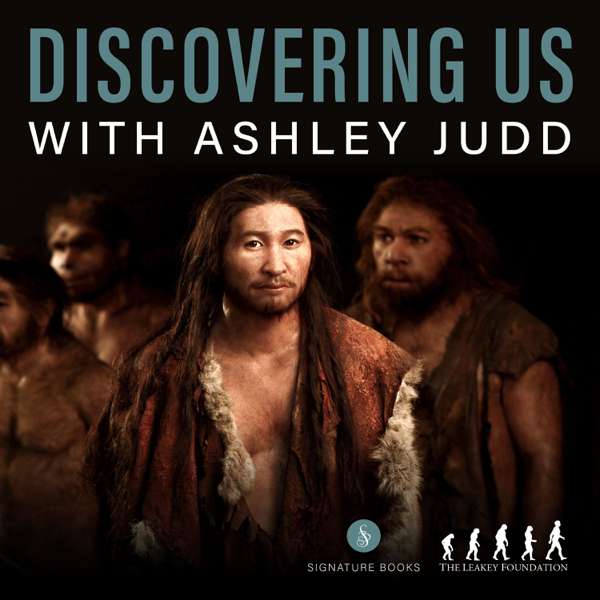
Ashley Judd explores the thrilling stories behind important scientific discoveries in a new 12-episode series based on the book “Discovering Us: 50 Great Discoveries in Human Origins.”
Reinvent Yourself with Dr. Tara
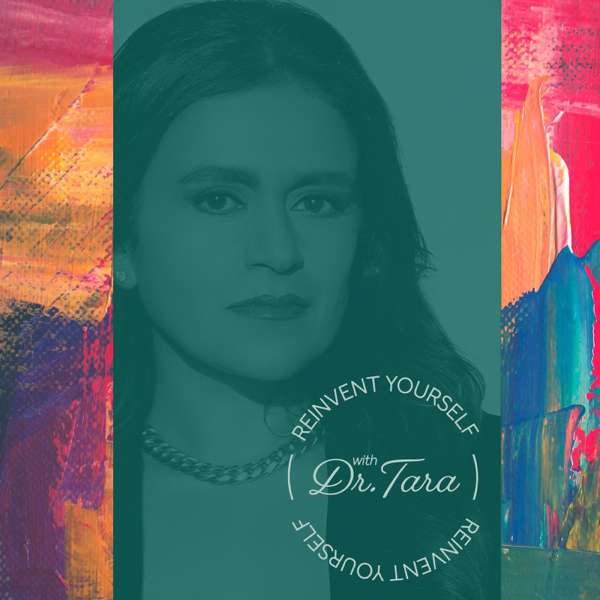
Reinvent Yourself with Dr. Tara follows Dr. Tara Swart Bieber, an expert on neuroplasticity, as she spreads her message of self-care and transformation. Her idea is simple: no matter how old, how stubborn, or how set in their ways, everyone has the capacity to change. Based on real science, Dr. Tara will show the world what it means to look into the mirror and reinvent themselves.
Neuroscience: Amateur Hour
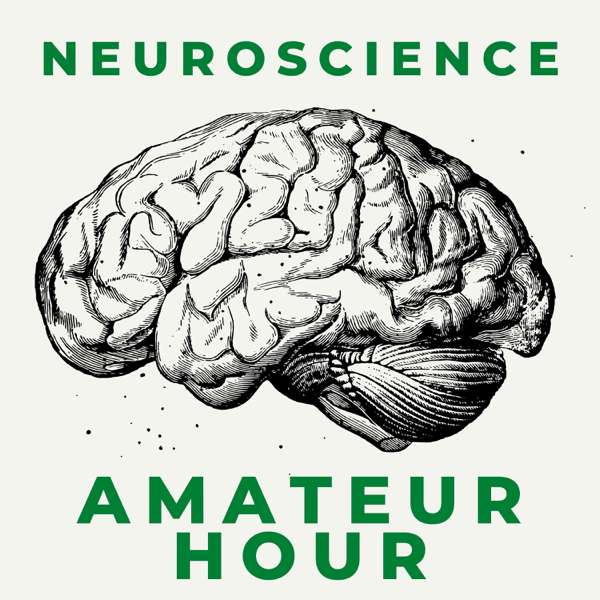
Neuroscience: Amateur Hour delves into the neuroscience of everyday experiences in every episode. From anxiety to pregnancy to our addictions to candy crush – come and learn a little bit more about what’s happening upstairs.
Baa’s and Bleat’s – The AASRP Podcast
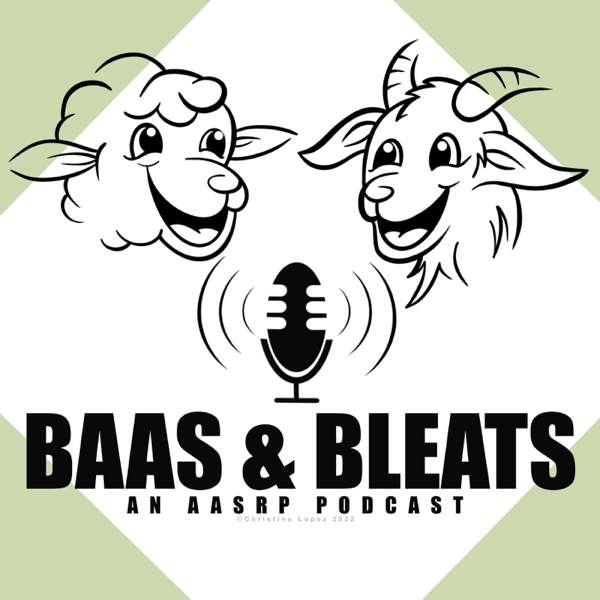
This podcast is sponsored by the American Association of Small Ruminant Practitioners. In Season 1, host Dr. Michelle Buckley from Iowa State University will explore dairy goat production by providing insights on improving milk quality and antimicrobial stewardship. Each episode focuses on a different aspect of dairy goat production with guest speakers ranging from veterinarians to farm managers. Questions can be directed to DairyGoatExtension@iastate.edu.Season 1 is also supported by the USDA National Institute of Food and Agriculture, Agricultural and Food Research Initiative Competitive Program, Antimicrobial Resistance grant number: 2020-04197. Listeners are encouraged to write to DairyGoatExtension@iastate.edu with questions that were sparked by previous episodes for our content experts to discuss.
How We’re Wired
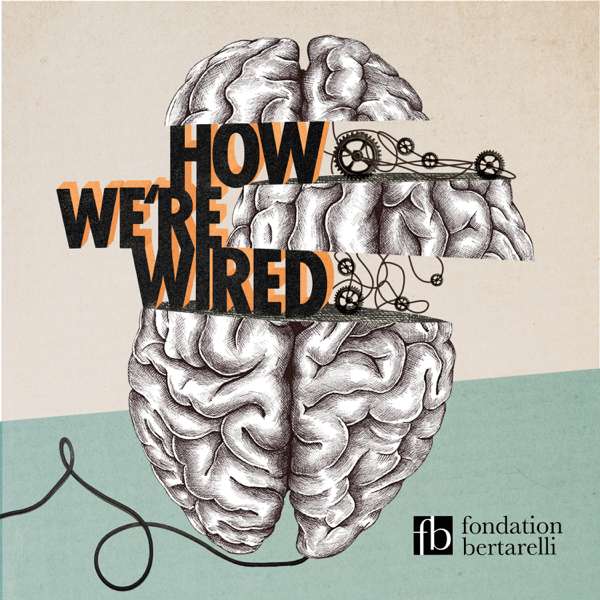
Love. Touch. Speech. Movement. Consciousness.
What do they all have in common?
From before birth to after death, our brains underpin our experiences and feelings. They make us who we are. But how?
In How We’re Wired, evolutionary anthropologist Dr Anna Machin goes behind the scenes of cutting-edge neuroscience research to uncover the fascinating stories of how our brains grow, change, and ultimately die.
Together, we’ll meet the scientists exploding our understanding of how the brain works and head into labs developing life-changing technologies. From hormones to heartbreak, we’re exploring true, personal stories of people’s lives – and brains – from birth to death, taking a deep look at the science that explains us all.
This is How We’re Wired from The Bertarelli Foundation. Subscribe or follow now for free, wherever you get your podcasts, so you never miss an episode.
Breakthrough
Breakthrough is a podcast about the science revolutionizing the future of pediatrics and what that means for children and their families. With rapidly advancing technology and discoveries, the healthcare industry is at the precipice of dramatic change. Boston Children’s is at the forefront of these advancements, changing the trajectory of some of the most prevalent and difficult diseases we face as humans.
 Our TOPPODCAST Picks
  Stay Connected